

ISSN: 0973-7510
E-ISSN: 2581-690X
 , Umashankar Nagaraju1 , Lohith Kumar Nagavath1, Swati Mohan Reddy1, Mohan Chavan2, Darshan Mathavara Basavarajegowda3 and Shivakumar Yalugere Veerabhadrappa1
Vitamin D deficiency, driven by modern lifestyles and limited dietary sources, has become a global concern, necessitating innovative approaches to increase vitamin D levels. Fortifying foods, particularly mushrooms, offers a promising approach due to their ergosterol content, a precursor of vitamin D2 that converts to vitamin D2 upon UV exposure. This study investigates the enhancement of vitamin D2 content in pink oyster mushrooms by using UV radiation (254 nm). Mushrooms were irradiated for various durations (0-70 min) at an interval of 10 minutes, where the maximum vitamin D2 content (21.95 µg/g) was achieved at 50 minutes without significant nutritional changes. This exposure time was used in storage studies, where UV-treated mushrooms were treated with 1% acetic acid and stored at 4 °C. Vitamin D2 content remained stable (18.38 µg/g) over 6 days, with minimal nutrient loss. These findings demonstrate that 50 minutes of UV exposure effectively increases vitamin D2 levels and acetic acid preservation ensured its stability during storage.
Vitamin D2, Ergosterol, Mushrooms, Pleurotus eous, UV radiation
Vitamin D is a group of fat-soluble secosteroids essential for human health, particularly in enhancing calcium, magnesium and phosphate absorption in the intestines. It exists primarily in two forms, vitamin D3 (cholecalciferol) and vitamin D2 (ergocalciferol), which differ structurally by a methyl group on carbon 24 and a double bond between carbons 22 and 23.1 Both vitamin D2 and D3 are metabolized into the active form, 1,25-dihydroxyvitamin D (calcitriol). Vitamin D plays a vital role in maintaining bone health and has been associated with the prevention of numerous diseases, including diabetes, cancers, respiratory diseases, cardiovascular conditions and autoimmune disorders.2 Despite its importance, vitamin D deficiency is widespread globally, affecting over a billion people.
Vitamin D3 is mainly found in animal-derived foods, such as fatty fish, fish liver oils, egg yolks and fortified products, while vitamin D2 exists in plant-based sources, including mushrooms, yeast and phytoplankton.3 However, sunlight remains the primary source of vitamin D3, as UV rays trigger the synthesis of vitamin D3 from 7-dehydrocholesterol in the skin.4 Unfortunately, modern lifestyle factors such as limited sun exposure, excessive use of sunscreen and urbanization have reduced the body’s capacity to produce sufficient vitamin D.5 To address this deficiency, many countries have resorted to fortifying foods such as milk, orange juice, and cereals.6 However, these efforts were inadequate in alleviating widespread deficiency. While vitamin D supplements offer an alternative, their accessibility is limited and prolonged use may lead to adverse health outcomes, such as hypercalcemia and vitamin D toxicity.7 This has prompted an increasing interest in exploring alternative methods to meet vitamin D requirements.8
Mushrooms are an excellent plant-based source of vitamin D2, which offers both nutritional and therapeutic benefits. While most cultivated mushrooms naturally contain little or no vitamin D2, they are rich in ergosterol, a precursor of vitamin D2.9 When exposed to UV light, ergosterol undergoes photochemical reactions to convert into vitamin D2. However, excessive UV exposure may result in the formation of undesirable byproducts such as tachysterol and lumisterol, which can reduce the quality of the mushrooms.10 Among the various types of UV radiation, UV-C has been found to effectively preserve the quality of mushrooms while simultaneously increasing their vitamin D2 content.11
The ergosterol content in mushrooms varies across species, with button mushrooms exhibiting the highest levels, followed by shiitake, oyster and enoki mushrooms.12 Beyond their role in combating vitamin D deficiency, mushrooms are also rich in essential nutrients such as polysaccharides, terpenes and antioxidants, which contribute to their potential in preventing degenerative diseases like osteoporosis, diabetes and cardiovascular conditions.13 Mushrooms fortified with vitamin D2 are increasingly recognized as functional foods due to their therapeutic properties.14
Pleurotus spp., generally known as oyster mushrooms, are among the most commonly cultivated and consumed mushrooms worldwide. These mushrooms can be grown on a variety of agricultural byproducts, making them an economically viable food source. Oyster mushrooms are highly nutritious, containing nine essential amino acids, rendering them a valuable protein source.15 P. eous, a specific variety of oyster mushroom, is particularly known for its attractive color, aroma and texture.16 It is also rich in proteins, fiber, ash, fat and carbohydrates17 and contains a variety of minerals, including Ca, Fe, K, Mg, Na and P, along with trace elements such as Cu, Zn, Pb and Mn, which depend on the substrate formulation used during cultivation.18
Despite its high ergosterol content, the transformation of ergosterol to vitamin D2 in Pleurotus eous remains underexplored. Current research is focusing on examining the effect of UV radiation on ergosterol conversion in Pleurotus eous, in addition to the stability of vitamin D2 during storage, to increase its vitamin D2 levels and enhance its health benefits.
Collection of Pleurotus eous mushrooms
Fresh, healthy mushrooms free from disease of Pleurotus eous mushrooms were collected from the Advanced Centre for Skill Development in Mushroom Production Technology, Department of Agricultural Microbiology, University of Agricultural Sciences, GKVK, Bangalore, Karnataka, India.
Exposure of Pleurotus eous to UV radiation
The treatments were imposed under a laminar airflow chamber. Fresh mushroom samples were exposed to UV-C radiation (254 nm) at an exposure distance of 55.20 cm. The experiment consisted of eight treatments with three replications each, and a sample size of 100 g mushrooms per replication. The treatments included exposure durations of 10 minutes (T2), 20 minutes (T3), 30 minutes (T4), 40 minutes (T5), 50 minutes (T6), 60 minutes (T7), and 70 minutes (T8), while T1 served as the untreated control. After treatment, 100 g mushroom samples were packed in polypropylene bags, properly labelled, and stored under refrigerated conditions at 4 °C.19
Estimation of vitamin D2 and Ergosterol (HPLC method)
A mushroom sample (0.5 g) was taken in a conical flask (250 ml) and added with sodium ascorbate solution (4 ml), 95 per cent ethanol (50 ml) and 50 per cent potassium hydroxide (10 ml) subsequently, subjected to saponification under reflux at 80 °C for 1 hour. After cooling, the mixture was shifted to a separating funnel. It was first extracted with 15 ml water, then with 15 ml ethanol and followed by a three-stage n-pentane of volumes 50, 50 and 20 ml, respectively. The collected organic phases were washed thrice with 50 ml of 3 per cent potassium hydroxide in 5 per cent ethanol, followed by deionized water until neutralized. The organic phases were rotary evaporated to dryness at 40 °C in a conical flask and immediately redissolved in 5 ml ethanol. The samples were filtered through 0.45 μm filter units. 20 µl of filtered sample was injected into the HPLC system and conditions were maintained similar to the standard. Vitamin D2 and ergosterol were quantified using a standard curve, while their identification was confirmed by comparing the retention times of the samples and standards.10
Estimation of protein and carbohydrate
Protein and carbohydrate contents of mushroom samples were estimated by the Lowry and Anthrone methods, respectively. For protein estimation, 0.5 g of fresh tissue was homogenized in phosphate buffer, centrifuged, and 0.1 ml of the supernatant was made up to 1 ml with distilled water. To this, 5 ml of reagent C (50 ml of 2% sodium carbonate in 0.1 N NaOH mixed with 1 ml of 0.5% copper sulfate in 1% sodium-potassium tartrate) was added and incubated for 10 min, followed by 0.5 ml of Folin-Ciocalteu reagent. After 30 min, absorbance was read at 660 nm, and protein content was quantified using a standard curve. For carbohydrate estimation, 100 mg of mushroom sample was hydrolyzed using 5 ml of 2.5 N HCl in a boiling water bath for 3 hrs, neutralized with sodium carbonate, diluted to 100 ml, and centrifuged at 4000 rpm for 5 min. The supernatant was evaporated at 80 °C, re-dissolved in 10 ml distilled water, and 0.5 ml aliquots were reacted with 4 ml of anthrone reagent by heating in a boiling water bath for 8 min. Absorbance was recorded at 630 nm, and carbohydrate levels were analyzed using a standard curve.20
Minerals
Exactly 0.25 g of oven-dried mushroom sample was weighed and transferred into a digestion flask. To this, 10 ml of tri-acid mixture (HNO3:H2SO4:HClO4 in 9:2:1 v/v ratio) was added. The mixture was digested on a heating block at 120 °C inside a fume hood until the organic matter was fully decomposed and only mineral residues remained. After cooling to room temperature, the digest was quantitatively transferred into a 100 ml volumetric flask, diluted to volume with distilled water, and filtered through Whatman No. 1 filter paper. The clear filtrate was stored in airtight containers for subsequent mineral analysis.
Atomic Absorption Spectroscopy (AAS) analysis
Mineral concentrations were determined using Atomic Absorption Spectrophotometry (AAS), which operates on the principle that ground-state metal atoms absorb light of a characteristic wavelength. Calibration was performed using analytical-grade standards: CuSO4 for copper, ZnSO4 for zinc, FeSO4 for iron, and MnSO4 for manganese. The instrument was equipped with element-specific hollow cathode lamps and operated with an acetylene-air flame for atomization. For each measurement, a 20 µl aliquot of the digested sample was aspirated into the flame. Blanks were routinely run to auto-zero the instrument. Data acquisition and quantification were performed through the integrated software, and the mineral concentrations were expressed relative to standard calibration curves.21
Potassium estimation by Flame photometry
The potassium content of acid-digested mushroom samples was quantified using a flame photometer. Instrument calibration was achieved by sequential aspiration of standard KCl solutions prepared at concentrations of 10, 8, 6, 4, and 2 ppm, beginning with the highest concentration and descending to the lowest, with double-distilled water (DDW) used between standards to stabilize the baseline. After calibration, the digested samples were aspirated individually, and DDW was passed through the instrument between successive samples to prevent carryover effects. The corresponding flame photometer readings (FMR) were recorded and mineral concentration was expressed on a dry weight (%) basis, calculated against the standard calibration curve.21
Phosphorus
Acid-digested mushroom sample was used for determination of Phosphorus by Vanadomolybdophosphoric method in HNO3 acid system22 and expressed in percentage on dry weight basis.
Bacteria, yeast and mold
The populations of bacteria, yeast and mold significantly influence the quality of mushrooms after harvest. Mushroom samples were examined for bacteria (Plate Count Agar (PCA)), yeast and mold (Potato Dextrose Agar (PDA)) by employing the dilution plate count method.23 Total plate count and fungi count were determined as described by Jhanavi et al.24 The plates were incubated for 2-5 days at 26 ± 2 °C, total number of colonies was counted and results were expressed as colony forming units (CFU/g) and determined using the formula:
Total count (CFU/g) = number of colonies × dilution factor / weight of the sample (g)
Physiological weight loss
The physiological weight loss (PWL) of the mushroom was assessed by weighing the entire mushroom before and after storage using a digital electronic balance relative to the initial weight.25 The results were analyzed and expressed as per cent weight loss using the following formula:
Weight loss (%) = Initial weight – Final weight / Initial weight × 100
Stability of vitamin D2 in UV-C exposed mushrooms during storage
Based on the previous experiment, we could find the maximum vitamin D2 content found in mushrooms exposed to UV-C radiation (254 nm) for a duration of 50 minutes; hence, the same was implemented to check the stability of vitamin D2 and ergosterol content during the storage period.
Three treatments were used to study the stability of vitamin D2 content in UV radiation induced oyster mushroom during storage viz., T1 – raw mushroom stored at 4 °C (Control), T2 – UV-C induced mushroom stored at 4 °C and T3 – UV-C induced mushroom pre-treated with 1% Acetic acid and stored at 4 °C as a check.26 After the treatment mushrooms were packed in a polypropylene bag, then the packets were labelled and stored in a refrigerator at 4 °C for 6 days.
Statistical analysis
The experimental data were analysed using Analysis of Variance (ANOVA) at a 5% level of significance using the OPSTAT statistical software package. Treatment means exhibiting significant differences were further separated and compared by using post hoc analysis where with a significance threshold of P < 0.05.
Effect of exposure time of UV-C irradiation on biochemical properties of mushrooms
Vitamin D2 and Ergosterol
The vitamin D2 content in Pleurotus eous significantly increased upon exposure to UV-C radiation for varying durations compared to the (T1) control (Figure 1). The vitamin D2 peak was identified at a retention time of 5.36 min. When mushrooms were irradiated with UV-C radiation, the maximum vitamin D2 content was observed at an exposure duration of 50 minutes (T6: 21.95 ± 0.45 µg/g f.w. (fresh weight basis) was significantly greater than other treatments. Further extending the exposure time beyond 50 minutes resulted in a decline in vitamin D2 levels to 17.42 ± 0.36 µg/g f.w. The rise in vitamin D2 levels with UV-C exposure could be due to cleavage of the bond in B-ring (between C9 and C10) of ergosterol by UV radiation, leading to the development of pre-vitamin D2, which undergoes thermally induced rearrangement to vitamin D2. However, prolonged exposure beyond 50 minutes resulted in a decline in vitamin D2 levels, which may be attributed to either the degradation of vitamin D2 due to excessive UV exposure or the formation of photobyproducts tachysterol and lumisterol from the intermediate compound pre-vitamin D2.27
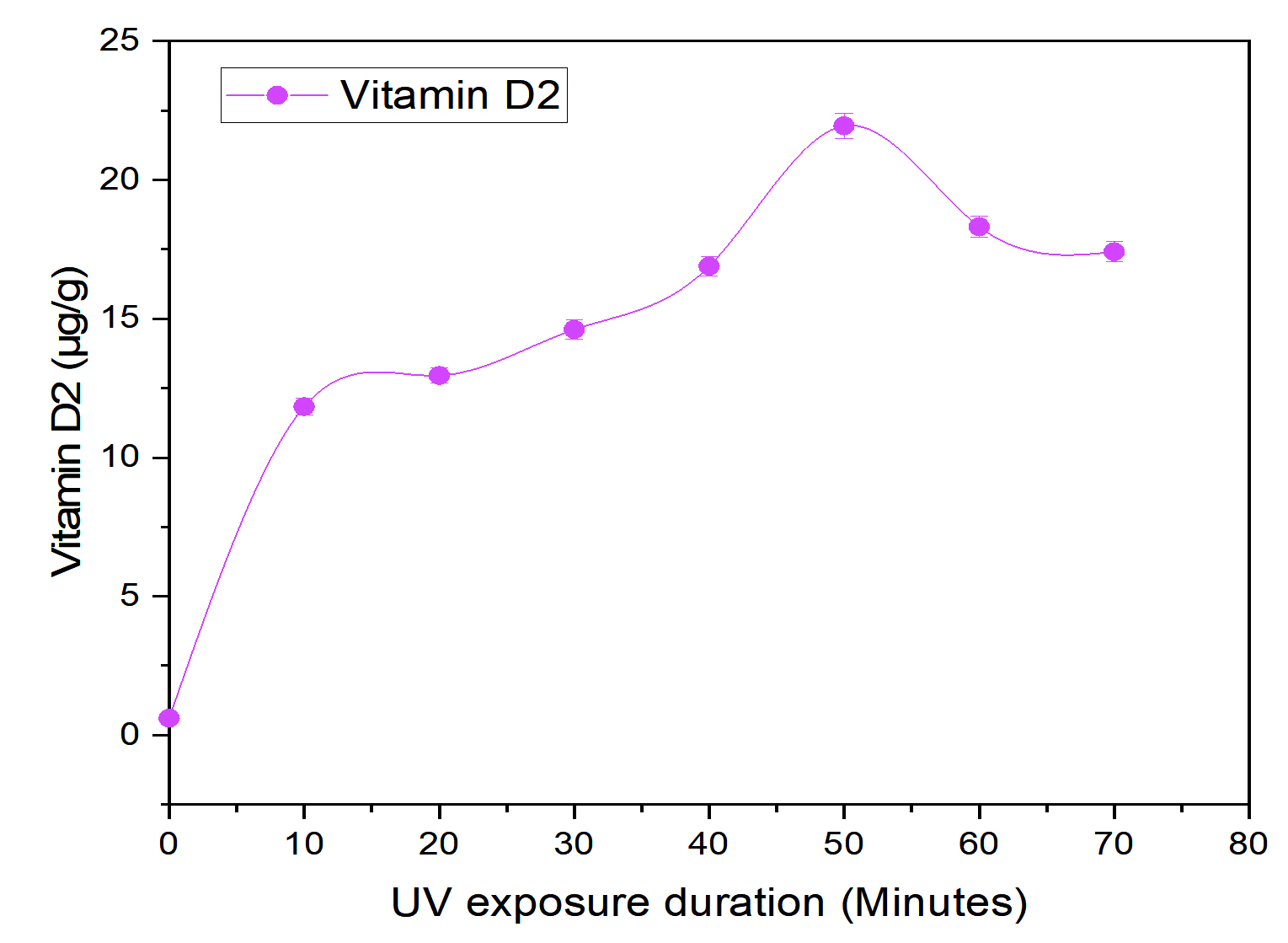
Figure 1. Effect of exposure time of UV-C irradiation on vitamin D2 content of Pleurotus eous mushroom
The effect of UV-C irradiation time on ergosterol conversion is indicated in Figure 2. The results indicate a significant decrease in ergosterol content with an increase in the duration of exposure. The ergosterol content decreased from 546 µg/g f.w. in control (T1) to 423 µg/g f.w. in T8. The decline in ergosterol content could be owed to the exposure of mushroom surfaces to UV-C radiation, which caused a photochemical breakdown of the B-ring of ergosterol, which leads to the production of pre-vitamin D2, an intermediate compound. Subsequently, pre-vitamin D2 was converted into vitamin D2 through thermal isomerization.10,28
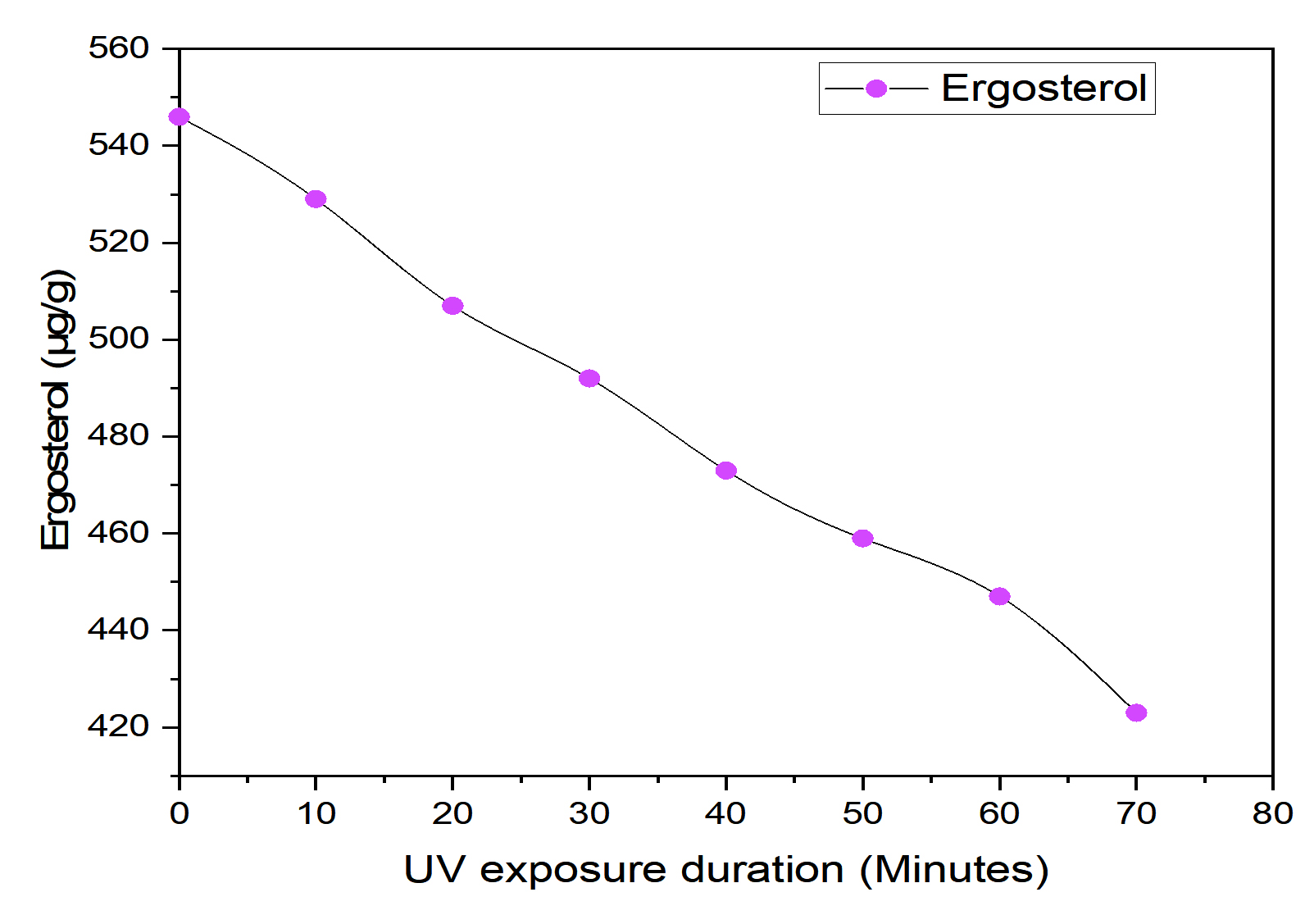
Figure 2. Effect of exposure time of UV-C irradiation on ergosterol content of Pleurotus eous mushroom
Protein, carbohydrates and minerals
The irradiation of mushroom samples for varied time period (0-70 minutes) recorded no significant effect on protein content, carbohydrates and minerals. The protein content of the mushroom ranged between 2.77 per cent and 2.92 per cent f.w. Likewise, carbohydrate content varied between 3.43 per cent and 3.48 per cent f.w. (Table 1). The mineral composition of mushrooms remained unchanged with UV exposure. Phosphorus (P) ranged from 1.52 per cent to 1.64 per cent, while potassium (K) varied between 3.59 per cent to 3.62 per cent, iron (Fe) varied from 443.87-450.47 ppm, manganese (Mn) ranged between 33.27 and 34.80 ppm, copper (Cu) ranged from 31.00-32.80 ppm and zinc (Zn) ranged from 233.20-235.80 ppm (Table 2).
Table 1. Effect of exposure time of UV-C irradiation on protein content, carbohydrate content and physiological weight loss of Pleurotus eous mushroom
Treatments (UV radiation exposure time) |
Protein (%) |
Carbohydrate (%) |
Physiological weight loss (%) |
|---|---|---|---|
T1– 0 minutes |
2.86 ± 0.05 |
3.45 ± 0.06 |
0.00h |
T2– 10 minutes |
2.92 ± 0.06 |
3.47 ± 0.04 |
2.15 ± 0.02g |
T3– 20 minutes |
2.85 ± 0.14 |
3.48 ± 0.03 |
2.47 ± 0.007f |
T4– 30 minutes |
2.84 ± 0.04 |
3.43 ± 0.04 |
3.09 ± 0.006e |
T5– 40 minutes |
2.77 ± 0.05 |
3.43 ± 0.03 |
3.43 ± 0.01d |
T6– 50 minutes |
2.78 ± 0.10 |
3.44 ± 0.01 |
3.96 ± 0.007c |
T7– 60 minutes |
2.80 ± 0.10 |
3.47 ± 0.07 |
4.48 ± 0.01b |
T8– 70 minutes |
2.86 ± 0.03 |
3.43 ± 0.04 |
5.15 ± 0.003a |
SE(m) |
0.082 |
0.049 |
0.011 |
C.D. |
N/A |
N/A |
0.032 |
*Note: Values are given as mean ± standard error
Table 2. Effect of exposure time of UV-C irradiation on minerals in Pleurotus eous mushroom
Treatments (UV radiation exposure time) |
P (%) |
K (%) |
Fe (ppm) |
Mn (ppm) |
Cu (ppm) |
Zn (ppm) |
|---|---|---|---|---|---|---|
T1– 0 minutes |
1.53 ± 0.05 |
3.61 ± 0.01 |
449.67 ± 2.33 |
34.53 ± 0.17 |
32.33 ± 0.24 |
235.80 ± 2.08 |
T2– 10 minutes |
1.58 ± 0.00 |
3.59 ± 0.02 |
446.6 ± 0.80 |
33.73 ± 0.63 |
32.80 ± 0.46 |
233.20 ± 0.90 |
T3– 20 minutes |
1.62 ± 0.01 |
3.61 ± 0.01 |
450.47 ± 1.54 |
34.80 ± 0.30 |
32.47 ± 0.35 |
234.33 ± 1.92 |
T4– 30 minutes |
1.59 ± 0.00 |
3.60 ± 0.01 |
447.47 ± 2.54 |
33.27 ± 0.29 |
32.53 ± 0.13 |
235.20 ± 0.34 |
T5– 40 minutes |
1.52 ± 0.01 |
3.62 ± 0.00 |
443.87 ± 2.35 |
33.00 ± 0.23 |
31.00 ± 0.41 |
233.00 ± 0.87 |
T6– 50 minutes |
1.55 ± 0.04 |
3.59 ± 0.01 |
448.47 ± 3.84 |
34.07 ± 0.24 |
31.87 ± 0.63 |
234.87 ± 0.47 |
T7– 60 minutes |
1.53 ± 0.02 |
3.60 ± 0.00 |
447.80 ± 1.94 |
34.40 ± 0.30 |
31.67 ± 0.17 |
234.53 ± 0.17 |
T8– 70 minutes |
1.64 ± 0.06 |
3.60 ± 0.01 |
446.40 ± 1.97 |
34.33 ± 0.96 |
32.73 ± 0.63 |
234.47 ± 2.02 |
SE(m) |
0.036 |
0.012 |
2.317 |
0.467 |
0.422 |
1.327 |
C.D. |
N/A |
N/A |
N/A |
N/A |
N/A |
N/A |
*Note: Values are given as mean ± standard error
The stability of protein content upon UV-C exposure could be attributed to the structural integrity (primary, secondary, tertiary, and quaternary structures) of proteins. These structures remain stable under UV light since peptide bonds and the overall protein conformation are not highly susceptible to UV-induced photochemical reactions.29 Similarly, the carbohydrate content remained unaffected by UV irradiation. This may be owed to the stability of polysaccharides, such as cellulose and starch, which consist of sugar units linked by glycosidic bonds. These bonds are relatively stable and do not undergo significant photochemical reactions that leads to their degradation when exposed to UV light. The mineral content remained unchanged upon UV exposure, likely due to their stable chemical structures and limited photochemical reactivity and absence of UV-sensitive functional groups and also the energy provided by UV light is generally insufficient to break the strong ionic or covalent bonds in minerals.30
Effect of exposure time of UV-C irradiation on physiological weight loss
Mushrooms possess inherently high moisture content, rendering them highly prone to dehydration under external stress conditions such as ultraviolet (UV) radiation. Table 1 presents the data on physiological weight loss of mushrooms subjected to varying durations of UV exposure. The findings revealed a statistically significant increase in weight loss across all irradiated samples when compared with the untreated control. Moreover, the magnitude of reduction was directly proportional to the duration of exposure, with extended irradiation periods inducing greater weight loss, thereby highlighting the sensitivity of mushroom tissues to UV-induced desiccation. The minimum physiological weight loss was observed in the samples treated with UV-C for a duration of 10 minutes (T2: 2.15 per cent). The maximum physiological weight loss occurred in samples exposed for a duration of 70 minutes (T8: 5.15 per cent), which was followed by samples treated with exposure duration of 60 minutes (T7: 4.48 per cent), 50 minutes (T6: 3.96 per cent), 40 minutes (T5: 3.43 per cent), 30 minutes (T4: 3.09 per cent) and 20 minutes (T3: 2.47 per cent), however we could not find any weight loss in T1-control. The maximum weight loss in treatment T8 was attributed to the longer duration of exposure which led to decrease in moisture content. This is because UV light can disrupt the integrity of cell walls, leading to increased permeability and subsequent water evaporation from the mushroom tissues, contributing to their weight loss.9
Effect of exposure time of UV-C irradiation on microbial population (Bacteria and yeast and mold)
The populations of bacteria significantly influence the quality of mushrooms after harvest. It was found that the bacterial count was significantly reduced from T1 to T8 upon exposure to UV-C radiation (Figure 3). The initial bacterial count was 9.33 × 10⁴ CFU/g (T8). After UV exposure for 10 minutes, the viable count was reduced to 8.67 × 10⁴ CFU/g (T2), after 20 minutes the viable count was reduced to 5.33 × 10⁴ CFU/g (T3) and after 30 minutes reduced to 3.33 × 10⁴ CFU/g (T4). Further increment in exposure time showed only a marginal decrease in bacterial population. Similarly, UV-C exposure significantly reduced the yeast and mold count from T1 to T8 (Figure 3). The initial yeast and mold count was measured at 5.67 × 10² CFU/g (T1). After 10 minutes of UV exposure, the viable count declined to 4.33 × 10² CFU/g (T2), after 20 minutes, it decreased further to 3.67 × 10² CFU/g (T3) and after 30 minutes (T4), it reached 3.00 × 10² CFU/g. A subsequent increase in exposure time resulted in only a minimal reduction in the yeast and mold population.
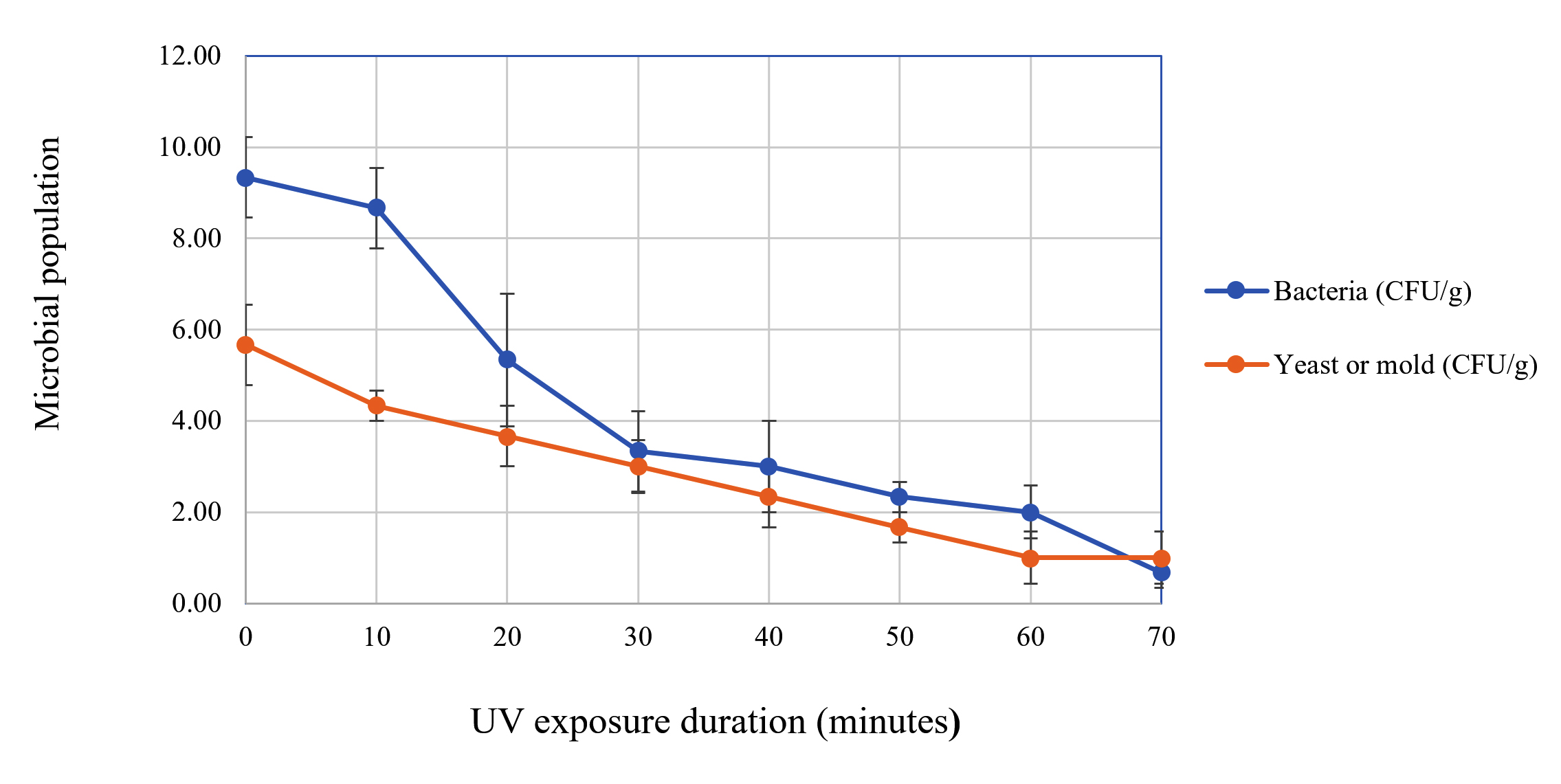
Figure 3. Effect of exposure time of UV-C irradiation on microbial population of Pleurotus eous mushroom
The significant reduction in bacterial and yeast/mold populations with UV-C exposure could be due to the ability of UV radiation to inhibit growth by damaging their cellular DNA. This damage can lead to mutations and the formation of pyrimidine and cyclobutyl-type dimers, inhibiting their reproduction and metabolic functions, which ultimately leads to a decreased population.31 Further, there was no significant reduction in the population after 30 minutes of exposure to UV radiation, this could be due to 20 to 30 minutes of exposure time was adequate for disinfection or surface sterilization.32
Stability of vitamin D2 and ergosterol content in UV-C irradiated Pleurotus eous mushrooms under storage conditions
The influence of UV-C radiation and acetic acid preservative (1%) on the vitamin D2 content and ergosterol content of Pleurotus eous during storage is given in Table 3. The initial vitamin D2 content after treatment imposition was recorded as 0.65 ± 0.01 µg/g f.w. in T1, 19.84 ± 0.41 µg/g f.w. in T2 and 19.73 ± 0.49 µg/g f.w. in T3. Throughout the storage period, the vitamin D2 content significantly decreased in all treatments, with T3 exhibiting the higher amount vitamin D2 (18.38 ± 0.24 µg/g f.w.) after six days. This was followed by T2, which had 14.85 ± 0.19 µg/g f.w., while T1 showed the lower amount of vitamin D2 (0.43 ± 0.01 µg/g f.w.). However, the ergosterol content of the mushroom was not significantly impacted by storage. The initial ergosterol content was recorded as 0.52 mg/g in T1, 0.46 mg/g in T2 and 0.47 mg/g in T3. Over the course of storage, the ergosterol content did not alter significantly in all the treatments.
Table 3. Effect of UV-C radiation on change in vitamin D2 content (µg/g) and ergosterol content (mg/g) of Pleurotus eous during storage period
| Treatments | Initial | Day 1 | Day 2 | Day 3 | Day 4 | Day 5 | Day 6 | |||||||
|---|---|---|---|---|---|---|---|---|---|---|---|---|---|---|
| Vitamin D2 | Ergosterol | Vitamin D2 | Ergosterol | Vitamin D2 | Ergosterol | Vitamin D2 | Ergosterol | Vitamin D2 | Ergosterol | Vitamin D2 | Ergosterol | Vitamin D2 | Ergosterol | |
| T1 | 0.65 ± 0.01Ba | 0.52 ± 0.00Aa | 0.56 ± 0.00Bab | 0.54 ± 0.00Aa | 0.57 ± 0.01Cabc | 0.53 ± 0.01Aa | 0.53 ± 0.00Cabc | 0.54 ± 0.01Aa | 0.48 ± 0.00Cbc | 0.53 ± 0.01Aa | 0.45 ± 0.01Cc | 0.52 ± 0.01Aa | 0.43 ± 0.01Cc | 0.54 ± 0.01Aa |
| T2 | 19.84 ± 0.41Aa | 0.46 ± 0.01Ba | 18.84 ± 0.27Ab | 0.46 ± 0.01Ba | 18.32 ± 0.24Bb | 0.46 ± 0.00Ba | 17.38 ± 0.36Bc | 0.47 ± 0.01Ba | 16.14 ± 0.24Bd | 0.46 ± 0.01Ba | 15.53 ± 0.20Bde | 0.47 ± 0.00Ba | 14.85 ± 0.19Be | 0.46 ± 0.00Ba |
| T3 | 19.73 ± 0.49Aa | 0.47 ± 0.01Ba | 19.57 ± 0.33Aa | 0.46 ± 0.01Ba | 19.24 ± 0.25Aab | 0.47 ± 0.01Ba | 19.04 ± 0.47Aab | 0.46 ± 0.01Ba | 18.69 ± 0.31Aab | 0.47 ± 0.01Ba | 18.67 ± 0.24Aab | 0.47 ± 0.00Ba | 18.38 ± 0.24Ab | 0.47 ± 0.00Ba |
*Note: Values are given as mean ± standard error. Means with same superscript, in a column (lower case) and row (upper case) do not differ significantly at P <0.05 as per Duncan Multiple Range Test (DMRT).
The reduction in vitamin D2 during storage may be due to cytochrome P450 enzymes present in oyster mushrooms, which are known to be involved in hydroxylating vitamin D2 into 25-hydroxyvitamin D. This enzymatic transition is a crucial step in the metabolic pathway of vitamin D2, but it can also lead to a reduction in vitamin D2 levels during storage.33 The ability of acetic acid to modulate pH, act as a competitive inhibitor, exhibit antioxidant properties, and chelate metal ions contributes to its effectiveness in preventing enzymes involved in the degradation of vitamin D2 when used as a preservative, thus resulting in less degradation of vitamin D2.34 The stability of ergosterol during storage can be attributed to the absence of any light that would trigger the formation of vitamin D2 from ergosterol, further contributes to the stability of ergosterol during storage.35
This study demonstrates that exposure of Pleurotus eous to UV-C radiation is an effective strategy to transform ergosterol into vitamin D2. It was observed that the conversion rate depends upon exposure time, where irradiation for the period of 50 min was effective for greater formation of vitamin D2 from ergosterol with less or no significant reduction in quality and other nutritional composition. The mushroom treated with 1% acetic acid as a preservative showed higher stability of vitamin D2 content during storage up to 6 days at refrigerated temperature (4 °C).
ACKNOWLEDGMENTS
The authors would like to acknowledge the Department of Agricultural Microbiology, UAS, GKVK, for their constant support in carrying out this work.
CONFLICT OF INTEREST
The authors declare that there is no conflict of interest.
AUTHORS’ CONTRIBUTION
All authors listed have made a substantial, direct and intellectual contribution to the work, and approved it for publication
FUNDING
None.
DATA AVAILABILITY
The datasets generated and/or analysed during the current study are available from the corresponding author on reasonable request.
ETHICS STATEMENT
Not applicable.
- Keegan RJH, Lu Z, Bogusz JM, Williams JE, Holick MF. Photobiology of vitamin D in mushrooms and its bioavailability in humans. Dermato-Endocrinol. 2013;5:165-176.
Crossref - Holick MF. Vitamin D: important for prevention of osteoporosis, cardiovascular heart disease, type 1 diabetes, autoimmune diseases, and some cancers.South Med J. 2005;98:1024-1028.
Crossref - Taofiq O, Fernandes A, Barros L, Barreiro MF, Ferreira IC. UV-irradiated mushrooms as a source of vitamin D₂: A review. Trends Food Sci. Technol. 2017;70:82-94.
Crossref - Holick MF. Vitamin D: the under appreciated D-lightful hormone that is important for skeletal and cellular health. Curr Opin Endocrinol Diabetes Obes. 2002;9:87-98.
Crossref - Holick MF. The vitamin D deficiency pandemic: a forgotten hormone important for health. Public Health Rev. 2010;32:267-283.
Crossref - Tangpricha V, Koutkia P, Rieke SM, Chen TC, Perez AA, Holick MF. Fortification of orange juice with vitamin D: A novel approach for enhancing vitamin D nutritional health. Am J Clin Nutr. 2003;77(6):1478-1483.
Crossref - Razzaque MS. Can adverse effects of excessive vitamin D supplementation occur without developing hypervitaminosis D? J Steroid Biochem Mol Biol. 2018;180:81-86.
Crossref jsbmb.2017.07.006 - Calvo MS, Whiting SJ. Survey of current vitamin D food fortification practices in the United States and Canada. J Steroid Biochem Mol Biol. 2013;136:211- 213.
Crossref - Cardwell G, Bornman JF, James AP, Black LJ. A review of mushrooms as a potential source of dietary vitamin D. Nutrients. 2018;10(10):1498.
Crossref nu10101498 - Jasinghe VJ, Perera CO. Ultraviolet irradiation: the generator of vitamin D₂ in edible mushrooms. Food Chem. 2006;95:638-643.
Crossref - Wang Q, Chu L, Kou L. UV-C treatment maintains quality and delays senescence of oyster mushroom (Pleurotus ostreatus). Sci Hortic. 2017;225:380-385.
Crossref - Jasinghe VJ, Perera CO. Distribution of ergosterol in different tissues of mushrooms and its effect on the conversion of ergosterol to vitamin D₂ by UV irradiation. Food Chem. 2005;92: 541-546.
Crossref - Ma G, Yang W, Zhao L, Pei F, Fang D, Hu Q. A critical review on the health-promoting effects of mushroom nutraceuticals. Food Sci Hum Wellness. 2018;7(2):125-133.
Crossref - Urbain P, Singler F, Ihorst G, Biesalski HK, Bertz H. Bioavailability of vitamin D₂ from UV-B-irradiated button mushrooms in healthy adults deficient in serum 25-hydroxyvitamin D: A randomized controlled trial. Eur J Clin Nutr. 2011;65(8):965-971.
Crossref - Wang Q, Wang F, Xu Z, Ding Z. Bioactive mushroom polysaccharides: A review on monosaccharide composition, biosynthesis, and regulation. Molecules. 2017;22(6):955.
Crossref - Dash P, Kar B, Gochhi M, et al. Antimicrobial properties of the edible pink oyster mushroom, Pleurotus eous: In-vivo and in-vitro studies. Microb Pathog. 2024;196:106915.
Crossref - Telang SM, Patil SS, Baig MMV. Comparative study on yield and nutritional aspect of Pleurotus eous mushroom cultivated on different substrates. Food Sci Res J. 2010;1(2):60-63
- Wiafe-Kwagyan M, Obodai M, Odamtten GT, Kortei NK. The potential use of rice waste lignocellulose and its amendments as substrate for the cultivation of Pleurotus eous strain P-31 in Ghana. Int J Adv Pharm Biol Chem. 2016;5:116-130
- Cardoso RVC, Fernandes Â, Barreira JCM, et al. A case study on Surplus mushrooms production: Extraction and recovery of Vitamin D2. Agriculture. 2021;11(7):579.
Crossref - Thimmaiah SK. Standard Methods of Biochemical Analysis. Kalyani Publishers, New Delhi. 1999
- Karosiya A, Prakash BG, Chavan M, et al. Study of mineral plasticity of Rasthali (AAB) Nanjangud rasabale type banana grown in different habitats of Karnataka, India. J Pharmacogn Phytochem. 2019;8(1):784-790
- Jackson ML. Soil Chemical Analysis, Prentice Hall, Eaglewood Cliffs, N.Y. 1973;219-221
- Ban GH, Kim BK, Kim SR, et al. Bacterial microbiota profiling of oyster mushrooms (Pleurotus ostreatus) based on cultivation methods and distribution channels using high-throughput sequencing. Int J Food Microbiol. 2022;382:109917.
Crossref - Jhanavi P, Harish S, Krunal M, Paresh P, Mrugesh K. Microbiological analysis of fresh and processed button mushrooms. Int J Adv Biochem Res. 2025;9(8S):1852-1857.
Crossref - Shao P, Yu J, Chen H, Gao H. Development of microcapsule bioactive paper loaded with cinnamon essential oil to improve the quality of edible fungi. Food Packag Shelf Life. 2020;27:100617.
Crossref - Aadhilakshmi S, Umashankar N, Lohith KN, et al. Effect of Potassium Metabisulphite and Modified Atmosphere Packaging on Shelf Life of Pink Oyster Mushroom (Pleurotus eous). Journal of Advances in Biology & Biotechnology. 2024;27(7):1103-1112.
Crossref - Holick MF. The photobiology of vitamin D and its consequences for humans. Ann N Y Acad Sci. 1985;453:1-13.
Crossref - Hu D, Chen W, Li X, et al. Ultraviolet irradiation increased the concentration of vitamin D2 and decreased the concentration of ergosterol in shiitake mushroom (Lentinus edodes) and oyster mushroom (Pleurotus ostreatus) powder in ethanol suspension. ACS omega. 2020;5(13):7361-7368.
Crossref - Kaur M, Sharma S, Kaur R, Kaur J, Singh A. Effect of UV-B irradiation on bioconversion of ergosterol to vitamin D2 and its impact on nutritional properties of oyster mushroom (Pleurotus florida). Int J Food Sci Technol. 2023;58(10):5114-20.
Crossref - Kortei NK, Odamtten GT, Obodai M, Wiafe-Kwagyan M, Addo EA. Influence of low dose of gamma radiation and storage on some vitamins and mineral elements of dried oyster mushrooms (Pleurotus ostreatus). Food Sci Nutr. 2016;5(3):570-578.
Crossref - Watanabe M, Masaki H, Mori T, et al. Inactivation effects of UV irradiation and ozone treatment on the yeast and the mold in mineral water. J Food Prot. 2010;73(8):1537-1542.
Crossref - Katara G, Hemvani N, Chitnis S, Chitnis V, Chitnis DS Surface disinfection by exposure to germicidal UV light. Indian J Med Microbiol. 2008;26(3):241-242.
Crossref - Cardwell G, Bornman J, James A, et al. The Retention of Vitamin D2 and 25-Hydroxyvitamin D2 in Pulse UV-Irradiated Dried Button Mushrooms (Agaricus bisporus) after 12 Months of Storage. Foods. 2023;12(7):1429.
Crossref - Temova Rakusa Z, Pislar M, Kristl A, Roškar R. Comprehensive stability study of vitamin D3 in aqueous solutions and liquid commercial products. Pharmaceutics. 2021;13(5):617.
Crossref - Villares A, Mateo-Vivaracho L, García-Lafuente A, Guillamón E. Storage temperature and UV-irradiation influence on the ergosterol content in edible mushrooms. Food Chemistry. 2013;147:252-256.
Crossref
© The Author(s) 2026. Open Access. This article is distributed under the terms of the Creative Commons Attribution 4.0 International License which permits unrestricted use, sharing, distribution, and reproduction in any medium, provided you give appropriate credit to the original author(s) and the source, provide a link to the Creative Commons license, and indicate if changes were made.