

 , R. Poorniammal1 , S. Prabhu2, S. Karthikeyan1,3and U. Sivakumar1
Sustainable agriculture requires strategies that enhance crop productivity while reducing dependence on chemical inputs which are efficient, profitable, eco-friendly and conserve or enhance renewable resources. Microorganisms play a vital role in maintaining soil texture, health and fertility. Plant-associated methylotrophic bacteria, particularly Methylobacterium spp. (pink-pigmented facultative methylotrophs, PPFMs), have gained attention as effective biofertilizers and biocontrol agents. These bacteria are widely distributed in the phyllosphere and rhizosphere of plants, where they utilize plant-derived methanol for growth and establish beneficial associations with host plants. Methylobacterium promotes plant development through multiple mechanisms, including phytohormone production, nitrogen fixation, phosphate solubilization, siderophore synthesis, and improved nutrient uptake. They also enhance plant defense by inducing systemic resistance, producing antimicrobial compounds, and competing with pathogens for nutrients and colonization sites. Additionally, their ability to tolerate environmental stress and degrade toxic compounds supports plant resilience under adverse conditions. Overall, Methylobacterium spp. offers a sustainable alternative approach for improving crop productivity, maintaining soil health, and reducing reliance on agrochemicals.
Biocontrol, Drought Mitigation, Methylobacterium, Plant Growth Promotion, Sustainable Agriculture
Agriculture today faces the challenge of enhancing crop production at a pace that surpasses population growth. Over recent decades, many nations have successfully improved yields through the adoption of advanced farming technologies, irrigation systems, high-yielding crop varieties, fertilizers and pesticides.1 Despite these achievements, future gains may be constrained by the continuous rise in global population. This concern is particularly significant in developing regions, where cultivation is increasingly expanding into marginal, arid and semi-arid areas. Therefore, there is a need to enhance crop productivity and develop resilient crop varieties capable of thriving under adverse environmental conditions.
Maximizing production from limited agricultural land through overdependence on chemical fertilizers has resulted in serious deterioration of soil quality. Continuous and imbalanced application of chemical fertilizers leads to several negative effects such as soil acidification, nutrient imbalance, decline in soil organic matter, reduced microbial diversity, and contamination of water bodies through nutrient leaching and runoff. Over time, these practices degrade soil structure, reduce soil fertility, and negatively affect long-term agricultural productivity.2
To avoid these adverse effects, integrated farming practices increasingly emphasize the engagement of biofertilizers and plant growth-promoting microorganisms (PGPM).3 These beneficial microbes improve nutrient availability, enhance soil biological activity, and maintain ecological balance without causing environmental damage. Biofertilizers promotes soil health by enhancing nutrient cycling, producing plant growth regulators, improving soil structure, and promoting beneficial microbial interactions in the rhizosphere and phyllosphere. Among these beneficial microorganisms, methylotrophic bacteria, particularly members of the genus Methylobacterium, have gained considerable attention.4
Methylotrophic bacteria have an important function in soil biogeochemical processes, where they support plant growth and help maintain agricultural productivity. In addition, these microorganisms contribute to improved air quality by metabolizing volatile organic compounds such as methanol, formaldehyde, dichloromethane, and formic acid. Additionally, methylotrophs are involved in phosphorous, nitrogen, and carbon cycling and can help reduce global warming. In this review, different aspects of the interaction between methylotrophs and host plants are discussed, including the role of methylotrophs in phosphorus acquisition, nitrogen fixation, phytohormone production, iron chelation, and plant growth promotion, and co-inoculation of these bacteria as biofertilizers for viable agriculture practices.5
Pink-pigmented facultative methylotrophs (PPFMs) are a diverse group of bacteria that are widely distributed across plant environments, where they establish close beneficial associations with their hosts. Their strong colonization ability and positive interactions with plants make them highly relevant for environmentally sustainable agricultural applications (Figure 1). A distinctive characteristic of these microorganisms is their capacity to metabolize single-carbon (C1) substrates, particularly methanol, which they use as a source of carbon and energy for growth. This metabolic advantage supports their successful establishment on plant surfaces, as methanol is continuously released during plant development. The compound originates from the modification of cell wall pectin, where pectin methylesterase enzymes remove methyl groups, generating methanol as a by-product. As a result, plant tissues provide a consistent niche that favors the proliferation of methylotrophs.6 The ubiquitous plant-associated nature of methylotrophs was established in the pioneering work of Bill Corpe, who isolated methylotrophs from 70 plant species.7 Another research pioneer in the field of methylotrophs, Mark Holland has consistently isolated this kind of bacteria from plant material of any plant species. High population densities are frequently observed on leaf surfaces, indicating their efficient colonization potential. From an evolutionary perspective, methylotrophs association is not limited to higher plants but extends to primitive plant-like systems, including algae, lichens, mosses, and early bryophytes. This suggests that their interaction with plant systems may have originated early in the evolution of plant life, underscoring their ecological and functional significance.8-10
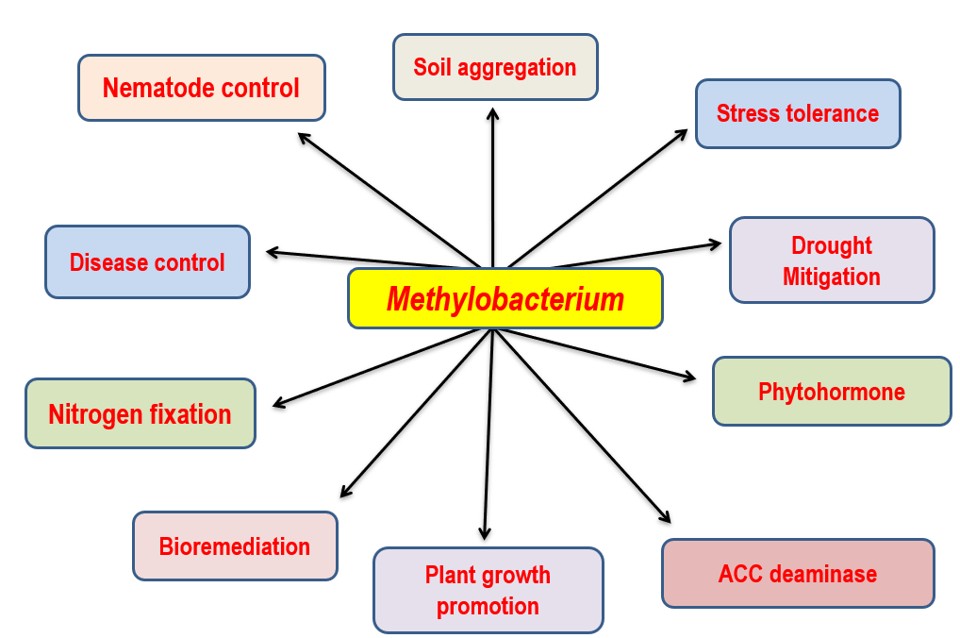
Figure 1. Methylobacterium in sustainable agriculture
Members of the genus Methylobacterium are predominantly characterized by their pink pigmentation and are commonly known as pink-pigmented facultative methylotrophs (PPFMs). Several species have been identified within this genus, including M. aminovorans, M. chloromethanicum, M. dichloromethanicum, M. extorquens, M. fujisawaense, M. mesophilicum, M. organophilum, M. radiotolerans, M. rhodesianum, M. rhodinum, M. thiocyanatum, and M. zatmanii. In contrast, M. nodulans represents a distinct nitrogen-fixing species within the genus and is not classified among typical PPFMs.11
Distribution of methylotrophs
Methylobacterium spp. are widely distributed across diverse habitats, reflecting their ecological versatility. They have been isolated from soil, airborne dust, freshwater systems, sediments, and plant leaf surfaces, as well as from various industrial and clinical settings.12 The bacteria are present at high microbial populations, particularly in the phyllosphere (Figure 2) and rhizosphere of plants, and have been reported to occur on more than 100 plant species13 (Table 1). Methylotrophic strains are commonly found in soils, as well as on the surfaces of leaves of a wide variety of plants.14 It is also reported in various other niches such as nodules, rice grains, air, hospital environments and as contaminants in various products and processes like pharmaceutical preparations such as face creams.15 Methylotrophs also appear to exist as symbionts with specific types of invertebrates. New species of mussels from cold hyper saline seeps found off the coast of Florida and Louisiana contain methylotrophs living symbiotically in their gill tissues, as assessed by ultra structure and enzymatic studies.16 The ability of methylobacteria to synthesize cytokinins and auxins has been reported, further supporting the close association between methylobacteria and their host plants.17 The relationship between methylobacteria and host plants is symbiotic in nature. Methylotrophs beneficially interact with their host plants by supporting nitrogen metabolism, supplying essential vitamins, and producing plant growth regulators such as auxins and cytokinins. These interactions also improve the plant’s ability to tolerate different environmental stresses.18
Table 1. Distribution of Methylobacterium species across plant niches and their key functional attributes
Plant surface |
Representative Methylobacterium species reported |
Host plant |
Key observation |
Ref. |
|---|---|---|---|---|
Phyllosphere and phylloplane |
Methylobacterium extorquens, M. adhaesivum, Methylobacterium fujisawaense, M. radiotolerans |
Arabidopsis thaliana, Rice, wheat |
Stable colonization linked to methanol emission and leaf developmental stage, High abundance of PPFMs on leaves under field conditions with plant-specific variation |
81, 5 |
Rhizosphere |
Methylobacterium oryzisoli sp. nov. |
Rice paddy soil |
Novel methanol-utilizing methylotroph forming a distinct phylogenetic clade within genus |
82 |
Seed microbiome |
Methylobacterium indicum sp. nov. |
Rice seeds |
Vertical transmission from seed to seedling; early colonization advantage |
83 |
Endosphere (internal tissues) |
Methylobacterium endophyticum |
Paddy |
Internal colonization of aerial tissues indicating phyllosphere-endosphere transition |
84 |
Stem/aerial tissues |
Methylobacterium extorquens, M. mesophilicum |
Various crops |
Isolated from internal stem tissues indicating systemic colonization beyond leaves |
85 |
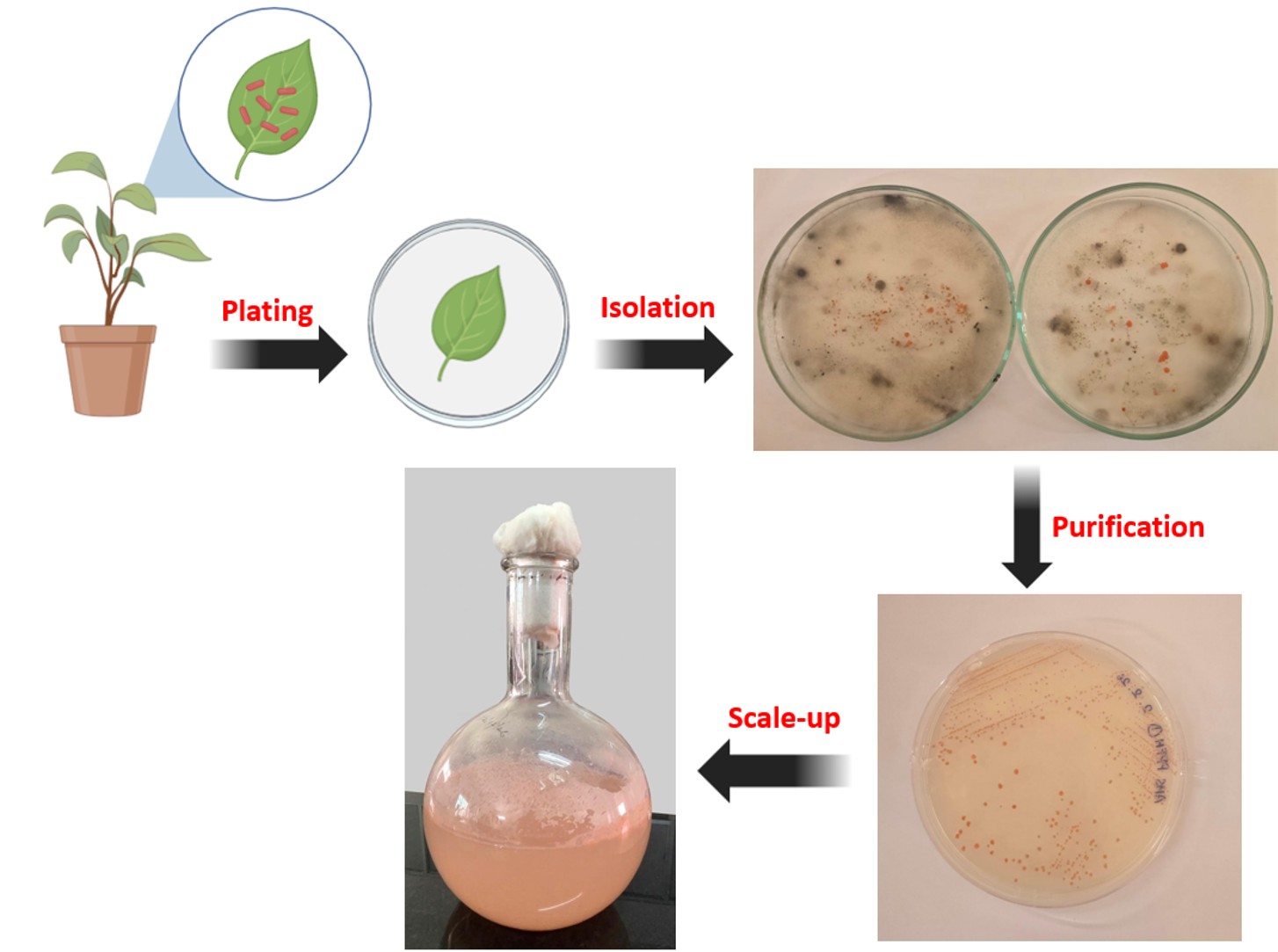
Figure 2. Methylobacterium isolation and mass multiplication
Methylobacterium in phyllosphere
The aerial surfaces of plants provide a unique ecological niche for diverse microbial communities, collectively known as the phyllosphere and the organisms living there are referred to as epiphytes. The aerial portions of plants are commonly inhabited by a wide range of microorganisms, including bacteria, fungi, and yeasts.19-21 The quantity and quality of microorganisms in phyllosphere, vary with the plant species, morphological, physiological and environmental factors. Studies have shown that phyllosphere methylotroph populations differ significantly among plant species, with reported densities ranging from 3.2-4.4 log CFU g-1 on different leafy plants. These variations are largely attributed to differences in leaf morphology, surface chemistry, methanol emission, and the microenvironment, all of which influence bacterial colonization and persistence.22
Aerobic methylotrophic bacteria are ubiquitous in the phyllosphere and rhizosphere of plants and often colonize their seeds.18 The most abundant methylotrophs – Methylobacterium extorquens is found in the phyllosphere of more than 50 plant species.7 PPFMs add upto 79% of the total number of heterotrophs found in the phyllosphere.23 Quantitative studies have demonstrated that Methylobacterium mesophilicum colonizes the leaves of more than 40 plant species, with population densities ranging from 0.5-69.4 CFU cm-2. These findings further confirm the widespread occurrence of PPFMs on plant leaves. In addition, methylobacteria inhabiting the phyllosphere exhibit strong tolerance to environmental stresses, including desiccation, freezing under hygroscopic conditions, exposure to ultraviolet and ionizing radiation, as well as elevated temperatures. Studies evaluating abiotic stress tolerance of pink pigmented facultative methylotrophs isolated from rice demonstrated that several isolates were capable of growing under wide ranges of temperature, salinity, and pH conditions, indicating their ability to survive fluctuating environmental conditions commonly encountered in the phyllosphere.24
A seasonal study on snap bean leaves demonstrated that PPFMs were the dominant bacterial group in the phylloplane microflora throughout the growing season. Reported PPFM populations ranged from 104-105 CFU g-1 fresh weight of plant tissue, indicating that these bacteria consistently establish abundant populations on leaf surfaces.25 PPFM are transported from the soil to the leaf surface by airborne dust particles, particularly during spring, where they establish themselves in the phyllosphere.26,27 Although their absolute numbers may not always be high, PPFMs can dominate the culturable heterotrophic bacterial population on certain plants. For instance, they constitute a large proportion of the bacterial community on the leaves of white clover and snap bean, where they contribute to plant disease suppression through multiple mechanisms, including competition for nutrients and colonization sites, production of antimicrobial metabolites, induction of systemic resistance (ISR), modulation of phytohormone levels, and enhancement of host plant vigor.23 The mechanisms are depicted in Figure 3 and summarized in Table 2.
Table 2. Biocontrol mechanisms and outcomes of Methylobacterium spp. in different crop systems
No. |
Host plant |
Pathogen |
Mechanism reported |
Outcome |
Ref. |
|---|---|---|---|---|---|
1 |
Groundnut (Arachis hypogaea) |
Aspergillus niger, Sclerotium rolfsii |
Induced systemic resistance (↑ peroxidase, PAL, polyphenol oxidase, chitinase); enhanced phenolics |
Significant reduction in collar/root rot; improved growth |
30 |
2 |
Rice (Oryza sativa) |
Rhizoctonia solani |
ISR via induction of defense enzymes (peroxidase, chitinase), phenolic accumulation |
Reduced sheath blight severity; growth promotion |
28 |
3 |
Cotton |
Rhizoctonia solani |
Activation of plant defense enzymes; ISR induction |
Suppressed root rot incidence |
29 |
4 |
Potato (Solanum tuberosum) |
Pectobacterium atrosepticum |
Activation of antioxidant system (SOD, catalase, peroxidase); density-dependent priming |
Enhanced resistance at low inoculum density |
65 |
5 |
Tomato |
Multiple root pathogens |
ISR induction + direct antagonism |
Reduced wilt/root disease severity |
42 |
6 |
Capsicum (Capsicum annuum) |
Colletotrichum capsici, Fusarium oxysporum, Sclerotium rolfsii, Cercospora capsici, Xanthomonas campestris |
Dual culture inhibition; siderophore production (iron competition) |
Suppressed pathogen growth in vitro |
32 |
7 |
Tomato |
Meloidogyne incognita (root-knot nematode) |
Production of extracellular enzymes (lipase, chitinase); nematicidal metabolites |
99.6% egg hatch inhibition; 100% juvenile mortality at full concentration |
69 |
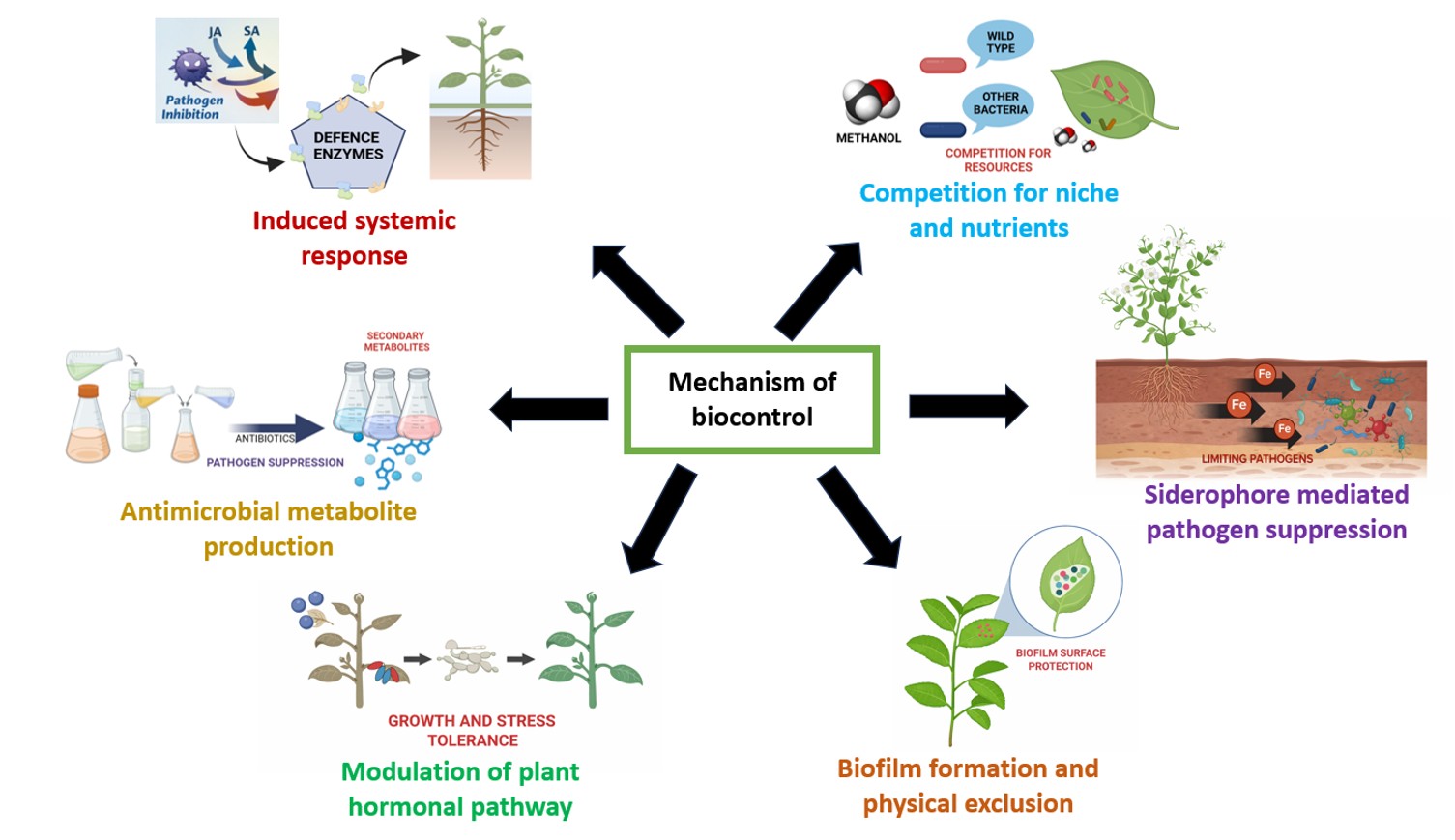
Figure 3. Mechanism of biocontrol potential of Methylobacterium mechanisms involved in biocontrol
Induced Systemic Resistance (ISR)
Induced systemic resistance (ISR) triggered by plant growth-promoting Methylobacterium spp. is an indirect mechanism through which plants enhance their defense capacity against phytopathogens. The process begins with the colonization of plant surfaces and internal tissues such as the phyllosphere, rhizosphere, or endosphere by Methylobacterium. Successful colonization enables the bacteria to interact with plant signaling networks and initiate defense priming. Studies in rice demonstrated that inoculation with Methylobacterium significantly increased plant vigour and reduced disease severity caused by Rhizoctonia solani, indicating activation of systemic defense pathways.28 Quantitatively, treated plants exhibited improved growth parameters and reduced pathogen incidence compared with uninoculated controls, suggesting that bacterial colonization may enhance host defense responses in addition to promoting plant growth. However, the underlying mechanism was not directly investigated and the observed effects may result combination of both induced host resistance and direct antagonism against the pathogen.
At the biochemical level, ISR induction is related with significant increases in defense-related enzyme activities. Increased activity of enzymes involved in the phenylpropanoid pathways such as phenylalanine ammonia-lyase (PAL), peroxidase (PO), and polyphenol oxidase (PPO), superoxide dismutase has been consistently observed after the inoculation of Methylobacterium.29,30 In groundnut plants treated with Methylobacterium, seed germination increased by approximately 19.5%, and the response of PAL, PO, and PPO was significantly higher than in untreated crops. These enzymes promote the accumulation of phenolic compounds and lignin, strengthening plant cell walls and creating physical and chemical barriers that restrict pathogen penetration and spread.
At the molecular level, ISR involves up-regulation of defense-related genes linked to phenylpropanoid metabolism and plant immune signaling pathways. The expression of defense-related genes, including PR-1, along with increased activity of phenylalanine ammonia-lyase (PAL), has been reported following Methylobacterium colonization, indicating activation of plant defense responses. In potato plants inoculated with Methylobacterium sp. strain 2A, significant up-regulation of PR-1 and PAL genes was observed, which correlated with a measurable reduction in disease severity caused by Phytophthora infestans.31 This indicates that the bacterium primes the host immune system, enabling faster and stronger activation of defense gene expression during pathogen attack.
Hormonal signaling pathways also contribute to ISR induction. Certain strains such as Methylobacterium oryzae possess ACC deaminase, an enzyme that degrades the ethylene precursor 1-aminocyclopropane-1-carboxylate (ACC). By lowering stress-induced ethylene levels, these bacteria regulate ethylene signaling and prevent excessive stress responses while maintaining activation of defense pathways. This modulation enhances plant resistance and improves tolerance to pathogens such as Pseudomonas syringae in tomato.32 Overall, ISR mediated by Methylobacterium occurs through a various interconnected mechanism such as bacterial colonization, activation of phenylpropanoid metabolism, increased activity of defense enzymes, modulation of hormone signaling, and transcriptional up-regulation of defense genes. These coordinated responses lead to enhanced accumulation of phenolics and PR proteins, strengthened structural barriers, and rapid immune responses, ultimately resulting in statistical reductions in disease incidence and improved plant growth performance.
Competition for Niche and Nutrients
Competition for niche and nutrients by plant-associated Methylobacterium in the phyllosphere is primarily driven by methylotrophic metabolism, rapid niche colonization, and efficient resource partitioning at the leaf microscale. The competitive mechanism begins with methanol release from plant tissues, which occurs during leaf expansion and cell wall remodeling. During this process, pectin methylesterase–mediated demethylation of pectin releases methanol as a volatile by-product, creating a consistent carbon source on the leaf surface. Methylobacterium spp., as specialized aerobic methylotrophs, rapidly utilize this methanol through the methanol oxidation pathway, giving them a strong metabolic advantage over non-methylotrophic phyllosphere microbes.33,34
During methylotrophic metabolism, methanol is initially converted to formaldehyde by a periplasmic methanol dehydrogenase that depends on pyrroloquinoline quinone (PQQ) as a cofactor and is encoded by the mxaF gene. This reaction transfers electrons to the bacterial electron transport chain, generating metabolic energy while producing formaldehyde as an intermediate. Formaldehyde is subsequently processed through detoxification and assimilation pathways involving enzymes such as formaldehyde-activating enzyme (Fae) and enzymes of the tetrahydromethanopterin pathway, enabling both carbon assimilation and protection against formaldehyde toxicity. The efficient functioning of these pathways allows Methylobacterium to convert methanol into biomass and energy more rapidly than competing microbes, thereby pre-empting methanol-rich niches on the leaf surface.35
Experimental evidence supports the central role of methylotrophic metabolism in competitive colonization. Competition assays on Medicago truncatula demonstrated that ΔmxaF mutants of Methylobacterium extorquens AM1 (currently Methylorubrum extorquens AM1), which are deficient in methanol dehydrogenase, were severely impaired during phyllosphere colonization, recovering only about 20%-25% of the bacterial population when co-inoculated with the wild-type strain. Similarly, ΔmptG mutants of M. extorquens AM1, which are defective in the tetrahydromethanopterin-dependent formaldehyde oxidation pathway, exhibited even lower recovery levels (£10%) despite showing colonization comparable to the wild type under non-competitive conditions. These findings demonstrate that methylotrophic metabolism provides a significant competitive advantage during phyllosphere colonization.35 These results indicate that functional methanol oxidation and formaldehyde metabolism are mechanistically required for successful niche establishment and persistence in the phyllosphere.
In addition to methylotrophy, competitive outcomes are influenced by metabolic resource overlap among co-existing phyllosphere bacteria. Genome-scale metabolic analyses have shown that generally bacterial community sharing similar metabolic resource profiles exhibit stronger negative interactions. Resource overlap indices ranging from 0.6 to 0.77 were associated with significantly reduced single-cell reproductive success, explaining approximately 27% of observed fitness variation (R² ≈ 0.27) within leaf microbial communities.36 These findings indicate that microbial competition is largely governed by overlapping nutrient utilization pathways, where distinct organisms with similar metabolic capacities compete directly for limited substrates.
However, competition in the phyllosphere is highly influenced by spatial heterogeneity and microscale nutrient gradients. Leaf surfaces are characterized by patchy distributions of methanol, sugars, amino acids, and micronutrients, which create localized microhabitats. Under such conditions, Methylobacterium employs rapid colonization and occupies newly formed methanol-rich microenvironments following leaf growth or stomatal release events. Efficient acquisition of metal cofactors such as calcium and rare earth elements required for methanol dehydrogenase activity further enhances metabolic efficiency and competitive performance.37
Overall, the competitive dominance of Methylobacterium in the phyllosphere arises from a multi-step ecological mechanism involving plant-derived methanol release, specialized methylotrophic metabolism mediated by the mxaF pathway, efficient formaldehyde detoxification and assimilation, metabolic resource partitioning, and rapid colonization of nutrient-rich microhabitats. These coordinated physiological and ecological processes allow Methylobacterium to effectively exploit predictable plant-derived resources while minimizing direct competition with other phyllosphere microorganisms.
Production of Antimicrobial Metabolites
Another major mechanism promoting the persistence and colonization of Methylobacterium spp. in plant-associated environments is the production of antimicrobial metabolites that inhibit competing microorganisms and plant pathogens. These metabolites are generally produced through secondary metabolite biosynthetic pathways which includes pathways associated with polyketide synthases (PKS), non-ribosomal peptide synthases (NRPS), and other metabolic routes responsible for the synthesis of phenolic compounds, alkaloids, and related bioactive molecules. The production of these compounds enables Methylobacterium to chemically interfere with surrounding microbial populations, thereby reducing competition for nutrients and colonization sites in the phyllosphere, rhizosphere, or endosphere.38
Experimental results demonstrates that antimicrobial activity in Methylobacterium is often quantifiable and strain-dependent.39 Photolo et al. evaluated crude secondary metabolite extracts produced by the seed endophyte Methylobacterium radiotolerans MAMP 4754 isolated from Combretum erythrophyllum. GC-MS analysis identified several bioactive compounds, including 9-octadecenamide (oleamide), hexadecanoic acid, and pyrrolo[1,2-a]pyrazine-1,4-dione derivatives. The crude extract exhibited inhibitory activity against both Gram-positive and Gram-negative bacteria, with MIC values ranging from 62.5-250 µg mL-1, depending on the target organism.39 Phytochemical analysis of crude extracts revealed the presence of alkaloids, flavonoids, steroids, and phenolic compounds, indicating that multiple classes of secondary metabolites contribute to antimicrobial activity. These metabolites can exert their inhibitory effects through mechanisms such as disruption of microbial membrane integrity, interference with enzymatic functions, and induction of oxidative stress, ultimately suppressing the growth of competing microorganisms.
Similarly, Methylobacterium sp. ERI-135, isolated from forest soil, exhibited strong antibacterial activity against several pathogenic bacteria and also showed cytotoxic activity against A549 lung carcinoma cells, indicating the production of biologically active metabolites with broad-spectrum activity.40 The production and release of bioactive compounds suggests that Methylobacterium can employ chemical defense strategies that not only inhibit pathogens but also reduce microbial competition within its ecological niche.
In addition to non-volatile metabolites, methylotrophic bacteria are known to produce volatile organic compounds (VOCs) such as alcohols, aldehydes, and organic acids. These volatile molecules can diffuse through the surrounding environment and inhibit the growth of nearby microbes without requiring direct physical contact. This mechanism allows Methylobacterium to influence microbial populations at the community level, particularly in the highly competitive and spatially heterogeneous environments found on plant surfaces.38
Thereby, it is proven that antimicrobial metabolite production provides Methylobacterium with an effective chemical strategy for microbial interference, allowing it to suppress competing microorganisms and plant pathogens.
Siderophore-mediated pathogen suppression
Siderophore production is a key indirect mechanism through which pink-pigmented facultative methylotrophs (PPFMs), particularly Methylobacterium spp., suppress phytopathogens by competing for iron.35,41 In plant-associated environments such as the rhizosphere and phyllosphere, iron is mostly present as insoluble Fe3+, making it a limiting nutrient for microbial growth. When the concentration of available Fe3+ becomes low in the rhizosphere or phyllosphere, bacteria sense intracellular iron deficiency through iron-responsive regulatory systems such as the Ferric uptake regulator (Fur). Under iron-replete conditions, Fur binds Fe2+ and represses siderophore biosynthetic genes. However, when iron availability decreases, Fur repression is relieved, leading to transcriptional activation of siderophore biosynthesis and transport genes. This regulatory shift initiates the production and secretion of siderophores into the surrounding environment.
Once secreted, siderophores chelates ferric iron (Fe3+) with high affinity, forming stable siderophore-Fe complexes. These complexes are then recognized by specific outer membrane receptors and transport proteins, allowing Methylobacterium to internalize the iron through ATP-dependent transport systems. This mechanism enables efficient iron acquisition even under extremely low iron concentrations while simultaneously reducing iron availability for competing microorganisms and phytopathogens.42
Studies have shown that iron limitation strongly induces siderophore production, enhancing microbial competitiveness. For example, bacterial cultures grown under iron-limited conditions exhibit significantly higher siderophore synthesis compared with iron-sufficient conditions.43 Biochemical characterization of Methylobacterium phyllosphaerae MB-5 identified hydroxamate-type siderophores with strong ferric iron-chelating capacity, allowing efficient iron sequestration in iron-deficient environments.44 By binding available iron with high affinity, these siderophores restrict iron access to plant pathogens, thereby limiting their growth.
Recent evidence also relates siderophore activity to methylotrophic metabolism and nutrient acquisition. In Methylobacterium aquaticum strain 22A, siderophores participate in the uptake of both iron and lanthanides, which serve as cofactors for methanol dehydrogenases involved in methanol metabolism.45 Ecological studies further report that a high proportion of endophytic Methylobacterium isolates from banana are siderophore-positive, correlating with improved plant establishment and microbial colonization.46
Siderophore production also contributes to environmental remediation by facilitating the sequestration of heavy metals and enhancing phytoremediation efficiency. For example, Methylobacterium aquaticum strain 22A produces siderophores that mediate the uptake of both Fe3+ and lanthanides required for methanol dehydrogenase activity, demonstrating that siderophore-mediated metal acquisition is directly linked to bacterial metabolism and environmental adaptation.45 Methylobacterium populi VP2, isolated from a highly PAH-contaminated site, exhibited siderophore production together with phosphate solubilization and plant growth-promoting traits, enabling enhanced plant establishment and suggesting its potential for phytoremediation of polycyclic aromatic hydrocarbon (PAH)-contaminated soils.47 Likewise, Methylobacterium phyllosphaerae MB-5 produces hydroxamate-type siderophores with high ferric iron-chelating capacity, indicating their potential to immobilize metal ions and reduce metal toxicity in contaminated environments.48,49 These findings suggest that siderophores have functions extending beyond iron acquisition, although direct evidence for large-scale heavy metal remediation by Methylobacterium under field conditions remains limited, highlighting an important area for future investigation.
Modulation of plant hormonal pathways
Plant-associated Methylobacterium spp. influence plant growth and stress responses primarily through modulation of key plant hormonal pathways, including cytokinins, auxins, and ethylene signaling. This process is initiated when plant-associated Methylobacterium synthesizes phytohormones, which interact with the plant’s endogenous signaling pathways and modify the hormonal balance within host tissues. Bacterially synthesized IAA interacts with plant auxin signaling pathways and stimulates root elongation, lateral root formation, and root hair development, thereby increasing the root surface area available for water and nutrient uptake.50
One of the characteristic traits of Methylobacterium is the production of cytokinins, hormones that regulate cell division, shoot development, chlorophyll stability, and delay of leaf senescence. Comparative analyses across multiple Methylobacterium species have shown that strains produce diverse cytokinin profiles, including biologically active forms such as trans-zeatin and its derivatives, indicating that cytokinin biosynthesis is a widespread but strain-specific feature within the genus.51 These bacterially produced cytokinins can enter plant tissues and influence plant cytokinin signalling pathways, thereby stimulating growth and delaying senescence.41,52
In addition to cytokinins, many Methylobacterium strains produce indole-3-acetic acid (IAA), the principal auxin in plants. Bacterial IAA interacts with plant auxin signalling pathways, promoting root elongation, lateral root formation, and root hair development, which enhances nutrient uptake and root surface area.53 Through this mechanism, Methylobacterium indirectly modifies plant hormonal homeostasis and improves plant growth under both normal and stress conditions.
An important regulatory mechanism involves the regulation of plant ethylene levels through the activity of ACC deaminase. Ethylene is a plant stress hormone whose excessive accumulation can inhibit plant growth under adverse conditions. Methylobacterium strains possessing ACC deaminase degrade 1-aminocyclopropane-1-carboxylate (ACC), the immediate precursor of ethylene, thereby reducing ethylene biosynthesis in plant tissues.30 This enzymatic activity helps alleviate stress-induced growth inhibition and improves plant tolerance to environmental stresses such as drought, salinity, and nutrient deficiency.53 In groundnut, inoculation with phyllosphere methylotrophic bacteria regulated the ACC oxidase gene, resulting in reduced ethylene production, improved water-use efficiency, and enhanced drought tolerance compared with uninoculated plants.54 Recent evidence further suggests that Methylobacterium induces metabolic priming by activating antioxidant, enzymes and stress-responsive hormones, enabling plants to maintain cellular homeostasis under prolonged drought conditions.55
Studies underscored that these hormonal interactions are integrated with plant stress-responsive signaling pathways, allowing plants to maintain a balance between growth and defense responses. By simultaneously producing growth-promoting hormones and regulating stress-related ethylene levels, Methylobacterium can enhance plant development while improving resilience to environmental stress.52
Biofilm Formation and Physical Exclusion
Bacterial attachment to plant tissues, which is mediated by cell surface structures such as exopolysaccharides (EPS), adhesins, and hydrophobic cell envelope components occurs during biofilm formation. Plant-derived compounds present in root exudates and leaf exudates, including sugars, organic acids, and methanol, act as environmental signals that stimulate bacterial surface sensing and activate biofilm-related pathways.56 These signals promote the expression of genes involved in EPS synthesis and surface adhesion, allowing bacterial cells to firmly attach to plant epidermal tissues.
Following attachment, Methylobacterium cells undergo cell aggregation and microcolony formation, which is facilitated by extracellular polymeric substances composed of polysaccharides, proteins, lipids, and extracellular DNA. These EPS matrices act as structural scaffolds that anchor bacterial cells to plant surfaces and to each other, resulting in the formation of dense microbial clusters. Studies have shown that plant growth promoting Methylobacterium strains display strong aggregation behaviour associated with cell surface hydrophobicity and extracellular matrix production, which enhances bacterial adherence and stabilizes biofilm architecture.57
As the biofilm matures, bacterial cells become embedded within this protective EPS matrix, forming structured biofilm communities or microcolonies. These structures provide several ecological advantages. The matrix acts as a physical barrier that blocks access of competing microorganisms to plant surface niches, thereby creating priority effects where early colonizers dominate available space.58 Then the EPS matrix retains nutrients such as methanol and organic compounds released from plant tissues, allowing Methylobacterium to efficiently utilize these localized resources. Biofilm architecture starts to enhance tolerance to environmental stresses commonly encountered on plant surfaces, including desiccation, UV radiation, oxidative stress, and fluctuating nutrient conditions.59
Along with acting as survival mechanism, biofilm formation therefore as a competitive strategy for niche stabilization. By forming dense microbial clusters and occupying plant surface microhabitats early during colonization, Methylobacterium limits the establishment of later-arriving microbes and pathogens. In highly heterogeneous environments such as the phyllosphere, where nutrients are distributed in small microsites, these biofilm-based microcolonies allow bacteria to maintain localized dominance and long-term persistence within plant-associated microbial communities.60
Disease control
Plant diseases caused by fungal and bacterial pathogens are a major constraint to agricultural productivity, prompting the need for sustainable alternatives to chemical pesticides. Methylotrophic bacteria, particularly Methylobacterium spp., have gained considerable attention as effective biocontrol agents due to their ability to suppress pathogens.61
Even when present in low populations, Methylobacterium has been shown to trigger resistance responses in potato plants against pathogens Pectobacteriumm atrosepticum by activating the plant antioxidant system.62 Notably, the disease-suppressive effects of Methylobacterium are not solely dependent on high bacterial populations, as even low levels of colonization have been shown to activate effective host defense responses. Defense response was induced in tomato challenged with Ralstonia solanacearum after treatment with Methylobacterium and significant protection against Aspergillus niger and Sclerotium rolfsii in groundnut.30,63
Methylobacteria present in the phyllosphere exhibit antagonistic activity that helps protect plants from infections while supporting plant health through beneficial associations.29 Isolates obtained from different environments, including the rhizosphere, soil, leaf surfaces, and roots of Capsicum annuum, have been shown to suppress the growth of several phytopathogens such as Colletotrichum capsici, Sclerotium rolfsii, Fusarium oxysporum, Cercospora capsici, and Xanthomonas campestris under in vitro conditions using dual culture assays.4
Evidence suggests that the PPFM strains Delftia lacustris PPO-1, Bacillus subtilis PPT-1, and Bacillus cereus PPB-1 effectively suppress wilt and rot diseases in tomato by enhancing the activities of defense-related enzymes, including phenylalanine ammonia-lyase (PAL), peroxidase (POD), polyphenol oxidase (PPO), catalase (CAT), β-1,3-glucanase, and chitinase. This leads to enhanced host defense responses and reduced disease incidence.64 Methylobacterium sp. IMBG290 has been shown to enhance resistance in potato plants against Pectobacterium atrosepticum by stimulating the plant’s antioxidant defense system which is dependent on inoculum density.65 Overall, these findings indicate that the biocontrol efficacy of Methylobacterium is primarily associated with its ability to prime host defense mechanisms rather than depending on direct antagonism of pathogens. The consistency of these responses across diverse crops and pathogens highlights the potential of Methylobacterium as a broad-spectrum biocontrol agent, while the observed influence of inoculum density emphasizes the need to optimize application strategies for reliable field performance.
Plant parasitic nematode control
Root-knot nematodes (Meloidogyne spp.) are known as the most destructive plant-parasitic nematodes affecting horticultural and field crops, causing an estimated US$100 billion annual loss globally.66 These obligate endoparasites infect plant roots and induce gall formation that disrupts water and nutrient uptake, leading to yield losses exceeding 30% in susceptible vegetable crops.67 Biological control using antagonistic microorganisms such as Methylobacterium has been explored as an alternative strategy to limit nematode infection and reproduction. The nematode-suppressive effects of beneficial microorganisms extend beyond Methylobacterium. Arbuscular mycorrhizal fungi have been shown to effectively reduce Meloidogyne enterolobii infection in guava, highlighting the importance of microbial-based strategies for sustainable nematode management.68
Methylobacterium spp. suppress root-knot nematodes mainly through enzymatic degradation of nematode eggs, toxicity to infective juveniles, and interference with nematode penetration and establishment in roots. Culture filtrates of Methylobacterium fujisawaense contain bioactive metabolites capable of inhibiting egg hatching and affecting the survival of infective juveniles of Meloidogyne incognita. The isolate M. fujisawaense TNAU 14 inhibited 99.6% egg hatching within 24 hrs and caused 100% mortality of second-stage juveniles (J2) within 72 hrs, while reducing root penetration to 10.7% in tomato plants.69 Suppression of egg hatching is linked to the action of hydrolytic enzymes, including lipases and chitinases, which break down key structural elements of the nematode eggshell and compromise the integrity of its protective layers.30,70
A patented Methylobacterium M520 strain also exhibited potent nematicidal activity, with crude metabolite extracts achieving up to 98.5% corrected mortality of Meloidogyne incognita juveniles, while fermentation cultures effectively suppressed root-knot disease and promoted plant growth.71 The findings suggest that Methylobacterium spp. possess multifaceted nematode-suppressive mechanisms that extend beyond enzymatic degradation to include bioactive metabolite production.
Reduction in root penetration directly affects the feeding establishment stage of the nematode life cycle. Successful infection normally requires J2 nematodes to penetrate root tissues and induce specialized feeding structures known as giant cells, which serve as nutrient sources for nematode development. By reducing juvenile survival and penetration efficiency, Methylobacterium limits the formation of these feeding sites, thereby disrupting nematode development and reproduction within plant roots.72
Application of root-knot nematode–active Methylobacterium strains has been reported to reduce nematode infestation levels in plants and soil systems, resulting in approximately 25% reduction in nematode damage in treated plants, about 50% reduction in plants grown from treated seeds, and up to 75% reduction in plants grown in treated soil compared with untreated controls.73 Through enzymatic degradation of nematode eggs, juvenile mortality, and reduced establishment of feeding sites, Methylobacterium interferes with the life cycle of root-knot nematodes and contributes to biological nematode suppression in crop systems. Figure 4 illustrates the production of nematode-suppressive metabolites by Methylobacterium and their application strategies in crop systems for effective control of root-knot nematodes.
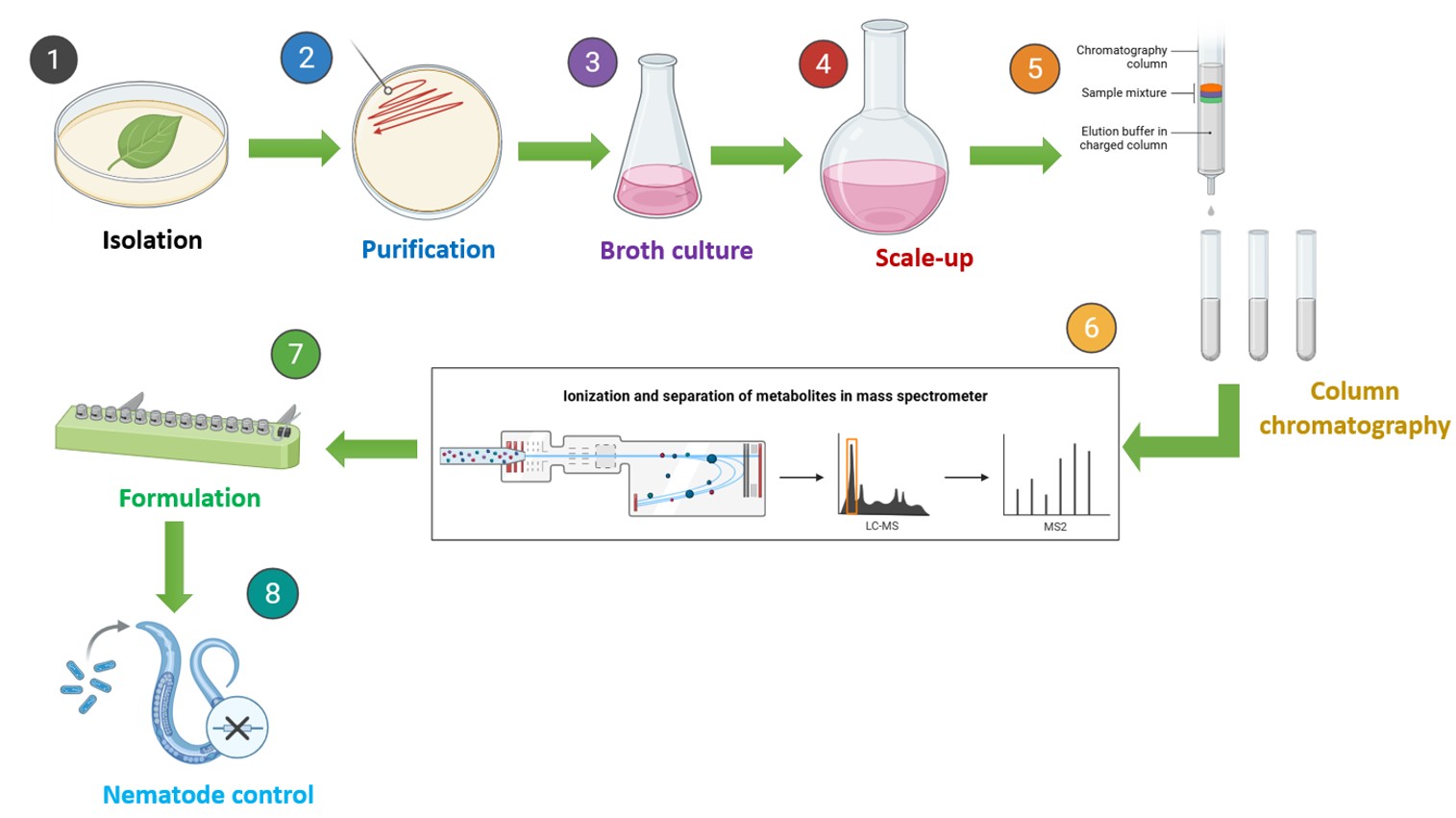
Figure 4. Production and Purification of Nematicidal Metabolites from Methylobacterium spp.
PPFM-based bioinoculants: case studies
The field efficacy of Methylobacterium as plant-growth promoters and biocontrollers depends on formulation strategies that enhance their survival, rhizosphere colonization and functional expression under environmental stress.52 Among available formulations, liquid and foliar approaches remain dominant, enabling high cell densities and efficient delivery to plant surfaces. Recent genome-based investigations have strengthened the mechanistic understanding of Methylobacterium-mediated plant growth promotion, providing molecular evidence for their broad-spectrum agricultural potential. Genomic and physiological characterization of PPFM strain NMS14P further substantiated the broad-spectrum plant growth-promoting potential of Methylobacterium, with the presence of trpABCDEFG, amiE, ALDH, nthA, nthB, miaA, and acdS genes correlating with statistically significant (P < 0.05) enhancement of growth traits in maize, chili, and sugarcane, thereby supporting its suitability for field-oriented bioinoculant development.74
Report shows that there are prominent improvements in crop performance such as ~10%-15% yield increase and enhanced nitrogen use efficiency in maize following foliar application of Methylobacterium symbioticum.75
In addition to plant-growth promotion, patents highlight the potential of Methylobacterium in nematode management, particularly against Meloidogyne incognita. The most widely reported approach is seed coating formulations, where bacterial cells are immobilized using carriers such as talc, peat, or polymers along with protective adjuvants; these systems typically maintain 108-1010 CFU g-1 in solid formulations and 106-109 CFU mL-1 in liquid emulsions, achieving 102-109 CFU per seed, which ensures early rhizosphere colonization and effective biocontrol.73 Such formulations demonstrate significant reductions in root-knot compared to untreated controls, indicating strong nematode suppression potential. Similarly, liquid and emulsion-based formulations derived from fermentation broths exceeding 109-1010 CFU mL-1 allow application through soil drenching, seed soaking or root dipping, ensuring uniform distribution and rapid establishment in the rhizosphere.76
Metabolite-based formulations of Methylobacterium spp. are stable and efficient alternatives to conventional live-cell inoculants. These formulations utilize cell-free extracts, carotenoid-rich fractions, and metabolite-enriched broths, which contain bioactive compounds such as phytohormones, isoprenoids, and antioxidants.77 Carotenoid extracts from Methylobacterium have been incorporated into foliar spray formulations and protective coatings. Mohanty et al. demonstrated that the carotenoid extract of Methylobacter sp. N39 reduced the UV-induced death rate of Escherichia coli from 14.67%-4.30% min-1, highlighting its photoprotective potential. Furthermore, foliar application of the bacterial cells or carotenoid extract enhanced UV tolerance and improved physiological performance in pigeon pea plants.78 Advances in metabolic engineering have enabled increased production of C30 carotenoids improved formulation efficiency and stress tolerance potential.79 Exopolysaccharides (EPS) produced by Methylobacterium can function as natural stabilizing agents in microbial formulations by improving matrix integrity, moisture retention, and cell protection during storage and application, thereby enhancing formulation stability and delivery efficiency.80
Overall, these metabolite-based formulations provide a promising, environmentally stable approach for boosting sustainable agriculture, combining enhanced shelf life with immediate bioactivity.
The application of methylotrophs as biofertilizers and biopesticides represents an environmentally sustainable approach to crop production by reducing reliance on synthetic fertilizers and pesticides. Many methylotrophic strains exhibit antagonistic activity against plant pathogens, contributing to biological disease suppression while minimizing the environmental impacts associated with chemical agro-inputs. Their ability to colonize both the rhizosphere and phyllosphere enables persistent association with plants, allowing them to function effectively throughout different stages of plant growth.
Beyond their ecological adaptability, methylotrophs contribute to biogeochemical cycling by mediating carbon and nitrogen transformations through one-carbon (C1) metabolism, methanol oxidation, biological nitrogen fixation, and nutrient turnover, thereby supporting soil fertility and ecosystem functioning. They also promote plant growth through multiple direct and indirect mechanisms, including phytohormone production, phosphate solubilization, siderophore production, biological nitrogen fixation, production of 1-aminocyclopropane-1-carboxylate (ACC) deaminase, suppression of plant pathogens and nematodes, bioremediation of environmental pollutants, and exopolysaccharide production, which improves soil aggregation. Collectively, these mechanisms enhance nutrient acquisition, stimulate root and shoot development, increase tolerance to drought and other abiotic stresses, and improve overall plant health and productivity.
Continued investigation into strain-specific traits, plant-microbe interactions, and field-level performance will facilitate the development of efficient methylotroph-based bioinoculants for climate-resilient and sustainable agricultural systems.
ACKNOWLEDGMENTS
The authors thank Tamil Nadu Agricultural University for providing access to digital resources.
CONFLICT OF INTEREST
The authors declare that there is no conflict of interest.
AUTHORS’ CONTRIBUTION
KRS, SK, RP, SP, and US conceptualized the study, collected resources and supervised the study. SK and RP contributed to validation. RP, SP, and US contributed to visualization. KRS wrote, reviewed and edited the manuscript. All authors read and approved the final manuscript for publication.
FUNDING
None.
DATA AVAILABILITY
All datasets generated or analyzed during this study are included in the manuscript.
ETHICS STATEMENT
Not applicable.
-
- Foley JA, Ramankutty N, Brauman KA, et al. Solutions for a cultivated planet. Nature. 2011;478(7369):337-342.
Crossref - Hammok NS, Salem KFM. Organic farming for clean and sustainable environment. Future Journal of Biology. 2025;7(20).
Crossref - Jernisha J, Poorniammal R, Sivakumar U, Harish S, Sethuraman K. Plant Growth Promoting Microorganisms and Emerging Biotechnological Approaches for Sugarcane Disease Management. J Pure Appl Microbiol. 2024;18(4):2205-2217.
Crossref - Poorniammal R, Prabhu S, Senthilkumar M, Anandhi K. Effect of phyllosphere application of Methylobacterium on growth and yield of barnyard millet (Echinochloa frumentacea var. COKV 2). Int J Curr Microbiol Appl Sci. 2020;9(4):1860-1866.
Crossref - Kumar M, Tomar RS, Lade H, Paul D. Methylotrophic bacteria in sustainable agriculture. World J Microbiol Biotechnol. 2016;32(7):120.
Crossref - Fall R, Benson AA. Leaf methanol – the simplest natural product from plants. Trends in Plant Science. 1996;1(9):296-301.
Crossref - Corpe WA. A method for detecting methylotrophic bacteria on solid surfaces. J Microbiol Methods. 1985;3(3-4):215-221.
Crossref - Holland MA. Thinking About PPFM Bacteria as a Model of Seed Endophytes: Who Are They? Where Did They Come from? What Are They Doing for the Plant? What Can They Do for Us? In: Verma SK, White JJF, eds. Seed Endophytes: Biology and Biotechnology. 2019:21-34.
- Erlacher A, Cernava T, Cardinale M, et al. Rhizobiales as functional and endosymbiontic members in the lichen symbiosis of Lobaria pulmonaria L. Original Research. Front Microbiol. 2015;6:53.
Crossref - Schauer S, Kutschera U. A novel growth-promoting microbe, Methylobacterium funariae sp. nov., isolated from the leaf surface of a common moss. Plant Signal Behavior. 2011;6(4):510-515.
Crossref - Sy A, Giraud E, Jourand P, et al. Methylotrophic Methylobacterium Bacteria Nodulate and Fix Nitrogen in Symbiosis with Legumes. J Bacteriol. 2001;183(1):214-220.
Crossref - Green PN, Bousfield IJ. A Taxonomic Study of some Gram-negative Facultatively Methylotrophic Bacteria. Microbiology. 1982;128(3):623-638.
Crossref - Nysanth NS, Rajan SA, Sivapriya S, Anith K. Pink Pigmented Facultative Methylotrophs (PPFMs): Potential Bioinoculants for Sustainable Crop Production. J Pure Appl Microbiol. 2023;17(2):600-681.
Crossref - Lidstrom Mary E, Chistoserdova L. Plants in the Pink: Cytokinin Production by Methylobacterium. J Bacteriol. 2002;184(7):1818-1818.
Crossref - Green PN, Bousfield IJ. Emendation of Methylobacterium Patt, Cole, and Hanson 1976; Methylobacterium rhodinum (Heumann 1962) comb. nov. corrig.; Methylobacterium radiotolerans (Ito and Iizuka 1971) comb. nov. Int J Syst Evol Microbiol. 1983;33(4):875-877.
Crossref - Cavanaugh CM, Levering PR, Maki JS, Mitchell R, Lidstrom ME. Symbiosis of methylotrophic bacteria and deep-sea mussels. Nature. 1987;325(6102):346-348.
Crossref - Ivanova EG, Doronina NV, Trotsenko YA. Aerobic Methylobacteria Are Capable of Synthesizing Auxins. Microbiology. 2001;70(4):392-397.
Crossref - Trotsenko YA, Ivanova EG, Doronina NV. Aerobic Methylotrophic Bacteria as Phytosymbionts. Microbiology. 2001;70(6):623-632.
Crossref - Andrews JH. Population growth and the landscape ecology of microbes on leaf surfaces. CABI. 2006:239–250.
Crossref - Madhaiyan M, Sundaram S, Kannaiyan S. Influence of pink pigmented facultative methylotrophic bacteria on the seedling vigour of maize (Zea mays L.). J Microb World. 2002;4:117-121.
- Mondal P, Ghosh D, Seth M, Mukhopadhyay SK. Bioprospects of pink pigmented facultative methylotrophs (PPFMs). Arab Gulf J Sci Res. 2024;42(4):1849-1863.
- Ramli NI, Abas F, Ismail IS, Rukayadi Y, Jurime NH. Isolation and characterisation of pink pigmented facultative methylotrophs (PPFM) from Malaysian ulam leaves. J Pure Appl Microbiol. 2024;18(3):1903-1919.
Crossref - Corpe WA, Rheem S. Ecology of the methylotrophic bacteria on living leaf surfaces. FEMS Microbiol Ecol. 1989;5(4):243-249.
Crossref - Kanimuki P, Kiruthiga N, Muralikrishnan V. Assessment of Abiotic Stress tolerance Traits in Pink Pigmented Facultative Methylotrophic Bacteria (PPFM) Isolated from Rice. Indian J Appl Pure Bio Vol. 2026;41(1):38-45.
- Hirano SS, Upper CD. Population dynamics of Pseudomonas syringae in the phyllosphere. In: Galli E, Silver S, Witholt B, eds. Pseudomonas: Molecular Biology and Biotechnology. Washington, DC: American Society for Microbiology; 1992:21-29
- Ercolani GL. Pseudomonas savastanoi and Other Bacteria Colonizing the Surface of Olive Leaves in the Field. Microbiology. 1978;109(2):245-257.
Crossref - Ercolani GL. Distribution of epiphytic bacteria on olive leaves and the influence of leaf age and sampling time. Microb Ecol. 1991;21(1):35-48.
Crossref - Madhaiyan M, Poonguzhali S, Senthilkumar M, et al. Growth promotion and induction of systemic resistance in rice cultivar Co-47 (Oryza sativa L.) by Methylobacterium spp. Botanical Bulletin of Academia Sinica. 2004;45(4):315-324.
- Poorniammal R, Sundaram S, Kumutha K. Induced systemic resistance by Methylobacterium extorquens against Rhizoctonia solani in cotton. 2009;2(2).
- Madhaiyan M, Suresh Reddy BV, Anandham R, et al. Plant Growth–Promoting Methylobacterium Induces Defense Responses in Groundnut (Arachis hypogaea L.) Compared with Rot Pathogens. Curr Microbiol. 2006;53(4):270-276.
Crossref - Grossi CEM, Fantino E, Serral F, et al. Methylobacterium sp. 2A Is a Plant Growth-Promoting Rhizobacteria That Has the Potential to Improve Potato Crop Yield Under Adverse Conditions. Original Research. Front Plant Sci. 2020;11:71.
Crossref - Indiragandhi P, Anandham R, Kim K, et al. Induction of defense responses in tomato against Pseudomonas syringae pv. tomato by regulating the stress ethylene level with Methylobacterium oryzae CBMB20 containing 1-aminocyclopropane-1-carboxylate deaminase. World J Microbiol Biotechnol. 2008;24(7):1037-1045.
Crossref - Knief C, Ramette A, Frances L, Alonso-Blanco C, Vorholt JA. Site and plant species are important determinants of the Methylobacterium community composition in the plant phyllosphere. ISME J. 2010;4(6):719-728.
Crossref - Delmotte N, Knief C, Chaffron S, et al. Community proteogenomics reveals insights into the physiology of phyllosphere bacteria. Proc Natl Acad Sci U S A. 2009;106(38):16428-33.
Crossref - Sy A, Timmers ACJ, Knief C, Vorholt JA. Methylotrophic metabolism is advantageous for Methylobacterium extorquens during colonization of Medicago truncatula under competitive conditions. Appl Environ Microbiol. 2005;71(11):7245-7252.
Crossref - Schlechter RO, Kear EJ, Bernach M, Remus DM, Remus-Emsermann MNP. Metabolic resource overlap impacts competition among phyllosphere bacteria. ISME J. 2023;17(9):1445-1454.
Crossref - Yurimoto H, Shiraishi K, Sakai Y. Physiology of Methylotrophs Living in the Phyllosphere. Microorganisms. 2021;9(4)
Crossref - Gamit HA, Naik H, Chandarana KA, Chandwani S, Amaresan N. Secondary metabolites from methylotrophic bacteria: their role in improving plant growth under a stressed environment. Environ Sci Poll Res. 2023;30(11):28563-28574.
Crossref - Photolo MM, Mavumengwana V, Sitole L, Tlou MG. Antimicrobial and Antioxidant Properties of a Bacterial Endophyte, Methylobacterium radiotolerans MAMP 4754, Isolated from Combretum erythrophyllum Seeds. Int J Microbiol. 2020;2020(1):9483670.
Crossref - Balachandran C, Duraipandiyan V, Ignacimuthu S. Cytotoxic (A549) and antimicrobial effects of Methylobacterium sp. isolate (ERI-135) from Nilgiris forest soil, India. Asian Pac J Trop Biomed. 2012;2(9):712-716.
Crossref - Kutschera U. Plant-Associated Methylobacteria as Co-Evolved Phytosymbionts. Plant Signal Behavior. 2007;2(2):74-78.
Crossref - Janahiraman V, Anandham R, Kwon SW, et al. Control of Wilt and Rot Pathogens of Tomato by Antagonistic Pink Pigmented Facultative Methylotrophic Delftia lacustris and Bacillus spp. Original Research. Front Plant Sci. 2016;7:1626.
Crossref - Estela Silva-Stenico M, Pacheco FTH, Rodrigues JLM, Carrilho E, Tsai SM. Growth and siderophore production of Xylella fastidiosa under iron-limited conditions. Microbiol Res. 2005;160(4):429-436.
Crossref - Vaidehi K, Sekar C. Amino acid conjugated hydroxamate type of siderophore production in Methylobacterium phyllosphaerae MB-5. Cibtech J Microbiol. 2012;1(1):24-30.
- Juma PO, Fujitani Y, Alessa O, et al. Siderophore for Lanthanide and Iron Uptake for Methylotrophy and Plant Growth Promotion in Methylobacterium aquaticum Strain 22A. Original Research. Front Microbiol. 2022;13:921635.
Crossref - Senthilkumar M, Pushpakanth P, Arul Jose P, Krishnamoorthy R, Anandham R. Diversity and functional characterization of endophytic Methylobacterium isolated from banana cultivars of South India and its impact on early growth of tissue culture banana plantlets. J Appl Microbiol. 2021;131(5):2448-2465.
Crossref - Ventorino V, Sannino F, Piccolo A, et al. Methylobacterium populi VP2: plant growth-promoting bacterium isolated from a highly polluted environment for polycyclic aromatic hydrocarbon (PAH) biodegradation. Sci World J. 2014;2014(1):931793.
- Giri DD, Singh SK, Giri A, Dwivedi H, Kumar A. Bioremediation potential of methylotrophic bacteria. Microbe Mediated Remediation of Environmental Contaminants. Elsevier. 2021:199-207.
- Pandey VC, Singh J, Singh D, Singh RP. Methanotrophs: promising bacteria for environmental remediation. Int J Environ Sci Technol. 2014;11(1):241-250.
- Sakthi A, Selvi C, Poorniammal R. Role of phytohormones in plant defence against insects: Signalling and crosstalk. Plant-Pest Interactions: From Molecular Mechanisms to Chemical Ecology: Chemical Ecology. Springer. 2021:215-231.
- Palberg D, Kisiała A, Jorge GL, Emery RJN. A survey of Methylobacterium species and strains reveals widespread production and varying profiles of cytokinin phytohormones. BMC Microbiol. 2022;22(1):49.
Crossref - Ehinmitan E, Siamalube B, Losenge T, et al. Methylobacterium spp. in sustainable agriculture: Strategies for plant stress management and growth promotion. The Microbe. 2025;8:100476.
Crossref - Zhang C, Wang M-Y, Khan N, Tan L-L, Yang S. Potentials, Utilization, and Bioengineering of Plant Growth-Promoting Methylobacterium for Sustainable Agriculture. Sustainability. 2021;13(7):3941.
- Krishnamoorthy R, Anandham R, Karthikeyan A, et al. Plant growth-promoting phyllosphere bacteria mediated ACC oxidase gene regulation in groundnut to mitigate drought stress. Israel Journal of Plant Sciences. 2025;72(3-4):231-239.
- Poorniammal R, Prabhu S, Dufosse L, Sharmi KR. Methylobacterium-Mediated Phytohormone Regulation and Metabolic Priming in Plant Drought Resilience. Agronomy. 2026;16(5):494.
- Rossetto PB, Dourado MN, Quecine MC, et al. Specific plant induced biofilm formation in Methylobacterium species. Braz J Microbiol. 2011;42:878-883.
- Joe MM, Saravanan VS, Sa T. Aggregation of selected plant growth promoting Methylobacterium strains: role of cell surface components and hydrophobicity. Arch Microbiol. 2013;195(3):219-225.
Crossref - Flemming H-C, Wingender J. The biofilm matrix. Nat Rev Microbiol. 2010;8(9):623-633.
Crossref - Rizvi A, Ahmed B, Khan MS, Lee J. Importance of bacterial exopolysaccharides (EPS) in mitigation of abiotic stress. In: Rizvi A, Khan MS, Pajuelo E, Oufdou K, Ahmed B, eds. Decoding Plant–Environment–Microbiome Interactions in Stress-Resilient Agriculture. 2026:223-250.
- Bashir I, War AF, Rafiq I, et al. Phyllosphere microbiome: Diversity and functions. Microbiol Res. 2022;254:126888.
Crossref - Nigris S, Baldan E, Zottini M, Squartini A, Baldan B. Is the bacterial endophyte community, living in Glera (Vitis vinifera) plants, active in biocontrol. Endophytes for plant protection: the state of the art. 2013:12.
- Ardanov P, Lyastchenko S, Karppinen K, et al. Effects of Methylobacterium sp. on emergence, yield, and disease prevalence in three cultivars of potato (Solanum tuberosum L.) were associated with the shift in endophytic microbial community. Plant Soil. 2016;405(1):299-310.
Crossref - Madhaiyan M, Poonguzhali S, Kang B-G, et al. Effect of co-inoculation of methylotrophic Methylobacterium oryzae with Azospirillum brasilense and Burkholderia pyrrocinia on the growth and nutrient uptake of tomato, red pepper and rice. Plant and Soil. 2010;328(1):71-82.
Crossref - Janahiraman V, Anandham R, Kwon SW, et al. Control of wilt and rot pathogens of tomato by antagonistic pink pigmented facultative methylotrophic Delftia lacustris and Bacillus spp. Front Plant Sci. 2016;7:1626.
Crossref - Ardanov P, Sessitsch A, Haggman H, Kozyrovska N, Pirttila AM. Methylobacterium-induced endophyte community changes correspond with protection of plants against pathogen attack. PLoS One. 2012;7(10):e46802.
Crossref - Oka Y, Nacar S, Putievsky E, et al. Nematicidal Activity of Essential Oils and Their Components Against the Root-Knot Nematode. Phytopathology. 2000;90(7):710-715.
Crossref - Sikora R, Fernandez E. Nematode parasites of vegetables. CABI. 2005:319-392.
Crossref - Poorniammal R, Prabhu S. Evaluating the efficacy of arbuscular mycorrhizal fungi in mitigating Meloidogyne enterolobii infection in guava (Psidium guajava). J Pure Appl Microbiol. 2025;19(4):3140-3155.
Crossref - Prabhu S, Kumar S, Subramanian S, Sundaram S. Suppressive effect of Methylobacterium fujisawaense against root-knot nematode, Meloidogyne incognita. Indian J Nematol. 2009;39(2):165-169.
- Weon H-Y, Kim B-Y, Joa J-H, et al. Methylobacterium iners sp. nov. and Methylobacterium aerolatum sp. nov., isolated from air samples in Korea. Int J Syst Evol Microbiol. 2008;58(1):93-96.
Crossref - Li X-X, Wang X-X, Zhang X-X, et al. Methylobacterium reuteri M520 and application thereof. Chinese Patent CN110819567B. Published Jul 20, 2021. https://patents.google.com/patent/CN110819567B/en
- Rehman S, Gupta VK, Goyal AK. Identification and functional analysis of secreted effectors from phytoparasitic nematodes. BMC Microbiol. 2016;16(1):48.
Crossref - Breakfield N, Bogosian G. Methods and compositions for controlling root lesion nematodes. US patent US10448645B2. Published October 22, 2019
- Jirakkakul J, Khoiri AN, Duangfoo T, et al. Insights into the genome of Methylobacterium sp. NMS14P, a novel bacterium for growth promotion of maize, chili, and sugarcane. PLoS One. 2023;18(2):e0281505.
- Bolla PK, Panozzo A, Minozzi E, et al. Effects of foliar-sprayed bio-fertilizer with N-fixing Methylobacterium symbioticum on morpho-physiological traits of maize under varying N fertilization rates. Original Research. Front Plant Sci. 2025;16:1661290.
Crossref - Jones M, Bogosian G. Methods and compositions for improving corn yield. Google Patents. 2025.
- Dourado MN, Camargo Neves AA, Santos DS, Araujo WL. Biotechnological and agronomic potential of endophytic pink-pigmented methylotrophic Methylobacterium spp. Biomed Res Int. 2015;2015:909016.
Crossref - Mohanty SR, Mahawar H, Bajpai A, et al. Methylotroph bacteria and cellular metabolite carotenoid alleviate ultraviolet radiation-driven abiotic stress in plants. Original Research. Front Microbiol. 2023;13:899268.
Crossref - Mo X-H, Sun Y-M, Bi Y-X, et al. Characterization of C30 carotenoid and identification of its biosynthetic gene cluster in Methylobacterium extorquens AM1. Synthetic and Systems Biotechnology. 2023;8(3):527-535.
Crossref - Simoes ACP, Fernandes RP, Barreto MS, et al. Growth of Methylobacterium organophilum in methanol for the simultaneous production of single-cell protein and metabolites of interest. Food Technol Biotechnol. 2022;60(3):338-349.
- Knief C, Haunreiter-Dengler V, Bodelier P, Vorholt J. Characterization of Methylobacterium strains isolated from the phyllosphere and description of Methylobacterium longum sp. nov. Antonie van Leeuwenhoek. 2012;101:169-83.
Crossref - Liu L, Zhang S-Y, Gao P, et al. Methylobacterium oryzisoli sp. nov., a novel methylotrophic methanol-utilizing bacterium isolated from the paddy soil. Int J Syst Evol Microbiol. 2025;75(6):6805.
Crossref - Chaudhry V, Baindara P, Pal VK, et al. Methylobacterium indicum sp. nov., a facultative methylotrophic bacterium isolated from rice seed. Syst Appl Microbiol. 2016;39(1):25-32.
Crossref - Jiang H-Y, Liu G-H, Xu Y-J, et al. Methylobacterium endophyticum sp. nov. and Endoryza foliicola gen. nov., sp. nov., two novel endophytic bacterial species isolated from rice phyllosphere. Int J Syst Evol Microbiol. 2026;76(3):7090.
Crossref - Araújo WL, Marcon J, Maccheroni W, et al. Diversity of Endophytic Bacterial Populations and Their Interaction with Xylella fastidiosa in Citrus Plants. Appl Environ Microbiol. 2002;68(10):4906-4914.
Crossref
- Foley JA, Ramankutty N, Brauman KA, et al. Solutions for a cultivated planet. Nature. 2011;478(7369):337-342.
© The Author(s) 2026. Open Access. This article is distributed under the terms of the Creative Commons Attribution 4.0 International License which permits unrestricted use, sharing, distribution, and reproduction in any medium, provided you give appropriate credit to the original author(s) and the source, provide a link to the Creative Commons license, and indicate if changes were made.