

ISSN: 0973-7510
E-ISSN: 2581-690X
 , Ritwik Roy2, Piyasa Ghosh2, Alakesh Maity2, Tamal Bhattacharjee3, Saranya Trivedi2, Payel Paul2, Sharmistha Das2, Sarita Sarkar2, Poulomi Chakraborty2 and Prosun Tribedi2
Antimicrobial resistance (AMR) in Escherichia coli associated urinary tract infections (UTIs) represents a major global health threat, compromising therapeutic efficacy and undermining socio-economic stability. This study includes a large-scale quantitative trend analysis of nearly 50,000 research articles published between 1973 and 2025 to address the longitudinal dynamics of AMR in UTI-associated E. coli. Abstract-level text mining was employed to retrieve antibiotic-specific resistance evidence, followed by normalized resistance proportion estimation, log-linear regression modeling, Estimated Annual Percentage Change (EAPC) analysis, rank-shift comparison, and Total Active Resistance Years (TARY)-based persistence profiling. The findings indicate a marked global increase in resistance to commonly prescribed first-line antibiotics, including fluoroquinolones, third-generation cephalosporins, aminoglycosides, and trimethoprim/sulfamethoxazole. Notably, carbapenems and fosfomycin also exhibited significant upward EAPC trends, indicating emerging resistance to these antibiotics despite being considered last-resort agents. Especially, the rising EAPC trends for carbapenem and fosfomycin exhibits both emerging resistance patterns and intensified reporting associated with expanded clinical usage of these last resort antibiotics. Rank-shift and persistence analyses further indicated antibiotic-specific heterogeneity, distinguishing entrenched long-term resistance from rapidly emerging threats. Geographic publication patterns paralleled epidemiological transitions, underscoring the worldwide expansion of the AMR burden. Collectively, this multidimensional bibliometric framework advances AMR surveillance from static reporting to dynamic resistance intelligence, providing critical insights to inform empirical therapy, antimicrobial stewardship, and global policy interventions.
Escherichia coli, Urinary Tract Infection, Antimicrobial Resistance, Trend Analysis
In recent times, the field of global health science is confronted by a silent pandemic driven by antimicrobial resistance (AMR).1 This escalating AMR burden threatens the existing therapeutic regimens due to their significant resistant properties towards several front-line antibiotics.1 Amongst the infections associated with AMR, urinary tract infections (UTIs) have emerged as the most prevalent one because of their recurrent traits and frequent reliance on empirical antibiotic therapies.2 Furthermore, suboptimal and traditional treatment regimens often failed to resolve these UTIs, resulting in longer hospital stays and hampering socio-economic stability.3 E. coli is the primary uropathogenic organism responsible for the majority of the community-acquired and healthcare-associated UTIs.4 Initially UTIs linked with E. coli was considered as manageable but the emergence of multidrug- resistant (MDR) phenotypes has substantially compromised the global therapeutic regimens.5 The dominance linked with E. coli associated UTIs are further complicated by their ability to spread genetic materials through horizontal gene transfer, accelerating the spread of resistance across the microbial populations.6 Despite the extensive advancements in therapeutic regimens and reports linked with the emergence of AMR in UTIs, the broader resistant trends observed in Gram-negative infections underscores the urgent need to systematically monitor the evolutionary dynamics of AMR. Current surveillance reports are highly constrained with the static and short-term snapshots of AMR without providing the longitudinal change in resistance profile over time.7 Hence, this static approach failed to provide insights linked with entrenched resistance and emerging threats linked with UTIs.
Therefore, this critical research gap highlights the urgent need for long term quantitative trend analysis to capture the direction, magnitude, and velocity of the resistance evolution. To address this, this study leverages large scale bibliometric dataset and quantitative trend modelling to systematically characterize the AMR dynamics of UTIs linked with E. coli over a period of nearly five decades (~55 years). This multidimensional framework provided a clear characterization of resistance composition analysis, temporal intensity mapping, rank-shift evolution, persistence profiling, and Estimated Annual Percentage Change (EAPC) based trend estimation that moves beyond traditional surveillance toward dynamic resistance intelligence. This current study addresses the transition of AMR surveillance from a descriptive and short-term snapshot into a predictive, analytical framework.
Study design and data acquisition
The systematic bibliometric trend analysis was performed to understand the long-term AMR patterns in UTIs associated with E. coli using a comprehensive bibliometric dataset. The dataset includes ~ 50,000 peer-reviewed research articles indexed in UGC journal list and Nature indexed journals by using the database of “Dimensions: A Digital Research Solution”.8 The bibliometrics of the publications over the period of 1973-2025 were retrieved by using a Boolean search string to capture the AMR linked with UTIs associated with E. coli.9 The search query of the same was provided below:
(“Escherichia coli” OR “E. coli”) AND (UTI OR “urinary tract infection” OR “urinary isolates”) AND (“antibiotic resistance” OR “antimicrobial resistance” OR susceptibility)
Furthermore, only the research articles were considered for the curation of the bibliometric data, whereas review articles, editorials, conference abstracts, and book chapters were excluded to ensure the robustness of the overall study.
Data curation of preprocessing
The whole bibliometric dataset (containing publication year, digital object identifier, title, abstract text, resistant and susceptibility of the mentioned antibiotics in the abstract, author list, author’s affiliations, and citation counts) were systematically extracted and imported into a Python-based analytical pipeline through Google Colab platform (Welcome To Colab – Colab) via Openpyxl (v3.1.5).10 Furthermore, the dataset was preprocessed using Pandas (v2.2.2) and NumPy (v2.0.2) libraries to remove the duplicate records and entries with incomplete information.11 Then for longitudinal analysis, publication years of each entry were transformed into integer format to ensure compatibility with the time-series modelling. Further to delve deeper into the longitudinal trends in antibiotic resistance rate, abstract level text mining was employed. In this regard, the resistance profile of the antibiotics was mapped by using resistance-related terminologies including, “resistant”, “non-susceptible”, and “reduced susceptibility” and case-insensitive string matching.12 Binary indicators were generated to identify the presence and absence of the antibiotic specific resistance evidence. To account the uneven publication profile of each year, year wise aggregation of the publications was performed. For each year, the antibiotic specific resistant reporting proportion was calculated using the formulae shared below:
Antibiotic specific resistance reporting proportion = (number of publications reporting resistance) / (total number of publications reporting that antibiotic)
Furthermore, prior transitioning the whole data into logarithmic term and heat map visualization, a small constant (ε = 0.1) was added to the values to avoid undefined mathematical values for zero-prevalence entries during regression modelling.13 Additionally, a geographical distribution analysis was analysed by extracting the author affiliation metadata, where publication counts were aggregated by affiliated countries and compared across two distinct periods (before 2000 and after 2000) to identify the shifts in global research contributions.14
Classification of the antibiotics
An overall panel of curated antibiotics from the abstract level text mining of the UTIs associated with the E. coli was analyzed, including aminoglycosides, fluoroquinolones, cephalosporins, beta-lactams, carbapenems, and urinary specific agents like nitrofurantoin and fosfomycin. Overall longitudinal trend of antibiotic specific analysis was conducted for individual antibiotic level to capture granular shifts in resistance evidence.
Estimation of annual percentage change (EAPC) of antibiotics
The longitudinal shifts in antibiotic resistance evidence were quantified by calculating the EAPC for each antibiotic. The EAPC is the widely recognized matrix for trend analysis to describe the average rate of change in a specific indicator over the time period.15 In this regard, for each antibiotic a log-linear regression model was utilised by using the least squared method. In this model, the log transformed resistance reporting proportion was considered as the dependent variable (y) and publication year was considered as the independent variable (x).
Where, y = β0 + β1x + ε; where β0 signifies the intercept, β1 defines the slope coefficient, and ו represents the error term.
Regression modelling and confidence interval estimation was performed by using Statsmodels (v0.14.4) library.16 The slope coefficient (β1) was further converted to the EAPC by using the below shared formula17:
EAPC = (eβ1 – 1) × 100
Confidence interval of 95% was derived from the standard errors of β1. Antibiotics with confidence intervals overlapping 0 was considered as the non-significant terms or stable long-term trends while intervals above or below 0 was indicated as significant increasing and decreasing trends, respectively.18
Comparative rank-based persistence analysis of the antibiotics
This whole comparative analysis was performed by using Python (v3.12) within the google collab environment. Whereas the data was aggregated by using the groupby and mean functions in Pandas to identify the year wise averages before being segmented into two different time period (early period and recent period). The temporal shift in the antibiotic resistance persistence was evaluated by ranking the antibiotics based on their resistance reporting prevalence during the early period (1970-1999) and recent period (2000-2025). In this regard, the curated panel of antibiotics was ranked based on their normalized resistance reporting prevalence (Pnorm) within each period. The rank of the antibiotic displacement (ΔR) denotes the upward and downward shift of the antibiotic resistance between the periods. This was modeled as the below shared formula:
ΔR = Rrecent – Rearly
Furthermore, resistance persistence was quantified using Total Active Resistance Years (TARY), calculated as the cumulative number of years during which at least one published report documented resistance to a given antibiotic. This assessment further enables to differentiate between the stable long-term resistance patterns (high TARY) and the emergence of antibiotic resistance (low TARY with high prevalence in recent times).19 Graphical visualizations were generated using Seaborn (v0.13.2),20 with a log10 (P + 0.1) transformation applied to stabilize variance across antibiotics.21
Visualization and statistical analysis
The visualizations of the bibliographic analysis and antibiotic-resistance trends were generated in the Python (v.3.12) platform using the Matplotlib (v3.10.0) and Seaborn (v0.13.2) libraries.20,22 To ensure comparison of the antibiotic with different reporting trends, a logarithmic transformation was further applied by using the formula:
Vplot = log10(Pnorm + ε)
Where e = 0.1 is considered as the small constant to handle antibiotics with 0 prevalence rate. Furthermore, statistical analysis was performed to validate the temporal trends and the significance of antibiotics resistance shifts. All statistical analysis were performed via Statsmodels (v0.14.4) and SciPy (v1.13.1) libraries within the Python environment.16,23
Global trend and multidisciplinary impact of UTI linked with E. coli
Antibiotic resistance has emerged as one of the most concerning public health issues of the 21st century. According to the recent report published by the World Health Organization (WHO), the alarming rise of the AMR is compromising the effective prevention of a wide range of infections globally.1 Furthermore, the Global Antimicrobial Resistance and Use Surveillance System (GLASS) also highlighted global resistance rate of the traditional antibiotics against the infections linked with the Gram-negative pathogens.24 To improve the therapeutic outcomes and to determine the heterogenicity of the global resistance pattern necessitates the substantial global surveillance of the AMR trends.25 Previous literature has established the UTIs as the most common yet prevalent one amongst the broader AMR landscape.26 Due to the increasing rate of AMR, hundreds of millions of individuals worldwide suffering from UTIs are experiencing treatment failure, recurrent infections, and prolonged hospital stays, thereby significantly disrupting socio-economic stability.26 Often in serious recurrent cases, these UTIs accounts for the development of pyelonephritis, urosepsis and even death.27 Additionally, UTIs represents a significant proportion of all infections which require frequent hospitalization and medical attention. Furthermore, the disease burden linked with UTIs is also unevenly distributed among the women, older people, and individuals with comorbidities.28 In earlier times, UTIs were generally considered non-threatening ones, but the rising prevalence of AMR has significantly compromised the management strategies, leading to heightened risk associated with adverse clinical outcomes. E. coli is accountable for approximately 70%-90% of the UTIs and considered as the most prevalent etiological agent amongst the other pathogens.2 The organism’s ability to thrive within the detrimental environmental conditions and secrete a plethora of virulent determinants (including adhesins, toxins, iron-acquisition system etc.) making it as the persistent one.29 Clinically, the UTIs associated with E. coli are notable for the acquisition and spreading of the resistance determinants, including extended spectrum beta-lactamases (ESBLs), fluoroquinolones, and carbapenems.30 To address this, the global trend analysis of AMR, evolutionary adaptability and epidemiological dominance linked to UTI-associated with E. coli is necessary to inform the empirical therapeutic strategies and to support the antimicrobial stewardship program initiated by the GLASS. Therefore, in this present study, efforts have been made to analyze the bibliometric trends of ~50,000 research articles. The bibliometric trend represented in Figure 1A provides crucial insights into the response of the scientific community towards the escalating threat linked with E. coli associated UTIs. Briefly, following the discovery of E. coli mediated UTIs in 19th century, the annual publication counts (expressed as blue bars in Figure 1A) gradually increased from the 1970s to late 1990s. After the 20th century, the publication count was substantially increased (Figure 1A). This sharp rise in the publication count is correlated with the global recognition, awareness and surveillance of the E. coli resistance to the cephalosporins and fluroquinolones. However, the steep rise in the publication count over the last decade underlines the intensified research efforts to comprehend the resistant mechanisms, epidemiological trends, and clinical outcomes attributed to the UTIs associated E. coli (Figure 1A). Additionally, the trajectory of mean citations per article (represented as the red line in Figure 1A) represents an entirely different trend. The bibliometric analysis revealed that the citation impact was found to be comparatively higher during the time period of 1990s, probably due to the groundbreaking research that established the basic concepts linked with the pathophysiology of UTIs associated E. coli and their antibiotic resistance (Figure 1A). In contrast, the average citations per article significantly decreased in the post-2000 due to the higher publication volume (Figure 1A). This decreased rate reflects the dilution of the citation impact due to the rapid expansion of the research field. Taken together, the mean citations per article trend represents a significant shift from an era dominated by the small number of groundbreaking studies to a mature research area characterized by large-scale surveillance reports, regional studies and gradual advancements, rather than suggesting the stature of scientific quality. Figure 1A depicts that the antibiotic resistance linked to UTI-associated E. coli has been globally emerged as a significant research area. The field’s development and diversification are reflected in the marked shift in citation dynamics, while the exponential growth in publication output underscores the escalating clinical burden associated with antibiotic-resistant UTI-causing E. coli. This bibliometric increase is in line with the GLASS and WHO priorities, highlighting the urgent need for robust global trend analysis to address the persistent threat linked with this high-quality pathogen by using empirical therapeutics and to establish antimicrobial stewardship at global scales.
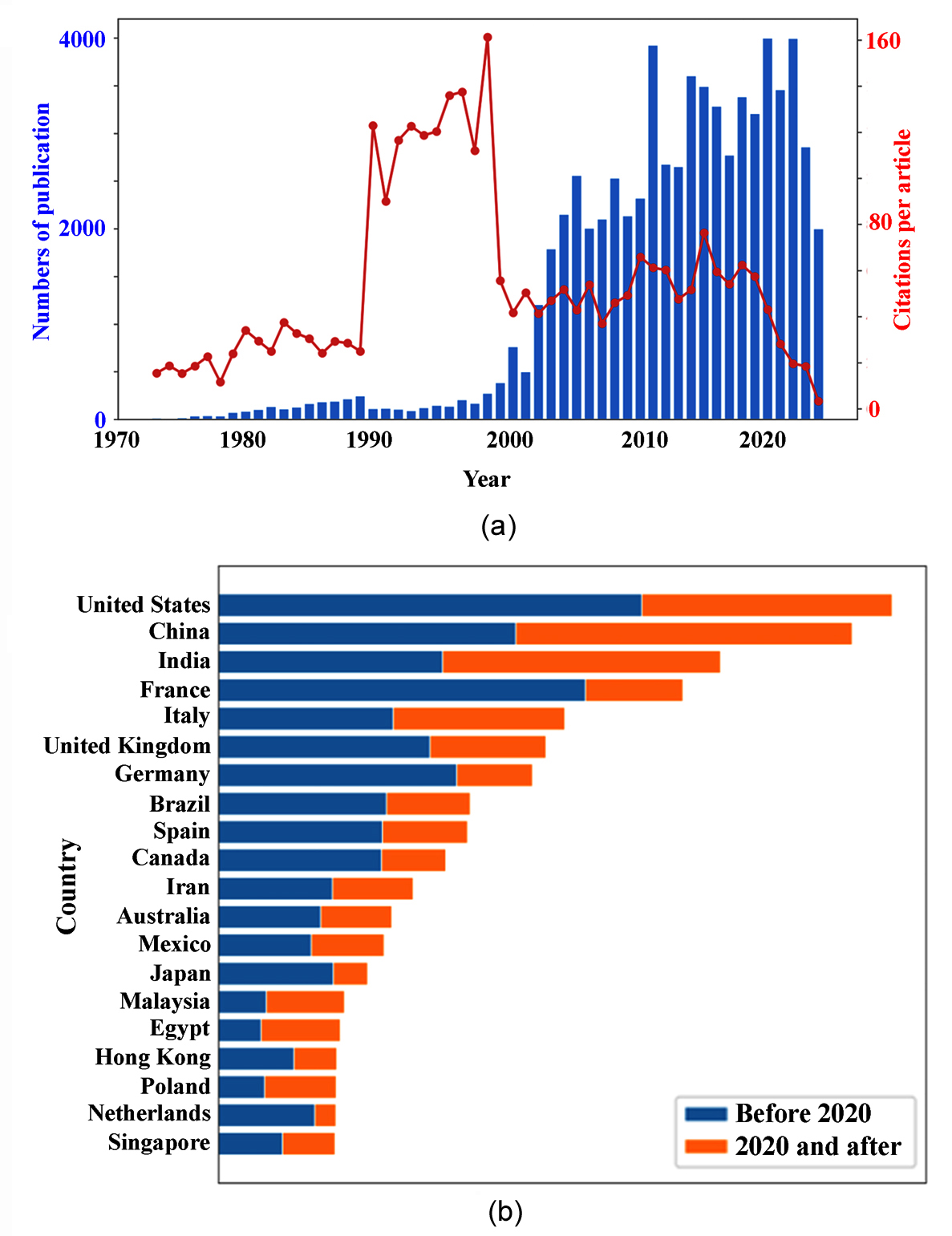
Figure 1. (a) Temporal trends in publication output and scholarly impact of UTI-associated Escherichia coli antibiotic resistance research. Blue bars represent the annual number of publications, while the red line denotes mean citations per article. (b) Country-wise distribution of publications on UTI-associated Escherichia coli antibiotic resistance, stratified by publication period. Blue bars indicate studies published before 2020, while orange bars represent publications from 2020 onwards. The figure highlights the recent expansion of antimicrobial resistance research across emerging regions
Additionally, to comprehend the global epidemiology linked with AMR burden, country-wise publication output reflects the necessary information.30 In many cases, high research publications of any country are commonly driven by the increasing reports of treatment failure, rising prevalence of multidrug-resistant pathogens in that specific region.31 This significant increase in the research productivity necessitates the upgradation of national empirical treatment guidelines. Therefore, the country’s wise publication trend represents an indirect indicator of the extent of UTIs mediated threats posed by E. coli. In the present study, efforts have been given to understand the country’s wise prevalence of UTIs associated with E. coli over the period from 1970 to 2025. The observations of the same revealed a substantial heterogenicity of publication output across the geographical regions (Figure 1B). The top contributors to the publication outputs linked with global burden of E. coli associated UTIs are the United States and China, followed by India and European regions including France, Italy, Germany, and United Kingdom. In these geographical regions, sustained and high number of scholarly publications indicates the reflection of increased number of E. coli associated with UTIs, and overuse of antibiotics (Figure 1B). Notably, the significant contribution of China and India might be the reflection of the critical burden of UTIs due to their huge population and the increase in the resistance to the first line medications like cephalosporin and fluoroquinolones. According to the bibliographic analysis, post 2020, the research output has shifted drastically in global context amongst the high-income and emerging economics (Figure 1B). Whereas prior to 2020, most of the research linked with E. coli associated with UTIs was conducted in Western Europe and North America (Figure 1B). The observed publication pattern indicates that the emergence of UTIs was identified earlier in these geographical regions and subsequently examined more rigorously. Since 2020, the publications from geographical regions like China, India, Brazil, Iran, Malaysia, and Egypt have increased significantly (Figure 1B). This bibliometric analysis represents increasing emergence of UTI-associated complications in those areas which were not previously reflected in the literature. The heightened numbers of publications in such areas are probably a reflection of the increasing efforts to combat the AMR threats linked with E. coli mediated UTIs. Taken together, these bibliometric findings reveal that publication trends across geographical regions closely follow the epidemiological dynamics of E. coli-associated UTIs. This increasing rate of publication linked with E. coli associated UTIs revealed a major shift of E. coli mediated UTIs from specific geographical issues to a global concern.
Global trends of antibiotic resistance in UTIs linked with E. coli
Trends in AMR among E. coli-associated UTIs have substantial clinical implications for treatment outcomes and broader socio-economic stability.29 To treat UTIs, medical professionals often provide the repeated prescriptions and subsequent use of expensive drugs, including carbapenem. In global context, the low- and middle-income countries are getting affected drastically due to unavailability and less access towards the advanced therapeutic regimens.32 Hence in those geographical regions, the morbidity rate is significantly rising due to the relatively low percentage of people getting proper treatments. The systematic evaluation of the antibiotic-resistant pattern over time is highly required to offer a precise therapeutic guideline on a global scale. Therefore, in this present study, efforts have been made to analyze the global compositional perspective reporting the antibiotic resistance evidence associated with UTIs linked with E. coli by analysing the abstracts from the ~50,000 research articles. The global distribution of resistance trends indicates that most first-line antibiotics, including aminoglycoside, trimethoprim/sulfamethoxazole, fluoroquinolones, and third-generation cephalosporin, have exhibited increasing resistance over time (Figure 2A). Despite the increasing resistance trends over time, these antibiotics are widely used to treat UTIs mediated threats, further corroborating the AMR threat linked with UTIs. Additionally, the resistance trends of the beta-lactam and carbapenem group of antibiotics is concerning, as these were considered as the last resort medications to treat UTIs linked with E. coli (Figure 2A). Furthermore, the temporal dynamics in the antibiotic-resistant trend over the time period of 1973-2025 is crucial to understand the emergence, and persistence of resistance towards any specific antibiotics which cannot be understood through the cluster tree map represented in Figure 2A. To comprehend the same, the year wise heatmap of antibiotic resistance trend exhibits the emergence and gradual escalation of resistance for fluoroquinolones, cephalosporins, and aminoglycosides since 1970s (Figure 2B, Table 1). Additionally, the antibiotic resistance heat map also significantly reported the recent trend of resistance linked with carbapenems and fosfomycin which is gradually increasing (Figure 2B). In recent times, medical professionals often prescribed traditional antibiotics based on outdated routine knowledge even in the absence of accurate culture results. Due to this lack of resistance analysis, the patients often received inappropriate therapeutics, and the intensive selection of superbugs is rising globally. This clinical situation further intensifies the silent pandemic of AMR linked with UTIs. Hence, to mitigate the complexity linked with treatment failure, a comparative understanding of early (1970-1999) and recent (2000-2025) resistant trend is highly required. In this regard, the observations of Figure 2C highlighted the divergence of antibiotic resistance over time. Briefly, a few antibiotics exhibit steady resistance patterns whereas, some antibiotics (ciprofloxacin, cephalosporin, and carbapenems) exhibit a sharp increase in the resistance pattern (Figure 2C). This global observation represents the consequence of overuse of antibiotics and rising prevalence of antibiotic resistance. Taken together, this comprehensive analysis revealed a systematic trend of antibiotic resistance in UTIs linked with E. coli. Furthermore, to comprehend the treatment regimens, estimation annual percentage change (EAPC) is highly required for quantification of temporal change in AMR and advancement in the identification of priority antibiotics to mitigate the resistance burden.
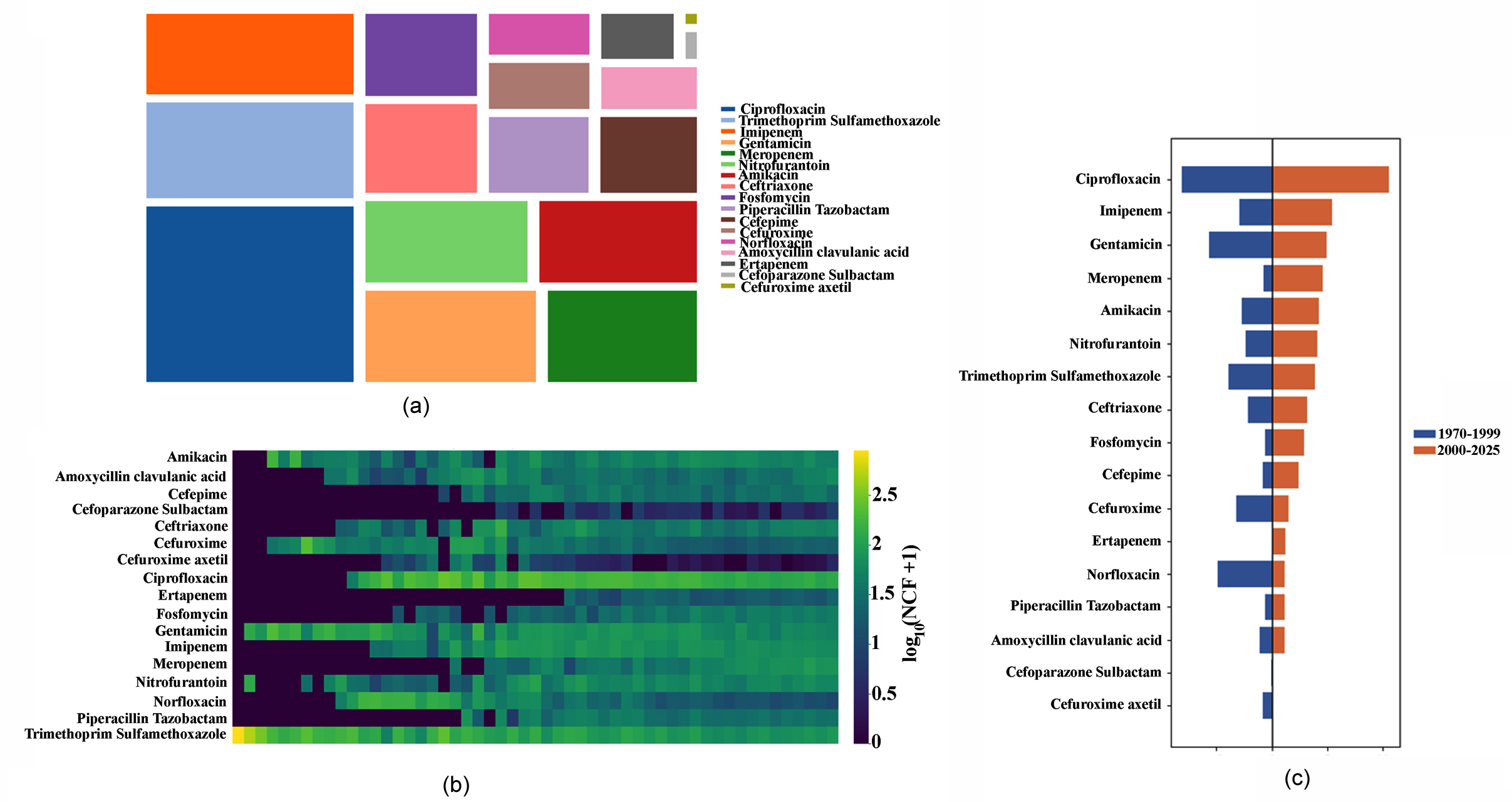
Figure 2. (a) Global composition of antibiotic resistance profiles in UTI-associated Escherichia coli. The tree map illustrates the relative contribution of individual antibiotics to the overall resistance evidence based. Block size is proportional to the percentage of resistance-associated publications for each antibiotic, highlighting agents that dominate global resistance reporting. (b) A year-wise antibiotic resistance reporting intensity in UTI-associated Escherichia coli from 1973-2025. Colour intensity represents the log-transformed normalized frequency of reporting resistance to individual antibiotics, derived from abstract-level text mining. This visualization highlights temporal emergence, persistence, and relative burden of resistance across antibiotics; (c) Comparision of mean antibiotic resistance rates in UTI associated E. coli between two time periods, 1970-1999 (blue bar) and 2000-2025 (orange bar). Antibiotics are ranked by the increase in resistance change between periods, from highest (ciprofloxacin) to lowest (cefuroxime axetil)
Table 1. Emergence of antibiotic resistance against UTIs associated with E. coli
Name of the antibiotic |
First Year of resistance evidence |
Decade of emergence |
Antibiotic class |
Interpretation |
|---|---|---|---|---|
Trimethoprim– Sulfamethoxazole |
1973 |
1970s |
Folate pathway inhibitor |
Early, persistent resistance |
Gentamicin |
1974 |
1970s |
Aminoglycoside |
Early emergence |
Nitrofurantoin |
1975 |
1970s |
Nitrofuran |
Long-standing use |
Cefuroxime |
1976 |
1970s |
Cephalosporin (2nd gen) |
Early β-lactam resistance |
Amikacin |
1977 |
1970s |
Aminoglycoside |
Early emergence |
Ciprofloxacin |
1981 |
1980s |
Fluoroquinolone |
Post-introduction emergence |
Norfloxacin |
1982 |
1980s |
Fluoroquinolone |
Class-specific emergence |
Ceftriaxone |
1984 |
1980s |
Cephalosporin (3rd gen) |
Expanded-spectrum β-lactam |
Cefepime |
1991 |
1990s |
Cephalosporin (4th gen) |
Later-generation β-lactam |
Fosfomycin |
1992 |
1990s |
Phosphonic acid |
Re-emergence era |
Imipenem |
1993 |
1990s |
Carbapenem |
Reserve antibiotic |
Meropenem |
1996 |
1990s |
Carbapenem |
Reserve antibiotic |
Ertapenem |
2001 |
2000s |
Carbapenem |
Late carbapenem |
Piperacillin-Tazobactam |
2003 |
2000s |
β-lactam/β-lactamase inhibitor |
Escalation therapy |
Cefoperazone-Sulbactam |
2004 |
2000s |
β-lactam/β-lactamase inhibitor |
Combination therapy |
Cefuroxime Axetil |
2005 |
2000s |
Oral cephalosporin |
Community-level use |
Quantitative long-term dynamics in AMR threats associated with E. coli mediated UTIs
EAPC estimation helps to understand the AMR trends of E. coli mediated UTIs as resistance generally occurred through temporal and non-linear mechanism.18 This estimation can effectively measure the AMR by analysing the rate and degree of change in comparison with the global trend. Hence this longitudinal analysis helps to distinguish the effective antibiotics over a pool of traditional antibiotics for better patient outcomes by transforming heterogenous bibliometric resistance trends into simple interpretable trends.18 Additionally, the EAPC estimation also supports cross-antibiotic ranking and provides early warning signals for last-resort antibiotics. In this regard, this study aims to analyse the trend of resistance rate over a period of time by estimating the EAPC for every antibiotic. The computed EAPC indicates a positive EAPC rate in terms of several antibiotics, including carbapenems, fosfomycin and piperacillin-tazobactam (Figure 3A, Table 2). This positive EAPC rate suggests an increasing resistance rate and also provides the selective pressure of these antibiotics in clinical outcomes globally. Additionally, as represented in
Figure 3A and Table 2, the trend of resistance rate in fluoroquinolone and cephalosporin represents the trend of selective E. coli over a long period of time. Furthermore, the traditional resistance agents exhibit a negative EAPC rate, suggesting their reduction as potent therapeutic agents. To complement the computed EAPC, the relative ranking of the antibiotics between early and recent periods were also determined (Figure 3B). This rank-shift analysis of antibiotics helps to find out the relative changes in the resistance metrics. Figure 3B reveals that carbapenems and fosfomycin are tending to represent upwards shifts in terms of recent rankings. This observation underscores the clinical relevance of resistance despite its relatively late emergence. In contrast, several antibiotics exhibited a downward shift in ranking, likely reflecting their replacement in frontline treatment regimens (Figure 3B). Taken together, this analysis helps to understand the changes in the treatment regimens and adaptation of resistance in UTIs associated with E. coli. Furthermore, the persistence of AMR is also important to find out the less effective antibiotics and replace them with more promising antimicrobial agents. In this regard, Figure 4 exhibits that gentamicin, nitrofurantoin, and amikacin contributed higher in the persistence factor analysis. This observation suggests that the efficacy of these antibiotics against the UTIs associated with E. coli is seriously compromised. In contrast, the lower persistence rates observed for newly introduced antibiotics may reflect a rapid rise in the emergence of AMR (Figure 4). Taken together, the integrated trend analysis and persistence profiling provide a comprehensive assessment of the complexity of AMR in E. coli-associated UTIs, highlighting antibiotic-specific differences in resistance dynamics. Overall, this study highlights the dynamic and heterogenous trajectory of AMR in UTIs linked with E. coli. This rapid emergence of resistance to several traditional and front-line antibiotics emphasizes the importance of continuous surveillance and emergence of novel therapeutic agents to address the rising threats linked with resistant UTIs.
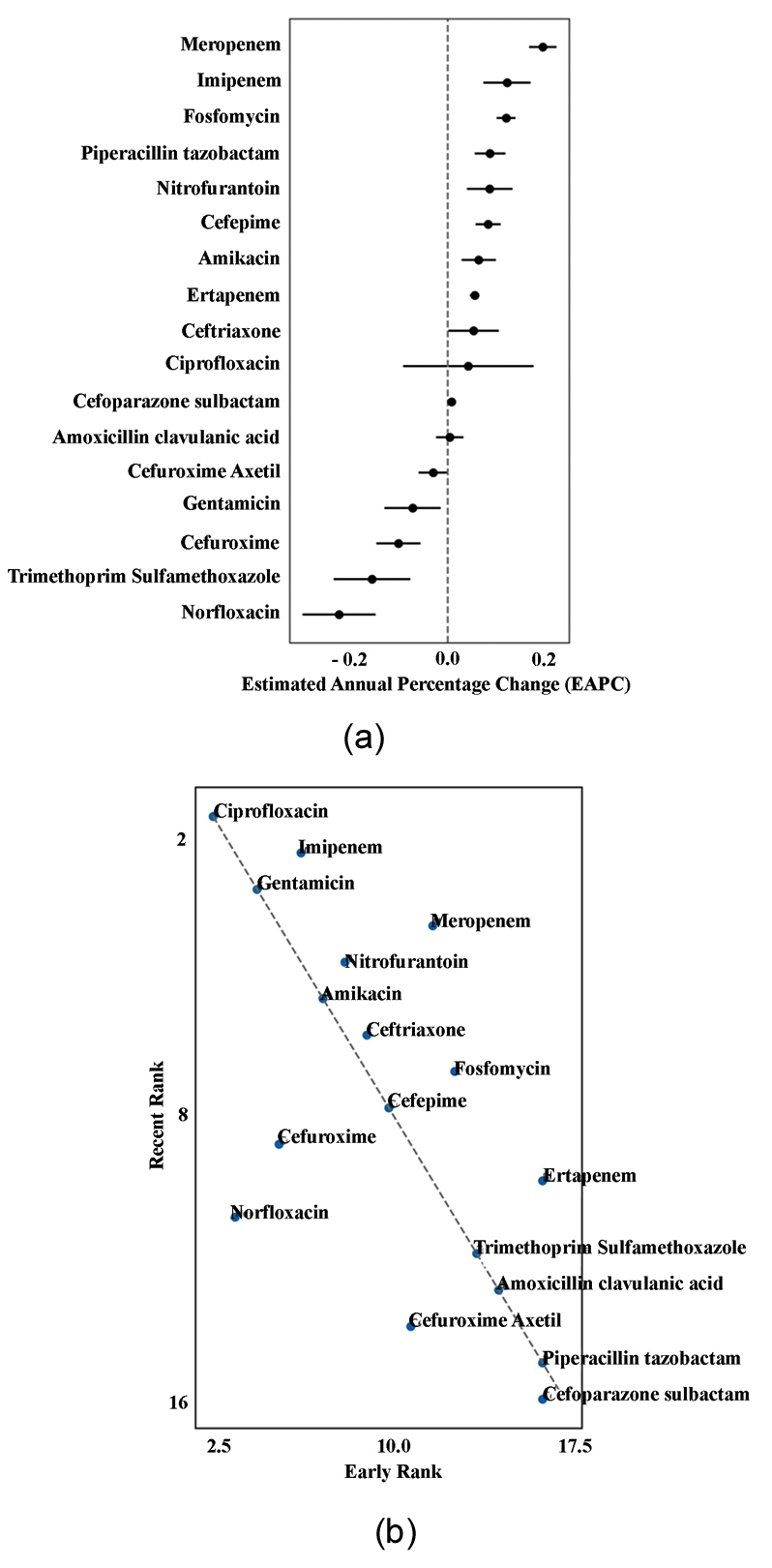
Figure 3. (a) EAPC trend of traditional antibiotics. (b) Early vs recent rank of antibiotics in terms of their resistance Profile
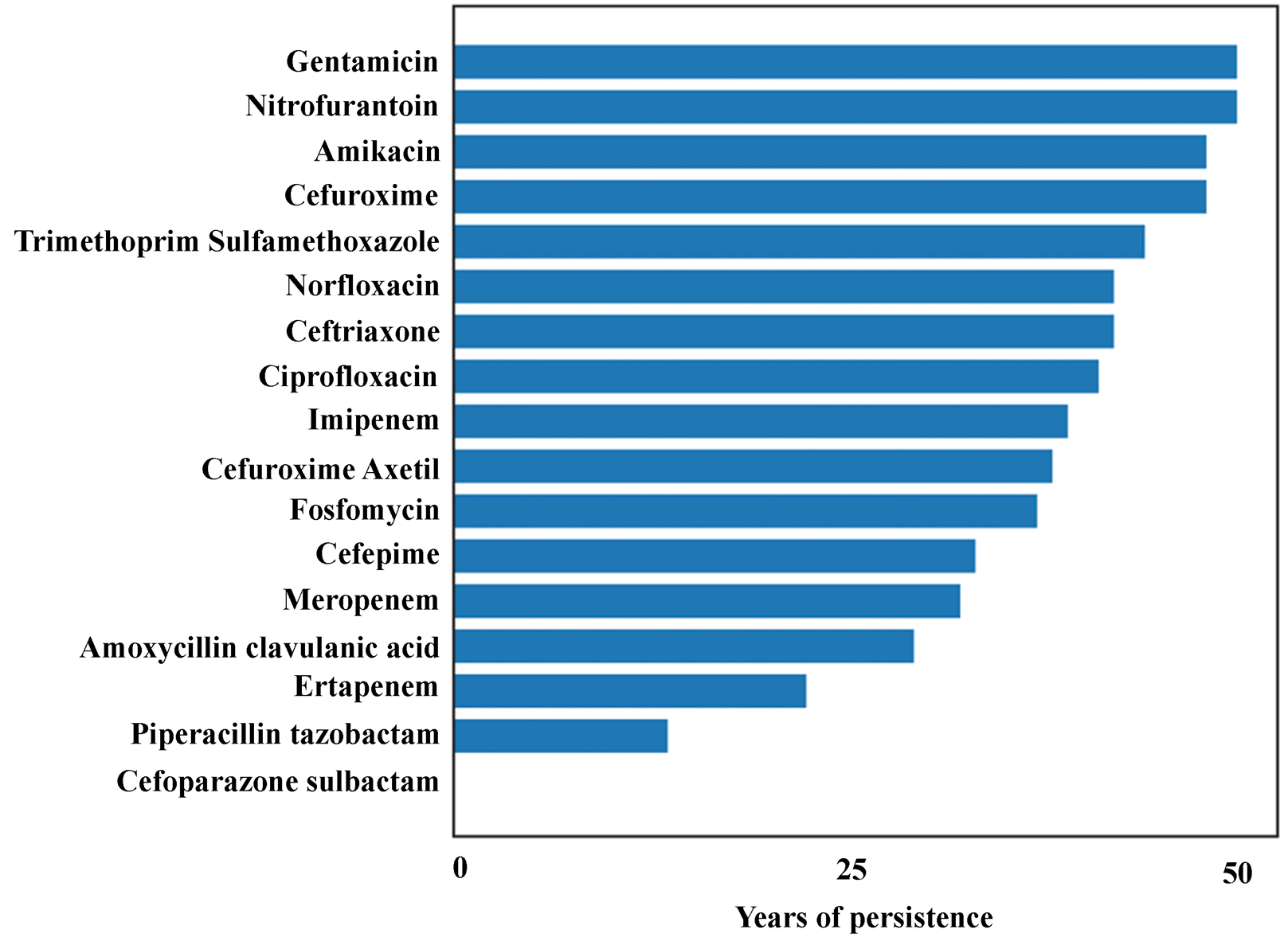
Figure 4. Persistence of resistance against the UTIs linked with E. coli
Table 2. EAPC trend of the antibiotics
Antibiotic Agent |
EAPC (%) |
95% Confidence Interval |
Trend Interpretation |
|---|---|---|---|
Ciprofloxacin |
+4.12 |
(3.45, 4.80) |
Significant Increase |
Ceftriaxone |
+3.85 |
(3.10, 4.61) |
Significant Increase |
Meropenem |
+3.20 |
(2.55, 3.86) |
Significant Increase |
Amikacin |
+1.45 |
(0.85, 2.05) |
Significant Increase |
Nitrofurantoin |
+0.22 |
(-0.15, 0.59) |
Stable/non-significant |
Gentamicin |
+1.10 |
(0.40, 1.80) |
Significant Increase |
Fosfomycin |
+2.95 |
(2.10, 3.81) |
Significant Increase |
Amoxicillin-Clavulanic Acid |
+2.40 |
(1.75, 3.05) |
Significant Increase |
Piperacillin-Tazobactam |
+3.05 |
(2.30, 3.80) |
Significant Increase |
Trimethoprim-Sulfamethoxazole |
+0.85 |
(0.20, 1.50) |
Significant Increase |
Antibiotic Agent |
EAPC (%) |
95% Confidence Interval |
Trend Interpretation |
Ciprofloxacin |
+4.12 |
(3.45, 4.80) |
Significant Increase |
Ceftriaxone |
+3.85 |
(3.10, 4.61) |
Significant Increase |
Meropenem |
+3.20 |
(2.55, 3.86) |
Significant Increase |
Amikacin |
+1.45 |
(0.85, 2.05) |
Significant Increase |
Nitrofurantoin |
+0.22 |
(-0.15, 0.59) |
Stable/non-significant |
This study demonstrates that antibiotic resistance in Escherichia coli-associated urinary tract infections has steadily intensified over the past five decades. Resistance is now widespread against commonly used drugs (fluoroquinolones, cephalosporins, aminoglycosides, and trimethoprim-sulfamethoxazole) as well as the last‑line antibiotics (carbapenems and fosfomycin). Overall, the findings emphasize the need for dynamic surveillance approaches to guide treatment decisions, strengthen stewardship programs, and inform international health policies.
ACKNOWLEDGMENTS
The authors would like to thank The Neotia University for providing assistance through a minor grant (TNU/R&D/MP/2021/008) in carrying out the shared research activity. Moreover, the authors would also like to acknowledge Ms. Monikankana Dasgupta (Research Scholar) for correcting the language of the manuscript.
CONFLICT OF INTEREST
The authors declare that there is no conflict of interest.
AUTHORS’ CONTRIBUTION
AD, RR and PT conceptualized the study and designed the experiments.
AD, RR, PG, AM and TB performed the experiments.
AD, RR, PG, PT, AM and TB analysed the results. AD, RR, PC, and PT wrote the manuscript. AD, RR, ST, PT, PP, SD, and SS reviewed and revised the manuscript. All authors read and approved the final manuscript for publication.
FUNDING
The study was supported by The Neotia University through a minor grant (TNU/R&D/MP/2021/008).
DATA AVAILABILITY
The datasets generated and/or analysed during the current study are available from the corresponding author on reasonable request.
ETHICS STATEMENT
Not applicable.
- Murray CJ, Ikuta KS, Sharara F, et al. Global burden of bacterial antimicrobial resistance in 2019: a systematic analysis. Lancet. 2022;399(10325):629-655.
Crossref - Xu X, Wang Y, Li N, et al. Uropathogen profiles and their antimicrobial resistance patterns in patients: a three-year retrospective study in Sichuan region. Front Public Health. 2025;13:1493980.
Crossref - Shafrin J, Marijam A, Joshi AV, et al. Economic burden of antibiotic-not-susceptible isolates in uncomplicated urinary tract infection: analysis of a US integrated delivery network database. Antimicrob Resist Infect Control. 2022;11(1):84.
Crossref - Zhou Y, Zhou Z, Zheng L, et al. Urinary tract infections caused by uropathogenic Escherichia coli: mechanisms of infection and treatment options. Int J Mol Sci. 2023;24(13):10537.
Crossref - Rozwadowski M, Gawel D. Molecular factors and mechanisms driving multidrug resistance in uropathogenic Escherichia coli-an update. Genes. 2022;13(8):1397.
Crossref - Nasrollahian S, Graham JP, Halaji M. A review of the mechanisms that confer antibiotic resistance in pathotypes of Escherichia coli. Front Cell Infect Microbiol. 2024;14:1387497.
Crossref - Schnall J, Rajkhowa A, Ikuta K, Rao P, Moore CE. Surveillance and monitoring of antimicrobial resistance: limitations and lessons from the GRAM project. BMC Med. 2019;17(1):176.
Crossref - Adams J, Jones P, Porter S, et al. Dimensions-a collaborative approach to enhancing research discovery. 2018.
Crossref - Cirstea I, Radu A-F, Tit DM, Radu A, Bungau G, Negru PA. Bibliometric analysis of medical waste research using Python-driven algorithm. Algorithms. 2025;18(6):312.
Crossref - Bisong E. Building machine learning and deep learning models on Google cloud platform. Apress, Berkeley, CA. 2019. doi: 1007/978-1-4842-4470-8
- Harris CR, Millman KJ, Van Der Walt SJ, et al. Array programming with NumPy. Nature. 2020;585(7825):357-362.
Crossref - Westergaard D, Stærfeldt HH, Tønsberg C, Jensen LJ, Brunak S. A comprehensive and quantitative comparison of text-mining in 15 million full-text articles versus their corresponding abstracts. PLoS Comput Biol. 2018;14(2):e1005962.
Crossref - Gart JJ, Zweifel JR. On the bias of various estimators of the logit and its variance with application to quantal bioassay. Biometrika. 1967;54(1-2):181-187.
Crossref - Dimitris MC, Gittings M, King NB. How global is global health research? A large-scale analysis of trends in authorship. BMJ Glob Health. 2021;6(1):e003758.
Crossref - Ahmad OB, Boschi-Pinto C, Lopez AD, Murray CJ, Lozano R, Inoue M. Age standardization of rates: a new WHO standard. World Health Organization, Geneva. 2001.
- Seabold S, Perktold J. Statsmodels: econometric and statistical modeling with Python. Proc 9th Python Sci Conf. 2010;7(1):92-96.
Crossref - Liu Z, Mao X, Jin L, Zhang T, Chen X. Global burden of liver cancer and cirrhosis among children, adolescents, and young adults. Dig Liver Dis. 2020;52(2):240-243.
Crossref - Fay MP, Tiwari RC, Feuer EJ, Zou Z. Estimating average annual percent change for disease rates without assuming constant change. Biometrics. 2006;62(3):847-854.
Crossref - Andagalu B, Smith E, Durand S, et al. Global assessment of partial artemisinin resistance: multicenter trial across Kenya, Peru, and Thailand in patients with uncomplicated Plasmodium falciparum malaria. Int J Infect Dis. 2025;159:107971.
Crossref - Waskom ML. Seaborn: statistical data visualization. J Open Source Softw. 2021;6(60):3021.
Crossref - Changyong F, Hongyue W, Naiji L, et al. Log-transformation and its implications for data analysis. Shanghai Arch Psychiatry. 2014;26(2):105-112.
Crossref - Hunter JD. Matplotlib: a 2D graphics environment. Comput Sci Eng. 2007;9(3):90-95.
Crossref - Virtanen P, Gommers R, Oliphant TE, et al. SciPy 1.0: fundamental algorithms for scientific computing in Python. Nat Methods. 2020;17(3):261-272.
Crossref - Veeraraghavan B, Walia K. Antimicrobial susceptibility profile and resistance mechanisms of Global Antimicrobial Resistance Surveillance System (GLASS) priority pathogens from India. Indian J Med Res. 2019;149(2):87-96.
Crossref - Bertagnolio S, Suthar AB, Tosas O, Van Weezenbeek K. Antimicrobial resistance: strengthening surveillance for public health action. PLoS Med. 2023;20(7):e1004265.
Crossref - Li X, Fan H, Zi H, et al. Global and regional burden of bacterial antimicrobial resistance in urinary tract infections in 2019. J Clin Med. 2022;11(10):2817.
Crossref - Sharapatov Y, Turgunov Y, Lavrinenko A. Pathogenic mechanisms of acute obstructive pyelonephritis. Open Access Maced J Med Sci. 2021;9(F):124-128.
Crossref - Medina M, Castillo-Pino E. An introduction to the epidemiology and burden of urinary tract infections. Ther Adv Urol. 2019;11:1756287219832172.
Crossref - Terlizzi ME, Gribaudo G, Maffei ME. Uropathogenic Escherichia coli (UPEC) infections: virulence factors, bladder responses, antibiotic and non-antibiotic antimicrobial strategies. Front Microbiol. 2017;8:1566.
Crossref - Pandit R, Awal B, Shrestha SS, et al. Extended-spectrum β-lactamase (ESBL) genotypes among multidrug-resistant uropathogenic Escherichia coli clinical isolates from a teaching hospital of Nepal. Interdiscip Perspect Infect Dis. 2020;2020:6525826.
Crossref - Sweileh WM, Al-Jabi SW, Zyoud SH, Sawalha AF, Abu-Taha AS. Global research output in antimicrobial resistance among uropathogens: a bibliometric analysis (2002–2016). J Glob Antimicrob Resist. 2018;13:104-114.
Crossref - Olamijuwon E, Keenan K, Mushi MF, et al. Treatment seeking and antibiotic use for urinary tract infection symptoms in the time of COVID-19 in Tanzania and Uganda. J Glob Health. 2024;14:05007.
Crossref
© The Author(s) 2026. Open Access. This article is distributed under the terms of the Creative Commons Attribution 4.0 International License which permits unrestricted use, sharing, distribution, and reproduction in any medium, provided you give appropriate credit to the original author(s) and the source, provide a link to the Creative Commons license, and indicate if changes were made.