

ISSN: 0973-7510
E-ISSN: 2581-690X
 and Srividya Shivakumar1,3
 PHB (Polyhydroxybutyrate) is a non-toxic and biodegradable microbial biopolymer with thermoplastic-like properties with growing relevance for biomedical applications. However, PHB is inherently brittle, and requires a plasticizer to enhance mechanical performance. In the present study, a fully natural biopolymer with anti-quorum sensing and bactericidal properties was synthesized and evaluated for its physico-mechanical properties and biocompatibility. PHB films were fabricated with Coconut oil (CO) as plasticizer resulting in substantial improvement in flexibility, with elongation at break increasing from 1.713% in pure PHB films to over 8% in the CO plasticized blend. To confer bioactive property, Thyme essential oil (TEO) was incorporated, which also improved wettability, protein adsorption, and resulted in average surface roughness of 338.215 nm. This blend showed enhanced biocompatibility with L929 fibroblasts. In vitro TEO release studies revealed initial burst release followed by sustained release over 48 hours indicating an early and prolonged antimicrobial activity. The TEO blend showed effective bactericidal and anti-quorum activity with Chromobacterium violaceum confirming preservation of bioactivity during blend fabrication. The sustainable, antimicrobial biopolymer formulated in this work presents a promising candidate for development of eco-friendly biomedical products such as sutures, wound dressings and scaffolds.
Polyhydroxy Butyrate (PHB), Coconut Oil, Bioactive Biopolymer, Thyme Essential Oil, Anti-quorum
There is an increasing global concern over accumulation of plastic waste and the environmental problems that it causes. Plastic is a versatile material with a wide range of applications including packaging, electronics, etc. Of these, major contributors of pollution are single-use plastics, the use of which has increased exponentially in the past couple of decades,1 including in healthcare industry in form of gloves, masks, bandages etc.2 As a result, it is vital to adopt biodegradable plastics which can naturally and rapidly degrade in the environment, particularly for single-use applications PHB is a Polyhydroxyalkanoate produced by many bacteria in response to nutrient limiting conditions. It is a biopolymer known for its desirable plastic-like properties, including hydrophobicity, thermal stability, and biodegradability.3 Additionally, PHB is also non-toxic, biocompatible and degrades into non-toxic by-products. Owing to these features PHB based composites are being explored extensively in tissue engineering, such as scaffolds for bone and cartilage, PHB based nano fibre mats as wound dressings, absorbable sutures etc.4,5 However, PHB inherently produces a brittle polymer, often requiring additional plasticizers to improve its flexibility and strength.6
In this study a blend of PHB with coconut oil as the plasticizer (PHB-CO) was prepared. As PHB is a fully biodegradable polymer produced by microorganisms, its combination with coconut oil results in a completely natural polymer. Physical and mechanical characterization of the novel blend was done, using PHB-PEG blend as standard for comparative analysis. The characterization validated the improved quality of the PHB-CO blend in terms of mechanical elasticity, wettability, thermal degradation, protein adsorption. Further, thyme essential oil (TEO), known for its antimicrobial properties such as quorum sensing inhibition and bactericidal effects, was combined with the PHB-CO blend to create a unique antimicrobial blend and assess its practicability as a carrier matrix for bioactive agents. The bioactive agent got effectively incorporated into the matrix, was able to diffuse out of the bioplastic matrix, and also retained the bioactive properties as evidenced by its activity against quorum sensing indicator Chromobacterium violaceum. The blends were found to be biocompatible with L929 fibroblasts without showing any cytotoxicity. To the best of our knowledge, this study is one of the first reports which demonstrates the use of coconut oil as a natural plasticizer for PHB in combination with thyme essential oil. The polymer demonstrated enhanced physico-mechanical performance, while conferring dual antibacterial properties as well as in vitro biocompatibility. The comprehensive characterization of this blend confirms that the composite blend of PHB-coconut oil-thyme essential oil is a promising material to develop antimicrobial commodities for biomedical use.
Preparation of PHB blends
PHB was extracted from Bacillus megatarium Ti3 (GenBank: HF968632) by Sodium hypochlorite extraction.7 PHB and composite films were prepared using the solvent-casting method. 2% PHB was dissolved in chloroform at 60-65 °C for 15 minutes.8 Neat films were prepared by pouring the dissolved PHB on a clean glass plate and kept for film formation inside a chloroform-saturated chamber overnight. For the blends, PHB was dissolved as stated above, and plasticizers like polar PEG 300 (Polyethylene glycol) and coconut oil were added. PEG blend prepared in 80:20 ratio of the polymers (PHB:plasticizer) was used as a control for comparison. Coconut oil blends were prepared in the ratios of 90:10, 85:15, 70:30, 65:35 w/w.
For the preparation of TEO blend, 85:15 (PHB:Coconut oil) were incorporated with 50 µL TEO for anti-quorum and antibacterial studies. The thyme essential oil was procured from Veda oils, a standard company supplying essential oils.
Characterization of coconut oil blends
FTIR of PHB neat and blended films
The incorporation of coconut oil and TEO within the polymer blend was confirmed with FTIR performed with Bruker Alpha II FTIR-ATR spectrometer. The films were stored in air tight containers at room temperature. The FTIR spectra were recorded in the range of 4000 to 500 cm-1.9
Mechanical properties
Thickness of the films was measured with help of digital micrometer screw gauge. Elongation at break, Youngs modulus, and tensile strength were examined as per ASTM D882 guidelines, using Dac’s System Inc. Universal testing machine with 5kN load cell at room temperature. The measurements were taken for 90 × 20 mm film samples at a strain rate of 0.5 mm/min.10
Water contact angle determination
The water contact angle was determined by the sessile drop method. Drop images were captured using traveling microscope at room temperature (27-28 °C) and ambient humidity 51%. The plastic films were placed on the stage, and a drop of distilled water (5 µL) was placed on top of the film and imaged within 10-20 seconds using the traveling microscope. The contact angle was measured with the help of the ImageJ software using the drop_analysis.zip plugin.11
AFM of PHB neat and blended films
Atomic force microscopy was performed with Nanosurf easy Scan 2 (Nanosurf AF, Switzerland) device at room temperature (25-27 °C) in air. The system was equipped with silicon cantilevers with an aluminum backing, and was operated in the dynamic tapping mode to minimize deformation of the polymers. 50 x 50 µm2 area was scanned with a 70 µm head at 512 x 512-pixel resolution and 1Hz scan rate. The films were prepared by solvent casting as described earlier and measured directly without any modifications. Quantitative parameters determined were the average roughness (Sa) and the root mean square roughness (Sq).12
In vitro release studies of TEO from the polymer matrix
To evaluate release of TEO from the films, protocol was adapted from Maleki et al.13 The TEO blend was cut into 1 cm x 1 cm squares. Phosphate buffered saline (PBS, pH 7.4) was used as release medium to mimic physiological condition, 5% ethanol was added to boost essential oil solubility. The samples were added to 50 ml of release medium and incubated at 37 °C at 100 rpm. At specific time intervals of 1, 2, 3, 4, 5, 6, 24, 48 hours, 3 ml medium was withdrawn and replaced with fresh PBS. Standard calibration curve was prepared using TEO (0-1 µL/ml range) for determining concentration of released TEO. Absorbance was measured at 274 nm (λmax for TEO as identified from its absorption spectra). Percentage cumulative release was calculated as follows:
Release % = (Cf / Ci) x 100
Where,
Cf: Concentration in the medium
Ci: Maximum concentration in the film
Protein adsorption of PHB neat and blended films
For protein adsorption assay, films were cut into 1 cm x 1 cm squares and immersed in 10 mg/ml BSA (prepared in PBS) for 24 hrs at 37 °C in static conditions. They were washed with PBS buffer to remove unadhered BSA, and submerged in 2% SDS solution overnight to release the adsorbed protein. A BSA standard was prepared for comparison. Absorbance was read at 280 nm for all samples.7
Anti-quorum and antibacterial activity of Thyme oil loaded PHB-Coconut oil blends on C. violaceum
6 mm diameter discs of the PHB blends were cut out. Chromobacterium violaceum MTCC 2656 was used as the indicator to check for anti-quorum activity of the blends. Luria Bertani (LB) agar plates were swabbed with an overnight culture of C. violaceum adjusted to the 0.5 McFarland standard. The bioplastic discs were placed on the swabbed plate and incubated overnight at 37 °C. The zone of antimicrobial activity and anti-quorum activity was determined.14
Biocompatibility and cytotoxicity analysis of the bioactive polymer
To evaluate cell attachment and cytotoxicity of the biopolymer, biocompatibility assay was performed using L929 mouse fibroblast cell lines on the PHB-CO and PHB-CO-TEO blends. Dulbecco’s modified eagle medium supplemented with 10% foetal bovine serum was used as cell culture medium. The films were placed in a 12-well plate and acclimatized in 1 mL cell culture media for 12 hrs. 1 ml of 1 x 10⁵ L929 cells/ml of the cell suspension was added to each well and incubated at 37 °C with 5% CO2 atmosphere for 48 hrs. For control, cells were plated directly on the plate surface. Images were recorded at 0 hr, 24 hrs and 48 hrs intervals.
After incubation, 10% MTT reagent was added (final concentration 0.5 mg/mL) and the plate was incubated at 37 °C with 5% CO2 atmosphere for 3 hrs. 1 mL of DMSO was added to solubilize the formed formazan. The absorbance was measured using a microplate reader at a wavelength of 570 nm and also at 630 nm. The percentage proliferation was calculated considering proliferation in control as 100%.
Statistical analysis
The experiments were performed in triplicates, statistical analyses conducted using GraphPad Prism 9.0.0. Microsoft Excel 2019 was used to plot percentage release curve of the thyme oil migration assay. The data are expressed as mean ± SD, differences between groups were analysed using One-way ANOVA, followed by Sidak’s multiple comparisons test for Water contact angle determination, antimicrobial assay and biocompatibility tests, and Tukey’s multiple comparison tests for protein adsorption tests.
Preparation of PHB-Blends
PHB is inherently stiff and brittle with high degree of crystallinity and low elasticity. To improve the flexibility of PHB-based polymers, plasticizers have to be incorporated during the formation of the plastic film.6 Coconut oil dissolves in the chloroform used for solvent casting of the composite films and gets readily incorporated into the plastic film. Of the various ratios of CO, the 85:15 PHB-CO blend formed translucent and flexible films. On increasing the coconut oil content films became opaque (Figure 1). PEG has been previously reported to improve the mechanical properties of PHB blends and, therefore, was used as a standard.6,15 Coconut oil has been used previously as a plasticizer for bioplastic applications, such as polylactic acid (PLA) films for food packaging applications and in starch-based films.16,17 However, this is the first account of its usage in PHB-based films with the purpose of biomedical application. Previously, use of coconut fibres, choirs and virgin coconut oil to reinforce PHB structure has been reported.18,19 However, combined use of coconut oil and thyme oil to prepare a polymer with improved mechanical properties, dual antimicrobial functionality and biocompatibility with a purpose of biomedical use is unexplored.
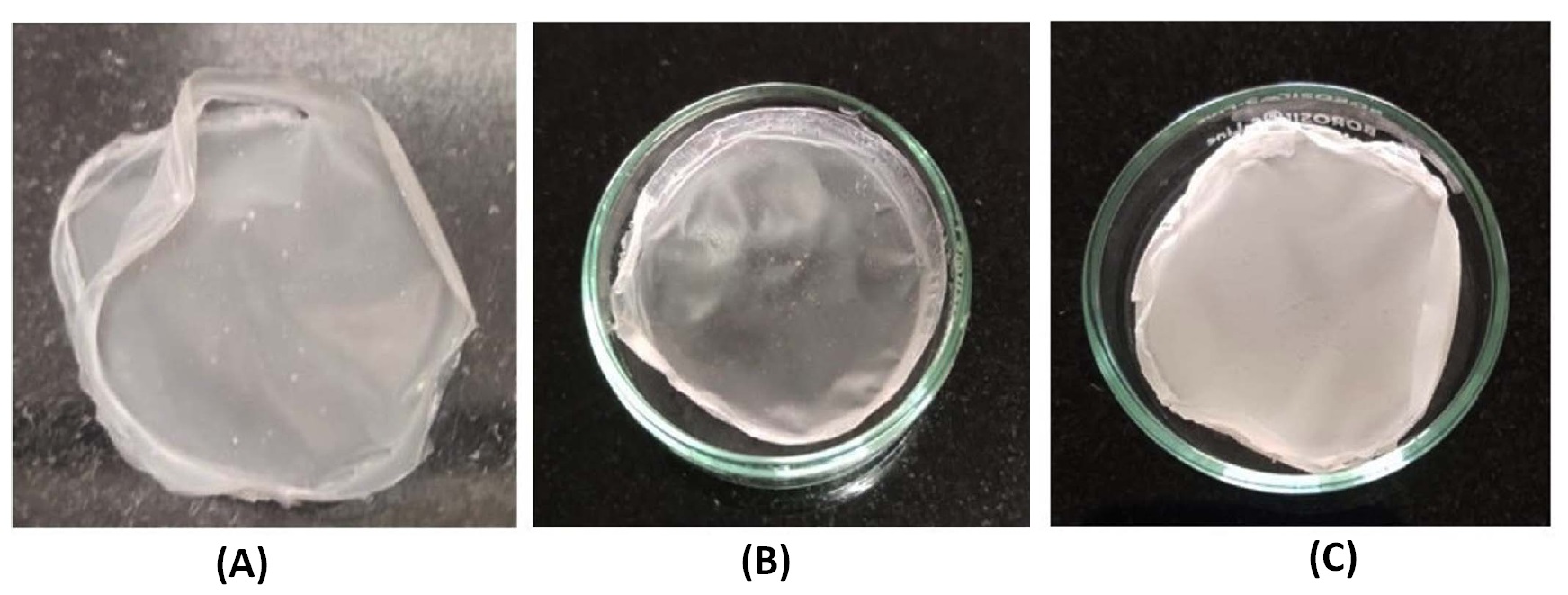
Figure 1. PHB based films. (A) Neat PHB film, films can be seen fragmented as they form during solvent casting due to the brittle nature of PHB. (B and C) 85:15 and 70:30 PHB-CO blends respectively. 85:15 ratio blends were translucent and flexible, increasing the coconut oil percentage resulted in formation of opaque films as seen in C.
Characterization of the films
Mechanical properties
Assessing mechanical properties such as elasticity and brittleness can determine suitability of a polymer for biomedical use. Neat PHB films exhibited highest peak load of ~7.8N followed by an abrupt failure suggesting its stiff and brittle nature, PHB-PEG showed lower peak load of ~3.3N and a steep slope showing brittleness. In contrast, peak load of ~1.55N and extended displacement before break, was seen in PHB-CO suggesting high ductility and reduced brittleness. PHB-CO-TEO demonstrated intermediate flexibility with a peak load of ~3.15N. Tensile strength, young’s modulus and elongation at break of the polymers as given in Table 1. Increased Elongation at break and reduced tensile strength in PHB-CO and PHB-CO-TEO demonstrates improved polymer characteristics. Coconut oil plasticized blends showed better mechanical properties, in comparison to PEG-plasticized blends previously reported and as seen in our experiment, coconut oil showed promising improvement in the mechanical properties of the PHB blends.20
Table (1):
Mechanical properties of the neat PHB and PHB blends
Tensile properties |
Film thickness, µm |
Tensile strength, Mpa |
Youngs modulus, Mpa |
Elongation at break, % |
|---|---|---|---|---|
PHB-NEAT |
53 ± 5.7 |
19.5 ± 0.14 |
1016 ± 80.0 |
1.713 ± 0.067 |
PHB-PEG |
56.2 ± 5.8 |
6.7 ± 0.38 |
346 ± 30.8 |
2.3 ± 0.21 |
PHB-CO |
53.5 ± 3.2 |
3.8 ± 0.13 |
176 ± 7.62 |
8.9 ± 3.2 |
PHB-CO-TEO |
59.3 ± 2 |
5.2 ± 0.27 |
253 ± 1.55 |
2.1 ± 0.3 |
Determination of hydrophilicity of the polymer by water contact angle determination
The water contact angle (WCA) is a key factor in assessing the wettability of a surface, which influences the interactions of animal cells with the surface.21,22 Arima and Iwata have shown that polymers with WCAs ranging from 40°-70° exhibit different effects on cell adhesion, with maximum adhesion seen at around 50° when tested on HeLa cells. Kim et al. found that a WCA between 50° and 60° is optimal for fibroblast adhesion, migration, and growth-related responses such as c-fos and c-myc mRNA expression.23,24
The WCAs of the prepared blends are detailed in Table 2. Due to its hydrophilic nature, PEG increases the hydrophilicity of the PHB thereby significantly reducing the water contact angle from 74.5° to 48.6°. PHB-CO exhibited a small decrease in the WCA by around 9°, but did not significantly reduce it, likely due to its non-polar nature. WCA reduced in the PHB-CO-TEO despite the hydrophobic nature of the thyme and coconut oils. The high surface roughness of the blend due to possible dispersion of the oil droplets in the film, confirmed by AFM, could likely result into reduced WCA. This decrease in WCA can be explained by Wenzel model, the increased roughness of the film due to incorporation of thyme oil could be attributed to the decreased apparent contact angle.25
Table (2):
Water contact angles of the films
Blend type |
Water contact angle |
|---|---|
PHB-NEAT |
74.5° ± 3 |
PHB-PEG |
48.67° ± 3.5 |
PHB-CO |
64.238° ± 5.4 |
PHB-CO-TEO |
52.5° ± 2.5 |
FTIR of PHB composite films
FTIR for the composite films was performed to confirm the incorporation of the coconut oil and thyme essential oil into the films. FTIR spectrum of the PHB composite films is shown in Figure 2. The peak assignment and their respective functional groups are given in Table 3.
Table (3):
FTIR spectrum absorption peaks and interpretation for PHB composite blends
| Wave number | Peak interpretation | Reference |
|---|---|---|
| 3000-3500 cm-1 | O-H stretching, alcohol – Thyme oil | Catauro et al.29 |
| 1705-1735 cm-1 | C=O carbonyl stretching and -COO of the ester of PHB | Pradhan et al.9 |
| 2975 cm-1 | -CH [alkanes] bonding | |
| 2920-2924 cm-1 | C-H stretching of aliphatic group of Coconut oil | Sutapa et al.,28 Sarac et al.26 and Ong et al.27 |
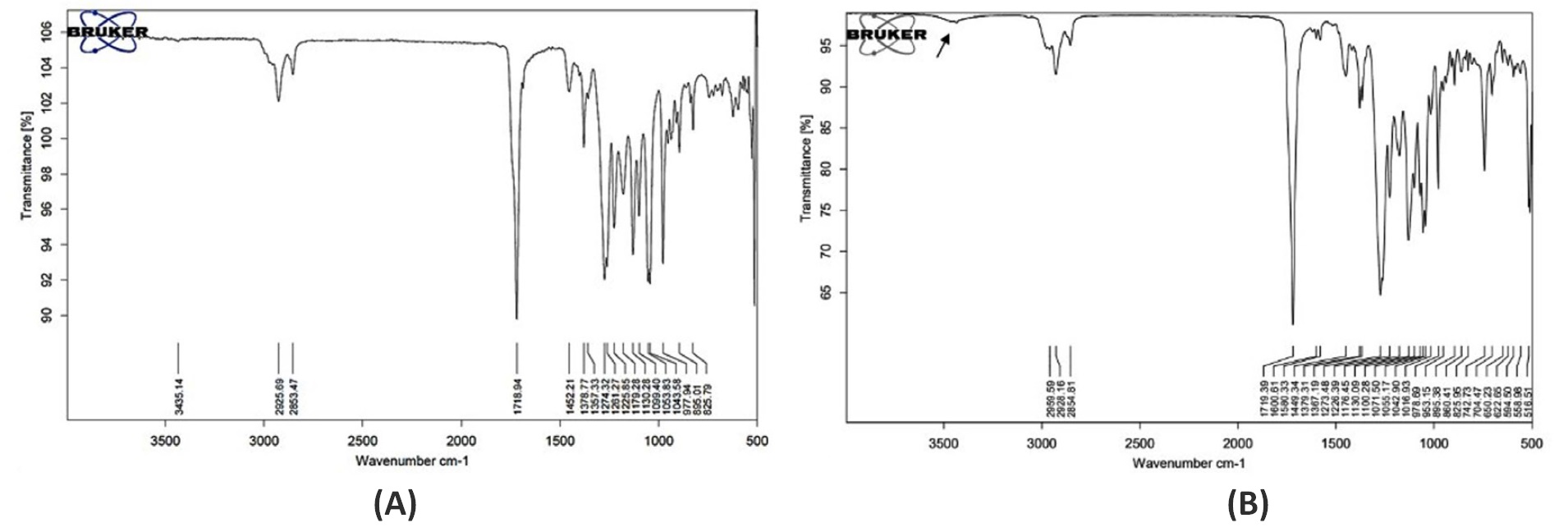
Figure 2. FTIR of (A) PHB-CO, (B) PHB-CO-TEO. (Arrow: O-H stretching of Thymol)
Absorption peaks at 2925.29 cm-1 and 2853.65 confirm C-H stretching vibrations of alkanes and alkenes, characteristic of coconut oil, confirming incorporation of coconut oil into the PHB-CO blend26-28 (Figure 2A).
In PHB-CO-TEO, broad O-H stretching of thymol observed in the 3000-3500 cm-1 region in the IR spectrum confirming thyme oil incorporation into the film (Figure 2B).29,30
Release kinetics of TEO from films
To determine the release of TEO from the PHB-CO matrix, in vitro migration profile of TEO from the PHB-CO-TEO films was studied over a period of 48 hours. A biphasic pattern was observed comprising of an initial burst release in around 3 hours followed by sustained diffusion phase over 48 hours (Figure 3). Approximately 65.5% of the TEO released within the first 3 hours. This initial rapid release is consistent with the previous findings on essential oil migration from polymer films.31-33 The presence of the plasticizer is likely to facilitate the release of TEO from the polymer matrix due to free volume increase. A good plasticizer increases the free volume in the polymer by enhancing the mobilities of the polymer chains which will allow efficient movement of thyme oil molecules out of the film.34
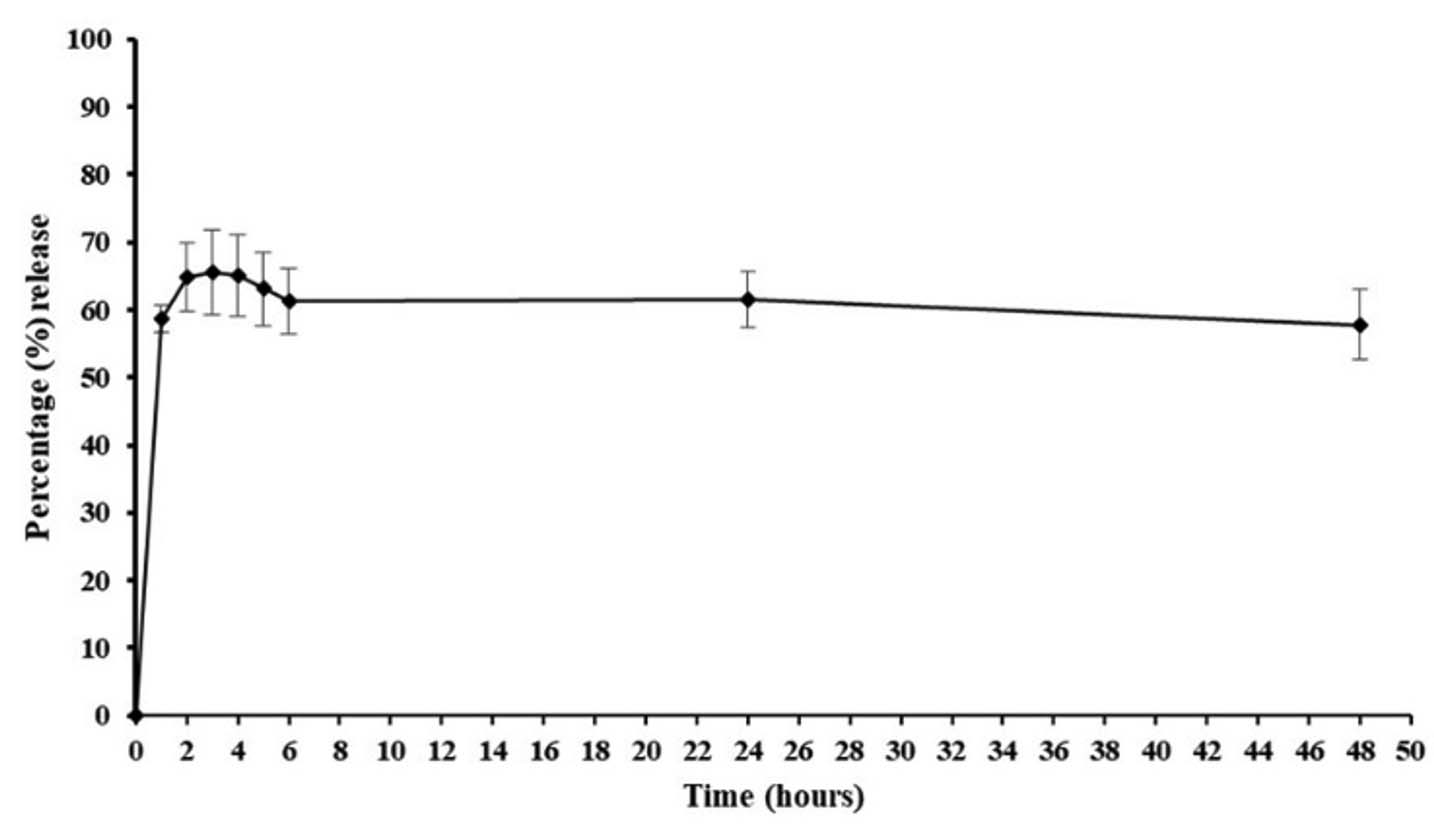
Figure 3. In vitro release studies of TEO from blends. Initial burst release of 65.5% was observed in the first three hours followed by a sustained release. Percentage release values were obtained from averages of three independent experiments
AFM of PHB neat and blended films
Atomic Force Microscopy was performed to determine the surface structural properties. Surface topology is an important consideration for cell adhesion, migration and growth of animal cells.
Adding the plasticizers PEG and CO to PHB decreased the surface roughness (Table 4 and Figure 4 A-C). In contrast, the incorporation of thyme essential oil increased the average roughness by 47% (Table 4 and Figure 4D), consistent with earlier studies where enhanced polymer roughness was observed on addition of ginger essential oil in chitosan-based films.35 Addition of Zanthoxylum bungeanum essential oil to corn-starch polymer also increased the surface roughness.36 This could be attributed to the dispersion of oil droplets within the film matrix which likely increases the roughness.
Table (4):
Roughness indicators of the polymer films
Blend type |
Average roughness, Sa [nm] |
Root mean squared roughness, Sq [nm] |
|---|---|---|
PHB-NEAT |
220.3 ± 0.02 |
273.77 |
PHB-PEG |
199.105 ± 9.1 |
252.5 |
PHB-CO |
181.55 ± 0.47 |
233.35 |
PHB-CO-TEO |
338.215 ± 17.5 |
565.37 |
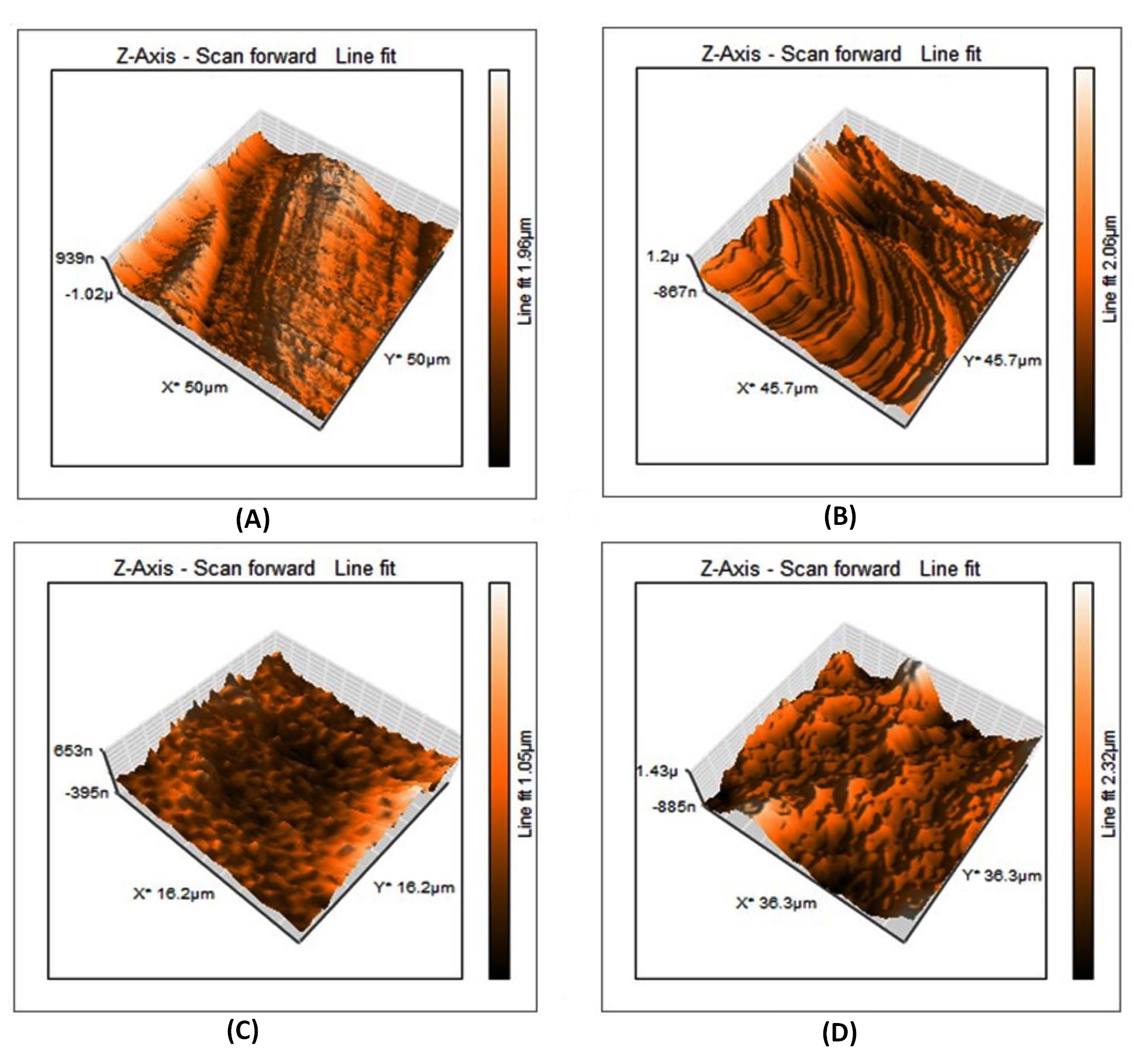
Figure 4. Atomic force microscopy PHB films. (A) PHB-NEAT; (B) PHB-PEG; (C) PHB-CO; (D) PHB-CO-TEO
Ponsonnet et al. have shown that increasing surface roughness from 0.08-1 µm, promotes cell proliferation, whereas values exceeding 1 µm, may have the opposite effect. Ponsonnet et al. in a related study, reported maximum fibroblast proliferation on surfaces with 0.5 µm. Riveiro et al. showed that micro-sized topographies, ranging in microns, affect cell adhesion and proliferation.37-39 Consistent with these studies, the PHB-CO-TEO blend with average roughness of 338 nm showed good fibroblast adhesion, as confirmed in the biocompatibility assay ahead.
Protein adsorption of PHB neat and blended films
The ability of a surface to adsorb proteins can influence its biocompatibility by supporting cell attachment. PEG plasticized film did not show effective protein attachment. This is consistent with earlier studies where incorporation of PEG in polymers reduced the protein adsorption.40-42 The PHB-CO films exhibited notable protein adsorption. Coconut oil is made of fatty acids, mainly medium chain fatty acids and has been found to interact with hydrophobic parts of proteins.43 Molecular docking studies indicate that Monolaurin, a constituent of coconut oil can bind proteins by hydrophobic interactions and hydrogen bond formation. Significant protein adsorption on the PHB-CO-TEO blend was observed, confirming the role of the components in modulating surface bioactivity. Thymol, a major monoterpenoid phenol of TEO, is shows strong binding to proteins mediated by hydrophobic interactions.44,45 High affinity to proteins and increased surface roughness as observed in the AFM analysis, are important parameters for cell adhesion (Figure 5).
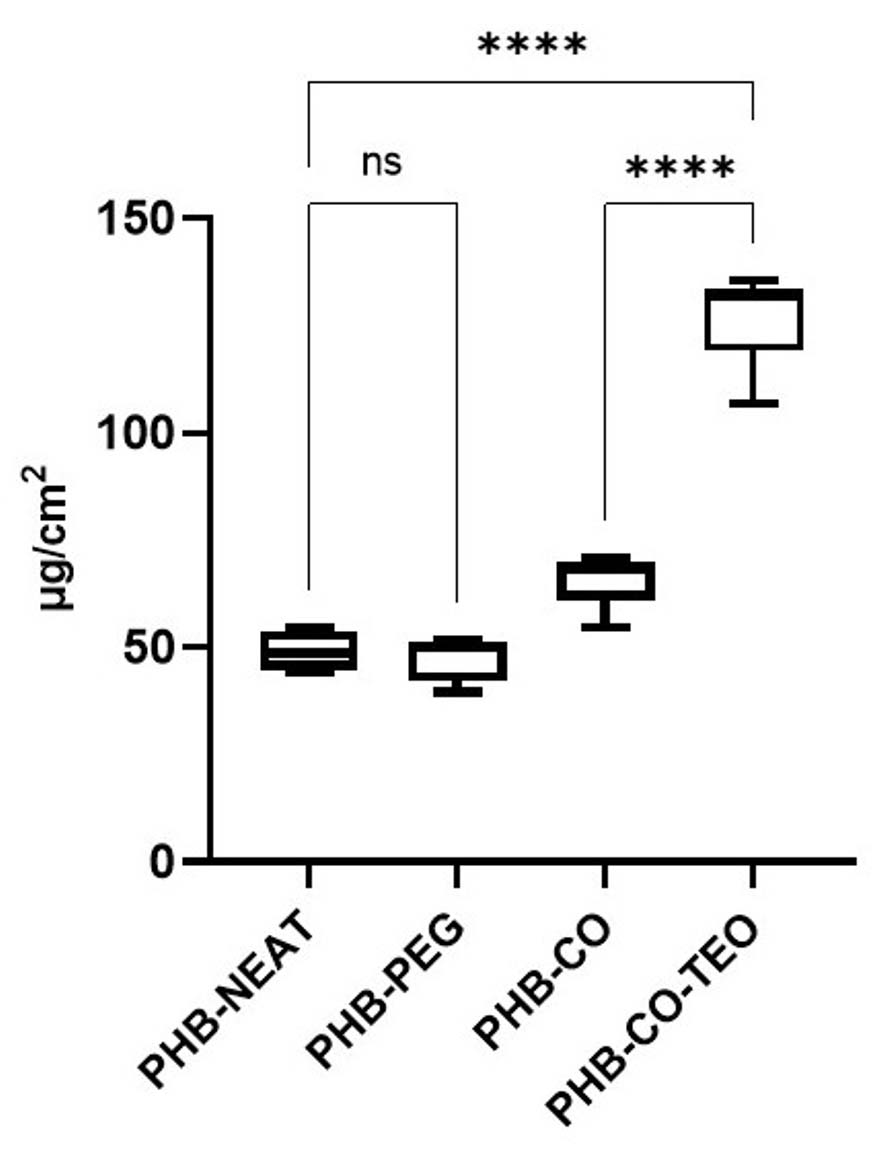
Figure 5. Protein adsorption by PHB neat and blended films. (****P < 0.0001)
Anti-quorum and antibacterial activity of TEO blend
Chromobacterium violaceum (CV), a Gram-negative bacterium producing a purple pigment called violacein regulated by Acyl Homoserine Lactone (AHL) mediated quorum sensing (QS), is used as an indicator for QS inhibition activity. AHL mediated QS is seen in many infection causing pathogens like Pseudomonas aeruginosa, E. coli.46 TEO in our previous studies and in other studies has demonstrated anti-quorum and anti-bacterial properties.47
TEO diffused from PHB-CO-TEO polymer matrix and displayed two distinct activities on CV. A zone of clearance is observed in the immediate vicinity of the disc indicating bactericidal activity, followed by a zone QS inhibition denoted by presence of bacterial colonies without pigment production, at sub-inhibitory concentrations (Figure 6).
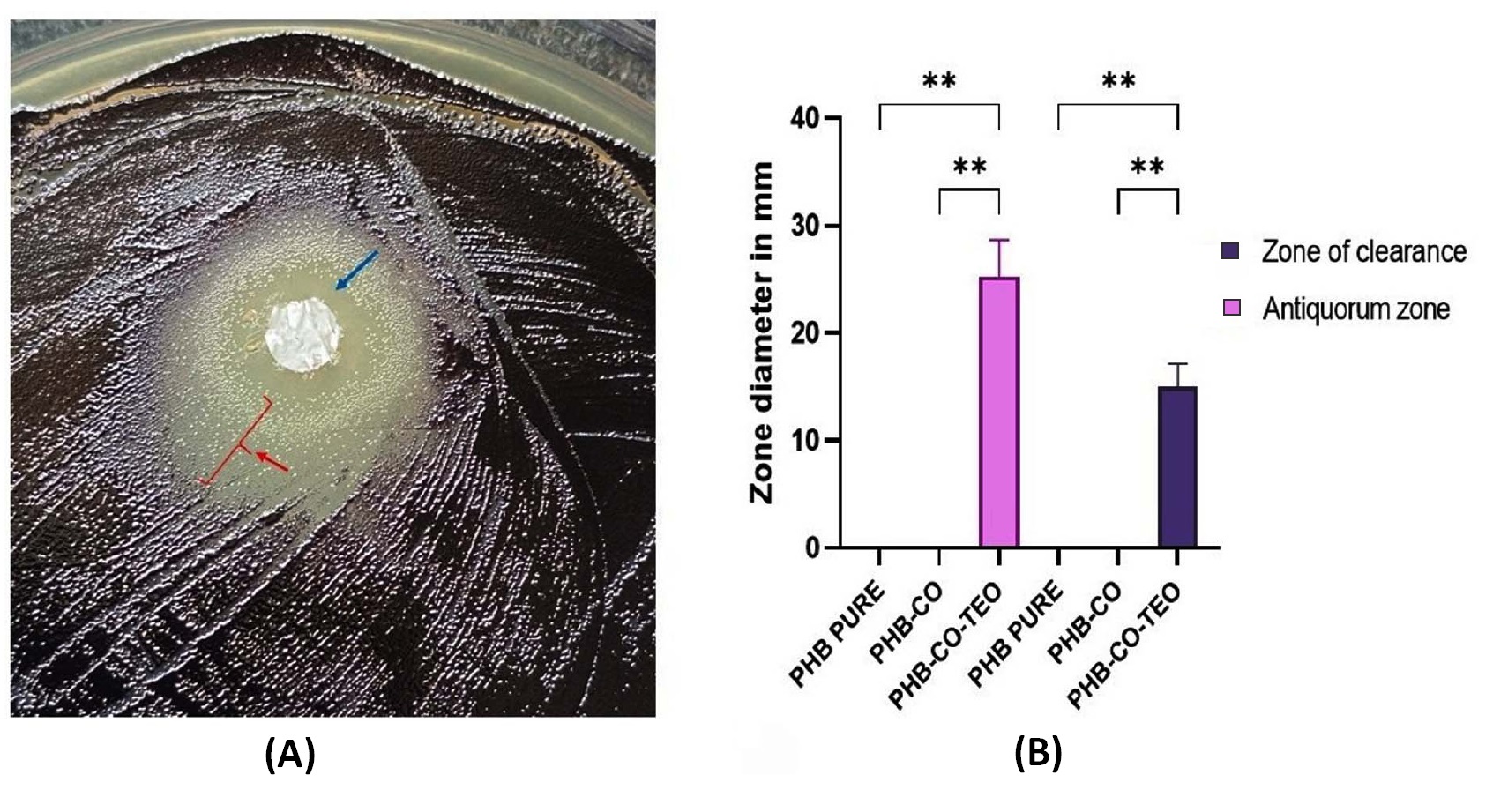
Figure 6. Zone of clearance and anti-quorum activity. (A) Representative image depicting the zones. Red arrow: anti-quorum, Blue arrow: zone of clearance and (B) Graphical representation of the antibacterial activity (**P < 0.001)
Disruption of QS networks of pathogenic bacteria is an important strategy to inhibit biofilm formation and control infection spread.14
Biocompatibility and cytotoxicity analysis of the bioactive biopolymer
Mouse Fibroblast cell lines L929 showed attachment as well as cell proliferation on both PHB-CO and PHB-CO-TEO. There was no cytotoxicity observed in both the blends. The bioactive blend was significantly more compatible than PHB-CO (Figure 7). These results align with Ponsonnet et al., PHB-CO-TEO having average surface roughness of 338 nm as seen in the AFM results, demonstrated significantly higher attachment and proliferation of fibroblasts than PHB-CO blend.37 Although both blends are biocompatible, addition of thyme essential oil enhanced the cellular attachment and proliferation in comparison to the PHB-CO combination.
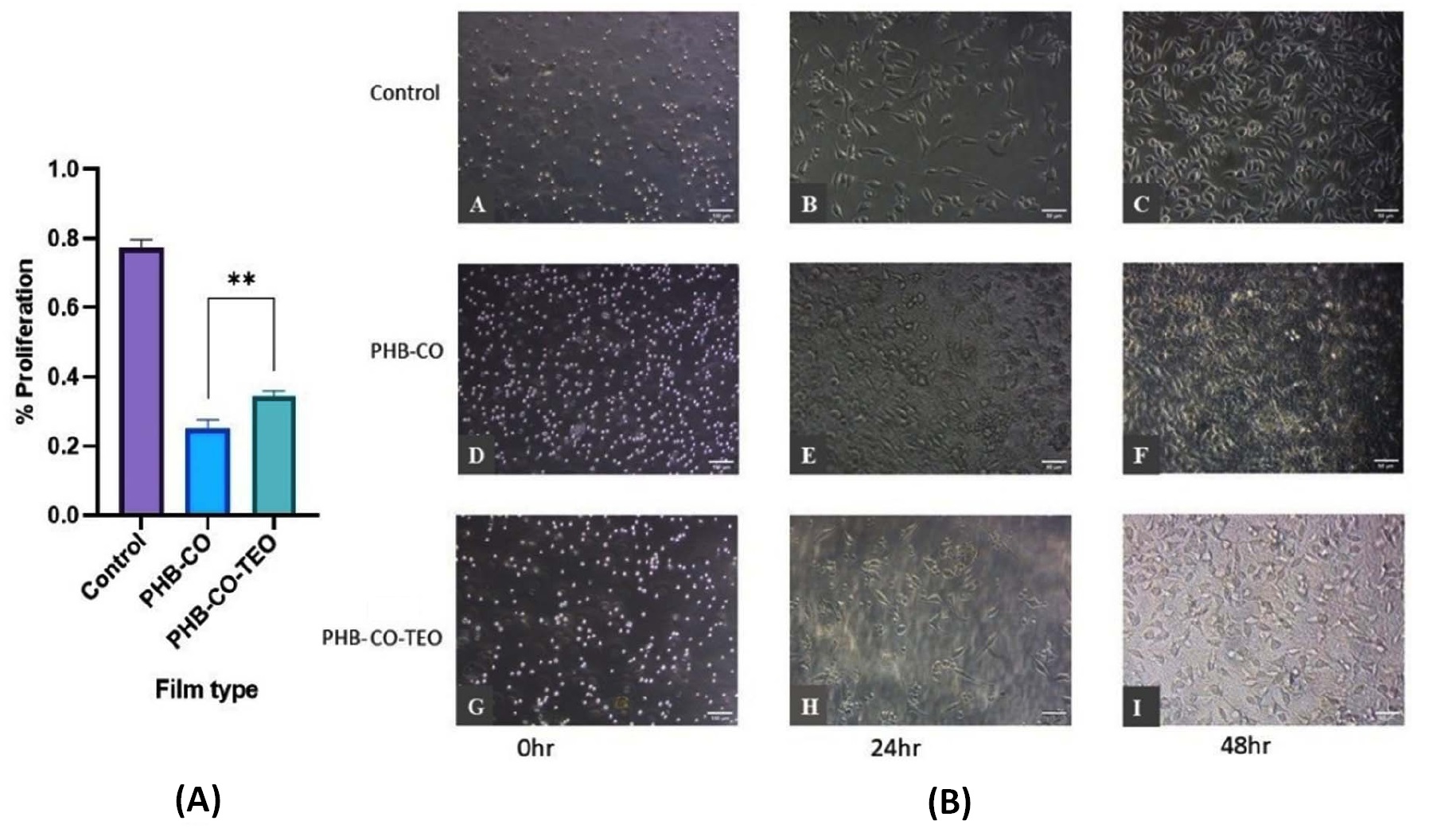
Figure 7. Biocompatibility of mouse fibroblasts cell line L929. (A) Percentage proliferation on the PHB films. (B) Biocompatibility assay images recorded at 0, 24 and 48 hours. A,B,C: control; D,E,F: PHB-CO and G,H,I: PHB-CO-TEO. The bioactive blend was significantly more compatible. (** P < 0.001)
A novel PHB based composite blend utilising coconut oil as the plasticizer was prepared, producing a completely natural biopolymer with desirable properties, such as high elasticity and low brittleness which could be suitable for a range of applications. As coconut oil is a completely biodegradable material, it would not compromise the decomposability of the PHB blends. Incorporation of thyme essential oil in the PHB-CO blend resulted into a bioactive blend. It showed improved surface roughness which supported cell attachment as seen in the biocompatibility studies. The essential oil integrated well with the blend and efficiently diffused out of the polymer matrix demonstrating anti-quorum and antibacterial properties. PHB-Coconut oil polymer matrix demonstrates desirable properties to function as a carrier material without compromising the properties of the incorporated components, while being a good scaffold for incorporating bioactive components.
ACKNOWLEDGMENTS
The authors would like to thank Jain (Deemed to be University), Bengaluru, for providing the opportunity to carry out this work. The authors are also thankful to St. Joseph’s University, Bangalore, for supporting the work by providing lab space to carry out the experiments.
CONFLICT OF INTEREST
The authors declare that there is no conflict of interest.
AUTHORS’ CONTRIBUTION
SS conceptualized the study and performed supervision. SK performed experiments, investigation, analysis and wrote the manuscript. SS and SK reviewed the manuscript. SS revised the manuscript. Both authors read and approved the final manuscript for publication.
FUNDING
None.
DATA AVAILABILITY
All datasets generated or analyzed during this study are included in the manuscript.
ETHICS STATEMENT
This article does not contain any studies on human participants or animals performed by any of the authors.
- Fleck A. The world is flooded with plastic waste. Statista. Published June 7, 2024. Accessed May 14, 2026. https://www.statista.com/chart/32385/global-plastic-waste-production-by-application/
- Rizan C, Mortimer F, Stancliffe R, Bhutta MF. Plastics in healthcare: time for a re-evaluation. J R Soc Med. 2020;113(2):49-53.
Crossref - Li Z, Yang J, Loh XJ. Polyhydroxyalkanoates: opening doors for a sustainable future. NPG Asia Mater. 2016;8(4):e265-e265.
Crossref - Kalia VC, Patel SKS, Lee JK. Exploiting Polyhydroxyalkanoates for Biomedical Applications. Polymers. 2023;15(8):1937.
Crossref - Pulingam T, Appaturi JN, Parumasivam T, Ahmad A, Sudesh K. Biomedical Applications of Polyhydroxyalkanoate in Tissue Engineering. Polymers. 2022;14(11):2141.
Crossref - Seggiani M, Cinelli P, Verstichel S, et al. Development of fibres-reinforced biodegradable composites. Chem Eng Trans. 2015;43:1813-1818.
Crossref - Israni N, Venkatachalam P, Gajaraj B, Varalakshmi KN, Shivakumar S. Whey valorization for sustainable polyhydroxyalkanoate production by Bacillus megaterium: Production, characterization and in vitro biocompatibility evaluation. J Environ Manage. 2020;255:109884.
Crossref - Altaee N, El-Hiti GA, Fahdil A, Sudesh K, Yousif E. Biodegradation of different formulations of polyhydroxybutyrate films in soil. SpringerPlus. 2016;5(1):762.
Crossref - Pradhan S, Dikshit PK, Moholkar VS. Production, ultrasonic extraction, and characterization of poly (3-hydroxybutyrate) (PHB) using Bacillus megaterium and Cupriavidus necator. Polym Adv Technol. 2018;29(8):2392-2400.
Crossref - ASTM D882-18. Standard Test Method for Tensile Properties of Thin Plastic Sheeting. ASTM International; 2018.
Crossref - Stalder AF, Melchior T, Muller M, Sage D, Blu T, Unser M. Low-bond axisymmetric drop shape analysis for surface tension and contact angle measurements of sessile drops. Colloids Surf A Physicochem Eng Asp. 2010;364(1-3):72-81.
Crossref - Israni N, Shivakumar S. Polyhydroxyalkanoate (PHA) biosynthesis from directly valorized ragi husk and sesame oil cake by Bacillus megaterium strain Ti3: Statistical optimization and characterization. Int J Biol Macromol. 2020;148:20-30.
Crossref - Maleki H, Doostan M, Khoshnevisan K, Baharifar H, Maleki SA, Fatahi MA. Zingiber officinale and Thymus vulgaris extracts co-loaded polyvinyl alcohol and chitosan electrospun nanofibers for tackling infection and wound healing promotion. Heliyon. 2024;10(1):e23719.
Crossref - Khan MSA, Zahin M, Hasan S, Husain FM, Ahmad I. Inhibition of quorum sensing regulated bacterial functions by plant essential oils with special reference to clove oil. Lett Appl Microbiol. 2009;49(3):354-360.
Crossref - El-Hadi A, Schnabel R, Straube E, Muller G, Henning S. Correlation between degree of crystallinity, morphology, glass temperature, mechanical properties and biodegradation of poly (3-hydroxyalkanoate) PHAs and their blends. Polym Test. 2002;21(6):665-674.
Crossref - Bhasney SM, Patwa R, Kumar A, Katiyar V. Plasticizing effect of coconut oil on morphological, mechanical, thermal, rheological, barrier, and optical properties of poly(lactic acid): A promising candidate for food packaging. J Appl Polym Sci. 2017;134(41):45390.
Crossref - Gutiיrrez MC, del Carmen Nunez-Santiago M, Romero Bastida CA, Martinez Bustos F. Effects of coconut oil concentration as a plasticizer and Yucca schidigera extract as a surfactant in the preparation of extruded corn starch films. Starch – Starke. 2014;66(11-12):1079-1088.
Crossref - da Silva Moura A, Demori R, Leao RM, Crescente Frankenberg CL, Campomanes Santana RM. The influence of the coconut fiber treated as reinforcement in PHB (polyhydroxybutyrate) composites. Mater Today Commun. 2019;18:191-198.
Crossref - Distor DML, Mayo NNR, Velo RHB. Fabrication and characterization of Polyhydroxybutyrate (PHB) – Coconut Coir (CC) – Virgin Coconut Oil (VCO) Biocomposites. Capstones. 2024:138.
- Jaffur BN, Kumar G, Khadoo P. Production and functionalization strategies for superior polyhydroxybutyrate blend performance. Int J Biol Macromol. 2024;278:134907.
Crossref - Altankov G, Grinnell F, Groth T. Studies on the biocompatibility of materials: Fibroblast reorganization of substratum-bound fibronectin on surfaces varying in wettability. J Biomed Mater Res. 1996;30(3):385-391.
Crossref - Al-Azzam N, Alazzam A. Micropatterning of cells via adjusting surface wettability using plasma treatment and graphene oxide deposition. PLoS One. 2022;17(6):e0269914.
Crossref - Arima Y, Iwata H. Effect of wettability and surface functional groups on protein adsorption and cell adhesion using well-defined mixed self-assembled monolayers. Biomaterials. 2007;28(20):3074-3082.
Crossref - Kim SH, Ha HJ, Ko YK, et al. Correlation of proliferation, morphology and biological responses of fibroblasts on LDPE with different surface wettability. J Biomater Sci Polym Ed. 2007;18(5):609-622.
Crossref - Azizian S, Khosravi M. Advanced oil spill decontamination techniques. In: Khosravi M, ed. Interface Science and Technology. Vol 28. Elsevier. 2019:283-332.
Crossref - Sarac EG, Oner E, Kahraman MV. Microencapsulated organic coconut oil as a natural phase change material for thermo-regulating cellulosic fabrics. Cellulose. 2019;26(16):8939-8950.
Crossref - Ong MY, Nomanbhay S, Kusumo F, Raja Shahruzzaman RMH, Shamsuddin AH. Modeling and Optimization of Microwave-Based Bio-Jet Fuel from Coconut Oil: Investigation of Response Surface Methodology (RSM) and Artificial Neural Network Methodology (ANN). Energies. 2021;14(2):295.
Crossref - Sutapa IW, Palapessya BV, Souhoka FA, Bandjar A. Synthesis of Cu-1,4-Benzene Dicarboxylate Metal-Organic Frameworks (Cu-BDC MOFs) from Plastic Waste and Its Application as Catalyst in Biodiesel Production. Trends in Sciences. 2023.
Crossref - Catauro M, Bollino F, Tranquillo E, et al. Chemical analysis and anti-proliferative activity of Campania Thymus Vulgaris essential oil. Journal of Essential Oil Research. 2017;29(6):461-470.
Crossref - Agnieszka N, Danuta K, Malgorzata P, Agata C. Effects of thyme (Thymus vulgaris L.) and rosemary (Rosmarinus officinalis L.) essential oils on growth of Brochothrix thermosphacta. Afr J Microbiol Res. 2013;7(26):3396-3404.
Crossref - Chuysinuan P, Chimnoi N, Reuk-Ngam N, et al. Development of gelatin hydrogel pads incorporated with Eupatorium adenophorum essential oil as antibacterial wound dressing. Polymer Bulletin. 2019;76(2):701-724.
Crossref - Ma Y, Liu P, Ye K, et al. Preparation, Characterization, In Vitro Release, and Antibacterial Activity of Oregano Essential Oil Chitosan Nanoparticles. Foods. 2022;11(23):3756.
Crossref - Strasakova M, Pummerova M, Filatova K, Sedlarik V. Immobilization of Caraway Essential Oil in a Polypropylene Matrix for Antimicrobial Modification of a Polymeric Surface. Polymers. 2021;13(6):906.
Crossref - Wilson R, George SC, Kumar SA, Thomas S. Liquid Transport Characteristics in Polymeric Systems. In: Transport Properties of Polymeric Membranes. Elsevier; 2018:3-13.
Crossref - Bonilla J, Poloni T, Lourenחo RV, Sobral PJA. Antioxidant potential of eugenol and ginger essential oils with gelatin/chitosan films. Food Biosci. 2018;23:107-114.
Crossref - Wang B, Sui J, Yu B, et al. Physicochemical properties and antibacterial activity of corn starch-based films incorporated with Zanthoxylum bungeanum essential oil. Carbohydr Polym. 2021;254:117314.
Crossref - Ponsonnet L, Comte V, Othmane A, et al. Effect of surface topography and chemistry on adhesion, orientation and growth of fibroblasts on nickel–titanium substrates. Materials Science and Engineering: C. 2002;21(1-2):157-165.
Crossref - Ponsonnet L, Reybier K, Jaffrezic N, et al. Relationship between surface properties (roughness, wettability) of titanium and titanium alloys and cell behaviour. Materials Science and Engineering: C. 2003;23(4):551-560.
Crossref - Riveiro A, Macon ALB, del Val J, Comesana R, Pou J. Laser Surface Texturing of Polymers for Biomedical Applications. Front Phys. 2018;6.
Crossref - Kingshott P, McArthur S, Thissen H, Castner DG, Griesser HJ. Ultrasensitive probing of the protein resistance of PEG surfaces by secondary ion mass spectrometry. Biomaterials. 2002;23(24):4775-4785.
Crossref - Du H, Chandaroy P, Hui SW. Grafted poly-(ethylene glycol) on lipid surfaces inhibits protein adsorption and cell adhesion. Biochimica et Biophysica Acta (BBA) – Biomembranes. 1997;1326(2):236-248.
Crossref - Bernhard C, Roeters SJ, Franz J, Weidner T, Bonn M, Gonella G. Repelling and ordering: the influence of poly(ethylene glycol) on protein adsorption. Physical Chemistry Chemical Physics. 2017;19(41):28182-28188.
Crossref - Ngamekaue N, Dumrongchai T, Rodklongtan A, Chitprasert P. Improving probiotic survival through encapsulation in coconut oil in whey protein isolate emulsions during spray drying and gastrointestinal digestion. LWT. 2024;198:116061.
Crossref - Shahi A, Manhas R, Bhattacharya S, et al. Synthesis and antibacterial potential of novel thymol derivatives against methicillin-resistant Staphylococcus aureus and P. aeruginosa pathogenic bacteria. Front Chem. 2024;12.
Crossref - Parvin SI, Mandal MK, Gopi P, et al. A comparative study on DNA and protein binding properties of thymol and thymoquinone. J Biomol Struct Dyn. 2023;41(20):10944-10956.
Crossref - Monk EJM, Jones TPW, Bongomin F, et al. Antimicrobial resistance in bacterial wound, skin, soft tissue and surgical site infections in Central, Eastern, Southern and Western Africa: a systematic review and meta-analysis. PLOS Glob Public Health. 2024;4(4):e0003077. doi:10.1371/journal.pgph.0003077. Published correction appears in PLOS Glob Public Health. 2025;5(5):e0004608.
- Alibi S, Ben Selma W, Ramos-Vivas J, et al. Anti-oxidant, antibacterial, anti-biofilm, and anti-quorum sensing activities of four essential oils against multidrug-resistant bacterial clinical isolates. Curr Res Transl Med. 2020;68(2):59-66.
Crossref
© The Author(s) 2026. Open Access. This article is distributed under the terms of the Creative Commons Attribution 4.0 International License which permits unrestricted use, sharing, distribution, and reproduction in any medium, provided you give appropriate credit to the original author(s) and the source, provide a link to the Creative Commons license, and indicate if changes were made.