


ISSN: 0973-7510
E-ISSN: 2581-690X
 , Anusha Suresh, Vandana Rajshree and Avijit Pramanik
 Vibrio alginolyticus is an opportunistic marine pathogen that causes severe vibriosis in aquatic animals and occasionally in humans, leading to substantial economic losses in aquaculture. Despite progress in antimicrobial therapy, the emergence of multidrug-resistant (MDR) strains and the lack of effective vaccines have emphasized the need for novel approaches. The objective of this study was to identify and assess vaccine candidates in V. alginolyticus ATCC 17749 using an integrative strategy that integrates reverse vaccinology and immune-informatics. The complete proteome of V. alginolyticus ATCC 17749 was retrieved from NCBI databases, and computational pipelines were used to predict subcellular localization, transmembrane topology, and antigenicity. Surface-exposed, non-allergenic and non-toxic outer membrane and secretory proteins with high antigenicity scores were selected for epitope prediction. Cytotoxic T lymphocyte (CTL), helper T lymphocyte (HTL), and B-cell epitopes were identified through NetMHCpan 4.1, IEDB, and ABCpred, respectively. Robust humoral and cellular immune responses were predicted by immune simulation. The target proteins were docked with TLR2 and TLR4 using HDOCK, and the simulation was performed using the iMODS server for the highest-scoring docking complex for each receptor. In silico cloning to express the target protein was performed using the SnapGene tool. This integrated computational vaccinology approach reliably identifies promising antigenic targets for V. alginolyticus, providing a foundation for the rational development of next-generation polyvalent vaccines against Vibrio infections in aquaculture and related fields.
Reverse Vaccinology, Immune-informatics, Outer Membrane Proteins, Extracellular Proteins, Multiepitope Prediction
Vibrio alginolyticus, a Gram-negative, thermophilic, marine bacterium found worldwide in seawater and estuaries and is isolated frequently from shellfish and marine fish.1 The opportunistic pathogen causes vibriosis, infecting various marine organisms, including oysters, fish, sea cucumbers, shrimp, mussels and seahorses. It can cause infection in humans, including endophthalmitis, otitis, wound infections and diarrhea. Consequently, this bacterium poses a serious zoonotic threat to both humans and animals. Several characteristics, such as biofilm development, adhesion, cytotoxicity, and the presence of a Vibrio pathogenicity island (VPI), are linked to V. alginolyticus virulence.2
The increasing emergence of lactamase, extended-spectrum β-lactamase, kanamycin, and tetracycline-resistant genes, mainly driven by horizontal gene transfer, has contributed to the rise of multidrug-resistant (MDR) strains of V. alginolyticus.3,4 As conventional antibiotics become less effective, vaccination emerges as a promising, environmentally sustainable strategy for protecting aquaculture systems against vibriosis. Although recombinant and whole-cell protein vaccines have been developed for Vibrio species, their efficacy is often strain-specific, short-lived, and constrained by antigenic variability.5 Consequently, identifying cross-protective for broad-spectrum antigens is an essential focus in vaccinology. Interpreting the mechanisms of infection is key for identifying optimal drug targets and disease control strategies, thereby preventing outbreaks in aquaculture.1
Extensive genomic studies of V. alginolyticus have revealed that two circular chromosomes, totaling around 5.2-5.5 Mb, with a GC content of about 44.8%, along with several plasmid-borne virulence and resistance factors.6 In addition to secretion systems and stress-response components that aid host colonization, conserved virulence genes such as toxR, ompU, vas, vop, and hlyA have been identified by comparative genomic and pan-genomic analyses.7 Despite the availability of more than 70 complete and draft genomes, the immunogenic landscape of V. alginolyticus remains poorly characterized. The immune-protective potential of outer membrane proteins (OMPs) like BamA, OmpK, OmpU, and LptD is conserved throughout various Vibrio species. It is a promising vaccine target, as highlighted by previous studies.8,9 Nevertheless, only a few comparable studies have focused on V. alginolyticus, and the essential immunodominant epitopes necessary for vaccine development remain largely unidentified.
Reverse vaccinology and immune-informatics have transformed antigen discovery by integrating genomic, proteomic, and structural data to identify potential vaccine targets and accurately predict B- and T-cell epitopes. These methods permit rapid in silico screening of entire bacterial proteomes for surface-exposed, antigenic, and non-allergenic proteins capable of eliciting protective immune responses.10 Application of these approaches to V. alginolyticus decreases dependence on culture-based antigen screening, addresses limitations of conventional vaccine development, and facilitates the creation of more effective and safer multi-epitope vaccines. The present study identifies and characterizes potential vaccine candidate proteins in V. alginolyticus by integrating reverse vaccinology and immune-informatics tools, thereby establishing a computational framework for multi-epitope vaccine design, targeting this for economic and medical significance (Figure 1).
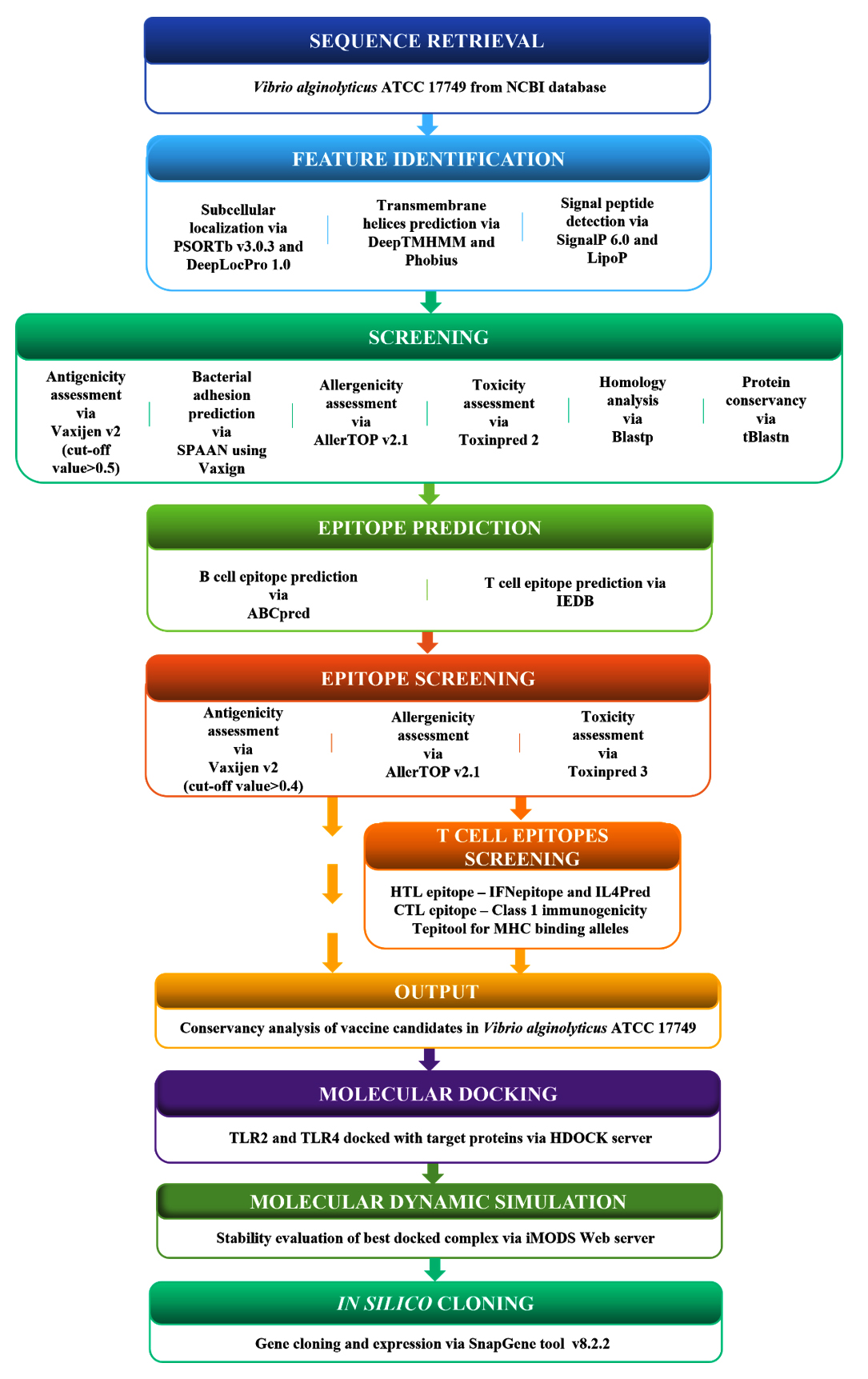
Figure 1. Workflow for computational prediction of vaccine candidate proteins and epitopes against Vibrio alginolyticus ATCC 17749. Protein sequences were screened for localization, transmembrane regions, signal peptides, antigenicity, adhesion, allergenicity, toxicity, homology, conservation, and physicochemical properties. B- and T-cell epitopes were predicted, followed by molecular docking with human TLR2/TLR4, simulation studies, and in silico cloning using SnapGene
Proteome sequences retrieval
The nucleotide sequence (RefSeq GCF_000354175.2) of V. alginolyticus ATCC 17749 was retrieved from the NCBI database. This sequence was used for comprehensive computational analyses to identify potential vaccine candidate proteins and their epitopes for peptide vaccine development.
Subcellular localization
As an important step in identifying potential vaccine candidates, the subcellular localization of proteins in the genome was predicted using the independent web server PSORTb v3.0.3 (https://www.psort.org/psortb).11 Subcellular localization is required for secreted and outer-membrane proteins, as they interact with host molecular receptors, triggering a signal cascade that induces an adaptive immune response.12 A total of 4,467 encoded proteins were uploaded to PSORTb server. Only proteins containing N-terminal signal peptides and secretory signals were shortlisted for DeepLocPro-1.0 (https://services.healthtech.dtu.dk/services/DeepLocPro-1.0) to enhance and cross-check the reliability and accuracy of predictions for proteins localized to the outer membrane or the extracellular space.13,14
Signal peptide prediction
The presence of signal peptides, which facilitate translocation across membranes, was determined using SignalP 6.0 (https://services.healthtech.dtu.dk/services/SignalP-6.0) under the other organism and slow model, yielding long outputs.14 LipoP 1.0 (https://services.healthtech.dtu.dk/services/LipoP-1.0) with the extensive output format, including graphics, was used to detect lipoproteins.15
Predicting the transmembrane helices
Transmembrane topology was analyzed using DeepTMHMM (https://dtu.biolib.com/DeepTMHMM) validating with Phobius (https://phobius.sbc.su.se/) to predict α-helical transmembrane regions.16,17 Proteins that consisted of more than one transmembrane helix were excluded to avoid poor expression yield and folding issues in vaccine production systems.18
Antigenicity
Antigenicity evaluation was performed using VaxiJen v2.0 (http://www.ddg-pharmfac.net/vaxijen/VaxiJen/VaxiJen.html) with a threshold value of 0.5, optimized for bacterial models.19 It employs a partial least squares (PLS) algorithm for predicting antigens.19-21
Allergenicity and toxicity analysis
To ensure safety and minimize potential hypersensitivity risks, the allergenic proteins were identified by AllerTOP v2.1 (https://www.ddg-pharmfac.net/AllerTOP), while toxicity was assessed using ToxinPred2 (https://webs.iiitd.edu.in/raghava/toxinpred2) using Hybrid (RF+BLAST+MERCI) with a threshold of 0.6. Proteins classified as non-allergenic and non-toxic were shortlisted for further analysis.22,23
Adhesin probability
The adhesin probability was determined using SPAAN via Vaxign, demonstrating the ability to identify adhesins at high Pad values throughout diverse bacterial species. Proteins with an adhesin probability of 0.5 or higher were classified as adhesion-related and deemed likely to interact with host cells.24,25
Homology analysis
The non-homologous human host proteins of the pathogen were identified using a standalone NCBI BLASTp with Position-Specific Iterative BLAST (PSI-BLAST) against the Homo sapiens (taxid:9606) dataset obtained from NCBI. In the homology analysis, values ≤35% identity and ≤35% query coverage were used as thresholds, and the proteins to be significantly similar were not selected, while the analysis of significantly non-similar proteins was performed in the computational pipeline.26,27
Physicochemical properties and conservative analysis of predicted target proteins in all V. alginolyticus strains
Predicted target proteins were aligned to the genomes of all known V. alginolyticus strains to assess protein conservation and identify broad-spectrum vaccine candidates. The tBLASTn tool (https://blast.ncbi.nlm.nih.gov) was employed to compare these proteins against V. alginolyticus, Sakazaki 1968 (taxid:663), V. alginolyticus 12G01 (taxid:314288), V. alginolyticus (chemovar. iophagus) (taxid:664), V. alginolyticus E0666 (taxid:1231058), V. alginolyticus 40B (taxid:674977), and V. alginolyticus NBRC 15630 (taxid:1219076).28 Proteins with at least 50% pairwise identity and at least 80% query coverage were categorized as highly conserved proteins, for which ProtParam tool (https://web.expasy.org/protparam) depicted the stability and physiochemical properties.29
Immune simulation analysis
C-immSim (https://kraken.iac.rm.cnr.it/C-IMMSIM/index.php) was used to evaluate the immunogenic potential of proteins. The agent-based method stimulates humoral, innate and cell-mediated immunity. In the simulation, the antigen was modified to be devoid of lipopolysaccharide, while all other parameters were selected according to their default values. The Th-1-based immune response was indicated by the induced production of interleukins (IL-10, IL-12, and IL-2) and interferon gamma (IFN-γ), as well as by surging antibody titers of primary and secondary antibodies, such as IgM and IgG. These factors were the main components for the assessment of protein immunogenicity. This step enables the prediction of the immunogenicity of the target proteins for multiepitope prediction.30
B-cell epitopes: prediction and screening
B lymphocytes, a fundamental element of the humoral immune system, initiate and enhance the response of the adaptive immune system through interactions between B-cell receptors (BCRs) and B-cell receptor epitopes. ABCpred (https://webs.iiitd.edu.in/raghava/abcpred/) was used to predict Linear B-cell (LBL) with a 0.51 threshold and 16 amino acids as the epitope length, employing recurrent neural network algorithms. Vaxijen v2.0 servers using 0.4 as threshold was used predicted antigenicity while allergenicity and toxicity analysis with AllerTOPv2.0 (https://www.ddg-pharmfact.net/allertop) and ToxinPred3 (https://webs.iiitd.edu.in/raghava/toxinpred3), respectively, wherein non-toxic and non-allergenic epitopes were considered for conservancy analysis.
Cytotoxic T lymphocytes (CTLs) Epitopes: prediction and screening
As the antigenic peptide is presented to the T-cell receptor, the MHC molecule’s interaction becomes a highly selective phase. Therefore, CTL epitopes prediction was done using the NetMHCpan 4.1 (https://services.healthtech.dtu.dk/service.php?NetMHCpan-4.1) server. Strong binders were identified using a threshold of 0.5%, and the epitope length was set to 9-mers. The epitopes identified as strong binders, antigenic, non-allergenic and non-toxic, similar to those assessed for B-cell epitopes, were then analyzed for immunogenicity using the Class I Immunogenicity tool in the IEDB database (http://tools.iedb.org/immunogenicity), retaining only scores above zero. The TepiTool feature within IEDB was also used to predict MHC class I alleles binding affinity to these epitopes. Prediction of peptides with percentile rank ≤1% were considered as the promising candidates to develop a vaccine.
Helper T-Lymphocyte (HTL) epitopes: prediction and screening
Helper T lymphocytes (HTLs) constitute important parts of the human immune system, facilitating the activation and proliferation of cytotoxic T lymphocytes.31 Helper T lymphocyte (HTL) epitopes of 15-mer peptides prediction was done by IEDB MHC-II binding tool (https://www.iedb.org), focusing on human HLA-DR alleles with percentile ranks of ≤1%.32 The percentile rank threshold of 1% was selected in accordance with established practices to maximize the likelihood of selecting high-affinity binders with potential immunogenicity, as lower percentile ranks correlate with stronger predicted binding to MHC-II molecules. Antigenicity for predicted epitopes was set at a threshold exceeding 0.4 to maintain a stringent criterion for candidate immunogens. Epitopes identified as non-allergenic and non-toxic were further analyzed for the capacity to elicit cytokine responses. This screening was conducted using IFNepitope (https://webs.iiitd.edu.in/ raghava/ifnepitope/predict.php) and IL-4pred (https://webs.iiitd.edu.in/raghava/ il4pred/predict.php) for the analysis of interferon-γ and IL-4 production, respectively. TepiTool from the IEDB database was used to identify epitopes with positive scores that predict binding to MHC-II molecules, using the percentile scores below 2%.
Conservancy analysis of vaccine candidates
A conservancy analysis of the epitopes corresponding to the target proteins of V. alginolyticus was conducted with the IEDB Conservancy Analysis tool (http://tools.iedb.org/conservancy). This tool aligns predicted epitopes with homologous sequences in the target protein sourced from the NCBI database. Epitopes conserved in at least 95% of the analyzed strains were selected as the final vaccine candidates.
Molecular docking
In silico cloning ensures that a particular host will express the vaccine protein when the gene is cloned into a suitable vector. The amino acid sequences of human TLR2 and TLR4 were retrieved from UniProt with primary accession numbers O60603 and O00206. Molecular docking was performed using the HDOCK server and sequences were uploaded for all the target proteins with TLR2 and TLR4, respectively.33 The highest predicted binding free energy for both the protein-TLR2 and protein-TLR4 complexes was further used in the simulation.
Molecular dynamics simulation
Analysis of the collective motions of the complex with the highest docking score was performed using the iMODS server (https://chaconlab.org/multiscale-simulations/imod).34,35 The structural stability of the modelled complex was validated using Normal Mode Analysis (NMA). The best docking results from HDOCK for the TLR2 and TLR4 protein complexes, respectively, were uploaded to the iMODS server for stimulation. The iMODS analysis demonstrated that the complex is structurally sound, with limited atomic fluctuations as indicated by B-factor and deformability profiles. Flexibility was confined to non-structural loop regions, which is characteristic of stable, functionally active immune-target proteins.
In silico cloning
The SnapGene tool version 8.2.2 was used for in silico cloning. The protein-coding sequence was retrieved from the NCBI database (GeneID 75168907), and PCR was performed using primers with NcoI (5′-CCATGG-3′) and BamHI (5′-GGATCC-3′) restriction sites at the 5′ and the 3′ ends of the DNA, respectively. A restriction cloning module from SnapGene (https://www.snapgene.com/) was used to clone the DNA sequence located between the BamHI and NcoI restriction sites in pET-28a (+), and the recombinant plasmid was transformed into BL21(DE3).
Retrieval of sequence for proteome screening
The complete proteome (RefSeq GCF_000354175.2) of the V. alginolyticus ATCC 17749 strain comprises 4,471 annotated proteins, obtained from the National Center for Biotechnology Information (NCBI) database in FASTA format. The complete proteins from the bacterial proteome were analyzed using various subtractive proteomics and reverse vaccinology approaches.
Predicted extracellular or outer membrane proteins
A total of 4,471 proteins in the proteome were assessed for subcellular localization by the PSORTb and DeepLocPro server. According to classifications from both servers, 172 proteins were identified as extracellular or outer membrane proteins by PSORTb, and 147 by DeepLocPro. Only proteins predicted as outer-membrane or extracellular by both servers were included in subsequent analyses.
Screening of proteins with a signal peptide
Signal peptides, which facilitate protein transport, were analyzed in 147 proteins using SignalP 6.0. Of these, 86 had general secretory pathway (Sec/spI) signal peptides, and 29 had lipoprotein (Sec/SPII) signal peptides, totalling 115 proteins with signal peptides. LipoP analysis identified WP_005375288.1 and WP_021707593.1 as cytoplasmic signal peptides. After combining results, 110 proteins with suitable signal peptides were selected.
Transmembrane alpha helix prediction
Transmembrane helicity was assessed in 110 bacterial proteins using DeepTMHMM and Phobius. Based on this analysis, 109 proteins were shortlisted for further study including 2 proteins with one and 107 proteins with no transmembrane α-helix.
Antigenicity prediction
All 109 candidate proteins were computed for antigenicity using VaxiJen v2.0, with 0.5 as the threshold. Ninety one proteins exceeded this threshold and were shortlisted for further assessment.
Allergenicity and toxicity profiling
The 91 antigenic proteins were screened for allergenicity using AllerTOP, which led to the exclusion of 14 potential allergens. Toxicity analysis of the remaining 77 proteins with ToxinPred2 identified 17 as toxic. The final 60 non-allergenic, non-toxic proteins were considered suitable for further vaccine development.
Adhesin probability
Adhesin probabilities in SPAAN greater than 0.5 predicted by the Vaxign server, resulting in 28 shortlisted proteins for further analysis.
Homology analysis of the targeted proteins to the human proteome
All 28 adhesin proteins were examined to identify homology with the human proteome Homo sapiens (taxid: 9606). No significant result of similar homology with human proteins was observed, indicating a minimal risk of autoimmune responses and cross-reactivity.
Physicochemical properties of broad-spectrum proteins for a vaccine construct against all strains of V. alginolyticus
tBLASTn analysis of 28 proteins against all available V. alginolyticus strains in the NCBI database identified 19 proteins with at least 50% pairwise identity and 80% minimum query coverage. Nine non-conserved candidate proteins were excluded.
ProtParam was utilized to evaluate the physicochemical properties of the 19 proteins, yielding data on theoretical isoelectric point (pI), amino acid composition, aliphatic index, molecular weight, and GRAVY. As one of the proteins showed a positive value of GRAVY indicating hydrophobicity as was sorted out as it may complicate the production process.36 The 18 selected proteins from the whole proteome as the final vaccine targets are depicted in Table 1.
Table (1): The homology of final predicted proteins for vaccine against V. alginolyticus ATCC 17749
No. |
Protein ID |
Characteristics |
No. of amino acids |
Molecular weight (Da) |
Theoretical PI |
Aliphatic Index |
GRAVY value |
Number of predicted TMHs |
|---|---|---|---|---|---|---|---|---|
1 |
WP_005373930.1 |
Copper resistance protein NlpE [Vibrio] |
177 |
19226.16 |
3.92 |
75.48 |
-0.427 |
1 |
2 |
WP_005374784.1 |
Maltoporin [Vibrio] |
423 |
46118.68 |
4.52 |
68.97 |
-0.448 |
0 |
3 |
WP_005379034.1 |
DUF2860 domain-containing protein [Vibrio] |
318 |
35721.49 |
4.64 |
78.30 |
-0.361 |
0 |
4 |
WP_005379463.1 |
YjbH domain-containing protein [Vibrio] |
730 |
83247.74 |
4.65 |
64.64 |
-0.494 |
0 |
5 |
WP_005379673.1 |
LPS assembly protein LptD [Vibrio] |
781 |
89277.91 |
4.36 |
74.15 |
-0.594 |
0 |
6 |
WP_005382055.1 |
Hypothetical protein [Vibrio] |
468 |
51587.31 |
4.54 |
65.75 |
-0.432 |
0 |
7 |
WP_005383742.1 |
Porin family protein [Vibrio] |
142 |
20304.08 |
3.98 |
74.60 |
-0.229 |
0 |
8 |
WP_017634227.1 |
Oligogalacturonate-specific porin KdgM family protein [Vibrio] |
257 |
29547.77 |
5.65 |
61.05 |
-0.710 |
0 |
9 |
WP_017635354.1 |
AcfA family outer membrane beta-barrel protein [Vibrio] |
215 |
23772.32 |
4.57 |
78.51 |
-0.256 |
0 |
10 |
WP_017819904.1 |
LruC domain-containing protein [Vibrio] |
701 |
75540.24 |
4.11 |
71.81 |
-0.295 |
0 |
11 |
WP_017820116.1 |
Endonuclease [Vibrio] |
538 |
59392.76 |
4.59 |
59.78 |
-0.557 |
0 |
12 |
WP_017820143.1 |
N-acetylglucosamine-binding protein GbpA [Vibrio] |
487 |
53599.49 |
4.68 |
70.94 |
-0.473 |
0 |
13 |
WP_017820170.1 |
Endonuclease/exonuclease/phosphatase family protein [Vibrio alginolyticus] |
287 |
32373.34 |
8.77 |
82.54 |
-0.437 |
0 |
14 |
WP_017820457.1 |
Outer membrane beta-barrel protein [Vibrio] |
213 |
23764.44 |
4.41 |
92.91 |
-0.118 |
0 |
15 |
WP_017821220.1 |
Hypothetical protein [Vibrio] |
581 |
62225.40 |
3.91 |
68.81 |
-0.561 |
0 |
16 |
WP_017821221.1 |
Polysaccharide lyase family 7 protein [Vibrio] |
521 |
57628.08 |
4.96 |
64.97 |
-0.546 |
0 |
17 |
WP_017821879.1 |
Porin [Vibrio] |
351 |
38697.69 |
4.71 |
77.04 |
-0.458 |
0 |
18 |
WP_021707746.1 |
MipA/OmpV family protein [Vibrio] |
434 |
49532.09 |
4.77 |
74.17 |
-0.327 |
0 |
Immune simulation analysis
The 18 selected proteins were evaluated for their capacity to elicit adaptive immune responses using the C-ImmSim tool. This analysis was critical to identify candidate proteins capable to induce effective humoral and cellular immunity, which includes T-cell cytokine secretion and antibody production. The results for all promising candidates are presented in Figure 2, which illustrates immunoglobulin activity and cytokine induction patterns representing immunological profiles of the final 18 target proteins, encompassing cytokine levels (IFN-γ, IL-2, IL-10, and IL-12), and antibody titers (IgG, IgM, IgG1, and IgG2).
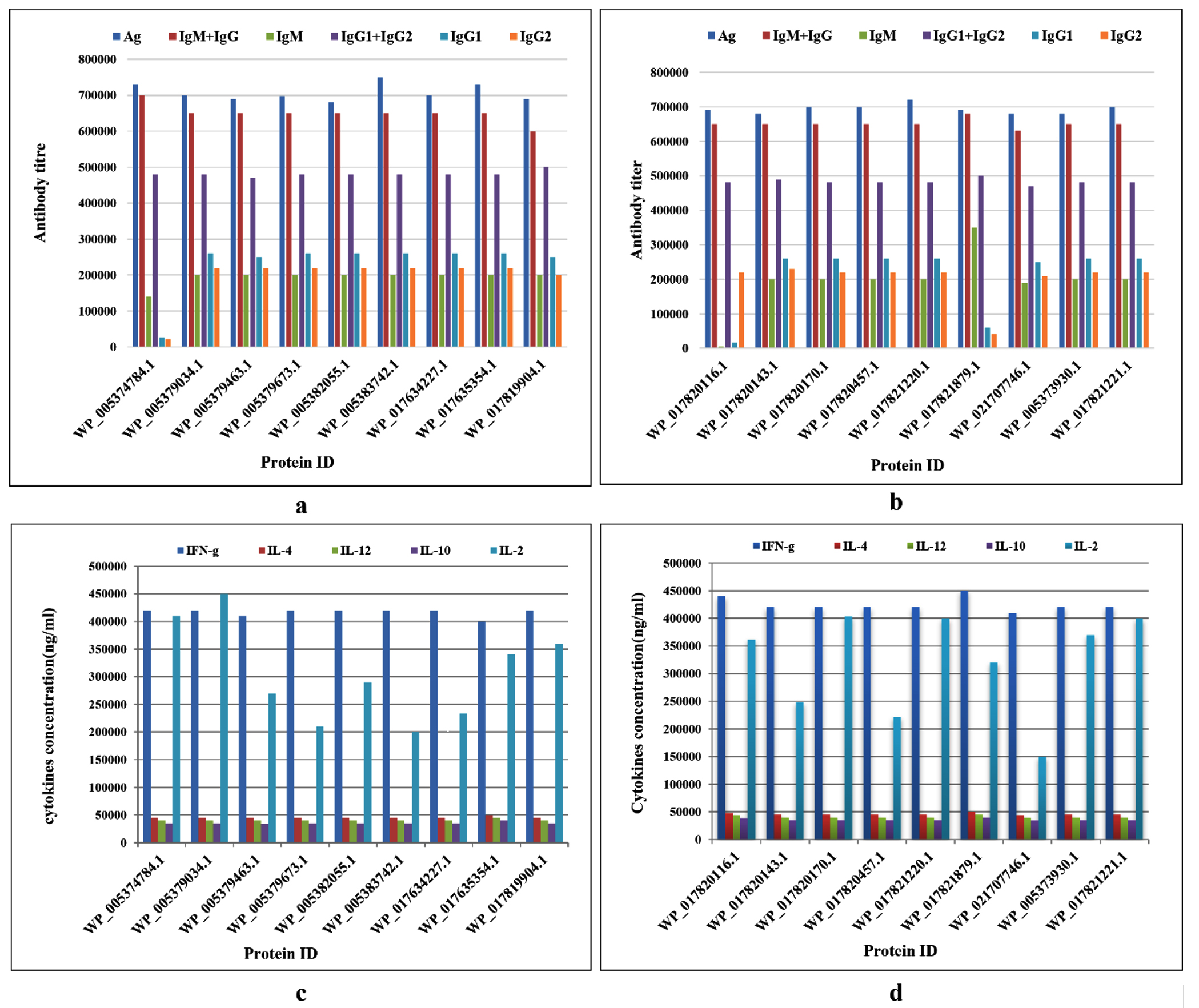
Figure 2. (a) and (b) represent antibody titers against final candidate proteins, which is measured as IgG + IgM (dark red), IgM (green), IgG1 + IgG2 (purple), IgG1 (blue), and IgG2 (orange). (c) and (d) represent induced Cytokine concentrations (ng/ml), measuring IFN-γ (dark blue), IL-4 (dark red), IL-12 (green), IL-10 (purple) and IL-2 (blue). All proteins induced strong IL-12 and IFN-γ responses, which indicates a potent Th1 (T helper) immunity
B-Cell Epitope Prediction
Linear B-cell epitopes for 18 candidate proteins were predicted using ABCpred (threshold = 0.51), yielding 250 potential sequences. The predicted antigenic, non-allergenic, and non-toxic epitopes were analyzed for conservation across all V. alginolyticus strains in the NCBI database, revealing that all epitopes were ≤95% conserved. Supplementary Table depicts the predicted LBL epitopes and their corresponding immunogenic properties.
Prediction of CTL epitopes
NetMHCpan-4.1 identified high-affinity CTL epitopes (9-mer peptides, percentile ranks ≤1%) for 18 selected proteins. T-cell epitopes that were allergenic or toxic were excluded after antigenic analysis. The remaining candidate epitopes were confirmed to be highly antigenic, non-toxic, non-allergenic, immunogenic, and conserved through comprehensive prediction and screening. 12 epitopes for 8 vaccine candidate proteins were predicted to be the final epitopes for vaccine construction. The selected CTL epitopes are shown in Table 2 with their immunogenic properties.
Table (2): List of final CTL epitopes of target proteins predicted by NetMHCpan 4.1
| No. | Protein ID | CTL epitopes | MHCI binding alleles | Antigenicity value | Allergenicity status | Toxicity status | MHC Class I immunogenicity score | Conservancy analysis (≤100%) |
|---|---|---|---|---|---|---|---|---|
| 1 | WP 005379034.1 | MLQPAFTYI | HLA-A*02:03 HLA-A*02:06 HLA-A*02:01 HLA-A*32:01 HLA-A*68:02 |
1.4149 | – | – | 0.13014 | 100 |
| 2 | WP 005379463.1 | YMPEIALGV | HLA-A*02:01 HLA-A*02:03 HLA-A*02:06 HLA-A*68:02 |
1.1309 | – | – | 0.27402 | 100 |
| KLGTFDFTL | HLA-A*02:01 HLA-A*32:01 HLA-A*02:06 |
1.6785 | – | – | 0.30642 | 100 | ||
| SIPFDIMTV | HLA-A*02:06 HLA-A*68:02 HLA-A*02:03 HLA-A*02:01 |
1.4647 | – | – | 0.13556 | 100 | ||
| 3 | WP 005379673.1 | TLHHPRFEV | HLA-A*02:03 HLA-A*02:01 HLA-A*68:02 HLA-A*02:06 |
1.2583 | – | – | 0.23827 | 100 |
| QLDDEVSRV | HLA-A*02:01 HLA-A*02:03 HLA-A*02:06 HLA-A*01:01 |
0.9367 | – | – | 0.0565 | 100 | ||
| 4 | WP 005382055.1 | TLAFDFYGV | HLA-A*02:01 HLA-A*02:03 HLA-A*02:06 HLA-A*68:02 |
1.6693 | – | – | 0.27898 | 100 |
| 5 | WP 017819904.1 | IAAGIVPAV | HLA-B*51:01 HLA-A*02:06 HLA-A*68:02 HLA-A*02:01 HLA-A*02:03 HLA-B*35:01 |
0.4731 | – | – | 0.22876 | 100 |
| 6 | WP 017820143.1 | YIIESTPTT | HLA-A*02:06 HLA-A*02:01 HLA-A*02:03 HLA-A*68:02 |
0.4268 | – | – | 0.03271 | 100 |
| 7 | WP 017820457.1 | IVDENNFKI | HLA-A*02:06 HLA-A*02:01 HLA-A*01:01 |
1.1132 | – | – | 0.06836 | 100 |
| YVNEVGLSL | HLA-A*02:06 HLA-A*02:03 HLA-A*68:02 HLA-A*02:01 HLA-A*26:01 HLA-B*35:01 HLA-A*32:01 HLA-B*08:01 HLA-B*07:02 HLA-B*53:01 HLA-B*15:01 |
0.7135 | – | – | 0.06473 | 100 | ||
| 8 | WP 017821879.1 | SLGNVDFSV | HLA-A*02:01 HLA-A*02:06 HLA-A*02:03 |
0.7171 | – | – | 0.06771 | 100 |
Prediction of HTL epitopes
HTL epitopes were predicted by the IEDB MHC-II module, yielding 48 high-confidence 15-mer peptides with percentile ranks ≤2%. The epitope analysis was the same as CTL with additional IFN-epitope and IL-4pred analyses, which further confirmed that 29 of the HTL epitopes of 12 proteins could induce IFN-γ and IL-4 cytokine responses, suggesting balanced Th1/Th2 stimulation. The final vaccine candidate epitopes are depicted in Table 3.
Table (3):
List of selected HTL epitopes of vaccine target proteins predicted by Class I Immunogenicity tool in the IEDB database
| No | Protein ID | HTL epitopes | MHCII binding alleles | Antigenicity value | Allergenicity status | Toxicity status | IFN‑γ | IL4 | Conservancy analysis |
|---|---|---|---|---|---|---|---|---|---|
| 1 | WP 017820116.1 | KRWHKNDPVSEKERN | HLA-DRB3*02:02 | 0.6209 | – | – | + | Inducer | 100 |
| 2 | WP 017820143.1 | EWTFTANHVTRDWKY | HLA-DRB1*04:05 HLA-DRB3*02:02 |
0.8656 | – | – | + | Inducer | 100 |
| FEWTFTANHVTRDWK | HLA-DRB1*04:05 HLA-DRB3*02:02 |
1.2486 | – | – | + | Inducer | 100 | ||
| TKPDWNPNASLSRDS | HLA-DRB3*02:02 HLA-DRB5*01:01 |
1.0432 | – | – | + | Inducer | 100 | ||
| WTFTANHVTRDWKYY | HLA-DRB3*02:02 | 0.7535 | – | – | + | Inducer | 100 | ||
| QTFEWTFTANHVTRD | HLA-DRB1*07:01 | 1.2071 | – | – | + | Inducer | 100 | ||
| 3 | WP 017820170.1 | DKPDFSITRGNSKLR | HLA-DRB5*01:01 | 1.2201 | – | – | + | Inducer | 100 |
| 4 | WP 017821879.1 | EGYYSQTSTDKVME | HLA-DRB1*07:01 HLA-DRB1*09:01 HLA-DRB5*01:01 |
0.7562 | – | – | + | Inducer | 100 |
| DELEGYYSQTSTDKV | HLA-DRB1*15:01 HLA-DRB5*01:01 |
0.8373 | – | – | + | Inducer | 100 | ||
| 5 | WP 021707746.1 | YYSFKDITGERIGAG | HLA-DRB1*01:01 HLA-DRB1*07:01 HLA-DRB1*09:01 |
1.2056 | – | – | + | Inducer | 100 |
| YSFKDITGERIGAGL | HLA-DRB1*01:01 HLA-DRB1*07:01 |
1.1279 | – | – | + | Inducer | 100 | ||
| 6 | WP 017819904.1 | GKIYRVDLSEGNAAN | HLA-DRB1*04:01 HLA-DRB1*04:05 HLA-DRB3*01:01 HLA-DRB3*02:02 |
1.0155 | – | – | + | Inducer | 100 |
| DGKIYRVDLSEGNAA | HLA-DRB1*04:01 HLA-DRB1*04:05 HLA-DRB3*01:01 HLA-DRB3*02:02 HLA-DRB4*01:01 |
1.3431 | – | – | + | Inducer | 100 | ||
| VVVKFRITETSLAGH | HLA-DRB1*04:01 HLA-DRB1*04:05 HLA-DRB1*07:01 HLA-DRB1*08:02 HLA-DRB1*09:01 HLA-DRB3*02:02 |
0.9804 | – | – | + | Inducer | 100 | ||
| KIYRVDLSEGNAANI | HLA-DRB1*04:01 HLA-DRB3*01:01 HLA-DRB3*02:02 |
1.0828 | – | – | + | Inducer | 100 | ||
| 7 | WP 017634227.1 | YAQRIKISGSSKIND | HLA-DRB1*07:01 HLA-DRB1*09:01 HLA-DRB1*13:02 HLA-DRB1*15:01 HLA-DRB3*02:02 |
0.7063 | – | – | + | Inducer | 100 |
| 8 | WP 005382055.1 | DYESEYAVNATVSYS | HLA-DRB3*01:01 HLA-DRB3*02:02 |
0.7133 | – | – | + | Inducer | 100 |
| GQQLKVYKAALKFKA | HLA-DRB1*15:01 HLA-DRB5*01:01 |
1.1149 | – | – | + | Inducer | 100 | ||
| 9 | WP 005379673.1 | ENNFSVNFGIQGFAT | HLA-DRB3*02:02 | 0.7667 | – | – | + | Inducer | 100 |
| ASGQYYYDLNENADL | HLA-DRB1*04:01 HLA-DRB1*04:05 HLA-DRB3*01:01 HLA-DRB3*02:02 |
0.5506 | – | – | + | Inducer | 100 | ||
| GQYYYDLNENADLEW | HLA-DRB1*04:01 HLA-DRB1*04:05 HLA-DRB3*01:01 HLA-DRB3*02:02 |
0.5471 | – | – | + | Inducer | 100 | ||
| 10 | WP 005379463.1 | APSLQPSQSDFGGVG | HLA-DRB4*01:01 | 0.9428 | – | – | + | Inducer | 100 |
| WQPLTRDGGQKLGRK | HLA-DRB1*03:01 HLA-DRB3*01:01 |
0.6119 | – | – | + | Inducer | 100 | ||
| EAPSLQPSQSDFGGV | HLA-DRB4*01:01 | 0.7498 | – | – | + | Inducer | 100 | ||
| 11 | WP 005379034.1 | TDRSLARDANLYYVK | HLA-DRB1*03:01 HLA-DRB3*01:01 |
0.5045 | – | – | + | Inducer | 100 |
| 12 | WP 005374784.1 | PEIRVYASYLTADKE | HLA-DRB1*15:01 | 0.6689 | – | – | + | Inducer | 100 |
| RPEIRVYASYLTADK | HLA-DRB1*13:02 HLA-DRB1*15:01 |
0.6811 | – | – | + | Inducer | 100 | ||
| FWARPEIRVYASYLT | HLA-DRB1*15:01 | 0.5231 | – | – | + | Inducer | 100 | ||
| ISDFYYWNISGAGAG | HLA-DRB3*02:02 | 1.5003 | – | – | + | Inducer | 100 |
Conservancy analysis of the epitope
The predicted B-cell and T-cell epitopes were analyzed for their conservancy and epitopes with 100% conservancy were chosen for the final vaccine candidates.
Molecular docking
The HDOCK server was used to dock the protein WP_005379673 (PDB ID 4N4R) to the human immune receptors TLR2 (PDB ID 6NIG) and TLR4 (PDB ID 2Z63), and the top 10 models were selected based on docking scores. Model 1 was selected for both docking runs because it had the highest docking score. The TLR2-WP_005379673 (Figure 3a) complex and the TLR4-WP_005379673 (Figure 3b) complex had a docking score of -401.21 and -466.38, respectively. The results indicated a strong interaction between the protein and TLR2 and TLR4.
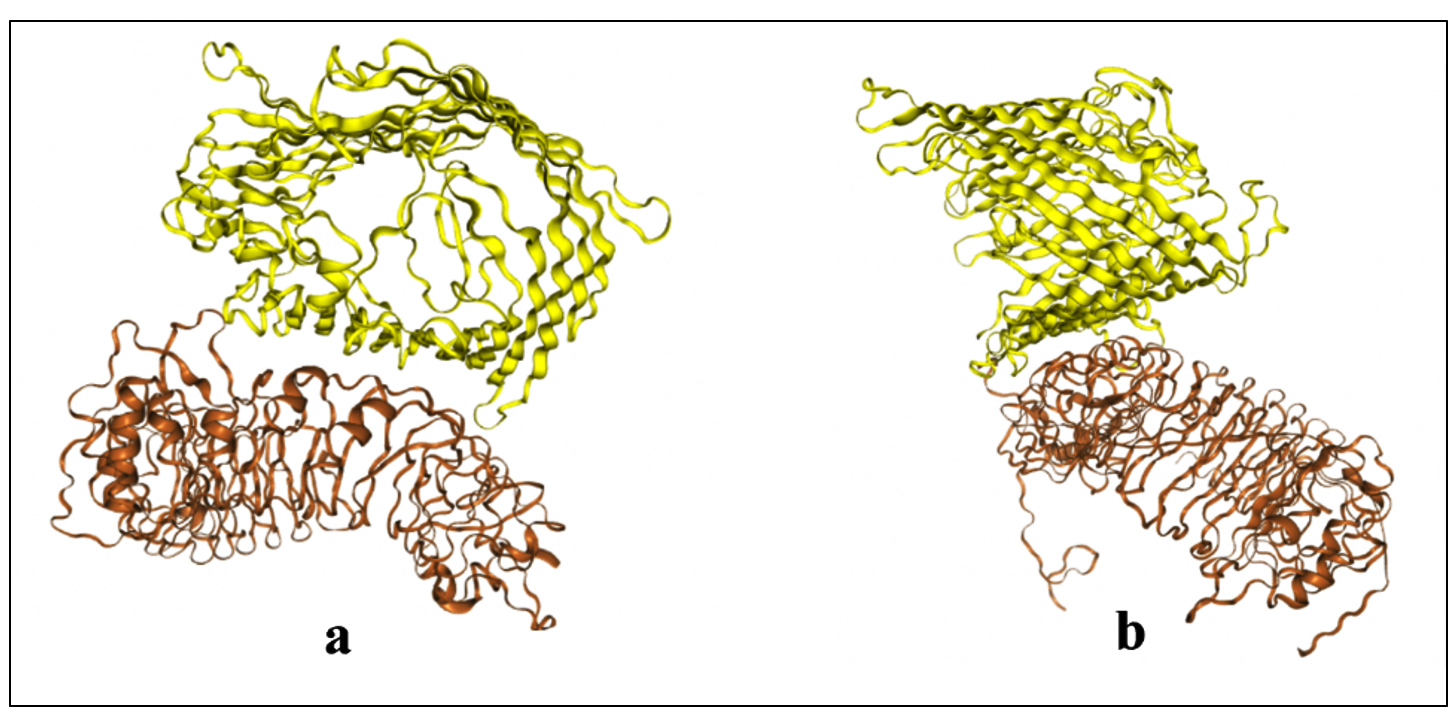
Figure 3. Molecular docking between the target protein and TLR2 (a) and TLR4 (b).
The binding mode between the WP_005379673 and TLR2 and TLR4. Brown indicates TLR2 (a) or TLR4 (b), while yellow indicates the target protein
Molecular dynamics simulation
We employed molecular dynamics simulations using the iMODS web server to investigate the stability and dynamics of the top-docked protein-TLR2 and protein-TLR4 complexes. Figures 4a and 5a present the motion trajectories of the TLR2-WP005379673 and TLR4-WP005379673 complexes. The deformability plots (Figures 4b and 5b) indicate minimal structural distortion in both complexes. B-factor plots (Figures 4c and 5c) demonstrate the relationship between the mobility of the docked complex, as assessed by normal mode analysis (NMA), and the PDB score, which corresponds to the mean root mean square deviation (RMSD). The eigenvalue quantifies the energy required to deform the structure; lower eigenvalues indicate that carbon alpha atoms are more readily deformed. The eigenvalues for the TLR2-WP005379673 and TLR4-WP005379673 complexes are 1.034783e-05 (Figure 4d) and 1.947305e-05 (Figure 5d), respectively, suggesting high structural stability. Each normal mode is associated with variance plots that display both individual (purple) and cumulative (green) variance (Figures 4e and 5e). Covariance plots characterize the movement of correlated (red), non-correlated (white), and anti-correlated (blue) atoms within the dynamic regions of the complexes (Figures 4f and 5f). We further assessed the stiffness of the TLR2-WP005379673 and TLR4-WP005379673 complexes using the elastic network model. In Figures 4g and 5g, darker grey regions denote higher stiffness, while lighter areas indicate greater flexibility.
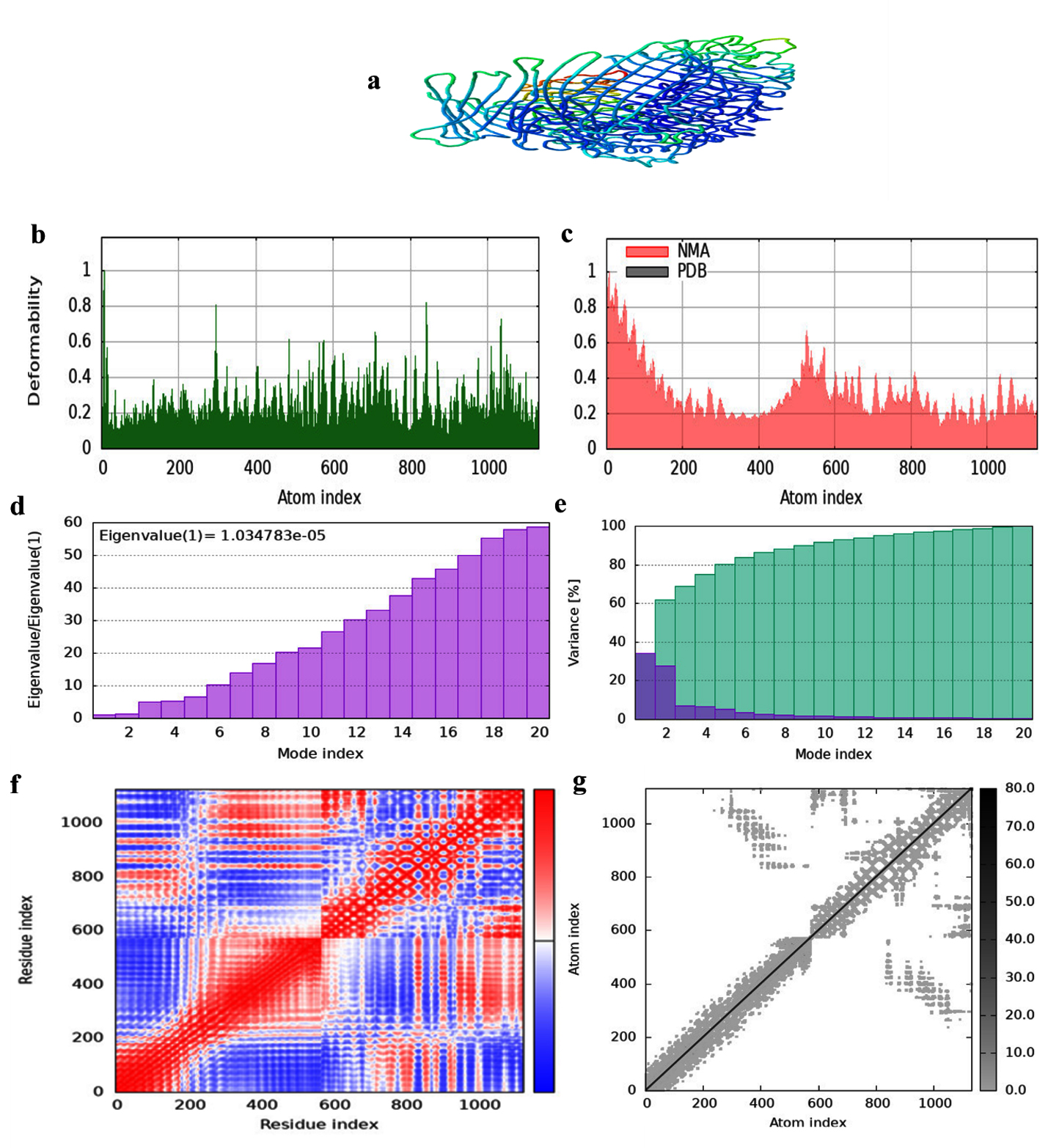
Figure 4. Molecular dynamics simulation of target protein-TLR2 complex.
(a) Mobility; (b) Deformability plot; (c) B-factor plot; (d) Eigenvalues plot; (e) Variance plot. Purple represents individual variance, while green represents cumulative variance; (f) Covariance plot. Red represents correlated motion, white represents non-correlated motion, and blue represents anti-correlated motion; (g) Elastic network. Darker grey represents stiffer regions
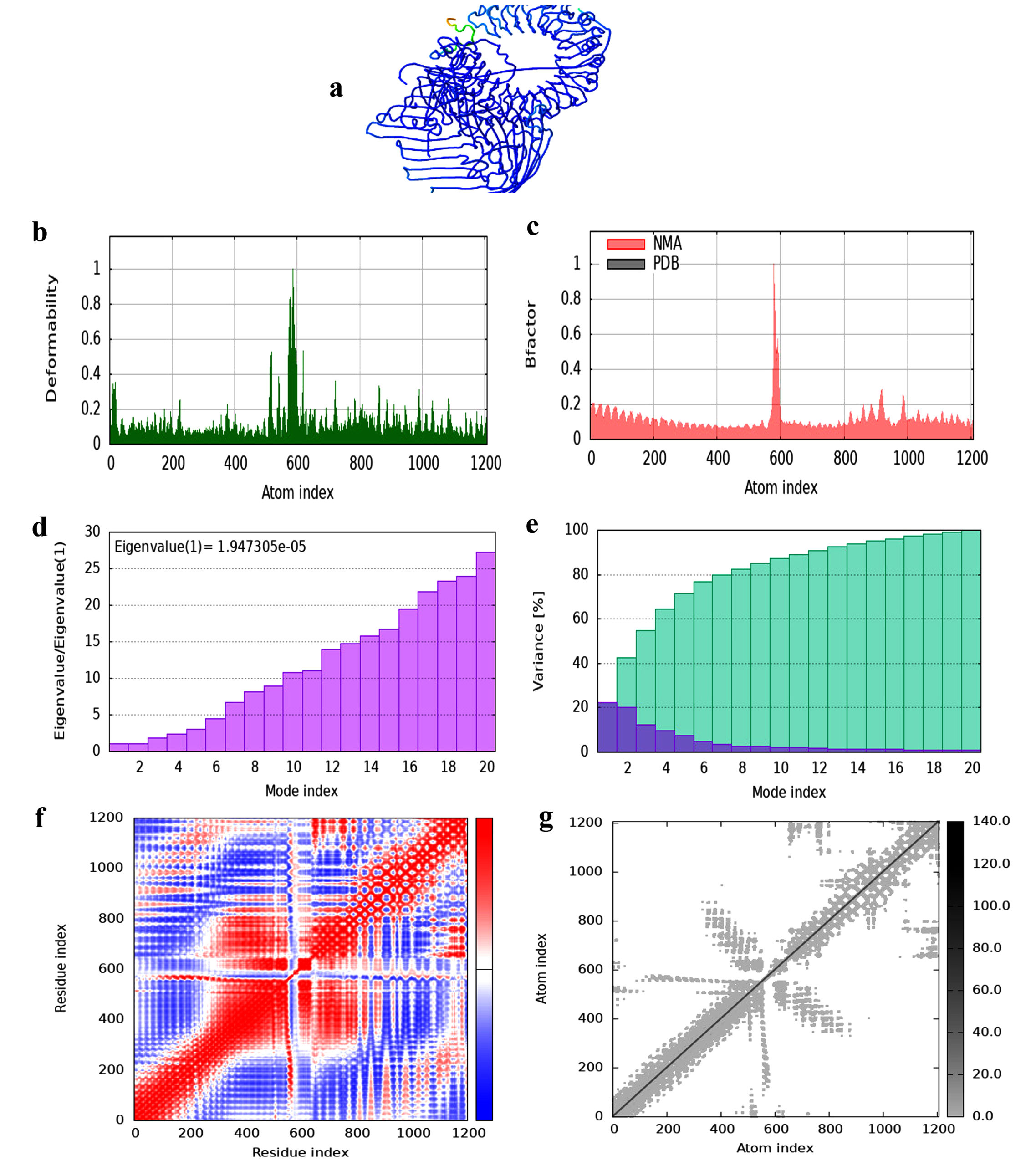
Figure 5. Molecular dynamics simulation of target protein-TLR4 complex
(a) Mobility; (b) Deformability plot; (c) B-factor plot; (d) Eigenvalues plot; (e) Variance plot. Purple represents individual variance, while green represents cumulative variance; (f) Covariance plot. Red represents correlated motion, white represents non-correlated motion, and blue represents anti-correlated motion; (g) Elastic network. Darker grey represents stiffer regions
In silico cloning
The protein-coding gene (GeneID = 75168907) on chromosome 2 of Vibrio alginolyticus ATCC 17749 was amplified by PCR using forward and reverse primers with NcoI and BamHI restriction sites, respectively (Figure 6a). The PCR product was cloned to pet-28a (+) and transformed to BL21(DE3) (Figure 6b). The translations and ORF2 indicated a translated protein of 89.3 kDa and 781 amino acids, similar to WP_005379673, confirming expression.
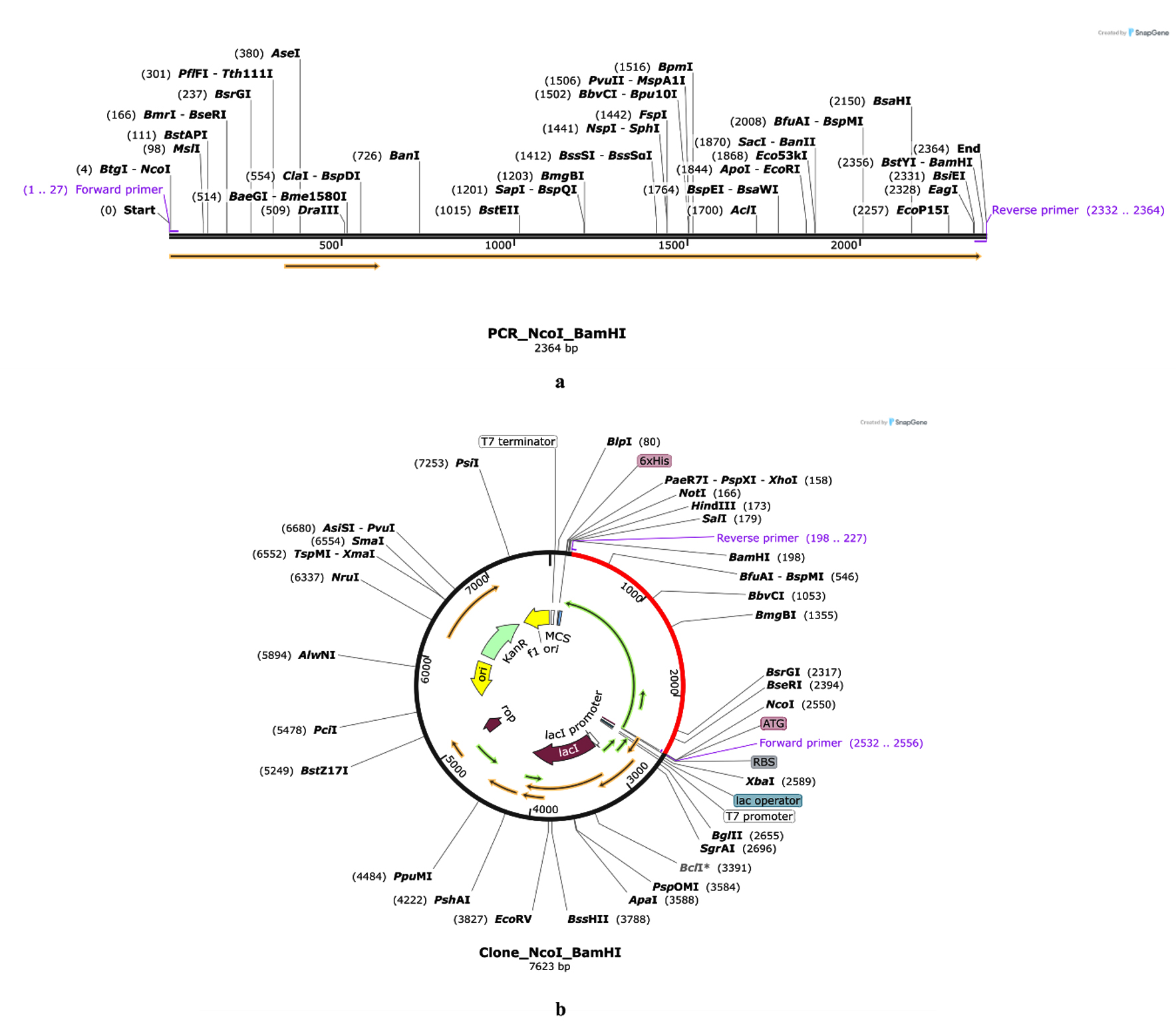
Figure 6. In silico cloning for the expression of the target protein in BL21(DE3).
(a) depicts the amplified desired gene with specific primers containing NcoI and BamHI restriction sites. The protein-coding DNA sequence (GeneID = 75168907) was cloned into the pET28a(+) vector depicted in (b) Black colour represents the vector, whereas red colour indicates the gene encoding the protein
Vibriosis caused by V. alginolyticus is increasing in prevalence, and drug-resistant strains are spreading rapidly, posing significant risks to aquaculture and public health. Although antibiotics and some experimental vaccines are available, the lack of broadly protective, durable immunization strategies remains a major challenge.37 In this context, reverse vaccinology integrated with immune-informatics offers a robust alternative to conventional antigen discovery by enabling systematic, genome-wide identification of conserved and immunogenic vaccine targets.38 This study represents a comprehensive computational effort to elucidate the immunogenic landscape of V. alginolyticus ATCC 17749 and to prioritize protective epitopes suitable for next-generation vaccine development. A key strength of this work is the initial genome-wide screening of the complete V. alginolyticus proteome, which facilitated unbiased identification of candidate antigens. By combining multiple subcellular localization tools, the analysis focused on plasma membrane and secretory proteins, which are readily accessible to host immune surveillance and are frequently immunodominant antigens. The convergence of PSORTb and DeepLocPro predictions substantially increased confidence in protein localization and reduced false positives, an approach recognized as best practice in computational vaccinology. The selected proteins were surface-exposed, possessed signal peptides and contained fewer than two transmembrane helices, supporting their suitability for experimental validation.
Subsequently, filtering proteins based on antigenicity, allergenicity, toxicity, adhesion probability, host homology and protein conservancy dramatically reduced the candidate pool, highlighting the efficiency of integrative reverse vaccinology pipelines. As an outcome, Figure 7 depicts 18 non-host homologous, non-toxic, non-allergenic, antigenic, and adhesion-associated outer membrane and extracellular proteins retained from an initial proteome of 4,471 proteins.
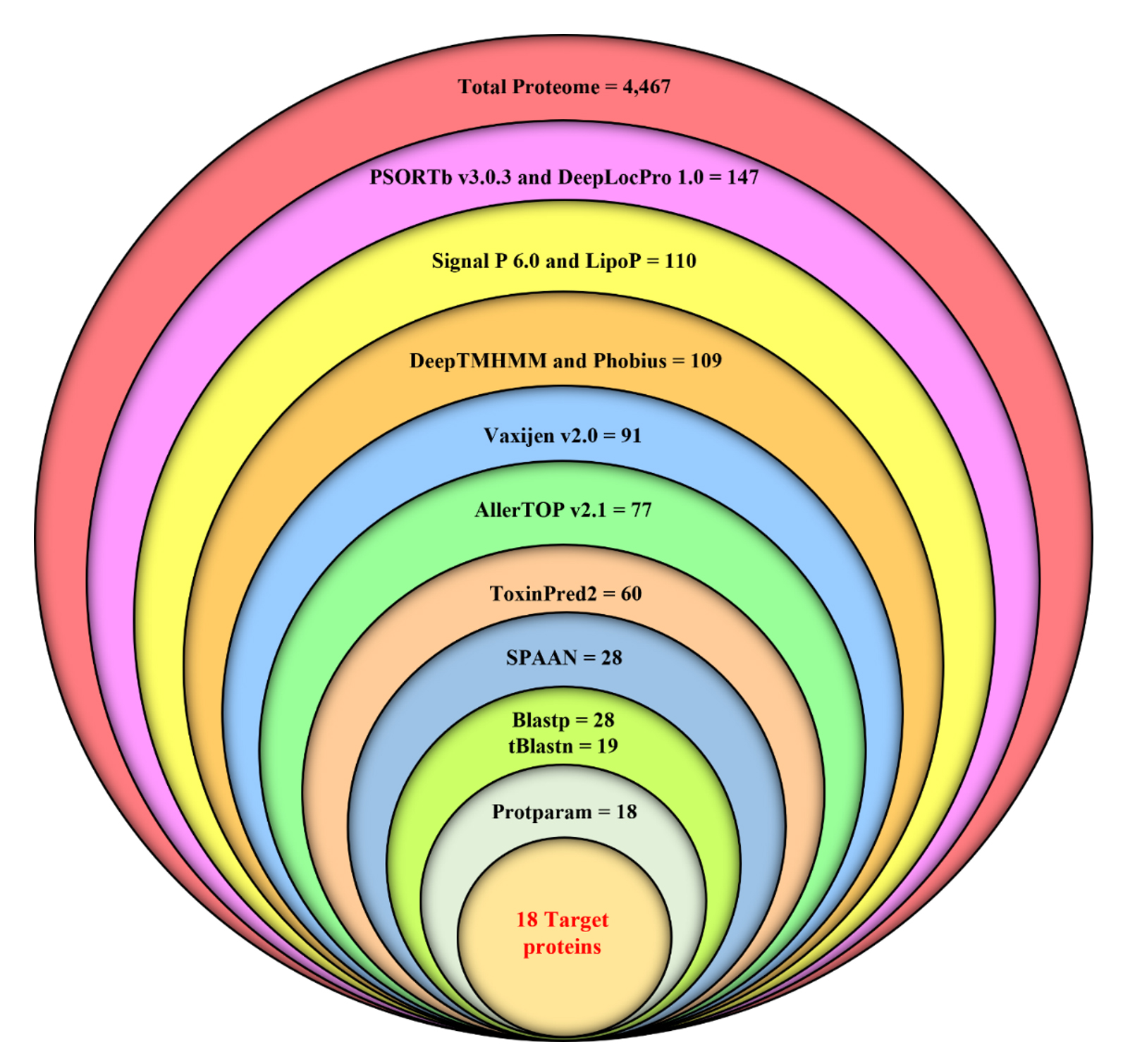
Figure 7. Protein sorting results for the selection of the vaccine target proteins. The proteome consisted of 4,467 proteins, which underwent a computational pipeline resulting in 18 selected proteins for vaccine targets
Notably, a significant number of the shortlisted proteins, such as Maltoporin, DUF2860 domain-containing protein, MULTISPECIES: YjbH domain-containing protein, LPS assembly protein LptD, porin family protein, oligogalacturonate-specific porin KdgM family protein, AcfA family outer membrane beta-barrel protein, porin and MipA/OmpV family protein, are biologically essential β-barrel proteins that play important roles in membrane assembly, nutrient uptake, secretion systems, and virulence control. These proteins are highly conserved among Vibrio alginolyticus strains, as shown by conservation analysis, and thus are less likely to undergo antigenic drift. These findings are consistent with previous studies on V. parahaemolyticus and other Gram-negative bacteria, in which conserved outer membrane proteins are used as effective vaccine targets.8 The identification of such proteins in V. alginolyticus provides further impetus for the development of cross-protective vaccines that can target multiple strains or species.
Immune simulation studies further confirmed the immunogenicity of the shortlisted candidates. Several proteins were found to trigger a robust humoral and cellular immune response, characterized by higher titers of IgM and IgG, increased memory B-cell counts, and persistent cytokine secretion (Figure 2). Notably, all selected target proteins triggered robust IFN-γ and IL-12 secretion, a hallmark of the Th1-type immune response. This type of immune response is especially desirable for combating extracellular bacterial infections, where it can trigger efficient macrophage activation and establishment of immune memory.
The epitope-mapping strategy used in this study further underscores the utility of immune-informatics tools in vaccine design. B-cell and T-cell epitope predictions identified several high-confidence epitopes with the potential to induce humoral and cellular immune responses. The detection of conserved linear B-cell epitopes provides evidence for induction of antibody-mediated immunity, and the co-existence of high-affinity HTL and CTL epitopes depicts the potential for efficient activation of T-cell. Notably, the WP_017820457.1-derived CTL epitopes “YVNEVGLSL” showed high affinity binding to several HLA-A and HLA-B alleles, suggesting broad population coverage and cross reactivity among individuals. Additionally, HTL epitopes against 15 human MHC class II alleles among which “VVVKFRITETSLAGH” and “YAQRIKISGSSKIND” from WP 017819904.1 and WP 017634227.1 covers large population and could induce IL-4 and IFN-γ. The incorporation of epitope conservancy analysis further enhances the translational potential of these results. Epitopes that are conserved in ≤95% of V. alginolyticus strains analyzed are of particular use in vaccine design, as they can help to mitigate the potential for immune escape as a consequence of genomic variation. This is particularly important for the genus Vibrio, which is well known for its high genomic plasticity and recombination rates. By targeting regions of conservation across multiple essential proteins, a multi-epitope vaccine construct could offer broader, more long-lasting protection than current whole-cell or single-antigen vaccines.39
This study is a strong example of how multiple fields, such as genomics, proteomics, and immunology, can be computationally integrated to address biological questions. Reverse vaccinology frameworks have been successfully applied to other pathogens such as Pseudomonas aeruginosa, Klebsiella pneumoniae, Salmonella Typhimurium and Campylobacter jejuni where large proteomes are efficiently reduced to a small number of high-confidence vaccine candidates. This work aims to apply these ideas to V. alginolyticus, a relatively uncharacterized but increasingly important aquaculture pathogen.40-43 The gradual improvement demonstrated how quickly the computational methods, which would otherwise necessitate thorough laboratory screening, could prioritize desired proteins.
Toll-like receptors (TLRs) are essential to the innate immune response, as they recognize conserved pathogen-associated molecular patterns (PAMPs) from various microorganisms.44 To analyze their interactions, proteins were docked to TLR2 and TLR4. The highest-scoring complex, involving the protein WP_005379673, was further assessed using molecular dynamics (MD) simulations to evaluate its stability. MD simulations utilizing normal modes from the iMODS server examined the essential dynamics and structural stability of the protein complex. Results showed no significant atomic distortion, indicating a low likelihood of deformability and a suitable level of structural rigidity. Although immune simulation and epitope prediction are useful tools for gaining insights into immunogenic potential, validation is always necessary, including recombinant expression of selected antigens, in vivo immunization trials, and evaluation of protective efficacy in appropriate animal or aquaculture models. The use of appropriate adjuvants and delivery systems is crucial to translate these predictions into effective vaccines.45
The subunit and whole-cell inactivated vaccine against Vibrio infections is traditionally used, providing serotype-specific and short-term protection. Also, a vaccine can achieve higher potency if the predicted epitopes are conjugated to the cholera toxin subunit B as an adjuvant.46 Thus, a peptide vaccine comprising immunogenic epitopes rather than the whole pathogenic 3D structure is more efficient, safer, and more convenient than the current vaccines.41
This research provides in silico predictions and assessment of potential vaccine candidate proteins and their epitopes in Vibrio alginolyticus ATCC 17749 using reverse vaccinology and an immune-informatics approach. The approach was successful in evaluating the proteome of the bacteria and all the strains to identify conserved, antigenic, and non-allergenic extracellular and outer membrane proteins, along with their corresponding B- and T-cell epitopes, suitable for the design of multi-epitope-based vaccines. The results clearly foreground the significant role of computational vaccinology in developing next-generation vaccines for Vibrio infections, especially in the wake of antibiotic resistance and climate change-driven disease emergence in aquaculture, aligning well with the systems-level and integrative focus of OMICS-driven research.
Additional file: Table.
ACKNOWLEDGMENTS
The authors would like to thank the Central University of Haryana for providing infrastructure support for conducting this research.
CONFLICT OF INTEREST
The authors declare that there is no conflict of interest.
AUTHORS’ CONTRIBUTION
AP conceptualized the study. YK performed the investigation. YK, AS and VR conducted formal analysis. YK wrote the manuscript. AP, YK, AS and VR reviewed and revised the manuscript. All authors read and approved the final manuscript for publication.
FUNDING
None.
DATA AVAILABILITY
The datasets generated and/or analysed during the current study are available from the corresponding author on reasonable request.
ETHICS STATEMENT
Not applicable.
- Sheikh HI, Alhamadin NII, Liew HJ, et al. Virulence factors of the zoonotic pathogen Vibrio alginolyticus: A Review and Bibliometric Analysis. Appl Biochem Microbiol. 2024;60(3):514-531.
Crossref - Cai H, Yu J, Li Q, Zhang Y, Huang L. Research progress on virulence factors of Vibrio alginolyticus: A key pathogenic bacteria of sepsis. In: Shaikh N, ed. Heat Illness and Critical Care. London: IntechOpen. 2022.
Crossref - Hassen B, El Bour M. Sub- and marine mediterranean basin antimicrobial resistance and environmental concerns: A case study of Tunisia. Ocean Sci J. 2022;57(6):541-555.
Crossref - Averhoff B, Kirchner L, Pfefferle K, Yaman D. Natural transformation in Gram-negative bacteria thriving in extreme environments: from genes and genomes to proteins, structures and regulation. Extremophiles. 2021;25(5):425-436.
Crossref - Aribi M. Advancements in Human Vaccine Development: From Traditional to Modern Approaches’. Pharmaceutical Science. IntechOpen. 2024.
Crossref - Sun Y, Yan Y, Yan S, et al. Prevalence, antibiotic susceptibility, and genomic analysis of Vibrio alginolyticus isolated from seafood and freshwater products in China. Front Microbiol. 2024;15:1381457.
Crossref - Meena B, Anburajan L, Sathish T, et al. Studies on diversity of Vibrio sp. and the prevalence of hapA, tcpI, st, rtxA&C, acfB, hlyA, ctxA, ompU and toxR genes in environmental strains of Vibrio cholerae from Port Blair bays of South Andaman, India. Mar Poll Bull. 2019;144:105-116.
Crossref - Wang W, Liu J, Guo S, et al. Identification of Vibrio parahaemolyticus and Vibrio spp. specific outer membrane proteins by reverse vaccinology and surface proteome. Front Microbiol.2021;11:625315.
Crossref - Qian R, Xiao Z, Zhang C, Chu W, Mao Z, Yu L. Expression and purification of two major outer membrane proteins from Vibrio alginolyticus. World J Microbiol Biotechnol. 2008;24(2):245-251.
Crossref - Truong NH, Vo NT, Vo PH, Nguyen HD. Antigen Discovery. In Elumalai P, Thompson K, Lakshmi S, Fish Vaccines, 1st Ed. CRC Press. 2023:65-74.
Crossref - Yu NY, Wagner JR, Laird MR, et al. PSORTb 3.0: improved protein subcellular localization prediction with refined localization subcategories and predictive capabilities for all prokaryotes. Bioinformatics. 2010;26(13):1608-1615.
Crossref - Chukwu-Osazuwa J, Cao T, Vasquez I, et al. Comparative reverse vaccinology of Piscirickettsia salmonis, Aeromonas salmonicida, Yersinia ruckeri, Vibrio anguillarum and Moritella viscosa, Frequent pathogens of Atlantic salmon and lumpfish aquaculture. Vaccines. 2022;10(3):473.
Crossref - Moreno J, Nielsen H, Winther O, Teufel F. Predicting the subcellular location of prokaryotic proteins with DeepLocPro. Bioinformatics. 2024;40(12):btae677.
Crossref - Nielsen H. Practical Applications of Language Models in Protein Sorting Prediction: SignalP 6.0, DeepLoc 2.1, and DeepLocPro 1.0. In: Dukka BKC, eds. Large Language Models (LLMs) in Protein Bioinformatics. Methods in Molecular Biology, vol 2941. Humana, New York, NY. 2025:153- 175.
Crossref - Juncker AS, Willenbrock H, von Heijne G, Brunak S, Nielsen H, Krogh A. Prediction of lipoprotein signal peptides in Gram-negative bacteria. Protein Sci. 2003;12(8):1652-1662.
Crossref - Hallgren J, Tsirigos KD, Pedersen MD, et al. DeepTMHMM predicts alpha and beta transmembrane proteins using deep neural networks. biorxiv. 2022;04:487609.
Crossref - Kall L, Krogh A, Sonnhammer ELL. A combined transmembrane topology and signal peptide prediction method. J Mol Biol. 2004;338(5):1027-1036.
Crossref - Rawal K, Sinha R, Abbasi BA, et al. Identification of vaccine targets in pathogens and design of a vaccine using computational approaches. Sci Rep. 2021;11(1):17626.
Crossref - Doytchinova IA, Flower DR. VaxiJen: a server for prediction of protective antigens, tumour antigens and subunit vaccines. BMC Bioinformatics. 2007;8(1):4.
Crossref - Beig M, Sholeh M, Moradkasani S, Shahbazi B, Badmasti F. Development of a multi-epitope vaccine against Acinetobacter baumannii: A comprehensive approach to combating antimicrobial resistance. Plos one. 2025;20(3):e0319191.
Crossref - Doneva N, Dimitrov I. Viral immunogenicity prediction by machine learning methods. Int J Mol Sci. 2024;25(5):2949.
Crossref - Sharma N, Naorem LD, Jain S, Raghava GPS. ToxinPred2: an improved method for predicting toxicity of proteins. Brief Bioinforma. 2022;23(5):bbac174.
Crossref - Dimitrov I, Bangov I, Flower DR, Doytchinova I. AllerTOP v.2—a server for in silico prediction of allergens. J Mol Model. 2014;20(6):2278.
Crossref - Maharajh R, Pillay M, Senzani S. A computational method for the prediction and functional analysis of potential Mycobacterium tuberculosis adhesin-related proteins. Expert Rev Proteomics. 2023;20(12):483-493.
Crossref - Sachdeva G, Kumar K, Jain P, Ramachandran S. SPAAN: a software program for prediction of adhesins and adhesin-like proteins using neural networks. Bioinformatics. 2004;21(4):483-491.
Crossref - Bukhari K. Multi-epitope vaccine design against human metapneumovirus via reverse vaccinology and molecular modelling. Sci Rep. 2025;15(1):45014.
Crossref - Hizbullah, Nazir Z, Afridi SG, Shah M, Shams S, Khan A. Reverse vaccinology and subtractive genomics-based putative vaccine targets identification for Burkholderia pseudomallei Bp1651. Microb Pathog. 2018;125:219-229.
Crossref - Almeida Garcia R, Lima Pepino Macedo L, Cabral do Nascimento D, et al. Nucleases as a barrier to gene silencing in the cotton boll weevil, Anthonomus grandis. PloS one. 2017;12(12):e0189600.
Crossref - Gasteiger E, Hoogland C, Gattiker A, et al. Protein Identification and Analysis Tools on the ExPASy Server. In Walker JM, ed. The Proteomics Protocols Handbook. Springer Protocols Handbooks. Humana Press. 2005:571-607.
Crossref - Nasiri O, Hajihassani M, Noori Goodarzi N, et al. Reverse vaccinology approach to identify novel and immunogenic targets against Porphyromonas gingivalis: An in silico study. Plos one. 2022;17(8):e0273770.
Crossref - Dubey S, Yoon H, Cohen MS, Nagarkatti P, Nagarkatti M, Karan D. Withaferin A associated differential regulation of inflammatory cytokines. Front Immunol. 2018;9:195.
Crossref - Reynisson B, Alvarez B, Paul S, Peters B, Nielsen M. NetMHCpan-4.1 and NetMHCIIpan-4.0: improved predictions of MHC antigen presentation by concurrent motif deconvolution and integration of MS MHC eluted ligand data. Nucleic Acids Res. 2020;48(W1):W449-W454.
Crossref - Yan Y, Tao H, He J, Huang SY. The HDOCK server for integrated protein–protein docking. Nat Protoc. 2020;15(5):1829-1852.
Crossref - Lopez-Blanco JR, Aliaga JI, Quintana-Orti ES, Chacon P. iMODS: internal coordinates normal mode analysis server. Nucleic Acids Res. 2014;42(W1):W271-W276.
Crossref - Lopez-Blanco JR, Garzon JI, Chacon P. iMod: multipurpose normal mode analysis in internal coordinates. Bioinformatics. 2011;27(20):2843-2850.
Crossref - Qiu J, Wei Y, Shu J, et al. Integrated in-silico design and in vivo validation of multi-epitope vaccines for norovirus. Virol J. 2025;22(1):166.
Crossref - Peng Y-m, Tao J-j, Kuang S-f, Jiang M, Peng X-x, Li H. Identification of polyvalent vaccine candidates from extracellular secretory proteins in Vibrio alginolyticus. Front Immunol. 2021;12:736360.
Crossref - Parihar A, Malviya S, Khan R. Immunoinformatics and reverse vaccinomic approaches for effective design. In: Parihar A, Khan R, Kumar A, Kaushik AK, Gohel H, eds. Computational Approaches for Novel Therapeutic and Diagnostic Designing to Mitigate SARS-CoV-2 Infection. Academic Press. 2022:357-378.
Crossref - Odoom A, Dzuvor CKO. Pseudomonas aeruginosa: Pathogenesis-immunity arm race, vaccine and therapeutics development panoramas. Advanced Therapeutics. 2026;9(1):e00248.
Crossref - Habiba TU, Hussain Z, Asghar F, Nawaz W. Reverse vaccinology-based identification and in silico characterization of immunogenic membrane proteins of Salmonella Typhimurium as novel vaccine targets against multidrug-resistant infections. BMC Microbiol. 2025;25(1):542.
Crossref - Rashid MI, Naz A, Ali A, Andleeb S. Prediction of vaccine candidates against Pseudomonas aeruginosa: An integrated genomics and proteomics approach. Genomics. 2017;109(3):274-283.
Crossref - Solanki V, Sharma S, Tiwari V. Subtractive proteomics and reverse vaccinology strategies for designing a multiepitope vaccine targeting membrane proteins of Klebsiella pneumoniae. Int J Pept Res Ther. 2021;27(2):1177-1195.
Crossref - Poudel S, Jia L, Arick MA, et al. In silico prediction and expression analysis of vaccine candidate genes of Campylobacter jejuni. Poult Sci. 2023;102(5):102592.
Crossref - Kawai T, Ikegawa M, Ori D, Akira S. Decoding Toll-like receptors: Recent insights and perspectives in innate immunity. Immunity. 2024;57(4):649-673.
Crossref - Zhao T, Cai Y, Jiang Y, et al. Vaccine adjuvants: mechanisms and platforms. Signal Transduct Target Ther. 2023;8(1):283.
Crossref - Urrutia-Baca VH, Gomez-flores R, De La Garza-Ramos MA, Tamez-guerra P, Lucio-sauceda DG, Rodrםguez-padilla MC. Immunoinformatics approach to design a novel epitope-based oral vaccine against Helicobacter pylori. J Computat Biol. 2019;26(10):1177-1190.
Crossref
© The Author(s) 2026. Open Access. This article is distributed under the terms of the Creative Commons Attribution 4.0 International License which permits unrestricted use, sharing, distribution, and reproduction in any medium, provided you give appropriate credit to the original author(s) and the source, provide a link to the Creative Commons license, and indicate if changes were made.