

 and Jai Gopal Sharma
 Over 50% of aquatic food production depends on aquaculture, which faces sustainability challenges, including wastewater pollution, eutrophication from excess nitrogen and phosphorus, and antimicrobial resistance (AMR) and antibiotic resistance genes (ARGs) from effluent discharge. Conventional wastewater treatment can’t fully address these problems, increasing environmental and health risks. The concept of precision microbiome engineering (PME), which includes next-generation probiotics, synthetic microbial communities (SynComs), and omics-guided bioremediation consortia, is seen as revolutionary because it can enhance bioremediation and prevent antimicrobial resistance (AMR). However, PME’s application to host-associated and environmental microbiomes is less studied. This review proposes a strategy linking host microbiome manipulation to wastewater bioremediation to address AMR. It combines environmental biotechnology and aquaculture science to evaluate the role of PME across these interconnected domains critically. It provides a comprehensive overview of the microbial ecology of host systems in aquaculture and their corresponding effluents. The text analyzes how probiotics, postbiotics, and synbiotics boost fish immunity and combat resistant pathogens. It also assesses advanced bioremediation methods like biofloc, MBBRs, and microbial consortia. This review redefines PME as an integrated system rather than isolated interventions, considering current knowledge on aquaculture wastewater, AMR mechanisms, and treatment limitations. It critically assesses ecological, regulatory, biosafety, and scalability issues, highlighting knowledge gaps and dangers. The article proposes a model combining SynCom construction using multi-omics, CRISPR, and real-time microbiome monitoring via AI.
Precision Microbiome Engineering (PME), Aquaculture Wastewater Bioremediation, Antimicrobial Resistance (AMR), Synthetic Microbial Communities (SynComs), MBBR
Global aquaculture production reached 94.4 million tonnes in 2022, accounting for over 50% of the total aquatic food supply. According to the Food and Agriculture Organization (FAO), this is further expected to exceed 140 million tonnes by 2050, representing the fastest-growing food production sector in the world.1-4 Increased demand for animal protein is being met with the rapid intensification of aquaculture practices globally.5,6 This has significantly enhanced aquaculture productivity, but it has also introduced several environmental and public health challenges due to higher stocking densities, shorter production cycles, and excessive reliance on chemotherapeutic agents. This dual-natured environmental burden is now in turn threatening the long-term viability of this sector.7,8 One major problem that arises from excessive nitrogen and phosphorus content linked to fish waste and leftover feeds is eutrophication, which may cause anoxia and proliferation of algae.9 On the other hand, the widespread use of prophylactic treatment and antibiotics in aquaculture has made aquatic habitats breeding grounds for antibiotic resistance genes (ARGs) and organisms with antimicrobial resistance (AMR).10-12 Under such conditions, precision microbiome engineering (PME) has become a feasible solution from an interdisciplinary perspective for addressing fish health issues by applying developments in microbiology, multi-omics, and synthetic biology to construct and manipulate the microbiota towards specific objectives.13 PME comprises strategies such as classical probiotics, heat-inactivated paraprobiotics, metabolite-rich postbiotics, prebiotic-probiotic synbiotics, and precisely designed SynComs, which can modulate microbial communities in both fish guts and production water, simultaneously enhancing nutrient removal and reducing the load of pathogenic and resistant microorganisms.5,14,15 A comprehensive review that addresses PME’s dual functionality and defines it as a novel convergent paradigm remains lacking.
In parallel, bioremediation strategies have also evolved to support this convergence. Advanced technologies such as biofloc technology (BFT), moving bed biofilm reactor (MBBR)are efficiently reducing the loads of nitrogen, phosphorus, and organic carbon in aquaculture effluents to a level that is comparable with municipal wastewater treatments.16-21 The application of multi-omics tools (metagenomics, metatranscriptomics, metabolomics) and artificial intelligence (AI) for real-time effluent quality prediction has further enhanced the precision and scalability of these approaches.22,23
Most of the existing studies focus either on host-associated microbiome manipulation for the improvement of fish health or on environmental bioremediation to enhance water quality. Addressing this gap is therefore essential for developing sustainable aquaculture systems. This review article aims to combine the evidence from environmental biotechnology and aquaculture production science to examine the role of PME for its dual functionality in wastewater purification as well as in mitigating AMR. Through the integration of current research findings and new approaches in methodology, this review redefines PME as a holistic concept that forms the basis of sustainable development in aquaculture ecosystems.
Aquaculture microbiome and its environmental interface
Aquaculture is a microbial ecosystem that involves interactions between host-related and environment-related microorganisms. This dynamic microbial ecosystem is strongly influenced by the physicochemical characteristics of the wastewater produced in the system. It typically comprises a mixture of organic and inorganic matters, residual feed, fecal waste, and other chemicals, including antibiotics and heavy metals.24 The high amount of nitrogen and phosphorus present in wastewater mainly comes from the uneaten feed and metabolic excretion, resulting in up to 70%-80% being released into the surrounding environment.25 This enrichment promotes eutrophication, as evidenced by algal blooms, reduced oxygen levels, and disruptions to aquatic ecosystems. This imbalanced nitrogen-phosphorus ratio in wastewater further favours opportunistic and pathogenic microorganisms.26 Apart from the nutrients, aquaculture effluents also contain different chemical therapeutics and other xenobiotics that can alter microbial metabolic activity.24,27
Combining these physicochemical and chemical stresses creates selection pressure that affects the structure, diversity, and functional potential of microbial communities within their hosts and the surrounding ecosystem. Therefore, it is essential to understand how these microbial communities organize themselves and interact with each other to link water quality and fish health.
Microbial ecology of fish guts and production environments
The gut microbiome of fish is a diverse community, majorly dominated by Proteobacteria, Firmicutes, Bacteroidetes, and Actinobacteria. Their species level is influenced by host genetics, diet, water temperature, salinity, stage of life, etc.28 Metagenomic analysis has revealed that gut microbiota in Salmo salar, Oreochromis niloticus, and Litopenaeus vannamei share some common taxa, including Lactobacillus, Bacillus, Aeromonas, and Pseudomonas; however, they show a diverse response to dietary and environmental perturbations.28 This flexibility can be either beneficial for microbiome modulation or it can be a risk for dysbiosis under stress, allowing opportunistic pathogens to sustain.29
In a pond ecosystem, a close link between the fish microbiome and sediment microbiomes has been observed through continuous microbial exchange in water.30 Co-existence of nitrogen-fixing heterotrophic bacteria, such as Nitrosomonas, Nitrospira, and Paracoccus denitrificans, has been reported with several pathogenic species, including Vibrio harveyi, Aeromonas hydrophila, and drug-resistant Edwardsiella tarda.31,32 Biofilm-producing communities produce a semi-permanent reservoir on the tank surface, sediments, or biofloc particles, which act as a stable reservoir of microbiomes that continuously exchange bacteria with fish, creating an overlap between host-associated and environmental microbiomes.33-35 This synchronized interface between the environment and host could be the most effective target for dual-function microbial strategies.
Emergence of AMR as a potential challenge in environmental biotechnology
In wastewater and aquaculture systems, AMR has emerged as a critical challenge, as diverse microbial communities, residual antibiotics, and selection pressure co-exist. This system is also a hotspot for ARG accumulation and horizontal gene transfer (HGT) due to high microbial density, antibiotic residues, and other co-selective agents, such as heavy metals.36-38 Among several ARGs, the tetracycline-resistant genes (tetA, tetB, tetM), integrons (intI1), sul genes (sulI, sulII), and β–lactamase-encoding genes (blaTEM, blaCTX-M) are the most commonly detected in aquaculture and wastewater environments, reflecting the widespread use of tetracyclines, sulfonamides, and β-lactam antibiotics in aquaculture systems.39-42 Due to the involvement of several mobile genetic elements (plasmids, transposons, etc.) HGT further facilitates the spread of these ARGs across the microbial population, which are even phylogenetically distant, within a few days under this selection pressure.43-46
The conventional treatment system reduces organic pollutants; however, it is not capable of eliminating ARGs, allowing resistant determinants to persist in treated effluents that eventually enter the natural ecosystem.47 The increased occurrence of ARGs in the environment not only disrupts the microbial ecosystem but also poses a serious threat to human and animal health, necessitating urgent combined mitigation strategies. WHO has already classified fluoroquinolones, third-generation cephalosporins, macrolides, and colistin as critically important antimicrobials used for human medicine.48 Several jurisdictions, such as the EU, Norway, and Chile, have already restricted the use of prophylactics in aquaculture.49 However, the regulatory framework across the Asia-Pacific and Latin American regions collectively produces above 80% of global aquaculture output, which requires a collective reform of policy and biotechnological approaches capable of less dependency on antibiotic usage at the farm level to systematically mitigate AMR.50
Microbiome-based intervention for host health
PME has emerged as a promising approach for the modulation of host-associated microbiomes in aquaculture to improve fish health, disease resistance, and overall system. PME leverages the application of beneficial microbes such as probiotics, postbiotics, and synbiotics.13 These novel strategies function through diverse mechanisms, including competitive exclusion of pathogens, production of bioactive metabolites, and modulation of host immunity (Figure 1). In past years, continued attention has been paid to understanding their combined and individual efficacy under diverse environmental conditions. The mechanisms, advantages, and limitations of these approaches have been discussed thoroughly in this section, providing a comparative evaluation of their effectiveness.
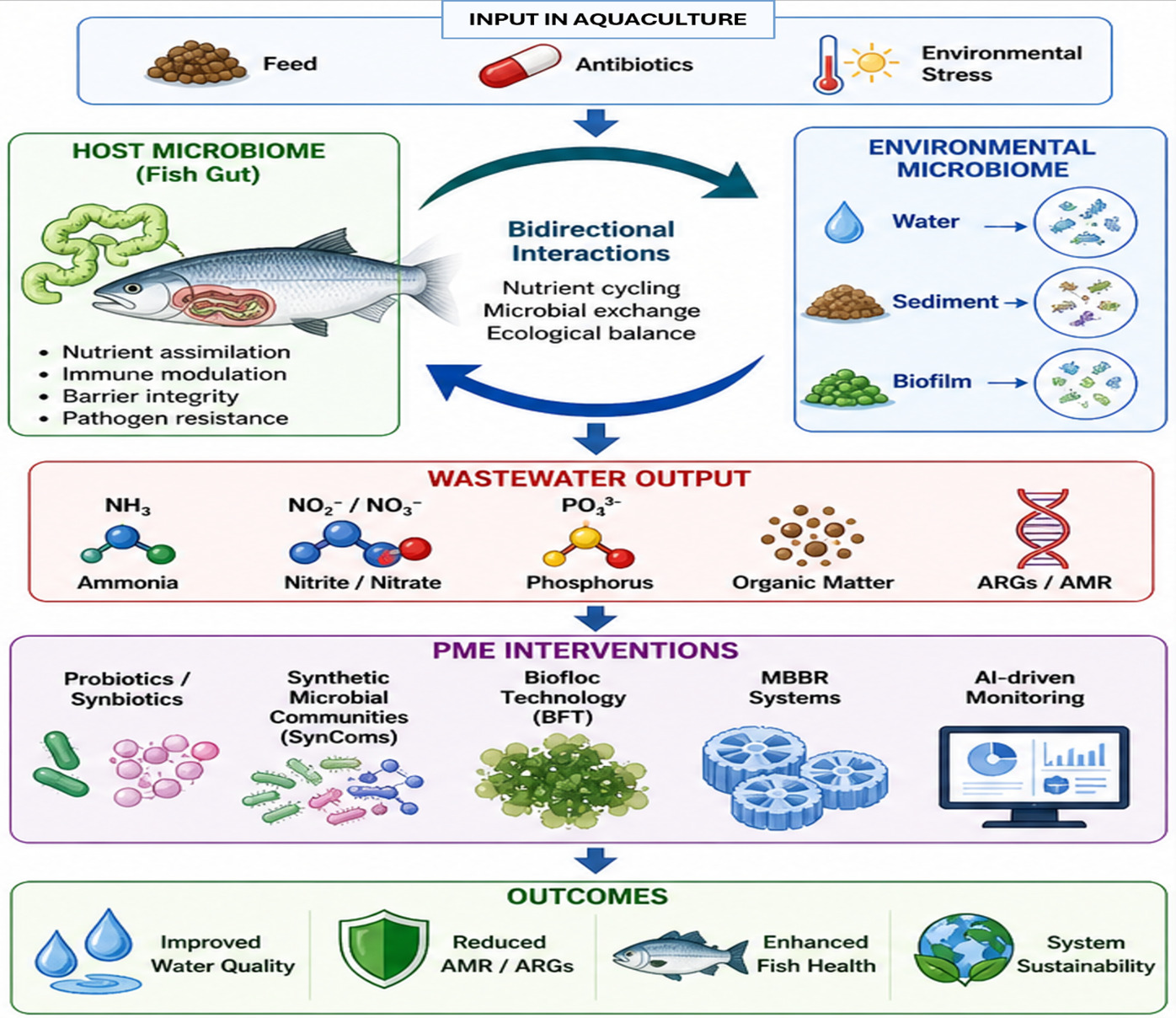
Figure 1. Mechanistic pathways of precision microbiome engineering (PME) in mitigating antimicrobial resistance (AMR) in aquaculture systems
Classical and second-generation probiotics: mechanism and limitations
Living microorganisms that confer health benefits to the host when consumed in adequate amounts are known as probiotics.13 Over the last few years, the first-generation probiotics, dominated by Bacillus spp. (B. subtilis, B. licheniformis, B. pumilus), Lactobacillus rhamnosus, and Pediococcus acidilactici have been evaluated across several aquatic animals including Atlantic salmon, Nile tilapia, shrimp, and rainbow trout.5,51-53 These microorganisms work in different ways; by competitive exclusion of pathogens, they occupy the host surface and produce antimicrobial compounds like organic acids, hydrogen peroxide, and bacteriocins. As a result, the harmful bacteria cannot attach to the host surface.54,55 They also help the host with digestion by releasing proteases and amylases, and with immunomodulation through Toll-like receptor (TLR) signaling and cytokine induction.56,57
Among second-generation probiotics, Saccharomyces cerevisiae, Enterococcus faecium, and novel strains identified through metagenomic screening provide additional benefits in mitigation strategies. They can enhance the host’s innate immunity, particularly through β-glucans-mediated responses.58 They also produce beneficial compounds such as short-chain fatty acid (SCFA) including butyrate, which contribute to gut health.55,59 In addition, they can disrupt bacterial communication mechanisms known as quorum sensing. This interference limits the formation of biofilms and reduces the expression of virulence genes in pathogenic bacteria such as Vibrio harveyi.60 With the help of next-generation sequencing (NGS), the identification of candidate probiotics from gut metagenomes has accelerated significantly. It has enabled the species-specific formulations of probiotics rather than conventional trial-and-error approaches.61,62
Paraprobiotics and postbiotics
Paraprobiotics are attenuated microorganisms (prepared by heat-inactivation, UV-irradiation, or sonication) that still retain their beneficial immunogenic components. They are devoid of safety concerns linked to live probiotics in aquaculture ecosystems, including HGT and disruption of natural microbial communities.63 Heat-killed Lactobacillus plantarum applied to bighead catfish (Clarias macrocephalus) with a concentration of approximately 2.0 × 10¹¹ cells g-1 has demonstrated improved growth performance and immune response through reduced FCR and significant enhancement of total white blood cells, or improved digestibility coefficient.64
On the other hand, postbiotics are preparations of inanimate microorganisms and/or their components conferring health benefits. It includes bioactive compounds such as SCFAs, bacteriocins, exopolysaccharides, and cell-free supernatants.65 In aquaculture systems, SCFAs, including acetate, propionate, and butyrate, play a major role in improving intestinal health by enhancing epithelial barrier function through the regulation of tight junction proteins such as claudin and occludin.66
Synbiotics and SynComs: Stability advantage, synergistic effects
Synbiotics are the combination of a probiotic with a cognate prebiotic substrate specially designed for the selective fueling of the probiotic’s proliferation inside the gut.67 Combination of Lactobacillus rhamnosus with fructooligosaccharides or Bacillus subtilis with mannan-oligosaccharides.68 They have demonstrated greater additive effects on gut microbiome diversity, activation of immune-responsive genes, and pathogen exclusion compared to either component alone.69 These bioactive formulations are being delivered rapidly via encapsulated feed pellets or water-dispersible formulations to enable controlled dosing, improved stability, and targeted application in aquaculture.56,70,71
SynComs represent the synthetic microbial communities that are designed consortia of functionally complementary microorganisms to achieve targeted microbiome modulation. In aquaculture, it has emerged as an alternative strategy to stabilize the fish gut microbiome, enhancing nutrient utilization and improving host immunity. SynComs can engage multiple ecological niches inside the gut, which promotes community resilience and the risk of dysbiosis.72,73 Within the aquatic environment, the use of such synthetic communities has been shown to boost microbial diversity, which in turn has resulted in higher disease resistance and improved growth characteristics.69,74,75 Such function-based approaches highlight the potential of SynComs as a key tool in PME for sustainable aquaculture.
PME for aquaculture effluents bioremediation
For the optimization of microbial communities for simultaneous enhancement of water quality and suppression of AMR in the aquaculture system, PME provides a system-level solution. Use of functionally designed microbial consortia, PME, enables efficient removal capability of excess nutrients, organic matter, and microbial contaminants from aquaculture effluents. The most widely used PME strategies include Biofloc Technology (BFT), Moving Bed Biofilm Reactor (MBBR), Synthetic Microbial Communities (SynCom), and microalgae-bacteria consortium systems. They offer distinct advantages that can be tailored in operation context of rigorous aquaculture. Table 1 provides an overview of bioremediation technologies for aquaculture effluents.
Table 1. Technologies for bioremediation of aquaculture effluents
Technology |
Operational Principle |
Key Microbial Players |
Target Pollutants |
Removal Efficiency |
Advantages |
Limitations |
|---|---|---|---|---|---|---|
Biofloc Technology (BFT) MBBR |
Heterotrophic assimilation via C:N balance Biofilm-based nitrification/ denitrification |
Heterotrophic bacteria, algae, Nitrospira, Nitrosomonas |
Ammonia, nitrate, organic carbon NH3, NO2-, organic matter |
High (N removal) Very high |
Cost-effective, improves FCR, stable, scalable |
Requires C:N control, sludge buildup, slow startup (biofilm formation) |
Microalgae-Bacteria Consortia |
Photosynthetic nutrient uptake |
Algae + heterotrophs |
N, P, CO2 |
Moderate to High |
Carbon capture + nutrient removal |
Light dependency |
SynCom-based Systems |
Engineered microbial interactions |
Functional consortia |
N, P, pathogens, ARGs |
Emerging |
Multi-functional, targeted |
Early-stage, regulatory issues |
Hybrid Systems (BFT + MBBR) |
Combined suspended + attached growth |
Mixed communities |
Broad-spectrum removal |
Very high |
Synergistic efficiency |
Complex management |
Biofloc Technology (BFT): Microbial conversion of nitrogenous waste and water quality enhancement
It is a largely adopted microbial-based system converting dissolved nitrogenous waste into microbial biomass using heterotrophic bacterial communities through carbon supplementation. It also reduces the feed conversion ratio and overall production costs. BFT can promote the assimilation of ammonia and nitrate into biofloc aggregates to reduce the nitrogen toxicity level and improve the water quality.34,75,76 Bioflocs are composed of bacteria, algae, protozoa, and organic particles that cannot recycle nutrients but serve as a supplemental food source. It has been shown to improve microbial diversity and suppress opportunistic pathogens, including several species of Vibrio spp., through competitive exclusion and inhibiting quorum sensing.75,77 However, this technology also has some limitations, including complex regulation of the carbon-to-nitrogen ratio, accumulation of suspended substances, and acidification of bottom sludges that directs toward the use of a hybrid configuration of BFT coupled with MBBR and associated multi-trophic aquaculture systems.77-79
Moving Bed Biofilm Reactor (MBBR) for enhanced nitrogen removal in aquaculture systems
Moving bed biofilm reactor (MBBR) is an advanced biofilm-based wastewater treatment technology, utilising suspended plastic carrier media to support the growth of microbial biofilms capable of nitrogen fixing and organic matter degradation. These are efficient to facilitate the nitrification and denitrification processes by providing a large surface for the colonisation of autotrophic and heterotrophic microorganisms.80,81 In the aquaculture system, MBBR has shown high efficiency in removing ammonia, nitrite, and organic carbon, which makes it suitable for recirculating aquaculture systems (RAS).81 At the microbial level, biofilms in MBBR contain a large amount of Nitrospira, promoting nitrification. These biofilm-associated communities demonstrate higher functional abilities for the removal of nitrogen compounds as compared to other sediment communities.82,83 MBBR offers a platform for targeted enhancement of microbial communities, including nitrifiers and denitrifiers, that can be used for omics-guided strategies to improve nutrient removal efficiency. One major challenge of MBBR is the requirement of a prolonged colonisation period before the efficient nitrification process. This has been recently addressed by integrating MBBR with BFT- the advanced biofloc system, resulted in improved water quality and fish health with genes linked to denitrification.75,80,81
SynComs in aquatic bioremediation
Strategies with SynCom aim to integrate nutrient removal, pathogen suppression, and AMR mitigation using a single engineered microorganism strain. Direct applications of SynCom are still limited in aquaculture, however, these consortia can be designed to include nitrifiers, denitrifiers, organic matter degrading microbes, and probiotic strains to enable simultaneous removal of nitrogen, phosphorus and pathogenic microbes through metabolic.34,75,84 SynComs have the potential to reduce the abundance of ARGs by promoting competitive microbial environments that limit the growth of resistant species.85,86 Despite their promises, employing SynComs in open aquaculture systems remains in a nascent stage, but it is maturing rapidly, with concerns about ecological stability and regulatory frameworks that require resolution.
PME as a Convergent Dual Strategy: Integrating host and environmental microbiomes for sustainable aquaculture
Aquaculture systems operate as tightly coupled ecological networks in which host-associated microbiomes and surrounding microbial communities interact continuously. Fish, water, sediment, and biofilm-associated microbiota are connected through a constant microbial exchange that forms a dynamic ecosystem influencing nutrient cycle, disease dynamics, and overall system productivity.75,87 In this interconnected network, disturbances in one section can rapidly affect the ecosystem, increasing susceptibility to disease outbreaks and the proliferation of opportunistic pathogens. PME offers an opportunity to address these challenges through coordinated microbial interventions that target host health and improve environmental quality as well (Figure 2). A comparative overview of microbiome engineering strategies has been given in Table 2.
Table 2. Comparative overview of strategies for microbiome engineering in aquaculture systems
Strategy Type |
Key Components |
Mechanism of Action |
Target Domain |
Key Benefits |
Limitations |
Representative Examples |
|---|---|---|---|---|---|---|
Probiotics |
Live beneficial microbes |
Competitive exclusion, antimicrobial production, immune modulation |
Gut + Water |
Improved immunity, pathogen suppression |
Risk of HGT, stability issues |
Bacillus subtilis, Lactobacillus rhamnosus |
Paraprobiotics |
Inactivated microbial cells |
Immunogenic stimulation without colonization |
Gut |
Safer alternative, no gene transfer risk |
Reduced persistence |
Heat-killed Lactobacillus plantarum |
Postbiotics |
Microbial metabolites (SCFAs, bacteriocins) |
Barrier enhancement, metabolic modulation |
Gut |
High safety, stable formulations |
Limited multifunctionality |
Butyrate, bacteriocins |
Synbiotics |
Probiotic + prebiotic |
Selective microbial enrichment |
Gut |
Enhanced microbiome stability |
Requires precise formulation |
Bacillus + MOS |
SynComs |
Engineered microbial consortia |
Functional complementarity (nutrient removal + pathogen suppression) |
Gut + Environment |
Dual-functionality, system-level impact |
Regulatory and ecological concerns |
Multi-strain consortia |
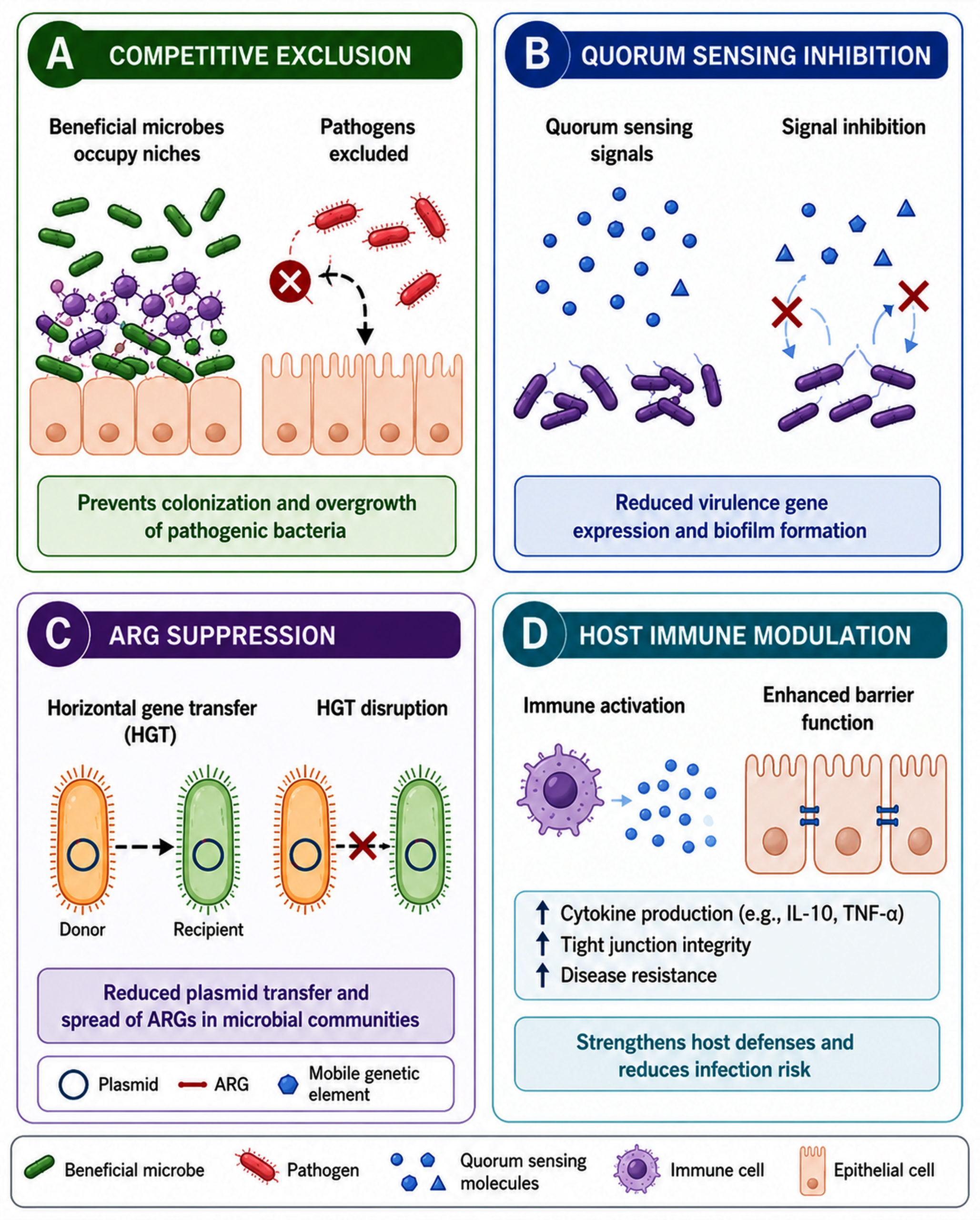
Figure 2. Integrated framework of precision microbiome engineering (PME) for host aquaculture bioremediation and antimicrobial resistance (AMR) mitigation
Linking host and environmental microbiomes
The fish gut microbiome is essential in the metabolism of nutrients, immune response, and disease resistance, whereas the water and environmental microbiomes control biogeochemical activities such as nitrogen and carbon cycles. The processes do not occur independently but interact by exchanging microorganisms via ingestion, excretion, and direct contact with the aquatic environment, thereby forming a cycle of interaction between the host and environmental microbiomes.62,87 For example, beneficial bacteria introduced as probiotics in fish feed can be released into the surrounding water via faeces, where they can contribute to nutrient cycling and pathogen suppression. On the contrary, environmental microbes can colonise the fish gut, influencing microbial composition and the host’s pathology. This bidirectional exchange between host and environment highlights the importance of considering the aquaculture system as an integrated microbiome rather than a single unit. Species from different taxa, such as Bacillus and Lactiplantibacillus have demonstrated their ability to function across both domains, enhancing the host’s gut immunity while also improving water quality through organic matter degradation and competitive exclusion of pathogenic strains.55,88 PME utilises these multifunctional microbes to develop a coherent strategy that bridges the gap between host and environmental development, thereby enhancing system resilience.
AMR mitigation through PME
The occurrence and spread of AMR in the aquaculture system is driven by a combined events of antibiotic usage, high microbial population, and environmental selection pressure that promote horizontal gene transfer (HGT).10,85 The effluents discharged from aquaculture farms act as reservoirs and routes for the transmission of ARGs, thus posing a threat to the environment and public health. Traditional sewage treatment methods are not sufficient for removing ARGs, allowing them to spread in the natural environment.
PME serves as an alternative approach to AMR mitigation by minimising antibiotic use and promoting microbial ecosystems, which inhibit the growth of resistant microbial populations. Probiotics, synbiotics and postbiotics play a crucial role in enhancing host immune response and reducing disease incidence, minimising the need for chemotherapeutic interventions.57 Engineered microbial consortia can compete with pathogenic bacteria and ARG-carrying microorganisms through niche occupation, resource competition and production of antimicrobial substances under water.34,75 Antibiotics used in aquaculture, including fluoroquinolones, third-generation cephalosporins, and colistin, are classified by the World Health Organization (WHO) as the highest priority antimicrobials for humans, highlighting the One Health dimensions of aquaculture-derived AMR.48,89
Unlike conventional approaches that treat host health and environmental remediation separately, PME aims to improve both simultaneously. Many of the same microbial taxa that improve gut immunity in fish (e.g., Bacillus subtilis, Lactiplantibacillus plantarum) also contribute significantly to the improvement of water quality through competitive exclusion of potentially resistant microorganisms, ammonia oxidation, and organic matter decomposition.88,90-92
Toward a system-level PME framework
In order to understand the real potential of PME, a framework at the system level is required where host and environmental microbiome management would be incorporated into a unified strategy. The framework should encompass coordinated intervention at various levels, such as (i) targeted manipulation of the fish gut microbiome; (ii) optimisation of the environmental microbiome through technologies such as Biofloc Technology (BFT), Moving Bed Biofilm Reactor (MBBR), and others, and (iii) monitoring and feedback using omics and artificial intelligence (AI).
Functional complementarity is the core of the concept, in which microbial communities are strategically designed to perform specific ecological roles, including disease prevention, removal of harmful substances, and modulation of the host’s immune response. The application of SynComs serves as an innovative advancement in the theory, allowing for the assembly of microbial communities with designated functionalities in host-related and environmental compartments.93,94
Utilization of an integrative method that involves omics technologies, such as metagenomics, metatranscriptomics, and metabolomics, enables a broader comprehension of the microorganism structure and function.95 Utilizing artificial intelligence and machine learning can enable data analysis and monitoring for optimal performance and stability of the system.96,97
Emerging technologies in precision microbiome engineering
Multi-omics approaches
The recent development of multi-omics techniques has greatly enhanced our ability to study and manage microbial communities in aquatic ecosystems. The combination of metagenomics, metatranscriptomics, metabolomics, and proteomics provides a holistic approach to understanding microbial community structure and functionality. These tools allow us to identify key taxa and the pathways involved in nutrient cycling, pathogen suppression, and host-microbe interactions.95 It has facilitated the discovery of functional biomarkers linked to fish health, disease resistance and environmental performance, thereby enabling more targeted and predictive microbiome interventions.62 Such data-driven insights are key to the rational design of microbial consortia and optimisation of PME strategies.
CRISPR-based approaches for dual-function strains
CRISPR-Cas9-based gene-level editing offers the precision to engineer the probiotic strains with enhanced dual-function capabilities, such as overexpression of ammonia monooxygenase (AMO) genes from Nitrosomonas in Bacillus chassis, deletion of prophage elements responsible for HGT, and insertion of bacteriocin biosynthesis gene cluster targeting AMR-harbouring Vibrio species.98-100 While regulatory frameworks for genetically modified organisms in food production remain stringent in most jurisdictions, certain regions have offered a legally and ecologically flexible regulatory pathway, providing a defined context for the controlled employment of genome-edited strains and their applications.101,102
Challenges, biosafety, and implementation barriers in PME
Although tremendous advancements have been made in microbiome engineering technology, the lack of a unified regulatory framework remains a major challenge for its commercialisation in aquaculture. Regulation of probiotics varies substantially across jurisdictions. For example, in the EU, probiotics are classified as feed additives (Regulation EC No. 1831/2003); in contrast, in the US and Canada, it is categorized as veterinary drugs or generally recognised as safe (GRAS) substances.56,103 In the Asia Pacific and Latin America regions, the regulatory framework is not clear or is still under construction. This heterogeneity of a structured regulatory framework complicates the product validation and further slows the research and development of the particular product.
Furthermore, the challenge is amplified for postbiotics and synthetic microbial communities (SynComs), which lack distinct regulatory definitions and may raise questions regarding biosafety evaluations, similar to GMOs, depending on their compositions.104,105 Given their more complex nature, harmonised regulatory guidelines and a risk assessment framework are essential to ensure the safety and scalable employment of microbiome-related products.
The application of live microbial populations in open aquaculture systems raises severe concerns about horizontal gene transfer (HGT) among microbial populations. In particular, from the ARG point of view, it becomes an open debate for the scientific community. Strains introduced into aquatic ecosystems might act as reservoirs or vectors of resistance genes. This can be transferred to native microbial populations through various gene transfer mechanisms, including conjugation and mobile genetic elements such as transposons.49,85 To reduce these risk factors, the use of non-living elements such as postbiotics or paraprobiotics is getting more attention due to having less possibilities of gene transfer while retaining the immunomodulatory and antimicrobial benefits.65 Incorporation of strict biosafety evaluation protocols, including whole-genome sequencing and antibiotic susceptibility profiling, is essential for developing the next-generation PME strategy.
In addition to these hurdles, the economic sustainability of modern bioremediation methods poses another important obstacle, particularly for smaller farms in developing nations that, together, account for a sizable proportion of aquaculture production worldwide.79,81 In comparison, cost-efficient methodologies like BFT are comparatively easier to access; but they may have their constraints associated with land, stability, and environment.35,106
Another critical factor influencing microbial performance is temperature. For example, reduced biofloc activity and nitrification efficiency have been observed under low temperatures, reducing system efficiency in temperate regions.76,77 Furthermore, climate change is expected to alter microbial community dynamics, favoring thermophilic and opportunistic pathogenic microorganisms like Vibrio spp., which could override the beneficial microbes under elevated temperatures.107-109
Future perspectives: A data-driven precision microbiome engineering
Upcoming advancements in PME are going to heavily rely on the integration of multi-omics and artificial intelligence (AI) to achieve predictive and controlled aquaculture systems. Multi-omics platforms, including metagenomics, metatranscriptomics and metabolomics or proteomics, offer exceptional clarity for characterization of microbial community, functional potential, and metabolic interactions. These approaches enable the identification of major microbial species, functional pathways, and host-microbe interactions.95 Integration of multiomics data sets will further facilitate the discovery of biomarkers for several disease detection and system standardization.110 Developing a publicly accessible high-quality reference database for commercially important aquaculture species is a prerequisite for this vision, which will coordinate the data sharing at an international level, as performed in the Human Microbiome Project.111-113
AI and machine learning would complement these advancements, revolutionising the management practices in aquaculture systems through real-time monitoring, predictive analysis, and decision-making. Deployment of edge computing AI and IoT biosensor networks in the aquaculture ecosystem has started to translate the physicochemical parameters like dissolved oxygen, pH, turbidity, temperature, and conductivity, which enable controlled probiotic dosing, carbon nitrogen ratio manipulation in BFT, or aeration cycling in MBBR technologies.114-116 Implementation of nanopore-based sequencing from a metagenomic point of view, taking less than 3-4 hours, makes it extremely feasible for on-site ARG monitoring in water effluents, allowing real-time management of bioremediation consortia rather than time-consuming laboratory analysis.117-119 Such a fusion of multi-omics, AI, and sensor-driven data streams into fully digital twin frameworks for aquaculture microbial communities can replicate community behaviour under different operational conditions and is considered a revolutionary area of scientific research, as it could reduce the timeline required for technology transfer from bench to farm level.120,121
Overall, PME represents a transformative strategy in aquaculture, bridging host-associated and environmental microbial community management to enhance system productivity, sustainability, and resilience. This review has synthesised a rapidly expanding body of evidence from environmental biotechnology and aquaculture production science demonstrating PME as a dual strategic approach for water bioremediation and host health improvement. This convergence is not only conceptual, but it is also established in the documented dual functionality of several microbial taxa that operate productively in both the fish gut and effluent treatment contexts.
However, multiple challenges, including regulatory affairs, biosafety concerns related to HGT and limitations in scalability and climate sensitivity, are present. Identifying these barriers is necessary to provide a standardised regulatory framework, risk assessment protocol and cost-effective technological adaptations suitable for the aquaculture system. Integration of digital technologies such as AI-driven data analytics and digital models holds immense potential for developing highly adaptive and precise systems. This could accelerate the transition from traditional practices to predictive system-level management. Finally, this review has sought to explore the potential of PME to redefine aquaculture practices with scientific rigor and practical clarity.
ACKNOWLEDGMENTS
The authors express their sincere gratitude to the Department of Biotechnology, Delhi Technological University, for providing the necessary facilities and support to conduct this study.
CONFLICT OF INTEREST
The authors declare that there is no conflict of interest.
AUTHORS’ CONTRIBUTION
Both authors listed have made a substantial, direct and intellectual contribution to the work, and approved it for publication.
FUNDING
None.
DATA AVAILABILITY
All datasets generated or analyzed during this study are included in the manuscript.
ETHICS STATEMENT
Not applicable.
- Fisheries FA. The state of world fisheries and aquaculture: Towards blue transformation. 2022;266.
Crossref - Fisheries FA. The state of world fisheries and aquaculture: Towards blue transformation. 2024.
Crossref - Chopin T, Tacon AGJ. Importance of seaweeds and extractive species in global aquaculture production. Rev Fish Sci Aquac. 2021;29(2):139-148.
Crossref - Colombo SM, Roy K, Mraz J, et al. Towards achieving circularity and sustainability in feeds for farmed blue foods. Rev Aquac. 2023;15(3):1115-1141.
Crossref - Ramasubburayan R, Prakash S, Immanuel G, et al. The transformative role of prebiotics, probiotics, and microbiomes in biofloc systems for sustainable aquaculture: A comprehensive review. Rev Aquac. 2025;17(1):e13000.
Crossref - Liu G, Verdegem M, Ye Z, et al. Advancing aquaculture sustainability: A comprehensive review of biofloc technology trends, innovative research approaches, and future prospects. Rev Aquac. 2025;17(1):e12970.
Crossref - Van Boeckel TP, Brower C, Gilbert M, et al. Global trends in antimicrobial use in food animals. Proc Natl Acad Sci U S A. 2015;112(18):5649-5654.
Crossref - Cabello FC. Heavy use of prophylactic antibiotics in aquaculture: A growing problem for human and animal health and for the environment. Environ Microbiol. 2006;8(7):1137-1144.
Crossref - Tacon AGJ, Metian M. Global overview on the use of fish meal and fish oil in industrially compounded aquafeeds: Trends and future prospects. Aquaculture. 2008;285(1-4):146-158.
Crossref - Pruden A, Pei R, Storteboom H, Carlson KH. Antibiotic resistance genes as emerging contaminants: Studies in Northern Colorado. Environ Sci Technol. 2006;40(23):7445-7450.
Crossref - Bengtsson-Palme J, Abramova A, Berendonk TU, et al. Towards monitoring of antimicrobial resistance in the environment: For what reasons, how to implement it, and what are the data needs? Environ Int. 2023;178:108089.
Crossref - Milijasevic M, Veskovic-Moracanin S, Babic Milijasevic J, Petrovic J, Nastasijevic I. Antimicrobial resistance in aquaculture: Risk mitigation within the One Health context. Foods. 2024;13(15):2448.
Crossref - Tayyab M, Zhao Y, Zhang Y. Microbiome engineering to enhance disease resistance in aquaculture: Current strategies and future directions. Front Microbiol. 2025;16:1625265.
Crossref - Jing J, Garbeva P, Raaijmakers JM, Medema MH. Strategies for tailoring functional microbial synthetic communities. ISME J. 2024;18(1):wrae049.
Crossref - Chen C, Li K, Lin X, Li W, Xu X. Engineering natural microbial communities: Harnessing synthetic communities for bioremediation. Curr Opin Microbiol. 2025;87:102652.
Crossref - Tabrett S, Ramsay I, Paterson B, Burford MA. A review of the benefits and limitations of waste nutrient treatment in aquaculture pond facilities. Rev Aquac. 2024;16(4):1766-1786.
Crossref - Raza B, Zheng Z, Yang W. A review on biofloc system technology, history, types, and future economical perceptions in aquaculture. Animals. 2024;14(10):1489.
Crossref - Alharthi MS, Bamaga O, Abulkhair H, et al. Evaluation of a hybrid moving bed biofilm membrane bioreactor and a direct contact membrane distillation system for purification of industrial wastewater. Membranes. 2023;13(1):16.
Crossref - Krzeminski P, Tomei MC, Karaolia P, et al. Performance of secondary wastewater treatment methods for the removal of contaminants of emerging concern implicated in crop uptake and antibiotic resistance spread: A review. Sci Total Environ. 2019;648:1052-1081.
Crossref - Abdelfattah A, Ali SS, Ramadan H, et al. Microalgae-based wastewater treatment: Mechanisms, challenges, recent advances, and future prospects. Environ Sci Ecotechnol. 2023;13:100205.
Crossref - Zhang R, Liu X, Wang L, et al. Combining a novel biofilm reactor with a constructed wetland for rural, decentralized wastewater treatment. Chem Eng J. 2023;455:140906.
Crossref - McDaniel EA, Wahl SA, Ishii S, et al. Prospects for multi-omics in the microbial ecology of water engineering. Water Res. 2021;205:117608.
Crossref - Wang Y, Cheng Y, Liu H, et al. A review on applications of artificial intelligence in wastewater treatment. Sustainability. 2023;15(18):13557.
Crossref - Hafez A, Kashem M, Das P, et al. Aquaculture from inland fish cultivation to wastewater treatment: A review. Rev Environ Sci Biotechnol. 2023;22:969-1008.
Crossref - Luo G. Review of waste phosphorus from aquaculture: Source, removal and recovery. Rev Aquac. 2023;15(3):1058-1082.
Crossref - Diatta J, Waraczewska Z, Grzebisz W, Niewiadomska A, Tatusko-Krygier N. Eutrophication induction via N/P and P/N ratios under controlled conditions—Effects of temperature and water sources. Water Air Soil Pollut. 2020;231(4):149.
Crossref - Zhang C, Wang D, He W, et al. Sesuvium portulacastrum-mediated removal of nitrogen and phosphorus affected by sulfadiazine in aquaculture wastewater. Antibiotics. 2022;11(1):68.
Crossref - Yukgehnaish K, Kumar P, Sivachandran P, et al. Gut microbiota metagenomics in aquaculture: Factors influencing gut microbiome and its physiological role in fish. Rev Aquac. 2020;12(3):1903-1927.
Crossref - Xavier R, Severino R, Silva SM. Signatures of dysbiosis in fish microbiomes in the context of aquaculture. Rev Aquac. 2024;16(2):706-731.
Crossref - Liu Q, Lai Z, Gao Y, et al. Connection between the gut microbiota of largemouth bass (Micropterus salmoides) and microbiota of the pond culture environment. Microorganisms. 2021;9(8):1770.
Crossref - Bartelme RP, McLellan SL, Newton RJ. Freshwater recirculating aquaculture system operations drive biofilter bacterial community shifts around a stable nitrifying consortium of ammonia-oxidizing Archaea and comammox Nitrospira. Front Microbiol. 2017;8:101.
Crossref - Mougin J, Roquigny R, Flahaut C, Bonnin-Jusserand M, Grard T, Le Bris C. Abundance and spatial patterns over time of Vibrionaceae and Vibrio harveyi in water and biofilm from a seabass aquaculture facility. Aquaculture. 2021;542:736862.
Crossref - Rahman MA, Ashrafudoulla M, Akter S, Park SH, Ha S Do. Probiotics and biofilm interaction in aquaculture for sustainable food security: A review and bibliometric analysis. Crit Rev Food Sci Nutr. 2024;64(33):12319-12335.
Crossref - De Schryver P, Crab R, Defoirdt T, Boon N, Verstraete W. The basics of bio-flocs technology: The added value for aquaculture. Aquaculture. 2008;277(3-4):125-137.
Crossref - McCusker S, Warberg MB, Davies SJ, et al. Biofloc technology as part of a sustainable aquaculture system: A review on the status and innovations for its expansion. Aquac Fish Fish. 2023;3(4):331-352.
Crossref - Nguyen AQ, Vu HP, Nguyen LN, et al. Monitoring antibiotic resistance genes in wastewater treatment: Current strategies and future challenges. Sci Total Environ. 2021;783:146964.
Crossref - La Rosa MC, Maugeri A, Favara G, et al. The impact of wastewater on antimicrobial resistance: A scoping review of transmission pathways and contributing factors. Antibiotics. 2025;14(2):131.
Crossref - Sassi A, Basher NS, Kirat H, et al. The role of the environment (water, air, soil) in the emergence and dissemination of antimicrobial resistance: A One Health perspective. Antibiotics. 2025;14(8):764.
Crossref - Yan M, Xu C, Huang Y, Nie H, Wang J. Tetracyclines, sulfonamides and quinolones and their corresponding resistance genes in the Three Gorges Reservoir, China. Sci Total Environ. 2018;631-632:840-848.
Crossref - Makowska N, Koczura R, Mokracka J. Class 1 integrase, sulfonamide and tetracycline resistance genes in wastewater treatment plant and surface water. Chemosphere. 2016;144:1665-1673.
Crossref - Truong T, Hoang TL, Tran LT, Pham TP, Le TH. Prevalence of antibiotic resistance genes in the Saigon River impacted by anthropogenic activities. Water. 2021;13(16):2234.
Crossref - Lin X, Tan A, Deng Y, Liu W, Zhao F, Huang Z. High occurrence of antibiotic resistance genes in intensive aquaculture of hybrid snakehead fish. Front Mar Sci. 2023;9:1088176.
Crossref - Tokuda M, Shintani M. Microbial evolution through horizontal gene transfer by mobile genetic elements. Microb Biotechnol. 2024;17(1):e14408.
Crossref - Von Wintersdorff CJH, Penders J, Van Niekerk JM, et al. Dissemination of antimicrobial resistance in microbial ecosystems through horizontal gene transfer. Front Microbiol. 2016;7:173.
Crossref - Liu Y, Tong Z, Shi J, Jia Y, Yang K, Wang Z. Correlation between exogenous compounds and the horizontal transfer of plasmid-borne antibiotic resistance genes. Microorganisms. 2020;8(8):1211.
Crossref - Michaelis C, Grohmann E. Horizontal gene transfer of antibiotic resistance genes in biofilms. Antibiotics. 2023;12(2):328.
Crossref - Pazda M, Kumirska J, Stepnowski P, Mulkiewicz E. Antibiotic resistance genes identified in wastewater treatment plant systems: A review. Sci Total Environ. 2019;697:134023.
Crossref - World Health Organization (WHO). Critically important antimicrobials for human medicine. 6th revision. 2019. https://www.who.int/publications/i/item/9789241515528
- Cabello FC, Godfrey HP, Buschmann AH, Dolz HJ. Aquaculture as yet another environmental gateway to the development and globalisation of antimicrobial resistance. Lancet Infect Dis. 2016;16(7):e127-e133.
Crossref - Henriksson PJG, Rico A, Troell M, et al. Unpacking factors influencing antimicrobial use in global aquaculture and their implication for management: A review from a systems perspective. Sustain Sci. 2018;13(4):1105-1120.
Crossref - Lazado CC, Caipang CMA. Mucosal immunity and probiotics in fish. Fish Shellfish Immunol. 2014;39(1):78-89.
Crossref - Cha JH, Rahimnejad S, Yang SY, Kim KW, Lee KJ. Evaluations of Bacillus spp. as dietary additives on growth performance, innate immunity and disease resistance of olive flounder (Paralichthys olivaceus) against Streptococcus iniae and as water additives. Aquaculture. 2013;402-403:50-57.
Crossref - Lakshmi B, Viswanath B, Gopal DVRS. Probiotics as antiviral agents in shrimp aquaculture. J Pathog. 2013;2013:424123.
Crossref - Nayak SK. Probiotics and immunity: A fish perspective. Fish Shellfish Immunol. 2010;29(1):2-14.
Crossref - Ringo E, Hoseinifar SH, Ghosh K, Doan HV, Beck BR, Song SK. Lactic acid bacteria in finfish—An update. Front Microbiol. 2018;9:1818.
Crossref - Hai NV. The use of probiotics in aquaculture. J Appl Microbiol. 2015;119(4):917-935.
Crossref - Dawood MAO, Koshio S, Esteban MA. Beneficial roles of feed additives as immunostimulants in aquaculture: A review. Rev Aquac. 2018;10(4):950-974.
Crossref - Dalmo RA, Bogwald J. b-glucans as conductors of immune symphonies. Fish Shellfish Immunol. 2008;25(4):384-396.
Crossref - Koh A, De Vadder F, Kovatcheva-Datchary P, Backhed F. From dietary fiber to host physiology: Short-chain fatty acids as key bacterial metabolites. Cell. 2016;165(6):1332-1345.
Crossref - Defoirdt T, Boon N, Bossier P, Verstraete W. Disruption of bacterial quorum sensing: An unexplored strategy to fight infections in aquaculture. Aquaculture. 2004;240(1-4):69-88.
Crossref - Butt RL, Volkoff H. Gut microbiota and energy homeostasis in fish. Front Endocrinol. 2019;10:9.
Crossref - Xiong JB, Nie L, Chen J. Current understanding on the roles of gut microbiota in fish disease and immunity. Zool Res. 2019;40(2):70.
Crossref - Taverniti V, Guglielmetti S. The immunomodulatory properties of probiotic microorganisms beyond their viability (ghost probiotics: Proposal of paraprobiotic concept). Genes Nutr. 2011;6(3):261-274.
Crossref - Hien TTT, Hoa TTT, Liem PT, Onoda S, Duc PM. Effects of dietary supplementation of heat-killed Lactobacillus plantarum L-137 on growth performance and immune response of bighead catfish (Clarias macrocephalus). Aquac Rep. 2021;20:100741.
Crossref - Salminen S, Collado MC, Endo A, et al. The International Scientific Association of Probiotics and Prebiotics (ISAPP) consensus statement on the definition and scope of postbiotics. Nat Rev Gastroenterol Hepatol. 2021;18(9):649-667.
Crossref - Peng L, Li ZR, Green RS, Holzman IR, Lin J. Butyrate enhances the intestinal barrier by facilitating tight junction assembly via activation of AMP-activated protein kinase in Caco-2 cell monolayers. J Nutr. 2009;139(9):1619-1625.
Crossref - Gibson GR, Roberfroid MB. Dietary modulation of the human colonic microbiota: Introducing the concept of prebiotics. J Nutr. 1995;125(6):1401-1412.
Crossref - Zhou L, Boyd CE. An assessment of total ammonia nitrogen concentration in Alabama (USA) ictalurid catfish ponds and the possible risk of ammonia toxicity. Aquaculture. 2015;437:263-269.
Crossref - Zhang CN, Li XF, Xu WN, et al. Combined effects of dietary fructooligosaccharide and Bacillus licheniformis on growth performance, body composition, intestinal enzymes activities and gut histology of triangular bream (Megalobrama terminalis). Aquac Nutr. 2015;21(5):755-766.
Crossref - Verschuere L, Rombaut G, Sorgeloos P, Verstraete W. Probiotic bacteria as biological control agents in aquaculture. Microbiol Mol Biol Rev. 2000;64(4):655-671.
Crossref - Sbehat M, Mauriello G, Altamimi M. Microencapsulation of probiotics for food functionalization: An update on literature reviews. Microorganisms. 2022;10(10):1948.
Crossref - Venturelli OS, Carr AV, Fisher G, et al. Deciphering microbial interactions in synthetic human gut microbiome communities. Mol Syst Biol. 2018;14(6):e8157.
Crossref - Berg G, Rybakova D, Fischer D, et al. Microbiome definition re-visited: Old concepts and new challenges. Microbiome. 2020;8(1):103.
Crossref - Kuebutornye FKA, Abarike ED, Lu Y. A review on the application of Bacillus as probiotics in aquaculture. Fish Shellfish Immunol. 2019;87:820-828.
Crossref - Bossier P, Ekasari J. Biofloc technology application in aquaculture to support sustainable development goals. Microb Biotechnol. 2017;10(5):1012-1016.
Crossref - Avnimelech Y. Carbon/nitrogen ratio as a control element in aquaculture systems. Aquaculture. 1999;176(3-4):227-235.
Crossref - Crab R, Defoirdt T, Bossier P, Verstraete W. Biofloc technology in aquaculture: Beneficial effects and future challenges. Aquaculture. 2012;356-357:351-356.
Crossref - Hargreaves JA. Biofloc production systems for aquaculture. 2013
- Badiola M, Mendiola D, Bostock J. Recirculating aquaculture systems (RAS) analysis: Main issues on management and future challenges. Aquac Eng. 2012;51:26-35.
Crossref - Rusten B, Eikebrokk B, Ulgenes Y, Lygren E. Design and operations of the Kaldnes moving bed biofilm reactors. Aquac Eng. 2006;34(3):322-331.
Crossref - Malone RF, Pfeiffer TJ. Rating fixed film nitrifying biofilters used in recirculating aquaculture systems. Aquac Eng. 2006;34(3):389-402.
Crossref - Daims H, Lebedeva EV, Pjevac P, et al. Complete nitrification by Nitrospira bacteria. Nature. 2015;528(7583):504-509.
Crossref - Zhou X, Liu H, Fan X, et al. Innovative inbuilt moving bed biofilm reactor for nitrogen removal applied in household aquarium. Front Microbiol. 2024;15:1373119.
Crossref - Rittmann BE, McCarty PL. Environmental biotechnology: Principles and applications. New York: McGraw-Hill Education. 2001
- Bengtsson-Palme J, Kristiansson E, Larsson DGJ. Environmental factors influencing the development and spread of antibiotic resistance. FEMS Microbiol Rev. 2018;42(1):fux053.
Crossref - Zhu YG, Gillings M, Simonet P, Stekel D, Banwart S, Penuelas J. Microbial mass movements. Science. 2017;357(6356):1099-1100.
Crossref - Hou D, Huang Z, Zeng S, et al. Intestinal bacterial signatures of white feces syndrome in shrimp. Appl Microbiol Biotechnol. 2018;102(8):3701-3709.
Crossref - Nayak SK. Multifaceted applications of probiotic Bacillus species in aquaculture with special reference to Bacillus subtilis. Rev Aquac. 2021;13(2):862-906.
Crossref - Scott HM, Acuff G, Bergeron G, et al. Critically important antibiotics: Criteria and approaches for measuring and reducing their use in food animal agriculture. Ann N Y Acad Sci. 2019;1441(1):8-16.
Crossref - Monier MN, Kabary H, Elfeky A, et al. The effects of Bacillus species probiotics (Bacillus subtilis and B. licheniformis) on the water quality, immune responses, and resistance of whiteleg shrimp (Litopenaeus vannamei) against Fusarium solani infection. Aquac Int. 2023;31(6):3437-3455.
Crossref - Thepnarong K, Chiayvareesajja S, Kantachote D, Sangnoi Y. Effects of selected probiotics on water quality and growth performance of Nile tilapia cultured in a recirculating water system. ASEAN J Sci Technol Rep. 2025;28(2):e255832.
Crossref - Soltani M, Ghosh K, Hoseinifar SH, et al. Genus Bacillus, promising probiotics in aquaculture: Aquatic animal origin, bio-active components, bioremediation and efficacy in fish and shellfish. Rev Fish Sci Aquac. 2019;27(3):331-379.
Crossref - Lawson CE, Harcombe WR, Hatzenpichler R, et al. Common principles and best practices for engineering microbiomes. Nat Rev Microbiol. 2019;17(12):725-741.
Crossref - Widder S, Allen RJ, Pfeiffer T, et al. Challenges in microbial ecology: Building predictive understanding of community function and dynamics. ISME J. 2016;10(11):2557-2568.
Crossref - Knight R, Vrbanac A, Taylor BC, et al. Best practices for analysing microbiomes. Nat Rev Microbiol. 2018;16(7):410-422.
Crossref - Yang H, Feng Q, Xia S, Wu Z, Zhang Y. AI-driven aquaculture: A review of technological innovations and their sustainable impacts. Artif Intell Agric. 2025;15:508-525.
Crossref - Frincu RM. Artificial intelligence in water quality monitoring: A review of water quality assessment applications. Water Qual Res J. 2025;60(1):164-176.
Crossref - Citorik RJ, Mimee M, Lu TK. Sequence-specific antimicrobials using efficiently delivered RNA-guided nucleases. Nat Biotechnol. 2014;32(11):1141-1145.
Crossref - Bikard D, Euler CW, Jiang W, et al. Exploiting CRISPR-Cas nucleases to produce sequence-specific antimicrobials. Nat Biotechnol. 2014;32(11):1146-1150.
Crossref - Barrangou R, Doudna JA. Applications of CRISPR technologies in research and beyond. Nat Biotechnol. 2016;34(9):933-941.
Crossref - Turnbull C, Lillemo M, Hvoslef-Eide TA. Global regulation of genetically modified crops amid the gene edited crop boom–A review. Front Plant Sci. 2021;12:630396.
Crossref - Houston RD, Bean TP, Macqueen DJ, et al. Harnessing genomics to fast-track genetic improvement in aquaculture. Nat Rev Genet. 2020;21(7):389-409.
Crossref - Ringo E, Van Doan H, Lee SH, et al. Probiotics, lactic acid bacteria and bacilli: Interesting supplementation for aquaculture. J Appl Microbiol. 2020;129(1):116-136.
Crossref - Swanson KS, Gibson GR, Hutkins R, et al. The International Scientific Association for Probiotics and Prebiotics (ISAPP) consensus statement on the definition and scope of synbiotics. Nat Rev Gastroenterol Hepatol. 2020;17(11):687-701.
Crossref - Hallerman EM, Bredlau JP, Camargo LS, et al. Towards progressive regulatory approaches for agricultural applications of animal biotechnology. Transgenic Res. 2022;31(2):167-199.
Crossref - Emerenciano M, Gaxiola G, Cuzon G. Biofloc technology (BFT): a review for aquaculture application and animal food industry. In: Matovic MD, ed. Biomass Now: Cultivation and Utilization. IntechOpen; 2013.
Crossref - Vezzulli L, Colwell RR, Pruzzo C. Ocean warming and spread of pathogenic vibrios in the aquatic environment. Microb Ecol. 2013;65(4):817-825.
Crossref - Smyth EC, Lagergren J, Fitzgerald RC, et al. Oesophageal cancer. Nat Rev Dis Primers. 2017;3(1):17048.
Crossref - Brochot A, Guilbot A, Haddioui L, Roques C. Antibacterial, antifungal, and antiviral effects of three essential oil blends. Microbiologyopen. 2017;6:e00459.
Crossref - Franzosa EA, Hsu T, Sirota-Madi A, et al. Sequencing and beyond: Integrating molecular “omics” for microbial community profiling. Nat Rev Microbiol. 2015;13(6):360-372.
Crossref - Proctor LM, Creasy HH, Fettweis JM, et al. The Integrative Human Microbiome Project. Nature. 2019;569(7758):641-648.
Crossref - The NIH HMP Working Group, Peterson J, Garges S, et al. The NIH Human Microbiome Project. Genome Res. 2009;19(12):2317-2323.
Crossref - Turnbaugh PJ, Ley RE, Hamady M, Fraser-Liggett CM, Knight R, Gordon JI. The Human Microbiome Project. Nature. 2007;449(7164):804-810.
Crossref - Lowe M, Qin R, Mao X. A review on machine learning, artificial intelligence, and smart technology in water treatment and monitoring. Water. 2022;14(9):1384.
Crossref - Islam MM, Kashem MA, Alyami SA, Moni MA. Monitoring water quality metrics of ponds with IoT sensors and machine learning to predict fish species survival. Microprocess Microsyst. 2023;102:104930.
Crossref - Huang YP, Khabusi SP. Artificial intelligence of things (AIoT) advances in aquaculture: A review. Processes. 2025;13(1):73.
Crossref - Ciuffreda L, Rodriguez-Perez H, Flores C. Nanopore sequencing and its application to the study of microbial communities. Comput Struct Biotechnol J. 2021;19:1497-1511.
Crossref - Che Y, Xia Y, Liu L, Li AD, Yang Y, Zhang T. Mobile antibiotic resistome in wastewater treatment plants revealed by Nanopore metagenomic sequencing. Microbiome. 2019;7(1):44.
Crossref - Acharya K, Blackburn A, Mohammed J, Haile AT, Hiruy AM, Werner D. Metagenomic water quality monitoring with a portable laboratory. Water Res. 2020;184:116112.
Crossref - van den Berg NI, Machado D, Santos S, et al. Ecological modelling approaches for predicting emergent properties in microbial communities. Nat Ecol Evol. 2022;6(7):855-865.
Crossref - Fore M, Alver MO, Alfredsen JA, et al. Digital twins in intensive aquaculture — Challenges, opportunities and future prospects. Comput Electron Agric. 2024;218:108676.
Crossref
© The Author(s) 2026. Open Access. This article is distributed under the terms of the Creative Commons Attribution 4.0 International License which permits unrestricted use, sharing, distribution, and reproduction in any medium, provided you give appropriate credit to the original author(s) and the source, provide a link to the Creative Commons license, and indicate if changes were made.