

ISSN: 0973-7510
E-ISSN: 2581-690X
 , Smit Joshi2, Shamshad Ather3, Harapriya Kar4 and Mansee Thakur1
Monitoring drinking water quality is essential for protecting public health, particularly in regions dependent on surface water reservoirs. Morbe Dam is the primary source of potable water for Navi Mumbai and surrounding areas. Conventional culture-based methods may not reliably distinguish closely related environmental bacteria, highlighting the need for molecular confirmation during microbial surveillance. Water samples were collected from multiple locations within Morbe Dam and analysed using conventional microbiological methods, including selective culture, Gram staining, and biochemical characterization. Presumptive Salmonella isolates were further identified by 16S rRNA gene amplification, sequencing, and BLAST analysis. Antimicrobial susceptibility testing was performed using the Kirby–Bauer disk diffusion method, followed by MIC determination for selected antibiotics. Conventional culture and biochemical tests yielded isolates presumptively identified as Salmonella spp. However, 16S rRNA gene sequencing did not confirm Salmonella. Instead, BLAST analysis of the partial 16S rRNA gene sequence revealed approximately 96% sequence similarity to Ralstonia mannitolilytica, indicating that the isolate belonged to the genus Ralstonia and was most closely related to R. mannitolilytica. The sequence was deposited in GenBank under Accession No. MW647908. Antimicrobial susceptibility testing demonstrated resistance to multiple β-lactam antibiotics. No inhibition was observed for amoxicillin/clavulanic acid and cefazolin at concentrations up to 256 µg/mL, while MICs for ceftazidime and cefuroxime were 16 µg/mL and 8 µg/mL, respectively. This study demonstrates that reliance on phenotypic methods alone may lead to misidentification of environmental bacterial isolates. Molecular analysis demonstrated that the isolate belonged to the genus Ralstonia and was most closely related to Ralstonia mannitolilytica, rather than Salmonella. These findings support the integration of molecular diagnostics into routine environmental water surveillance and emphasize the importance of monitoring antimicrobial-resistant opportunistic pathogens in potable water sources.
Water Microbiology, Ralstonia mannitolilytica, Antibacterial resistance, Environmental Monitoring, Potable Water, Polymerase Chain Reaction, 16S rRNA Sequencing, Public Health
Water is universally acknowledged as the most critical component for sustenance of life on Earth. It plays a vital role in metabolic, physiological, and ecological processes. However, despite its importance, the increasing contamination of water sources has become a pressing environmental and public health concern globally.1 Rapid urbanization, industrialization, agricultural runoff, and unchecked population growth have placed immense pressure on the limited freshwater reserves, resulting in significant deterioration in water quality.2 One of the most alarming aspects of water pollution is microbial contamination. Irrespective of its source (surface water, groundwater, or rainwater), water can become a reservoir of microorganisms. Pathogenic bacteria such as Escherichia coli, Klebsiella spp., Salmonella spp., Enterobacter spp., Clostridium perfringens and protozoa like Entamoeba spp., Giardia lamblia and Cryptosporidium parvum have frequently been isolated from freshwater as well as potable water sources.3 Their presence is not only indicative of faecal pollution but also poses a direct threat to human health, especially in populations lacking access to efficient water treatment systems. According to the World Health Organization (WHO), the access to safe and potable water remains a critical challenge, particularly in developing countries where over one-third of the rural population faces serious illnesses due to the consumption of untreated or inadequately treated water. Furthermore, one in six people globally lacks access to clean drinking water, leading to widespread outbreaks of waterborne diseases such as diarrhoea, cholera, dysentery and various forms of salmonellosis.4
Among bacterial pathogens, the genus Salmonella remains one of the most significant contributors to foodborne and waterborne illnesses worldwide. It includes more than 2,600 known serovars, many of which are capable of causing a range of diseases from mild gastroenteritis to severe systemic infections like typhoid and septicaemia. Specifically, the serotypes such as Salmonella Typhi, Salmonella Paratyphi and Salmonella Enteritidis are frequently isolated from freshwater sources and have been responsible for both sporadic cases as well as large-scale outbreaks.5,6
In 2010, globally, the Salmonella serovars were responsible for approximately 179.4 million cases of infection and 298,000 deaths.7 Traditionally, the transmission of Salmonella has been associated with poultry, meat, and dairy industries. However, recent evidence suggests that natural water bodies are becoming important environmental reservoirs for Salmonella transmission due to the direct discharge of domestic sewage, agricultural runoff and effluents from livestock farms.8
Besides their pathogenic potential, Salmonella spp. have increasingly developed resistance to multiple antibiotics, including those historically used as first-line treatments such as ampicillin, chloramphenicol, tetracycline and trimethoprim-sulfamethoxazole.9 The rise of multidrug-resistant (MDR) and extensively drug-resistant (XDR) strains poses a formidable threat to global public health, especially in low-resource settings where diagnostic and treatment options are limited.5,9-11 Despite growing concerns, environmental surveillance studies of Salmonella in water sources remain limited, particularly in developing urban regions such as Navi Mumbai, India. Existing studies largely focus on hospital-acquired infections, overlooking the prevalence, persistence, and resistance mechanisms of environmental Salmonella strains. This gap in knowledge highlights the need for comprehensive monitoring of microbial contaminants in aquatic systems.
Ralstonia mannitolilytica is an emerging environmental Gram-negative, non-fermentative bacterium that has gained increasing attention because of its ability to persist in diverse aquatic environments, including drinking water distribution systems, hospital water supplies, and pharmaceutical-grade water. The organism exhibits remarkable adaptability to nutrient-poor conditions, can survive in treated water systems, and has been implicated in numerous healthcare-associated outbreaks, particularly among immunocompromised individuals. In addition to its environmental persistence, R. mannitolilytica demonstrates intrinsic resistance to several β-lactam antibiotics and may acquire additional antimicrobial resistance determinants, making it an important opportunistic pathogen of public health concern. Because its phenotypic characteristics often overlap with those of other Gram-negative bacteria, conventional biochemical identification alone may result in misidentification, highlighting the need for molecular techniques for accurate environmental surveillance and pathogen identification.12-16
Therefore, this study aimed to investigate the occurrence of presumptive Salmonella species in Morbe Dam water using conventional microbiological methods and to evaluate the reliability of phenotypic identification through molecular characterization. The study further sought to identify the recovered isolate using 16S rRNA gene sequencing and assess its antimicrobial susceptibility profile. During the investigation, molecular analysis revealed that the isolate initially identified as Salmonella based on culture and biochemical characteristics was in fact Ralstonia mannitolilytica. This finding highlights the diagnostic limitations of conventional identification methods and underscores the importance of integrating molecular techniques into routine environmental water quality surveillance for the accurate detection of emerging opportunistic pathogens.
Study area
The study was conducted at Morbe Dam, situated on the Dhavri River near Khalapur in the Raigad district of Maharashtra, India (18.9839° N, 73.2153° E). This dam serves as the principal source of fresh water for the Navi Mumbai Municipal Corporation (NMMC) jurisdiction. The precise geographical coordinates of Morbe Dam are 18°55 32.78″ N latitude and 73°14′ 46.29 E longitude. The Morbe Lake, formed by the dam, plays a critical role in supplying potable water to the rapidly urbanizing region of Navi Mumbai. The Bhokarpada Water Treatment Plant received an average of 392 MLD (Million Litres per Day) in the year 2016-2017. As per NMMC records, 24 hour water supply coverage was extended to nearly 75% of the municipal area, while the remaining areas received water supply for 4-8 hours per day.
Sample collection
A total of nine water samples were collected from Morbe Dam over three seasonal sampling visits conducted during summer, monsoon, and winter; refer Supplementary Table 1 and Table 1). During each sampling visit, three independent water samples (biological replicates) were collected from the designated sampling location near the intake well and areas of suspected nutrient influx (Figure 1). This sampling strategy was adopted as a preliminary environmental surveillance approach to account for seasonal variation while ensuring reproducibility of microbiological analyses. Sample collection and preservation were performed according to the Standard Methods for the Examination of Water and Wastewater (APHA, 2012). Water samples were collected in pre-cleaned, sterilized 2 L polyethylene bottles, transported in ice boxes, and processed within 6 hours of collection to minimize changes in microbial composition.
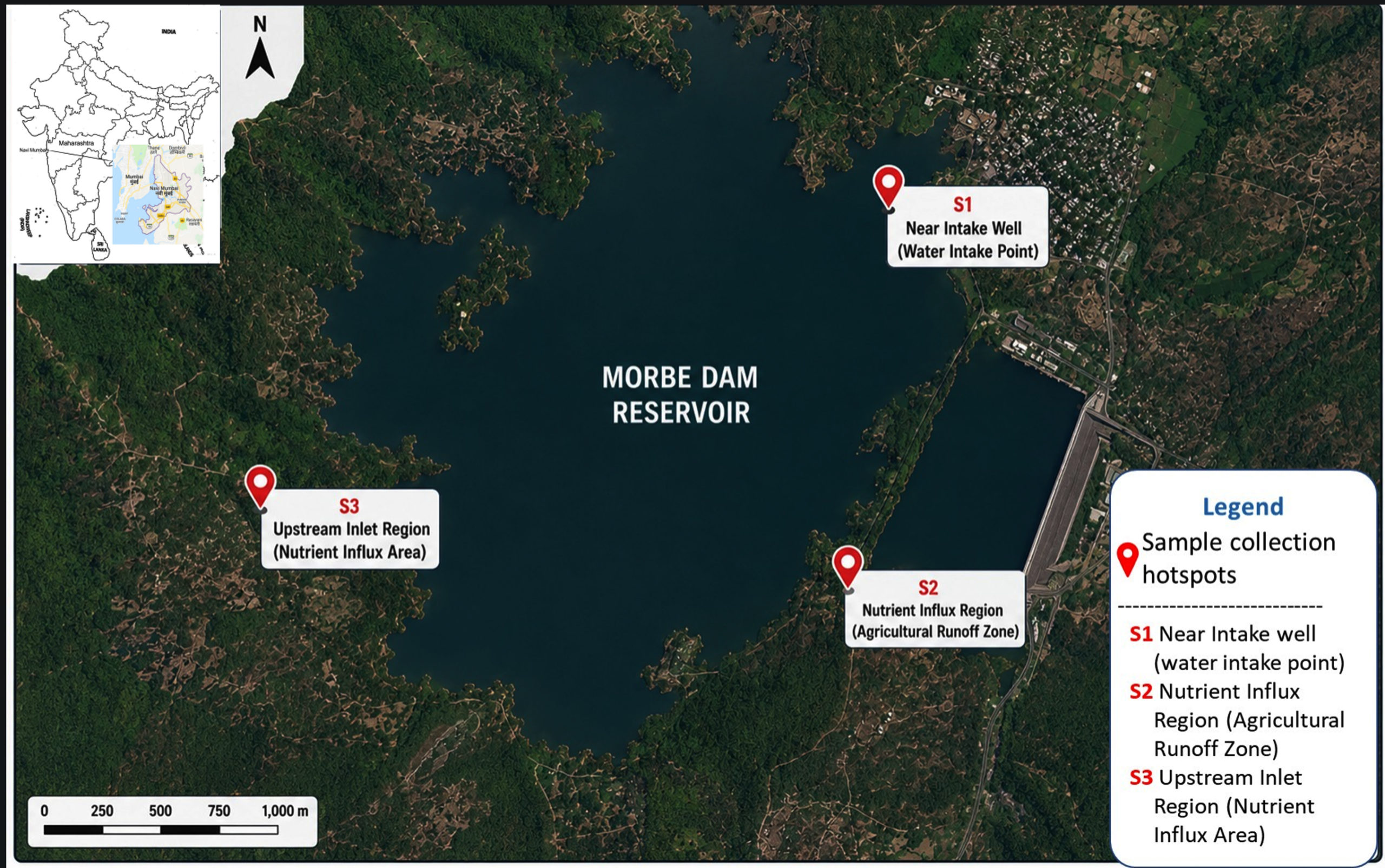
Figure 1. Sample collection hotspots near Morbe Dam
Source: World Imagery [Map]
Table 1. Time Points and information regarding the seasons of sample collection
Sampling Time Point |
Month & Year |
Season |
No. of Samples |
Sample IDs |
|---|---|---|---|---|
Time Point 1 |
April 2020 (Temp: 31.2 °C ± 2 °C) |
Summer |
3 |
MGMCRLDW01A, MGMCRLDW01B, MGMCRLDW01C |
Time Point 2 |
July 2020 (Temp: 25.6 °C ± 2 °C) |
Monsoon |
3 |
MGMCRLDW02A, MGMCRLDW02B, MGMCRLDW02C |
Time Point 3 |
Dec. 2020 (Temp: 24.8 °C ± 2 °C) |
Winter |
3 |
MGMCRLDW03A, MGMCRLDW03B, MGMCRLDW03C |
Assessment of heavy metal in water
Heavy metal analysis was performed as part of the baseline environmental characterization of Morbe Dam to evaluate potential abiotic factors that could influence microbial diversity, persistence, and antimicrobial resistance. Since heavy metals are known to exert selective pressure on environmental microorganisms and may contribute to the co-selection of antimicrobial resistance, their assessment helped exclude heavy metal contamination as a potential confounding factor in the interpretation of the microbial findings. Water samples were collected in high-quality, screw-capped, pre-sterilized high-density polypropylene bottles, appropriately labelled, and analysed using Inductively Coupled Plasma–Optical Emission Spectrometry (ICP-OES). The concentrations of selected heavy metals were determined and compared with the permissible limits specified by the Bureau of Indian Standards (BIS IS 10500:2012) for drinking water quality.
PPM = [R(a-b).df / Weight of Sample] × 1000
The following formula was used for calculation:
Where:
R = Concentration in the test sample (mg/L)
a = Concentration in test solution (mg/L)
b = Concentration in blank solution (mg/L)
df = Dilution factor of test samples
Bacterial isolation from water
The samples were first tested for bacterial contamination using a standardized kit from HiMedia (HiFast Coli-nella Water Testing Kit). Bacterial isolation was performed to obtain all the unique isolates with colony characteristics matching with Salmonella spp. Initially the undiluted water samples were inoculated on Nutrient Agar (NA) plate, following which the growth was observed and then the unique colonies were streaked on the new NA plates. The isolates were preserved in NA Butt. After obtaining the isolates the approach outlined in Figure 2 was used to identify Salmonella spp. As per Bergey’s manual.
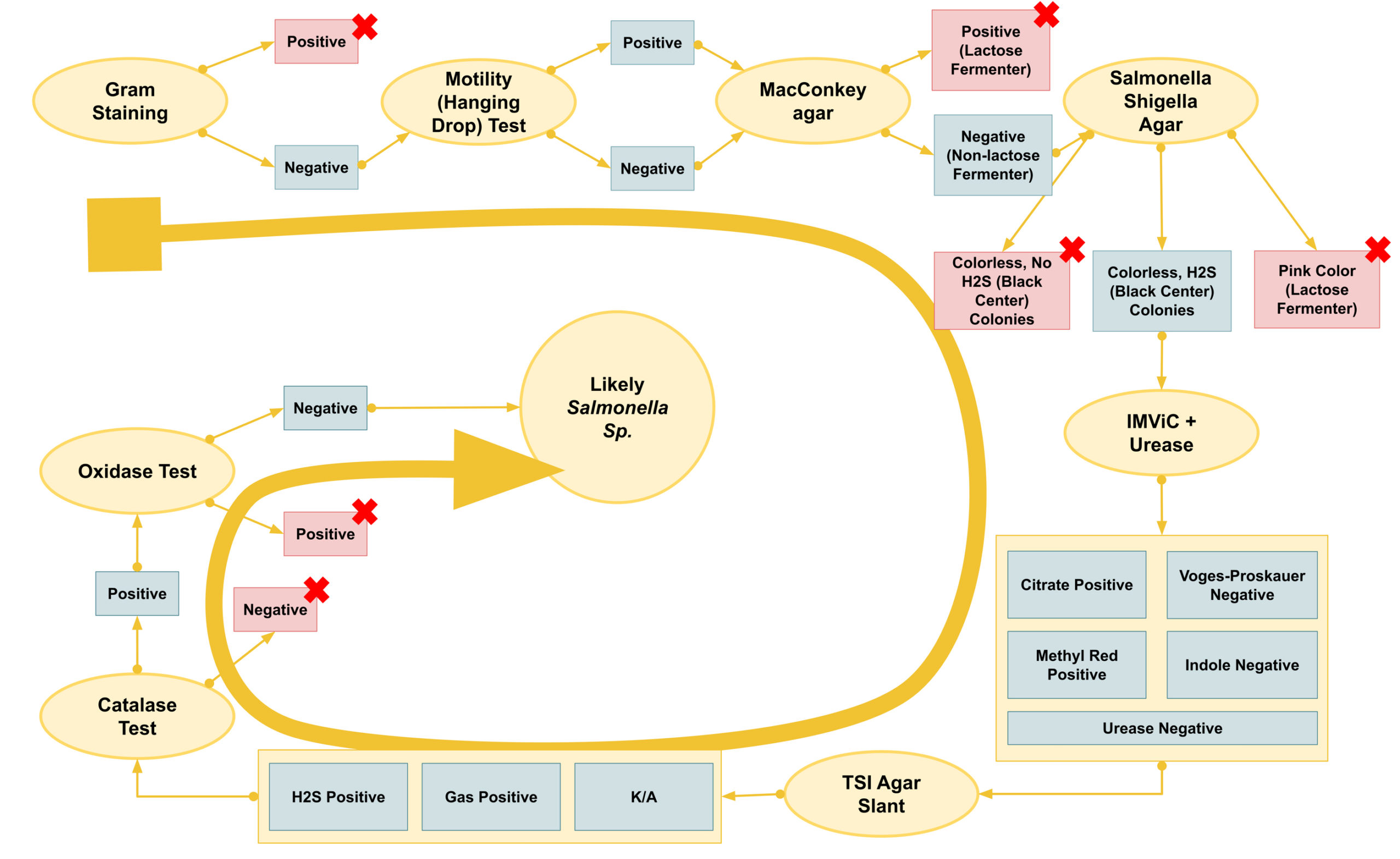
Figure 2. Schematic representation of the workflow for the isolation and identification of Salmonella species from Morbe Dam water
The isolates which were likely to be Salmonella spp. were identified and following the identification, a pure colony of the bacteria was suspended in sterile saline and after vortexing the pellet for the same was obtained.
The present investigation was designed as a qualitative isolation and identification study; therefore, quantitative microbial enumeration (CFU/mL or MPN) was not performed.
16S rRNA gene amplification and sequencing (Molecular identification)
Genomic DNA was extracted from purified bacterial colonies using the HiPurA® Bacterial Genomic DNA Purification Kit (HiMedia Laboratories, India) according to the manufacturer’s instructions. The extracted DNA was subjected to PCR amplification of the bacterial 16S rRNA gene using the universal primer pair 27F (5′-AGAGTTTGATCMTGGCTCAG-3′) and 806R (5′-GACTACHVGGGTATCTAATCC-3′), targeting the V1-V4 hypervariable regions of the gene. PCR amplification and bidirectional Sanger sequencing were performed by GeneOmbio Technologies Pvt. Ltd., Pune. PCR was carried out under standard cycling conditions comprising an initial denaturation at 95 °C for 5 min, followed by 35 cycles of denaturation at 95 °C for 30 sec, annealing at 55 °C for 30 sec, extension at 72 °C for 60 sec, and a final extension at 72 °C for 10 min. The expected amplicon size was approximately 780 bp. PCR products were verified on a 2% agarose gel prior to sequencing. DNA bands were visualized under a UV transilluminator using a 100 bp DNA ladder as the molecular size marker. The obtained forward and reverse chromatograms were inspected for sequencing quality, low-quality bases at the ends were trimmed, and the sequences were assembled into a consensus sequence. The consensus sequence was compared with reference sequences in the NCBI 16S rRNA database using BLASTn for species identification. The validated sequence was submitted to GenBank under accession number MW647908.
Antimicrobial Susceptibility Testing (AST): Antimicrobial susceptibility testing was performed using the Kirby–Bauer disk diffusion method on Mueller–Hinton agar following the recommendations of the Clinical and Laboratory Standards Institute (CLSI). HiMedia Dodeca G-minus 23 antibiotic rings containing 12 antibiotics (Table 2) were placed on inoculated Mueller–Hinton agar plates and incubated at 35 ± 2 °C for 18-24 hrs. Following incubation, the diameters of inhibition zones were measured in millimetres and interpreted as Susceptible (S), Intermediate (I), or Resistant (R) according to the CLSI Performance Standards for Antimicrobial Susceptibility Testing (M100). Minimum inhibitory concentrations (MICs) for selected antibiotics were determined using HiMedia EZY MIC™ strips (Table 3), and MIC values were interpreted according to the corresponding CLSI breakpoint criteria, wherever available.
Table 2. The antibiotics and their concentration in ring used for AST
No. |
Antibiotics |
Concentration |
|---|---|---|
1 |
Amoxyclav (Amoxicillin/ Clavulanic Acid) |
30 µg |
2 |
Tobramycin |
10 µg |
3 |
Cefazolin |
30 µg |
4 |
Gentamicin |
10 µg |
5 |
Cefuroxime |
30 µg |
6 |
Amikacin |
30 µg |
7 |
Cefotaxime (Cephotaxime) |
30 µg |
8 |
Ciprofloxacin |
5 µg |
9 |
Cefoperazone |
30 µg |
10 |
Ofloxacin |
5 µg |
11 |
Ceftazidime |
30 µg |
12 |
Tetracycline |
30 µg |
Table 3. The antibiotics and their concentration range used for MIC
No. |
Antibiotics |
Concentration Range |
|---|---|---|
1 |
Amoxyclav (Amoxicillin/ Clavulanic Acid) |
0.016-256 µg |
2 |
Cefazolin |
0.016-256 µg |
3 |
Ceftazidime |
0.016-256 µg |
4 |
Cefuroxime |
0.016-256 µg |
Triplicates of samples over three time points were collected and analysed for Salmonella spp. For more details on time points and information regarding the seasons, refer Table 1. The water testing kit showed that all the samples had Escherichia coli and Salmonella spp. While Pseudomonas spp. was present in 4 out of 9 samples. The heavy metals, i.e. Mercury, Lead, Cadmium and Arsenic were <0.001, <0.05, <0.008 and <0.01, respectively, which is under permissible limit as per Indian standards. After inoculation of samples on the NA plate, a total of nine gram-negative bacilli isolates with colony characteristics similar to Salmonella spp. were isolated and purified using NA plate. Following purification, the isolates were streaked on MacConkey Agar. Only three of them were found to be non-lactose fermenters. Then the isolates were preserved for further studies as shown in Figure 3 and Table 3.
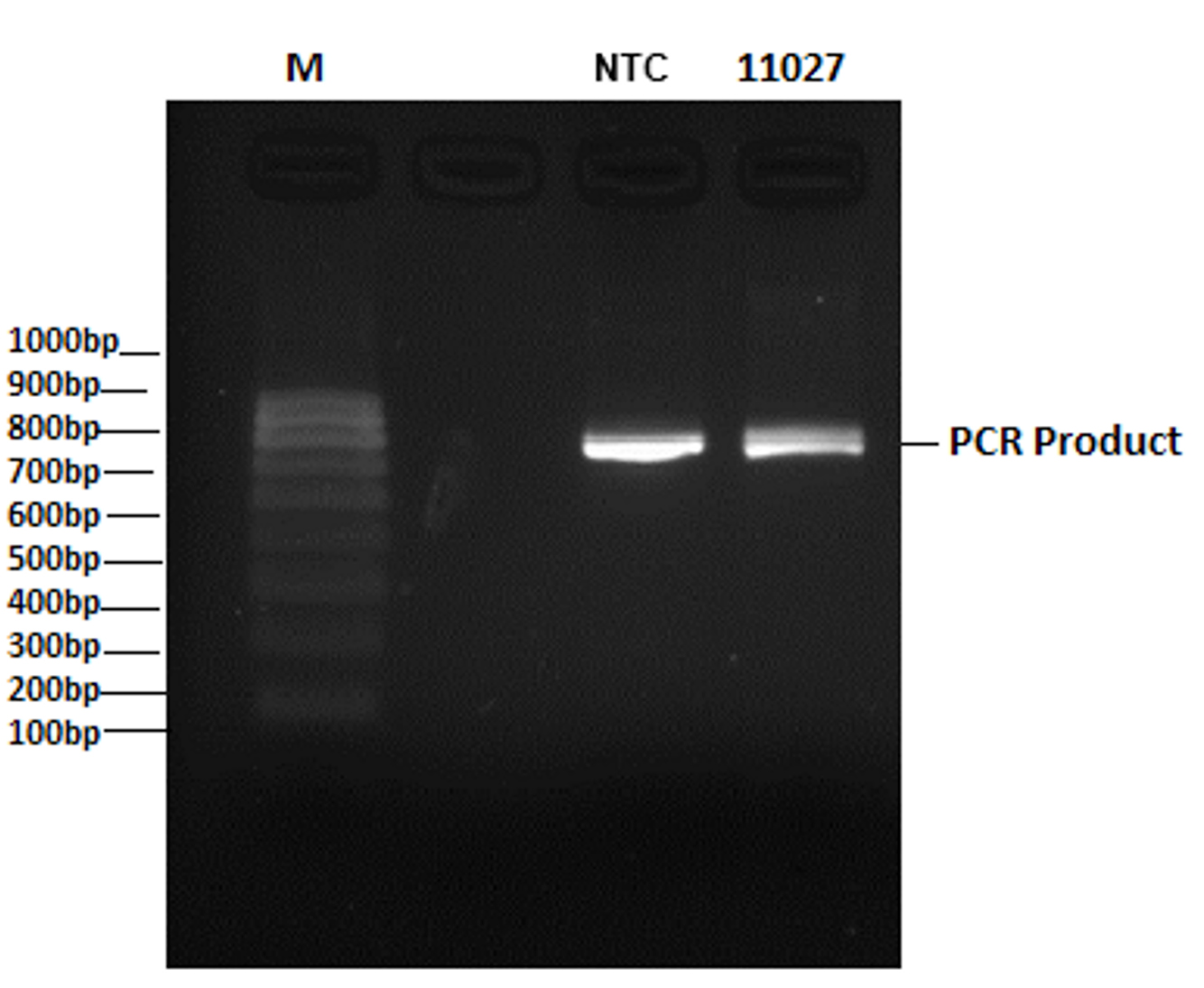
Figure 3. Agarose gel electrophoresis of the PCR-amplified 16S rRNA gene. Lane M: 100 bp DNA ladder (100-1000 bp); Lane NTC: Negative test control; Lane 11027: PCR product obtained from isolate MGMCRLDW_2_1. A distinct amplicon of approximately 780 bp was observed, confirming successful amplification of the target 16S rRNA gene prior to sequencing
Table 4. Biochemical characteristics of the test isolate MGMCRLDW_2_1 and reference isolate MGMCRLDW_2_2 compared with the expected characteristics of Salmonella spp. The test isolate exhibited biochemical characteristics largely consistent with Salmonella spp., except for a positive oxidase reaction. This discrepancy prompted further molecular identification by 16S rRNA gene sequencing, which subsequently identified the isolate as Ralstonia mannitolilytica
| Test Category | Test | Expected Result for Salmonella spp. | Test Isolate (MGMCRLDW_2_1) | Reference Isolate (MGMCRLDW_2_2) |
|---|---|---|---|---|
| Colony morphology | MacConkey Agar | Non-lactose fermenter | NLF | NLF |
| SS Agar | H₂S-producing colony | + | + | |
| Motility | Hanging Drop | Motile | + | + |
| IMViC | Indole | − | − | − |
| Methyl Red | + | + | + | |
| Voges–Proskauer | − | − | − | |
| Citrate | + | + | + | |
| Enzyme tests | Oxidase | − | + | − |
| Catalase | + | + | + | |
| Urease | − | − | − | |
| TSI Agar | Slant/Butt | K/A | K/A | K/A |
| H₂S production | + | + | + | |
| Gas production | + | + | + |
Abbreviations: NLF = Non-lactose fermenter; K/A = Alkaline slant/Acid butt; (+) Positive; (−) Negative
Table 4 demonstrates that the isolate MGMCRLDW_2_1 exhibited biochemical characteristics largely consistent with those of Salmonella spp., except for a positive oxidase reaction, whereas Salmonella is characteristically oxidase-negative. This discrepancy prompted further molecular identification by 16S rRNA gene sequencing, which subsequently identified the isolate as Ralstonia mannitolilytica.
Following the microbiological and biochemical identification experiments, one of the isolates had all the characteristics similar to those of Salmonella spp. (Table 4), except it was Oxidase positive, suggesting that it was not Salmonella spp. This finding led to further investigation, where the DNA extraction of the isolate of interest was performed and amplification of the 16S rRNA gene, on agarose gel as shown in Figure 3.
After that the amplicon was sent to genOmbio for sequencing. The sequencing yielded two sequences i.e. one generated using the forward primer and one using the reverse primer (Sequence provided in annexure) refer Supplementary Table 2.
After performing Local alignment using BLASTn with 16S rRNA database (Figure 4A and 4B) and Phylogenetic analysis using UGENE (MAFFT for MSA, PHYLIP with Kimura for Tree Construction)17 and iTOL18 for plotting of tree. BLAST analysis demonstrated approximately 96% sequence similarity with Ralstonia mannitolilytica. The isolate was therefore assigned to the genus Ralstonia and showed the highest sequence similarity to R. mannitolilytica. However, because the sequence similarity was approximately 96%, species-level identification based solely on the partial 16S rRNA gene sequence should be interpreted with caution as shown in Figure 4C. Following this the sequence was submitted in NCBI-GenBank with Accession ID: MW647908.1.
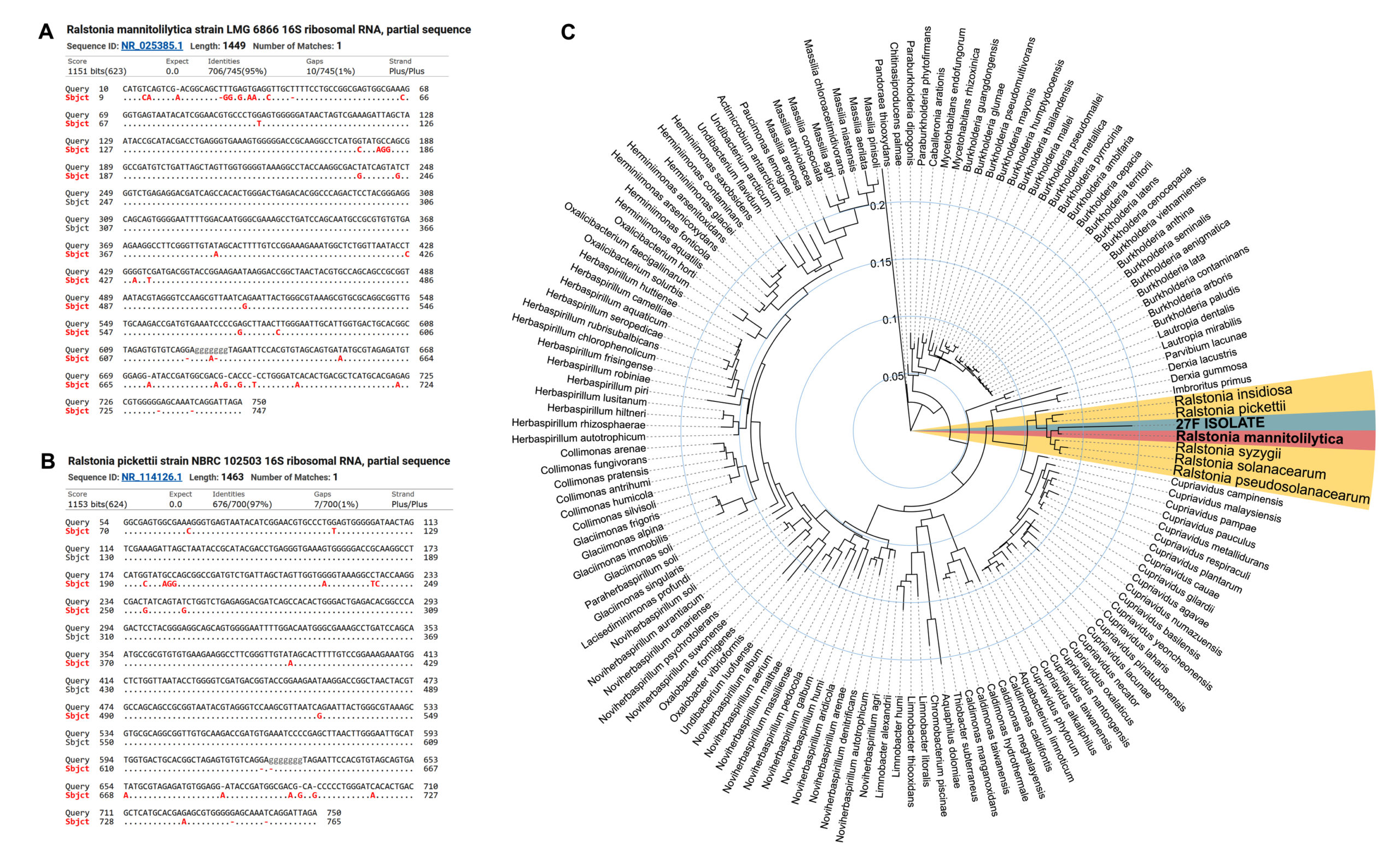
Figure 4. Molecular identification of the study isolate. (A) BLAST alignment of the partial 16S rRNA gene sequence showing the highest sequence similarity with Ralstonia mannitolilytica. (B) BLAST alignment with Ralstonia pickettii demonstrating lower sequence similarity. (C) Phylogenetic tree constructed using the partial 16S rRNA gene sequence (MAFFT alignment, Kimura two-parameter model , PHYLIP), showing clustering of the study isolate with members of the genus Ralstonia. The study isolate is highlighted in the phylogenetic tree
Meanwhile, during the sequencing outsourcing phase, the isolates were assessed for its Antibiotic Sensitivity and Inhibition using the aforementioned (Table 2 and 3) antibiotics.
The oxidase-positive isolate exhibited reduced susceptibility to several β-lactam antibiotics by disk diffusion testing. Subsequent MIC testing confirmed high-level resistance to amoxicillin/clavulanic acid and cefazolin, with no inhibition observed at concentrations up to 256 µg/mL. MIC values for ceftazidime (16 µg/mL) and cefuroxime (8 µg/mL) indicated lower inhibitory concentrations than those observed for amoxicillin/clavulanic acid and cefazolin, demonstrating variable susceptibility among the tested cephalosporins as shown in Figure 5.
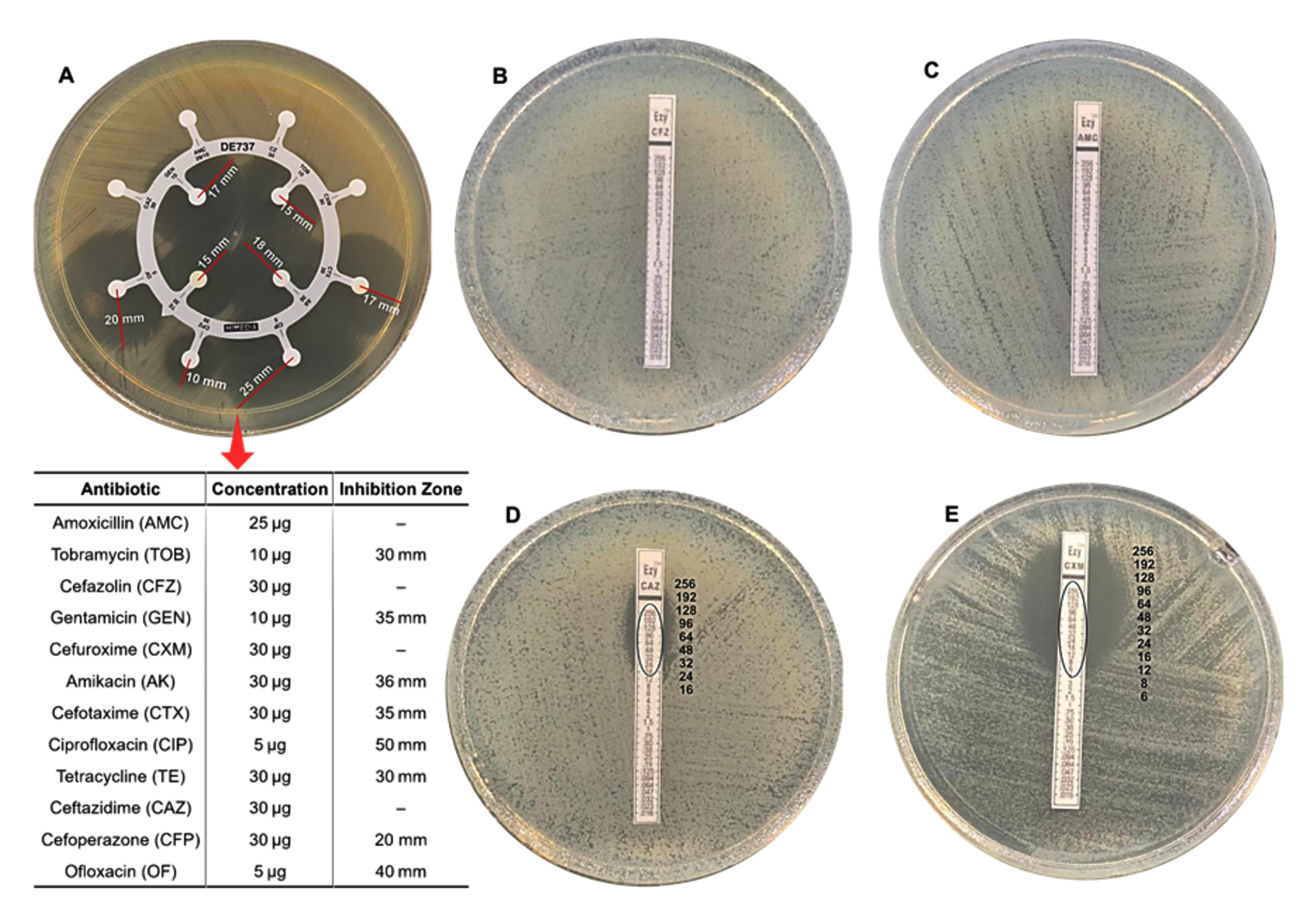
Figure 5. Antimicrobial susceptibility profile of the study isolate. (A) Kirby–Bauer disk diffusion assay showing the inhibition zones produced by twelve antibiotics. (B and C) MIC determination for amoxicillin/clavulanic acid and cefazolin demonstrating no inhibition up to 256 µg/mL. (D and E) MIC determination for ceftazidime and cefuroxime showing MIC values of 16 µg/mL and 8 µg/mL, respectively
The investigation into the microbial water quality of Morbe Dam revealed the unexpected presence of Ralstonia mannitolilytica, a bacterium of growing clinical concern, instead of the initially suspected Salmonella species. This finding highlights the importance of thorough microbiological analysis of potable water sources and the potential for environmental reservoirs to harbour opportunistic pathogens. Initially, standard biochemical tests pointed towards a likely Salmonella species. The isolate exhibited characteristics such as being Gram-negative, motile, and a non-lactose fermenter on MacConkey agar. However, a crucial differentiating result was the positive oxidase test, which is not typical for Salmonella. The finding led to 16S rRNA gene sequencing, which demonstrated that the isolate belonged to the genus Ralstonia and exhibited the highest sequence similarity (approximately 96%) to Ralstonia mannitolilytica. While this supports a close taxonomic relationship, the observed sequence similarity is below the generally accepted threshold for definitive species-level identification based solely on partial 16S rRNA sequencing. This highlights the drawback of conventional biochemical methods for identifying bacteria and stresses the importance of molecular techniques for precise characterization, particularly for new and uncommon pathogens. The misidentification of these organisms in clinical and environmental contexts can have serious consequences for public health and patient care.12,13 Such misidentification during environmental surveillance may lead to inaccurate assessment of microbial water quality, underestimation of emerging opportunistic pathogens, and inappropriate public health interventions, thereby emphasizing the need to integrate molecular methods into routine environmental monitoring programmes.
Although partial 16S rRNA gene sequencing is a widely accepted method for bacterial identification, it has limited discriminatory power for differentiating closely related species within several bacterial genera, including Ralstonia. The approximately 96% sequence similarity obtained in the present study supports assignment of the isolate to the genus Ralstonia and indicates a close phylogenetic relationship with R. mannitolilytica; however, it does not provide definitive species-level identification based solely on partial 16S rRNA sequence analysis. More robust taxonomic resolution could be achieved through full-length 16S rRNA gene sequencing or higher-resolution molecular approaches such as multilocus sequence analysis (MLSA), average nucleotide identity (ANI), or whole-genome sequencing (WGS). Nevertheless, the combined evidence from biochemical characterization, BLAST analysis, and phylogenetic clustering supports the conclusion that the isolate is most closely related to Ralstonia mannitolilytica.
Ralstonia species, including Ralstonia mannitolilytica, are commonly found in diverse environmental niches such as soil and water. Their ability to survive in nutrient-poor aquatic environments and even pass through 0.2 µm filters makes them a potential contaminant of water systems, including those intended for potable use and in healthcare settings.14 The isolation of Ralstonia mannitolilytica from Morbe Dam, a primary water source for Navi Mumbai is a significant finding. While the study did not quantify the bacterial load, its presence warrants attention due to its emergence as an opportunistic pathogen, particularly in immunocompromised individuals.12 Several outbreaks of hospital-acquired infections have been traced back to contaminated water sources containing Ralstonia mannitolilytica.15
The antibiotic susceptibility testing of the isolated Ralstonia mannitolilytica isolate revealed a concerning resistance profile (Figure 5). The Kirby-Bauer test showed resistance to amoxicillin, cefazolin, cefuroxime, and ceftazidime. Furthermore, the minimum inhibitory concentration (MIC) tests confirmed high-level resistance to cefazolin and amoxicillin, with no inhibition observed even at 256 µg/ml. Although disk diffusion testing suggested reduced susceptibility to ceftazidime and cefuroxime, MIC testing demonstrated inhibitory concentrations of 16 µg/mL and 8 µg/mL, respectively. Because CLSI does not provide species-specific interpretative criteria for Ralstonia mannitolilytica, these MIC values should be interpreted cautiously and are presented primarily for comparative purposes rather than definitive susceptibility categorization.
This resistance to multiple β-lactam antibiotics is a known characteristic of Ralstonia mannitolilytica. The species is known to be intrinsically resistant to many antibiotics, and this resistance can be further enhanced by the acquisition of resistance genes.16 The presence of antibiotic-resistant bacteria in environmental water sources is a growing global health issue. The environment can act as a reservoir for resistance genes, which can be transferred to other bacteria, including human pathogens.17,18 The discharge of untreated or inadequately treated wastewater containing antibiotics and resistant bacteria into water bodies can contribute to the selection and spread of antibiotic resistance.18,19
The observed reduced susceptibility of the Morbe Dam isolate to several β-lactam antibiotics is consistent with previous reports describing antimicrobial resistance among clinical and environmental Ralstonia isolates.12,20 Published studies have attributed β-lactam resistance in Ralstonia species to mechanisms such as the production of β-lactamases, including OXA-type enzymes, as well as other intrinsic and acquired resistance determinants.15,21 However, the present study did not investigate the molecular basis of antimicrobial resistance through detection of resistance genes or whole-genome sequencing. Therefore, the underlying resistance mechanisms in the study isolate cannot be confirmed and any discussion of specific mechanisms should be regarded as supportive evidence derived from the published literature rather than direct evidence from the present investigation.
The detection of a Ralstonia isolate closely related to Ralstonia mannitolilytica in a major potable water source highlights the importance of continued environmental surveillance for emerging opportunistic pathogens. Although the present study was based on a limited number of samples and does not provide evidence of disease transmission or epidemiological risk, the finding suggests that such organisms may be present in drinking water reservoirs and therefore warrant further investigation. Expanded surveillance involving larger sample sizes, quantitative microbial analyses, and epidemiological studies will be necessary to determine the prevalence, persistence, and public health significance of Ralstonia species in potable water systems.
Future research should focus on several key areas. A more extensive sampling of the Morbe Dam and its surrounding water bodies is needed to determine the prevalence and concentration of Ralstonia mannitolilytica. Molecular studies to characterize the antibiotic resistance genes present in these environmental isolates would provide valuable insights into the mechanisms of resistance and the potential for horizontal gene transfer. Finally, a “One Health” approach, considering the interconnectedness of human, animal, and environmental health, is crucial for understanding and mitigating the spread of antibiotic resistance in the environment.22-24
In conclusion, this study demonstrates the value of combining conventional microbiological methods with molecular identification for accurate characterization of environmental bacterial isolates. The detection of a Ralstonia isolate closely related to Ralstonia mannitolilytica highlights the potential presence of emerging opportunistic bacteria in potable water sources and underscores the importance of incorporating molecular tools into routine environmental surveillance. Given the exploratory nature of the study and the limited number of isolates analysed, further large-scale environmental and epidemiological investigations are required to determine the prevalence and public health significance of these organisms.
Limitations
The present study has certain limitations that should be considered while interpreting the findings. First, it was designed as a qualitative environmental surveillance investigation focusing on the isolation and molecular characterization of presumptive bacterial pathogens rather than quantitative microbial enumeration. Therefore, bacterial abundance was not determined using colony-forming unit (CFU/mL) or most probable number (MPN) methods. Second, the study was exploratory in nature and involved a limited number of water samples collected over three seasonal sampling visits; therefore, the findings may not fully represent the microbial diversity or prevalence of opportunistic pathogens within the entire reservoir. Third, molecular identification was based on partial 16S rRNA gene sequencing, which assigned the isolate to the genus Ralstonia and indicated the highest sequence similarity to Ralstonia mannitolilytica; however, definitive species-level identification would require higher-resolution molecular approaches such as full-length 16S rRNA sequencing, multilocus sequence analysis (MLSA), or whole-genome sequencing (WGS). Finally, antimicrobial susceptibility was evaluated phenotypically, and the molecular mechanisms underlying the observed resistance were not investigated. Interpretation of antimicrobial susceptibility results for Ralstonia species also remains challenging because standardized CLSI/EUCAST species-specific breakpoints are currently unavailable. Therefore, susceptibility categorization was based on the most appropriate available criteria, and MIC values are reported primarily for comparative purposes. Future studies should integrate quantitative microbiological analyses, comprehensive molecular characterization, and epidemiological investigations to provide a more complete assessment of microbial contamination and its potential public health significance in potable water reservoirs.
The current work illustrates the significance of molecular confirmation in regular microbiological surveillance of potable water sources and draws attention to the possibility of phenotypic misidentification of environmental bacterial isolates. Initially displaying phenotypic traits suggestive of Salmonella, the isolate recovered from Morbe Dam water was identified as belonging to the genus Ralstonia due to the positive oxidase reaction and subsequent partial 16S rRNA gene sequencing. Ralstonia mannitolilytica showed the highest sequence similarity with the isolate. Its close relationship to R. mannitolilytica is supported by the combined biochemical, BLAST, and phylogenetic evidence, even though the available sequence data do not allow for a clear species-level designation.
The detection of a Ralstonia isolate closely related to R. mannitolilytica in Morbe Dam, an important water source for Navi Mumbai, is noteworthy because members of this genus are recognized as environmental organisms and opportunistic pathogens. The observed reduced susceptibility to several β-lactam antibiotics further emphasizes the importance of considering environmental water bodies as potential reservoirs of antimicrobial-resistant bacteria. However, the present study does not establish bacterial burden, persistence, transmission, or direct public health risk, and the resistance mechanisms were not genetically characterized.
Overall, these results highlight the drawbacks of identifying uncommon environmental bacteria only using traditional biochemical traits and encourage the use of molecular techniques in environmental water quality monitoring. To determine the prevalence, persistence, and possible public health significance of Ralstonia spp. in Morbe Dam and other potable water reservoirs, more extensive seasonal surveillance, quantitative enumeration, higher-resolution genomic identification, and characterization of antimicrobial-resistance determinants are necessary.
Additional file: Table S1-S2.
ACKNOWLEDGMENTS
The authors sincerely thank the CRL Lab, MGM School of Biomedical Sciences & MGM Medical College, Nerul, MGM Institute of Health Sciences, for providing essential infrastructure and technical expertise for this study. The authors also extend their gratitude to the Sophisticated Analytical Instrument Facility (SAIF) for providing access to advanced analytical instrumentation at subsidized rates, which supported this study and related student research projects. The authors further acknowledge the City Engineering Department of NMMC for granting permission to collect water samples for the study.
CONFLICT OF INTEREST
The authors declare that there is no conflict of interest.
AUTHORS’ CONTRIBUTION
HG conceptualized the study. HG and MT supervised the study. HG, SJ, and HK contributed to the methodology. SA, SJ, and HK performed the investigation. HG performed formal analysis. HG, SA, and SJ contributed to data curation. SA and SJ contributed to resources and visualization. HK performed the microbiological analysis. MT contributed to project administration. HG wrote the original draft. MT and HG wrote, reviewed, and edited the manuscript. All authors read and approved the final manuscript for publication.
FUNDING
None.
DATA AVAILABILITY
All datasets generated or analyzed during this study are included in the manuscript and/or in the supplementary files.
ETHICS STATEMENT
This study was approved by the Institutional Ethics Committee (IEC), Mahatma Gandhi Mission Institute of Health Sciences, vide approval no. MGM/DCH/IEC/80/2020.
- Thomas C. Water in crisis: a guide to the world’s fresh water resources. Int Aff. 1994;70(3):557-557.
Crossref - Partnerships and cooperation for water | UN World Water Development Report 2023. 2026. https://www.unesco.org/reports/wwdr/2023/en. Accessed July 25, 2026.
- Ramirez-Castillo F, Loera-Muro A, Jacques M, et al. Waterborne Pathogens: Detection Methods and Challenges. Pathogens. 2015;4(2):307-334.
Crossref - World Health Organization; United Nations Children’s Fund. Progress on Household Drinking-Water, Sanitation and Hygiene 2000-2022: Special Focus on Gender. World Health Organization; 2023. Accessed July 25, 2026. https://www.who.int/publications/m/item/progress-on-household-drinking-water–sanitation-and-hygiene-2000-2022—special-focus-on-gender
- Siddique A, Wang Z, Zhou H, et al. The Evolution of Vaccines Development across Salmonella Serovars among Animal Hosts: A Systematic Review. Vaccines. 2024;12(9):1067.
Crossref - Reyes MSG, Palharini RSA, Monteiro FF, Ayala S, Undurraga EA. Prevalence and Distribution of Salmonella in Water Bodies in South America: A Systematic Review. Microorganisms. 2025;13(3):489.
Crossref - Kirk MD, Pires SM, Black RE, et al. World Health Organization Estimates of the Global and Regional Disease Burden of 22 Foodborne Bacterial, Protozoal, and Viral Diseases, 2010: A Data Synthesis. PLOS Med. 2015;12(12):e1001921.
Crossref - Afendy Abdul Talib M, Radu S, Yoke Kqueen C, Mohamad Ghazali F. Salmonella: The Critical Enteric Foodborne Pathogen. In: Bhonchal Bhardwaj S, ed. Enterobacteria. IntechOpen; 2022.
Crossref - Alenazy R. Antibiotic resistance in Salmonella: Targeting multidrug resistance by understanding efflux pumps, regulators and the inhibitors. J King Saud Univ – Sci. 2022;34(7):102275.
Crossref - Okonechnikov K, Golosova O, Fursov M, the UGENE team. Unipro UGENE: a unified bioinformatics toolkit. Bioinformatics. 2012;28(8):1166-1167.
Crossref - Letunic I, Bork P. Interactive Tree of Life (iTOL) v6: recent updates to the phylogenetic tree display and annotation tool. Nucleic Acids Res. 2024;52(W1):W78-W82.
Crossref - Siddiqui T, Patel SS, Sinha R, Ghoshal U, Sahu C. Ralstonia mannitolilytica: an emerging multidrug-resistant opportunistic pathogen in a tertiary care hospital setting. Access Microbiol. 2022;4(5):acmi.0.000367.
Crossref - Said M, Van Hougenhouck-Tulleken W, Naidoo R, Mbelle N, Ismail F. Outbreak of Ralstonia mannitolilytica bacteraemia in patients undergoing haemodialysis at a tertiary hospital in Pretoria, South Africa. Antimicrob Resist Infect Control. 2020;9(1):117.
Crossref - Ryan MP, Adley CC. Ralstonia spp.: emerging global opportunistic pathogens. Eur J Clin Microbiol Infect Dis. 2014;33(3):291-304.
Crossref - Pillonel T, Blanc D, Jacot D, et al. Draft genomes of 12 Ralstonia mannitolilytica isolates recovered from hospitalized patients and contaminated cosmetic water sprays. Microbiol Resour Announc. 2025;14(7):e00300-25.
Crossref - Fluit AC, Bayjanov JR, Aguilar MD, et al. Characterization of clinical Ralstonia strains and their taxonomic position. Antonie Van Leeuwenhoek. 2021;114(10):1721-1733.
Crossref - Larsson DGJ, Flach CF. Antibiotic resistance in the environment. Nat Rev Microbiol. 2022;20(5):257-269.
Crossref - Polianciuc SI, Gurzדu AE, Kiss B, Stefan MG, Loghin F. Antibiotics in the environment: causes and consequences. Med Pharm Rep. 2020;93(3):231-240.
Crossref - Koch N, Islam NF, Sonowal S, Prasad R, Sarma H. Environmental antibiotics and resistance genes as emerging contaminants: Methods of detection and bioremediation. Curr Res Microb Sci. 2021;2:100027.
Crossref - Daxboeck F, Stadler M, Assadian O, Marko E, Hirschl AM, Koller W. Characterization of clinically isolated Ralstonia mannitolilytica strains using random amplification of polymorphic DNA (RAPD) typing and antimicrobial sensitivity, and comparison of the classification efficacy of phenotypic and genotypic assays. J Med Microbiol. 2005;54(1):55-61.
Crossref - Kim G, Yoo RN, So H, et al. Clinical Manifestation of Ralstonia mannitolilytica Infection in Pediatric Patients and Epidemiological Investigation of Outbreaks. J Korean Med Sci. 2023;38(33):e252.
Crossref - Serna C, Gonzalez-Zorn B. Antimicrobial resistance and One Health. Rev Esp Quimioter. 2022;35(Suppl3):37-40.
Crossref - Samreen, Ahmad I, Malak HA, Abulreesh HH. Environmental antimicrobial resistance and its drivers: a potential threat to public health. J Glob Antimicrob Resist. 2021;27:101-111.
Crossref - Delgado-Blas JF, Valenzuela Agui C, Marin Rodriguez E, et al. Dissemination Routes of Carbapenem and Pan-Aminoglycoside Resistance Mechanisms in Hospital and Urban Wastewater Canalizations of Ghana. mSystems. 2022;7(1):e01019-21.
Crossref
© The Author(s) 2026. Open Access. This article is distributed under the terms of the Creative Commons Attribution 4.0 International License which permits unrestricted use, sharing, distribution, and reproduction in any medium, provided you give appropriate credit to the original author(s) and the source, provide a link to the Creative Commons license, and indicate if changes were made.