


ISSN: 0973-7510
E-ISSN: 2581-690X
Kajal Singh1 , Himani Panwar1, Sagar Vishwakarma1, Soban Prakash2, Vijeta Chaudhry1, Kalpana Sagar1, Harish Chandra1 and R.C. Dubey1
The Hedychium species encompasses approximately 80 distinct varieties, showcasing their adaptability as plants primarily valued for their striking, diverse, and fragrant flowers used in decorative applications. The unique characteristics of Hedychium essential oils suggest their potential use in developing plant-based preservatives aimed at extending stored food products shelf life. This study examined phytoconstituents, antimicrobial, and antioxidant properties of the essential oil derived from Hedychium ellipticum found in Uttarakhand. The oils were acquired through the hydrodistillation method before their characterization via GC-MS. The chemical examination of the oil identified 20 chemical compounds. The primary components detected include Terpinolene, Iso-isopulegol, Caryophyllene, Piperitol, Humulene, Farnesene, Rosifoliol, terpinene-4-ol, and trans-ocimene present in essential oil. The essential oil shows moderate to strong broad-spectrum antimicrobial activities. To elucidate the possible molecular basis of the observed antimicrobial activity, molecular docking studies were performed using the major compounds, iso-isopulegol and terpinolene, against key bacterial target proteins involved in DNA replication, cell wall biosynthesis, lipid metabolism, and folate pathways. Docking analysis revealed stable ligand-protein interactions, having binding affinities between -5.3 to -6.7 kcal/mol. Notably, iso-isopulegol showed strong binding with Klebsiella pneumoniae LpxH (-6.5 kcal/mol) and penicillin-binding protein 2X, while terpinolene exhibited the highest affinity toward the LpxH/JH-LPH-33 complex (-6.7 kcal/mol). These findings indicate a multi-target interaction profile of the major monoterpenoid constituents, supporting a polypharmacological mode of antibacterial action. Overall, the combined experimental and in silico results highlight H. ellipticum essential oil serves as a viable natural source of bioactive chemicals with prospective applications in pharmaceutical products.
Hedychium ellipticum, Hydrodistillation, Essential Oil, GC-MS, Antimicrobial Activity, Molecular Docking
The genus Hedychium, belonging to the family Zingiberaceae, comprises a group of flowering plants widely recognized for their ornamental and aromatic value.1 In the middle of the eighteenth century, Rumphius called some Hedychium species “Ginger Lily” or “Garland Flowers”, but in botanical terms, he called them Gandasulinum. They were later appropriately identified as Hedychium species by Koenig.2 Hedychium species produce lovely, frequently fragrant flowers. Many of these flowers are grown and used as popular hair ornaments for women in Eastern Asia because of their sweet scent. In addition to being used in traditional medicine, essential oils derived from the subterranean tuberous rhizomes or, on occasion, the whole plant of Hedychium ellipticum are utilized to create exquisite and high-quality perfumes.3 Hedychium (Zingiberaceae) is a genus of perennial herbs characterized by tuberous rootstocks, distributed across Asia and Madagascar.4 Numerous species are utilized in traditional medicine to address bronchitis, asthma, gastrointestinal ailments, blood cleansing, and antiemetic needs, especially among the hill tribes of Uttarakhand.5 One of the hotspots for the Hedychium genus is northeast India, which is home to many endemic species. The highest number of species found in any Indian state is actually 32, found in the northeastern state of Meghalaya. There are ten species in Sikkim, seven in Uttarakhand, and two in Himachal Pradesh.6 It is prevalent in moist, shaded locales, steep inclines, and grassy places at altitudes of 1000-3000 meters in the Himalayas. This species has also been reported in ethnobotanical reports of India and it is consumed by the locals as a tonic, blood purifier, and treatment for asthma, bronchitis, eye, and stomach ailments. Flowering and fruiting occur from July to October.7 Phytochemical studies on this genus have been conducted in our ongoing investigation into physiologically active metabolites from aromatic and medicinal plants. The essential oils of H. ellipticum that were steam-distilled demonstrated strong antimicrobial activity in biological investigations.8 Natural antioxidants derived from plants have drawn more notable focus in the past few years due to their ability to defend the body against free radical damage, slow the progression of numerous chronic illnesses, and prevent lipid-oxidative rancidity in food.9 Customers are growing uneasy about the idea of having their food treated with different chemicals to extend its shelf life as a result of growing health consciousness. The welfare of its consumers is not given enough thought by the food industry. All too frequently, cost-effectiveness and profitability take precedence over consumer health and safety. For instance, although butylated hydroxytoluene (BHT), a common antioxidant, has long been known to promote cancer, it is still used in the meat packing industry.10
The natural antioxidants found in herbs and spices are typically categorized as volatile compounds, vitamins, and phenols, which include flavonoids and phenolic acids.11 The function of reactive oxygen species (ROS) in oxygen-dependent organisms is predicated on their participation in many processes that are recognised to exacerbate cell damage, aging, and lipid peroxidation induction. These processes lead to food deterioration and have an impact on food’s colour, flavour, texture, and, most importantly, nutritional value.12 There are numerous ways for living things to produce free radicals as well as ROS. Antioxidants, along with vitamin C, vitamin E, and carotenoids, are abundant in many medicinal plants.13 For instance, it has been shown that some ginger species found in tropical nations have potent antioxidant properties that enable them to substitute α-tocopherol.14 A blend of volatile and aromatic compounds makes up an essential oil. These aromatic compounds, which are distinguished by the presence of specific aroma compounds called terpenoids, have a propensity to foster an environment that is hostile to pathogens. They are not naturally aromatic, but they do have carbon, hydrogen, and/or oxygen. The structure of terpene molecules is made up of isoprene units, which are C5H8 and this is a common feature.15 By turning hydrogen and lipid peroxides into reactive free radicals, like in the Fenton-type reaction, the iron in the ferrous state helps speed up the oxidation of lipids. Though at a tenfold slower rate than Fe2þ, Fe3þ ions can also generate radicals from peroxides. The Fe2+ ions are thought to be the most potent pro-oxidants among the several types of metal ions. The chelating agent ferrozine does not form a complex with bound Fe2þ, but it does with unbound Fe2þ. Since colour decrease may be measured, it is possible to estimate the co-existing chelator’s metal-chelating activity.16 Essential oils work incredibly well as antifungal and antimicrobial agents. Surprisingly, though, a lot of terpenes are already utilized as dietary supplements (like vitamin A) and flavourings like lemon and coriander Flavors.17 Not as preservatives, many of the chemical ingredients or essential oils are already present in a large number of industrially produced foods. One of the strongest known antioxidants, phenols, is also present in various essential oils. Therefore, essential oils rich in phenol, like wintergreen or clove oils, are not only good flavourings, antifungals, and antimicrobials, moreover, they possess antioxidant properties that can extend food preservation and offer unforeseen health advantages.18 This research presents the essential oil compositions, as well as the antioxidant and antimicrobial activity, of H. ellipticum.
Collection of plant material
H. ellipticum was located in Khirsu village, a hill station in the Pauri Garhwal district of Uttarakhand, India. Khirsu is located at an elevation of 1760 meters, 19 kilometers North of Pauri and 160 kilometers west of Dehradun city, India. The location of Khirsu has been selected as a research area for this study shown in the map (Figure 1). The study sites were surveyed in the autumn and monsoon seasons for sample collection and seasonal data acquisition. The plant samples (Figure 2) were collected using a non-destructive method with a short-handled cutting tool, specifically a hoe (Khurpa). A jute bag was employed for the collection, and only the necessary plant samples were carefully obtained by gently scraping the targeted plant species population. The growth of plant species is contingent upon various climatic factors such as temperature, precipitation, and moisture. The sample has been assigned a specific name and preserved in the refrigerator at the Department of Botany and Microbiology, Gurukula Kangri (Deemed to be University), Haridwar. Identification of the collected plant, H. ellipticum (Accession Number – 1482), was done from the Botanical Survey of India (BSI), Dehradun, Uttarakhand.
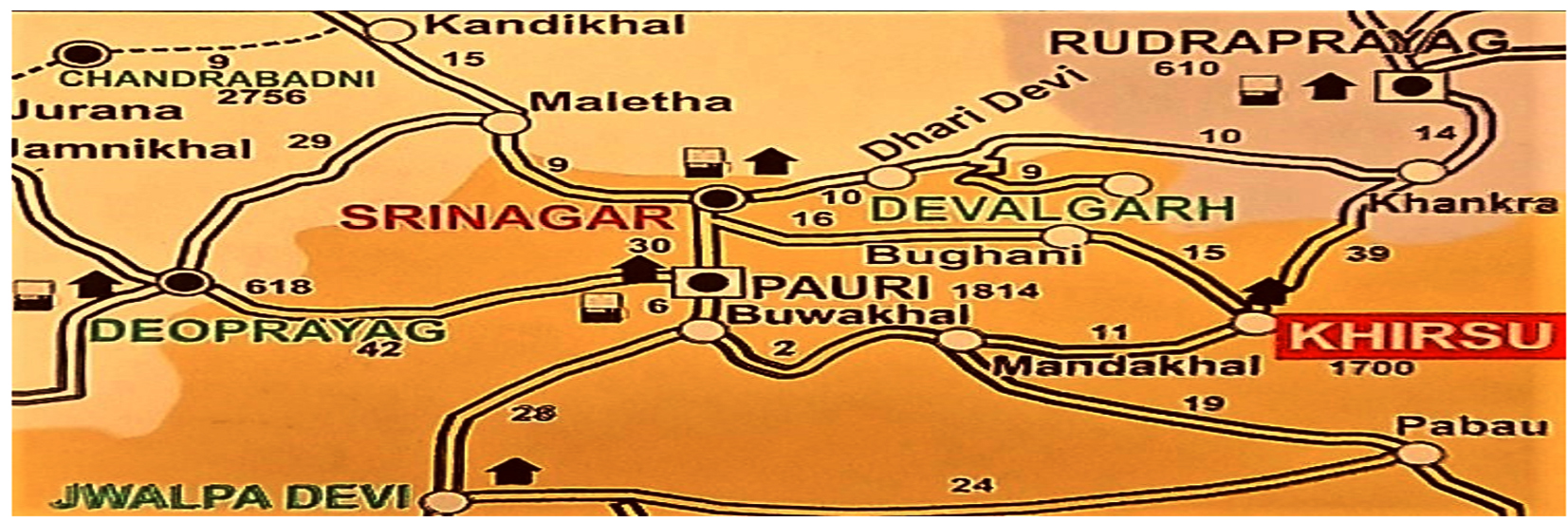
Figure 1. Map showing the site selected for the Hedychium ellipticum plant sample collection for the research study
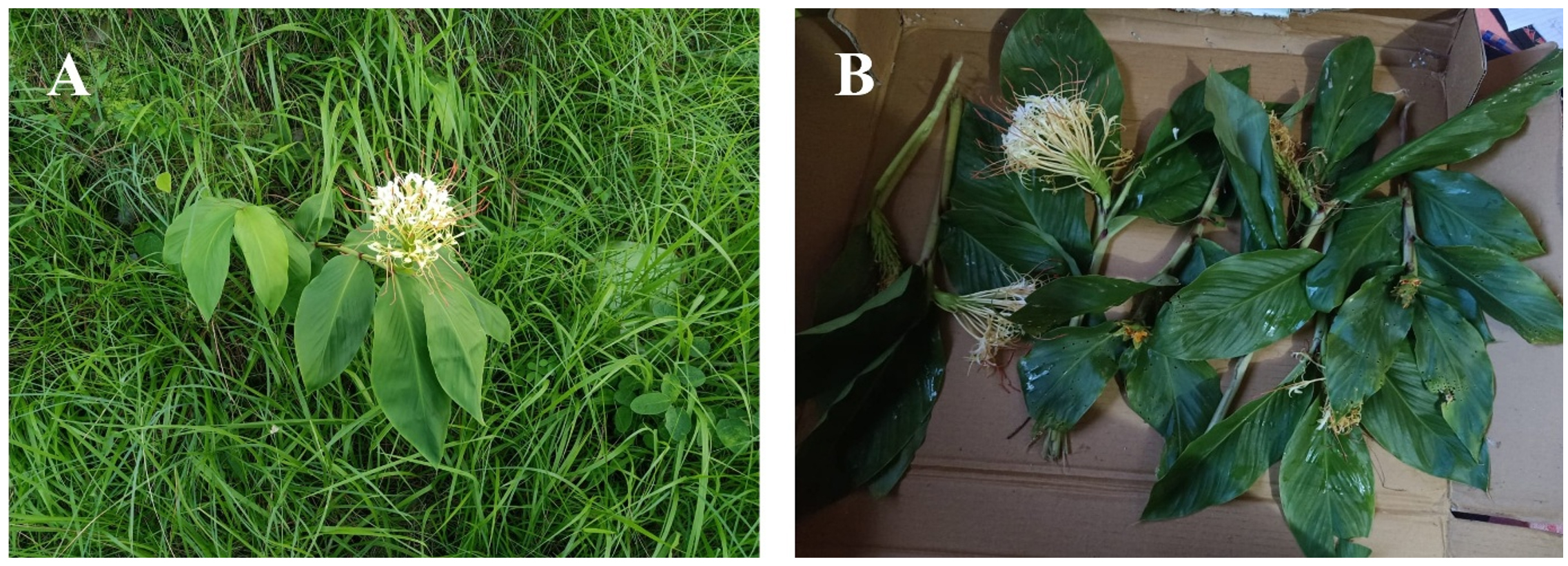
Figure 2. Plant samples of H. ellipticum collected from Khirsu village, Pauri Garhwal (A) Natural habitat; (B) collected plant sample
Extraction of essential oil
H. ellipticum is noted for its aromatic properties, and the essential oil it produces may have prospective uses in therapeutic aromatherapy, pharmaceuticals, and herbal healthcare (Figure 3). Essential oils derived from the plant H. ellipticum were obtained through the steam distillation process. This process is a widely used technique for extracting essential oils from plant material. The extracted essential oil was collected and stored in sterile, airtight containers, such as Eppendorf tubes, to maintain its purity and prevent deterioration. The extracted oil was stored in a cool, dark environment to prevent exposure to light and heat, which may modify its chemical composition.19
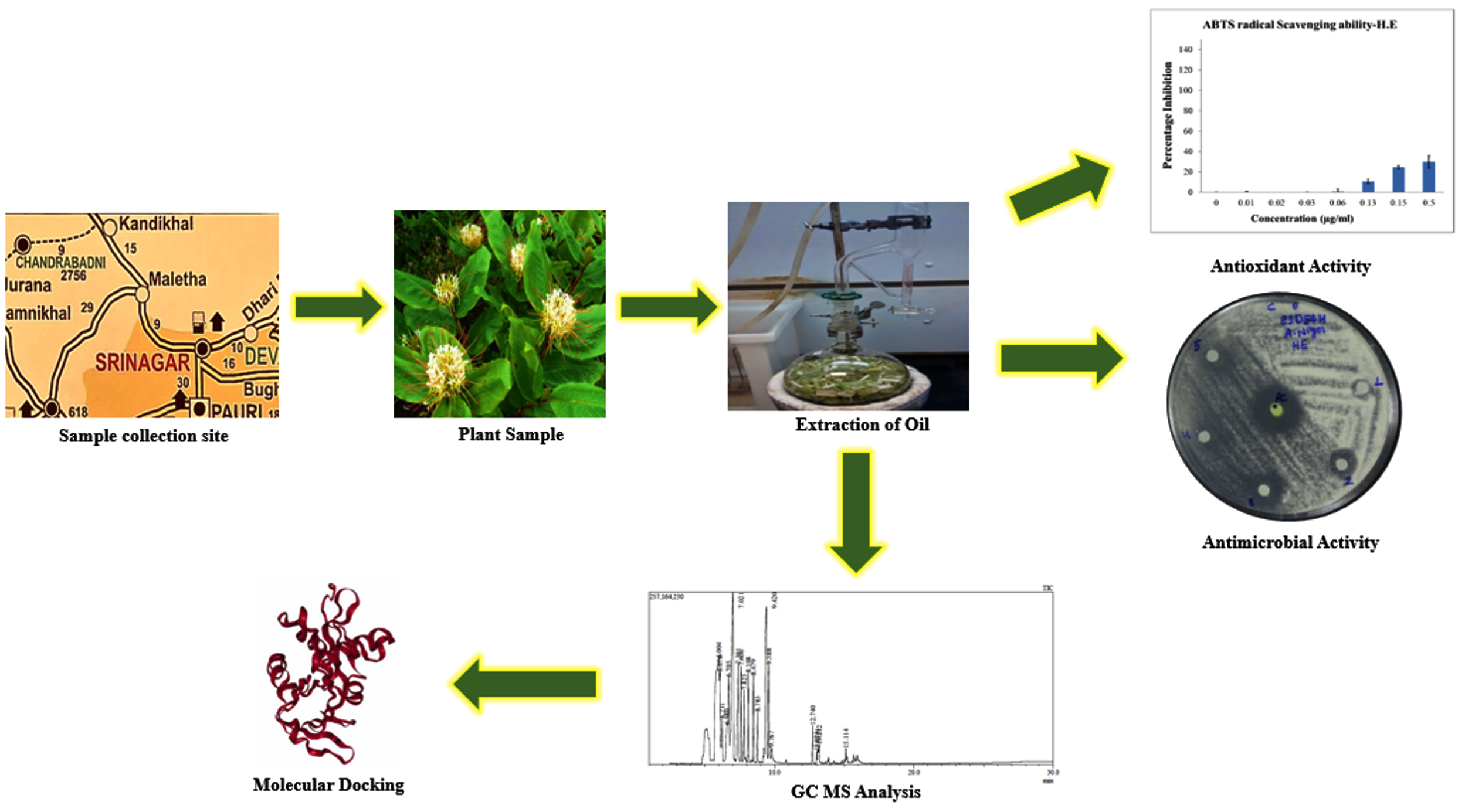
Figure 3. Flowchart illustrating the experimental design for extraction, phytochemical characterization, biological activity assessment, and molecular docking analysis
Determination of chemical profiling through GC-MS
Preparation of an essential oil sample
Essential oils are volatile and hydrophobic in nature; thus, they cannot be directly injected into the GC-MS system without prior dilution. Typically, essential oils are diluted in a suitable solvent (e.g., hexane, methanol, or diethyl ether) to make the sample compatible with GC-MS.
GC-MS Instrumentation
Sample Injector ® Column (Gas Chromatography) ® Ion Source (Mass Spectrometry) ® Mass Analyzer ® Detector ® Data System
Characterisation and identification of the main components found in the essential oil H. ellipticum
GC-MS analyses were conducted with the Model: GCMS-TQ8040 equipped with SH-Rxi-5Sil MS (5% biphenyl 95% dimethyl Polysiloxane) (30 m, 0.25 mmID, 0.25 µm df) column and Gas Chromatography Mass Spectrometer with AOC-20i Auto injector mass spectrometer (MS). About 0.1 µL of the essential oil sample, carried by Helium at a flow rate of 1 mL/min, was injected into GC-MS analyser. Each component was identified by comparing its mass spectrum and linear retention index (LRI) with those in the NIST and Wiley libraries.20
Antibacterial activity of essential oil
To test the essential oil’s antibacterial activity, six different bacterial strains were used and the activity was performed as per the method described by Bauer.21 The Petri plates with MHA medium were prepared aseptically and inoculated with bacterial cultures. The strains tested were Klebsiella pneumoniae (MTTC 432), Streptococcus pneumoniae (MTTC 655), Salmonella typhi (MTTC 733), Escherichia coli (MTCC 118), Staph. aureus (MTCC-7443), and Bacillus cereus (MTCC 7417), all sourced from the Microbial Type Culture Collection (MTCC), Chandigarh, India. All strains used in this study were kept at 4 °C throughout the study. For each test, 100 µl of bacterial suspension (standardized to 0.5 McFarland turbidity) was spreaded onto the MHA plates. The Ciprofloxacin discs (10 µg) were used as positive controls, and for the vehicle control, a plate with only the solvent. Then, incubated the plates at 37 °C for 24 hours in an incubator (Basil Scientific Corp., New Delhi ). After incubation, the zones of inhibition surrounding each disc were measured and documented the findings.22
Minimum inhibitory concentration of essential oil
0.5 MacFarland Standard dilution of selected bacteria were used for the study. Into each microcentrifuge tube, added 100 µl of diluted log-phase bacterial cultures. Then 5 µl of treatment dilutions at different concentrations into the designated tubes. The tubes set incubated for 24 hours. After that, transferred all the samples to a 96-well plate and measured turbidity at 630 nm using an ELISA Plate Reader (iMark Bio-Rad). For the positive control, ciprofloxacin (10 µg) was used as described by Rawat et al.2
Antifungal activity of essential oil
The antifungal activity of essential oil was evaluated by using the method from Bauer et al.21 First, Petri dish of Sabouraud Dextrose Agar (SDA) was prepared and added the fungal strains Candida albicans (MTCC 227) and Aspergillus niger (MTCC 871). After adjusting the fungal culture to 0.5 McFarland Unit (about 1.5 x 10⁸ CFU/mL), spread 100 µl onto each plate. Then, discs loaded with 10 µl of various concentrations (ranging from 0-500 mg/ml) onto the plates. For controls, one disc per plate had only the solvent, and another had Amphotericin B (25 µg) as a positive control. Plates were incubated at 37 °C for 24 hours using a Basil Scientific Corp. India incubator. After incubation, zone of inhibitions were measured with the help of Vernier Calliper as described by Kappen et al.23
Antioxidant activity of essential oil
DPPH scavenging assay
In a 96-well plate, 0.1 mL of 0.1 mM DPPH solution was combined with 5 µl of the test drug from a separate stock. Blank duplicates were made with 0.2 ml of DMSO/Methanol and 5 µl of the chemical at different concentrations, and the reaction was done three times. The plate was left in the dark for 30 minutes. After that, the loss of color was measured at 495 nm using a microplate reader (iMark, Bio-Rad). A reaction with 20 µl of deionised water was used as the control. The scavenging activity was reported as “% inhibition” compared to the control. The IC50 value was calculated using GraphPad Prism Software.7
DPPH Scavenging activity = ((Abs Control- Abs Sample) / Abs Control) × 100
ABTS radical scavenging ability
ABTS radicals were made by combining APS (2.45 mM) with an ABTS solution (7 mM), the mixture was then diluted 100 times to create the ABTS free radical reagent. Next, 10 µl of different concentrations of the standard (Ascorbic Acid -SD Fine- F13A/0413/1106/62 and samples were added to 200 µl of ABTS free radical reagent in 96-well microplates. The reaction were allowed to react at room temperature for 10 minutes in the dark. The change in color, which shows the decolorization, was measured at 750 nm using a microplate reader (iMark, Bio-Rad). The results were compared to the negative control. The IC50 was calculated using GraphPad Prism.24
Molecular docking of the major compound against pathogenic bacteria
The interaction between the major chemical component of essential oil and the protein of vulnerable pathogenic bacteria will be predicted using the molecular docking technique. The protein ligand of susceptible pathogenic bacteria will be downloaded from the PDB library or protein database, and their molecular docking with active molecule or major molecule of essential oil of plant was analysed through AutoDock Vina.25-27 or other compatible software.
The protein selected for molecular docking of major chemical constituent of essential oil i.e., Iso-isopulegol and Terpinolene were 6RKS: E. coli DNA Gyrase – DNA binding and cleavage domain in State 1 without TOPRIM insertion, 3SWD: E. coli MurA in complex with UDP-N-acetylmuramic acid and covalent adduct of PEP with Cys115, 8JTP: Crystal structure of apo Enoyl-Acyl Carrier Protein Reductase (FabI) from Klebsiella pneumoniae, 6PJ3: Crystal structure of the K. pneumoniae LpxH/JH-LPH-33 complex, 1QMF: Penicillin-binding protein 2x (pbp-2x) acyl-enzyme complex, 2z2l: Penicillin-Binding Protein 2X (PBP2X) from S. pneumoniae, 5CFZ: Crystal structure of E. coli FabI in apo form, 6WAA: K. pneumoniae Topoisomerase IV (ParE-ParC) in complex with DNA and compound 34 (7-[(1S,5R)-1-amino-3-azabicyclo[3.1.0]hexan-3-yl]-4-(aminomethyl)-1-cyclopropyl-3,6-difluoro-8 methylquinolin-2(1H)-one).
Extraction yield and chemical composition of essential oil
The obtained extraction rate for EO was moderate. The EO was preserved in a refrigerator at 4 °C until subsequent utilization. Results of GC-MS analysis of essential oil extracted from H. ellipticum plant sample collected from Garhwal, Uttarakhand region, and the identified compounds are displayed in Table 1. The detected compounds are enumerated in accordance with the elution sequence of their retention index.
Table 1. Compounds detected in the essential oil of Hedychium ellipticum
No. |
Area% |
R.Time |
Compound Name |
Biological activity |
Ref. |
|---|---|---|---|---|---|
1 |
21.77 |
6.004 |
Terpinolene |
Antioxidant Activity, Antimicrobial Activity, and Anti-inflammatory Properties |
30 |
2 |
17.99 |
7.021 |
Iso-isopulegol |
Antidiabetic Activity, Anti-inflammatory Effects. Antioxidant Activity, and Antimicrobial Activity |
31 |
3 |
15.31 |
9.42 |
Iso-isopulegol |
Anti-inflammatory Effects, Antimicrobial Activity, and Antioxidant Activity |
31 |
4 |
6.98 |
7.391 |
Terpinolene |
Antioxidant Activity, Antimicrobial Activity, Anti-inflammatory Properties |
30 |
5 |
5.4 |
6.705 |
Ocim-(4E,6Z)-ene |
Antimicrobial Activity, Anti-inflammatory Properties, Antioxidant Effects, Insecticidal and Repellent Effects |
32 |
6 |
4.81 |
9.588 |
Dihydrocarveol |
Antioxidant Activity, anti-inflammatory properties |
33 |
7 |
3.7 |
6.076 |
Decalol |
Antioxidant Activity, analgesic properties, and anti-inflammatory activity |
34 |
8 |
3.12 |
8.108 |
Dihydrocarveol |
Antioxidant Activity, anti-inflammatory properties |
33 |
9 |
3.04 |
7.606 |
Dihydrocarveol |
Antioxidant Activity, anti-inflammatory properties |
33 |
10 |
2.89 |
8.479 |
Dihydrocarveol |
Antioxidant Activity, anti-inflammatory properties |
33 |
11 |
2.75 |
7.823 |
Ocim-(4E,6Z)-ene |
Antioxidant Activity, anti-inflammatory activity, Mosquito Repellent Activity |
35 |
12 |
2.7 |
6.58 |
Terpinene |
Antioxidant Activity, anti-inflammatory properties, analgesic activity |
36 |
13 |
2.49 |
6.231 |
Linalyl phenylacetate |
Antioxidant Activity, Anti-inflammatory Effects, Antimicrobial and Antifungal Activity |
37 |
14 |
2.38 |
8.783 |
Menth-2-en-1-ol |
Antimicrobial Activity, Antioxidant Activity, Antidiabetic Activity |
32 |
15 |
1.47 |
12.74 |
Caryophyllene |
Anti-inflammatory Activity, Analgesic (Pain Relief) Properties, Antioxidant Properties |
38 |
16 |
0.91 |
9.767 |
Piperitol |
Anti-inflammatory Activity, Antioxidant Activity, Antimicrobial and Antifungal Properties |
39 |
17 |
0.81 |
13.212 |
Humulene |
Anti-inflammatory Activity, Antimicrobial and Antifungal Properties, Antioxidant Properties |
40 |
18 |
0.63 |
13.115 |
Farnesene |
Insect Repellency and Insecticidal Activity, Antioxidant Properties, Antimicrobial Activity |
41 |
19 |
0.45 |
15.114 |
Rosifoliol |
Antioxidant Activity, Anti-inflammatory Effects, Antimicrobial and Antifungal Activity |
42 |
20 |
0.4 |
13.023 |
Farnesene |
Insect Repellency and Insecticidal Activity, Antioxidant Properties, Antimicrobial Activity |
41 |
The output of essential oil from H. ellipticum was moderate. In this analysis, 20 chemicals were discovered, accounting for 98.91% of the total recoverable oil. The oil predominantly comprised chemicals including Terpinolene (21.77%), Iso-isopulegol (17.99%), Ocim-(4E,6Z)-ene <allo-> (5.4%), Farnesene (0.63%), Rosifoliol (0.45%), Humulene <alpha-> (0.81%), Caryophyllene (1.47%), Piperitol <trans-> (0.91%), Linalyl phenylacetate (2.49%).
Environmental conditions, the specific part of the plant utilized, the plant’s age, the stage of the vegetative cycle, and genetic influences may all affect the chemical makeup of our sample in comparison to similar species from different places. The extraction procedure can influence the yield and chemical composition of essential oils, potentially elucidating the variations in bioactivity.29
The diverse biological actions of the H. ellipticum plant were attributed to the predominant chemicals in its essential oils. Terpinolene was the most unique chemical substance of H. ellipticum, and there are also Piperitol, Rosifoliol, Farnesene, Caryophyllene, Linalyl phenylacetate, and Iso-isopulegol.
GC-MS analysis of essential oil
The essential oil of the H. ellipticum species was analysed by means of the GC-MS technique. The results are shown in Table 1. The essential oil of H. ellipticum contained 20 compounds, and some major compounds being Terpinolene (21.77%), Iso-isopulegol (17.99%), Ocim-(4E,6Z)-ene <allo-> (5.4%), Farnesene (0.63%), Rosifoliol (0.45%), Humulene <alpha-> (0.81%), Caryophyllene (1.47%), Piperitol <trans-> (0.91%), Linalyl phenylacetate (2.49%) shown in Figure 4.
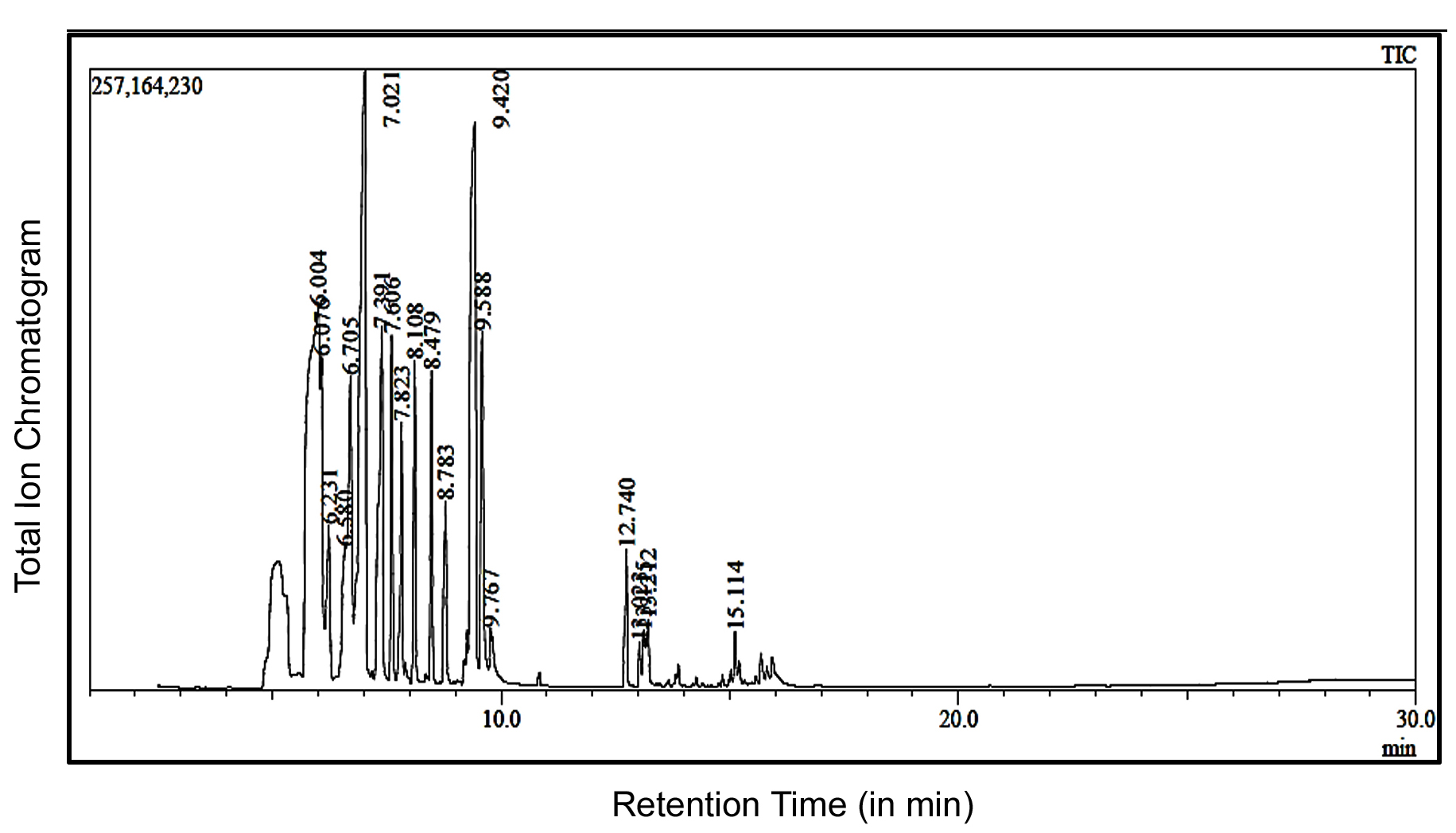
Figure 4. Gas chromatographic profile of Hedychium ellipticum (refer to Table 1 for peak identifications)
The GC-MS study of the essential oil of H. ellipticum revealed a diverse array of volatile chemicals, with the primary components identified as Terpinolene (21.77%) reported to have a biological activity like Antioxidant Activity, Antimicrobial Activity, Anti-inflammatory Properties.30 Iso-isopulegol (17.99%) reported to have biological activity like Antioxidant Activity, Antimicrobial Activity, Anti-inflammatory Effects, Antidiabetic Activity.31 Ocim-(4E,6Z)-ene <allo-> (5.4%) also reported to have biological activity like Antimicrobial Activity, Anti-inflammatory Properties, Antioxidant Effects, Insecticidal and Repellent Effects.32 Farnesene (0.63%) reported to have biological activity like Insect repellency and insecticidal activity, antioxidant properties, antimicrobial activity.40 Rosifoliol (0.45%) reported to have a biological activity like antioxidant Activity, anti-inflammatory effects, antimicrobial and antifungal activity.41 Humulene <alpha-> (0.81%) reported to have biological activity like anti-inflammatory activity, antimicrobial and antifungal Properties, antioxidant properties.39 Caryophyllene (1.47%) reported to have biological activity like anti-inflammatory activity, analgesic (Pain relief) properties, antioxidant properties.37 Piperitol <trans-> (0.91%) reported to have biological activity like anti-inflammatory activity, antioxidant Activity, antimicrobial and antifungal properties.38 Linalyl phenylacetate (2.49%) reported to have a biological activity like antioxidant activity, anti-inflammatory effects, antimicrobial and antifungal activity.36
Antibacterial activity of essential oil
The essential oil of H. ellipticum demonstrated a broad antibacterial spectrum, as shown by the disc-diffusion method, effectively suppressing the growth of all six assessed bacterial strains (Table 2). The study results indicate that when the test organism was treated with varying amounts of the sample on an agar plate, the sample demonstrated a maximum zone of inhibition of 17.5 ± 0.7 mm against K. pneumoniae and a minimum zone of inhibition of 9.6 ± 0.0 mm against B. cereus at a concentration of 100 µg/disk. The zone of inhibition refers to the region surrounding a disk on an agar plate where bacterial growth is absent, attributed to the effect of an antimicrobial agent. This method assesses the susceptibility of a specific test organism to a given antimicrobial agent. The MIC of ciprofloxacin against Streptococcus pneumoniae was found to be 1 µg/mL. According to CLSI guidelines, an MIC of 1 µg/mL indicates that S. aureus is susceptible to ciprofloxacin. The MIC of ciprofloxacin against Str. pneumoniae aligns with expected clinical breakpoints, confirming its susceptibility. This suggests that ciprofloxacin is an effective antibiotic for treating infections caused by the strain of Str. Pneumoniae (Figure 5).
Table 2. Results for antibacterial activity/MIC against different bacterial strains
| Microorganism | Inhibition Zone (in mm) | +ve control (µl) | MIC (μg/ml) | |||||
|---|---|---|---|---|---|---|---|---|
| Essential oil conc. (µg/disc) | ||||||||
| 0 | 1 | 5 | 10 | 20 | 100 | |||
| Klebsiella pneumoniae | NA* | 9.0 ± 0.0 | 9.5 ± 0.7 | 9.7 ± 0.0 | 10.0 ± 0.0 | 17.5 ± 0.7 | 26.0 ± 0.0 | 100 |
| Streptococcus pneumoniae | NA | 8.0 ± 1.4 | 10.5 ± 0.7 | 11.5 ± 0.7 | 12.0 ± 0.0 | 15.0 ± 0.0 | 35.0 ± 0.0 | 01 |
| E. coli | NA | 6.3 ± 0.0 | 7.6 ± 0.5 | 10.0 ± 0.0 | 11.0 ± 1.0 | 14.0 ± 1.5 | 22.0 ± 0.0 | 0.5 |
| Salmonella typhi | NA | 7.6 ± 0.5 | 8.3 ± 1.15 | 9.0 ± 1.0 | 10 ± 1.15 | 12.0 ± 2.5 | 29.0 ± 0.3 | 01 |
| Staphylococcus aureus | NA | NA | 9.0 ± 0.0 | 9.3 ± 0.7 | 10.0 ± 0.0 | 12.0 ± 0.0 | 24.0 ± 0.5 | 0.05 |
| Bacillus cereus | NA | 6.0 ± 0.0 | 7.6 ± 0.0 | 8.0 ± 0.0 | 8.3 ± 0.0 | 9.6 ± 0.0 | 25.0 ± 0.0 | 6.25 |
*NA-No Activity
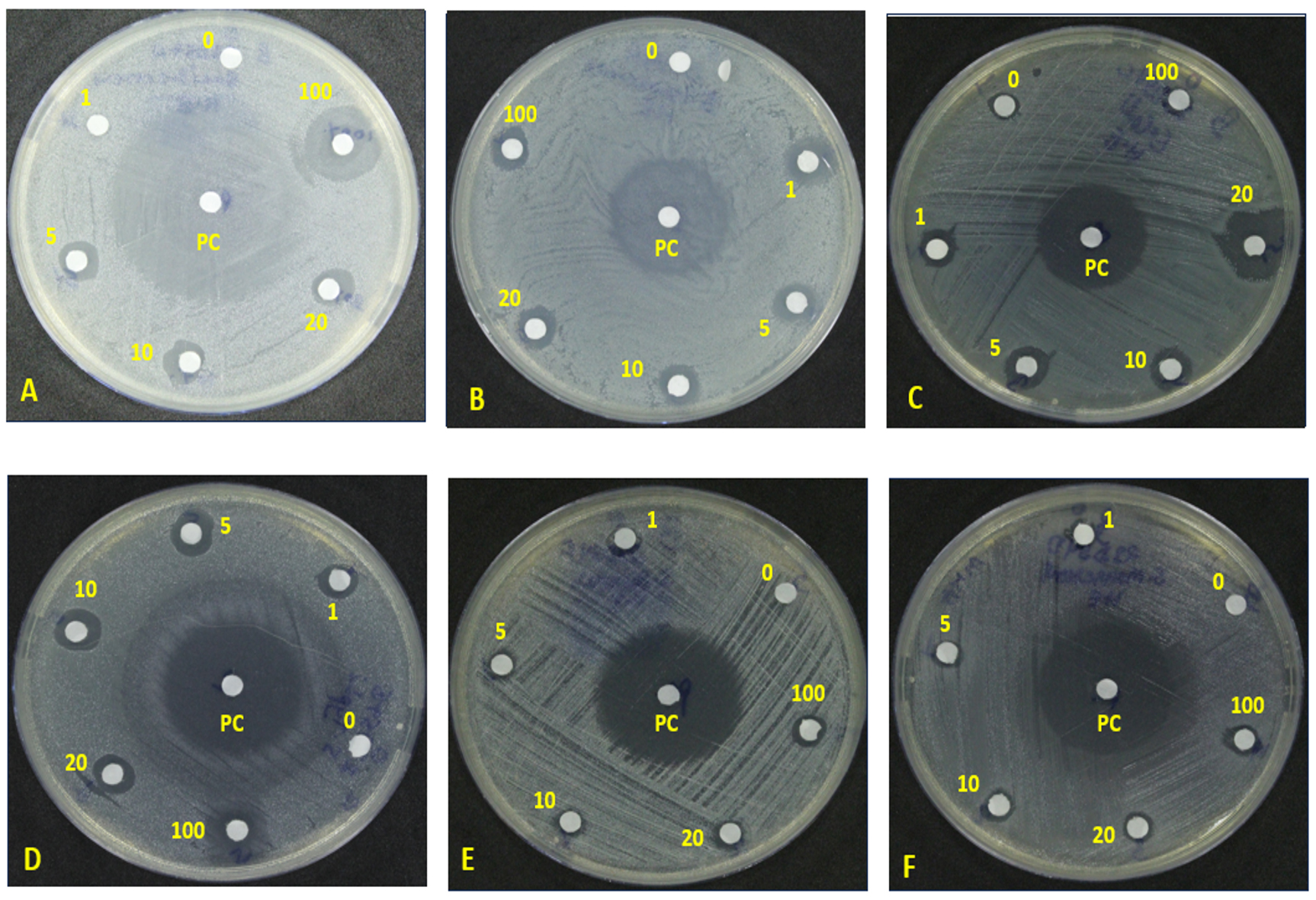
Figure 5. Inhibitory activity of H. ellipticum essential oil against bacterial strains, (A) K. pneumoniae, (B) Str. pneumoniae, (C) E. coli, (D) S. typhi, (E) S. aureus, (F) B. cereus
Antioxidant activity
DPPH radical-scavenging activity
The DPPH radical-scavenging activity of the oil was examined at specified dosage levels. The essential oil exhibited varying efficacy in neutralizing DPPH radicals. Based on the results of the study, it was observed that only sample H. ellipticum exhibited low antioxidant property (DPPH) with an IC50 value above the dose limit at the maximum used concentration. In comparison to the standard Ascorbic Acid, which had an IC50 value of 4.573 ± 0.036 µg/ml (Figure 6).
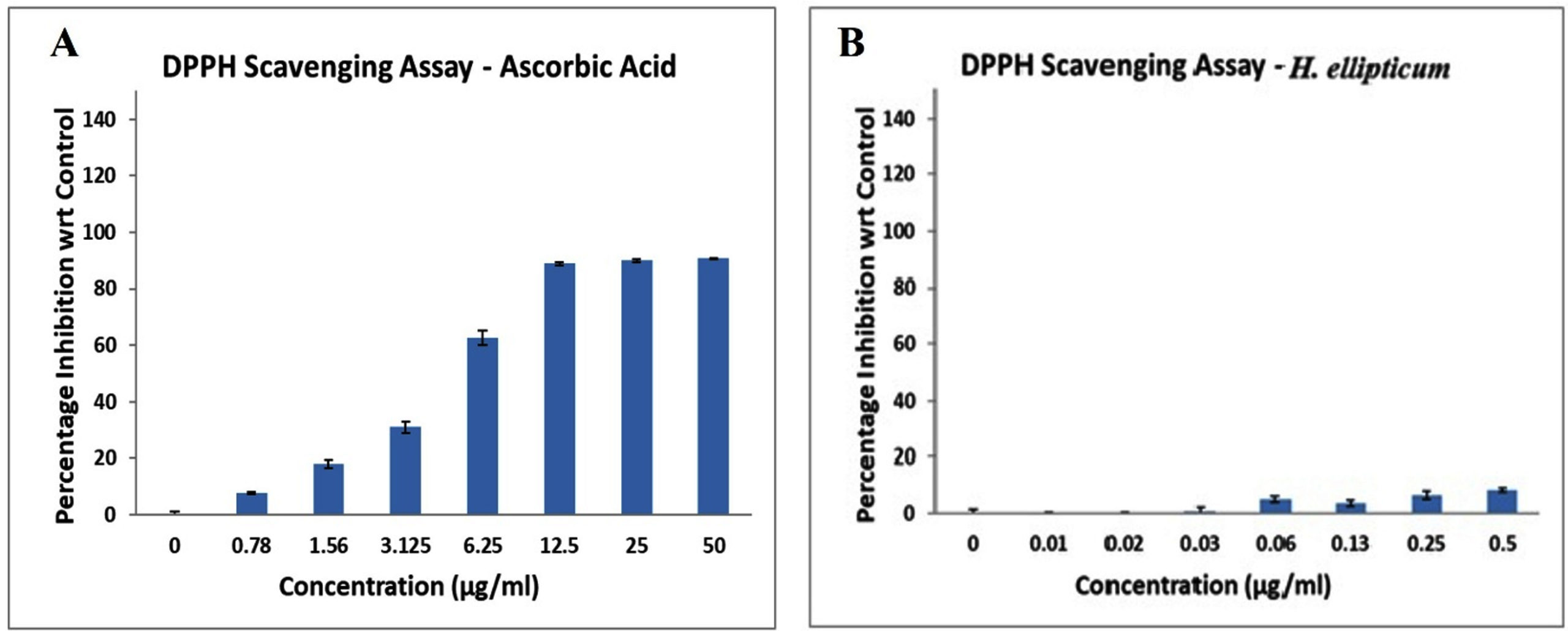
Figure 6. DPPH Scavenging activity; (A) Ascorbic acid (positive control); (B) H. ellipticum essential oil
Antioxidative potential of essential oil determined via ABTS assay
The results indicated that H. ellipticum exhibited weak ABTS radical scavenging activity, with an IC50 value exceeding the highest concentration tested. In comparison to the standard Ascorbic Acid, which had an IC50 value of 2.434 ± 0.043 µg/ml (Figure 7).
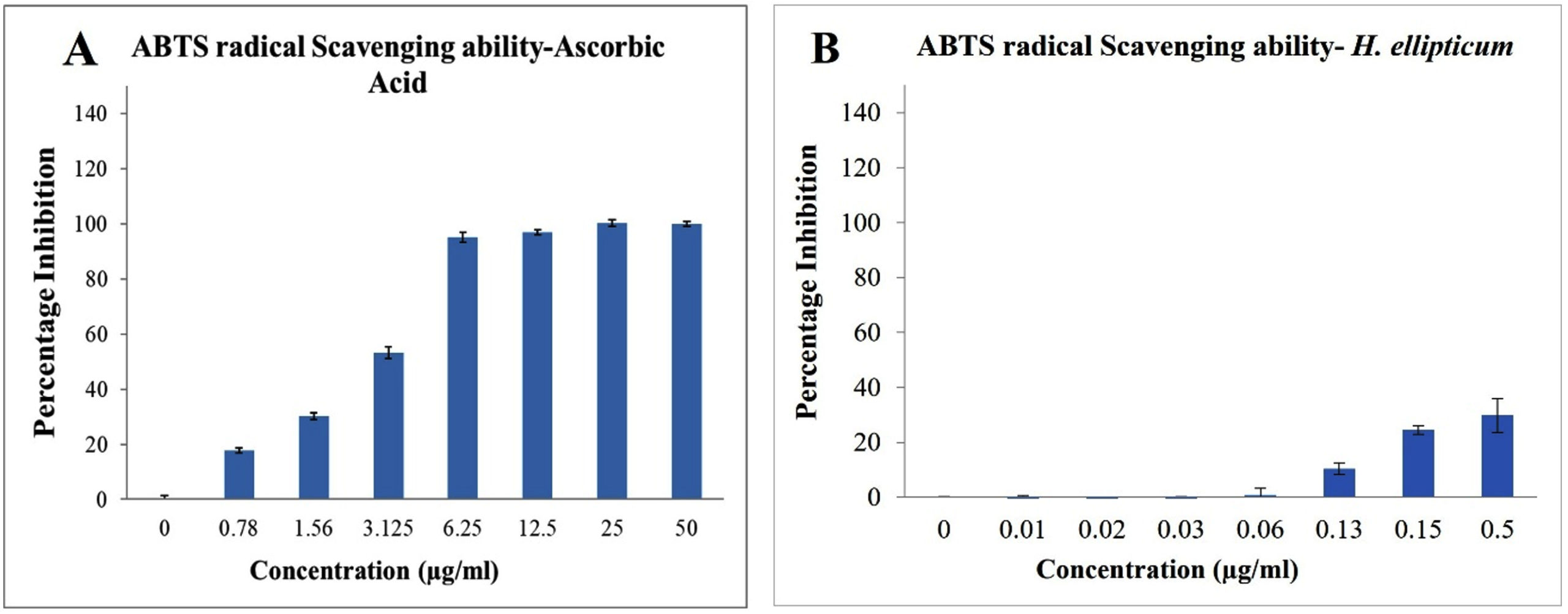
Figure 7. ABTS radical Scavenging activity; (A) Ascorbic acid (positive control); (B) H. ellipticum essential oil
Antifungal activity of essential oil
According to the findings of the study, when the test organism (C. albicans and A. niger) was treated with different concentrations of the sample on an agar plate, the maximum zone of Inhibition was 9.0 mm at 25% dose against the test organism C. albicans, as compared to the positive control (Maximum zone of Inhibition 20 mm at a 25 µg dose). A maximum zone of inhibition of 10 mm diameter was observed at 500 and 1000 µg doses of the sample. A clear zone of inhibition was formed around the disc of positive control (Approx 20 mm in diameter) (Figure 8). The zone of inhibition is an area around a disc on an agar plate where no fungal growth is observed due to the presence of an antimicrobial agent. It is used to determine whether a particular test organism is susceptible to the action of a particular antimicrobial agent or not.
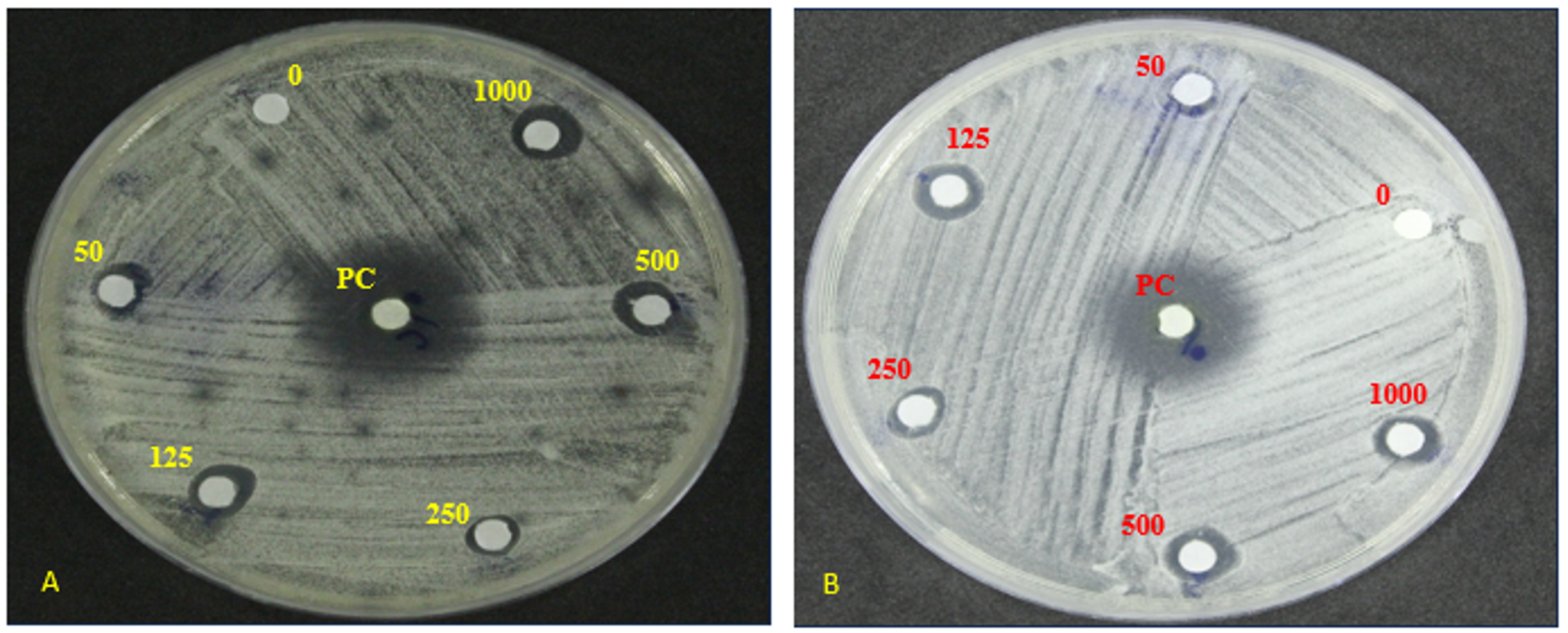
Figure 8. Antifungal activity of Hedychium ellipticum essential oils against fungal strains; (A) Candida albicans; (B) Aspergillus niger
Molecular docking of the major compound against pathogenic bacteria
Docking analysis was carried out to examine the binding efficiency and interaction pattern of iso-isopulegol (Table 3), a monoterpenoid alcohol, against a panel of key bacterial target proteins involved in essential cellular processes, including DNA replication, cell wall biosynthesis, fatty acid metabolism, and folate synthesis. The docking results demonstrated that iso-isopulegol exhibits consistent and moderate binding affinities, with binding energies ranging from -5.3 to -6.5 kcal/mol, indicating stable ligand-protein interactions across all selected targets (Figure 9).
Table 3. Molecular docking parameters of iso-isopulegol with selected bacterial target proteins
Ligand + Protein |
Cur Pocket Id |
Binding affinity |
Cavity Vol (Å) |
Centre (x, y, z) |
Docking size (x, y, z) |
|---|---|---|---|---|---|
iso-Isopulegol + 6RKS |
C4 |
-5.3 |
1155 |
176, 168, 86 |
25, 17, 17 |
iso-Isopulegol + 3SWD |
C1 |
-5.3 |
62112 |
-24, -18, -97 |
35, 35, 35 |
iso-Isopulegol + 8JTP |
C5 |
-5.9 |
5109 |
-22, -52, -155 |
26, 35, 30 |
iso-Isopulegol + 6PJ3 |
C2 |
-6.5 |
223 |
-9, -43, -12 |
17, 17, 17 |
iso-Isopulegol + 1QMF |
C1 |
-6.0 |
2187 |
94, 59, 56 |
29, 17, 30 |
iso-Isopulegol + 2Z2L |
C2 |
-5.5 |
6052 |
25, 14, -1 |
35, 29, 35 |
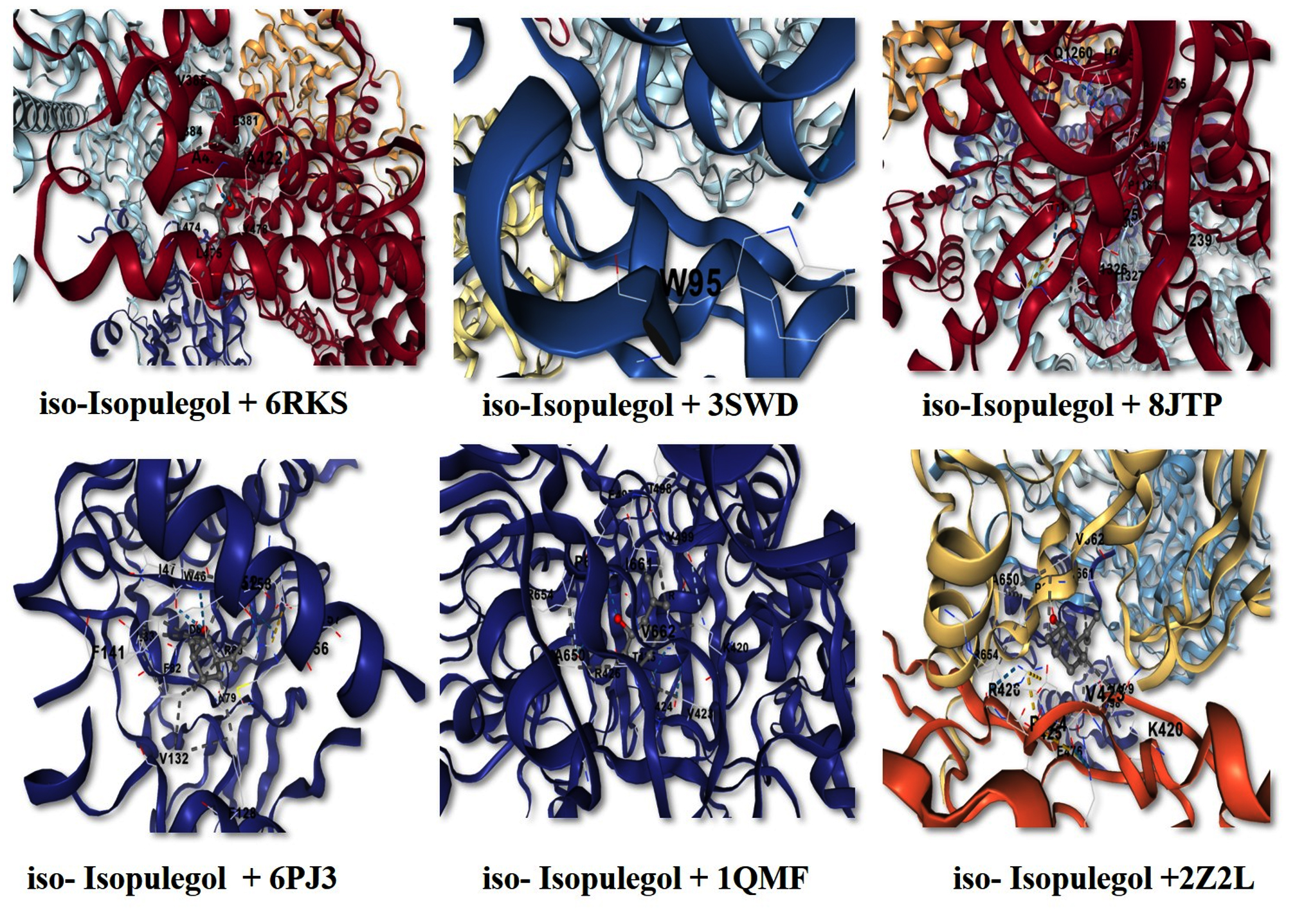
Figure 9. Molecular docking of iso-isopulegol with selected bacterial target proteins
The results indicated that, among the selected proteins, the complex of LpxH/JH-LPH-33 from K. pneumoniae had the highest binding affinity, with a binding energy of -6.5 kcal/mol and a relatively small cavity volume of 223 Å3. This very compact nature of the binding pocket may indicate efficient accommodation of iso-isopulegol and its potential to interfere with the biosynthesis of lipid A, an important route for the integrity of the bacterial outer membrane. Correspondingly, penicillin-binding protein 2X, in its acyl-enzyme complex form (PDB ID: 1QMF), showed a strong interaction with iso-isopulegol, yielding a binding affinity of -6.0 kcal/mol to support its possible role in peptidoglycan cross-link inhibition during bacterial cell wall synthesis.
Iso-isopulegol had equally impressive interactions with the enzymes involved in DNA replication, such as Escherichia coli DNA gyrase domains (PDB codes: 6RKS, 6KZV), with binding energies of -5.3 kcal/mol and -5.5 kcal/mol, respectively. These results indicated the probable inhibitory role of iso-isopulegol against the supercoiling and replication of DNA. Furthermore, efficient binding interactions were also obtained against MurA (PDB code: 3SWD), an important enzyme that catalyzes the first committed step of peptidoglycan synthesis, in addition to the enzyme enoyl-acyl carrier protein reductase (FabI; PDB code: 8JTP), an essential enzyme responsible for the synthesis of fatty acids in bacteria. The obtained binding energies in these targets also strengthen the broad-spectrum antimicrobial properties of iso-isopulegol.
Moreover, iso-isopulegol exhibited a strong binding affinity with dihydrofolate reductase (DHFR; PDB ID: 3IX9) and penicillin-binding protein 2X (PDB ID: 2Z2L) from S. pneumoniae with binding energy scores of -5.5 kcal/mol, which might disrupt folate metabolic and cell wall biosynthetic pathways. Interestingly, the binding results revealed that iso-isopulegol possessed the capacity to bind effectively within small and large pockets, which is primarily due to its highly flexible nature.
The findings from the studies summarized above suggest that iso-isopulegol acts on a multi-targeted basis (in terms of its antimicrobial effects) and affects multiple key Biological Cellular Processes (BCPs). The polypharmacological properties of iso-isopulegol may help address the problem of antibiotic drug resistance and, therefore, indicate the potential of iso-isopulegol to be developed as a lead compound for novel antibacterial agents. The corresponding docking studies have provided strong support for the experimental multi-target approach (MTA) observation for monoterpenoid compounds. Thus, validation of these results should be performed by means of molecular dynamics simulations and/or further in vitro/vivo validation.
Molecular docking analysis of terpinolene
Docking results indicated moderate to strong binding with all of the tested targets, using docking scores between -5.5 and -6.7 kcal/mol (Table 4), demonstrating favourable interactions in general cases (Figure 10). Of these, the highest binding energy was found with the LpxH/JHLPH33 complex of Klebsiella pneumoniae (PDB ID: 6PJ3) with -6.7 kcal/mol in a cavity volume of about 630 Å3. LpxH is an essential enzyme in lipid A biosynthesis, and successful Terpinolene binding to this tight pocket indicates the potential to inhibit the formation of the outer membrane of bacteria. Compound terpenolene also exhibited better inhibition towards the topoisomerase IV (ParE–ParC) of K. pneumoniae (PDB ID: 6WAA), with a binding affinity of -6.0 kcal/mol. Since topoisomerase IV is important for DNA replication and chromosome segregation, this interaction would suggest a potential targeting on the bacterial DNA topology and the replicative machinery. Significant binding to also dihydrofolate reductase (DHFR; PDB ID: 3IX9) of the bacteria S. pneumoniae was recorded (-6.2 kcal/mol), indicating interference with the metabolism of folates and biosynthesis of nucleotides. Low but confident binding affinities were obtained for binding to FabI (PDB ID: 5CFZ) and MurA (PDB ID: 3SWD), with ִΔG bind values of -5.8 and -5.5 kcal/mol, respectively. FabI is the fundamental enzyme of fatty acid biosynthesis, and MurA is responsible for the first committed step in peptidoglycan biosynthesis. The ability of Terpinolene to interact with these enzymes also corroborates its potential in modulating various steps of bacterial cell envelope biogenesis.
Table 4. Molecular docking of Terpinolene with selected bacterial target proteins
Ligand + Protein |
Cur Pocket Id |
Binding affinity |
Cavity Vol (Å) |
Centre (x, y, z) |
Docking size (x, y, z) |
|---|---|---|---|---|---|
Terpinolene + 5CFZ |
C2 |
-5.8 |
321 |
-21, 33, -9 |
17, 17, 17 |
Terpinolene + 3SWD |
C2 |
-5.5 |
55238 |
17, 43, -59 |
35, 35, 35 |
Terpinolene + 6WAA |
C1 |
-6.0 |
24820 |
6, -1, -69 |
35, 35, 35 |
Terpinolene + 6PJ3 |
C1 |
-6.7 |
630 |
-11, -36, -5 |
17, 17, 17 |
Terpinolene + 1QMF |
C1 |
-5.7 |
2187 |
94, 59, 56 |
29, 17, 30 |
Terpinolene + 2Z2L |
C1 |
-5.5 |
6836 |
22, 1, -32 |
34, 34, 23 |
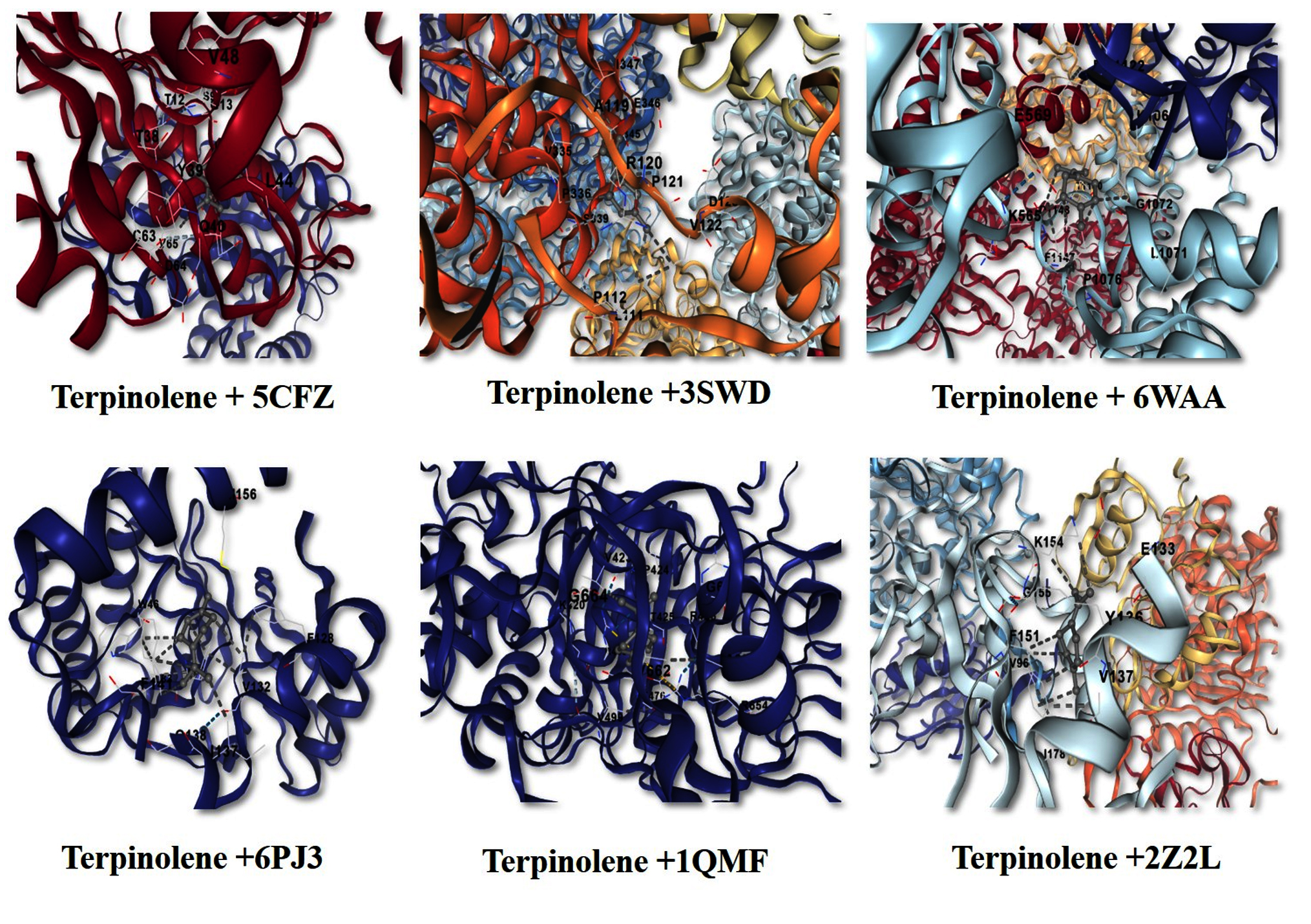
Figure 10. Molecular docking of Terpinolene with selected bacterial target proteins
Moreover, Terpinolene exhibited constant binding to PBP-2X in both the acyl-enzyme complex (PDB ID: 1QMF; -5.7 kcal/mol) and native form (PDB ID: 2Z2L; -5.5 kcal/mol). PBP-2X is responsible for peptidoglycan cross-linking and binding of ligands, which may adversely affect bacterial cell wall integrity, especially in Gram-positive organisms.
It is noteworthy that Terpinolene showed binding efficacy with both smaller and larger binding cavities. This is an indication that it is structurally versatile and that its binding process is facilitated by good hydrophobic complementarity. The nature of Terpinolene, as well as its high lipophilicity, suggests that the hydrophobic and van der Waals forces are responsible for the binding. This is typical of monoterpene derivatives.
In general, the docking study reveals that Terpinolene has a complex pattern of multi-target interaction, which binds to a number of crucial protein targets of bacterial origin related to cell wall biosynthesis, lipid metabolism, DNA replication, and folate metabolism. A polypharmacological approach to antibacterial activity is a great advantage in terms of resistance development and explains why Terpinolene has a high potential as a natural antibacterial drug candidate. The binding energies found are moderate and comparable to the binding energies of other small nonpolar terpenes that have previously been reported.
Absorption, distribution, metabolism, and excretion (ADME) properties and drug-likeness prediction of iso-Isopulegol and Terpinolene
The bioavailability radar chart shows iso-isopulegol to be positioned in a region where there is optimal physicochemical property availability for bioavailability. The iso-isopulegol structure displays optimal lipophilicity (LIPO), important for efficient cell permeability.43,44 Another important property is optimal molecular size (SIZE), important for proper cell target engagement, as well as optimal flexibility (FLEX), facilitating cell membrane permeability.45 Moreover, polarity (POLAR), due to the hydroxyl functional group, is displayed moderately; this differentiates iso-isopulegol from hydrocarbon monoterpenes. Polarity is important in increasing intermolecular interactions. However, its aqueous solubility (INSOLU), due to its lipophilic nature, is expected to be low.46 Notably, monoterpenoid structures display low solubility. Furthermore, its degree of saturation (INSATU), playing a critical role in its stability and metabolic availability, still stays in the required range.
The BOILED-Egg plot (Figure 11) predicts that iso-isopulegol is located within the yellow (yolk) region, indicating a high probability of blood-brain barrier (BBB) penetration, while also remaining within the area associated with good human intestinal absorption (HIA).47 This dual prediction suggests that iso-isopulegol may efficiently cross biological membranes and reach central compartments, which is consistent with reported neurological and antimicrobial activities of monoterpenoid alcohols.48,49
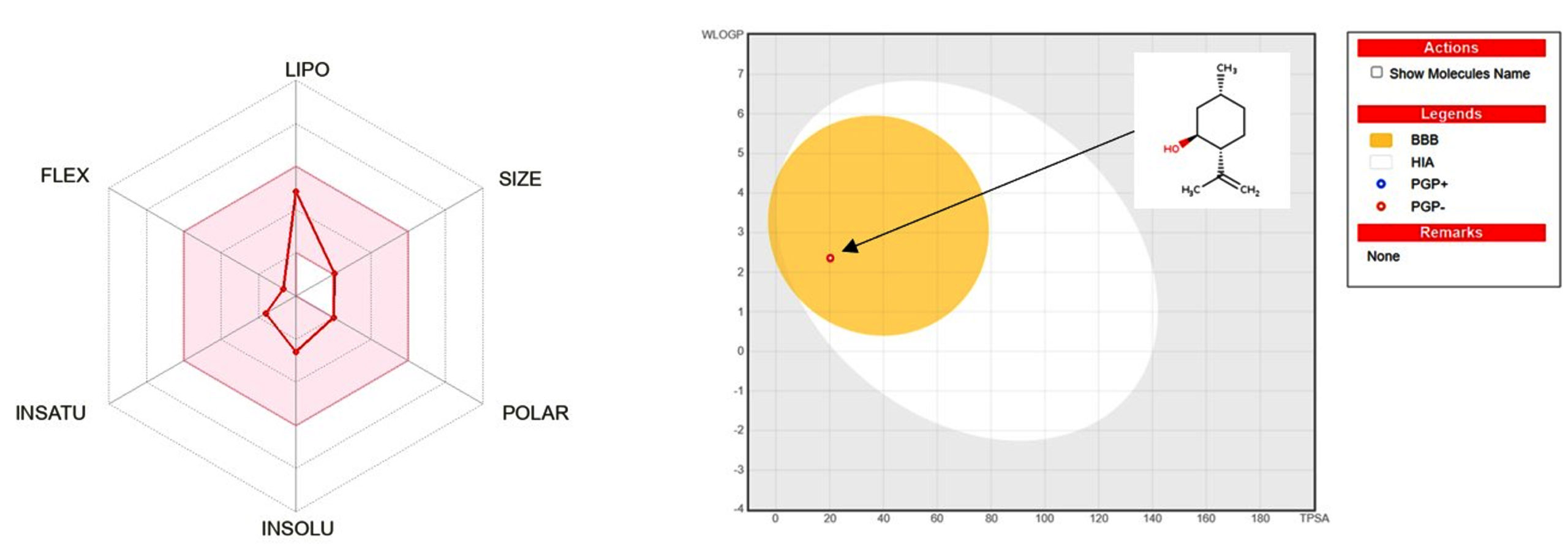
Figure 11. The BOILED-Egg plot showed that iso-isopulegol has a high probability of blood-brain barrier (BBB) penetration
Iso-isopulegol was predicted to be a non-substrate for P-glycoprotein, or PGP, which suggests poor active efflux from intestinal epithelial cells or the brain. This property is expected to improve intracellular retention and bioavailability at the tissue level, especially in tissues protected by such efflux transporters as the central nervous system.50
The moderate lipophilicity, together with the presence of a hydroxyl group, implies that iso-isopulegol would be metabolically transformed through phase I reactions, mainly by the oxidation mediated by cytochrome P450. The metabolites produced may have increased polarity and thus be excreted easily either renally or biliary. Rapid metabolism is possible, but again it is common in monoterpenoid structures and can be improved through formulation or structural optimization.51,52
The ADME (Absorption, Distribution, Metabolism, and Excretion) properties of Terpinolene were evaluated using an in silico Swiss ADME-based pharmacokinetic profiling approach. The results are illustrated through a bioavailability radar and a BOILED-Egg model (Figure 12), providing a comprehensive overview of the molecule’s drug-likeness and pharmacokinetic suitability. The bioavailability radar demonstrated that Terpinolene is within the ideal space for most relevant physicochemical parameters, such as lipophilicity (LIPO), size (SIZE), polarity (POLAR), solubility (INSOLU), saturation (INSATU), and molecular flexibility (FLEX).44 The radar profile analysis shows that the compound is very lipophilic as are monoterpenoid hydrocarbons, and this would favour penetration through membranes. However, low polarity and aqueous solubility were relatively poor systemically, limiting systemic bioavailability as is often seen with volatile terpene molecules.48,53
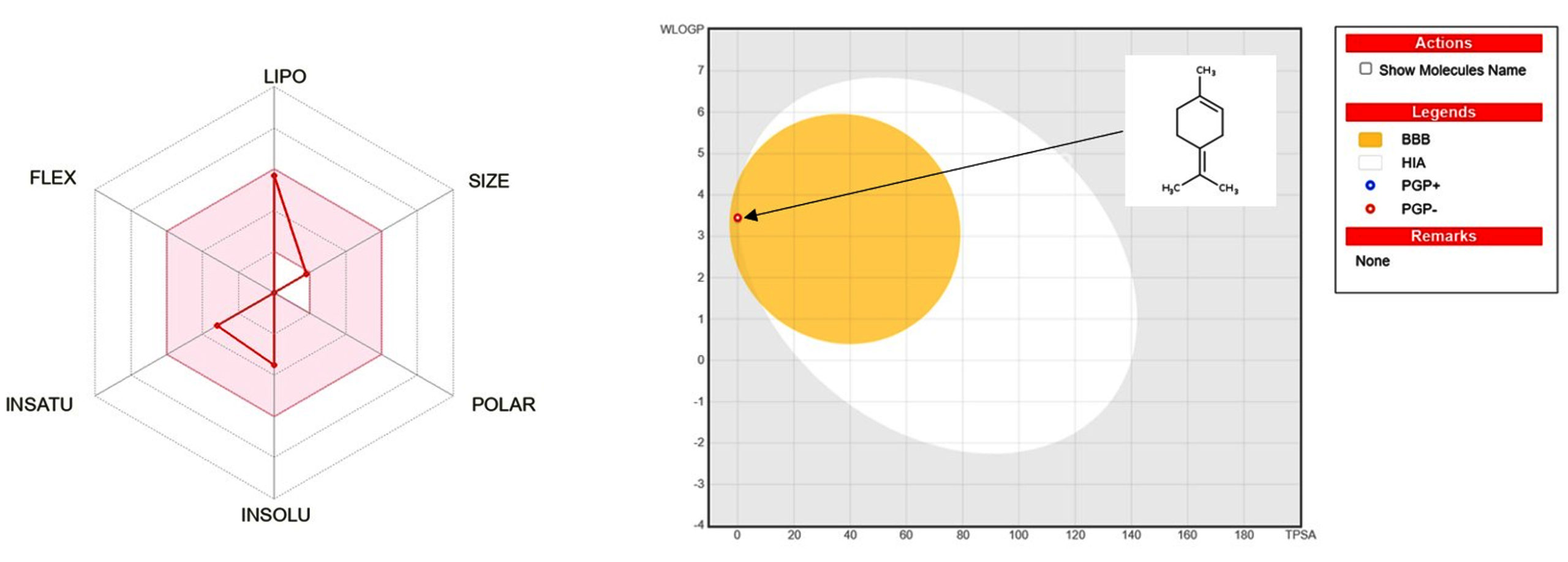
Figure 12. The BOILED-Egg plot showed that Terpinolene has a high probability of blood-brain barrier penetration
Despite these limitations, the overall radar plot suggests that Terpinolene largely satisfies the criteria for oral bioavailability, particularly in terms of membrane diffusion and molecular size, supporting its potential as a bioactive lead rather than a classical drug molecule.45
The BOILED-Egg plot provides insight into gastrointestinal absorption (HIA) and blood-brain barrier (BBB) permeability. Terpinolene is positioned within the yellow (yolk) region, indicating a high probability of blood-brain barrier penetration, while still maintaining favorable human intestinal absorption.47 This distribution profile suggests that Terpinolene may exert central nervous system (CNS)-related biological effects, which is consistent with reported neuroactive and antimicrobial properties of terpene compounds.49 The molecule is also predicted to be non-substrate for P-glycoprotein (PGP-), indicating that it is unlikely to be actively effluxed by intestinal or brain efflux transporters. This characteristic enhances its intracellular retention and bioavailability, particularly in CNS tissues.50 The pronounced lipophilicity of Terpinolene suggests that it is likely to undergo hepatic metabolism, primarily via cytochrome P450-mediated oxidation pathways, a common metabolic route for terpene hydrocarbons. While high lipophilicity may lead to rapid metabolic clearance, it also supports effective tissue penetration.51,52 The absence of polar functional groups implies that metabolic transformation may be necessary to facilitate renal or biliary excretion.
Collectively, the ADME analysis indicates that Terpinolene possesses favorable absorption and distribution characteristics, particularly with respect to intestinal permeability and BBB penetration. Although its low polarity and solubility may limit conventional oral drug development, these properties are typical of natural terpenes and do not preclude biological efficacy. Instead, they support its role as a bioactive natural lead compound, especially for antimicrobial or CNS-associated applications.45,49
The predicted pharmacokinetic behavior of Terpinolene complements molecular docking findings and supports further investigation through formulation optimization, metabolic stability studies, and in vitro/in vivo validation.
This study examined the chemical composition, antioxidant activity, and antimicrobial properties of H. ellipticum. In conclusion, the essential oil of H. ellipticum is predominantly composed of Terpinolene, which is the primary contributor to its biological activity. This study demonstrated that the essential oil of H. ellipticum had antimicrobial activity against the investigated microorganisms and possessed antioxidant properties, indicating its potential as a natural therapeutic agent for health and agricultural applications. Consequently, the essential oil of H. ellipticum can be utilized in the formulation of antibiotics, bioinsecticides, and food preservatives. Nonetheless, on a broad practical scale, it is imperative to have a deeper understanding of the impact of sublethal dosages of essential oils on non-target animals, along with possible toxicities to humans. Consequently, additional research on the potential toxicities of the evaluated essential oils is necessary for safety considerations.
ACKNOWLEDGMENTS
The authors would like to thank the Head, Department of Botany and Microbiology, for providing the necessary facilities.
CONFLICT OF INTEREST
The authors declare that there is no conflict of interest.
AUTHORS’ CONTRIBUTION
All authors listed have made a substantial, direct and intellectual contribution to the work, and approved it for publication.
FUNDING
None.
DATA AVAILABILITY
All datasets generated or analyzed during this study are included in the manuscript.
ETHICS STATEMENT
Not applicable.
- Magday JC Jr, Alejandro GJD, Bungihan ME, Edison T, dela Cruz E. An annotated checklist of fungal endophytes associated with Southeast Asian Zingiberaceae. Philipp J Syst Biol Online. 2024;18(1):59-70.
Crossref - Rawat A, Prakash O, Kumar R, Arya S, Rawat DS, Kumar S. Bioactive Compounds and Biological Activities of Hedychium Species. In: Murthy HN, Paek KY, Park SY, eds. Bioactive Compounds in the Storage Organs of Plants. Reference Series in Phytochemistry. Springer, Cham. 2024:1-46.
Crossref - Prakash O, Chandra M, Punetha H, Pant AK, Rawat DS. Spiked ginger lily (Hedychium spp.) oils. In: Preedy VR, eds. Essential Oils in Food Preservation, Flavor and Safety. Elsevier. 2016:737-750.
Crossref - Joshi S, Chanotiya CS, Agarwal G, Prakash O, Pant AK, Mathela CS. Terpenoid compositions and antioxidant and antimicrobial properties of rhizome essential oils of different Hedychium species. Chem Biodivers. 2008;5(2):299-309.
Crossref - Gupta A, Nagariya AK, Mishra AK, et al. Ethno-potential of medicinal herbs in skin diseases: an overview. J Pharm Res. 2010;3(3):435-441.
- Malakar M, Jayasavitha K, Nithya R. Unveiling of Breeding Status and Potential of Ornamental Gingers: Alpinia Under Spotlight. In: Wani MA, Al-Khayri JM, Jain SM, eds. Breeding of Ornamental Crops: Bulbous Flowers. Advances in Plant Breeding Strategies, vol 5. Springer, Cham. 2025:141-219.
Crossref 031-77900-8_4 - Sharma S, Pandey RK, Singh L, Kumar S. Exploring Hedychium ellipticum: botanical attributes, ethnobotanical traditions, pharmacological insights, and therapeutic applications. Curr Funct Foods. 2024;3(3):E26668629322360.
Crossref - Mohanty S, Ray A, Sahoo C, et al. Volatile profiling coupled with multivariate analysis, antiproliferative and anti-inflammatory activities of rhizome essential oil of four Hedychium species from India. J Ethnopharmacol. 2023;317:116835.
Crossref - Monton C, Wunnakup T, Theanphong O, Suksaeree J, Charoenchai L, Jenjittikul T. Unveiling phytochemical constituents and antioxidant properties of Hedychium coccineum Buch.-Ham. ex Sm. rhizome and Hedychium ellipticum Buch.-Ham. ex Sm. rhizome and root from Thailand. J Biol Act Prod Nat. 2025;15(2):165-180.
Crossref - Thomas S, Mani B. Chemical composition of rhizome essential oil of ginger lily (Hedychium) from the Western Ghats, India. Indian J Nat Prod Resour. 2023;14(4):5735.
Crossref - Ding F, Wu X, Yang N, Niu J, Hong Y, Tian M. Exploring the composition and bioactivity of Hedychium flavum leaf and stem essential oil: in vitro assessment of antibacterial, antioxidant, cytotoxicity, and enzyme inhibitory activities. J Chem. 2024;2024(1):6643335.
Crossref - Songsri S, Nuntawong N. Cytotoxic labdane diterpenes from Hedychium ellipticum Buch.-Ham. ex Sm. Molecules. 2016;21(6):749.
Crossref - Ray A, Jena S, Kar B, Patnaik J, Panda PC, Nayak S. Chemical composition and antioxidant activities of essential oils of Hedychium greenii and Hedychium gracile from India. Nat Prod Res. 2019;33(10):1482–1485.
Crossref - Sakhanokho HF, Rajasekaran K. Hedychium Essential Oils: Composition and Uses. In: Malik S, eds. Essential Oil Research. Springer, Cham. 2019:49-60.
Crossref - Kumar R, Prakash O, Singh SP, Pant AK, Isidorov VA, Szczepaniak L. Chemical Composition, Antioxidant and Myorelaxant Activity of Essential Oil of Hedychium aurantiacum. Asian J Chem. 2017;29(12):2587-2591.
Crossref - Thomas S, Mani B. Chemical composition, antibacterial and antioxidant properties of essential oil from the rhizomes of Hedychium forrestii var. palaniense Sanoj and M. Sabu. Indian J Pharm Sci. 2016;78(4):452-457.
Crossref - Ray A, Jena S, Kar B, et al. Volatile metabolite profiling of ten Hedychium species by gas chromatography–mass spectrometry coupled to chemometrics. Ind Crops Prod. 2018;126:135-142.
Crossref - Tavares WR, Barreto MDC, Seca AM. Uncharted source of medicinal products: the case of the Hedychium genus. Medicines. 2020;7(5):23.
Crossref - Singh AP, Chitme H, Sharma RK, et al. A comprehensive review on pharmacologically active phytoconstituents from Hedychium species. Molecules. 2023;28(7):3278.
Crossref - Giang LD, Tran-Trung H, Chung NT, et al. Chemical composition and antimicrobial activity of essential oils from leaves and rhizomes of Hedychium yunnanense (Zingiberaceae) collected in Vietnam. J Essent Oil Bear Plants. 2023;26(5):1151-1160.
Crossref - Bauer AW, Kirby WM, Sherris JC, Turck M. Antibiotic susceptibility testing by a standardized single disk method. Am J Clin Pathol. 1966;45(4):493-496.
- Pimentel LS, Bastos LM, Goulart LR, Ribeiro LNDM. Therapeutic effects of essential oils and their bioactive compounds on prostate cancer treatment. Pharmaceutics. 2024;16(5):583.
Crossref - Kappen J, David A, Pieplow K, et al. Exploring Hornstedtia scyphifera: an extensive multimethod phytochemical investigation reveals the chemical composition and bioactive potential. Discov Plants. 2025;2(1):6.
Crossref - Mohanty S, Ray A, Jena S,et al. Chemical composition and antioxidant activity of rhizome essential oil of Hedychium griffithianum. Chem Nat Compd. 2023;59(3):568-570.
Crossref - Trott O, Olson AJ. AutoDock Vina: improving the speed and accuracy of docking with a new scoring function, efficient optimization, and multithreading. J Comput Chem. 2010 ;31(2):455-461.
Crossref - Nguyen NT, Nguyen TH, Pham TNH, et al. Autodock Vina Adopts More Accurate Binding Poses but Autodock4 Forms Better Binding Affinity. J Chem Inf Model. 2020;60(1):204–211.
Crossref - Chandra H, Chaudhry V, Sagar K, et al. Effect of hawan samagri used for agnihotra against human pathogenic bacteria responsible for foodborne and airborne infections. Vegetos. 2024;38(1).
Crossref - Pun D, Joshi GP, Pant DR. Pharmacological activities of six species of Hedychium J. Koenig from Nepal. J Nepal Biotechnol Assoc. 2024;5(1):23-30.
Crossref - Mittal R, Goel P, Kushwah AS, Ranga G. Perfumed ginger (Hedychium spicatum Sm.): an essential oil-bearing plant. Res J Pharmacogn Phytochem. 2022;14(2):77-88.
Crossref - Bakkali F, Averbeck S, Averbeck D, Idaomar M. Biological effects of essential oils: a review. Food Chem Toxicol. 2008;46(2):446-475.
Crossref - da Silva BD, Bernardes PC, Pinheiro PF, Fantuzzi E, Roberto CD. Chemical composition, extraction sources and action mechanisms of essential oils: natural preservative and limitations of use in meat products. Meat Sci. 2021;176:108463.
Crossref - Dorman HD, Deans SG. Antimicrobial agents from plants: antibacterial activity of plant volatile oils. J Appl Microbiol. 2000;88(2):308-316.
Crossref - Khorshidian N, Yousefi M, Khanniri E, Mortazavian AM. Potential application of essential oils as antimicrobial preservatives in cheese. Innov Food Sci Emerg Technol. 2018;45:62-72. doi:
Crossref - Hammer KA, Carson CF. Antibacterial and antifungal activities of essential oils. In: Thormar H, ed. Lipids and Essential Oils as Antimicrobial Agents. Wiley-Blackwell; 2011:255-306.
Crossref - Bhavaniramya S, Vishnupriya S, Al-Aboody MS, Vijayakumar R, Baskaran D. Role of essential oils in food safety: antimicrobial and antioxidant applications. Grain Oil Sci Technol. 2019;2(2):49-55.
Crossref - Aslam S, Younis W, Malik MNH, et al. Pharmacological evaluation of anti-arthritic potential of terpinen-4-ol using in vitro and in vivo assays. Inflammopharmacol. 2022;30(3):945-959.
Crossref - Mao QQ, Xu XY, Cao SY, et al. Bioactive compounds and bioactivities of ginger (Zingiber officinale Roscoe). Foods. 2019;8(6):185.
Crossref - Gertsch J, Leonti M, Raduner S, et al. Beta-caryophyllene is a dietary cannabinoid. Proc Natl Acad Sci U S A. 2008;105(26):9099-9104.
Crossref - Kim YH, Bang CY, Won EK, Kim JP, Choung SY. Antioxidant activities of Vaccinium uliginosum L. extract and its active components. J Med Food. 2009;12(4):885-892.
Crossref - Fernandes ES, Passos GF, Medeiros R, et al. Anti-inflammatory effects of compounds alpha-humulene and (-)-trans-caryophyllene isolated from the essential oil of Cordia verbenacea. Eur J Pharmacol. 2007;569(3):228-236.
Crossref - Peng W, Liu YJ, Wu N, et al. Areca catechu L. (Arecaceae): a review of its traditional uses, botany, phytochemistry, pharmacology and toxicology. J Ethnopharmacol. 2015;164:340-356.
Crossref - Binh HT, Diep TT, Van Ngoc N. Chemical composition, anti-microbial, and cytotoxic activities of essential oils from Blumea densiflora var. hookeri (CB Clarke ex Hook. f.) CC Chang & YQ Tseng leaves from Vietnam. Chem Biodivers. 2025;22(2):e202401865.
Crossref - Lipinski CA, Lombardo F, Dominy BW, Feeney PJ. Experimental and computational approaches to estimate solubility and permeability in drug discovery and development settings. Adv Drug Deliv Rev. 2001;46(1-3):3-26.
Crossref - Daina A, Michielin O, Zoete V. SwissADME: a free web tool to evaluate pharmacokinetics, drug-likeness and medicinal chemistry friendliness of small molecules. Sci Rep. 2017;7:42717.
Crossref - Muegge I, Heald SL, Brittelli D. Simple selection criteria for drug-like chemical matter. J Med Chem. 2001;44(12):1841-1846.
Crossref - Alskär LC, Keemink J, Johannesson J, Porter CJH, Bergström CAS. Impact of drug physicochemical properties on lipolysis-triggered drug supersaturation and precipitation from lipid-based formulations. Mol Pharm. 2018;15(10):4733-4744.
Crossref - Daina A, Zoete V. A BOILED-Egg to predict gastrointestinal absorption and brain penetration of small molecules. ChemMedChem. 2016;11(11):1117–1121.
Crossref - Baser KHC, Buchbauer G. Handbook of Essential oils: Science, Technology, and Applications, 2nd Edition, Boca Raton, CRC press. 2010.
Crossref - Umar AB, Uzairu A, Shallangwa GA, Uba S. In silico evaluation of some 4-(quinolin-2-yl)pyrimidin-2-amine derivatives as potent V600E-BRAF inhibitors with pharmacokinetics, ADMET, and drug-likeness predictions. Future J Pharm Sci. 2020;6.
Crossref - Schinkel AH, Jonker JW. Mammalian drug efflux transporters of the ATP binding cassette (ABC) family: an overview. Adv Drug Deliv Rev. 2012;64:138-153.
Crossref - Guengerich FP. Cytochrome P450 and chemical toxicology. Chem Res Toxicol. 2008;21(1):70-83.
Crossref - Adams TB, Gavin CL, McGowen MM, et al. The FEMA GRAS assessment of aliphatic and aromatic terpene hydrocarbons used as flavor ingredients. Food Chem Toxicol. 2011;49(10):2471-2494.
Crossref - Edris AE. Pharmaceutical and therapeutic potentials of essential oils and their individual volatile constituents: a review. Phytother Res. 2007;21(4):308-323.
Crossref
© The Author(s) 2026. Open Access. This article is distributed under the terms of the Creative Commons Attribution 4.0 International License which permits unrestricted use, sharing, distribution, and reproduction in any medium, provided you give appropriate credit to the original author(s) and the source, provide a link to the Creative Commons license, and indicate if changes were made.