


ISSN: 0973-7510
E-ISSN: 2581-690X
 , Amit Bikram Maiti2, Sumana Sarkhel3 , Stabak Roy4, Sayantan Pradhan5,6, Suman Kumar Maji7, Dipan Sarma8 and Satyajit Saha9
Overcoming resistance to carbapenem in Klebsiella pneumoniae is a major concern for public health worldwide, including in India. According to 2024 WHO Bacterial Priority Pathogens List, carbapenem-resistant Klebsiella pneumoniae (CRKP) is identified as the top-ranked bacterium. Although studies on this have been conducted in West Bengal, India, data on prevalence and geographical molecular distribution of CRKP remain limited. The study aims to investigate demographic distribution of CRKP isolates for proper epidemiological knowledge, to determine the geographical molecular distribution of CRKP isolates, to detect prevalence of carbapenemase-producing genes among those isolates in West Bengal, India, and to develop a Heat Map for strengthening the epidemiological surveillance system. 128 CRKP clinical isolates were collected from different clinical settings of Paschim Medinipur, Jhargram, Purba Medinipur, Kolkata, Purulia and Birbhum districts of West Bengal, from July 2023 to June 2025. We performed AST & biochemical analysis, followed by end-point multiplex PCR. The demographic distribution analysis was performed by R and SPSS software. CRKP prevalent zones among the sample collection sites were identified using ArcGIS. A Kernel Density Heat Map was used to strengthen the epidemiological surveillance system. From this study, through demographic distribution, it is observed that females and the “≥50” age group are most affected, and the difference is statistically significant (P-value < 0.05). Among the 6 districts, Kolkata exhibited highest prevalence with 40 cases (31.25%), whereas Birbhum showed the lowest prevalence, with 10 cases (7.8%). blaNDM was the most prevalent carbapenemase-producing gene identified in this region. The Heat Map shows the spatial distribution. This study highlights the comprehensive epidemiological burden of CRKP infection in West Bengal, which might help the public health policy makers to strengthen the surveillance system and the clinicians in target therapy by optimizing the use of antibiotics. This will also help in outbreak situation control by proper epidemiological knowledge.
Carbapenem-resistant Klebsiella pneumoniae, End-Point Multiplex PCR, Carbapenemase-producing Genes, Kernel Density Heat Map, Public Health Surveillance
Antimicrobial resistance (AMR) is a significant global public health concern currently. The World Health Organization (WHO) reports that 1.27 million deaths in 2019 were directly caused by AMR, and an additional 4.95 million deaths were linked to resistant infections.1 Among the most concerning pathogens, the ESKAPEE pathogens (Enterococcus faecium, Staphylococcus aureus, Klebsiella pneumoniae, Acinetobacter baumannii, Pseudomonas aeruginosa, Enterobacter species and Escherichia coli) are extremely virulent, multidrug-resistant bacteria that significantly increase morbidity, mortality, and healthcare costs. Drug inactivation, target alteration, decreased intracellular drug accumulation, and biofilm development are some of the mechanisms used by the ESKAPEE pathogens to avoid antimicrobial activity.2,3
Klebsiella pneumoniae is one of the most important ESKAPEE pathogens, which is a Gram-negative bacterium that belongs to the Enterobacteriaceae family and is frequently found in soil, water, and a variety of hosts, including humans and animals. Globally, K. pneumoniae is first in the WHO (World Health Organization) BPPL (Bacterial Priority Pathogens List) report, 2024. Hyper virulent K. pneumoniae infection’s first case was found in Taiwan, China (Continent: Asia) in 1986. Later, cases of these infections were also found in North America, South America, Europe, Africa and Australia continuously.4 According to the NARS-Net (National Antimicrobial Resistance Surveillance Network), India yearly report of 2021, Klebsiella spp. take second position (21.2% of all most commonly isolated pathogens in India) in the pathogen priority list. Whereas, with respect to carbapenem-resistant Enterobacterales (CRE) in blood, 50% resistance was observed in Klebsiella spp.5 Emergence of carbapenem-resistant Enterobacteriaceae, particularly of carbapenem-resistant Klebsiella pneumoniae (CRKP), is among the most significant challenges for public health worldwide,6,7 linked to a higher death rate and healthcare costs due to increased use of antibiotics, medication without doctors’ suggestion, which was made by patients themselves and failure to implement antibiotic policies in clinical settings.8,9 Carbapenems serve as the last option antibiotics to handle infections caused by CRKP.10 Currently, limited antibiotic options are available for the treatment of CRKP infections. Humans typically have K. pneumoniae in their urinary, respiratory, cutaneous, and gastrointestinal systems. These bacteria can cause a variety of diseases, including potentially fatal infections like cystitis, parenteral infections, pneumonia, sepsis, and endocarditis, when virulence factors, such as pili, capsules, and iron carriers, or siderophores, are released by them. Additionally, the majority of hospital-acquired infections are caused by them.11-13 The synthesis of carbapenemases among them is the main mechanism by which K. pneumoniae develops carbapenem resistance.14,15 IMP, VIM, KPC, OXA-48, and NDM-1 are the most prevalent carbapenemases, which are encoded by blaIMP, blaVIM, blaKPC, blaNDM, and blaOXA-48 genes, respectively, known as carbapenem resistance-determining genes.16,17 But resistance can also be caused by other mechanisms, such as overexpression of AmpC or ESBLs β-lactamases, loss or alteration of outer membrane porins, efflux pumps’ overactivity, biofilm development, and persistence phenotypes.18,19 A study in a tertiary care hospital in Indore, India, reported carbapenem resistance in 25% of the total isolated K. pneumoniae isolates from different clinical specimens having blaKPC, blaIMP, and blaNDM genes.20 Here, we studied the molecular epidemiology of CRKP infection in the six districts of West Bengal, India. In another study, including the ICU of ten distinct tertiary care facilities in Kolkata, West Bengal, India, reported the development of blaKPC-2 in K. pneumoniae, along with other carbapenemases like blaNDM and blaOXA-48 like variants, poses a major health risk to vulnerable populations, particularly ICU patients.21 Despite this, the geographical molecular epidemiology of CRKP in West Bengal, integrating antimicrobial resistance patterns with spatial distribution, remains limited. Therefore, this study aims to ascertain the geographical molecular distribution of CRKP isolates, identify the prevalence of carbapenemase-producing genes among those isolates in West Bengal, India, investigate the demographic distribution of CRKP isolates for appropriate epidemiological knowledge, and develop a heat map to strengthen the epidemiological surveillance system.
Collection of CRKP isolates from the study area
Six different districts of West Bengal, namely Paschim Medinipur, Jhargram, Purba Medinipur, Kolkata, Purulia, and Birbhum, comprised the study area. We collected CRKP clinical isolates from different healthcare facilities in those districts from July 2023 to June 2025 in the nutrient agar stab, maintaining the aseptic condition. The source samples of those isolates were urine, blood, pus, sputum, and throat swabs. The information about the source samples and demographic data was collected from the lab registers of those healthcare facilities. Those isolates were further investigated for this study.
Identification of the CRKP isolates
The clinical isolates were cultured on MacConkey agar plates and incubated overnight at 37 °C. After incubation based on the colony morphology, like colour, size, texture, and biochemical analysis, the bacterial isolates were identified. Triple sugar iron agar, indole, Simmons’ citrate agar, urease, motility, and PPA biochemical tests were done to verify the bacterial type.
Antibiotic Sensitivity Testing (AST) of the CRKP isolates
The susceptibility of the bacterial isolates to certain antibiotics was assessed using the Kirby-Bauer disk diffusion (KBDD) method following standard guidelines.22 Here in this study, Amoxycillin + Clavulanic acid (β-lactam combination agent) (10 µg), Amikacin (Aminoglycosides) (30 µg), Ampicillin (Penicillin, β-lactam agent) (10 µg), Gentamicin (Aminoglycosides) (10 µg), Cefixime (β-lactam third generation cephalosporin) (5 µg), Ciprofloxacin (Fluoroquinolones) (5 µg), Ofloxacin (Fluoroquinolones) (5 µg), Meropenem (Carbapenem) (10 µg), and Imipenem (Carbapenem) (10 µg) discs were used to check the susceptibility of the collected bacterial isolates and also to determine the CRKP isolates.
End-point multiplex PCR
End-point multiplex PCR was performed to detect the carbapenemase-producing genes among those CRKP isolates by isolating their genomic DNA through the boil template method, following standard PCR program. Table 1 comprises the list of the primers utilized here. Appropriate positive and negative controls were used during the experiment.23-26
Table 1. Primers used to detect the target genes
| Target gene | Primer sequence (5′-3′) | Amplicon size (bp) | Approx molecular weight (Daltons) |
|---|---|---|---|
| NDM-F | GGGCAGTCGCTTCCAACGGT | 188 | 188 × 660 Dalton |
| NDM-R | GTAGTGCTCAGTGTCGGCAT | ||
| OXA-48-F | TTGGTGGCATCGATTATCGG | 390 | 390 × 660 Dalton |
| OXA-48-R | GAGCACTTCTTTTGTGATGGC | ||
| KPC-F | TGTCACTGTATCGCCGTC | 1000 | 1000 × 660 Dalton |
| KPC-R | CTCAGTGCTCTACAGAAAACC |
Statistical analysis
Data regarding the age-sex-wise demographic distribution and distribution of the carbapenemase-producing genes among the CRKP isolates were analysed by using R software (v.4.x) and IBM SPSS Statistics (v.26). The chi-square test was used to compare the age-sex-wise demographic distribution. Statistical significance was defined as a P-value of less than 0.05. The effect size for gene distribution was assessed using Cramer’s V.
A chi-square test and Cramer’s V tests were also performed to find the association with age, sex, and the related genes in the CRKP isolates. All tests were two-sided, and statistical significance was defined as P < 0.05.
GIS analysis
District-level choropleth maps were generated using ArcGIS version 10.8 to visualize the distribution of CRKP isolates. Districts were categorized into low, moderate, and high burden groups based on the number of CRKP clinical isolates.
Heat map analysis
Advanced spatial statistics, such as kernel density estimation, was developed to show the spatial distribution.
The present study included a total of 8,424 clinical isolates from July 2023 to June 2025 from various healthcare facilities across six districts of West Bengal, India, namely Paschim Medinipur, Jhargram, Purba Medinipur, Kolkata, Purulia, and Birbhum. The clinical isolates were from 95.47% urine samples, 0.66% blood samples, 1.41% pus samples, 1.83% sputum samples, and 0.63% throat swab samples (Figure 1). Notably, urine was the primary source for most of the clinical isolates.
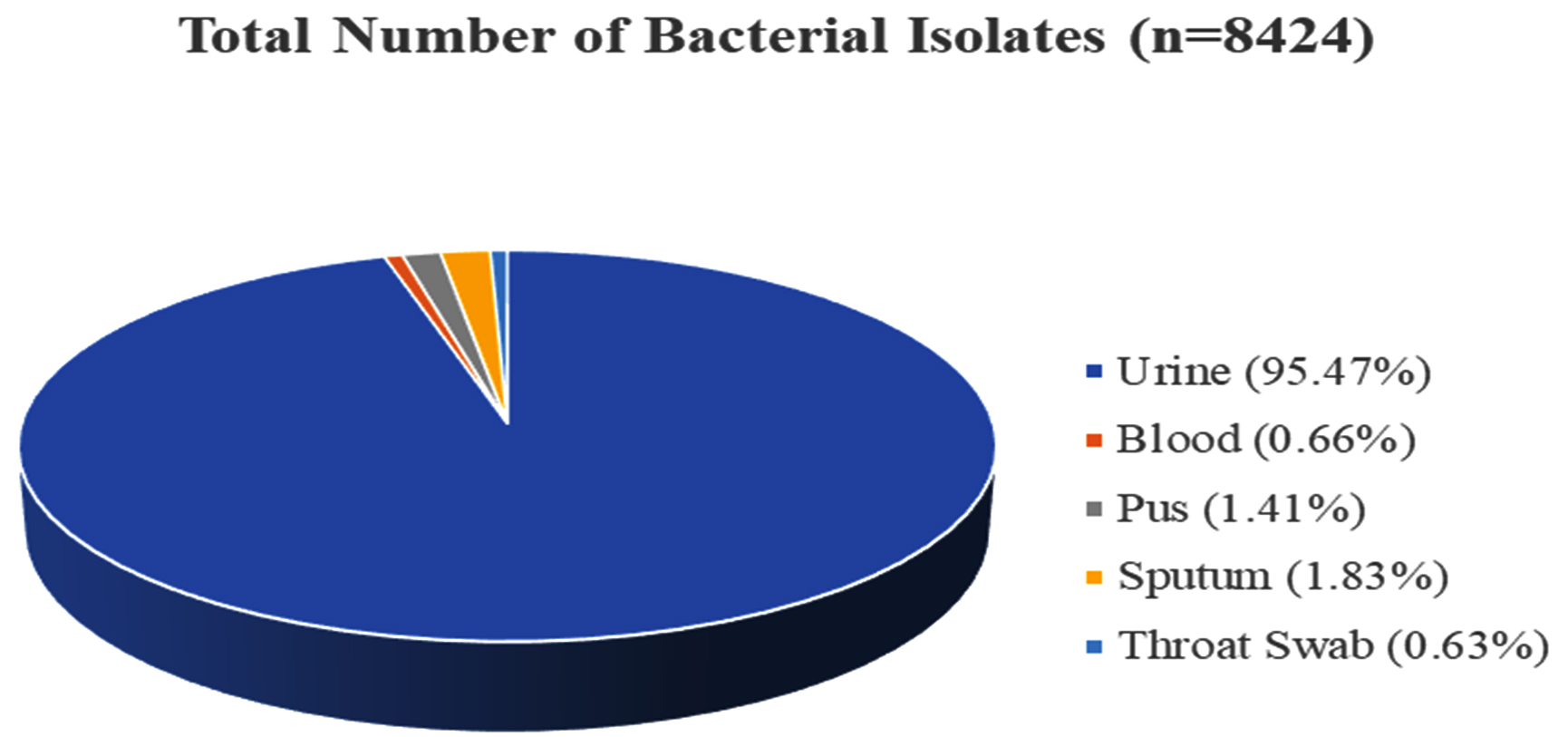
Figure 1. Distribution of the source samples of the total collected clinical isolates
Distribution of pathogenic bacterial clinical isolates
From 8424 isolates, after subculturing on the MacConkey agar plate, 1374 showed bacterial growth. The formation of distinct bacterial colonies and biochemical analysis were used to identify the pathogenic bacteria. The colonies varied in size, texture, and colour. It revealed that among the 1374 bacterial isolates, 52.69% E. coli, 36.68% K. pneumoniae (Figure 2), 1.38% Proteus spp., and 9.24% were other bacteria (Table 2, Figure 3). Among the 127 others, Acinetobacter spp., Alcaligenes spp., Enterobacter, and Pseudomonas spp. were present.
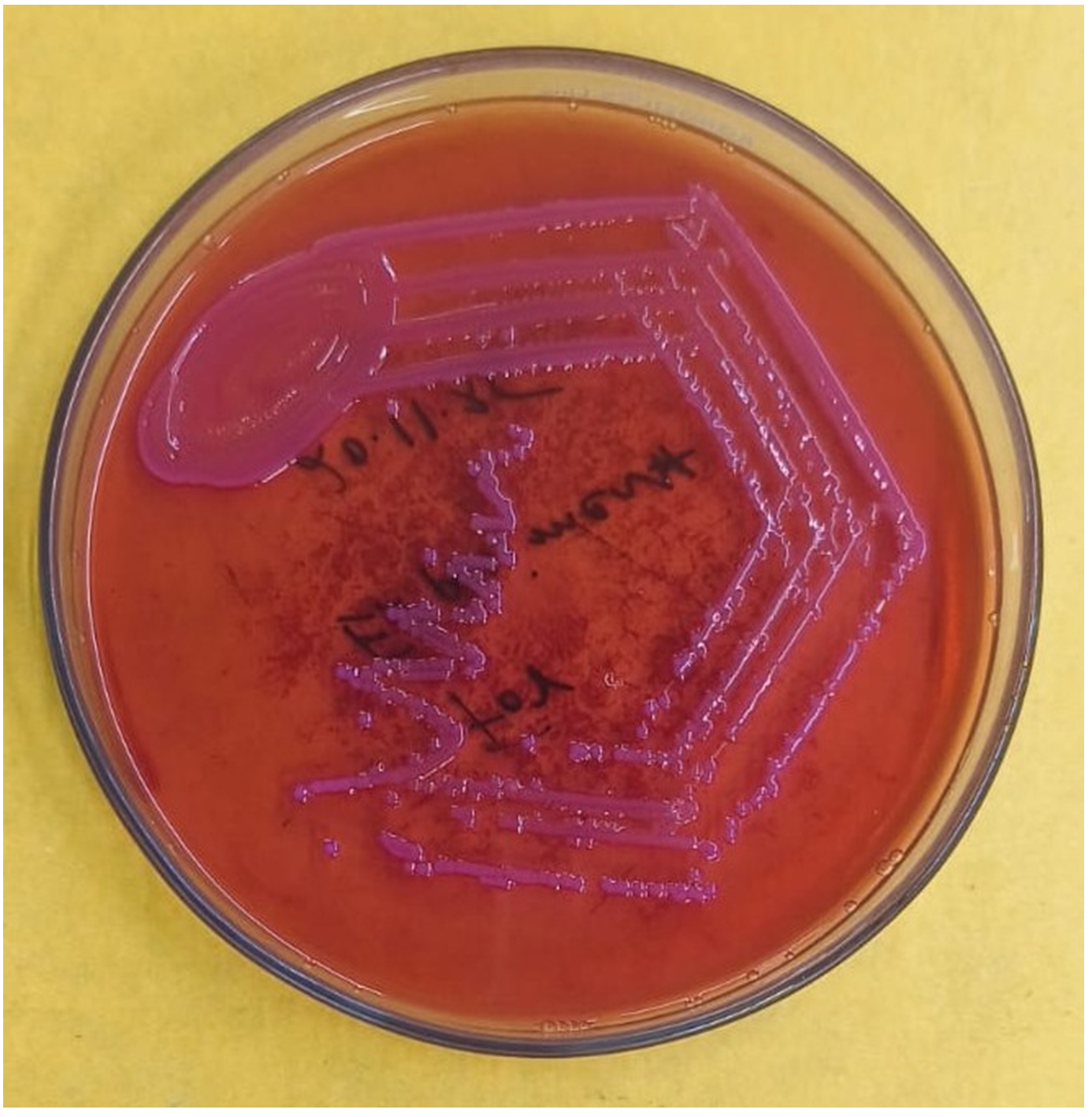 Figure 2. Growth of Klebsiella pneumoniae in the MacConkey agar plate
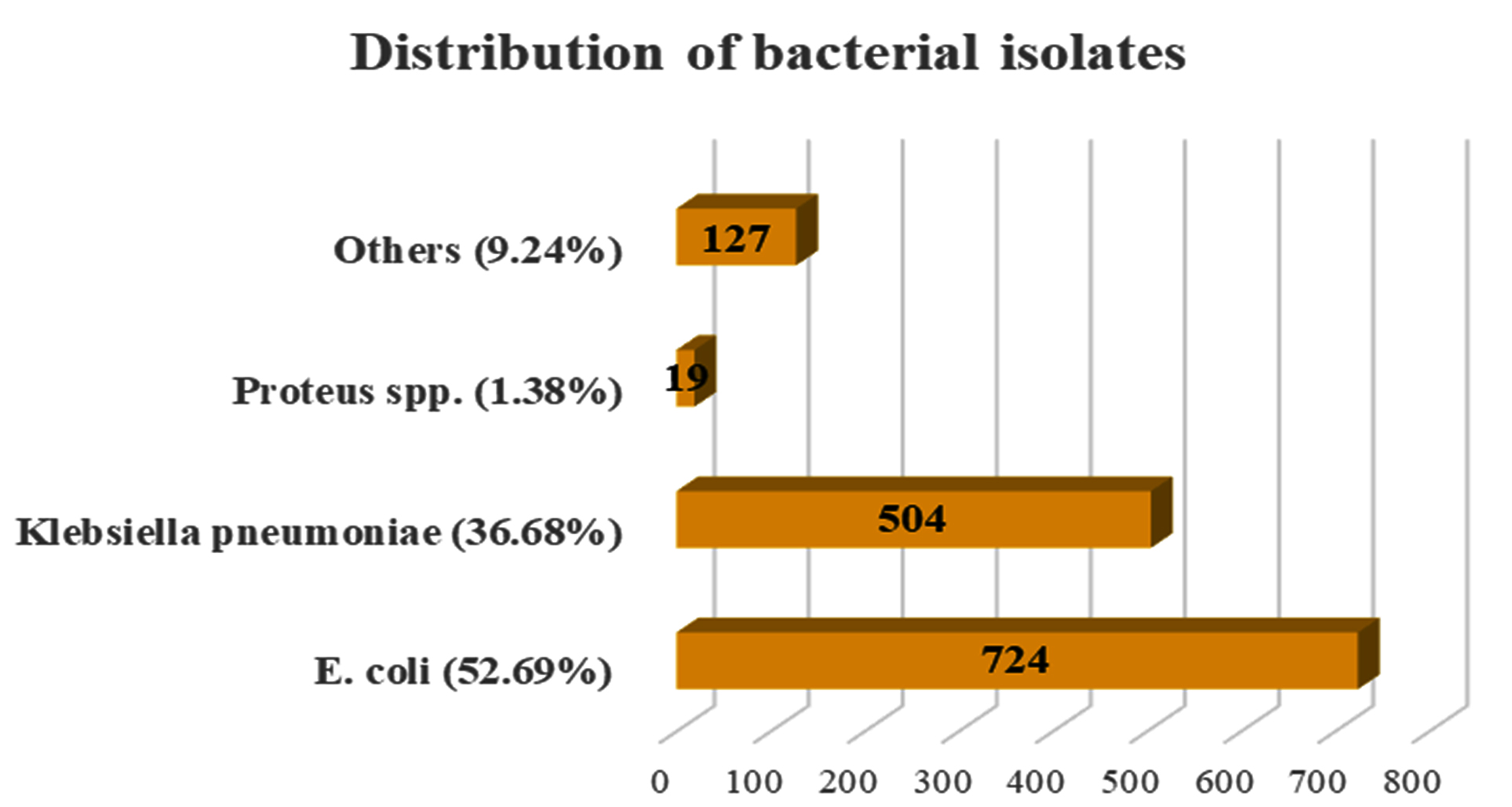
Figure 3. Type of bacteria present in the collected isolates
Table 2. Type of bacteria present in the collected isolates
| Name of the bacterial isolates | Total no. of clinical isolates (n) | ||||
|---|---|---|---|---|---|
| E. coli | K. pneumoniae | Proteus spp. | Others | ||
| Number of isolates | 724 | 504 | 19 | 127 | 1374 |
Antimicrobial sensitivity testing of K. pneumoniae clinical isolates
Among the 504 K. pneumoniae isolates, 128 (25.40%) were resistant to the carbapenem group of antibiotics as per CLSI guidelines, at the time of AST through the Kirby-Bauer Disc Diffusion method. Out of the 128 K. pneumoniae isolates, meropenem resistance was detected in 122 (95.31%) of the isolates, while imipenem resistance was present in all 128 (100%). The complete antibiogram of the 128 CRKP isolates is revealed in Table 3.
Table 3. Susceptibility pattern of CRKP isolates
| Antibiotics | CRKP isolates (n = 128) | |||||
|---|---|---|---|---|---|---|
| Susceptible (n) | % | Intermediate (n) | % | Resistant (n) | % | |
| Amoxycillin + Clavulanic acid (β-lactam combination agent) (10 µg) | 6 | 4.69 | 0 | 0 | 122 | 95.31 |
| Amikacin (Aminoglycosides) (30 µg) | 43 | 33.59 | 6 | 4.69 | 79 | 61.72 |
| Ampicillin (Penicillin, β-lactam agent) (10 µg) | 5 | 3.91 | 0 | 0 | 123 | 96.09 |
| Gentamicin (Aminoglycosides) (10 µg) | 48 | 37.5 | 0 | 0 | 80 | 62.5 |
| Cefixime (β-lactam third generation cephalosporin) (5 µg) | 12 | 9.38 | 0 | 0 | 116 | 90.63 |
| Ciprofloxacin (Fluoroquinolones) (5 µg) | 18 | 14.06 | 0 | 0 | 110 | 85.94 |
| Ofloxacin (Fluoroquinolones) (5 µg) | 21 | 16.41 | 0 | 0 | 107 | 83.59 |
| Meropenem (Carbapenem) (10 µg) | 6 | 4.69 | 0 | 0 | 122 | 95.31 |
| Imipenem (Carbapenem) (10 µg) | 0 | 0 | 0 | 0 | 128 | 100 |
Source specimen of the CRKP clinical isolates
The 128 CRKP clinical isolates were from 75% urine samples, 4.69% blood samples, 7.03% pus samples, 10.94% sputum samples, and 2.34% throat swab samples (Figure 4). For the CRKP isolates, urine was also the source sample for most of the clinical isolates.
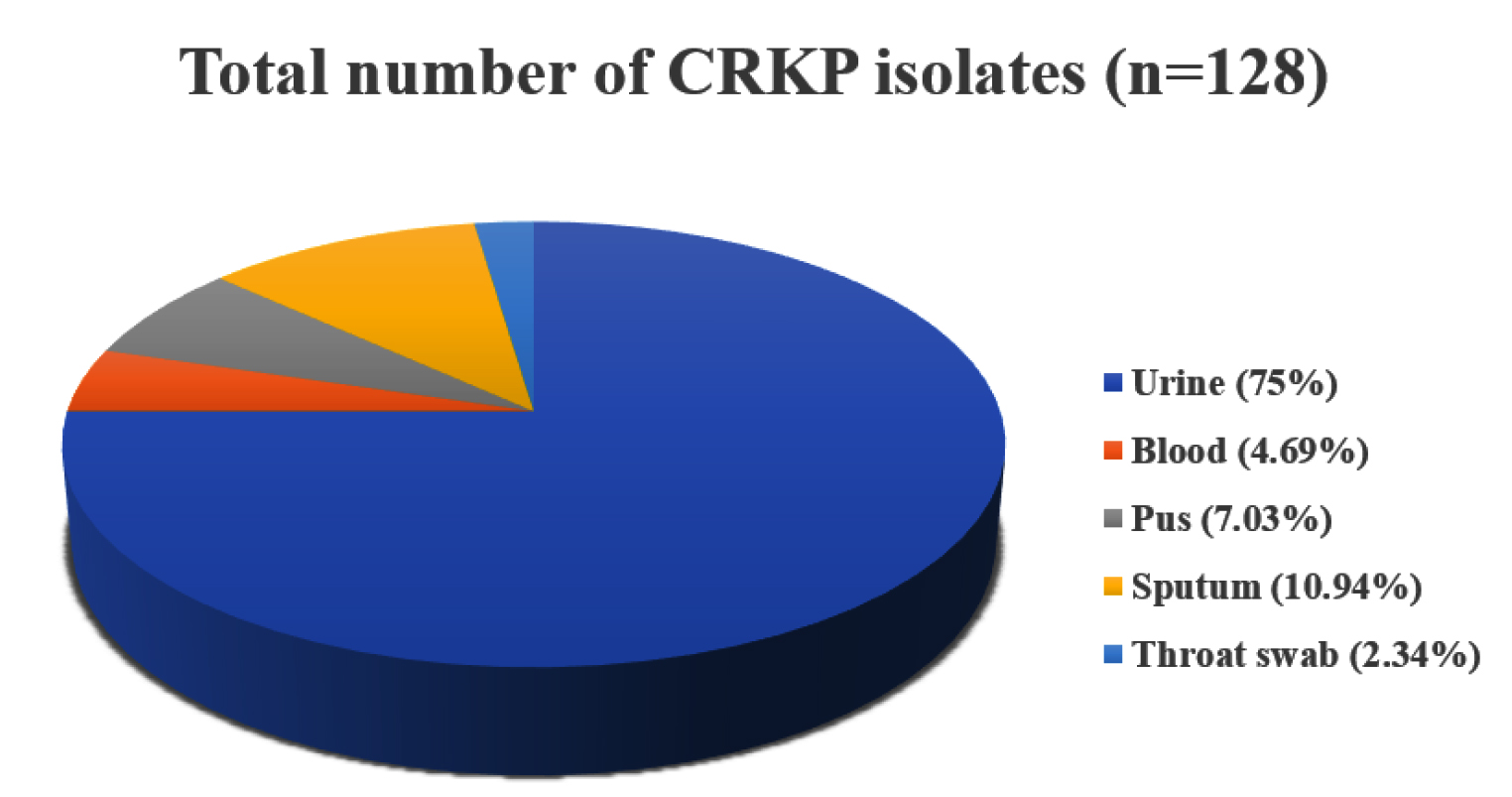
Figure 4. Distribution of the source samples of the CRKP isolates
Demographic distribution of CRKP infection cases
Figure 5 represents the demographic breakdown of cases of CRKP infection during the study period. Results showed that 57 male patients (44.53%) and 71 female patients (55.47%) were diagnosed with CRKP infection. Also, it was found that 14 (10.94%) patients belonged to the “<15” age group, 44 (34.38%) patients belonged to the “15 – <50” age group, and 70 (54.69%) patients belonged to the “≥50″ age group. From this study, through demographic distribution, it is observed that females and the “≥50″ age group are most affected, with a difference of statistical significance (P-value <0.05).
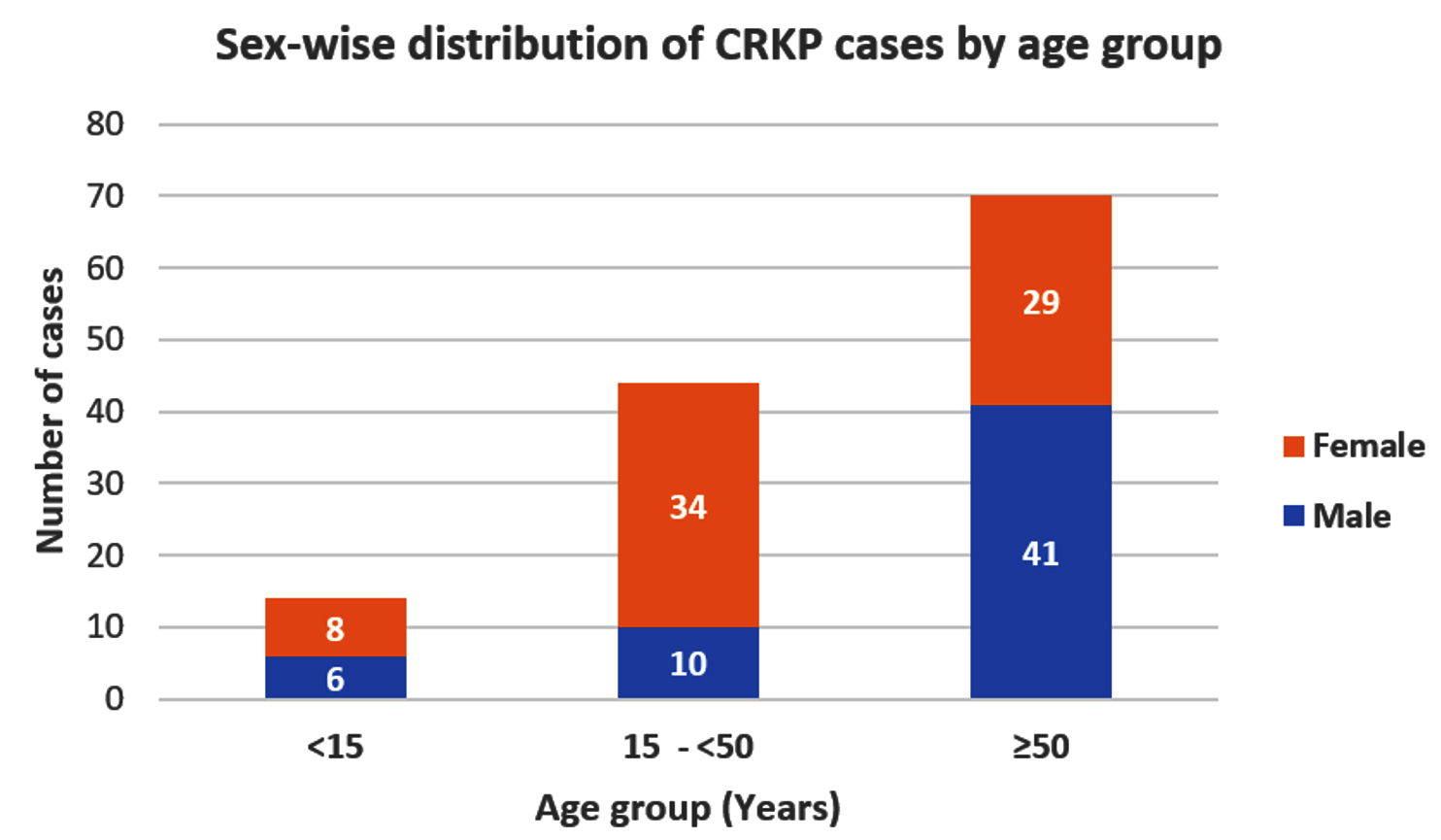
Figure 5. Demographic breakdown of CRKP-infected cases from July 2023 to June 2025
Categorization of the districts using GIS mapping based on the CRKP isolate numbers
From geographical distribution analysis, it was found that Kolkata is the most prevalent zone among West Bengal with 40 (31.25%) CRKP infective cases, and Birbhum has the lowest number of cases, i.e., 10 (7.81%). The district-wise geographical distribution is represented in Table 4 and Figure 6. Based on the case numbers, the districts were categorised into three categories: High, Moderate, and Low. The district has “<15” cases, belongs to the Low category; the district has “15-30” cases, belongs to the Moderate category; and the district has “>30” cases, belongs to the High category. The categorisation of the sample collection sites was mapped using ArcGIS Software, version 10.8 (Figure 7).
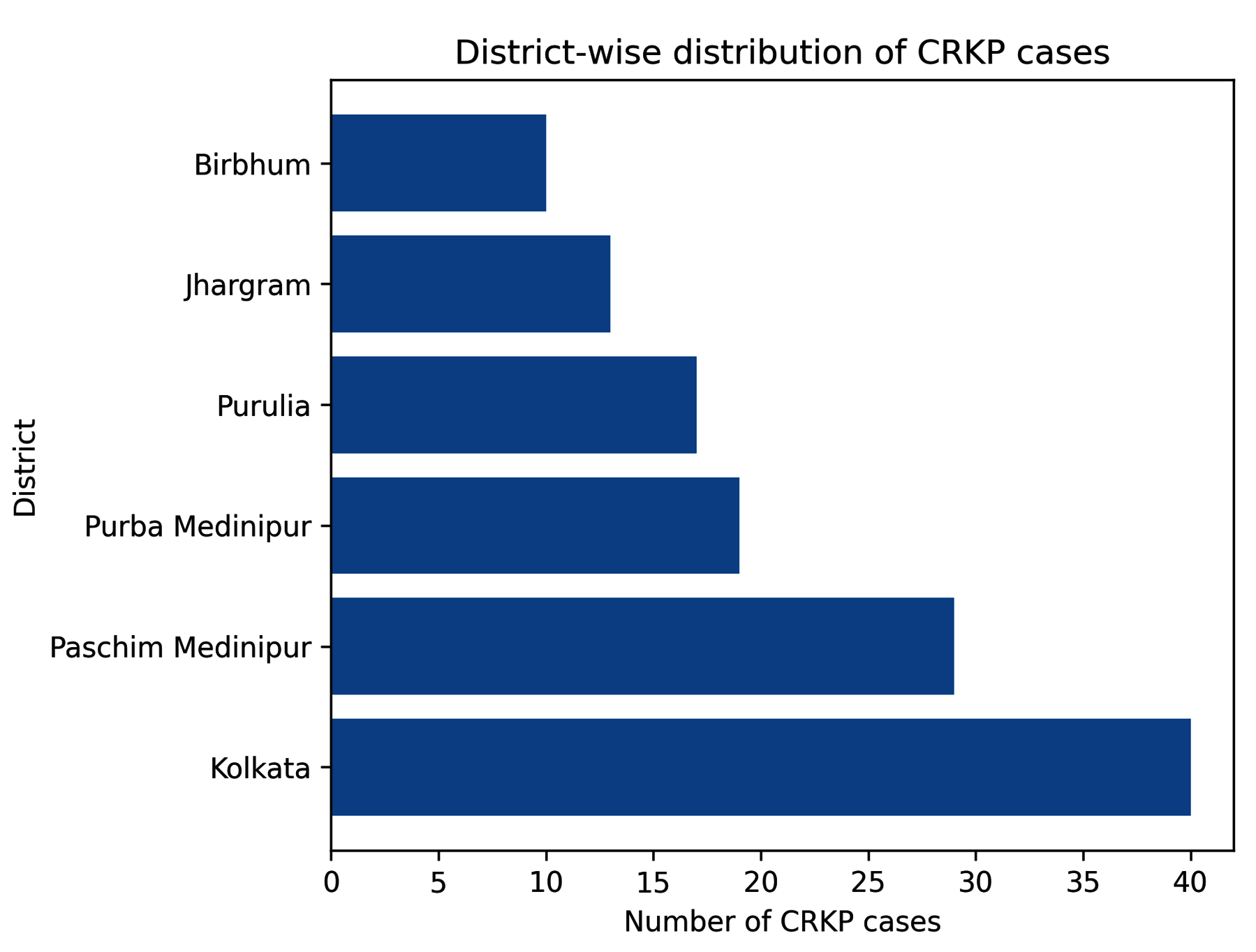
Figure 6. District-wise distribution of the collected CRKP clinical isolates
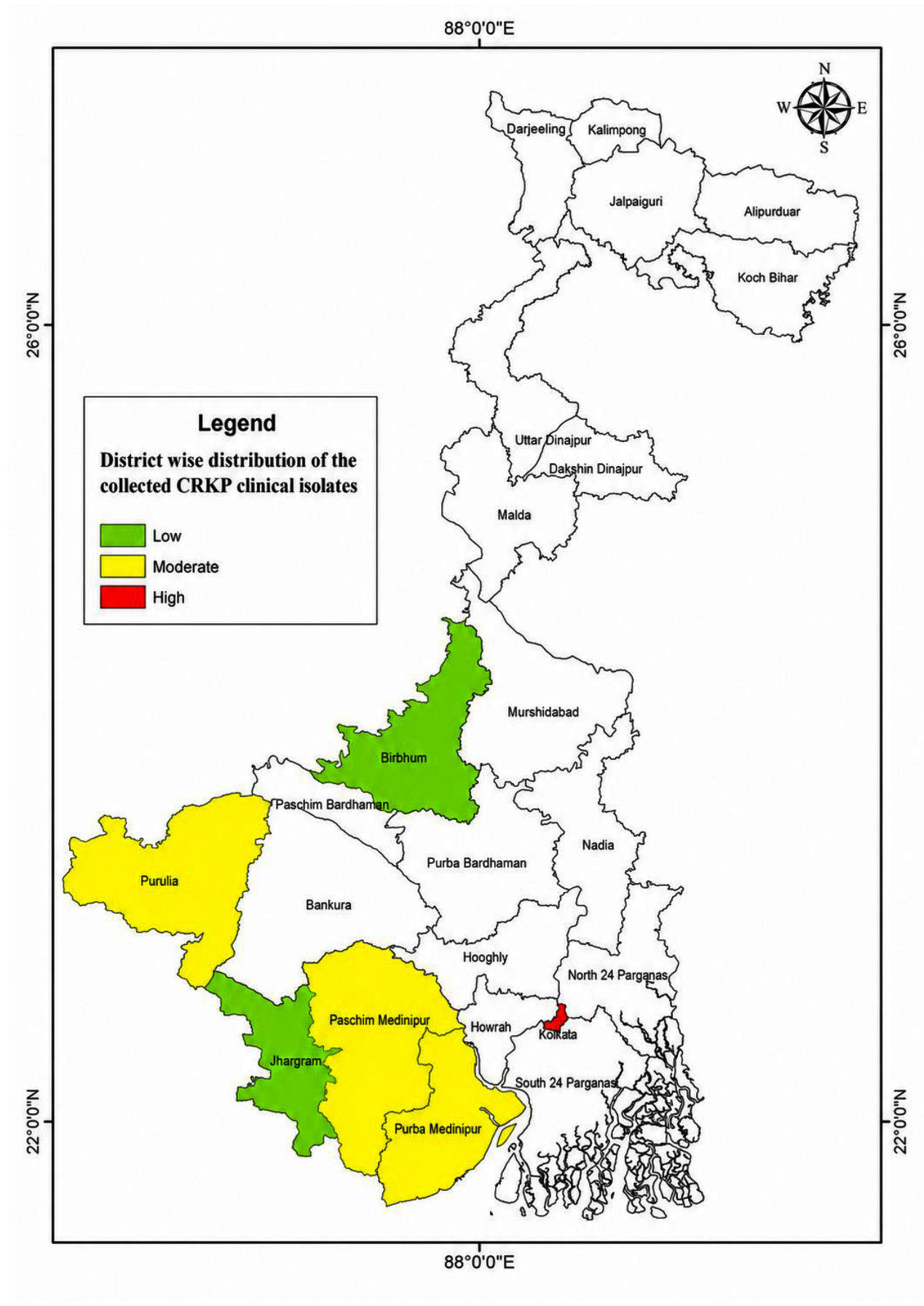
Figure 7. Categorisation of the CRKP clinical isolates collection sites in West Bengal (source: ArcMap V.10.8)
Table 4. District-wise distribution of the collected CRKP clinical isolates
Name of the district |
No. of CRKP clinical isolates |
|---|---|
Paschim Medinipur |
29 |
Jhargram |
13 |
Purba Medinipur |
19 |
Kolkata |
40 |
Purulia |
17 |
Birbhum |
10 |
Molecular characterization of CRKP isolates by PCR
The result of end-point multiplex PCR of the CRKP isolates revealed the presence of three types of carbapenemase producing genes in them. These are NDM, OXA-48, and KPC. NDM was the most prevalent gene among them, found in 64 CRKP isolates (50%). KPC was rarely present, occurring in 12 cases (9.38%). In 29 samples (22.66%) OXA-48 was present and in 23 samples (17.97%) both NDM, and OXA-48 were present. The distribution of the carbapenemase-producing genes is represented in Table 5 and Figure 8. The gene distribution deviated significantly from uniformity (Χ² test, P < 0.05; Cramer’s V indicating moderate association).
To quantify the magnitude of deviation from uniformity, Cramer’s V was calculated.

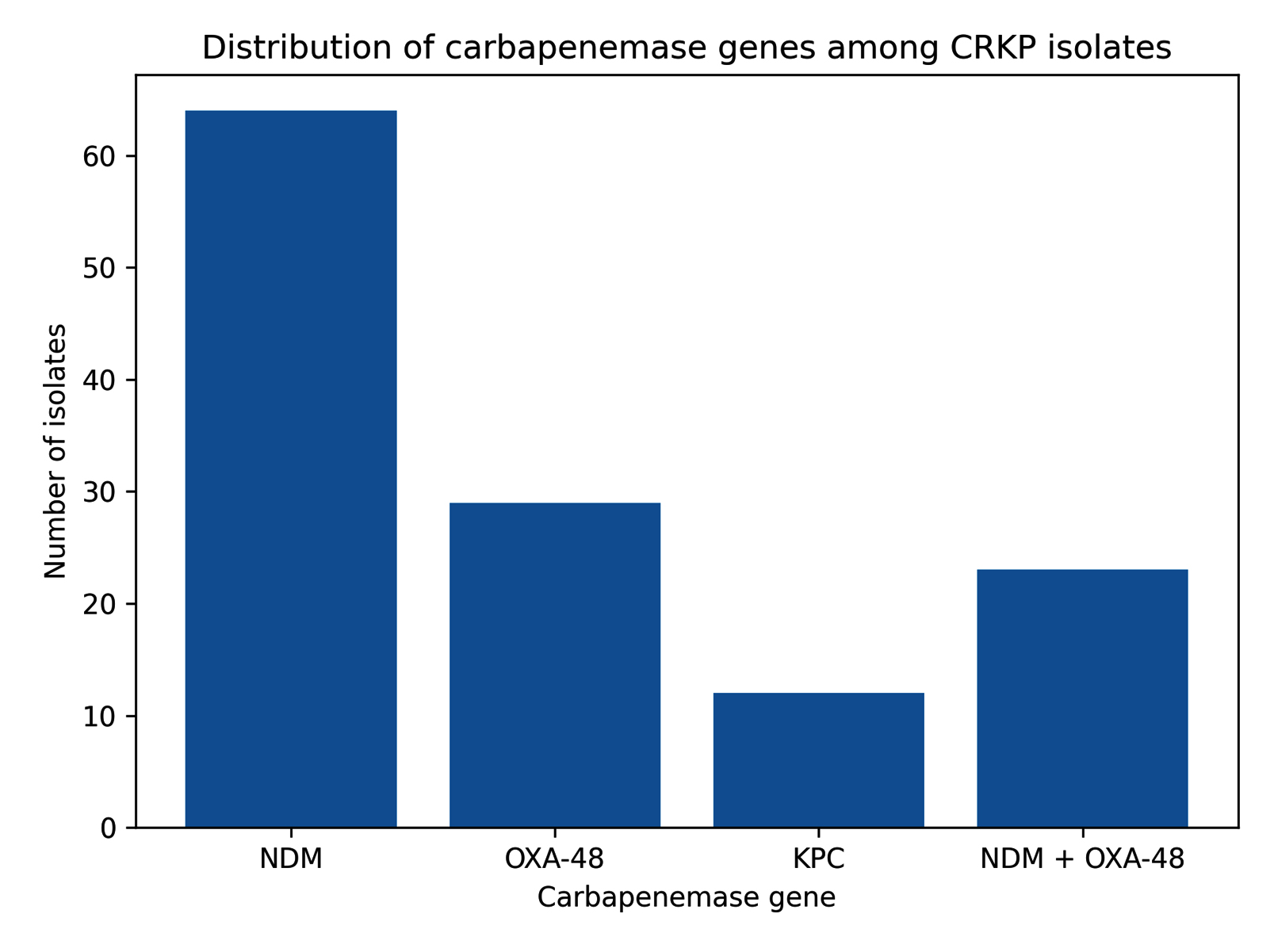
Figure 8. Distribution of the carbapenemase-producing genes among the collected CRKP clinical isolates
Table 5. Distribution of the carbapenemase-producing genes in the collected CRKP clinical isolates
Carbapenemase producing genes |
No. of Samples |
|---|---|
NDM |
64 |
OXA-48 |
29 |
KPC |
12 |
NDM, OXA-48 |
23 |
Total |
128 |
Heat map analysis
A Kernel Density Heat Map based on this categorisation shows the spatial distribution (Figure 9).
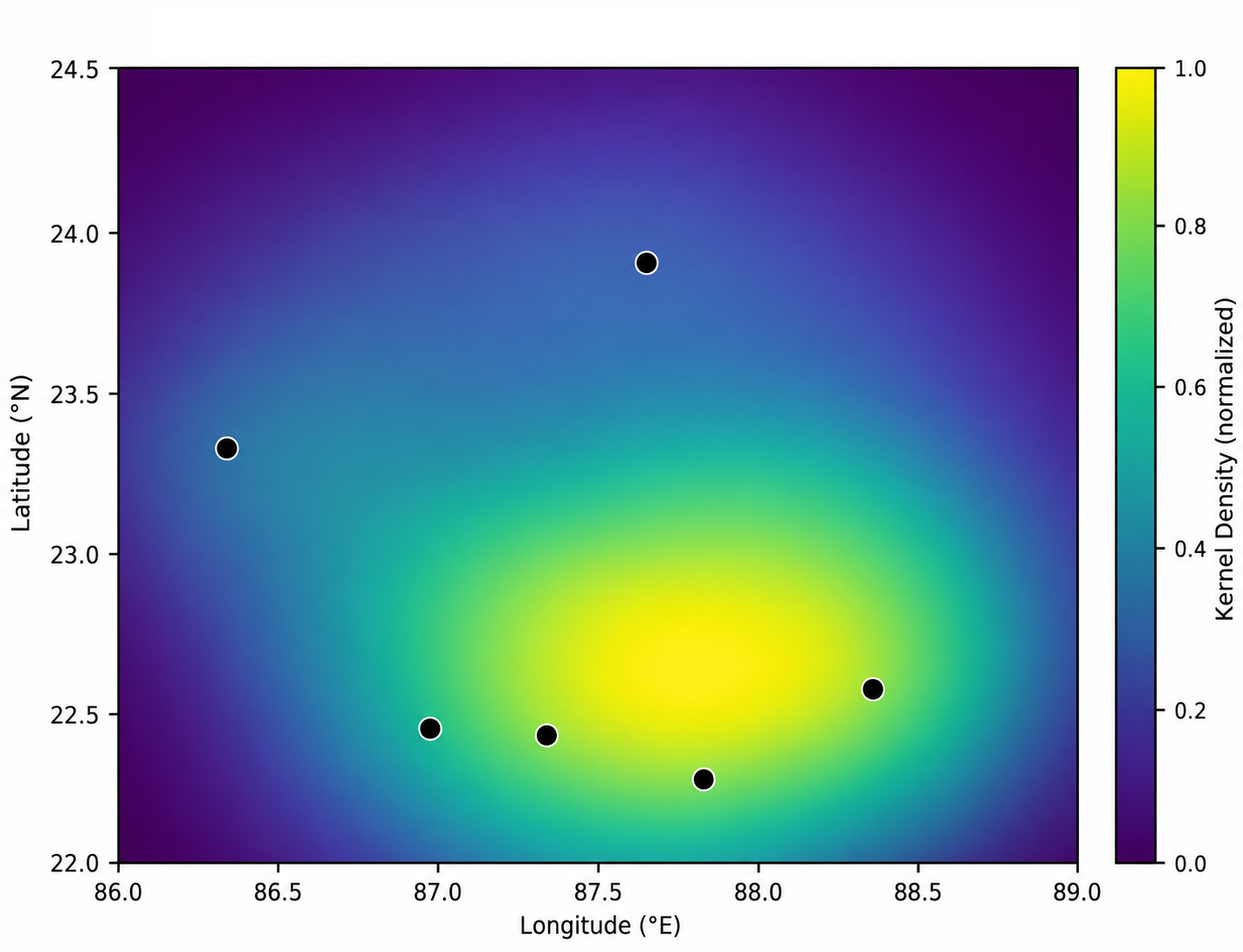
Figure 9. Kernel Density Heat Map of CRKP Cases
Statistical analysis of the association between age and sex of patients with carbapenemase-producing genes
NDM was slightly more frequent among females than males (36 vs 28) and was concentrated in the ≥50 year group (33/64, 51.6%). OXA-48 showed a similar pattern (16 females vs 13 males; 14/29, 48.3% in ≥50 years). KPC was more frequently observed among females (9/12, 75.0%) and was concentrated in the ≥50 year group (6/12, 50%). Whereas, the combined NDM + OXA-48 profile was somewhat more frequent among males (13/23, 56.5%) and was strongly concentrated descriptively in the ≥50 year group (17/23, 73.9%) (Table 6).
Table 6. Descriptive distribution of the association between age and sex of the patients with carbapenemase-producing genes in the collected CRKP clinical isolates
Gene profile |
Male
| Male 15 –
| Male ≥50 |
Female
| Female 15 –
| Female ≥50 |
Total |
|---|---|---|---|---|---|---|---|
NDM |
3 |
6 |
19 |
4 |
18 |
14 |
64 |
OXA-48 |
2 |
3 |
8 |
2 |
8 |
6 |
29 |
KPC |
1 |
0 |
2 |
1 |
4 |
4 |
12 |
NDM + OXA-48 |
0 |
1 |
12 |
1 |
4 |
5 |
23 |
Total |
6 |
10 |
41 |
8 |
34 |
29 |
128 |
The distribution of gene profiles did not differ significantly by sex (Χ²(3) = 3.209, P = 0.361, Cramer’s V = 0.158). Likewise, gene-profile distribution was not significantly associated with age category (Χ²(6) = 4.785, asymptotic p = 0.572; Monte Carlo P = 0.584; Cramer’s V = 0.137). Thus, although some gene profiles showed descriptive concentration in particular demographic groups, the available data do not support a statistically significant association between carbapenemase gene profile and either sex or age (Table 7).
Table 7. Association tests
Comparison |
Test statistic |
df |
P-value |
Effect size |
Interpretation |
|---|---|---|---|---|---|
Gene profile x sex |
Χ² = 3.209 |
3 |
0.361 |
Cramer’s V = 0.158 |
No significant association |
Gene profile x age |
Χ² = 4.785 |
6 |
0.572; Monte Carlo p = 0.584 |
Cramer’s V = 0.137 |
No significant association |
CRKP is identified as the top-ranked bacterium according to the 2024 WHO Bacterial Priority Pathogens List, which has developed resistance to the carbapenem group of antibiotics, known as the last line of defence (Figure 10). For this reason, our molecular epidemiological study is the first study that aims to focus on strengthening the epidemiological surveillance system in public health by identifying the prevalent carbapenemase-producing genes through the geographical molecular distribution pattern in West Bengal, India, and also by developing a prediction model that will play a key role in the CRKP outbreak control.
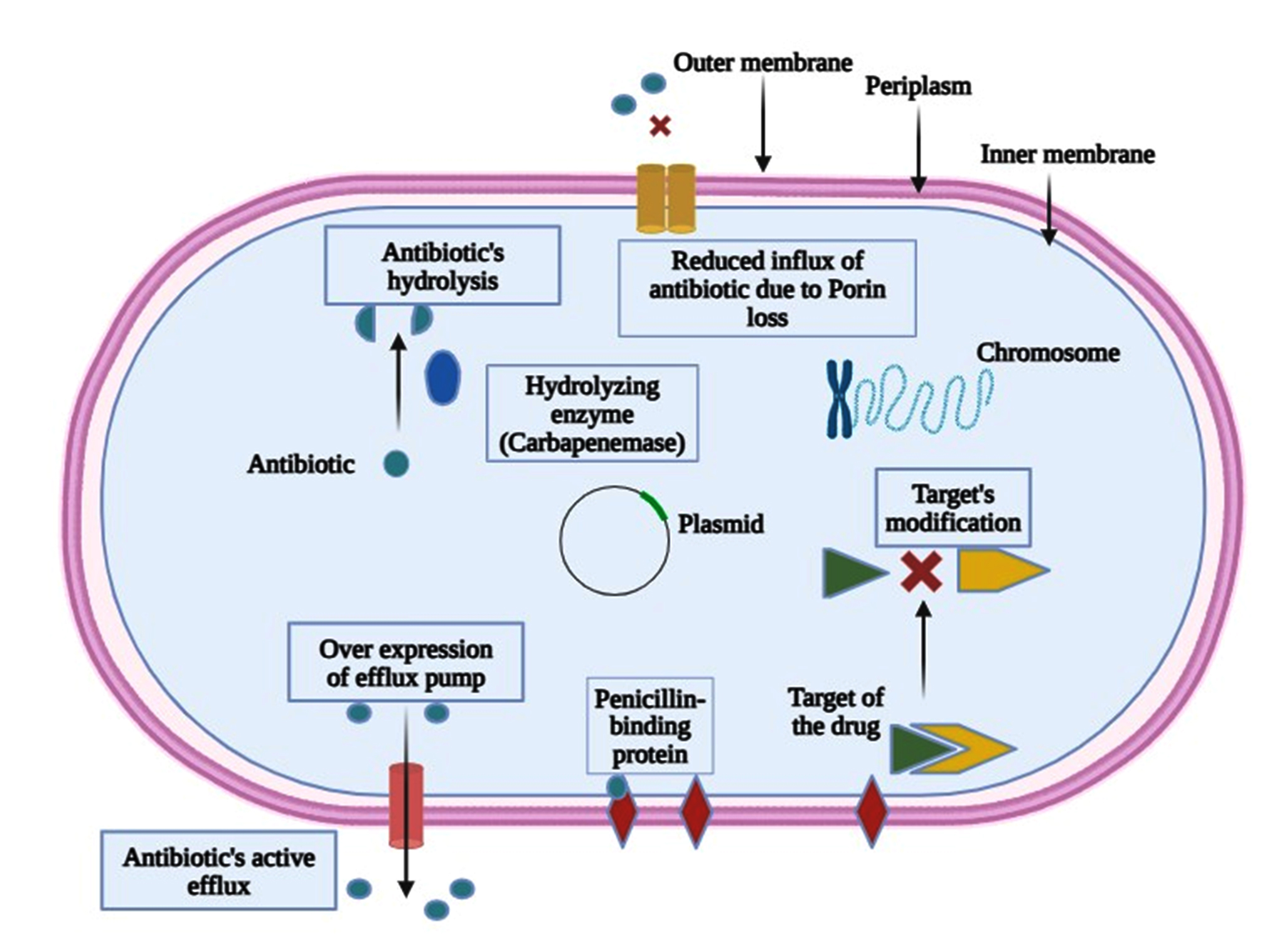
Figure 10. Structure of carbapenem-resistant Klebsiella pneumoniae
We collected 8424 clinical isolates from six districts of West Bengal, India. After subculturing those isolates on MacConkey agar plates, as we aimed to investigate CRKP infection, bacterial growth was observed on 1374 plates. Among them, 724 E. coli (52.69%), 504 K. pneumoniae (36.68%), 19 Proteus spp. (1.38%), and 127 (Acinetobacter spp., Alcaligenes spp., Enterobacter, and Pseudomonas spp.) many other bacteria (9.24%) were found (Table 2 and Figure 3). Here, E. coli was the most prevalent isolate found in this study, as the burden of E. coli is predominant in India.27-29 When the 504 K. pneumoniae isolates were further investigated for AST, 128 CRKP were found. Meropenem resistance was detected in 95.31% of isolates, while imipenem resistance was observed in 100% of isolates (Table 3). For treating severe infections caused by K. pneumoniae, carbapenems such as imipenem and ertapenem are the primary options. K. pneumoniae produces enzymes called ESBLs (extended-spectrum β-lactamases), which can cause resistance to several antibiotics. Because of their efficacy, carbapenems are used to treat infections brought on by K. pneumoniae that produce ESBL. There are structural similarities between carbapenems, penicillins, and cephalosporins.30 They have an impact by breaking down the bacterial cell wall, blocking penicillin-binding proteins (PBPs), and ultimately employing osmotic pressure to eradicate the bacteria. That’s why resistance to carbapenems is a public health threat and a serious cause of concern and there are high mortality rates due to the resistance to this last resort of antibiotics.7 The source samples of these 128 clinical isolates were 96 from urine (75%), 6 from blood (4.69%), 9 from pus (7.03%), 14 from sputum (10.94%), and 3 from throat swab (2.34%) (Figure 4). This revealed that most of the CRKP cases came from patients having urinary tract infection (UTI). The UTI rate is generally higher in India. This may be linked to the poor healthcare system, lifestyle variations, lack of knowledge, and low water availability.29 CRKP infection is found in all age groups in our study, as well as worldwide. But here, the infection cases were higher in individuals 50 years of age and older (n = 70, or 54.69% of the total cases). This higher level of cases in the older age group may be linked to their immunocompromised status, severe pneumonia, etc. This age group is predominantly affected by diabetes mellitus, which is another contributing factor to CRKP infection in them.31,32 10.94% cases were found in the “<15” age group, and 34.38% cases were reported in the “15 – <50” age group. We also observed that CRKP infection was more predominant in females (55.47%) than in males, which could be related to their behaviour (Figure 5). Females, especially those in the reproductive/middle age group, are generally more prone to being affected by UTI due to various reasons, such as sanitation, lack of hydration, and deficiency in hygiene maintenance in them.33,34 Among the six districts from where the clinical isolates were collected, it was found that Kolkata had the highest number of CRKP infection cases, i.e., 40 (31.25%), and Birbhum had the lowest number of cases, i.e., 10 (7.81%) (Table 4, Figure 6). That’s why Kolkata belongs to the High category, Paschim Medinipur, Purba Medinipur, and Purulia belong to the Moderate category, & Jhargram and Birbhum belong to the Low category based on the CRKP infection case numbers of the respective districts. This categorisation of the six districts was mapped using GIS mapping with a colour scale ranging from green (Low category) through yellow (Moderate category) to red (High category) (Figure 7) in the ArcGIS software. The GIS mapping facilitates early detection of CRKP infection outbreaks and controls them by identifying the hotspots.35,36 At the time of molecular characterisation, NDM was revealed as the most predominant carbapenemase-producing gene (50%) among the others. Whereas KPC was found to be the lowest carbapenemase-producing gene (9.38%). 22.66% OXA-48 carbapenemase-producing gene was also found during the investigation. In 17.97% isolates, both NDM & OXA-48 were found (Table 5, Figure 8). Here, we did not identify a significant association between gene profile and either age or sex. Gram-negative bacterial strains that produce carbapenemase are rapidly emerging and demonstrate broad-spectrum β-lactam resistance, particularly New Delhi metallo-β-lactamase (NDM-1). Despite ongoing efforts to control it, NDM-1 and its variants continue to spread globally. Its ongoing evolution of novel variants makes clinical treatment difficult.37
This integrated approach to geographical molecular epidemiology, involving hotspot identification through GIS mapping and determination of carbapenemase-producing genes by PCR, will help to strengthen the public health surveillance system, potentially aiding in the control of CRKP infection outbreaks. A Kernel Density Heat Map based on this categorisation shows the spatial distribution (Figure 9), which will help in strengthening the epidemiological surveillance system,38 that will play an important role in CRKP infection outbreak control.
There are a number of limitations to this study that should be considered. Initially, the study was limited to six districts, which restricted West Bengal’s actual CRKP infection scenario. Secondly, this study was conducted with a relatively small sample size. Hence, to confirm and expand on our findings, a study with a large-scale sample size is required. Additionally, this study did not investigate how climatic factors contribute to CRKP infection. Further investigation with sequence typing of the CRKP isolates is also required in future to strengthen the surveillance system more & also to guide clinicians in the appropriate direction for the treatment of CRKP infection.
This study is the first detailed molecular epidemiological study in which the six districts of West Bengal were categorized into Low, Moderate, and High categories based on the CRKP isolate numbers using GIS mapping, which will help in strengthening the surveillance system. The comprehensive study regarding the demographic distribution of these six districts will also play an important role to make the surveillance system much stronger in future. On the other hand, molecular characterization revealed that blaNDM is the predominant carbapenemase-producing gene, followed by blaOXA-48 and blaKPC, highlighting the prevalence of NDM-mediated resistance in this region. This integrated approach of GIS mapping and molecular characterization will help to control the outbreak situation of CRKP infection in future and also help clinicians with targeted therapy by optimizing the usage of antibiotics. The spatial distribution, which is shown by the Kernel Density Heat Map, will help the public health policy makers to strengthen the epidemiological surveillance system. These findings provide critical evidence to support region-specific public health interventions, combating antimicrobial resistance (AMR), and targeted infection control strategies. Moreover, this study contributes valuable baseline data for West Bengal and establishes a model for region-specific surveillance to combat the growing threat of CRKP.
ACKNOWLEDGMENTS
The author (Simi Manna Pradhan) acknowledges DST India for the INSPIRE Fellowship (IF200008). The authors are also thankful to Prof. (Dr.) Pratip Kumar Kundu (Former Director, Calcutta School of Tropical Medicine, Kolkata) for his valuable guidance and support.
CONFLICT OF INTEREST
The authors declare that there is no conflict of interest.
AUTHORS’ CONTRIBUTION
SMP, SuS, SP, and SaS conceptualized the study. SMP, SuS, and SP applied methodology. SMP and SKM performed formal analysis and investigation. SMP, SuS, SR, SP, SKM, and SaS performed data analysis. SuS and SaS supervised and visualized the study. SMP and SP wrote the original draft. SMP, ABM, SuS, SR, SP, DS, and SaS wrote, reviewed and revised the manuscript. All authors read and approved the final manuscript for publication.
FUNDING
This study was funded by DST INSPIRE, Govt. of India, under grant number DST/INSPIRE Fellowship/2020/IF200008.
DATA AVAILABILITY
The datasets generated and/or analysed during the current study are available from the corresponding author on reasonable request.
ETHICS STATEMENT
Not applicable.
- Zhang C, Fu X, Liu Y, Zhao H, Wang G. Burden of infectious diseases and bacterial antimicrobial resistance in China: A systematic analysis for the global burden of disease study 2019. Lancet Reg Health West Pac. 2023;43:100972.
Crossref - Oyenuga N, Cobo-Diaz JF, Alvarez-Ordonez A, Alexa EA. Overview of Antimicrobial Resistant ESKAPEE Pathogens in Food Sources and Their Implications from a One Health Perspective. Microorganisms. 2024;12(10):2084.
Crossref - Ibrahim AH, Adan HAA, Idiris MH, et al. Antimicrobial resistance trends of ESKAPEE pathogens isolated from intensive care unit patients at a tertiary care hospital in Mogadishu, Somalia: a retrospective study (2020–2024). Front Microbiol. 2026;17:1717344.
Crossref - Chang D, Sharma L, Cruz CSD, Zhang D. Clinical Epidemiology, Risk Factors, and Control Strategies of Klebsiella pneumoniae Infection. Front Microbiol. 2021;12:750662.
Crossref - Annual Report: National Antimicrobial Resistance Surveillance Network (NARS-NET); Reporting period: 01 January 2021 to 31 December 2021. National Programme on AMR Containment National Centre for Disease Control (NCDC) Directorate General of Health Services, Ministry of Health and Family Welfare Government of India; 2022.
- Changruenngam S, Modchang C, Bicout DJ. Modelling of the transmission dynamics of carbapenem-resistant Klebsiella pneumoniae in hospitals and design of control strategies. Sci Rep. 2022;12(1):3805.
Crossref - Mohammadpour D, Memar MY, Leylabadlo HE, Ghotaslou A, Ghotaslou R. Carbapenem-Resistant Klebsiella pneumoniae: A comprehensive review of phenotypic and genotypic methods for detection. The Microbe. 2025;6(1):100246.
Crossref - Roing M, Bjorkman I, Eriksen J, Lundborg CS. The challenges of implementing national policies to contain antibiotic resistance in Swedish healthcare-A qualitative study of perceptions among healthcare professionals. PLoS One. 2020;15(5):e0233236.
Crossref - Wang M, Wang H. Carbapenem-resistant hypervirulent Klebsiella pneumoniae: where is it headed in the tug-of-war between virulence and resistance? eBioMedicine. 2025;114:105649.
Crossref - Vasconcelos NG, Vaz MSM, Radai JAS, et al. Antimicrobial activity of plant extracts against carbapenem-producing Klebsiella pneumoniae and in vivo toxicological assessment. J Toxicol Environ Health A. 2020;83(23-24):719-729.
Crossref - Vosoughi FA, Foroohi F, Ahmadi S, Shirzadian M, Golpasand T, Behzadi P. Distribution of mrk genes among uropathogenic Klebsiella pneumoniae. J Appl Genet. 2026.
Crossref - Karampatakis T, Tsergouli K, Behzadi P. Carbapenem-Resistant Klebsiella pneumoniae: Virulence Factors, Molecular Epidemiology and Latest Updates in Treatment Options. Antibiotics. 2023;12(2):234.
Crossref - Lei TY, Liao BB, Yang LR, Wang Y, Chen XB. Hypervirulent and carbapenem-resistant Klebsiella pneumoniae: A global public health threat. Microbiol Res. 2024;288:127839.
Crossref - Teo JQM, Fauzi N, Ho JJY, et al. In vitro Bactericidal Activities of Combination Antibiotic Therapies Against Carbapenem-Resistant Klebsiella pneumoniae With Different Carbapenemases and Sequence Types. Front Microbiol. 2021;12:779988.
Crossref - Aurilio C, Sansone P, Barbarisi M, et al. Mechanisms of Action of Carbapenem Resistance. Antibiotics. 2022;11(3):421.
Crossref - Kebriaee AN, Behzadi P, Mohammadian T, Fooladi AAI, Hosseini MS. Distribution of antimicrobial resistance genes and virulence genes in different genotypes of Acinetobacter baumannii. BMC Infect Dis. 2025;25(1):1230.
Crossref - Han R, Shi Q, Wu S, et al. Dissemination of Carbapenemases (KPC, NDM, OXA-48, IMP, and VIM) Among Carbapenem-Resistant Enterobacteriaceae Isolated From Adult and Children Patients in China. Front Cell Infect Microbiol. 2020;10:314.
Crossref - Karampatakis T, Tsergouli K, Behzadi P. Carbapenem-Resistant Serratia marcescens: Genomic Plasticity, Virulence Architecture, and the Expanding Threat of Multidrug Resistance. Antibiotics. 2026;15(4):359.
Crossref - Li J, Shi Y, Song X, Yin X, Liu H. Mechanisms of Antimicrobial Resistance in Klebsiella: Advances in Detection Methods and Clinical Implications. Infect Drug Resist. 2025;18:1339-1354.
Crossref - Patil PS, Shah H, Singh BN, Chandi DH, Deb M, Jha R. Molecular Detection of Carbapenem Resistance in Clinical Isolates of Klebsiella pneumoniae in Tertiary Care Hospital. J Pure Appl Microbiol. 2023;17(2):1109-1117.
Crossref - Halder G, Chaudhuri BN, Veeraraghavan B, et al. Antimicrobial resistance and phylogenetic lineages of KPC-2-producing blood-borne Klebsiella pneumoniae subsp. pneumoniae from Kolkata, India during 2015-2024: Emergence of Klebsiella pneumoniae subsp. pneumoniae with blaKPC-2, blaNDM, and blaOXA-48-like triple carbapenemases. Microbiol Spectr. 2025;13(8):e0012625.
Crossref - CLSI (Clinical Laboratory Standard Institute), Zone diameter and MIC breakpoints for Enterobacteriaceae, 2024.
- Kothari C, Gaind R, Singh LC, et al. Community acquisition of β-lactamase producing Enterobacteriaceae in neonatal gut. BMC Microbiol. 2013;13:136.
Crossref - Mohanty S, Gajanand M, Gaind R. Identification of carbapenemase-mediated resistance among Enterobacteriaceae bloodstream isolates: A molecular study from India. Indian J Med Microbiol. 2017;35(3):421-425.
Crossref - Siu LK, Huang DB, Chiang T. Plasmid transferability of KPC into a virulent K2 serotype Klebsiella pneumoniae. BMC Infect Dis. 2014;14:176.
Crossref - Taq PCR Handbook, Qiagen Sample & Assay Technologies, Third Edition. 2010.
- Shirzadian M, Foroohi F, Vosoughi AF, Ahmadi S, Golpasand T, Behzadi P. Insights into antimicrobial resistance: dissemination and molecular epidemiology of carbapenemase and AmpC genes in uropathogenic Escherichia coli. BMC Microbiol. 2026.
Crossref - Ahmadi S, Foroohi F, Shirzadian M, Vosoughi AF, Golpasand T, Behzadi P. Distribution of acquired carbapenemase genes among uropathogenic Escherichia coli. Naunyn Schmiedebergs Arch Pharmacol. 2026;399(3):3477-3494.
Crossref - Saha S, Nayak S, Bhattacharyya I, et al. Understanding the patterns of antibiotic susceptibility of bacteria causing urinary tract infection in West Bengal, India. Front Microbiol. 2014;5:463.
Crossref - Codjoe FS, Donkor ES. Carbapenem Resistance: A Review. Med Sci. 2017;6(1):1.
Crossref - Zhou C, Sun L, Li H, Huang L, Liu X. Risk Factors and Mortality of Elderly Patients with Hospital-Acquired Pneumonia of Carbapenem-Resistant Klebsiella pneumoniae Infection. Infect Drug Resist. 2023;16:6767-6779.
Crossref - Yu J, Li Y, Zhang Q, Wang Y. Hypervirulent Carbapenem-resistant Klebsiella pneumoniae Infection: Epidemiology, Virulence, Resistance, and Treatment. Infect Drug Resist. 2025;18:4689-4697.
Crossref - Mathur RK, Singh KV, Mathur P. Etiological correlation of common urinary problems in females in a tertiary care centre in central India. Int Surg J. 2017;4(7):2251-2256.
Crossref - Mavi A, Rathi I, Shannawaz M, Saeed S, Hasan S. Correlates of Urinary Tract Infections Among Women of Reproductive Age in India: A Systematic Review. Cureus. 2024;16(4):e58681.
Crossref - Disease Alert. A monthly Surveillance Report from Integrated Disease Surveillance Programme National Health Mission. Use of Geographic Information System (GIS) In Disease Surveillance. Central Surveillance Unit, IDSP under the guidance of Director, NCDC. 2016;1(4):1-16.
- Silva PPd, Silva FAd, Rodrigues CAS, et al. Geographical information system and spatial-temporal statistics for monitoring infectious agents in hospital: a model using Klebsiella pneumoniae complex. Antimicrob Resist Infect Control. 2021;10(1):92.
Crossref - Farhat N, Khan AU. Evolving trends of New Delhi Metallo-betalactamse (NDM) variants: A threat to antimicrobial resistance. Infect Genet Evol. 2020;86:104588.
Crossref - Sanglard L, Garcia KKS, Ramalho WM. Use of geocoding techniques for epidemiological surveillance in the Federal District, Brazil: a case study using dengue. Geospat Health. 2025;20(2):1403.
Crossref
© The Author(s) 2026. Open Access. This article is distributed under the terms of the Creative Commons Attribution 4.0 International License which permits unrestricted use, sharing, distribution, and reproduction in any medium, provided you give appropriate credit to the original author(s) and the source, provide a link to the Creative Commons license, and indicate if changes were made.