

ISSN: 0973-7510
E-ISSN: 2581-690X
 , Amiya Kumar Mandal, Sudhamayee Parida and Mrutyunjay Jena
 This study investigates the physiological and biochemical resilience of four cyanobacteria strains, Calothrix parietina, Aulosira fritschii, Tolypothrix bouteillei and Nostoc punctiforme following exposure to 0.5 kGy/hr gamma radiation. Results indicate a significant capacity for recovery, suggesting potential resistance against radiation. C. parietina exhibited a 63.2% growth increase after 60 min of exposure with absorbed dose 0.5 kGy while T. bouteillei showed a 61.9% biomass increase at the 90 min dose with absorbed dose 0.75 kGy by day 25. N. punctiforme initially suffered on day 5 due to filament shattering but eventually achieved an 8.9% increase over control levels. While initial exposure caused immediate morphological trauma, including filament breakage and pigment leaching, these stressors triggered a stress-adaptation mechanism. Chlorophyll a in C. parietina rose by 107.7% and carotenoids in T. bouteillei increased by 31.5%. Primary metabolites surged, with carbohydrate content reaching 550 µg/mL in T. bouteillei and total antioxidant activity in C. parietina peaking at 800 µg/mL. Moreover, protein content rose and carbohydrate levels surged, reaching high concentrations in T. bouteillei to fuel energy-intensive repair processes and potentially produce protective extracellular polysaccharides. Spectrophotometric analysis confirmed that rather than degrading, concentrations of chlorophyll a and carotenoids significantly increased to quench reactive oxygen species and protect the photosynthetic apparatus. Collectively, these observations project a radiotolerance architecture in these filamentous organisms that effectively utilizes the physical stress of ionizing radiation as a catalyst for metabolic surge, transforming initial cellular damage into a stimulus for enhanced biochemical production and long-term survival.
Cyanobacteria, Gamma Radiation, Photosynthetic Pigment, Protein
Cyanobacteria represent the most ancient lineage of autotrophic prokaryotic organisms, with a fossil record extending back over 3.5 billion years.1 During the Precambrian period, these pioneer organisms initiated the production of oxygen through a process identical to modern plants, fundamentally altering the Earth’s atmosphere.2 There was no protective ozone layer on the planet during its early period, so microorganisms suffered from intense, ionizing radiation and exposed UV radiation.3 This ancient environmental pressure forced the evolution of internal mechanisms to manage extreme radiation stress, laying the groundwork for the radiotolerance feature observed in modern strains. The resilience developed during the Precambrian era provides a biological foundation for understanding how cyanobacteria interact with high-energy stressors like gamma radiation today.4
γ radiation, characterized by the shortest wavelengths and highest energy in the electromagnetic spectrum, acts as a modern proxy for the intense radiation of early Earth.5 It induces cellular damage through two primary pathways: (i) direct action, which denatures proteins and causes double-strand DNA breaks (ii) indirect action through the radiolysis of water.6 This radiolysis generates highly reactive oxygen species (ROS), such as hydroxyl radicals which randomly attack cellular components and disrupt homeostasis.7 The survival of cyanobacteria under such catastrophic stress is not merely passive but involves a dynamic physiological response aimed at neutralizing ROS and maintaining metabolic integrity.8
Modern physiological research focuses on the major upregulation of cellular defenses such as pigments and primary metabolites that contribute to survival tactics.9 Non-enzymatic antioxidants, particularly carotenoids, play a critical role by quenching singlet oxygen and stabilizing cell membranes against radiation-induced oxidative damage. Simultaneously, the maintenance and upregulation of photosynthetic pigments like chlorophyll a are essential to ensure a continuous energy supply for cellular repair processes.10 The functional status of these pigments serves as a vital indicator of an organism’s ability to withstand ionizing radiation stress without suffering from lethal bleaching. Beyond pigment stabilization, the shift in primary metabolism toward the synthesis of proteins and carbohydrates is a hallmark of the radiotolerance response.11 Enhanced protein synthesis is required to produce enzymes for repair that restore proteostasis following radiation exposure. Furthermore, the massive accumulation of carbohydrates serves as a vital energy reserve, fuelling the energy-intensive repair of the system and providing precursors for protective extracellular structures.12 These physiological shifts, alongside the activation of a systematic antioxidant network, allow cyanobacteria to recover from an initial shock phase. Despite the ecological importance of these organisms, the specific physiological limits and biochemical strategies of different filamentous strains under gamma radiation remain relatively unexplored.
The present study aims to evaluate the impact of a 0.5 kGy/hr dose rate of gamma radiation on the growth rate, photosynthetic pigments, primary metabolites and total antioxidant activity (TAA) of four filamentous cyanobacterial strains: Calothrix parietina, Aulosira fritschii, Tolypothrix bouteillei and Nostoc punctiforme over a 25 day period to define the functional boundaries of their radiotolerance and identify the metabolic strategies employed to survive ionizing stress.
Culture of cyanobacteria
For the conduction of experiment, four cyanobacteria species were included as test organisms: Calothrix parietina (VBU 23), Aulosira fritschii (VBU 118), Tolypothrix bouteillei (VBU 268), and Nostoc punctiforme (VBU 298). All cyanobacterial species were obtained from the Algal Biotechnology and Molecular Systematics Laboratory, Berhampur University, Bhanja Bihar, Odisha. For culturing and maintaining cyanobacterial species, we used BG-11 medium under light (30 μ mol photons/m²/s) at 25 ± 2 °C, following a 14:10 hour light/dark cycle with pH 7.0.13
γ radiation exposure
For the irradiation experiment, a 10 days old culture was used. The cultures were aseptically dispensed into sterile tubes and exposed to a γ dose rate (0.5 kGy/hr) for different time intervals (30 min, 60 min, 90 min) using a Co-60 γ-source, along with a control and then kept under the same culture conditions for 25 days. The absorbed dose can be calculated using the given formula. The absorbed dose would be 0.25 kGy, 0.5 kGy and 0.75 kGy with different times of γ exposure, 30 min, 60 min and 90 min, respectively. The overall workflow for assessing the biochemical and physiological changes of cyanobacterial strains in response to γ radiation is represented in Figure 1.
Absorbed dose = Dose rate × Time of exposure
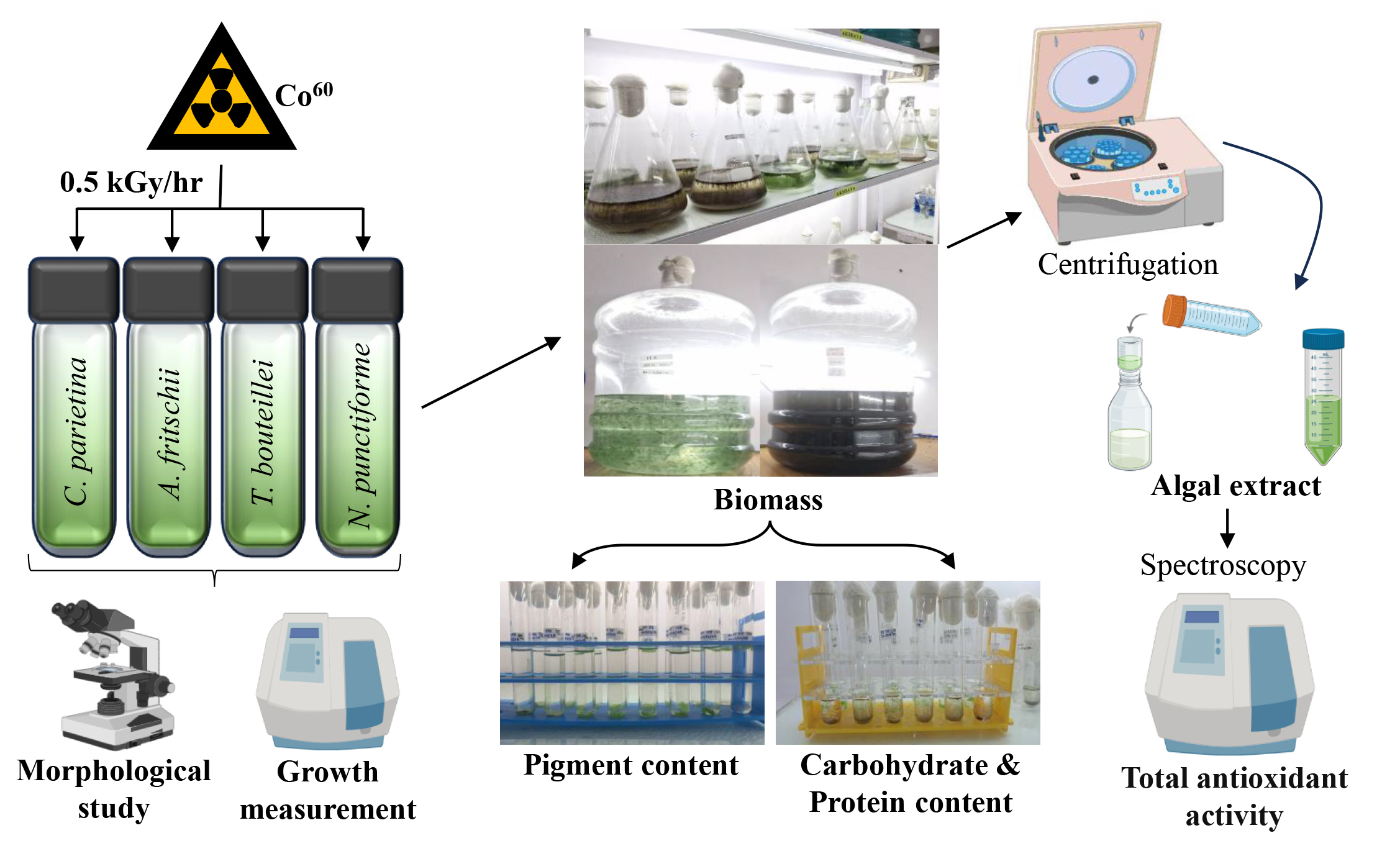
Figure 1. Schematic representation of the experimental workflow assessing the biochemical and physiological responses of cyanobacterial strains to gamma radiation
Growth of the γ–exposed strains
The growth patterns of all test organisms were studied under different time periods such as 30 min, 60 min and 90 min of γ radiation exposure. The growth was measured by using UV-visible spectroscopy at 750 nm (BioSpectrometer, Eppendorf).14
Morphological alterations under γ exposure
The morphological changes that occurred in the strains exposed to different γ dose rates were observed by microscopy (Olympus BX53F2).
Photosynthetic pigment content
The total chlorophyll and carotenoid content of samples treated with different hourly doses of γ (30 min, 60 min, 90 min) was determined on day 5 and day 25 using the Wellburn method.15
Primary metabolite content
The total protein content of samples treated with different hourly doses of γ (control, 30 min, 60 min, 90 min) was estimated by the Bradford method and compared with the control at 5 day intervals over 25 days.16 The total carbohydrate content of the algal samples treated at different hourly doses of γ (control, 30 min, 60 min, 90 min) was estimated on day 5 and 25 using the Anthrone assay.17
Total antioxidant activity
The TAA of the ethanolic extract of the test organisms was determined using the phosphomolybdate method. A volume of 0.1 mL of the ethanolic extract was mixed with 1 mL of the reaction mixture, followed by incubation for 90 min at 90 °C and the absorbance of the TAA sample was measured at 695 nm (Unit: µg/mL).18
UV-Vis spectroscopy
The ethanolic extracts were scanned through a UV-Vis spectrophotometer within the 250-700 nm range for the presence of any pigments.19
Statistical analysis
A triplicate was performed for each experiment. The experimental results were statistically analysed by ANOVA using MS Excel and GraphPad Prism. Following that, a Tukey test was performed. Results were expressed as mean ± SD and statistical significance was defined as P-values < 0.05.
Growth
An upregulated growth curve indicates tolerance and survival of a species under stress. In our experiment, irradiated samples have exceeded the biomass of control samples, indicating a high level of resilience by cyanobacterial strains are shown in Figure 2. After continuous 60 min exposure, C. parietina showed substantial growth stimulation, reaching an absorbance of 1.73 by day 25, while the control stood at 1.06. As shown in the study, the growth of A. fritschii peaked at 30 min of exposure with an absorbance of 1.32 by day 25. However, the growth of the 90 min exposed sample slowed toward the end. The growth curve for T. bouteillei showed an unusual pattern, with a significant absorbance of 1.25 at day 10 before levelling off. Interestingly, at day 25, the 90 min group (0.34) exhibited greater growth than the control value 0.21. The 30 min exposure group N. punctiforme consistently outperformed the control, reaching an absorbance of 1.34 by day 25 compared to the control.
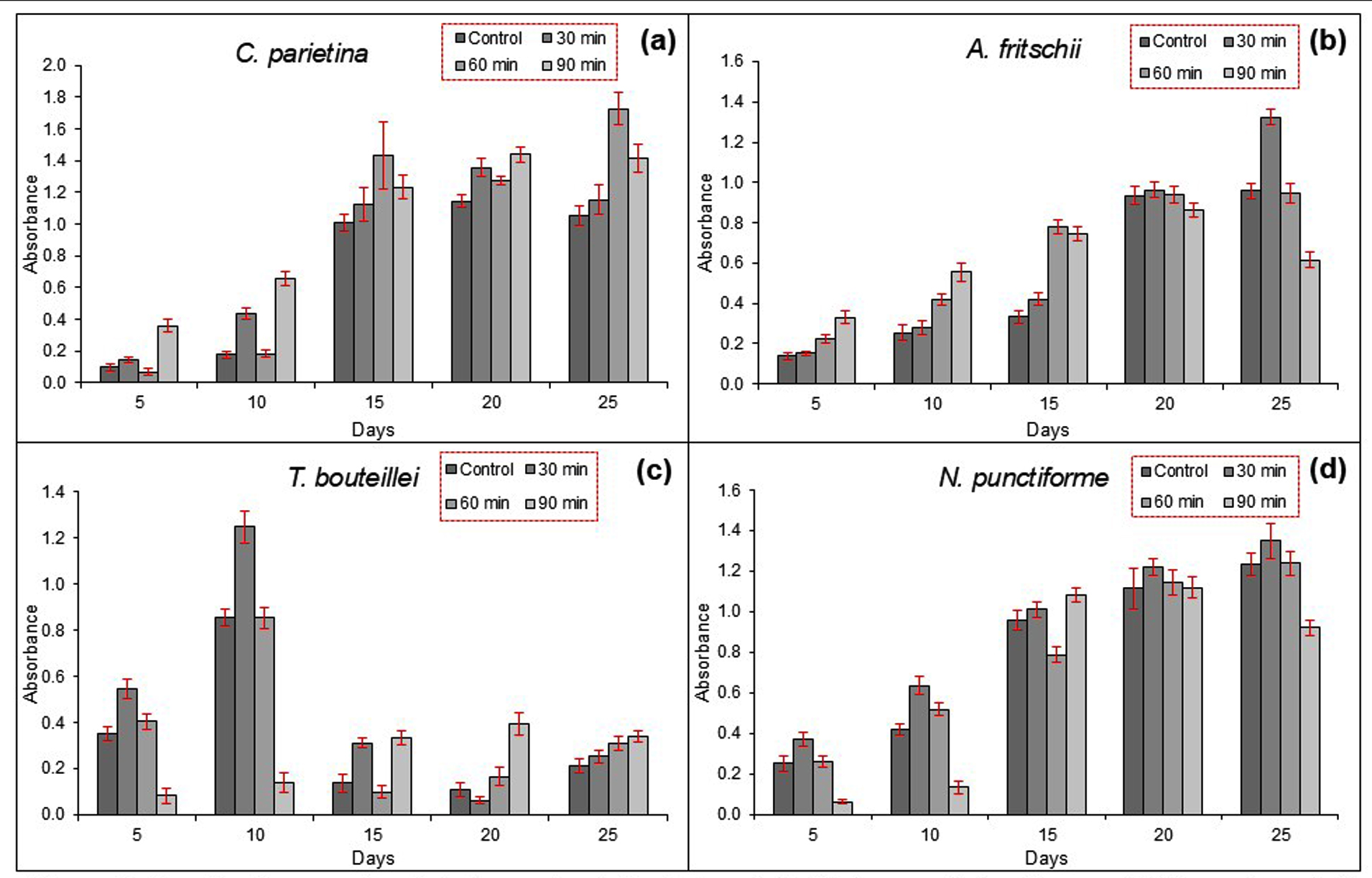
Figure 2. Growth of gamma irradiated cyanobacteria strains plotted in terms of absorbance at 750 nm. A control group and an irradiation group were studied for post-irradiation outgrowth (a) C. parietina, (b) A. fritschii, (c) T. bouteillei, (d) N. punctiforme. Error bars indicate the standard deviation across a minimum of three independent experiments
Morphological observations
Microscopic analysis of C. parietina, A. fritschii, T. bouteillei and N. punctiforme provided visual evidence of the physical impacts with the following 0.5 kGy/hr gamma dose exposure (Figure 3). All four filamentous strains exhibited distinct in structural alterations, including clear points of filament breakage and fragmentation. In N. punctiforme, the beads-on-a-string multicellular chains suffered extensive physical shattering, which was accompanied by pigment leaching visible as a diffuse cloud of cellular contents surrounding the disrupted filaments (Figure 3h). C. parietina displayed dense, tapering depicted in filaments that formed clumped aggregates (Figures 3a, e and i). For T. bouteillei, microscopic observations revealed disruptions occurring at the branching points of its complex filamentous structure, as shown in Figures 3c and k.
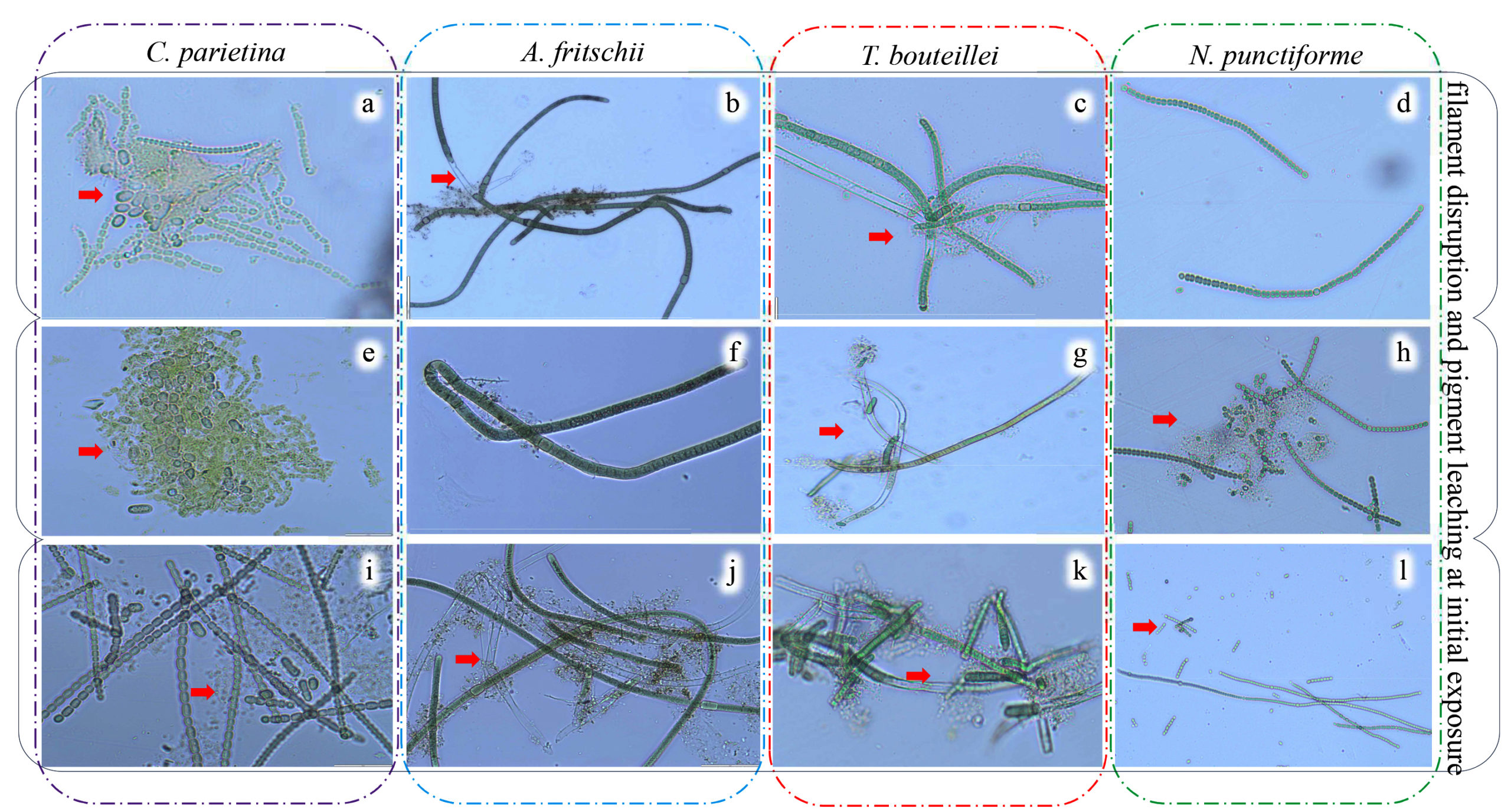
Figure 3. Effect of gamma radiation on the morphology of C. parietina, A. fritschii, T. bouteillei and N. punctiforme following initial gamma radiation exposure, including filament breakage (a-d), pigment leakage (e-h), and cell shrinkage (i-l)
Photosynthetic pigments
Radiation exposure generally led to a dose-dependent increase in pigment concentrations, suggesting an adaptive response to oxidative stress. Chlorophyll a in all four strains exhibited an increase in chlorophyll a as the radiation exposure period increased. T. bouteillei produced the highest mean concentration, rising from 5.55 µg/mL (control) to 6.24 µg/mL (90 min). In C. parietina the chlorophyll a content increased twice from 0.13 µg/mL to 0.27 µg/mL at the 90 min mark are shown in Figure 4a. In the case of Carotenoids similar to chlorophyll, carotenoid levels increased with dose. In T. bouteillei, levels rose from 2.32-3.05 µg/mL. A. fritschii and N. punctiforme also showed steady increases, peaking at 0.78 µg/mL and 0.81 µg/mL, respectively, after 90 min and are depicted in Figure 4b.
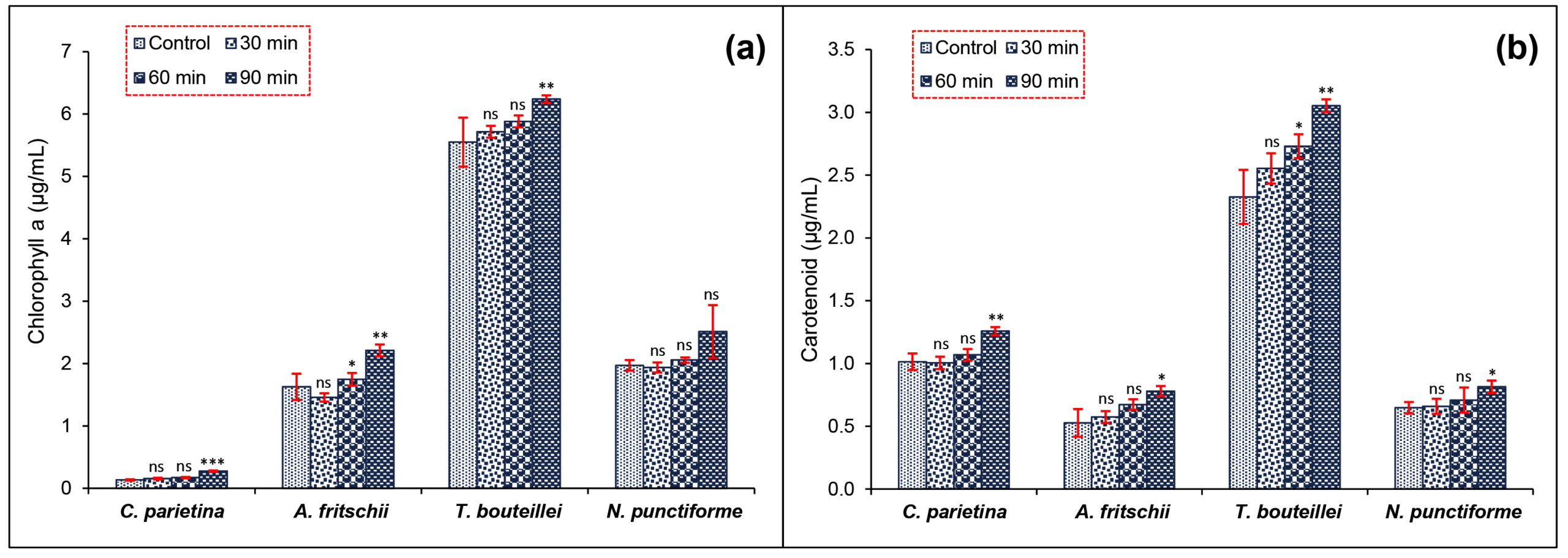
Figure 4. Effect of gamma radiation on C. parietina, A. fritschii, T. bouteillei and N. punctiforme (a) chlorophyll content (b) carotenoid content. Error bars represent the standard deviation from at least three independent experiments and statistical significance compared to the respective control group is indicated by asterisks (*P < 0.05, **P < 0.01, ***P < 0.001; ns = not significant)
Primary metabolites
The synthesis of proteins and carbohydrates was significantly stimulated by gamma radiation. Protein content showed a consistent upward trend across all strains as exposure time increased from 30-90 min. In C. parietina, the highest protein concentration was 7.44 µg/mL (90 min) exposure evaluated, while in N. punctiforme increased from a control of 3.96-4.5 µg/mL as described in Figure 5a. Carbohydrate content of T. bouteillei accumulated significantly higher levels of carbohydrates than any other strain, reaching 550 µg/mL at the 90 min exposure. A. fritschii also showed a high concentration, peaking at 148.53 µg/mL as illustrated in Figure 5b.
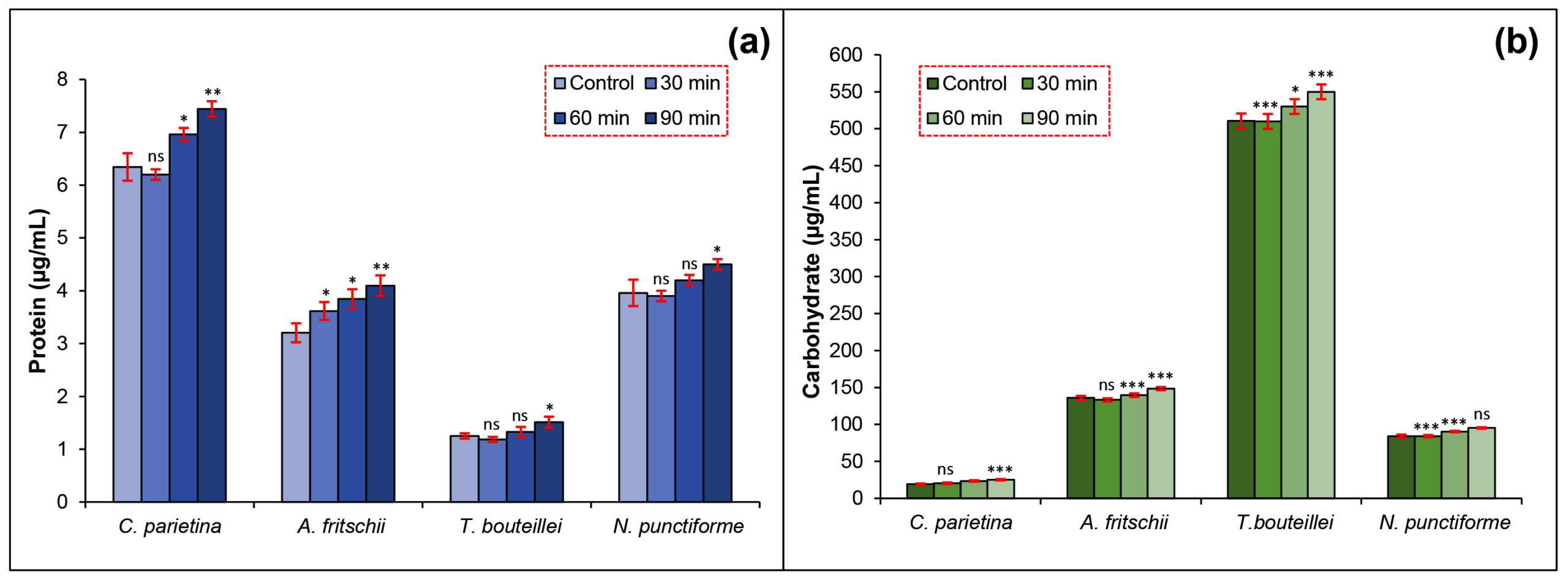
Figure 5. Effect of gamma radiation on C. parietina, A. fritschii, T. bouteillei and N. punctiforme (a) protein content (b) carbohydrate content. Error bars represent the standard deviation from at least three independent experiments and statistical significance compared to the respective control group is indicated by asterisks (*P < 0.05, **P < 0.01, ***P < 0.001; ns = not significant)
Total antioxidant activity (TAA)
The antioxidant defence systems of the cyanobacteria were heavily activated by radiation. C. parietina displayed the highest baseline and stimulated TAA, with levels reaching approximately 800 µg/mL in the 90 min exposure sample. N. punctiforme showed a clear dose-dependent increase, rising from roughly 180 µg/mL (control) to over 220 µg/mL (90 min). T. bouteillei and A. fritschii maintained lower TAA levels generally below 150 µg/mL but still followed the trend of increasing activity with higher radiation exposure are depicted in Figure 6a.
UV-Visible spectroscopy
Spectroscopy data illustrated in Figure 6b reflect a wide variety of pigments and proteins of cyanobacteria that show how different doses of gamma radiation alter their pigment concentration for survival. The primary investigation includes pigment such as scytonemin (350-400 nm), phycobiliprotein (620 nm) and peaks in blue, red regions are the primary indicators of chlorophyll a (670 nm), carotenoid (450-500 nm), respectively. The 500 nm and 600 nm correspond to light harvesting accessories protein like phycoerythrin and phycocyanin and allophycocyanin as illustrated in Figure 6b.
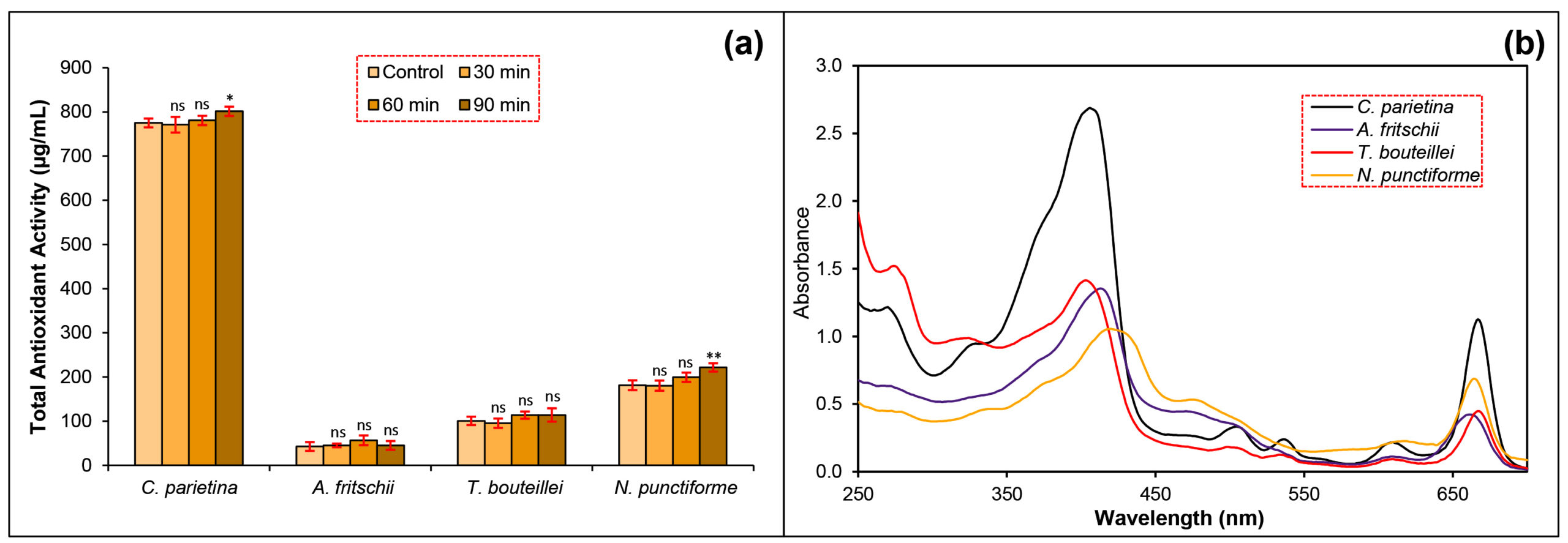
Figure 6. (a) Effect of gamma radiation on C. parietina, A. fritschii, T. bouteillei and N. punctiforme total antioxidant activity (b) UV-VIS spectroscopy scan. Error bars represent the standard deviation from at least three independent experiments and statistical significance compared to the respective control group is indicated by asterisks (*P < 0.05, **P < 0.01, ***P < 0.001; ns = not significant)
The cyanobacteria are ancient prokaryotic photoautotrophs that invented oxygenic photosynthesis over 3.5 billion years ago.20 They can often fix atmospheric nitrogen through their oxygenic photosynthesis.21 They thrive in extreme environments, including hyper-arid deserts, volcanic hot springs and radioactive spent nuclear fuel ponds which are inaccessible to most life forms.22 In Earth’s harshest environments, their resilience makes them resistant to extreme conditions such as desiccation, vacuum, and ionizing radiation.23
In this study, four distinct strains of the cyanobacterium C. parietina, A. fritschii, T. bouteillei and N. punctiforme were evaluated in terms of morphological changes, primary metabolites and photosynthetic pigment after different hour of γ exposure. In this experiment, a 0.5 kGy/hr dose of γ radiation was applied over three discrete time periods of 30, 60 and 90 min. Different variables were evaluated at different time points, such as day 5, which was selected for the immediate physiological and the initial shock phase following the 0.5 kGy/hr γ exposure. While day 25 was selected to assess the stability and long-term success of the radiotolerance architecture for species like C. parietina and A. fritschii. Furthermore, the reason for using multiple time intervals is to identify the specific point at which radiation stops being a simple stressor and begins to act as a physiological catalyst. The 30, 60, and 90 min intervals allow for the observation of a linear or progressive biochemical response.
All four strains, C. parietina, A. fritschii, T. bouteillei and N. punctiforme, show remarkable resistance and survival skills against gamma radiation. To counter radiation stress, these cyanobacteria use radiation-induced growth stimulation as a primary strategy, which is reflected in the study of the resilience strategy of filamentous cyanobacteria such as Anabaena sp. strain PCC 7120, which tolerates very high doses of Co-60 γ radiation and prolonged desiccation by Singh et al.24 It is demonstrated that C. parietina and N. punctiforme can exceed control growth levels when exposed to these ionizing radiation dosages. Upregulation of growth is only possible when high amounts of pigment, protein, and antioxidants are synthesised to protect cellular metabolic activity and ensure survival. Similar findings found in the study of protection and damage repair mechanisms in survival of Chroococcidopsis sp.25 Over 25 days, cyanobacteria undergo an initial shock phase, as reflected in the growth graph and exhibit enhanced biomass production compared to the control sample towards the end of the observation. This phenomenon is also reflected in the study of chronic low dose rate irradiation induce transient effect on cyanobacteria Limnospira indica by Fahrion et al.26 C. parietina demonstrated the most aggressive growth response among the four species exposed to radiation. Increased growth rate with the increase of radiation exposure suggests that the physiological stress induced by 0.5 kGy/hr of gamma radiation acts as a catalyst, potentially triggering over-compensation in cellular repair and division mechanisms.27 Its superior growth can be correlated with protein and total antioxidant activity, providing the necessary molecular machinery for rapid action in the study of oxidative stress in cyanobacteria by Rezayian et al.28 A similar kind of trend can be observed in species N. punctiforme, which shows resistance particularly at moderate exposure levels. The 30 min exposure group-maintained growth by day 25, outperforming the control. But high time exposure causes a severe initial growth lag, dropping on day 5. Later, it showed a robust recovery by the end of the study. This lag-and-recover phase is typical of radio-tolerant organisms that must first prioritize DNA repair before resuming normal cell cycles. In contrast to the above two species, A. fritschii and T. bouteillei displayed different survival strategies. Both species show slow but steady growth, which is likely supported by their massive accumulation of carbohydrates which serve as energy reserves for long-term survival. This trend can be marked in the study of carbohydrate accumulation, which surged high to support the growth in Oscillatoria sp. by Foy and Smith.29
As illustrated in Figure 3, morphological damage triggers protective responses to gamma radiation. The morphological study confirms that 0.5 kGy/hr of gamma radiation causes significant immediate response in the form of filament breakage and pigment loss. However, the resilient filamentous structure and the ability to reallocate primary metabolites allow these cyanobacteria to transform this initial damage into a stimulus for enhanced biochemical production and growth.
Radiation damage in sensitive species results in pigment bleaching, but these cyanobacteria utilize the stress to boost their antioxidant capacity. Chlorophyll a is the primary pigment for light harvesting and energy conversion. According to the result, all four strains exhibited higher chlorophyll a levels as the duration of radiation exposure increased from 30-90 min. This suggests that the radiation treatment did not degrade the photosynthetic apparatus but instead triggered a compensatory response to ensure energy production remained sufficient for cellular repair processes. Carotenoids serve as vital secondary pigments and powerful antioxidants that protect cells from reactive ROS generated by ionizing radiation. The result demonstrate a clear upward trend in carotenoid levels across all species. The increase in these pigments is crucial because they quench singlet oxygen and dissipate excess energy that could otherwise lead to DNA fragmentation and protein denaturation. In strains such as T. bouteillei and C. parietina, pigments may provide a protective shield for the photosynthetic machinery, which directly contributes to robust growth recovery. The impact of radiation on these pigments highlights a sophisticated stress-adaptation mechanism.
There is a significant increase in the production of primary metabolites after 0.5 kGy/hr gamma radiation, especially in C. parietina and N. punctiforme. These cyanobacteria survive and thrive despite high-energy radiation stress by upregulating proteins for repair and carbohydrates for energy and protection.30 In response to 0.5 kGy/hr gamma radiation, proteins and carbohydrates undergo a significant metabolic shift for protection and recovery.
Stress-response protein induction is strongly associated with this upward trend in protein synthesis. In the wider study, C. parietina had a robust protein response, which correlated directly with its superior growth recovery and high antioxidant activity. The synthesis of carbohydrates also showed a marked increase in radiation treatment. A similar study can be noticed in Spirulina platensis irradiated at 6 kGy, which showed the highest recovery of protein and carbohydrates, indicating enhanced extraction of these compounds post-irradiation by Ali et al.31 High carbohydrate concentrations are essential for radio-tolerant cyanobacteria for two primary reasons. As a first step, they fuel the energy-intensive process of repairing the cells by providing carbon and energy.32 Due to its massive carbohydrate levels, T. bouteillei may prioritize producing an EPS sheath to protect itself from environmental stressors.
Spectrophotometry bridges the gap between the physical exposure to gamma radiation and the biological response of the cyanobacteria. The stable spectral scans and the increased absorbance at specific markers for growth, pigments and metabolites collectively project a robust radiotolerance architecture.33 These organisms use the stress of 0.5 kGy/hr radiation to boost their biochemical defenses, a trend that is quantitatively proven by the consistent upward trajectory of their spectrophotometric data. The spectral scans of the cyanobacterial extracts provide a qualitative fingerprint of the cellular health and pigment composition post-irradiation. The peaks observed in the absorbance spectra specifically the high absorbance in the blue region (400-450 nm) and the sharp peak near 670 nm confirm the presence and functional status of carotenoids and chlorophyll a, respectively.34 Despite the high-energy gamma exposure, these spectral profiles remain well-defined, indicating that the chemical structures of these pigments have not been degraded so far. In fact, the quantitative data show that absorbance levels for these pigments actually increased, particularly in T. bouteillei, which exhibited high chlorophyll a concentration at the 90 min exposure.
In this study, 0.5 kGy/hr of γ radiation acts as a physiological catalyst for these filamentous strains, triggering metabolic overcompensation despite initial structural trauma. The significant baseline increases in growth, pigments, and carbohydrates, notably in C. parietina and T. bouteillei, highlight a robust radiotolerance architecture. These findings suggest potential avenues for future research, such as investigating these strains for the bioremediation of radioactive waste or as oxygen producers in space life-support systems. Furthermore, exploring the genetic triggers for such resilience may tentatively inform the development of radioprotective strategies or resilient industrial microbes.
Acknowledgments
The authors thank Berhampur University for providing the necessary infrastructure and facilities. Authors are also thankful to S & T Department, Government of Odisha for financial support.
Conflict of interest
The authors declare that there is no conflict of interest.
Authors’ contribution
MJ conceptualized and supervized the study. AKB applied Methodology, performed investigation and data curation. AKB, AKM and SP performed formal analysis. MJ and AKB performed visualization. AKB, AKM, SP and MJ performed Validation. AKB wrote the original draft. AKM, MJ and SP revised and edited the manuscript. All authors read and approved the final manuscript for publication.
Funding
This study was funded by the S & T Department, Government of Odisha, Bhubaneswar, India (Ref. 3740/ST/ST-SCST-MISC-0045-021).
Data availability
Not applicable.
Ethics statement
Not applicable.
- Raj R, Kumari M. Blue green algae (BGA) and its application. J Pharmacogn Phytochem. 2020;9(2):287-296.
- Knoll AH. Cyanobacteria and earth history. The cyanobacteria: molecular biology, genomics, and evolution. 2008;484.
- Castenholz RW, Garcia-Pichel F. Cyanobacterial responses to UV radiation. In: Whitton BA, ed. Ecology of Cyanobacteria II: Their Diversity in Space and Time. Springer; 2012:481-499.
Crossref - Shridhar BS. Nitrogen fixing microorganisms. Int J Microbiol Res. 2012;3(1):46-52.
Crossref - Apte K, Bhide S. Basics of radiation. In: Verma S, Srivastava AK, eds. Advanced Radiation Shielding Materials: Radiation and Radiological Protection. Elsevier; 2024:1-23.
Crossref - Şahin IK, Sezer CV, Ayhanci A. The effects of oxidative stress on cellular structures: lipid peroxidation. Oxidative Stress and Antioxidant Defense Systems. 2024;15(2):693-706.
- Pastina B, LaVerne JA. Effect of molecular hydrogen on hydrogen peroxide in water radiolysis. J Phys Chem A. 2001;105(40):9316-9322.
Crossref - Sadiq IZ. Free radicals and oxidative stress: Signaling mechanisms, redox basis for human diseases, and cell cycle regulation. Curr Mol Med. 2023;23(1):13-35.
Crossref - Tamaki S, Mochida K, Suzuki K. Diverse biosynthetic pathways and protective functions against environmental stress of antioxidants in microalgae. Plants. 2021;10(6):1250.
Crossref - Catanzaro E, Bishayee A, Fimognari C. On a beam of light: Photoprotective activities of the marine carotenoids astaxanthin and fucoxanthin in suppression of inflammation and cancer. Marine Drugs. 2020;18(11):544.
Crossref - Badri H, Monsieurs P, Coninx I, Wattiez R, Leys N. Molecular investigation of the radiation resistance of edible cyanobacterium Arthrospira sp. PCC 8005. Microbiologyopen. 2015;4(2):187-207.
Crossref - Nawaz T, Gu L, Hu Z, Fahad S, Saud S, Zhou R. Advancements in synthetic biology for enhancing cyanobacterial capabilities in sustainable plastic production: A green horizon perspective. Fuels. 2024;5(3):394-438.
Crossref - Rippka R, Deruelles J, Waterbury JB, Herdman M, Stanier RY. Generic assignments, strain histories and properties of pure cultures of cyanobacteria. Microbiology. 1979;111(1):1-61.
Crossref - Hong MJ, Kim DY, Jo YD, et al. Biological effect of gamma rays according to exposure time on germination and plant growth in wheat. Appl Sci. 2022;12(6):3208.
Crossref - Wellburn AR. The spectral determination of chlorophylls a and b, as well as total carotenoids, using various solvents with spectrophotometers of different resolution. J Plant Physiol. 1994;144(3):307-313.
Crossref - Kruger NJ. The Bradford method for protein quantitation. In: Walker JM, ed. The Protein Protocols Handbook. 3rd ed. Humana Press; 2009:17-24.
Crossref - Gerhardt P, Murray R, Costilow RN, et al. Manual of methods for general bacteriology. vol 1. American Society for Microbiology Washington, DC. 1981.
- Singleton VL, Rossi JA. Colorimetry of total phenolics with phosphomolybdic-phosphotungstic acid reagents.Am J Enol Vitic. 1965;16(3):144-158.
Crossref - Sobiechowska-Sasim M, Ston-Egiert J, Kosakowska A. Quantitative analysis of extracted phycobilin pigments in cyanobacteria-an assessment of spectrophotometric and spectrofluorometric methods. J Appl Phycol. 2014;26(5):2065-2074.
Crossref - Shestakov S, Karbysheva E. The origin and evolution of cyanobacteria. Biol Bull Rev. 2017;7(4):259-272.
Crossref - Berman-Frank I, Lundgren P, Falkowski P. Nitrogen fixation and photosynthetic oxygen evolution in cyanobacteria. Res Microbiol. 2003;154(3):157-164.
Crossref - Weng MM. Living on the Edge: Exploring the Ecology, Biogeography and Stability of Microbial Communities in Extreme Environments.[Dissertation] Georgetown University. 2024 https://repository.digital.georgetown.edu/handle/10822/1100239
- Rothschild LJ, Mancinelli RL. Life in extreme environments. Nature. 2001;409(6823):1092-1101.
Crossref - Singh H, Anurag K, Apte SK. High radiation and desiccation tolerance of nitrogen-fixing cultures of the cyanobacterium Anabaena sp. strain PCC 7120 emanates from genome/proteome repair capabilities. Photosynth Res. 2013;118(1):71-81.
Crossref - Li C, Zhang X, Ye T, Li X, Wang G. Protection and damage repair mechanisms contributed to the survival of Chroococcidiopsis sp. exposed to a Mars-like near space environment. Microbiol Spectr. 2022;10(6):e03440-22.
Crossref - Fahrion J, Gupta S, Mastroleo F, Dussap CG, Leys N. Chronic low-dose rate irradiation induces transient hormesis effect on cyanobacterium Limnospira indica. Iscience. 2025;28(3)
Crossref - Tong J. Biophoton signaling in mediation of cell-to-cell communication and radiation-induced bystander effects. Radiat Med Prot. 2024;5(3):145-160.
Crossref - Rezayian M, Niknam V, Ebrahimzadeh H. Stress response in cyanobacteria. Iran J Plant Physiol. 2019;9(3):2773-2787.
- Foy R, Smith R. The role of carbohydrate accumulation in the growth of planktonic Oscillatoria species. Br Phycol J. 1980;15(2):139-150.
Crossref - Ahmad F, Yin DC. Cyanobacteria for the global space biology program: challenges and opportunities. In: Mehmood MA, Malik S, Musharraf SG, Boopathy R, eds. Cyanobacteria Biotechnology: Sustainability of Water-Energy-Environment Nexus. Springer; 2024:269-295.
Crossref - Ali HEA, Abd El-AL MS, Moussa MM, Gomaa OM, Hassan KA, El-Fayoumy EA. Microbial decontamination and enhanced extraction of value-added compounds from Spirulina platensis using gamma radiation. World J Microbiol Biotechnol. 2026;42(4):151.
Crossref - Ramesh P, Gupta R, Koventhan C, et al. Recent trends in the use of electrode materials for microbial fuel cells accentuating the potential of photosynthetic cyanobacteria and microalgae: a review. Processes. 2025;13(5):1348.
Crossref - Dartnell LR, Storrie-Lombardi MC, Mullineaux CW, et al. Degradation of cyanobacterial biosignatures by ionizing radiation. Astrobiology. 2011;11(10):997-1016.
Crossref - Smith PJ, Peterson S, Masters VM, et al. Magneto-optical measurements of the pigments in fully active photosystem II core complexes from plants. Biochemistry. 2002;41(6):1981-1989.
Crossref
© The Author(s) 2026. Open Access. This article is distributed under the terms of the Creative Commons Attribution 4.0 International License which permits unrestricted use, sharing, distribution, and reproduction in any medium, provided you give appropriate credit to the original author(s) and the source, provide a link to the Creative Commons license, and indicate if changes were made.