

 , Ritik Kumar Singh1, Deepti Sinha1, Diptimayee Panda1, Pooja Beniwal1, Ishmeet Kumar1, Indrajit Ganguly2 and Sanjeev Singh2
Metagenomics, the study of genetic material directly extracted from environmental samples, has revolutionised microbial research by enabling culture-independent investigation of microbial diversity, community structure, and potential. It has become a potent tool in livestock production systems for addressing major challenges related to animal health, productivity, environmental sustainability, antimicrobial resistance, and greenhouse gas emissions. Metagenomic approaches have provided critical insights into ruminal microbial ecology, host–microbiome interactions, feed efficiency, milk production, heat stress resilience, metabolic disorders, and methane emissions, in addition to facilitating the identification of microbial biomarkers and functional pathways associated with economically important traits. Furthermore, metagenomics has improved One Health surveillance through characterization of resistomes, mobile genetic elements, zoonotic pathogens, and microbial reservoirs of antimicrobial resistance. Applications also extend to uterine and faecal microbiome research, viral detection, novel enzyme discovery, therapeutic development, and biodegradation. The use of metagenomics in precision nutrition, microbiome-informed breeding, disease monitoring, and sustainable livestock management has been greatly increased by recent developments in high-throughput sequencing, bioinformatics, and multi-omics integration. This review highlights the revolutionary potential of metagenomics in livestock production systems by examining its methodological advancements, historical background, and diverse applications.
Metagenomics, Microbes, One Health, Livestock, Multi-omics
The recent evolution in the molecular genetics’ era is defined by the term, “Metagenome” which literally refers to “beyond a single genome”.1 Metagenomics has fundamentally transformed microbiology by enabling the analysis of complex microbial communities without the need for traditional culturing techniques. Traditional methods often fail to capture the extensive diversity of microbial life, as many microorganisms are unculturable under standard laboratory conditions.2 Metagenomics employs high-throughput sequencing technologies to analyse genetic material extracted directly from environmental samples, providing insights into the composition, diversity, and functional capabilities of microbial communities.3
Metagenomics, also known as ecogenomics, environmental genomics, or microbial community genomics, is a culture-independent method that ensures thorough examination of the collective genetic material of microbial communities directly from environmental samples, thereby providing insights about their functional potential and taxonomic diversity.1 Recent advances in next-generation sequencing, whole-genome shotgun sequencing, bioinformatics, and multi-omics integration have substantially expanded its applications by enabling simultaneous analysis of microbial diversity, functional genes, metabolic pathways, antimicrobial resistance genes, and host–microbiome interactions.4,5 Poor feed efficiency, enteric methane emissions, antibiotic resistance, infectious illnesses, heat stress, and the requirement for sustainable production are some of the major challenges faced by the livestock industry. Metagenomics provides a powerful platform for addressing these challenges by identifying microbial taxa and functional pathways linked to economically significant traits like feed efficiency, milk production, methane emissions, disease resistance, and reproductive performance.6-9
Furthermore, metagenomics has facilitated the discovery of novel enzymes, microbial biomarkers, antimicrobial resistance genes, and beneficial microorganisms. These discoveries have supported precision nutrition, disease surveillance, advances in precision medicine through well-informed therapeutic interventions, and insights into genotype-environment interactions that help improve breeding and livestock management techniques.5,6,10,11 As a result, metagenomics has developed from a tool for microbial community profiling into a crucial biotechnological platform for enhancing precision livestock farming, animal health, environmental sustainability, and livestock productivity. With a focus on microbial diversity, biotechnology, animal health, disease management, and future possibilities, this review highlights recent developments in metagenomic technologies and critically examines their applications in livestock production.
Origin of metagenomics
The origins of metagenomics can be traced back to the mid-1980s when Pace and colleagues proposed the direct cloning of DNA from environmental samples.12 This concept represented a major breakthrough in microbial ecology because it overcame the limitations associated with culture-dependent techniques, which could recover only a limited number of naturally occurring microorganisms.13 In 1991, Schmidt and associates successfully cloned picoplankton DNA from marine environments, demonstrating one of the first practical applications of metagenomic techniques.13 The term “metagenomics” was formally introduced by Handelsman and co-workers in 1998, who defined it as the genomic analysis of microorganisms by direct extraction and cloning of DNA from their natural habitats.14 This milestone paved the way for a surge of metagenomic studies, significantly advancing our understanding of microbial ecosystems.
Fundamentals of metagenomics
The advent of next-generation sequencing (NGS) technologies revolutionized metagenomics by the rapid, high-throughput sequencing of microbial DNA leading to the development of two primary sequencing strategies: 16S rRNA gene amplicon sequencing and shotgun metagenomic sequencing.4,14 Although methods are frequently used to study microbial communities and are culture-independent, they differ significantly in terms of sequencing strategy, taxonomic resolution, functional capabilities, analytical complexity, and total cost.4,15
Metagenomic studies generate two complementary forms of information: structural and functional, regardless of the sequencing strategy used. While structural analysis concentrates on identifying the composition, diversity, abundance, and ecological relationships of microbial communities, functional analysis looks into the genetic repository responsible for metabolic pathways, enzyme production, antimicrobial resistance, virulence, and other biological functions.4,16
16S rRNA gene amplicon sequencing is the most widely used method for investigating the taxonomic composition and diversity of bacterial and archaeal communities.17 It selectively amplifies one or more hypervariable regions (V1-V9) of the approximately 1,500 bp 16S ribosomal RNA gene. The variable regions allow microbial discrimination, while the conserved regions allow universal primer design.17-19 16S rRNA sequencing has emerged as the gold standard test for microbial diversity research involving large sample size due to its comparatively low cost, high throughput, and simple laboratory procedure.5 However, the taxonomic resolution is typically restricted to the genus level and direct functional characterisation of microbial communities is not feasible due to the analysis of a single phylogenetic marker gene.4,15 In addition, no single hypervariable region is uniformly ideal for all biological systems.20 The microbial community, sequencing platform, primer design, and research objectives influence the selection of variable region.21 In human gut microbiome studies, for instance, the V4 region performs well,21 while combinations like V1-V2 or V1-V3 offer better discrimination for a number of livestock-associated bacterial communities.22 Marine microbiome studies have also shown that marker selection should be specific to the ecosystem being studied.23 Consequently, 16S rRNA gene sequencing is especially appropriate for large-scale livestock studies aimed at comparing the microbial community composition among animals that differ in economically important complex traits like feed efficiency, milk production, methane emission, growth performance, fertility, and disease resistance, when the main goal is taxonomic profiling rather than functional characterisation.1,5
On the other hand, shotgun metagenomic sequencing provides a comprehensive view of the microbial community by randomly sequencing all DNA found in an environmental sample, including bacterial, archaeal, viral, fungal, and host DNA.4 This method allows for taxonomic identification at the species and strain levels, discovery of novel microorganisms, reconstruction of microbial genomes, and functional profiling by identifying metabolic pathways, antimicrobial resistance genes, virulence factors, and other functional genes.4,5 However, compared to 16S rRNA gene sequencing, shotgun metagenomics necessitates significantly higher sequencing depth, greater computational power, in depth bioinformatics knowledge, and a higher financial investment.14,15 As a result, shotgun metagenomics is increasingly being used to study host-microbiome interactions, microbial ecology, disease causes, enzyme discovery, and the functional potential of microbial communities in environmental, agricultural, and clinical settings.4,16 This method is particularly beneficial in providing mechanic insights, when the objective is to identify microbial genes and metabolic pathways associated with complex traits like feed conversion efficiency, milk composition, methane production, disease resistance, heat stress adaptation, and host–microbiome interactions is the goal in livestock research, that are not possible with 16S rRNA gene sequencing alone.1,4,5 Shotgun metagenomics offers significantly higher taxonomic resolution and direct in-depth insights into the functional potential of microbial communities, despite requiring more sequencing depth, computational power, and financial investment than 16S rRNA sequencing.1,4,15
Therefore, the research’s objectives play a major role in deciding between 16S rRNA gene sequencing and shotgun metagenomic sequencing. 16S rRNA gene sequencing is typically chosen for taxonomic profiling and microbial diversity studies due to its ease of use and affordability, while shotgun metagenomic sequencing is the preferred technique for thorough taxonomic characterisation and functional analysis of microbial communities.1,15
Methodological advances in metagenomics
The comparative laboratory procedures for the two methodologies, i.e. 16S rRNA sequencing and shotgun metagenomics are represented in Figure 1 and described in detail below.
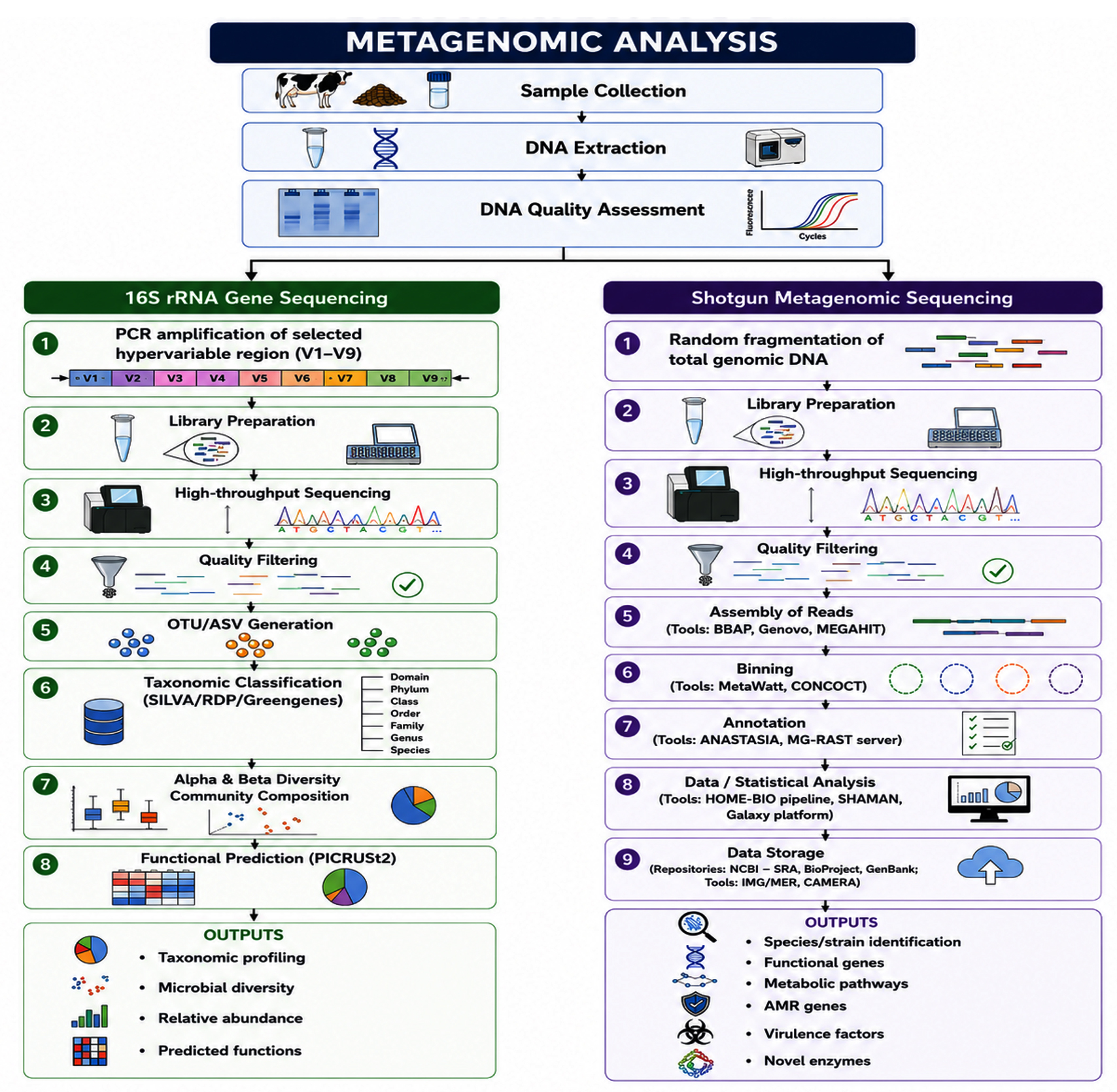
Figure 1. Comparative Analysis of 16S rRNA Sequencing and Shotgun Metagenomic Sequencing approaches
Workflow of 16S rRNA Gene Amplicon sequencing method
Sample collection
The first step involves collecting representative samples from the target environment or host, such as soil, water, rumen fluid, faeces, milk, or intestinal contents. In order to maintain microbial DNA integrity and reduce contamination, appropriate sampling and storage conditions are crucial.5,20,24,25
DNA extraction
Standardised procedures are used to extract whole microbial DNA that effectively lyse microbial cells while reducing impurities and inhibitors. DNA yield, microbiological representation, and the reproducibility of sequencing results are all greatly influenced by the extraction technique selected.5,20
DNA quality assessment
Spectrophotometric, fluorometric, or electrophoretic techniques are used to assess the concentration, purity, and integrity of the extracted DNA. High-quality DNA is necessary for effective PCR amplification and accurate characterization of microbial communities.18,24
PCR amplification of selected hypervariable region
Universal primers that anneal to conserved flanking regions are used to amplify one or more hypervariable sections (V1-V9) of the bacterial and archaeal 16S rRNA gene.18 Primer selection should be specific to the biological system being studied because it is a crucial factor in determining taxonomic resolution and can introduce amplification bias.15,20,26
Library preparation
To enable the simultaneous sequencing of several samples in a single run, amplified PCR products are purified and transformed into sequencing libraries by ligating platform-specific adapters and sample-specific index sequences.24
High-throughput sequencing
Millions of reads corresponding to the selected 16S rRNA gene region are produced by sequencing the generated libraries using next-generation sequencing platforms, most frequently the Illumina MiSeq or HiSeq systems. This method mainly yields taxonomic information rather than direct functional characterisation of microbial communities because only a phylogenetic marker gene is sequenced.15,24,27
Quality control and sequence filtering
Sequencing adapters, ambiguous bases, low-quality reads, chimeric sequences, and other technical artefacts that could jeopardise downstream analysis are removed from raw sequence reads by quality assessment.28,29
Generation of OTUs or ASVs
High-quality sequences are subsequently sorted into operational taxonomic units (OTUs) based on sequence similarity or resolved into amplicon sequence variants (ASVs) using denoising algorithms. ASV-based methods offer better taxonomic resolution, improved reproducibility, and greater comparability among studies, despite the extensive use of OTU-based approaches.28-30
Taxonomic classification
To assign taxonomic identities, representative OTU or ASV sequences are compared to curated reference databases like SILVA, Greengenes, or the Ribosomal Database Project (RDP).31 Bioinformatics platforms such as QIIME2 and MOTHUR are widely used for sequence processing, taxonomic classification, and downstream ecological analyses.28,29,32
Microbial diversity analysis
Alpha diversity (within-sample diversity), beta diversity (between-sample diversity), relative abundance, and community composition are used to evaluate microbial community diversity following taxonomic classification.33 These analyses facilitate comparisons of microbial communities across different environments, treatments, physiological conditions, or disease states.5,25,29
Functional prediction
The functional potential of microbial communities can be computationally extrapolated from taxonomic profiles using prediction tools like PICRUSt2, even if 16S rRNA gene sequencing does not directly characterise microbial genes or metabolic pathways.34 As these predictions are based on reference genome inference rather than direct gene sequencing, they should be inferred cautiously even though they offer valuable preliminary insights into microbial functions.32,34
Workflow of shotgun metagenomic analysis
The shotgun metagenomic sequencing laboratory procedure is comparable to that of 16S rRNA sequencing up to DNA extraction and library preparation; however, instead of PCR amplification of a marker gene, the complete extracted DNA is fragmented and sequenced directly.1,4 This typically follows an eight-step process that incorporates both molecular and bioinformatics methods (Figure 1).
Sample Collection
The first step involves collecting representative samples from diverse environments, such as soil, water, or gastrointestinal tracts. Proper sample collection is essentially required to ensure the accuracy and relevance of subsequent analyses. Samples should be collected aseptically using sterile equipment, with suitable negative controls included whenever possible, then processed or stabilised immediately to reduce contamination and maintain the native microbial community. In order to avoid microbial growth, DNA degradation, and changes in community composition prior to DNA extraction, samples should also be transported and maintained under appropriate conditions (e.g., on ice or at -80 °C for long-term storage).5,35
DNA extraction
DNA can be extracted directly or indirectly from the collected samples. While indirect extraction may entail isolating cells from the matrix prior to lysis, direct extraction entails lysing cells within the sample. As exemplified by universal and quick salt-extraction processes that produce high-quality genomic DNA compatible with PCR-based approaches, commercial kits have streamlined this process and ensured high-quality DNA suitable for sequencing.36 However, because reagents and laboratory contaminants may induce biases into sequence-based analysis, the choice of DNA extraction technique can significantly impact the results of microbiome studies.37
Sequencing
The evolution of sequencing technologies has been pivotal for metagenomics. Initially, Sanger sequencing was employed, but its limitations in throughput and cost led to the adoption of next-generation sequencing (NGS) technologies, such as Illumina, which provide higher speed and lower costs. Third-generation sequencing technologies, like PacBio and Oxford Nanopore, offer longer read lengths, further enhancing metagenomic analyses.38 Furthermore, new short-read platforms like the AVITI system offer affordable, high-accuracy sequencing appropriate for metagenomic applications.39 The AVITI system is a promising choice for metagenomic and other high-throughput sequencing applications since it employs Avidite-based sequencing chemistry and has shown improved sensitivity and error profiles when compared to certain conventional short-read systems. These characteristics, along with cheaper equipment and reagent costs, position AVITI a desirable substitute for well-established Illumina-based workflows in many laboratories.40
Assembly
Sequencing generates numerous short reads that must be assembled into longer contiguous sequences called contigs.41 Techniques like overlap-layout-consensus (OLC) and de Bruijn graphs are commonly used for this purpose.42 However, de Bruijn graphs is most often used as it is cheaper and can be constructed without pairwise comparisons. Assembly uses various bioinformatics tools like Blast-based Assembly Pipeline (BBAP),43 Genovo44 and MEGAHIT.45
Binning
After assembly, sequences are grouped into bins, each representing different species or operational taxonomic units (OTUs). This step is crucial for identifying and characterizing the microbial community composition. Data binning is done using software such as MetaWatt,46 CONCOCT,47 MEGAN48,49 is used for taxonomic and functional characterization of binned sequences.
Annotation
Functional and taxonomic annotations are assigned to the assembled sequences using bioinformatics tools. This step involves comparing sequences against databases to predict gene functions and identify taxonomic affiliations. ANASTASIA software is generally used for comprehensive annotation and statistical interpretation of microbial community sequences.48 MG-RAST offers a dedicated server for automated taxonomic and functional annotation of metagenomes.50
Data/statistical analysis
A unique and comprehensive pipeline for data interpretation using metagenomic shotgun sequencing is called HOME-BIO.51 It is a powerful tool that allows deep analysis by removing problematic reads and integrating the analytical steps in order to develop a complete taxonomic profile by accessing different source databases. It is also relatively easy to use as it is customizable in accordance with specific users’ needs. The resulting data provide insights into the ecological roles and interactions within the microbial community. SHAMAN software is used for statistical testing and visualization of taxonomic abundances in microbiome data.48 In addition, platforms like Galaxy provide accessible, reproducible processes that integrate multiple tools for quality control, assembly, binning, functional and taxonomic annotation, and statistical analysis of shotgun metagenomic datasets.48,52
Data storage
National Centre for Biotechnology Information (NCBI) is mandated to store all the taxonomic data regarding the metagenomic analysis through resources such as the Sequence Read Archive (SRA), BioProject, and GenBank. In order to store, manage, analyse, and share metagenomic projects, tools such as IMG/MER53 and CAMERA54 are essential. These systems offer integrated settings for data submission, comparative analysis, functional and taxonomic annotation, and public dissemination of metagenomic datasets.
Applications of metagenomics
Ruminal metagenomics and its implications in livestock
Recent studies have shown a strong correlation between dairy cow performance and the microbial composition and functionality of the rumen. Prevotella and Neocallimastix californiae were shown to be more abundant in the ruminal concentrations of acetate, butyrate, and propionate in Holstein cows that produced higher milk protein and fat.55 These microbes possess the KO1190 gene, which increases carbohydrate utilisation and pyruvate generation, which in turn enhances the synthesis of amino acids and short-chain fatty acids in the mammary gland, encouraging better production of milk components (Figure 2). However, rumen microbiome is influenced by both host genetics and environmental factors. While a heritable subset of the core rumen microbiome has been associated with dairy productivity and methane emissions,9 a bovine rumen microbiome gene catalogue showed that host genetics and environmental conditions jointly influence microbial community structure and methane-related traits.8 However, the heritability of specific taxa, like Prevotella and Neocallimastix californiae, has not been consistently confirmed across cattle populations, and factors such as diet, breed, age, lactation stage, management, location, and temporal variation have a significant impact on their abundance.8,9 Consequently, host genetics and environmental factors should be taken into consideration when interpreting relationships between particular microbial taxa and dairy performance.
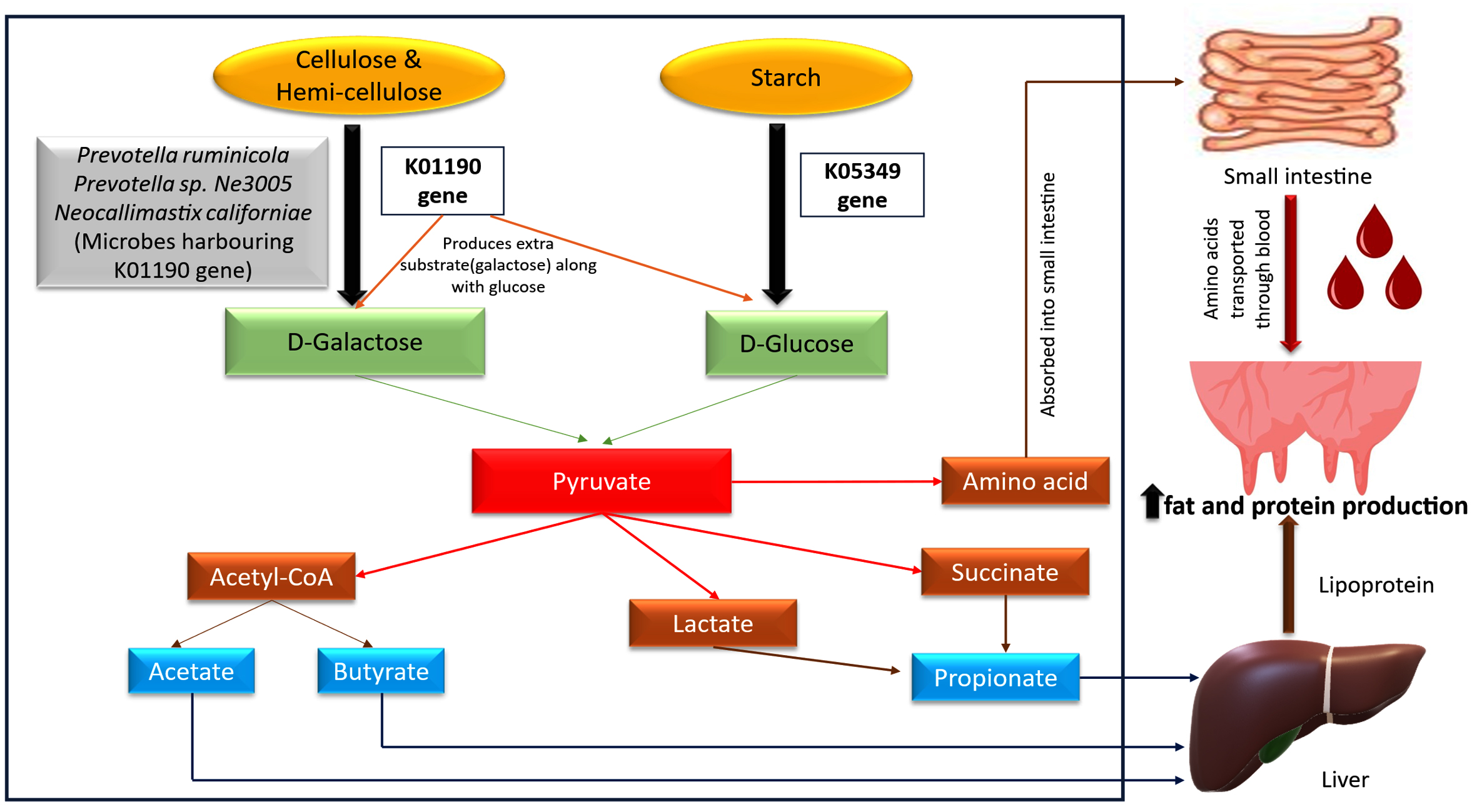
Figure 2. Pathway for excess pyruvate production. Prevotella ruminicola, Prevotella sp. Ne3005, and Neocallimastix californiae utilize galactose in addition to glucose, enhancing pyruvate production and its contribution to milk protein and fat synthesis (Adapted and redrawn from Wu et al.55)
Consequently, metagenomic research have increasingly focused on microbial taxa, functional genes, and metabolic pathways influencing significant livestock traits like feed efficiency, methane emissions, milk production, heat stress resilience, and metabolic health. A comparative overview of several representative ruminal metagenomic research has been provided in Table 1.
Table 1. Comparative ruminal metagenomics studies in livestock
Trait |
Major microbial taxa/functional pathways identified |
Comparative findings across studies |
Biological Significance |
Ref. |
|---|---|---|---|---|
Residual feed intake (Feed efficiency) |
High-RFI cows enriched with butyrate-producing genera (Clostridium, Butyrivibrio, Eubacterium, Blautia), Low-RFI cows enriched with propionate-producing bacteria |
Animals with superior feed efficiency consistently possessed microbial communities favouring propionate production over butyrate formation, resulting in reduced hydrogen availability for methanogenesis. |
Identification of microbial biomarkers associated with feed conversion efficiency and methane mitigation, supports microbiome-guided nutritional interventions. |
56 |
Heat stress resilience |
Ruminococcus flavefaciens, Succiniclasticum, enhanced pentose phosphate pathway |
Heat-resilient animals exhibited a more stable rumen microbiome enriched with fibre degraders and oxidative stress-related pathways, whereas heat-sensitive cows showed greater metabolic disruption. |
Identification of microbial biomarkers and metabolic pathways associated with adaptation to heat stress. |
57 |
Hyper-ketonemia (HYK) |
Altered metabolites (asparagine, p-cresol, acetate), limited microbial compositional changes |
Disease status was associated primarily with metabolic alterations rather than large shifts in microbial diversity, highlighting functional changes within the microbiome. |
Demonstrates the value of integrating metagenomics with metabolomics for investigating metabolic disorders. |
58 |
β-casein genotype (A22 vs. A12) |
Distinct microbial fingerprints, arachidonic acid and tryptophan metabolism, enrichment of beneficial bacteria in A22 cows |
Host genotype influenced ruminal microbial composition and metabolic pathways, indicating interactions between host genetics and microbial metabolism. |
Provides insight into genotype–microbiome interactions affecting milk composition and metabolic efficiency. |
59 |
Fibre degradation and volatile fatty acid (VFA) absorption |
Cellulose-, xylan- and pectin-degrading bacterial genomes, VFA transporter genes in rumen epithelial cells |
Combined host–microbiome analysis revealed coordinated microbial fibre degradation and epithelial nutrient absorption mechanisms. |
Improves understanding of rumen nutrient utilization and digestive efficiency. |
60 |
Milk production |
Distinct microbial communities and metabolites (dopamine, citrulline, N-acetylornithine) |
High-producing cows possessed microbial and metabolic profiles supporting energy metabolism and gluconeogenesis, whereas low-producing cows showed metabolites associated with reduced milk secretion. |
Identifies microbial and metabolic biomarkers associated with milk yield. |
61 |
Methane emission |
High abundance of Methanobrevibacter in high emitters, enrichment of Succinivibrionaceae in low emitters |
Multiple studies consistently reported positive associations between methanogenic archaea and methane production, while hydrogen-utilizing bacteria reduced methane formation by redirecting fermentation towards propionate production. |
Identification of microbial biomarkers for methane prediction and mitigation. |
62, 63 |
Diet-microbiome interactions affecting methane emission |
Reduced Fibrobacter and Verrucomicrobiota under concentrate-rich diets, increased Bacillota:Bacteroidota ratio under roughage diets |
Across studies, concentrate-rich diets consistently altered rumen microbial composition, reduced fibre degraders, and lowered methane emissions, whereas roughage-rich diets promoted methanogenesis. |
Supports dietary manipulation of the rumen microbiome to reduce enteric methane emissions. |
64, 65 |
Host genetics and methane production |
Heritable core rumen microbiota, microbial gene abundance associated with methane production |
Host genetic variation significantly influenced microbial community assembly and methane-associated microbial genes, with several microbial biomarkers consistently validated across breeds and production systems. |
Potential incorporation of microbial biomarkers into breeding programmes for improved feed efficiency and lower methane emissions. |
9, 66-68 |
Rumen microbial diversity and functional capacity |
Dominant phyla: Bacteroidota, Bacillota, Pseudomonadota and Actinomycetota, diverse CAZymes, low ARG abundance |
Functional annotation demonstrated efficient plant polysaccharide degradation together with relatively low abundance of antimicrobial resistance genes. Similar microbial functions have been linked with improved feed utilization and lower methane emissions in other metagenomic studies. |
Highlights the functional potential of the rumen microbiome for improving feed efficiency, productivity and environmental sustainability. |
7,9, 43,68 |
Dietary modulation of rumen microbiota – 16S rRNA approach |
Altered bacterial community composition following concentrate-rich diets |
Although not a shotgun metagenomic study, similar microbial shifts were observed following dietary manipulation, accompanied by improved nitrogen utilization, feed digestibility and reduced methane emissions. |
Provides complementary evidence supporting diet-induced modulation of rumen microbial communities. |
69 |
Summarising Table 1, it is evident that despite variations in animal populations and production systems, consistent microbiome patterns appear across various studies. While methanogenic archaea are consistently associated with higher methane emissions, microbes that break down fibre and produce propionate typically lead to increased feed efficiency and productivity. Collectively, these results demonstrate the importance of ruminal metagenomics for comprehending host-microbiome interactions and promoting microbiome-informed breeding, precision nutrition, and sustainable livestock production.
Metagenomics and antibiotic resistance
Metagenomic studies have consistently shown that livestock microbiomes are significant repositories of antimicrobial resistance genes (ARGs), and their diversity and abundance are regulated by host species, antimicrobial use, production systems, and environmental management.70,71 As a culture-independent approach, metagenomics enables detailed characterization of ARGs, mobile genetic elements (MGEs), and their microbial hosts, offering crucial insights regarding antibiotic resistance from a One Health perspective.70,72 Metagenomic studies have also demonstrated that wildlife is a significant reservoir of ARGs in addition to livestock, highlighting the interdependence of antimicrobial resistance in animal, environmental, and human ecosystems. For instance, it was identified that 1,030 different ARGs that confer resistance to aminoglycosides, tetracyclines, β-lactams, chloramphenicol, sulphonamides, and macrolide-lincosamide-streptogramin (MLS) antibiotics were harboured by migrating birds, with Pseudomonadota being the principal microbial reservoir.45 Furthermore, the extensive identification of several β-lactamase genes and the mcr-1 resistance gene in migratory birds suggests that these birds serve as mobile vectors that transmit resistance determinants into livestock, agricultural, and wildlife production systems through faecal contamination of feed, water, and farm environments.73-76
Metagenomic analyses have revealed both common and host-specific resistome patterns in livestock species. 505 ARGs representing 16 antibiotic classes were found in dairy buffaloes.70 The tcmA gene, which is primarily carried by Lactobacillus amylovorus and Lactobacillus acidophilus (Phylum Bacillota), was found to be strongly associated with other ARGs, suggesting their potential role in horizontal gene transfer.70 According to comparative studies in cattle, swine, and poultry, reducing antimicrobial use alone did not significantly reduce overall ARG diversity within a production cycle. However, some tetracycline resistance genes remained more prevalent in conventionally raised swine.72 Similarly, swine faeces contained predominant bacterial taxa (Bacillota and Pseudomonadota) and a significant presence of ARGs, including multidrug- and tetracycline-resistance genes, highlighting how understanding these dynamics could help design strategies to reduce the prevalence of ARG carriage in pigs by better management, breeding for lower ARG load, and focused mitigation techniques.77 Additionally, ARGs found in the gut microbiome can be transferred among resident intestinal bacteria as well as transient microorganisms through horizontal gene transfer, making livestock production systems significant hotspots for the emergence and spread of antimicrobial resistance due to the extensive use of antibiotics in animal agriculture.78
Livestock resistomes are also impacted by environmental management. In cattle and yak manure, aerobic composting dramatically decreased the abundance of ARGs, metal resistance genes (MRGs), biocide resistance genes (BRGs), and MGEs, indicating its potential as a sustainable method for preventing the spread of resistance determinants in the environment.72 Similarly, metagenomic analyses have shown that vermicomposting effectively reduces ARG abundance and composition in livestock manure, although its efficiency depends on the type of earthworm used.79 Among the species evaluated, Eisenia fetida reduced the ARGs to the maximum extent owing to its gut microbial activity, highlighting vermicomposting as an ecologically sustainable method for mitigating the spread of antimicrobial resistance during manure management.79,80 Additionally, the identification of beneficial probiotic species, such as Clostridium butyricum, Lactobacillus johnsonii, and Lactobacillus reuteri, which may function as substitutes for antibiotic growth promoters, has been made easier by the integration of metagenomics and meta-transcriptomics.81-83 The assessment of dietary treatments for resistome modification has also been made facilitated by metagenomics. As an illustration of the potential of plant-derived bioactive compounds as substitutes for enhancing rumen microbial health while limiting antimicrobial resistance, supplementation with the phytochemical naringin dramatically decreased the abundance of Pseudomonadota, important antibiotic resistance genes, and virulence factors in transition dairy cows.47 These results are in accordance with other mounting evidence that phytogenic feed additives, such as flavonoids, tannins, essential oils, and other bioactive compounds derived from plants, can improve rumen fermentation and animal health, suppress pathogenic microorganisms, reduce the quantity of antimicrobial resistance determinants, and positively modulate the rumen microbiome.84-86 These results demonstrate the potential of phytochemicals as sustainable substitutes for antibiotic growth promoters for enhancing rumen microbial health and reducing antimicrobial resistance in livestock production systems, even though more in vivo validation is needed.84,86 Metagenomic studies in camels also identified Bacillota and Bacteroidota as major ARG reservoirs and revealed key resistance mechanisms.87 Even though camels are not a common livestock species in many production systems, these results demonstrate how metagenomics can identify reservoirs and mechanisms of antibiotic resistance in the gastrointestinal tracts of large herbivores, providing insights that may be applied to the management of ARGs in more commonly farmed livestock, such as cattle and sheep.
Therefore, by identifying shared and host-specific antimicrobial resistance genes (ARGs), their microbial reservoirs, and the mechanisms behind their dissemination, metagenomics offers vital insights into the dynamics of antibiotic resistance in livestock. ARGs that confer resistance to vancomycin, tetracyclines, and multiple antibiotics have been repeatedly documented in a variety of livestock species, underscoring their significance as top targets for surveillance and control. Metagenomic studies also show that integrated strategies, such as responsible antimicrobial stewardship programs, enhanced biosecurity and husbandry practices, optimised manure management, and sustainable treatment technologies like aerobic composting, are necessary for effective mitigation of ARG dissemination. The scope of metagenomic applications for managing antimicrobial resistance within a One Health framework is further expanded by incorporating wildlife surveillance, environmentally sustainable waste management techniques like vermicomposting, and dietary strategies that reduce the ruminal resistome. When combined with ongoing metagenomic surveillance, these strategies can support evidence-based interventions to reduce the spread of antimicrobial resistance in livestock production systems and at the animal–environment–human interface.
Metagenomics in the study of viruses
Metagenomics has proven to be a useful approach for the surveillance and characterisation of tick-borne viruses that affect livestock and have significant zoonotic potential.88,89 Kyasanur Forest disease virus, Louping ill virus, Tick-borne encephalitis virus, Crimean-Congo haemorrhagic fever virus, and Heartland virus are among the major tick-borne viruses associated with livestock or livestock-associated ticks. Cattle, sheep, and goats are the domestic ruminants that can act as reservoirs or amplification hosts for a number of these viruses, making it easier for ticks, animals, and people to spread them.90,91 Point mutations arising during viral replication are the most common source of rapid genetic variation in the RNA genomes of these viruses.92 These genetic changes promote the emergence of novel viral variants with altered host range, virulence, and transmission dynamics, posing significant risks to both animal and public health.93 Viral diversity surveillance, reservoir host and vector identification, viral evolution research, and early detection of emerging pathogens pertinent to livestock production systems and One Health surveillance are all made possible by metagenomic sequencing, which allows for the unbiased detection and genomic characterisation of these viruses directly from ticks, livestock, and environmental samples.88,89 For example, metagenomic analysis of common/farmed pheasants (Phasianus colchicus) has revealed a diverse virome and enabled the development of better diagnostic tools for evaluating the pathogenic potential, host range, and transmission dynamics of newly identified viruses, thereby strengthening disease surveillance at the wildlife-livestock interface and supporting early detection of viruses with potential implications for animal health.94
Uterine metagenomics
Onnureddy and coworkers conducted the first metagenomic analysis of the bacterial population of postpartum endometritic buffaloes using 16S rDNA cloning at ICAR-NDRI, Karnal (India), to identify and compare the uterine bacterial composition of endometritic and normal postpartum buffaloes. It was observed that the most common bacteria identified from endometritic samples were Psychrobacter pulmonis, Ureaplasms diversium strain T95, and A417-95.95
Shotgun metagenomics offers the extensive and unbiased discovery of microbial populations and functional pathways in uterine health issues. Researchers discovered that clinical endometritis is characterized by a higher abundance of key bacterial pathogens and altered host pathways (e.g., reduced Wnt/catenin signaling), whereas subclinical endometritis showed no clear microbial association.96 These findings are in line with earlier studies showing that postpartum uterine disease is linked to specific changes in the uterine microbiome, such as elevated levels of pathogenic bacteria like Escherichia coli, Trueperella pyogenes, Fusobacterium necrophorum, and Prevotella species, which cause uterine inflammation and poor reproductive outcomes.97,98 According to more recent metagenomic studies, changes in uterine microbial communities are closely associated with changes in host immune responses, microbial metabolic functions, and disease progression, providing opportunities for identifying microbial biomarkers and therapeutic targets for reproductive disorders.99,100 Together, these findings highlight the value of metagenomic approaches in defining disease-specific microbial signatures, clarifying host-microbiome interactions, and improving knowledge, diagnosis, and treatment of livestock reproductive disorders.
Fecal metagenomics
Pathogenic microbes in animal excreta are usually blamed for foodborne illness which poses a serious hazard to public health. Foodborne pathogens such as Salmonella enterica, Escherichia coli, Staphylococcus aureus, Bacillus cereus, Campylobacter spp., Vibrio spp., Clostridium perfringens and Yersinia enterocolitica are the main causes of the majority of foodborne illnesses and fatalities.101,102 Therefore, faecal metagenomic analysis was carried out to ascertain the prevalence of these foodborne pathogens in livestock species particularly cattle, pigs, and chickens.103 All livestock species’ excrement contained Clostridium and Staphylococcus at the genus level, with chicken excrement showing comparatively larger abundances than that of cattle and pigs. Cattle waste was also found to contain genera like Bacillus, Campylobacter, and Vibrio. Furthermore, the taxa Helicobacter and Pseudomonas were found at relatively higher abundances in pig and chicken excrement, respectively. However, these results do not differentiate between harmful and non-pathogenic species within these genera because they are based on taxonomic assignments at the genus level. Therefore, rather than being direct proof of the presence of pathogens, the presence of these taxa should be viewed as suggesting possible reservoirs of microorganisms that may include harmful species. More species-level characterisation and functional investigations are needed to validate their pathogenic potential and related hazards to food safety. In general, these results show how metagenomics can be used to monitor microbial communities and identifying potential food safety hazards in livestock production systems, thereby supporting targeted surveillance and risk assessment strategies.
Faecal metagenomics has become a potent, non-invasive method for studying livestock reproductive physiology, animal health, production characteristics, and host adaptation. According to comparative metagenomic research, faecal microbial populations differ significantly between geographical locations and production environments, showing host adaptability to various ecological situations. Sheep from high-altitude Tibetan regions exhibited higher relative abundances of Ruminococcus, Oscillospira, Clostridium, and the phylum Bacillota, whereas low-altitude sheep were enriched with Prevotella and members of the phylum Bacteroidota, suggesting that the gut microbiome contributes to adaptation under different environmental conditions.104-107
In addition to ecological adaptation, faecal metagenomics also offers thorough characterisation of the faecal microbiota, resistome, and mobile genetic elements. This provides important insights into One Health issues, such as the emergence and spread of antimicrobial resistance, zoonotic pathogens, resistance genes within the food chain, and environmental contamination linked to livestock production systems. A study reported the predominance of Bacteroidetes (35.2%), Firmicutes (28.7%), Proteobacteria (15.4%), and Actinobacteria (8.9%), together with a diverse resistome comprising ARGs such as tet(X) and blaOXA-427 and plasmid-mediated transmission potential.108 These results highlight the necessity of continuous metagenomic surveillance to track the spread of resistance, as livestock faeces are significant reservoirs of mobile genetic elements and antimicrobial resistance genes.
Moreover, the applications of faecal metagenomics to identify microbial biomarkers associated with economically important production traits is increasing. High-yielding dairy cows had a more varied intestinal microbiome that was enriched with fibre-degrading and short-chain fatty acid (SCFA) producing bacteria, accompanied by changes in metabolic pathways related to energy metabolism.109 These findings are in accordance with earlier research showing that composition and functional capacity of the microbial population are strongly correlated with feed efficiency, energy harvest, methane emissions, and dairy productivity.7-9,109 Collectively, these studies indicate that dung-based metagenomics has a considerable potential as a non-invasive method for identifying microbial biomarkers associated with milk production and other economically important traits. However, before routine application, validation across breeds, diets, and management systems is still necessary.
Faecal metagenomics has started to provide insights on animal reproductive physiology in addition to adaptation and productivity. At ICAR-NDRI in Karnal, India, the first report detailing the faecal bacterial population in a ruminant species during the oestrous cycle was generated. While Bacteroides were found exclusively during the oestrous phase, members of the order Clostridiales predominated during oestrus.109 These results imply that the synthesis of volatile metabolites or pheromone-associated chemicals implicated in oestrus expression may be influenced by temporal changes in the faecal microbiome, which may be associated with reproductive physiology. Nevertheless, to clarify the molecular relevance of these microbial communities in reproductive signalling and fertility, metagenomics must be integrated with metabolomics and other functional omics techniques.
By using the metagenomics technique, it was possible to compare the faecal microbiomes of African and Asian elephants and discover a unique repository of CAZymes that could be used in biotechnological contexts, such as the degradation of lignocellulose to produce second-generation biofuels and energy.107
Biotechnological advances associated with metagenomic applications in livestock production
Metagenomics has transformed livestock research by making it possible to characterise culture-independent microbial communities and their functional potential, thereby facilitating the discovery of new enzymes, microbial biomarkers, antimicrobial resistance determinants, and functional genes with significant biotechnological applications. These developments have significantly improved our knowledge of animal health, illness surveillance, feed utilisation, and environmental sustainability. The rumen microbiome is a valuable source of industrial enzymes for biofuel production and improved fibre utilisation, as demonstrated by the discovery of 27,755 putative carbohydrate-active enzyme (CAZy) genes including 57 cellulolytic proteins involved in lignocellulose degradation, by shotgun metagenomics of the cattle rumen.6 Herbivore gut microbiomes are significant reservoirs of biomass-degrading enzymes, as evidenced by similar CAZyme repositories from elephant faecal microbiomes.107 While extensive sequencing of poultry caecal microbiomes has revealed new bacterial, archaeal, and bacteriophage species linked to productive performance, metagenomic investigations of pig faeces have produced reference gene catalogues for tracking antibiotic resistance.11
Beyond such microbial characterisation, metagenomics also helps in precision livestock farming by identifying microbial biomarkers linked to animal productivity, feed efficiency, and methane emissions. This makes it easier to develop probiotic-based feed additives, targeted nutritional interventions, and microbiome-informed breeding strategies.11,110,111 Additionally, it strengthens animal illness diagnosis and health management by enabling thorough surveillance of emerging pathogens and antimicrobial resistance.11, 111,112 Future studies should concentrate on developing activity-based screening methods for the identification of enzymes with novel biotechnological applications by expanding shotgun metagenomics to underexplored livestock breeds and microbial groups through integrating metagenomics with meta-transcriptomics and meta-proteomics, and connecting microbiome function with host metabolism.6,11,110-112
Metagenomics in drug discovery
A Metagenomic Library of Soil Microbial DNA featured several antibiotics, including Turbomycin A and B.113 More than thirty chemicals, including “Didemnin B (Aplidine)” and “Thiocoraline”, which are being studied in preclinical and clinical settings to treat various cancer types, have been derived from marine bacteria.114 Although these discoveries originated from soil and marine microbiomes, these findings show the extensive potential of metagenomics as a platform for discovering novel antimicrobial molecules, enzymes, and microbial metabolites that can further be investigated for livestock applications, such as the development of feed additives, microbiome-targeted therapeutics, and alternatives to conventional antibiotics.1,16,115
Metagenomics offers a strong, culture-independent tool to study cattle’s complex gut microbiome and its relationships with parasite diseases. While metagenomic analyses facilitate identification of beneficial microbial taxa and functional pathways that may be used for disease control, recent studies have demonstrated that parasitic infections in cattle disrupt gut microbial composition, adversely affecting immunity, nutrient utilisation, and productivity.116 Specific examples include the discovery of bacteriocin-producing microorganisms, probiotic candidates, antimicrobial peptides, carbohydrate-active enzymes (CAZymes), and functional microbial consortia that may be used to improve gut health, control enteric pathogens, increase feed efficiency, and decrease the use of antibiotics in livestock production systems.1,16,115 These results demonstrate the expanding significance of metagenomics in directing the development of innovative microbiome-based treatments and long-term disease-control strategies to enhance livestock productivity and health.
Metagenomic approach for biodegradation
The knowledge of hydrocarbon biodegradation in petroleum-contaminated environments has greatly increased because to the identification of new genes and metabolic pathways using metagenomic techniques.117 While specific bacterial communities have shown the capacity to break down polycyclic aromatic hydrocarbons (PAHs) even in cold marine environments, researchers have discovered microbial genes that can break down phenolic compounds, aromatic hydrocarbons, and other hazardous petroleum-derived pollutants in sludge and contaminated soils.118 Beyond environmental restoration, these discoveries have significant ramifications for livestock production systems, where pesticides, veterinary medications, petroleum-derived toxins, and other persistent organic pollutants can build up in soil, water, and animal waste. Developing efficient bioremediation techniques for managing livestock farm effluents, enhancing manure treatment, safeguarding grazing pastures and water resources, and lowering environmental contamination is made possible by the metagenomic identification of pollutant-degrading bacteria. Thus, by improving waste management, reducing ecosystem pollution, and fostering a better environment for both humans and animals, metagenomics aids in sustainable livestock production.
Metagenomics for isolation of novel enzymes
Metagenomics has paved the way for exploring the genetic potential of uncultivable microorganisms, providing access to novel enzymes and bioactive compounds with broad industrial and agricultural applications.119 With the advent of metagenomic technologies, enzymes including lipases, proteases, cellulases, chitinases, and transaminases can be discovered from a variety of microbiomes, thereby overcoming the limitations of conventional culture-based sources such as Bacillus and Aspergillus species. The separation of industrially significant enzymes like cellulases has also been investigated using environmental samples, such as bagasse waste and the human gut microbiota.16
In livestock production systems, metagenome-derived enzymes, including cellulases, xylanases, phytases, and proteases, have the potential to enhance animal performance, feed efficiency, nutrient digestibility, and fibre degradation while reducing environmental.1 Furthermore, microbial proteases and chitinases identified using metagenomic approaches represent promising candidates for developing new antibacterial and antiparasitic medicines for livestock. While cellulases, lipases, and endoglucanases have significant uses in the generation of biofuel, proteases are also used as antiparasitic, antiviral, anticancer, and antifungal drugs.120 Thus, metagenomics offers provides a valuable platform for discovering novel enzymes that promote industrial biotechnology and sustainable livestock production.1,16,119,120
Several other enzymes isolated from metagenomic studies, their sources, and functions have been enlisted in Table 2.
Table 2. Enzymes isolated from metagenomic process
No. |
Enzyme |
Sample source |
Function |
Ref. |
|---|---|---|---|---|
1 |
Mannanase-xylanase- glucanase |
Cow rumen fluid |
Digestion of lignocellulose and hemicellulose. |
121 |
2 |
Esterase |
Arctic soil |
Hydrolyze the compounds that contain ester, amide, and thioester bonds which cause prodrug activation or detoxification. |
122 |
3 |
Endoglucanase, Beta-glucosidase |
Forest soil, Elephant dung, Cow rumen |
Endoglucanase cleaves the cellulose polymer into smaller sugar and oligomorphic polysaccharides. |
123 |
4 |
Xylanase |
Holstein cows rumen |
Xylan degradation breaks hemicellulose. |
124 |
5 |
Endonuclease, Exonuclease, Beta- glucosidase |
Contents of buffalo rumen |
Exonucleases cleave polynucleotide chains at ends. Endonucleases cleave the polynucleotide chain in middle. Beta-glucosidase is a major component of cellulase and completes cellulose hydrolysis. |
125 |
6 |
Laccase |
Svalbard Reindeer |
Found in white rot fungi and helps in lignin digestion. |
126 |
7 |
Lipase |
Dairy cow rumen |
Breakdown of fats |
124 |
Limitations
Despite its broad applications, metagenomics faces technical, functional, practical, and regulatory barriers that restrict its routine use in livestock systems. Metagenomics yields massive, complex datasets that demand immense computational power and storage for robust assembly.10,127,128 Extracting pure DNA from complex matrices like rumen fluid, faeces, and manure is notoriously difficult due to inhibitors and variable cell lysis.128 Additionally, high sequence similarity among related microbes often causes assembly errors, complicating the reconstruction of genomes from rare or low-abundance taxa.128,129
Linking predicted gene content to in vivo mechanisms is difficult because gene presence does not guarantee expression. Genes can remain silent or activate conditionally based on diet or environmental stressors.129 Because major shifts in animal performance and metabolites can occur without significant microbial community changes,130,131 functional annotations alone can be misleading. To accurately map biological activity, metagenomics must be integrated with meta-transcriptomics, meta-proteomics, and metabolomics.132
The high costs of high-throughput sequencing and multi-omics analysis limit large-scale commercial adoption.127 Veterinary and agricultural sectors frequently lack access to high-performance computing and trained bioinformaticians, confining these workflows mostly to research environments.128 Furthermore, the absence of standardized, livestock-specific protocols compromises data comparability across different studies.128
Regulatory frameworks for metagenomic diagnostics are still evolving. While metagenomics can track the mobility of antibiotic resistance genes (ARGs), it also reveals that many ARGs survive standard manure composting.133 Deliberately modifying animal microbiomes raises unresolved ethical questions regarding unintended impacts on animal welfare, pathogen evolution, and the spread of ARGs into the environment.
Future prospects
The future of metagenomics in livestock production offers profound scientific and translational opportunities. Metagenomics will continue to unravel how rumen, gut, uterine, and environmental microbiomes drive animal growth, feed efficiency, and climate resilience.127,130,131 Identifying beneficial microbial taxa and metabolic pathways will enable targeted strategies to improve nutrient use and reduce methane emissions. Furthermore, integrating metagenomics with transcriptomic, proteomic, and metabolomic data will create a more dynamic, holistic understanding of host-microbiome-environment interactions.128,131
Emerging sequencing platforms will propel the field forward. Long-read technologies, like Oxford Nanopore, improve genome reconstruction and detect antimicrobial resistance genes (ARGs) with strain-level precision.133 Meanwhile, alternative short-read systems, such as the Element AVITI platform, provide high-quality, cost-effective data for large-scale profiling. Together, these tools will accelerate the development of precision livestock diagnostics.127,133 Developing standardized workflows and decision-support tools is critical for translating research into practice. Non-invasive sampling, combined with cloud-based analytics, will soon allow farms to utilize metagenomic biomarkers for routine monitoring and breeding indices without needing on-site bioinformatics expertise.127,128,130,131 Metagenomics will be central to One Health surveillance, tracking pathogens and ARGs across livestock, wildlife, and human ecosystems.133 Additionally, mining metagenomic libraries will drive the discovery of novel enzymes, probiotics, and manure-treatment technologies tailored to ruminants.129 To safely implement these innovations, interdisciplinary collaboration on robust ethical and governance frameworks will be essential.
Metagenomics has reshaped microbial research by enabling culture-independent exploration of community structure, diversity, and function. In livestock systems, it offers valuable insights into rumen fermentation, feed efficiency, methane mitigation, antimicrobial resistance, reproductive health, and host–microbe interactions. The findings discussed in this review show that metagenomic approaches can support precision nutrition, biomarker discovery, disease surveillance, and the identification of novel enzymes, probiotics, and other biotechnologically useful microbial products. At the same time, their routine application is still constrained by technical complexity, high costs, incomplete functional validation, and ethical and regulatory concerns. However, continuing advances in sequencing technologies, bioinformatics, and multi-omics integration are steadily improving the depth and reliability of microbial analyses. In particular, long-read and high-accuracy sequencing platforms are expected to enhance genome reconstruction and functional interpretation of complex livestock-associated microbiomes. Overall, metagenomics holds strong promise for advancing sustainable livestock production, animal health, and One Health-oriented strategies by linking microbial functions with productivity, resilience, and environmental sustainability.
ACKNOWLEDGMENTS
None.
CONFLICT OF INTEREST
The authors declare that there is no conflict of interest.
AUTHORS’ CONTRIBUTION
DK and RKS contributed to the literature review. DK wrote the manuscript. DK, RKS, DS, DP, PB, IG, SS and IK reviewed, revised and edited the manuscript. IG and SS performed supervision. All authors read and approved the final manuscript for publication.
FUNDING
None.
DATA AVAILABILITY
Not applicable.
ETHICS STATEMENT
Not applicable.
- Pawar SS, Mohanapure PA, Brahmane MP, Bhendarkar MP, Nirmale AV, Kurade NP. Metagenomics: a novel tool for livestock and poultry improvement: a review. Agric Rev. 2023;44(2):264-268.
Crossref - Streit WR, Schmitz RA. Metagenomics—the key to the uncultured microbes. Curr Opin Microbiol. 2004;7(5):492-498.,
Crossref - Zhou J, He Z, Yang Y, et al. High-throughput metagenomic technologies for complex microbial community analysis: open and closed formats. mBio. 2015;6(1):10-1128.
Crossref - Quince C, Walker AW, Simpson JT, Loman NJ, Segata N. Shotgun metagenomics, from sampling to analysis. Nat Biotechnol. 2017;35(9):833-844.
Crossref - Knight R, Vrbanac A, Taylor BC, et al. Best practices for analysing microbiomes. Nat Rev Microbiol. 2018;16(7):410-422.
Crossref - Hess M, Sczyrba A, Egan R, et al. Metagenomic discovery of biomass-degrading genes and genomes from cow rumen. Science. 2011;331(6016):463-467.
Crossref - Shabat SKB, Sasson G, Doron-Faigenboim A, et al. Specific microbiome-dependent mechanisms underlie the energy harvest efficiency of ruminants. ISME J. 2016;10(12):2958-2972.
Crossref - Difford GF, Plichta DR, Lovendahl P, et al. Host genetics and the rumen microbiome jointly associate with methane emissions in dairy cows. PLoS Genet. 2018;14(10):e1007580.
Crossref - Wallace RJ, Sasson G, Garnsworthy PC, et al. A heritable subset of the core rumen microbiome dictates dairy cow productivity and emissions. Sci Adv. 2019;5(7):eaav8391.
Crossref - Sahu A, Nayak N, Sahu R, Kumar J. Application of metagenomics in livestock improvement. Int J Livest Res. 2017;7(8):30-38.
Crossref - Forcina G, Perez-Pardal L, Carvalheira J, Beja-Pereira A. Gut microbiome studies in livestock: achievements, challenges, and perspectives. Animals. 2022;12(23):3375.
Crossref - Pace NR, Stahl DA, Lane DJ, Olsen GJ. Analyzing natural microbial populations by rRNA sequences. ASM News. 1985:4-12:253-268.
- Schmidt TM, DeLong EF, Pace NR. Analysis of a marine picoplankton community by 16S rRNA gene cloning and sequencing. J Bacteriol. 1991;173(14):4371-4378.
Crossref - Handelsman J, Rondon MR, Brady SF, Clardy J, Goodman RM. Molecular biological access to the chemistry of unknown soil microbes: a new frontier for natural products. Chem Biol. 1998;5(10):R245-R249.
Crossref - Ranjan R, Rani A, Metwally A, McGee HS, Perkins DL. Analysis of the microbiome: advantages of whole genome shotgun versus 16S amplicon sequencing. Biochem Biophys Res Commun. 2016;469(4):967-977.
Crossref - Prayogo FA, Budiharjo A, Kusumaningrum HP, Wijanarka W, Suprihadi A, Nurhayati N. Metagenomic applications in exploration and development of novel enzymes from nature: a review. J Genet Eng Biotechnol. 2020;18(1):39.
Crossref - Ramazzotti M, Bacci G. 16S rRNA-based taxonomy profiling in the metagenomics era. In: Nagarajan M, ed. Metagenomics: Perspectives, Methods, and Applications. Elsevier; 2018:103-119.
Crossref - Janda JM, Abbott SL. 16S rRNA gene sequencing for bacterial identification in the diagnostic laboratory: pluses, perils, and pitfalls. J Clin Microbiol. 2007;45(9):2761-2764.
Crossref - Nguyen NP, Warnow T, Pop M, White B. A perspective on 16S rRNA operational taxonomic unit clustering using sequence similarity. NPJ Biofilms Microbiomes. 2016;2(1):16004.
Crossref - Pollock J, Glendinning L, Wisedchanwet T, Watson M. The madness of microbiome: attempting to find consensus “best practice” for 16S microbiome studies. Appl Environ Microbiol. 2018;84(7):e02627-17.
Crossref - Caporaso JG, Lauber CL, Walters WA, et al. Ultra-high-throughput microbial community analysis on the Illumina HiSeq and MiSeq platforms. ISME J. 2012;6(8):1621-1624.
Crossref - Holman DB, Brunelle BW, Trachsel J, Allen HK. Meta-analysis to define a core microbiota in the swine gut. mSystems. 2017;2(3):10-1128.
Crossref - Parada AE, Needham DM, Fuhrman JA. Every base matters: assessing small subunit rRNA primers for marine microbiomes with mock communities, time series and global field samples. Environ Microbiol. 2016;18(5):1403-1414.
Crossref - Caporaso JG, Lauber CL, Walters WA, et al. Global patterns of 16S rRNA diversity at a depth of millions of sequences per sample. Proc Natl Acad Sci U S A. 2011;108(Suppl 1):4516-4522.
Crossref - Regueira-Iglesias A, Balsa-Castro C, Blanco-Pintos T, Tomas I. Critical review of 16S rRNA gene sequencing workflow in microbiome studies: from primer selection to advanced data analysis. Mol Oral Microbiol. 2023;38(5):347-399.
Crossref - Klindworth A, Pruesse E, Schweer T, et al. Evaluation of general 16S ribosomal RNA gene PCR primers for classical and next-generation sequencing-based diversity studies. Nucleic Acids Res. 2013;41(1):e1.
Crossref - Durazzi F, Sala C, Castellani G, Manfreda G, Remondini D, De Cesare A. Comparison between 16S rRNA and shotgun sequencing data for the taxonomic characterization of the gut microbiota. Sci Rep. 2021;11(1):3030.
Crossref - Schloss PD, Westcott SL, Ryabin T, et al. Introducing mothur: open-source, platform-independent, community-supported software for describing and comparing microbial communities. Appl Environ Microbiol. 2009;75(23):7537-7541.
Crossref - Bolyen E, Rideout JR, Dillon MR, et al. Reproducible, interactive, scalable and extensible microbiome data science using QIIME 2. Nat Biotechnol. 2019;37(8):852-857
Crossref - Callahan BJ, McMurdie PJ, Holmes SP. Exact sequence variants should replace operational taxonomic units in marker-gene data analysis. ISME J. 2017;11(12):2639-2643.
Crossref - Ceccarani C, Severgnini M. A comparison between Greengenes, SILVA, RDP, and NCBI reference databases in four published microbiota datasets. bioRxiv. 2023.
Crossref - Mallick H, Franzosa EA, McIver LJ, et al. Predictive metabolomic profiling of microbial communities using amplicon or metagenomic sequences. Nat Commun. 2019;10(1):3136.
Crossref - Lozupone CA, Knight R. Species divergence and the measurement of microbial diversity. FEMS Microbiol Rev. 2008;32(4):557-578.
Crossref - Douglas GM, Maffei VJ, Zaneveld JR, et al. PICRUSt2 for prediction of metagenome functions. Nat Biotechnol. 2020;38(6):685-688.
Crossref - Weinroth MD, Belk AD, Dean C, et al. Considerations and best practices in animal science 16S ribosomal RNA gene sequencing microbiome studies. J Anim Sci. 2022;100(2):skab346.
Crossref - Aljanabi SM, Martinez I. Universal and rapid salt-extraction of high quality genomic DNA for PCR-based techniques. Nucleic Acids Res. 1997;25(22):4692-4693.
Crossref - Salter SJ, Cox MJ, Turek EM, et al. Reagent and laboratory contamination can critically impact sequence-based microbiome analyses. BMC Biol. 2014;12(1):87.
Crossref - Kim C, Pongpanich M, Porntaveetus T. Unraveling metagenomics through long-read sequencing: a comprehensive review. J Transl Med. 2024;22(1):111.
Crossref - Liu S, Obert C, Yu YP, et al. Utility analyses of AVITI sequencing chemistry. BMC Genomics. 2024;25(1):778.
Crossref - de Ronne M, Boyle B, Torkamaneh D. AVITI as an alternative to Illumina for low-cost genome-wide genotyping. Genome. 2025;68:1-4.
Crossref - Papudeshi B, Haggerty JM, Doane M, et al. Optimizing and evaluating the reconstruction of metagenome-assembled microbial genomes. BMC Genomics. 2017;18(1):915.
Crossref - Roumpeka DD, Wallace RJ, Escalettes F, Fotheringham I, Watson M. A review of bioinformatics tools for bioprospecting from metagenomic sequence data. Front Genet. 2017;8:23.
Crossref - Lin YY, Hsieh CH, Chen JH, et al. De novo assembly of highly polymorphic metagenomic data using in situ generated reference sequences and a novel BLAST-based assembly pipeline. BMC Bioinformatics. 2017;18(1):223.
Crossref - Laserson J, Jojic V, Koller D. Genovo: de novo assembly for metagenomes. J Comput Biol. 2011;18(3):429-443.
Crossref - Li D, Liu CM, Luo R, Sadakane K, Lam TW. MEGAHIT: an ultra-fast single-node solution for large and complex metagenomics assembly via succinct de Bruijn graph. Bioinformatics. 2015;31(10):1674-1676.
Crossref - Strous M, Kraft B, Bisdorf R, Tegetmeyer H. The binning of metagenomic contigs for microbial physiology of mixed cultures. Front Microbiol. 2012;3:410.
Crossref - Alneberg J, Bjarnason BS, de Bruijn I, et al. Binning metagenomic contigs by coverage and composition. Nat Methods. 2014;11(11):1144-1146.
Crossref - Achudhan AB, Kannan P, Gupta A, Saleena LM. A review of web-based metagenomics platforms for analysing next-generation sequence data. Biochem Genet. 2024;62(2):621-632.
Crossref - Huson DH, Auch AF, Qi J, Schuster SC. MEGAN analysis of metagenomic data. Genome Res. 2007;17(3):377-386.
Crossref - Keegan KP, Glass EM, Meyer F. MG-RAST, a metagenomics service for analysis of microbial community structure and function. In: Martin F, Uroz S, eds. Microbial Environmental Genomics (MEG). Methods in Molecular Biology. Vol 1399. Humana Press; 2016:207-233.
Crossref - Ferravante C, Memoli D, Palumbo D, et al. HOME-BIO (sHOtgun MEtagenomic analysis of BIOlogical entities): a specific and comprehensive pipeline for metagenomic shotgun sequencing data analysis. BMC Bioinformatics. 2021;22(7):106.
Crossref - Hillman-Jackson J, Clements D, Blankenberg D, Taylor J, Nekrutenko A, Team G. Using Galaxy to perform large-scale interactive data analyses. Curr Protoc Bioinformatics. 2012;38(1):10-5.
Crossref - Markowitz VM, Chen IMA, Chu K, et al. IMG/M: the integrated metagenome data management and comparative analysis system. Nucleic Acids Res. 2012;40(D1):D123-D129.
Crossref - Seshadri R, Kravitz SA, Smarr L, Gilna P, Frazier M. CAMERA: a community resource for metagenomics. PLoS Biol. 2007;5(3):e75.
Crossref - Wu X, Huang S, Huang J, et al. Identification of the potential role of the rumen microbiome in milk protein and fat synthesis in dairy cows using metagenomic sequencing. Animals. 2021;11(5):1247.
Crossref - Xie Y, Sun H, Xue M, Liu J. Metagenomics reveals differences in microbial composition and metabolic functions in the rumen of dairy cows with different residual feed intake. Anim Microbiome. 2022;4(1):19.
Crossref - Li M, Wang Z, Ma Z, et al. Metagenomic analysis reveals microbial drivers of heat resistance in dairy cattle. Anim Microbiome. 2025;7(1):35.
Crossref - Ravelo AD, Ruch M, Suazo M, et al. Associations between hyperketonemia and the rumen metagenome and metabolome in Holstein cows during the first 2 weeks postpartum. Anim Microbiome. 2025;7(1):59.
Crossref - Wang C, Zhao J, Zhao W, et al. A comparative study of the composition of microorganisms and metabolites in different b-casein genetic types of dairy cows based on metagenomics and non-targeted metabolomics. Food Res Int. 2025;204:115859
Crossref - Xue MY, Wu JJ, Xie YY, et al. Investigation of fiber utilization in the rumen of dairy cows based on metagenome-assembled genomes and single-cell RNA sequencing. Microbiome. 2022;10(1):11.
Crossref - Amin AB, Zhang L, Zhang J, Mao S. Metagenomic and metabolomic insights into the mechanism underlying the disparity in milk yield of Holstein cows. Front Microbiol. 2022;13:844968.
Crossref - Wallace RJ, Rooke JA, McKain N, et al. The rumen microbial metagenome associated with high methane production in cattle. BMC Genomics. 2015;16(1):839.
Crossref - Danielsson R, Dicksved J, Sun L, et al. Methane production in dairy cows correlates with rumen methanogenic and bacterial community structure. Front Microbiol. 2017;8:226.
Crossref - Barrett K, Lange L, Borsting CF, Olijhoek DW, Lund P, Meyer AS. Changes in the metagenome-encoded CAZymes of the rumen microbiome are linked to feed-induced reductions in methane emission from Holstein cows. Front Microbiol. 2022;13:855590.
Crossref - Sadan T. Rumen metagenome and methane emission levels in Vechur and cross bred cattle under different dietary regimens. [Master’s thesis]. Kerala Veterinary and Animal Sciences University. 2018. https://krishikosh.egranth.ac.in/server/api/core/bitstreams/05bdef3c-d854-470e-8b1a-cb698d774b4d/content
- Wallace RJ, Rooke JA, Duthie CA, et al. Archaeal abundance in post-mortem ruminal digesta may help predict methane emissions from beef cattle. Sci Rep. 2014;4:5892.
Crossref - Roehe R, Dewhurst RJ, Duthie CA, et al. Bovine host genetic variation influences rumen microbial methane production with best selection criterion for low methane emitting and efficiently feed converting hosts based on metagenomic gene abundance. PLoS Genet. 2016;12(2):e1005846.
Crossref - Auffret MD, Stewart R, Dewhurst RJ, et al. Identification, comparison, and validation of robust rumen microbial biomarkers for methane emissions using diverse Bos taurus breeds and basal diets. Front Microbiol. 2018;8:2642.
Crossref - Dixit S, Kumar S, Sharma R, Banakar PS, Deb R, Tyagi AK. Rumen microbial diversity, enteric methane emission and nutrient utilization of crossbred Karan-Fries cattle (Bos taurus) and Murrah buffalo (Bubalus bubalis) consuming varied roughage concentrate ratio. Anim Biotechnol. 2023;34(6):1857-1875.
Crossref - Sun HZ, Peng KL, Xue MY, Liu JX. Metagenomics analysis revealed the distinctive ruminal microbiome and resistive profiles in dairy buffaloes. Anim Microbiome. 2021;3(1):44.
Crossref - Lee C, Zaheer R, Thomas K, et al. Comparative metagenomics reveals limited differences in antimicrobial resistance gene abundance across conventional and natural livestock production systems. Can J Microbiol. 2025;71:1-8.
Crossref - Fan Q, Zhang J, Shi H, Chang S, Hou F. Metagenomic profiles of yak and cattle manure resistomes in different feeding patterns before and after composting. Appl Environ Microbiol. 2023;89(7):e00645-23.
Crossref - Graham DW, Bergeron G, Bourassa MW, et al. Complexities in understanding antimicrobial resistance across domesticated animal, human, and environmental systems. Ann N Y Acad Sci. 2019;1441(1):17-30.
Crossref - Arnold KE, Williams NJ, Bennett M. “Disperse abroad in the land”: the role of wildlife in the dissemination of antimicrobial resistance. Biol Lett. 2016;12(8):20160137.
Crossref - Vittecoq M, Godreuil S, Prugnolle F, et al. Antimicrobial resistance in wildlife. J Appl Ecol. 2016;53(2):519-529.
Crossref - Cao J, Hu Y, Liu F, et al. Metagenomic analysis reveals the microbiome and resistome in migratory birds. Microbiome. 2020;8(1):26.
Crossref - Shao Y, Qi Z, Sang J, et al. Metagenome-based analysis of the microbial community structure and drug-resistance characteristics of livestock feces in Anhui Province, China. Vet Sci. 2024;11(2):87.
Crossref - Fu Y, Dou Q, Smalla K, et al. Gut microbiota research nexus: one health relationship between human, animal, and environmental resistomes. Mlife. 2023;2(4):350-364.
Crossref - Usui M, Fukuda A, Azuma T, et al. Vermicomposting reduces the antimicrobial resistance in livestock waste. J Hazard Mater Adv. 2024;16:100491.
Crossref - Yang M, Peng L, Mu M, et al. Significant effects of earthworm species on antibiotic resistome in livestock manure as revealed by metagenomic analysis. Environ Pollut. 2025;374:126277.
Crossref - Mansfield KL, Johnson N, Phipps LP, Stephenson JR, Fooks AR, Solomon T. Tick-borne encephalitis virus—a review of an emerging zoonosis. J Gen Virol. 2009;90(8):1781-1794.
Crossref - Markowiak P, Slizewska K. The role of probiotics, prebiotics and synbiotics in animal nutrition. Gut Pathog. 2018;10(1):21.
Crossref - Peng Y, Chen R, Zhang Z, et al. Metagenomic and meta-transcriptomic analysis reveal the colonization and expression profile of probiotic strains in humans and animals. Fermentation. 2023;9(5):417.
Crossref - Patra AK, Saxena J. A new perspective on the use of plant secondary metabolites to inhibit methanogenesis in the rumen. Phytochemistry. 2010;71(11-12):1198-1222.
Crossref - Greathead H. Plants and plant extracts for improving animal productivity. Proc Nutr Soc. 2003;62(2):279-290.
Crossref - Cieslak A, Szumacher-Strabel M, Stochmal A, Oleszek W. Plant components with specific activities against rumen methanogens. Animal. 2013;7(Suppl 2):253-265.
Crossref - Gao Y, Wu J, Zeng J, Huo X, Lou K. Beyond the desert sands: decoding the relationship between camels, gut microbiota, and antibiotic resistance through metagenomics. Sci One Health. 2024;3:100071.
Crossref - Shi M, Lin XD, Chen X, et al. The evolutionary history of vertebrate RNA viruses. Nature. 2018;556(7700):197-202.
Crossref - Harvey E, Rose K, Eden JS, et al. Extensive diversity of RNA viruses in Australian ticks. J Virol. 2019;93(3):10-1128.
Crossref - Spengler JR, Bergeron E, Rollin PE. Seroepidemiological studies of Crimean-Congo hemorrhagic fever virus in domestic and wild animals. PLoS Negl Trop Dis. 2016;10(1):e0004210.
Crossref - Damian D, Maghembe R, Damas M, Wensman JJ, Berg M. Application of viral metagenomics for study of emerging and reemerging tick-borne viruses. Vector Borne Zoonotic Dis. 2020;20(8):557-565.
Crossref - Domingo E, Holland JJ. RNA virus mutations and fitness for survival. Annu Rev Microbiol. 1997;51(1):151-178.
Crossref - Kaszab E, Bali K, Marton S, et al. Metagenomic identification of novel eukaryotic viruses with small DNA genomes in pheasants. Animals. 2024;14(2):237.
Crossref - Onnureddy K, Vengalrao Y, Mohanty T, Singh D. Metagenomic analysis of uterine microbiota in postpartum normal and endometritic water buffaloes (Bubalus bubalis). J Buffalo Sci. 2013;2(3):124-134.
Crossref - Rashid MH, Pascottini OB, Xie L, et al. Shotgun metagenomic composition, microbial interactions and functional insights into the uterine microbiome of postpartum dairy cows with clinical and subclinical endometritis. Sci Rep. 2025;15(1):18274.
Crossref - Santos TMA, Gilbert RO, Bicalho RC. Metagenomic analysis of the uterine bacterial microbiota in healthy and metritic postpartum dairy cows. J Dairy Sci. 2011;94(1):291-302.
Crossref - Jeon SJ, Cunha F, Ma X, et al. Uterine microbiota and immune parameters associated with fever in dairy cows with metritis. PLoS One. 2016;11(11):e0165740.
Crossref - Yagisawa T, Uchiyama J, Takemura-Uchiyama I, et al. Metataxonomic analysis of the uterine microbiota associated with low fertility in dairy cows using endometrial tissues prior to first artificial insemination. Microbiol Spectr. 2023;11(3):e04764-22.
Crossref - Cao Q, Deng Z, Li M, et al. Integrated metagenomic and metabolomic analyses reveal tenacissoside G as a potential non-antimicrobial treatment for bovine endometritis. Microbiome. 2026;14(1):32.
Crossref - Oliver SP, Jayarao BM, Almeida RA. Foodborne pathogens in milk and the dairy farm environment: food safety and public health implications. Foodborne Pathog Dis. 2005;2(2):115-129.
Crossref - Velusamy V, Arshak K, Korostynska O, Oliwa K, Adley C. An overview of foodborne pathogen detection: in the perspective of biosensors. Biotechnol Adv. 2010;28(2):232-254.
Crossref - Kim H, Cho JH, Song M, et al. Evaluating the prevalence of foodborne pathogens in livestock using metagenomics approach. J Microbiol Biotechnol. 2021;31(12):1701-1708.
Crossref - Wu X, Zhang G, Zhang W, et al. Rumen microbiota helps Tibetan sheep obtain energy more efficiently to survive in the extreme environment of the Qinghai-Tibet Plateau. Front Microbiol. 2024;15:1431063.
Crossref - Ma Y, Ma S, Chang L, et al. Gut microbiota adaptation to high altitude in indigenous animals. Biochem Biophys Res Commun. 2019;516(1):120-126.
Crossref - Chang J, Yao X, Zuo C, Qi Y, Chen D, Ma W. The gut bacterial diversity of sheep associated with different breeds in Qinghai province. BMC Vet Res. 2020;16(1):254.
Crossref - du Preez LL, van der Walt E, Valverde A, Rothmann C, Neser FWC, Cason ED. A metagenomic survey of the fecal microbiome of the African savanna elephant (Loxodonta africana). Anim Genet. 2024;55(4):621-643.
Crossref - Shehla S, Obaid MK, Niaz S, et al. Shotgun metagenomics reveals microbial diversity, resistome, and plasmidome in dairy cattle feces. Vet Sci. 2026;13(3):275.
Crossref - Dhillon HS, Behare PV, Rashmi HM, et al. Metagenomics approach for identification of relationship between gut microbiome and milk productivity in dairy cattle. Indian J Microbiol. 2026.
Crossref - Sharma R, Kumar Singh P, Onteru SK, Singh D. Faecal microbiome analysis reveals Clostridiales and Bacteroidales as signature gut microbes during estrus of buffalo. Reprod Biol. 2021;21(2):100509
Crossref - Qi W, Xue MY, Jia MH, Zhang S, Yan Q, Sun HZ. Understanding the functionality of the rumen microbiota: searching for better opportunities for rumen microbial manipulation. Anim Biosci. 2023;37(2):370.
Crossref - Singh B, Bhat TK, Kurade NP, Sharma OP. Metagenomics in animal gastrointestinal ecosystem: a microbiological and biotechnological perspective. Indian J Microbiol. 2008;48(2):216-227.
Crossref - Gillespie DE, Brady SF, Bettermann AD, et al. Isolation of antibiotics turbomycin A and B from a metagenomic library of soil microbial DNA. Appl Environ Microbiol. 2002;68(9):4301-4306.
Crossref - Zheng L, Yi Y, Liu J, et al. Isolation and characterization of marine Brevibacillus sp. S-1 collected from South China Sea and a novel antitumor peptide produced by the strain. PLoS One. 2014;9(11):e111270.
Crossref - Kennedy J, Flemer B, Jackson SA, et al. Marine metagenomics: new tools for the study and exploitation of marine microbial metabolism. Mar Drugs. 2010;8(3):608-628.
Crossref - Kyari F, Shettima YM, Adamu L, Kyari F, Shettima YM, Adamu L. Exploring bovine microbiome and gut parasites through metagenomics: educational perspectives and practical strategies for disease resistance and therapeutic advancements. IntechOpen. 2025.
Crossref - Silva CC, Hayden HS, Sawbridge T, et al. Identification of genes and pathways related to phenol degradation in metagenomic libraries from petroleum refinery wastewater. PLoS One. 2013;8(4):e61811.
Crossref - Marcos MS, Lozada M, Dionisi HM. Aromatic hydrocarbon degradation genes from chronically polluted Subantarctic marine sediments. Lett Appl Microbiol. 2009;49(5):602-608.
Crossref - Ariaeenejad S, Gharechahi J, Foroozandeh Shahraki M, et al. Precision enzyme discovery through targeted mining of metagenomic data. Nat Prod Bioprospect. 2024;14(1):7.
Crossref - Palackal N, Lyon CS, Zaidi S, et al. A multifunctional hybrid glycosyl hydrolase discovered in an uncultured microbial consortium from ruminant gut. Appl Microbiol Biotechnol. 2007;74(1):113-124.
Crossref - Yu EY, Kwon MA, Lee M, et al. Isolation and characterization of cold-active family VIII esterases from an arctic soil metagenome. Appl Microbiol Biotechnol. 2011;90(2):573-581.
Crossref - Wang W, Zhang P, Liu X. Short read DNA fragment anchoring algorithm. BMC Bioinformatics. 2009;10(Suppl 1):S17.
Crossref - Zhao S, Wang J, Bu D, et al. Novel glycoside hydrolases identified by screening a Chinese Holstein dairy cow rumen-derived metagenome library. Appl Environ Microbiol. 2010;76(19):6701-6705.
Crossref - Duan R, Wang X, Tu Y, et al. Recruitment pattern of tree populations along an altitudinal gradient: Larix chinensis Beissn in Qinling Mountains, China. Pol J Ecol. 2009;57(3):451-459.
- Pope PB, Denman SE, Jones M, et al. Adaptation to herbivory by the Tammar wallaby includes bacterial and glycoside hydrolase profiles different from other herbivores. Proc Natl Acad Sci U S A. 2010;107(33):14793-14798.
Crossref - Sardar P, Almeida A, Pedicord VA. Integrating functional metagenomics to decipher microbiome-immune interactions. Immunol Cell Biol. 2024;102(8):680-691.
Crossref - Qin J, Li R, Raes J et al. A human gut microbial gene catalogue established by metagenomic sequencing. Nature. 2010;464(7285):59-65.
Crossref - Thomas T, Gilbert J, Meyer F. Metagenomics-a guide from sampling to data analysis. Microb Inform Exp. 2012;2(1):3.
Crossref - Handelsman J. Metagenomics: application of genomics to uncultured microorganisms. Microbiol Mol Biol Rev. 2004;68(4):669-685.
Crossref - Zhao S, Min L, Zheng N, Wang J. Effect of heat stress on bacterial composition and metabolism in the rumen of lactating dairy cows. Animals. 2019;9(11):925.
Crossref - Feng L, Zhang Y, Liu W, et al. Altered rumen microbiome and correlations of the metabolome in heat-stressed dairy cows at different growth stages. Microbiol Spectr. 2023;11(6):e03312-23.
Crossref - Eren AM, Maignien L, Sul WJ, et al. Oligotyping: differentiating between closely related microbial taxa using 16S rRNA gene data. Methods Ecol Evol. 2013;4(12):1111-1119.
Crossref - Qiu T, Huo L, Guo Y, et al. Metagenomic assembly reveals hosts and mobility of common antibiotic resistome in animal manure and commercial compost. Environ Microbiome. 2022;17(1):42.
Crossref - Nicholls SM, Quick JC, Tang S, Loman NJ. Ultra-deep, long-read nanopore sequencing of mock microbial community standards. Gigascience. 2019;8(5):giz043
Crossref
© The Author(s) 2026. Open Access. This article is distributed under the terms of the Creative Commons Attribution 4.0 International License which permits unrestricted use, sharing, distribution, and reproduction in any medium, provided you give appropriate credit to the original author(s) and the source, provide a link to the Creative Commons license, and indicate if changes were made.