

ISSN: 0973-7510
E-ISSN: 2581-690X
 , Rahul Singh and Amit Kumar
The emergence and dissemination of antimicrobial-resistant bacteria in aquatic food systems has become a major global public health concern. The present study examined the occurrence, antimicrobial resistance profiles, and multiple antibiotic resistance (MAR) indices of bacterial isolates recovered from retail-marketed Labeo rohita sourced from fish markets in Punjab, India. Samples were collected from 15 fish acquired from five retail markets between March and September 2025. Bacteria were isolated using standard microbiological procedures. The isolates were identified based on their colony morphology, gram staining, and biochemical characterization. Antimicrobial susceptibility testing was conducted against 12 commonly used antibiotics using the Kirby–Bauer disk diffusion method according to the Clinical and Laboratory Standards Institute (CLSI) guidelines. A total of 80 bacterial isolates were recovered, with Escherichia coli (E. coli) being the predominant species (50%), followed by Enterococcus spp. (15%), Pseudomonas spp. (11.25%), Acinetobacter spp. (10%), Serratia spp. (7.5%), and Aeromonas spp. (6.25%). All isolates exhibited complete resistance to amoxicillin, whereas they were completely susceptible to gentamicin. High resistance rates were recorded for ampicillin (72.5%), erythromycin (61.25%), and tetracycline (56.25%). Most isolates displayed multidrug-resistant phenotypes, showing resistance to three or more classes of antibiotics. The MAR index values ranged from 0.278-0.528, with Pseudomonas spp. exhibiting the highest MAR index. Statistical analysis revealed a significant association between bacterial genera and antimicrobial resistance profiles (χ² test, P = 0.011). The high prevalence of E. coli, universal resistance to amoxicillin, elevated MAR indices, and occurrence of multidrug-resistant bacterial isolates indicate that retail-marketed Labeo rohita may serve as a reservoir of antimicrobial-resistant bacteria, posing potential food safety and public health risks. These findings underscore the urgent need for improved hygienic handling practices, prudent antibiotic use in aquaculture, and continuous surveillance of antimicrobial resistance in aquatic food production systems.
Labeo rohita, Bacteria, Antibiotic Resistance, MAR Index, Food Safety
Antimicrobial resistance (AMR) has emerged as one of the most serious global public health threats of the twenty-first century, significantly compromising the effective treatment and prevention of infectious diseases.1,2 The rapid emergence and spread of multidrug-resistant (MDR) bacteria have diminished the therapeutic effectiveness of widely utilized antibiotics, resulting in increased morbidity, mortality, and healthcare expenditure worldwide.3 The misuse and overuse of antibiotics in human medicine, veterinary practice, agriculture, and aquaculture have accelerated the selection and dissemination of resistant bacterial populations.4,5 Bacteria acquire antimicrobial resistance through spontaneous genetic mutations or horizontal gene transfer mediated by mobile genetic elements such as plasmids, transposons, and integrons carrying multiple resistance determinants.1,6 As a result, aquatic habitats have emerged as significant reservoirs and transmission routes for antimicrobial-resistant bacteria and resistance genes.7,8 Aquatic settings offer conducive circumstances for the survival, proliferation, and dissemination of resistant bacteria.7,9 Furthermore, the extensive use of antibiotics in aquaculture, together with the discharge of untreated municipal, agricultural, and industrial effluents into water bodies, contributes substantially to the development and spread of antimicrobial resistance among aquatic microbiota.4,8
Fish and other aquatic organisms can harbour a wide range of pathogenic and opportunistic bacteria that may subsequently be transmitted to humans through the handling, processing, or consumption of contaminated fish and fishery products.10 Among the freshwater fish species cultured in India, Labeo rohita (L. rohita) is one of the most commercially important Indian major carps and contributes substantially to inland aquaculture production. Owing to its high nutritional value and strong consumer demand, it is widely cultured and marketed throughout India.11 In many retail fish markets, fish are commonly displayed under open and unhygienic conditions with inadequate temperature control, thereby increasing the risk of bacterial contamination and proliferation of antimicrobial-resistant microorganisms. Previous studies have reported the occurrence of pathogenic and multidrug-resistant bacteria in retail fish, raising serious concerns regarding food safety and the potential transmission of resistant pathogens through the aquatic food chain.12,13
Although several studies have documented bacterial contamination in fish and fishery products, limited information is available regarding the occurrence and antimicrobial resistance profiles of multidrug-resistant bacteria associated with retail-marketed L. rohita in Punjab, India. Therefore, the present study aimed to isolate and identify bacterial contaminants associated with L. rohita obtained from retail fish markets using morphological and biochemical characterization methods and to determine their antimicrobial resistance patterns against commonly used antibiotics. The multiple antibiotic resistance (MAR) index was calculated to assess the extent of bacterial exposure to high-risk antibiotic environments. The findings of this study contribute to a better understanding of antimicrobial resistance transmission within aquatic food systems and provide valuable insights into the potential public health risks associated with the consumption of contaminated retail fish products.
Sample collection and isolation of bacteria
Fifteen fish samples were obtained from vendors operating in retail fish markets across Punjab, India, between March and September 2025. Sampling was conducted at five retail fish markets, and three fish samples were collected from each market. All fish were dead at the time of sampling and had been displayed in the market for approximately 3 hours. Sterile swabs were used to collect samples from the skin and gills of each fish, following standard microbiological sampling protocols.14 The collected samples were aseptically transferred into sterile saline tubes and labelled according to the sampling site and sample identity. All samples were transported to the laboratory under sterile conditions and processed microbiologically within 24 hours of collection. For bacterial isolation, the samples were serially diluted and inoculated onto Blood Agar and MacConkey Agar plates utilising a sterile inoculating loop. The inoculated plates were incubated aerobically at 37 °C for 24 hours to promote the growth and isolation of bacterial colonies.15
Morphological and biochemical characterization
The bacterial isolates were identified based on colony morphology, gram-staining properties, and routine biochemical assays according to the procedures described in Bergey’s Manual of Systematic Bacteriology.16 Biochemical characterisation included oxidase, citrate utilisation, motility, urease, lysine decarboxylase, indole, triple sugar iron (TSI), and carbohydrate fermentation tests. Colony pigmentation, haemolytic patterns on sheep blood agar, and characteristic odours were also recorded. MacConkey agar was used to differentiate between lactose-fermenting and non-lactose-fermenting bacterial isolates.
Antibiotic profiling
Several well-isolated colonies exhibiting identical morphological characteristics were aseptically selected from the pure cultures using a sterile inoculating loop. The selected colonies were suspended in sterile 0.85% physiological saline (PBS) and mixed thoroughly to obtain a homogeneous inoculum. Antimicrobial susceptibility testing was performed on Mueller–Hinton agar using the Kirby–Bauer disc diffusion method in accordance with Clinical and Laboratory Standards Institute (CLSI) guidelines.17 The antibiotics evaluated in this study included ampicillin (10 µg), ciprofloxacin (5 µg), tetracycline (30 µg), tobramycin (5 µg), gentamicin (10 µg), imipenem (10 µg), levofloxacin (5 µg), erythromycin (5 µg), chloramphenicol (30 µg), amoxicillin (30 µg), ofloxacin (2 µg), and norfloxacin (10 µg). These antibiotics were selected because they are commonly used in aquaculture practices, veterinary medicine, and human healthcare, and are frequently employed in antimicrobial resistance monitoring studies.18 All antibiotic discs were procured from HiMedia Laboratories Pvt. Ltd., Mumbai, India. All the antimicrobial susceptibility tests were performed in triplicate. Antimicrobial susceptibility was assessed by measuring the diameter of the inhibition zones surrounding each antibiotic disc using a calibrated ruler. The measured inhibition zone diameters were subsequently interpreted as susceptible, intermediate, or resistant, according to the CLSI interpretative criteria (Table 1).
Table 1. Antibiotic sensitivity interpretative criteria adapted from CLSI17
No. |
Antibiotics |
Code |
Disc content |
Susceptible |
Intermediate |
Resistant |
|---|---|---|---|---|---|---|
1 |
Ampicillin |
AMP |
10 µg |
≥17 mm |
14-16 mm |
≤13 mm |
2 |
Amoxicillin |
AMX |
30 µg |
≥18 mm |
14-17 mm |
≤13 mm |
3 |
Chloramphenicol |
C |
30 µg |
≥18 mm |
13-17 mm |
≤12 mm |
4 |
Ciprofloxacin |
CIP |
5 µg |
≥21 mm |
16-20 mm |
≤15 mm |
5 |
Erythromycin |
E |
5 µg |
≥23 mm |
14-22 mm |
≤13 mm |
6 |
Gentamicin |
GEN |
10 µg |
≥15 mm |
13-14 mm |
≤12 mm |
7 |
Imipenem |
I |
10 µg |
≥23 mm |
20-22 mm |
≤19 mm |
8 |
Levofloxacin |
LE |
5 µg |
≥17 mm |
14-16 mm |
≤13 mm |
9 |
Norfloxacin |
NX |
10 µg |
≥17 mm |
13-16 mm |
≤12 mm |
10 |
Ofloxacin |
OF |
2 µg |
≥16 mm |
13-15 mm |
≤12 mm |
11 |
Tetracycline |
TE |
30 µg |
≥15 mm |
12-14 mm |
≤11 mm |
12 |
Tobramycin |
TOB |
5 µg |
≥15 mm |
13-14 mm |
≤12 mm |
Multiple Antibiotic Resistance (MAR)
The Multiple Antibiotic Resistance (MAR) index for each bacterial isolate was calculated as MAR = a/b, where a represents the number of antibiotics to which the isolate exhibited resistance and b represents the total number of antibiotics tested (n = 12).19 Therefore, an isolate with a MAR score of 0.50 is resistant to six of the 12 antibiotics examined. The MAR values obtained for each isolate were used to assess the degree of multidrug-resistance among the recovered microbial isolates.
Statistical analysis
The frequency of bacterial isolates was represented as the percentage of each species in relation to the total number of isolates obtained. Antibiotic resistance rates were determined as the ratio of resistant isolates to each antibiotic and bacterial species. The overall resistance rate for each antibiotic was determined based on the total number of resistant isolates among all the isolates tested. Statistical analyses were performed using Microsoft Excel. The correlation between bacterial genera and antibiotic resistance patterns was evaluated using the chi-square (Χ²) test. A P-value of less than 0.05 (P < 0.05) was considered statistically significant.
Isolation and identification of bacteria
Eighty bacterial isolates were obtained from fish samples. Escherichia coli was the predominant species, accounting for 40 bacterial isolates (50%), followed by Enterococcus spp. with 12 isolates (15%), Pseudomonas spp. with 9 isolates (11.25%), Acinetobacter spp. with 8 isolates (10%), Serratia spp. with 6 isolates (7.5%), and Aeromonas spp. with five isolates (6.25%). Gram-staining reactions, colony morphology, and several biochemical tests were used to identify the isolates. The colony morphological characteristics of the bacterial isolates are summarized in Table 2, and their biochemical profiles are presented in Table 3. The percentage distribution of bacterial isolates is shown in Figure 1.
Table 2. Colony Appearance of the Bacterial Isolates
Blood agar |
MacConkey agar |
Suspected bacteria |
|---|---|---|
Small, grey-white, spherical colonies; usually non-haemolytic (sometimes α-haemolytic) |
No growth or very poor growth (Gram-positive organism) |
Species of Enterococcus |
Grey, round, smooth colonies; Coliform-smelling β-haemolytic |
Round colonies that are vivid pink (Lactose fermenter) |
Escherichia coli isolates |
Grey, flat to slightly raised colonies, β-haemolytic colonies with unpleasant odour |
Raised, pale spherical colonies (non-Lactose fermenter) |
Species of Aeromonas |
Flat, spherical, blue-green with a haemolytic fruity aroma |
Pale and rounded elevated colonies (non-lactose fermenter) |
Species of Pseudomonas |
Red or pink pigmented, smooth, moist colonies (pigment stronger at room temperature) |
Pale or slightly pink colonies (lactose non-fermenter) |
Species of Serratia |
Small, grey-white, smooth, opaque colonies; non-haemolytic |
No or very little growth, pale, colourless (non-lactose fermenting colonies) |
Species of Acinetobacter |
Table 3. Biochemical Characteristics of Bacterial Isolates (Gram-negative & Gram-positive)
Test |
E. coli |
Acinetobacter spp. |
Serratia spp. |
Pseudomonas spp. |
Aeromonas spp. |
Enterococcus spp. |
|---|---|---|---|---|---|---|
Gram staining |
−, rods |
−, coccobacilli |
−, rods |
−, rods |
−, rods |
+, cocci in chains |
Catalase |
+ |
+ |
+ |
+ |
+ |
− |
Oxidase |
− |
− |
− |
+ |
+ |
− |
Motility |
+ |
− |
+ |
+ |
+ |
− |
TSI Lactose Fermentation |
A/A, gas + |
k/k, gas − |
k/A, gas − |
k/k, gas − |
A/A, gas+/− |
A/A, gas − |
(MacConkey Agar) |
LF (pink) |
NLF |
Slow LF/variable |
NLF |
NLF |
No growth |
Citrate |
− |
+ |
+ |
+ |
Variable |
− |
Indole |
+ |
− |
− |
− |
+ |
− |
Urease |
− |
− |
Variable |
− |
− |
− |
Lysine decarboxylase |
+ |
− |
− |
+ |
+ |
+ |
Glucose |
Fermentative |
Non Fermentative |
Fermentative |
Oxidative |
Fermentative |
Fermentative |
Sucrose |
− |
− |
+ |
− |
+ |
+ |
Mannitol |
+ |
− |
+ |
− |
+ |
+ |
Xylose |
+ |
− |
+ |
+ |
+ |
Variable |
Sorbitol |
+ |
− |
+ |
− |
+ |
Variable |
Mannose |
+ |
+ |
+ |
+ |
+ |
+ |
Bile Esculin |
− |
− |
− |
− |
− |
+ |
Growth in 6.5% NaCl |
− |
− |
− |
− |
− |
+ |
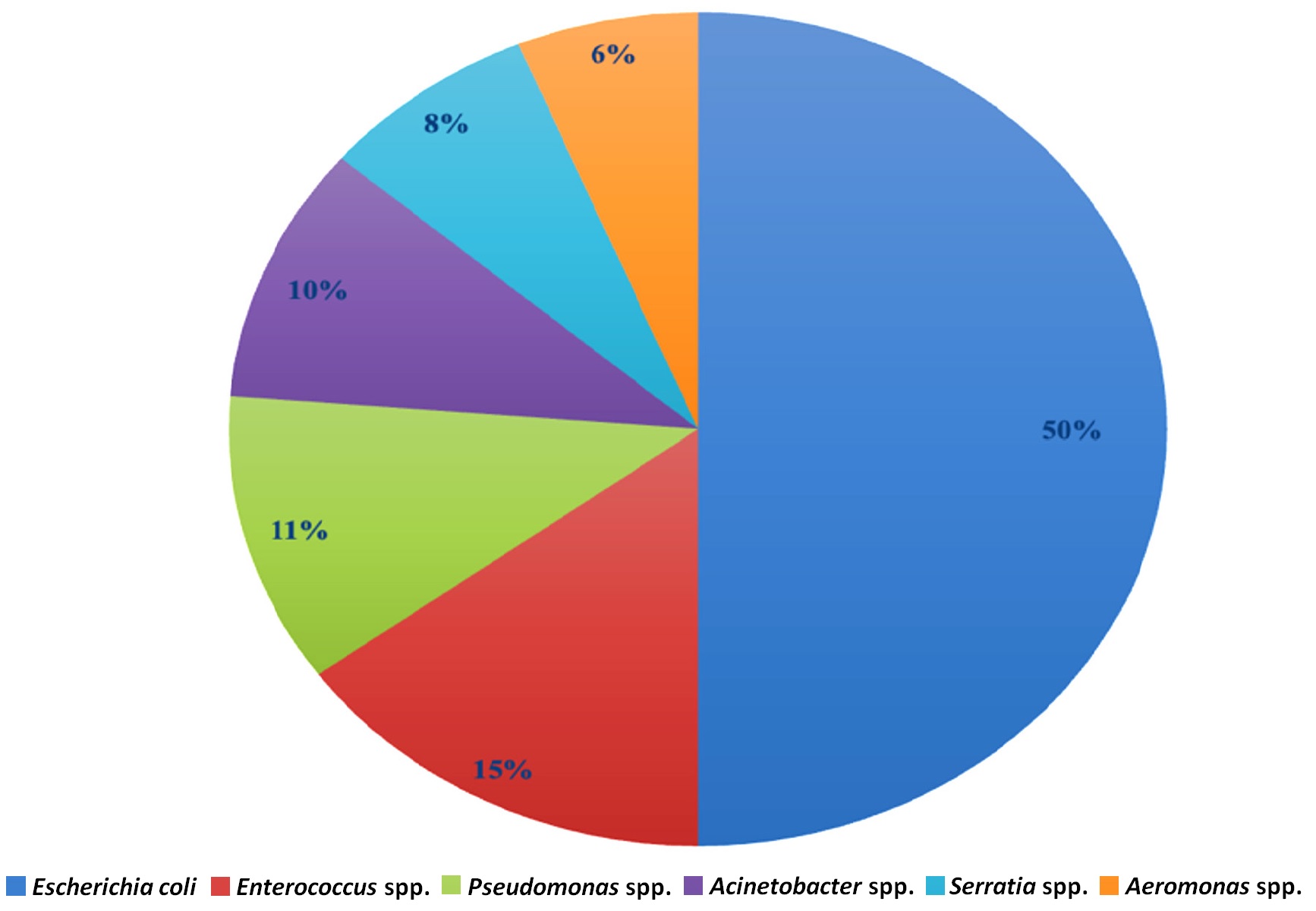
Figure 1. Prevalence of Bacterial Isolates Recovered from Retail-Marketed Labeo rohita
Antibiotic susceptibility and resistance assessment
All bacterial isolates were completely susceptible to gentamicin but resistant to amoxicillin. The isolated bacteria demonstrated diverse resistance patterns to the other antibiotics tested (Table 4). The highest aggregate resistance rates among all identified organisms were for ampicillin (72.5%) and erythromycin (61.25%), followed by tetracycline (56.25%) and chloramphenicol (42.5%). Resistance to fluoroquinolones ranged between 25% and 34%, whereas comparatively lower resistance was observed against imipenem and tobramycin (13.75% each). The antimicrobial resistance patterns of the bacterial isolates against different antibiotics are presented as a heatmap in Figure 2. To ensure better visualization and interpretation, only the six antibiotics demonstrating prominent resistance profiles were included in the comparative graphical analysis shown in Figure 3, although susceptibility testing was performed against 12 antibiotics.
Table 4. Antimicrobial Resistance Profile of Bacterial Isolates Recovered from Labeo rohita Sold in Retail Fish Markets of Punjab, India
Antibiotic |
E. coli (40) |
Enterococcus spp. (12) |
Pseudomonas spp. (9) |
Acinetobacter spp. (8) |
Serratia spp. (6) |
Aeromonas spp. (5) |
Total Resistant (80) |
|---|---|---|---|---|---|---|---|
Amoxicillin |
40 (100%) |
12 (100%) |
9 (100%) |
8 (100%) |
6 (100%) |
5 (100%) |
80 (100%) |
Ampicillin |
28 (70%) |
8 (66.7%) |
8 (88.9%) |
7 (87.5%) |
3 (50%) |
4 (80%) |
58 (72.5%) |
Chloramphenicol |
16 (40%) |
5 (41.7%) |
5 (55.6%) |
4 (50%) |
2 (33.3%) |
2 (40%) |
34 (42%) |
Ciprofloxacin |
8 (20%) |
3 (25%) |
4 (44.4%) |
2 (25%) |
1 (16.7%) |
2 (40%) |
20 (25.0%) |
Erythromycin |
24 (60%) |
10 (83.3%) |
6 (66.7%) |
4 (50%) |
2 (33.3%) |
3 (60%) |
49 (61.25%) |
Gentamicin |
0 (0%) |
0 (0%) |
0 (0%) |
0 (0%) |
0 (0%) |
0 (0%) |
0 (0%) |
Imipenem |
4 (10%) |
1 (8.3%) |
3 (33.3%) |
2 (25%) |
0 (0%) |
1 (20%) |
11 (13.75%) |
Levofloxacin |
10 (25%) |
4 (33.3%) |
4 (44.4%) |
3 (37.5%) |
1 (16.7%) |
2 (40%) |
24 (30.0%) |
Norfloxacin |
12 (30%) |
4 (33.3%) |
5 (55.6%) |
3 (37.5%) |
1 (16.7%) |
2 (40%) |
27 (33.75%) |
Ofloxacin |
12 (30%) |
4 (33.3%) |
4 (44.4%) |
3 (37.5%) |
1 (16.7%) |
2 (40%) |
26 (32.5%) |
Tetracycline |
22 (55%) |
6 (50%) |
6 (66.7%) |
5 (62.5%) |
3 (50%) |
3 (60%) |
45 (56.25%) |
Tobramycin |
4 (10%) |
1 (8.3%) |
3 (33.3%) |
2 (25%) |
0 (0%) |
1 (20%) |
11 (13.75%) |
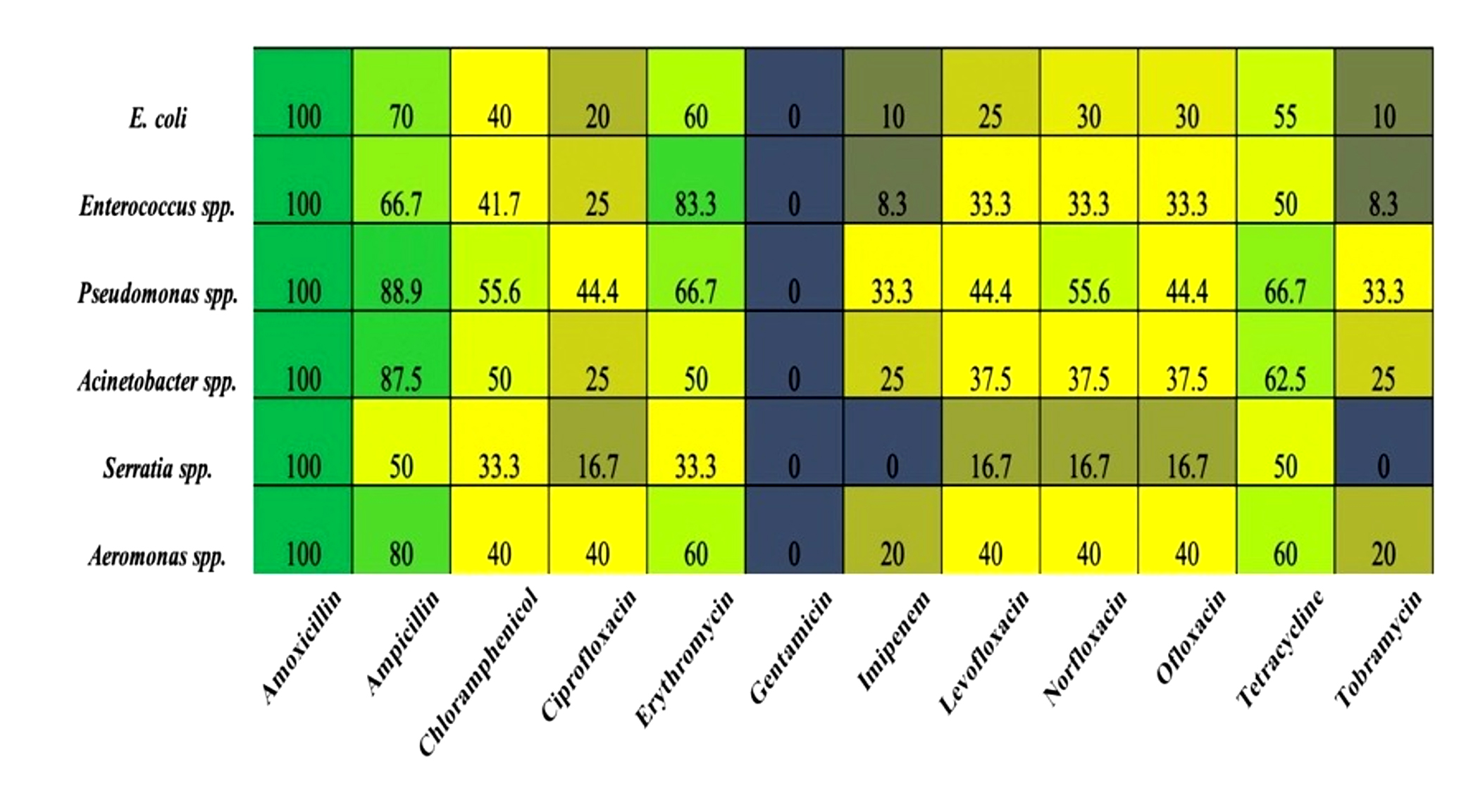
Figure 2. Heat map showing antimicrobial resistance percentages among bacterial isolates recovered from retail-marketed Labeo rohita in Punjab, India. Colour intensity represents the magnitude of antimicrobial resistance exhibited by different bacterial genera against the antibiotics tested
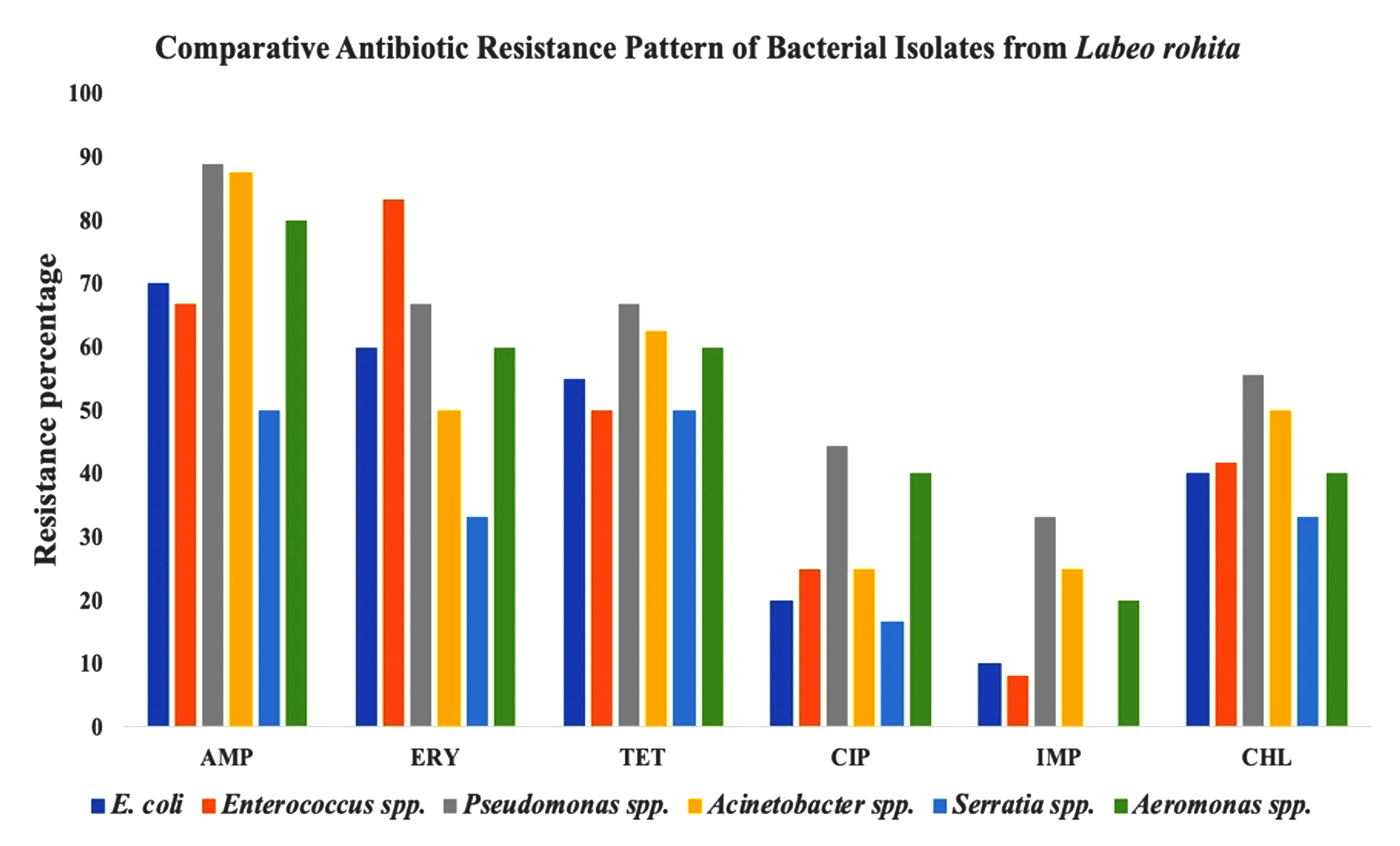
Figure 3. Comparative antimicrobial resistance patterns among bacterial isolates recovered from retail-marketed Labeo rohita in Punjab, India
Comparative antimicrobial resistance percentages exhibited by different bacterial genera isolated from retail-marketed Labeo rohita against selected antibiotics (AMP = ampicillin, ERY = erythromycin, TET = tetracycline, CIP = ciprofloxacin, IMP = imipenem, and CHL = chloramphenicol).
Multiple antibiotic resistance index
The Multiple Antibiotic Resistance (MAR) index of the bacterial isolates is presented in Table 5. The MAR index values ranged from 0.278-0.528 among the different bacterial groups. Pseudomonas spp. exhibited the highest Multiple Antibiotic Resistance (MAR) index (0.528), followed by Aeromonas spp. (0.450) and Acinetobacter spp. (0.448). Enterococcus spp. exhibited a MAR index of 0.403, whereas Escherichia coli showed a MAR index of 0.375. The lowest MAR index was recorded for Serratia spp. (0.278). All bacterial groups recorded MAR index values greater than 0.2. The graphical representation clearly demonstrates the variation in multidrug-resistance among the bacterial isolates (Figure 4). Chi-square analysis demonstrated a statistically significant correlation between bacterial genera and patterns of antibiotic resistance (χ² test, P = 0.011), indicating significant variation in resistance profiles among the bacterial isolates.
Table 5. MAR Index of the Different Bacterial Isolates
Bacteria |
No. of isolates |
Total resistance |
Average resistance per isolate |
MAR Index |
|---|---|---|---|---|
Escherichia coli |
40 |
180 |
4.5 |
0.375 |
Enterococcus spp. |
12 |
58 |
4.83 |
0.403 |
Acinetobacter spp. |
8 |
43 |
5.37 |
0.448 |
Serratia spp. |
6 |
20 |
3.33 |
0.278 |
Pseudomonas spp. |
9 |
57 |
6.33 |
0.528 |
Aeromonas spp. |
5 |
27 |
5.4 |
0.450 |
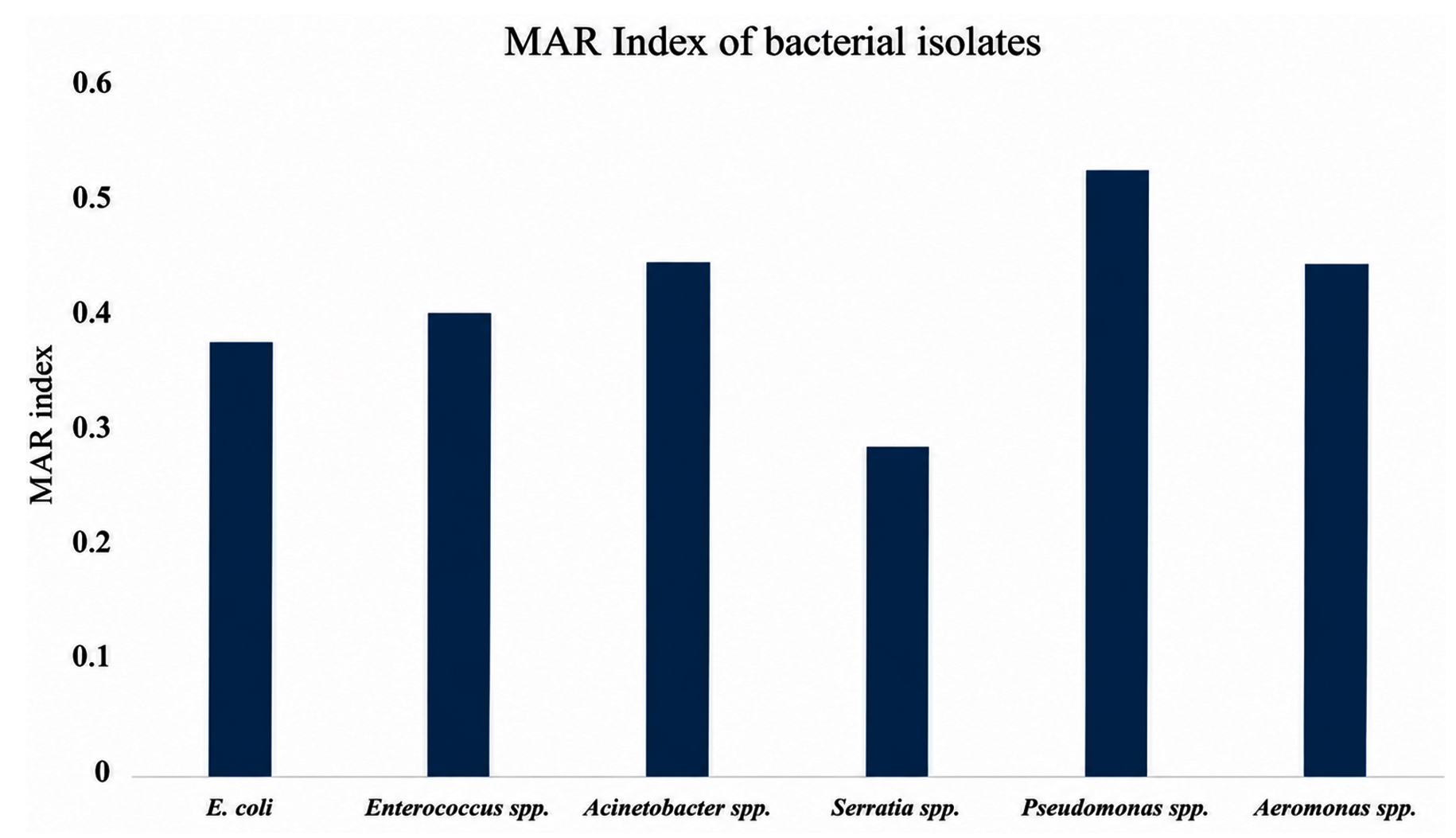
Figure 4. Bar graph representing the MAR index values of different bacterial isolates
Fish and fishery products are highly susceptible to microbial contamination throughout the production and retail supply chain, including harvesting, transportation, storage, and marketing, particularly in developing countries where inadequate sanitation and poor cold-chain management increase the risk of bacterial contamination. In the present study, retail-marketed Labeo rohita collected from Punjab, India, harboured diverse bacterial genera exhibiting varying antimicrobial resistance profiles, indicating potential food safety and public health concerns. Similar observations have been reported in retail fish marketed in India and other developing countries, where poor hygienic handling and contaminated environments have contributed significantly to bacterial contamination.20,21
Among the recovered isolates, Escherichia coli and Enterococcus spp. were predominant, suggesting possible faecal contamination during fish handling and marketing. The occurrence of coliform bacteria in food fish is generally regarded as an indicator of poor hygienic quality and environmental contamination.22 Similar findings were observed where a high prevalence of E. coli in retail fish associated with contaminated water and improper post-harvest handling practices was observed.23 The presence of faecal indicator bacteria in marketed fish is particularly concerning because these organisms may act as reservoirs of antimicrobial resistance determinants capable of transmission to humans through the food chain.21 Recent investigations on retail-marketed L. rohita have further emphasized that fish sold in markets may harbour antimicrobial-resistant bacteria, highlighting the importance of continuous microbiological surveillance and strengthened food safety measures to reduce public health risks.24
The isolation of Aeromonas, Pseudomonas, Acinetobacter, and Serratia spp. further highlights the microbiological diversity associated with aquatic ecosystems and retail fish products. Previous investigations have documented the frequent occurrence of these genera in aquaculture systems exposed to anthropogenic pollution and antibiotic residues.4,24,25 Members of these genera are well recognized for their environmental adaptability, biofilm-forming ability, and capacity to survive under antibiotic stress, which may facilitate their persistence in aquatic environments and enhance the dissemination of resistance genes.
Antimicrobial susceptibility analysis revealed elevated resistance to frequently utilised antibiotics such as amoxicillin, erythromycin, ampicillin and tetracycline. The complete resistance to amoxicillin observed among all bacterial isolates may reflect the extensive and prolonged use of β-lactam antibiotics in aquaculture, livestock production, and human medicine. Continuous exposure to these antibiotics can promote the selection and persistence of resistant bacterial populations through the acquisition of β-lactamase enzymes and other resistance mechanisms. In contrast, all isolates demonstrated susceptibility to gentamicin, suggesting that resistance to this aminoglycoside antibiotic remains relatively uncommon among the bacterial populations investigated. This finding may be associated with the comparatively restricted use of gentamicin in aquaculture systems and the higher biological fitness cost often associated with aminoglycoside resistance mechanisms. Comparable resistance patterns have been widely reported in bacteria isolated from aquaculture products in India and other Asian countries where antibiotics are extensively used for disease prevention and growth promotion.26 Continuous exposure of aquatic microorganisms to antibiotic residues originating from aquaculture practices, livestock runoff, domestic sewage, and pharmaceutical effluents may exert selective pressure favouring the growth and survival of resistant bacterial populations.
The statistically significant association observed between bacterial genera and antimicrobial resistance patterns (P = 0.011) indicates considerable variability in resistance behaviour among different bacterial groups. These variations may be associated with differences in intrinsic resistance mechanisms, ecological adaptability, and the capacity of bacteria to acquire resistance determinants through horizontal gene transfer. Comparable results have been documented in previous research, where environmental and antimicrobial selective pressures contributed to the diversification of resistance profiles among bacterial genera in aquatic and clinical environments.27
The MAR index values observed in this study varied from 0.278-0.528, with an overall MAR index of 0.401, signifying that bacterial isolates are exposed to high-risk contamination sources associated with the frequent or improper use of antibiotics. MAR values surpassing 0.2 are typically considered representative of environmental settings subjected to substantial antibiotic-induced pressure.28 The MAR indices observed in the present study are consistent with those reported for bacteria isolated from aquaculture environments and retail fish products in India and Southeast Asia, reflecting the extensive antimicrobial pressure associated with aquatic food production systems.29-31
Several isolates exhibited multidrug-resistant phenotypes, demonstrating resistance to multiple antibiotic classes. The occurrence of multidrug-resistant bacteria in retail-marketed fish is particularly alarming because such organisms may compromise therapeutic efficacy and contribute to the spread of resistance genes throughout environmental and clinical settings.32 The detection of multidrug-resistant Acinetobacter and Pseudomonas spp. is especially concerning because these opportunistic pathogens are widely recognized as reservoirs of clinically important antimicrobial resistance determinants and are increasingly implicated in difficult-to-treat infections in both humans and aquatic animals.33-35
Overall, the findings of the present study demonstrate that retail-marketed Labeo rohita may serve as a potential reservoir of multidrug-resistant bacteria with possible implications for food safety and public health. The study emphasizes the necessity for improved hygienic practices during fish handling and marketing, rational application of antibiotics in aquaculture, and continuous surveillance of antimicrobial resistance in marine food systems. Strengthening antimicrobial stewardship programmes and implementing effective monitoring strategies are therefore essential to minimize the dissemination of resistant bacteria through the aquatic food chain.
This study reveals the existence of multidrug-resistant bacteria in Labeo rohita sold in retail fish markets of Punjab, indicating poor hygienic conditions and potential public health risks. The high resistance rates and MAR indices underscore the necessity for improved hygiene practices, rational antibiotic use, and routine antimicrobial resistance surveillance in retail fish systems. The findings of this study should be interpreted considering certain limitations, as bacterial identification was based on phenotypic methods; future molecular studies are recommended to better understand resistance dynamics.
Acknowledgments
The authors express their sincere gratitude to the authorities of the School of Bioengineering and Biosciences, Lovely Professional University, for granting access to laboratory facilities required for this research.
Conflict of interest
The authors declare that there is no conflict of interest.
Authors’ contribution
AM performed sample collection. AK designed the experiments. AM performed laboratory experiments and data analysis. AK performed data interpretation. AM wrote the manuscript. RS supervised the study and reviewed the manuscript. AK and RS revised the manuscript. All authors read and approved the final manuscript for publication.
Funding
None.
Data availability
All datasets generated or analyzed during this study are included in the manuscript.
Ethics statement
Not applicable.
- Ferrara F, Castagna T, Pantolini B, et al. The challenge of antimicrobial resistance (AMR): current status and future prospects. Naunyn-Schmiedeberg’s Arch Pharmacol. 2024;397(12):9603-9615.
Crossref - Murray CJL, Ikuta KS, Sharara F, et al. Global burden of bacterial antimicrobial resistance in 2019: a systematic analysis. Lancet. 2022;399(10325):629-655.
Crossref - World Health Organization (WHO). Antimicrobial resistance; 2024. https://www.who.int/europe/news-room/fact-sheets/item/antimicrobial-resistance
- Ajose DJ, Adekanmbi AO, Kamaruzzaman NF, Ateba CN, Saeed SI. Combating antibiotic resistance in a One Health context: A plethora of frontiers. One Health Outlook. 2024;6(1):19.
Crossref - Tang KL, Caffrey NP, Nobrega DB, et al. Restricting the use of antibiotics in food-producing animals and its associations with antibiotic resistance in food-producing animals and human beings: a systematic review and meta-analysis. Lancet Planet Health. 2017;1(8):e316-e327.
Crossref - Partridge SR, Kwong SM, Firth N, Jensen SO. Mobile genetic elements associated with antimicrobial resistance. Clin Microbiol Rev. 2018;31(4):e00088-17.
Crossref - Baquero F, Martinez JL, Canton R. Antibiotics and antibiotic resistance in water environments. Curr Opin Biotechnol. 2008;19(3):260-265.
Crossref - Reverter M, Sarter S, Caruso D, et al. Aquaculture at the crossroads of global warming and antimicrobial resistance. Nat Commun. 2020;11(1):1870.
Crossref - Marti E, Variatza E, Balcazar JL. The role of aquatic ecosystems as reservoirs of antibiotic resistance. Trends Microbiol. 2014;22(1):36-41.
Crossref - Done HY, Venkatesan AK, Halden RU. Does the recent growth of aquaculture create antibiotic resistance threats different from those associated with land animal production in agriculture? AAPS J. 2015;17(3):513-524.
Crossref - Akter S, Haque MA, Sarker MAA, et al. Efficacy of using plant ingredients as partial substitute of fishmeal in formulated diet for a commercially cultured fish, Labeo rohita. Front Sustain Food Syst. 2024;8:1376112.
Crossref - Mumbo MT, Nyaboga EN, Kinyua J, et al. Prevalence and antimicrobial resistance profile of bacterial foodborne pathogens in Nile tilapia fish (Oreochromis niloticus) at points of retail sale in Nairobi, Kenya. Front Antibiot. 2023;2:1156258.
Crossref - Singh AS, Nayak BB, Kumar SH. High prevalence of multiple antibiotic-resistant, extended-spectrum β-lactamase (ESBL)-producing Escherichia coli in fresh seafood sold in retail markets of Mumbai, India. Vet Sci. 2020;7(2):46.
Crossref - Lorgen-Ritchie M, Clarkson M, Chalmers L, et al. Temporal changes in skin and gill microbiomes of Atlantic salmon in a recirculating aquaculture system. Aquaculture. 2022;558:738352.
Crossref - Cappuccino JG, Welsh CT. Microbiology: A Laboratory Manual. 11th ed. Pearson Education; 2017.
- Whitman WB, ed. Bergey’s Manual of Systematic Bacteriology. 2nd ed. Vols 1-5. Springer; 2012.
- Clinical and Laboratory Standards Institute. Performance Standards for Antimicrobial Susceptibility Testing. 28th ed. CLSI supplement M100. Wayne, PA: CLSI; 2018.
- Chowdhury S, Rheman S, Debnath N, et al. Antibiotics usage practices in aquaculture in Bangladesh and their associated factors. One Health. 2022;15:100445.
Crossref - Krumperman PH. Multiple antibiotic resistance indexing of Escherichia coli to identify high-risk sources of fecal contamination of food. Appl Environ Microbiol. 1983;46(1):165-170.
Crossref - Amin MB, Talukdar PK, Sraboni AS, et al. Prevalence and antimicrobial resistance of major foodborne pathogens isolated from pangas and tilapia fish sold in retail markets of Dhaka city, Bangladesh. Int J Food Microbiol. 2024;418:110717
Crossref - Kumar A, Singh R, Masood A, et al. Genomic characterization of multidrug-resistant Escherichia coli isolated from gills of Labeo rohita: Insight into resistome, virulence and pathogenicity. PLoS One. 2026;21(6):e0351661.
Crossref - Ryu SH, Park SG, Choi SM, et al. Antimicrobial resistance and resistance genes in Escherichia coli strains isolated from commercial fish and seafood. Int J Food Microbiol. 2012;152(1-2):14-18.
Crossref - Singh AS, Nayak BB, Kumar SH. High prevalence of multiple antibiotic-resistant, extended-spectrum beta-lactamase-producing Escherichia coli in fresh seafood sold in retail markets of Mumbai, India. Vet Sci. 2020;7(2):46.
Crossref - Stratev D, Odeyemi OA. Antimicrobial resistance of Aeromonas hydrophila isolated from different food sources: a mini-review. J Infect Public Health. 2016;9(5):535-544.
Crossref - Sripradite J, Thaotumpitak V, Atwill ER, Hinthong W, Jeamsripong S. Distribution of bacteria and antimicrobial resistance in retail Nile tilapia (Oreochromis spp.) as potential sources of foodborne illness. PLoS One. 2024;19(4):e0299987.
Crossref - Schar D, Klein EY, Laxminarayan R, Gilbert M, Van Boeckel TP. Global trends in antimicrobial use in aquaculture. Sci Rep. 2020;10(1):21878.
Crossref - Vaithiyam VS, Rastogi N, Ranjan P, et al. Antimicrobial resistance patterns in clinically significant isolates from medical wards of a tertiary care hospital in North India. J Lab Physicians. 2020;12(3):196-202.
Crossref - Mir R, Salari S, Najimi M, Rashki A. Determination of frequency, multiple antibiotic resistance index and resistotype of Salmonella spp. in chicken meat collected from southeast of Iran. Vet Med Sci. 2022;8(1):229-236.
Crossref - Bhuvaneshwari G. Multiple antibiotic resistance indexing of non-fermenting gram-negative bacilli. Asian J Pharm Clin Res. 2017;10(6):78-80.
Crossref - Yern K, Zain N, Jaafar M, Sani MH, Suhaimi MS, Malaysia BPAAPFGP 81550 Johor Bahru, Johor, Sani M, Suhaimin M. Prevalence of antibiotic resistance bacteria in aquaculture sources in Johor, Malaysia Prevalence of antibiotic resistance. J Trop Life Sci. 2022;12(2):207-218.
Crossref - Nagar V, Ansari F, Vaiyapuri M, et al. Virulent and multidrug-resistant Aeromonas in aquatic environments of Kerala, India: Potential risks to fish and humans. Braz J Microbiol. 2025;56(1):303-311.
Crossref - Farrukh M, Munawar A, Nawaz Z, Hussain N, Hafeez AB, Szweda P. Antibiotic resistance and preventive strategies in foodborne pathogenic bacteria: A comprehensive review. Food Sci Biotechnol. 2025;34(10):2101-2129.
Crossref - Doughari HJ, Ndakidemi PA, Human IS, Benade S. The Ecology, Biology and Pathogenesis of Acinetobacter spp.: An Overview. Microbes Environ. 2011;26(2):101-112.
Crossref - Elsherif MF, Saad SM, Hamad A, Amin RA. Prevalence and antibiotic resistance patterns of Aeromonas and Pseudomonas species recovered from aquatic foods sold at the retail market in Egypt. Benha Vet Med J. 2023;45(1):146-151.
Crossref - Milijasevic M, Veskovic-Moraeanin S, Babic Milijasevic J, Petrovic J, Nastasijevic I. Antimicrobial resistance in aquaculture: Risk mitigation within the One Health context. Foods. 2024;13(15):2448.
Crossref
© The Author(s) 2026. Open Access. This article is distributed under the terms of the Creative Commons Attribution 4.0 International License which permits unrestricted use, sharing, distribution, and reproduction in any medium, provided you give appropriate credit to the original author(s) and the source, provide a link to the Creative Commons license, and indicate if changes were made.