

 , Kamesh R. Babu1 and Rajendra Awasthi2
Millions of deaths worldwide are attributed to antibiotic-resistant infections, and the spread of an antimicrobial resistance crisis is a critical threat to public health. The selective pressure exerted by conventional antibiotics not only restricts microbial evolutionary pathways, accelerating the onset of resistance but also promotes the activation of several downstream mechanisms of resistance in a very complex and interdependent manner. Once activated, such mechanisms are intrinsically more challenging to inactivate when targeted independently. AMPs usually have activity on the basis of a nonspecific disruption of microbial membranes, a mechanism that significantly lowers the chances of the onset of resistance. AMPs are structurally and functionally diverse molecules, typically ranging from 10-65 amino acids in length, with strong enrichment of cationic and hydrophobic residues. On the basis of their structural features, AMPs are usually classified into distinct families, such as amino acid-rich peptides, cysteine-rich peptides, and α-helical peptides. This review presents a comprehensive and updated description of insect-derived AMPs, including information from the Insect Antimicrobial Peptide Database with pertinent literature sources.
Amino Acids, Antimicrobial Peptides, Antimicrobial Resistance, Cecropin, Defensin, Drug Resistance
The increasing prevalence of AMR poses a significant threat to global health systems by reducing the effectiveness of conventional antibiotics. Various authoritative bodies, including the World Health Organization, have issued serious warnings. Without the successful implementation of new therapeutic alternatives, drug-resistant infections are projected to one million deaths annually by 2050.1,2 Traditional antibiotics usually attack microbial processes related to cell wall synthesis, protein synthesis, or DNA replication. However, this has inadvertently accelerated the evolution of bacterial resistance mechanisms, such as genetic mutations, the production of inactivating enzymes, and the development of efflux pumps capable of removing drugs from the cell.3 This continuous biological “arms race” highlights the pressing need to find and develop antimicrobial agents with novel modes of action that would more effectively compete with or bypass traditional resistance pathways.
Antimicrobial resistance is among the leading causes of death worldwide. In 2019 alone, bacterial infection due to AMR was directly responsible for an estimated 1.27 million human deaths, indicating a very significant public health burden with mortality rates reaching those of major infectious diseases such as HIV/AIDS and malaria during the same time period. Deaths directly due to AMR are projected to indicate an overall increase of approximately 70% by 2050. The increased costs of second-line treatments and extended hospital stays are increasing the global healthcare burden. The present magnitude of the AMR crisis necessitates an urgent and strategic re-evaluation of traditional methods for developing new therapeutic solutions.3,4 The global mortality from AMR (4.95 million fatalities) is considerably greater than the number of deaths directly caused by bacterial AMR (1.27 million). In 2019, AMR-related deaths were much greater than deaths from other more familiar infectious diseases, such as malaria (0.86 million deaths) and HIV/AIDS (0.64 million).
In the search for new antimicrobial agents, researchers are now focusing on the innate immune systems of insects. Insects have evolved as an efficient and rapid immune response to survive in environments rich of dangerous microorganisms.5 AMP synthesis is a key element of this defense mechanism. Insect-derived AMPs have advantages over traditional antibiotics, such as rapid bactericidal action, broad-spectrum activity against a variety of bacteria, fungi, viruses, and parasites, and a low tendency to cause resistance. It is difficult for pathogens to develop targeted resistance to AMPs because they frequently work through non-specific, membrane-disrupting mechanisms.6 A data-driven analysis of insect-derived antimicrobial peptide database (IAMPDB) was used to identify important features and research gaps, and recent findings are summarized to provide a thorough overview of the diversity, mechanisms, and applications of insect AMPs.7
This review provides an in-depth overview of AMPs from insects, covering studies published after 2014. Both new and established families of AMPs are covered, based on the structural and functional diversity of AMPs, to emphasize their important physicochemical features. Different modes of action are also discussed, with a focus on how the unique properties of these peptides enable them to bypass conventional AMR. This review further explores recent findings and new biomedical and industrial applications, covering the prevention of multidrug-resistant (MDR) infections, the acceleration of wound healing, and improvement in animal health. Based on the literature evidence, important research gaps were identified, and a strategic plan for tackling the main issues with AMP stability, toxicity, and large-scale production was proposed. Table 1 illustrates evolutionary and structural details of representative insect-derived AMPs.
Table 1. Evolutionary, structural and functional details of representative insect-derived AMPs
AMP class |
Source insect |
Core structural features |
Functional spectrum |
Ref. |
|---|---|---|---|---|
Cecropin |
Hyalophora cecropia (Cecropia moth) |
Amphipathic α-helix, membrane permeabilizer |
Broad-spectrum antibacterial |
8 |
Attacin |
Hyalophora cecropia |
Glycine-rich linear peptide |
Induced upon Gram-negative infection |
9 |
Defensin |
Sarcophaga peregrina (Flesh fly) |
Cysteine-stabilized β-sheet |
Antibacterial, immune homeostasis |
10 |
Drosocin |
Drosophila melanogaster |
Proline-rich, unstructured-to-helical transition |
Targets Gram-negative bacteria |
11 |
Pyrrhocoricin |
Pyrrhocoris apterus |
Proline enrichment, ribosome-interactive |
Inhibits translation in Gram-negatives |
12 |
Lebocin |
Bombyx mori |
Structurally heterogeneous |
Broad antibacterial spectrum |
13 |
Melittin |
Apis mellifera |
Amphipathic α-helix, cytolytic |
Venom-derived antimicrobial |
14 |
Metchnikowin |
Drosophila melanogaster |
Hybrid proline-rich motif |
Antifungal and Gram-positive activity |
15 |
Diptericin |
Dipteran insects |
Glycine-rich polypeptide |
Synergistic immune role |
16 |
Ponericin |
Pachycondyla goeldii (Ant) |
Linear amphipathic sequence |
Poly-spectrum antibacterial |
17 |
Apisimin |
Apis mellifera |
Short, hydrophobic peptide |
Anti-Gram-negative |
18 |
Jelleines |
Apis mellifera |
Positively charged, amphipathic |
Dual Gram-positive and Gram-negative |
19 |
Persulcatusin |
Ixodes persulcatus |
Extended α-helical core |
Broad-spectrum activity |
20 |
Cecropin Variants |
Hyalophora cecropia |
Expanded α-helical family |
Antibacterial, antifungal, antiviral |
21 |
Defensin Isoforms |
Bombyx mori |
Cysteine-stabilized β-fold |
Immunity and pathogen resistance |
22 |
Proline rich AMPs |
Bombyx mori |
High proline content |
Gram-negative selectivity |
23 |
Glycine rich AMPs |
Anopheles spp. |
Glycine-dense, structurally plastic |
Broad antimicrobial potential |
24 |
Diversity and structural classification of insect AMPs
Insect AMPs represent a heterogeneous group of molecules that are typically categorized into three primary groups based on their composition and structure: linear peptides, cysteine-rich peptides, and peptides that contain specific amino acids, such as proline or glycine.25-27
Linear α-helical peptides
Linear α-helical peptides, represented by Cecropins, are composed of a linear chain of amino acids that adopt an amphipathic α-helical structure when interacting with membranes. These peptides typically exhibit a net positive charge and lack cysteine residues.5 Cecropins, initially identified in the giant silk moth (Hyalophora cecropia), are extensively studied peptides known for their potent bactericidal effects against both Gram-negative and Gram-positive bacteria, which function through pore-forming mechanisms in microbial membranes.6
Cysteine-rich peptides
The most acknowledged members of this family include defensins. During folding into compact structures, the folding of β-sheets by these peptides is stabilized by three to four disulfide bridges, which result from 6-8 conserved cysteine residues.5 In general, insect defensins, such as those present in honeybees (Apis mellifera), act with high efficiency toward Gram-positive bacteria, including Staphylococcus aureus (S. aureus). However, some of them exhibit activity against fungi and Gram-negative bacteria.24 This indicates that the major determining factors of a peptide’s biological activity include its specific sequence and the three-dimensional structure it assumes.
Peptides rich in specific amino acids
This group includes peptides that have the characteristic of one or a few amino acids dominating their sequences. Proline-rich peptides, such as Drosocin and Metchnikowin from Drosophila melanogaster, are usually short in length (15-39 residues) and tend to exert their mode of action via intracellular targets rather than direct interactions with the cell membrane.25 The second major subgroup includes glycine-rich peptides such as attacins and diptericins. These peptides display potent activity against Gram-negative bacteria, although their mode of action may differ.6 Insect AMPs may be grouped into primary families according to their structures and sequence motifs. The representative insect AMP families and their characteristic features are listed in Table 2.
Table 2. Major insect AMP families – sequences, structures and target spectra.24
Family |
Typical length (aa) |
Structural features |
Representative peptide(s) |
Typical targets |
|---|---|---|---|---|
Cecropins |
30-40 |
Linear, α-helical, amphipathic |
Cecropin A, Cecropin B |
Gram-negative and some Gram- positive bacteria, biofilms |
Defensins |
30-50 |
Cysteine-rich, disulfide bonds, β-sheet/αβ |
Insect defensins |
Gram-positive bacteria, fungi |
Pro/ Gly-rich peptides |
18-50 |
Enriched in Pro/Gly, often unstructured |
Apidaecin, Abaecin, Drosocin |
Intracellular targets; Gram- negative |
Attacins/Diptericins |
70-200 |
Larger, glycine-rich proteins |
Attacin, Diptericin |
Gram-negative bacteria |
β-hairpin peptides |
~20-25 |
Disulfide-stabilized hairpins |
Thanatin |
Gram-negative, fungi |
AMPs have the potential to transform into more helical forms upon adhering to a microbial surface, which is crucial for their antibacterial effect. The increased levels of proline and glycine in these peptides confer significant efficacy against Gram-negative bacteria.28 Six major classes of insect-derived AMPs have been identified. Insect-derived AMPs can be classified into various structural families. These include Cecropins, Defensins, Diptericins, Drosocin, Metchnikowin, Attacins, and Coleoptericin. Cecropins are α-helical peptides, whereas insects known as defensins, are characterized as cysteine-rich peptides. Proline-rich peptides include drosocin and metchnikowin. Attacins and coleoptericin are glycine-rich peptides/proteins. These AMPs demonstrate antimicrobial activity against various pathogens, including bacteria, fungi, parasites, and viruses. The diverse antimicrobial spectrum of insect AMPs suggests different modes of action. Insect AMPs are integral to the innate immune system and hold promise for use as antimicrobial agents. The structural classification of AMPs is shown in Figure 1. A detailed classification of AMPs is discussed below.
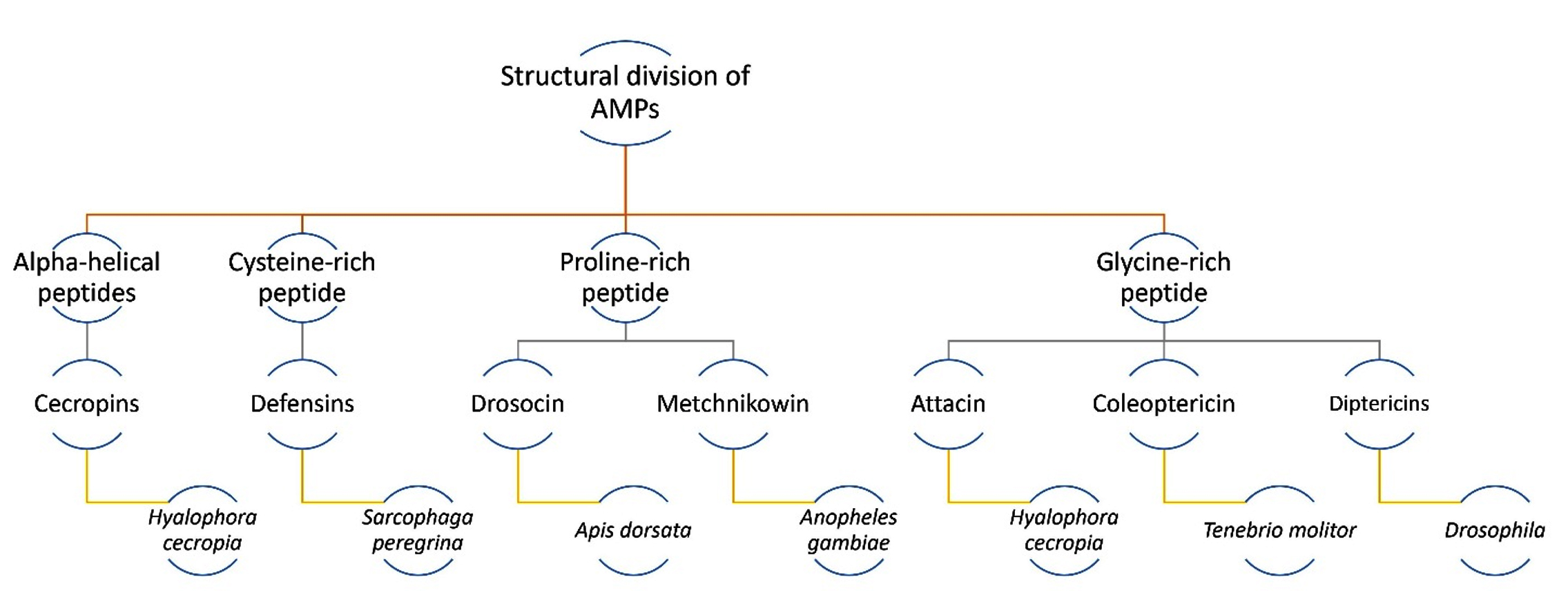
Figure 1. Classification of AMPs on the basis of their structure
Defensins
Ancient natural antibiotics known as defensin peptides have potent antibacterial activity against a wide range of pathogens.29 They include 6-8 conserved cysteine residues and 18-45 amino acids.23 Insect defensins (a class of inducible antibacterial peptides) and traditional defensins include 29-35 amino acids. Three disulfide bonds typically serve to stabilize the defensin molecule, and the α-hairpin is its main structural component.30 Defensins attach to the cell membrane or create membrane flaws that resemble pores to allow the outflow of vital ions and nutrients.31 Insect defensins are effective against a wide variety of bacteria, including S. aureus and other pathogenic microorganisms.32 By disrupting the bacterial membrane, these peptides inhibit antibiotic resistance.33 Defensins play crucial role in the regulation of microbial infections within the innate immune system, and exhibit different modes of action. The β-sheet and α-helix structures are joined by two intramolecular disulfide bonds to form a Cys-stabilized alpha-beta structure.34
Cecropins
Most linear helical AMPs are members of the cecropin family. These AMPs were originally obtained from the hemolymph of the lepidopteron Hyalophora cecropia. Before maturation, insect Cecropins consist of 58-79 amino acids.35 The major component is effective against Gram- negative bacteria whereas the other components are effective against Gram-positive bacteria. The active ones possess 34-55 residues.36 The C-terminus of Cecropins is amidated because post-translational modification process increases the antibacterial activity of most Cecropins.37 Insect Cecropins have been examined from a structural and biological perspective to assess their in vitro activity. The mechanism of action of Cecropin A remains unclear because of its stabilized helical structure, which is associated with reduced levels of NADP+ and glutathione, and its role in inducing oxidative stress through the production of reactive oxygen species (ROS).38
Attacins
Attacins are glycine-rich proteins extracted from the hemolymph of Hyalophora cecropia pupae that have been exposed to the bacterium.39 Attacins are made from pre-pro-proteins that have a solo peptide, which consists of a pro-peptide, an N-terminal attacin domain, and a signal peptide. The G1 and G2 domains consist of regions that are rich in lysine residues.40 Attacins prevent Gram-negative bacteria from synthesizing primary outer membrane proteins during division, thereby compromising cell wall integrity and facilitating the growth of long bacterial chains.41 Attacins are effective in eradicating Escherichia coli (E. coli) and other Gram-negative bacteria. Attacins represent the second class of antibacterial proteins in the humoral immune system of Hyalophora cecropia, following cecropin lysozyme.42 Attacin and analogous proteins have been identified in various insect species, including Bombyx mori, Glossina morsitans, Samia cynthia, Musca domestica, Heliothis virescens, and Trichoplusia ni.43
Drosocin
Drosophila melanogaster synthesizes a specific peptide known as drosogon. This peptide is an antimicrobial compound that has a unique O-glycosylation modification. It consists of 19 amino acids, with the sequence GKPRPYSPRPTSHPRPIRV-NH2.44,45 O-glycosylation is essential for the peptide to exhibit optimal biological activity. Glycosylation plays a significant role as a post-translational modification for various proline-rich AMPs.46 Drosocin is resistant to almost all Gram-negative bacteria and M. luteus (a Gram-positive bacteria).47 The activity of drosocin is eliminated upon the removal of the initial five N-terminal residues. Glycosylated drosopin has no efficacy against E. coli or fungi.48
Diptericins
Diptericins are AMPs derived from proteins present in the hemolymph of flies (Dipterans). These AMPs are a group of AMPs identified in insects, particularly within the Drosophilidae family, and play a vital role in the innate immune system, functioning as a primary barrier against bacterial infections. These peptides are characterized by a high glycine content, have a molecular weight of approximately 8 kDa, and consist of 82 amino acids.49 D. melanogaster, Sarcophaga peregrina (the fresh fly), and Mayetiola destructor all express diptericin (Hessian fly).50 Diptericin A is the most common peptide in this family. Only a limited number of Gram-negative bacteria (E. coli K12, Erwinia hericola T, and Erwinia carotovora 11) are resistant to this peptide. Diptericin-A primarily affects the cytoplasmic membrane of bacteria.51 Peptides present numerous benefits and complexities in the context of their prospective medicinal application.
Metchnikowin
In 1995, scientists identified a new inflammatory-inducible peptide in D. melanogaster characterized by 26 proline residues that has demonstrated efficacy against Gram-positive bacteria and fungi. This peptide was termed HRHEGPIFNTRPSPFNPNEPRPGPIY-NH2.51 Gram-negative bacteria, exhibit resistance to this peptide. This peptide was named Metchnikowin in recognition of E. Metchnikowin, the pioneer of this field of study. The Oregon Drosophila strain of Metchnikowin presents two isoforms that differ by a single residue (His versus Arg).49,51
Data-driven analysis from IAMPDB
For an overview of the diversity of the AMPs derived from insects from a quantitative perspective, we performed an analysis driven by data from the IAMPDB repository. We summarized important physicochemical and functional trends occurring within documented insect AMPs. A comparison of peptide length and molecular weight distributions revealed characteristic length and weight ranges that may influence membrane interactions, stability, and bioactivity. Further categorization based on antimicrobial function reflects their diversity regarding pathogen targets and tendencies in activity profiles unique to peptides of insects. In addition to these features, an evaluation of amino acid composition and dipeptide motifs provided further insights into the sequence patterns that may regulate specificity and potency. Overall, the integrated analyses here establish a quantitative basis for understanding the molecular signatures of insect AMPs, building a basis for their rationale as continued promising therapeutic candidates.
Peptide length and molecular weight
Analysis of length and molecular weight data revealed a bimodal distribution, with peptides primarily represented in the short-chain range of 10-65 amino acids. Identifying peptides of this length, which have maximal membrane-lytic activity and confer stability against proteolytic processing, is highly important. Some peptides, such as apolipophorin III, with 186 residues, and baramicin A1, with 257 residues, are much longer and have the potential for utilization as precursors or peptides with more complicated modes of action that do not involve cell lysis. The molecular weight distribution of AMPs exhibits a similar pattern, with a high concentration of peptides below 10 kDa. Figure 2 shows the peptide length distribution and molecular weight distribution of insect AMPs derived from data obtained from the IAMPDB database.26
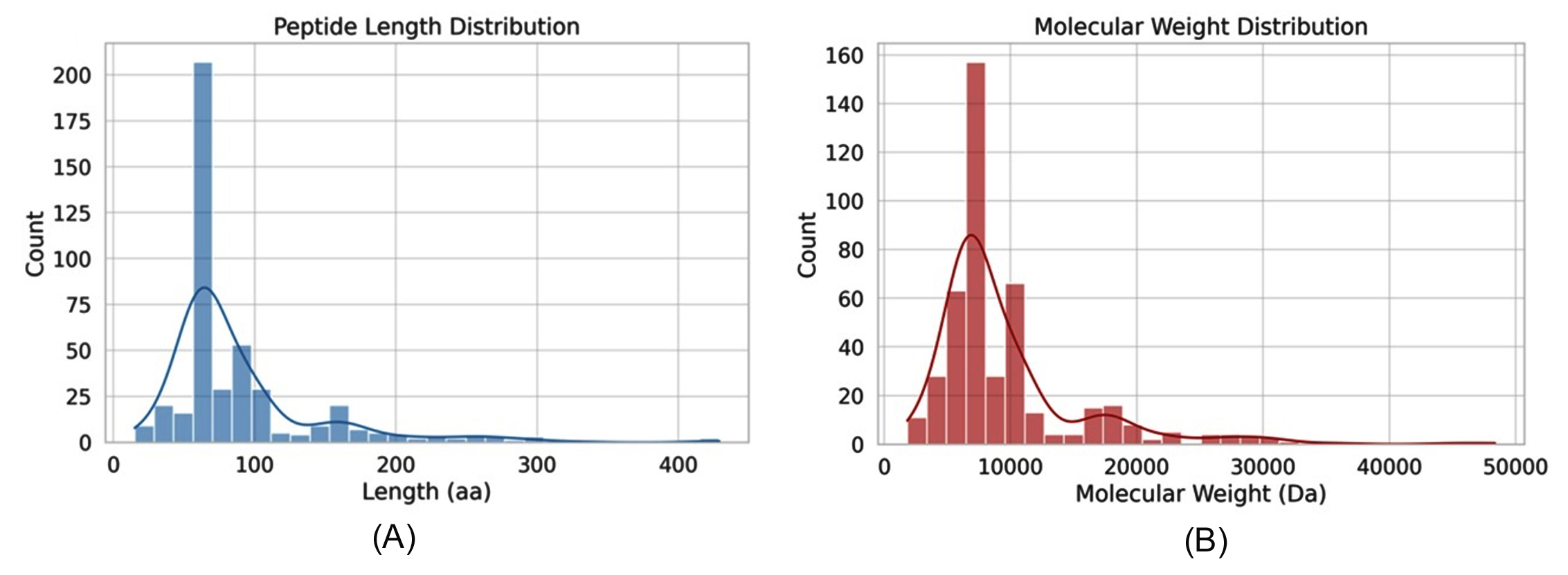
Figure 2. Peptide length distribution (A) and molecular weight distribution (B)
Distribution by antimicrobial activity
Analysis of antimicrobial activities shows that AMPs that are active against Gram-negative bacteria are most frequently reported, followed by Gram-positive bacteria and fungi. This may partly be due to the sampling bias in the database, but it also reflects the evolutionary pressures on insects, whose immune systems have co-evolved to combat a variety of environmental pathogens, many of which are Gram-negative.27
Amino acid composition and dipeptide motifs
The amino acid composition data revealed a high frequency of positively charged residues like lysine (K) and arginine (R) and hydrophobic residues such as leucine (L), isoleucine (I), and valine (V) (Table 3). This chemical signature is the direct molecular basis for the amphiphilic structure of the peptides, which is necessary for their initial electrostatic attraction to and subsequent hydrophobic insertion into negatively charged microbial membranes. Further analysis of the dipeptide composition refines this understanding through specific motifs that are part of a signature of certain AMP families. The high prevalence of proline-rich motifs (PR, HP, and PP) and glycine-rich motifs (GG) in the dataset correlates directly with the structural hallmarks of proline-rich and glycine-rich AMPs, which have distinct mechanisms of action apart from simple membrane disruption.52,53 The amino acid composition and dipeptide composition of AMPs are illustrated in Figure 3. Table 4 presents the key physicochemical properties of the selected insect AMPs.
Table 3. Frequencies of the top five amino acid and dipeptide.52,53
Amino acids |
Average frequency (%) |
Dipeptides |
Total count |
|---|---|---|---|
Alanine |
9.9 |
Glycine-Leucine |
75 |
Leucine |
9.1 |
Alanine-Glycine |
64 |
Glycine |
8.8 |
Alanine-Arginine |
56 |
Serine |
5.5 |
Isoleucine-Lysine |
45 |
Lysine |
5.3 |
Alanine-Alanine |
45 |
Table 4. Key physicochemical properties of selected insect AMPs.26
Peptide Name (IAMPDB_ID) |
Source Organism |
Length (residues) |
Molecular Weight (Da) |
Net Charge at pH 7 |
GRAVY Index |
Structural Class |
|---|---|---|---|---|---|---|
Cecropin-A1 (IAMP1) |
Drosophila melanogaster |
63 |
6770.90 |
+4.09 |
0.27 |
Alpha-helical |
Drosocin (IAMP8) |
Drosophila melanogaster |
64 |
7084.52 |
+6.12 |
0.12 |
Alpha-beta |
Baramicin A1 (IAMP3) |
Drosophila melanogaster |
257 |
28036.03 |
+15.70 |
-0.76 |
Alpha-beta |
Defensin-B (IAMP25) |
Aedes aegypti |
98 |
10583.11 |
-1.40 |
0.11 |
Beta-sheet |
Apidaecin (IAMP247) |
Bombus pascuorum |
17 |
1963.32 |
+3.09 |
-1.21 |
Alpha-beta |
Tenecin-1 (IAMP92) |
Tenebrio molitor |
84 |
9175.82 |
+1.76 |
0.36 |
Beta-sheet |
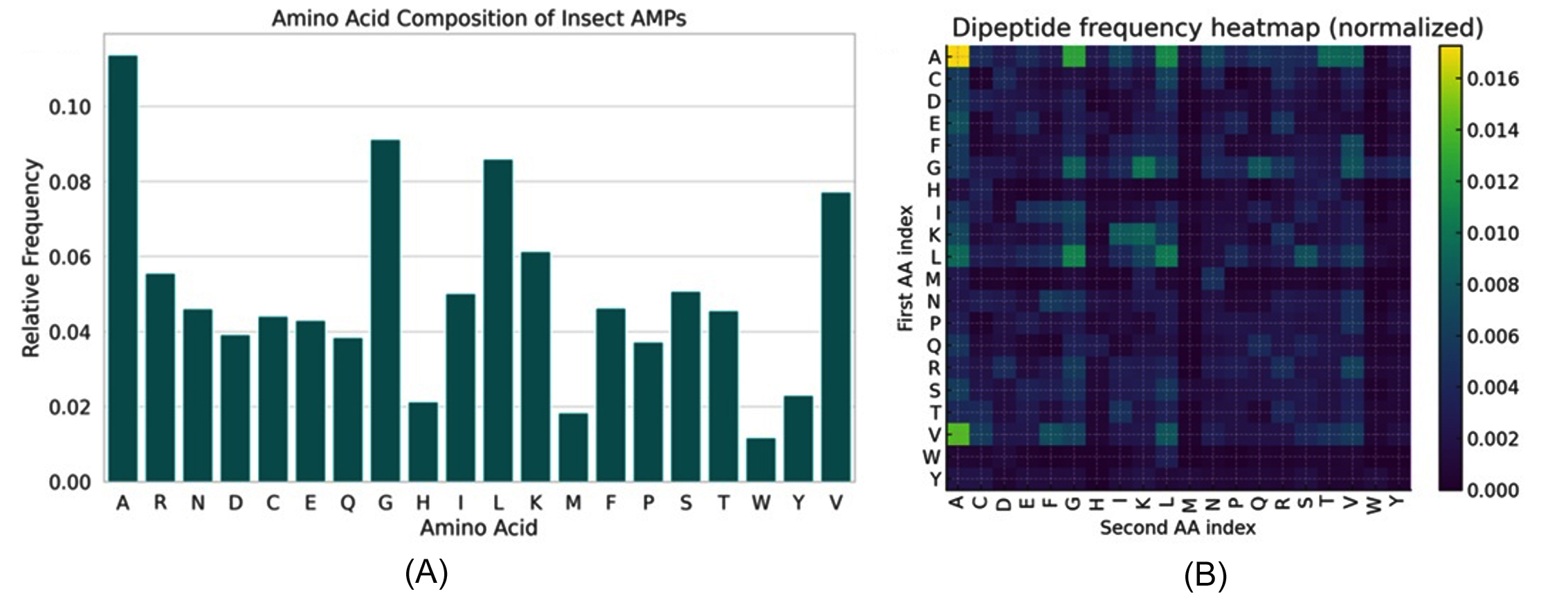
Figure 3. Amino acid composition (A) and dipeptide composition (B) of AMPs.26
Mechanism of action and advantages of insect AMPs over conventional antibiotics
Multifaceted approach to pathogen neutralization
Insect AMPs demonstrate a variety of mechanisms of action, and this diversity provides significant advantages over traditional antibiotics by rendering the development of pathogen resistance unlikely. Physical disruption is a prevalent mechanism of action among most AMPs. This process is generally initiated by electrostatic attraction between cationic AMPs and negatively charged components of bacterial membranes, such as lipopolysaccharide (LPS) in Gram-negative bacteria or teichoic acids in Gram-positive bacteria.12,54,55 Membrane disruption allows antibiotics to inhibit DNA, RNA, or protein synthesis by usually bypassing the bacterial cell membrane and increasing local bacterial susceptibility, leading to enhanced bactericidal activity at lower drug concentrations.1,2 Microbial biofilms maintain metabolically inert cells and prevent the penetration of therapeutic agents; thus, they are associated with antibiotic resistance. AMPs may prevent the formation of biofilms or disrupt preformed biofilms by breaking down extracellular polymeric substances and killing embedded cells. AMPs, when combined with conventional antibiotics, significantly improve antibiotic access to biofilm-associated bacteria and restore antimicrobial susceptibility, leading to the resolution and healing of chronic infections.3,4
AMPs can cross microbial membranes and interact with intracellular targets, such as nucleic acids, ribosomes, and important metabolic enzymes. Combination therapy combining AMPs with antibiotics allows targeting at multiple sites, evades bacterial stress responses, and minimizes the risk of acquired resistance mechanisms.5 AMPs inhibit bacterial resistance mechanisms, including efflux pump activity, changes in membrane charge, and the expression of resistance-associated genes. AMPs increase the susceptibility of bacteria to co-administered antibiotics, which in turn reverses resistance phenotypes and enhances the in vivo efficacy of existing therapies.6,24 In addition to their direct antimicrobial action, most AMPs have immunomodulatory effects, such as the recruitment of immunocytes, enhancement of phagocytosis, and modulation of inflammatory responses. In the combination therapy approach, these properties reinforce the action of antibiotics by enhancing the immune defense of the host, accelerating the clearance of pathogens, and, consequently, tissue repair.25 The synergistic interactions between AMPs and antibiotics often allow for dosage reductions of both agents, thereby reducing drug-related toxicity and side effects. This is particularly the case in the treatment of severe or chronic diseases, for which large antibiotic dosages are usually necessary.26 Following membrane binding, hydrophobic residues promote the intercalation of AMPs into the lipid bilayer, resulting in membrane permeabilization.56 Different models illustrating insect-derived mechanism of action of AMPs are presented in Figure 4.
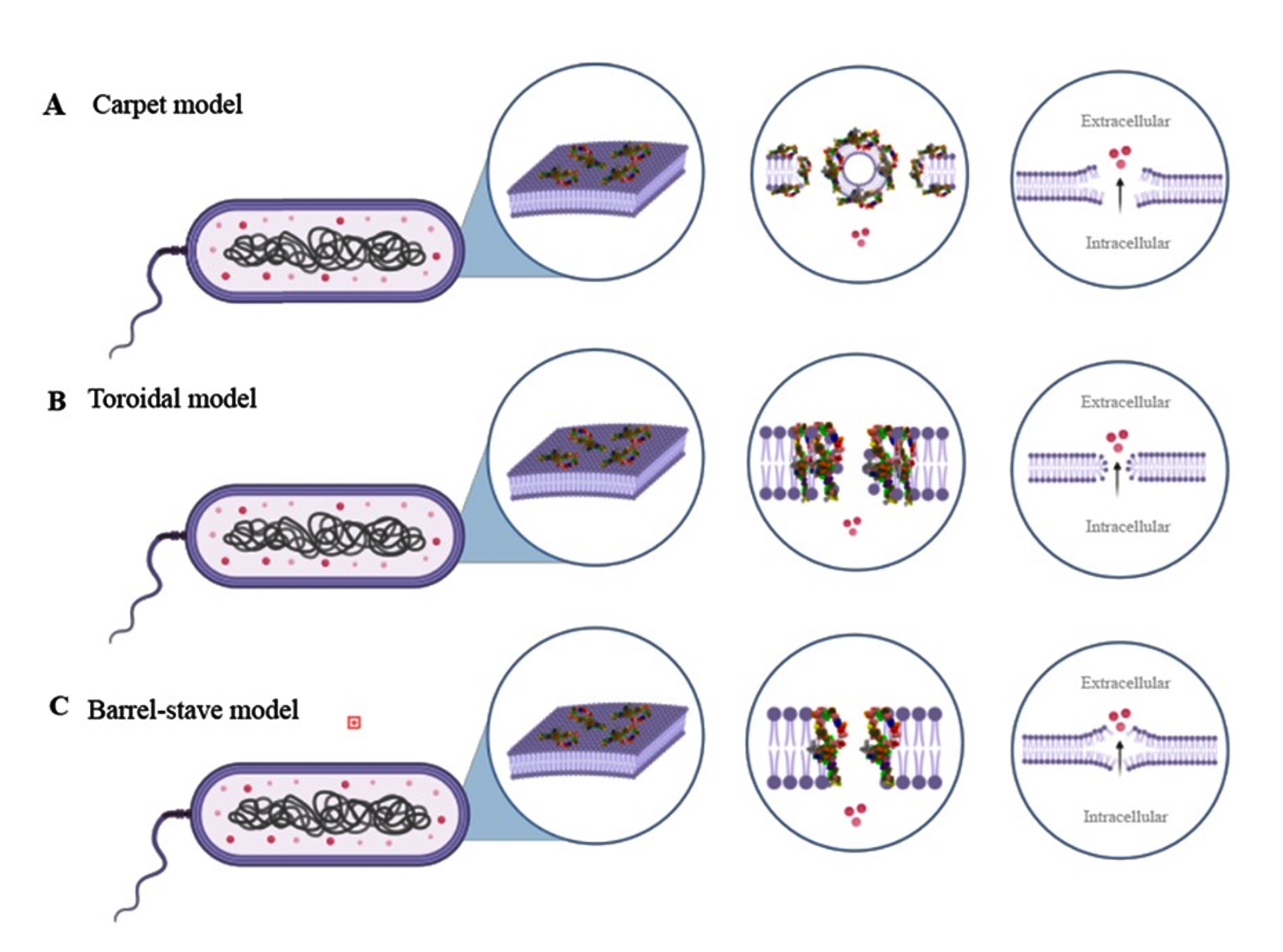
Figure 4. Insect-derived mechanism of action of AMPs
Barrel-stave model
AMPs have hydrophilic portion and hydrophobic portions. In this model, amphipathic helices combine to create a membrane-spanning pore as the peptide adheres to the surface and then plunges into the hydrophobic interior. The peptide presents an inward-curved, hydrophilic face that creates an aqueous interior, while its hydrophobic face is apposed against the lipid portion of the bacterial membrane. Since the peptides bind more avidly to the membrane than to the solvent, they induce opening or dilation of the channel, resulting in bursting of the microbial cell. These peptides insert into the lipid bilayer to form a barrel-like structure, in which a transmembrane pore forms. This breaks the integrity of the membrane, allowing rushes of the intracellular contents to escape and break the membrane potential. Cecropins are classic examples that work in this manner. As peptide concentration at the membrane increases, the pore can dilate, peaking during osmotic collapse and resulting in lysis of the microbe.
Carpet model
AMPs accumulate on the membrane surface, forming a thick layer that act as a detergent. This leads to membrane disruption and disintegration when a threshold concentration is reached. Amphipathic peptides align parallel to the lipid bilayer, with hydrophobic regions oriented toward the acyl domains and cationic residues interacting with anionic headgroups. At subcritical concentrations, this structure maintains bilayer integrity, but upon reaching a threshold density, cooperative disruption results in disintegration of the membrane into mixed micellar aggregates, such as surfactant-induced solubilization.57,58
Toroidal pore model
In the toroidal model, the clusters of peptides are perpendicular to the membrane, with their heads facing toward the center of the pore. The major difference between this model and the previous barrel stave model is the presence of the inward-bent membrane in the former, resulting in the formation of pores. The AMPs bend the membrane in the toroidal pore model. This results in the orientation of the lipid head groups toward the interior of the pore. The disorder in the toroidal pores formed by AMPs is substantial.12 In this model, the AMPs are inserted into the membrane. Therefore, the lipid bilayer folds inward. The pores are lined by the peptides and the lipid head groups in the folded lipid bilayer.48
Certain peptides, particularly those that are rich in proline, like apidecins, can penetrate bacterial cells without causing substantial membrane damage. Upon entry, these peptides inhibit essential intracellular processes, such as binding to DNA gyrase to obstruct DNA replication or targeting the bacterial ribosome to prevent protein synthesis. Similarly, glycine-rich attacins induce structural instability by inhibiting the synthesis of outer membrane proteins in Gram-negative bacteria. Bacteria encounter a significant challenge in developing resistance via single-point mutations because of the complex nature of damage to the cell membrane and the intracellular machinery.55,56
Combination therapies
In addition to their individual effects, AMPs frequently exhibit synergistic behavior, where the concurrent action of multiple peptides or the combination of peptides with conventional antibiotics proves to be more effective than the mere aggregation of their separate effects. The therapeutic potential of AMPs depends largely on synergistic interactions. AMPs may act as permeabilizers, disturbing the bacterial membrane and allowing the penetration of conventional antibiotics that would otherwise be excluded by efflux pumps or the outer membrane.59,60 This combined approach is specifically effective against biofilms, which are highly resistant to antibiotics. The peptide A3, which is isolated from scorpion venom, has been shown to effectively potentiate the action of conventional antibiotics against multidrug-resistant and biofilm-forming bacteria. This significantly hindered the development of Pseudomonas aeruginosa biofilms. This suggest that AMPs may be developed as adjuvants to potentiate the action of otherwise ineffective antibiotics rather than as independent therapeutic agents. A combined treatment with lower doses of both agents could delay the onset of new resistance mechanisms while decreasing costs and side effects.61
Recent discoveries and emerging applications
Identification of novel AMP families and structures
Over the last decade, this known repertoire of AMPs of insects has expanded markedly, in large part due to improvements in transcriptomics, proteomics, and genomics. These results further underscore the evolutionary plasticity of AMPs, as evidenced by the frequent gain and loss events for AMP genes across different insect lineages. Antimicrobial peptides from the black soldier fly, an insect acknowledged for high immunocompetence, have recently been reported. The Arsenal includes 35 cecropins, 9 defensins, and 4 attacins.62-64
Examinations of AMPs in ancient insect lineages, including Collembola, have yielded new AMP families, including diapausin. Diapausin was detected in all five species of Collembola examined, although its expression in other orders of insects was not always present. This indicates that this family represents an ancient immunological gene. In concert with the spotty presence of other key AMP families, such as Defensins and Cecropins, these data support the notion that AMP evolution in hexapods is characterized by a considerable number of gene acquisitions and deletions rather than a linear process of acquisition. The evolutionary flexibility of insects makes them a great and underexploited repository of novel AMPs.64
Expanding the therapeutic horizon
The therapeutic potential of insect AMPs is expanding beyond their conventional antibacterial functions. Most AMPs rapidly eliminate target species by increasing their permeability in their cell membranes. AMPs derived from various sources are considered promising lead structures for the development of new antifungal and antibacterial agents. Numerous synthetic peptides derived from human, pig, bovine, and frog AMPs have progressed to clinical trials; however, insect AMPs have only been investigated in animal infection models to date. The following subsections present different insect AMPs, accompanied by a detailed discussion of the peptides demonstrated to possess antimicrobial properties in experimentally infected animals.65
Antiviral activity
AMPs are being investigated as a novel class of antiviral agents. Studies on AMPs derived from insects such as the moth Hyalophora cecropia and the honeybee Apis mellifera have shown their in vitro efficacy against various mammalian viruses, including HIV-1 and influenza A. Numerous antiviral strategies have been proposed, such as modulating host immune responses, blocking viral entry into host cells, and inhibiting virion activity.66 The potential mechanisms of action for AMPs are: (i) interaction with surface carbohydrates to block the initial stages of viral entry; (ii) interaction with specific cellular receptors to prevent viral adsorption or penetration of host cells; (iii) interaction with and inactivation of viral envelope glycoproteins; (iv) modification of host cell antiviral responses; and (v) prevention of the intracellular expression of viral genes and/or production of viral proteins.67 By rupturing the viral vesicle membrane, AMPs like LL-37, MXB-5, and MXB-9 directly inactivate HSV-1 extracellularly, preventing its attachment to infecting host cells.68 StPIP1 triggers the plant defensive response against potato Y virus (PVY) through the production of ROS and the activation of defense-related genes.69 The interaction of magainin with viral capsid components leads to a loss of capsid integrity. Because of their diverse modes of antiviral activity, AMPs represent promising candidates for the development of broad-spectrum antiviral therapies capable of addressing both existing and emerging viral threats.70
Anti-biofilm strategies
The most important use of AMPs of insect origin is to combat microbial biofilms. Biofilms are aggregates of bacteria stuck in their self-produced matrix and exhibit high resistance to antibiotics. AMPs interfere either at the initial step of biofilm formation or disrupt already formed structures. The anti-biofilm action of AMPs is enhanced when they are combined with conventional antibiotics, which often results in a strong synergistic effect against pathogens such as P. aeruginosa and other members of the ESKAPE group.64 Owing to the way the EPS matrix attaches and whether surrounding bacterial communities participate, biofilms can be monolayered or multilayered. The formation of biofilms usually commences with bacterial attachment to a solid surface. Due to hydrophobicity, many organic molecules dissolved in water accumulate at the solid-water interface as thin film, resulting in the seeding microcolonies in the form of small clusters. The EPS consists of proteins, glycopeptides, glycolipids, lipopolysaccharides, and extracellular DNA.71 A complete biofilm develops after the completion of phase II and is essentially an irreversible microbial attachment, with microcolonies showing phenotypic and gene expression profiles distinct from those of the planktonic forms. N-acyl homoserine lactones act as a sensing molecule for cell-to-cell communication and can be deposited on a surface to initiate the differentiation process.72 Biofilm formation under nutrient-poor conditions provides a survival advantage; thus, it is expected that malnutrition promotes biofilm development. In addition, organisms that are cultured or starved exhibit more resistance to antibiotics. Microbial organisms can survive in inhospitable conditions by forming biofilms.73 Biofilm formation can occur on any surface, living tissue, or prosthetic implant. Bacterial cells constitute the predominant microbial component of biofilms, accounting for approximately 99% of the microbial population.74 Oral biofilms contain more than 500 different microbial species.75
Biomedical and industrial applications of AMPs
Combatting MDR pathogens
The primary biomedical application of insect AMPs is their ability to combat MDR pathogens (Table 5). Cecropins and defensins exhibit significant effectiveness against challenging clinical threats, such as vancomycin-resistant Enterococcus (VRE), methicillin-resistant S. aureus (MRSA), and extended-spectrum β-lactamase (ESBL) producing E. coli. The potent antibacterial properties of beetle-derived tenecins against MDR strains and honeybee defensins against Gram-positive bacteria indicate their potential as targeted therapeutic agents.62,76,77
Table 5. Key applications and examples of insect AMPs.63-84
Application Area |
Mechanism of Action |
Key AMP Examples |
|---|---|---|
MDR Bacterial Infections |
Membrane disruption, intracellular targeting, synergy with antibiotics |
Cecropins, Defensins, Drosocin, Tenecins |
Antiviral Therapy |
Virion inhibition, blocking viral entry, immune system modulation |
Cecropin-A, Melittin |
Wound Healing |
Antimicrobial activity, stimulation of keratinocyte proliferation |
Defensins |
Animal Farming |
Pathogen control, growth promotion, anti-inflammatory effects |
Cecropin A-D hybrid |
Food Preservation |
Broad-spectrum antimicrobial activity against food-borne pathogens |
Tenebrin from Tenebrio molitor |
Wound healing
In addition to their bactericidal properties, certain AMPs have been shown to accelerate wound healing by promoting tissue regeneration and modulating the inflammatory response (Table 5). Bacterial biofilms, among which S. aureus and P. aeruginosa are commonly isolated pathogens, are linked to more than 80% of chronic wounds. Approximately 20%-75% of individuals are intermediate carriers of S. aureus.78 The primary sites for colonization are skin, throat, perineum, and nasal canals. In healthy people, S. aureus colonization rarely results in major health issues. However, hospitalized patients with burns, wounds, and persistent ulcers are more likely to have S. aureus infection. P. aeruginosa is a prevalent bacterium that infiltrates natural environments adjacent to human populations. It is one of the most resistant bacteria in cystic fibrosis. When isolated from the lower airways, both representative species have frequently been linked to a biofilm mode of development and have been described as extremely resistant to antibiotic treatments.1,63-66,78-81
Animal farming
With increasing restrictions on antibiotic use in agriculture, insect AMPs offer a promising alternative to improve animal health and promote growth (Table 5). Cecropin A and D hybrid AMP improved the feed-to-gain ratio and reduced intestinal inflammation in broiler chickens. Insect AMPs could safeguard animal health in large-scale production, representing a sustainable and effective replacement for conventional antibiotics.64 The European Union has approved the use of insect meals as protein supplements in animal feed in response to the increasing demand for protein sources in animal nutrition. This aims to preserve production efficiency, animal health, and welfare while lowering reliance on antibiotics. Animal health benefits related to processed insect proteins include improved immunity, improved intestinal microbiota, and reduced bacterial infections in farm animals. As excellent sources of protein and AMPs, insect meals are great alternatives to antibiotics in the treatment of sickness, animal growth promotion, and food preservation.25,82
Food preservation
AMPs from insects, especially those isolated from Tenebrio molitor or mealworm beetle, are exceptionally stable over wide pH and temperature ranges. In addition, these peptides exhibit high antimicrobial activity against foodborne pathogens and fungi (Table 5). Overall, these characteristics make them suitable for use as natural preservatives in the food industry. Among other unique properties, their tolerance to heat is of particular interest for the food industry since many conventional preservatives lose their activity or degrade at high temperatures during cooking or sterilization. Moreover, insect-derived AMPs have broad antimicrobial spectrum activity and can act against a wide range of spoilage microorganisms including bacteria and fungi.83 Compared with certain synthetic preservatives that can be harmful at specific concentrations, their low cytotoxicity to eukaryotic cells is another significant advantage, as they are safer for human consumption. Insect AMPs thus represent an attractive alternative to artificial chemicals, as consumer demand has shifted toward natural food products over the past few years. The chemical composition of insect AMPs and their modes of action provide valuable information for the design of the next generation of sustainable, safe, and effective food preservatives.84,85
Challenges in translational development
Barriers to clinical translation
Despite their enormous potential, there are many obstacles in the clinical translation of insect AMPs. The poor pharmacokinetics and low stability of AMPs in biological settings are major problems. Because AMPs are prone to proteolytic degradation, their systemic administration is limited. Potential cytotoxicity is a significant concern because some AMPs can harm human cells at relatively higher concentrations, which raises safety concerns that must be resolved. Peptide synthesis, purification, and large-scale manufacturing are challenging due to their high production cost. The mechanism of inhibition for these multiple combinations of AMPs has not been studied in detail. The interactions of AMPs in their natural environment remain unknown, hindering the development of multi-peptide therapies. Regulatory challenges and insufficient in vivo validation, along with a lack of standardized clinical procedures, hinder the transition from laboratory settings to clinical application.78,79,86,87
Strategies to bridge translational gaps
A multidisciplinary approach is needed to overcome these challenges and unlock the full potential of insect AMPs.
Peptide engineering
The instability of AMPs against proteases in biological systems represents a significant barrier to their adoption as therapeutic agents. Therefore, derivatives of the cationic AMP Pep05 were synthesized by substituting L-amino acid residues with D- and unnatural amino acids. These included D-lysine, D-arginine, L-2,4-diaminobutanoic acid (Dab), L-2,3-diaminopropionic acid (Dap), L-homoarginine, 4-aminobutanoic acid (Aib), and L-thienylalanine. The modified peptides were tested for their antimicrobial activities and toxicities, as well as their stability against several proteases. LC-MS allows the identification of degradation products and an understanding of degradation pathways. Both D- and unnatural amino acid substitutions increase peptide stability against proteases. The derivative DP06, with L-lysine and L-arginine residues replaced by D-amino acids, exhibited remarkable stability and mild in vitro toxicity. The addition of one Aib residue at the N-terminus of UP09 resulted in significantly improved plasma stability and enhanced in vivo activity. Compound UP09 is reported as a promising AMP candidate for further optimization, offering a new strategy for improved bioavailability.88 To address instability and toxicity issues, peptide engineering strategies, such as modifying amino acid sequences to increase resistance to proteases or to increase specificity toward microbial membranes, are employed. Substitution of natural amino acids with non-natural D-enantiomers or the introduction of post-translational modifications like C-terminal amidation can significantly improve AMP stability and activity.89,90
Recombinant production
Improved production and scalability of AMPs can be achieved at low costs via recombinant expression systems. With the latest advances in synthetic biology and genetic engineering, cost-effective large-scale production of AMPs has been reported on bacteria-, yeast-, or plant-based platforms.91,92 AMPs are recognized as a promising class of next-generation antibiotics for fighting against drug-resistant pathogens. However, their clinical applications are hindered by high production cost and short plasma half-life. An efficient method to produce bioactive amidated AMPs through transient expression of glycine-extended AMPs in Nicotiana benthamiana plants engineered to express the mammalian enzyme peptidylglycine α-amidating monooxygenase (PAM) has been reported. The accumulation of cationic AMPs in the PAM transgenic plants was significantly higher than that in the non-transgenic Nicotiana benthamiana plants. Like their synthetic counterparts, purified AMPs demonstrated remarkable killing activity against six highly virulent, antibiotic-resistant ESKAPE pathogens by preventing biofilm formation and showed synergy with conventional antibiotics. Techno-economic analysis revealed possible economic advantages and scalability for industrial applications. This study demonstrated the feasibility of the use of plant systems for the large-scale production of clinical-grade AMPs.93
Nanocarriers and drug delivery systems
AMPs represent an alternative class of antimicrobials to conventional antibiotics, especially those against drug-resistant bacteria, due to their broad-spectrum antimicrobial properties and lower tendency to develop drug resistance. However, their systemic toxicity and poor bioavailability limit their in vivo efficacy against deep-seated infections. Nanoparticle-based delivery systems represent a strategic approach to improve the therapeutic index of AMP. By preventing proteolysis, increasing the concentration of AMPs at infection sites, and reducing their toxicity, nanocarriers offer better outcomes in the treatment of deep infection.94 The encapsulation of AMPs within nanocarriers represents an effective strategy for enhancing their stability and targeted delivery. Nanocarriers, such as liposomes, solid lipid nanoparticles, and polymeric systems, may protect AMPs from degradation, increase their bioavailability, and enable their targeted delivery into infection sites, thus maximizing the therapeutic outcome with minimal off-target effects.95,96
Combination therapies
The synergistic potential with conventional antibiotics provides a strategic route for development. AMPs used as adjuvants may be able to restore existing antibiotics, reduce the dose, and delay the development of new resistance mechanisms. AMPs represent important immune defense molecules in multicellular organisms. AMPs exhibit antimicrobial activities via several modes of action. It is hypothesized that they are unlikely to cause drug resistance, making them promising candidates as new generation antimicrobials. More than 30 AMP-related drugs are currently under investigation in clinical trials. AMPs have demonstrated synergy with conventional antibiotics. The combination has effectively eliminated drug-resistant pathogens, hindered the development of drug-resistant strains, and significantly improved the therapeutic efficacy of antibiotics.97,98 Table 6 presents a summary of the identified gaps, their causes, and proposed mitigation strategies. Selected clinical trials of non-insect-derived AMPs are presented in Table 7 to provide a broader perspective on the clinical translation of AMPs.
Table 6. Gaps, causes and proposed mitigation strategies.88-98
Gap |
Likely causes |
Proposed strategies |
|---|---|---|
Limited in vivo validation |
Resource-intensive animal studies; lack of optimized formulations |
Prioritize lead peptides for small animal efficacy studies; collaborate with preclinical CROs; employ humanized or disease-relevant models |
Proteolytic instability |
Protease-sensitive L-amino acid sequences; short half-life |
Engineer peptide analogues: D-amino acids, cyclization, stapling, glycosylation, backbone-modified peptidomimetics; nanoparticle encapsulation |
High production cost |
Chemical synthesis cost, complex post-translational modification |
Use recombinant expression in bacteria/yeast/insect cells; cell-free synthesis; express shortened active fragments or peptidomimetics |
Toxicity/off-target effects |
Membrane activity can affect eukaryotic cells at high doses |
Structure-activity relationship (SAR) studies to reduce hemolysis; targeted delivery (hydrogels, implants, nanoparticles) |
Delivery challenges |
Rapid clearance, poor bioavailability |
PEGylation, lipidation, conjugation to carriers, inhalable or topical formulations |
Table 7. Clinical trials based on non-insect derived AMPs
Clinical trials ID |
Description/Summary |
Phase/ completion year |
Ref. |
|---|---|---|---|
NCT00563355 |
This study assessed the antibacterial activity and wound-healing properties of Pexiganan (MSI-78) to determine its safety and efficacy as a topical treatment for infected diabetic foot ulcers. |
Phase III/Completed |
99 |
NCT00231153 |
The experiment was designed to evaluate the efficacy of Omiganan, MBI-226, as an infection prophylaxis device in preventing catheter-related bloodstream infections, considering its broad-spectrum antibacterial properties. |
Phase III/Completed |
100 |
NCT00022373 |
This study assessed the safety and efficacy of Iseganan (IB-367) in preventing oral mucositis in patients receiving chemotherapy or radiotherapy. |
Phase III/Terminated |
101 |
NCT02096328 |
This was a clinical trial that tested POL7080, a protein epitope mimetic antimicrobial peptide, against Pseudomonas aeruginosa infections by targeting LptD. |
Phase II/Completed |
102 |
NCT02225366 |
This study assessed the safety and efficacy of LL-37, a human cathelicidin, in the management of wound healing in chronic non-healing ulcers. |
Phase I/II/Completed |
103 |
NCT00509938 |
The safety and acceptability of hLF1-11, a lactoferrin-derived antimicrobial peptide, were tested in patients with invasive bacterial or fungal infections. |
Phase I/Completed |
104 |
Data-driven insights from the IAMPDB dataset
An in-depth exploratory data analysis of the IAMPDB dataset was performed, aiming at obtaining quantitative insights into the characteristics of insect AMPs. This may provide a unique perspective regarding peptide properties, distribution, and composition. Figures 5 and 6 show the phylogenetic tree of all insect orders of AMPs and the trait mapping length charge, respectively.26
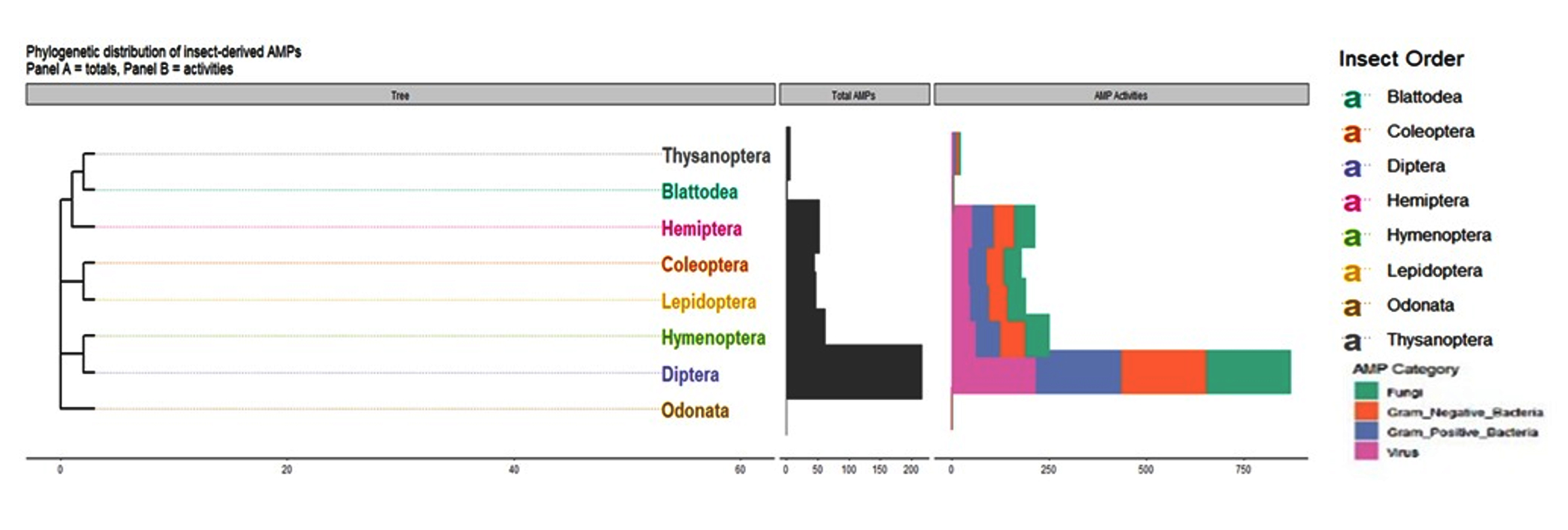
Figure 5. Phylogenetic tree representing all insect orders of AMPs
Profiling of insect AMP activity
Analysis of the reported antimicrobial activities of the peptides revealed a diverse but distinct profiles. The activity reported most frequently is against Gram-negative bacteria, followed by Gram-positive bacteria and fungi. A smaller but significant number of peptides also show antiviral activity, reflecting an increased focus in this direction. This distribution underlines the broad-spectrum nature of insect AMPs and suggests that a large portion of these peptides have evolved to combat common bacterial threats.26
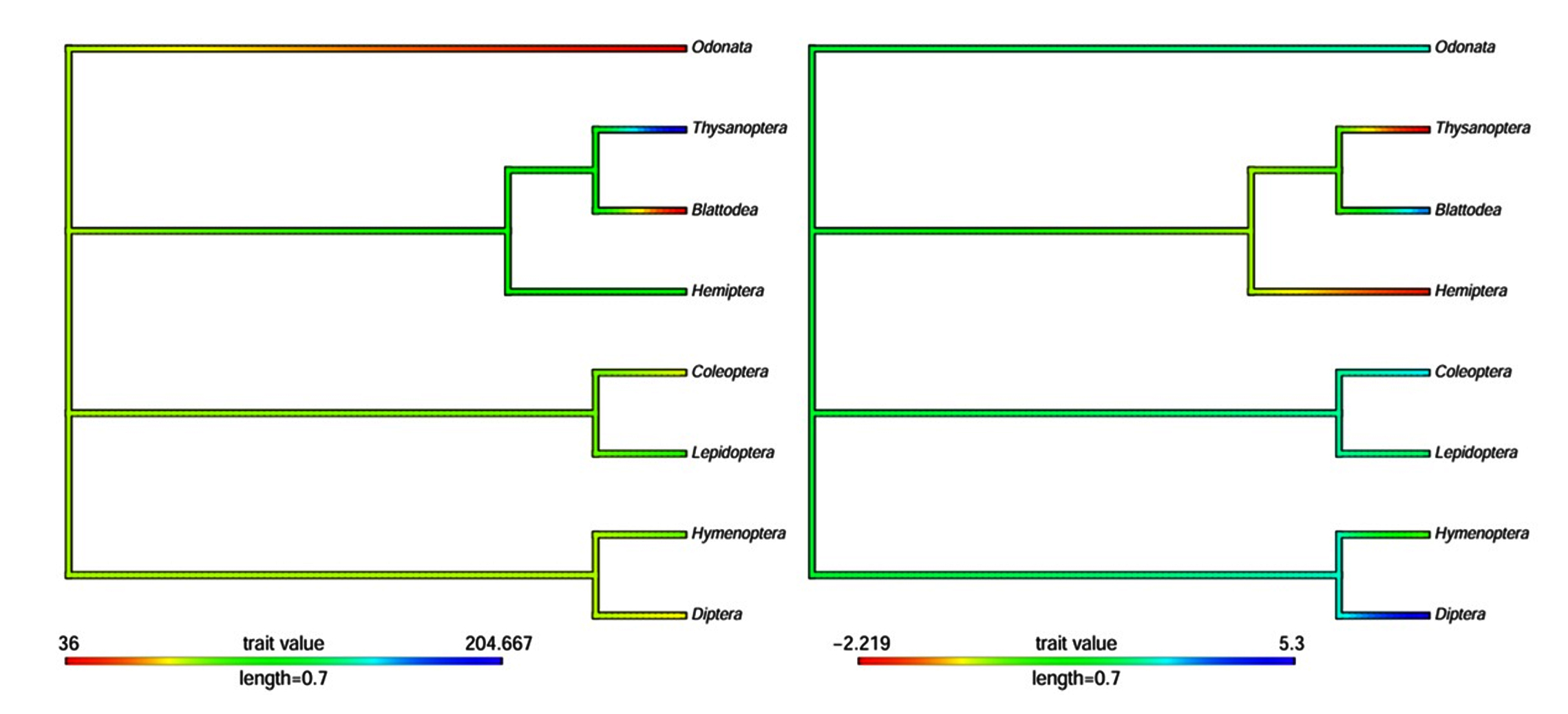
Figure 6. Illustration of trait mapping length charge in all insect orders of AMPs
Figure 6 maps onto two of the most important physicochemical properties (length and net charge) across different insect orders. The phylogenetic tree in the left panel maps trait values for peptide length, whereas the tree in the right panel maps values for net charge. In this analysis, compute brlen is used to ensure that branch lengths are accurately represented. The color gradient in trees represents the trait value; in this case, red represents lower values, and blue represents higher values. The coloring of tree branches is based on the average lengths of AMPs found in each insect order. Insect orders like Thysanoptera (thrips) have a higher average AMP length, reflected by the blue and dark blue colors in their respective tree branches. The order of peptide length across the selected species was Thysanoptera > Hemiptera > Lepidoptera > Hymenoptera > Coleoptera > Diptera > Blattodea > Odonata. This is consistent with the lower average lengths in these orders. The colors of the branches in the right panel of the tree refer to the average net charge of the AMPs. The order of peptide charge across the selected species was Diptera > Blattodea > Coleoptera > Odonata > Lepidoptera > Hymenoptera > Hemiptera > Thysanoptera. This conclusion is consistent with the finding that AMPs often have a high frequency of positively charged residues such as lysine and arginine, which are important for initial electrostatic attraction to negatively charged microbial membranes. Defensins possess a negative net charge (-1.40), this falls into the red end of the spectrum on the color bar. Odonata and Thysanoptera have a much lower net charge; which is depicted by their red and yellow colored tree branches, respectively. This may indicate a possible difference in their primary mechanisms of action compared to the highly cationic AMPs from Diptera and Hymenoptera.26,27,49
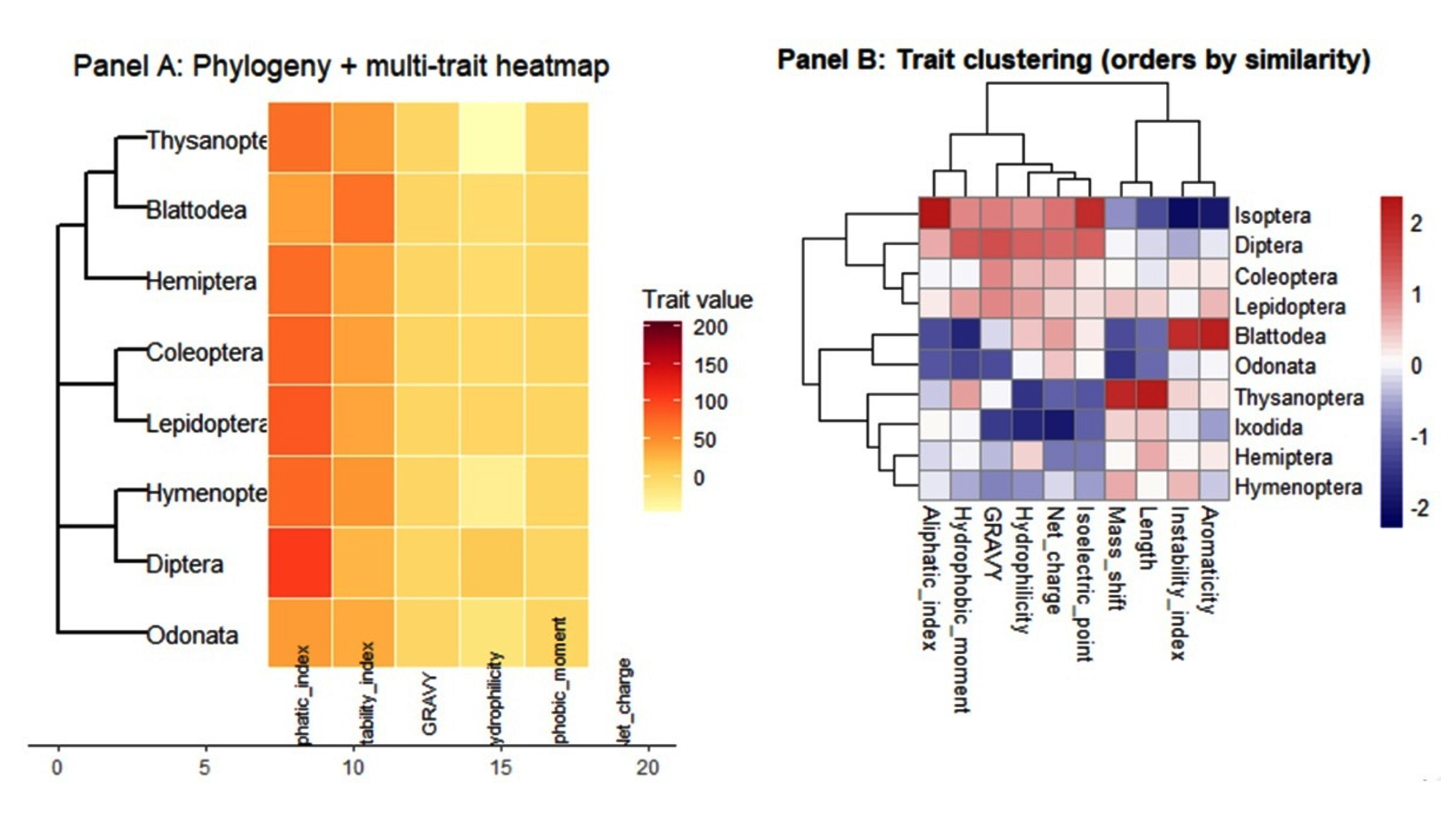
Figure 7. Phylogeny and multi-trait heatmap analysis of all insect orders of AMPs26,27
Figure 7 illustrates the phylogeny and multi-trait heatmap analysis of all the insect orders of AMPs. Panel A presents the distribution of key AMP traits in different insect orders as visualized through a phylogenetic tree-heatmap combination. The phylogenetic tree on the left depicts the evolutionary relationships among the orders. A color gradient heatmap, on the right, represents the average value of six specific traits calculated for the AMPs of each order. The color grades vary from light yellow (low value) to deep red (high value). Panel B presents the clustered heatmap and dendrogram of insect order clustering by AMP trait similarity. The color scheme in this heatmap extends from red (high similarity/trait value) to blue (low similarity/trait value). Both dendrograms at the top and left cluster insect orders and peptide traits, respectively, by similarity.26,27
It is evident that Isoptera termites, Diptera flies, and Coleoptera beetles cluster together, suggesting that their AMPs have similar overall physicochemical profiles. Hymenoptera bees, wasps, ants and Hemiptera true bugs form the next cluster, indicating that they share a set of AMP traits. This could be illustrative of convergent evolution or shared ancestry in their immune defenses. The traits themselves also cluster together. Hydrophobicity and GRAVY are closely related, as are instability index and mass shift. Figure 7 shows that the net charge and isoelectric point also form a tight cluster, which is expected since both are related to the electrostatic properties of the peptides. This helps to identify which traits tend to be co-expressed or are functionally linked within the dataset.95,97
Challenges and future directions
Therapeutic applications of AMPs beyond their antibacterial activity
AMPs demonstrate excellent potential both in cancer prevention and treatment. They are large molecules with complex structures that include disulfide bridges. Their production is costly. Cost reduction requires the identification of specific patterns in anticancer AMPs, which will lead to better design of synthetic amphiphilic peptides with more potency. Different AMPs interact synergistically, which makes such combinations much stronger in their ability to act against tumors.105 A better understanding of the mechanisms and properties of AMPs allows the development of more efficient and less costly AMP-based anticancer medicines. The therapeutic efficiency of hybrid peptides containing functional motifs from several AMPs can be improved. Peptide engineering techniques improve the anticancer and antihemorrhagic effects of AMPs as well as their hemolytic activity. AMPs can be engineered to act more potently against tumors and cause less hemorrhages by increasing their positive charge along with their hydrophobic properties. Changing the arrangement of certain amino acids also enhances their performance. The effectiveness of Cecropins and defensins against parasites has been the focus of recent reviews that outline current research on antimalarial and antiparasitic peptides.106 The production of AMPs in transgenic vectors such as mosquitoes is a unique method for combating and preventing the spread of parasites. In Egyptian yellow fever mosquitos, for example, the defensin-A gene under the control of the vitellogenin promoter has been designed to be expressed in response to blood meals.46 AMPs are abundant in insect hemolymph, although none have been isolated or identified.107 Genomic sequence analysis can help identify similar AMP genes in different insect species. However, very small AMPs, such as proline-rich peptides, might not be detected. Using hemolymph to isolate and identify AMPs has limitations since it works best for AMPs that are present in large amounts.107,108 Cecropins, moricins, gloverins, and attacins have flexible structures in water, whereas in hydrophobic environments, such as microbial surfaces (e.g., LPS), they form helical structures. This structural transition enables the interaction of insect AMPs with microbial membranes and the disruption of latter, which is highly important for their antibacterial activity.85
Challenges in the development and translation of insect-derived AMPs
AMPs hold exceptional therapeutic promise, but their clinical use is hindered by a variety of issues. Among the main issues that affect both their effectiveness and bioavailability, one is related to the enzymatic degradation and instability of AMPs in physiologically relevant environments. In addition, AMPs can be toxic to host cells, increasing their safety for systemic applications. The development of resistance to AMPs will also impact their long-term use in practice, and further understanding of the mechanisms of resistance is needed. In addition, the high cost and complexity of production, especially for complex peptide structures, is one of the major hurdles that is still likely to delay commercialization.
Owing to these limitations, new strategies and emerging technologies are being investigated. Various peptide engineering approaches are based on cyclization and the addition of unnatural amino acids, which stabilize peptides and increase their resistance to enzymes. Many bioinformatics tools that combine machine learning with artificial intelligence are widely used to find AMPs that have both low toxic effects on cells and a strong ability to target specific targets. The combination of different AMP functional sections into hybrid peptides represents a promising strategy to improve their effectiveness against multidrug-resistant bacteria. The current development patterns show how AMP functions have expanded beyond their original antimicrobial role because insect-derived AMP defensins perform immunomodulatory and antiviral functions. The production of AMPs at a large scale has become possible through different expression systems which allow for sustainable and accessible manufacturing methods. Current discoveries together with upcoming multidisciplinary investigations will overcome current obstacles to enable the application of AMPs in industrial and clinical settings.
Future directions
Future research on insect-derived AMPs should focus on translating their promising clinical activity into safe, effective, and clinically relevant therapeutic candidates. Advances in peptide engineering, structure-activity relationship studies, computational modelling, and artificial intelligence-assisted peptide design may facilitate the identification and optimization of AMP sequences with increased antimicrobial potency, selectivity, stability, and reduced host-cell toxicity. Integration of insect AMP databases, including IAMPDB, with multi-omics, machine-learning, and structural-bioinformatics approaches could accelerate the discovery of novel candidates and enable prediction of antimicrobial activity, toxicity, stability, and mechanism of action before experimental validation. Attention should also be given to improving proteolytic stability, pharmacokinetic properties, tissue penetration, and targeted delivery through sequence modification, cyclization, conjugation, and advanced delivery systems such as nanoparticles, hydrogels, and liposomal formulations.
Future studies should also move beyond conventional antibacterial screening toward multifunctional and non-antibacterial applications of insect-derived AMPs, including antiviral, antifungal, antiparasitic, immunomodulatory, anticancer, and wound-healing activities. Combination strategies involving AMPs with conventional antibiotics or other therapeutic agents may provide opportunities to enhance efficacy and potentially reduce the emergence of antimicrobial resistance. Nevertheless, progression toward clinical translation will require standardized methods for AMP characterization and susceptibility testing, comprehensive toxicity and immunogenicity evaluation, robust pharmacokinetic and pharmacodynamic studies, and well-designed in vivo studies followed by appropriately controlled clinical trials. Establishing reproducible manufacturing processes, formulation strategies, and regulatory frameworks will ultimately be essential for converting the considerable diversity of insect-derived AMPs into clinically and commercially viable therapeutic products.
This review covers the promise of insect AMPs as an integral part of the future of antibacterial drugs. Insect AMPs will serve as a weapon of choice in a post-antibiotic era to counter bacterial threats. The mechanistic versatility resulting from diverse structural forms of insect AMPs provides a robust protective measure in an era of widespread bacterial resistance to conventional antibiotics. IAMPDB elucidates the relationship between peptide length, amino acid composition, and functionality, highlighting the importance of specific physicochemical properties in their structures. Researchers are attempting to resolve stability, toxicity and scalability issues. Recent progress in peptide engineering, recombinant expression systems, and advanced nanocarrier-based delivery offers encouraging prospects for therapeutic development. Furthermore, the exploration of synergistic combinations of AMPs among themselves and with existing antibiotics represents a particularly appealing strategy to retard the emergence of resistance mechanisms and potentiate the reconstituted potency of failing antibiotic drugs. Entomology, bioinformatics, and pharmacology need to be combined to promote fundamental research on insect AMPs. This would allow us to make extensive use of the most widespread natural resources and ensure the future of better health against ongoing antibiotic resistance disasters.
ACKNOWLEDGMENTS
The authors thank UPES Dehradun for providing financial assistance and necessary facilities.
CONFLICT OF INTEREST
The authors declare that there is no conflict of interest.
AUTHORS’ CONTRIBUTION
KRB and RA conceptualized the study. SG applied methodology. KRB and RA performed project administration, supervision, collected resources and validation. KRB, RA and SG performed visualization. SG performed data curation, formal analysis, investigation and software. SG wrote the original draft. KRB and RA wrote, reviewed and edited the manuscript. All authors read and approved the final manuscript for publication.
FUNDING
None.
DATA AVAILABILITY
All datasets generated or analyzed during this study are included in the manuscript.
ETHICS STATEMENT
Not applicable.
- Saxena P. Role of insect-derived antimicrobial peptides in overcoming multidrug-resistant infections. Int J Multidiscip Res. 2025;7(2):250241583.
Crossref - Wankhede SR, Chitte M, Sonawane A, Kadam D, Borse LB. Insect-derived antimicrobial peptides (AMPs): A promising tool against multidrug-resistant pathogens. Int J Entomol Res. 2025;10(7):90-94.
- Lei J, Sun L, Huang S, et al. The antimicrobial peptides and their potential clinical applications. Am J Transl Res 2019;11(7):3919-3931.
- Kapoor G, Saigal S, Elongavan A. Action and resistance mechanisms of antibiotics:a guide for clinicians. J Anaesthesiol Clin Pharmacol. 2017;33(3):300-305.
Crossref - Sahoo A, Swain SS, Behera A, Sahoo G, Mahapatra PK, Panda SK. Antimicrobial peptides derived from insects offer a novel therapeutic option to combat biofilm:A review. Front Microbiol. 2021;12:661195.
Crossref - Kumar HSS, Nagaraj RS, Pavan G. Frontiers in current aspects of antimicrobial peptides from insects and their therapeutic perspectives. Futuristic Trends in Biotechnology. 2021;2(26):10.
- Wang G, Li X, Wang Z. APD3:the antimicrobial peptide database as a tool for research and education. Nucleic Acids Res. 2016;44(D1):D1087-D1093.
Crossref - Steiner H, Hultmark D, Engström Å, Bennich H, Boman HG. Sequence and specificity of two antibacterial proteins involved in insect immunity. Nature. 1981;292(5820):246-248.
Crossref - Hultmark D, Engstrom A, Andersson K, Steiner H, Bennich H, Boman HG. Insect immunity:Attacins, a family of antibacterial proteins from Hyalophora cecropia. EMBO J. 1983;2(4):571-576.
Crossref - Matsuyama K, Natori S. Purification of three antibacterial proteins from the culture medium of NIH-Sape-4, an embryonic cell line of Sarcophaga peregrina. J Biol Chem. 1988;263(32):17112-17116.
Crossref - Bulet P, Dimarcq JL, Hetru C, et al. A novel inducible antibacterial peptide of Drosophila carries an O-glycosylated substitution. J Biol Chem. 1993;268(20):14893-14897.
Crossref - Cociancich S, Dupont A, Hegy G, et al. Novel inducible antibacterial peptides from a hemipteran insect, the sap-sucking bug Pyrrhocoris apterus. Biochem J. 1994;300(Pt 2):567-75.
Crossref - Hara S, Yamakawa M. A novel antibacterial peptide family from the silkworm Bombyx mori. Biochem J. 1995;310(2):651-656.
Crossref - Raghuraman H, Chattopadhyay A. Melittin: A membrane-active peptide with diverse functions. Biosci Rep. 2006;27(4-5):189-223.
Crossref - Levashina EA, Ohresser S, Bulet P, Reichhart JM, Hetru C, Hoffmann JA. Metchnikowin, a novel immune-inducible proline-rich peptide from Drosophila with antifungal properties. Eur J Biochem. 1995;233(2):694-700.
Crossref - Bulet P, Hetru C, Dimarcq JL, Hoffmann D. Antimicrobial peptides in insects:structure and function. Dev Comp Immunol. 1999;23(4-5):329-344.
Crossref - Orivel J, Redeker V, Le Caer JP, et al. Ponericins, new antibacterial and insecticidal peptides from the venom of the ant Pachycondyla goeldi. J Biol Chem. 2001;276(21):17823-17829.
Crossref - Furusawa T, Arai Y, Kato K, Ichihara K. Quantitative analysis of apisin, a major protein unique to royal jelly. Evid Based Complement Alternat Med. 2016;2016:5040528.
Crossref - Fontana R, Mendes MA, De Souza BM, et al. Jelleines: a family of antimicrobial peptides from the Royal Jelly of honeybees (Apis mellifera). Peptides. 2004;25(6):919-928.
Crossref - Miyoshi N, Saito T, Ohmura T, et al. Functional structure and antimicrobial activity of persulcatusin, an antimicrobial peptide from the hard tick Ixodes persulcatus. Parasit Vectors. 2016;9(1):85.
Crossref - Jayamani E, Rajamuthiah R, Larkins-Ford J, et al. Insect-derived cecropins display activity against Acinetobacter baumannii in a whole-animal high-throughput Caenorhabditis elegans model. Antimicrob Agents Chemother. 2015;59(3):1728-1737.
Crossref - Yi HY, Chowdhury M, Huang YD, Yu XQ. Insect antimicrobial peptides and their applications. Appl Microbiol Biotechnol. 2014;98(1):5807-5822.
Crossref - Scocchi M, Tossi A, Gennaro R. Proline-rich antimicrobial peptides: converging to a non-lytic mechanism of action. Cell Mol Life Sci. 2011;68(13):2317-2330.
Crossref - Manniello MD, Moretta A, Salvia R, et al. Insect antimicrobial peptides:potential weapons to counteract the antibiotic resistance. Cell Mol Life Sci. 2021;78(9):4259-82.
Crossref - Patyra E, Kwiatek K. Insect meals and insect antimicrobial peptides as an alternative for antibiotics and growth promoters in livestock production. Pathogens. 2023;12(6):854.
Crossref - Mondal RK, Tripathi P, Mondal RP, et al. IAMPDB:a knowledge base of manually curated insect-derived antimicrobial peptides. J Pept Sci. 2025;31(3):e70006.
Crossref - Dhanjal DS, Chopra C, Bhardwaj S, et al. Insect peptides with antimicrobial effects. Ajesh K, Sreejith K (eds.), Antimicrobial Peptides, Elsevier Inc. CA, United States 2023:117-138.
Crossref - Alzain M, Daghistani H, Shamrani T, et al. Antimicrobial peptides:mechanisms, applications, and therapeutic potential. Infect Drug Resist. 2025;18:4385-4426.
Crossref - de Sousa FJF, Costa IRS, Cavalcante FLP, et al. Natural and synthetic peptides to control drug-resistant pathogens. Curr Protein Pept Sci. 2023;24(7):567-578.
Crossref - Adyns L, Proost P, Struyf S. Role of defensins in tumor biology. Int J Mol Sci. 2023;24(6):5268.
Crossref - Gao X, Ding J, Liao C, Xu J, Liu X, Lu W. Defensins:the natural peptide antibiotic. Adv Drug Deliv Rev. 2021;179:114008.
Crossref - Li B, Yang N, Wang X, et al. An enhanced variant designed from DLP4 cationic peptide against Staphylococcus aureus CVCC 546. Front Microbiol. 2020;11:1057.
Crossref - Zhu S, Gao B. Evolutionary origin of β-defensins. Developmental & Comparative Immunology. 2012;39(1-2):79-84.
Crossref - Buonocore F, Fausto AM, Della Pelle G, Roncevic T, Gerdol M, Picchietti S. Attacins: a promising class of insect antimicrobial peptides. Antibiotics. 2021;10(2):212.
Crossref - Damayanti PN, Ritmaleni, Setyowati EP. Synthesis and antibacterial activity of 4-piperidone curcumin analogues against Gram-positive and Gram-negative bacteria. Res J Pharm Technol. 2020;13(10):4765-4769.
Crossref - Gholizadeh A, Moradi B. Cecropins activity against bacterial pathogens. Infect Dis Clin Pract. 2021;29(1):e6-e12.
Crossref - Saengkun Y, Klamrak A, Janpan P, et al. C-Terminal modification contributes the antibacterial activity of a cecropin-like region of heteroscorpine-1 from scorpion venom. Biology. 2025;14(8):1044.
Crossref - Ko K, Kim K, Kim Y, Norelli JL, Brown SK, Aldwinckle HS. Purification of antibacterial attacins induced in Hyalophora cecropia pupae immunized with Enterobacter cloacae C7-501 using ion-exchange chromatography, hydrophobic interaction chromatography, and Rotofor® isoelectric focusing. Entomol Res. 2023;53(6):219-225.
Crossref - Gomis-Rüth FX, Stocker W. Structural and evolutionary insights into astacin metallopeptidases. Front Mol Biosci. 2023;9:1080836.
Crossref - Zhang X, Wu P, Hao X, et al. Quaternized carbon dots with enhanced antimicrobial ability towards Gram-negative bacteria for the treatment of acute peritonitis caused by E. coli. J Mater Chem B. 2023;11(32):7696-7706.
Crossref - Bond JS, Beynon RJ. The astacin family of metalloendopeptidases. Protein Sci. 1995;4(7):1247-1261.
Crossref - Engström P, Carlsson A, Engström A, Tao ZJ, Bennich H. The antibacterial effect of attacins from the silk moth Hyalophora cecropia is directed against the outer membrane of Escherichia coli. EMBO J. 1984;3(13):3347-51.
Crossref - Hanson MA, Kondo S, Lemaitre B. Drosophila immunity:the drosocin gene encodes two host defence peptides with pathogen-specific roles. Proc R Soc B Biol Sci. 2022;289(1977):20220773.
Crossref - Koller TO, Morici M, Berger M, et al. Structural basis for translation inhibition by the glycosylated drosocin peptide. Nat Chem Biol. 2023;19(9):1072-1081.
Crossref - Madsen TD, Hansen LH, Hintze J, et al. An atlas of O-linked glycosylation on peptide hormones reveals diverse biological roles. Nat Commun. 2020;11(1):4033.
Crossref - Lele DS, Kaur G, Thiruvikraman M, Kaur KJ. Comparing naturally occurring glycosylated forms of proline rich antibacterial peptide, Drosocin. Glycoconj J 2017;34(5):613-24.
Crossref - Hoffmann R, Bulet P, Urge L, Otvos L. Range of activity and metabolic stability of synthetic antibacterial glycopeptides from insects. Biochim Biophys Acta. 1999;1426(3):459-467.
Crossref - Reichhart J, Essrich M, Dimarcq JL, Hoffmann D, Hoffmann JA, Lagueux M. Insect immunity:isolation of cDNA clones corresponding to diptericin, an inducible antibacterial peptide from Phormia terranovae (Diptera). Eur J Biochem. 1989;182(2):423-427.
Crossref - Reichhart JM, Meister M, Dimarcq JL, et al. Insect immunity:developmental and inducible activity of the Drosophila diptericin promoter. EMBO J. 1992;11(4):1469-1477.
Crossref - Jakkampudi T, Lin Q, Mitra S, et al. Lung SPLUNC1 peptide derivatives in the lipid membrane headgroup kill Gram-negative planktonic and biofilm bacteria. Biomacromolecules. 2023;24(6):2804-2815.
Crossref - Rahnamaeian M, Langen G, Imani J, et al. Insect peptide metchnikowin confers on barley a selective capacity for resistance to fungal ascomycetes pathogens. J Exp Bot. 2009;60(14):4105-4114.
Crossref - Cheng Q, Zeng P. Hydrophobic-hydrophilic alternation:an effective pattern for de novo designed antimicrobial peptides. Curr Pharm Des. 2022;28(44):3527-3537.
Crossref - Han X, Kang W. Sequence analysis and membrane partitioning energies of α-helical antimicrobial peptides. Bioinformatics. 2004;20(6):970-973.
Crossref - Lee JK, Park Y. Mechanism of action of antimicrobial peptides against bacterial membrane. J Bacteriol Virol. 2014;44(2):140.
Crossref - Galdiero S, Falanga A, Berisio R, Grieco P, Morelli G, Galdiero M. Antimicrobial peptides as an opportunity against bacterial diseases. Curr Med Chem. 2015;22(14):1665-1677.
Crossref - Phuong HBT, Ngan HD, Huy BL, Dinh HV, Luong HX. The amphipathic design in helical antimicrobial peptides. ChemMedChem. 2024;19(7):e202300480.
Crossref - Almeida PF, Pokorny A. 5.10 Interactions of Antimicrobial Peptides with Lipid Bilayers. In: Egelman EH. (eds.), Comprehensive Biophysics. Elsevier Inc. CA, United States; 2012:189-222.
Crossref - Heerklotz H, Blume A. Detergent interactions with lipid bilayers and membrane proteins. In: Egelman EH (eds.), Comprehensive Biophysics, Elsevier Inc. CA, United States. 2012:63-91.
Crossref - Zhu Y, Hao W, Wang X, et al. Antimicrobial peptides, conventional antibiotics, and their synergistic utility for the treatment of drug-resistant infections. Med Res Rev. 2022;42(4):1377-1422.
Crossref - Taheri-Araghi S. Synergistic action of antimicrobial peptides and antibiotics:current understanding and future directions. Front Microbiol. 2024;15:1390765.
Crossref - Roque-Borda CA, Zhang QI, Nguyen TP, et al. Synergistic combinations of antimicrobial peptides and conventional antibiotics:a strategy to delay resistance emergence in WHO priority bacteria. Pharmacol Rev. 2025;78(1):100104.
Crossref - Shelomi M, Jacobs C, Vilcinskas A, Vogel H. The unique antimicrobial peptide repertoire of stick insects. Dev Comp Immunol. 2020;103:103471.
Crossref - Van Moll L, De Smet J, Paas A, et al. In vitro evaluation of antimicrobial peptides from the black soldier fly (Hermetia illucens) against a selection of human pathogens. Microbiol Spectr. 2022;10(1):e01664-21.
Crossref - Mylonakis E, Podsiadlowski L, Muhammed M, Vilcinskas A. Diversity, evolution and medical applications of insect antimicrobial peptides. Philos Trans R Soc Lond B Biol Sci. 2016;371(1695):20150290.
Crossref - Bulet P, Hegy G, Lambert J, Dorsselaer VA, Hoffmann JA, Hetru C. Insect immunity:the inducible antibacterial peptide diptericin carries two O-glycans necessary for biological activity. Biochemistry. 1995;34(22):7394-7400.
Crossref - Feng M, Fei S, Xia J, Labropoulou V, Swevers L, Sun J. Antimicrobial peptides as potential antiviral factors in insect antiviral immune response. Front Immunol. 2020;11:573073.
Crossref - Ahmed A, Siman-Tov G, Hall G, Bhalla N, Narayanan A. Human antimicrobial peptides as therapeutics for viral infections. Viruses. 2019;11(8):704.
Crossref - Lee YJ, Shirkey JD, Park J, Bisht K, Cowan AJ. An overview of antiviral peptides and rational biodesign considerations. BioDesign Res. 2022;2022:9898241.
Crossref - Luo Y, Song Y. Mechanism of antimicrobial peptides:antimicrobial, anti-inflammatory and antibiofilm activities. Int J Mol Sci. 2021;22(21):11401.
Crossref - Diamond G, Molchanova N, Herlan C, et al. Potent antiviral activity against HSV-1 and SARS-CoV-2 by antimicrobial peptoids. Pharmaceuticals. 2021;14(4):304.
Crossref - Stoodley P, Sauer K, Davies DG, Costerton JW. Biofilms as complex differentiated communities. Annu Rev Microbiol. 2002;56:187-209.
Crossref - Costerton JW, Cheng KJ, Geesey GG, et al. Bacterial biofilms in nature and disease. Annu Rev Microbiol. 1987;41:435-464.
Crossref - De la Fuente-Nunez C, Reffuveille F, Fernandez L, Hancock REW. Bacterial biofilm development as a multicellular adaptation:antibiotic resistance and new therapeutic strategies. Curr Opin Microbiol. 2013;16(5):580–589.
Crossref - Donlan RM. Biofilms:microbial life on surfaces. Emerg Infect Dis. 2002;8(9):881-890.
Crossref - Garrett TR, Bhakoo M, Zhang Z. Bacterial adhesion and biofilms on surfaces. Prog Nat Sci. 2008;18(9):1049-1056.
Crossref - Müller H, Salzig D, Czermak P. Considerations for the process development of insect-derived antimicrobial peptide production. Biotechnol Prog. 2015;31(1):1-11.
Crossref - Knappe D, Kabankov N, Herth N, Hoffmann R. Insect-derived short proline-rich and murine cathelicidin-related antimicrobial peptides act synergistically on Gram-negative bacteria in vitro. Future Med Chem. 2016;8(10):1035-1045.
Crossref - Papadopoulou V, Sidders AE, Lu K-Y, et al. Overcoming biological barriers to improve treatment of a Staphylococcus aureus wound infection. Cell Chem Biol. 2023;30:513-526.e5.
Crossref - Ben Hur D, Kapach G, Wani NA, et al. Antimicrobial peptides against multidrug-resistant Pseudomonas aeruginosa biofilm from cystic fibrosis patients. J Med Chem. 2022;65(13):9050-9062.
Crossref - Riaz S, Latif SU, Quddus S, et al. Role of biofilm-forming bacteria in chronic wound infections and their antibiotic resistance profiles. J Med Health Sci Rev. 2025;2(3):86.
Crossref - Fahmy L, Ali YM, Seilly D, et al. An attacin antimicrobial peptide, Hill_BB_C10074, from Hermetia illucens with anti-Pseudomonas aeruginosa activity. BMC Microbiol. 2023;23(1):313.
Crossref - van Huis A, Gasco L. Insects as feed for livestock production. Science. 2023;379(6628):138-139.
Crossref - Zhao W, Lu L, Tang Y. Research and application progress of insect antimicrobial peptides in the food industry. Int J Food Eng. 2010;6(6):1943.
Crossref - Xu K, Zhao X, Tan Y, et al. A systematical review on antimicrobial peptides and their food applications. Biomater Adv. 2023;155:213684.
Crossref - Potential of Antimicrobial Peptide-Overexpressed Tenebrio molitor Larvae Extract as a Natural Preservative for Korean Traditional Sauces. Insects. 2022;13(4):381.
Crossref - Zhou L, Meng G, Zhu L, Ma L, Chen K. Insect antimicrobial peptides as guardians of immunity and beyond:a review. Int J Mol Sci. 2024;25(7):3835.
Crossref - Revilla-Guarinos A, Zhang Q, Loderer C, et al. ABC transporter DerAB of Lactobacillus casei mediates resistance against insect-derived defensins. Appl Environ Microbiol. 2020;86(14):e00818-20.
Crossref - Lu J, Xu H, Xia J, et al. D- and unnatural amino acid-substituted antimicrobial peptides with improved proteolytic resistance and their proteolytic degradation characteristics. Front Microbiol. 2020;11:563030.
Crossref - Oñate-Garzón J, Manrique-Moreno M, Trier S, Leidy C, Torres R, Patiño E. Antimicrobial activity and interactions of cationic peptides derived from Galleria mellonella cecropin D-like peptide with model membranes. J Antibiot. 2017;70(3):238-245.
Crossref - Silvestro L, Axelsen PH. Membrane-induced folding of cecropin A. Biophys J. 2000;79(3):1465-1477.
Crossref - Yeaman MR, Yount NY. Mechanisms of antimicrobial peptide action and resistance. Pharmacol Rev. 2003;55:27-55(1).
Crossref - Powers JPS, Hancock REW. The relationship between peptide structure and antibacterial activity. Peptides. 2003;24(11):1681-1691.
Crossref - Chaudhary S, Ali Z, Tehseen M, et al. Efficient in planta production of amidated antimicrobial peptides that are active against drug-resistant ESKAPE pathogens. Nat Commun. 2023;14(1):1464.
Crossref - Deng Y, Huang R, Huang S, Xiong M. Nanoparticles enable efficient delivery of antimicrobial peptides for the treatment of deep infections. BIO Integr. 2021;2:50-56.
Crossref - Imperlini E, Massaro F, Buonocore F. Antimicrobial peptides against bacterial pathogens: innovative delivery nanosystems for pharmaceutical applications. Antibiotics. 2023;12(1):184.
Crossref - Thapa RK, Diep DB, Tønnesen HH. Nanomedicine-based antimicrobial peptide delivery for bacterial infections: Recent advances and future prospects. J Pharm Investig. 2021;51(4):377-98.
Crossref - Freudenthal O, Quilès F, Francius G. Discrepancies between cyclic and linear antimicrobial peptide actions on the spectrochemical and nanomechanical fingerprints of a young biofilm. ACS Omega. 2017;2(9):5861-5872.
Crossref - Kindrachuk J, Napper S. Structure-activity relationships of multifunctional host defence peptides. Mini Rev Med Chem. 2010;10(7):596-614.
Crossref - Lipsky BA, Holroyd KJ, Zasloff M. Topical versus systemic antimicrobial therapy for treating mildly infected diabetic foot ulcers:a randomized, controlled, double-blinded, multicenter trial of pexiganan cream. Clin Infect Dis. 2008;47(12):1537-1545.
Crossref - Omiganan 1% gel for prevention of local catheter site infections and colonization. Identifier: NCT00231153, Accessed 15 January, 2025. https://clinicaltrials.gov
- Iseganan hydrochloride in preventing oral mucositis (Phase III). Identifier:NCT00022373. Accessed 15 January, 2025. https://clinicaltrials.gov
- Pharmacokinetics, safety and efficacy of POL7080 in patients with ventilator associated Pseudomonas aeruginosa pneumonia. Identifier:NCT02096328, Accessed 27 may, 2025. https://clinicaltrials.gov
- Gronberg M, Mahlapuu M, Stahle M, Whately-Smith C, Rollman O. Treatment with LL-37 is safe and effective in enhancing healing of hard-to-heal venous leg ulcers:a randomized, placebo-controlled clinical trial. Wound Repair Regen. 2014;22(5):613-621.
Crossref - Safety of human lactoferrin hLF1-11 in HSCT recipients. Identifier:NCT00509938. Accessed 15 January, 2025. https://clinicaltrials.gov
- Suarez M, Haenni M, Canarelli S, et al. Structure-function characterization and optimization of a plant-derived antibacterial peptide. Antimicrob Agents Chemother. 2005;49(9):3847-3857.
Crossref - McDonald M, Mannion M, Pike D, et al. Structure-function relationships in histidine-rich antimicrobial peptides from Atlantic cod. Biochim Biophys Acta. 2015;1848(7):1451-1461.
Crossref - Mhlongo JT, Waddad AY, Albericio F, de la Torre BG. Antimicrobial peptide synergies for fighting infectious diseases. Adv Sci Lett. 2023;10(26):e2300472.
Crossref - Sarkar SD, Kar C. Cationic amphiphiles as antimicrobial agents. In: Recent Trends and the Future of Antimicrobial Agents – Part 2. 2023:54-75.
Crossref
© The Author(s) 2026. Open Access. This article is distributed under the terms of the Creative Commons Attribution 4.0 International License which permits unrestricted use, sharing, distribution, and reproduction in any medium, provided you give appropriate credit to the original author(s) and the source, provide a link to the Creative Commons license, and indicate if changes were made.