

ISSN: 0973-7510
E-ISSN: 2581-690X
 , Mohd Hasan Mujahid2 , Ramji Gupta3, Nitya Sharma3, Sachin Kumar4 and Prafulla Chandra Tiwari5
Hepatocellular carcinoma (HCC) increases cancer-related mortality globally. The disease is diagnosed through imaging and serum biomarkers that lack sensitivity in the early stages of the disease. In this narrative review, a comprehensive literature search was conducted using databases including PubMed, Scopus, and Web of Science to identify relevant studies published during the last five years. The search focused on studies evaluating the relationship between gut microbiota and HCC, including microbial dysbiosis, microbial signatures, metabolites, diagnostic/prognostic potential, and microbiome-based therapeutic approaches. Relevant articles were selected based on predefined inclusion and exclusion criteria, and the findings were qualitatively synthesized to provide an updated overview of the role of the gut microbiome in HCC. The microbial signatures link the gut with HCC by focusing on key taxa like Bacteroidetes, Firmicutes, and Proteobacteria. In addition, further examination focuses on the functional impact of the microbiome, including microbial metabolites that are bile acids, short-chain fatty acids, and lipopolysaccharides that further control inflammation and immune responses, leading to carcinogenesis. Moreover, the review explored microbiome-modulating therapies like prebiotics, probiotics, and fecal microbiota transplantation (FMT) as possible adjuncts to conventional treatments like immunotherapy and chemotherapy. Ultimately, the study highlighted issues in the standardization of microbiome-based interventions and the requirement of a personalized approach for microbiome therapy in the treatment of HCC. The review also highlighted the potential of microbiome-targeted therapies and diagnostics to improve HCC outcomes and offered a unique direction for future research and clinical practice.
Hepatocellular Carcinoma, Gut Microbiome, Bacteroidetes, Microbial metabolites
Hepatocellular carcinoma (HCC) is the most common type of liver cancer and one of the main causes of global cancer-related mortality. Gan et al. reported that HCC is primarily caused by chronic liver disease, including cirrhosis, and is significantly linked with mortality and morbidity.1 Li et al. indicated that primary liver cancer is HCC in almost 75%-85% of cases and intrahepatic cholangiocarcinoma (ICC) in 10%-15% of cases, and it is the third leading cause of death globally. However, the disease prevalence is increasing with the progression rates of chronic viral hepatitis in Sub-Saharan Africa and East Asia.2 The disease is also present globally among individuals with liver disease from various etiologies.3 The reports conducted by the World Health Organization (WHO) highlighted liver cancer as the sixth most common cancer type and the third most common cancer leading to death. Furthermore, an increasing global incidence of HCC in developed countries is linked with the prevalence of nonalcoholic fatty liver disease (NAFLD).4
Chronic Hepatitis B and C, NAFLD, heavy alcohol consumption, and cholestasis are among the major risk factors for HCC.5 Chronic inflammation is found among patients with Hepatitis B and C, with hepatocyte damage that leads to liver fibrosis and eventually cirrhosis, which is one of the precursors to HCC. Obesity, genetic predisposition, and type 2 diabetes are metabolic disorders and other risk factors increasing the incidence of NAFLD and its progression to HCC. The diagnosis of HCC is one of the critical challenges because of the lack of sensitive and specific biomarkers. However, imaging techniques like CT, ultrasound, and MRI are commonly applied to detect HCC; they usually miss HCC at an earlier stage. Furthermore, alpha-fetoprotein (AFP), as the main serum marker, is used clinically, but its specificity and sensitivity are limited.4,6 This identified a gap for examining non-invasive and innovative methods to detect HCC at an earlier stage.
A diverse microorganism community is found in the gut microbiome, including bacteria, fungi, archaea, and viruses living in the gastrointestinal tract.7 These are important for the proper functioning of various physiological processes like digestion, immune system regulation, and metabolism. The composition and diversity of the microbiome are also impacted by the environment, host genetics, and diet. Moreover, the gut microbiome plays an essential role in health maintenance and is implicated in various diseases, pathogens, cancers, metabolic disorders, and autoimmune disorders. The gut microbiome is involved in the fermentation of dietary fibres, immune system regulation, short-chain fatty acids (SCFAs), and gut barrier integrity maintenance. Such functions are important to minimize immune dysregulation and inflammation contributing to cancers and various other issues.
Gupta et al. and Song & Zhang determined that liver diseases caused by the gut microbiome, including HCC, are among these diseases.8,9 Dysbiosis is the imbalance in the gut microbiome that is observed among individuals with liver disease, including NAFLD, cirrhosis, and hepatitis. Moreover, microbial metabolites derived by the gut, such as SCFAs and bile acids, can increase carcinogenesis, liver inflammation, and immune responses. This is bidirectional comunication among gut and liver (gut-liver axis) that indicates a potential association between microbiome alterations and liver cancer.10 Furthermore, the gut microbiome can act as a diagnostic biomarker for HCC prognosis and therapy. The assessment of the functional impact and composition of microbial impact on liver carcinogenesis can lead to novel diagnostic tools that are less invasive and sensitive compared to current techniques. Moreover, prebiotics, fecal microbiota transplantation (FMT), and probiotics can also assist in managing novel pathways to treat and prevent HCC. Therefore, the current study is going to examine the emerging role of the gut microbiome in HCC by focusing on diagnostic potential, therapeutic targets, and prognostic biomarkers for liver cancer.
Literature search strategy
A comprehensive literature search was conducted using PubMed, Scopus, and Web of Science databases to identify relevant studies evaluating the role of the gut microbiota in hepatocellular carcinoma (HCC). The search included articles published from January 2019 to December 2025 using combinations of the following keywords: “gut microbiota”, “gut microbiome”, “intestinal microbiota”, “gut–liver axis”, “microbial dysbiosis”, “hepatocellular carcinoma”, “liver cancer”, “microbial metabolites”, and “microbiome-based therapy”. Boolean operators (AND/OR) were applied to refine the search strategy. The literature search focused on studies investigating microbial alterations, functional metabolites, diagnostic/prognostic potential, and microbiome-modulating therapeutic approaches in HCC. Only relevant English-language publications were considered for inclusion in this narrative review.
Eligibility criteria
Studies were considered eligible if they investigated the association between gut microbiota and hepatocellular carcinoma (HCC), including microbial composition, dysbiosis patterns, microbial metabolites, gut–liver axis mechanisms, diagnostic/prognostic implications, or microbiome-based therapeutic strategies. Original research articles, clinical studies, and relevant review articles published in English were included. Studies focusing solely on non-HCC cancers, unrelated liver diseases, animal models without translational relevance, in vitro only experiments, conference abstracts, and articles lacking sufficient microbiome-related data were excluded. The selection criteria were applied to ensure the inclusion of clinically relevant evidence supporting the role of gut microbiota in HCC development and management.
Study selection and data extraction
After removing duplicate records, the identified articles were screened based on their titles and abstracts, followed by full-text evaluation to determine their relevance to the review objectives. Eligible studies were selected based on their contribution to understanding the relationship between gut microbiota and hepatocellular carcinoma. Data were extracted from the included studies, including publication year, study population, microbiome analysis methods, reported microbial alterations, associated molecular mechanisms, microbial metabolites, and potential diagnostic, prognostic, or therapeutic implications. The extracted information was systematically organized to summarize current evidence on the role of gut microbiota in HCC progression and management.
Data synthesis and analysis
The extracted data were qualitatively synthesized to provide an updated overview of the relationship between gut microbiota and hepatocellular carcinoma. The findings were categorized into major themes, including microbial dysbiosis patterns, gut-liver axis-mediated mechanisms, microbial metabolites involved in carcinogenesis, potential diagnostic and prognostic biomarkers, and microbiome-based therapeutic interventions. Due to the heterogeneity of study designs, patient populations, and microbiome analysis platforms, a narrative synthesis approach was applied rather than a quantitative meta-analysis. The evidence was critically interpreted to highlight current knowledge, limitations, and future perspectives regarding microbiome-based strategies in HCC management.
Review framework and reporting approach
This narrative review was conducted following a structured approach to identify, evaluate, and summarize current evidence regarding the role of gut microbiota in hepatocellular carcinoma. The selected studies were critically analyzed to integrate findings related to microbial composition, functional alterations, host microbiome interactions, and therapeutic implications. The review aimed to provide a comprehensive understanding of how gut microbial dysbiosis influences HCC development, progression, clinical outcomes, and emerging microbiome-based interventions. Given the narrative nature of the review, no formal meta-analysis was performed; instead, evidence was synthesized descriptively to identify consistent findings, knowledge gaps, and future research directions.
The role of the gut microbiome in liver disease
Gut-liver axis
The concept of the gut-liver axis explains the complicated relationship between the liver and gut microbiome, including bidirectional communication to establish homeostasis, which occurs through various pathways.11 Other functions maintained by the axis are digestion, inflammation, metabolism, and immune response. The gut microbiome is also composed of billions of microbes, and these work to modulate liver functions; dysbiosis, or microbial imbalance, further leads to liver diseases, including HCC.9 The primary mechanism of gut-liver communication is the production of metabolites that act as bile acids and SCFAs that regulate inflammation and maintain liver homeostasis.12 Moreover, SCFAs are absorbed into the bloodstream and are produced by the gut bacteria in the dietary fiber fermentation process. In the bloodstream, they act on the immune system and reduce systemic inflammation (Figure 1). Bile acid synthesis by the liver is modified by the gut microbes, which also impact immune system responses. Furthermore, dysregulation in the metabolism of bile acids because of changes in the gut microbiome can lead to inflammation that further contributes to liver injury.13 The immune system is also an important player in the gut-liver axis. The liver immune system is impacted by gut microbiota through various immune cell activations, such as T cells, dendritic cells, and macrophages. Furthermore, microbial-derived products like lipopolysaccharides (LPS) can enter the portal circulation and then it reaches liver, where immune cells are activated and promote inflammation. Furthermore, chronic liver diseases like NAFLD and nonalcoholic fatty liver disease are also linked with systemic inflammation that increases progression.14
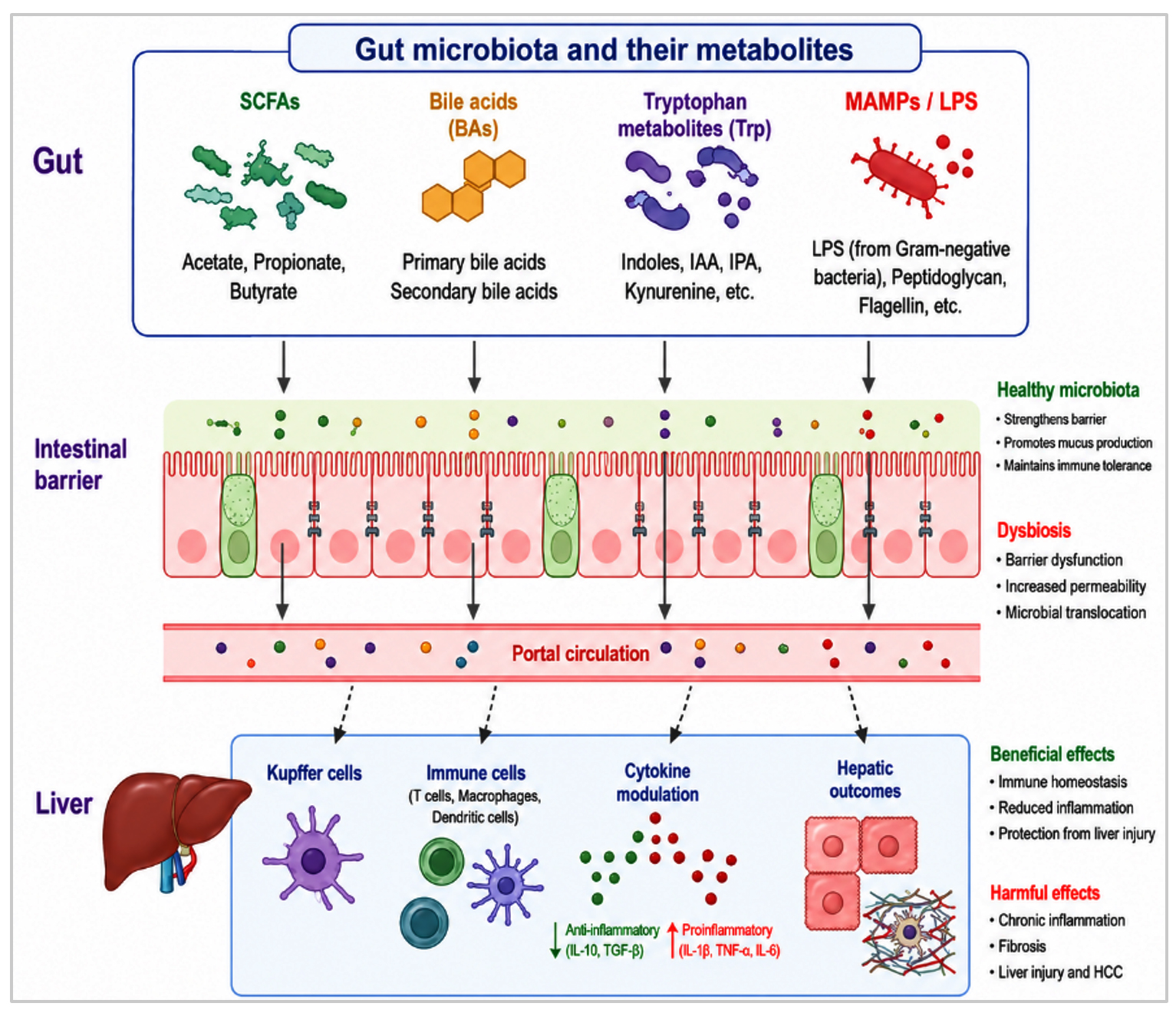
Figure 1. Gut microbiome-mediated regulation of the gut–liver axis. Microbial communities and their metabolites—including short-chain fatty acids (SCFAs), bile acids (BAs), tryptophan (Trp) metabolites, and microbe-associated molecular patterns (MAMPs)—influence intestinal barrier function, immune responses, and liver health through gut–liver communication (Created with the Pro version of BioRender software)
Gut Microbiota Role in Regulating Liver Immune Responses and Inflammation
Immune system responses are regulated by the gut microbiota through local processes in the gut in a systematic way within the liver.6 A balanced microbiome is useful in assisting and maintaining immune function, and it is helpful in the prevention of homeostasis. It tends to prevent excess inflammation or immune tolerance. However, in the presence of dyshidrosis, microbial imbalances can activate the inflammatory force that has a direct impact on liver functions. In the case of cirrhosis, NAFLD, and hepatitis, chronic inflammation is a basic feature that can increase fibrosis and liver injury, and it can eventually lead to HCC.15 Furthermore, the liver is the main organ that modulates the immune system and interacts with microbial products from the gut with the help of the portal vein. These products can help stimulate the immune cells and then activate the inflammatory pathways. One of the example is LPS, which is a component of Gram-negative bacteria, as it can translocate from the gut into the bloodstream.16 It further activates the systemic inflammatory response within the liver. The inflammation also contributes to hepatic damage and the development of HCC. Moreover, microbial metabolites like SCFAs have anti-inflammatory effects, and a decreased population in the dyshidrosis context can increase liver inflammation.17
In addition, a few microbiota-derived metabolites proactively work against liver damage through the modulation and activation of immune cells. Furthermore, SCFAs are found to activate G protein-coupled receptors (GPCRs) on immune cells that lead to the suppression of pro-inflammatory cytokines.18 This kind of anti-inflammatory effect can minimize excessive immune activation, which minimizes liver damage. Alternatively, microbial products like bile acids and LPS, when changed because of microbiome imbalances, can increase the activation of pro-inflammatory cytokines like IL-1b, TNF-a, and IL-6, which contribute to the development of further liver disease.19
Microbiome alterations in liver disease
A change in the gut microbiome composition (dysbiosis) is common in liver diseases. For example, in the case of cirrhosis, patients are found to have a changed gut microbiome with minimal microbial-specific diversity.20 Furthermore, particular shifts in microbial communities, like Proteobacteria over-representation and reduced Firmicutes, are also observed among cirrhosis patients. Such microbial alterations then contribute to systemic inflammation and dysfunction of the immune system that increases the risk of cirrhosis progression and liver fibrosis.
In the case of NAFLD, which is linked with metabolic syndrome, the gut microbiome is noticeably changed.21 Furthermore, these patients usually exhibit a lower abundance of beneficial bacteria like Lactobacilli and Bifidobacteria, with the overgrowth of pathogenic bacteria like Firmicutes and Bacteroidetes.22 The imbalance is a source of high intestinal permeability in the microbiome that allows the microbial products, including LPS, to enter the bloodstream and trigger liver inflammation.
Evidence of altered gut microbiota in HCC patients compared to healthy individuals
The gut microbiome among HCC patients is different from that of healthy individuals. In these patients, a decrease in microbial diversity is commonly observed, with specific shifts in the microbial composition. For example, a decrease in beneficial bacteria like Akkermansia muciniphila is linked with reduced inflammation and improved function of the gut barrier.23 On the other hand, Fusobacterium nucleatum is a harmful microbe found in the gut microbiome of HCC patients. These microbial changes contribute to liver cancer by promoting inflammation, evasion of the immune system, and the development of cirrhosis to HCC. Additionally, with these changes, the functional profile of the microbiome is also different in HCC patients.
Gut microbiome signatures in Hepatocellular Carcinoma (HCC)
Microbial profiles associated with HCC
In the HCC microbiome, significant findings are related to changes in bacterial taxa (Table 1). Patients with HCC exhibit gut microbiome dysbiosis characterized by a reduction in beneficial bacteria and an expansion of potentially pathogenic microorganisms, including Escherichia coli and Enterococcus faecalis, which may contribute to immune dysregulation and systemic inflammation through the gut–liver axis.24 Moreover, another pathogenic bacterium, Fusobacterium nucleatum, which is strongly associated with colorectal cancer, has also been detected at increased abundance in some HCC-associated microbiome studies, suggesting a potential involvement in liver carcinogenesis; however, its specific role in HCC requires further validation. Fungal communities (mycobiome), although less extensively studied than bacterial populations, have also been implicated in liver diseases, including HCC. Dysregulated fungal–bacterial interactions may contribute to intestinal inflammation and immune alterations associated with liver carcinogenesis. Similarly, alterations in the gut virome may contribute to dysbiosis and hepatic inflammation through immune modulation, microbial community regulation, and cytokine-mediated pathways.
Table 1. Key Microbial Taxa Associated with HCC Progression
Taxonomic Level |
Microbial Taxa |
Reported Alterations in HCC |
Potential Mechanisms/ Associated Findings |
Potential Clinical Relevance |
Ref. |
|---|---|---|---|---|---|
Phylum |
Firmicutes |
Altered abundance has been reported in HCC patients, with variations among different cohorts |
Changes in Firmicutes composition may influence SCFA production, intestinal barrier integrity, and gut–liver metabolic interactions |
May serve as a component of microbiome-based profiling for HCC-associated dysbiosis |
27,28 |
Phylum |
Bacteroidota (formerly Bacteroidetes) |
Altered abundance has been observed in HCC-associated gut microbiota profiles |
May influence inflammatory regulation, bile acid metabolism, and gut–liver axis communication |
May contribute to understanding microbial signatures associated with liver carcinogenesis |
29,30 |
Phylum |
Proteobacteria |
Increased abundance has been reported in several HCC-associated microbiome studies |
Expansion of Proteobacteria may increase microbial-derived LPS exposure and activate inflammatory pathways, including TLR4/NF-κB signaling |
Represents a potential indicator of microbial imbalance and inflammatory status in HCC |
27,31 |
Genus |
Fusobacterium nucleatum |
Enrichment has been reported in cancer-associated microbiomes; HCC-specific evidence remains limited |
Associated with modulation of inflammatory responses and immune-related pathways in tumor environments |
Requires further investigation as a potential microbiome-associated
marker in HCC |
29,32 |
Genus |
Lactobacillus |
Alterations in abundance have been reported in some HCC cohorts |
Changes may affect microbial metabolite production, intestinal barrier function, and immune regulation |
May represent a potential target for future microbiome-modulating strategies |
33,34 |
Genus |
Bifidobacterium |
Altered abundance has been described in HCC-associated microbiota studies |
May influence intestinal immune homeostasis and production of beneficial microbial metabolites |
May have potential relevance in microbiome-based therapeutic approaches |
35 |
Family |
Enterobacteriaceae |
Increased abundance has been reported in HCC-associated dysbiosis |
Associated with increased endotoxin-related signaling and inflammatory responses |
May contribute to characterization of dysbiotic microbial patterns in HCC |
36,37 |
Genus |
Akkermansia muciniphila |
Alterations have been reported in cancer-related microbiome studies; HCC-specific findings require further validation |
Involved in maintaining intestinal barrier function and regulating host immune responses |
Potential candidate for studying microbiome-immunity interactions in HCC treatment response |
27,29, 37 |
Differences in microbiome composition between HCC patients and healthy controls
Minimal diversity reduction is found in HCC patients that can result in impaired axis of gut-liver and promotion of the disease progression. For example, Lactobacillus and Bifidobacterium reduction is useful for gut health among HCC patients.9 The shift is accompanied by rising Proteobacteria and Enterococcus, which is linked with liver damage and inflammation. A key signature of the microbiome in HCC patients is specific microbial group enrichment, such as Firmicutes and Bacteroidetes.22 Such alterations are found to impact liver carcinogenesis by increasing gut permeability and modulating immune response. This tends towards the translocation of LPS into the bloodstream. Furthermore, increased LPS levels are associated with systemic inflammation and hepatic fibrosis, which are important factors in HCC development.
Functional impact of the microbiome in HCC pathogenesis
SCFAs are acetate, butyrate, and propionate that gut bacteria produce during dietary fiber fermentation.17 These metabolites are found to reduce liver inflammation and establish gut barrier integrity that potentially inhibits HCC development. However, dysbiosis can also lead to a decrease in SCFA production, which also promotes liver tumorigenesis and inflammation.12 Furthermore, bile acids, which are also involved in the absorption and digestion of fats, are produced in the liver and then modified by the gut bacteria. This change in bile acids because of microbiome change is further implicated in the progression of liver disease and cancer. Bile acid profile dysregulation results in hepatocellular inflammation, injury, and carcinogenesis by impacting liver immune responses and metabolism.25 Furthermore, LPS are Gram-negative bacterial components that cats consider potent endotoxins translocating from the gut into the bloodstream. Increased levels among HCC patients are identified to further activate the immune cells within the liver, which increases the risk of chronic inflammation. Dysbiosis also promotes oxidative stress and inflammation, including carcinogenic elements. Furthermore, microbial-derived metabolites (SCFAs) can control inflammation while interacting with immune cells, which minimizes the production of pro-inflammatory cytokines.17,26
Mechanisms of microbiome-induced carcinogenesis
The gut microbiome can cause hepatic inflammation by releasing pro-inflammatory cytokines like IL-1β, TNF-α, and IL-6 with the help of microbial metabolites (LPS).19 Furthermore, chronic inflammation in the liver results in fibrosis that is a major precursor to HCC. Furthermore, microbial products, specifically bile acids and LPS found to encourage mutations and DNA damage in liver cells. This triggers carcinogenesis. In addition, the gut microbiome can impact epigenetic modifications like DNA methylation and modification of histone that impact gene expression and then promote cancer development in the liver. Furthermore, gut-derived microbial products can also modulate liver cells that signal through pathways and are involved in the proliferation of the cells, immune responses, and apoptosis.38 SCFAs activate G-protein with GPCRs on liver immune cells, and surpass inflammatory responses, and promote tissue repair.
Implications for diagnosis
Non-invasive diagnostic tools using microbiome signatures
Microbial signatures in the gut are helpful for HCC detection, and they can define the problem at an earlier stage when the tumor is small and least detectable by conventional techniques. Furthermore, particular microbial taxa are found as potential indications for HCC. The inclusion of Fusobacterium nucleatum and Proteobacteria species in the gut is associated with HCC development, and it also provides a basis for microbiome-based biomarkers.25 Earlier detection through profiling can lead to non-invasive alternatives to biopsies that are invasive and increase risks.
Serum and fecal samples are also ideal for non-invasive diagnosis, as they can be collected easily from patients. Furthermore, in fecal samples, microbial communities indicate gut microbiome composition that is correlated with the progression of liver disease. SCFAs, bacterial species, and bile acids can act as biomarkers for HCC. LPS levels circulating in serum are increased due to gut dysbiosis and are linked with HCC and can also serve as a diagnostic tool.
Comparative analysis with current diagnostic methods
Various imaging techniques like CT, ultrasound, and magnetic resonance imaging (MRI) are the main tools to detect HCC.39 However, these methods are not without limitations, as early diagnosis is not possible, as they can miss small tumors, and their sensitivity to detect HCC in cirrhosis can be lower. The cost of the procedures is another limitation, as CT and MRI are expensive, and these require special equipment that cannot detect the issues at an earlier stage. On the other hand, microbiome-based diagnosis also offers a complementary approach to imaging, and this has the potential to detect liver cancer biomarkers before the visible presence of the tumors.1 Microbiome data integration with imaging can improve diagnostic accuracy, particularly among high-risk populations (Table 2).
Table 2. Comparison of Microbiome-Based Diagnostics with Current Methods
Diagnostic Method |
Microbiome-Based Approach |
Current Techniques |
Advantages |
Limitations |
|---|---|---|---|---|
Biomarker Detection |
Use of microbial signatures (fecal/ serum) |
Alpha-fetoprotein (AFP) levels, imaging (CT, MRI) |
Non-invasive, high potential for early detection |
Lack of standardization requires further validation |
Imaging Techniques |
N/A |
Ultrasound, CT, MRI |
Direct visualization of tumors |
Misses early-stage tumors, expensive, requires equipment |
Serum Biomarkers |
Microbial-derived metabolites (SCFAs, LPS) |
AFP, Des-gamma carboxyprothrombin (DCP) |
Can reveal liver inflammation, non-invasive |
Sensitivity and specificity can be low |
Microbiome Profiling |
Fecal/serum microbial DNA analysis |
N/A |
Potential for precise diagnostics, personalized |
Highly variable, complex data interpretation |
AFP is another serum biomarker commonly used for HCC, but it lacks specificity and sensitivity.40 Elevated levels of AFP in other liver diseases, like cirrhosis and hepatitis, can lead to false positives. These proteins may not be increased at the earlier stage of HCC cases, which limits the diagnostic utility to detect liver cancers when they are more treatable. These limitations can be overcome by providing a sensitive and specific diagnostic tool, as these tests can be easily incorporated into labs for routine clinical practice with fecal or blood samples.
Limitations and advantages of microbiome as a diagnostic tool
Microbiome-based analysis can be performed through easily collected samples (fecal and blood).26 The analysis can allow for liver cancer detection at the earlier stages and it can improve the survival rates through an earlier intervention that also improves the survival rates. Compared to traditional biomarkers, microbiome analysis can assist in a broader assessment of particular molecular targets, and it can also provide a broader understanding of the diseases and explain the microbial taxa and metabolites that lead to cancer progression.
The major challenge of adopting microbiome-based analysis is a lack of standardization of methods to collect, process, and analyze microbiome samples (Figure 2). The microbe’s composition can be variable among individuals, and there can be present various factors like medication, diet, and lifestyle can influence the gut microbiome.5 Microbiome data interpretation is complicated because of the higher diversity of microorganisms in the gut. Furthermore, finding specific microbial signatures linked with HCC needs advanced bioinformatics tools and larger datasets. Even with promising results, various microbiome-based markers for HCC diagnosis require further validation in larger clinical trials before these can be applied as a diagnostic tool.
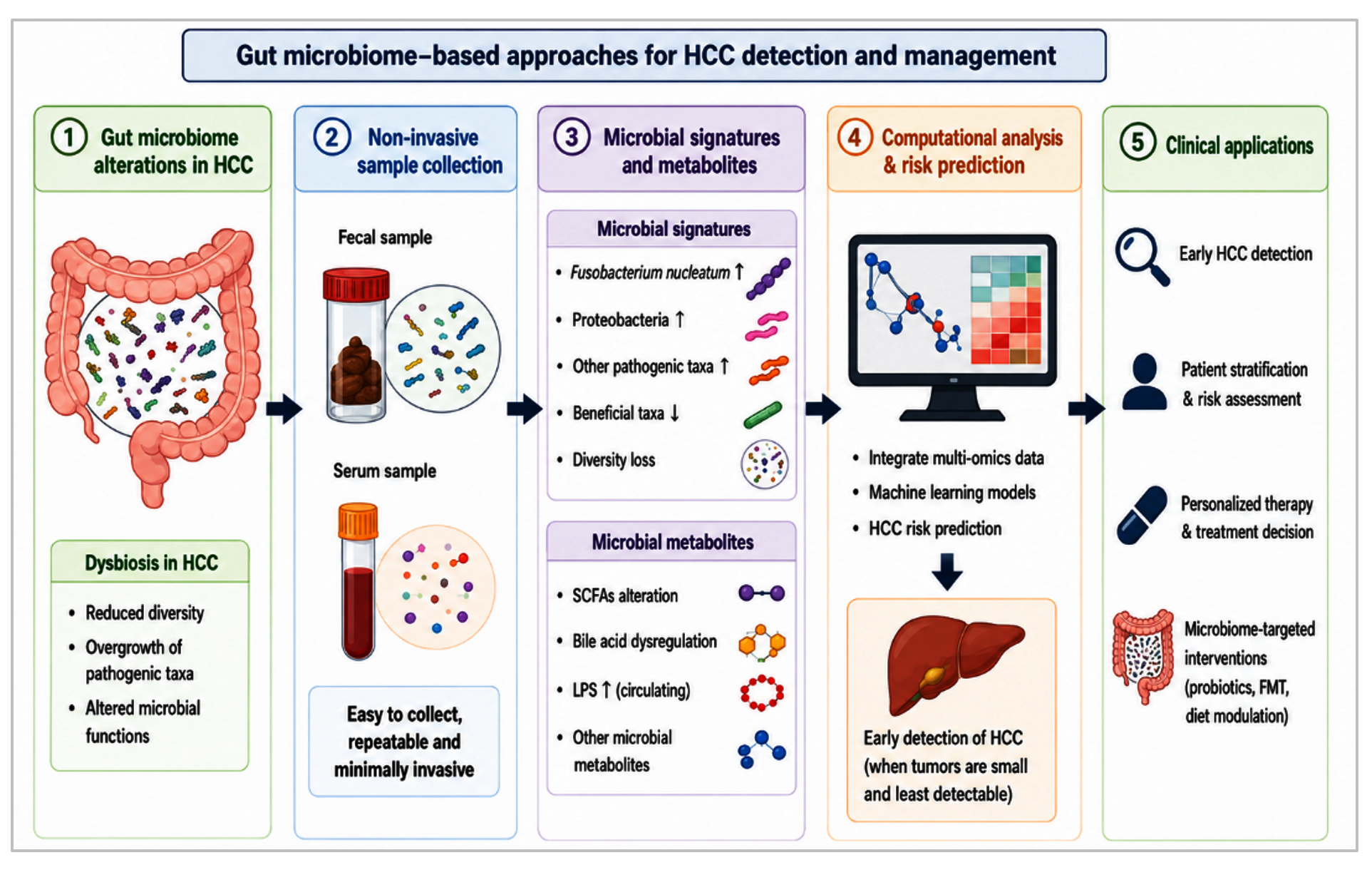
Figure 2. Role of the gut microbiome in cancer diagnosis and management. The figure illustrates stool-based microbiome analysis and machine-learning approaches for cancer diagnosis, alongside microbiome-related therapeutic strategies and key challenges, including microbial variability, lack of standardization, and limited availability of reliable biomarkers (Created with the Pro version of BioRender software)
Implications for prognosis
Gut microbiome as a prognostic biomarker in HCC
The composition of the gut microbiome reflects HCC progression and predicts clinical outcomes.1,6 A decreased microbial diversity is linked with an advanced stage of liver disease. This suggests that minimal microbial diversity can indicate a poor prognosis. Furthermore, specific microbial taxa, such as Proteobacteria and Firmicutes, are also associated with poor outcomes in patients with liver cancer. Contrarily, enrichment of beneficial (Bifidobacterium and Lactobacillus) bacteria is correlated with increased survival among cancer patients. In addition, the gut microbiome can serve as a predictor of recurring HCC. These alterations can also persist after resection of the tumor or transplantation and impact the likelihood of cancer recurrence. For example, gut microbiota imbalance is based on the overrepresentation of Fusobacterium nucleatum, that are pathobionts. These can increase the risk of tumor recurrence because of systemic inflammation promotion and immune dysregulation.
Impact of microbial dysbiosis on HCC prognosis
Microbial changes can also persist after surgical interventions like tumor resection and transplantation, increasing chances of liver cancer recurrence. For example, patients undergoing liver transplantation for HCC show long-term changes in their gut microbiome, with additional microbial taxa linked with increased tumor recurrence risk. This shows microbial dysbiosis can act as a prognostic indicator of post-treatment reappearance. The persistence of specific microbial species promoting immune suppression and inflammation, like Escherichia coli and Enterococcus faecalis, can compromise the body’s capability to suppress tumor growth, which increases recurrence risks.30,41 On the other hand, healthy microbiome restoration in the post-treatment period through probiotics can potentially minimize the risks of recurrence by redeveloping the immune function that controls systemic inflammation.
The gut microbiome is moderated in the microenvironment of a tumor in a way that impacts the metastasis and progression of the tumor. The ability of the immune system to recognize and eliminate cancer cells. It can facilitate the spread and growth of a tumor. For example, gut-based microbial products like SCFAs and bile acids, as well as the tumor microenvironment, are affected by cell functions. SCFAs also have anti-inflammatory properties and promote a favorable immune environment that also suppresses tumor growth. In the case of dysbiosis, uncontrolled production of SCFAs can result in immune suppression and chronic inflammation that is also favorable for tumor progression.42 The metabolites derived by microbes, such as LPS, can also be found in the bloodstream, where they can activate hepatic macrophages and other immune cells. This chronic situation leads to remodeling of the liver tissue and establishes an environment promoting fibrosis and HCC development. Epithelial-mesenchymal transition is impacted by dysbiosis, which is a critical metastatic process, and modulates the pathways for Wnt and TGF-β that also regulate invasion and migration.43
Gut microbiome as a therapeutic target in HCC
Microbiome-modulating therapies for HCC
Probiotic strains of Lactobacillus and Bifidobacterium can assist in restoring a healthier balance in the gut microbiota of liver disease patients, including NAFLD and cirrhosis, which are influencing factors for HCC. SCFAs are produced by these bacteria, including butyrate, which minimizes gut inflammation and increases the functions of the gut barrier. On the other hand, prebiotics are the fibers and oligosaccharides that can assist in the further growth of beneficial microbes, and they directly improve gut health. They can support bacterial proliferation, like Bifidobacterium, which increases SCFA production and minimizes the permeability of the gut.44
FMT as a potential therapeutic option for liver cancer
FMT involves the microbiota transfer from a healthy donor’s stool into the GIT of the recipient, and the aim is to restore the healthy gut microbiome.45 FMT is leading with promising results in various conditions like Clostridium difficile infections and inflammatory bowel disease (IBD), and various emerging evidence that suggests further therapeutic potential in liver disease. Furthermore, the technique can be managed by directly restoring a balanced microbiome among patients with liver cancer. It further reduces systemic inflammation and tends to promote the functions of the immune system. It can directly assist in modulating the immune response towards cancer cells by increasing the gut-liver axis. Furthermore, FMT can potentially minimize liver tumor progression and recurrence after rebalancing the gut microbiome and then restoring the beneficial microbial metabolites, including SCFAs.
Pharmacological modulation of the microbiome in liver cancer treatment
Antibiotics are carefully used to target particular microbial populations involved in tumor promotion and liver inflammation. Broad-spectrum antibiotics can be used to minimize the abundance of pathobionts like Fusobacterium nucleatum that is linked with poor outcomes among cancer patients.25 Dietary interventions are also important for the gut microbiome, as these interventions are developed to increase fiber intake, minimize fat consumption, and provide a particular nutrient, like antioxidants and polyphenols, for further modulating the composition of the microbiome that further favors the beneficial bacteria.46 Such interventions can work in a synergistic way with traditional treatment of cancer, and they improve gut health, minimize systemic inflammation, and support immune function.
Immune modulation and immunotherapy
Immune therapies can be checkpoint inhibitors like PD-1/PD-L1 inhibitors, transforming cancer therapies by re-educating the immune system to target and eliminate cancer cells.47 The theoretical efficacy also varies among individuals, and evidence is also showing the usefulness of the gut microbiome in developing immune responses towards immunotherapy. Furthermore, a diverse and balanced microbiome can help to improve the therapeutic effects of PD-1/PD-L1 inhibitors in HCC.48 Bacteroides and Firmicutes are two main bacterial taxa associated with immunotherapy responses. Their capacity to modulate T-cell activation further highlights the potential of microbiome modulation as a strategy to improve the efficacy of immunotherapy in HCC.
The gut microbiome is a source for improving the development, treatment, and progression of HCC. The current narrative review investigated the microbial composition in liver cancer and its diagnostic impact on prognosis. Changes in the microbiome, or a process of dysbiosis, are strongly linked with liver disease progression. It further includes microbial taxa, like Bacteroidetes, Firmicutes, and Proteobacteria; all of these are linked with poor outcomes of HCC. Bifidobacterium and Lactobacillus are beneficial bacteria linked with better prognosis. Such microbial profiles offer a promising avenue for the development of microbiome-based biomarkers in the early detection of HCC. However, microbiome-based therapies and diagnostics in HCC are promising, but future research is important to validate such approaches within clinical settings. The complexity, variability, and interaction of the gut microbiome with liver cancer show the need for large-scale clinical trials to develop a reliable biomarker and standardized therapeutic interventions.
ACKNOWLEDGMENTS
None.
CONFLICT OF INTEREST
The authors declare that there is no conflict of interest.
AUTHORS’ CONTRIBUTION
T and MHM conceptualized the study. T, MHM, RG and PCT performed formal analysis. T, MHM and RG wrote the manuscript. MHM, NS and SK reviewed and revised the manuscript. All authors read and approved the final manuscript for publication.
FUNDING
None.
DATA AVAILABILITY
All datasets generated or analyzed during this study are included in the manuscript.
ETHICS STATEMENT
Not applicable.
- Gan C, Yuan Y, Shen H, et al. Liver diseases: epidemiology, causes, trends and predictions. Sig Transduct Target Ther 2025;10(1):33.
Crossref - Li P, Ding Z, Feng Y, et al. Global, regional, and national burden of hepatocellular carcinoma and contribution of nine modifiable risk factors across 185 countries/territories in 2022;71(4):838-849. Sci Bull. 2025.
Crossref - Tufael, Rahman M, Upadhye VJ, Hossain MF, Uddin N. Combined biomarkers for early diagnosis of Hepatocellular carcinoma. J Angiother 2024;3(1):1-9.
Crossref - Tufael, Kar A, Rashid MHO, et al. Diagnostic efficacy of tumor biomarkers AFP, CA19-9, and CEA in Hepatocellular carcinoma patients. J Angiother. 2024;8(4):1-10.
Crossref - Tufael, Begum MM. Hepatocellular Carcinoma in a 55-Year-Old with Chronic Hepatitis B: A Case Report on Diagnosis and Management. Asia Pac J Cancer Res. 2024;1(1).
Crossref - Hanif H, Ali MJ, Susheela AT, et al. Update on the applications and limitations of alpha-fetoprotein for hepatocellular carcinoma. World J Gastroenterol. 2022;28(2):216-229.
Crossref - Leonard JM, Toro DD. Defining the microbiome components (bacteria, viruses, fungi) and microbiome geodiversity. Surg Infect. 2023;24(3):208-212.
Crossref - Gupta H, Youn GS, Shin MJ, Suk KT. Role of gut microbiota in hepatocarcinogenesis. Microorganisms 2019;7(5):121.
Crossref - Song Q, Zhang X. The role of gut–liver axis in gut microbiome dysbiosis associated NAFLD and NAFLD-HCC. Biomedicines 2022;10(3):524.
Crossref - Tripathi A, Debelius J, Brenner D, et al. The gut–liver axis and the intersection with the microbiome. Nat Rev Gastroenterol Hepatol. 2018;15(7):397-411.
Crossref - Tilg H, Adolph T, Trauner M. Gut-liver axis: Pathophysiological concepts and clinical implications. Cell Metab 2022;34(11):1700-1718.
Crossref - Pabst O, Hornef MW, Schaap F, Cerovic V, Clavel T, Bruns T. Gut–liver axis: barriers and functional circuits. Nat Rev Gastroenterol Hepatol. 2023;20(7):447-461.
Crossref - Collins SL, Stine JG, Bisanz JE, Okafor CD, Patterson AD. Bile acids and the gut microbiota: metabolic interactions and impacts on disease. Nat Rev Microbiol. 2023;21(4):236-247.
Crossref - Zhu F, Zheng S, Zhao M, Shi F, Zheng L, Wang H. The regulatory role of bile acid microbiota in the progression of liver cirrhosis. Front Pharmacol 2023;14:1214685.
Crossref - Philips CA. Commonly encountered symptoms and their management in patients with cirrhosis. Front Med. 2024;11:1442525.
Crossref - Mohr AE, Crawford M, Jasbi P, Fessler S, Sweazea KL. Lipopolysaccharide and the gut microbiota:considering structural variation. FEBS Lett. 2022;596(7):849-875.
Crossref - Jiminez V, Yusuf N. Bacterial metabolites and inflammatory skin diseases. Metabolites. 2023;13(8):952.
Crossref - Lymperopoulos A, Suster M, JI Borges. Short-chain fatty acid receptors and cardiovascular function. Int J Mol Sci. 2022;23(6):3303.
Crossref - Duan Y, Pan X, Luo J, et al. Association of Inflammatory Cytokines With Non-Alcoholic Fatty Liver Disease. Front Immunol. 2022;13:880298.
Crossref - Hsu CL, Schnabl B. The gut–liver axis and gut microbiota in health and liver disease. Nat Rev Microbiol 2023;21(11):719-733.
Crossref - Radu F, Potcovaru C, Salmen T, Filip P, Pop C, Fierbinteanu-Braticievici C. The link between NAFLD and metabolic syndrome. Diagnostics. 2023;13(4):614.
Crossref - Yang J, Qin S, Zhang H. Precise strategies for selecting probiotic bacteria in treatment of intestinal bacterial dysfunctional diseases. Front Immunol. 2022;13:1034727.
Crossref - Zheng M, Han R, Yuan Y, et al. The role of Akkermansia muciniphila in inflammatory bowel disease:Current knowledge and perspectives. Front Immunol. 2023;13:1089600.
Crossref - Nunez N, Derre-Bobillot A, Trainel N, et al. The unforeseen intracellular lifestyle of Enterococcus faecalis in hepatocytes. Gut Microbes. 2022;14(1):2058851.
Crossref - Tong Y, Lou X. Interplay between bile acids, gut microbiota, and the tumor immune microenvironment: mechanistic insights and therapeutic strategies. Front Immunol 2025;16:1638352.
Crossref - Tufael, MS Ullah. Role of Human Microbiome in Non-Communicable Diseases:A Public Health Perspective. Clin Epidemiol Public Health. 2024;2(1).
Crossref - Feng J, Wu Y, Dai P, Wang D, Liu L, Chai B. Gut microbial signatures of patients with primary hepatocellular carcinoma and their healthy first-degree relatives. J Appl Microbiol 2023;134;(10):lxad221.
Crossref - Mehta R, Ning H, Bansal N, et al. Ten-Year Risk-Prediction Equations for Incident Heart Failure Hospitalizations in Chronic Kidney Disease:Findings from the Chronic Renal Insufficiency Cohort Study and the Multi-Ethnic Study of Atherosclerosis. J Card Fail 2022;28(4):540-550.
Crossref - Schwabe RF, Greten TF. Gut microbiome in HCC – Mechanisms, diagnosis and therapy. J Hepatol 2020;72(2):230-238.
Crossref - Peralta-Marzal LN, Prince N, Bajic D, et al. The Impact of Gut Microbiota-Derived Metabolites in Autism Spectrum Disorders. Int J Mol Sci. 2021;22(18):10052.
Crossref - Ponziani FR, Nicoletti A, Gasbarrini A, Pompili M. Diagnostic and therapeutic potential of the gut microbiota in patients with early hepatocellular carcinoma. Ther Adv Med Oncol. 2019;11:1758835919848184.
Crossref - Brennan CA, Garrett WS. Fusobacterium nucleatum — symbiont, opportunist and oncobacterium. Nat Rev Microbiol. 2019;17(3):156-166.
Crossref - Yang J, He Q, Lu F, et al. A distinct microbiota signature precedes the clinical diagnosis of hepatocellular carcinoma. Gut microbes. 2023;15(1):2201159.
Crossref - Pires L, González-Paramás AM, Heleno SA, Calhelha RC. Exploring therapeutic advances: a comprehensive review of intestinal microbiota modulators. Antibiotics. 2024;13(8):720.
Crossref - Yang J, Dai Y, Li J. Gut microbiota–immunity cascade in hepatocellular carcinoma:mechanisms and therapeutic opportunities. Oncol Rev. 2026;19:1687901.
Crossref - Xu J, Zhan Q, Fan Y, et al. Clinical Aspects of Gut Microbiota in Hepatocellular Carcinoma Management. Pathogens 2021;10(7):782.
Crossref - Wang Y, Li Y, Lin Y, et al. Roles of the gut microbiota in Hepatocellular carcinoma: from the gut dysbiosis to the intratumoral microbiota. Cell Death Discov. 2025;11(1):140.
Crossref - Wang N, Fang JY. Fusobacterium nucleatum, a key pathogenic factor and microbial biomarker for colorectal cancer. Trends Microbiol. 2023;31(2):159-172.
Crossref - Alshomrani F. Recent Advances in Magnetic resonance Imaging for the diagnosis of liver Cancer: A Comprehensive review. Diagnostics. 2025;15(16):2016.
Crossref - Johnson P, Zhou Q, Dao DY, Lo YMD. Circulating biomarkers in the diagnosis and management of hepatocellular carcinoma. Nat Rev Gastroenterol Hepatol. 2022;19(10):670-681.
Crossref - Azhar Ud Din M, Lin Y, Lyu C, Yi C, Fang A, Mao F. Advancing therapeutic strategies for graft-versus-host disease by targeting gut microbiome dynamics in allogeneic hematopoietic stem cell transplantation:current evidence and future directions. Mol Med. 2025;31(1):2.
Crossref - Xiao K, Li K, Xiao K, Yang J, Zhou L. Gut Microbiota and Hepatocellular Carcinoma: Metabolic Products and Immunotherapy Modulation. Cancer Med. 2025;14(9):e70914.
Crossref - Che Z, Xue W, Zhao X, Hu C, Tian Y. Regulatory Role and Biomarker Potential of Gut Microbiota Metabolites in the Progression of Metabolic Dysfunction-Associated Steatotic Liver Disease to Hepatocellular Carcinoma. Clin Transl Gastroenterol. 2025;16(12):e00914.
Crossref - Xu X, Zhang C, Tang G, Wang N, Feng Y. Updated Insights into Probiotics and Hepatobiliary Diseases. Biomedicines. 2024;12(3):515.
Crossref - Ademe M. Benefits of fecal microbiota transplantation:a comprehensive review. J Infect Dev Ctries. 2020;14(10):1074-1080.
Crossref - Meiners F, Ortega-Matienzo A, Fuellen G, Barrantes I. Gut microbiome-mediated health effects of fiber and polyphenol-rich dietary interventions. Front Nutr 2025;12:1647740.
Crossref - Parvez A, Choudhary F, Mudgal P, et al. PD-1 and PD-L1: architects of immune symphony and immunotherapy breakthroughs in cancer treatment. Front Immunol. 2023;14:1296341.
Crossref - Muscolino P, Granata B, Omero F, et al. Potential predictive role of gut microbiota to immunotherapy in HCC patients:a brief review. Front Oncol. 2023;13:1247614.
Crossref
© The Author(s) 2026. Open Access. This article is distributed under the terms of the Creative Commons Attribution 4.0 International License which permits unrestricted use, sharing, distribution, and reproduction in any medium, provided you give appropriate credit to the original author(s) and the source, provide a link to the Creative Commons license, and indicate if changes were made.