

ISSN: 0973-7510
E-ISSN: 2581-690X
 , P.P. Suresh Babu2, A. Anuraj2, Kurva Raghu Ramudu3, Praveen Dube3, S.M. Sonali3, S.S. Raju1, Imelda Joseph2, Boby Ignatius2 and Joe K. Kizhakudan1
A study was undertaken on the effect of probiotic bacteria, belonging to genera Bacillus and Streptococcus, on survival, growth and production of wild-collected red snapper, Lutjanus argentimaculatus in marine cages for a period of 90 days. Wild-collected juvenile fish with an initial biomass of 0.79 kg/m3 were stocked in marine cages at Karwar, India. All the fish (control and probiotic treated) were fed with pellet feed at 10% fish biomass. The feed was supplemented with multi-strain probiotic combination (T1) and with single-strain probiotics (T2 and T3). Growth, survival of fish, and microbiological parameters were monitored at fortnightly intervals. After 90 days of culture, the final mean weight (g), Absolute Growth Rate (AGR g/day), and Specific Growth Rate (SGR%/day) of fish were recorded as 250 ± 0.5 g; 2.23 ± 0.012 g/day; 0.79 ± 0.052%/day, respectively, in T1. A significant difference (P < 0.05) among the different treatments was recorded, and T1 showed a higher growth rate. The highest survival rate was recorded in T1 and T2 and varied significantly among the treatments (P < 0.05). Microbiological analysis of fish gut revealed the presence of Bacillus species as the dominant group in T1, followed by T2. A significant variation (P < 0.05) was recorded in total bacterial and Bacillus loads among all the treatments. The results of the study indicated that the application of 0.1% of multi-strain probiotics as a supplementary diet is economically viable and also enhances the survival, growth, and production of cage-cultured L. argentimaculatus.
Cage Culture, Efficacy, Growth, Multi-strain Probiotics, Single-strain Probiotics, Red Snapper, Yield
Cage farming of marine finfish in India is expanding very rapidly in the mariculture sector as an additional livelihood for the upliftment of the economic status of coastal communities. Increasing the demand for intensification and commercialization of mariculture production has led to the emergence of environmental issues and disease occurrences. To manage the culture systems for sustainable production, applying probiotics is the best tool to achieve better growth rate, survival, and disease resistance of fish. Marine microorganisms have a greater capacity for adhesion to gastrointestinal mucus and tissues, which may enhance host digestion, and are identified as a potential source of enzymes.1 Probiotics in aquaculture have gained considerable attention due to their ability to enhance survival, feed efficacy, and growth performance.2-4 Probiotic bacteria, which can produce inhibitory substances, can suppress the growth of pathogenic microorganisms and improves stress tolerance in fish under high stocking density.5-11 Probiotic bacteria, like the Bacillus group, secrete various exogenous enzymes such as amylase, lipase, protease, and cellulose and also stimulate endogenous enzyme production that helps digestion, absorption, and assimilation. A wide range of bacterial species as probiotics, including Bacillus sp., Pseudomonas sp., Pseudoalteromonas sp., Alteromonas macleodii, Enterococcus faecium, and Lactobacillus sp., Bifidobacterium spp., Lactococcus spp., Shewanella spp., Paenibacillus spp., Alteromonas spp., Saccharomyces cerevisiae, Streptococcus phocae, and Pediococcus acidilactici are in the application in aquaculture systems.10,12,13 Among Bacillus spp. The most widely used species in aquaculture include Bacillus subtilis, B. cereus, B. pumilis, B. coagulans, B. clausii, B. megaterium, B. licheniformis, B. amyloliquifaciens, B. circulans, B. aerius and B. polymyxa. Several reports on the effect of Bacillus species on the growth and feeding performance of fish indicated application of probiotics in aquaculture is the best alternative to antibiotics.2,11,14-28 Improved growth with minimum cost, improvement in reproduction, hematology, immune response, disease and stress resistance, and better proximate composition was reported in different fish species on the application of Bacillus spp. as probiotics.29 The application of probiotic bacteria also improves the reproductive performance of fish in terms of spawning female percentage, egg production, fry, fingerling production, and larval rearing.12,29,30 The performance of multi-strain probiotics is better than specific probiotic strains, and each could increase the effect of the other
strains.23,31-33 Probiotic application in cage culture could be a dynamic approach to promote cost-effective culture. Few studies proved that dietary probiotic supplementation is economically feasible, as it augments survival, growth, health, production, and yield for a profitable cage culture.34-37 Probiotic supplementation also improves intestinal health, with the abundance of supplemented probiotic bacteria, and reduction of pathogens, and this enhances the immunity and health of the fish.19,32,38-43 Although several commercial probiotic bacteria are being used in fish culture, the role of its application in marine cage farming, especially the host specificity of strains and their dosage at different stages of the culture period, needs to be investigated in detail. The present study was carried out to understand the efficacy and the economic viability of multi-strain probiotic bacteria on survival, growth, production, and health status of the gut of cage-cultured red snapper, Lutjanus argentimaculatus.
The present work was undertaken to study the effect of probiotic bacteria belonging to two different genera Bacillus and Streptococci on the survival, growth, and production of L. argentimaculatus.
The experiment was carried out in four 3m dia. cages. Experimental cages (3m diameter GI cages) were fabricated with galvanized iron (GI) pipe (1.5-inch diameter) frame and were floated in offshore of Karwar waters off the Arabian sea. The submerged volume of each cage was 35 m3. Six thousand wild red snapper fish (L. argentimaculatus) were collected from Karwar and Udupi waters. All the fish were acclimatized for fifteen days in hapas before stocking into the cages. Acclimatized fishes were stocked randomly in cages at a density of 0.79 kg m– 3 with an average initial body weight of 50 ± 0.06 g.
Preparation of the feed
Pure isolates of Bacillus subtilis, B. licheniformes, B. cereus and Streptococcus faecium were grown in LB broth using a shaking incubator at 30 °C for 48 hrs. The cultures were then centrifuged at 3000 g for 10 min at 4 °C. The supernatant was discarded and the pelleted bacteria were re-suspended and washed thrice in sterile Normal Saline Solution (NSS, 0.9% NaCl). The cell densities of the suspensions were estimated by using spectrophotometer at 600 nm and also correlated to the colony-forming unit (CFU) using the spread-plate technique. These suspensions were kept at 4 °C until used.
Experimental fishes (Control, T1, T2 and T3) were fed with a pelleted diet (Growel Fish Feed Pvt. Ltd. Andhra Pradesh, India) with 45% protein and 10% fat. Fish in all the treatments were fed with pellet feed @ 10% of fish biomass. In experimental treatments (T1, T2, and T3), the feed was supplemented with multi-strain probiotics (T1: Bacillus subtilis, Bacillus cereus, B. licheniformes, and Streptococcus faecium) and single strain probiotics (T2: Bacillus subtilis and T3: Streptococcus faecium). The probiotics, incorporated with vitamins, were given at a concentration of 0.5% of the feed for the first 30 days of culture and 0.2% and 0.1% of the feed for the next two-month culture period, respectively, in all the treatments (Table 1). The required quantity of probiotics was diluted, sprayed over the commercial pelleted feed, mixed uniformly, and air-dried. Triplicates were maintained for all the treatments and the fish were fed twice daily as per the experimental design. All the experimental cages were maintained in good condition with regular cleaning of nets and frames.
Table 1. Details of concentrations of probiotics and additives used in the experiment
No. |
Probiotic |
Concentration |
Additives |
Concentration (mg of probiotic/ g of feed) |
|---|---|---|---|---|
1. |
Bacillus subtilis + Bacillus licheniformis + Bacillus cereus + Streptococcus faecium |
1 x 10¹⁰ CFU/g |
Vitamin C + Vitamin B6 |
5 mg + 5 mg |
2. |
Bacillus subtilis |
1 x 10¹⁰ CFU/g |
Vitamin C + Vitamin B6 |
5 mg + 5 mg |
3. |
Streptococcus faecium |
1 x 10¹⁰ CFU/g |
Vitamin C + Vitamin B6 |
5 mg + 5 mg |
Growth and survival analysis
Fishes in all the cages were regularly monitored and observed visually for their external behaviour, colorations, movement, and presence of any infections or external damage. Sampling was done at fortnight intervals to measure growth parameters and survival of fish. A random sample of fish from each cage was done, and fishes were weighed with digital balance. Experimental fishes were harvested after three months of culture from each cage. Harvested fishes were counted and weighed individually to determine the mean final weight (g), survival (%), and production (kg). Percent Survival (%) and growth parameters viz., Mean Final weight (g), Average Weight gain (g), Average Daily Growth Rate (AGR g/day), % Weight gain, Specific Growth Rate (SGR% /day), and FCR were calculated by using standard formulas.15,16
The following formulas were used:
Weight gain (g): Final weight – Initial weight
% Weight gain WG (g) = 100 x (W2 – W1) / W1
Average Daily Growth Rate: (W2 – W1)/T
Specific Growth Rate (SGR) (%) = 100 x (In W2 – In W1) / T
FCR = Feed intake/Weight gain
where W1 and W2 are the initial and final weights, respectively, and T is the number of feeding days.
Total Biomass Increase (kg) = number of fishes harvested / average final weight increase of fishes
Water quality analysis
Water quality parameters (Temperature, Salinity, Dissolved Oxygen, Ammonia, Nitrate, and Nitrite) were analyzed at fortnightly intervals by using standard methods given in American Public Health Association.
Microbiological analysis
Microbiological parameters, such as Total Viable Heterotrophic Bacterial Count (TVHC), and Total presumptive counts of Vibrios, Bacillus, and Streptococcus, were estimated from the fish gut of all the treatments and control. The isolated colonies were identified by morphological and biochemical tests using standard methods.44
The experiment was conducted with the approval of Ethical Committee of the Institute and all the guidelines and protocols were followed as per International standards.
Yield and economic analysis
Economic analysis of the different treatments was evaluated on the basis of fixed and variable costs such as cage fabrication cost, snapper seed cost, feed cost, maintenance and labor cost, and revenue from the sale of harvested red snapper.
The following equations were used to calculate costs and returns.
Gross Revenue (GR) = Quantity Produced (Kg) × Price realised (Rs/Kg)
Net Profit = Gross revenue – Total cost of production
Rate of return on operating investment (RROI) = Gross revenue / Variable cost
Rate of return on capital investment (RRCI) = Gross revenue / Fixed cost
Benefit-cost ratio (BCR) = Gross revenue / Total cost of production
Statistical analysis
The data generated from the present work was analyzed using SPSS (Statistical Package for Social Science) version 2.0. The survival rate, growth, and yield variables were analyzed using analysis of variance (ANOVA) to compare the treatment mean at a 5% level of significance. Correlation, linear regression, and coefficient of determination (r2) were conducted to predict and interpret the data at different probiotic concentrations.
Growth and survival analysis
Experiments on the efficacy of multi-strain (T1) and single-strain (T2 and T3) probiotics revealed probiotic supplementation had a significant impact on the survival and growth parameters of red snapper. Variations in mean final weight (g) between the treatments were found significant, with the highest value recorded in T1 (250 ± 0.5 g), followed by T2 (185 ± 2.8 g) and T3 (152 ± 3.3 g), and the lowest was recorded in control diet (135 ± 4.1 g). Average Daily Growth Rate, specific growth rate, and % weight gain of fish were found to be significantly high in T1. A significant increase was recorded in mean final weight (g), % weight gain, and specific growth rate (%SGR) of fish supplemented with multi-strain probiotics (T1) compared to control and single-strain supplementations (T2 and T3). The feed conversion ratio of T1 was observed as the lowest (1.04 ± 0.015), and there was a significant variation with control (1.97 ± 0.14) and other treatments at 90 days of the experimental culture period (Table 2).
Table 2. Details of growth parameters of L. argentimaculatus supplemented with multi-strain and single-strain probiotics at 90 days of culture
Parameter |
T1 |
T2 |
T3 |
C |
|---|---|---|---|---|
Initial biomass (kg/m3) |
0.79 ± 0.01 |
0.79 ± 0.01 |
0.79 ± 0.01 |
0.79 ± 0.03 |
Final biomass (kg/m3) |
3.39 ± 0.18 |
2.51 ± 0.14 |
1.95 ± 0.12 |
1.54 ± 0.11 |
Percent Survival (%) |
95 ± 3 |
95 ± 2 |
90 ± 1 |
80 ± 2 |
Mean initial weight (g) |
50 ± 0.06 |
50 ± 0.06 |
50 ± 0.06 |
50 ± 0.06 |
Mean final weight (g) |
250 ± 0.5 |
185 ± 2.8 |
152 ± 3.3 |
135 ± 4.1 |
Average Daily Growth Rate (g/day) |
2.23 ± 0.012 |
1.5 ± 0.08 |
1.14 ± 0.05 |
0.94 ± 0.12 |
Weight gain (%) |
400 |
270 |
204 |
170 |
Specific Growth Rate (%/day) |
0.79 ± 0.052 |
0.63 ± 0.06 |
0.54 ± 0.07 |
0.48 ± 0.18 |
FCR |
1.04 ± 0.015 |
1.24 ± 0.05 |
1.58 ± 0.04 |
1.97 ± 0.14 |
Percentage survival of fish was significantly higher in T1 (95%) and T2 (95%), followed by T3 (90%) and control (80%) at 90 days of culture (Figure 1). A positive correlation (r = 0.98, 0.99, 0.98 in T1, T2, T3, respectively) was observed between % Survival and concentration of probiotic bacteria supplemented in all the three treatments. A significant variation in the percent survival of fish was recorded between the treatments
(P = 0.063141) and also between days of culture (P = 0.00498).
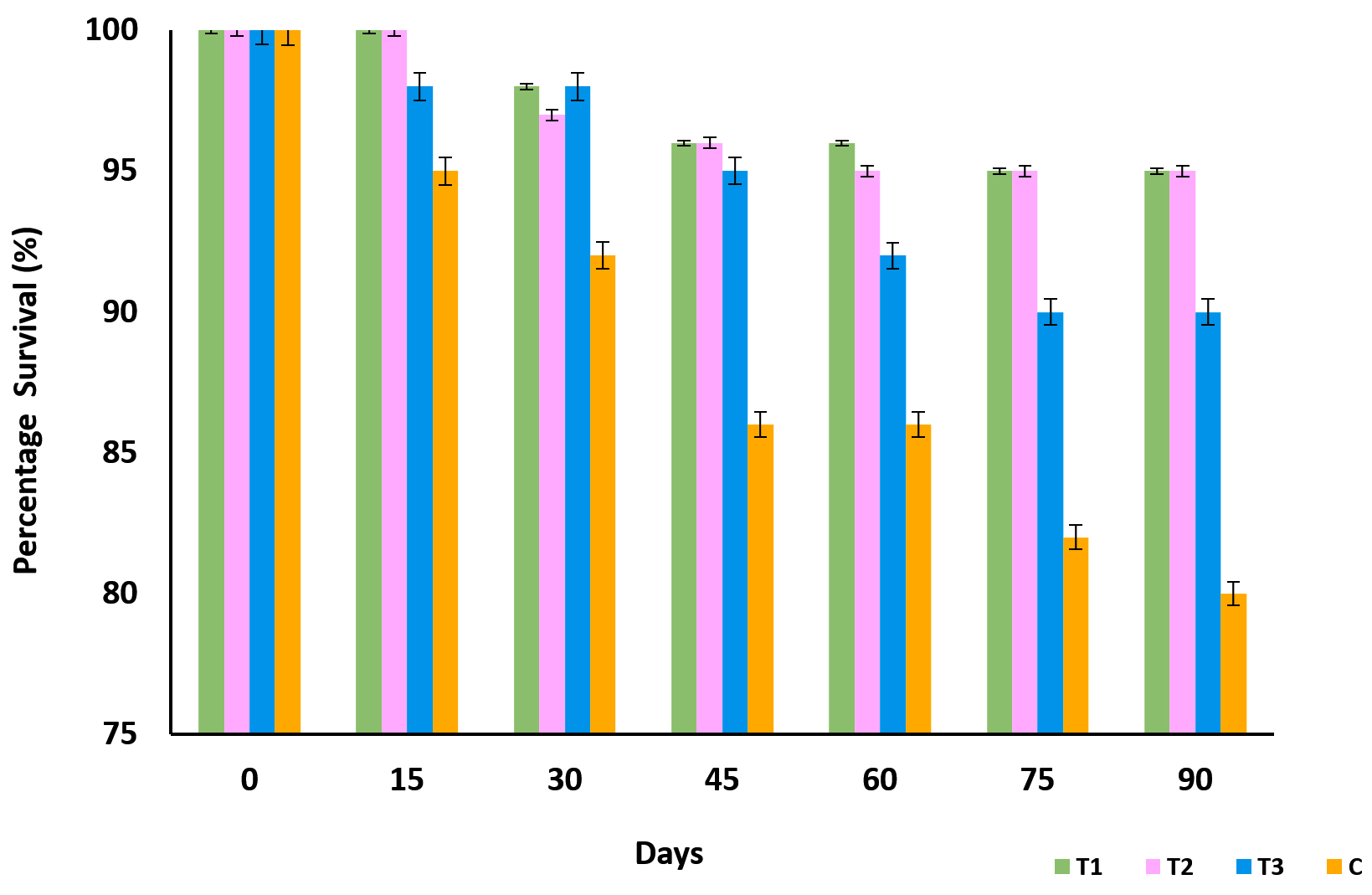
Figure 1. Percentage survival (%) of L. argentimaculatus supplemented with single and multi-strain probiotics
The mean final weight (g) of red snapper supplemented with probiotics varied significantly between treatments and days of culture (P < 0.05). A gradual increasing trend in mean weight (g) and weight gain (g /day) of fish was observed in T1 and T2. In T3, the weight gain was initially increased up to 30 days of culture and later showed a decline up to 75 days of the culture period (Figure 2). In control, no consistent trend was recorded between days of culture.
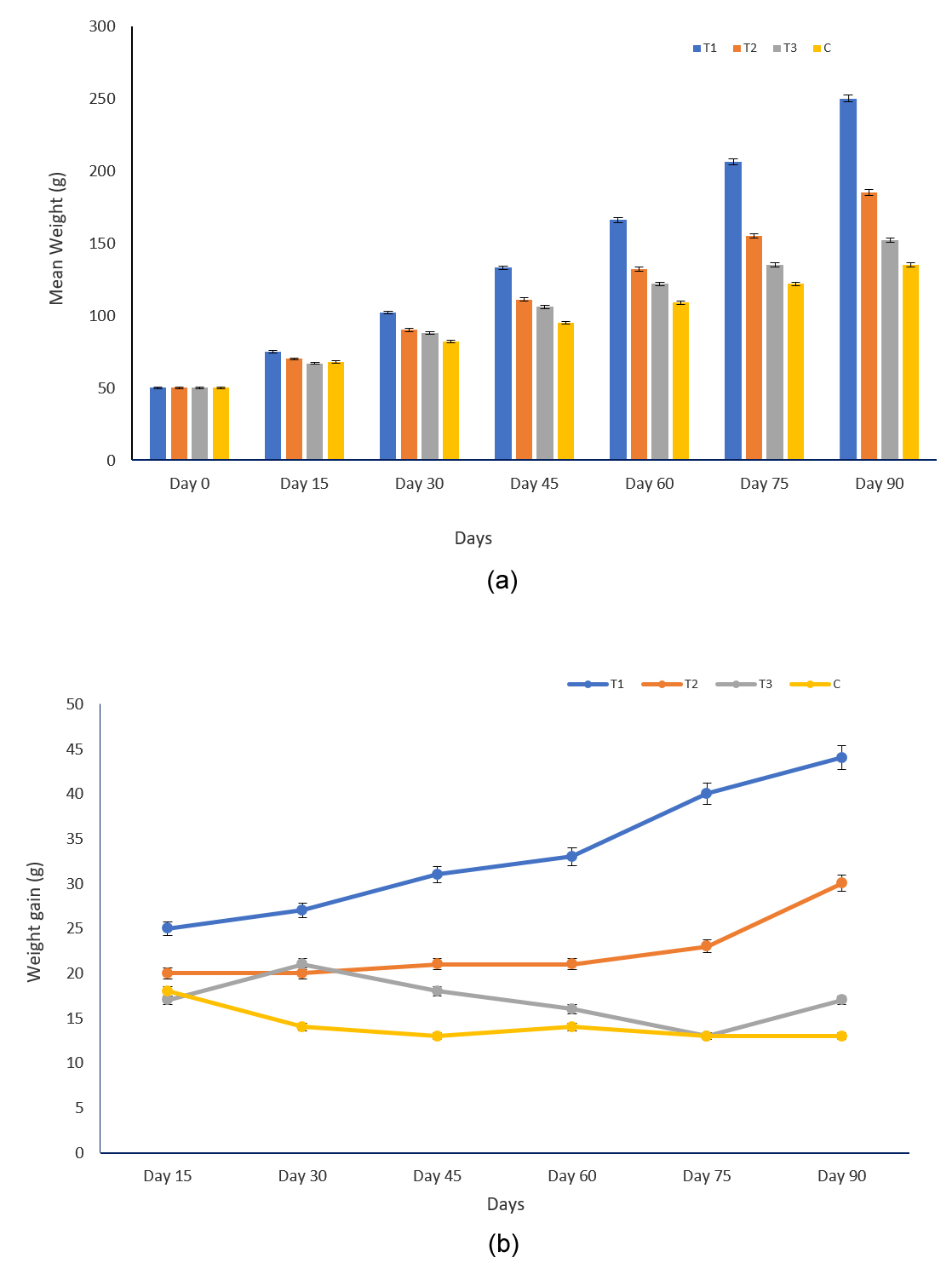
Figure 2. Variations in Mean weight (g) and weight gain (g) of L. argentimaculatus supplemented with probiotics (a & b)
Average Daily Growth Rate (2.23 ± 0.012 g /day), % Weight gain (400), and Specific Growth Rate (0.79 ± 0.052% /day) of fish at 90 days of culture period were significantly higher in T1, followed by T2 and T3, whereas, in control, the lowest growth rate was recorded (AGR = 0.94 ± 0.12 g/day, SGR = 0.48 ± 0.18%/day). The % weight gain in the control diet was significantly lower than in all other treatments supplemented with probiotics. AGR of fish varied significantly between the treatments and days of culture (P = 1.14759E-05). A gradual increase of AGR with days of culture was recorded in T1 and T2, whereas T3 and Control showed a decline in AGR from 45 days of culture. The Specific Growth rate of the red snapper at 90 days of culture was significantly higher (0.79 ± 0.052%/day) in T1 but was insignificant in T2 (0.63 ± 0.06%/day). SGR was significantly low in the control (0.48 ± 0.18%/day) compared to T1 (Figure 3) (P = 1.4038E-09; P = 4.65429E-07).
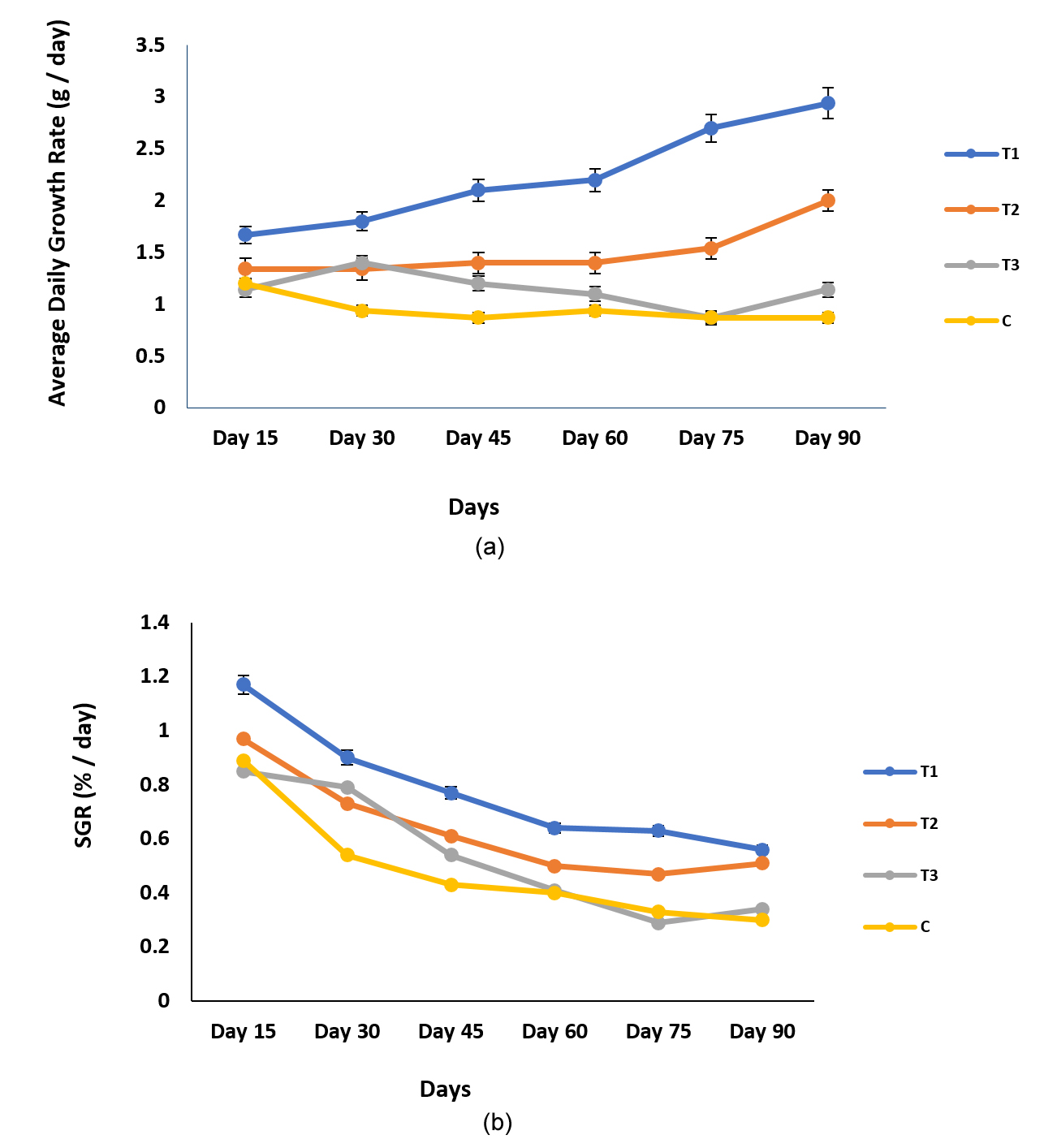
Figure 3. Variations in Average Daily Growth Rate (AGR g /day) and SGR (% /day) of L. argentimaculatus fed with three different probiotics (a & b)
Variations in SGR (%day-1) and AGR (gday-1) between the treatments of different probiotic supplementations: The variations in SGR (%day-1) and AGR (day-1) with probiotic concentrations at different intervals of the experimental culture period were found highly significant (P < 0.05; P-value <0.01) between treatments and days of culture. In all the treatments, the SGR was found to decrease with a reduced probiotic concentration. Still, the growth rate in all concentrations was consistently higher in T1 compared to other probiotics (Figure 4a). AGR of T1 and T2 increased with days of culture even in lower concentrations of probiotic supplements, whereas no consistent trend was recorded in AGR of T3 (Figure 4b). Positive correlation was recorded between probiotic concentrations and SGR (%/day) in all the treatments. The linear regression between probiotic dose (x) and SGR (y) was: T1: y = 1.4058x + 0.4685, r2 = 0.9902; T2: y = 1.1654x + 0.3692, r2 = 0.9899; T3: y = 1.2288x + 0.2223, r2 = 0.9716.
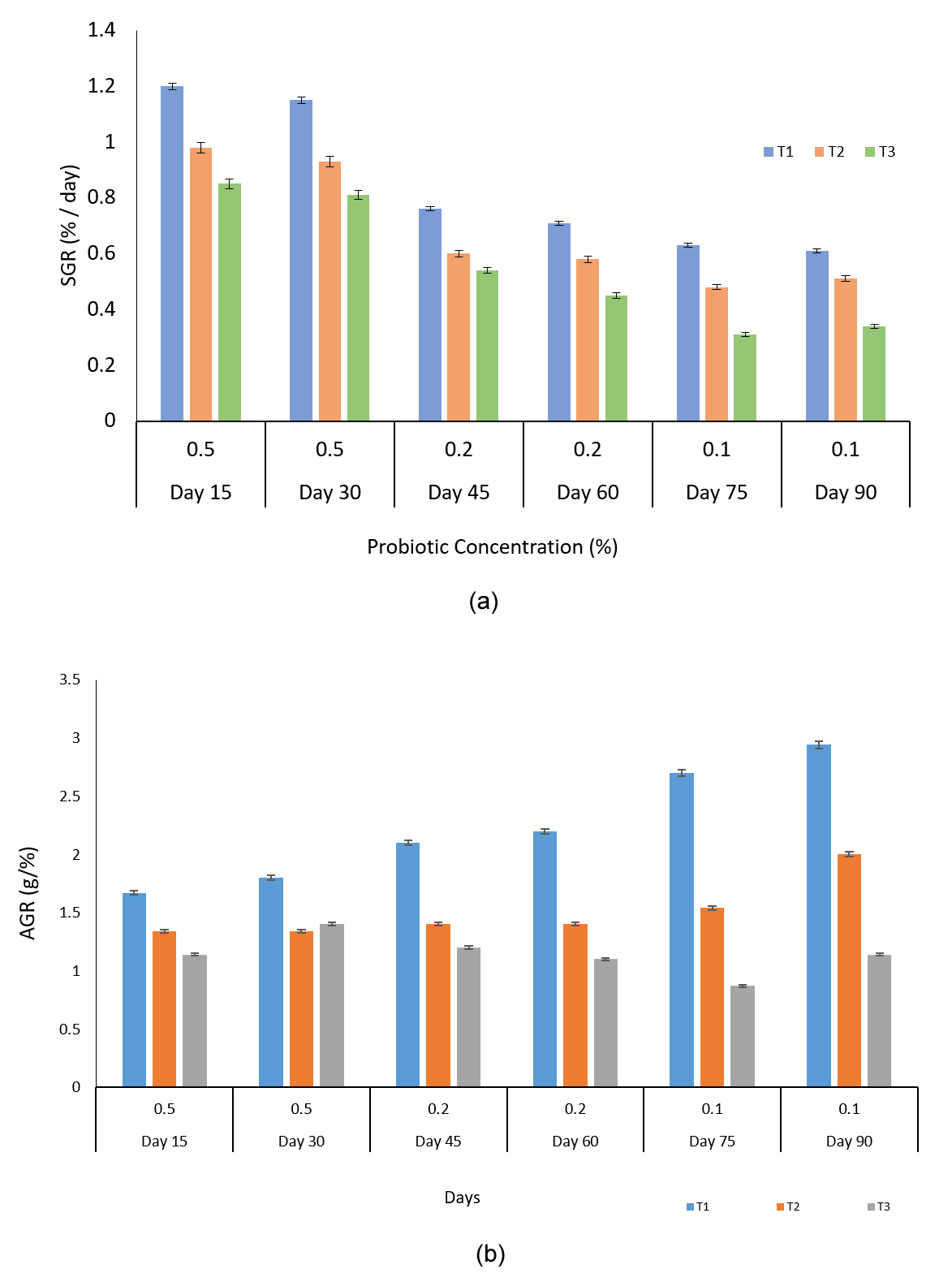
Figure 4. Variations in Specific Growth Rate (% /day) and Average Daily Growth Rate (g /day) of L. argentimaculatus supplemented with three different probiotic concentrations between treatments
Feed efficiency of snapper in all the treatments supplemented with probiotics showed a significantly lower FCR value in T1 (1.02 ± 0.015) compared to T2 (1.24 ± 0.05), T3 (1.58 ± 0.04) and control (1.97 ± 0.14) at 90 days of the experiment. A significant variation was observed in FCR values between the treatments (P < 0.01; P-value = 0.0023) and also between the days of culture (P < 0.01; P-value = 0.0089). FCR was found to be high in low concentrations (0.1%) of probiotic supplementation in all the treatments. The linear regression between probiotic dose and FCR was: y = -0.9577x +1.0054; R2 = 0.9961 in T1; y = -1.2962x +1.2923; R2 = 0.9968; y = -3.1937x + 2.246; R2 = 0.9968.
Water quality analysis
The Mean monthly values of the water quality parameters studied are shown in Table 3. No significant variation in water quality parameters was recorded between the treatments during the experimental period. Water Temperature (°C) and salinity (‰) are almost similar in all the treatments.
Table 3. Water quality parameters in different treatments during the experimental culture period
Parameter |
T1 |
T2 |
T3 |
C |
|---|---|---|---|---|
Temperature (°C) |
29.1 ± 0.2 to 30 ± 0.2 |
29.3 ± 0.3 to 30 ± 0.4 |
29.0 ± 0.4 to 30 ± 0.6 |
29.5 ± 0.1 to 30 ± 0.4 |
Salinity (‰) |
28.2 ± 2.2 to 29.4 ± 1.2 |
28.8 ± 1.2 to 29.3 ± 4.1 |
30.1 ± 3.2 to 31.1 ± 0.2 |
30.2 ± 2.4 to 31.4 ± 1.1 |
Dissolved Oxygen (mg/l) |
5.4 ± 0.3 to 5.5 ± 0.8 |
5.2 ± 0.2 to 5.6 ± 0.1 |
4.8 ± 0.1 to 5.1 ± 0.2 |
4.2 ± 0.1 to 4.6 ± 0.2 |
pH |
8.2 ± 0.01 to 8.2 ± 0.02 |
8.1 ± 0.02 to 8.2 ± 0.03 |
8.1 ± 0.01 to 8.1 ± 0.03 |
8.1 ± 0.02 to 8.1 ± 0.03 |
Ammonia) (mg /l) |
0.01 ± 0.001 to 0.014 ± 0.003 |
0.02 ± 0.003 to 0.028 ± 0.001 |
0.05 ± 0.005 to 0.052 ± 0.001 |
0.06 ± 0.002 to 0.064 ± 0.002 |
Nitrate (mg /l) |
1.1 ± 0.2 to 1.3 ± 0.1 |
1.4 ± 0.3 to 1.5 ± 0.2 |
1.8 ± 0.6 to 2.1 ± 0.18 |
2.8 ± 0.5 to 3.1 ± 0.23 |
Nitrite (mg /l) |
0.2 ± 0.02 to 0.3 ± 0.011 |
0.4 ± 0.04 to 0.45 ± 0.022 |
0.4 ± 0.05 to 0.52 ± 0.06 |
0.6 ± 0.02 to 0.65 ± 0.03 |
Microbiological analysis
A positive correlation was recorded between SGR and gut bacterial loads (r = 0.95, 0.92, and 0.86 for T1, T2, and T3, respectively). Microbiological analysis of fish gut revealed the presence of Bacillus species as the dominant group in T1, followed by T2. A significant variation (P < 0.05) was recorded in total bacterial and Bacillus loads among all the treatments. Bacterial strains belonging to the species B. subtilis, B. cereus, B. licheniformis, B. pumilis, and Streptococcus sp. were isolated and identified from the gut of red snapper in all the treatments (Figures 5 and 6) after 90 days of culture. Bacillus loads in T1 and T2 treatments ranged between 0.2 x 10⁸ CFU-g to 1.8 x 10⁷ CFU-g, whereas, Streptococcus was isolated from fish in T3 treatment and the load ranged between 2.6 x 10⁵ to 1.2 x 10⁴ CFU-g. Total gut heterotrophic bacteria of T1, T2, T3 and control fish were recorded as 2.1 x 10¹² CFU-g, 0.1 x 10¹⁰ CFU-g, 2.1 x 10⁹ CFU-g and 0.2 x 10⁹ CFU-g respectively. Major percentage of bacteria was dominated by Bacillus spp. (84% and 72% in T1 and T2, respectively), whereas Streptococcus spp. was the dominant species in the gut of T3. A significant variation in the probiotic bacterial concentrations between the treatments (P < 0.05) was recorded. A positive correlation was recorded between probiotic bacterial concentration and gut microbes (r = 0.96, 0.88, 0.82 in T1, T2 and T3, respectively). Also, a significant variation was observed between the Bacillus and Streptococcus counts of T1 and T2 before and after treatments (P < 0.05). A significant decrease in Vibrio loads was observed in T1 and T2 during the culture period, and the Vibrio loads became zero at 90 days of culture. In control, significantly higher Vibrio loads were recorded at 90 days of culture.
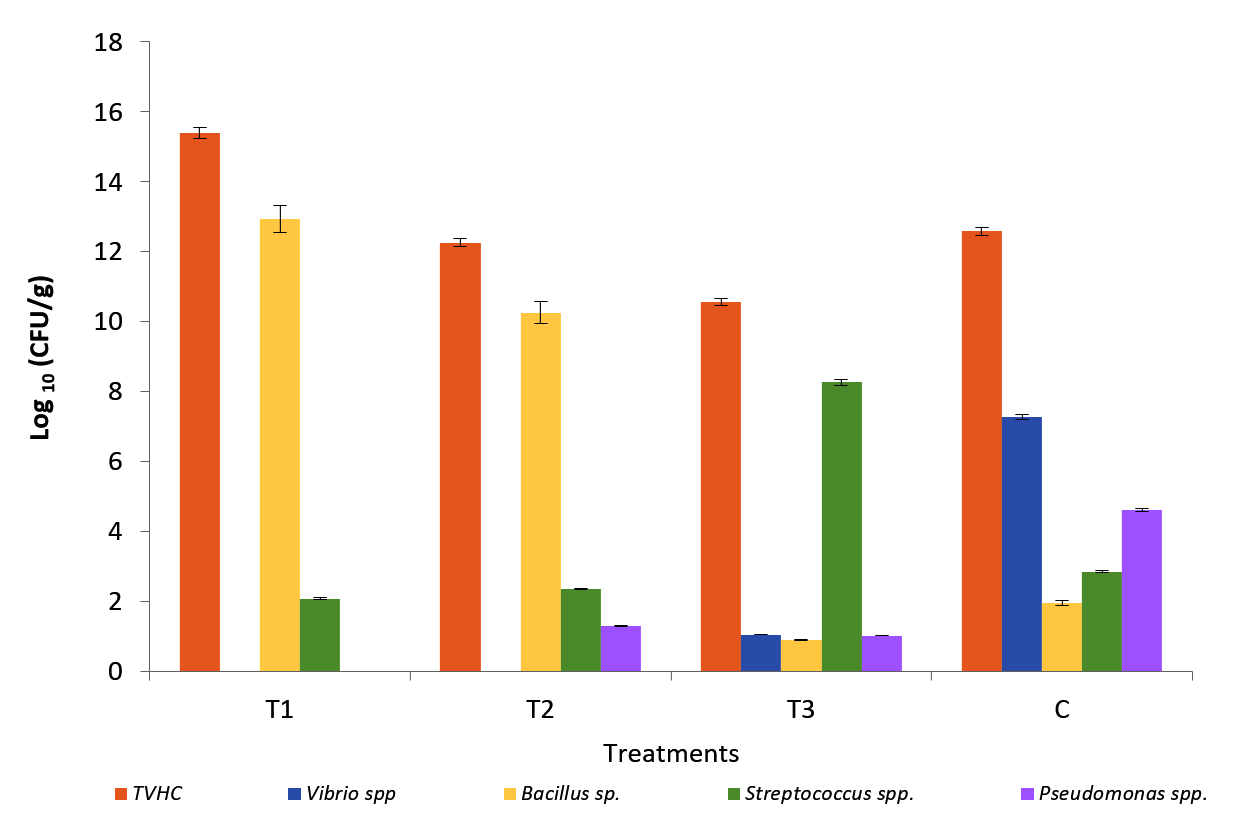
Figure 5. Variations in average log colony forming units per gram tissue of L. argentimaculatus gut between treatments at the end of the experiment
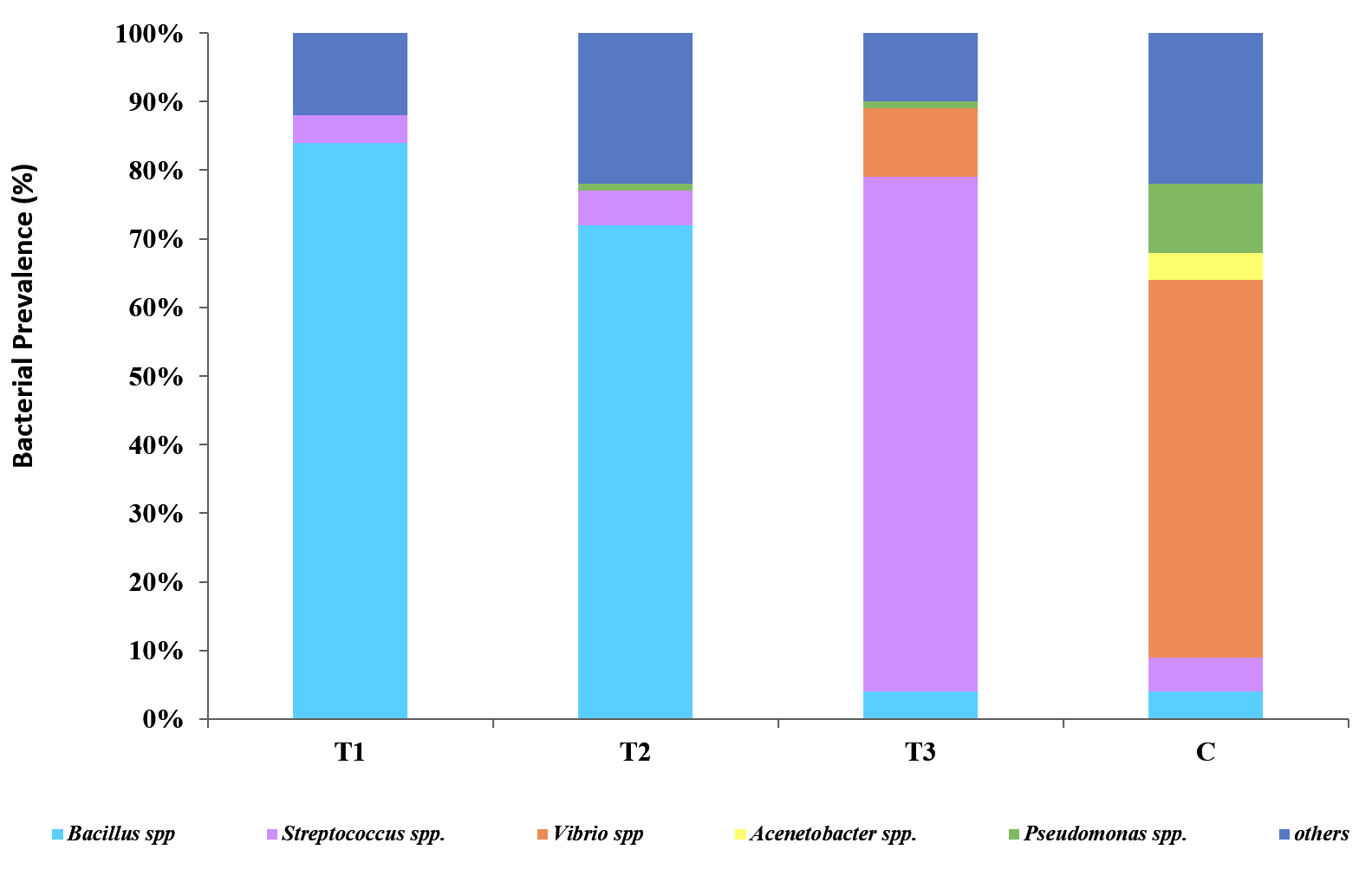
Figure 6. Prevalence of different bacteria isolated from the gut of L. argentimaculatus supplemented with probiotics at the end of the experiment
Production and yield analysis
Biomass of red snapper supplemented with different probiotic strains varied significantly between treatments and days of culture (P = 0.00101) with a maximum production of 118.8 ± 2.5 kg in T1, followed by 87.9 ± 4.1 kg in T2, 68.4 ± 3.7 kg in T3 and 54 ± 2.2 kg in control at 90 days of culture. The average production of red snapper at 90 days culture period was significantly influenced by the probiotic application (Figure 7).
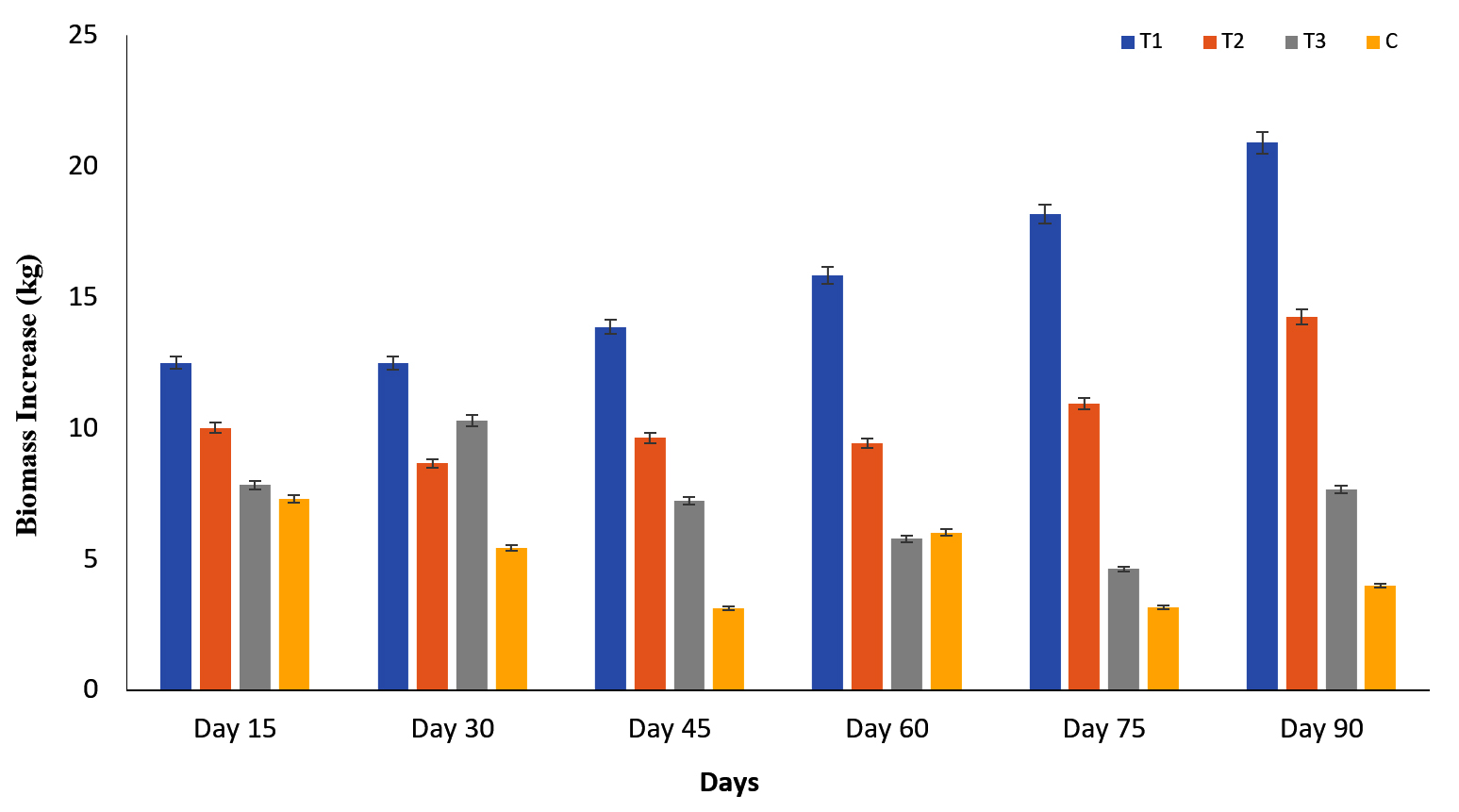
Figure 7. Variations in Biomass Increase (kg) of L. argentimaculatus supplemented with probiotic strains between treatments
The total variable cost ($176.12-$ 233.89), the total cost of production ($191.74-$249.5), and the net return ($39.68-$259.62) were different among treatments (Table 4). A substantially higher value was found in T1 (Bacillus + Streptococci) probiotic-supplemented red snapper fish. The rate of return on operating investment (RROI) was higher in T1 (2.18), followed by T2 (1.82), than in T3 (1.52) and control (1.31). The rate of return on capital investment (RRCI) for control was 14.82, for T1 was 32.61, for T2 was 24.13 and for T3 was 18.78. The benefit-cost ratio (BCR) analysis indicated higher BCR in T1 (2.04) and T2 (1.69) than in T3 (1.41) and control (1.21).
Table 4. Cost and returns from probiotic-supplemented cage culture after 90 days experimental period
| Parameters | T1 | T2 | T3 | C |
|---|---|---|---|---|
| Variable cost | ||||
| Fingerlings cost ($) | 91.83 | 91.83 | 91.83 | 91.83 |
| Feed cost ($) | 131.65 | 106.96 | 93.25 | 78.16 |
| Probiotic cost ($) | 4.29 | 2.32 | 1.24 | 0 |
| Miscellaneous (Fuel cost, Labour cost for maintenance of cage, etc.) ($) | 6.12 | 6.12 | 6.12 | 6.12 |
| Total Variable Cost ($) | 233.89 | 207.25 | 192.46 | 176.12 |
| Initial Investment | ||||
| Cage-making cost (GI pipes, fabrications, nets, anchors, barrels, etc.) ($) | 183.67 | 183.67 | 183.67 | 183.67 |
| The life span of cages and nets | 5 years | 5 years | 5 years | 5 years |
| Fixed Cost | ||||
| Depreciation ($) | 9.18 | 9.18 | 9.18 | 9.18 |
| Interest on Fixed Capital @7% per annum ($) | 6.43 | 6.43 | 6.43 | 6.43 |
| Total Fixed cost ($) | 15.61 | 15.61 | 15.61 | 15.61 |
| Total Cost of Production ($) | 249.50 | 222.86 | 208.06 | 191.74 |
| Production | ||||
| Total fish production (kg/Cage) | 118.8 | 87.9 | 68.4 | 54 |
| Price realised ($/Kg) | 4.29 | 4.29 | 4.29 | 4.29 |
| Gross Revenue ($) | 509.12 | 376.7 | 293.13 | 231.41 |
| Net Profit ($) | 259.62 | 153.84 | 85.06 | 39.68 |
| Rate of Return on operating Investment (RROI) | 2.18 | 1.82 | 1.52 | 1.31 |
| Rate of Return on Capital Investment (RRCI) | 32.61 | 24.13 | 18.78 | 14.82 |
| Beneficial Cost Ratio (BCR) | 2.04 | 1.69 | 1.41 | 1.21 |
The findings of the present study indicated that multi-strain probiotic bacteria as feed supplementation enhance the growth and production of cage-cultured red snapper. The present study on dietary supplementation of multi-strain probiotics (T1: Bacillus subtilis, B. licheniformes, B. cereus, and Streptococcus faecium) indicates a higher growth rate and survival of red snapper compared to single-strain supplementation (T2 and T3). Several researchers reported Bacillus sp. as antagonistic to pathogenic bacteria.16,28,45-49 Supplementation of Bacillus spp. in fish diets, which are antagonistic to pathogenic bacteria, is known for improving the digestive absorption of cultured fish and significantly increasing some digestive enzymes, survival rate, and growth.10,24,25,28,31,37,40,50-55 In the present study, mean final weight (g), Average Daily Growth Rate (AGR g /day), specific growth rate (SGR %/day), and final biomass (kg-1 m3) are found to be higher in T1, where the feed supplementation was with multi-strain probiotics. In contrast, in other treatments, lower growth rates and biomass were recorded, where the supplementation was with single-strain probiotics. The final biomass of fish in T1 (multi-strain probiotics) was significantly higher than in control and other treatments (T2 and T3). The dosage of probiotics is an important aspect of the supplementation of fish diets.10,56,57 A strong relationship was reported between probiotic dose and weight gain, survival rate, relative growth rate, specific growth rate, feed conversion ratio, and protein efficiency ratio of tilapia.58,59 The addition of probiotics in tilapia fry diets improved animal growth and mitigated the effects of stress factors and stated that the supplementation of probiotics is the most viable option for optimizing growth and feed utilization in intensive tilapia culture.60 An increase in weight gain, survival rate, relative growth rate, specific growth rate, and protein efficiency ratio and a decrease in feed conversion ratio was recorded with the increasing probiotic dose.22 The present study reveals that the multi-strain probiotic concentration at 0.1%, which was cost-effective, yielded a better growth rate and production of red snapper. Higher concentrations of multi-strain probiotics as a supplementary diet might affect the health of intestinal gut microbiota due to the supplementation of multiple bacterial strains in abundance and their active competition for colonization niches in the gut of red snapper. 0.2% dietary probiotics might be the optimum supplementation level for improved physiological and hematological status and more than 0.2% probiotics in the diet are responsible for the lower growth of O. pabda juveniles.61 Similar results were observed in the present study, and higher growth rates of red snapper were recorded at the lower probiotic concentration (0.1%).
In the present study, maximum growth and production of red snapper were observed in T1 supplemented with multi-strain probiotics. Linear regression analysis indicated a significant improvement in the growth and survival of red snapper by feed supplementation with multi-strain probiotics. The lowest FCR from T1 indicated the highest feed utilization by the cultured red snapper. These lower values in probiotic-supplemented treatments (T1, T2, and T3) indicate better feed utilization by fish, which might be due to the impact of probiotic bacteria on stimulating the digestive capacity of consumed food. Few researchers also reported similar results indicating colonization rate in the gut, higher nutrient digestibility, and enhancement of growth of fish with probiotic supplementation.58,62-69 Multi-strain probiotic diets may offer greater advantages than single-strain applications, as they can combine a broader spectrum of beneficial effects into one formulation.70 Recent studies have highlighted the various functional roles of multi-species probiotics and their components in aquaculture, particularly in fish farming. These probiotics have been effectively utilized to enhance biometric indices, improve carcass composition, increase feed conversion rates, and boost survival rates among fish populations.32,70 The introduction of a probiotic bacterial consortium, administered at a concentration of 1.15 × 10⁹ to 2 × 1.15 × 109 CFU/kg feed, significantly enhanced the growth of Asian stinging catfish over a 60-day feeding trial when compared to the untreated control group.33 It was also reported that five probiotic bacterial strains, used single or in combination, displayed different levels of susceptibility to thirteen tested antibiotics. The probiotic consortium, showed antagonistic effects against Aeromonas hydrophila, with Bacillus strain demonstrating the highest inhibition efficiency.33
Probiotics act as a biocontrol agent, which can eliminate pathogens either through the production of antimicrobial agents or by inhibition of pathogen growth, which ultimately reduces the stress, and increases survival and growth.71-79 In the present study, a positive correlation was recorded between probiotic bacterial concentration and gut microbes, and the majority of bacteria were dominated by Bacillus spp. (84% and 72% in T1 and T2 respectively), whereas Streptococcus spp. was the dominant species in the gut of T3. A significant variation was observed between the Bacillus and Streptococcus counts of T1 and T2 before and after treatments (P < 0.05), indicating that the supplemented bacterial strains effectively colonized the fish gut. The present study also revealed the complete elimination of Vibrio loads with the application of probiotic bacteria in T1 (multi-strain) and T2 (Single strain). In control, significantly higher Vibrio loads were recorded at 90 days of culture. An improvement in intestinal health with a relatively high abundance of Pediococcus in the intestinal microbiota of red drum was recorded as a result of supplementation with probiotic and prebiotic combinations (Pediococcus acidilactic and yeast) in low fishmeal-based diets.42 The present study also indicated an improvement in intestine health with a high abundance of Bacillus spp. and Streptococcus spp. and complete elimination of pathogenic Vibrios in the gut of red snapper, supplemented with multi-strain probiotics. The incorporation of probiotics could reduce the number of pathogens, which further improves the growth response, feed utilization, and survival of fish. Since bacterial adhesion to tissue surface is important during the initial stages of pathogenic infection, competition for adhesion receptors with pathogens might be the first probiotic effect.80-82 The composition of gut microbiota demonstrated a dose-dependent enhancement of beneficial lactic acid bacteria (LAB), alongside a decrease in total aerobic plate count (TAPC), pathogenic coliforms (TFCC), and Vibrio species (TVC).33,70,80-84 The present results also indicate that the abundance of probiotic bacteria in the gut of red snapper might have eliminated pathogenic Vibrios, which were recorded at high concentrations in control fish. Similar results were earlier reported that the probiotic bacteria inhibit gut colonization and prevent infection of pathogens in the fish.11,83,84
Total production of red snapper in different treatments varied significantly, with the lowest production of 54 ± 2.2 kg in control and the highest production of 118.8 ± 2.5 kg in T1 at 90 days of experimental culture period and indicated supplementation of multi-strain probiotic bacteria to yield more production. Similar results were reported in striped catfish supplemented with multi-strain probiotics and reported significantly higher production and gross revenue.37 The supplementation of Bacillus sp. and Lactobacillus sp. in feed for Nile Tilapia fingerlings has shown an improvement in the growth performance, survival rate, feed conversion ratio, and benefit-cost ratio without negatively influencing the sex reversal of the fingerling.36 They also stated that probiotic supplementation could optimize protein usage for growth and reduce the cost of feed and of production. An economic evaluation of the present study indicated total variable cost and total production cost to be more in probiotic-supplemented treatments compared to control, which could be due to the high feed cost and similar results were reported by earlier researchers.37,71,82 Significantly higher revenue generation was recorded in T1 supplemented with multi-strain probiotics with a gross revenue of $509.12, whereas the gross revenue ($231.41) was significantly low in control (P < 0.05). Rate of Return on operating Investment (RROI), Rate of Return on Capital Investment (RRCI), and Benefit Cost Ratio were also significantly high in T1. The probiotic inclusion (0.2%) in fish feed exhibited significantly higher yield, growth performance, survival, and better feed usage with a profitable economic return.37 It is always suggested that minimum usage of probiotic concentration would be profitable from an economic point of view. In the present study, the application of multi-strain probiotics in lower concentrations exhibited higher production and gross revenue, indicating that the probiotic supplementation at lower concentrations would give more production and yield. It could be due to the efficiency of those probiotics in the enhancement of colonization of these bacteria and further improvement of digestibility and nutritional efficiency of fish to enhance the growth rate and production.
The present study indicates multi-strain probiotics to be highly potential, effective, and economically viable. The study also shows promising results in the elimination of pathogenic Vibrios and enhancing survival and growth rates for sustainable cage farming of red snapper, L. argentimaculatus. It is suggested that farmers can use multi-strain probiotics (Bacillus spp. and Streptococcus spp.) at a 0.1% concentration for higher yield and profit in marine cage farming of red snapper, L. argentimaculatus.
ACKNOWLEDGMENTS
The authors are thankful to the Indian Council of Agricultural Research, Department of Agricultural Research and Education, Government of India, for their support. The authors are also thankful to the Director, ICAR-Central Marine Fisheries Research Institute, for providing funds and facilities to carry out this work under the All India Network Project on Mariculture.
CONFLICT OF INTEREST
The authors declare that there is no conflict of interest.
AUTHORS’ CONTRIBUTION
JL conceptualized the study. JL and KRR developed the methodology. JL, KRR, PD and SMS performed experimental design and execution. JL, PD, KRR and SSR performed formal analysis and investigation. JL wrote the manuscript. JL, PPSB, AA, KRR, SSR, IJ, BI and JKK reviewed and edited the manuscript. All authors read and approved the final manuscript for publication.
FUNDING
None.
DATA AVAILABILITY
The datasets generated and/or analysed during the current study are available from the corresponding author on reasonable request.
ETHICS STATEMENT
This study was approved by the Ethical Committee, ICAR-Central Marine Fisheries Research Institute, Kochi, Kerala, India.
- Camila Sayes, Yanett Leyton, Carlos Riquelme. Probiotic Bacteria as an healthy alternative for fish aquaculture. Intechope. 2017;
Crossref - El-Haroun ER, Godam AMA, Chowdhury MAK. Effect of dietary probiotic Biogen® supplementation as a growth promoter on growth performance and feed utilization of Nile tilapia, Oreochromis niloticus (L.). Aquac. Res. 2006; 37: 1473-1480.
Crossref - Merrifield DL, Bradley G, Baker RTM. Davies SJ Probiotic applications for rainbow trout (Oncorhynchus mykiss Walbaum) II. Effects on growth performance, feed utilization, intestinal microbiota and related health criteria postantibiotic treatment. Aquac. Nutr. 2010; 16(5):496-503.
Crossref - Munir MB, Hashim R, Chai YH, Marsh TL, Nor SAM. Dietary prebiotics and probiotics influence growth performance, nutrient digestibility and the expression of immune regulatory genes in snakehead (Channa striata) fingerlings. Aquaculture. 2016;460:59-68.
Crossref - Raida MK, Larsen JL, Nielsen ME, Buchmann K. Enhanced resistance of rainbow trout, Oncorhynchus mykiss (Walbaum), against Yersinia ruckeri challenge following oral administration of Bacillus subtilis and B. licheniformis (BioPlus2B). J Fish Dis. 2003;26(8):495-498.
Crossref - Balcazar J, Blas I, Ruizzarzuela I, Cunningham D, Vendrell D, Muzquiz J. The role of probiotics in aquaculture. Vet Microbiol. 2006;114(3-4):173-186.
Crossref - Tapia-Paniagua ST, Vidal S, Lobo C, et al. The treatment with the probiotic Shewanella putrefaciens Pdp11 of specimens of Solea senegalensis exposed to high stocking densities to enhance their resistance to disease. Fish Shellfish. Immunol. 2014; 41: 209–221.
Crossref - De BC, Meena DK, Behera BK, Das P, Mohapatra PKD, Sharma AP. Probiotics in fish and shellfish culture: immunomodulatory and ecophysiological responses. Fish Physiol Biochem. 2014;40(3):921-971.
Crossref - Varela JL, Ruiz-Jarabo I, Vargas-Chacoff L, et al. Dietary administration of probiotic Pdp11 promotes growth and improves stress tolerance to high stocking density in gilthead seabream, Sparus auratus. Aquaculture, 2010;309(1-4):265-271.
Crossref - Hoseinifar SH, Sun YZ, Wang A, Zhou Z. Probiotics as means of Diseases Control in Aquaculture, A review of current knowledge and future perspectives. Front Microbiol. 2018;9:2429.
Crossref - Albances JO, Traifalgar RF. Probiotic bacteria isolated from saline tilapia green water culture system inhibit gut colonization and prevent infection of Aeromonas hydrophila in the juvenile Nile tilapia (Oreochromis niloticus. Egyptian J Aquat Biol Fish. 2022;26(2):841-857.
Crossref - Hussain SM, Aslam N, Javid A, et al. Efficacy of Probiotics Supplementation on Mineral Digestibility, Haematological Parameters and Carcass Composition of Oreochromis niloticus Fingerlings Fed Canola Meal Based Diets. Pak j Zool. 2018;50(5).
Crossref - Mujeeb I, Ali SH, Qambarani M, Ali SA. Marine Bacteria As Potential Probiotics In Aquaculture. J Microbiol Biotechnol Food Sci. 2022;12:e5631.
Crossref - Sun YZ, Yang HL, Huang KP, Ye JD, Zhang CX. The use of probiotics in aquaculture. Aquaculture. 1999; 80: 147-165.
- Sun YZ, Yang HL, Huang KP, Ye JD, Zhang CX. Application of autochthonous Bacillus bioencapsulated in copepod to grouper Epinephelus coioides larvae. Aquaculture. 2013;392-395:44-50.
Crossref - Bagheri T, Hedayati A, Yavari V, Farzanfar A. Growth, survival and gut microbial load of rainbow trout (Onchorhynchus mykiss) fry given diet supplemented with probiotic during the two months of first feeding. Turk J Fish Aquat Sci. 2008; 8: 43-48
- Ghosh S, Sinha A, Sahu C. Dietary probiotic supplementation in growth and health of livebearing ornamental fishes. Aquac Nutr. 2008;14(4):289-299.
Crossref - Avella MA, Gioacchini G, Decamp O, Makridis P, Bracciatelli C, Carnevali O. Application of multi-species of Bacillus in sea bream larviculture. Aquaculture. 2010;305(1-4):12-19.
Crossref - Al-Hisnawi A, Rodiles A, Rawling MD, et al. Dietary Probiotic Pediococcus acidilactici MA18/5M modulates the intestinal microbiota and stimulates intestinal immunity in Rainbow Trout (Oncorhynchus mykiss). J. World Aquacult. Soci. 2019;50:1133–1151.
Crossref - Mahdhi A. Probiotic properties of Brevibacillus brevis and its influence on sea bass (Dicentrarchus labrax) larval rearing. Afr J Microbiol Res. 2012; 6(35): 6487-6495.
Crossref - Adineh H, Jafaryan H, Sahandi J, Alizadeh M.Effect of Bacillus spp. probiotic on growth and feeding performance of rainbow trout (Oncorhynchus mykiss) larvae. Bulgarian J Vet Med. 2013;16:29-36
- Iwashita MKP, Nakandakare IB, Terhune JS, Wood T, Ranzani-Paiva MJT. Dietary supplementation with Bacillus subtilis, Saccharomyces cerevisiae and Aspergillus oryzae enhance immunity and disease resistance against Aeromonas hydrophila and Streptococcus iniae infection in juvenile tilapia Oreochromis niloticus. Fish Shellfish Immunol. 2014;43(1):60-66.
Crossref - Wang M, Liu G, Lu M, et al. Effect of Bacillus cereus as a water or feed additive on the gut microbiota and immunological parameters of Nile tilapia. Aquacult Res. 2016;48(6):3163-3173.
Crossref - Addo S, Carrias AA, Williams MA, Liles MR, Terhune JS, Davis DA. Effects of Bacillus subtilis strains on growth, immune parameters, and Streptococcus iniae susceptibility in Nile tilapia, Oreochromis niloticus. J World Aquacult. Soc. 2016;48(2):257-267.
Crossref - Elsabagh M, Mohamed R, Moustafa EM, et al. Assessing the impact of Bacillus strains mixture probiotic on water quality, growth performance, blood profile and intestinal morphology of Nile tilapia, Oreochromis niloticus. Aquac Nutr. 2018;24(6):1613-1622.
Crossref - Jahangiri L, Esteban MA. Administration of probiotics in the water in finfish aquaculture systems: a review. Fishes. 2018;3(3):33.
Crossref - Subedi Bidika, Shrestha Abhimanyu. A review: Application of probiotics in aquaculture. Int J For Anim Fish Res. 2021;4(5):52-60
- Guimarães MC, Cerezo IM, Fernandez-Alarcon MF, et al. Oral Administration of Probiotics (Bacillus subtilis and Lactobacillus plantarum) in Nile Tilapia (Oreochromis niloticus) Vaccinated and Challenged with Streptococcus agalactiae. Fishes. 2022;7(4):211.
Crossref - Rahman A, Shefat SHT, Chowdhury MA, Khan SU. Effects of probiotic Bacillus on growth performance, immune response and disease resistance in aquaculture. J Aquac Res Development. 2021;12(4):634
- De Carla Dias D, De Paiva Badiz Furlaneto F, Sussel FR, et al. Economic feasibility of probiotic use in the diet of Nile tilapia, Oreochromis niloticus, during the reproductive period. Acta Sci Anim Sci. 2020;42:e47960.
Crossref - Wang YB, Li JR, Lin J. Probiotics in aquaculture: challenges and outlook. Aquaculture, 2008;281(1-4):1-4.
Crossref - Elnakeeb, MA, Ashry AM, El-Zayat AM et al. Impact of Effective Probiotic Microorganisms (EPMs) on Growth Performance, Hematobiochemical Panel, Immuno-Antioxidant Status, and Gut Cultivable Microbiota in Striped Catfish (Pangasianodon hypophthalmus). Fishes 2025;10(11):573.
Crossref - Sharna SN, Nur KF, Rahman A, et al. Multi strain Native Probiotics from the Asian Stinging Catfish (Heteropneustes fossilis) Enhance Growth, Blood Health, and Organ Morphology in the Host. Probiotics & Antimicro Prot. 2025;17:(4)2476–2499
Crossref - Dias DC, Furlaneto FPB, Ayroza LMS, et al. Probiotic in feeding of juvenile matrinxã (Brycon amazonicus): economic viability. Acta Sci Anim Sci. 2012;34(3):239-243.
Crossref - Da Costa JI, Sabbag OJ, Da Silva Ayroza LM, Martins MIEG. Productive performance and economic evaluation of tilapia stocked in different times of the year. R Bras Zootec. 2017;46(7):553-559.
Crossref - Rahman Z, Mamun A, Ahmad I, Rashid I. Influence of probiotics on the growth performance of sex reversed Nile tilapia (Oreochromis niloticus, Linnaeus, 1758) fry. J Aquac Res Development. 2019;10(2):1000564.
Crossref - Chowdhury MdA, Roy NC. Probiotic supplementation for enhanced growth of striped catfish (Pangasianodon hypophthalmus) in cages. Aquac Rep. 2020;18:100504.
Crossref - Chabrillón M, Arijo S, Díaz-Rosales P, et al. Interference of Listonella anguillarum with potential probiotic microorganisms isolated from farmed gilthead seabream (Sparus aurata L.). Aquac Res. 2005;37(1):78-86.
Crossref 10.1016/j.aquaculture.2018.03.031 - Gonzalez-Felix ML, Gatlin DM, Urquidez-Bejarano P, et al. Effects of Commercial Dietary Prebiotic and Probiotic Supplements on Growth, Innate Immune Responses, and Intestinal Microbiota and Histology of Totoaba macdonaldi. Aquaculture. 2018; 491: 239-251.
Crossref - Liu S, Wang S, Cai Y, et al. Beneficial effects of a host gut-derived probiotic, Bacillus pumilus, on the growth, non-specific immune response and disease resistance of juvenile golden pompano, Trachinotus ovatus. Aquaculture. 2019;514:734446.
Crossref - Tachibana L, Telli GS, De Carla Dias D, et al. Bacillus subtilisand Bacillus licheniformis in diets for Nile tilapia (Oreochromis niloticus): Effects on growth performance, gut microbiota modulation and innate immunology. Aquacult. Res. 2020;52(4):1630-1642.
Crossref - Yamamoto FY, Ellis M, Bowles PR, et al. Dietary Supplementation of a Commercial Prebiotic, Probiotic and Their Combination Affected Growth Performance and Transient Intestinal Microbiota of Red Drum (Sciaenops ocellatus L.) Animals. 2022;12(19):2629.
Crossref - Alberto M, Marquez JG, Morinigo MA, Arijo S. Effect of the Potential Probiotic Vibrio proteolyticus DCF12.2 on the Immune System of Solea senegalensis and Protection against Photobacterium damselae subsp. piscicida and Vibrio harveyi. Fishes. 2023;8:344.
Crossref - Krieg, Noel R, Holt John G. Bergey’s Manual of Systematic Bacteriology. by (Springer-Verlag) Eds. Don J. Brenner, Noel R. Krieg, James T. Staley, G . 2005 ISBN: 978-1-4419-3695-0
- Kuebutornye FKA, Abarike ED, Lu Y. A review on the application of Bacillus as probiotics in aquaculture. Fish Shellfish Immunol. 2019; 87: 820–828.
Crossref - Kuebutornye FKA, Abarike ED, Lu Y, et al. Mechanisms and the role of probiotic Bacillus in mitigating fish pathogens in aquaculture. Fish Physiol. Biochem. 2020; 46(3):819-841.
Crossref s10695-019-00754-y - Santos RA, Oliva-Teles A, Pousão-Ferreira P, et al. Isolation and characterization of fish-gut Bacillus spp. as source of natural antimicrobial compounds to fight aquaculture bacterial diseases. Mar Biotechnol. 2021; 23: 276–293
Crossref - Yilmaz S, Yilmaz E, Dawood MAO, Ringø E, Ahmadifar E, Abdel-Latif HMR. Probiotics, prebiotics, and synbiotics used to control vibriosis in fish: A review. Aquaculture. 2021;547:737514.
Crossref - Jlidi M, Akremi I, Ibrahim AH, et al. Probiotic properties of Bacillus strains isolated from the gastrointestinal tract against pathogenic Vibriosis. Front Mar Sci. 2022;9.
Crossref - Koca SB, Yigit NÖ, Didinen BI, et al. Effects of Enzyme-Producing Probiotic Bacteria Isolated from the Gastrointestinal Tract of Trout on the Growth Performance, Survival, and Digestive Enzyme Activity of Rainbow Trout Fry (Oncorhynchus mykiss). Israeli Journal of Aquaculture – Bamidgeh. 2015;67.
Crossref - Son VM, Chang CC, Wu MC, Guu YK, Chiu CH, Cheng W. Dietary administration of the probiotic, Lactobacillus plantarum, enhanced the growth, innate immune responses, and disease resistance of the grouper Epinephelus coioides. Fish Shellfish Immunol. 2009;26(5):691-698.
Crossref - Zhou QC, Buentello JA, Gatlin DM Effects of dietary prebiotics on growth performance, immune response and intestinal morphology of red drum (Sciaenops ocellatus). Aquaculture. 2010;309(1-4):253-257.
Crossref - Zhou X, Tian Z, Wang Y, Li W. Effect of treatment with probiotics as water additives on tilapia (Oreochromis niloticus) growth performance and immune response. Fish Physiol Biochem. 2009;36(3):501-509.
Crossref - Wu ZQ, Jiang C, Ling F, Wang GX. Effects of dietary supplementation of intestinal autochthonous bacteria on the innate immunity and disease resistance of grass carp (Ctenopharyngodon idellus). Aquaculture. 2015;438:105-114.
Crossref - Kavitha M, Raja M, Perumal PE. Evaluation of probiotic potential of Bacillus spp. isolated from the digestive tract of freshwater fish Labeo calbasu (Hamilton, 1822). Aquacult Rep. 2018;11:59-69.
Crossref - Hossain MK, Islam SMM, Rafiquzzaman SM, Nuruzzaman M, Hossain MT, Shahjahan M. Multi-species probiotics enhance growth of Nile tilapia (Oreochromis niloticus ) through upgrading gut, liver and muscle health. Aquacult Res. 2022;53(16):5710-5719.
Crossref - Hossain SM, Kabir M, Majharul Islam S, et al. Multi-species probiotics enhance growth of Nile tilapia (Oreochromis niloticus) through upgrading gut, liver and muscle health. Aquacult. Res. 2022; 53: 5710-5719
Crossref - Ayyat MS, Labib HM, Mahmoud HK. A Probiotic Cocktail as a Growth Promoter in Nile Tilapia (Oreochromis niloticus). J Appl Aquacult. 2014;26(3):208-215.
Crossref - Abarike ED, Cai J, Lu Y, et al. Effects of a commercial probiotic BS containing Bacillus subtilis and Bacillus licheniformis on growth, immune response and disease resistance in Nile tilapia, Oreochromis niloticus. Fish Shellfish Immunol. 2018;82:229-238.
Crossref - Lara-Flores M, Olvera-Novoa MA, Guzmán-Méndez BE, López-Madrid W. Use of the bacteria Streptococcus faecium and Lactobacillus acidophilus, and the yeast Saccharomyces cerevisiae as growth promoters in Nile tilapia (Oreochromis niloticus). Aquaculture. 2002;216(1-4):193-201.
Crossref - Chowdhury G, Hossain MdS, Dey T, et al. Effects of dietary probiotics on the growth, blood chemistry and stress response of Pabda catfish (Ompok pabda) juveniles. AACL Bioflux. 2020; 13 (3):1595-1605
- Queiroz JF, Boyd CE. Effects of a bacterial inoculums in channel catfish ponds. J World Aquac Soc. 1998;29(1):67-73.
Crossref - Hai NV. The use of probiotics in aquaculture. J Appl Microbiol. 2015;119(4):917-935.
Crossref - Qu J, Zhao M, Zhu H, Zhang N, Zhang Q. Analysis of intestinal microbial community structure and function for sturgeons in recirculating aquaculture system. AIP Conf Proc. 2019;2110:020035.
Crossref - Tan HY, Chen SW, Hu SY. Improvements in the growth performance, immunity, disease resistance, and gut microbiota by the probiotic Rummeliibacillus stabekisii in Nile tilapia (Oreochromis niloticus), Fish Shellfish Immunol. 2019;92:265-275.
Crossref - Xia Y, Wang M, Gao F, Lu M, Chen G. Effects of dietary probiotic supplementation on the growth, gut health and disease resistance of juvenile Nile tilapia (Oreochromis niloticus). Anim Nutr. 2019;6(1):69-79.
Crossref - Wu X, Teame T, Hao Q, et al. Use of a paraprobiotic and postbiotic feed supplement (HWFTM) improves the growth performance, composition and function of gut microbiota in hybrid sturgeon (Acipenser baerii x Acipenser schrenckii). Fish Shellfish Immunol. 2020;104:36-45.
Crossref - Do-Huu H, SHuynh M, Nguyen HTN, Pham KX. Effect of dietary β-glucan supplementation on growth performance, body composition, intestinal microbes, and capacity against pathogen of golden trevally (Gnathanodon speciosus, family Carangidae). J World Aquac Soc. 2024;55(1):77-88.
Crossref - Asha AA, Haque MM, Hossain MK, et al. Effects of Commercial Probiotics on the Growth Performance, Intestinal Microbiota and Intestinal Histomorphology of Nile Tilapia (Oreochromis niloticus) Reared in Biofloc Technology (BFT). Biology 2024;13(5):299.
Crossref - Fachri M, Amoah K, Huang Y, et al. Probiotics and paraprobiotics in aquaculture:a sustainable strategy for enhancing fish growth, health and disease prevention-a review. Front Mar Sci. 2024;11:1499228.
Crossref - Ali H, Rahman MM, Murshed-E-Jahan K, Dhar GC. Production economics of striped catfish (Pangasianodon hypophthalmus, Sauvage, 1878) farming under polyculture system in Bangladesh. Aquaculture. 2017;491:381-390.
Crossref - Carnevali O, Vivo L, Sulpizio R, et al. Growth improvement by probiotic in European sea bass juveniles (Dicentrarchus labrax, L.), with particular attention to IGF-1, myostatin and cortisol gene expression. Aquaculture. 2006;258(1-4):430-438.
Crossref - Taoka Y, Maeda H, Jo JY, et al. Growth, stress tolerance and non-specific immune response of Japanese flounder Paralichthys olivaceus to probiotics in a closed recirculating system. Fish Sci. 2006;72(2):310-321.
Crossref - Taoka Y, Maeda H, Jo JY, et al. Use of live and dead probiotic cells in tilapia Oreochromis niloticus. Fish Sci. 2006;72(4):755-766.
Crossref - Ai Q, Xu H, Mai K, Xu W, Wang J, Zhang W. Effects of dietary supplementation of Bacillus subtilis and fructooligosaccharide on growth performance, survival, non-specific immune response and disease resistance of juvenile large yellow croaker, Larimichthys crocea. Aquaculture. 2011;317(1-4):155-161.
Crossref - Aly SM, Mohamed MF, John G. Effect of probiotics on the survival, growth and challenge infection in Tilapia nilotica (Oreochromis niloticus). Aquacult Res. 2008;39(6):647-656.
Crossref - Benetti DD, Matera JA, Stevens OM, et al. Growth, survival and feed conversion rates of hatchery reared mutton snapper Lutjanus analis raised in floating net cages. J World Aquacult Soc. 2002;33(3):349-357.
Crossref - Benetti DD, O’Hanlon B, Rivera JA, Welch AW, Maxey C, Orhun MR. Growth rates of cobia (Rachycentron canadum) cultured in open ocean submerged cages in the Caribbean Aquaculture. Aquaculture, 2010;302(3-4):195-201.
Crossref - Wang YB, Tian ZQ, Yao JT, et al. Effect of probiotics, Enteroccus faecium, on tilapia (Oreochromis niloticus) growth performance and immune response. Aquaculture. 2008; 277: 203-207.
Crossref - Rangel F, Monteiro M, Santos R, et al. Novel chitinolytic Bacillus spp. increase feed efficiency, feed digestibility, and survivability to Vibrio anguillarum in European seabass fed with diets containing Hermetia illucens larvae meal. Aquaculture. 2024;579:740258.
Crossref - Bambridge NB, Lu Y, Schirra HJ, Feng Y. Marine-Derived Bacillus and Their Potential as Probiotics. Int J Mol Sci.2026; 27(10):4352.
Crossref - Nehad M, Eid AE, Ali BA, et al. Effect of Cinnamaldehyde and yeast on growth performance, feed utilization and its antibacterial activity against fish pathogens of Nile Tilapia fingerlings. Abbassa Int J Aquacult. 2020; 13:19-42.
- Hasan KN, Banerjee G. Recent studies on probiotics as beneficial mediator in aquaculture: a review. J Basic Appl Zool. 2020;81(1).
Crossref - Asadollahi M, Baserh J, Abnaroodhelleh F, Kordyani MB, Samani MN, Dadar M. Combined prebiotic and multivitamin supplementation enhances growth, survival, and disease resistance of Asian seabass in floating cages. Aquacult Rep. 2025;43:102919.
Crossref
© The Author(s) 2026. Open Access. This article is distributed under the terms of the Creative Commons Attribution 4.0 International License which permits unrestricted use, sharing, distribution, and reproduction in any medium, provided you give appropriate credit to the original author(s) and the source, provide a link to the Creative Commons license, and indicate if changes were made.