

 , Hatem A. Al-Aoh1, Noha Omer1, Rasha Jame1,
Adel D Althaqafy1, Mohammed Ali Al-Duais2
, Mohammad Rehan Ajmal2 and Hamit Ismaili3 Efforts are underway globally to eradicate malnutrition by encouraging optimal growth and health. Certainly, one of the main essential components of long-term, excellent health is food. Natural polyphenols possess a diversity of positive health advantages and are a significant part of foods produced from plants. They may be regarded as non-essential nutrients. However, polyphenols may also have negative consequences, regardless of the circumstances, dosage, and relations to the environment, just like any other molecule. Polyphenols’ biological properties and their possible application in disease prevention are examined. The study examined the mutagenic, carcinogenic, and genotoxic properties of polyphenols, as well as their prooxidative activity. The current study describes the potential adverse consequences of consuming polyphenols, particularly through supplements, and delivers an in-depth examination of the recent research regarding the detrimental impacts of polyphenols on human health. Consuming foods rich in bioactive compounds reduces the probability of growing several persistent medical conditions, which are the primary contributors to premature death and disability globally. It is essential that the importance of public education regarding the application of various polyphenols and their effects, including their adverse effects in today’s society, be emphasised.
Adverse Effect, Biological Properties, Moderation, Nutrients, Preventing Diseases
By guaranteeing optimum growth and health from an early age, the World Health Organization (WHO) seeks to eradicate malnutrition from society. On May 28, people commemorate World Nutrition Day. In an effort to combat all forms of hunger, the UN General Assembly acknowledged the 2016-2025 a Decade of Efforts towards Enhancing Nutrition. In order to accomplish global nutrition goals and food-related NCD targets, this decade describes the application of decisions made at the Second International Conference on Nutrition (ICN2). An enormous amount of success was achieved by the 17th World Congress on Polyphenol Applications, which was held in Milan, Italy.1,2
The phenol contains a hydroxyl group attached to an aromatic benzenoid ring; polyphenols and polyhydroxyphenols are identical in nature. Since 1894, the term “polyphenol” has been in use. Concentrated tannins, which are plentiful in leaf tissues, the epidermis, bark layers, flowers, fruits, and other plant tissues, are the most plentiful type of polyphenol. The global epidemic of malnutrition has significant and long-lasting impacts on individuals and their families, as well as on communities and countries, in the areas of development, economy, social concerns, and medicine. Extreme and pervasive malnutrition is the cause of these consequences. These consequences may be observed in the areas of development, economy, social services, and medical. Many naturally occurring plant kingdoms have polyphenol groups, which are composed of numerous hydroxyl radicals on aromatic rings. As a result, several researchers have investigated and written about a variety of phenolic compounds. Polyphenols are frequently found in nature as conjugated structures, which bind the number of sugars the leftovers to a phenol hydroxyl group. However, right away interactions between the sugar component and an aromatic carbon atom are also feasible. Polyphenols are biologically active, with antioxidant, anti-inflammatory, and anti-cancer properties. Polyphenols are a key source of anti-infective chemicals that can aid in the treatment of antibiotic-resistant illnesses in humans because they kill microorganisms and inhibit cyst formation. When it comes to antioxidants, polyphenols are the most prevalent in a man’s eating routine. In recent years, several research have been undertaken to evaluate the physiological behavior of dietary components with functional properties and bioactives derived from food. Consuming foods rich in bioactive components reduces the risk of acquiring a variety of chronic illnesses, which are the leading causes of death and morbidity on a worldwide scale.3-5
The categorizing for distinct polyphenols
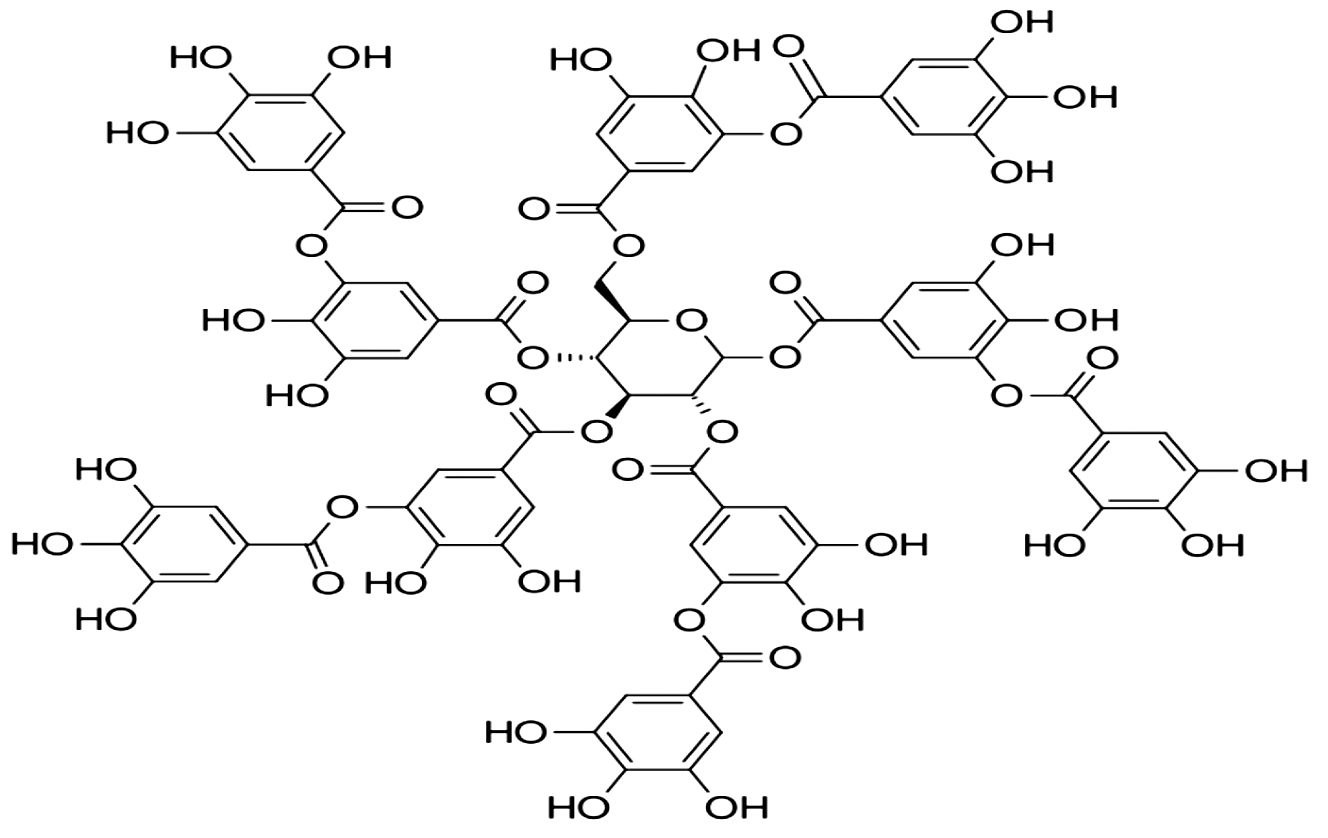
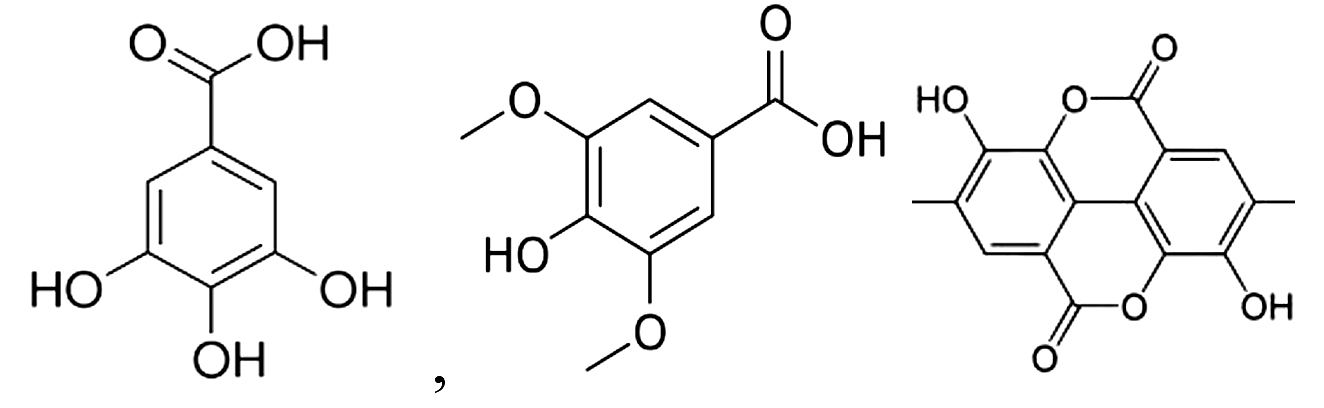
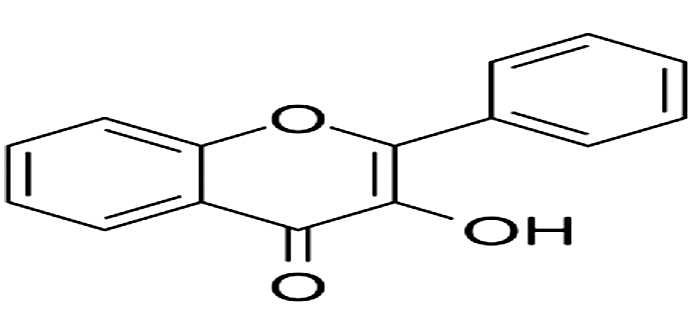
It is necessary to classify these polyphenols into the following four categories: phenolic acids, flavonoids, stilbenes, and lignans. One of the distinguishing characteristics of phenol is that it consists of an aromatic benzenoid ring in addition to a hydroxyl group. Figure represent the different kinds of polyphenols with their structure.6
Structure of Phenol |
 |
The structures of Tannins |
 |
Vanillic acid, Syringic Acid, and Gallic Acid |
 |
The structure of Flavanols |
 |
Flavonoids are characterized by their structure |
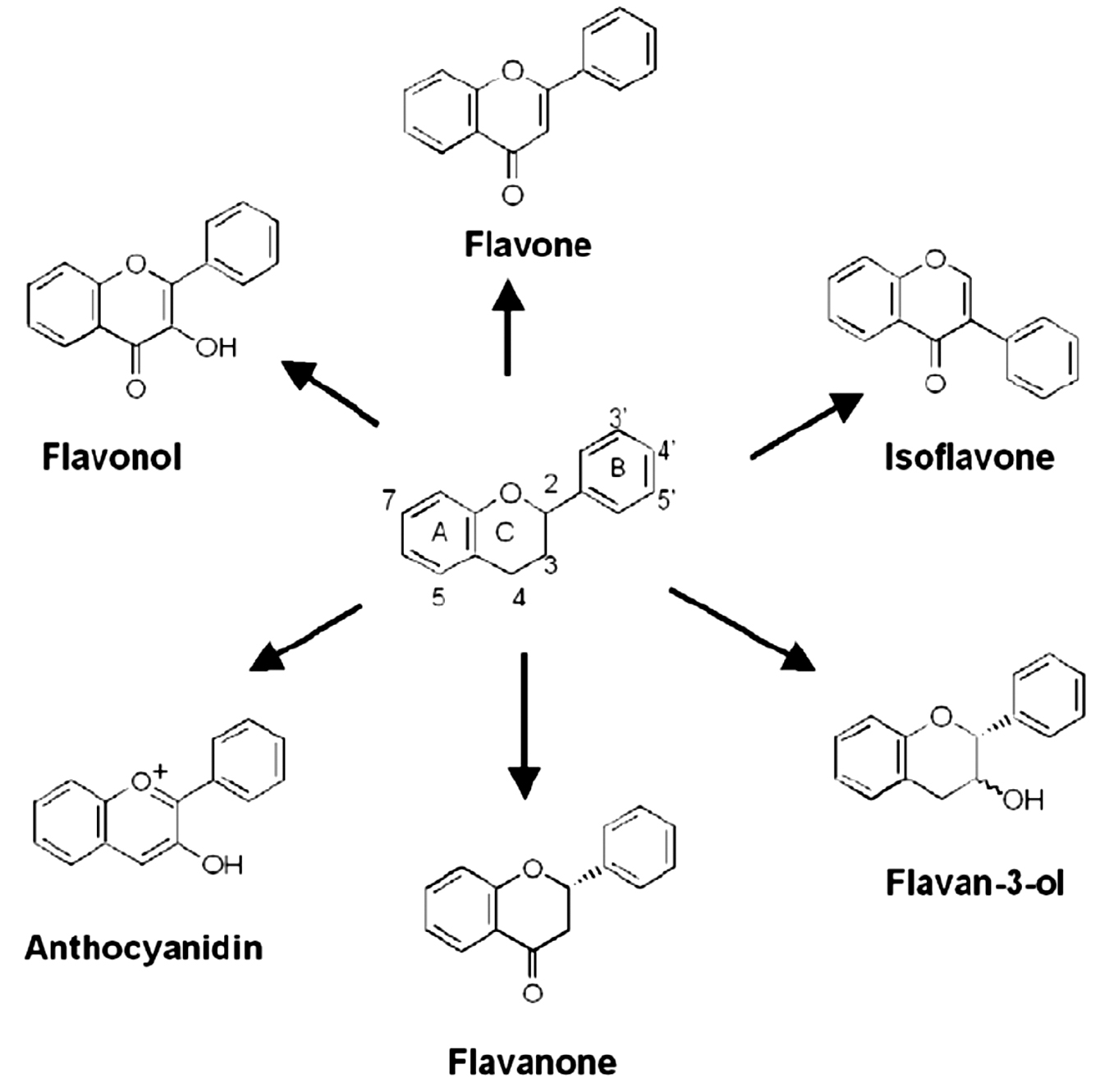 |
The basic structure of Anthocyanins |
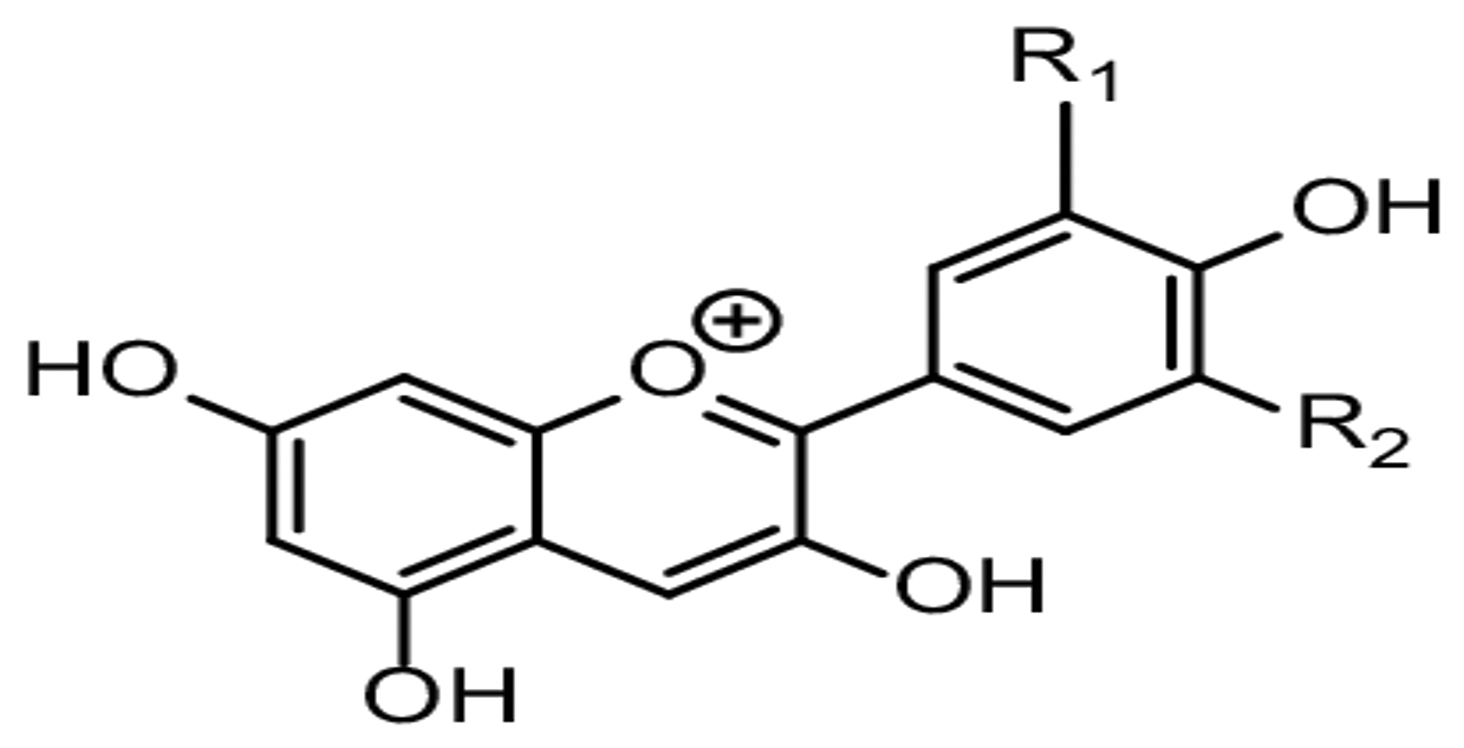 |
Catechin are made up of structures |
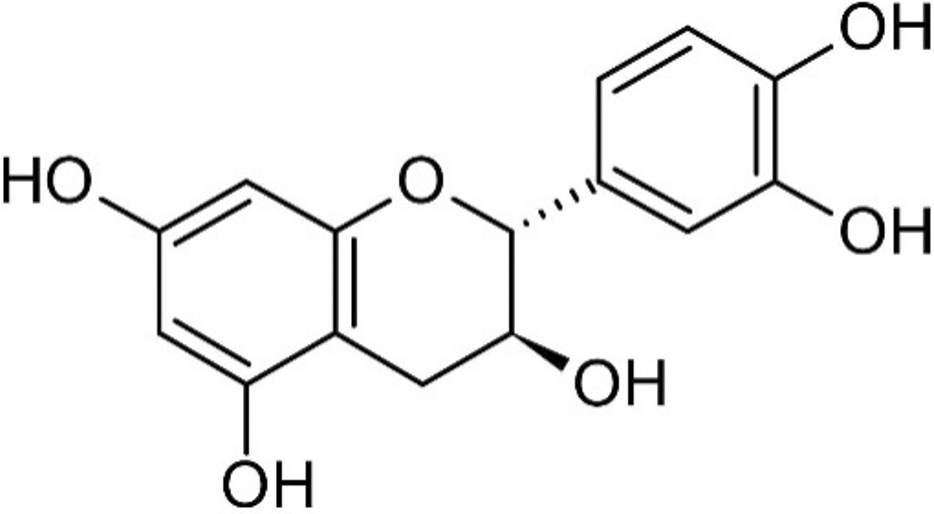 |
Stilbene are made up of structures |
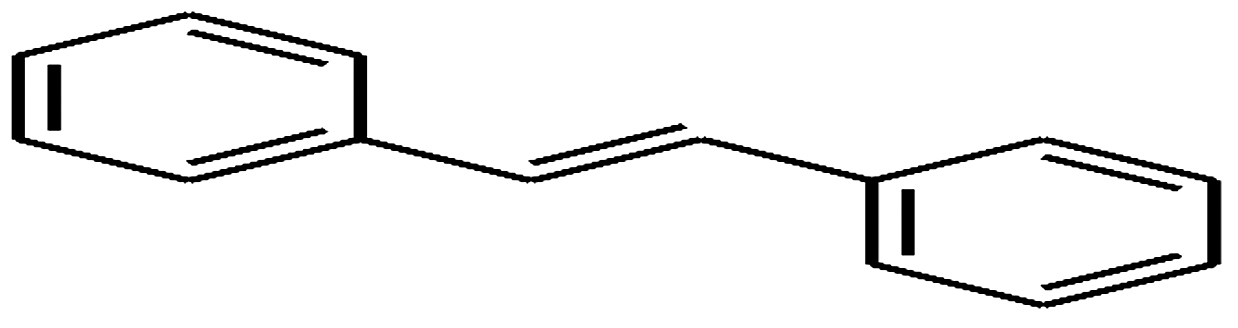 |
Lignans are made up of structures |
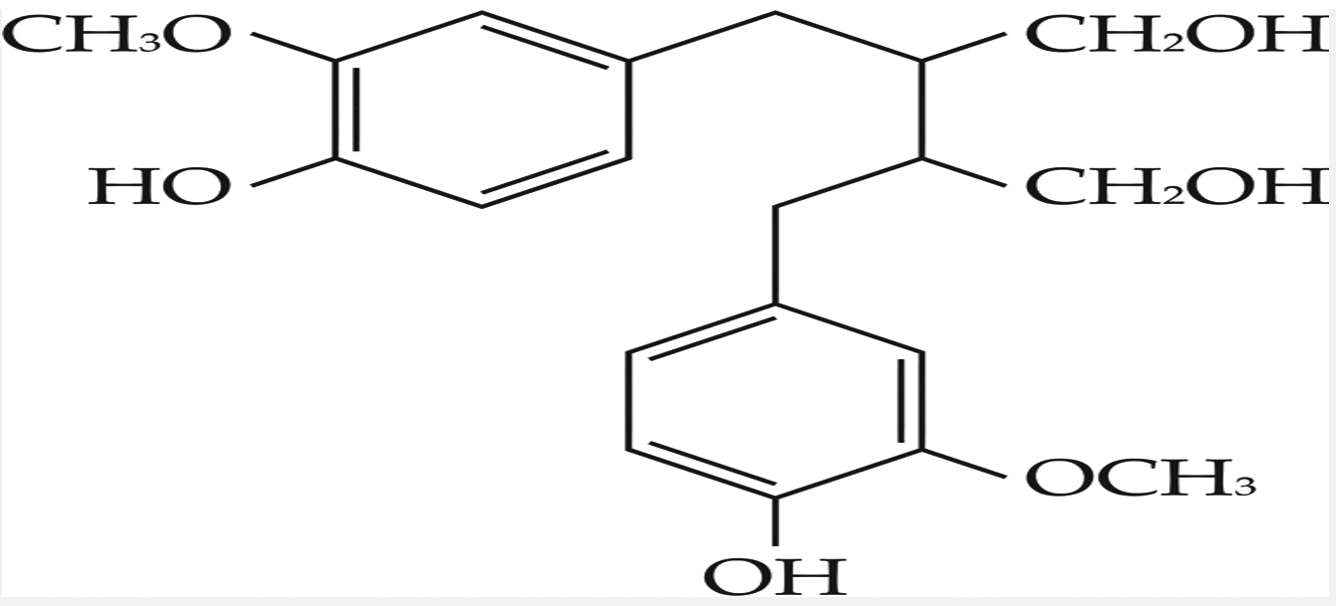 |
Figure. Different kinds of polyphenols with their structure
Nutritional products that are high in polyphenols
Over eight thousand distinct numerous polyphenol kinds have previously been discovered. Foods contain polyphenols in both bound and free forms. Free polyphenols were easily extracted, and their antioxidant capacity could be accurately measured, unlike insoluble polyphenols. Coffee, berries, dark chocolate, cocoa powder, olive oil, and a number of spices and seasonings, including cloves and star anise, are the main foods that contain high levels of polyphenols. Researchers discovered numerous polyphenolic components in honey, such as flavonoids and phenolic acid, and concluded that polyphenols in natural honey are good for people. Flavonoids and phenolic acid reduce oxidation and free radicals. Although different types of honey have different proportions of the healthy flavonoid and phenolic acid components, they all have similar identities. The kind of olive oil that has been subjected to the smallest degree of processing is known as extra-virgin olive oil. It is comprised of a diverse assortment of polyphenolic chemicals that are taken from the olive fruit. Phenolic molecules are capable of performing a wide variety of biological functions, ranging from those that stabilize auto-oxidation to those that improve human health. A few of these very best foods high in polyphenols that should be a regular part of your diet are listed in Table 1.7-11
Table (1):
Lists of the polyphenols found in foods that are regularly consumed throughout the day
1 |
Grains |
Wheat, Rya, Oats, Whole |
2 |
Fruits |
Other examples of black fruits are black chokeberries, black and red currants, black elderberries, black grapes, blackberries, blueberries, apples, apricots, and black olives. Black chokeberries are also a kind of black fruit. Grapes, grapefruit, nectarines, peaches, pears, plums, raspberries, strawberries, and pomegranate are some of the fruits that are included in this category. Peaches and pears are also included. |
3 |
Nuts |
Various kinds of nuts and seeds, such as walnuts, chestnuts, hazelnuts, almonds, and flax seeds, among others. |
4 |
Vegetables |
There are a number of vegetables that are required to be included on the list. Some of these veggies are asparagus, broccoli, carrots, red chicory, red lettuce, onions, spinach, and shallots. |
5 |
Beans |
There are many different types of soy products, including but not limited to beans, sprouts, black beans, tempeh, tofu, white beans, soybean milk, soy yoghurt, and soya meat. |
6 |
Beverages |
Olives, rapeseed oil, olive oil, black tea, capers, coffee, dark chocolate, ginger, green tea, red wine, and red wine are some of the other ingredients that fall within this category. Vinegar made from cider. |
7 |
Others items rich in polyphenols |
Honey, dried herbs of basil, marjoram, and the following herbs are dried: parsley, peppermint, caraway, celery seed, cinnamon, cloves, and parsley. Pulverized cocoa, Cumin, and It is the curry powder. Chocolate in its darkest form, Spearmint, lemon, verbena, Mexican, oregano, rosemary, sage, and star anise seeds that have been dried. |
Why polyphenols are produced by plants
Green plants may be among the best chemists in the natural world, given the enormous number of compounds that have been discovered and identified from the Kingdom Plantae and the possibility that many more will be discovered in the future. Green plants generate phytochemicals through a range of metabolic and biochemical processes. In addition to their color, taste, and fragrance, phytochemicals can also have antinutrient or phytonutrient qualities. Antinutrients are phytochemicals that prevent the body from absorbing nutrients, whereas phytonutrients give green plants their therapeutic and health benefits. Plants are protected from UV-B radiation, which causes significant harm, as well as from diseases, insects, and herbivores by a variety of toxic phytochemicals. The evolution of early terrestrial plants was essentially determined by these substances. Tannins and phytate are two examples of antinutrients that have been found to have beneficial impacts on human health. Polyphenols, or “plant phenol”, are members of the phytonutrient family. Plant development, regulation, and structure are influenced by polyphenols, which vary in kind and structure among taxa. To withstand environmental stresses such as heat, radiation, drought, salt, floods, etc., plant species modify the structure of their polyphenols. It is possible that polyphenols can regulate auxin and other plant growth hormones. Polyphenols increase plant pigments and offer UV-B protection.12,13
Polyphenol has antioxidant effects
Free radicals are atoms or groupings of atoms that have one unpaired electron and can be formed chemically during the oxidation process. Because unpaired electrons tend to form pairs with other electrons, they are frequently extremely reactive and unstable. During metabolism in a live creature, an oxygen molecule (O2) loses four electrons. The development of the reactive oxygen metabolites due to the fact that the process might be caused by electron excitation, energy addition, or interactions with the components of the transition’s metals. It refers to these extremely reactive oxygen metabolites as active oxygen species because of their strong reactivity with oxygen. The primary processes in live cells that generate free radicals include redox reactions, photolysis, radiolysis, and homolytic chemical bond fission. Within living things, free radicals initiate a chain reaction that can cause cell damage and consequently lead to a variety of diseases. In a living body, free radicals initiate a chain reaction, which antioxidants stop. To put it another way, antioxidants shield living things from the damaging effects of reactive oxygen species, or free radicals, by neutralising or deactivating their activity. Antioxidant chemicals are those that limit oxidation. Polyphenols, on account of the many functional groups, double bonds, and aromatic rings that they include, provide the ideal structure for performing the role of functioning as effective antioxidants. Polyphenols have the ability to seize free radicals such as hydroxyl radicals (•OH) and radicals containing superoxide anion (O2-•). Furthermore, they have the ability to quench reactive oxygen species such as hydrogen peroxide (H2O2) and singlet oxygen (1O2) by means of electron donation (SET) or the transfer of hydrogen atoms (HAT). Polyphenols are supposed to be beneficial to people’s health because of their antioxidant characteristics and their ability to dampen reactive oxygen species and free radicals. This is because polyphenols are believed to slow down the ageing process and prevent the onset of a variety of ailments. It is also possible for polyphenols to perform the role of co-antioxidants, which would be beneficial in the process of vitamin regeneration. A number of signaling pathways, such as energy metabolism, adipogenesis, antioxidant and anti-inflammatory responses in cells, are also regulated by them. They play a function in the regulation of these processes.14-19
Polyphenols’ properties can affect their ability to produce antioxidants
The presence of polyphenols in foods is a well-established fact, wherever they can be made available for free or attached. The polyphenols’ insoluble-bound antioxidant properties, that are mostly present in cereal grains and link with food matrix components such as protein and polysaccharide, could not be fully assessed using standard assays, influencing the test results. Free polyphenols, on the other hand, were rather easy to extract and their antioxidant potential was accurately tested. The relationship between polyphenols’ structure and activity has been thoroughly studied and recorded by the various workers. The structures, types, and locations of substituents in polyphenols affect their antioxidant efficacy. Phenolic hydroxyl groups play a major role in scavenging free radicals, but other groups, as well as their quantity and location, also play a significant role. Glycoside and methoxy groups, however, may be harmful. Furthermore, the degree of polymerization would affect the antioxidant capacity, which is typically advantageous. Polyphenols are easily lost because of their low stability. Their stability may be impacted by a few physical and chemical elements that are commonly encountered during processing, storage, and digestion, such as ascorbic acid, sugar, light, oxygen, pH, temperature, enzymes, and metallic ions. The antioxidant structure of polyphenols would be destroyed by degradation-induced link breakage. Consequently, one drawback was that polyphenols’ poor stability would make it challenging for them to function as antioxidants under normal conditions. Bioavailability is the amount of active chemicals people can take in and use. The amount of polyphenols in your body determines how well they can protect you in real life. Four things often limit polyphenols bioavailability: Polyphenols are easier to absorb because they are hydrophilic. Adding a promoter to quercetin can make it easier to take and more effective. Polyphenols can’t stay in their original form after being broken down by the bacteria in your gut. Instead, they only stay as chemicals. Recent research shows that polyphenols should be considered when figuring out how well they work. The gut bacteria biotransformation would change the polyphenols’ natural structure, which would affect their antioxidant power. The ability of polyphenols to enter cells from the stomach and intestine is a key component of their bioavailability. The bioavailability of polyphenols is often less than optimum, which inhibits the antioxidant action of polyphenols in living organisms.20-34
The role of polyphenols in the management and preservation of disease
Polyphenols have the ability to avoid or minimize the signs of a wide range of metabolic diseases. This category includes the following conditions: cardiovascular illnesses (such as atherosclerosis, myocardial infarction, heart failure, also stroke); metabolic syndrome (as well as includes type 2 diabetes mellitus, central and abdominal obesity, systemic hypertension, and atherogenic dyslipidemia); the syndrome of metabolic syndrome. In addition to their antioxidant and antiplatelet characteristics, polyphenols also have powers. Polyphenols improve glucose homeostasis, lower blood pressure, and increase endothelial function by increasing HDL as well as inhibiting LDL oxidation. Studies conducted in vivo on rats have demonstrated that animals fed 10% hesperidin had lower plasma triglyceride levels than control. Furthermore, the fecal lipid content rose, preventing pancreatic lipase, even though hesperidin consumption had no effect on daily nutrient consumption, a growth in body weight, or an increase in productivity. When galangin was given to rats at a dose of 50 mg/kg for six weeks, there was also a notable decrease in serum lipid and lipid peroxidation. For instance, polyphenols’ ability to inhibit pancreatic lipase may be advantageous in helping obese people lose body mass. Hypertension is one of the most harmful factors associated with deaths from cardiovascular diseases. Both black and green tea’s polyphenols dramatically reduce blood pressure. It is likely that tea polyphenols have a significant impact on reducing vascular inflammation, improving endothelial nitric oxide synthase activity, relaxing smooth muscle contraction, and preventing rennin activity as well as anti-vascular oxidative stress, even though the precise mechanism is unknown.
A polyphenol-rich diet or phenolic compound supplements have been shown to have positive effects on cognitive functions, amyloid diseases, including Alzheimer’s and Parkinson’s, and systemic and neurodegenerative diseases. Additionally, polyphenols are significant anti-cancer agents. Numerous animal models have demonstrated the potential of tea polyphenol compounds to prevent a wide range of cancers, including those of the ovaries, breast, pancreas, colorectal, esophageal, liver, lung, and kidney. There are a number of different mechanisms that polyphenols use in order to carry out their anticancer action. These mechanisms include the repression of angiogenesis, estrogenic and antiestrogenic activity, antiproliferation, stimulation of detoxifying enzymes, modulation of the immune system of the host, and anti-inflammatory activity. Other mechanisms include antioxidant and prooxidant activity, inhibition of certain protein kinases and other enzymes, and the subsequent changes in cellular signaling. Certain polyphenols, such as quercetin, kaempferol, curcumin, resveratrol, and EGCG, have been shown to inhibit the expression of histone deacetylases. This suggests that these substances possess anticancer properties. They do this by repairing epigenetic changes that occur in cancer cells. Additionally, they may prevent healthy cells from developing into tumors through DNA methylation and histone modifications. Taking everything into account, polyphenols appear to be our best friend, supporting the healthy operation of our bodies. As a result, diets high in polyphenol compounds and dietary supplements that contain them have gained popularity. However, it is essential to keep in mind that the consumption of polyphenolic chemicals, especially when done so in big numbers and in a pure form (meaning that they are found in supplements rather than fruits and vegetables), may have negative effects or even be harmful to human health.35-46
Anti-Aging Effects of Polyphenols
One of the fundamental cornerstones of long-term, excellent health is surely food. Among the main goals for enhancing food quality have been directed and selected evolution through agricultural methods as well as experimental manipulation and alteration of dietary components. Finding natural substances that can prolong life, avoid chronic diseases, and improve health has attracted a lot of attention. In this context, it has been demonstrated that a variety of polyphenols, such as EGCG, curcumin, and quercetin, increase longevity. Some of the hallmarks of the Mediterranean diet include the consumption of foods derived from plants and olive oil, both of which have the potential to have positive impacts on one’s health. As said by new research, the polyphenols found in olives and olive oil may help explain a number of the positive effects on health due to eating a Mediterranean food. Even in the event that the use of olive oil did not have an effect on the mortality rate, it is tempting to believe that the polyphenols found in olive oil would have the capacity to extend that life. In fact, there is growing evidence that the phenols in olive oil slow down the ageing process in people, animals, and cells.47,48
Polyphenols pose potential risks to adverse outcomes of health
People prevent and treat a variety of illnesses by using polyphenols, a vital component of foods derived from plants that have many health benefits. A healthy diet has been shown to have protective effects against the toxicity. Unfortunately, depending on dosage, conditions, and environmental interactions, polyphenols can be hazardous, just like any other chemical. It has a protective effect primarily because of their effects on the antioxidant system’s constituents, xenobiotic-elimination enzymes, and, consequently, reactive oxygen species (ROS) levels. Studies conducted on animals, both in vitro and in vivo, have shown that polyphenols possess qualities that are neuroprotective, hepatoprotective, nephroprotective, anti-inflammatory, and anticarcinogenic. Additionally, it avoids gonad toxicity and counteract immunosuppressive effects. Sometimes, a significant factor in the growth of sicknesses is nutrition.
Hormonal imbalance caused by polyphenols
Isoflavones, one type of polyphenol, have become well-liked as a substitute therapy for menopausal symptoms in women who are hormone intolerant. Because they can have both estrogenic and antiestrogenic effects in different tissues, isoflavones share structural similarities with estrogen. Due to the fact that only certain bacterial enzymes are capable of converting isoflavonoids, it is essential to bear in mind that the makeup of the microbiota in the gut is the primary factor that defines the biological activity of isoflavonoids. Genistein, for instance, may be transformed into p-ethyl phenol, while daidzein can be turned into its physiologically active metabolites, S-equol or O-desmethylangolensin. Both of these metabolites are examples of metabolites. Whereas isoflavones appear to benefit postmenopausal women, their effects on reproductive-age women may be less favorable. A placebo-controlled crossover study also documented the adverse effect of soy isoflavones. Additionally, it has been shown that isoflavones’ estrogenic activity is safe or even helpful for women, but it can cause problems for men when it comes to sexual activity. It has been proven that adult Sprague-Dawley rats who were given a diet that was high in phytoestrogens (an isoflavone content of about 600 µg/g) had considerably lower plasma levels of androstenedione and testosterone compared to rats that were fed a diet that was devoid of phytoestrogens.
So, are hormonal imbalances really a result of isoflavones? Generally speaking, it appears that isoflavones are not harmful to healthy individuals; however, this may not be the case for those who suffer from severe deficiencies or illnesses. In individuals with iodine deficiency, soy isoflavones have been shown in multiple studies to inhibit thyroid hormones. In vivo studies using rats have demonstrated that genistein can reduce thyroid peroxidase (TPO) by up to 80% in a dosage dependent way. In different works, the relationship between giving kids formula that contains soy and the onset of autoimmune thyroid ailment was examined. According to the authors, children with autoimmune thyroid disease were much more prone to fed soy-based milk formulas in their early years than both their siblings (frequency 31% vs. 12%, correspondingly) and kids in good health who are not related; the frequency is 13%. Thus, it was established that soy formula feedings during infancy were linked to autoimmune thyroid disease. The available findings from a variety of studies are unclear and frequently contradictory, to sum up. It is necessary to do more study in order to provide conclusive evidence about the safety of isoflavone usage, as well as to identify the subpopulations that these substances will have adverse effects on or that may be at risk. 49-53
Potential adverse effects of polyphenol impeding aron absorption
The most vulnerable population for anemia is young children, since it is a severe public health concern, women who are pregnant or recently gave birth, teenage girls, and women who are menstruating. The World Health Organization (WHO) provides the following information. Countries with poor and lower-middle incomes have the highest rates of anemia prevalence, where it disproportionately affects people who live in rural areas, in households with lower incomes, and who have never attended school. It is estimated that thirty percent of women between the ages of fifteen and forty-nine, thirty-seven percent of pregnant women, and forty percent of all children between the ages of six and sixty-nine months throughout the globe suffer from anemia. In the year 2019, anemia was responsible for the loss of fifty million years of healthy life due to the resulting impairment. The main causes were malaria, thalassemia and sickle cell trait, and dietary iron deficiency.54,55
Iron insufficiency is a widespread condition that affects individuals all over the globe, despite the fact that it is present in the environment in significant amounts. For human existence, iron is a trace element that is absolutely necessary. Both a low intake of iron and its low bioavailability can contribute to a low body iron level within specific populations. The form of dietary iron affects its bioavailability. Hemoglobin and myoglobin from animal diets provide haem iron, whereas non-haem iron comes from plants and foods fortified with iron. A reduced bioavailability is associated with the latter, because intestinal absorption is much less efficient. By chelating the ions of transition metals (for example, Fe and Cu), polyphenols can prevent free radicals from forming in the Fenton and Haber-Weiss reactions. In addition to the polyphenolic compound’s structure, the pH or ion form (Fe2+ vs. Fe3+ and Cu+ vs. Cu2+) affects the binding strength and the quantity of bound ions. Because it prevents the production of free radicals, this polyphenolic activity is thought to be good for the body. Furthermore, iron overload, a major risk factor for many illnesses, particularly chronic diseases in humans, is frequently treated with polyphenols due to their iron-chelating properties. But there are also negative consequences to this activity, like in people who are iron deficient. Anemia develops when polyphenols, which are abundant in a diet or when taken as supplements, bind to iron in the intestine and prevent it from being absorbed (Table 2). They may also have an impact on how iron homeostasis is regulated.56-59
Table (2):
Polyphenol Hampering Iron Absorption some important results
| Polyphenol | A potent inhibitors of iron absorption and Results | Ref. |
|---|---|---|
| Catechins (Present in teas) | In comparison to drinking water, the quantity of iron that was absorbed from a bread meal was lowered by fifty to seventy percent when the individual consumed drinks that contained twenty to fifty milligrams of total polyphenols per meal. Consuming drinks that had 100-400 mg of total polyphenols per serving, on the other hand, resulted in a reduction of 60-90% in the amount of iron that was absorbed. | [60] |
| Black teas (79%-94%), peppermint tea (84%), pennyroyal (73%), and chocolate (71%), as well as the inhibitory effects of these substances, declined in a dose-dependent manner depending on the total polyphenol content. | [60]
|
|
| GTE stands for green tea extract. | Responsible for supervising the administration of supplements to obese patients in order to measure their body mass, lipid profile, elements, glucose level, and antioxidant status. For a period of three months, participants were given either 379 milligrams of GTE or a placebo on a daily basis. There was a substantial decrease in the amounts of triglycerides, cholesterol in general, low-density lipoprotein, total cholesterol, glucose, and iron in the blood was seen after receiving GTE therapy. This reduction was statistically significant (p < 0.05). Additionally, it was feasible to experience weight loss. The levels of high-density lipoprotein, zinc, and magnesium, on the other hand, all increased by a substantial amount. | [61]
|
| Grape seed extract (GSE), which has a high concentration of polyphenols, and the polyphenol found in tea, known as (-)-epigallocatechin-3-gallate (EGCG), | Significantly restricted the passage of iron across the epithelium of Caco-2 intestinal cells when the concentration was at healthy levels. | [62] |
| Quercetin | Bring down the quantity of iron that is unstable inside the cells. It has been shown that the complexes of quercetin and rutin with iron are able to pass through cell membranes. Free quercetin, on the other hand, was the only enzyme that was able to penetrate the cytoplasm and remove iron in cells. | [63] |
| Both quercetin and a placebo capsule, each containing 500 milligrams, were administered to the patients twice daily for a period of twelve weeks, during which time their blood limits were monitored. In contrast to the placebo group, the ferritin level was found to be significantly lower (p = 0.013), whereas the number of entire red blood cells (RBC) was shown to be higher. | [58]
|
|
| Raisins (Vitis vinifera L.) | Worker found inconsistent results in their study. After 20 days of eating 8 grams of raisins (Vitis vinifera L.), their iron and haemoglobin levels went up, ferritin levels went up, in addition, the levels of transferrin and total iron binding capacity (TIBC) decrease. | [59] |
Polyphenols’ prooxidant activity and its effects
Polyphenols can be regarded as beneficial molecules, even though their prooxidative qualities are meant to kill cancer cells. However, the effects might not be desirable if polyphenols start to cause DNA damage and other oxidation of normal cell components, which could ultimately result in mutagenesis. It is generally accepted that polyphenols are powerful antioxidants; nevertheless, under certain conditions, they are also capable of performing the role of prooxidants. Pure polyphenols are not the only substances that can function as prooxidants. Polyphenolic extracts made from the pomaces of Syrah and Chardonnay grapes or wines showed prooxidant activity. Their prooxidant action is predominantly catalyzed by transition metals such as iron and copper. They generate a redox complex with a transition metal ion or a phenoxyl radical, which catalysis their prooxidant activity. After that, phenol radicals can react with oxygen to form a variety of reactive oxygen, that can cause lipid peroxidation, damage to DNA, or start the oxidation of other significant molecules. It has been demonstrated that certain polyphenols, particularly those containing small molecules like dihydroxy cinnamic acids, are readily oxidized and result in lipid peroxidation or DNA incision due to the activity of radicals created when Cu and oxygen are present. Therefore, more investigation is needed to determine the circumstances in which an antioxidant transforms into a prooxidant. Numerous studies have shown that various molecules containing polyphenols, for example ferulic acid, gallic acid, salicylic, syringic, vanillic, curcumin, catechin, ellagic acid, quercetin, and metal complexes of quercetin. Al, Zn, Ca, Cr, Mn, Co, Ni, Mg, As, and Cd are among the metals and metalloids that can catalyze these reactions including copper.64-71
Polyphenols may be detrimental to cells, causing them to mutagenesis or having genotoxic and carcinogenic effects
Polyphenols may also interact with cell membranes to cause destructive effects on cells. There is a significant chance that polyphenols will have a harmful impact on cells because they can interfere with the function of membranes. Certain polyphenols’ prooxidative activity and membrane-affecting properties may result in mitochondrial toxicity by lowering the potential of the mitochondrial membrane and pushing the cell into the apoptotic pathway. Although mitochondrial malfunction is linked to a variety of human conditions, including cancer, diabetes, obesity, and neurological diseases, problems with apoptosis regulation may be a contributing factor in the development of cancer. Nevertheless, quercetin, which interacts with DNA, has the ability to disrupt cell cycles and, as a result, result in the regression of tumours. This is accomplished by activating the mitochondrial route of apoptosis. It was discovered by the researchers that acacetin, rhamnetin, apigenin, and morin were responsible for the instability of the membrane structure. This instability was created by the membrane lipids being disoriented, which ultimately resulted in induced leaking from the model vesicle. Naringenin and hesperidin also markedly enhanced the fluidity of model lipid membranes composed of dimyristoylphosphatidylcholine. This refers to the configuration of the polar heads of lipids was altered by both flavonoids; naringin had an ordering effect in the hydrophobic region, whereas hesperidin caused weak disorder. Additionally, naringin was more successful than hesperidin at altering the structure of the membrane. Certain polyphenolic compounds have the capacity to cause mutagenesis. The mutagenic and antimutagenic properties of 23 frozen fruit samples were examined in the study by the researcher. Acai, cashew apples, kiwi fruit, and strawberries all displayed mutagenic activity at all loci (Lys-revertant, His-revertant, and Hom-revertant) that were tested when they were studied in a haploid XV 185-14C strain of Saccharomyces cerevisiae cells. The findings obtained revealed that the pulps of these fruits exhibited mutagenic activity. The effect was dose-dependent and was seen at high levels of saturation (5%-15% [wt/vol]). The ability of polyphenols to cause chromosome damage or intercalate into DNA may also contribute to their carcinogenic effects.72-79 Those who take polyphenol-fortified supplements and meals should know their risks and possible negative effects on human health.
Polyphenols and their impact on drug metabolism
Reactive oxygen species and free radicals are both able to interact with polyphenols since they include a number of active functional groups, and several different kinds of chemicals. Polyphenol interactions with drug components significantly influence drug metabolism and pharmacokinetics, potentially enhancing or diminishing its beneficial effects. Consumers are often aware of interactions of this kind; for instance, they are aware that it is not recommended to take pharmaceuticals alongside grapefruit beverages or infusions made from herbs. On the other hand, they have no idea of the underlying reasons behind such suggestions. Polyphenols and foods high in polyphenols, such as fruits, spices, and herbs, can change how drugs are absorbed, distributed, and metabolized. This is done by reducing P450 activity, which naturally affects how drugs work clinically, and by inhibiting P450 activity (competitive inhibition, non-competitive inhibition, and uncompetitive inhibition are the three primary types of enzyme inhibition). The concentration of a medication in the blood or tissues of the body rises when its metabolism is restricted, leading to a number of potentially quite harmful consequences. It is an unwanted consequence that might potentially generate major concerns that the activation of P450 activity shortens the duration of a drug’s action by increasing the rate at which it is eliminated via metabolic processes. Furthermore, polyphenols have an effect on drug transport via interacting with drug transporters. One example of this is the P-glycoprotein, which is a member of the ABC transporter family. Both organic anion transporting polypeptides (OATPs) and organic cation transporters (OCTs) are other examples of this kind of membrane protein. It suggests the fact that there is a substantial possibility of harmful consequences coming from interactions between drugs and polyphenols80-85 (Table 3).
Table (3):
Polyphenol and drug interactions- some important results
Drug (Medical Application) |
Polyphenols Type of Study |
Effect on Drug Action → Assumptions and Endorsements |
Ref. |
|---|---|---|---|
Metformin is an antihyperglycemic medication specifically prescribed for the treatment of diabetes of the type 2 variety, especially in those who are overweight. |
EGCG with green tea (also known as GT): a study |
((i) GT reduced metformin absorption in a concentration-dependent manner, with IC50 standards of 1.4% (v/v) and 7.0% (v/v) for OCT1 and OCT2, correspondingly; (ii) GT’s activity was higher for MATE1 than MATE2-K; (iii) Green tea. EGCG lowered metformin net uptake to 40% of non-EGCG levels, and reduced BSP and atorvastatin net uptake to 64% (not worth mentioning) and 69% (p
| [86]
|
The benzodiazepine drug known as midazolam is used for the purposes of administering anaesthesia, providing sedation during procedures, treating acute agitation, and treating insomnia. |
A pretreatment with either water or grapefruit juice was followed by the administration of midazolam/MDZ either intravenously (5 mg) or orally (15 mg) to a group of eight healthy male subjects. |
After being administered intravenously, MDZ did not alter in terms of its pharmacokinetics or pharmacodynamic responses. When MDZ was pretreated with grapefruit juice, the peak plasma concentration (Cmax) of the drug rose by 56%, the time it took to reach Cmax (tmax) increased by 79%, and the area under the plasma concentration-time curve (AUC) increased by 52%. Bioavailability was enhanced from 24% ± 3% (water) to 35% ± 3% (grapefruit juice, p max and a 30% rise in area under the curve (AUC). |
[87]
|
Digoxin is the earliest medicine used for the management of numerous heart problems, most often atrial coronary artery disease, fluttering of the atrium, as well as arrhythmia are all conditions that may occur. |
In a human study, 16 healthy volunteers were given 0.5 mg of digoxin orally on Day 1, followed by 630 mg of green tea catechins/GTC and 0.5 mg of digoxin 1 hour later. The dosage of 630 mg of GTC was administered on its own from day 16 through day 28, and on day 29, the dosage of 630 mg of GTC plus 0.5 mg of digoxin was administered in the same manner as it did on day 15. |
In contrast to taking digoxin alone, the concurrent treatment of digoxin and GTC considerably decreased digoxin systemic exposure: from time 0 to the final measured time, the geometric mean ratios (GMR) of the area under the concentration-time curve were 0.69 and 0.72, accordingly. The area under the curve (AUC) was the highest. Administering digoxin and GTC after GTC pretreatment (Day 29) lowered AUC last (GMR = 0.67) and Cmax (GMR = 0.74), indicating that GTC coadministration lowers digoxin systemic exposure regardless of GTC pretreatment status. |
[88]
|
Sildenafil (used for the treatment of male reproductive problems in addition to pulmonary arterial hypertension) used in conjunction with midazolam. |
Green tea: in a clinical trial, ten people in good health took one tablet of sildenafil 50 mg and one tablet of midazolam 7.5 mg simultaneously. This was done either after drinking 250 mL of water or 250 mL of fresh extract made from 2 g of green tea. Additionally, following seven days of not being given any treatment, every participant tried the second option. |
When GT was administered with sildenafil, the plasma concentrations rose (the area under the curve (AUC) increased from 484.2 ± 67.27 µg hr/L to 731.5 ± 111.01 µg hr/L, and the maximum concentration (Cmax) increased from 318.9 ± 46.8 µg/L to 414.9 ± 67.0 µg/L). Additionally, the elimination rate constant and half-life of sildenafil were both lowered. Because patients who drink green tea are more likely to have adverse effects, it is possible that they may need lower doses of sildenafil while taking the medication. |
[89]
|
Amlodipine (calcium channel inhibitor) |
Over the course of ten days, rats were given amlodipine (30 mg/kg) orally at a dose of 1 mg/kg, regardless of whether they received EGCG treatment. |
The pretreatment of EGCG Amlodipine was shown to increase the maximum concentration of Cmax from 16.32 ± 2.57 to 21.44 ± 3.56 ng/mL (p max from 5.98 ± 1.25 to 4.01 ± 1.02 hours. AUC°-t was increased from 258.12 ± 76.25 to 383.34 ± 86.95 µg·h/L. Furthermore, the metabolic half-life was prolonged from 31.3 ± 5.6 to 52.6 µg·h/L. |
[90]
|
Possible Suppression of the intestinal microbiota alongside its effects
The particular polyphenol and bacterial species are having their different effects and their different mechanisms of their effect. The antibacterial activity of polyphenols is often ascribed to their interactions by metal, substrate, and protein deficiency, and the inhibition of damaging DNA or nucleic acid production. Reduction in the development of bacterial cell walls or interaction with them; cytoplasmic membrane permeability, fluidity, damage, and disruption; energy metabolism suppression; Preventing cell adhesion and biofilm. Digestion function may be impacted by polyphenols’ inhibition of digestive enzymes and alteration of gut flora. The interactions between polyphenolic food components and gastrointestinal bacteria are complex. Bacterial enzymes facilitate Polyphenols being released from the meal’s component, thereby enhancing their bio accessibility and bioavailability. Furthermore, polyphenols are converted and degraded by bacteria, often by double bond reduction and hydrolysis processes. The gut microbiota has a diverse array of enzymes that facilitate activities beyond the capability of human enzymes, thereby enabling the transformation and utilization of all food components. The presence of polyphenols in foods for instance herbs, spices, fruits, and vegetables has been shown to be beneficial in suppressing the development of a variety of bacteria, equally Gram-positive and Gram-negative to be specific. Extracts of cloudberry, raspberry, and strawberry showed strong antibacterial action compared to Salmonella enterica ser. Typhimurium, E. coli, and Lactobacillus rhamnoses, including L. rhamnoses GG, especially at high concentrations. Strawberry extract has been proven to inhibit both E. faecalis and Bifidobacterium lactis. Myricetin suppressed the development of all lactic acid bacteria that were present in the human gastrointestinal tract flora; however, it did not inhibit the growth of Salmonella Typhimurium or Lactobacillus plantarum that came from beer. Specifically, the water-based extract of Salvadora persica L. demonstrated a dose-dependent inhibition of all tested bacteria. This was especially true for Streptococcus mutans, S. faecalis, S. pyogenes, Staphylococcus aureus, Lactobacillus acidophilus, Pseudomonas aeruginosa, and Candida albicans. On the other hand, the methanol extract of the same plant did not exhibit any activity towards L. acidophilus and P. aeruginosa. Polyphenol suppression of intestinal microbiota entails changes in their physiological function, such as the quantity of all bacterial metabolites including vitamins, amino acids, SCFA, antimicrobial peptides, and neurotransmitters that are vital to human health. In other words, polyphenols hinder the microbiota’s ability to operate naturally. Furthermore, the involvement of microbiota in detoxication is disrupted, since these microbes degrade not only dietary items but also a variety of xenobiotics (such as pharmaceuticals), particularly molecules with branched chains or aromatic rings. Based on the findings of a number of research, certain polyphenols may enhance the growth of beneficial bacteria. Plant extracts or natural products that contain different polyphenols in their more organic forms (e.g., glycosides) are typically found to have a beneficial effect. Polyphenolic compounds that have been purified, particularly aglycones, which are not often found in food but are frequently found in dietary supplements, have negative impacts.91-98
Blocking digestive enzymes is one of the effects of polyphenolic compounds
It is probable that condensed tannins and other natural polyphenols to restrict the activity of digestive enzymes such as α-amylase, α-glycosidase, pepsin, trypsin, lipase, as well as chymotrypsin. It underscores the significance of dietary composition. They thus restrict the availability of nutrients and hinder digestion. Polyphenols have the capacity to attach to proteins, leading in the formation of soluble or insoluble complexes that have specific effects on the proteins’ structure, function, solubility, hydrophobicity, thermal stability, isoelectric point, and susceptibility to digestive enzymes. Flavonoids form protein complexes by covalent bonding and nonspecific variables, including hydrogen bonding and hydrophobic effects. These changes may have an effect on food protein digestion and utilization, affecting organ function. In addition, polyphenols have the potential to affect the activity of digestive enzymes, which are proteins. These enzymes include lipases, proteases, and amylases. Changes in enzyme structure may degrade function and disrupt biochemical reactions or processes catalyzed by the enzyme. Hence, digestive enzymes are essential for human health, and any disturbance in their activity may impair athletic performance.
Polyphenols’ inhibitory effect on digestive enzymes may harm those with enzyme deficiencies and dietary intolerances. The digestive disorders with the greatest prevalence are gluten sensitivity, coeliac disorder, lactose or complex carbohydrate intolerance, exocrine pancreatic insufficiency, cystic fibrosis, as well as pancreatic cancer. Glycosides like naringin, phloridzin, rutin, and arbutin reduced the active transport of glucose, while aglycones such as apigenin, myricetin, phloretin, and quercetin blocked the increased absorption of glucose. Aglycones were shown to be effective in inhibiting glucose absorption. Non-glycosylated polyphenols found in food, such as (+)-catechin, (-)-epicatechin, (-)-epigallocatechin (EGC), (-)-epicatechin gallate (ECG), and (-)-epigallocatechin gallate (EGCG), exhibited steric hindrance and demonstrated their effectiveness against both transporters. These problems may develop with age or be inherited. Food intolerances or allergies may affect up to 20% of the general population, whereas 65% of IBS patients may suffer from them. Thus, digestive enzyme supplementation is becoming more popular among those suffering from lactose intolerance, coeliac disease, and cystic fibrosis. Food additives that inhibit certain enzymes must be identified for optimal diet planning and meal composition in such persons to prevent malnutrition.
The elderly are the last large group with reduced digestive enzyme function. Human studies found that bicarbonate and enzyme (lipase, chymotrypsin, and amylase) secretions were significantly lower in older individuals due to reduced secreted volume and enzyme concentrations99-105 (Table 4).
Table (4):
Digestive enzymes repressed by polyphenols – some important results
| Enzyme | Polyphenol | Assessment Methodology and Outcomes | Ref. |
|---|---|---|---|
| α-amylase | Tea polyphenol | Tea polyphenols decreased enzyme activity and enhanced the affinity of swine duct α-amylase for starch. | [106]
|
| ellagitannins | Ellagitannins suppress α-amylase activity. | [107] | |
| Guaijaverin (1), Avicularin (2), Quercetin (3), Hyperin (4), Myricetin (5), apigenin (6), Kaempferol (7), as well as separated from the leaves of guava | IC50 values of 3.5 mM, 5.2 mM, and 3.0 mM for compounds 1, 2, and 5 against sucrase, 4.8 mM, 5.6 mM, and 4.1 mM for compounds 1, 2, and 5 against maltase, and 4.8 mM and 5.3 mM for compounds 1 and 2. as well as 4.3 mM in relation to α-amylase, accordingly. Several hydroxyl groups that are related to the C-ring in the structure and the hydroxyl group at the A-ring’s third position were crucial to the inhibitory action. | [108] | |
| Nine classifications of phenolic compounds and young apple polyphenols (YAP) are involved. | Tannic acid, chlorogenic acid, along with caffeic acid were identified, all worked well to stop amylase in YAP, with IC50 values of 0.30, 1.96, with 3.69 mg/mL, respectively. The sequence of the observed fixed quench values was: tannic acid > chlorogenic acid > caffeic acid > epicatechin | [109] | |
| α-amylase along with α-glucosidase | Raw components and heat-treated African Pear. | The components diminished α-amylase function in a way that depended on the dose. The substance was extracted after roasting (EC50 = 178.80 µg/mL) did this much better (p < 0.05) compared to the boiling sample (EC50 = 230.45 µg/mL) and the original extracts (EC50 = 266.10 µg/mL). The extracts from the raw pear had the lowest suppressive impact on the α-glucosidase activity (EC50 = 178.80 µg/mL), while the roasted sample had the greatest (EC50 = 170.94 µg/mL). | [110]
|
| Teas of the green, black, and oolong varieties that are all manufactured from the same freshly selected leaves and have the same amount of tea polyphenols (TP). | Actual three tea varieties markedly boosted α-amylase activities (0.34-27.14 mg/mL), with green tea having the most pronounced impact. However, higher TP concentrations reduced its activity marginally in an ineffective manner. | [111]
|
|
| Maltase and sucrase and α-glucosidases: | Epicatechin-(4β,8)-epicatechin gallate (B2-3′-O-gallate), epicatechin gallate (ECG), epicatechin (EC) | The IC50 values for B2-30-O-gallate were 1.73 ± 1.37 µm and 6.91 ± 3.41 µm for maltase, 3.64 ± 2.99 µm for ECG and 18.27 ± 3.99 µm for EC, and 6.25 ± 1.84 µm for maltase, as well as 18.91 ± 3.66 µm for sucrase. | [112]
|
| Pepsin | Ten flavonoids. | It has been shown by spectroscopic and molecular docking techniques that all flavonoids have the potential to attached to pepsin, resulting in the formation of flavonoid-pepsin complexes. For the most part, electrostatic forces and hydrophobic contacts at a single binding site are responsible for this spontaneous contact, which ultimately results in a decrease in enzyme activity. | [113]
|
| Trypsin | Quercetin (Q), luteolin (LUT), Hesperidin (HES), rutin (RUT) and catechin (CAT). | Methods such as circular dichroism, molecular docking of flavonoids-trypsin complexes, and UV-visible, intrinsic, and extrinsic fluorescence spectroscopies were used to illustrate the phenomenon of static quenching respectively. LUT was shown to be the most potent trypsin inhibitor, with an IC50 value of 45.20 ± 1.00 µM. This was due to the fact that hydrophobic interactions between flavonoids and trypsin were the predominant feature. | [114]
|
Summary
Particular polyphenols with possible adverse effects
Soy products include isoflavones, which are known to have estrogenic effects. While these effects may be advantageous to some women, they might cause hormonal imbalance in others. High soy isoflavone intake has been associated with thyroid issues and may impair fertility. Individuals with hormone-sensitive disorders should be cautious when taking large doses of soy isoflavones. Grapes, red wine, and additional plant sources comprise resveratrol, a stilbene. It has antioxidant, anti-inflammatory, and cardioprotective characteristics. Resveratrol is usually regarded as safe; however, it might induce gastrointestinal discomfort, nausea, and diarrhea in some people. High dosages of resveratrol may potentially interact with blood thinners, raising the risk of bleeding. Researchers recognize the antioxidant as well as anti-cancer activities of green tea catechins, particularly epigallocatechin gallate (EGCG). While green tea intake is typically harmless, excessive amounts of green tea extracts or supplements may cause liver damage in some people. When taking in a lot of green tea catechins, it is important to keep an eye on how your liver is working. A flavonoid called quercetin may be found in a variety of fruits and vegetables. It has been recognized as being an antioxidant as well as an anti-inflammatory. Although large dosages of quercetin might cause headaches and gastrointestinal problems, it is generally considered safe. It may also interfere with several medicines, including antibiotics and chemotherapy therapies.115-119
Composition of food, bioavailability, and interactions with other substances
Whenever polyphenols are consumed, the dietary composition in which they are contained may influence their bioavailability and biological activity. Polyphenols may interact through additional nutritional constituents for example proteins, carbohydrates, as well as lipids, increasing or decreasing their absorption. Bacteria in the stomach have a significant influence on polyphenol metabolism and bioavailability. Polyphenols may interact with a broad spectrum of substances, together with medications, minerals, as well as other compounds that included in the meal plan. These interactions possess the capacity to alter the effects of both polyphenols and other medicines. Before starting to utilize polyphenol supplements, you should be aware of the various potential interactions and seek the counsel of a trained medical practitioner, especially if you are currently on any medications.116,119-122
Global efforts are undertaken to reduce malnutrition by promoting optimum growth and health outcomes. Food is unquestionably an important component of long-term, optimal health. Natural polyphenols provide several health advantages and are an important component of plant-based meals. They may be considered non-essential nutrients. Among the foods that contain polyphenols include herbs, spices, fruits, and vegetables. Polyphenols possess biological activity, together with antioxidant, anti-inflammatory, and anti-cancer characteristics. Polyphenols are a valuable source of anti-infective compounds that may help cure antibiotic-resistant infections in humans by killing germs and suppressing cell growth.
In addition, many polyphenols each have their own set of negative consequences. Some of the nutrients interact with many other substances and undergo chemical changes during cooking and storage, reducing their stability and bioavailability. Food combinations, cooking methods, and dietary habits affect health outcomes, including ageing and life expectancy, although little is understood. The enzymes α-amylase, α-glycosidase, pepsin, trypsin, lipase, and chymotrypsin are among the digestive enzymes that may be hindered by natural polyphenols such condensed tannins. This highlights food composition. They reduce digestion and nutritional availability. It also implies that polyphenol-drug interactions may cause damage. The healthcare professional and patient must be informed of any established relationships among often used medication and diet or herbal treatments. All cultures have food-related folk knowledge that needs scientific validation. Our existing nutritional research methodologies look unsuitable for population-level food and dietary study and should be revised. Our scientific knowledge of the nutrients needed for survival and good health, the foods that can provide those nutrients, and the best eating and dietary habits for long-term, healthy survival is remarkable. More scientific data and knowledge of nutrition, food, and diet’s biochemical, physiological, and cultural aspects are needed to make educated recommendations and execute them internationally while considering everyone’s social, cultural, and environmental demands. It needs more research into the mechanisms of action of polyphenolic metabolites or polyphenol delivery methods that maximise bioavailability while minimising health damage. In conclusion, more study on dietary polyphenols such as resveratrol, EGCG, quercetin, apigenin, and curcumin is needed to establish their potential as health supplements that are both affordable and easily accessible.
ACKNOWLEDGMENTS
The authors would like to express their gratitude to the Department of Chemistry, Department of Biochemistry, University of Tabuk, Tabuk, K.S.A, as well as the Department of Chemistry, Faculty of Natural Sciences, University of Prishtina, Kosovo, for their immense support.
CONFLICT OF INTEREST
The authors declare that there is no conflict of interest.
AUTHORS’ CONTRIBUTION
SKM, NO, RJ, HAA, ADA, MAA and MRA conceptualized the study. SKM, NO, RJ, HAA, ADA and MAA collected resources. NO, RJ, HAA ADA and MRA supervised the study. SKM wrote the manuscript. HI, MAA and MRA reviewed and edited the manuscript. All authors read and approved the final manuscript for publication.
FUNDING
None.
DATA AVAILABILITY
All datasets generated or analyzed during this study are included in the manuscript.
ETHICS STATEMENT
Not applicable.
- World Health Organization (WHO). Data Platform; Maternal, newborn, child and adolescent health and ageing. https://platform.who.int/data/maternal-newborn-child-adolescent-ageing/global-strategy-data/2025
- Scienmag (Science Magazine). Polyphenols: a game-changer in health? Key discussions set for Milan this September. https://scienmag.com/polyphenols-a-game-changer-in-health-key-discussions-set-for-milan-this-september/2024
- Watson RR eds. Polyphenols in Plants: Isolation, Purification and Extract Preparation. 2018 Academic Press. https://www.nhbs.com/polyphenols-in-plants-book (accessed on 2 April 2025).
- Surai PF, Surai A. A search for ideal diets: The case of polyphenols. In: Surai P, Surai A eds. Silymarin Puzzle. Brill. 2023.
Crossref - Mithun R. Polyphenols: Food, Nutraceutical, and Nanotherapeutic Applications. Wiley. 2023. https://onlinelibrary.wiley.com/doi/book/10.1002/9781394188864
- Prabhu S, Molath A, Choksi H, Kumar S, Mehra R. Classifications of polyphenols and their potential application in human health and diseases. J Sport Sci. 2021;6(1):293-301.
Crossref - Shahidi F, Ambigaipalan P. Phenolics and polyphenolics in foods, beverages, and spices: Antioxidant activity and health effects-a review. J Funct Foods. 2015;18(Part B):820-897.
Crossref - Lozano-Castellon J, Lopez-Yerena A, Rinaldi de Alvarenga JF, et al. Health-promoting properties of oleocanthal and oleacein: Two secoiridoids from extra-virgin olive oil. Crit Rev Food Sci Nutr. 2020;60(15):2532-2548.
Crossref - Serreli G, Deiana M. Biological relevance of extra virgin olive oil polyphenols metabolites. Antioxidants. 2018;7(12):170.
Crossref - Monika DG, Przychodzen P, Cappello F, et al. Potential health benefits of olive oil and plant polyphenols. Int J Mol Sci. 2018;19(3):686.
Crossref - Can Z, Yildiz O, Sahin H, et al. An investigation of Turkish honeys: Their physico-chemical properties, antioxidant capacities and phenolic profiles. Food Chem. 2015;180:133-141.
Crossref - Quideau S, Deffieux D, Douat-Casassus C, Pouysegu L. Plant polyphenols: Chemical properties, biological activities, and synthesis. Angew Chem Int Ed Engl. 2011;50(30):586-621.
Crossref - Zhang H, Yu D, Sun J, Liu X, Jiang L, Guo H, Ren F. Interaction of plant phenols with food macronutrients: Characterisation and nutritional-physiological consequences. Nutr Res Rev. 2014;27(1):1-15.
Crossref - Moharram A, Youssef M. Methods for determining the antioxidant activity: A review. Alex J Fd Sci Technol. 2014;11(1):31-42.
Crossref - Vona R, Pallotta L, Cappelletti M, Severi C, Matarrese P. The impact of oxidative stress in human pathology: Focus on gastrointestinal disorders. Antioxidants. 2021;10(2):201.
Crossref - Siddeeg A, AlKehayez NM, Abu-Hiamed HA, Al-Sanea EA, Al-Farga AM. Mode of action and determination of antioxidant activity in the dietary sources: An overview. Saudi J Biol Sci. 2021;28(3):1633-1644.
Crossref - Bucciantini M, Leri M, Nardiello P, Casamenti F, Stefani M. Olive polyphenols: Antioxidant and anti-inflammatory properties. Antioxidants. 2021;10(7):1044.
Crossref - Fraga CG, Croft K.D, Kennedy DO, Tomas-Barberan FA. The effects of polyphenols and other bioactives on human health. Food Funct. 2019;10(Suppl 1):514-528.
Crossref - Leri M, Scuto M, Ontario ML, et al. Healthy effects of plant polyphenols: Molecular mechanisms. Int J Mol Sci. 2020;21(4):1250.
Crossref - Gokmen V, Serpen A, Fogliano V. Direct measurement of the total antioxidant capacity of foods: the ‘QUENCHER’ approach. Trends Food Sci Technol. 2009;20(6-7):278-288.
Crossref - Latos-Brozio M, Masek A. Structure-activity relationships analysis of monomeric and polymeric polyphenols (quercetin, rutin and catechin) obtained by various polymerization methods. Chem Biodivers. 2019;16(12):426.
Crossref - Bors W, Michel C, Stettmaier K. Structure-activity relationships governing antioxidant capacities of plant polyphenols. Methods Enzymol. 2001;335:166-180.
Crossref - Truong VL, Jeong WS. Cellular defensive mechanisms of tea polyphenols: structure-activity relationship. Int J Mol Sci. 2022;22(17):9109.
Crossref - Wolfe KL, Liu RH. Structure-activity relationships of flavonoids in the cellular antioxidant activity assay. J Agric Food Chem. 2008;56(18):8404-8411.
Crossref - Khoo HE, Azlan A, Tang ST, Lim SM. Anthocyanidins and anthocyanins: Coloured pigments as food, pharmaceutical ingredients, and the potential health benefits. Food Nutr Res. 2017;61(1):1-21.
Crossref - Bener M, Shen YX, Apak R, Finley JW, Xu Z. Release and degradation of anthocyanins and phenolics from blueberry pomace during thermal acid hydrolysis and dry heating. J Agric Food Chem. 2003;61(27):6643-6649.
Crossref - Hanuka-Katz I, Okun Z, Parvari G, Shpigelman A. Structure-dependent stability and antioxidant capacity of strawberry polyphenols in the presence of canola protein. Food Chem. 2022;385:132630.
Crossref - Debelo H, Li M, Ferruzzi MG. Processing influences on food polyphenol profiles and biological activity. Curr Opin Food Sci. 2020;32:90-102.
Crossref - Chen L, Cao H, Huang Q, Xiao J, Teng H. Absorption, metabolism and bioavailability of flavonoids: A review. Crit Rev Food Sci Nutr. 2022;68(28):7730-7742.
Crossref - McGhie TK, Walton MC. The bioavailability and absorption of anthocyanins: Towards a better understanding. Mol Nutr Food Res. 2007;51(6):702-713.
Crossref - Kandemir K, Tomas M, McClements DJ, Capanoglu E. Recent advances on the improvement of quercetin bioavailability. Trends Food Sci Technol. 2022;119:192-200.
Crossref - Lang Y, Tian J, Meng X, et al. Effects of alpha-casein on the absorption of blueberry anthocyanins and metabolites in rat plasma based on pharmacokinetic analysis. J Agric Food Chem. 2021;69(21):6200-6213.
Crossref - Hahm TH, Tanaka M, Matsui T. Current knowledge on intestinal absorption of anthocyanins. J Agric Food Chem. 2022;70(8):2501-2509.
Crossref - Matsui T. Polyphenols-Absorption and occurrence in the body system. Food Sci Technol Res. 2022;28(1):13-33.
Crossref - Kouvari M, D’Cunha NM, Travica N, Set al. Metabolic syndrome, cognitive impairment, and the role of diet: A narrative review. Nutrients. 2022;14(2):333.
Crossref - Gasmi A, Mujawdiya PK, Noor S, et al. Polyphenols in metabolic diseases. Molecules. 2022;27(19):6280.
Crossref - Cermak P, Olsovska J, Mikyska A, et al. Strong antimicrobial activity of xanthohumol and other derivatives from hops (Humulus lupulus L.) on gut anaerobic bacteria. APMIS. 2017;125(11):1033-1038.
Crossref - Mun S-H, Joung D-K, Kim SB, et al. The mechanism of antimicrobial activity of sophoraflavanone B against methicillin-resistant Staphylococcus aureus. Foodborne Pathog Dis. 2014;11(3):234-239.
Crossref - Montane X, Kowalczyk O, Reig-Vano B, et al. Current perspectives of the applications of polyphenols and flavonoids in cancer therapy. Molecules. 2020;25(15):3342.
Crossref - Vladu AF, Ficai D, Ene AG, Ficai A. Combination therapy using polyphenols: An efficient way to improve antitumoral activity and reduce resistance. Int J Mol Sci. 2022;23(18):10244.
Crossref - Dana PM, Sadoughi F, Asemi Z, Yousefi B. The role of polyphenols in overcoming cancer drug resistance: A comprehensive review. Cell Mol Biol Lett. 2022;27(1):1-26.
Crossref - Mao X, Xiao X, Chen D, Yu B, He J. Tea and its components prevent cancer: A review of the redox-related mechanism. Int J Mol Sci. 2019;20(21):5249.
Crossref - Liu G, Shi A, Wang N, et al. Polyphenolic proanthocyanidin-B2 suppresses proliferation of liver cancer cells and hepatocellular carcinogenesis through directly binding and inhibiting AKT activity. Redox Biology. 2020;37:101701.
Crossref - Li S, Yin S, Ding H, Shao Y, et al. Polyphenols as potential metabolism mechanism regulators in liver protection and liver cancer prevention. Cell Proliferation. 2023;56(1):e13346.
Crossref - Guerreiro I, Ferreira-Pego C, Carregosa D, et al. Polyphenols and their metabolites in renal diseases: An overview. Foods. 2022;11(7):1060.
Crossref - Maqbool M, Zehravi M. Neuroprotective role of polyphenols in treatment of neurological disorders: A review. Interv Pain Med Neuromod. 2021;1(1):e117170.
Crossref - Serreli G, Deiana M. Extra virgin olive oil polyphenols: Modulation of cellular pathways related to oxidant species and inflammation in aging. Cells. 2020;9(2):478.
Crossref - Dilberger B, Passon M, Asseburg H, et al. Polyphenols and metabolites enhance survival in rodents and nematodes-Impact of mitochondria. Nutrients. 2019;11(8):1886.
Crossref - Makarewicz M, Drozydzy I, Tarko T, Duda-Chodak A. The interactions between polyphenols and microorganisms, especially gut microbiota. Antioxidants. 2021;10(2):188.
Crossref - Miadokova E. Isoflavonoids-An overview of their biological activities and potential health benefits. Interdiscip Toxicol. 2009;2(4):211-218.
Crossref - Reed KE, Camargo J, Hamilton-Reeves J, Kurzer M, Messina M. Neither soy nor isoflavone intake affects male reproductive hormones: An expanded and updated meta-analysis of clinical studies. Reproductive Toxicology. 2021;100:60-67.
Crossref - Chang HC, Doerge DR. Dietary genistein inactivates rat thyroid peroxidase in vivo without an apparent hypothyroid effect. Toxicol Appl Pharmacol. 2000;168(3):244-252.
Crossref - Sosic-Jurjevic B, Filipovic B, Ajdzanovic V, et al. Suppressive effects of genistein and daidzein on pituitary-thyroid axis in orchidectomized middle-aged rats. Exp Biol Med. 2010;235(5):590-598.
Crossref - Ariyani W, Iwasaki T, Miyazaki W, Yu L, Takeda S, Koibuchi N. A possible novel mechanism of action of genistein and daidzein for activating thyroid hormone receptor-mediated transcription. Toxicol Sci. 2018;164(2):417-427.
Crossref - WHO. Anaemia. 2023. https://www.who.int/news-room/fact-sheets/detail/anaemia (accessed on 2 April 2025)
- Malhotra U, Roy M, Sontakke M, Choudhary P. A recent paradigm on iron absorption, prevalence, and emerging dietary approaches to eradicate iron deficiency. Food Bioengineering, 3(1).
Crossref - Dasa F, Abera T. Factors affecting iron absorption and mitigation mechanisms: A review. Int J Agric Sci Food Technol. 2018.
Crossref - Pasdar Y, Oubari F, Zarif MN, Abbasi M, Pourmahmoudi A, Hosseinikia M. Effects of quercetin supplementation on hematological parameters in non-alcoholic fatty liver disease: A randomized, double-blind, placebo-controlled pilot study. Clin Nutr Res. 2020;9(1):11-19.
Crossref - Al-aboud NM. Effect of red raisins (Vitis vinifera L.) intake on the level of some hematological tests in a group of female volunteers. Biomed J Sci Tech Res. 2018;2(3):2659-2665.
Crossref - Ooi SL, Pak SC, Campbell R, Manoharan A. Polyphenol-rich ginger (Zingiber officinale) for iron deficiency anaemia and other clinical entities associated with altered iron metabolism. Molecules. 2022;27(19):6417.
Crossref - Hurrell RF, Reddy M, Cook JD. Inhibition of non-haem iron absorption in man by polyphenolic-containing beverages. Br J Nutr.1999;81(4):289-295.
Crossref - Suliburska J, Bogdanski P, Szulinska M, Stepien M, Pupek-Musialik D, Jablecka A. Effects of green tea supplementation on elements, total antioxidants, lipids, and glucose values in the serum of obese patients. Biol Trace Elem Res. 2012;149(3):315-322. .
Crossref - Kim EY, Ham SK, Shigenaga MK, Han O. Bioactive dietary polyphenolic compounds reduce nonheme iron transport across human intestinal cell monolayers. J Nutr. 2008;138(9):1647-1651.
Crossref - Mazhar M, Faizi S, Gul A, Kabir N, Simjee S. Effects of naturally occurring flavonoids on ferroportin expression in the spleen in iron deficiency anemia in vivo. RSC Adv. 2017;7(38):23238-23245.
Crossref - Kumar A, Brookes MJ. Iron therapy in inflammatory bowel disease. Nutrients. 2020;12(11):3478.
Crossref - Shanbhag VC, Gudekar N, Jasmer K, Papageorgiou C, Singh K, Petris MJ. Copper metabolism as a unique vulnerability in cancer. Biochim Biophys Acta Mol Cell Res. 2021;1868(2):118893.
Crossref - Simunkova M, Barbierikova Z, Jomova K, et al. Antioxidant vs. prooxidant properties of the flavonoid kaempferol in the presence of Cu (II) ions: A ROS-scavenging activity, Fenton reaction and DNA damage study. Int J Mol Sci. 2021;22(4):1619.
Crossref - Gao J, Hu J, Hu D, Yang X. A role of gallic acid in oxidative damage diseases: A comprehensive review. Nat Prod Commun. 2019;14:8.
Crossref - Simic A, Manojlovic D, Segan D, Todorovic M. Electrochemical behavior and antioxidant and prooxidant activity of natural phenolics. Molecules. 2007;12(10):2327-2340.
Crossref - Caro AA, Davis A, Fobare S, Horan N, Ryan C, Schwab C. Antioxidant and pro-oxidant mechanisms of (+)-catechin in microsomal CYP2E1-dependent oxidative stress. Toxicol. In Vitro. 2019;54:1-9.
Crossref - Nowak M, Tryniszewski W, Sarniak A, Wlodarczyk A, Nowak PJ, Nowak D. Concentration dependence of anti- and pro-oxidant activity of polyphenols as evaluated with a light-emitting Fe2+-Egta-H2O2 system. Molecules. 2022;27(11):3453.
Crossref - Spissu Y, Gil KA, Dore A, et al. Anti- and pro-oxidant activity of polyphenol extracts of Syrah and Chardonnay grapevine pomaces on melanoma cancer cells. Antioxidants. 2023;12(1):80.
Crossref - Garjonyte R, Budiene J, Labanauskas L, Judzentiene A. In vitro antioxidant and prooxidant activities of red raspberry (Rubus idaeus L.) stem extracts. Molecules. 2022;27(13):4073.
Crossref - Altunayar-Unsalan C, Unsalan O, Mavromoustakos T. Insights into molecular mechanism of action of citrus flavonoids hesperidin and naringin on lipid bilayers using spectroscopic, calorimetric, microscopic and theoretical studies. J Mol Liq. 2022;347:118411.
Crossref - Lu LY, Ou N, Lu QB. Antioxidant induces DNA damage, cell death and mutagenicity in human lung and skin normal cells. Sci Rep. 2013;3:3169.
Crossref - Rody HVS, Gontijo DDC, Coelho VPM, et al. Mutagenic activity and chemical composition of phenolic-rich extracts of leaves from two species of Ficus medicinal plants. J Toxicol Environ Health. 2018;81(17):861-872.
Crossref - Bandele OJ, Osheroff N. Bioflavonoids as poisons of human topoisomerase IIa and IIb. Biochemistry. 2007;46(20):6097-6108.
Crossref - Bandele OJ, Clawson SJ, Osheroff N. Dietary polyphenols as topoisomerase II poisons: B ring and C ring substituents determine the mechanism of enzyme-mediated DNA cleavage enhancement. Chem Res Toxicol. 2008;21(6):1253-1260.
Crossref - Khalid MS, Oyouni AAWA, Aljohani MMH, Ahmad MA. Polyphenols more than an Antioxidant: Role and Scope. J Pure Appl Microbiol. 2020;14(1):47-61.
Crossref - Mustafa SK. Covid 19 and Human Immune Function: The Chemistry of Vitamin D. Egypt J Chem. 2022;65(1):555-564.
Crossref - Jame R, Mustafa SK. Polyphenols: Function and scope beyond bioactivity: A review. Egypt J Chem. 2025;68(1):593-606.
Crossref - Esteves F, Rueff J, Kranendonk M. The central role of cytochrome P450 in xenobiotic metabolism-A brief review on a fascinating enzyme family. J Xenobiot. 2021;11(3):94-114.
Crossref - Singh K, Tarapcsak S, Gyongy Z, et al. Effects of polyphenols on P-glycoprotein (ABCB1) activity. Pharmaceutics. 2021;13(12):2062.
Crossref - Knop J, Misaka S, Singer K, et al. Inhibitory effects of green tea and (-)-epigallocatechin gallate on transport by OATP1B1, OATP1B3, OCT1, OCT2, MATE1, MATE2-K and P-Glycoprotein. PLoS ONE. 2015;10(10):e0139370.
Crossref - Rodriguez-Fragoso L, Martinez-Arismendi JL, Orozco-Bustos D, Reyes-Esparza J, Torres E, Burchiel SW. Potential risks resulting from fruit/vegetable-drug interactions: Effects on drug-metabolizing enzymes and drug transporters. J Food Sci. 2011;76(4):R112-R124.
Crossref - Taylor JR, Wilt VM. Probable antagonism of warfarin by green tea. Ann Pharmacother. 1999;33(4):426-428.
Crossref - Ondieki G, Nyagblordzro M, Kikete S, Liang R, Wang L, He X. Cytochrome P450 and P-glycoprotein-mediated interactions involving African herbs indicated for common noncommunicable diseases. Evid Based Complement Alternat Med. 2017;2017(1):2582463.
Crossref - Kupferschmidt HHT, Ha HR, Ziegler WH, Meier PJ, Krahenbuhl S. Interaction between grapefruit juice and midazolam in humans. Clin Pharmacol Ther. 1995;58(1):20-28.
Crossref - Kim TE, Shin KH, Park JE, et al. Effect of green tea catechins on the pharmacokinetics of digoxin in humans. Drug Des Devel Ther. 2018;12:2139-2147.
Crossref - Hegazy SK. The effect of green tea on sildenafil pharmacokinetics in Egyptian healthy volunteers. Br J Pharm Res. 2014;4(3):289-300.
Crossref - Han X, Zhang H, Hao H, Li H, Guo X, Zhang D. Effect of epigallocatechin-3-gallate on the pharmacokinetics of amlodipine in rats. Xenobiotica. 2019;49(8):970-974.
Crossref - Rudrapal M, Maji SS, Prajapati SK, et al. Protective effects of diets rich in polyphenols in cigarette smoke-induced oxidative damages and associated health implications. Antioxidants. 2022;11(7):1217.
Crossref - Duda-Chodak A, Tarko T, Satora P, Sroka P. Interaction of dietary compounds, especially polyphenols, with the intestinal microbiota: A review. Eur J Nutr. 2015;54(3):325-341.
Crossref - Puupponen-Pimia R, Nohynek L, Meier C, et al. Antimicrobial properties of phenolic compounds from berries. J Appl Microbiol. 2001;90(4):494-507.
Crossref - Tzounis X, Vulevic J, Kuhnle GGC, et al. Flavanol monomer induced changes to the human faecal microflora. Br J Nutr. 2008;99(4):782-792.
Crossref - Cueva C, Moreno-Arribas MV, Martin-Alvarez PJ, et al. Antimicrobial activity of phenolic acids against commensal, probiotic and pathogenic bacteria. Res Microbiol. 2010;161(5):372-382.
Crossref - Tabasco R, Sanchez-Patan, F, Monagas M, et al. Effect of grape polyphenols on lactic acid bacteria and bifidobacteria growth: Resistance and metabolism. Food Microbiol. 2011;28(7):1345-1352.
Crossref - Chen Y, Zhou J, Wang L. Role and mechanism of gut microbiota in human disease. Front Cell Infect Microbiol. 2021;11:625913.
Crossref - Sheweita SA. Drug-metabolizing enzymes: Mechanisms and functions. Current Drug Metabolism. 2000;1(2):107-132.
Crossref - Yilmaz B, Li H. Gut Microbiota and Iron: The Crucial Actors in Health and Disease. Pharmaceutics. 2018;11(4):98.
Crossref - Mascitelli L, Goldstein MR. Inhibition of iron absorption by polyphenols as an anti-cancer mechanism. QJM. 2011;104(5):459-461.
Crossref - Kumar S, Pandey AK. Chemistry and biological activities of flavonoids: An overview. Sci World J. 2013;2013(1):162750.
Crossref - Sun C, Zhao C, Guven EC, et al. Dietary polyphenols as antidiabetic agents: Advances and opportunities. Food Frontiers. 2020;1(1):18-44.
Crossref - Heinonen I, Kalliokoski KK, Hannukainen JC, Duncker DJ, Nuutila P, Knuuti J. Organ-specific physiological responses to acute physical exercise and long-term training in humans. Physiology. 2014;29(6):421-436.
Crossref - Oben J, Kothari SC, Anderson ML. An open label study to determine the effects of an oral proteolytic enzyme system on whey protein concentrate metabolism in healthy males. J Int Soc Sports Nutr. 2008;5(1):10.
Crossref - Johnston K, Sharp P, Clifford M, Morgan L. Dietary polyphenols decrease glucose uptake by human intestinal Caco-2 cells. FEBS Letters. 2005;579(7):1653-1657.
Crossref - Sun L, Gidley MJ, Warren FJ. Tea polyphenols enhance binding of porcine pancreatic α-amylase with starch granules but reduce catalytic activity. Food Chem. 2018;258:164-173.
Crossref - Li H, Tanaka T, Zhang YJ, Yang CR, Kouno I. Rubusuaviins A-F, monomeric and oligomeric ellagitannins from Chinese sweet tea and their α-amylase inhibitory activity. Chem Pharm Bull. 2007;55(9):1325-1331.
Crossref - Wang H, Du Y-J, Song H-C. α-Glucosidase and α-amylase inhibitory activities of guava leaves. Food Chem. 2010;123(1):6-13.
Crossref - Sun L, Chen W, Meng Y, Yang X, Yuan L, Guo Y. Interactions between polyphenols in thinned young apples and porcine pancreatic α-amylase: Inhibition, detailed kinetics and fluorescence quenching. Food Chem. 2016;208:51-60.
Crossref - Oboh G, Ademosun AO, Olasehinde TA, Oyeleye SI, Ehiakhamen EO. Effect of processing methods on the antioxidant properties and inhibition of α-amylase and α-glucosidase by African pear (Dacryodes edulis) fruit. Nutrafoods. 2015;14:19-26.
Crossref - Yang X, Kong F. Effects of tea polyphenols and different teas on pancreatic α-amylase activity in vitro. LWT – Food Sci Technol. 2016;66:232-238.
Crossref - Li W-T, Chuang Y-H, Hsieh J-F. Characterization of maltase and sucrase inhibitory constituents from Rhodiola crenulata. Foods. 2019;8(10):540.
Crossref - Zeng HJ, Yang R, Liang H, Qu LB. Molecular interactions of flavonoids to pepsin: Insights from spectroscopic and molecular docking studies. Spectrochim Acta A Mol Biomol Spectrosc. 2015;151:576-590.
Crossref - Martinez-Gonzalez AI, Diaz-Sanchez AG, de la Rosa LA, Bustos-Jaimes I, Alvarez-Parrilla E. A novel approach to trypsin inhibition by flavonoids. J Food Bioact. 2021;14:102-113.
Crossref - Duda-Chodak A, Tarko T. Possible side effects of polyphenols and their interactions with medicines. Molecules. 2023;28(6):2536.
Crossref - Basheer L, Kerem Z. Interactions between CYP3A4 and dietary polyphenols. Oxid Med Cell Longev. 2015:2015(1):85401.
Crossref - Shaito A, Posadino AM, Younes N, et al. Potential adverse effects of resveratrol: A literature review. Int J Mol Sci. 2020;21(6):2084.
Crossref - Shahidi F, Danielski R. Review on the role of polyphenols in preventing and treating type 2 diabetes: Evidence from in vitro and in vivo studies. Nutrients. 2024;16(18):3159.
Crossref - Buljeta I, Pichler A, Simunovic J, Kopjar M. Beneficial effects of red wine polyphenols on human health: Comprehensive review. Curr Issues Mol Biol. 2023;45(2):782-798.
Crossref - Lorenzo CD, Colombo F, Biella S, Stockley C, Restani P. Polyphenols and human health: The role of bioavailability. Nutrients. 2021;13(1):273.
Crossref - Bi J, Sepodes B, Fernandes PCB, Ribeiro MHL. Polyphenols in health and disease: gut microbiota, bioaccessibility, and bioavailability. Compounds. 2023;3(1):40-72.
Crossref
© The Author(s) 2026. Open Access. This article is distributed under the terms of the Creative Commons Attribution 4.0 International License which permits unrestricted use, sharing, distribution, and reproduction in any medium, provided you give appropriate credit to the original author(s) and the source, provide a link to the Creative Commons license, and indicate if changes were made.