


ISSN: 0973-7510
E-ISSN: 2581-690X
 , Narak Pravitra1, Sopicha Aungkawimongkol1,
Natthanun Tawornsatit1
, Nitima Tatiya-aphiradee3, Thawatchai Kitti4,Payton To Yau5, Sutthirat Sitthisak6
and Wiriya Mahikul1,2,7 Klebsiella pneumoniae is one of the major pathogens associated with multidrug resistance. This study aims to estimate the prevalence and characterize the molecular epidemiology of carbapenem-resistant K. pneumoniae in Thailand. We conducted a comprehensive search of PubMed, Embase, Scopus, ScienceDirect, and a Thai Journals Online (ThaiJO) from inception to November 19, 2024. Subgroup, meta-regression, and heterogeneity analyses were conducted. Publication bias was assessed using funnel plots and Egger’s test. The pooled prevalence estimates reflect proportions reported in published hospital-based studies. A total of 32 studies were included in the systematic review, with 27 studies included in the meta-analysis. The pooled proportion of carbapenem-resistant K. pneumoniae isolates was 87% (95% CI: 81%, 91%), with increasing trends observed for imipenem and meropenem resistance between 2014 and 2024. Ertapenem resistance remained high across regions, peaking in 2020 (100%) and 2024 (86%), particularly in the North and Northeast. The most prevalent carbapenemase gene was blaNDM (50%). Among the ESBL-associated genes, the pooled prevalence estimate was highest for blaCTX-M (86%). Co-harboring of blaNDM and blaOXA-48-like was observed in 36% of the isolates. Co-harboring of ESBL genes was detected in 25% of isolates. Subgroup and meta-regression analyses confirmed significant heterogeneity across regions and years. This meta-analysis highlights a high and growing burden of carbapenem-resistant K. pneumoniae in Thailand, marked by notable geographic variation and a predominance of blaNDM and ESBL genes. While the findings are indicative of important trends, the observed heterogeneity suggests that the results should be interpreted with caution.
Klebsiella pneumoniae, Carbapenem Resistance, Molecular Epidemiology, Carbapenemase, ESBL, Thailand
Klebsiella pneumoniae, a Gram-negative, encapsulated bacterium within the order Enterobacterales, is frequently implicated in healthcare-associated infections such as pneumonia, urinary tract infections, bloodstream infections, and intra-abdominal infections.1 Its clinical significance has escalated in recent years due to the increasing emergence of multidrug-resistant (MDR) strains, particularly those resistant to carbapenems—antibiotics often reserved as a last-resort treatment against extended-spectrum β-lactamase (ESBL)-producing organisms.2,3 In response to this rising threat, the World Health Organization has designated carbapenem-resistant K. pneumoniae (CRKP) as a critical priority pathogen, and the U.S. Centers for Disease Control and Prevention lists it as an urgent threat due to its limited therapeutic options and high morbidity and mortality.4,5 These associations between CRKP and elevated mortality rates, prolonged hospitalization, and constrained treatment options have made this pathogen a global public health concern.6 The health burden created by CRKP is increasing globally, with reported prevalence rates ranging from 20%-40% in many hospital settings, including those in the Americas, Europe, and Southeast Asia.7,8 In low- and middle-income countries, including those in Southeast Asia, the situation is further exacerbated by weaker infection control systems, unregulated antibiotic use, and limited surveillance infrastructure.9 The mortality rates associated with CRKP infections vary by infection type and setting, with estimates ranging from 23%-75% overall.10,11 Notably, pneumonia-related CRKP infections have been associated with mortality rates approaching 50%.6
Carbapenem resistance in K. pneumoniae is primarily mediated through the production of carbapenemases—enzymes capable of hydrolyzing carbapenems and other β-lactams. These enzymes are typically encoded on mobile genetic elements, such as plasmids, integrons, and transposons, which facilitate horizontal transmission between strains and species.6,12 According to the Ambler classification, the major class A carbapenemase in K. pneumoniae is K. pneumoniae carbapenemase (KPC, encoded by blaKPC). Class B carbapenemases identified in K. pneumoniae include New Delhi metallo-β-lactamase (NDM; encoded by blaNDM), imipenemase (IMP; encoded by blaIMP), and Verona integron-encoded metallo-β-lactamase (VIM; encoded by blaVIM). In contrast, class D carbapenemases are predominantly mediated by OXA-48-like enzymes, encoded by blaOXA-48, blaOXA-181, and blaOXA-232 genes.2,12 Increased resistance has been associated with the co-occurrence of multiple carbapenemase genes, such as blaNDM with blaOXA-48.13 Non-carbapenemase-producing carbapenem-resistant K. pneumoniae strains have also been reported, with resistance mediated by a combination of ESBL (encoded by blaCTX-M, blaTEM, and blaSHV) or AmpC (encoded by blaDHA) production, porin loss/decreased expression, and efflux pump upregulation.14
The emergence of carbapenem-resistant K. pneumoniae in Thailand and other Southeast Asian countries is of particular concern.15-17 The contributing factors include high antibiotic consumption, gaps in infection prevention practices, and inconsistent surveillance data.18 Although multiple hospital-based studies have reported CRKP emergence,4,10 comprehensive national data regarding the prevalence and molecular resistance patterns remain fragmented and inconsistent. Therefore, the aim of this systematic review and meta-analysis is to address this knowledge gap by exploring the prevalence of carbapenem resistance and characterizing the associated resistance genes among K. pneumoniae clinical isolates found in Thai hospital settings. Moreover, the distribution of resistant gene among different regions will be addressed. The findings of this study are expected to inform national antimicrobial stewardship programs, guide infection control policies, and provide a clear epidemiological understanding of CRKP within the Thai healthcare system.
The protocol of this systematic review is registered with PROSPERO (CRD42024602884). This study followed the Preferred Reporting Items for Systematic Reviews and Meta-Analyses (PRISMA) guidelines.19 A comprehensive search was conducted across the PubMed, Embase, Scopus, and ScienceDirect databases using various keyword combinations related to K. pneumoniae and antimicrobial resistance. In addition, the Thai database, Thai Journals Online (ThaiJO), was searched to identify studies reporting the prevalence of K. pneumoniae in Thai hospitals. The search strategy included the following terms: (carbapenem resistan* OR meropenem resistan* OR imipenem resistan* OR ertapenem resistan* OR doripenem resistan* OR carbapenem non-susceptible OR carbapenemase producer) AND (Klebsiella pneumoniae OR K. pneumoniae OR multidrug-resistant Klebsiella pneumoniae OR CRE OR Enterobacteriaceae OR Gram-negative bacteria) AND (Carriage OR gene OR resistan* gene) AND (Thailand) (Table S1). Articles published up to November 19, 2024, were included, with no restriction on the earliest publication date. EndNote X9.0 software was used to manage citations and remove duplicates. Title and abstract screenings were carried out independently by two reviewers according to predefined inclusion and exclusion criteria. Subsequently, two other investigators conducted a full-text assessment. Any disagreements in the study selection process were resolved by a third reviewer.
Inclusion and exclusion criteria
Studies were eligible if they reported the prevalence of K. pneumoniae in clinical isolates or presented antibiotic resistance data specific to this organism and were published in English or Thai. Only studies involving clinical samples from patients were considered; those analyzing environmental isolates were excluded. Conference abstracts and proceedings were not included due to insufficient detail for quality evaluation. Dissertations and theses were also excluded. Duplicate publications were removed. Non-original articles, such as reviews, systematic reviews, meta-analyses, case reports, brief communications, editorials, letters, and commentaries, were not eligible. Studies lacking full-text access were excluded. Articles that included bacterial species other than K. pneumoniae or reported data from fewer than 10 isolates were also omitted.20 Research presenting antibiotic resistance solely as MIC90 values or evaluating antibiotic synergism without reporting resistance prevalence were excluded. Studies that grouped K. pneumoniae within general categories of Gram-negative bacteria without providing species-specific resistance data were not considered. Lastly, studies testing only pre-identified resistant isolates or reporting only infection rates without resistance profiles were excluded.
Study selection and data extraction
Full-text articles were independently assessed by two reviewers who extracted all relevant data using a standardized data collection form. The following information was recorded: first author’s name, study period, year of publication, sample size, number of resistant K. pneumoniae isolates, and geographic location at both provincial and regional (6 regions including Northern, Northeastern, Central, Western, Eastern, and Southern regions) levels in Thailand. Key methodological details were captured, including the type of clinical specimens (e.g., blood, sputum, urine, pus), the antibiotic susceptibility testing (AST) methods used (i.e., agar dilution, broth microdilution, disk diffusion, E-test, MIC test strips, or automated systems like VITEK, Phoenix, or MicroScan), and the reported resistance rates to carbapenems (e.g., ertapenem, imipenem, meropenem, doripenem). Genotypic data were also extracted, including the carbapenemase genes (e.g., blaNDM, blaOXA, blaKPC, blaVIM, blaIMP) and ESBL genes (e.g., blaCTX-M, blaTEM, blaSHV). Information on co-harboring genes and the molecular detection techniques used (e.g., PCR, multiplex PCR, whole genome sequencing) was also included. Disagreements between reviewers during data extraction were resolved through discussion and consensus to ensure data accuracy and consistency.
Quality assessment
The methodological quality of the included studies was independently assessed by two reviewers using the Joanna Briggs Institute (JBI) Critical Appraisal Checklist for prevalence studies.21 Each of the nine checklist items was assessed and scored as “Yes” = 1 point, and “No” or “Unclear” = 0 points, resulting in a maximum possible score of 9 per study. Studies achieving a total score of ≥5 were considered to be of high methodological quality. Any discrepancies between reviewers were resolved through discussion to ensure consistency in the quality assessment process.
Meta-analysis
Our meta-analysis was conducted using STATA version 18 (StataCorp, College Station, TX, USA), and a forest plot was generated to visualize the pooled prevalence of carbapenem-resistant K. pneumoniae along with the corresponding 95% confidence intervals (CI). To stabilize the variance and reduce the risk of negative proportions in cases of extremely high or low prevalence, the Freeman–Tukey double arcsine transformation was applied prior to pooling estimates. The transformed values were subsequently reverse-transformed to obtain the final pooled prevalence estimates. This transformation method was chosen because it has been recommended for meta-analyses of proportions in the context of antimicrobial resistance data, especially when dealing with extreme prevalence values.22,23 Heterogeneity across studies was quantified using the I² statistic, where values of 0%-25% indicate low, 25%-50% moderate, 50%-75% substantial, and >75% considerable heterogeneity. When I² exceeded 50% and was statistically significant (P < 0.10) according to the Cochran’s Q test, a random-effects model was employed to account for between-study variation. Potential publication bias was evaluated using Egger’s regression test, with funnel plots constructed for visual inspection. A P-value of <0.05 in Egger’s test was considered indicative of significant publication bias. The map shows the prevalence of major carbapenemase genes in Klebsiella pneumoniae isolates from Thailand, generated using QGIS 3.28.
Meta-regression analysis
A meta-regression analysis was conducted using a significance level of P < 0.05 to assess whether covariates (including publication year and sample size) could account for the observed between-study heterogeneity.
Subgroup meta-analysis
Potential sources of heterogeneity and regional or temporal variability were evaluated using a series of subgroup analyses. First, the pooled prevalence of carbapenem-resistant K. pneumoniae was stratified by the specific antibiotics ertapenem, imipenem, and meropenem. The studies were also grouped based on the geographic regions of Thailand (Northern, Northeastern, Central, Western, Eastern, and Southern), in order to identify regional differences in resistance prevalence. A temporal subgroup analysis based on the publication year of each study was also conducted, as it was likely to identify trends in resistance over time. Beyond phenotypic resistance, the subgroup analyses were extended to molecular findings. Specifically, the prevalence of key resistance genes including carbapenemase genes such as blaNDM, blaOXA-48-like carbapenemase variants including blaOXA-48, blaOXA-181, blaOXA-232, and blaIMP, as well as ESBL genes including blaCTX-M, blaTEM and blaSHV was stratified according to region, as this would likely provide a better understanding of the distribution of genetic determinants of resistance across Thailand. The presence of publication bias within these subgroups was evaluated using Egger’s test, followed by visual inspection of the funnel plots. A P-value < 0.05 was considered statistically significant and suggested the presence of publication bias.24
Characteristics of the included studies
The prevalence estimates presented below reflect reported proportions of carbapenem resistance among K. pneumoniae clinical isolates within published hospital-based studies. A total of 900 studies were initially identified by systematically searching five electronic databases. After 94 duplicates were removed, the remaining 806 articles were screened based on their titles and abstracts. This led to the exclusion of 686 articles. Among the remaining 120 articles, 3 could not be retrieved, leaving 117 for full-text assessment. The references for each included study were also screened, and 3 studies were identified that met our eligibility criteria. Ultimately, 32 studies were included in the systematic review, and 27 studies25-56 were used for the meta-analysis, as depicted in Figure 1. These studies encompassed data collected between 2004 and 2024 across various provinces of Thailand, with sampling conducted in tertiary care centers, regional hospitals, and university-affiliated institutions. The geographic distribution covered the Northern, Northeastern, Central, Western, Eastern, and Southern regions of Thailand. The analyzed clinical specimens were diverse and included blood, urine, pus, sputum, wound swabs, tracheal aspirates, ascitic fluid, stool, bile, and rectal or throat swabs. Most studies included multiple specimen types, reflecting the wide range of clinical presentations associated with K. pneumoniae infections. Antimicrobial susceptibility testing (AST) methods included disk diffusion, broth microdilution (MIC), E-tests, and the use of automated systems such as VITEK 2. The majority of studies evaluated imipenem, meropenem, and ertapenem, while a few also included doripenem. The production of carbapenemase or ESBL was tested using the combination disk method according to the Clinical and Laboratory Standards Institute (CLSI).25-38 Most studies reported adherence to interpretive criteria from either the CLSI or the European Committee on Antimicrobial Susceptibility Testing (EUCAST); however, two studies did not specify the guideline used. The data are shown in Table S2.
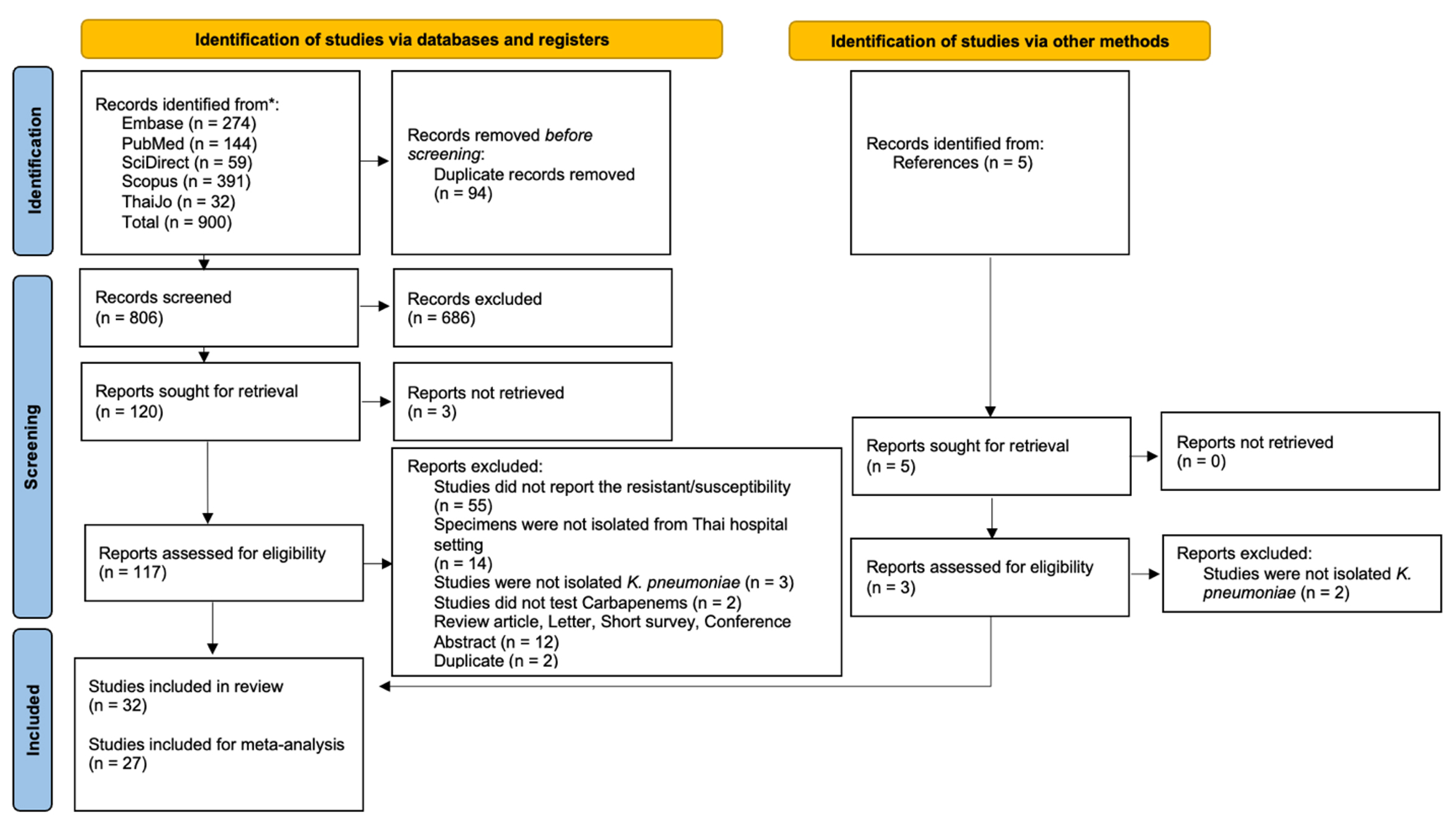
Figure 1. PRISMA 2020 flow diagram of the study selection
Regarding molecular resistance profiling, the most frequently identified genes were blaNDM, blaOXA-48-like, and blaIMP. Notably, blaKPC and blaVIM were reported in fewer instances. Some studies reported only ESBL genes, such as blaSHV, blaCTX-M, and blaTEM, while six studies detected both carbapenemase and ESBL genes. Several isolates harbored multiple resistance genes concurrently, indicating a high degree of multidrug resistance. Quality assessment using the JBI Critical Appraisal Tool21 showed that all included studies met the minimum threshold of five out of nine, indicating fair to good methodological quality. The detailed characteristics and quality scores of the individual studies are presented in Tables S2 and S3.
Prevalence of carbapenem-resistant K. pneumoniae in Thai hospitals
A total of 1,986 clinical isolates of K. pneumoniae were tested for carbapenem resistance, revealing a pooled prevalence of 87% (95% CI: 81%, 91%; P < 0.01) (Figure S1). Subgroup analysis showed that in the most recent year, the resistance rate peaked at 97% (95% CI: 91%, 100%; P < 0.01), with heterogeneity (I² = 93.67%), comparable to the levels reported in 2019 in Table 1. Regionally, the highest pooled prevalence was observed in the Northern region (96% [95% CI: 92%, 99%; P < 0.01]), followed by the Northeastern region, as detailed in Table 1. Publication bias risk evaluation using Begg’s funnel plot analysis revealed a qualitatively symmetrical plot distribution, indicating a low potential for bias (Figure S2). A leave-one-out sensitivity analysis demonstrated that the pooled prevalence of carbapenem resistance among the included isolates remained stable, with a variation of no more than 3% observed upon the exclusion of any individual study (Figure S3). To obtain a more in-depth understanding of carbapenem resistance, we also analyzed resistance rates based on specific antibiotics. Among the included studies, meropenem was the most frequently tested agent (reported in 19 articles), followed by imipenem (17 articles) and ertapenem (13 articles), allowing for a comprehensive comparison of resistance patterns across agents and time periods.
Table 1. Prevalence of carbapenem-resistant K. pneumoniae stratified by publication year and geographic region in Thailand
| Subgroup | No. of studies | Prevalence (%)[95% CI] | P | Heterogeneity test | ||
|---|---|---|---|---|---|---|
| I2 | H2 | P | ||||
| Year | ||||||
| 2014 | 1 | 12 [4, 22] | <0.01 | – | – | – |
| 2017 | 1 | 60 [52, 67] | <0.01 | 57.73 | 2.37 | 0.09 |
| 2018 | 1 | 95 [82, 100] | <0.01 | 77.56 | 4.46 | 0.01 |
| 2019 | 1 | 97 [79, 100] | <0.01 | 97.82 | 36.76 | <0.01 |
| 2020 | 3 | 91 [82, 97] | <0.01 | 91.68 | 12.02 | <0.01 |
| 2021 | 5 | 88 [80, 95] | <0.01 | 93.93 | 16.46 | <0.01 |
| 2022 | 3 | 88 [70, 99] | <0.01 | 97.55 | 40.85 | <0.01 |
| 2023 | 2 | 62 [9, 100] | <0.01 | 97.29 | 36.96 | <0.01 |
| 2024 | 3 | 97 [91, 100] | <0.01 | 93.67 | 15.79 | <0.01 |
| Region | ||||||
| Central | 7 | 85 [74, 94] | <0.01 | 96.36 | 27.46 | <0.01 |
| Eastern | 3 | 81 [66, 93] | <0.01 | 96.12 | 25.75 | <0.01 |
| Northeastern | 1 | 95 [81, 100] | <0.01 | 88.82 | 8.95 | <0.01 |
| Northern | 2 | 96 [92, 99] | <0.01 | 72.06 | 3.58 | <0.01 |
| Southern | 3 | 74 [42, 97] | <0.01 | 98.27 | 57.70 | <0.01 |
| Western | – | – | – | – | – | – |
| Thailand* | 4 | 91 [78, 99] | <0.01 | 97.62 | 42.06 | <0.01 |
*Indicates studies did not specify the geographic region or collected the sample from across the country
Among the carbapenem antibiotics, a high prevalence of resistance was observed in the clinical isolates of K. pneumoniae in Thailand. Resistance to ertapenem was reported in 1,216 isolates, with a pooled resistance rate of 92% [95% CI: 80%, 99%; P < 0.01], accompanied by considerable heterogeneity (I² = 97.23%). Similarly, imipenem resistance, tested in 1,861 isolates, yielded a pooled resistance rate of 82% [95% CI: 71%, 91%; P < 0.01] with high heterogeneity (I² = 96.77%). For meropenem, resistance was observed in 1,520 isolates, with a pooled estimate of 87% [95% CI: 78%, 94%; P < 0.01], and heterogeneity was present (I² = 95.93%). Overall, these findings highlight the widespread resistance to all three tested carbapenems, indicating that carbapenem resistance poses a major clinical challenge when using this last-line antimicrobial to treat K. pneumoniae infections in Thailand (Figure 2).
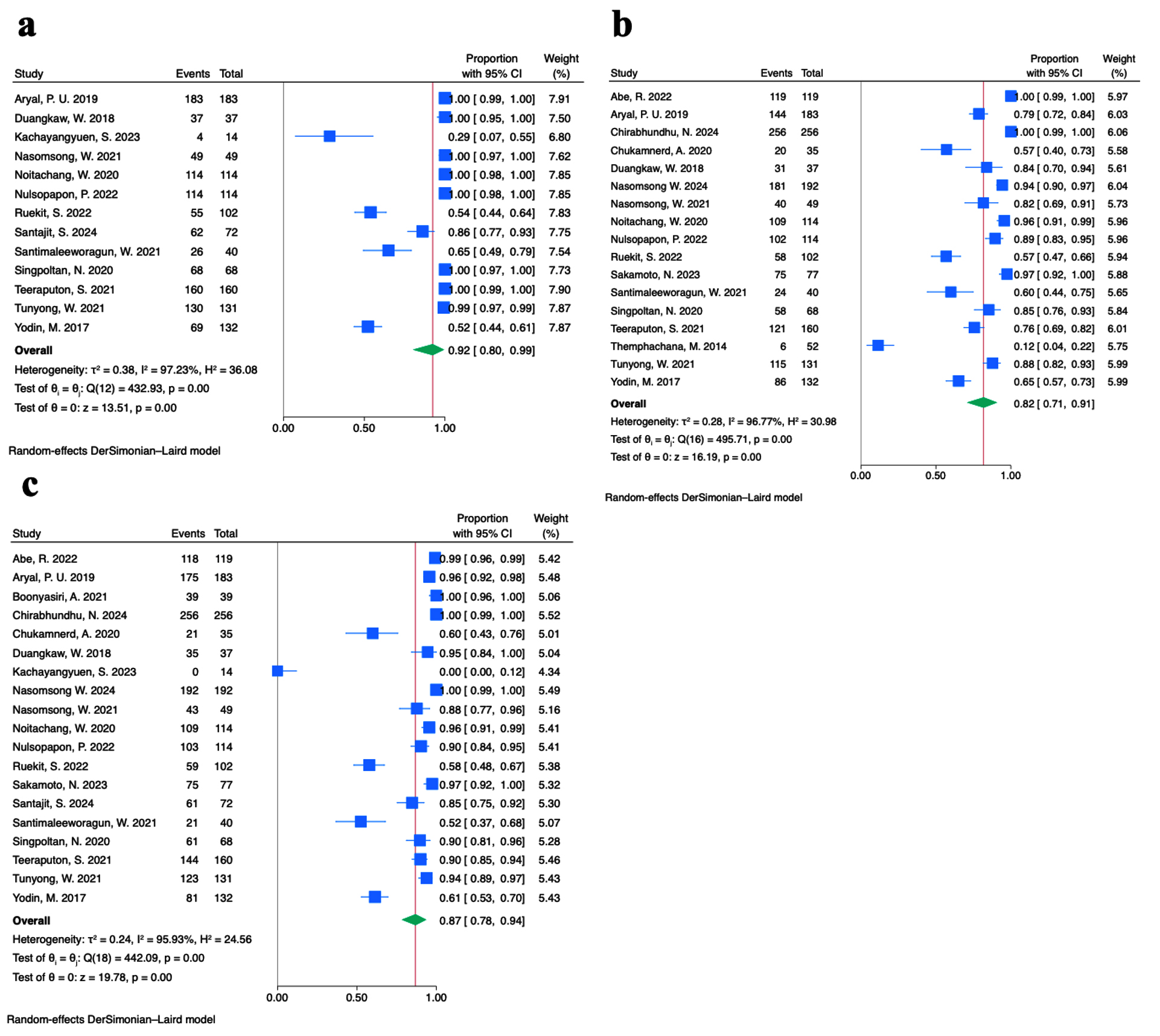
Figure 2. Pooled prevalence of carbapenem resistance in Klebsiella pneumoniae clinical isolates from Thailand. The forest plots show the pooled prevalence of resistance among clinical isolates to three specific carbapenems: (a) Ertapenem, (b) Imipenem, and (c) Meropenem
Prevalence of carbapenem resistance among K. pneumoniae stratified by year and region
The pooled prevalence of ertapenem-resistant K. pneumoniae isolates in Thailand showed temporal fluctuations. High resistance rates were reported in 2018-2022, with proportions exceeding 95% in most years (2020: 100% [95% CI: 99%, 100%]; 2021: 98% [95% CI: 85%, 100%]; 2022: 96% [95% CI: 12%, 100%]), whereas a substantial drop was observed in 2023 (29% [95% CI: 7%, 55%]). Regionally, the resistance was highest in the Northeastern, Northern, and Southern regions (all 100%), whereas lower estimates were observed in the Central region (88% [95% CI: 49%, 100%]). However, the pooled prevalence was almost the same as in the Eastern region. Studies that did not report specific regions or that collected samples from more than two different regions had resistance rates of 96% [95% CI: 9%, 100%] (Table S4).
In the case of imipenem resistance, the prevalence gradually increased from 2014 (12% [95% CI: 4%, 22%]), reaching nearly complete resistance in 2024 (100% [95% CI: 90%, 100%]). Studies from 2020 to 2022 demonstrated considerable heterogeneity (I² > 80%), with high pooled prevalence estimates (2022: 92% [95% CI: 55%, 100%]). Regionally, resistance was highest in the Northern (92% [95% CI: 77%, 100%]) and Central (89% [95% CI: 76%, 100%]) regions, while the Southern region reported a lower rate (48% [95% CI: 3%, 95%]) with significant heterogeneity (I² = 97.73%). The studies with unspecified regions showed estimated pools at 92% [95% CI: 74%, 100%] (Table S5).
Meropenem resistance was consistently high across all years, with the pooled prevalence rising from 61% [95% CI: 53%, 70%] in 2017 to 99% [95% CI: 90%, 100%] in 2024. However, in 2023, a notable decline was observed (46% [95% CI: 0%, 100%]). Subgroup analysis by region demonstrated high resistance in the Northern region (95% [95% CI: 91%, 98%]) followed by the Northeastern and Southern regions. The studies that did not report a specific region or collected samples from more than one region showed high resistance, with pooled estimates of 95% [95% CI: 72%, 100%, I² = 97.87%] (Table S6).
The meta-regression results demonstrated a statistically significant association between publication year and resistance rate for imipenem (P = 0.03), suggesting a temporal influence on resistance trends. However, no significant association was observed for carbapenem overall (P = 0.09) or for ertapenem (P = 0.77) or meropenem (P = 0.89) (Figure S4).
Prevalence of carbapenemase among K. pneumoniae isolated from Thai hospitals
Among the included studies, the blaNDM gene was the most frequently reported carbapenemase, detected in 18 studies with a combined total of 4,644 clinical K. pneumoniae isolates. The pooled prevalence of blaNDM was 50% [95% CI: 38%, 63%], and heterogeneity was observed (I² = 97.48%). The blaOXA-48-like gene including blaOXA-48, blaOXA-181, blaOXA-232 gene was identified in 16 studies comprising 4,367 isolates, yielding a pooled prevalence of 35% [95% CI: 25%, 47%] with heterogeneity (I² = 96.55%). In contrast, the blaIMP gene was reported in 8 studies involving 3,940 isolates, with a significantly lower pooled prevalence of 2% [95% CI: 1%, 4%] and with moderate heterogeneity (I² = 46.21%) (Figure 3). The prevalence of carbapenemase genes across different regions is shown in Figure 4. These results indicate that blaNDM is the dominant carbapenemase gene among the resistant K. pneumoniae clinical isolates in Thailand.
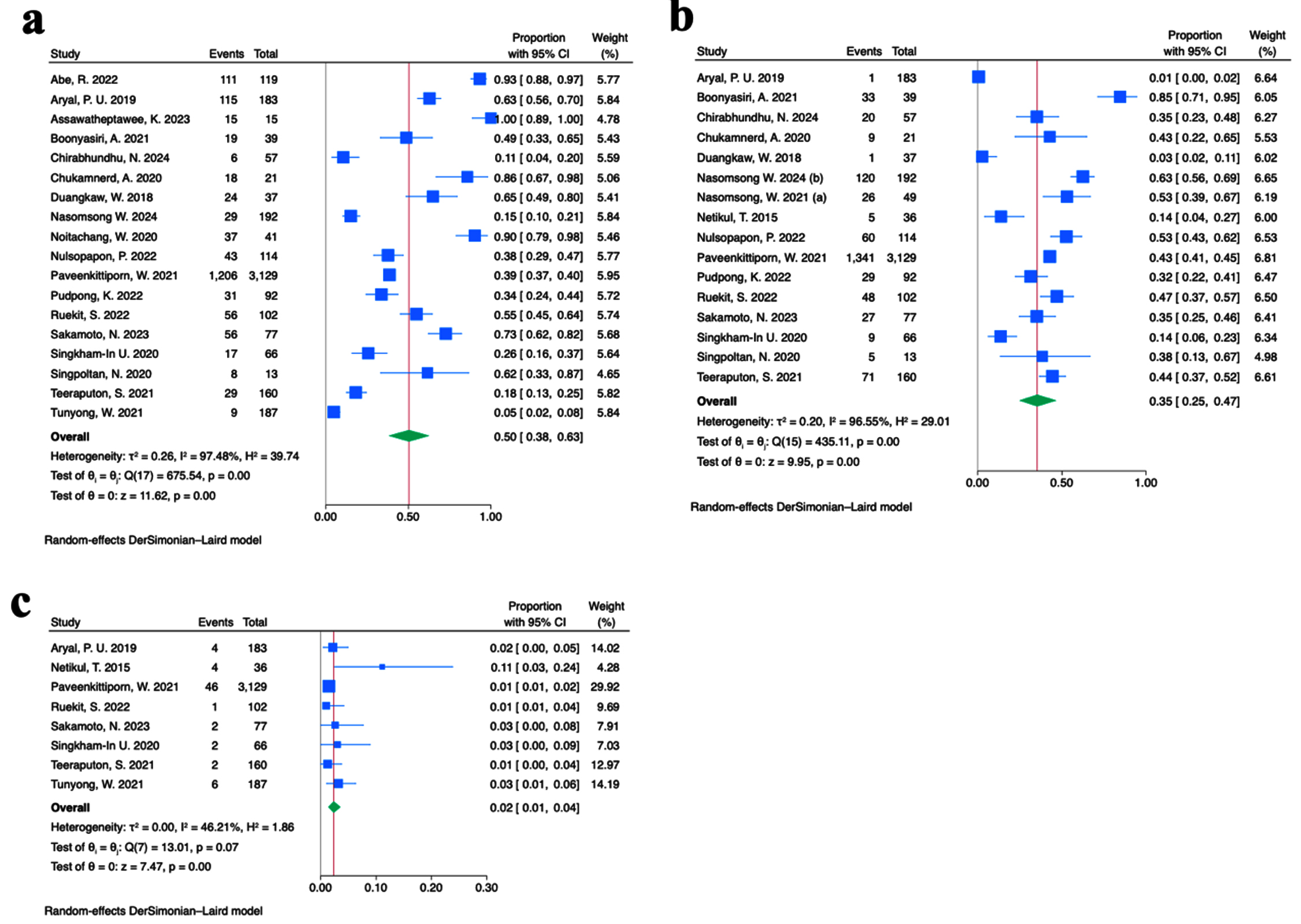
Figure 3. Pooled prevalence of carbapenemase genes in Klebsiella pneumoniae clinical isolates from Thailand. The forest plots show the pooled prevalence of three carbapenemase genes: (a) blaNDM, (b) blaOXA-48-like, and (c) blaIMP
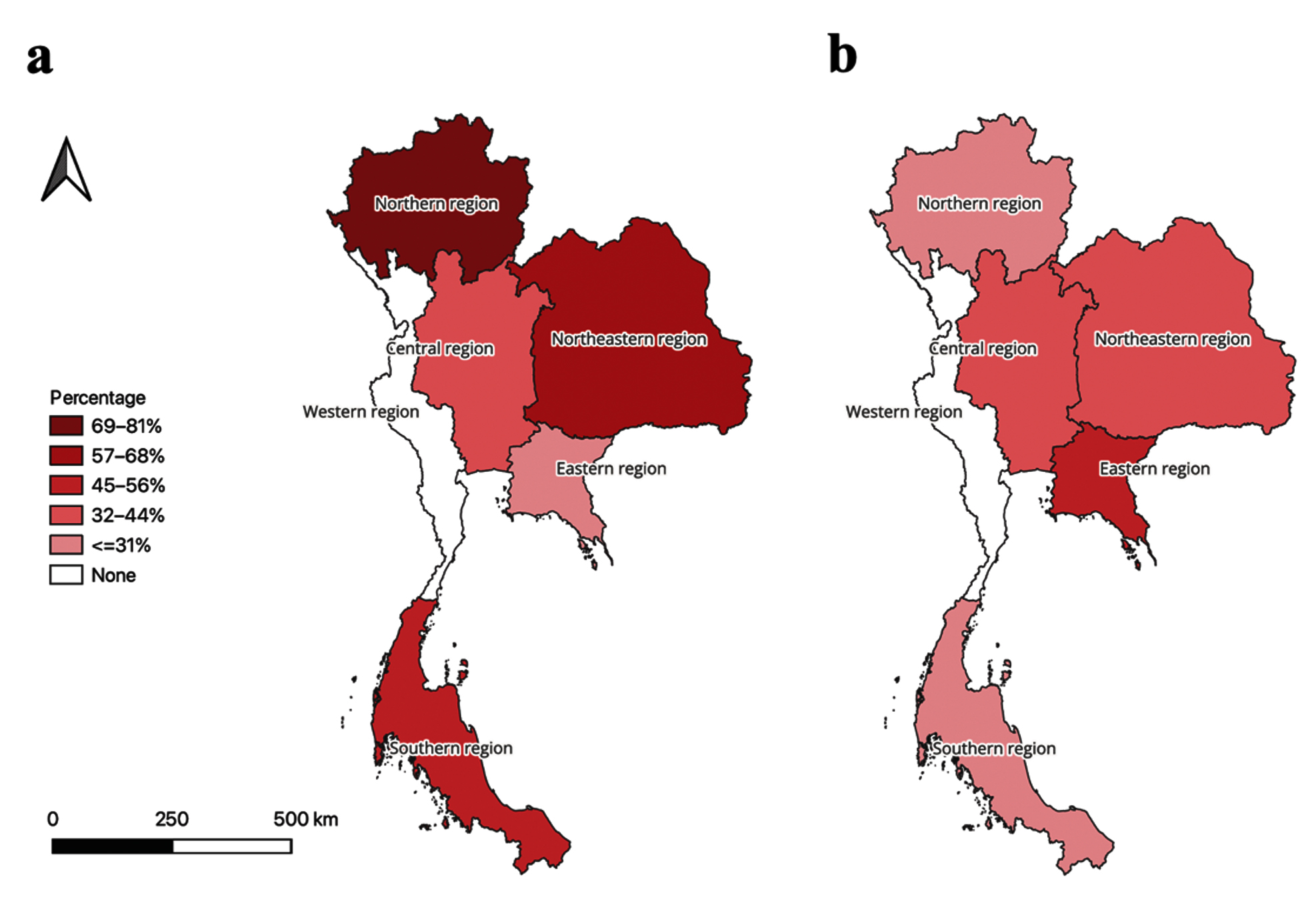
Figure 4. Prevalence of the major carbapenemase genes in Klebsiella pneumoniae isolates from Thailand. The map illustrates the overall prevalence of (a) blaNDM (b) blaOXA-48-like, as reported in the included studies (Source: Software QGIS 3.28)
Geographic distribution of carbapenemase genes in clinical K. pneumoniae isolates in Thailand
A regional subgroup analysis of carbapenemase genes among K. pneumoniae clinical isolates in Thailand demonstrated significant variability across different geographic regions. For the blaNDM gene, the prevalence was highest in the Northern region (81% [95% CI: 50%, 100%]) followed by the Northeastern (62% [95% CI: 33%, 86%]) and Southern (61% [95% CI: 34%, 85%]) regions, with heterogeneity (I² ranging from 93.48% to 97.94%). The Central region exhibited a moderate prevalence of 33% [95% CI: 12%, 58%], while the Eastern region had the lowest prevalence, at 18% [95% CI: 0%, 90%] (Table 2). For the blaOXA-48-like gene, the Eastern region showed the highest prevalence (47% [95% CI: 37%, 57%]), followed by the Central region (39% [95% CI: 23%, 56%]). The Northeastern region reported a moderate prevalence of 38% [95% CI: 14%, 67%], while the Northern and Southern regions showed much lower rates. The non-specified regions had a prevalence of 52% [95% CI: 39%, 66%]. The prevalence of the blaIMP gene was consistently low across all reporting regions. The Central region had the highest observed prevalence, at 3% [95% CI: 1%, 7%], followed by the Eastern (2%) and Southern (2%) regions. Heterogeneity in these subgroups was generally low (I² = 17.57%-41.11%) (Table 2).
Table 2. Regional prevalence of carbapenemase genes among K. pneumoniae clinical isolates across different regions of Thailand
| Subgroup | No. of studies | Prevalence (%) [95% CI] | P | Heterogeneity test | |||
|---|---|---|---|---|---|---|---|
| I2 | H2 | P | |||||
| blaNDM | Region | ||||||
| Central | 5 | 33 [12, 58] | <0.01 | 95.61 | 22.77 | <0.01 | |
| Eastern | 2 | 18 [0, 90] | 0.40 | 98.98 | 97.79 | <0.01 | |
| Northeastern | 1 | 62 [33, 86] | <0.01 | – | – | – | |
| Northern | 2 | 81 [50, 100] | <0.01 | 86.40 | 7.35 | 0.01 | |
| Southern | 3 | 61 [34, 85] | <0.01 | 93.48 | 15.34 | <0.01 | |
| Western | – | – | – | – | – | – | |
| Thailand* | 5 | 60 [32, 85] | <0.01 | 98.58 | 70.49 | <0.01 | |
| blaOXA-48-like | Region | ||||||
| Central | 7 | 39 [23, 56] | <0.01 | 92.19 | 12.80 | <0.01 | |
| Eastern | 1 | 47 [37, 57] | <0.01 | – | – | – | |
| Northeastern | 1 | 38 [14, 67] | <0.01 | – | – | – | |
| Northern | 1 | 3 [0, 11] | 0.15 | – | – | – | |
| Southern | 3 | 15 [0, 60] | 0.21 | 97.51 | 40.22 | <0.01 | |
| Western | – | – | – | – | – | – | |
| Thailand* | 3 | 52 [39, 66] | <0.01 | 93.66 | 15.77 | <0.01 | |
| blaIMP | Region | ||||||
| Central | 4 | 3 [1, 7] | <0.01 | 53.95 | 2.17 | 0.09 | |
| Eastern | 2 | 2 [1, 5] | <0.01 | 17.57 | 1.21 | 0.27 | |
| Northeastern | – | – | – | – | – | – | |
| Northern | – | – | – | – | – | – | |
| Southern | 1 | 2 [0, 5] | – | – | – | – | |
| Western | – | – | – | – | – | – | |
| Thailand* | 1 | 1 [1, 2] | – | – | – | – | |
*Indicates studies did not specify the geographic region or collected the sample from across the country
Prevalence of ESBL genes among K. pneumoniae isolated from Thai hospitals
The pooled prevalence of ESBL genes among K. pneumoniae clinical isolates in Thailand was assessed across seven studies, encompassing a total of 493 isolates tested for blaCTX-M, and 456 isolates tested for both blaTEM and blaSHV. The pooled prevalence of blaCTX-M was estimated at 86% [95% CI: 49%, 100%], with heterogeneity observed (I² = 98.48%, P < 0.01), while blaTEM was estimated at 73% [95% CI: 65%, 81%], with moderate heterogeneity observed (I² = 69.91%, P < 0.01). In comparison, blaSHV demonstrated a higher pooled prevalence of 82% [95% CI: 59, 98%], accompanied by substantial heterogeneity (I² = 96.19%, P < 0.01) (Figure 5). The considerable heterogeneity across studies may reflect variations in regional distribution, co-expression with other resistance genes, and methodological differences in the detection assays.
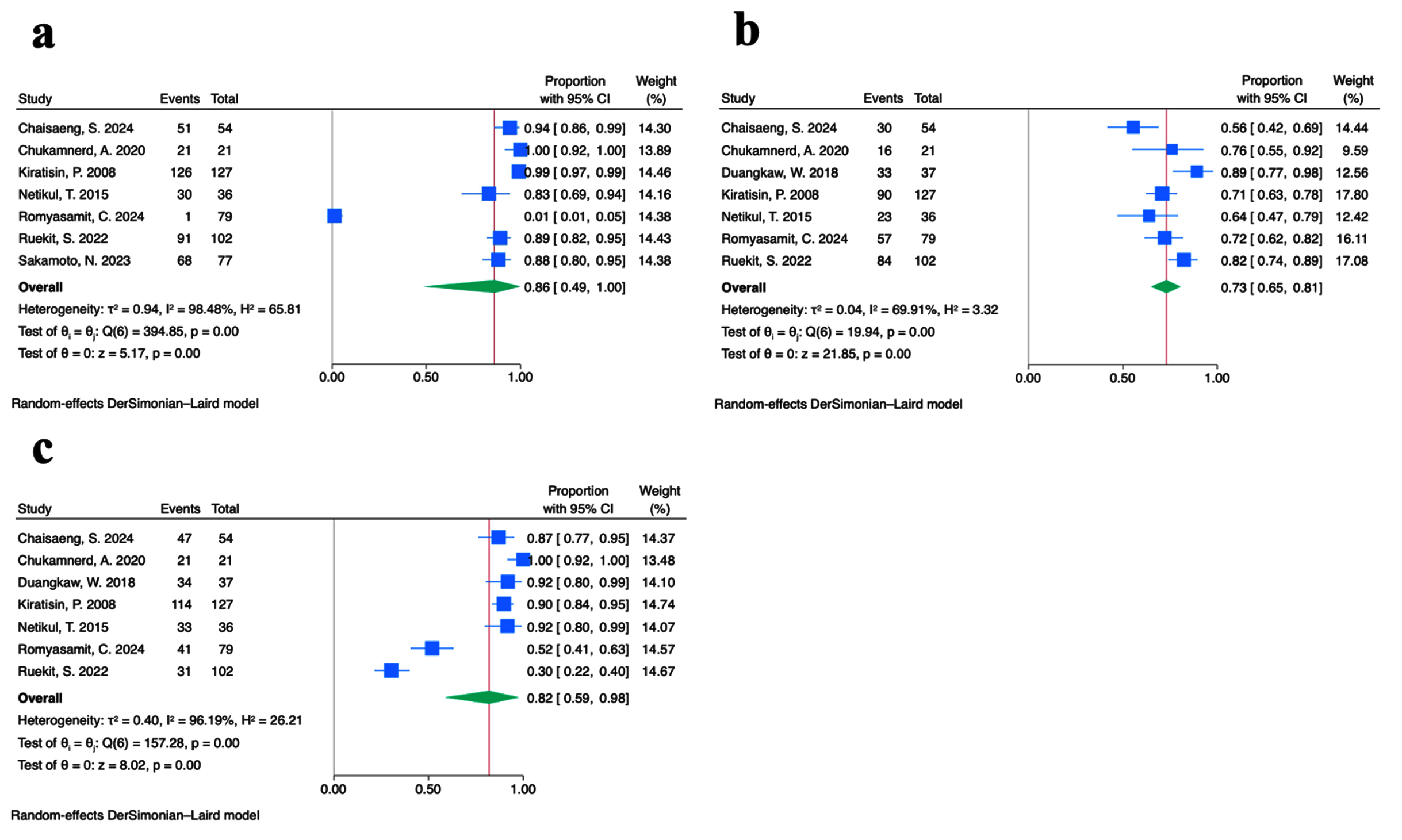
Figure 5. Pooled prevalence of extended-spectrum β-lactamase (ESBL) genes in Klebsiella pneumoniae clinical isolates from Thailand. The forest plots illustrate the pooled prevalence of the most common ESBL gene families: (a) blaCTX-M (b) blaTEM (c) blaSHV
Subgroup analyses based on geographical region revealed that the blaTEM gene was most prevalent in the Northern region (89% [95% CI: 77%, 98%]), followed by the Eastern region (82% [95% CI: 74%, 89%]). Similarly, the highest prevalence of blaSHV was also reported in the Northern region (92% [95% CI: 80%, 99%]) and Southern region (92% 95% CI: 12%, 100%), followed by the Central region (90% [95% CI: 85%, 94%]) (Table 3). These findings highlight the widespread dissemination of ESBL-producing K. pneumoniae strains across multiple regions of Thailand and the potential implications for empirical therapy and infection control practices.
Table 3. Regional prevalence of extended-spectrum β-lactamase (ESBL) genes in K. pneumoniae clinical isolates across different regions of Thailand
| Subgroup | No. of studies | Prevalence (%) [95% CI] | P | Heterogeneity test | |||
|---|---|---|---|---|---|---|---|
| I2 | H2 | P | |||||
| blaCTX-M | Region | ||||||
| Central | 3 | 93 [79, 100] | <0.01 | 89.25 | 9.31 | <0.01 | |
| Eastern | 1 | 89 [82, 95] | <0.01 | – | – | – | |
| Northeastern | 1 | 94 [86, 99] | <0.01 | – | – | – | |
| Northern | – | – | – | – | – | – | |
| Southern | 2 | 52 [0, 100] | <0.01 | 99.16 | 119.38 | <0.01 | |
| Western | – | – | – | – | – | – | |
| blaTEM | Region | ||||||
| Central | 2 | 69 [62, 76] | <0.01 | 0.00 | 1.00 | 0.41 | |
| Eastern | 1 | 82 [74, 89] | – | – | – | – | |
| Northeastern | 1 | 56 [42, 69] | – | – | – | – | |
| Northern | 1 | 89 [77, 98] | – | – | – | – | |
| Southern | 2 | 73 [64, 81] | <0.01 | 0.00 | 1.00 | 0.77 | |
| Western | – | – | – | – | – | – | |
| blaSHV | Region | ||||||
| Central | 2 | 90 [85, 94] | <0.01 | 0.00 | 1.00 | 0.84 | |
| Eastern | 1 | 30 [22, 40] | <0.01 | – | – | – | |
| Northeastern | 1 | 87 [77, 95] | <0.01 | – | – | – | |
| Northern | 1 | 92 [80, 99] | <0.01 | – | – | – | |
| Southern | 2 | 92 [12, 100] | <0.01 | 96.60 | 29.42 | 0.01 | |
| Western | – | – | – | – | – | – | |
Co-existence of carbapenemase and ESBL genes in K. pneumoniae clinical isolates
The pooled prevalence of co-harbored blaNDM and blaOXA-48-like genes among the Thai K. pneumoniae clinical isolates was 36% [95% CI: 23%, 49%], based on 13 included studies (4,266 isolates) (Figure 6a). Heterogeneity was observed among the studies (I² = 97.35%, P < 0.01). In contrast, the prevalence of co-harbored blaIMP and blaOXA-48-like was much lower, with a pooled estimate of 4% [95% CI: 0%, 11%] derived from two studies (347 isolates), and heterogeneity was observed (I² = 83.84%, P = 0.01) (Figure 6b). For co-harbored blaTEM and blaSHV, three studies (260 isolates) were analyzed, yielding a pooled prevalence of 25% [95% CI: 0%, 78%], with significant heterogeneity (I² = 98.11%, P < 0.01) (Figure 6c).
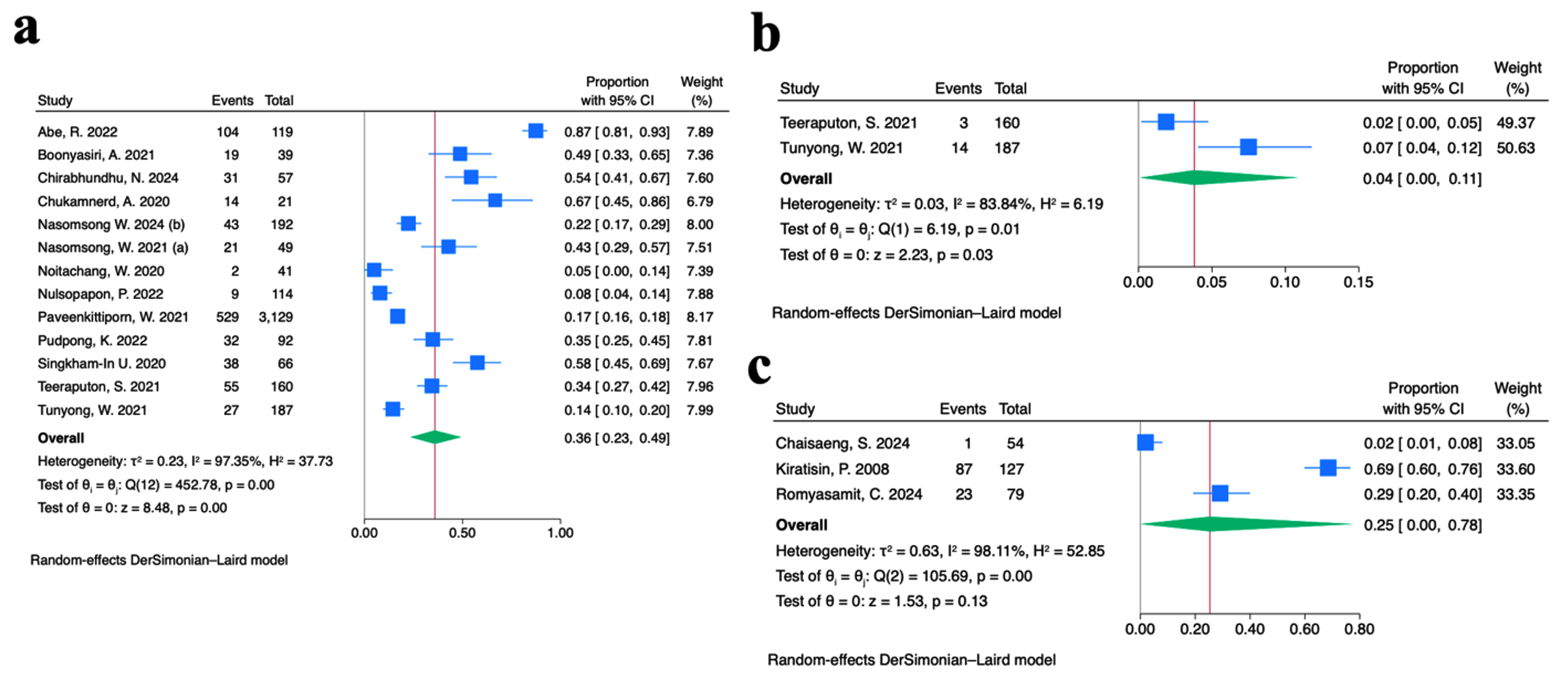
Figure 6. Pooled prevalence of carbapenemase and ESBL gene coexistence in Klebsiella pneumoniae clinical isolates from Thailand. The forest plot shows the pooled prevalence for the coexistence of specific gene pairs. Panels illustrate the coexistence of carbapenemase genes (a) blaNDM and blaOXA-48-like (b) blaIMP and blaOXA as well as the coexistence of ESBL genes (c) blaTEM and blaSHV
The subgroup analysis conducted to observe co-harboring of blaNDM and blaOXA-48-like across different regions in Thailand revealed the highest prevalence in the Southern (49% [95% CI: 18%, 81%]) and Central (44% [95% CI: 28%, 61%]) regions, while a lower prevalence was reported in the Northern (5%) and Eastern (14%) regions (Table 4). Studies without region specificity showed a pooled prevalence of 30%, with heterogeneity (I² = 98.98%). These findings highlight the considerable regional differences occurring in the molecular epidemiology of carbapenem resistance among K. pneumoniae isolates in Thailand while also emphasizing the importance of using geographically targeted antimicrobial resistance surveillance strategies, as in the present meta-analysis.
Table 4. Regional prevalence of co-harbored blaNDM and blaOXA genes in K. pneumoniae clinical isolates across different regions of Thailand
| Subgroup | No. of | Prevalence studies | P (%) [95% CI] | Heterogeneity test | |||
|---|---|---|---|---|---|---|---|
| I2 | H2 | P | |||||
| Co-harboring | Region | ||||||
| blaNDM and blaOXA-48-like | Central | 5 | 44 [28, 61] | <0.01 | 90.21 | 10.21 | <0.01 |
| Eastern | 1 | 14 [10, 20] | <0.01 | – | – | – | |
| Northeastern | – | – | – | – | – | – | |
| Northern | 1 | 5 [0, 14] | – | – | – | – | |
| Southern | 2 | 49 [18, 81] | <0.01 | 85.56 | 0.01 | <0.01 | |
| Western | – | – | – | – | – | – | |
| Thailand* | 4 | 30 [5, 63] | <0.01 | 98.98 | 97.59 | <0.01 | |
*Indicates studies did not specify the geographic region or collected the sample from across the country
Carbapenem-resistant Klebsiella pneumoniae (CRKP) is an escalating global health threat. Previous studies have shown that the emergence of carbapenemases, particularly metallo-β-lactamases such as New Delhi metallo-β-lactamase (NDM), represents the most common resistance mechanism, accounting for approximately 64.3% of resistance cases worldwide.57 In Bahrain, for example, antibiotic susceptibility testing revealed resistance to multiple drug classes among K. pneumoniae isolates, with 92% showing resistance to meropenem and 88% showing resistance to imipenem. Molecular analysis demonstrated that most CRKP strains carried blaNDM-1 (95.8%), followed by blaOXA-48 (91.6%), blaOXA-51 (45.8%), and blaOXA-23 (41.6%).58 Similarly, a systematic review in Africa reported a pooled prevalence of 34.0% for carbapenemase-encoding genes,59 while in Asia the prevalence of blaNDM-producing K. pneumoniae was estimated at 32.5% in 2017.60 Despite these global and regional insights, the prevalence and molecular epidemiology of CRKP in Thailand have not been well characterized, underscoring the need for systematic evaluation.
Our study highlights the alarmingly high and increasing prevalence of CRKP in Thailand over the past two decades. The pooled prevalence of resistance to carbapenems among clinical isolates was 87% [95% CI: 81%, 91%], with substantial resistance noted against individual agents, such as imipenem, meropenem, and particularly ertapenem, which consistently showed high resistance proportions across multiple years. Notably, the resistance rate to ertapenem peaked at 100% in 2018 and remained high at 86% in 2024. These findings underscore a growing public health threat, as carbapenems are regarded as last-line agents for multidrug-resistant Gram-negative infections, particularly K. pneumoniae infection.2,3 Our subgroup analyses revealed considerable regional variation, with the Northern, Northeastern, and Southern regions exhibiting the highest pooled resistance rates across all carbapenems. Notably, we were unable to locate any study that had analyzed the Western region, pointing to a further need for studies that focus on regional resistance variations. The regional variations observed in carbapenem resistance are the products of complex and interdependent factors that encompass the healthcare infrastructure disparities, healthcare practices, population mobility and cross-border dynamics, microbial dynamics, regional disparities in antimicrobial usage, socioeconomic factors, and healthcare access in a given region.18
In terms of methods for determining resistance, the combined disk test (CDT) remains a useful phenotypic method for confirming ESBL production in Enterobacterales. The test is based on the inhibition of β-lactamase activity by clavulanic acid, and resistance is confirmed by a clear increase in the inhibition zone when cephalosporin disks are combined with the inhibitor. In this study, the CDT results correlated well with the detection of blaSHV, blaTEM, and blaCTX-M genes, confirming the reliability of this test. The molecular data revealed a widespread dissemination of key carbapenemase genes. The most prevalent gene, blaNDM, was detected in 50% of isolates, with regional prevalence ranging from 18%-81%, depending on the province. This predominance aligns with current global trends, particularly in South and Southeast Asia, where NDM-type metallo-β-lactamases have become endemic.61,62 The blaNDM gene is a plasmid-borne gene that is transferred via conjugation and is often found embedded in mobile genetic elements, which enables rapid intra- and interspecies dissemination in hospital and community settings.63
Other detected carbapenemase genes included blaOXA-48 (35%) and blaIMP (2%), with co-harboring of blaNDM and blaOXA observed in 36% of tested isolates. The blaOXA-48 gene is also found in conjugative plasmids, while blaIMP is found in class 1 integrons, which can be located on conjugative plasmids.63 Importantly, this study showed that the co-harboring of carbapenemases, such as blaNDM with blaOXA and blaIMP with blaOXA, is widespread. The ESBL genes were widely disseminated among the K. pneumoniae isolates, with blaCTX-M being the most prevalent, followed by blaSHV and blaTEM. Multiple ESBL genes, particularly blaTEM and blaSHV, showed co-harboring in approximately 25% of isolates. Notably, blaCTX-M, and especially blaCTX-M-15, was also frequently encountered, consistent with its global emergence as the dominant ESBL genotype.27-29,32 This gene is often located on transferable plasmids that carry additional resistance determinants, thereby contributing to multidrug-resistant phenotypes.
This study also identified non-carbapenemase-producing carbapenem-resistant K. pneumoniae (N-CRKP) harboring ESBL genes. The included studies showed frequent reports of the presence of ESBL genes in non-carbapenemase-producing K. pneumoniae, with prevalence rates ranging from 4.76%-88%. Importantly, these isolates exhibited resistance to all tested carbapenem agents.28,32,43 Netikul et al. reported the presence of ESBL genes in non-carbapenemase-producing K. pneumoniae.32 Of particular concern, the ESBL-positive isolates showed complete resistance to ertapenem despite their absence of carbapenemase genes.32 Molecular investigations have revealed mutations or deletions in the outer membrane porins OmpK35 and OmpK36 that reduce membrane permeability.32,52 Further decreases in carbapenem effectiveness have also been linked to overexpression of efflux pumps, such as AcrAB-TolC and OqxAB,64 together with hyperproduction of ESBLs or AmpC β-lactamases.14
This multifactorial resistance underscores the adaptive plasticity of K. pneumoniae and highlights the importance of conducting molecular surveillance that extends beyond carbapenemase detection. Regionally, the northern part of Thailand exhibited the highest prevalence of both the carbapenemase gene blaNDM and ESBL genes (blaSHV and blaTEM), corresponding to higher phenotypic resistance to all tested carbapenems. The co-carriage of carbapenemase and ESBL genes raises concerns about genetic platforms that can facilitate horizontal gene transfer.65 Most of the resistance determinants are plasmid-encoded and can be readily disseminated among Enterobacterales via conjugative plasmids, transposons, and integrons.65 The high frequency observed for co-harboring genes suggests a selective advantage that could support the possible clonal expansion of successful multidrug-resistant strains.66 This may explain the persistently high prevalence of resistance observed in recent years, even in areas in which molecular diagnostics are not routinely employed.67,68
The presence of resistance genes is an important marker; however, it may not always correlate directly with phenotypic expression due to regulatory or fitness factors.69,70 Thus, the relationship between gene prevalence and resistance phenotype should be interpreted cautiously and explored in greater depth using whole-genome sequencing. This study revealed considerable heterogeneity across studies, with I² values often exceeding 90% in pooled analyses. Several factors likely contributed to this heterogeneity. First, methodological differences were prominent, as the included studies employed a variety of AST methods (disk diffusion, broth microdilution, E-test, and automated systems) with inconsistent application of interpretive criteria (CLSI vs. EUCAST).71 Second, differences in study period, sample size, and hospital setting (e.g., tertiary vs. provincial hospitals) may have affected resistance detection rates.72 Third, variable laboratory capacity and inconsistent reporting of gene prevalence data could have contributed to differences in molecular findings. Finally, temporal factors may also account for some variation, as newer studies tend to report a higher prevalence, reflecting the progressive spread of resistance over time.
High antibiotic pressure in both hospital and community settings is another likely driver of carbapenem resistance in Thailand. Numerous studies have documented inappropriate or excessive use of broad-spectrum antibiotics, including third-generation cephalosporins and carbapenems, resulting in the selection of resistant clones and the promotion of persistence in clinical and environmental reservoirs.73 Inadequate antibiotic stewardship programs, a lack of prescription control in community pharmacies, and the use of antimicrobials in livestock further exacerbate this issue.74-76 Thus, our analysis also underscores the urgent need for strong infection-prevention strategies.
While our results are robust, their interpretation is constrained by several factors, as outlined below. First, data from some regions (e.g., Northern and Northeastern Thailand) are underrepresented compared to those retrieved from Central and Southern areas, resulting in a potential skewing of national estimates. In addition, no data from the Western region were available. Second, most studies relied on phenotypic methods and limited gene panels, which may underestimate emerging or uncommon resistance mechanisms. Third, publication bias may have favored studies reporting high prevalence or molecular findings, although Egger’s test did not confirm significant bias in most subgroup analyses. Lastly, inconsistent reporting of sample sizes, confidence intervals, and testing methods complicated any between-studies analysis. Because many included studies selectively analyzed isolates in published hospital-based studies, the pooled prevalence estimates likely overrepresent resistance, many of which selectively included carbapenem-resistant isolates, compared with population-based surveillance data and should not be interpreted as national prevalence. However, by focusing on data representative of hospital- based studies rather than site-specific infections, our objective was to offer a general overview of prevalence or molecular findings, which has not been previously accomplished.
In conclusion, Thailand has a substantial and rising burden of carbapenem-resistant K. pneumoniae, driven by a complex interplay of antimicrobial pressure, horizontal gene transfer, and regional disparities in healthcare infrastructure. The dominance of the blaNDM gene and its co-expression with ESBL genes underscores the need for nationwide molecular surveillance and stronger stewardship programs. Standardized diagnostic protocols and integrated genomic epidemiology are critical to mitigating the spread and clinical impact of these multidrug-resistant pathogens in Thailand and in other regions worldwide.
Additional file: Table S1-S6 and Figure S1-S4.
ACKNOWLEDGMENTS
The authors are thankful to the Chulabhorn Royal Academy for supporting this study. The authors also thank Monica Madore for editing a draft of this manuscript.
CONFLICT OF INTEREST
The authors declare that there is no conflict of interest.
AUTHORS’ CONTRIBUTION
NL and WM conceptualized the study. NL and WM conducted the literature review and retrieved relevant studies. NP, SA, Nat-Ta, Nit-Ta, NL, and PY screened the studies. NP, SA, Nat-Ta, NL, and PY performed data collection. TK, PTY, and NL conducted the quality assessment. WM performed the data analysis and visualization. WM and NL interpreted the findings. NL, WM, TK, SS, and PTY wrote the manuscript. All authors reviewed, revised, and approved the final manuscript for publication.
FUNDING
This project was funded by the Chulabhorn Royal Academy (Grant number: IRB 049/2568).
DATA AVAILABILITY
All datasets generated or analyzed during this study are included in the manuscript and/or in the supplementary files.
ETHICS STATEMENT
Not applicable.
- Imai K, Ishibashi N, Kodana M, et al. Clinical characteristics in blood stream infections caused by Klebsiella pneumoniae, Klebsiella variicola, and Klebsiella quasipneumoniae: a comparative study, Japan, 2014-2017. BMC Infect Dis. 2019;19(1):946.
Crossref - Tsai YM, Wang S, Chiu HC, Kao CY, Wen LL. Combination of modified carbapenem inactivation method (mCIM) and EDTA-CIM (eCIM) for phenotypic detection of carbapenemase-producing Enterobacteriaceae. BMC Microbiol. 2020;20(1):315.
Crossref - Asokan S, Jacob T, Jacob J, et al. Klebsiella pneumoniae: A growing threat in the era of antimicrobial resistance. Microbe. 2025;7:100333.
Crossref - Huang W, Qiao F, Deng Y, et al. Analysis of risk factors associated with healthcare-associated carbapenem-resistant Klebsiella pneumoniae infection in a large general hospital: a case-case-control study. Eur J Clin Microbiol Infect Dis. 2023;42(5):529-541.
Crossref - Sati H, Carrara E, Savoldi A, et al. The WHO Bacterial Priority Pathogens List Advisory Group. The WHO Bacterial Priority Pathogens List 2024: a prioritisation study to guide research, development, and public health strategies against antimicrobial resistance. Lancet Infect Dis. 2025;25(9):1033-1043.
Crossref - Karampatakis T, Tsergouli K, Behzadi P. Carbapenem-Resistant Klebsiella pneumoniae: Virulence Factors, Molecular Epidemiology and Latest Updates in Treatment Options. Antibiotics. 2023;12(2)
Crossref - Sree RA, Gupta A, Gupta N, et al. Ceftazidime-avibactam alone or in combination with Aztreonam versus Polymyxins in the management of carbapenem-Resistant Klebsiella pneumoniae nosocomial Infections (CAPRI study): a retrospective cohort study from South India. Infection. 2024;52(2):429-437.
Crossref - Thacharodi A, Ahmed T, Hassan S, Singh P, Saraswathi A, Pugazhendhi A. Carbapenem resistance and hypervirulence in Klebsiella pneumoniae are raising global public health concerns in the 21st century. iScience. 2026;29(3):114782.
Crossref - Tesfa T, Mitiku H, Edae M, Assefa N. Prevalence and incidence of carbapenem-resistant K. pneumoniae colonization: systematic review and meta-analysis. Syst Rev. 2022;11(1):240.
Crossref - Colkesen F, Tarakci A, Eroglu E, et al. Carbapenem-Resistant Klebsiella pneumoniae Infection and Its Risk Factors in Older Adult Patients. Clin Interv Aging. 2023;18:1037-1045.
Crossref - Ipek D, Ipek Y. Determinants of mortality in carbapenem-resistant Klebsiella pneumoniae ICU Infections: a multivariable clinical and predictive modeling analysis. BMC Infect Dis. 2026.
Crossref - Huijbers PM, Blaak H, de Jong MC, Graat EA, Vandenbroucke-Grauls CM, de Roda Husman AM. Role of the Environment in the Transmission of Antimicrobial Resistance to Humans: A Review. Environ Sci Technol. 2015;49(20):11993-2004.
Crossref - Ahmed El-Domany R, El-Banna T, Sonbol F, Abu-Sayedahmed SH. Co-existence of NDM-1 and OXA-48 genes in Carbapenem Resistant Klebsiella pneumoniae clinical isolates in Kafrelsheikh, Egypt. Afr Health Sci. 2021;21(2):489-496.
Crossref - Su Y, Zou G, Huang X, et al. Molecular characterization and resistance mechanisms of ertapenem-non-susceptible carbapenem-resistant Klebsiella pneumoniae co-harboring ESBLs or AmpC enzymes with porin loss or efflux pump overexpression. J Bacteriol. 2025;24(207)
Crossref - Krobanan K, Kamjumphol W, Leethongdee P, et al. Nationwide genomic surveillance of carbapenem- and colistin-resistant Klebsiella pneumoniae bloodstream isolates in Thailand (2020–2024). Sci Rep. 2026;16(1):5853.
Crossref - Jayathilaka N, Shehana S, Nakkawita D, Senaratne T. Prevalence and molecular epidemiology of carbapenem resistance in Asia: a systematic review and meta-analysis. Syst Rev. 2025;14(1):123.
Crossref - Song HW, Lin Y, Wan TE, et al. Global burden of Klebsiella pneumoniae infections and antimicrobial resistance in 2019. BMC Infect Dis. 2025;25(1):1773.
Crossref - Nordmann P, Poirel L, Toleman MA, Walsh TR. Does broad-spectrum b-lactam resistance due to NDM-1 herald the end of the antibiotic era for treatment of infections caused by Gram-negative bacteria? J Antimicrob Chemother. 2011;66(4):689-692.
Crossref - Liberati A, Altman DG, Tetzlaff J, et al. The PRISMA statement for reporting systematic reviews and meta-analyses of studies that evaluate health care interventions: explanation and elaboration. PLoS Med. 2009;6(7):e1000100.
Crossref - Tasanapak K, Sitthisak S, Kitti T, et al. A systematic review and meta-analysis of the global prevalence of fluoroquinolone resistant Morganella morganii clinical isolates. Sci Rep. 2025;15(1):34746.
Crossref - Hilton M. JBI critical appraisal checklist for systematic reviews and research syntheses (product review). J Can Health Libr Assoc. 2024;45(3):180-183.
Crossref - Xu X, Zhang X, Zhang G, Abbasi Tadi D. Prevalence of antibiotic resistance of Staphylococcus aureus in cystic fibrosis infection: a systematic review and meta-analysis. J Glob Antimicrob Resist. 2024;36:419-425.
Crossref - Droz N, Hsia Y, Ellis S, Dramowski A, Sharland M, Basmaci R. Bacterial pathogens and resistance causing community acquired paediatric bloodstream infections in low- and middle-income countries: a systematic review and meta-analysis. Antimicrob Resist Infect Control. 2019;8:207.
Crossref - Higgins JP, Thompson SG. Quantifying heterogeneity in a meta-analysis. Stat Med. 2002;21(11):1539-58.
Crossref - Assawatheptawee K, Sowanna N, Treebupachatsakul P, Na-Udom A, Luangtongkum T, Niumsup PR. Presence and characterization of blaNDM-1-positive carbapenemase-producing Klebsiella pneumoniae from outpatients in Thailand. J Microbiol Immunol Infect. 2023;56(3):612-623.
Crossref - Boonyasiri A, Jauneikaite E, Brinkac LM, et al. Genomic and clinical characterisation of multidrug-resistant carbapenemase-producing ST231 and ST16 Klebsiella pneumoniae isolates colonising patients at Siriraj hospital, Bangkok, Thailand from 2015 to 2017. BMC Infect Dis. 2021;21(1):142.
Crossref - Chaisaeng S, Phetburom N, Kasemsiri P, et al. Phenotypic and Genotypic Profiles of Extended-Spectrum Beta-Lactamase-Producing Multidrug-Resistant Klebsiella pneumoniae in Northeastern Thailand. Antibiotics. 2024;13(10).
Crossref - Chukamnerd A, Pomwised R, Paing Phoo MT, et al. In vitro synergistic activity of fosfomycin in combination with other antimicrobial agents against carbapenem-resistant Klebsiella pneumoniae isolated from patients in a hospital in Thailand. J Infect Chemother. 2021;27(3):507-514.
Crossref - Kiratisin P, Apisarnthanarak A, Laesripa C, Saifon P. Molecular characterization and epidemiology of extended-spectrum-β-lactamase-producing Escherichia coli and Klebsiella pneumoniae isolates causing health care-associated infection in Thailand, where the CTX-M family is endemic. Antimicrob Agents Chemother. 2008;52(8):2818-2824.
Crossref - Yodin M, Assawakongkarat T, Simapattanasan A. The prevalence and antibiotic susceptibility patterns of extended spectrum beta-lactamase producing Escherichia coli and Klebsiella pneumoniae among cancer patients. Thai Cancer Journal. 2017;37(3):85-93.
- Nasomsong W, Nulsopapon P, Changpradub D, et al. The Potential Use of Ceftazidime-Avibactam Against Carbapenem Resistant Klebsiella pneumoniae Clinical Isolates Harboring Different Carbapenemase Types in a Thai University Hospital. Drug Des Devel Ther. 2021;15:3095-3104.
Crossref - Netikul T, Kiratisin P. Genetic Characterization of Carbapenem-Resistant Enterobacteriaceae and the Spread of Carbapenem-Resistant Klebsiella pneumonia ST340 at a University Hospital in Thailand. PLoS One. 2015;10(9):e0139116.
Crossref - Pornsinchai P, Chongtrakool P, Diraphat P, Siripanichgon K, Malathum K. Emergency room: an unrecognized source of extended-spectrum β-lactamase producing Escherichia coli and Klebsiella pneumoniae. Southeast Asian J Trop Med Public Health. 2015;46(1):51-62.
- Rimrang B, Chanawong A, Lulitanond A, et al. Emergence of NDM-1- and IMP-14a-producing Enterobacteriaceae in Thailand. J Antimicrob Chemother. 2012;67(11):2626-30.
Crossref - Romyasamit C, Sornsenee P, Kawila S, Saengsuwan P. Extended-spectrum beta-lactamase-producing Escherichia coli and Klebsiella pneumoniae: insights from a tertiary hospital in Southern Thailand. Microbiol Spectr. 2024;12(7).
Crossref - Siriphap A, Kitti T, Khuekankaew A, et al. High prevalence of extended-spectrum beta-lactamase-producing Escherichia coli and Klebsiella pneumoniae isolates: A 5-year retrospective study at a Tertiary Hospital in Northern Thailand. Front Cell Infect Microbiol. 2022;12:955774.
Crossref - Themphachana M, Kanobthammakul S, Nakaguchi Y, Singkhamanans K, Yadrak P, Sukhumungoon P. Virulence characteristics and antimicrobial susceptibility of uropathogens from patients on Phuket Island. Southeast Asian J Trop Med Public Health. 2014;45(5):1090-1098.
- Tunyong W, Arsheewa W, Santajit S, et al. Antibiotic Resistance Genes Among Carbapenem-resistant Enterobacterales (CRE) Isolates of Prapokklao Hospital, Chanthaburi Province, Thailand. Infect Drug Resist. 2021;14:3485-3494.
Crossref - Aryal PU, Thamjarungwong B, Singkhamanan K. Emergence of carbapenem-resistant Enterobacteriaceae in a tertiary care hospital in southern Thailand. Walailak J Sci Technol. 2020;17(10):1139–1148.
Crossref - Abe R, Akeda Y, Takeuchi D, et al. Clonal dissemination of carbapenem-resistant Klebsiella pneumoniae ST16 co-producing NDM-1 and OXA-232 in Thailand. JAC Antimicrob Resist. 2022;4(4):dlac084.
Crossref - Boueroy P, Wongsurawat T, Jenjaroenpun P, et al. Plasmidome in mcr-1 harboring carbapenem-resistant enterobacterales isolates from human in Thailand. Sci Rep. 2022;12(1):19051.
Crossref - Chirabhundhu N, Luk-In S, Phuadraksa T, et al. Occurrence and mechanisms of tigecycline resistance in carbapenem- and colistin-resistant Klebsiella pneumoniae in Thailand. Sci Rep. 2024;14(1):5215.
Crossref - Duangkaw W, Khamprom N, Tuntrakul P, Deeudom M, Amornthipayawong D, Phannachet K. Identification of extended-spectrum beta-lactamase (ESBL) and carbapenemase genes in carbapenem resistant Enterobacteriaceae (CRE) clinical isolates from hospitals in Nan province. Biomedical Sciences and Clinical Medicine. 2018;57(4):183-194.
- Kachayangyuen S, Boonmuang P, Santimaleeworagun W, Saelim W. Clinical outcomes and mortality rate among critically ill patients with sepsis or septic shock treated with meropenem. Thai Bull Pharm Sci. 2023;18(1):71-86.
Crossref - Nasomsong W, Siangtrong C, Nulsopapon P, Pungcharoenkijkul S, Boonmee P, Santimaleeworagun W. In vitro activity, pharmacodynamic profile and dose optimization of biapenem against NDM and OXA-48-like carbapenemase-producing Klebsiella pneumoniae: A multicentre study in Thailand. J Glob Antimicrob Resist. 2024;37:219-224.
Crossref - Noitachang W, Prachayasittikul V, Lawung R. The Situation Analysis of Carbapenem-Resistant Klebsiella pneumoniae in Uttaradit Hospital Between 2015 and 2017. Journal of Bamrasnaradura Infectious Diseases Institute. 2020;14(1):1-9.
- Nulsopapon P, Pongchaidecha M, Nasomsong W, et al. Antimicrobial Activity Profiles and Potential Antimicrobial Regimens against Carbapenem-Resistant Enterobacterales Isolated from Multi-Centers in Western Thailand. Antibiotics. 2022;11(3).
Crossref - Pachanon R, Khine NO, Phumthanakorn N, et al. Genomic characterization of carbapenem and colistin-resistant Klebsiella pneumoniae isolates from humans and dogs. Front Vet Sci. 2024;11:1386496.
Crossref - Paveenkittiporn W, Kamjumphol W, Ungcharoen R, Kerdsin A. Whole-Genome Sequencing of Clinically Isolated Carbapenem-Resistant Enterobacterales Harboring mcr Genes in Thailand, 2016-2019. Front Microbiol. 2020;11:586368.
Crossref - Pudpong K, Pattharachayakul S, Santimaleeworagun W, et al. Association Between Types of Carbapenemase and Clinical Outcomes of Infection Due to Carbapenem Resistance Enterobacterales. Infect Drug Resist. 2022;15:3025-3037.
Crossref - Ruekit S, Srijan A, Serichantalergs O, et al. Molecular characterization of multidrug-resistant ESKAPEE pathogens from clinical samples in Chonburi, Thailand (2017-2018). BMC Infect Dis. 2022;22(1):695.
Crossref - Sakamoto N, Laolerd W, Akeda Y, et al. Temporal shifts in the predominant carbapenemase gene types among carbapenemase-producing Klebsiella pneumoniae isolated in Bangkok, Thailand, during 2013-2016. J Med Microbiol. 2023;72(6).
Crossref - Santimaleeworagun W, Wacharasint P, Saelim W, et al. Clinical outcomes and mortality risk factors among intensive care unit patients with bacteremia at a university hospital. Science, Engineering and Health Studies. 2021;15:210500088.
- Singkham-In U, Muhummudaree N, Chatsuwan T. fosA3 overexpression with transporter mutations mediates high-level of fosfomycin resistance and silence of fosA3 in fosfomycin-susceptible Klebsiella pneumoniae producing carbapenemase clinical isolates. PLoS One. 2020;15(8):e0237474.
Crossref - Singpoltan N. Emergence of colistin resistance in carbapenem-resistant Enterobacteriaceae strains. J Med Tech Assoc Thailand. 2020;48(2):7394–7406.
- Teeraputon S, Wimonjariyaboon J, Pengkong P, Talan P. Prevalence of carbapenemase genes in carbapenem non-susceptible Klebsiella pneumoniae isolated from clinical specimens in Buddhachinaraj Phitsanulok Hospital. J Med Tech Assoc Thailand. 2021;49(1):7616-7623.
- Hu Y, Yang Y, Feng Y, et al. Prevalence and clonal diversity of carbapenem-resistant Klebsiella pneumoniae causing neonatal infections: A systematic review of 128 articles across 30 countries. PLoS Med. 2023;20(6):e1004233.
Crossref - Shahid M, Ahmad N, Saeed NK, et al. Clinical carbapenem-resistant Klebsiella pneumoniae isolates simultaneously harboring blaNDM-1, blaOXA types and qnrS genes from the Kingdom of Bahrain: Resistance profile and genetic environment. Front Cell Infect Microbiol. 2022;12:1033305.
Crossref - Sisay A, Kumie G, Gashaw Y, Nigatie M, Gebray HM, Reta MA. Prevalence of genes encoding carbapenem-resistance in Klebsiella pneumoniae recovered from clinical samples in Africa: systematic review and meta-analysis. BMC Infect Dis. 2025;25(1):556.
Crossref - Dadashi M, Fallah F, Hashemi A, et al. Prevalence of blaNDM-1 -producing Klebsiella pneumoniae in Asia: A systematic review and meta-analysis. Journal des Anti-infectieux. 2017;19(2):58-65.
Crossref - Singh SR, Teo AKJ, Prem K, et al. Epidemiology of Extended-Spectrum Beta-Lactamase and Carbapenemase-Producing Enterobacterales in the Greater Mekong Subregion: A Systematic-Review and Meta-Analysis of Risk Factors Associated With Extended-Spectrum Beta-Lactamase and Carbapenemase Isolation. Front Microbiol. 2021;12:695027.
Crossref - Yungyuen T, Chatsuwan T, Plongla R, et al. Nationwide Surveillance and Molecular Characterization of Critically Drug-Resistant Gram-Negative Bacteria: Results of the Research University Network Thailand Study. Antimicrob Agents Chemother. 2021;65(9):e0067521.
- Wu J-W, Quyen TLT, Hsieh Y-C, Chen Y-Y, Wu L-T, Pan Y-J. Investigation of carbapenem-resistant Klebsiella pneumoniae in Taiwan revealed strains co-harbouring blaNDM and blaOXA-48-like and a novel plasmid co-carrying blaNDM-1 and blaOXA-181. Int J Antimicrob Agents. 2023;62(5):106964.
Crossref - Li Y, Kumar S, Zhang L. Mechanisms of Antibiotic Resistance and Developments in Therapeutic Strategies to Combat Klebsiella pneumoniae Infection. Infect Drug Resist. 2024;17:1107-1119.
Crossref - Macesic N, Dennis A, Hawkey J, et al. Genomic investigation of multispecies and multivariant bla(NDM) outbreak reveals key role of horizontal plasmid transmission. Infect Control Hosp Epidemiol. 2024;45(6):709-716.
Crossref - Farhadi M, Ahanjan M, Goli HR, Haghshenas MR, Gholami M. High frequency of multidrug-resistant (MDR) Klebsiella pneumoniae harboring several β-lactamase and integron genes collected from several hospitals in the north of Iran. Ann Clin Microbiol Antimicrob. 2021;20(1):70.
Crossref - Bassetti M, Kanj SS, Kiratisin P, et al. Early appropriate diagnostics and treatment of MDR Gram-negative infections. JAC Antimicrob Resist. 2022;4(5):dlac089.
Crossref - Hassall J, Coxon C, Patel VC, Goldenberg SD, Sergaki C. Limitations of current techniques in clinical antimicrobial resistance diagnosis: examples and future prospects. NPJ Antimicrob Resist. 2024;2(1):16.
Crossref - Rasheed H, Ijaz M, Ahmed A, Javed MU, Shah SFA, Anwaar F. Discrepancies between phenotypic and genotypic identification methods of antibiotic resistant genes harboring Staphylococcus aureus. Microbial Pathogenesis. 2023;184:106342. doi:
Crossref - Chan RC, Hui M, Chan EW, et al. Genetic and phenotypic characterization of drug-resistant Mycobacterium tuberculosis isolates in Hong Kong. J Antimicrob Chemother. 2007;59(5):866-73.
Crossref - Dinnes J, Deeks J, Kirby J, Roderick P. A methodological review of how heterogeneity has been examined in systematic reviews of diagnostic test accuracy. Health Technol Assess. 2005;9(12):1-113.
Crossref - Lessing C, Schmitz A, Albers B, Schrappe M. Impact of sample size on variation of adverse events and preventable adverse events: systematic review on epidemiology and contributing factors. Qual Saf Health Care. 2010;19(6):e24.
Crossref - Siltrakool B, Berrou I, Griffiths D, Alghamdi S. Antibiotics’ Use in Thailand: Community Pharmacists’ Knowledge, Attitudes and Practices. Antibiotics. 2021;10(2).
Crossref - Niyomyart A, Chow SKY, Bualoy W, Butsing N, Tao X, Zhu X. Antibiotic Knowledge, Antibiotic Resistance Knowledge, and Antibiotic Use: A Cross-Sectional Study among Community Members of Bangkok in Thailand. Antibiotics. 2023;12(8).
Crossref - Lekagul A, Kirivan S, Tansakul N, et al. Antimicrobial consumption in food-producing animals in Thailand between 2017 and 2019: The analysis of national importation and production data. PLoS One. 2023;18(4):e0283819.
Crossref - Lekagul A, Tangcharoensathien V, Liverani M, Mills A, Rushton J, Yeung S. Understanding antibiotic use for pig farming in Thailand: a qualitative study. Antimicrob Resist Infect Control. 2021;10(1):3.
Crossref
© The Author(s) 2026. Open Access. This article is distributed under the terms of the Creative Commons Attribution 4.0 International License which permits unrestricted use, sharing, distribution, and reproduction in any medium, provided you give appropriate credit to the original author(s) and the source, provide a link to the Creative Commons license, and indicate if changes were made.