

ISSN: 0973-7510
E-ISSN: 2581-690X
 , Sherwan Mohammed Simo1,
Lokman Aziz Abdulkareem1
and Muthanna H. Al-Dahhan2Locally sourced crude oil from Iraqi Kurdistan contains recalcitrant organosulfur compounds that impair air quality, corrode refinery equipment, and hinder compliance with fuel sulfur regulations. This study isolated a Pseudomonas sp. closely related to the Pseudomonas aeruginosa from oil-contaminated soil near Kashy Refinery (Duhok Province, Kurdistan Region, Iraq) and evaluated its biodesulfurization potential as an environmentally friendly alternative to hydrodesulfurization. Batch experiments were conducted at 34 °C and atmospheric pressure using mineral salts medium supplemented with 1%, 3%, and 5% (v/v) Tawki crude oil. The highest sulfur removal efficiency of 83.33% was obtained at 1% (v/v) crude oil after 10 days of incubation, as determined by X-ray fluorescence, with visible emulsification and sediment formation indicating active microbial transformation. The observed decrease in total sulfur content, concurrent sulfate accumulation in the aqueous phase, and process simulations representing dibenzothiophene (DBT) conversion to 2-hydroxybiphenyl (2-HBP) and sulfate were consistent with a sulfur-selective, 4S-like route but did not provide direct genetic confirmation of the canonical 4S pathway. These findings highlight the potential of indigenous Pseudomonas populations for regionally tailored biodesulfurization strategies that can support cleaner fuel production and reduced sulfur emissions in Iraqi Kurdistan, while emphasizing the need for future work on sulfur-free media, resting-cell assays, and characterization of 4S-pathway genes.
Pseudomonas aeruginosa, Biodesulfurization, Crude Oil, 4S Pathway, Sulfur Removal
Crude oil remains the dominant global energy source, yet its recalcitrant organosulfur compounds-particularly dibenzothiophene (DBT) and its derivatives-pose serious environmental and industrial challenges.1,2 During combustion, these compounds are oxidized to sulfur oxides (SOx), contributing to acid rain, air pollution, ecosystem degradation, and adverse human health effects, while simultaneously poisoning refinery catalysts and degrading fuel quality.3,4 Conventional hydrodesulfurization (HDS) is the primary industrial method for sulfur removal, but it performs poorly with sterically hindered DBT species and requires high temperature, high pressure, and substantial hydrogen input, which increase operating costs and greenhouse gas emissions and complicate the production of ultra-low-sulfur fuels.5,6
Biological desulfurization (BDS) has emerged as a sustainable alternative to HDS because it operates under mild conditions and exhibits high selectivity for organosulfur compounds such as DBT via the so-called 4S pathway, which in model systems converts DBT to 2-hydroxybiphenyl (2-HBP) and sulfate without reducing fuel calorific value.7,8 Various Pseudomonas species have demonstrated strong BDS performance; for example, Pseudomonas aeruginosa and Pseudomonas putida have achieved substantial DBT removal in model diesel systems, with further improvements reported through cell immobilization, genetic engineering, and microbial consortia strategies.9,10 However, key challenges remain for large-scale application, including biocatalyst stability, mass-transfer limitations in oil water biphasic systems, and process integration with existing refinery infrastructure.11,12
As a Gram-negative bacterium with exceptional metabolic versatility, Pseudomonas aeruginosa frequently dominates oil-contaminated soils and is widely recognized for its capacity to degrade both aliphatic and aromatic hydrocarbons, making it a valuable agent for bioremediation.13,14 biosurfactant-producing, and plant-growth-promoting endophytic bacterium, Pseudomonas aeruginosa L10, was isolated from the roots of a reed, Phragmites australis, in the Yellow River Delta, Shandong, China. P. aeruginosa L10 efficiently degraded C10-C26 n-alkanes from diesel oil, as well as common polycyclic aromatic hydrocarbons (PAHs). In the Kurdistan Region of Iraq, crude oil production and refining generate localized soil and air contamination, creating a need for regionally adapted, low-impact desulfurization strategies that can support cleaner fuel production and improved environmental quality.15,16
This research contributes novel insights to the field of biodesulfurization through three distinct advances. To the best of our knowledge, it is the first study to employ a Pseudomonas aeruginosa strain isolated from oil-impacted soils in Duhok for the treatment of Tawki crude oil, a regionally significant petroleum resource from the Kurdistan Region of Iraq that has not previously been evaluated using microbial desulfurization approaches. The study further examines the effect of crude-oil loading on process performance by systematically measuring sulfur reduction using X-ray fluorescence alongside sulfate production and 2-hydroxybiphenyl generation, thereby elucidating operational limitations associated with mass-transfer resistance and microbial stress. In addition, experimental outcomes are extended to the process scale through the development of a SuperPro Designer flowsheet, offering an integrated representation of a sulfur-selective oxidative desulfurization route inspired by the 4S pathway and demonstrating its relevance for bioreactor design and sustainable refinery applications within the regional petroleum sector.
Nevertheless, many reported 4S systems rely on sulfur-free media and direct analysis of dsz genes and resting-cell activity, which were beyond the scope of the present work; accordingly, the pathway discussed here should be regarded as 4S like and hypothesized rather than fully established.
Importance of Pseudomonas in Bioremediation
Pseudomonas species are Gram-negative bacteria widely recognized for exceptional metabolic versatility and adaptability across diverse environmental conditions. Their flexible catabolic machinery enables the degradation of a broad spectrum of organic pollutants, including both aliphatic and aromatic hydrocarbons commonly present in crude oil-contaminated sites.17-19 This capacity makes Pseudomonas a key microbial group in bioremediation strategies targeting petroleum-derived contamination.
In oil-impacted soils, Pseudomonas often emerges as a dominant genus, reflecting its ability to use hydrocarbons as carbon and energy sources while tolerating toxic components of crude oil.15 Through enzymatic breakdown of hydrocarbons, these bacteria not only reduce the ecological impact of oil spills but also support the gradual recovery of soil structure and function, contributing to long-term ecosystem restoration.16,20
Beyond bulk hydrocarbon removal, several Pseudomonas strains participate directly in the transformation of organosulfur compounds via specialized pathways relevant to biodesulfurization. Their ability to cleave carbon-sulfur bonds without extensive mineralization of the carbon backbone aligns well with the goals of cleaner fuel production, where sulfur removal is required without significant loss in calorific value.7,11 As a result, Pseudomonas-based processes are considered more environmentally sustainable than many purely chemical treatments, which often demand high energy input and generate secondary pollutants.9
In this context, Pseudomonas aeruginosa isolated from crude oil-contaminated soil in Duhok Province represents a particularly valuable biocatalyst for regional applications. Its demonstrated capacity to grow in mineral salts medium containing Tawki crude oil and to remove a substantial fraction of sulfur under mild conditions highlights the practical relevance of harnessing indigenous Pseudomonas populations for integrated bioremediation and biodesulfurization strategies.
Study objectives
This study therefore aimed to isolate an indigenous P. aeruginosa strain from oil-contaminated soils near Kashy Refinery in Duhok Province, evaluate its ability to biodesulfurize Tawki crude oil at different loadings under laboratory conditions, and assess its potential contribution to ecological engineering approaches for sulfur emission reduction in Iraqi Kurdistan.
Soil Sample Collection
Soil samples were collected from three locations with visible petroleum contamination at Kashy Refinery (Duhok Province, Iraqi Kurdistan) at a depth of 0-15 cm, targeting the hydrocarbon-rich surface and shallow subsurface layers where oil-degrading microorganisms are typically abundant. Samples from the three sites were pooled in a sterile container, thoroughly homogenized using a sterile spoon, and immediately transferred into sterile polyethylene bags. The composite sample was then stored at 4 °C and transported to the laboratory within 24 hours to minimize microbial activity loss during storage. Upon arrival at the laboratory, the samples were processed to remove stones and coarse debris by passing them through a 3 mm stainless steel sieve. The sieved soil was used immediately for microbial isolation or stored at 4 °C for no longer than one week prior to further analysis, in accordance with standard microbiological sampling protocols.21,22
Enrichment and Isolation of Crude-Oil-Degrading Pseudomonas
To enrich for crude-oil-degrading bacteria, 10 g of homogenized soil was suspended in 90 mL of phosphate-buffered saline (PBS; pH 7.3) in a sterile 250 mL Erlenmeyer flask and shaken at 150 rpm for 30 minutes. The PBS contained (per liter): 8 g NaCl, 1.15 g Na₂HPO4, 0.2 g KH₂PO4, and 0.2 g KCl, and was sterilized by autoclaving at 121 °C for 15 min. An aliquot of 1%-2% (v/v) of the soil supernatant was then transferred aseptically into 99 mL of mineral salts medium (MSM) in a 250 mL flask. The MSM contained (per liter): 1.0 g KH₂PO4, 0.2 g K₂HPO₄, 1.0 g (NH₄)₂SO₄, 0.5 g MgSO4·7H₂O, 0.02 g CaCl₂·H₂O, and 0.01 g FeSO4·7H₂O, supplemented with 1.0 mL of a trace-elements solution and 1.0 mL of glycerol as a carbon source. Trace elements were prepared with (per liter): 300 mg H3BO3, 30 mg MnCl₂·4H₂O, 20 mg ZnSO4·7H₂O, 1.0 mg CuSO4·5H₂O, and 1.0 mg CoCl₂·6H₂O.
Enrichment cultures were incubated at 30 °C and 150 rpm for 8 days, after which 0.1 mL of culture was spread onto nutrient agar plates and incubated at 30 °C for 24 hours to obtain discrete colonies. Colonies with distinct morphology were streaked repeatedly on fresh nutrient agar to obtain pure isolates, which were subsequently transferred to MSM supplemented with sulfur source and crude oil to evaluate their ability to desulfurize dibenzothiophene (DBT), following approaches commonly used for petroleum-degrading Pseudomonas spp.23
Phenotypic Characterization
Colony morphology on nutrient agar after 24 hours at 30 °C (color, shape, surface appearance, margin, elevation, and approximate diameter) was recorded to obtain a preliminary phenotypic profile typical of Pseudomonas species. Microscopic examination was performed on Gram-stained smears prepared from fresh cultures, which were observed under oil immersion at 1000× magnification. Oxidase and catalase activities were determined using standard procedures: oxidase activity was assessed with oxidase reagent on filter paper, and catalase activity was evaluated by adding 3% (v/v) H2O2 to a fresh smear and observing bubble formation.24
DNA Extraction and 16S rRNA Gene Amplification
Genomic DNA was extracted using a boiling method adapted for the rapid preparation of bacterial templates. An overnight culture (1.0 mL) was harvested by centrifugation at 10,000-12,000 × g for 5 min, washed once with sterile PBS, and resuspended in 200 µL of 5× TBE buffer (pH 8.3). The suspension was heated at 97 °C for 13 min, immediately cooled on ice, and centrifuged at 10,000 rpm for 5 min to pellet cell debris; the supernatant containing crude DNA was used as a PCR template. DNA concentration and purity were determined with a NanoDrop spectrophotometer by measuring absorbance at 260 and 280 nm; preparations with an A260/A280 ratio of approximately 1.8-2.0 were considered suitable for PCR.
The 16S rRNA gene was amplified in 20 µL reactions containing 10 µL Add Taq Master Mix, 1 µL forward primer (10 pmol·µL-1), 1 µL reverse primer (10 pmol·µL-1), 1 µL template DNA, and 7 µL nuclease-free water. PCR conditions consisted of an initial denaturation at 95 °C for 5 min; 35 cycles of 95 °C for 30 sec, 55 °C for 30 sec, and 72 °C for 60 sec; and a final extension at 72 °C for 10 min, based on protocols for environmental isolates.25 Amplification products were verified on 1.5% (w/v) agarose gels in 1× TBE, stained with a DNA-safe dye, and run at 80 V for 45 min alongside a 100 bp DNA ladder. Primer sequences used in this study are presented in Table 1.
Table 1. Primers used in this study
Gene |
Sequence |
|---|---|
16S rRNA F |
5′-AGAGTTTGATCMTGGCTCAG-3′ |
16S rRNA R |
5′-TACGGYTACCTTGTTACGACTT-3′ |
Sequencing and Taxonomic Identification
Purified PCR products (~650 bp) were subjected to bidirectional Sanger sequencing of the 16S rRNA gene and BLAST comparison with GenBank entries placed the isolate within the Pseudomonas aeruginosa clade, with 89% sequence similarity to P. aeruginosa strain PP463050.1. Although this level of similarity is below typical thresholds for definitive species-level assignment, the combined phenotypic traits (bluish-green pigment production, Gram-negative rods, oxidase and catalase positive) and 16S-based clustering support classification of the isolate as a Accordingly, the designation used in Pseudomonas sp. closely related to the P. aeruginosa complex.26
Accordingly, the designation used in this work should be interpreted as a best-fit affiliation rather than a fully resolved taxonomic status.
Crude Oil Properties and Mineral Medium
Tawki crude oil was used as the hydrocarbon substrate in all biodesulfurization experiments. Its key properties were: kinematic viscosity at 37 °C of 9.564 mm²·s-1, API gravity of 27.001, density at 37 °C of 891.84 kg·m-3, and total sulfur content of 2.8773 wt%, as derived from previous Aspen HYSYS simulations and laboratory characterization. MSM composition and trace-element solution were as described above.
It should be noted that the MSM formulation used in this study contained sulfate-bearing components (e.g., (NH4)2SO4 and MgSO4·7H2O), so crude-oil organosulfur compounds and DBT were not the only sulfur sources available to the culture. Consequently, the experiments do not represent strictly sulfur-free conditions, and the observed desulfurization performance should be interpreted with this limitation in mind.
Biodesulfurization Assay
Batch biodesulfurization experiments were carried out in MSM supplemented with Tawki crude oil at 1%, 3%, and 5% (v/v). Each flask was inoculated with an actively growing Pseudomonas culture adjusted to an initial OD600 of approximately 0.9 and incubated at 34 °C under continuous stirring at 400 rpm for 10 days. Control flasks containing MSM and crude oil without bacterial inoculum were prepared in parallel to account for abiotic changes. Samples were collected every 24 hours; the oil phase was separated for sulfur analysis, and the aqueous phase was used for sulfate determination and OD₆₀₀ measurements.
Determination of Biodesulfurization Efficiency by X-Ray Fluorescence
Total sulfur in the crude oil phase was quantified using an A2140 X-ray fluorescence (XRF) spectrometer, following ASTM procedures for petroleum matrices. Each sample was analyzed in triplicate, and mean values were used for calculations. Biodesulfurization efficiency (E, %) was calculated from the sulfur concentrations before and after treatment according to:
Desulfurization (%) = [(Sinitial – Sfinal) / Sinitial ] * 100
……(1)
where Sinitial and Sfinal are the total sulfur concentrations (ppm) in untreated and biotreated crude oil, respectively.
Measurement of Bacterial Growth
Bacterial growth during biodesulfurization was monitored by optical density at 600 nm (OD₆₀₀) using a UV-Vis spectrophotometer (Model 752N). For each measurement, culture aliquots were read against a blank containing MSM with the corresponding crude oil concentration but without bacteria to correct for background turbidity. All measurements were performed in duplicate, and mean values were used to construct growth curves for each crude oil loading.
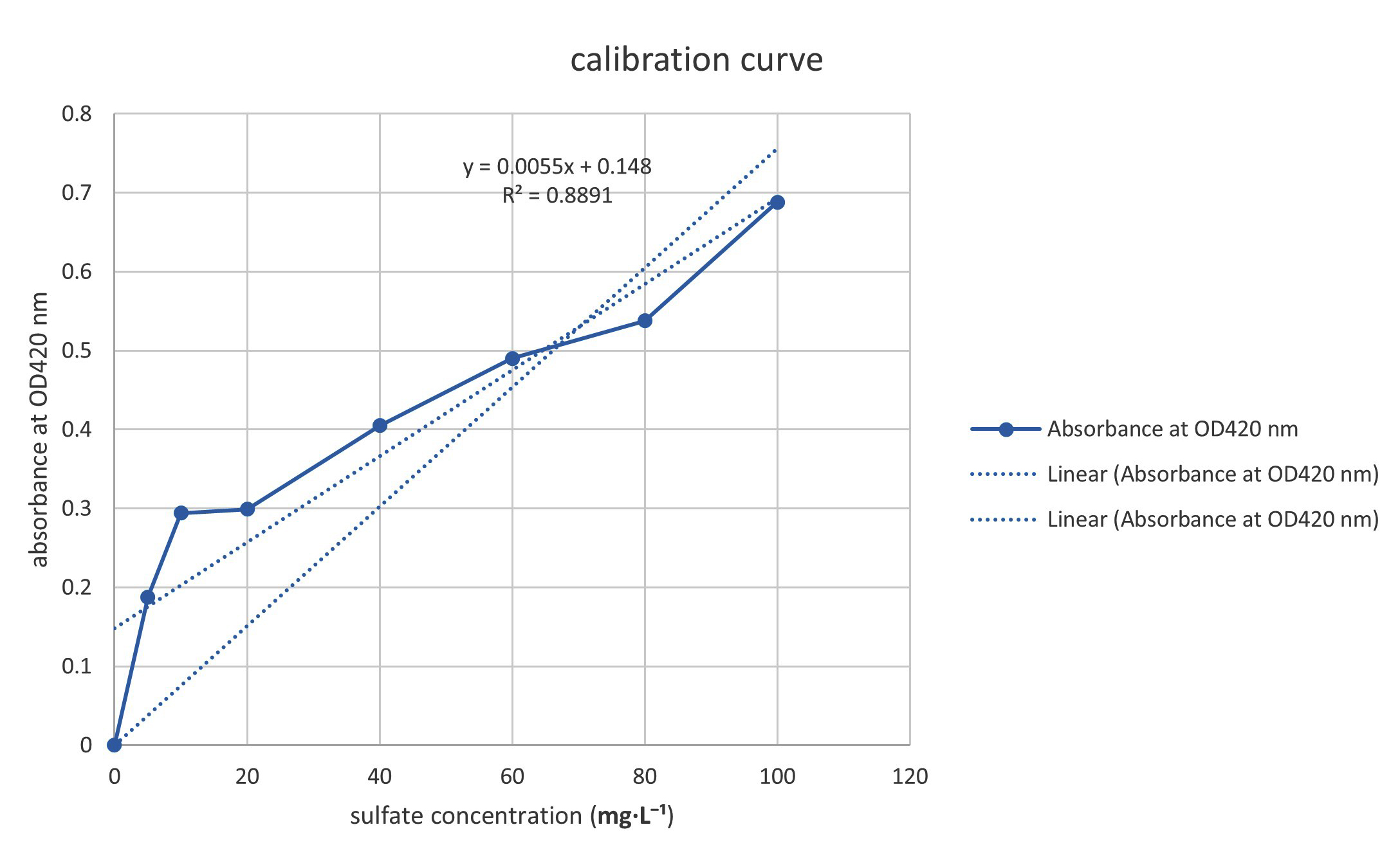
Figure 1. Calibration curve: sulfate Conc. Vs OD420 Absorbance
Sulfate Determination and Calibration Curve
Sulfate ions (SO42-) released into the aqueous phase during biodesulfurization were quantified by a turbidimetric assay based on barium sulfate (BaSO₄) precipitation and measurement of absorbance at 420 nm. A series of sulfate standards with known concentrations (mg/L) was prepared and treated identically to the samples to construct a calibration curve (Figure 1), which produced a linear regression of the form:
Absorbance = 0.0055 × [SO42-] + 0.148
with R² = 0.8891. This relationship was used to convert absorbance values of experimental samples into sulfate concentrations.
Process simulation
A biodesulfurization process flowsheet Figure 2 was developed in SuperPro Designer v8.5 (Intelligen, Inc.) to represent the experimental system, consisting of a bioreactor and a downstream phase-separation step. The bioreactor received crude oil, mineral salts medium inoculated with microorganisms, and air at 34 °C and produced low-sulfur crude oil and a biomass-rich aqueous phase containing MSM, cells, 2-hydroxybiphenyl (2-HBP), and sulfate. The simulation incorporated the 4S-like sulfur-selective desulfurization mechanism, microbial growth kinetics derived from OD600 data, and mass transfer between the oil and aqueous phases, following established practices in biochemical process simulation and scale-up.27,28
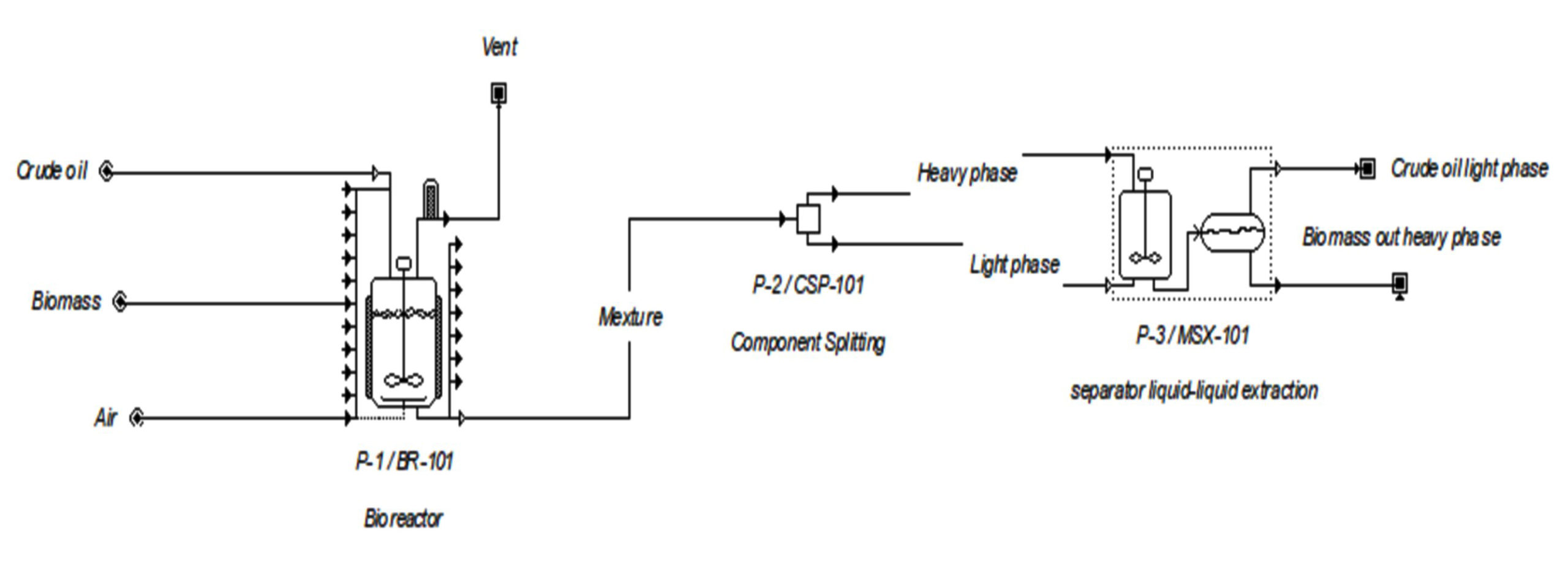
Figure 2. Proposed biodesulfurization process flowsheet used for the SuperPro Designer simulations
Model components included crude oil, DBT, 2-HBP, sulfate, biomass, MSM, nitrogen, oxygen, and water, each defined with appropriate chemical formulas or pseudo-component properties, as presented in Table 2. The main process streams were specified for three crude oil loadings (1%, 3%, and 5% v/v), and the corresponding section compositions were defined on a per-batch basis, as shown in Tables 3-5.
Table 2. Registered components used in the SuperPro Designer model
Components |
Full name |
Formula |
|---|---|---|
2-hydroxybiphenyl |
2-HBP |
C12H10O |
Biomass |
Biomass |
CH1.8O0.5N0.2 |
Crude oil |
Crude oil |
Crude oil |
Dibenzothiophene |
DBT |
C12H8S |
mineral salt medium |
MSM |
MSM |
Nitrogen |
Nitrogen |
N2 |
Oxygen |
Oxygen |
O2 |
Sulfate |
Sulfate |
SO4-2 |
Water |
Water |
H2O |
Table 3. Section composition for the main branch at 1% crude oil loading
Components |
mg/batch |
|---|---|
Crude oil |
1490.939 |
Dibenzothiophen |
0.024 |
Biomass |
66.424 |
mineral salt medium |
450.207 |
Water |
147,092.24 |
Nitrogen |
1,395,075.698 |
Oxygen |
370,842.907 |
Total |
1,915,018.439 |
Table 4. Section composition for the main branch at 3% crude oil loading
Components |
mg/batch |
|---|---|
Crude oil |
4,472.817 |
Dibenzothiophen |
0.072 |
Biomass |
65.082 |
mineral salt medium |
441.112 |
Water |
144,120.688 |
Nitrogen |
1,395,075.698 |
Oxygen |
370,842.907 |
Total |
1,915,018.376 |
Table 5. Section composition for the main branch at 5% crude oil loading
Components |
mg/batch |
|---|---|
Crude oil |
7,454.696 |
Dibenzothiophen |
0.119 |
Biomass |
63.740 |
mineral salt medium |
429.184 |
Water |
141,151.961 |
Nitrogen |
1,395,075.698 |
Oxygen |
370,842.907 |
Total |
1,915,018.305 |
Morphological, Physiological, and Biochemical Characteristics of the Isolate
The bacterial isolate obtained from crude-oil-contaminated soil produced smooth, translucent colonies on nutrient agar that were sometimes spreading and exhibited a characteristic bluish-green pigmentation attributable to pyocyanin production. Colony diameters of approximately 2-4 mm after 24 hours at 30 °C and the observed pigment are consistent with characteristics of Pseudomonas aeruginosa reported from oil-impacted environments.17,23 Microscopic examination revealed Gram-negative, rod-shaped cells, while oxidase and catalase tests were both positive, matching the diagnostic profile commonly associated with Pseudomonas.24 Taken together, the colony morphology, pigment production, and biochemical traits provide strong preliminary evidence that the isolate belongs to P. aeruginosa, a species frequently implicated in hydrocarbon degradation and bioremediation of petroleum-contaminated soils.15,20
Gel Electrophoresis and Molecular Identification
Agarose gel electrophoresis of PCR products targeting the bacterial 16S rRNA gene showed a single, distinct DNA band of approximately 650 bp for the isolate (Figure 3), corresponding to the expected amplicon size for the universal primers used in this study. The absence of additional bands, smearing, or primer-dimers indicates that the PCR conditions were well optimized and that non-specific amplification was minimal, which is particularly important for environmental isolates that may contain complex background DNA.25
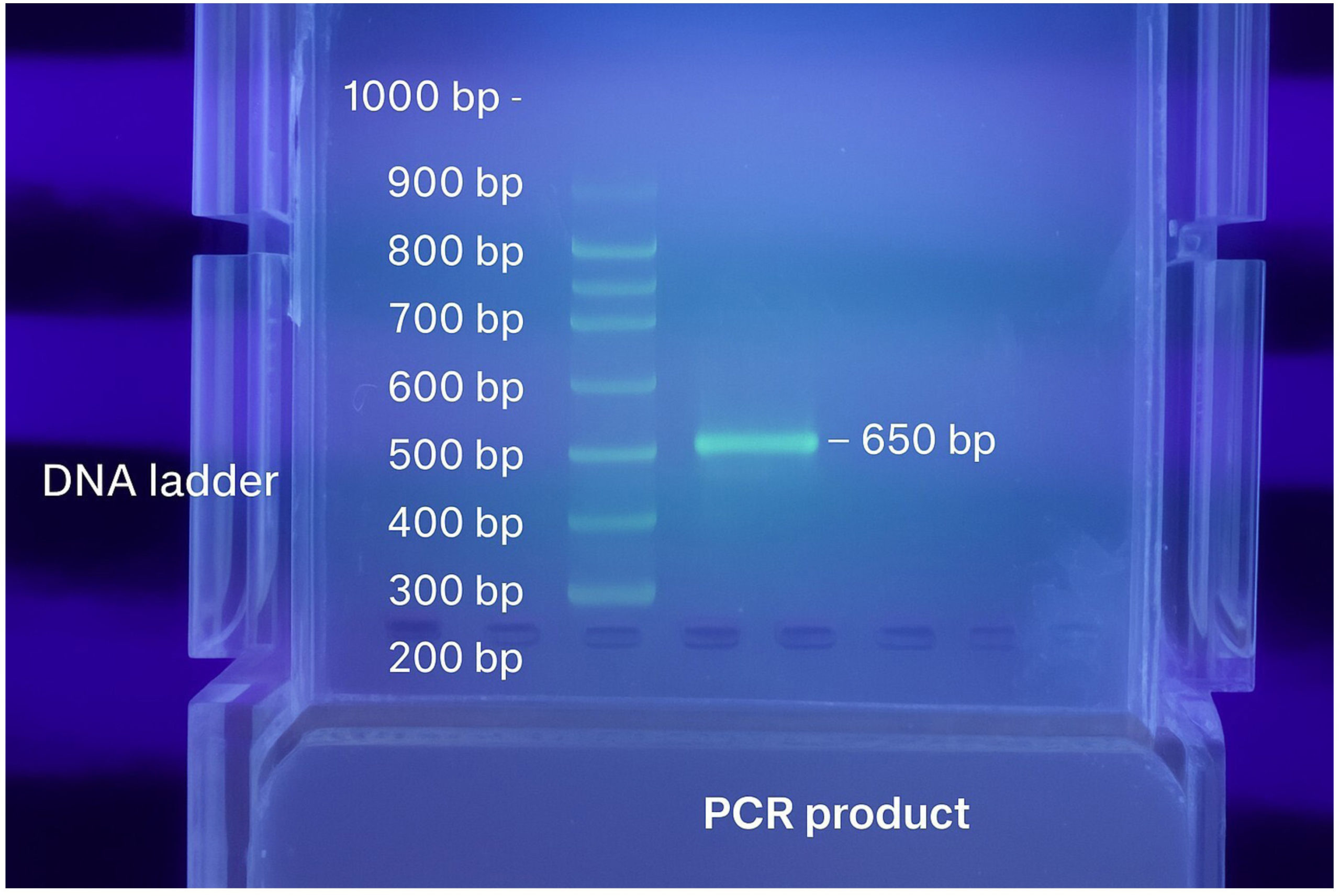
Figure 3. Agarose gel electrophoresis of PCR-amplified bacterial DNA
Sanger sequencing of the 16S rRNA gene and BLAST comparison with GenBank entries placed the isolate within the Pseudomonas aeruginosa clade, with 89% sequence similarity to P. aeruginosa strain PP463050.1. Although this level of similarity is below typical thresholds for definitive species-level assignment, the combined phenotypic traits (bluish-green pigment production, Gram-negative rods, oxidase and catalase positive) and 16S-based clustering support classification of the isolate within the P. aeruginosa complex and its use as a biocatalyst for crude-oil biodesulfurization.26 Consequently, the designation Pseudomonas aeruginosa in this work should be understood as a best-fit affiliation based on the available 16S rRNA data and phenotypic profile rather than a fully resolved taxonomic status.
Characteristics of the Strain in Crude-Oil-Contaminated Soils
The strain was isolated from multiple refinery sites in the Duhok region, where Pseudomonas spp. is frequently reported as the dominant hydrocarbon-degrading bacteria in oil-impacted soils. Its ability to grow in MSM containing Tawki crude oil and to substantially reduce sulfur content under mild conditions underscores the ecological relevance of indigenous P. aeruginosa populations for integrated bioremediation and biodesulfurization strategies in petroleum-polluted areas.15,18
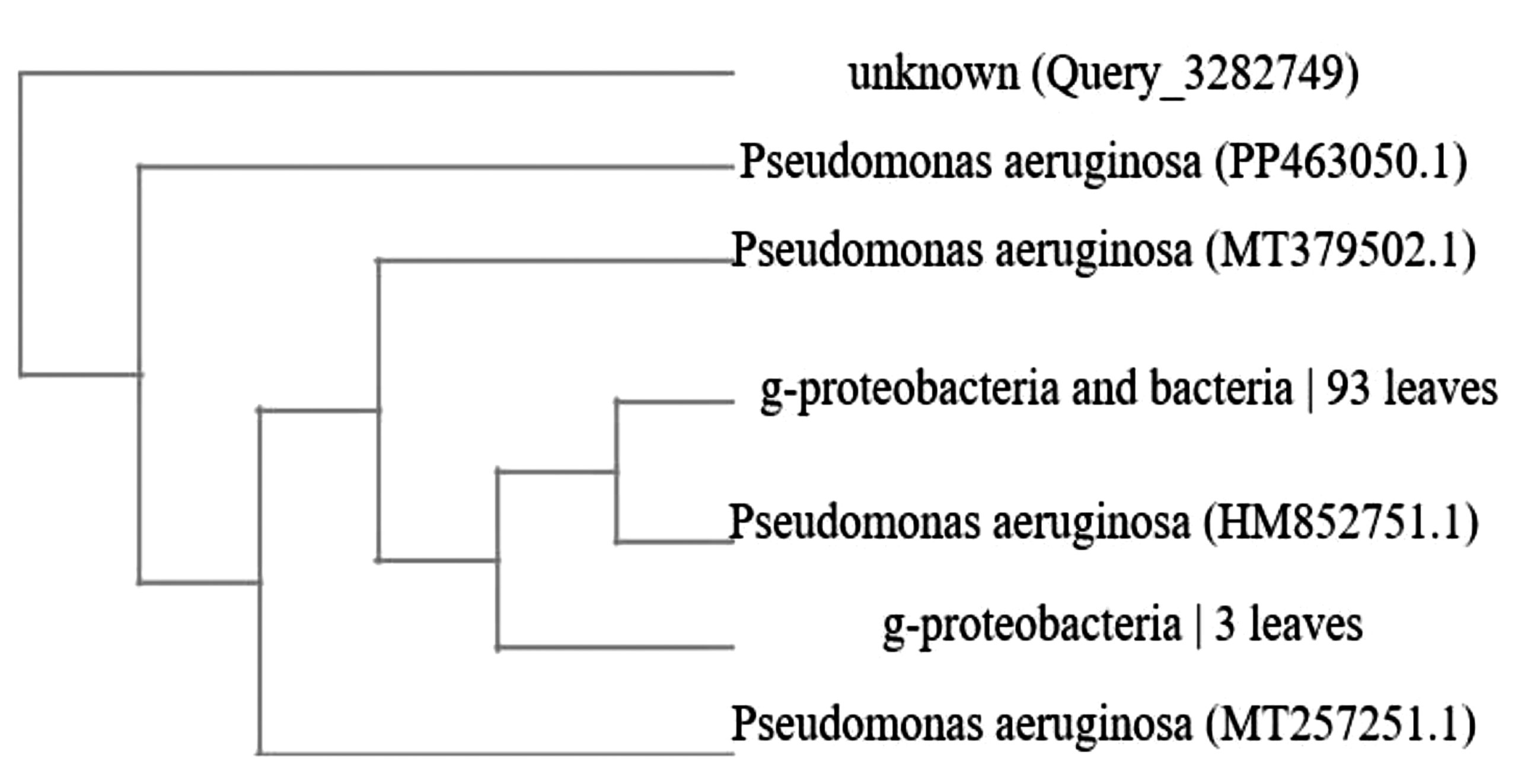
Figure 4. Phylogenetic tree
Phylogenetic analysis based on the 16S rRNA gene Figure 4 demonstrated that the isolate clusters within the P. aeruginosa clade26 but does not show complete identity with any single reference strain, suggesting possible local adaptation. Such indigenous adaptation may contribute to improved performance under site-specific conditions, including tolerance to the composition of Tawki crude oil and to co-occurring contaminants typical of refinery-affected soils.17
Efficiency of Biodesulfurization (XRF-based)
Biodesulfurization efficiency, calculated from the decrease in total sulfur content measured by XRF, exhibited a clear dependence on crude-oil loading. After 10 days of incubation, sulfur removal efficiencies were 83.33% at 1% (v/v) crude oil, 79.55% at 3% (v/v), and 55.82% at 5% (v/v) (Figure 5), indicating that lower crude-oil concentrations favored microbial desulfurization. The decline in efficiency at 5% (v/v) crude oil suggests that higher hydrocarbon loadings impose limitations such as substrate inhibition, reduced mass transfer between oil and aqueous phases, and possible toxic effects of oil components on cells.11,29 Similar reductions in desulfurization performance at elevated oil concentrations have been reported for Pseudomonas-based systems treating diesel and other petroleum fractions, highlighting the need to balance substrate availability with bioavailability and toxicity in ecological engineering applications.2,9 In the present system, with strong performance under relatively dilute oil conditions, the Pseudomonas aeruginosa culture can more effectively access and metabolize organosulfur compounds.
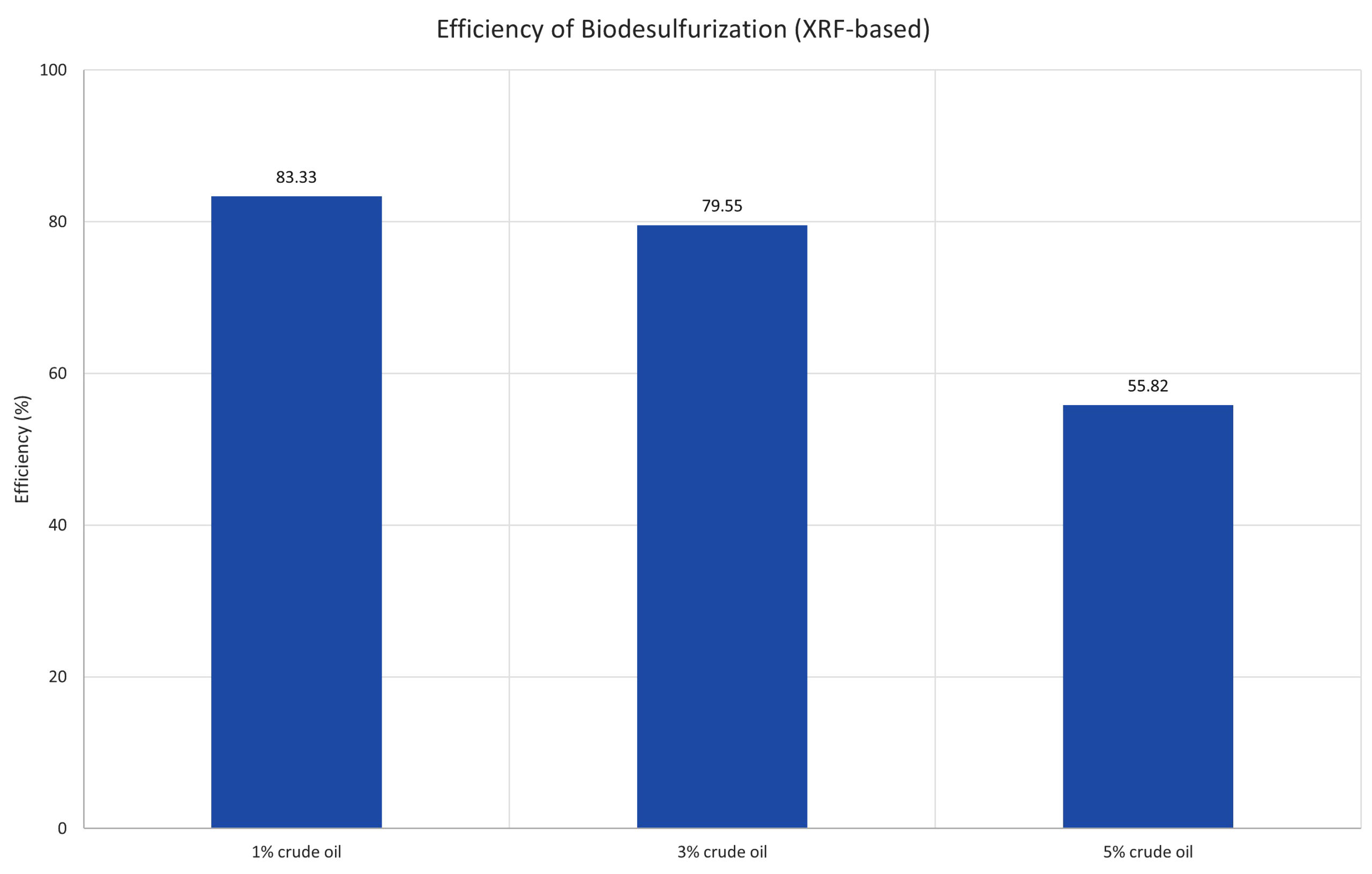
Figure 5. Biodesulfurization Efficiency
Sulfate Production Profiles During Crude Oil Biodesulfurization
Sulfate concentrations in the aqueous MSM phase increased over time for all crude-oil loadings, confirming active oxidation of organosulfur compounds during biodesulfurization (Table 6 and Figure 6). Sulfate levels increased from approximately 25.3 mg/L at the start to peak values of roughly 220-300 mg/L over 240 hours, depending on crude-oil loading, consistent with sulfur release via a 4S‑like oxidative desulfurization route, although the individual pathway enzymes were not directly characterized in this study.
Table 6. Sulfate concentration (mg/L) milligram per liter at different incubation times during biodesulfurization of crude oil at 1%, 3%, and 5% loadings
| Time (h) | Sulfate (SO42-) Concentration (mg/L) | ||
|---|---|---|---|
| 1 mL concen. | 3 mL concen. | 5 mL concen. | |
| 0 | 25.273 | 25.273 | 25.273 |
| 24 | 168.364 | 175.273 | 162.000 |
| 48 | 178.545 | 176.182 | 180.727 |
| 72 | 202.909 | 178.000 | 184.727 |
| 96 | 212.182 | 184.182 | 192.909 |
| 120 | 216.182 | 169.455 | 223.455 |
| 144 | 227.091 | 237.455 | 266.727 |
| 168 | 221.818 | 266.727 | 301.818 |
| 192 | 132.545 | 195.273 | 291.818 |
| 216 | 118.364 | 180.545 | 236.182 |
| 240 | 109.273 | 178.545 | 221.636 |
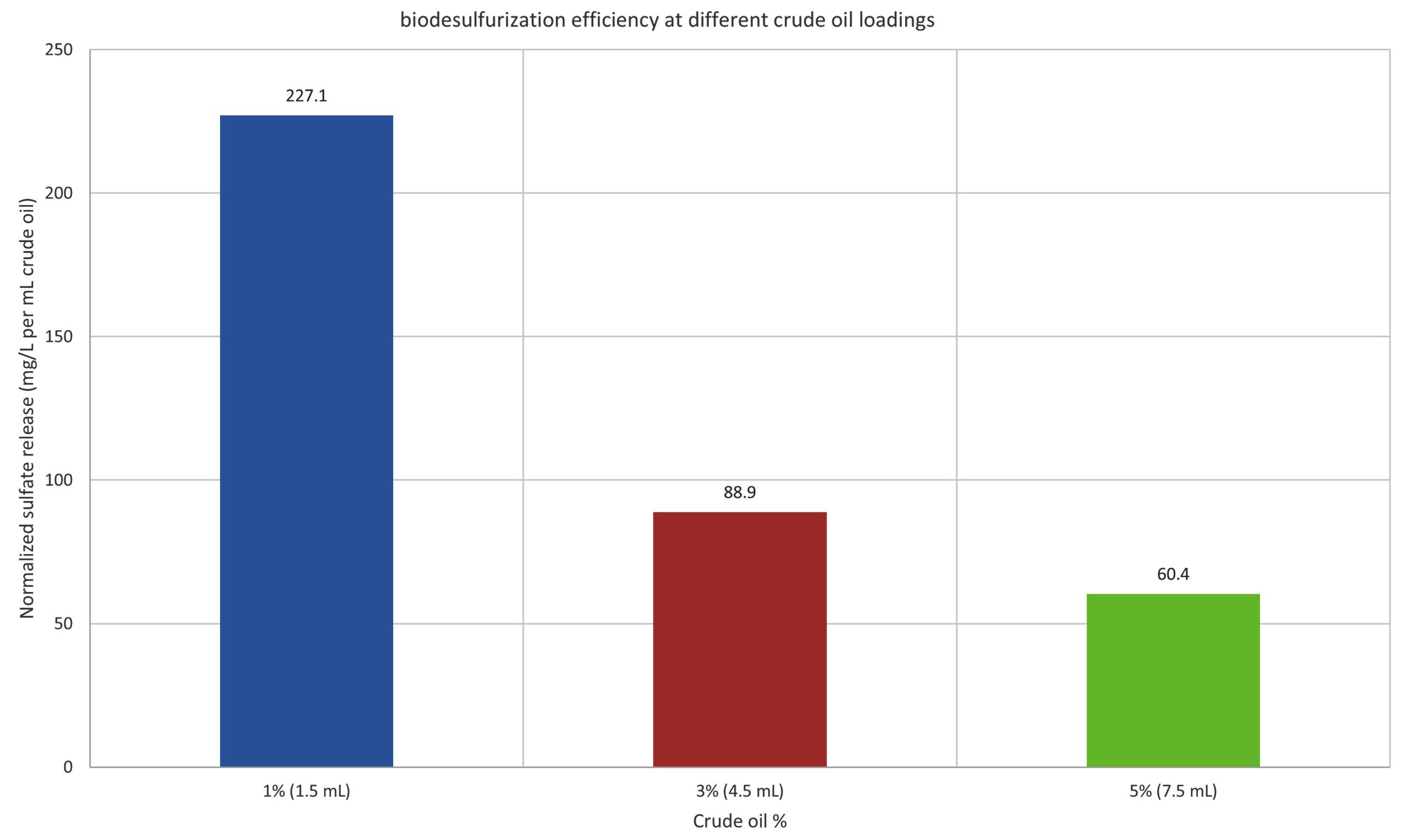
Figure 6. Sulfate release normalized, highest at 1% crude oil
When sulfate production was normalized to crude-oil volume (mg sulfate/L per mL crude), the 1% (v/v) treatment yielded the highest normalized sulfate (227.1 mg/L per mL crude), followed by 3% (88.9 mg/L per mL) and 5% (60.4 mg/L per mL). Although absolute sulfate concentrations were highest at 5% loading due to the greater initial sulfur inventory, the normalized data demonstrate that lower oil loadings enable more efficient sulfur oxidation per unit of crude, consistent with the XRF-based desulfurization efficiencies and with previous observations of mass-transfer and toxicity constraints at high hydrocarbon levels.11,29
Dynamics of Bacterial Growth During Biodesulfurization
OD₆₀₀ measurements over the 10-day incubation period showed that cell density increased in all treatments, indicating active proliferation of P. aeruginosa in the presence of Tawki crude oil (Figure 7). For 1% crude oil, OD₆₀₀ rose steadily from 0.287 to 0.903 by day 7, while maximum OD₆₀₀ values of 1.054 and 1.298 were observed for the 3% and 5% loadings, respectively. The increase in OD₆₀₀ coincided with decreasing DBT levels and increasing sulfate, suggesting that growth was closely coupled to sulfur metabolism and utilization of organosulfur compounds as substrates. However, the highest biomass at 5% crude oil did not translate into proportionally higher sulfur removal, supporting the view that at elevated hydrocarbon concentrations, substrate inhibition, toxicity, and mass-transfer limitations restrict effective biodesulfurization despite robust growth.11,29 This decoupling between biomass and functional performance is critical for ecological engineering design, indicating that maximizing cell density alone is not sufficient for optimal sulfur removal.11,29
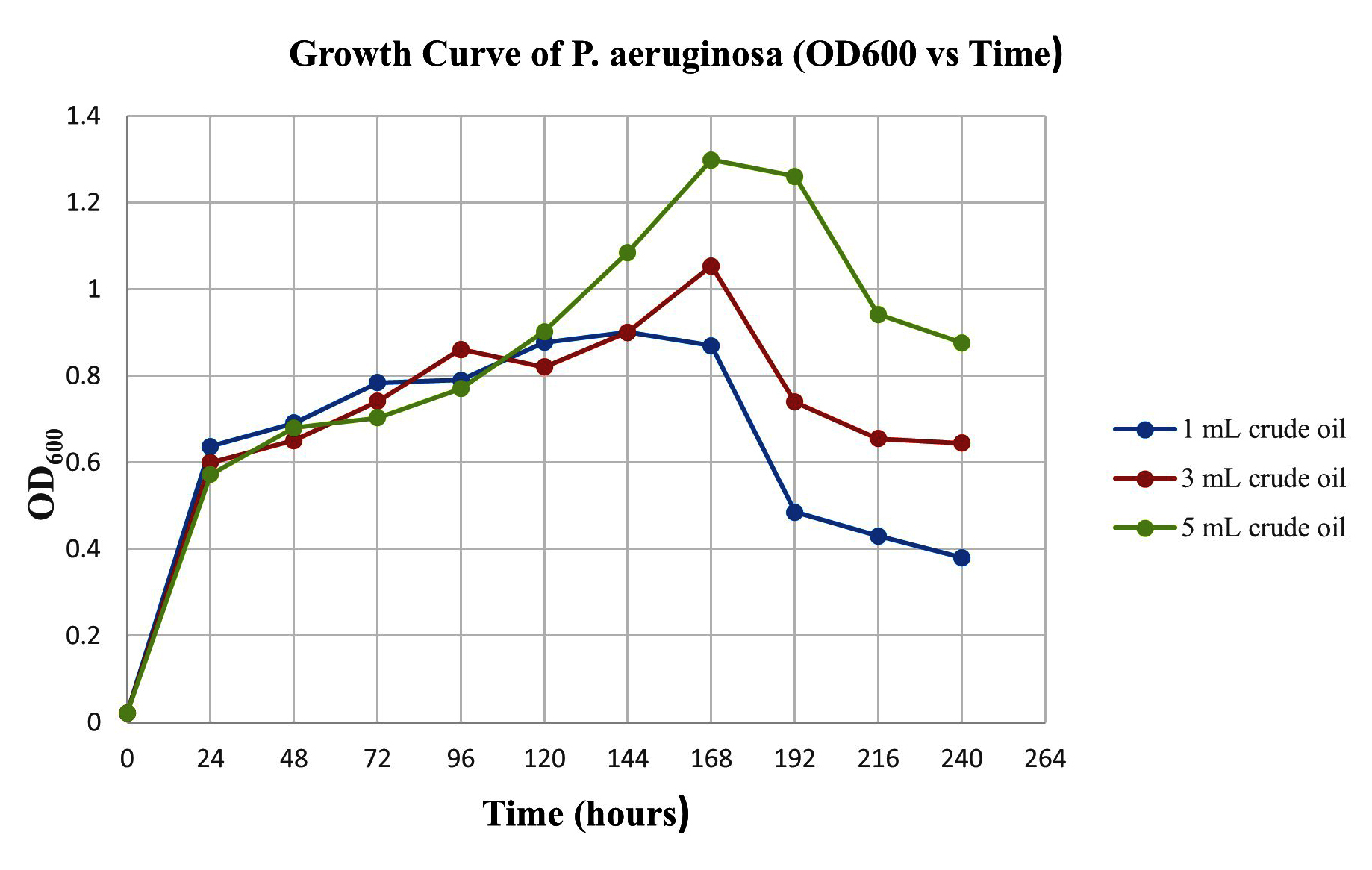
Figure 7. Growth profile of Pseudomonas aeruginosa during biodesulfurization of Tawki crude oil at 1%, 3%, and 5% crude oil concentrations over 10 days, expressed as OD₆₀₀. Bacterial growth increased in all treatments and reached the highest values at 5% crude oil
Simulation as a Validation Tool
SuperPro Designer v8.5 simulations of 2-hydroxybiphenyl (2-HBP) and sulfate formation showed good agreement with experimental time-course data for all crude-oil loadings, providing independent support for the proposed 4S-like, sulfur-selective mechanism (Figures 8 and 9). At 1% crude oil, simulated 2-HBP and sulfate concentrations increased rapidly after approximately 72 hrs and reached maximum values of about 0.48 mg/mL and 0.25 mg/mL, respectively, around 192 hrs, in line with measured trends.
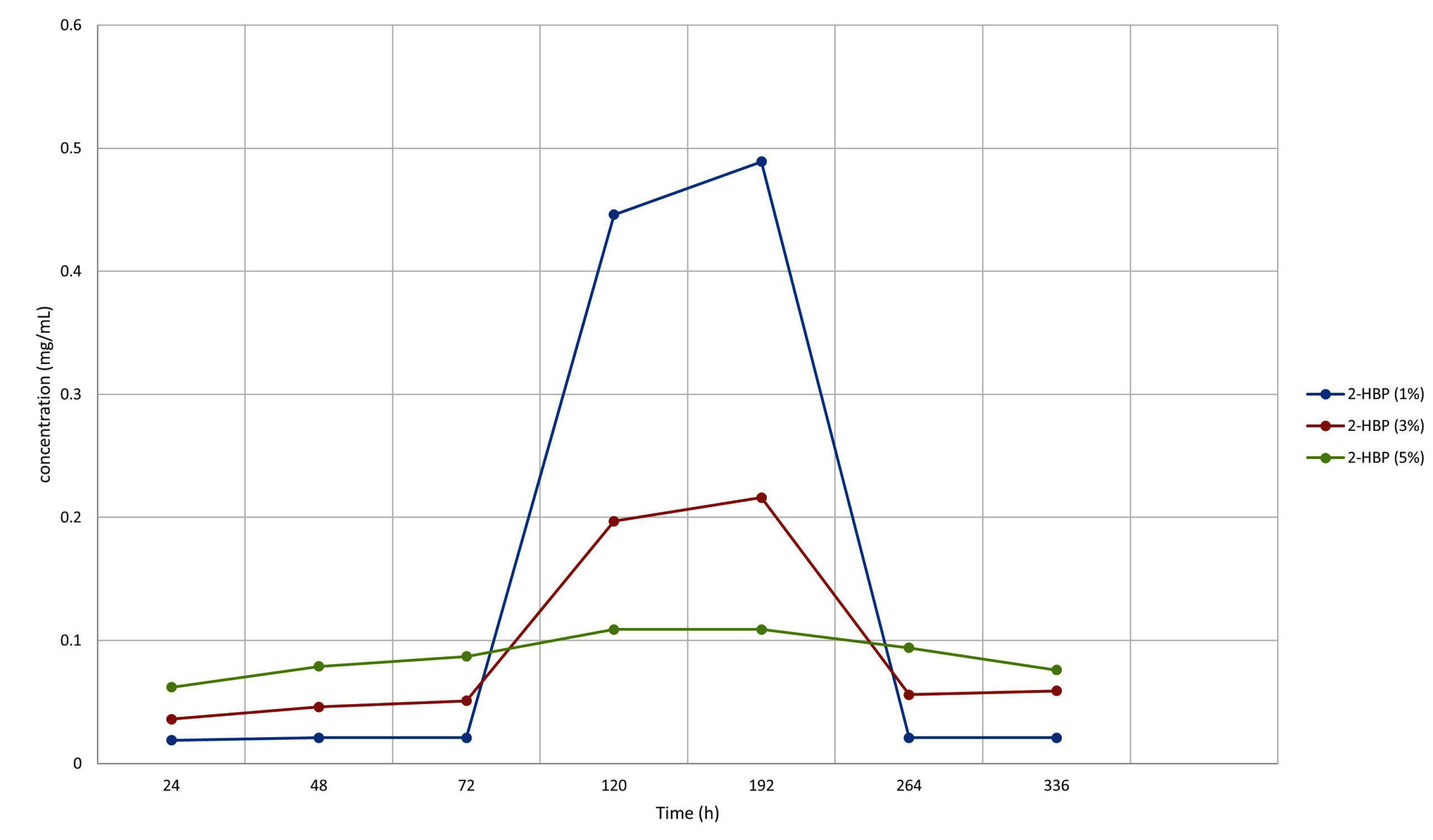
Figure 8. Comparison of 2-HBP Concentration at Different Crude Oil Ratios
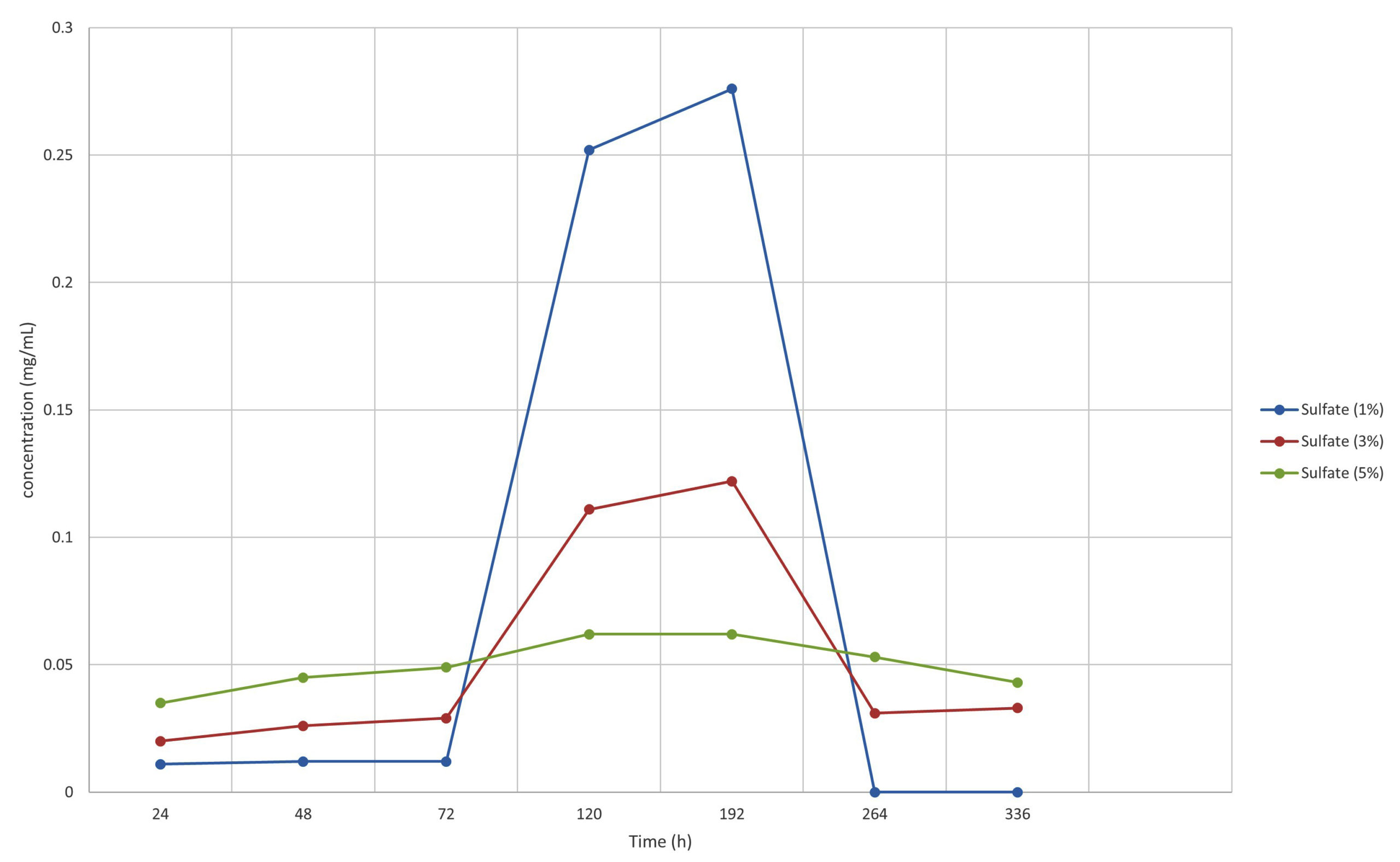
Figure 9. Comparison of Sulfate Concentration at Different Crude Oil Ratios
At 3% and 5% crude oil, simulated peak concentrations were lower (approximately 0.22 and 0.11 mg/mL for 2-HBP and 0.12 and 0.055 mg/mL for sulfate, respectively), mirroring the experimental decline in desulfurization efficiency with increasing oil loading. By incorporating microbial growth kinetics, 4S‑like stoichiometry derived from canonical 4S pathways, and biphasic mass transfer, the model captured key system dynamics and allowed projection of behavior under alternative operating scenarios, aligning with established uses of process simulation in biochemical and ecological engineering.11,28,29
Analytical integration with simulation
Combining XRF, sulfate turbidimetry, and process modelling within SuperPro Designer offers a high level of confidence in the interpretation of the biodesulfurization process. The progressive decline in total sulfur content in the crude oil phase over time, as evidenced by XRF analysis, supports the conclusion that biodesulfurization occurred. The increase in sulfate concentration of the aqueous MSM phase, as measured by the BaSO₄ turbidimetric method, was consistent with the expected stoichiometric ratio of DBT oxidation via the 4S pathway.
Most importantly, the SuperPro Designer simulations reproduced the experimentally observed sulfur balance by linking DBT depletion to 2-hydroxybiphenyl (2-HBP) and sulfate formation, while simultaneously accounting for biomass growth (OD₆₀₀) and mass transfer between the oil and aqueous phases. This agreement between simulated and measured sulfur distributions provided quantitative mass-balance closure and strengthened the conclusion that sulfate generation was tightly coupled to sulfur removal from crude oil. In addition, the simulated time profiles offered predictive capability for evaluating different operational scenarios and potential scale-up strategies, thereby bridging laboratory kinetics with process-level design considerations.28,30
Although the available data do not provide direct molecular confirmation of all individual 4S-pathway enzymes, the agreement between sulfur mass balances, sulfate production, and simulated DBT-to-2-HBP conversion provides strong correlation evidence for a 4S-like oxidative desulfurization route in this system rather than definitive proof of the canonical 4S mechanism. This level of mechanistic support is appropriate for ecological engineering design, where process-scale behavior and mass-balance closure are often more critical than full enzymatic resolution.
Future work should therefore incorporate sulfur-free media, resting-cell biodesulfurization assays, and sequencing of dszA, dszB, and dszC homologues to more rigorously define the underlying pathway and decouple growth from desulfurization activity.
The results demonstrate that the locally isolated Pseudomonas aeruginosa strain from oil-contaminated soil near Kashy Refinery in Duhok Province was able to achieve high levels of sulfur reduction in Tawki crude oil under mild conditions, demonstrating its potential as a biocatalyst for cleaner fuel production in the Kurdistan Region of Iraq. By combining laboratory experiments with process simulation, the study provides a framework that links microbial performance to process-level design, which is central to ecological engineering approaches for managing petroleum-related pollution.
From an air-quality perspective, the substantial reduction in total sulfur content (~83.3% at 1% v/v) in Tawki crude oil is expected to correspondingly lower sulfur oxide (SOx) emissions during combustion, provided no additional sulfur is introduced. Reduced SOx emissions would contribute to mitigating acid rain formation, particulate pollution, and associated respiratory and ecological impacts in regions dependent on crude-oil-derived fuels. Furthermore, the application of locally adapted Pseudomonas populations offers a region-specific, ecological engineering approach for managing refinery-related contamination. Such microbial-based strategies can complement conventional remediation methods by simultaneously reducing fuel sulfur content and degrading residual hydrocarbons in contaminated soils, thereby supporting long-term soil restoration and preservation of ecosystem services.
The process simulation illustrates how biodesulfurization can be integrated into refinery processing systems by developing a dedicated bioreactor/separator module that interfaces with both upstream crude handling and downstream product upgrading. The model has been used to replicate experimental trends while also assessing the sensitivity of biodesulfurization unit performance with respect to oil loading, aeration, and residence times. As a result, it serves as a decision-supporting tool for designing and optimizing biodesulfurization units in conjunction with other components of the overall eco-industrial system. Its design philosophy aligns with the systems-oriented approach of ecological engineering and the associated consideration of engineered bioprocesses that are designed specifically to enhance the quality of the environment and promote regional sustainability.
In summary, this study presents the first evidence of effective biodesulfurization of Tawki crude oil achieved using an indigenous Pseudomonas isolate closely related to the P. aeruginosa complex from refinery-affected soils in Duhok, highlighting the potential of locally adapted biocatalysts for cleaner fuel production in the Kurdistan Region of Iraq. Through the combined evaluation of sulfur removal by X-ray fluorescence, sulfate generation, and SuperPro Designer-based process modeling over a range of crude-oil concentrations, the study not only supports a 4S-like desulfurization route for this crude at the process level while recognizing that sulfur-free media, resting-cell assays, and dsz gene analyses are still needed for full mechanistic confirmation. It also provides a process-level framework that can guide the integration of biodesulfurization units into existing refinery schemes as part of broader ecological engineering solutions.
ACKNOWLEDGMENTS
The authors express their gratitude to the Engineering Research Center at the University of Zakho, the Duhok Medical Research Center at the College of Medicine, University of Duhok, and the College of Veterinary Medicine at the University of Duhok for providing laboratory facilities and technical support for this research.
CONFLICT OF INTEREST
The authors declare that there is no conflict of interest.
AUTHORS’ CONTRIBUTION
All authors listed have made a substantial, direct and intellectual contribution to the work, and approved it for publication.
FUNDING
None.
DATA AVAILABILITY
All datasets generated or analyzed during this study are included in the manuscript.
ETHICS STATEMENT
Not applicable.
- Wu XF, Chen GQ. Global overview of crude oil use: From source to sink through inter-regional trade. Energy Policy. 2019;128:476-486.
Crossref - Saleh TA. Characterization, determination and elimination technologies for sulfur from petroleum: Toward cleaner fuel and a safe environment. Trends Environ Anal Chem. 2020;25(24):e00080.
Crossref - Adebiyi FM. Air quality and management in petroleum refining industry: A review. Environ Chem Ecotoxicol. 2022;4:89-96.
Crossref - Zhang B, Jiang W, Fan X, et al. Synthesis of amphiphilic peroxophosphomolybdates for oxidative desulfurization of fuels in ionic liquids. Pet Sci. 2018;15(4):890-897.
Crossref - Castro G, Cruz-Borbolla J, Galván M, et al. Hydrodesulfurization of Dibenzothiophene: A machine learning approach. ChemistryOpen. 2024;13(9):000062.
Crossref - Wu P, Ma S, Zhu W. Green pathways to low-sulfur diesel: advances and challenges in desulfurization technologies. Green Chem. 2025;28(1):37-95.
Crossref - Jatoi AS. Enzymology of Biodesulfurization Process. In: Jatoi AS, ed. Biological Removal of Sulphur from Coal: Past, Current and Future Perspectives. Springer Nature Singapore. 2025:75-87.
Crossref - Kampouraki Z-C, Giannakoudakis DA, Nair V, Hosseini-Bandegharaei A, Colmenares JC, Deliyanni EA. Metal Organic Frameworks as Desulfurization Adsorbents of DBT and 4,6-DMDBT from Fuels. Molecules. 2019;24(24):4525.
Crossref - Parveen S, Akhtar N, Ghauri MA, Akhtar K. Conventional genetic manipulation of desulfurizing bacteria and prospects of using CRISPR-Cas systems for enhanced desulfurization activity. Crit Rev Microbiol. 2020;46(3):300-320.
Crossref - Yin M, Chen S, Zang M, Li L, Zhao C, Zhang X. Enhanced biodesulfurization of recalcitrant organosulfur compounds by a newly identified Gordonia alkanivorans JT-2 in the presence of mycolic acid. Biochem Eng J. 2025;221:109779.
Crossref - Sadare OO, Daramola MO. Bio-catalytic degradation of dibenzothiophene (DBT) in petroleum distillate (diesel) by Pseudomonas spp. Sci Rep. 2023;13(1):6020.
Crossref - Tamjidi S, Esmaeili H. A review on biodesulfurization of crude oil using different microorganisms: Reaction mechanisms, effective factors, and removal efficiency of organic sulfur compounds. Process Biochem. 2025;150:288-305.
Crossref - Wu T, Xu J, Xie W, et al. Pseudomonas aeruginosa L10: A hydrocarbon-degrading, biosurfactant-producing, and plant-growth-promoting endophytic bacterium isolated from a Reed (Phragmites australis). Front Microbiol. 2018;9:1-12.
Crossref - Muthukumar B, Parthipan P, AlSalhi MS, et al. Characterization of bacterial community in oil-contaminated soil and its biodegradation efficiency of high molecular weight (>C40) hydrocarbon. Chemosphere. 2022;289:133168.
Crossref - Aakula M, Kedare MM, Satyam, Patra S, Singha S. Unravelling microbial dynamics in hydrocarbon contaminated sites: a comparative metagenomic perspective. Ecol Genet Genomics. 2025;35:100363.
Crossref - Titah HS, Pratikno H, Purwanti IF, Wardhani WK. Biodegradation of crude oil spill using Bacillus subtilis and Pseudomonas Putida in sequencing method. J Ecol Eng. 2021;22(11):157-167.
Crossref - Medić AB, Karadzic IM. Pseudomonas in environmental bioremediation of hydrocarbons and phenolic compounds- key catabolic degradation enzymes and new analytical platforms for comprehensive investigation. World J Microbiol Biotechnol. 2022;38(10):165.
Crossref - Khoshru B, Nosratabad AF, Mahjenabadi VAJ, et al. Multidimensional role of Pseudomonas: from biofertilizers to bioremediation and soil ecology to sustainable agriculture. J Plant Nutr. 2024;48(6):1016-1042.
Crossref - Yang Y, Zhang Z-W, Liu R-X, et al. Research progress in bioremediation of petroleum pollution. Environ Sci Pollut Res. 2021;28(34):46877-46893.
Crossref - Rebello S, Nathan VK, Sindhu R, Binod P, Awasthi MK, Pandey A. Bioengineered microbes for soil health restoration: present status and future. Bioengineered. 2021;12(2):12839-12853.
Crossref - Brunelle S. Appendix P: Guidance for Soil Collection, Characterization, and Application for Biothreat Agent Detection Method and Site Evaluations. J AOAC Int. 2020;103(4):873-881.
Crossref - Jiji J, Prabakaran P. Isolation and identification of microorganisms from total petroleum hydrocarbon-contaminated soil sites. Malaysian J Soil Sci. 2020;24:107-119.
- AL-Saleh E, Akbar A. Occurrence of Pseudomonas aeruginosa in Kuwait soil. Chemosphere. 2015;120:100-107.
Crossref - Reiner K; American Society for Microbiology. Catalase Test Protocol. 2010:1-9. https://asm.org/protocols/catalase-test-protocol
- Koziaeva VV, Engel K, Neufeld JD. Validating digital polymerase chain reaction for 16S rRNA gene amplification from low biomass environmental samples. ISME Commun. 2025;5(1):ycaf115.
Crossref - Morgulis A, Coulouris G, Raytselis Y, Madden TL, Agarwala R, Schaffer AA. Database indexing for production MegaBLAST searches. Bioinformatics. 2008;24(16):1757-1764.
Crossref - Liu Y, Wan YY, Wang C, Ma Z, Liu X, Li S. Biodegradation of n-alkanes in crude oil by three identified bacterial strains. Fuel. 2020;275:117897.
Crossref - Foo DCY, ed. Chemical engineering process simulation. (2nd eds) Vol 17. 2022. Elsevier.
Crossref - Zahed MA, Aziz HA, Isa MH, Mohajeri L. Effect of initial oil concentration and dispersant on crude oil biodegradation in contaminated seawater. Bull Environ Contam Toxicol. 2010;84(4):438-442.
Crossref - Taras S, Woinaroschy A. Simulation and Multi-objective Optimization of Bioprocesses with Matlab and Superpro Designer Using a Client-server Interface. Chem Eng Trans. 2011;25:207-212.
© The Author(s) 2026. Open Access. This article is distributed under the terms of the Creative Commons Attribution 4.0 International License which permits unrestricted use, sharing, distribution, and reproduction in any medium, provided you give appropriate credit to the original author(s) and the source, provide a link to the Creative Commons license, and indicate if changes were made.