

ISSN: 0973-7510
E-ISSN: 2581-690X
 and Abeer S. Albalawi
Antimicrobial resistance (AMR) has become a major public health threat. Due to the increased risk of bacterial resistance, antimicrobial drugs will lose some effectiveness for all users with each usage. Our aim is to assess students’ and faculty members’ awareness of antimicrobial use and its role in the development of antimicrobial resistance at Taibah University through this cross-sectional study. Between March 2025 and May 2025, 100 participants aged 18-44 from Taibah University in Saudi Arabia were surveyed using an online questionnaire. Data were analyzed using Excel and IBM SPSS Statistics version 23.0 (Armonk, NY: IBM Corp.). The sociodemographic characteristics of the participants were analyzed, and their awareness of antibiotic resistance was assessed using various statistical methods. 92% of students selected that unnecessary intake of antibiotic leads to AMR and 76% students chooses that incomplete course of antibiotic leads to AMR but most of them choose to take antibiotic with physician prescription not over the counter. Nearly half of the respondents think antibiotics can be used for viral infections. Healthcare administrators should take an integrated approach, focusing on the main cause of AMR. Despite having good knowledge about antibiotic use respondents involve in practices which leads to the AMR. People’s behavior and actions regarding antibiotics significantly influence the spread of antimicrobial resistance. This study offered valuable insights into the knowledge and practices related to antibiotic use and antimicrobial resistance among the Taibah University community. In general, a good understanding of antibiotic use and antimicrobial resistance was evident among the surveyed sample. Future research on this topic is still necessary.
Saudi Arabia, Practice, Attitude, Knowledge, Antimicrobial Resistance (AMR)
Before the introduction of antibiotics, infectious diseases were the leading cause of mortality worldwide, with life expectancies averaging 46 years for men and 48 years for women.1 Antibiotics, which are naturally derived substances capable of inhibiting or destroying other microorganisms, are highly effective against bacterial infections when used at therapeutic concentrations.2-4 However, the swift rise of antibiotic resistance has turned into a significant worldwide health issue, leading to higher rates of treatment failure, increased mortality, and rising healthcare costs.5 Factors contributing to this issue include the lack of regulation in the availability of antibiotics, inadequate monitoring, and inappropriate practices such as self-medication.6
Antimicrobial resistance is a serious threat to public health, accounting for approximately 700,000 deaths globally each year, including over 35,000 fatalities in the United States.
A 2023 study included 52 countries and found that approximately 63.4% of individuals use antibiotics without a prescription.7 In 2019, approximately 4.95 million deaths were associated with antibiotic resistance. It is projected that if effective interventions are not implemented, the number of annual deaths caused by antimicrobial resistance would reach 10 million by 2050 and incur economic losses of up to $100 trillion.8 A review of studies conducted in Saudi Arabia from 2013-2023 reports high resistance rates, ranging from 3%-96%, especially in Gram-negative bacteria such as Acinetobacter species, Klebsiella pneumonae, Pseudomonas species and E. coli. While in Gram-positive bacteria the resistance rate ranged from 13%-35% specially in Staphylococcus aureus (VRSA) and Staphylococcus aureus (MRSA).9 In Myanmar, a survey of 2045 adults from different states found out that 58.5% participants purchased antibiotics without a prescription.10
A study of 500 participants conducted in Hail, Saudi Arabia, in 2019 revealed that 46.6% were aware of antibiotic resistance, 17.2% were uncertain, and 36.2% were unaware of its existence. Public response in an online quiz in Saudi Arabia shows 60% awareness, while a medical care center in Riyadh found that 40.6% of participants have knowledge about AMR.11-13 Similarly, a study in Malaysia during the same year assessed medical students’ knowledge of antibiotic resistance. Most students recognized that antibiotics are effective against bacterial infections, not the illness caused by viruses, 32.7% of preclinical students held misconceptions,14 and a 2023 study in Bangladesh assessed public knowledge of AMR and found that over 90% of respondents were unaware that antibiotics do not work effectively against viral illnesses.15 In India, a survey of 972 randomly selected participants found that 65.92% from rural areas and 70.68% from urban areas understood the risk of resistance development. Also, 65.92% (rural) and 60.75% (urban) participants mistakenly believed antibiotics could cure common colds.16 This study aimed to assess students and faculty at Taibah University regarding their awareness of antimicrobial use and its contribution to resistance development.
Study design
A structured questionnaire was established based on previously published reports, with necessary modifications for this study. Education was used as the dependent variable, with other factors as independent variables. The research was conducted in two phases: an initial pilot study to validate the main questionnaire’s content, followed by a full-scale study. To overcome challenges faced during the pilot, the questionnaire was reviewed and revised. The main study aimed to achieve the survey’s objectives and was distributed among students at the College of Science, Taibah University, in
Madinah, Saudi Arabia. The survey took place over three months, from March through May 2025. The purpose of the study was briefly outlined at the start of the questionnaire. The research project was authorized by the ethical research committee of Taibah University, Saudi Arabia.
Data collection
A digital questionnaire was developed with Google Forms (Google LLC, Mountain View, CA) and distributed among diploma students, undergraduates, administrative staff, and faculty members. Participants were encouraged to share the survey link with their peers to maximize outreach. The study included individuals aged
18-44 years, and the participants were informed they could withdraw at any time without obligation. Informed consent was also obtained from all participants before their involvement, using an anonymous questionnaire designed to protect their privacy.
The survey comprised 45 questions organized into seven sections: demographic information, knowledge of antibiotic usage and their application against microorganisms, understanding of antibiotic effects, awareness of antibiotic resistance, perceptions of antibiotic sources, views on antibiotic side effects, and attitudes towards antibiotic consumption. Participants were briefed on the study’s purpose and instructed to give complete and honest responses before filling out the survey. It was emphasized that participation was voluntary and anonymity would be maintained.
Data analysis
The questionnaire data were analyzed with SPSS version 23.0. Descriptive statistics such as frequencies, percentages, means, and standard deviations were calculated to summarize the variables. The independent t-test and one-way ANOVA were employed to assess the difference in means scores of knowledge and perceptions towards antibiotics in terms of socio-demographic factors, and the post hoc (Tukey test) was conducted to test the multi-comparisons within the group. A P-value > 0.05 was taken as statistically significant.
Socio-demographic characteristics of the respondents
Table 1 shows that 100 participants took part in the study, with 73% female and 27% male. Among all participants, 8% were less than 18, 53% were aged 18-24, 2% were 25-34, 20% were 35-44, and 17% were over 44. 64% were single, and 31% were married, while only 5% were separated. 63% of participants held a bachelor’s degree, 31% held a doctorate, and only 6% had a master’s degree. There were 63% students, 35% were academics, and only 2% were administrators.
Table (1):
Socio-demographic characteristics of the respondents (N = 100)
| N | % | ||
|---|---|---|---|
| Gender | Male | 27 | 27.0 |
| Female | 73 | 73.0 | |
| Age | 18> | 8 | 8.0 |
| 18-24 | 53 | 53.0 | |
| 25-34 | 2 | 2.0 | |
| 35-44 | 20 | 20.0 | |
| 44< | 17 | 17.0 | |
| Marital Status | Single | 64 | 64.0 |
| Married | 31 | 31.0 | |
| Separated | 5 | 5.0 | |
| Educational Level | Bachelor’s | 63 | 63.0 |
| Masters | 6 | 6.0 | |
| Doctorate | 31 | 31.0 | |
| Occupational Status | Students | 63 | 63.0 |
| Administrators | 2 | 2.0 | |
| Academics | 35 | 35.0 |
The knowledge about antibiotics
As shown in Table 2 knowledge about antibiotics was measured by 3 factors/dimensions (Knowledge about antibiotics usage and applications against microorganisms, Knowledge about antibiotics effects, and Knowledge level about antibiotics) including 14 statements, which were answered by “Yes” and “No”, and the statements were dichotomized/classified into “True” and “False”, so the possible total mean score of the knowledge ranged between zero (the less relevant to knowledge) and 14 (the most relevant to knowledge).
Table (2):
The Knowledge about antibiotics (N = 100)
| Factor | Statement | True | False | ||
|---|---|---|---|---|---|
| N | % | N | % | ||
| Knowledge about antibiotics usage and applications against microorganisms | Antibiotics are classified as over-the-counter drugs. | 79 | 79 | 21 | 21 |
| Antibiotics are medication used to treat bacterial infections | 90 | 90 | 10 | 10 | |
| Antibiotics are medication used to treat viral infections | 47 | 47 | 53 | 53 | |
| Antibiotics are medication used to treat a cold and cough | 49 | 49 | 51 | 51 | |
| Antibiotics are medication used to treat any illness with a fever | 58 | 58 | 42 | 42 | |
| Some patients may have an allergy to specific antibiotics | 100 | 100 | 0 | 0 | |
| Total | 423 | 70.5% | 177 | 29.5% | |
| Mean/SD | 4.23/0.90 | ||||
| Knowledge about antibiotics effects | Some antibiotics cause diarrhoea | 87 | 87 | 13 | 13 |
| Excessive use of antibiotics may lead to resistance against other antibiotics. | 89 | 89 | 11 | 11 | |
| Antibiotics can interact with other drugs and decrease the effectiveness of some medications. | 91 | 91 | 9 | 9 | |
| Antibiotics can destroy beneficial bacteria in our skin, stomach, and intestines. | 82 | 82 | 18 | 18 | |
| Antibiotics do not lead to side effects. | 92 | 92 | 8 | 8 | |
| Total | 441 | 59 | |||
| Mean/SD | 4.41/0.82 | ||||
| Knowledge level about antibiotics resistance | Using antibiotics when they are not necessary leads to antibiotics resistance | 92 | 92 | 8 | 8 |
| Failing to finish the entire course of antibiotics can lead to antibiotic resistance. | 76 | 76 | 24 | 24 | |
| Using antibiotics without a doctor’s prescription is unrelated to antibiotic resistance. | 79 | 79 | 21 | 21 | |
| Total | 247 | 53 | |||
| Mean/SD | 2.47/0.76 | ||||
| Total of the factors | 1111 | 79.36% | 289 | 20.64% | |
| Knowledge’s total mean score | 11.11/1.61 | ||||
| Key: Low = 0-4.66; Moderate = 4.67-9.33; High = 9.34-14 | |||||
The total mean scores the Knowledge about antibiotics was (M = 11.11, SD = 1.61) out of 14, and 79.63% were aware of antibiotics, thus these figures indicate a high level of Knowledge about antibiotics, thus it can be argued that the sample was aware (Figure 1).
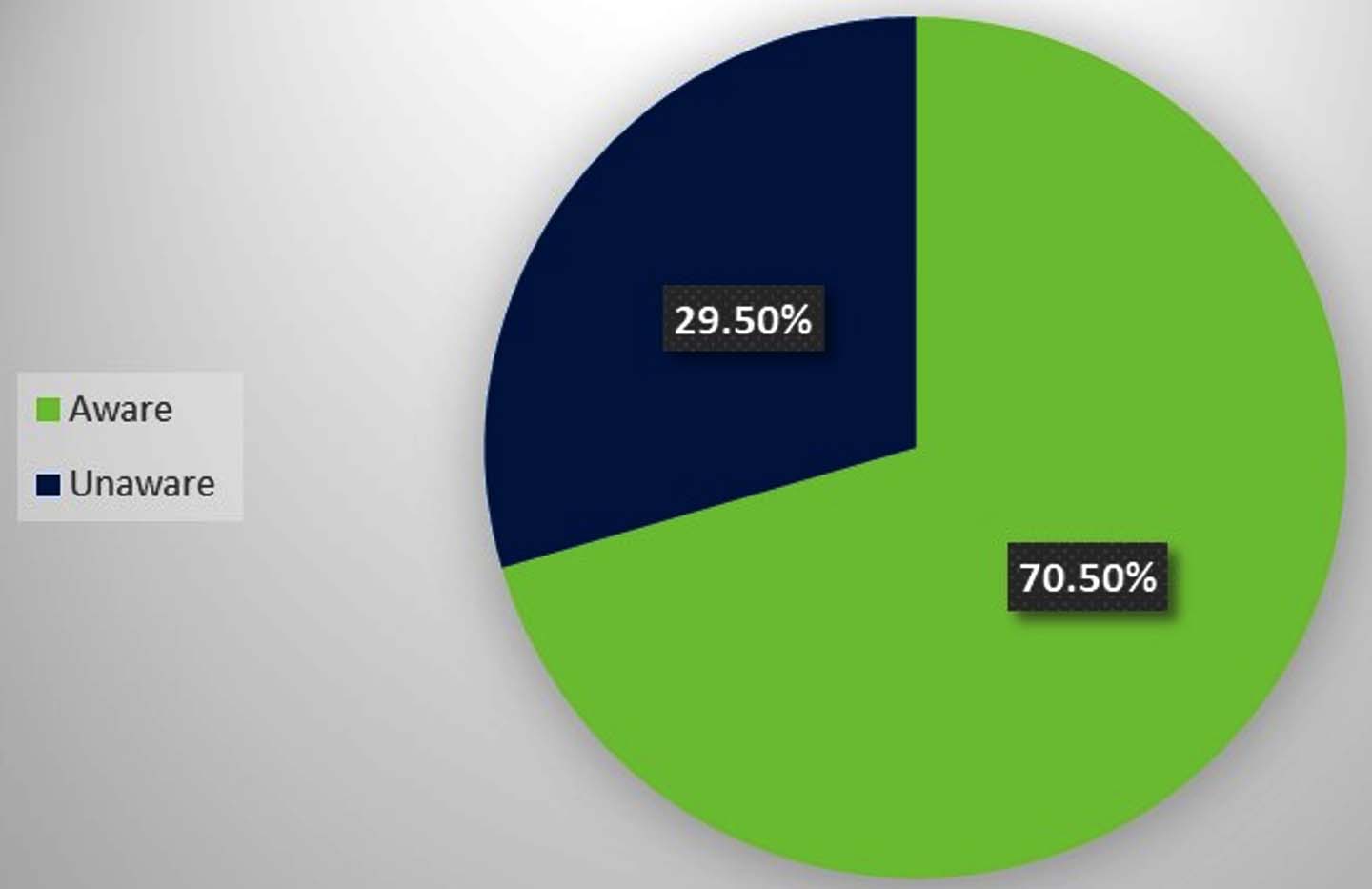
Figure 1. The awareness level towards antibiotics
In terms of the dimensions, Knowledge about antibiotic effects had the highest awareness with 88.2% (M = 4.41, SD = 0.82) out of 5, which indicates a high level, followed by Knowledge about antibiotics with 82.33% (M = 2.47, SD = 0.76) out of 3, which indicate a high level, then 70.5% (M = 4.23, SD = 0.90) out of 6, which indicate a high level (Figure 2).
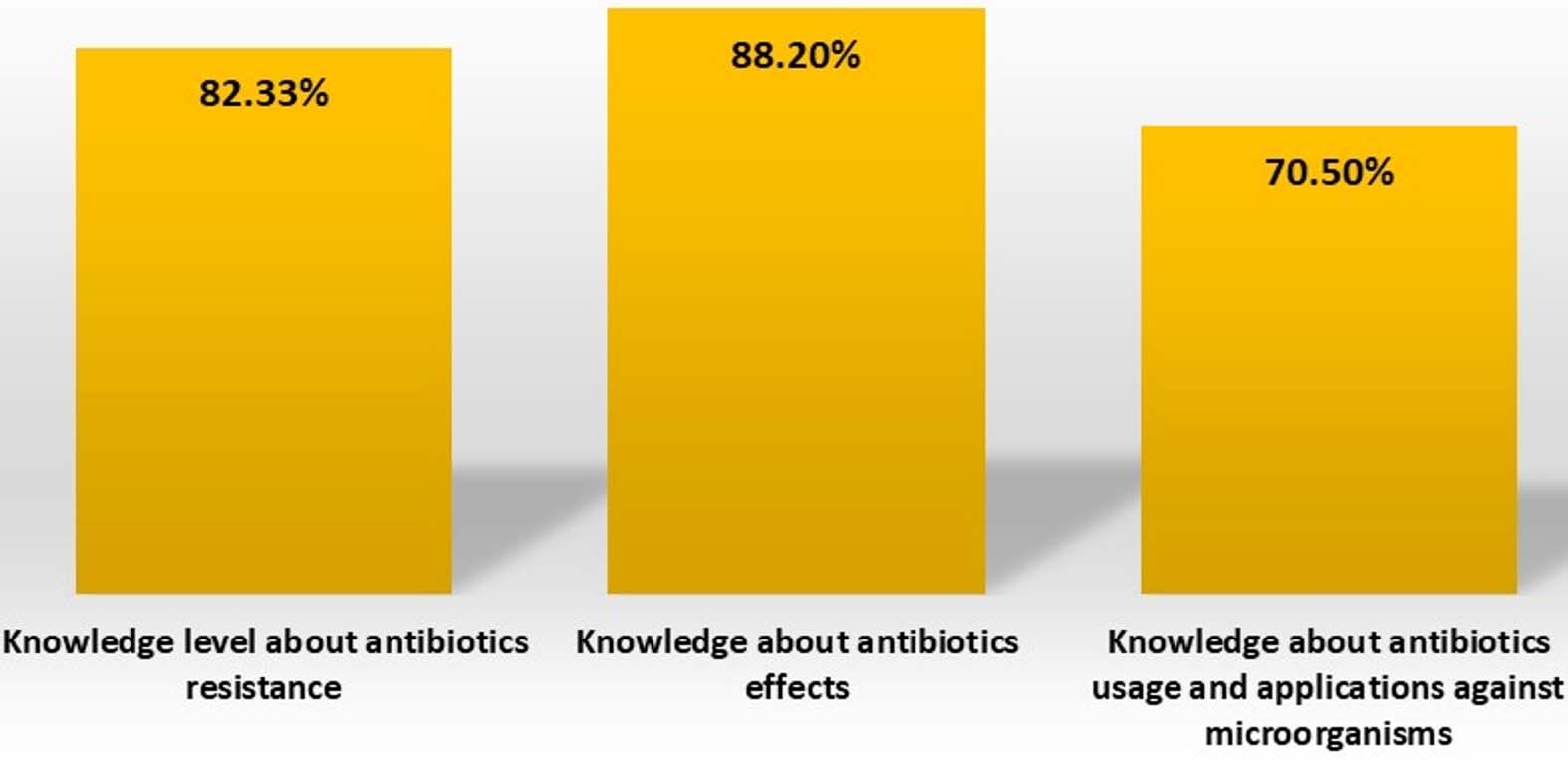
Figure 2. The awareness level of knowledge dimensions towards antibiotics
The perception towards antibiotics sources
As shown in Table 3 the total mean scores for Perception towards antibiotic sources was (M = 1.69, SD = 0.58) out of 3, and 56.33% were aware of the perception towards antibiotic sources, with a moderate level.
Table (3):
The Perception towards antibiotics sources (N = 100)
| Factor | Statement | True | False | ||
|---|---|---|---|---|---|
| N | % | N | % | ||
| Perception towards antibiotic sources | Bacteria that typically inhabit your skin and gut can be detrimental to your health. | 77 | 77 | 23 | 23 |
| Missed doses should be taken as soon as you remember | 55 | 55 | 45 | 45 | |
| A missed dose should be skipped | 37 | 37 | 63 | 63 | |
| Total | 169 | 56.33 | 131 | 43.67 | |
| Mean/SD | 1.69/0.58 | ||||
The perception towards antibiotics
Table 4 illustrates that perceptions of antibiotics were assessed across two dimensions: perception of antibiotic side effects and perception of antibiotic intake. These were evaluated through 25 statements rated on a 5-point Likert scale, where ‘Strongly agree/Always’ equals 5 and ‘Strongly disagree/Never’ equals 1. The overall mean score for perceptions towards antibiotics was moderate (M = 2.83, SD = 0.40).
Table (4):
The perception towards antibiotics (N = 100)
| Statement | Min | Max | Mean | SD | |
|---|---|---|---|---|---|
| Perception towards antibiotic side-effects | I trust the physician decision when deciding not to prescribe antibiotic | 1 | 5 | 4.21 | 0.86 |
| I think natural sources such as vinegar, honey and garlic may work better than antibiotic | 1 | 5 | 3.69 | 1.16 | |
| lower doses cause less side effects | 1 | 5 | 3.30 | 1.04 | |
| High doses of antibiotic enhance the recovery | 1 | 5 | 2.40 | 1.28 | |
| Antibiotics help stop illnesses from worsening. | 1 | 5 | 3.14 | 1.22 | |
| Using antibiotics can accelerate recovery from cold and cough. | 1 | 5 | 2.94 | 1.14 | |
| It’s okay to stop antibiotics once symptoms improve. | 2 | 5 | 2.53 | 1.42 | |
| 2 | 5 | 3.17 | 0.64 | ||
| Perception towards antibiotic intake | I believe the doctor should provide me with antibiotics whenever I feel I need them. | 1 | 5 | 2.81 | 1.38 |
| The doctor should only prescribe antibiotics when they believe I genuinely need them. | 1 | 5 | 1.61 | 0.87 | |
| Do you believe antibiotics should be available without a prescription? | 1 | 5 | 1.81 | 1.14 | |
| I check the antibiotic’s expiry date before using it. | 1 | 5 | 4.22 | 1.12 | |
| I complete the whole course of antibiotic | 2 | 5 | 4.13 | 1.03 | |
| I read the instruction on the label | 1 | 5 | 3.93 | 1.22 | |
| I do not discontinue antibiotics once the treatment course is completed, even if symptoms have resolved. | 1 | 5 | 3.02 | 1.58 | |
| I stop antibiotic when I start feeling better | 1 | 5 | 2.45 | 1.47 | |
| I use the leftover of antibiotic in the event of repeated illness | 1 | 5 | 1.94 | 1.25 | |
| I use the leftover of antibiotic for an illness with fever runny nose and sore throat | 1 | 5 | 1.78 | 1.18 | |
| I usually take antibiotics on my own whenever I feel I need them, without consulting a doctor. | 1 | 4 | 1.81 | 0.99 | |
| I change the physician for not prescribing antibiotics | 1 | 4 | 1.45 | 0.77 | |
| I use antibiotics only if prescribed by doctor | 2 | 5 | 4.36 | 0.85 | |
| I ask physician to prescribe antibiotic | 1 | 5 | 2.45 | 1.20 | |
| If a family member is ill, I would give them my antibiotic. | 1 | 5 | 1.56 | 1.01 | |
| I purchase antibiotics from the pharmacy without a prescription | 1 | 4 | 1.63 | 0.98 | |
| I keep antibiotics at home for emergencies. | 1 | 5 | 2.23 | 1.29 | |
| I get antibiotic from relatives without visiting physicians | 1 | 5 | 1.50 | 0.99 | |
| 1.61 | 3.5 | 2.48 | 0.41 | ||
| Perception’s total mean score | 1.81 | 4.11 | 2.81 | 0.40 | |
| Key: Low = 1.00-2.33; Moderate = 2.34-3.66; High = 3.67-5.00 | |||||
In terms of the dimensions, Perception towards antibiotic side-effects had the highest mean score (M = 3.17, SD = 0.64) with a moderate level, followed by Perception towards antibiotics intake (M = 2.48, SD = 0.41) with a moderate level.
The distribution of the mean knowledge and perception towards antibiotics Socio-demographic characteristics of the respondents
Table 5 illustrates the distribution of the mean knowledge and perception of antibiotics, with socio-demographic characteristics of respondents analyzed using independent t-test and one-way ANOVA.
Table (5):
The distribution of the mean knowledge and perception towards antibiotics, Socio-demographic characteristics of the respondents (N = 100)
| Knowledge | Perception | ||||||
|---|---|---|---|---|---|---|---|
| Mean | SD | Statistics/P-value | Mean | SD | Statistics/P-value | ||
| Gender | Male | 11.22 | 1.34 | 0.42/0.68 | 2.85 | 0.47 | 0.34/073 |
| Female | 11.07 | 1.71 | 2.82 | 0.40 | |||
| Age | 18> | 10.38 | 2.00 | 2.66/0.7 | 2.81 | 0.33 | 1.82/0.13 |
| 18-24 | 10.87 | 1.58 | 2.93 | 0.41 | |||
| 25-34 | 12.00 | 2.83 | 2.57 | 0.02 | |||
| 35-44 | 11.20 | 1.44 | 2.73 | 0.47 | |||
| 44< | 12.00 | 1.37 | 2.67 | 0.38 | |||
| Marital Status | Single | 10.91 | 1.71 | 1.55/0.22 | 2.89 | 0.39 | 2.23/0.11 |
| Married | 11.42 | 1.46 | 2.72 | 0.44 | |||
| Separated | 11.80 | 0.84 | 2.67 | 0.49 | |||
| Educational Level | Bachelor’s | 10.84 | 1.66 | 2.67/0.07 | 2.90 | 0.40 | 3.08/0.06 |
| Masters | 11.17 | 1.60 | 2.56 | 0.41 | |||
| Doctorate | 11.65 | 1.43 | 2.74 | 0.43 | |||
| Occupational Status | Students | 10.79 | 1.61 | 3.65*/0.03 | 2.91 | 0.40 | 3.50*/0.03 |
| Administrators | 12.00 | 2.83 | 2.61 | 0.08 | |||
| Academics | 11.63 | 1.46 | 2.69 | 0.43 | |||
| The post hoc test (Tukey test) | Student<Administrator & Academic | Student>Administrator &
Academic |
|||||
| *p≤0.05, **p≤0.01,***p≤0.001 | |||||||
There was a significant difference in knowledge in terms of occupational status (F = 3.65, p < 0.05 = 0.03), students had lower knowledge than administrators and academics. There was a significant difference in Perception in terms of occupational status (F = 3.50, P < 0.05 = 0.03), students had higher Perception than administrators and academics.
AMR is an increasing global public health challenge.17,18 Antibiotic resistance leads to challenges including longer hospital stays, higher mortality rates, substantial economic strain, and social impacts that are difficult to quantify.19,20 While multiple factors contribute to increasing antibiotic resistance, the main cause is the misuse of antibiotics.21 Public behavior significantly influences the misuse of antibiotics. And the spread of misconceptions about bacterial resistance.22 This study investigated awareness and behaviors related to antibiotic use and antimicrobial resistance among university participants. Approximately 90% of participants correctly identified that antibiotics treat bacterial infections, aligning with findings from Zaykova et al., where 93.6% of respondents demonstrated similar awareness. While 92% of respondents were aware of AMR, a small portion had misconceptions about its definition. Age differences in knowledge levels were not observed.23 Despite a generally good understanding of antibiotics and AMR, some participants reported improper practices. About 21% admitted to self-medicating with antibiotics, consistent with Zaykova et al.23 Literature, such as Voidazan et al., and others identifies two main sources for self-medication: non-prescription access and leftover antibiotics from prior treatments.24-26 Furthermore, 12.4% of respondents in the Zaykova study believed it acceptable to use antibiotics prescribed to someone else for similar illnesses.23 Seventy percent of participants used leftover antibiotics, mainly due to having a known disease (87.9%) and experiencing minor ailments (89.2%).27 In this study, nearly 28% of participants reported misusing antibiotics, including 32% who did not follow prescribed courses, leading to inadequate treatment. Comparatively, 48.67% biology and 36.26% non-biology students in Bangladesh, 17% in Bulgaria and 47.1% in a systematic review demonstrated similar behaviours.23,28,29
A concerning finding was that 27% of respondents did not complete the course and stopped taking antibiotics once they started to feel better. Previous studies, such as Zaidi et al., report higher rates (55%) of similar behaviour.30 However, 71.2% of respondents acknowledged that incomplete courses reduce treatment effectiveness. Alarmingly, some participants (53%) believed antibiotics treat viral infections, a misunderstanding also observed in studies from Bulgaria (17%), Singapore (65%), Malaysia (80%), and Colombia (47.4%).23,31-33 The study found that antibiotics are ineffective against viral infections, a fact recognized by 47% of participants. This aligns with studies in Italy (46.2%), Oceania (34.4%) and Saudi Arabia (35.2%) but contrasts with findings in a meta-analysis (53.9%).28,30,34 A potential reason for the knowledge gap in Saudi Arabia is the general use of terms like “inflammation” by healthcare providers, which may confuse patients about the cause of infections.30
Antibiotics should not be prescribed for viral illnesses like colds and similar conditions flu. Other medications, such as antivirals or anti-inflammatories, are more appropriate. The improper use of antibiotics frequently results from limited knowledge about how to use them correctly and their potential consequences.34 Self-medication without medical guidance has accelerated AMR development, particularly in some Arab communities.35-37 Regarding storing leftover antibiotics for future use, 32% of participants admitted to this practice, consistent with findings from studies in Saudi Arabia (44.19%), Singapore (6.8%), Philippines (37%) and Japan (10%).25,26,38,39 Inappropriate prescriptions by primary care physicians may contribute to such behaviors, with approximately 50% of antibiotics prescribed in primary care deemed unsuitable, and 75% prescribed for common illnesses such as respiratory infections.28
Misconceptions about antibiotics and their proper use persist, with a clear connection between misuse and AMR. Addressing this issue requires understanding region-specific factors influencing inappropriate antibiotic use. Public knowledge surveys are vital for identifying key gaps and misconceptions, enabling more targeted and effective awareness campaigns to promote the proper use of antibiotics and combat AMR.
Students often lack clarity regarding the proper use of antibiotics, which can result in their unnecessary use. Strengthening communication between healthcare professionals and patients about the differences between bacterial and viral infections can improve understanding and encourage more responsible antibiotic practices. This can help minimize patient demands for antibiotics and ensure they are prescribed only when necessary. The study underscores the importance of addressing these educational gaps, especially among young individuals pursuing health-related studies. Public awareness campaigns play a vital role in conveying accurate information about the appropriate use of antibiotics. Additionally, governments can utilize social media platforms to educate the public about the risks of antibiotic misuse, such as the development of resistance, effectively reaching a wider range of people.
ACKNOWLEDGMENTS
The authors are thankful to the College of Science, Taibah University, for providing the necessary support and facilities to conduct this study.
CONFLICT OF INTEREST
The authors declare that there is no conflict of interest.
AUTHORS’ CONTRIBUTION
Both authors listed have made a substantial, direct and intellectual contribution to the work, and approved it for publication.
FUNDING
None.
DATA AVAILABILITY
All datasets generated or analyzed during this study are included in the manuscript.
ETHICS STATEMENT
This study was approved by the Ethical Research Committee, Taibah University, Saudi Arabia.
INFORMED CONSENT
Written informed consent was obtained from the participants before enrolling in the study.
- Adedeji WA. The treasure called antibiotics, Ann Ib Postgrad Med. 2016;14(2):56-67.
- Khan RT, Sharma V, Khan SS, Rasool S. Prevention and potential remedies for antibiotic resistance: current research and future prospects, Front Microbiol. 2024;15:1455759.
Crossref - Kaushik H, Sharma R, Kumar A. Natural products against resistant bacterial infections: A systematic literature review, The Microbe. 2025;6:100247.
Crossref - Baig HA, Gouda NS, Dinakar M, Elhaj A, Madduru V, Madduru T. A liability to health-care system: antibiotic resistance emerging trends and global challenges. J Pioneer Med Sci. 2024;14(01):64-72.
Crossref - WHO News release. 1 in 3 use antibiotics without prescription, WHO/Europe’s study shows; Published 21 November 2022. https://www.who.int/europe/news/item/21-11-2022-1-in-3-use-antibiotics-without-prescription–who-europe-s-study-shows
- Li J, Zhou P, Wang J, et al. Worldwide dispensing of non-prescription antibiotics in community pharmacies and associated factors: a mixed-methods systematic review. Lancet Infect Dis. 2023;23(9):E361-E370.
Crossref - Alnasser AHA, Al-Tawfiq JA, Ahmed HAA, et al. Public knowledge, attitude and practice towards antibiotics use and antimicrobial resistance in Saudi Arabia: A web-based cross-sectional survey. J Public Health Res. 2021;10(4):jphr-2021.
Crossref - Alhomoud F, Aljamea Z, Basalelah L. “Antibiotics kill things very quickly”-consumers’ perspectives on non-prescribed antibiotic use in Saudi Arabia. BMC Public Health. 2018;18(1):1-12.
Crossref - Thabit AK, Alabbasi AY, Alnezary FS, Almasoudi IA. An Overview of Antimicrobial Resistance in Saudi Arabia (2013-2023) and the Need for National Surveillance. Microorganisms. 2023;11(8):2086.
Crossref - Miyano S, Htoon TT, Nozaki I, Pe EH, Tin HH. Public knowledge, practices, and awareness of antibiotics and antibiotic resistance in Myanmar: The first national mobile phone panel survey. PloS One. 2022;17(8):e0273380.
Crossref - Benmerzouga I, Al-Zammay SA, Al-Shammari MM, Alsaif SA, Alhaidan TM, Aljofan M. Practices of patients consuming antibiotics and knowledge about antibiotic resistance in Hail region–Saudi Arabia. Future Sci OA. 2019;5(10):FSO420.
Crossref - Alzahrani WM, Alkliakh LS, Alwafai EB, et al. Awareness of antimicrobial resistance and appropriate handling of antibiotics by the public in Saudi Arabia: a cross-sectional study using a quiz game. PEC Innov. 2024;5:100318.
Crossref - Alduhaimi GS, Alabdulkareem ME, Alhussin GI, et al. Awareness of antimicrobial resistance: surveillance among visitors of a tertiary care center, Riyadh, Saudi Arabia. Saudi J Health Syst Res. 2022;2(3):128-135.
Crossref - Kanneppady SS, Oo AM, Lwin OM, Al-Abed AAAA, Kanneppady SK. Knowledge, attitude, and awareness of antibiotic resistance among medical students. Arch Med Health Sci. 2019;7(1):57-60.
Crossref - Azim MR, Ifteakhar KMN, Rahman MM, Sakib QN. Public knowledge, attitudes, and practices (KAP) regarding antibiotics use and antimicrobial resistance (AMR) in Bangladesh. Helion. 2023;9(10):e21166.
Crossref - Andre M, Vernby A, Berg J, Lundborg CS. A survey of public knowledge and awareness related to antibiotic use and resistance in Sweden, J Antimicrob Chemother. 2010;65(6):1292-1296.
Crossref - Mramba RP, Mbinda AG, Massawe JI. Assessment of public awareness on antimicrobial resistance and practices for antimicrobial use in Dodoma region of Tanzania. Discov Soc Sci Health. 2025;5(1):25.
Crossref - Akhila P, Christabel S, Alva J. Antibiotics awareness: exploring the knowledge and attitude towards the usage and resistance among non-health professional students. Critical Public Health. 2025;35(1):2500114.
Crossref - Sharma S, Chauhan A, Ranjan A, et al. Emerging challenges in antimicrobial resistance:implications for pathogenic microorganisms, novel antibiotics, and their impact on sustainability. Front Microbiol. 2024;15:1403168.
Crossref - Ferraz MP. Antimicrobial Resistance:The Impact from and on Society According to One Health Approach. Societies. 2024;14(9):187.
Crossref - Nammi J, Pasala R, Andhe N, Vasam R, Poruri AD, Sherikar RR. Antibiotic Misuse: An In-Depth Examination of Its Global Consequences and Public Health Challenges. Cureus. 2025;17(6):e85941.
Crossref - Shah J, Trautner BW, Olmeda K, et al. A survey of patient practices regarding leftover antibiotics reveals a potential source of antibiotic overuse. Antimicrob Agents Chemother. 2024;68(8):e0046924.
Crossref - Zaykovaa K, Nikolovac S, Panchevad R, Serbezovab A. A survey of knowledge, attitudes and use of antibiotics among Bulgarian population. Biotechnol Biotechnol Equip. 2022;36(1):933-941.
Crossref - Voidăzan S, Moldovan G, Voidăzan L, Zazgyva A, Moldovan H. Knowledge, attitudes and practices regarding the use of antibiotics. Study on the general population of Mures county, Romania, Infect Drug Resist. 2019;12:3385-3396.
Crossref - Sawada K, Muraki Y, Inose R, et al. Home visit survey on outpatient antibiotic use:Assessing leftover medications and factors influencing appropriate use by community Pharmacists. J Infect Chemother. 2025;31(3):102623,
Crossref - Alhur AA, Khunayn R, Nami L, et al. The use and misuse of leftover antibiotics:An investigation of people’s practices and perceptions. Modern Phytomorphology. 2025;18s:284 – 291
Crossref - KhaddajR, Salameh P, Al-Hajje A, et al. Social determinants of self-medication with leftover antibiotics in Lebanese households: A cross-sectional study. PLOS ONE. 2025;20(9):e0333377.
Crossref - Gualano MR, Gili R, Scaioli G, Bert F. Siliquini R, General population’s knowledge and attitudes about antibiotics:A systematic review and meta-analysis. Pharmacoepidemiol Drug Saf. 2015;24:2-10.
Crossref - Marzan M, Islam DZ, Lugova H, Krishnapillai A, Haque M, Islam S. Knowledge, Attitudes, and Practices of Antimicrobial Uses and Resistance Among Public University Students in Bangladesh. Infect Drug Resist. 2021;14;519-533.
Crossref - Zaidi SF, Alotaibi R, Nagro A, et al. Knowledge and Attitude Towards Antibiotic Usage:A Questionnaire-Based Survey Among Pre-Professional Students at King Saud bin Abdulaziz University for Health Sciences on Jeddah Campus, Saudi Arabia. Pharmacy. 2020;8(1):5.
Crossref - Lim KK, Teh CC. A cross sectional study of public knowledge and attitude towards antibiotics in putrajaya, Malaysia. South Med Rev, 2012;5(2):26-33.
- Oh AL, Hassali MA, Al-Haddad MS, et al. Public knowledge and attitudes towards antibiotic usage:a cross-sectional study among the general public in the state of Penang, Malaysia. J Infect Develop Countr. 2011;5(05):338-347.
Crossref - Arboleda Forero V, Cruzate Hernandez JP, Yepes Restrepo M, Higuita-Gutierrez LF. Antibiotic Self-Medication Patterns and Associated Factors in the Context of COVID-19, Medellin, Colombia:A Survey Based Cross Sectional Study. Patient Prefer Adherence. 2023;17:3057-3066.
Crossref - Pennino F, Maccauro ML, Sorrentino M, et al. Insights from a Cross-Sectional Study on Knowledge, Attitudes and Behaviors Concerning Antibiotic Use in a Large Metropolitan Area: Implications for Public Health and Policy Interventions. Antibiotics. 2023;12(10):1476.
Crossref - Abduelkarem AR, Othman AM, Abuelkhair ZR, Ghazal MM, Alzouobi SB, Zowalaty MEE. Prevalence of self-medication with antibiotics among residents in United Arab Emirates. Infect Drug Resist. 2019;12:3445-3453.
Crossref - Ahmed A, Almurashi A, Alshelali S, et al. Knowledge and Awareness Level of Antibiotic Resistance Resulting from Self Medication Use among Populations in KSA. Arch Pharm Pract. 2023;14(S):A06231506.
- Eltom EH, Alanazi AL, Alenezi JF, Alruwaili GM, Alanazi AM, Hamayun R. Self-medication with antibiotics and awareness of antibiotic resistance among population in Arar city, Saudi Arabia. J Infect Dev Ctries. 2022;16(11):1762-1767.
Crossref - Pan DST, Huang JH, Lee MHM, et al. Knowledge, attitudes and practices towards antibiotic use in upper respiratory tract infections among patients seeking primary health care in Singapore, BMC Fam Pract. 2016;17(1):148.
Crossref - Barber DA, Casquejo E, Ybanez PL, et al. Prevalence and correlates of antibiotic sharing in the Philippines:Antibiotic misconceptions and community level access to non-medical sources of antibiotics, Trop Med Int Health. 2017;22(5):567-575.
Crossref
© The Author(s) 2026. Open Access. This article is distributed under the terms of the Creative Commons Attribution 4.0 International License which permits unrestricted use, sharing, distribution, and reproduction in any medium, provided you give appropriate credit to the original author(s) and the source, provide a link to the Creative Commons license, and indicate if changes were made.