


 , Sunil Kumar1 , Ujjawal Sharma2, Balram Ji Omar3, Amber Prasad3, Mukesh Yadav4 and Nirmala Sehrawat4
Acinetobacter baumannii is a rising public health concern worldwide due to its broad drug-resistant phenotypes and clonal spread. Developing efficient methods to reduce the effects of antimicrobial resistance requires an understanding of the dynamics of A. baumannii populations. Clonal lineages, which are genetically linked groups of bacteria, are crucial for determining the spread of antimicrobial resistance. Outer membrane vesicles, iron acquisition systems, and biofilm-associated proteins of A. baumannii are important virulence factors that work together to increase its pathogenicity. Intolerance to multiple drugs and the capacity to produce biofilms make A. baumannii a serious treatment problem. A. baumannii has been found in an increasing number of environmental niches, such as soil, rivers, and treatment facilities. Additionally, it has been found in a variety of dietary items, including vegetables and meat, as well as in domestic pets like cats, dogs and agricultural animals. As humans, animals, and the environment are all interrelated in the spread of antimicrobial resistance, this review discusses the groundwork for creating focused treatment approaches to combat multidrug-resistant A. baumannii infections. The purpose of this study is to present a thorough and current global scenario of A. baumannii to investigate virulence mechanisms, therapeutic challenges and molecular pathogenesis. In addition to discussing the current advancements in the epidemiology of A. baumannii and accessible antimicrobial treatments, this study provides an overview of the ubiquitous nature of A. baumannii in the form of the most commonly reported sequence types globally.
Acinetobacter baumannii, Antimicrobial Resistance, Sequence Type, Treatment, Virulence Factors
In healthcare settings, especially in intensive care units, bloodstream infections (BSIs) contribute to higher morbidity and approximately 60% mortality rates worldwide. Accurate and rapid identification of the causative infections is essential for both efficient therapy and better patient outcomes.1 Antimicrobial resistance (AMR) or multidrug resistance (MDR) is the most prominent characteristic, which enables A. baumannii to endure an environment of antimicrobial stress, making the microbe pose a hazard to individuals and making handling more complicated.2,3
A. baumannii is a ubiquitous, strictly aerobic bacterium that generally prefers humid environments, especially hospitals and municipal wastewater, to grow.4,5 It is a non-fermentative, non-motile, Gram-negative coccobacillus with non-lactose-fermenting, catalase-positive and oxidase-negative characteristics, posing a serious risk to individuals in critical condition.6 It is now a significant opportunistic infection not only in immunocompromised patients but also causes nosocomial infections, often among patients with high-risk conditions, including advanced age, prolonged hospital and/or intensive care unit (ICU) stays, excessive antibiotic usage, and indwelling catheters.7 Within the Acinetobacter genus, more than 68 species have been identified via Genomic methods, and among them A. nosocomialis, A. baumannii, A. pittii, A. lactucae (Earlier known as Acinetobacter dijkshoorniae), and A. seifertii are the most clinically relevant species.8 56 new tentative Acinetobacter species were found in a study, bringing the total count to 144. Of them, 68 were identified at the species level, and 76 were unidentified taxonomic groups.9 Moreover, they are phenotypically and evolutionarily indistinguishable (showing phenotypic and genotypic features) from the other conserved species A. calcoaceticus, although they belong to a species intricate which is called the A. calcoaceticus baumannii (ACB) complex. Among the other species, A. baumannii is a vital pathogen from the ACB complex.10 As a primary reservoir, it is most frequently identified in nosocomial settings. A. nosocomialis, A. seifertii, and A. pitti have been progressively reported as carbapenem-resistant and MDR.8
By having the substantial microbial resistance, A. baumannii has been becoming MDR with having the intrinsic capability to obtain novel resistant elements either enzymatic or non-enzymatic mechanism such as carbapenemases (carbapenem-hydrolyzing β-lactamases), and efflux pumps like; ABC, MATE, MFS and RND, and impermeability resulting from the loss of major outer membrane proteins porins (Figure 1).11 In addition to its innate natural resistance to antibiotics, A. baumannii’s rapid transition from highly susceptible to multidrug-resistant phenotypes is caused by the growth of its genomic resistance islands owing to antibiotic pressure in hospitals. The horizontal acquisition of ARGs (Antibiotic Resistance Genes) by the promiscuous action of mobile genetic elements further complicates this.12 It can also endure dry climates. Its virulence is influenced by biofilm formation, adherence to abiotic surfaces, motility, outer membrane proteins, oxidative stress mechanisms, drug efflux, and serum resistance.13 In GNB, conjugation promotes the spread of genes conferring antibiotic resistance. Although several studies have investigated this, few studies have shown the efficient transmission of resistance genes containing integrons from clinical Acinetobacter spp. to environment-specific isolates. blaGES-14, blaIMP, blaVIM, and blaSIM are important resistance genes in A. baumannii. Plasmid-located genes that correlate with β-lactam resistance (blaGES-11), carbapenem resistance (blaIMP, blaOXA-23, blaVIM, blaOXA-24, blaOXA-58, and blaNDM-1), sulfonamide (sul2), and streptomycin (strAB).14,15 In A. baumannii, transposable elements, such as insertion sequences and transposons, contribute to AMR. Significant insertion sequences linked to the expression of the carbapenemase gene include ISAba1, ISAba3, ISAba2, ISAba4, and IS18.16 Transposons, which range in size from 3-40 kb, can include many genes and are categorized as either complex transposons (which have more complicated architectures) or composite transposons (which have resistance genes surrounded by insertion sequences). blaOXA-23 was connected to Tn2006, Tn2007, and Tn2008. In Tn2006, the blaOXA-23 gene is flanked in opposing orientations by two homologous ISAba1 insertion sequences.17
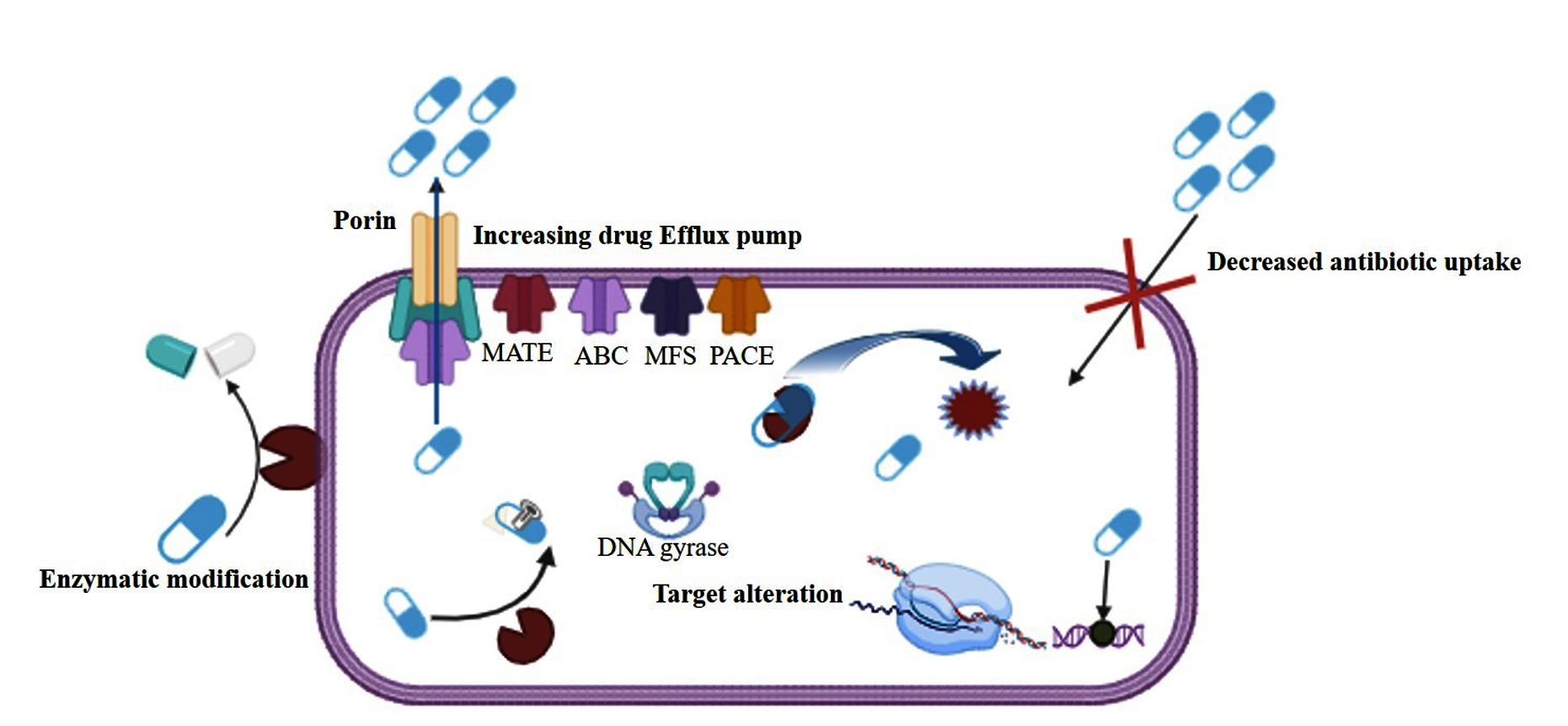
Figure 1. Antimicrobial Resistance Mechanisms of A. baumannii
Numerous A. baumannii infection outbreaks linked to epidemic clones have been documented in hospitals worldwide, primarily in the critical care units. The bacterium is well known for being resistant to several antibiotic families, including the last-resort drugs, carbapenems and colistin. As a result, the treatment of A. baumannii infections is extremely difficult.12
A. baumannii can cause a wide range of nosocomial infections and diseases, such as urinary tract infections (UTI), septicemia, wound and skin infections, pneumonia, meningitis, and endocarditis (Figure 2).6 It is highly responsible for ventilator-associated pneumonia (VAP), which has higher rates of morbidity and mortality than non-infected neonates.18,19 Moreover, A. baumannii is presumed to be one of the ESKAPE pathogens (Enterococcus faecium, Staphylococcus aureus, Klebsiella pneumoniae, A. baumannii, Pseudomonas aeruginosa, and Enterobacter spp.) conducting epidemiological investigations globally have been advised. A. baumannii strains to antimicrobial drugs is mostly attributed to the adeABC efflux pump. A higher prevalence of different efflux pumps and porin genes, especially AdeA and AdeB, has been reported, which are the major genes significantly affecting the resistance pattern of A. baumannii.20
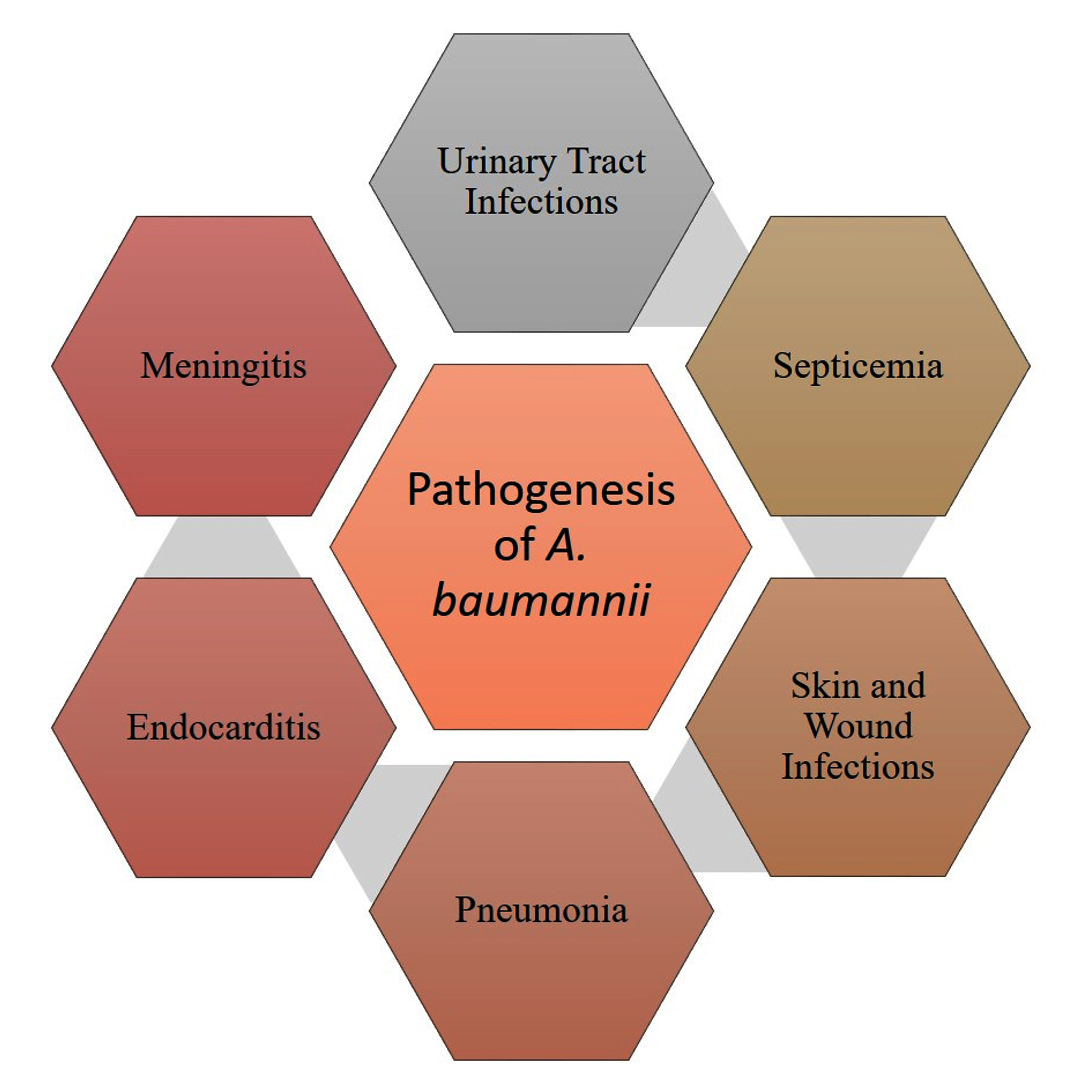
Figure 2. Infectious Diseases caused by A. baumannii
A. baumannii is not only found in humans but also isolated from different sites such as food industries, animals, water, sewage, and soil.21 In 2015, the WHO introduced the Global Antimicrobial Resistance & Surveillance System (GLASS) to monitor and control AMR. Using a “One Health” program, which considers the interdependence of animal, environmental, and human health, this program seeks to limit AMR globally. It acknowledges the need to locate every possible cause of the spread of antibiotic resistance.22 The One Health concept states that germs, especially those that may carry multiple ARGs, might transmit between species when pets and their owners are physically close. Regarding companion animals, long-term hospital stays, anesthesia, intubation and mechanical ventilation, urine catheterization, previous antibiotic therapy, previous surgery, and immunosuppression are risk factors for A. baumannii infection.23 MDR A. baumannii strains that infect the respiratory systems of dogs and cats can spread throughout the community and pose a zoonotic danger without requiring hospital stays.24 Bacterial AMR is one of the most significant and widespread health problems in the world from a personal health perspective.25
Epidemiology
Intensive care unit (ICU) infection statistics show how frequently A. baumannii outbreaks occur throughout many continents, mostly in North and South America, and Europe (Table 1). Three MDR clones were primarily responsible for these outbreaks, but new strains are now widespread in several regions of the world, with cases documented in the US, South America, Canada, Europe, the Middle East, Southeast Asia, Australia and Africa.26,27 A. baumannii caused 2%-10% of all infections in a global evaluation of antibiotic action against MDR Gram-negative bacteria; resistance rates increased in 2017, with a global rise of >40% in resistance over 2004 and 2014. North America had the lowest total MDR among A. baumannii isolates when broken down by continental region (31%), whereas >50% of isolates from Africa, the Middle East, and Latin America had MDR. Furthermore, A. baumannii isolates had the highest overall MDR rates, with 44% of them being MDR.28
Table 1. Global spread of A. baumannii Resistance genes and Mortality rate
No. |
Resistance Antibiotics |
Resistance Gene |
Sequence Type/International clone |
Country |
Mortality Rate |
Ref. |
|---|---|---|---|---|---|---|
1. |
Carbapenem |
OXA-23 |
ST208/IC2 |
China |
>60% |
67 |
2. |
Carbapenem |
OXA-23 |
IC2 |
Greece |
74% |
68,69 |
3. |
Carbapenem |
OXA-23, OXA-40 & OXA-58 |
ST2/IC2 |
France |
17.7% |
70 |
4. |
MDR |
OXA-23 |
ST79 & ST25 |
Brazil |
34.1% |
71 |
5. |
MDR & XDR |
blaOXA-72 |
– |
Ecuador |
35% |
72 |
6. |
Carbapenem MDR |
OXA-23 |
ST1816, ST 128/IC2 |
India |
74.6% |
73,74 |
7. |
MDR |
OXA-23blaIMP |
– |
Saudi Arabia |
47.6% |
75,76 |
8. |
XDR |
OXA-23, NDM-1 & ArmA |
ST2/IC2 |
Brazil |
75% |
77 |
9. |
Carbapenem |
OXA-23 |
IC1 & IC2 |
USA |
20% |
78 |
10. |
MDR |
OXA-23, NDM |
ST1 & ST2 |
South Africa |
52.2% |
79 |
Healthcare-associated infections are frequently caused by A. baumannii. Up to 50% of A. baumannii isolates are resistant to carbapenems, which has worsened the issue of carbapenem-resistant A. baumannii (CRAB) infections. Research conducted in the United States revealed that individuals with CRAB infections had a 26% mortality rate. Because of the organism’s propensity to pollute the healthcare environment, form biofilms, and colonize and infect those who are vulnerable, CRAB most frequently manifests in ICU patients and those with indwelling equipment or materials. A. baumannii infections are most frequently caused by pneumonia; more than half of A. baumannii infections manifest as pneumonia. Ventilator usage is frequently linked to nosocomial bacterial pneumonia caused by A. baumannii.29,30 A recent meta-analysis found that MDR A. baumannii, particularly CRAB, account for the majority of cases of ventilator-associated pneumonia/hospital-acquired pneumonia (VAP/HAP) worldwide, with a pooled global prevalence rate of 79.9% (95% CI 73.9%-85.4%).31 While CRAB is still a cause of VAP in less than 25% of cases in some parts of the world, like the United States and Europe, it has become one of the most common causes of HAP/VAP in other parts of the world, like Southeast Asia, since carbapenems were introduced as a common treatment for VAP in the 2000s and 2010s.32 Infection and respiratory failure at the time of hospitalization, maintaining mechanical ventilation and an endotracheal tube, a recent central venous catheter insertion, bacteremia caused by other microbes after colonization by MDR A. baumannii, and previous antimicrobial therapy were each independent predictors of MDR A. baumannii BSI in one study of ICU patients in South Korea.33
Furthermore, several epidemic clones currently dominate the worldwide distribution of A. baumannii clinical isolates, particularly international clones (IC) 1 and 2, also known as global clones 1 and 2. According to recent surveillance investigations, IC2 is more common outside Latin America.34 IC6, IC7, and IC8 are widely used worldwide. In Latin America, which has a unique epidemiology, IC4 and IC5 are often recognized as important epidemic lineages. IC9 and IC11 are clones that have been discovered more recently; IC3, which was once common along with IC1 and IC2, is now rarely detected.35 Higher occurrences have been observed by global surveillance networks in North America, Europe, Asia, and the Middle East; in certain ICUs in the Mediterranean and Middle East, carbapenem resistance rates exceed 80% of all A. baumannii isolates. Moreover, Multicenter research carried out in Asian critical care units found that 35%-85% of A. baumannii isolates showed carbapenem resistance, with the highest rates found in Thailand, Pakistan, and India.36 Middle East and North Africa (MENA) tertiary care centers have recorded rates of above 70%-90% in Egypt, Iran, and Lebanon.37 Military conflicts and instances of large casualties have been connected to the spread of CRAB. During the conflicts in Iraq and Afghanistan, troops who had suffered severe injuries were exposed to CRAB infections from field and evacuation hospitals.38 In a study, Lin Lee et al. found that CRABs are more common than 30% worldwide, with rates exceeding 50% in places such as southern and eastern Europe and over 80% in other parts of Asia.39
A. baumannii has also been obtained from several species, such as mink, cattle, pigs, and falcons.40 While some animal-derived A. baumannii isolates, such as those from dogs and cats, have multiple AMR, the majority appear to show minimal AMR. A. baumannii is also commonly found in a variety of non-animal sources, including food, soil, plants, and different water bodies.41-44 It is concerning that CRAB strains have spread to non-clinical settings outside of hospitals. Indeed, strains of A. baumannii that produce OXA-23 have been found in hospital wastewater in a number of nations.45-49 wastewater treatment.48,50,51 facilities as well as naturally occurring waterways like rivers.52,53 However, since the existence of healthcare-relevant clones in aquatic settings poses a threat to the intertwined human-animal-environment interaction, genomic and corresponding environmental data are still rare and tremendously useful.54-56 Moreover, numerous investigations have shown that hospital wastewater and other wastewater sources worldwide include both carbapenem-susceptible and CRAb.51,57-60 The identification of clinically significant bacterial lineages of A. baumannii in sewage may serve as a helpful indication of pathogens spreading in the human population in addition to offering information on the possible danger of CRAB spreading through wastewater.61,62 In India, AMR continues to be a major public health concern, leading to high rates of morbidity and death, especially in children. The public health issue has increased due to the rapid appearance and spread of resistant bacteria, particularly resistance to last-resort antibiotics such as colistin and carbapenems.63,64 Animal farms are important but little-studied habitats for the spread of AMR bacteria and ARG because of the intimate interactions between people, animals, and environmental reservoirs. Despite their significance, there are few systematic studies on the incidence of AMR in cattle and related human populations in India, and the majority of the data come from small, regional studies. The danger is increased, and the necessity of integrated monitoring is highlighted by the uncontrolled use of antibiotics in cattle and the lack of thorough surveillance systems.65,66 Mastitis in conventional dairy cattle and buffaloes, a prevalent clinical issue, harbors a variety of bacterial communities, including multidrug-resistant strains, highlighting livestock as a significant reservoir of AMR.66
In 2019 alone, 49.5 lakhs deaths were caused by bacterial infections and AMR. The finding that resource-constrained low- and middle-income countries (LMICs) have the highest incidence of AMR is concerning. Moreover, A. baumannii’s genome flexibility of A. baumannii allows it to accumulate ARGs (Antimicrobial Resistance Genes) linked to mobile genetic elements (MGEs). Recent studies have shown that plasmids also help human clinical strains of A. baumannii acquire and propagate ARGs.24 Because AMR is an increasing, growing and crucial global health concern, and keeping this in view, Liu et al., estimated that by 2050, due to the high rates of mortality and morbidity, it will cause 10 million deaths.80 The antibiotics that were typically successful in combating A. baumannii infections such as, polymyxins B and E (also known as colistin), piperacillin/tazobactam, aminoglycosides, carbapenems, and tigecycline, some of among them are typically used as a last resort to treat.81 But nowadays, MDR strains of A. baumannii have become progressively prevalent, which is limiting the efficacy of conventional antibiotic therapy; furthermore, resistance to these antibiotics is the most alarming. Consequently, the WHO stated that A. baumannii is a prime target for research and the development of new antimicrobials. To combat these infections, new antimicrobials or improved combination therapies are urgently needed.82-85 The resistance of CRAB is caused by a number of mechanisms, such as biofilm development, resistance acquisition, efflux pumps, and changes to its outer membrane.86,87
There is little information available on the worldwide epidemiological overview of how companion animals contribute to the spread of A. baumannii (Table 2).
Table 2. Prevalence of A. baumannii in Environmental settings
No. |
Geographical Origin |
Animal Species |
Sample Source |
Ref. |
|---|---|---|---|---|
1. |
United Kingdom |
Pig, Cattle |
Meat |
88 |
2. |
Republic of Korea |
Cattle, Pig |
Workers, Pork, Pig, Cattle, Carcasses, Beef |
89 |
3. |
Spain |
Pork, Beef, Chicken, Turkey |
Meat |
22 |
4. |
Italy |
Dog |
Canine auricular swabs |
90 |
5. |
Iraq |
Turkey, Chicken |
Meat |
91 |
6. |
Zambia |
Chicken |
Pooled cloacal, Meat samples |
92 |
7. |
Pakistan |
Broiler, Fish |
Broiler, Fish sample |
93 |
8. |
Egypt |
Sheep, Chicken, Cow, Camel |
Meat |
94 |
9. |
Iran |
Chicken, Turkey, Bovine, Ovine, Camel |
Meat |
95 |
10. |
Chile |
Pudu |
Swab |
96 |
Mechanism of carbapenem resistance
Reports have shown that CRAB can be detected on the hands of ICU staff members as well as on environmental samples 94% and 55%, respectively. CRAB infections rank fourth globally in terms of antimicrobial resistance.97,98 Carbapenem resistance in A. baumannii can be mediated by various mechanisms, including permeability following the loss of major porins and efflux pumps. In A. baumannii three types of RND efflux systems, AdeFGH, AdeIJK and AdeABC, of which AdeABC is a vital efflux pump that contributes to resistance to carbapenems and other medicines (last-resort antibiotics). Moreover, this pump is controlled by a two-part mechanism, that are AdeRS.99 According to the copious research, genes have been playing a dynamic contributing factor to any bacterium’s resistance to antibiotics and in the CRAB strains OXA-type β-lactamase genes (class-D oxacillinases) that is a drug’s enzyme and hydrolyze were found in carbapenem.100,101 Although, they are deprived carbapenem hydrolysers, but when these enzymes overexpressed, they deliver resistance to the bacterium because they directly bind to powerful promoter that is mobile elements like ISAba1. Among the OXA types genes, OXA-51 and OXA-23 are significant factors that influence carbapenem resistance.102 Worldwide, carbapenem resistance has been gradually increasing; however, Qui et al. analyzed the resistance mechanism of A. baumannii using transcriptome analysis, and they showed that the transcriptome delivered a hypothetical basis to regulate A. baumannii. Qiu et al. showed in their report that the creation of chaperonins, peptidoglycans, efflux pumps, and biofilms were all implicated in A. baumannii’s resistance to carbapenem antibiotics.101 Imipenem is frequently one of the only available treatment options, which has been worsened in the last few years by the global spread of A. baumannii isolates that are resistant to carbapenems.103
Penicillin-binding protein (PBP) overexpression, enhanced efflux pump function, reduced production of OMPs, and β-lactamase synthesis are the main mechanisms behind carbapenem resistance in A. baumannii. classes A-D are used to classify β-lactamases. Production of class D (OXA-type carbapenemases) and class B (metallo-β-lactamases), as well as less common classes. The main mechanisms of carbapenem resistance in CRAB include class A enzymes, such as KPC/GES.104 Antibiotics can enter bacterial cells by altering the bacterial outer membrane, usually porin channels. However, A. baumannii has the ability to change or decrease these porins, which lowers the availability of the medication. Consequently, even strong antibiotics are unable to reach the parts of the cell where they are supposed to. Efflux pumps significantly contribute to resistance. Antibiotics are forcefully eliminated from bacterial cells by these protein systems. As the bacterium continuously removes the antibiotic, it maintains a low intracellular concentration, making antibiotics less effective. MDR microorganisms are more susceptible to efflux-mediated resistance. In addition to these mechanisms, A. baumannii can alter the locations of antibiotic targets.105
Except for monobactams, MBLs exhibit pan-β-lactam catalytic activity when carried by transmissible genetic vehicles, such as plasmid vectors and integron systems. Using conserved protein architecture analyses, these Zn2+-requiring hydrolases are evolutionarily divided into three subgroups: B1 (clinically common), B2 (limited catalytic range), and B3 (uncommon ecological isolates).106 While imipenemase (IMP), Verona integron-encoded metallo-β-lactamases (VIM), and New Delhi metallo-β-lactamases (NDM) predominate in the worldwide β-lactamase distribution, their frequencies are reduced in clinical CRAB specimens.107
Mechanism of colistin resistance
Colistin is a naturally occurring positively charged peptide that attaches to the negatively charged phosphate groups of lipids. A lipopolysaccharide (LPS) component, or lipooligosaccharide (LOS) in the case of A. baumannii, causes cell lysis and rupture of the envelope. To boost their resistance to antimicrobial peptides, GNB have developed various ways to alter the lipid A component of LPS/LOS. Mutations in the pmrCAB operon are the primary source of colistin resistance in A. baumannii. The two-component PmrAB cassette regulates the expression of many genes, including the pmrC and naxD operons, in response to low pH and certain divalent cations (Fe2+, Zn2+, and Al3+).108-110
A. baumannii exhibits multifactorial colistin resistance associated with various molecular pathways. Changes in the genes lpxA, lpxC, and lpxD, which are involved in the manufacture of lipopolysaccharide (LPS), can compromise the integrity of the outer membrane and decrease the ability to bind colistin.111,112 Mutations in any one of the first three genes involved in lipid A biosynthesis—lpxA, lpxC, and lpxD—cause the loss of LPS, particularly its lipid A anchor. Each of these three lipid A biosynthesis genes has a unique mutation, according to an analysis of 21 independently generated colistin-resistant mutants of A. baumannii strain ATCC 19606.108,113,114 The main cause of A. baumannii’s ability to resist macrolide–lincosamide–streptogramin (MLS) antibiotics is erm genes, which alter the ribosome’s antibiotic-binding site, rendering the medications ineffective. MLS resistance in A. baumannii is increased by the frequent transmission of these resistance mechanisms via MGEs.17
Resistance to colistin can result from post-translational modification or damage to the LPS molecules that form the OM’s outer leaflet.115,116 Moreover, it occurs via modification of LPS by regulating is the pmrAB Systems of regulation with two components, lpxACD (specific mechanism in A. baumannii) or efflux pump mechanisms.116 The causes of colistin resistance might be caused by mobile plasmid genes termed mcr, that can be transferred horizontally across bacteria, or chromosomal changes (such pmrB, lpxACD, and pmrA).117 According to Srisakul et al., a combination of colistin and sulbactam demonstrated a synergy rate of 86.7% against colistin-resistant A. baumannii (CoR-AB) isolates compared to sulbactam (85.89%) or colistin (15.14%) alone. The treatment of CoR-AB infections may be possible due to the exceptional synergistic activity of the combination of colistin and sulbactam.118 Khoshbayan et al., detected mutation in lpxA, lpxC, lpxD, pmrA, and pmrB, and they also demonstrated that the primary mechanism linked to colistin resistance was the two-component PmrAb system.119 In first three stages of lipid A synthesis lpxA, lpxC, & lpxD genes are involved and based on the reports, the lpxC or lpxA genes are silenced by mutations, which resulted in colistin resistance. Farajnia et al. identified in their research that the colistin-resistant bacteria along with novel alterations in lpxA, lpxC, lpxD and pmrB genes also leads to novel mechanisms of resistance in the A. baumannii clinical isolates.116 Srisakul et al., demonstrated that, in the clinical isolates, Lipid A and colistin have a lower binding affinity when LPS is modified by phospho-ethanolamine (pEtN), which is linked to important resistance. Moreover, pEtN-induced alterations in lipid A, linked to pmrCAB operon mutations, are the primary colistin resistance mechanism in CoR-AB. Although the insertion or mutational inactivation of the lpxC, lpxA, and lpxD genes is impacted by LPS production and most probably related to colistin resistance in A. baumannii.118 Furthermore, Yamada et al. demonstrated that in A. baumannii, PmrAB not only regulating genes that are crucial for antimicrobial resistance but also engaged in reactions to environmental cues including pH and metal ions, which causes LOS modification.111
Mechanism of aminoglycosides resistance
A. baumannii produces aminoglycoside-modifying enzymes (AMEs) that make it resistant to aminoglycosides. Based on their chemical actions, these enzymes can be categorized into various groups, such as adenyl-transferase, acetyltransferase, and phosphotransferase. Moreover, AMEs enhance the capacity of bacteria to attach to the antibiotic’s intended ribosome locations. Although aminoglycoside resistance can occur through an alternative mechanism involving the production of specific 16S rRNA genes, such as rmtA, armA, rmtC, rmtB, and rmtD.120 For susceptible CRAB isolates, aminoglycosides are now advised as part of a combination treatment. Noticeably, there was limited evidence regarding the impact of newly licensed or approved β-lactamase inhibitors/β-lactam on infections fetched by GNB, which are resistant to carbapenem.121 Seifert et al., found that the most of the strains of A. baumannii that remained resistant to meropenem worldwide, were also resistant to aminoglycoside (amikacin) North America’s 58.7% and the other areas’ 82.1%-87.9% whereas, levofloxacin 98.8%, moreover, the worldwide resistance rate is approximately >80%.122
Mechanism of β-lactams resistance
As per Ambler’s classification, there are 4 types of beta-lactamases: A, B, C, and D; while referring to their biochemical role, Jacoby’s categorisation places them into four groups. Sulbactam is an inhibitor of class A β-lactamase with inherent whole-cell activity against a limited range of bacterial species. Moreover, it works against A. baumannii by inhibiting the penicillin-binding protein (PBP), PBP3, PBP1a, and PBP1b.123 Furthermore, cefiderocol resistance is a result of some β-lactamases. Over time, the clinical usefulness of sulbactam for A. baumannii infections has diminished because it is cleavable by numerous β-lactamases, such as TEM-1, OXAs (OXA-24/72, OXA-23, and OXA-58 families), and Acinetobacter-derived cephalosporinase (ADC-30).123
Over 90% of A. baumannii are resistant to carbapenems in several nations, including Belarus, Montenegro, Serbia, and Turkey. There are several ways that A. baumannii develops carbapenem resistance, but the main one is by the acquisition of OXA-23 and OXA-24, two Ambler class D enzymes. Although there have also been reports of other carbapenemases, including KPC, OXA-58, IMP, and NDM. Additionally, PER-type extended-spectrum β-lactamases (ESBLs) effectively hydrolyze cephalosporins and penicillins.117,124 Intrinsic resistance to cephalosporins, penicillins, and first-generation β-lactam–β-lactamase inhibitor combinations is caused by blaADC genes, which are encoded on the chromosomes of A. genomospecies 3 and ABC. In contrast to its Gram-negative bacilli relatives, blaADC cannot be generated in Acinetobacter species. When blaADC overexpression takes place, insertion sequences (IS) deployed upstream are required.125 In ABC, a number of acquired blaOXA gene groups with carbapenemase activity have been found. In 1985, a clinical A. baumannii collected from a patient in Scotland was found to contain the first blaOXA gene, which codes for a protein with carbapenem-hydrolyzing activity. Initially known as blaARI-1, the encoding gene was subsequently renamed blaOXA-23. It appears that blaOXA-23 originates from Acinetobacter radioresistens, where a variation of this group was found on the chromosome next to the ATPase gene.126-128 The blaOXA-23–like group, which is often found on a plasmid as part of transposons and is preceded by ISAba1 or ISAba4, has been widely identified among A. baumannii isolates worldwide. Furthermore, a shortened ATPase gene derived from A. radioresistens was found after the blaOXA-23-like gene. blaOXA-23-like genes are still quite common in resistant isolates. According to recent research, 39.5% and 74.5% of ABC isolates from the US and Europe, respectively, contained blaOXA-23-like genes.128-131
Mechanism of polymyxin resistance
Polymyxins (colistin and polymyxin B) are a typical class of cationic antimicrobial peptides (AMPs) that are used as last-resort antibiotics against MDR GNB. Worldwide, polymyxin resistance has been increasing, which is most commonly regulated by two-component systems, such as PmrAB (PmrA and PmrB) and PhoPQ. Polymyxins are considered last-resort antibiotics for MDR GNB treatment; however, to promote resistance toward cationic antimicrobial peptides, GNB can alter the structure of their LPS.132 The deacetylase NaxD and phosphoethanolamine transferase PmrC, which are implicated in A. baumannii’s polymyxin resistance, are crucially regulated by PmrAB TCS. PmrAB has been linked to a reduction in biofilm forming capability, average rate of growth, fitness, and pathogenicity in addition to its function in polymyxin resistance.133
PmrC is related to bacterial pathogenicity and survival and is essential for preserving the integrity of the outer membrane (OM). Additionally, NaxD is essential for in vivo pathogenicity, replication inside macrophages, and resistance to the antimicrobial peptide polymyxin B.134,135 Some bacterial strains, including E. coli, S. enterica, and K. pneumoniae, have a Pmr operon that includes the PmrA, PmrB, and PmrC genes, as well as an additional gene that codes for a tiny adaptor protein termed PmrD. Notably, PmrD controls the activity of the PmrA-PmrB system at the post-transcriptional level.136
The pmr operon in A. baumannii comprises PmrA, PmrB, and PmrC as essential components. The lack of PmrD suggests that other proteins may be involved in the activation of the PmrA-PmrB system. It is possible that alternate coordinated mechanisms may control this system in the absence of PmrD. It is important to note, however, that while the fundamental elements of the pmr operon are shared by other Acinetobacter species, A. baumannii exhibits differences in sequence and evolutionary traits compared to PmrA found in other bacterial species.137
Mechanism of tigecycline resistance
CRAB infections are currently treated with sulbactam, polymyxins, tigecycline (TGC), and the β-lactamase inhibitor.123 TGC resistance has been progressively increasing in recent years, despite the fact that TGC is one of the primary drugs used to treat CRAB infections, either alone or in combination.138,139 However, a new-generation tetracycline called eravacycline (ERV) exhibits potential as a cutting-edge therapy for these illnesses. The difference in resistance mechanisms between TGC and ERV is unclear. TGC resistance in A. baumannii is primarily caused by RND efflux pumps, such as AdeFGH, AdeABC, and AdeIJK, which are overexpressed and regulated by the transcriptional regulators AdeL, AdeRS, and AdeN, respectively.140 Chen et al. reported that in A. baumannii, TGC is less effective in clinical isolates than ERV. The ISAba1 insertion in either adeN or adeS in A. baumannii is associated with TGC resistance, while the ISAba1 insertion in adeS is associated with ERV resistance.139 ERV is a new fluorocycline antibacterial agent that shares structural similarities with TGC but differs in two ways in the tetracycline core’s D-ring. These changes significantly increased its bioavailability, resulting in stronger in vitro efficacy against CRAB than TGC.
The most common and widely dispersed mechanism linked to TGC resistance was disruption of adeN, which codes for the repressor of the RND efflux pump AdeIJK, either by deletions mutation resulting in premature termination codons or IS elements.141 One of the studies demonstrated that TGC continues to exhibit strong antibacterial action against A. baumannii in vitro globally; however, the treatment of A. baumannii in a medical setting is challenging due to a lack of effective choices for therapy and difficulties with antimicrobial susceptibility testing.122
According to an international study, the regulatory genes for RND efflux pumps, adeN and adeRS, were mutated in at least 30% of isolates that exhibited common TGC resistance in 113 molecularly characterized CRAB isolates with tigecycline MICs greater than 2 mg/L.123 Furthermore, Hua et al. showed that TGC resistance in A. baumannii is associated with alterations in the adeS, rpoB, and rrf genes.142
Virulence factors
The unique features of A. baumannii include its capacity to acquire or upregulate a range of resistance determinants, including horizontal gene transfer or other prospects, such as antibiotic target site modifications, reduced permeability of the outer membrane, upregulation or overexpression of efflux pumps, altered targets, and intrinsic and acquired β-lactamases. Additionally, it can survive in harsh environments because of molecular traits that promote environmental persistence, such as motility, resistance to desiccation, and biofilm formation. Moreover, antibiotic misuse has resulted in a surge in CRAB.101,123 Adhesins, lipopolysaccharides, pili, OMPs, autotransporters, iron uptake systems, phospholipases, secretion systems, and other virulence factors are responsible for A. baumannii pathogenicity (Figure 3). These components enable the bacterium to attach to and enter host cells, evade the host’s immune system, and cause tissue destruction. UTI, SSI, BSI and pneumonia are among the human pathophysiological conditions that are significantly influenced by its infection.143 A. baumannii is found in hospitals and natural settings worldwide, according to several investigations, and their prevalence in the environment appears to be connected to human associated sources. Table 3 shows the sequence typing, virulence factors, and ARGs of A. baumannii retrieved from different sample sources.
Table 3. A. baumannii Literature reports of Sequence Typing, Virulence Factors and the Resistance Genes from different sources
No. |
MLST |
Virulence Factors |
Resistance Genes |
Source |
Ref. |
|---|---|---|---|---|---|
1. |
ST2, ST267, ST942, ST1050, ST2058, |
bap, abaR, bauA, |
OXA-51, OXA-66, OXA-180, blaADC-25, aadA1, aph(3′′)-Ib, aac(3)-Ia, aph(6)-Id, aph(3′)-Ia |
Clinical, Hospital environments, Non-hospital environment, Soil |
170 |
2. |
ST1, ST2, ST32, ST85, ST208, ST745, ST1363, ST1474, |
KL, OCL |
OXA-23, OXA-58, OXA-24/40 |
Hospital |
171 |
3. |
ST2, ST10, ST40, ST129, ST398, ST1277, ST1500 |
KL1, 2, 3, 6, 9, 10, 14, 22, 49, 52, 81, |
OXA-23, OXA-23+24, OXA58+blaIMP |
Hospital |
172 |
4. |
ST2, ST191, ST195, ST208, ST369, ST540 |
KL128, 518, OCL475, 518 |
OXA-51/66, OXA-24/40, OXA-23, OXA-143, OXA-58 |
Hospital |
173 |
5. |
ST938, ST469, ST369, ST208, ST195, ST136 |
OCL1, KL2, 3, 7, 9, 45, 77, 210 |
OXA-23, OXA-66, ADC-25, TEM-1D, gyrA, parC, mph(E), msr(E) |
Hospital |
174 |
6. |
ST2, ST25, ST81, ST150, ST164, ST642, ST643 |
NA |
OXA-23, OXA-51, OXA-58, |
Hospital |
175 |
7. |
ST2, ST15, ST78, ST106, ST193, ST498, ST1574 |
IC2, IC4, IC6, KL2, 9, 37, 49, 52, 127, 128, 141, 168, OCL1, 7, |
OXA-51, OXA-72, OXA-90, OXA-120, OXA-23, OXA-64, OXA-66, OXA-699, OXA-88, TEM-1 |
Hospital |
176 |
8. |
ST2, ST10, ST32, ST52, ST85, ST149, ST267, ST409, ST2243 |
IC2, IC3, IC9, |
blaADC−79, OXA-23, OXA-66, blaNDM-1, aph(3″)-Ib |
Hospital, Environment, Human source |
177 |
9. |
ST208, |
NA |
blaVIM, OXA-51, AmpC, OXA-23 |
Hospital |
178 |
10. |
ST2, ST136, ST195, ST208, ST369, ST469, ST938, |
KL2, 3, 7, 9, 21, 45, 77, OCL1, ISAba1, ISAba26, IS26, ISVsa3, ISAba22, ISAba24, ISEc28, ISAba45, ISAba13, ISAba19, ISAba31, Tn6022, Tn2006 |
OXA-23, OXA-66, ADC-25, TEM-1D, ANT (3”)-IIc, aph(3”)-Ib, aph(3′)-Ia, aph(6)-Id |
Hospital |
179 |
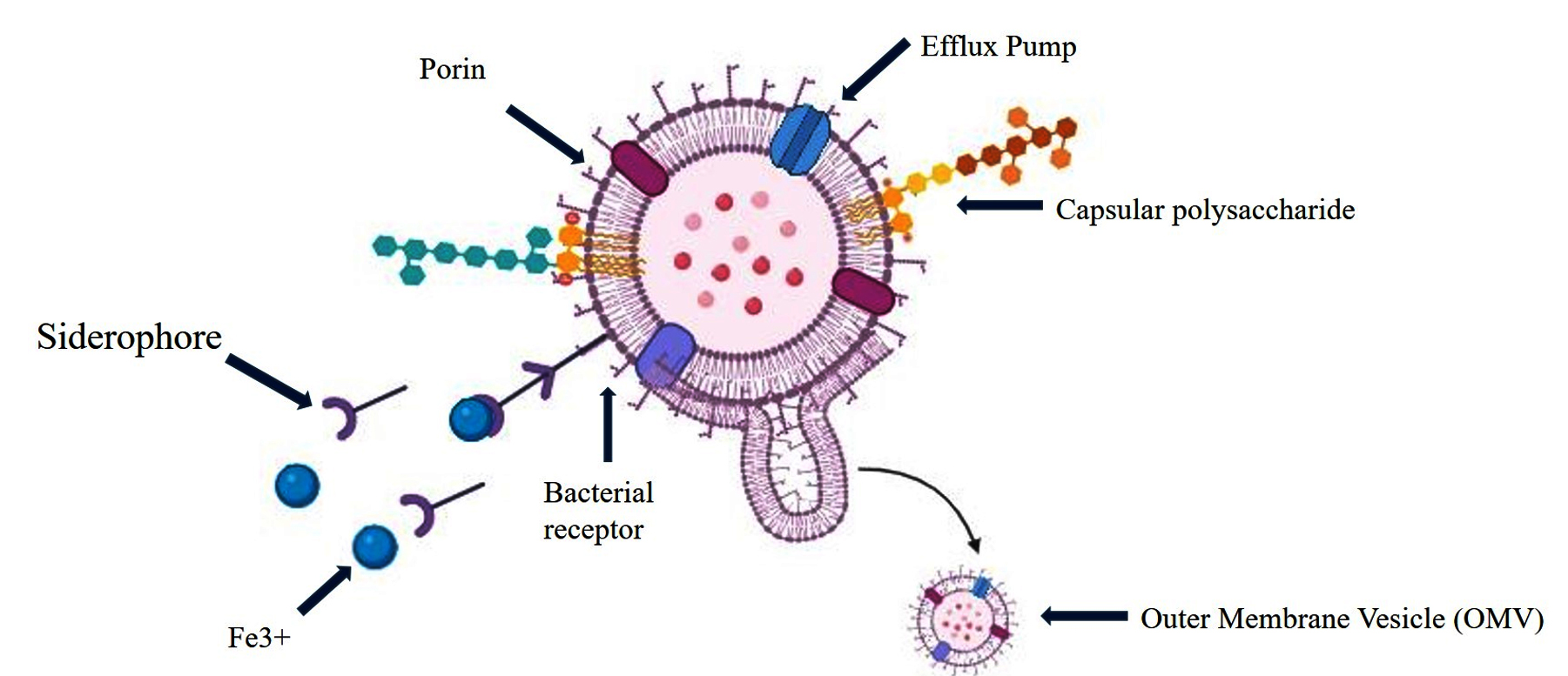
Figure 3. Virulence Factors Fostering AMR in A. baumannii
Porins
Gram-negative bacteria have a thin layer of peptidoglycan in their cell walls, shielded by an outer membrane. These components function as a barrier, preventing hydrophobic materials from entering the cell due to their decreased permeability. Porin, a β-barrel protein that helps small hydrophilic and amphiphilic molecules flow through cells, makes up more than half of the proteins that comprise bacterial outer membranes. In particular, for antibiotics, the difference in permeability is caused by the differentiation of porin components or their changes. Furthermore, A. baumannii has a 29-KD outer membrane protein called carbapenem-associated outer membrane protein (CarO).144 Mutations compromise porins, which carry antibiotics into the periplasmic area where penicillin-binding proteins (PBP) are located.145
Omp are excellent candidates for creating new therapeutic targets and antimicrobial tactics. Generally, Omp are essential for preserving the permeability and osmolarity of cells. The main protein in A. baumannii is OmpA, which is essential for AMR. OmpA communicates with host cells, promoting invasion, triggering apoptosis, and allowing the bacteria to continue.146 Some studies have also shown that a novel monopartite (single) nuclear localization signal, OmpA translocates to the nucleus and encourages cell mortality. In epithelial cells OmpA, acts as a key part in adhesion besides incursion and leads to additional virulence attributes, such as antimicrobial hindrance and resistance to oscillate complement by interacting with the H factor. Furthermore, it enhances the persistence and survival of A. baumannii by forming biofilms and enabling surface motility. Initially, CarO was shown to be a porin that allowed imipenem to enter A. baumannii cells. Eight β-barrel structures make up the OM channel, allowing tiny molecules to flow through. Six CarO variants with varying imipenem specificities have been identified in A. baumannii strains; remarkably, Hfq (master regulator) post-transcriptionally regulates carO expression to better fit the bacterial environment.147
Capsular polysaccharide and lipopolysaccharide (LPS)
In A. baumannii, the formation of capsular polysaccharides is regulated by a conserved area called the K locus. LPS, a general structural element in GNB, comprises three separate domains: lipid A, core oligosaccharide, and O antigen. Macrophages are stimulated by the O antigen, which produces inflammatory mediators, including interleukin-8 and tumor necrosis factor, which initiates an inflammatory response, and lipid A functions as an endotoxin. Moreover, the expression of locus K is controlled through the two-component regulatory structure bfmRS (TCS), in persistence with the model of pneumonia in mice, wherea bfmS is a virulence factor which take part in adhesion to eukaryotic organism, biofilm formation, although it is also resistant to human blood serum.148 Significant virulence factors of A. baumannii are glycoconjugates, adhesins and surface appendages such as peptidoglycan, glycosylated proteins, lipo-oligosaccharide and capsular polysaccharides.149,150 By affecting several facets of biofilm development and operation, including as initial adhesion, microcolony formation, and matrix stability, CPS significantly contributes to biofilm formation in A. baumannii.151 The extracellular matrix (ECM) of biofilms contains CPS, which like other ECM constituents such extracellular DNA, proteins, and polysaccharides, contributes to the composition and structure of the biofilm. By strengthening the cross-linking between biofilm constituents, it also increases the resilience of the biofilm matrix. The hepta-acylated lipid of A. baumannii LOS may enhance resistance to desiccation and cationic antimicrobial peptides, as well as activate the Toll-like receptor 4 (TLR4) pattern recognition receptor (PRR) to boost the host’s innate immune response. The structure of LOS can be changed to help A. baumannii endure stressful situations.
Phospholipase
Phospholipase is a virulence factor and lipolytic enzyme as well, which is essential for phospholipid metabolism. There are three classes of phospholipases have been defined like as phospholipase D (PLD), phospholipase A (PLA), and phospholipase C (PLC), according to the cleavage site. Phospholipase C and phospholipase D are also produced by A. baumannii, which are responsible for phospholipid hydrolysis, and these enzymes further break down host cell membranes causes to deteriorate.152 New treatment options are needed to address the global public health issue of bacterial resistance. Phospholipases A2 (PLA2), which are animal toxins extracted from snake venom and have significant antibacterial properties, are one possible solution to this issue.153 Because of the way their cell walls are structured, GNB are more resilient to the effects of harmful substances, which is likely why some phospholipases in them have lower bactericidal activity than those in Gram-positive bacteria (GPB).154
Outer membrane vesicles
Various pathogenic GNB outer membranes secrete outer membrane vesicles (OMVs), which are small, spherical, and 20-300 nm in diameter.155 Additionally, A. baumannii releases OMVs, which include phospholipases, proteases, and OmpA, among other virulence factors. These OMVs have deadly consequences when they interact with host cells by binding to epithelial cells and target organelles (such as mitochondria), bacterial biofilm formation, immunomodulation, and antibiotic resistance. Furthermore, OMVs facilitate horizontal gene transfer by acting as vehicles for plasmids carrying carbapenem ARGs.156 OMVs are known as carriers for bacterial effectors to host cells and are generally composed of the outer membrane, LPS, phospholipids, proteins found in the periplasm, and nucleic acids.157 Furthermore, OMVs carry out a number of vital biological functions that help bacterial cells survive. They carry enzymes that produce carbon sources from complex macromolecules, perform transport tasks, and eliminate misfolded proteins. Although there are important hints about the physiological significance of OMVs, there is no solid proof of their biogenesis.158 Moreover, A. baumannii OMVs act in the dissemination of plasmids containing blaOXA-24 and blaNDM-1 (carbapenem resistance genes). Numerous investigations have examined the proteome of OMVs from various isolates of A. baumannii, resulting in the identification of hundreds of OMV proteins.157 Transporting nutrients, including copper, nickel, iron, and complex carbohydrates, through the energy-depleted OM is a critical function of TonB-dependent transporters (TonRs). Owing to their unique structural characteristics membrane, TonRs can move nutrients across the outer membrane while capturing them in an energy-independent manner by harvesting energy from the inner membrane. OMV-associated TonRs seem to be vital for A. baumannii, a priority pathogen, to persist in nutrient-deficient environments.159
Efflux pumps
Multidrug efflux pumps are facilitated by integral membrane transport proteins, which are a common mechanism of AMR in bacterial pathogens. These proteins are usually highly promiscuous and can identify a variety of antimicrobial substrates with varying valencies and structures. They are primarily capable of actively expelling substrates into the extracellular environment or periplasmic space, obstructing the substrate’s journey to its intracellular destination. Because of this, efflux pumps are frequently the primary defense mechanism against antimicrobial therapy; however, additional defense mechanisms such as target site mutation, drug enzymatic alteration, and reduced membrane permeability can also be triggered.160,161 A. baumannii has been found to contain a variety of Metallo-beta-lactamases (MBLs), like; VIM (Verona integron-encoded metallo-beta-lactamases), SIM (Seoul imipenemase), IMP (imipenemases), GIM (German imipenemase), SPM (Sao Paolo Metallo-beta-lactamases), and NDM (New Delhi Metallo-beta-lactamases). A. baumannii contains oxacillinases that can hydrolyze carbapenems, including OXA-24/40, OXA-23, OXA-58, OXA-235 and OXA143.99 The proteobacterial antimicrobial compound efflux family, resistance-nodulation-cell division superfamily (RND), major facilitator superfamily (MFS), small multidrug resistance family (SMR), and multidrug and toxin extrusion family (MATE) are among the six families of bacterial efflux pumps that have been identified. In Acinetobacter, AdeABC and AceI efflux pumps confer resistance to aminoglycosides and biocide, respectively.161-163 In Acinetobacter species, AdeIJK, AdeAB(C), and AdeFGH RND are the most relevant RND pump families with respect to AMR; moreover, among the three, the overexpression of adeABC is most frequently seen in MDR hospital samples, whereas AdeFGH efflux pump overexpression resulted in hypersensitivity to abnormalities in the homeostatic regulation of the outer membrane, such as lesions that inhibited porin production and decreased the biosynthesis of lipo-oligosaccharides.82,149,161,164 Point mutations, deletions, insertions, and genetic alterations in regulatory systems can all result in the production of efflux pumps. The AdeABD system is resistant to trimethoprim, tetracycline, aminoglycosides, fluoroquinolones, and chloramphenicol. It has also been shown to reduce tigecycline susceptibility. The AdeFGH system has been shown to be resistant to trimethoprim, tetracyclines, tigecycline, clindamycin, fluoroquinolones, chloramphenicol, and sulfonamide. Furthermore, AceI, a new efflux pump that confers chlorhexidine resistance, was identified in A. baumannii in 2015. The newly discovered proteobacterial antimicrobial compound efflux (PACE) family was assigned to this pump.165
Siderophores
During A. baumannii-associated pneumonia, iron availability may be crucial for blood dispersion and is essential for bacterial development and host defense (nutritional immunity).166 Predominantly, pathogenic bacteria face a shortage of freely accessible iron in their host, which is also nearly unreachable in mammals for invasive bacteria. Under iron shortage conditions, siderophores are secreted, and the binding of siderophores to ferric ions allows A. baumannii to acquire iron. Moreover, through specific protein receptors on the outer sheath of bacterial cells, especially GNBs, siderophores loaded with heme and Fe3+ are internalized, driven by the proton gradient of the bacterial inner membrane as an energy source. Cefiderocol is a recently developed cephalosporin siderophore; similar to other β-lactam antibiotics, it attaches to proteins that bind penicillin, particularly PBP-3, and inhibits bacterial cell wall synthesis. Moreover, the failure to cure infections caused by MDR strains of A. baumannii demonstrates how quickly these bacteria evolve adaptation mechanisms. As a result, A. baumannii is now acknowledged as a community well-being threat that requires the development of new therapeutic targets and antibacterial techniques.146,167 Table 3 shows the prevalence of various virulence factors, sequence types, and resistance genes from various clinical specimens. Resistance to cefiderocol in A. baumannii is triggered by several processes, such as changes in PBP-3’s amino acid composition, downregulation of the TonB-ExbB-ExbD energy transfer pathway, and changes in the transcription levels of genes encoding iron transport proteins, including feoB, fiu, and feoA.168,169 The absorption of cefiderocol depends critically on the ferric-enterobactin receptor PirA and the TonB-dependent siderophore receptor PiuA. Uskudar-Guclu et al. showed that the genes blaIMP, blaPER-1, mcr-1, blaOXA-23, blaNDM, blaOXA-51, blaOXA-58 and blaOXA-24 were screened and contributed to cefiderocol resistance.117
Biofilm
Biofilm development is one of the most crucial adaptation mechanisms used by A. baumannii to survive in challenging environments, particularly in hospital settings. By adhering to biotic and abiotic surfaces, A. baumannii may create structured microbial communities encased in a self-assembled extracellular matrix, unlike planktonic (free-living) bacteria. The bulk of this matrix is composed of proteins, polysaccharides, and extracellular DNA, which collectively provide the bacterial population with mechanical stability and protection.105,179 The attachment, development, maturity, and removal of the biofilm are all part of the biological cycle that this process typically follows (Figure 4). Planktonic cells first attach themselves reversibly to a surface conducive to growth after identifying environmental factors that lead to a sessile existence. The cells then undergo (a) irreversible attachment, (b) growth, and (c) development of microcolonies encircled by the biofilm polymeric matrix. Cell-cell and cell surface interactions are part of these early attachment phases, which enable biofilm formation. As bacterial colonies grow, the microbes take over the uncolonized areas and cover the entire surface.180-183 Biofilm development is therapeutically relevant because of the obvious link between treatment failure and recurring infections. In hospital settings, A. baumannii frequently colonizes medical equipment, such as intravenous lines, ventilators, endotracheal tubes, and urine catheters. These surfaces are ideal for biofilm development, allowing germs to persist despite routine cleaning. Once established, biofilms operate as a physical and biochemical barrier that shields bacteria from host-specific immune systems and significantly reduces the adhesion of antimicrobial agents.184 At the molecular level, the high frequency of biofilm formation is supported by the existence of certain virulence genes, such as those encoding OmpA and Bap, which enhance structural integrity, adhesion, and resistance, increasing the organism’s potential for pathogenicity.185 Extracellular RNA (eRNA), Extracellular DNA (eDNA), proteins, signalling molecules, polysaccharides, and other substances make up the self-produced polymeric matrix that bacterial cells are immersed in in the biofilm form.180,181 Because of its capacity to form biofilms, A. baumannii may persist on abiotic surfaces. Additionally, this way of living offers protection against environmental threats, such as biocides. Generally, the biofilm matrix physically prevents biocides from diffusing, and its chemical constituents may interact with biocides to lessen their effectiveness.186
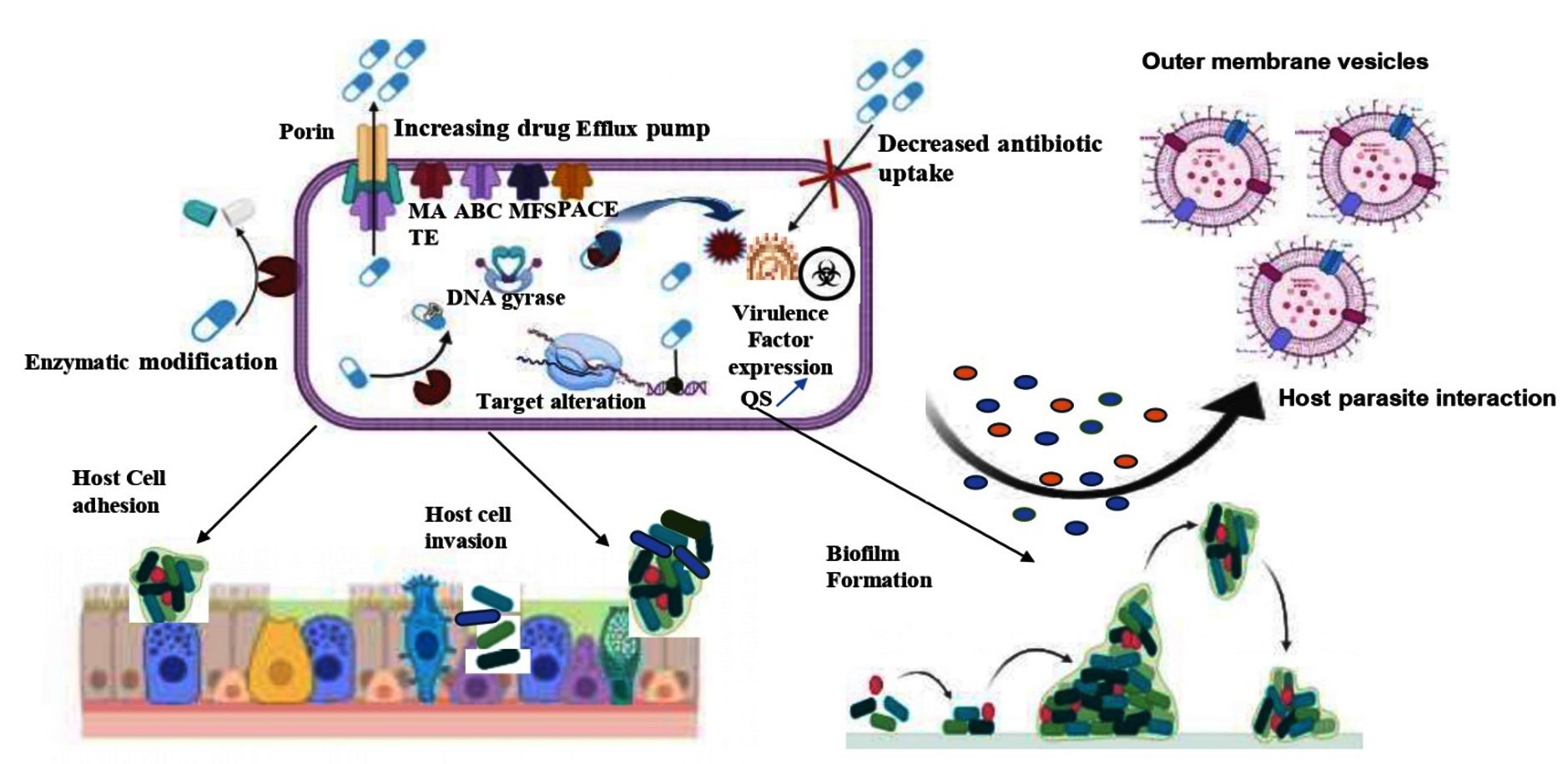
Figure 4. Role of quorum sensing in biofilm formation and mechanisms of biofilm formation, maturation and propagation
The biofilm matrix, which provides protection and structural stability to the biofilm, is mostly reliant on the type of bacteria that make up the biofilm. Since the chemical makeup of the biofilm matrix dictates the biophysical and biochemical characteristics of the biofilm, it also affects the microenvironment. While singular-species biofilms are more frequent in infections and on the surface areas of medical devices, mixed-species biofilms predominate in most habitats.180,187 Biofilm production is mainly influenced by adaptability to environmental variables and is dependent on nutritional conditions and/or bacterial species. This process typically involves the adhesion, development, maturity, and removal of biofilms as part of a biological cycle. 183,188 Because biofilms are colonies of bacteria surrounded by a protective matrix, they are challenging to remove. Moreover, biofilms are more resistant to antibiotics, which is particularly concerning for human health. The observed higher tolerance is caused by persister cells, decreased development, biofilm-specific defensive stress responses, and decreased penetration of antimicrobial agents into biofilms.189,190 It can create biofilms on biotic and abiotic surfaces, which improves bacterial survival, immunological evasion, and resistance to antimicrobial treatments, and is a crucial virulence factor. Infections linked to biofilms are frequently persistent, recurring, and challenging to treat, particularly when they involve devices. Treatment results are further complicated by the interaction between biofilm development and antibiotic resistance.105
Quorum sensing
Bacterial cells frequently use quorum sensing (QS), a cell-to-cell communication mechanism, to coordinate gene expression in a way that is dependent on cell population density.191 The QS circuit generally involves the following stages: (i) QS signal molecules are synthesized; (ii) these signal molecules are secreted into the external cellular environment; (iii) receptors detect the signal molecules; and (iv) target gene expression is modulated.192 The AHL signaling system, which contains two main components—the signal synthase AbaI and the matching receptor AbaR—is the first QS system found in A. baumannii. The classic LuxI/LuxR system observed in other GNB is comparable to this system. The abaI gene encodes AbaI, a synthase that produces AHL signal molecules.193,194 A. baumannii secretes moderate to long-chain AHLs (C6 to C14), and a putative lux-box sequence (CTGTAAATTCTTACAG) located 67 base pairs upstream of the starting codon of the abaI gene acts as a binding site that initiates a positive feedback loop, increasing the synthesis of further AHLs.195,196
Moreover, A. baumannii also uses an indole QS system, which has been demonstrated to modify its biological activity, in addition to the AHL-based QS system. The second messenger of bacteria, cyclic dimeric GMP (c-di-GMP) is the main regulator of motility and biofilm formation. Different amounts of c-di-GMP have been shown to partially influence bacterial motility. For example, c-di-GMP-mediated activities are associated with infection and host-microbe symbiosis, and higher/lower concentrations of c-di-GMP enhance sessility and motility, respectively. Diguanylate cyclase (DGC) and phosphodiesterase (PDE) are the two enzymes primarily responsible for the production and breakdown of c-di-GMP. According to several research studies, bacteria contain several c-di-GMP-related enzymes, and their associated DGCs and/or PDEs regulate different phenotypes, such as motility and biofilm dispersion.197-200
Therapeutic challenges
The pervasiveness of XDR and MDR A. baumannii variants is increasing; thus, it is critical to implement efficient antimicrobial measures to stop the illness from spreading further. In light of this, many attempts have been made to find novel scaffolds or compounds to slow the rate at which drug resistance to different traditional antibiotics is growing. There is no obvious best antibiotic to use when treating infections such as CRAB, which have few treatment choices and high fatality rates, and antibiotic combinations are common. Porin channels are smaller and narrower, which makes the outer membranes impermeable.143 The long evolutionary exposure of A. baumannii to soil organisms that produce antibiotics can make it a reservoir of resistance genes. It can create biofilms and persist for a longer duration in the environment. Clinicians find it challenging to choose an empirical antibiotic treatment because of the escalated AMR, especially in MDR organisms such as A. baumannii. Treatment of patients with severe CRAB infections remains difficult. CRAB resistance is caused by several processes, including efflux pumps, biofilm development, resistance acquisition, and changes in the outer membrane. Patients should receive proper care right away if they show symptoms of infection and there is a strong clinical suspicion of CRAB infection. Unfortunately, antimicrobial resistance limits the effectiveness of existing CRAB therapeutic methods. The effects of vaccinations and their development in contemporary medicine have allowed us to live longer and better. Because of its capacity to withstand antibiotics on extremely dry surfaces seen in hospitals, A. baumannii has appeared as a successful pathogen.120,201 The effectiveness of current antibiotic treatments for multidrug resistance is limited, and there is little chance that new medicines will be developed for A. baumannii. There is an urgent need for unconventional methods, and vaccination against this menace may be one such option. Based on the clinical symptoms induced by A. baumannii, preventative immunization might benefit patients with burns, wounds, and those on mechanical ventilation.
Carbapenems continue to be among the best alternatives for treating patients with severe infections caused by GNB. GNB’s carbapenem resistance is mostly caused by carbapenemases. Worldwide, healthcare facilities face a significant issue with CRAB, as it is the fourth most common. According to the WHO’s 2024 list of bacterial priority diseases, CRAB is classified as a priority pathogen that is significant for public health and should direct R&D initiatives to avoid and reduce AMR. Notably, we have reviewed that a variety of virulence-associated genes were present in every A. baumannii isolate. Adhesion, enzymatic activity, biofilm formation, iron acquisition, immune system evasion, regulatory mechanisms, and resistance to serum-mediated death are some of the virulence factors encoded by these genes. Additionally, the genomes showed different levels of genes encoding csu pili and the biofilm-associated protein (bap), which are known to play a role in adhesion, motility, and biofilm formation. Interestingly, Bap is essential for the development and maturity of biofilms, and its role in intercellular adhesion has been connected to acquired A. baumannii nosocomial infections.
ST-2 is the most common ST among CRAB clinical isolates from several areas, demonstrating its broad occurrence and clinical importance. ARGs have also been found in several plant and animal isolates, indicating that the ongoing problem of AMR in A. baumannii extends beyond clinical isolates. Environmental isolates may act as repositories for resistance determinants between these different ecological settings, as they share virulence genes with clinical pathogens. This emphasizes the need for cutting-edge tactics and transdisciplinary approaches. Moreover, the k-mer-based process proved to be a dependable method for MIC prediction in clinical situations because of its excellent recall/sensitivity and specificity. Machine learning algorithms can interpret AMR processes from DNA sequence data without prior knowledge. One Health strategy to integrate animal, human, and environmental health, highlighting worldwide concerns over A. baumannii’s developing resistance. There has been a notable advancement in the comprehension of the virulence potential of A. baumannii, revealing new aspects of its pathogenicity and environmental fitness, in tandem with the organism’s remarkably rapid expansion of AMR and its ever-increasing impact on healthcare systems. Effective management of these infections requires individualized patient care and thorough antimicrobial stewardship. Further research is required to optimize treatment plans and reduce the likelihood of resistance development. Because A. baumannii can thrive in hospital settings, develop resistance quickly, and cause serious infections with a high death rate, it has become a major global health problem, especially in its MDR and CRAB variants. The need for novel techniques is highlighted by the fact that traditional diagnostic and treatment procedures are still sluggish, imprecise, and challenging to use, particularly in settings with limited resources. Therefore, developments in machine learning (ML) and artificial intelligence (AI) provide effective techniques to improve Acinetobacter infection control at every step. AI-driven techniques enable faster triage, more precise distinction between colonization and genuine infection, reliable resistance phenotype prediction, and effective detection of synergistic combinations of antibiotics. Furthermore, new drugs like abaucin have recently been produced using AI-supported drug discovery pipelines, proving the ability of computational methods to investigate uncharted chemical territory. Multi-epitope vaccines (MEVs) for A. baumannii target several immunodominant epitopes to limit the danger of immune evasion, produce antibodies, overcome antigenic diversity, and offer broad protection. Due to the variety of germs, single-antigen vaccinations are insufficient, necessitating multi-antigen strategies. Due to their capacity to target a variety of A. baumannii pathogenic pathways, MEVs have drawn interest and may provide more protection over single-epitope vaccines. Adding vaccine antigens to OMVs has been found to be a viable method for increasing vaccination effectiveness. OMVs are useful platforms for developing vaccines against A. baumannii because they improve antigen delivery and boost immune responses. Moreover, artificial glycoconjugates that resemble A. baumannii’s capsular polysaccharides have been suggested as an additional tactic to use the pathogen’s virulence characteristics for protective immunity. Although phage therapy has been extensively studied as a potential treatment for MDR bacterial infections, a significant obstacle is still the quick generation of phage-resistant mutations. The long-term effectiveness of phage monotherapy may be limited by mechanisms that facilitate bacterial resistance to phages, including restriction-modification systems, CRISPR-Cas activation, and receptor alteration.
ACKNOWLEDGMENTS
None.
CONFLICT OF INTEREST
The authors declare that there is no conflict of interest.
AUTHORS’ CONTRIBUTION
All authors listed have made a substantial, direct and intellectual contribution to the work, and approved it for publication.
FUNDING
None.
DATA AVAILABILITY
All datasets generated or analyzed during this study are included in the manuscript.
ETHICS STATEMENT
Not applicable.
- Munro C, Zilberberg MD, Shorr AF. Bloodstream Infection in the Intensive Care Unit: Evolving Epidemiology and Microbiology. Antibiotics. 2024;13(2):123.
Crossref - Bansal K, Saroha T, Patil PP, et al. Evolutionary trends of carbapenem-resistant and susceptible Acinetobacter baumannii isolates in a major tertiary care setting from North India. Infect Genet Evol. 2024;117:105542.
Crossref - Kumar S, Patil PP, Patil PP, et al. Molecular epidemiology of carbapenem-resistant Acinetobacter baumannii isolates reveals the emergence of blaOXA-23 and blaNDM-1 encoding international clones in India. Infect Genet Evol. 2019;75:103986.
Crossref - Męcik M, Stefaniak K, Harnisz M, Korzeniewska E. Hospital and municipal wastewater as a source of carbapenem-resistant Acinetobacter baumannii and Pseudomonas aeruginosa in the environment: a review. Environ Sci Pollut Res Int. 2024;31(36):48813-38.
Crossref - Kumar S, Anwer R, Sehrawat A, Yadav M, Sehrawat N. Assessment of Bacterial Pathogens in Drinking Water: a Serious Safety Concern. Curr Pharmacol Rep. 2021(7):206-212.
Crossref - Kumar S, Yadav M, Sehrawat N, Rakesh R, Alrehaili J, Anwer R. Pathobiology of Multidrug Resistant Acinetobacter baumannii: An update. Asian J Biol Lif Sci. 2021;10(1):15-26.
Crossref - Kumar S, Anwer R, Azzi A. Virulence Potential and Treatment Options of Multidrug-Resistant (MDR) Acinetobacter baumannii. Microorganisms. 2021;9(10):2104.
Crossref - Lucidi M, Visaggio D, Migliaccio A, et al. Pathogenicity and virulence of Acinetobacter baumannii: Factors contributing to the fitness in healthcare settings and the infected host. Virulence. 2024;15(1):2289769.
Crossref - Qin J, Feng Y, Lu X, Zong Z. Precise Species Identification for Acinetobacter: a Genome-Based Study with Description of Two Novel Acinetobacter Species. mSystems. 2021;6(3):e0023721.
Crossref - Migliaccio A, Bray J, Intoccia M, et al. Phylogenomics of Acinetobacter species and analysis of antimicrobial resistance genes. Front Microbiol. 2023;14:1264030.
Crossref - AlQumaizi KI, Kumar S, Anwer R, Mustafa S. Differential Gene Expression of Efflux Pumps and Porins in Clinical Isolates of MDR Acinetobacter baumannii. Life. 2022;12(3).
Crossref - Olowo-Okere A, Skiebe E, Wilharm G. Genomic and phylogenomic analyses reveal extensive diversity among soil-derived Acinetobacter baumannii isolates from Nigeria. Sci Rep. 2026;16(1):17689.
Crossref - Khamari B, Lama M, Pachi Pulusu C, et al. Molecular Analyses of Biofilm-Producing Clinical Acinetobacter baumannii Isolates from a South Indian Tertiary Care Hospital. Med Princ Pract. 2020;29(6):580-587.
Crossref - Da Silva GJ, Domingues S. Insights on the Horizontal Gene Transfer of Carbapenemase Determinants in the Opportunistic Pathogen Acinetobacter baumannii. Microorganisms. 2016;4(3):29.
Crossref - Hamidian M, Ambrose SJ, Hall RM. A large conjugative Acinetobacter baumannii plasmid carrying the sul2 sulphonamide and strAB streptomycin resistance genes. Plasmid. 2016;87-88:43-50.
Crossref - Villalon P, Valdezate S, Medina-Pascual MJ, Carrasco G, Vindel A, Saez-Nieto JA. Epidemiology of the Acinetobacter-derived cephalosporinase, carbapenem-hydrolysing oxacillinase and metallo-β-lactamase genes, and of common insertion sequences, in epidemic clones of Acinetobacter baumannii from Spain. J Antimicrob Chemother. 2013;68(3):550-553.
Crossref - Praveen A, Sinduja A, Yadav MK, Sharma D, Singh A. Outsmarting Nightmare: Drug Resistance in Acinetobacter baumannii.Can J Infect Dis Med Microbiol. 2025;2025:9591804.
Crossref - Kunkle DE, Cai Y, Eichman BF, et al. An interstrand DNA crosslink glycosylase aids Acinetobacter baumannii pathogenesis. Proc Natl Acad Sci U S A. 2024;121(27):e2402422121.
Crossref - Thatrimontrichai A, Pannaraj PS, Janjindamai W, Dissaneevate S, Maneenil G, Apisarnthanarak A. Intervention to reduce carbapenem-resistant Acinetobacter baumannii in a neonatal intensive care unit. Infect Control Hosp Epidemiol. 2020;41(6):710-715.
Crossref - Terkuran M, Erginkaya Z, Konuray G, et al. Evaluation of Antibiotic Resistance and adeABC, adeR, adeS Efflux Pump Genes among Foodborne and Clinical Acinetobacter spp. in Turkiye. Iran J Public Health. 2022;51(12):2753-63.
Crossref - Basatian-Tashkan B, Niakan M, Khaledi M, et al. Antibiotic resistance assessment of Acinetobacter baumannii isolates from Tehran hospitals due to the presence of efflux pumps encoding genes (adeA and adeS genes) by molecular method. BMC Res Notes. 2020;13(1):543.
Crossref - Puente A, Cobo-Diaz JF, Oliveira M, et al. Diverse Acinetobacter in retail meat: a hidden vector of novel species and antimicrobial resistance genes, including plasmid-borne blaOXA-58, mcr-4.3 and tet(X3). Int J Food Microbiol. 2025;441:111313.
Crossref - Leelapsawas C, Yindee J, Nittayasut N, et al. Emergence and multi-lineages of carbapenemase-producing Acinetobacter baumannii-calcoaceticus complex from canine and feline origins. J Vet Med Sci. 2022;84(10):1377-84.
Crossref - Chanchaithong P, Leelapsawas C, Sroithongkham P, et al. Localization of AbaR4-type genomic islands and multidrug resistance plasmids in multiple Acinetobacter baumannii clones and Acinetobacter pittii from infections of dogs and cats. Infect Genet Evol. 2025;133:105782.
Crossref - Scarpellini R, Assirelli G, Giunti M, Esposito E, Mondo E, Piva S. Monitoring the Prevalence of Antimicrobial Resistance in Companion Animals: Results from Clinical Isolates in an Italian University Veterinary Hospital. Transbound Emerg Dis. 2023;2023:6695493.
Crossref - Hamidian M, Nigro SJ. Emergence, molecular mechanisms and global spread of carbapenem-resistant Acinetobacter baumannii. Microb Genom. 2019;5(10):e000306.
Crossref - Lima PHM, Lopes CF, Freire JPC, et al. Integrative review on Acinetobacter baumannii as a multidrug-resistant pathogen: resistance mechanisms and therapeutic perspectives in the context of nosocomial infections. Rev Soc Bras Med Trop. 2025;58:e02682025.
Crossref - Giammanco A, Cala C, Fasciana T, Dowzicky MJ. Global Assessment of the Activity of Tigecycline against Multidrug-Resistant Gram-Negative Pathogens between 2004 and 2014 as Part of the Tigecycline Evaluation and Surveillance Trial. mSphere. 2017;2(1):e00310-16.
Crossref - Jean SS, Chang YC, Lin WC, Lee WS, Hsueh PR, Hsu CW. Epidemiology, Treatment, and Prevention of Nosocomial Bacterial Pneumonia. J Clin Med. 2020;9(1):275.
Crossref - Howard A, O’Donoghue M, Feeney A, Sleator RD. Acinetobacter baumannii: an emerging opportunistic pathogen. Virulence. 2012;3(3):243-250.
Crossref - Lim SMS, Abidin AZ, Liew SM, Roberts JA, Sime FB. The global prevalence of multidrug-resistance among Acinetobacter baumannii causing hospital-acquired and ventilator-associated pneumonia and its associated mortality: A systematic review and meta-analysis. J Infect. 2019;79(6):593-600.
Crossref - Nhu NTK, Lan NPH, Campbell JI, et al. Emergence of carbapenem-resistant Acinetobacter baumannii as the major cause of ventilator-associated pneumonia in intensive care unit patients at an infectious disease hospital in southern Vietnam. J Med Microbiol. 2014;63(Pt 10):1386-1394.
Crossref - Jung JY, Park MS, Kim SE, et al. Risk factors for multi-drug resistant Acinetobacter baumannii bacteremia in patients with colonization in the intensive care unit. BMC Infect Dis. 2010;10:228.
Crossref - Muller C, Reuter S, Wille J, et al. A global view on carbapenem-resistant Acinetobacter baumannii. mBio. 2023;14(6):e0226023.
Crossref - Nodari CS, Cayo R, Streling AP, et al. Genomic Analysis of Carbapenem-Resistant Acinetobacter baumannii Isolates Belonging to Major Endemic Clones in South America. Front Microbiol. 2020;11:584603.
Crossref - Lob SH, Hoban DJ, Sahm DF, Badal RE. Regional differences and trends in antimicrobial susceptibility of Acinetobacter baumannii. Int J Antimicrob Agents. 2016;47(4):317-323.
Crossref - Buetti N, Marschall J, Drees M, et al. Strategies to prevent central line-associated bloodstream infections in acute-care hospitals: 2022 Update. Infect Control Hosp Epidemiol. 2022;43(5):553-569.
Crossref - Perez F, El Chakhtoura NG, Papp-Wallace KM, Wilson BM, Bonomo RA. Treatment options for infections caused by carbapenem-resistant Enterobacteriaceae: can we apply “precision medicine” to antimicrobial chemotherapy? Expert Opin Pharmacother. 2016;17(6):761-781.
Crossref - Lee YL, Ko WC, Hsueh PR. Geographic patterns of Acinetobacter baumannii and carbapenem resistance in the Asia-Pacific Region: results from the Antimicrobial Testing Leadership and Surveillance (ATLAS) program, 2012-2019. Int J Infect Dis. 2023;127:48-55.
Crossref - Mateo-Estrada V, Vali L, Hamouda A, Evans BA, Castillo-Ramirez S. Acinetobacter baumannii Sampled from Cattle and Pigs Represent Novel Clones. Microbiol Spectr. 2022;10(4):e0128922.
Crossref - Castillo-Ramirez S, Aguilar-Vera A, Kumar A, Evans B. Acinetobacter baumannii: much more than a human pathogen. Antimicrob Agents Chemother. 2025;69(9):e0080125.
Crossref - Yusuf I, Skiebe E, Wilharm G. Evaluation of CHROMagar Acinetobacter and MacConkey media for the recovery of Acinetobacter baumannii from soil samples. Lett Appl Microbiol. 2023;76(2):ovac051.
Crossref - Martins-Goncalves T, Sano E, Melocco G, et al. Phylogenomic analysis of aquatic and clinical OXA-23-positive Acinetobacter baumannii belonging to the international clone 5 (ST79) from Southeast Brazil. One Health. 2025;21:101140.
Crossref - Sykes EME, Mateo-Estrada V, Engelberg R, et al. Phylogenomic and phenotypic analyses highlight the diversity of antibiotic resistance and virulence in both human and non-human Acinetobacter baumannii. mSphere. 2024;9(3):e0074123.
Crossref - Ferreira AE, Marchetti DP, De Oliveira LM, Gusatti CS, Fuentefria DB, Corcao G. Presence of OXA-23-producing isolates of Acinetobacter baumannii in wastewater from hospitals in southern Brazil. Microb Drug Resist. 2011;17(2):221-227.
Crossref - Yousfi K, Touati A, Lefebvre B, et al. Characterization of multidrug-resistant Gram-negative bacilli isolated from hospitals effluents: first report of a blaOXA-48-like in Klebsiella oxytoca, Algeria. Braz J Microbiol. 2019;50(1):175-183.
Crossref - Eze EC, El Zowalaty ME, Falgenhauer L, Pillay M. Genome sequence of a carbapenemase-encoding Acinetobacter baumannii isolate of the sequence type 231 isolated from hospital wastewater in South Africa. J Glob Antimicrob Resist. 2022;29:150-154.
Crossref - Gheorghe-Barbu I, Barbu IC, Popa LI, et al. Temporo-spatial variations in resistance determinants and clonality of Acinetobacter baumannii and Pseudomonas aeruginosa strains from Romanian hospitals and wastewaters. Antimicrob Resist Infect Control. 2022;11(1):115.
Crossref - Gu D, Wu Y, Chen K, et al. Recovery and genetic characterization of clinically-relevant ST2 carbapenem-resistant Acinetobacter baumannii isolates from untreated hospital sewage in Zhejiang Province, China. Sci Total Environ. 2024;916:170058.
Crossref - Goic-Barisic I, Hrenovic J, Kovacic A, Musiic M. Emergence of Oxacillinases in Environmental Carbapenem-Resistant Acinetobacter baumannii Associated with Clinical Isolates. Microb Drug Resist. 2016;22(7):559-563.
Crossref - Higgins PG, Hrenovic J, Seifert H, Dekic S. Characterization of Acinetobacter baumannii from water and sludge line of secondary wastewater treatment plant. Water Res. 2018;140:261-267.
Crossref - Girlich D, Poirel L, Nordmann P. First isolation of the blaOXA-23 carbapenemase gene from an environmental Acinetobacter baumannii isolate. Antimicrob Agents Chemother. 2010;54(1):578-579.
Crossref - Turano H, Gomes F, Medeiros M, et al. Presence of high-risk clones of OXA-23-producing Acinetobacter baumannii (ST79) and SPM-1-producing Pseudomonas aeruginosa (ST277) in environmental water samples in Brazil. Diagn Microbiol Infect Dis. 2016;86(1):80-82.
Crossref - Hernando-Amado S, Coque TM, Baquero F, Martin nez JL. Defining and combating antibiotic resistance from One Health and Global Health perspectives. Nat Microbiol. 2019;4(9):1432-1442.
Crossref - Esposito F, Cardoso B, Fontana H, et al. Genomic Analysis of Carbapenem-Resistant Pseudomonas aeruginosa Isolated From Urban Rivers Confirms Spread of Clone Sequence Type 277 Carrying Broad Resistome and Virulome Beyond the Hospital. Front Microbiol. 2021;12:701921.
Crossref - Esposito F, Cardoso B, Sellera FP, et al. Expansion of healthcare-associated hypervirulent KPC-2-producing Klebsiella pneumoniaeST11/KL64 beyond hospital settings. One Health. 2023;17:100594.
Crossref - Guo J, Li J, Chen H, Bond PL, Yuan Z. Metagenomic analysis reveals wastewater treatment plants as hotspots of antibiotic resistance genes and mobile genetic elements. Water Res. 2017;123:468-478.
Crossref - Pulami D, Kcampfer P, Glaeser SP. High diversity of the emerging pathogen Acinetobacter baumannii and other Acinetobacter spp. in raw manure, biogas plants digestates, and rural and urban wastewater treatment plants with system specific antimicrobial resistance profiles. Sci Total Environ. 2023;859(Pt 1):160182.
Crossref - Muller H, Sib E, Gajdiss M, et al. Dissemination of multi-resistant Gram-negative bacteria into German wastewater and surface waters. FEMS Microbiol Ecol. 2018;94(5):fiy057.
Crossref - Hubeny J, Korzeniewska E, Buta-Hubeny M, Zielinski W, Rolbiecki D, Harnisz M. Characterization of carbapenem resistance in environmental samples and Acinetobacter spp. isolates from wastewater and river water in Poland. Sci Total Environ. 2022;822:153437.
Crossref - O’Keeffe J. Wastewater-based epidemiology: current uses and future opportunities as a public health surveillance tool. Environ Health Rev. 2021;64(3):44-52.
- Chau KK, Barker L, Budgell EP, et al. Systematic review of wastewater surveillance of antimicrobial resistance in human populations. Environ Int. 2022;162:107171.
Crossref - Taneja N, Sharma M. Antimicrobial resistance in the environment: The Indian scenario. Indian J Med Res. 2019;149(2):119-128.
Crossref - Sharma D, Singh I, Sharma J, Verma IK, Ratn A. Bacteriophage Therapy to Combat Microbial Infections and Antimicrobial Resistance. J Basic Microbiol. 2025;65(11):e70090.
Crossref - Thakur JS, Rana A, Kaur R, Paika R, Konreddy S, Wiktorowicz M. Situational analysis of human and agricultural health practice: One Health and antibiotic use in an indigenous village in rural Punjab, India. One Health. 2024;20:100946.
Crossref - Nayak AR, Shukla J, Kulkarni S, et al. Study protocol on antimicrobial resistance burden, transmission dynamics, and therapeutic bacteriophages in livestock and exposed farming populations in Nagpur, India: An integrated One Health approach. PLoS One. 2026;21(6):e0350919.
Crossref - Luo Q, Chang M, Lu P, et al. Genomic epidemiology and phylodynamics of Acinetobacter baumannii bloodstream isolates in China. Nat Commun. 2025;16(1):3536.
Crossref - Karakonstantis S, Kritsotakis EI, Tziolos RN, et al. Mortality due to carbapenem-resistant Acinetobacter baumannii bacteraemia: a 5-year cohort study in intensive care patients. Clin Microbiol Infect. 2025;31(6):1033-1039.
Crossref - Palmieri M, D’Andrea MM, Pelegrin AC, et al. Abundance of Colistin-Resistant, OXA-23- and ArmA-Producing Acinetobacter baumannii Belonging to International Clone 2 in Greece. Front Microbiol. 2020;11:668.
Crossref - Jeannot K, Diancourt L, Vaux S, et al. Molecular epidemiology of carbapenem non-susceptible Acinetobacter baumannii in France. PLoS One. 2014;9(12):e115452.
Crossref - da Silva KE, Maciel WG, Croda J, et al. A high mortality rate associated with multidrug-resistant Acinetobacter baumannii ST79 and ST25 carrying OXA-23 in a Brazilian intensive care unit. PLoS One. 2018;13(12):e0209367.
Crossref - Abarca-Coloma L, Puga-Tejada M, Nunez-Quezada T, et al. Risk Factors Associated with Mortality in Acinetobacter baumannii Infections: Results of a Prospective Cohort Study in a Tertiary Public Hospital in Guayaquil, Ecuador. Antibiotics. 2024;13(3):213.
Crossref - Bharathi SV, Venkataramaiah M, Rajamohan G. Genotypic and Phenotypic Characterization of Novel Sequence Types of Carbapenem-Resistant Acinetobacter baumannii, With Heterogeneous Resistance Determinants and Targeted Variations in Efflux Operons. Front Microbiol. 2021;12:738371.
Crossref - Thomas B, Sukumaran P, Seema, Midhun M, George D. Antimicrobial resistance of Acinetobacter baumannii infection of lower respiratory tract and mortality—a cross-sectional study from a tertiary care teaching hospital in Kerala. IP Indian J Immunol Respir Med. 2023;3(4):183-187.
Crossref - Kharaba A, Algethamy H, Hussein MA, et al. Predictors of survival from Acinetobacter in Saudi Arabian intensive care units: A prospective, one-year, six-city, ten-center cohort study. J Infect Public Health. 2022;15(6):677-684.
Crossref - Alibrahim A, Wani FA, Alruwaili OS, et al. Prevalence and Resistance Profiles of Acinetobacter baumanniiin ICU Patients in Saudi Arabia: A Systematic Review and Meta-Analysis. Antibiotics. 2025;14(11):1131.
Crossref - Martins-Goncalves T, Pimenta JS, Fontana H, et al. Acinetobacter baumannii international clone 2 co-producing OXA-23, NDM-1, and ArmA emerging in South America. Antimicrob Agents Chemother. 2024;68(5):e0029824.
Crossref - Boutzoukas A, Doi Y. The global epidemiology of carbapenem-resistant Acinetobacter baumannii. JAC Antimicrob Resist. 2025;7(4):dlaf134.
Crossref - Lowe M, Singh-Moodley A, Ismail H, et al. Molecular characterisation of Acinetobacter baumannii isolates from bloodstream infections in a tertiary-level hospital in South Africa. Front Microbiol. 2022;13:863129.
Crossref - Liu K, Wang M, Zhang Y, et al. Distribution of antibiotic resistance genes and their pathogen hosts in duck farm environments in south-east coastal China. Appl Microbiol Biotechnol. 2024;108(1):136.
Crossref - Han ML, Alsaadi Y, Zhao J, et al. Arginine catabolism is essential to polymyxin dependence in Acinetobacter baumannii. Cell Rep. 2024;43(7):114410.
Crossref - Hamami E, Huo W, Hernandez-Bird J, et al. Identification of determinants that allow maintenance of high-level fluoroquinolone resistance in Acinetobacter baumannii. mBio. 2025;16(1):e0322124.
Crossref - Kumar S, Anwer R, Sharma A, Yadav M, Sehrawat N. Bacteriophage therapy to combat MDR non-fermenting Gram-negative bacteria causing nosocomial infections: recent progress and challenges. Naunyn-Schmiedeberg S Archives of Pharmacology. 2025;398(11):15037-15051.
Crossref - Lekhwar R, Kumar S, Tripathi M, Gangola S, Sharma AK. Novel therapeutic strategies targeting infections caused by P. aeruginosa biofilm. Mol Biol Rep. 2025;52(1):571.
Crossref - Kumar S, Neel G, Yadav M, et al. Newer antimicrobial strategies to combat biofilm formation and antimicrobial resistance in Acinetobacter baumannii. Microb Infect Dis. 2025.
Crossref - Najafabadi MK, Soltani R. Carbapenem-resistant Acinetobacter baumannii and Ventilator-associated Pneumonia; Epidemiology, Risk Factors, and Current Therapeutic Approaches. J Res Pharm Pract. 2024;13(2):33-40.
Crossref - Kumar S, Rani A, Jaiswal D, et al. Acinetobacter baumannii biofilm: Antimicrobial resistance and mechanisms of action of antimicrobial peptides: Recent progress and challenges. Microb Infect Dis. 2025.
Crossref - Hamouda A, Findlay J, Al Hassan L, Amyes SG. Epidemiology of Acinetobacter baumannii of animal origin. Int J Antimicrob Agents. 2011;38(4):314-318.
Crossref - Chung YS, Sohn EJ, Cho H, et al. Prevalence and antimicrobial resistance of Acinetobacter baumannii in the livestock industry in South Korea under a One Health perspective. One Health. 2025;20:101071.
Crossref - Nocera FP, Addante L, Capozzi L, et al. Detection of a novel clone of Acinetobacter baumannii isolated from a dog with otitis externa. Comp Immunol Microbiol Infect Dis. 2020;70:101471.
Crossref - Kanaan MHG, Al-Shadeedi SMJ, Al-Massody AJ, Ghasemian A. Drug resistance and virulence traits of Acinetobacter baumannii from Turkey and chicken raw meat. Comp Immunol Microbiol Infect Dis. 2020;70:101451.
Crossref - Nasilele SJ, Shawa M, Kamboyi HK, et al. Occurrence of cefotaxime-resistant and beta-lactamase-producing Enterobacterales in poultry from small-scale farms in the Copperbelt province of Zambia. JAC Antimicrob Resist. 2025;7(4):dlaf125.
Crossref - Qamar MU, Fizza K, Chughtai MI, et al. Food Safety Concerns in Pakistan: Monitoring of Antimicrobial-Resistant Bacteria and Residue Contamination in Commercially Available Fish and Poultry Meat Samples. Foodborne Pathog Dis. 2025;22(12):841-55.
Crossref - Elbehiry A, Marzouk E, Moussa IM, et al. Acinetobacter baumannii as a community foodborne pathogen: Peptide mass fingerprinting analysis, genotypic of biofilm formation and phenotypic pattern of antimicrobial resistance. Saudi J Biol Sci. 2021;28(1):1158-1166.
Crossref - Tavakol M, Momtaz H, Mohajeri P, Shokoohizadeh L, Tajbakhsh E. Genotyping and distribution of putative virulence factors and antibiotic resistance genes of Acinetobacter baumannii strains isolated from raw meat. Antimicrob Resist Infect Control. 2018;7:120.
Crossref - Aravena-Ramirez V, Inostroza-Munoz E, Riquelme F, et al. Genomic Investigation of Bacterial Co-Infection in Southern Pudu (Pudu puda) with Fatal Outcome: Application of Forensic Microbiology in Wildlife Impacted by Anthropogenic Disasters. Animals. 2025;15(16).
Crossref - Collaborators A. Global burden of bacterial antimicrobial resistance in 2019: a systematic analysis. Lancet. 2022;399(10325):629-55.
Crossref - Zhang S, Di L, Qi Y, Qian X, Wang S. Treatment of infections caused by carbapenem-resistant Acinetobacter baumannii. Front Cell Infect Microbiol. 2024;14:1395260.
Crossref - Roy S, Junghare V, Dutta S, Hazra S, Basu S. Differential Binding of Carbapenems with the AdeABC Efflux Pump and Modulation of the Expression of AdeB Linked to Novel Mutations within Two-Component System AdeRS in Carbapenem-Resistant Acinetobacter baumannii. mSystems. 2022;7(4):e0021722.
Crossref - Abouelfetouh A, Mattock J, Turner D, Li E, Evans BA. Diversity of carbapenem-resistant Acinetobacter baumannii and bacteriophage-mediated spread of the Oxa23 carbapenemase. Microb Genom. 2022;8(2).
Crossref - Qiu Z, Yuan K, Cao H, et al. Cross-talk of MLST and transcriptome unveiling antibiotic resistance mechanism of carbapenem resistance Acinetobacter baumannii clinical strains isolated in Guiyang, China. Front Microbiol. 2024;15:1394775.
Crossref - Chan KW, Liu CY, Wong HY, Chan WC, Wong KY, Chen S. Specific Amino Acid Substitutions in OXA-51-Type β-Lactamase Enhance Catalytic Activity to a Level Comparable to Carbapenemase OXA-23 and OXA-24/40. Int J Mol Sci. 2022;23(9).
Crossref - Limansky AS, Mussi MA, Viale AM. Loss of a 29-kilodalton outer membrane protein in Acinetobacter baumannii is associated with imipenem resistance. J Clin Microbiol. 2002;40(12):4776-8.
Crossref - Kyriakidis I, Vasileiou E, Pana ZD, Tragiannidis A. Acinetobacter baumannii Antibiotic Resistance Mechanisms. Pathogens. 2021;10(3):373.
Crossref - Bhati DG, Patil HV, Patil SR. Clinical Impact of Biofilm-Producing Carbapenem-Resistant Acinetobacter baumannii: Diagnosis and Treatment Challenges. Cureus. 2026;18(6):e110019.
Crossref - Cornaglia G, Giamarellou H, Rossolini GM. Metallo-β-lactamases: a last frontier for β-lactams? Lancet Infect Dis. 2011;11(5):381-393.
Crossref - Hidalgo-Tenorio C, Bou G, Oliver A, Rodriguez-Aguirregabiria M, Salavert M, Martinez-Martinez L. The Challenge of Treating Infections Caused by Metallo-β-Lactamase-Producing Gram-Negative Bacteria: A Narrative Review. Drugs. 2024;84(12):1519-1539.
Crossref - Li J, Nation RL, Kaye KS, eds. Polymyxin Antibiotics: From Laboratory Bench to Bedside. Vol 1145. Cham, Switzerland: Springer International. 2019.
Crossref - Adams MD, Nickel GC, Bajaksouzian S, et al. Resistance to colistin in Acinetobacter baumannii associated with mutations in the PmrAB two-component system. Antimicrob Agents Chemother. 2009;53(9):3628-3634.
Crossref - Yamada N, Kamoshida G, Shiraishi T, et al. PmrAB, the two-component system of Acinetobacter baumannii, controls the phosphoethanolamine modification of lipooligosaccharide in response to metal ions. J Bacteriol. 2024;206(5):e0043523.
Crossref - Karakalpakidis D, Papadopoulos T, Paraskeva M, et al. When the Last Line Fails: Characterization of Colistin-Resistant Acinetobacter baumannii Reveals High Virulence and Limited Clonal Dissemination in Greek Hospitals. Pathogens. 2025;14(8):730.
Crossref - Novoviז K, Jovcic B. Colistin Resistance in Acinetobacter baumannii:Molecular Mechanisms and Epidemiology. Antibiotics. 2023;12(3):516.
Crossref - Moffatt JH, Harper M, Harrison P, et al. Colistin resistance in Acinetobacter baumannii is mediated by complete loss of lipopolysaccharide production. Antimicrob Agents Chemother. 2010;54(12):4971-4977.
Crossref - Moffatt JH, Harper M, Adler B, Nation RL, Li J, Boyce JD. Insertion sequence ISAba11 is involved in colistin resistance and loss of lipopolysaccharide in Acinetobacter baumannii. Antimicrob Agents Chemother. 2011;55(6):3022-3024.
Crossref - Kamoshida G, Yamada N, Yamaguchi D, Yahiro K, Morita Y. Colistin Resistance in Acinetobacter baumannii: Basic and Clinical Insights. Biol Pharm Bull. 2025;48(3):213-21.
Crossref - Farajnia S, Lotfi F, Dehnad A, et al. The molecular characterization of colistin-resistant isolates of Acinetobacter baumannii from patients at intensive care units. Iran J Microbiol. 2022;14(3):319-27.
Crossref - Uskudar-Guclu A, Danyildiz S, Mirza HC, Ok MA, Basustaoglu A. In vitro activity of cefiderocol against carbapenem-resistant Acinetobacter baumannii carrying various beta-lactamase encoding genes. Eur J Clin Microbiol Infect Dis. 2024;43(6):1171-1179.
Crossref - Srisakul S, Wannigama DL, Higgins PG, et al. Overcoming addition of phosphoethanolamine to lipid A mediated colistin resistance in Acinetobacter baumannii clinical isolates with colistin-sulbactam combination therapy. Sci Rep. 2022;12(1):11390.
Crossref - Khoshbayan A, Shariati A, Shahmoradi S, et al. Prevalence and molecular mechanisms of colistin resistance in Acinetobacter baumannii clinical isolates in Tehran, Iran. Acta Microbiol Immunol Hung. 2021.
Crossref - Mukhopadhyay H, Bairagi A, Mukherjee A, Prasad AK, Roy AD, Nayak A. Multidrug resistant Acinetobacter baumannii: A study on its pathogenesis and therapeutics. Curr Res Microb Sci. 2025;8:100331.
Crossref - Paul M, Carrara E, Retamar P, et al. European Society of Clinical Microbiology and Infectious Diseases (ESCMID) guidelines for the treatment of infections caused by multidrug-resistant Gram-negative bacilli (endorsed by European society of intensive care medicine). Clin Microbiol Infect. 2022;28(4):521-47.
Crossref - Seifert H, Blondeau J, Lucaßen K, Utt EA. Global update on the in vitro activity of tigecycline and comparators against isolates of Acinetobacter baumannii and rates of resistant phenotypes (2016-2018). J Glob Antimicrob Resist. 2022;31:82-9.
Crossref - Serapide F, Guastalegname M, Gulli SP, et al. Antibiotic Treatment of Carbapenem-Resistant Acinetobacter baumannii Infections in View of the Newly Developed beta-Lactams: A Narrative Review of the Existing Evidence. Antibiotics. 2024;13(6).
Crossref - Poirel L, Sadek M, Nordmann P. Contribution of PER-Type and NDM-Type β-Lactamases to Cefiderocol Resistance in Acinetobacter baumannii. Antimicrob Agents Chemother. 2021;65(10):e0087721.
Crossref - Drawz SM, Babic M, Bethel CR, et al. Inhibition of the class C β-lactamase from Acinetobacter spp.: insights into effective inhibitor design. Biochemistry. 2010;49(2):329-340.
Crossref - Paton R, Miles RS, Hood J, Amyes SG, Miles RS, Amyes SG. ARI 1: β-lactamase-mediated imipenem resistance in Acinetobacter baumannii. Int J Antimicrob Agents. 1993;2(2):81-87.
Crossref - Mendes RE, Bell JM, Turnidge JD, Castanheira M, Deshpande LM, Jones RN. Codetection of blaOXA-23-like gene blaOXA-133 and blaOXA-58 in Acinetobacter radioresistens: report from the SENTRY antimicrobial surveillance program. Antimicrob Agents Chemother. 2009;53(2):843-844.
Crossref - Poirel L, Figueiredo S, Cattoir V, Carattoli A, Nordmann P. Acinetobacter radioresistens as a silent source of carbapenem resistance for Acinetobacter spp. Antimicrob Agents Chemother. 2008;52(4):1252-1256.
Crossref - Mugnier PD, Poirel L, Naas T, Nordmann P. Worldwide dissemination of the blaOXA-23 carbapenemase gene of Acinetobacter baumannii. Emerg Infect Dis. 2010;16(1):35-40.
Crossref - Mendes RE, Spanu T, Deshpande L, Castanheira M, Jones RN, Fadda G. Clonal dissemination of two clusters of Acinetobacter baumannii producing OXA-23 or OXA-58 in Rome, Italy. Clin Microbiol Infect. 2009;15(6):588-592.
Crossref - Castanheira M, Mendes RE, Gales AC. Global Epidemiology and Mechanisms of Resistance of Acinetobacter baumannii-calcoaceticus Complex. Clin Infect Dis. 2023;76(Suppl 2):S166-S178.
Crossref - Purcell AB, Simpson BW, Trent MS. Impact of the cAMP-cAMP Receptor Protein Regulatory Complex on Lipopolysaccharide Modifications and Polymyxin B Resistance in Escherichia coli. J Bacteriol. 2023;205(5):e0006723.
Crossref - Farshadzadeh Z, Taheri B, Rahimi S, et al. Growth Rate and Biofilm Formation Ability of Clinical and Laboratory-Evolved Colistin-Resistant Strains of Acinetobacter baumannii. Front Microbiol. 2018;9:153.
Crossref - Llewellyn AC, Zhao J, Song F, et al. NaxD is a deacetylase required for lipid A modification and Francisella pathogenesis. Mol Microbiol. 2012;86(3):611-627.
Crossref - Sinha A, Nyongesa S, Viau C, Gruenheid S, Veyrier FJ, Le Moual H. PmrC (EptA) and CptA Negatively Affect Outer Membrane Vesicle Production in Citrobacter rodentium. J Bacteriol. 2019;201(7):e00454-18.
Crossref - Kox LF, Wosten MM, Groisman EA. A small protein that mediates the activation of a two-component system by another two-component system. EMBO J. 2000;19(8):1861-1872.
Crossref - Ouyang Z, He W, Jiao M, et al. Mechanistic and biophysical characterization of polymyxin resistance response regulator PmrA in Acinetobacter baumannii. Front Microbiol. 2024;15:1293990.
Crossref - Jo J, Ko KS. Tigecycline Heteroresistance and Resistance Mechanism in Clinical Isolates of Acinetobacter baumannii. Microbiol Spectr. 2021;9(2):e0101021.
Crossref - Chen X, Li Y, Lin Y, et al. Comparison of antimicrobial activities and resistance mechanisms of eravacycline and tigecycline against clinical Acinetobacter baumannii isolates in China. Front Microbiol. 2024;15:1417237.
Crossref - Lucassen K, Xanthopoulou K, Wille J, et al. Characterization of Amino Acid Substitutions in the Two-Component Regulatory System AdeRS Identified in Multidrug-Resistant Acinetobacter baumannii. mSphere. 2021;6(6):e0070921.
Crossref - Lucassen K, Muller C, Wille J, et al. Prevalence of RND efflux pump regulator variants associated with tigecycline resistance in carbapenem-resistant Acinetobacter baumannii from a worldwide survey. J Antimicrob Chemother. 2021;76(7):1724-1730.
Crossref - Hua X, He J, Wang J, et al. Novel tigecycline resistance mechanisms in Acinetobacter baumannii mediated by mutations in adeS, rpoB and rrf. Emerg Microbes Infect. 2021;10(1):1404-17.
Crossref - Singh S, Singh S, Trivedi M, Dwivedi M. An insight into MDR Acinetobacter baumannii infection and its pathogenesis: Potential therapeutic targets and challenges. Microb Pathog. 2024;192:106674.
Crossref - Taesoongnern K, Thirapanmethee K, Chomnawang MT. Molecular sequence typing of carbapenem-resistant Acinetobacter baumannii clinical isolates: A comprehensive global update. Infect Genet Evol. 2025;131:105762.
Crossref - Dadic B, Hrenovic J, Ivankovic T. Carbapenem-resistant bacteria in the environment. Arh Hig Rada Toksikol. 2025;76(2):87-101.
Crossref - Scribano D, Cheri E, Pompilio A, et al. Acinetobacter baumannii OmpA-like porins: functional characterization of bacterial physiology, antibiotic-resistance, and virulence. Commun Biol. 2024;7(1):948.
Crossref - Kuo HY, Chao HH, Liao PC, et al. Functional Characterization of Acinetobacter baumannii Lacking the RNA Chaperone Hfq. Front Microbiol. 2017;8:2068.
Crossref - Geisinger E, Isberg RR. Antibiotic modulation of capsular exopolysaccharide and virulence in Acinetobacter baumannii. PLoS Pathog. 2015;11(2):e1004691.
Crossref - Papazachariou A, Tziolos RN, Karakonstantis S, Ioannou P, Samonis G, Kofteridis DP. Treatment Strategies of Colistin Resistance Acinetobacter baumannii Infections. Antibiotics. 2024;13(5):423.
Crossref - Geisinger E, Huo W, Hernandez-Bird J, Isberg RR. Acinetobacter baumannii: Envelope Determinants That Control Drug Resistance, Virulence, and Surface Variability. Annu Rev Microbiol. 2019;73:481-506.
Crossref - Rajangam SL, Narasimhan MK. Current treatment strategies for targeting virulence factors and biofilm formation in Acinetobacter baumannii. Future Microbiol. 2024;19(10):941-961.
Crossref - Gautam D, Dolma KG, Khandelwal B, et al. Acinetobacter baumannii: An overview of emerging multidrug-resistant pathogen. Med J Malaysia. 2022;77(3):357-370
- Nunes E, Frihling B, Barros E, et al. Antibiofilm Activity of Acidic Phospholipase Isoform Isolated from Bothrops erythromelas Snake Venom. Toxins. 2020;12(9).
Crossref - Nevalainen TJ, Graham GG, Scott KF. Antibacterial actions of secreted phospholipases A2. Review. Biochim Biophys Acta. 2008;1781(1-2):1-9.
Crossref - Jan AT. Outer Membrane Vesicles (OMVs) of Gram-negative Bacteria: A Perspective Update. Front Microbiol. 2017;8:1053.
Crossref - Nie D, Hu Y, Chen Z, et al. Outer membrane protein A (OmpA) as a potential therapeutic target for Acinetobacter baumannii infection. J Biomed Sci. 2020;27(1):26.
Crossref - Jha C, Ghosh S, Gautam V, Malhotra P, Ray P. In vitro study of virulence potential of Acinetobacter baumannii outer membrane vesicles. Microb Pathog. 2017;111:218-24.
Crossref - Avila-Calderon ED, Ruiz-Palma MDS, Aguilera-Arreola MG, et al. Outer Membrane Vesicles of Gram-Negative Bacteria: An Outlook on Biogenesis. Front Microbiol. 2021;12:557902.
Crossref - Dhurve G, Madikonda AK, Jagannadham MV, Siddavattam D. Outer Membrane Vesicles of Acinetobacter baumannii DS002 Are Selectively Enriched with TonB-Dependent Transporters and Play a Key Role in Iron Acquisition. Microbiol Spectr. 2022;10(2):e0029322.
Crossref - Nazarov PA, Kuznetsova AM, Karakozova MV. Multidrug Resistance Pumps as a Keystone of Bacterial Resistance. Moscow Univ Biol Sci Bull. 2022;77(4):193-200.
Crossref - Wimalasekara RL, White D, Kumar A. Targeting Acinetobacter baumannii resistance-nodulation-division efflux pump transcriptional regulators to combat antimicrobial resistance. NPJ Antimicrob Resist. 2025;3(1):4.
Crossref - Lee CR, Lee JH, Park M, et al. Biology of Acinetobacter baumannii: Pathogenesis, Antibiotic Resistance Mechanisms, and Prospective Treatment Options. Front Cell Infect Microbiol. 2017;7:55.
Crossref - Morris FC, Dexter C, Kostoulias X, Uddin MI, Peleg AY. The Mechanisms of Disease Caused by Acinetobacter baumannii. Front Microbiol. 2019;10:1601.
Crossref - Naidu V, Bartczak A, Brzoska AJ, et al. Evolution of RND efflux pumps in the development of a successful pathogen. Drug Resist Updat. 2023;66:100911.
Crossref - Hassan KA, Liu Q, Henderson PJF, Paulsen IT. Homologs of the Acinetobacter baumannii AceI transporter represent a new family of bacterial multidrug efflux systems. mBio. 2015;6(1).
Crossref - Chen W. Host-pathogen interactions in Acinetobacter baumannii infection: recent advances and future challenges. Future Microbiol. 2020;15:841-845.
Crossref - Simner PJ, Patel R. Cefiderocol Antimicrobial Susceptibility Testing Considerations: the Achilles’ Heel of the Trojan Horse? J Clin Microbiol. 2020;59(1).
Crossref - Liu X, Lei T, Yang Y, et al. Structural Basis of PER-1-Mediated Cefiderocol Resistance and Synergistic Inhibition of PER-1 by Cefiderocol in Combination with Avibactam or Durlobactam in Acinetobacter baumannii. Antimicrob Agents Chemother. 2022;66(12):e0082822.
Crossref - Asrat H, Samaroo-Campbell J, Ata S, Quale J. Contribution of Iron-Transport Systems and beta-Lactamases to Cefiderocol Resistance in Clinical Isolates of Acinetobacter baumannii Endemic to New York City. Antimicrob Agents Chemother. 2023;67(6):e0023423.
Crossref - Yusuf I, Idris HB, Skiebe E, Wilharm G. Local Genomic Epidemiology of Acinetobacter baumannii Circulating in Hospital and Non-hospital Environments in Kano, Northwest Nigeria. Curr Microbiol. 2025;82(7):329.
Crossref - Fernandez-Cuenca F, Rodriguez-Pallares S, Lopez-Cerero L, et al. Regional distribution of carbapenemase-producing Acinetobacter baumannii isolates in southern Spain (Andalusia). Eur J Clin Microbiol Infect Dis. 2025;44(5):1069-1076.
Crossref - Quyen TLT, Hsieh YC, Li SW, Wu LT, Liu YZ, Pan YJ. Molecular epidemiology of carbapenem-resistant Acinetobacter baumannii group in Taiwan. mSphere. 2025;10(1):e0079324.
Crossref - Jia H, Li X, Zhuang Y, et al. Neural network-based predictions of antimicrobial resistance phenotypes in multidrug-resistant Acinetobacter baumannii from whole genome sequencing and gene expression. Antimicrob Agents Chemother. 2024;68(12):e0144624.
Crossref - Shi J, Mao X, Sun F, et al. Epidemiological characteristics and antimicrobial resistance of extensively drug-resistant Acinetobacter baumannii in ICU wards. Microbiol Spectr. 2025;13(4):e0261924.
Crossref - Lau MY, Ponnampalavanar S, Chong CW, et al. The Characterisation of Carbapenem-Resistant Acinetobacter baumannii and Klebsiella pneumoniae in a Teaching Hospital in Malaysia. Antibiotics. 2024;13(11):1107.
Crossref - Strochkov V, Beloussov V, Orkara S, et al. Genomic Characterization of Multidrug-Resistant Acinetobacter baumannii in Pneumonia Patients in Kazakhstan. Diagnostics. 2025;15(6):704.
Crossref - Ajoseh SO, Anjorin AA, Salami WO, et al. Comprehensive molecular epidemiology of Acinetobacter baumannii from diverse sources in Nigeria. BMC Microbiol. 2025;25(1):178.
Crossref - Feng Y, Chen X, Sun Y, et al. Synergistic effect and mechanism of meropenem with ciprofloxacin against carbapenem-resistant Acinetobacter baumannii. Front Pharmacol. 2025;16:1534155.
Crossref - Mendes SG, Combo SI, Allain T, Domingues S, Buret AG, Da Silva GJ. Co-regulation of biofilm formation and antimicrobial resistance in Acinetobacter baumannii: from mechanisms to therapeutic strategies. Eur J Clin Microbiol Infect Dis. 2023;42(12):1405-1423.
Crossref - Flemming HC, Wingender J, Szewzyk U, Steinberg P, Rice SA, Kjelleberg S. Biofilms: an emergent form of bacterial life. Nat Rev Microbiol. 2016;14(9):563-575.
Crossref - Karygianni L, Ren Z, Koo H, Thurnheer T. Biofilm Matrixome: Extracellular Components in Structured Microbial Communities. Trends Microbiol. 2020;28(8):668-681.
Crossref - Donlan RM. Biofilms: microbial life on surfaces. Emerg Infect Dis. 2002;8(9):881-890.
Crossref - Rasamiravaka T, Labtani Q, Duez P, El Jaziri M. The formation of biofilms by Pseudomonas aeruginosa: a review of the natural and synthetic compounds interfering with control mechanisms. Biomed Res Int. 2015;2015:759348.
Crossref - Naseef Pathoor N, Viswanathan A, Wadhwa G, Ganesh PS. Understanding the biofilm development of Acinetobacter baumannii and novel strategies to combat infection. APMIS. 2024;132(5):317-335.
Crossref - Smitran A, Lukovic B, Bozic L, et al. Carbapenem-Resistant Acinetobacter baumannii: Biofilm-Associated Genes, Biofilm-Eradication Potential of Disinfectants, and Biofilm-Inhibitory Effects of Selenium Nanoparticles. Microorganisms. 2023;11(1):171.
Crossref - Bridier A, Briandet R, Thomas V, Dubois-Brissonnet F. Resistance of bacterial biofilms to disinfectants: a review. Biofouling. 2011;27(9):1017-1032.
Crossref - Pinto SN, Dias SA, Cruz AF, et al. The mechanism of action of pepR, a viral-derived peptide, against Staphylococcus aureus biofilms. J Antimicrob Chemother. 2019;74(9):2617-2625.
Crossref - Tolker-Nielsen T. Biofilm Development. Microbiol Spectr. 2015;3(2):MB-0001-2014.
Crossref - CrabbEe A, Jensen PO, Bjarnsholt T, Coenye T. Antimicrobial Tolerance and Metabolic Adaptations in Microbial Biofilms. Trends Microbiol. 2019;27(10):850-863.
Crossref - Condinho M, Carvalho B, Cruz A, Pinto SN, Arraiano CM, Pobre V. The role of RNA regulators, quorum sensing and c-di-GMP in bacterial biofilm formation. FEBS Open Bio. 2023;13(6):975-991.
Crossref - Mukherjee S, Bassler BL. Bacterial quorum sensing in complex and dynamically changing environments. Nat Rev Microbiol. 2019;17(6):371-382.
Crossref - Lade H, Paul D, Kweon JH. N-acyl homoserine lactone-mediated quorum sensing with special reference to use of quorum quenching bacteria in membrane biofouling control. Biomed Res Int. 2014;2014:162584.
Crossref - Sun X, Ni Z, Tang J, Ding Y, Wang X, Li F. The abaI/abaRQuorum Sensing System Effects on Pathogenicity in Acinetobacter baumannii. Front Microbiol. 2021;12:679241.
Crossref - Lopez-Martin M, Dubern JF, Alexander MR, Williams P. AbaM Regulates Quorum Sensing, Biofilm Formation, and Virulence in Acinetobacter baumannii. J Bacteriol. 2021;203(8):e00635-20.
Crossref - Saipriya K, Swathi CH, Ratnakar KS, Sritharan V. Quorum-sensing system in Acinetobacter baumannii: a potential target for new drug development. J Appl Microbiol. 2020;128(1):15-27.
Crossref - Bitrian M, Solari CM, Gonzalez RH, Nudel CB. Identification of virulence markers in clinically relevant strains of Acinetobacter genospecies. Int Microbiol. 2012;15(2):79-88.
Crossref - Jenal U, Reinders A, Lori C. Cyclic di-GMP: second messenger extraordinaire. Nat Rev Microbiol. 2017;15(5):271-284.
Crossref - Furukawa S, Kuchma SL, O’Toole GA. Keeping their options open: acute versus persistent infections. J Bacteriol. 2006;188(4):1211-1217.
Crossref - Romling U, Galperin MY, Gomelsky M. Cyclic di-GMP: the first 25 years of a universal bacterial second messenger. Microbiol Mol Biol Rev. 2013;77(1):1-52.
Crossref - Zhan X, Zhang K, Wang C, et al. A c-di-GMP signaling module controls responses to iron in Pseudomonas aeruginosa. Nat Commun. 2024;15(1):1860.
Crossref - Ramirez MS, Bonomo RA, Tolmasky ME. Carbapenemases: Transforming Acinetobacter baumannii into a Yet More Dangerous Menace. Biomolecules. 2020;10(5).
Crossref
© The Author(s) 2026. Open Access. This article is distributed under the terms of the Creative Commons Attribution 4.0 International License which permits unrestricted use, sharing, distribution, and reproduction in any medium, provided you give appropriate credit to the original author(s) and the source, provide a link to the Creative Commons license, and indicate if changes were made.