


 , Razique Anwer2, Sunil Kumar1 , Rahul Kumar1, Saurabh Gangola1, Mukesh Yadav3, Nirmala Sehrawat3, Ratnakar Shukla4, Debasis Mitra1, Nikhil Ranjan Behera5 and Rachan Karmakar5
Antimicrobial resistance in aquatic environments is a major One Health issue impacting human, animal and environmental health. Antibiotic-resistant organisms and AMR genes are found in streams, rivers, lakes and oceans. Antimicrobial resistance in water is an increasing global concern, threatening ecosystems, food security and public health. The widespread use of antibiotics in human and veterinary medicine has led to the emergence of resistant bacteria, reducing therapeutic efficacy. The growing pollution of water with bacteria, genes and residues resistant to antibiotics is a vital threat to human health. The inconsistent monitoring of surface water, wastewater and recycled water increasingly affects environmental health, and hence, a coordinated approach is needed to minimize antimicrobial resistance hazards in these water sources. In the war against antimicrobial resistance in water, a broad-based approach by legislators, medical professionals, environmental scientists and the public is required. By understanding the inherent complexities of antimicrobial resistance in water, we can develop a targeted intervention program to better protect public health, animal health, and a sustainable environment from AMR in water. This review summarizes the current knowledge on AMR in water sources and detection, monitoring and surveillance plans and diseases related to AMR in One Health addressing this complex problem.
Antibiotic Resistance Genes, Antimicrobial Resistance, Environmental Health, One Health, Water Quality, Wastewater
Antimicrobial resistance (AMR) has emerged as one of the major global public health concerns of the 21st century.1 While significant progress has been made in understanding AMR in clinical contexts, aquatic environments are relatively less studied. Its prevalence may be different and can show complex trends over a geographical range. AMR studies have been mostly carried out on clinical and animal samples, which are important for treatment.2 The research and policy efforts have been mainly concentrated on the human and animal health sectors, whereas environmental AMR surveillance has received relatively little attention compared to the human and animal sectors, but international organizations recommend a multi-sectoral One Health approach to appropriately address AMR problems related to the health of humans, animals, and the environment.3 The spread of antimicrobial-resistant pathogens is a global health issue, highlighting the need to assess their real environmental relevance.4 Most studies highlight high levels of antimicrobial-resistance genes (ARGs) in the aqua-environment levels related to sediments, but such studies are rather limited.5 Water scarcity and the world population growth have required conventional agricultural methods such as wastewater use for irrigation augmentation.6 In many traditionally arid and low-income countries collective generations have persisted with irrigation efforts with domestic wastewater. As the climate gets drier, now high-income countries are also increasingly using this to supplement their water supply.7 Some of the pollutants, like antimicrobial-resistant bacteria (ARBs) and ARGs, sometimes seem to become almost impossible to remove with wastewater treatment methods.8 The interlinked nature of aquatic environments tends to transmit and foster AMR because monitoring of wastewater, recycled water and surface water is inconsistent.9 Harmful and multidrug-resistant organisms can be found in the drinking water distribution systems (DWDS) present in biofilms.10 Hydro systems build interconnections between biotic and technological compartments at the very core of the interactions between humans and water uses.11 ARBs or ARGs are presented as potential human health hazards that have been studied in wastewater and contaminated hydro systems, but much less in natural hydro systems used for drinking water.12 The growing incidence of ARBs in various places seriously threatens the prevention of communicable diseases.13
Clean water is critical for human health and directly affects a nation’s socioeconomic development.14 Resistance can easily be transferred from human pathogens to non-pathogenic bacteria in aquatic environments because of mobile genetic elements (MGE).15 Horizontal gene transfer (HGT) is most common in biofilms, which are complex communities of microorganisms that coat the surfaces of drinking water systems.16 Such communities provide physical protection of bacteria against disinfectants and ensure frequent cell-to-cell contacts. Dynamics of AMR in environment become worse due to climate change.17 Metabolic activity and bacterial growth increase at elevated temperatures of surface water, which promotes HGT. In addition, overflow of sewers caused by climatic conditions such as floods and heavy rainfall mobilizes ARGs in larger hydric-geological networks.18
Therefore, assessing the bacteriological quality of drinking water provides baseline data and input into any further improvements for protection and therapeutic strategies.19,20 This review explores the unique junction of microbial diversity and AMR genes as contaminants that drive AMR in aquatic ecosystems, endangering aquatic life and posing a threat to global health.
AMR in water
Waterborne bacterial pathogens are increasingly exhibiting resistance to commonly used antibiotics. These are further affected by rising surface water temperatures. The maximum increase in ARBs is thought to have a connection with wide-margin pathogens such as E. coli, a consequence of increasing surface water temperatures. Some indirect mechanisms contributing to resistance are the effects along the food chain, such as global warming, including more bacteria, more algae, and nutrient release. There are also increased chances of resistance due to high-temperature water treatment methods. With global warming making the fight against antibiotic resistance harder, it is vital to know how antibiotic resistance affects survival fitness under such dynamic conditions.21 Chlorine, a common disinfectant, is also associated with the introduction of ARGs and hence has ecological and environmental concerns. A paper investigated the quantity, mechanisms of transfer, and mitigation techniques of ARGs during chlorination. The study has shown that chlorination can disturb the genetic composition, for example, through the overexpression of efflux pumps and reactive oxygen species, which affect horizontal gene transfer. Strategies are suggested for reducing the risk of ARGs transfer from the water supply to its site of utilization.22 A study revealed that ARGs and ARBs were observed in tap water, henceforth defined as water treated within a potabilization facility and made available for consumption through a water distribution system, after reviewing forty-five publications thereof. They carried out studies largely in upper-middle-income countries in Eastern Europe and the Western Pacific regions. Most papers focused on the discovery of ARGs or ARBs. The 2024 WHO bacterial priority pathogens list highlighted critical global concerns regarding high-priority ARBs, particularly carbapenem-resistant and ESBL-producing Enterobacteriaceae isolated from DWDS.23 A study suggested the Purification Resistance Index (PRI), which is a specific and innovative model for water quality assessment and its treatment procedure. The purification resistance is based on the PRI’s constant variables and a combination of various traditional drinking water treatment methods. PRI may be used in developing drinking water treatment plants, monitoring water sources, carrying out operations, and so on. The PRI approach is beneficial for water authorities, water utilities, and municipal design institutes in general, and it can be further corroborated and discussed by assessing the local methods too.24 In industrial & hospital wastewater, sludge from human, animal, and plant production, as well as antimicrobial manufacturing, ARBs and their genes are prevalent and pervasive pollutants (Figure). Limited data concerning factors such as their occurrence in drinking water in resource-poor settings give rise to serious concerns of global public health regarding AMR. Research was aimed at estimating the frequency of Escherichia coli antibiotic resistance profiles from drinking water in the developing and middle-income countries. Multidrug resistance (MDR) was reportedly significantly widespread, with prevalence rates of 54.65% for cotrimoxazole, 48.64% for amoxicillin, and 48% for cefuroxime.25 It is evident from the study that the worldwide public health issue could be improved with enhanced wastewater treatment and wastewater facilities, as well as improved sanitation and hygiene practices.
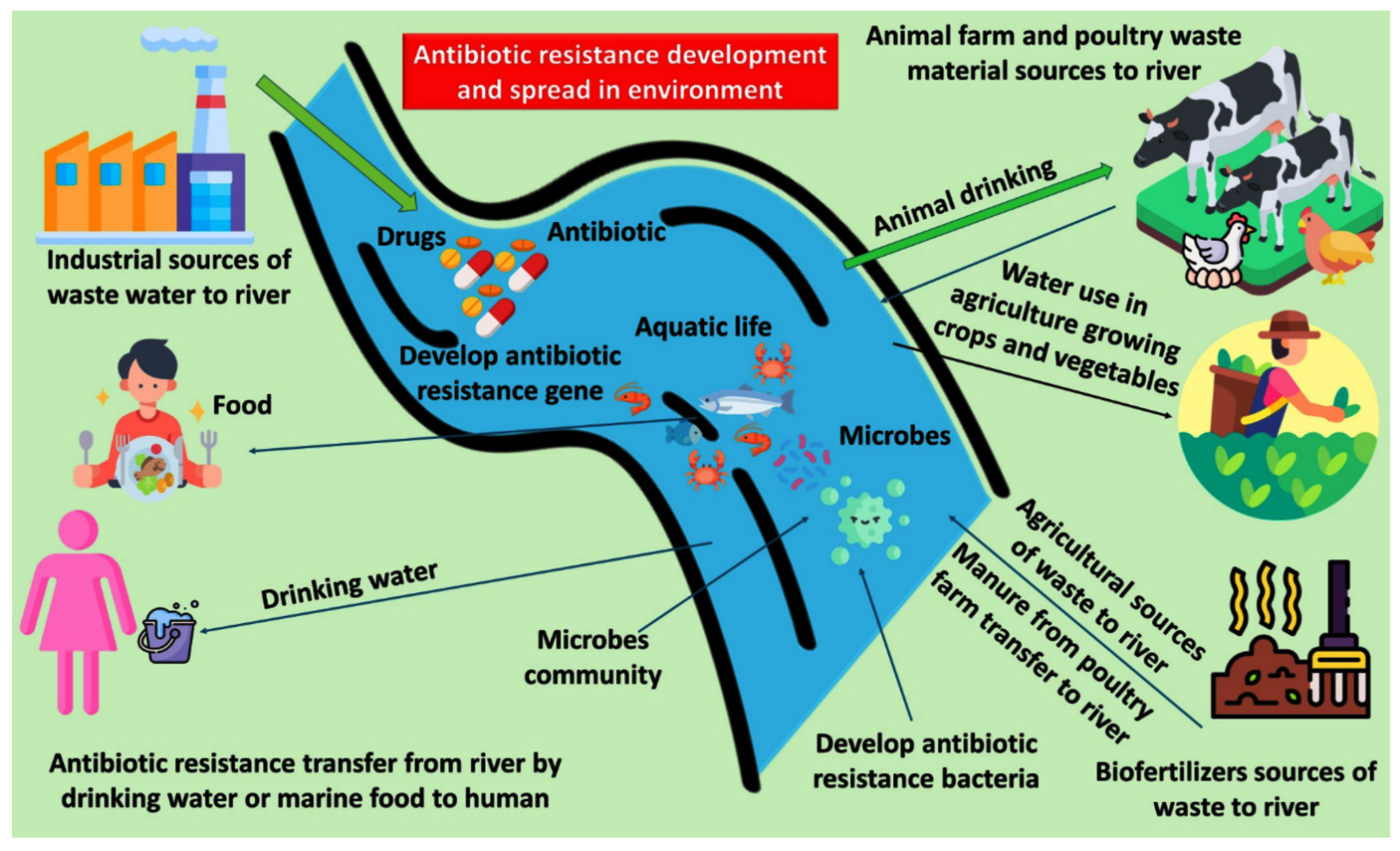
Figure. Source of contamination and spread of AMR by water resources
Sources of AMR in water
The active pharmaceutical ingredients are discharged directly into aquatic environments through hospital waste, pharmaceutical manufacturing plant waste, and improper disposal of leftover pharmaceuticals. The selection of resistant microbes is facilitated due to the continuous presence of chemicals, resulting in the development of MDR microbial strains.26 In the wastewater treatment plant and the healthcare facilities, the researchers found that there was not much change in the burden of ARGs. They also examined the reason behind persistence of ARGs in wastewater. Recycled water showed somewhat higher loads of ARGs than treated effluent. The study suggested that there is a need to control the spread of ARGs through the sewage to protect local ecosystems from contact with the ARBs.27
Salmonella serovars in indigenous poultry and their sources of drinking water were analyzed in a Nigerian investigation to improve public health and epidemiological surveillance. The research sampled 1208 water and chicken droppings from 15 markets in North Central Nigeria. It was further noted that 3% of the water and 6.8% of the droppings had Salmonella spp. The results of the susceptibility test indicated that 60.3% of the antimicrobials tested seemed sensitive, while 14.1% isolates were resistant more than one drug class. Whole-genome sequencing and serotyping revealed Luedinghausen, Laredo, Widemarsh, and Lansing as serovars documented for the first time from Africa. AMR and Salmonella prevalence were low in this study; continuous monitoring needs to be strengthened for food safety and poultry health.28
A study examined the microbial community composition and AMR directly from DWDSs and from faecal samples of organically raised free-range chickens. The study detected opportunistic and potentially harmful bacteria in DW and biofilms, differing from those in feces. In drinking water, biofilm, and faecal samples, the presence and abundance of ARGs imparting resistance to carbapenems, cephalosporins, fluoroquinolones, and polymyxins were very high, raising serious concerns for human and animal health.29
A recent systematic review and meta-analysis of 472 studies pointed to the fact that Ethiopian wastewater systems are highly contaminated with bacteria and ARGs. The situation was even worse in underdeveloped places, such as Ethiopia due to inadequate provision of wastewater treatment and sanitation. This was due to release of pollutants, ARGs, and medical chemicals through the wastewater collection systems and thus posed a considerable threat to public health. Analysed literature depicted that the primary means of the augmented escalation of AMR due to environmental pollution caused through wastewater. It resulted in an increased number of getaway channels for communicable diseases, which were responsible for the high numbers of antibiotic-surviving microbes contributing to global health crises and regional healthcare problems. The study established the fact that the bacterium Pseudomonas aeruginosa, whose prevalence (41.25%) was most widespread in Ethiopia. It was evident that better waste management and continuous monitoring of it were essential to solve the environmental and public health problems.30
Another investigation assessed the AMR of microorganisms from wastewater equalization tanks, treatment plant wastewater, intake water, and treated wastewater obtained from slaughterhouses in Rio de Janeiro, Brazil. The data showed the presence of 74 isolates of different genera. The fewest isolates were recovered from inlet water. The second-highest number of bacteria and AMR were present in wastewater treatment plants and treated wastewater after raw effluent from the equalization tank. K. pneumoniae was the most resistant bacterium to various antibiotics, which stressed the importance of monitoring water quality for health issues. One of the best ways by which ARGs spread could be controlled within the environment is through the practice of reusing wastewater for irrigation purposes. The residual ARGs were often found in recycled water and led to an accumulation of resistance determinants in agricultural soil and plants (Figure).31,32
Water-specific AMR issues and challenges
AMR is a serious international public health problem that causes severe diseases, disorders, prolonged stays in hospitals, and a raised high mortality rate. Absence of the sanitation procedures of water supplies, inadequate availability of clean water, sanitation, hygiene, policies on the infections that are not followed, misuses of antibiotics, and the ignorance about infections are some of the factors that contribute to the spread of the diseases. E. coli, Staphylococcus aureus, P. aeruginosa, Enterococcus species, Acinetobacter species, and K. pneumoniae are some of the MDR bacteria that can be deadly. In contrast, AMR is a worldwide public health problem that requires a multilateral approach according to the UN 2015 Sustainable Development Goals (SDGs) and WHO’s Global Action Plan. Stakeholders are actively working on the One Health approach to curb AMR and spread out for the sake of the overall health of citizens.33
Antibiotics’ widespread use is causing environmental problems because they negatively impact living things and water quality. Uncontrolled production and usage of antibiotics contribute to AMR in bacterial communities. Worldwide research aims to identify the presence and concentrations of antibiotics in environmental components such as fish, freshwater, the ocean, and sewage. Research aims to create analytical methods for identifying and measuring antibiotic residues so that authorities can establish guidelines for antibiotic containment and disposal. Proactive action is needed to lower antibiotic pollution, protect aquatic habitats, and improve public health globally.34 One of the studies that have been carried out investigated the association between ARGs in the gut microbiome and various types of drinking water. The experiment used mouse models to investigate the effects of diverse types of water on ARGs, with the help of murine models, high-throughput qPCR, and 16S rRNA amplicon sequencing. The findings of this study led to the conclusion that there were significant alterations in the gut microbiome, mobile genetic elements (MGEs), and ARGs upon consuming different types of drinking water. There was an upsurge in the aminoglycoside and tetracycline resistance genes in the tap and river water groups. The paper emphasized that drinking water should be clean to avoid the growth of antibiotic resistance.35
Antibiotics are widely utilized, which raises concerns about their role in environmental contamination because of their adverse effects on life on Earth and water quality. Resistance among bacteria to antimicrobials in the biosphere is a consequence of uncontrolled use of antibiotics, which arises from the manufacturing and uncontrolled usage of these drugs. Studies carried out around the globe intended to find the existence of antibiotics in natural elements such as fish, freshwater, the ocean, and sewage and their concentration. In this regard, some studies aim to establish the basis for the authorities to set up standards and designs for analyzing and quantifying antibiotic residues among the various water bodies. Preventive measures are the solution to combat antibiotic contamination, and thus the health of humans and the aquatic environment will be safe by protecting public health globally.36
Detection of AMR in water
Between 2016 and 2020, 30 strains of Salmonella enterica were reported from canal water samples in Bangkok following a WGS study. Salmonella agona was the predominant serotype. The study revealed 35 AMR genes and 30 chromosomally mediated gene mutations, with 21 strains harboring both the acquired genes and mutations linked to fluoroquinolone resistance. All the strains displayed the virulence factors for invasion, adhesion, and survival during infection. 75.9% of identified strains harboured critical virulence traits to instigate salmonellosis. Several plasmid groups were reported, which supported the horizontal dissemination of AMR genes.37
In a study, loop-mediated isothermal amplification (LAMP) was developed to detect the nine Enterobacteriaceae species in wastewater. Primers based on the mcr-1, KPC, OXA-23, and VIM genes were developed to detect AMR during microalgal bioremediation therapy. The LAMP assays identified four strains of mcr-1, three strains of KPC, seven strains of OXA-23, and three strains of VIM resistance from a single colony. Following 72 hours of treatment, bioremediation efficacy values of 71.6% and 75% for total nitrogen and phosphorus were recorded in open pond microalgal remediation systems.38 In this study, scientists developed a method to isolate extracellular DNA (eDNA) using silica-hydroxy magnetic beads and ultrafiltration from river water. A method was optimized for efficient extraction to facilitate qPCR analysis to enumerate eARGs. The method highlighted significant differences in patterns of contamination across tributaries and higher levels of eARGs than iARGs. This improved sodium phosphate method certainly addressed the problems of low extraction efficiency and can provide a useful clue for assessing the level of eARG pollution in river ecosystems.39
In contrast to PCR or traditional culture approaches, shotgun metagenomic sequencing provides the means to monitor the entire “resistome” in an untargeted manner. Shotgun metagenomics is thus an extremely powerful tool for monitoring the environment because it makes possible the identification of both known and unknown ARGs, heavy metal resistance genes, and mobile genetic elements without any previous sequence information.40 Resistance in bacteria has developed because of overuse of antimicrobial agents in human health and animal health, through their release into the environment through effluent. A study measuring AMR risk and concentration in wastewater from the Little Akaki River, Ethiopia showed a significant likelihood of the emergence of resistance. Concentrations of cefotaxime, ciprofloxacin, and sulfamethoxazole were higher than their expected no-effect levels, and sulfamethoxazole was the most dangerous, owing to its continuously high levels. These findings highlighted the need for wastewater treatment methods to reduce AMR hazards in aquatic settings.41
There are numerous studies performed worldwide, which showed an array of bacterial pathogens, their AMR genes, and associated MGEs in the water bodies. Wastewater-based epidemiology (WBE) is now an innovative surveillance approach through such detection methods. Public health officials can monitor resistome dynamics at the community level and receive early warning about the establishment of clinical resistance genes before the outbreak of disease epidemics through the use of molecular and metagenomic tools on municipal wastewater influent (Table 1).42
Table 1. Antimicrobial Resistance Studies, Pathogens, Resistance Genes, and Case Report
Organism |
Common resistance genes |
Type of study |
Case-report |
Antibiotics |
mobile elements, co-resistance |
Ref. |
|---|---|---|---|---|---|---|
E. coli |
bla, CTX-M, TEM, SHV, NDM, mcr-1, qnr genes, gyrA/parC mutations, sul1, tet(A), dfrA |
Environmental surveillance, clinical isolate sequencing, WGS, plasmid-mapping, outbreak reports |
Case reports describe producing UTI, bloodstream ESBL or carbapenemase-infection, or food/water-linked gastroenteritis with treatment failure; plasmid transmission between animals/humans sometimes reported |
3rd-generation cephalosporins, carbapenems (NDM), colistin (mcr-1), fluoroquinolones |
Frequent plasmid-mediated spread (Inc groups); co-carriage of ESBL + mcr seen; high public-health importance |
43, 44 |
Klebsiella pneumoniae |
bla, KPC, NDM, OXA-48, CTX-M, armA, rmtB |
Hospital outbreak investigations, WGS, wastewater studies |
Case reports of nosocomial pneumonia, septicaemia with high mortality; isolates frequently linked to hospital effluents/wastewater |
Carbapenems, cephalosporins, aminoglycosides |
Highly clonal outbreaks; plasmids + transposons drive spread; environmental reservoirs implicated |
45, 46 |
Acinetobacter baumannii |
bla, OXA-23, NDM, armA, aminoglycoside-modifying enzymes, colistin hetero-resistance |
Clinical outbreak reports, ICU environmental screens, genomics |
Case reports of ventilator-associated pneumonia and wound infections with XDR phenotype; persistence on surfaces/water systems noted |
Carbapenems, aminoglycosides, colistin |
Strong ability to persist in hospital water; XDR strains common |
47, 48 |
Pseudomonas aeruginosa |
bla, VIM/IMP/NDM, efflux pump, overexpression (mex genes), ampC hyper production, gyrA/parC mutations |
Clinical isolates, hospital wastewater, biofilm studies |
Case reports detail difficult-to-treat pneumonia, bloodstream infections; environmental biofilms as source |
Carbapenems, cephalosporins, aminoglycosides, fluoroquinolones |
Intrinsic resistance + acquired mechanisms; biofilm-associated tolerance in plumbing systems |
49-51 |
Enterobacter spp./Serratia |
bla, CTX-M, NDM, ampC, qnr, sul1 |
Hospital and wastewater genomics, plasmid studies |
Case reports of hospital-acquired sepsis/UTIs; plasmid-borne carba-penemases implicated in transfer |
Cephalosporins, carbapenems, fluoroquinolones |
Chromosomal ampC can complicate therapy; plasmid spread between genera |
52, 53 |
Salmonella spp. |
bla, TEM, CTX-M, qnr, gyrA mutations, mph(A), sul, tet |
Food/waterborne outbreak investigation, serotype-and WGS-based surveillance |
Case reports of invasive salmonellosis or prolonged gastroenteritis with MDR phenotype; sometimes linked to irrigation/wastewater |
Ampicillin, 3rd-gen cephalosporins, fluoroquinolones, macrolides |
Plasmid- and integron-mediated MDR; public-health outbreaks from contaminated water/produce |
54 |
Shigella spp. |
gyrA/parC mutations, qnr, mph(A), bla genes, macrolide resistance determinants |
Clinical surveillance, outbreak case series, environmental detection |
Case reports of dysentery with clinical failure to azithromycin/fluoro-quinolones; person-to-person and waterborne transmission |
Fluoroquinolones, macrolides, β-lactams |
Rapid emergence of azithro-mycin resistance in some regions; mobile elements common |
55, 56 |
Campylobacter spp. |
gyrA mutations (fluoroquinolone resistance), 23S rRNA mutations (macrolide) |
Clinical isolate sequencing, farm/irrigation water studies |
Case reports of severe enteritis, occasionally with resistance leading to prolonged illness |
Fluoroquinolones, macrolides |
Mostly chromosomal point mutations; linked to poultry and environmental contamination |
57, 58 |
Vibrio cholerae |
SXT element (sul/tox genes), qnr genes, tet determinants, integrative conjugative elements |
Outbreak genomics, environmental aquatic surveys |
Case reports describe cholera outbreaks with reduced susceptibility to tetracycline/ azithromycin in some isolates |
Tetracyclines, macrolides, TMP-SMX |
Resistance often carried on integrative elements; environmental reservoirs in estuarine waters |
59, 60 |
Enterococcus faecalis /faecium |
vanA, vanB, vanC, aminoglycoside-modifying enzymes, esp, pbp5 mutations |
Clinical VRE surveillance, hospital wastewater studies, WGS |
Case reports of VRE bacteremia, endocarditis; hospital waste-water sometimes contains VRE strains genetically related to clinical isolates
|
Vancomycin, sometimes linezolid/aminoglycosides |
Horizontal transfer of van genes; persistence in waste-water |
61, 62 |
S. aureus (MRSA) |
mecA, mecC, mupA (mupirocin), vanA (rare) |
Clinical case reports, environmental screens, WGS |
Case reports of MRSA skin/soft tissue infections and blood-stream infections; occasional environmental contamination via sewage |
Methicillin/β-lactams, sometimes macrolides |
mec genes carried on SCCmec elements; livestock- and community-associated strains found in water sources |
63 |
M. tuberculosis/ NTM |
rpoB mutations (rifampicin), katG/inhA (isoniazid), embB (ethambutol); NTM: erm, macrolide resistance |
Clinical TB drug-resistance surveys, plumbing and water system NTM surveys |
Case reports of NTM pulmonary disease linked to household water; treatment failure in drug-resistant TB documented |
Rifampicin, isoniazid, macrolides (for NTM) |
NTM presence in water/biofilms; TB resistance is chromosomal and tracked clinically |
64, 65 |
Aeromonas spp. |
Bla, PER/CTX, variants, qnr, tet, sul genes |
Environmental water surveys, clinical wound/ gastroenteritis isolates |
Case reports of wound infections and gastroenteritis with MDR isolates, sometimes after exposure to contaminated water |
β-lactams, tetracyclines, quinolones |
Environmental species with increasing recognition of transferable resistance |
66, 67 |
Legionella pneumophila |
23S rRNA mutations (macrolide resistance reported rarely), efflux mechanisms |
Water system surveillance, hospital outbreak reports |
Case reports of Legionnaires’ disease; resistance is uncommon but monitoring important |
Macrolides, fluoroquinolones |
Primarily treated empirically; resistance monitoring in large water systems recommended |
68,69 |
Candida spp. (esp. C. auris) |
ERG11 mutations, FKS mutations (echinocandin resistance), efflux pumps |
Clinical case reports, hospital wastewater/effluent studies |
Case reports of invasive candidiasis with multidrug-resistant C. auris in hospital settings; environmental persistence noted |
Azoles, echinocandins, amphotericin B |
Fungal AMR reported in healthcare environmental samples including wastewater |
70,71 |
Mobile genetic elements/markers tracked in AMR studies |
intI1 (class 1 integron), ISCR, transposases, Inc-type plasmids (IncA/C, IncI, IncF) |
Metagenomic studies, plasmidomics, qPCR monitoring |
Case reports don’t usually
name MGEs, but outbreak genomics often document plasmid-mediated spread |
Enables multidrug-
resistance across diverse antibiotics |
intI1 often used as a proxy
marker for anthropogenic AMR pollution in water |
72,73 |
Metagenomic/ mixed-community findings |
Composite of above genes; co-occurrence of heavy-metal resistance genes (mer, pco) with AMR |
Shotgun metagenomics, qPCR panels, long-read sequencing |
Case series sometimes link environmental resistome to clinical isolates by shared gene signatures |
Multi-class impact |
Co-selection by heavy metals or biocides is commonly reported in environmental studies |
74, 75 |
Monitoring and surveillance
AMR monitoring in France using regulatory surveillance of Water Intended for Human Consumption (WIHC) was evaluated through a study. Between January and April 2021, 2211 Petri plates were seeded for E. coli sanitary surveillance. The most common genes of beta-lactamases in human infections-blaTEM, blaSHV, and blaCTX-M were studied in cultivable Gram-negative communities, followed by phenotypic and genotypic assessment of resistance of the isolated E. coli strains.11 The aquaculture industry is increasingly facing the threat of antibiotic resistance due to the misuse of antibiotics. The study compared the threat of antibiotic resistance in anaerobic sludge fed with a wastewater solution pre-treated with florfenicol but under UV and vacuum UV pretreatments. Metagenomic sequencing showed that four groups of pretreated sludge were having more ARGs compared to the control group without pretreatment. The UV/sulfite recirculating water system effectively arrested ARG proliferation and transfer in aquaculture water, with reductions of 39.15% and 46.04% for ARGs and MGEs, respectively. The reduction of the antibacterial activity of antibiotics was fundamental to the management of the resistance risk.76
A study compared the utility of two high-throughput techniques to screen for AMR in wastewater.77 Daily effluent samples were taken from a large municipal hospital and weekly composites from 47 wastewater treatment plants across Wales. The metagenomic analysis detected 545 genes versus 73 targeted genes for HT-qPCR, indicated much richer coverage of the resistome. Both techniques affirmed differences existing in the resistome dynamics in a spatiotemporal sense between the hospital and wastewater treatment plants. Both methods showed correlations among environmental parameters and changes in resistome composition, such as ammonium concentrations in the effluent. The study also emphasized the importance of methods relevant to the targets of surveillance, in the context of achieving prolongation of the utility of wastewater AMR monitoring systems.77 In a field experiment during the COVID-19 pandemic, temporal and regional distributions of ARGs in gravity sewage were studied. Results from the experiment showed a significantly small distribution of ARGs at regional levels and an association of ARGs with antibiotics. During winter months, significantly more ARGs were isolated, mostly from the groups Proteobacteria and Actinobacteria. This study indicated that sewage monitoring for ARGs presents a considerable opportunity for measuring and addressing levels of antibiotic resistance.78
Diseases associated with AMR in water
Between 2015 and 2020, data from the US National Outbreak Reporting System (NORS) recorded 214 instances of waterborne diseases. They were further classified as either associated with gastrointestinal illness or biofilm pathogens. Most outbreaks were primarily Legionella-dependent, linked to public water systems. The report underlined the importance of source-to-tap preventative strategies and the attendant complexities that arose in efforts to control drinking-water-related diseases. Legionella-linked outbreaks had increased, registering a noticeable toll of hospitalizations and fatalities.79
Cholera is an acute, severe disease caused by the presence of the Gram-negative bacteria Vibrio cholerae, commonly affecting people in low- and middle-income nations with poor sanitation and those living in the areas where natural disasters occur. If treatment is not started quickly, the incidence would become progressively worse and potentially life-threatening. Risk factors include poverty, poor sanitation, and consumption of contaminated food or water. Cholera is endemic to sub-Saharan Africa, Asia, and Central and South America. It has caused seven pandemics over the last 200 years. The Global Task Force for Cholera Control hopes that by 2030, cholera control can be achieved in at least 20 countries, thereby reducing its epidemic in the world by 90%. Treatment of the disease involves antibiotics, oral cholera vaccines, and rehydration therapy. Water, sanitation, and hygiene practices are also of utmost importance to control the propagation of V. cholerae.80
Pollution of the natural environment by the Legionella bacterial pathogen that causes Legionnaires’ disease makes it vulnerable to the acquisition of ARGs. The lpeAB gene showed the highest rates of detection (19%) in Legionella samples in subgroups of Legionella pneumophila and L. pneumophila sg1. A positive correlation between the values of L. pneumophila sg1 and lpeAB was found, with MIC values varying from 0.064-2 mg/L. The inhibition of lpeAB produced a 2- and 4-fold decrease in MIC values for 10 isolates. Increasing ARG monitoring within Legionella will be important in quantifying the health risk posed by Legionnaires’ disease.81
A study investigated the effect of low water activity on Salmonella enterica, a serious foodborne pathogen. During the experiment, the S. Senftenberg IOC 2319 strain was found to be more resistant to stress under water activity treatments. Even when its culturability decreased, it remained viable. This puts into question their ability to adapt to the food matrix, which might pose a risk to consumers. Flow cytometry can provide safer techniques for routine microbial assessment and can aid in understanding the physiological state of microorganisms.82 According to global data, the risk of AMR and ARGs to public health may increase as bacterial pathogens in aquatic systems adapt to pollutants and antibiotic residues, and the overuse of antibiotics raises the risk of AMR (Table 2).
Table 2. Diseases, AMR, ARGs and impact on public health from water harbouring pathogens
Pathogen |
Source |
Major AMR |
Associated Diseases |
Antibiotic Resistance |
Public Health Impact |
Ref. |
|---|---|---|---|---|---|---|
Escherichia coli (ESBL-producing, MDR strains) |
Surface water, sewage, agricultural runoff |
Extended-spectrum β-lactamase (ESBL), carbapenem resistance |
Gastroenteritis, UTIs, septicaemia |
Resistant to cephalosporins, fluoroquinolones, carbapenems |
Major cause of waterborne outbreaks; indicator of fecal contamination |
83, 84
|
Salmonella spp. |
Rivers, irrigation water, wastewater |
Multidrug resistance (MDR), plasmid-mediated quinolone resistance |
Salmonellosis, enteric fever |
Resistance to fluoroquinolones, cephalosporins, ampicillin |
Food- and waterborne outbreaks; global burden of diarrheal disease |
85 |
Shigella spp. |
Contaminated drinking water, sewage |
MDR, ESBL, macrolide resistance |
Shigellosis (bacillary dysentery) |
Resistance to azithromycin, fluoroquinolones, β-lactams |
Frequent outbreaks in low sanitation areas; high child mortality |
86, 87 |
Vibrio cholerae |
Coastal waters, rivers, wastewater |
Tetracycline, fluoroquinolone, and macrolide resistance |
Cholera |
Resistance to tetracyclines, azithromycin, TMP-SMX |
Epidemic and pandemic potential; worsened by AMR strains |
88, 89 |
Pseudomonas aeruginosa |
Hospital wastewater, sewage |
Intrinsic and acquired MDR, carbapenemases |
Skin infections, pneumonia, septicemia |
Resistance to carbapenems, aminoglycosides, fluoroquinolones |
Waterborne hospital outbreaks; major nosocomial pathogen |
90, 91 |
Klebsiella pneumoniae |
Hospital effluents, wastewater |
ESBL, carbapenemase producers (NDM, KPC) |
Pneumonia, blood-stream infections |
Resistance to carbapenems, cephalosporins, colistin |
“Superbug” outbreaks linked to waterborne dissemination |
92, 93 |
Acinetobacter baumannii |
Wastewater, hospital effluents |
MDR, XDR (extensively drug resistant) |
Pneumonia, septicemia, wound infections |
Resistance to carbapenems, aminoglycosides, colistin |
Highly persistent in aquatic environments; hospital-acquired outbreaks |
94, 95 |
Enterococcus spp. (VRE) |
Wastewater, rivers, hospital discharge |
Vancomycin-resistant genes (vanA, vanB) |
UTIs, endocarditis, bacteremia |
Resistance to vancomycin, linezolid |
Transfer of resistance genes in aquatic microbiome |
96, 97 |
Mycobacterium spp. (NTM) |
Drinking water, biofilms, hospital plumbing |
Intrinsic resistance, macrolide resistance |
Pulmonary disease, skin infections |
Resistance to macrolides, aminoglycosides |
Emerging opportunistic infections from water |
81, 98 |
Aeromonas spp. |
Freshwater, sewage, fish farms |
β-lactamase, fluoroquinolone resistance |
Gastroenteritis, wound Infections |
Resistance to β-lactams, tetracyclines |
Increasing recognition as waterborne AMR pathogen |
99, 100 |
Legionella pneumophila |
Water distribution systems, cooling towers |
Macrolide resistance (rare, but reported) |
Legionnaires disease, Pontiac fever |
Resistance to macrolides, fluoroquinolones |
Water system contamination in healthcare and urban areas |
101, 102 |
Campylobacter spp. |
Irrigation water, contaminated groundwater |
Fluoroquinolone, macrolide resistance |
Campylobacteriosis (diarrhea, Guillain-Barre syndrome) |
Resistance to fluoroquinolones, macrolides |
Major food- and waterborne zoonosis |
103, 104 |
Helicobacter pylori |
Groundwater, untreated drinking water |
Clarithromycin, metronidazole resistance |
Peptic ulcers, gastric cancer |
Resistance to macrolides, nitroimidazoles |
WHO-listed priority AMR pathogen |
105, 106 |
Candida spp. (esp. C. auris) |
Hospital wastewater |
Azole resistance, MDR |
Bloodstream infections |
Resistance to azoles, echinocandins, amphotericin B |
Hard-to-treat fungal outbreaks in water-rich environments |
107, 108 |
The one health approach
The use of antibiotics is mainly responsible for the complicated global problem of AMR. It is a transdisciplinary issue because of the emergence of resistant microorganisms in natural ecosystems, farms, and veterinary-care settings. These germs can colonize livestock and wildlife and later contaminate wildlife and surface waters. The One Health viewpoint examines how polluted environments contribute to the spread of these bacteria resistant to antibiotic therapy in health settings. The veterinary sector is successfully averting environmental contamination through the implementation of antimicrobial stewardship policies and programs.109 In aquaculture, antimicrobial agents can give rise to zoonotic bacteria resistant to antibiotics that can be spread to humans through consumption. Based on its principle, the intention of the study was to offer solutions to risk mitigation, such as strict guidelines for the use of antibiotics, methods for disease management, antibiotic substitutes, feeding practices, genetic selection, monitoring of water quality, and the treatment of wastewater. The initiative should place great emphasis on the environment in low- to middle-income countries. AMR integrated management in fisheries, as done in Asia, has dramatically reduced AMR.110
According to a study, 78.1% of farmers in Northern Nigeria used antibiotics in ponds, while 71.1% did not know that antibiotics could be abused. Tetracyclines were the antibiotics most widely used. Risks for the spread of residues and resistance included contaminated fish, direct contact with fish, and contaminated water. The development of residues and resistance was exacerbated by social and cultural problems, including poor education and the abuse of antibiotics. Education should promote proper antibiotic stewardship based upon the ‘One Health’ concept.111 Aeromonas hydrophila can appear to spread tetracycline resistance under the oxy-tetracycline (OTC) stresses. The risks to health projected through different exposure scenarios were calculated using a One Health-based approach.112 According to a study, the farmed shrimp infected by tetracycline-resistant A. hydrophila would probably be further advanced when cultured in oxy-tetracycline-contaminated water. Shrimp ponds and coastal areas presented unacceptable risks to swimmers and farmers. According to the study, the probability of infection was increased in farmed shrimp exposed to tetracycline-resistant A. hydrophila in OTC-contaminated water.112
Knowledge gaps and limitations
Despite growing scientific interest in environmental factors related to AMR, global risk assessments and construction of evidence-based policy frameworks remain significantly constrained by several major informational gaps and systemic limitations. First, the lack of standardized methodologies for sample collection, DNA extraction, and choice of the target resistance determinants remains the major issue.113 The geographical bias due to the lack of monitoring infrastructure is especially significant for the Low- and Middle-Income Countries (LMICs), where regions with the highest incidences of waterborne diseases, poor sanitation, and uncontrolled sales of antibiotics frequently lack the means to conduct regular environmental resistome monitoring. Global mapping models, thus, are strongly biased towards the higher-income countries, thereby leaving critical gaps of data in regions where the environmental spread of AMR is likely to be the most active.114
Additionally, there are several methodological inconsistencies in the way of reporting data are reported in the field. Researchers usually employ non-comparable metrics while reporting their results. For example, some authors may conduct phenotypic minimum inhibitory concentration (MIC) testing of the indicator organisms such as E. coli, while others may use absolute copy numbers per millilitre of water or molecular relative gene abundances normalized to 16S rRNA genes.115 The absence of standardized quantitative units makes it extremely difficult to assess precise minimal selected concentrations (MSCs) and to construct adequate risk models of human pathogen exposure.116
Lastly, the publication bias has a fundamental effect on the current state of science concerning environmental AMR. Studies providing positive detection of high-risk clinical carbapenems, colistin resistance genes (mcr variations), or excessive contamination in highly affected urban wastewater streams receive significantly more attention from academic publishers and funding organizations. As a result, baseline research, which reports pure natural water bodies, low-resistance aquatic environments, or successful implementation of the remediation measures, is left unreported.117 Such bias might result in overestimation of potential danger in some aquatic reservoirs and neglect of small-scale gene transfer dynamics in less contaminated water systems, consequently shifting our understanding of baseline environmental resistome. Harmonization of testing standards, targeted investments to increase laboratory capacity in LMICs, unification of reporting formats, and development of open access databases focused on baseline and negative surveillance data, as well as clinical outbreaks, are necessary to tackle those related issues.118
Future perspectives
Adopting predictive, real-time, and technologically advanced monitoring systems is essential for future visions in terms of decreasing the environmental dimensions of AMR. Hydro-geological, meteorological, and microbiological data can be handled with unprecedented possibilities when combining AI/ML algorithms with environmental metagenomics approaches.119 Computational approaches can determine the sites of horizontal gene transfer (HGT), predict the emergence of AMR hotspots, and forecast the dissemination pattern of emerging resistance determinants among aquatic ecosystems.120 Simultaneously, decentralization of the surveillance process can be accomplished through adoption of CRISPR-Cas-based diagnostics and portable long-read sequencing technologies like Oxford Nanopore devices.121 It becomes possible to bypass the need for centralized laboratory facilities and enables rapid identification of MGEs, ARGs, and ARB at the point of care. The traditional WWTPs should be adjusted for implementation of quaternary treatment processes both from engineering and water management viewpoints.122
To effectively degrade intracellular and extracellular DNA and sub-inhibitory levels of pharmaceutical compounds causing selection pressure before their release into the environment, the scaling-up of Advanced Oxidation Processes (AOPs), UV/ozone combinations, catalytic degradation, and special membrane filtration should be adopted.123 Standard WWTPs must evolve to accommodate quaternary treatment processes in terms of engineering and water management. To degrade intracellular and extracellular DNA, as well as sub-inhibitory concentrations of pharmaceuticals which induce selection pressure, there is a requirement to intensify Advanced Oxidation Processes (AOPs), UV/ozone processes, catalytic breakdown, and membrane technologies.124
AMR in water has serious implications for the integrity of food security, ecology, and public health. It threatens the effectiveness of any treatment due to the emergence of ARB and ARGs that are driven by the inappropriate usage of antibiotics in human medicine, agriculture, and aquaculture. It is important to develop new technologies to reduce the burden on the environment. It is vital to improve the infrastructure for wastewater treatment, conduct surveillance, and use molecular diagnostics to detect resistance. Finally, a concerted effort from a One Health perspective is required to ensure water quality. For the protection of water resources and health security, it is important to have effective legislation, stewardship, and collaboration of all stakeholders.
ACKNOWLEDGMENTS
The authors thank Prof. (Dr.) Anju Rani, Head, Department of Microbiology, Graphic Era (Deemed to be University), Dehradun, Uttarakhand, India, for providing the facilities for this study.
CONFLICT OF INTEREST
The authors declare that there is no conflict of interest.
AUTHORS’ CONTRIBUTION
SK and RA conceived the study. SG prepared figure. RL, SK, RKu, SG, MY, NS, RS, DM, NRB, and RKa wrote the manuscript. SK and RA reviewed the manuscript. RL, RA and SK revised the manuscript. All authors read and approved the final manuscript for publication.
FUNDING
None.
DATA AVAILABILITY
Not applicable.
ETHICS STATEMENT
Not applicable.
- Okeke IN, de Kraker MEA, Van Boeckel TP, et al. The scope of the antimicrobial resistance challenge. Lancet. 2024;403(10442):2426-38.
Crossref - Siri Y, Precha N, Sirikanchana K, Haramoto E, Makkaew P. Antimicrobial resistance in Southeast Asian water environments: A systematic review of current evidence and future research directions. Sci Total Environ. 2023;896:165229.
Crossref - Taing L, Bhatia H, Kaiser RA, Qadir M, Mehmood H. A Rapid Review of Environmental Health Gaps in Antimicrobial Resistance and Water-Related Research from 1990-2020. Int J Environ Res Public Health. 2022;19(11).
Crossref - Collaborators A. Global burden of bacterial antimicrobial resistance 1990-2021: a systematic analysis with forecasts to 2050. Lancet. 2024;404(10459):1199-226.
Crossref - Yitayew B, Woldeamanuel Y, Asrat D, et al. Antimicrobial resistance genes in microbiota associated with sediments and water from the Akaki River in Ethiopia. Environ Sci Pollut Res Int. 2022;29(46):70040-55.
Crossref - Yahaya SM, Mahmud AA, Abdu N. The use of wastewater for irrigation: Pros and cons for human health in developing countries. Total Environment Research Themes. 2023;6:100044.
Crossref - Slobodiuk S, Niven C, Arthur G, Thakur S, Ercumen A. Does Irrigation with Treated and Untreated Wastewater Increase Antimicrobial Resistance in Soil and Water: A Systematic Review. Int J Environ Res Public Health. 2021;18(21):11046.
Crossref - Drane K, Sheehan M, Whelan A, Ariel E, Kinobe R. The Role of Wastewater Treatment Plants in Dissemination of Antibiotic Resistance: Source, Measurement, Removal and Risk Assessment. Antibiotics. 2024;13(7).
Crossref - Berisha NL, Panovska AP, Hajrulai-Musliu Z. Antibiotic Resistance and Aquatic Systems: Importance in Public Health. Water. 2024;16(17):2362.
Crossref - Piccirillo A, Tolosi R, Mughini-Gras L, Kers JG, Laconi A. Drinking Water and Biofilm as Sources of Antimicrobial Resistance in Free-Range Organic Broiler Farms. Antibiotics. 2024;13(9).
Crossref - Licznar-Fajardo P, Guillerez L, Zorgniotti I, et al. Can a regulatory control network be used for territorial monitoring of antimicrobial resistance in water intended for human consumption? Sci Total Environ. 2024;955:176828.
Crossref - Kalu CM, Mudau KL, Masindi V, Ijoma GN, Tekere M. Occurrences and implications of pathogenic and antibiotic-resistant bacteria in different stages of drinking water treatment plants and distribution systems. Heliyon. 2024;10(4):e26380.
Crossref - Kumar S, Anwer R, Sehrawat A, Yadav M, Sehrawat N. Assessment of Bacterial Pathogens in Drinking Water: A Serious Safety Concern. Curr Pharmacol Rep. 2021;7:206–12.
Crossref - Trujillo E, Angulo C. Plant-Made Vaccines Targeting Enteric Pathogens-Safe Alternatives for Vaccination in Developing Countries. Biotechnol Bioeng. 2025;122(3):457-80.
Crossref - Suzuki S, Pruden A, Virta M, Zhang T. Editorial: Antibiotic Resistance in Aquatic Systems.Front Microbiol. 2017;8:14. Published 2017 Jan 25.
Crossref - Abe K, Nomura N, Suzuki S. Biofilms: hot spots of horizontal gene transfer (HGT) in aquatic environments, with a focus on a new HGT mechanism. FEMS Microbiol Ecol. 2020;96(5):fiaa031.
Crossref - Aslam B, Aljasir SF. Climate Change and AMR: Interconnected Threats and One Health Solutions.Antibiotics. 2025;14(9):946.
Crossref - Bagra K, Kneis D, Padfield D, et al. Contrary effects of increasing temperatures on the spread of antimicrobial resistance in river biofilms. mSphere. 2024;9(2):e0057323.
Crossref - Abebe TA, Gebreyes DS, Abebe BA, Yitayew B. Antibiotic-resistant bacteria and resistance genes in drinking water source in North Shoa zone, Amhara region, Ethiopia. Front Public Health. 2024;12:1422137.
Crossref - Kumar S, Anwer R, Sehrawat A, Sehrawat N, Yadav M, Sharma A. Isolation and characterization of pathogenic bacteria from drinking water in North India. Int J Environ Sci Technol. 2020;19:12605-12610.
Crossref - Zhao W, Ye C, Li J, Yu X. Increased risk of antibiotic resistance in surface water due to global warming. Environ Res. 2024;263(Pt 2):120149.
Crossref - Zhao W, Hou Y, Wei L, et al. Chlorination-induced spread of antibiotic resistance genes in drinking water systems. Water Res. 2025;274:123092.
Crossref - Federigi I, Bonetta S, Tesauro M, et al. A systematic scoping review of antibiotic-resistance in drinking tap water. Environ Res. 2024;263(Pt 1):120075.
Crossref - Jiang J, Zhang X, Wen G, Zhu M, Zheng Y. Purification Resistance Index: A new water quality assessment method toward drinking water production. Water Res. 2024;267:122555.
Crossref - Desye B, Mawugatie TW, Asmare L, et al. Antimicrobial resistance profile of Escherichia coli in drinking water from one health perspective in low and middle income countries. Frontiers in Public Health. 2024;12:1440908.
Crossref - Islam IU, Qurashi AN, Adnan A, et al. Bioremediation and Adsorption: Strategies for Managing Pharmaceutical Pollution in Aquatic Environment. Water Air Soil Pollut. 2025;236:579.
Crossref - Dropa M, da Silva JSB, Andrade AFC, et al. Spread and persistence of antimicrobial resistance genes in wastewater from human and animal sources in Sao Paulo, Brazil. Trop Med Int Health. 2024;29(5):424-33.
Crossref - Sati NM, Card RM, Barco L, et al. Antimicrobial Resistance and Phylogenetic Relatedness of Salmonella Serovars in Indigenous Poultry and Their Drinking Water Sources in North Central Nigeria. Microorganisms. 2024;12(8):1529.
Crossref - Foroughi M, Arzehgar A, Seyedhasani SN, Nadali A, Zoroufchi Benis K. Application of machine learning for antibiotic resistance in water and wastewater: A systematic review. Chemosphere. 2024;358:142223.
Crossref - Tilahun M, Shibabaw A, Adane M. Prevalence and multidrug resistance patterns of bacterial pathogens in wastewater and drinking water systems from hospital and non-hospital environments in Ethiopia: a systematic review and meta-analysis. BMC Infect Dis. 2025;25(1):250.
Crossref - Cadena-Aponte FX, Plaza-Bolanos P, Aguera A, et al. From the Reclaimed Water Treatment Plant to Irrigation in Intensive Agriculture Farms: Assessment of the Fate of Antibiotics, Antibiotic Resistance Bacteria and Genes, and Microbial Pathogens at Real Scale. Environ Sci Technol. 2025;59(37):19953-19965.
Crossref - Nunes JF, Da Costa Patricio TC, De Farias BO, et al. Poultry slaughterhouse wastewater as a source of bacterial antimicrobial resistance. Braz J Microbiol. 2024;55(4):3363-3372.
Crossref - Sharma S, Chauhan A, Ranjan A, et al. Emerging challenges in antimicrobial resistance: implications for pathogenic microorganisms, novel antibiotics, and their impact on sustainability. Front Microbiol. 2024;15:1403168.
Crossref - Rogowska J, Galezowska G, Zimmermann A. Challenges and Current Trends in Preventing Antimicrobial Resistance in EU Water Law Context. Antibiotics. 2024;14(1):18.
Crossref - Zhou Z, Lin Z, Shuai X, Achi C, Chen H. Antibiotic resistance genes alterations in murine guts microbiome are associated with different types of drinking water. J Hazard Mater. 2024;465:133422.
Crossref - Dolkar P, Sharma M, Modeel S, et al. Challenges and effective tracking down strategies of antibiotic contamination in aquatic ecosystem. Environ Sci Pollut Res Int. 2024;31(44):55935-55957.
Crossref - Toyting J, Nuanmuang N, Utrarachkij F, et al. Genomic analysis of Salmonella isolated from canal water in Bangkok, Thailand. Microbiol Spectr. 2024;12(5):e0421623.
Crossref - Cameron H, Bazaes J, Sepulveda C, Riquelme C. Rapid detection of enterobacteria in wastewater treated by microalgal consortia using loop-mediated isothermal amplification (LAMP). Peer J. 2024;12:e18305.
Crossref - Guo N, Wang M, Shen Y, et al. Detection of extracellular antibiotic resistance genes in river water: Application of ultrafiltration-magnetic beads method. Environ Res. 2024;263(Pt 3):120259.
Crossref - Karaolia P, Vasileiadis S, Michael G, Karpouzas D, Fatta-Kassinos D. Shotgun metagenomics assessment of the resistome, mobilome, pathogen dynamics and their ecological control modes in full-scale urban wastewater treatment plants. J Hazard Mater. 2021;418:126387.
Crossref - Gessew GT, Desta AF. Detection and assessment of antimicrobial resistance promotion risk in the Little Akaki River wastewater. Environ Monit Assess. 2024;196(12):1238.
Crossref - Zhu W, Wang D, Li P, Deng H, Deng Z. Advances in Wastewater-Based Epidemiology for Pandemic Surveillance: Methodological Frameworks and Future Perspectives. Microorganisms. 2025;13(5):1169.
Crossref - Abavisani M, Bostanghadiri N, Ghahramanpour H, et al. Colistin resistance mechanisms in Gram-negative bacteria: a Focus on Escherichia coli. Lett Appl Microbiol. 2023;76(2):ovad023.
Crossref - Walas N, Slown S, Amato HK, et al. The role of plasmids in carbapenem resistant E. coli in Alameda County, California. BMC Microbiol. 2023;23(1):147.
Crossref - Sabtcheva S, Stoikov I, Georgieva S, et al. Genomic Characterization of 16S rRNA Methyltransferase-Producing Enterobacterales Reveals the Emergence of Klebsiella pneumoniae ST6260 Harboring rmtF, rmtB, blaNDM-5, blaOXA-232 and blaSFO-1 Genes in a Cancer Hospital in Bulgaria. Antibiotics. 2024;13(10):950.
Crossref - Alglave L, Faure K, Mullie C. Plasmid Dissemination in Multispecies Carbapenemase-Producing Enterobacterales Outbreaks Involving Clinical and Environmental Strains: A Narrative Review. Microorganisms. 2025;13(4):810.
Crossref - Sawant AR, Pagal S, Amar AK, et al. Coexistence of blaNDM-1, blaOXA-51, blaOXA-23, and armA in conjunction with novel mutations detected in RND efflux pump regulators in tigecycline resistant clinical isolates of Acinetobacter baumannii. Pathog Dis. 2022;80(1):ftac020.
Crossref - Bardhan T, Chakraborty M, Bhattacharjee B. Prevalence of Colistin-Resistant, Carbapenem-Hydrolyzing Proteobacteria in Hospital Water Bodies and Out-Falls of West Bengal, India. Int J Environ Res Public Health. 2020;17(3):1007.
Crossref - Strateva T, Stratev A, Peykov S. Genomic Insights into Vietnamese Extended-Spectrum β-Lactamase-9-Producing Extensively Drug-Resistant Pseudomonas aeruginosa Isolates Belonging to the High-Risk Clone ST357 Obtained from Bulgarian Intensive Care Unit Patients. Pathogens. 2024;13(9):719.
Crossref - Langendonk RF, Neill DR, Fothergill JL. The Building Blocks of Antimicrobial Resistance in Pseudomonas aeruginosa: Implications for Current Resistance-Breaking Therapies.Front Cell Infect Microbiol. 2021;11:665759.
Crossref - Verdial C, Serrano I, Tavares L, Gil S, Oliveira M. Mechanisms of Antibiotic and Biocide Resistance That Contribute to Pseudomonas aeruginosa Persistence in the Hospital Environment. Biomedicines. 2023;11(4):1221.
Crossref - Kausar A, Sohail M, Khurshid M, Saleem HGM. Carbapenem Resistant Serratia marcescens Harboring blaOXA-48, armA and aac(6’)-Ib-cr Genes: The First Baseline Study from Pakistan. Curr Microbiol. 2025;82(7):321.
Crossref - Barbu IC, Gheorghe-Barbu I, Grigore GA, Vrancianu CO, Chifiriuc MC. Antimicrobial Resistance in Romania: Updates on Gram-Negative ESCAPE Pathogens in the Clinical, Veterinary, and Aquatic Sectors. Int J Mol Sci. 2023;24(9):7892.
Crossref - Wang J, Li Y, Xu X, et al. Antimicrobial Resistance of Salmonella enterica Serovar Typhimurium in Shanghai, China. Front Microbiol. 2017;8:510.
Crossref - Belina D, Gobena T, Kebede A, Chimdessa M, Hald T. Genotypic Antimicrobial Resistance Profiles of Diarrheagenic Escherichia coli and Nontyphoidal Salmonella Strains Isolated from Children with Diarrhea and Their Exposure Environments in Ethiopia. Infect Drug Resist. 2024;17:4955-4972.
Crossref - Gaudreau C, Bernaquez I, Pilon PA, Goyette A, Yared N, Bekal S. Clinical and Genomic Investigation of an International Ceftriaxone- and Azithromycin-Resistant Shigella sonnei Cluster among Men Who Have Sex with Men, Montreal, Canada 2017-2019. Microbiol Spectr. 2022;10(3):e0233721.
Crossref - Bolton D, Patriarchi A, Fox A, Fanning S. A study of the molecular basis of quinolone and macrolide resistance in a selection of Campylobacter isolates from intensive poultry flocks. Food Control. 2013;30(1):222-226.
Crossref - Bolinger H, Kathariou S. The Current State of Macrolide Resistance in Campylobacter spp.: Trends and Impacts of Resistance Mechanisms. Appl Environ Microbiol. 2017;83(12):e00416-17.
Crossref - De R. Mobile Genetic Elements of Vibrio cholerae and the Evolution of Its Antimicrobial Resistance. Front Trop Dis. 2021;2:691604.
Crossref - Paul D, Verma J, Banerjee A, Konar D, Das B. Antimicrobial resistance traits and resistance mechanisms in bacterial pathogens. In: Kumar V, Shriram V, Paul A, Thakur M, eds. Antimicrobial Resistance: Underlying Mechanisms and Therapeutic Approaches. Springer; 2022:1-27.
Crossref - Geraldes C, Tavares L, Gil S, Oliveira M. Enterococcus Virulence and Resistant Traits Associated with Its Permanence in the Hospital Environment. Antibiotics. 2022;11(7):857.
Crossref - Marekovic I, Markanovic M, Lesin J, Coric M. Vancomycin-Resistant Enterococci: Current Understandings of Resistance in Relation to Transmission and Preventive Strategies. Pathogens. 2024;13(11):966.
Crossref - Hadadi M, Heidari H, Ebrahim-Saraie HS, Motamedifar M. Molecular Characterization of Vancomycin, Mupirocin and Antiseptic Resistant Staphylococcus aureus Strains. Mediterr J Hematol Infect Dis. 2018;10(1):e2018053.
Crossref - Seid A, Berhane N, Nureddin S. Frequency of rpoB, katG, and inhA Gene Polymorphisms Associated with Multidrug-Resistant Mycobacterium tuberculosis Complex Isolates among Ethiopian TB Patients: A Systematic Review.Interdiscip Perspect Infect Dis. 2022;2022:1967675.
Crossref - Calcagno A, Coppola N, Sarmati L, et al. Drugs for treating infections caused by non-tubercular mycobacteria: a narrative review from the study group on mycobacteria of the Italian Society of Infectious Diseases and Tropical Medicine. Infection. 2024;52(3):737-765.
Crossref - Bertran X, Rubio M, Gomez L, et al. Taxonomic Identification of Different Species of the Genus Aeromonas by Whole-Genome Sequencing and Use of Their Species-Specific β-Lactamases as Phylogenetic Markers. Antibiotics. 2021;10(4):354.
Crossref - Nwaiwu O, Aduba CC. An in silico analysis of acquired antimicrobial resistance genes in Aeromonas plasmids. AIMS Microbiol. 2020;6(1):75-91.
Crossref - Scaturro M, Lanni A, Mancini F, et al. Antimicrobial susceptibility and epidemiological types of Legionella pneumophila human isolates from Italy (1987-2020). J Glob Antimicrob Resist. 2025;41:181-188.
Crossref - Pairman L, Chambers ST. Quinolones or macrolides for adults with Legionnaires’ disease and respiratory failure?.Eur J Intern Med. 2024;128:134-135.
Crossref - Ceballos-Garzon A, Penuela A, Valderrama-Beltran S, Vargas-Casanova Y, Ariza B, Parra-Giraldo CM. Emergence and circulation of azole-resistant C. albicans, C. auris and C. parapsilosis bloodstream isolates carrying Y132F, K143R or T220L Erg11p substitutions in Colombia. Front Cell Infect Microbiol. 2023;13:1136217.
Crossref - Mallick DC, Kaushik N, Goyal L, Mallick L, Singh P. A Comprehensive Review of Candidemia and Invasive Candidiasis in Adults: Focus on the Emerging Multidrug-Resistant Fungus Candida auris. Diseases. 2025;13(4):93.
Crossref - Algarni S, Han J, Gudeta DD, et al. In silico analyses of diversity and dissemination of antimicrobial resistance genes and mobile genetic elements for plasmids of enteric pathogens. Front Microbiol. 2023;13:1095128. P
Crossref - Matsumura Y, Yamamoto M, Gomi R, et al. Integrating whole-genome sequencing into antimicrobial resistance surveillance: methodologies, challenges, and perspectives. Clin Microbiol Rev. 2025;38(4):e0014022.
Crossref - Gao FZ, Hu LX, Liu YS, et al. Unveiling the prevalence of metal resistance genes and their associations with antibiotic resistance genes in heavy metal-contaminated rivers. Water Res. 2025;281:123699.
Crossref - Teo JJY, Ho EXP, Ng AHQ, et al. Citywide metagenomic surveillance of food centres reveals local microbial signatures and antibiotic resistance gene enrichment. NPJ Antimicrob Resist. 2025;3(1):63.
Crossref - Dong S, Feng H, Du Y, et al. Source elimination of antibiotic resistance risk in aquaculture water by VUV/sulfite pretreatment. J Environ Manage. 2024;370:122644.
Crossref - Knight ME, Webster G, Perry WB, et al. National-scale antimicrobial resistance surveillance in wastewater: A comparative analysis of HT qPCR and metagenomic approaches. Water Res. 2024;262:121989.
Crossref - Dong Q, Sun B, Liu Y, Huang X. Sewerage surveillance tracking characteristics of human antibiotic resistance genes in sewer system. Sci Total Environ. 2024;952:175850.
Crossref - Kunz JM, Lawinger H, Miko S, et al. Surveillance of Waterborne Disease Outbreaks Associated with Drinking Water – United States, 2015-2020. MMWR Surveill Summ. 2024;73(1):1-23.
Crossref - Rodriguez JAO, Kahwaji CI. Cholera (Vibrio cholerae Infection). In: StatPearls [Internet]. Treasure Island (FL): StatPearls;2024.
- Pereira BB, Marrafa M, Cruz C, et al. Antimicrobial Resistance Genes in Legionella from Artificial Water Systems: Findings from a Two-Year Study. Antibiotics. 2024;13(12):1121.
Crossref - Oliveira SBS, Oliveira MM, Lopes LS, Pia AKR, Virgilio-da-Silva JV, Sant’Ana AS. Salmonella enterica Senftenberg (IOC 2319) and Salmonella enterica Typhimurium (ATCC 14028) under low water activity stress: Effects on culturability and cell viability. Int J Food Microbiol. 2025;433:111117.
Crossref - Beshiru A, Isokpehi NA, Igbinosa IH, Akinnibosun O, Ogofure AG, Igbinosa EO. Extended-spectrum beta-lactamase (ESBL)- and non-ESBL producing Escherichia coli surveillance in surface water sources in Edo State, Nigeria: a public health concern. Sci Rep. 2024;14(1):21658.
Crossref - Araujo S, Silva V, Quintelas M, Martins A, Igrejas G, Poeta P. From soil to surface water: exploring Klebsiella‘s clonal lineages and antibiotic resistance odyssey in environmental health. BMC Microbiol. 2025;25(1):97.
Crossref - Cho S, Jackson CR, Frye JG. The prevalence and antimicrobial resistance phenotypes of Salmonella, Escherichia coli and Enterococcus sp. in surface water. Lett Appl Microbiol. 2020;71(1):3-25.
Crossref - Nisa I, Qasim M, Yasin N, Ullah R, Ali A. Shigella flexneri: an emerging pathogen. Folia Microbiol. 2020;65(2):275-291.
Crossref - Stec J, Kosikowska U, Mendrycka M, et al. Opportunistic Pathogens of Recreational Waters with Emphasis on Antimicrobial Resistance-A Possible Subject of Human Health Concern. Int J Environ Res Public Health. 2022;19(12):7308.
Crossref - Mevada V, Patel R, Dudhagara P, et al. Whole Genome Sequencing and Pan-Genomic Analysis of Multidrug-Resistant Vibrio choleraeVC01 Isolated from a Clinical Sample. Microorganisms. 2023;11(8):2030.
Crossref - Iwu CD, Okoh AI. Preharvest Transmission Routes of Fresh Produce Associated Bacterial Pathogens with Outbreak Potentials: A Review. Int J Environ Res Public Health. 2019;16(22):4407.
Crossref - Męcik M, Stefaniak K, Harnisz M, Korzeniewska E. Hospital and municipal wastewater as a source of carbapenem-resistant Acinetobacter baumannii and Pseudomonas aeruginosa in the environment: a review. Environ Sci Pollut Res Int. 2024;31(36):48813-48838.
Crossref - Milligan EG, Calarco J, Davis BC, et al. A Systematic Review of Culture-Based Methods for Monitoring Antibiotic-Resistant Acinetobacter, Aeromonas, and Pseudomonas as Environmentally Relevant Pathogens in Wastewater and Surface Water. Curr Environ Health Rep. 2023;10(2):154-171.
Crossref - Gupta SS, Hamza KHM, Sones CL, Zhang X, Sivaraman GK. The CRISPR/Cas system as an antimicrobial resistance strategy in aquatic ecosystems. Funct Integr Genomics. 2024;24(3):110.
Crossref - Sakkas H, Bozidis P, Ilia A, Mpekoulis G, Papadopoulou C. Antimicrobial Resistance in Bacterial Pathogens and Detection of Carbapenemases in Klebsiella pneumoniae Isolates from Hospital Wastewater. Antibiotics. 2019;8(3):85.
Crossref - Ebomah KE, Okoh AI. An African perspective on the prevalence, fate and effects of carbapenem resistance genes in hospital effluents and wastewater treatment plant (WWTP) final effluents: A critical review. Heliyon. 2020;6(5):e03899.
Crossref - Nguyen M, Joshi SG. Carbapenem resistance in Acinetobacter baumannii, and their importance in hospital-acquired infections: a scientific review. J Appl Microbiol. 2021;131(6):2715-2738.
Crossref - Dzelalija M, Kvesic M, Novak A, et al. Microbiome profiling and characterization of virulent and vancomycin-resistant Enterococcus faecium from treated and untreated wastewater, beach water and clinical sources. Sci Total Environ. 2023;858(Pt 1):159720.
Crossref - Ribeiro J, Silva V, Monteiro A, et al. Antibiotic Resistance among Gastrointestinal Bacteria in Broilers: A Review Focused on Enterococcus spp. And Escherichia coli.Animals (Basel). 2023;13(8):1362.
Crossref - Saxena S, Spaink HP, Forn-Cuni G. Drug Resistance in Nontuberculous Mycobacteria: Mechanisms and Models. Biology. 2021;10(2):96.
Crossref - Deng Y, Tan A, Zhao F, et al. Global distribution of antimicrobial resistance genes in aquaculture. One Health Adv.2025; 3(6)
Crossref - Grudlewska-Buda K, Bauza-Kaszewska J, Wiktorczyk-Kapischke N, Budzyńska A, Gospodarek-Komkowska E, Skowron K. Antibiotic Resistance in Selected Emerging Bacterial Foodborne Pathogens-An Issue of Concern? Antibiotics. 2023;12(5):880.
Crossref - Gleason JA, Cohn PD. A review of legionnaires’ disease and public water systems – Scientific considerations, uncertainties and recommendations. Int J Hyg Environ Health. 2022;240:113906.
Crossref - Yao XH, Shen F, Hao J, Huang L, Keng B. A review of Legionella transmission risk in built environments: sources, regulations, sampling, and detection. Front Public Health. 2024;12:1415157.
Crossref - Farhadkhani M, Nikaeen M, Hadi M, Gholipour S, Yadegarfar G. Campylobacter risk for the consumers of wastewater-irrigated vegetables based on field experiments. Chemosphere. 2020;251:126408.
Crossref - Bukari Z, Emmanuel T, Woodward J, et al. The Global Challenge of Campylobacter: Antimicrobial Resistance and Emerging Intervention Strategies. Trop Med Infect Dis. 2025;10(1):25.
Crossref - Elbehiry A, Abalkhail A, Anajirih N, et al. Helicobacter pylori: Routes of Infection, Antimicrobial Resistance, and Alternative Therapies as a Means to Develop Infection Control. Diseases. 2024;12(12):311.
Crossref - Cortez Nunes F, Aguieiras C, Calhindro M, et al. Molecular Detection of Multiple Antimicrobial Resistance Genes in Helicobacter pylori-Positive Gastric Samples from Patients Undergoing Upper Gastrointestinal Endoscopy with Gastric Biopsy in Algarve, Portugal. Antibiotics. 2025;14(8):780.
Crossref - Monapathi ME, Oguegbulu JC, Adogo L, et al. Pharmaceutical Pollution: Azole Antifungal Drugs and Resistance of Opportunistic Pathogenic Yeasts in Wastewater and Environmental Water. Appl Environ Soil Sci. 2021;9985398.
Crossref - Assress HA, Selvarajan R, Nyoni H, et al. Antifungal azoles and azole resistance in the environment: current status and future perspectives—a review. Rev Environ Sci Biotechnol. 2021;20:1011–1041.
Crossref - Ballash GA, Parker EM, Mollenkopf DF, Wittum TE. The One Health dissemination of antimicrobial resistance occurs in both natural and clinical environments. J Am Vet Med Assoc. 2024;262(4):451-8.
Crossref - Milijasevic M, Veskovic-Moracanin S, Babic Milijasevic J, Petrovic J, Nastasijevic I. Antimicrobial Resistance in Aquaculture: Risk Mitigation within the One Health Context. Foods. 2024;13(15):2448.
Crossref - Alhaji NB, Odetokun IA, Jibrin MS, Lawan MK, Kwaga J. Antibiotic resistance and mitigation using One Health lens in aquaculture of Northern Nigeria. Onderstepoort J Vet Res. 2024;91(2):e1-e11.
Crossref - Lu TH, Chen CY, Wang WM, Liao CM. One Health-based management for sustainably mitigating tetracycline-resistant Aeromonas hydrophila-induced health risk. Environ Pollut. 2024;349:123943.
Crossref - Sharma S, Chauhan A, Ranjan A, et al. Emerging challenges in antimicrobial resistance: implications for pathogenic microorganisms, novel antibiotics, and their impact on sustainability. Front Microbiol. 2024;15:1403168.
Crossref - Prüss-Ustün A, Wolf J, Bartram J, et al. Burden of disease from inadequate water, sanitation and hygiene for selected adverse health outcomes: An updated analysis with a focus on low- and middle-income countries. Int J Hyg Environ Health. 2019;222(5):765-777.
Crossref - Kadeřábková N, Mahmood AJS, Mavridou DAI. Antibiotic susceptibility testing using minimum inhibitory concentration (MIC) assays. NPJ Antimicrob Resist. 2024;2(1):37.
Crossref - Khan S, Beattie TK, Knapp CW. The use of minimum selectable concentrations (MSCs) for determining the selection of antimicrobial resistant bacteria.Ecotoxicology. 2017;26(2):283-292.
Crossref - Gogry FA, Siddiqui MT, Haq QMR. Emergence of mcr-1 conferred colistin resistance among bacterial isolates from urban sewage water in India. Environ Sci Pollut Res Int. 2019;26(32):33715-33717.
Crossref - Ronat JB, Natale A, Kesteman T, et al. AMR in low-resource settings: Medecins Sans Frontieres bridges surveillance gaps by developing a turnkey solution, the Mini-Lab. Clin Microbiol Infect. 2021;27(10):1414-1421.
Crossref - Calero-Caceres W, Tavella RA, Sellera FP, et al. Artificial intelligence for early detection and risk prediction of antimicrobial resistance in aquatic ecosystems. NPJ Antimicrob Resist. 2026;4(1):20.
Crossref - Vass M, Abramova A, Bengtsson-Palme J. Antimicrobial resistance dissemination via horizontal gene transfer is constrained in stratified waters. Commun Biol. 2026;9(1):435.
Crossref - Zhang J, Li J, Zhou J, et al. A Critical Review of the CRISPR-Cas Technology in the Detection of SARS-CoV-2 Variants. Can J Infect Dis Med Microbiol. 2025;2025:9107724.
Crossref - Wang Y, Han Y, Li L, Liu J, Yan X. Distribution, sources, and potential risks of antibiotic resistance genes in wastewater treatment plant: A review. Environ Pollut. 2022;310:119870.
Crossref - Kanakaraju D, Glass BD, Goh PS. Advanced oxidation process-mediated removal of pharmaceuticals from water: a review of recent advances. Environ Sci Pollut Res Int. 2025;32(24):14316-14350.
Crossref - Duarte-Martinez MDR, Amaro-Reyes A, Campos-Guillen J, et al. Antibiotic Resistance Genes in Wastewater: A Systematic PRISMA-Guided Review on Risk, Genetic Transfer, and the Effectiveness of the Photo-Fenton Process for Their Removal. J Xenobiot. 2026;16(3):94.
Crossref
© The Author(s) 2026. Open Access. This article is distributed under the terms of the Creative Commons Attribution 4.0 International License which permits unrestricted use, sharing, distribution, and reproduction in any medium, provided you give appropriate credit to the original author(s) and the source, provide a link to the Creative Commons license, and indicate if changes were made.