

ISSN: 0973-7510
E-ISSN: 2581-690X
 , Maqsood Ahmed Khan1 , Iyad Naeem Muhammad2, Ambreen Huma3, Sana Ghayas4, Shazia Alam1, Javeria Ameer1 and Muhammad Ali5
Antimicrobial resistance, driven by antimicrobial misuse and declining therapeutic innovation, poses a critical global health challenge. This study evaluated the physicochemical profiles and antimicrobial efficacy of five monofloral Pakistani honeys, namely Helianthus annuus L. (Sunflower), Ziziphus jujuba (Beri), Acacia modesta (Phulai), Justicia adhatoda L. (Baikar), and Brassica spp. (Mustard), alongside Leptospermum scoparium (Manuka) honey containing methylglyoxal (MGO 550+), against Staphylococcus aureus American Type Culture Collection (ATCC 6538) and Escherichia coli (ATCC 8739). Physicochemical properties were assessed according to AOAC guidelines, whereas antibacterial activity was determined using agar well diffusion and broth microdilution assays. Quality parameters across the honey varieties met international standards, with ranges of 28.9-78.2 mm Pfund for color, 3.36-4.20 for pH, 29.6-43.5 meq/kg for acidity, 16.0%-19.2% for moisture, 0.14-0.43 g/100 g for ash, 6.0-6.7 g/100 g for sucrose, 76.0-81.6 g/100 g for total sugars, 0.28-0.65 mS/cm for electrical conductivity, and 21.2-40.0 mg/kg for hydroxymethylfurfural. Proline content (≥180 mg/kg), diastase numbers (DN) (10.0 ± 0.46 to 39.32 ± 0.58 DN), and invertase activity IN (63.00 ± 8.70 to 75.33 ± 5.70 IN) confirmed the freshness and purity of the honeys. In diffusion assays, Manuka honey produced the largest inhibition zones against E. coli (13.40 mm) and S. aureus (14.40 mm). Among the local varieties, Mustard honey showed strong activity against E. coli (13.40 mm), whereas Baikar honey showed the greatest activity against S. aureus (13.90 mm); Sunflower honey showed the lowest efficacy against E. coli (8.90 mm). The lowest minimum inhibitory concentrations (MICs) were recorded for Manuka honey (7.8% w/v against S. aureus and 16% w/v against E. coli), whereas Phulai and Mustard honeys required concentrations of up to 17.5% w/v. These findings support the traditional use of Pakistani honeys as potential complementary antibacterial agents and highlight the need for comprehensive in vivo and clinical evaluations.
Antimicrobial Resistance, Pakistani Honey, Manuka Honey, Physicochemical Characterization, Minimum Inhibitory Concentration, Staphylococcus aureus, Escherichia coli
Antimicrobial resistance is among the greatest threats to global health, food security, and economic stability. The gap between the demand for effective treatments and the availability of new drugs is widening owing to the substantial increase in resistant pathogens, the high costs of antimicrobial research, and declining drug-development success rates. This crisis underscores the urgent need for alternative therapeutic approaches to combat antimicrobial resistance and associated infections. Honey has gained increasing attention because of its broad-spectrum antimicrobial properties, favorable safety profile, and affordability. The antimicrobial potential of honey may therefore inform affordable and sustainable approaches to the global problem of antimicrobial resistance.1
Pakistan, a developing country in South Asia, faces a substantial challenge from antibiotic resistance, which threatens health at both the regional and global levels. To date, multidrug-resistant (MDR) and extensively drug-resistant (XDR) bacteria have been identified in Pakistan. Notably, resistance to quinolones among Enterobacteriaceae has increased over the past decade. Alarming examples include the 2016 outbreak of XDR Salmonella Typhi, which showed 100% resistance to fluoroquinolones, and a bloodstream infection study reporting 93.7% resistance to third-generation cephalosporins.2
High-quality honey is produced in Pakistan from diverse floral sources, including Eucalyptus spp., Ziziphus spp., Helianthus annuus L., Dalbergia sissoo Roxb. ex DC. (sheesham), Nigella sativa L. (kalonji), and Robinia pseudoacacia L., and is harvested by indigenous honeybee species, including Apis dorsata and Apis florea Fabricius. The largest quantities of honey are produced in Sindh, Punjab, and Khyber Pakhtunkhwa. Pakistan exports approximately 4,000 tons of honey, primarily to Arab countries.3 A study of Pakistani honey found that Beri honey produced the largest zones of inhibition, ranging from 7-15 mm, with a minimum inhibitory concentration (MIC) of 15% w/v against XDR Salmonella Typhi isolates.4 Another study of Pakistani honey reported that Eucalyptus honey exhibited comparable antimicrobial activity against both sensitive and resistant isolates of Vibrio cholerae, with inhibition occurring within the range of 4.0%-4.3%.5 Several studies in Pakistan have investigated the antimicrobial activity of honeys of different botanical and geographical origins.6,7 However, data combining physicochemical characterization with the antimicrobial effects of Pakistani honeys against ATCC strains of Staphylococcus aureus and Escherichia coli remain limited. Moreover, in developing countries, synthetic drugs may be expensive, insufficiently accessible, adulterated, or associated with adverse effects. New antimicrobial agents that effectively combat infections are therefore needed.
The present study aimed to determine the physicochemical and antimicrobial properties of five Pakistani honeys, namely Phulai, Beri, Sunflower, Mustard, and Baikar, and to compare their antimicrobial activity with that of Manuka honey as a reference standard. All honeys were tested against the ATCC bacterial strains Staphylococcus aureus (ATCC 6538) and Escherichia coli (ATCC 8739).
Honey sample collection
Six honey samples were evaluated, including five indigenous Pakistani honeys of different botanical origins collected from multiple geographical locations in Pakistan. All five were obtained from wholesale apiarists. The botanical origin of each honey sample was determined on the basis of geographical location, predominant flowering plant species, aroma, harvesting season, and color.8,9 Manuka honey (MGO 550+) was purchased from a commercial supplier. The samples were packed in 250 g plastic containers and transported to Karachi. To maintain stability and bioactivity, the samples were stored in a dark room at 20-30 °C at the research center. Commercially available Manuka honey MGO 550+ (New Zealand) served as the reference product.
Reagents and chemicals
Analytical-grade or higher-purity reagents and chemicals were used throughout the study. Sterile deionized distilled water (Merck Millipore, USA) was used as the diluent. Pakistani honey samples were obtained in their pure form from local apiarists, whereas Manuka honey was purchased from a local commercial supplier. Mueller-Hinton agar was obtained from Oxoid Limited (UK), and nutrient broth from Merck KGaA (Germany).
Bacterial strains
American Type Culture Collection (ATCC) reference strains were obtained from Microbiologics, USA. Escherichia coli ATCC 8739 and Staphylococcus aureus ATCC 6538 were used throughout the study.
Honey quality parameters
Honey color was measured using a Minolta Chroma Meter CR-410 and a Lovibond comparator. The pH was measured using a pH meter (Bibby Scientific Ltd., UK) after dissolving 10 g of honey in 75 mL of carbon dioxide-free distilled water.10 Acidity was determined according to a previously described method11 and expressed as meq/kg. Moisture content was determined using a refractometer.12 Ash content was determined by incinerating the samples in a muffle furnace at 500 °C for 6 hrs. Sucrose and total sugar contents were quantified using the Lane-Eynon method.10 Electrical conductivity was determined according to a previously described method11 using a 13% honey solution and was expressed in mS/cm. Hydroxymethylfurfural (HMF) content was determined using a previously described method13 and expressed in mg/kg. Proline content was determined according to the AOAC method. Diastase activity was determined using Phadebas tablets in accordance with the International Honey Commission guidelines,14 whereas invertase activity was determined using a previously described method.15
Standardization of bacterial concentration and preparation of the 0.5 McFarland standard
To prepare the 0.5 McFarland standard, 0.5 mL of 0.048 M BaCl2 solution containing 1.175% w/v BaCl2·2H2O was added to 99.5 mL of 0.18 M H2SO4 containing 1% v/v H2SO4 with continuous stirring. For visual comparison with the test inoculum, the standard was dispensed into screw-capped test tubes. A 100 μL aliquot of bacterial culture from nutrient broth was added to 5 mL of saline, and the bacterial concentration was adjusted to approximately 1 × 10⁸ CFU/mL by comparison with the standardized 0.5 McFarland suspension.
Antimicrobial activity by the Agar Well Diffusion Method
The antimicrobial activity of the Pakistani honey samples and Manuka honey was evaluated at 100% concentration against Staphylococcus aureus ATCC 6538 and Escherichia coli ATCC 8739 using the agar well diffusion method.16 A bacterial suspension adjusted to the 0.5 McFarland standard was prepared and inoculated onto Mueller-Hinton agar (MHA) plates. Ciprofloxacin (5 µg) and cefixime (5 µg) disks (Oxoid, Basingstoke, UK) were used as positive controls. The inhibition zones produced by these antibiotics were used to account for day-to-day assay variation. Sterile distilled water (SDW) was used as the negative control. Separate bacterial suspensions were prepared for each organism and inoculated onto separate MHA plates. Wells were prepared in each plate using a sterile 6 mm cork borer. A 10-μL aliquot of honey was added to each well,4 and the assay was performed in six replicates for each bacterium. The plates were incubated at 37 °C for 24 hrs. Antimicrobial activity was evaluated by measuring the diameter of the clear inhibition zone surrounding each well, and the results were reported in millimeters.
Determination of minimum inhibitory concentrations of honey
The MICs of the different honeys were determined using the broth microdilution method in sterile 48-well microtiter plates with lids (Nunc, Roskilde, Denmark). A bacterial suspension corresponding to the 0.5 McFarland standard was prepared by suspending bacterial colonies in 3 mL of sterile normal saline.
For each honey type, 10 g of honey was dissolved in Mueller-Hinton broth (Oxoid Limited, UK), and the final volume was adjusted to 20 mL to prepare a 50% w/v stock solution. Serial dilutions were subsequently prepared to obtain final honey concentrations ranging from 25%-0.05% w/v. A 100 μL aliquot of the adjusted bacterial suspension was added to wells 1-10, yielding a final volume of 200 μL per well. Well 11 served as the positive growth control and contained broth plus bacterial inoculum without honey, whereas well 12 served as the negative control and contained sterile broth only. Honey solutions were freshly prepared before each assay.
The plates were incubated aerobically overnight at 37 °C in a shaking incubator. The MIC, expressed as % w/v, was determined as the lowest honey concentration that prevented visible bacterial growth relative to the positive and negative control wells.
Antimicrobial susceptibility testing
Antimicrobial susceptibility testing was performed using the Kirby-Bauer disk diffusion method according to Clinical and Laboratory Standards Institute (CLSI) criteria. Bacterial inocula were prepared in sterile normal saline, and the turbidity of each suspension was adjusted to that of a 0.5 McFarland barium sulfate standard.
Separate suspensions were prepared for each bacterial strain and inoculated onto Mueller-Hinton agar plates. Antibiotics were tested at their respective standard concentrations against the reference strains in accordance with the 2020 CLSI guidelines. The panel comprised gentamicin, vancomycin, oxacillin, ciprofloxacin, ceftriaxone, and co-amoxiclav.
Statistical analysis
Descriptive statistics were used to compare the antimicrobial effects of the different Pakistani honeys and Manuka honey. Differences in overall mean inhibition zones among honey samples were assessed using one-way analysis of variance (ANOVA). Tukey’s honestly significant difference (HSD) post hoc test was used for pairwise comparisons of antimicrobial activity against individual bacterial strains. Values of P < 0.05 were considered statistically significant.
Physicochemical analysis revealed variation in the quality parameters of the six honey varieties. Color values ranged from 28.90 ± 1.11 mm Pfund for Justicia adhatoda L. (Baikar) honey to 78.20 ± 1.03 mm Pfund for Ziziphus jujuba (Beri) honey, whereas Manuka honey showed an intermediate value of 64.00 ± 0.86 mm Pfund. The pH ranged from 3.36 ± 0.12 mm in Acacia modesta (Phulai) honey to 4.20 ± 0.14 mm in Beri honey. Acidity ranged from 29.60 ± 1.01 meq/kg in Manuka honey to 43.50 ± 1.48 meq/kg in Beri honey. Phulai honey had the highest moisture content at 19.20 ± 0.65%, whereas Beri honey had the lowest at 16.00 ± 0.54%. Ash content varied little, ranging from 0.14 ± 0.01 g/100 g in Brassica spp. (Mustard) honey to 0.43 ± 0.01 g/100 g in Sunflower and Beri honeys.
Sucrose content ranged from 6.0 ± 0.20g/100 g in Manuka honey to 6.7 ± 0.23 g/100 g in Beri honey. Beri honey had the highest total sugar content at 81.60 ± 2.78 g/100 g, whereas Manuka honey had the lowest at 76.00 ± 2.59 g/100 g. Electrical conductivity ranged from 0.28 ± 0.01 to 0.65 ± 0.02 mS/cm among the Pakistani honey samples, whereas Manuka honey had a value of 0.53 ± 0.02 mS/cm. Hydroxymethylfurfural content ranged from 21.20 ± 0.72 mg/kg in Baikar honey to 40.00 ± 1.36 mg/kg in Manuka honey.
Beri honey exhibited relatively high color intensity, pH, acidity, and total sugar content, whereas Baikar honey showed the lowest color intensity and HMF content. Manuka honey showed an intermediate physicochemical profile and a comparatively high HMF content relative to the regional honey varieties. Proline content ranged from 280.00 ± 2.45 to 509.13 ± 2.96 mg/kg. All samples exceeded the Codex minimum of 180 mg/kg. Diastase numbers ranged from 10.00 ± 0.46 to 39.32 ± 0.58 DN and were within internationally accepted ranges. Invertase activity, an indicator of honey freshness, ranged from 63.00 ± 8.70 to 75.33 ± 5.70 IN. Overall, the fresh honey samples showed satisfactory physicochemical quality (Table 1).
Table 1. Quality-Related Physicochemical Characteristics of Honey
| Parameter | Helianthus annuus L. (Sunflower) | Ziziphus jujuba (Beri) | Acacia modesta (Phulai) | Justicia adhatoda (Baikar) | Brassica spp. (Mustard) | Leptospermum scoparium Manuka (Standard) | codex |
|---|---|---|---|---|---|---|---|
| N = 6 MEAN ± SD |
|||||||
| Color (mm Pfund) | 48.30 ± 0.71 | 78.20 ± 1.03 | 52.40 ± 1.66 | 28.90 ± 1.11 | 40.20 ± 0.61 | 64.00 ± 0.86 | – |
| pH | 3.50 ± 0.12 | 4.20 ± 0.14 | 3.36 ± 0.12 | 4.10 ± 0.14 | 4.01 ± 0.14 | 3.60 ± 0.12 | – |
| Acidity (meg/kg) | 36.20 ± 1.23 | 43.50 ± 1.48 | 33.90 ± 1.16 | 35.34 ± 1.21 | 34.40 ± 1.17 | 29.60 ± 1.01 | ≤50 meq/kg |
| Moisture % | 17.00 ± 0.58 | 16.00 ± 0.54 | 19.20 ± 0.65 | 17.00 ± 0.58 | 18.80 ± 0.64 | 18.00 ± 0.61 | ≤21% |
| Ash (g/100 gm) | 0.43 ± 0.01 | 0.43 ± 0.01 | 0.17 ± 0.01 | 0.42 ± 0.01 | 0.14 ± 0.01 | 0.19 ± 0.01 | ≤0.6 g/kg |
| Sucrose (g/100 gm) | 6.30 ± 0.22 | 6.70 ± 0.23 | 6.40 ± 0.22 | 6.30 ± 0.22 | 6.50 ± 0.22 | 6.00 ± 0.20 | ≤5 gm/100 gm |
| Total sugar (g/100 gm) | 79.40 ± 2.70 | 81.60 ± 2.78 | 81.40 ± 2.77 | 80.30 ± 2.74 | 78.40 ± 2.67 | 76.00 ± 2.59 | ≥60g m/100 gm |
| Electrical conductivity (Ms/cm) | 0.52 ± 0.02 | 0.65 ± 0.02 | 0.28 ± 0.01 | 0.63 ± 0.02 | 0.34 ± 0.01 | 0.53 ± 0.02 | ≤0.7 |
| HMF (mg/kg) | 25.20 ± 0.86 | 22.20 ± 0.76 | 32.60 ± 1.11 | 21.20 ± 0.72 | 24.90 ± 0.85 | 40.00 ± 1.36 | ≤40 meq/kg |
| Proline (mg/kg) | 311.22 ± 2.60 | 509.13 ± 2.96 | 321.23 ± 2.01 | 425.17 ± 2.56 | 450.00 ± 2.64 | 280.00 ± 2.45 | ≥180 mg/kg |
| Diastase (DN) | 10.00 ± 0.46 | 25.00 ± 0.79 | 39.32 ± 0.58 | 28.45 ± 0.57 | 16.00 ± 0.35 | 16.00 ± 0.35 | ≥8 (DN) |
| Invertase (IN) | 69.00 ± 1.40 | 73.44 ± 2.70 | 75.33 ± 5.70 | 63.00 ± 8.70 | 70.00 ± 6.70 | 50.00 ± 1.70 | ≥50 (IN) |
N denotes the number of experimental replicates
All Pakistani honeys showed antimicrobial activity at 100% concentration against both Escherichia coli and Staphylococcus aureus, with inhibition zones comparable to those produced by the Manuka honey reference standard (Table 2). At 100% concentration, Baikar honey produced a total mean inhibition zone of 26.90 ± 0.2 mm. Sunflower honey showed the lowest total mean inhibition zone (18.00 ± 0.4 mm).
Table 2. Antibacterial Efficacy (Zone of Inhibition) of Five Pakistani Honey Varieties and Manuka Honey (100% v/v) Against Reference Strains
| Honey | Tested microorganism | Concentration (100% v/v) | ||||
|---|---|---|---|---|---|---|
| N | Mean | ±SD | MAX | MIN | ||
| Helianthus annuus L. (Sunflower) | Escherichia coli | 6 | 8.9 | 0.2 | 8.9 | 8.6 |
| Staphylococcus aureus | 6 | 9 | 0.2 | 9.1 | 8.5 | |
| Total | 12 | 18 | 0.4 | 18 | 17.1 | |
| Ziziphus jujuba (Beri) | Escherichia coli | 6 | 13.2 | 0.19 | 13.28 | 12.8 |
| Staphylococcus aureus | 6 | 11.5 | 0.22 | 11.59 | 11 | |
| Total | 12 | 24.7 | 0.41 | 24.87 | 23.8 | |
| Acacia modesta (Phulai) | Escherichia coli | 6 | 13.1 | 0.18 | 13.16 | 12.8 |
| Staphylococcus aureus | 6 | 10 | 0.12 | 10.04 | 9.7 | |
| Total | 12 | 23 | 0.3 | 23.2 | 23 | |
| Justicia adhatoda L. (Baiker) | Escherichia coli | 6 | 13 | 0.1 | 12.95 | 12.7 |
| Staphylococcus aureus | 6 | 13.9 | 0.1 | 13.89 | 13.6 | |
| Total | 12 | 26.9 | 0.2 | 26.89 | 26.3 | |
| Brassica spp. (Mustard) | Escherichia coli | 6 | 13.4 | 0.16 | 13.42 | 13 |
| Staphylococcus aureus | 6 | 12.40 | 0.15 | 12.42 | 12 | |
| Total | 12 | 25.8 | 0.31 | 25.84 | 25 | |
| Leptospermum scoparium | Escherichia coli | 6 | 13.4 | 0.17 | 13.45 | 13 |
| Manuka Honey (Standard) | Staphylococcus aureus | 6 | 14.4 | 0.14 | 14.39 | 14 |
| Total | 12 | 27.8 | 0.3 | 27.84 | 27 | |
N denotes the number of experimental replicates
One-way ANOVA revealed statistically significant differences in antibacterial activity against E. coli among the tested honey varieties (P < 0.05) as shown in Table 3. Manuka honey produced the largest inhibition zone, followed by Mustard honey. Tukey’s HSD post hoc analysis indicated that Manuka honey was significantly more effective than the tested local honeys. Among the indigenous honeys, Mustard honey showed the strongest inhibitory effect, followed in decreasing order by Beri, Phulai, Baikar, and Sunflower honeys. Complete pairwise mean differences and statistical significance groupings are presented in Table 4.
Table 3. One-way Analysis of Variance (ANOVA) for antibacterial zone of inhibition against E. coli
| Zone of inhibition against E. coli | ANOVA | ||||
|---|---|---|---|---|---|
| Sum of Squares | df | Mean Square | F | Sig. | |
| Between Groups | 91.540 | 5 | 18.308 | 761.792 | 0.000 |
| Within Groups | 0.721 | 30 | 0.024 | ||
| Total | 92.261 | 35 | |||
One-way ANOVA revealed statistically significant differences in antibacterial efficacy among the tested honeys against E. coli (P < 0.05)
Table 4. Tukey’s Honestly Significant Difference (HSD) Post-Hoc Analysis for Inhibition Zones Against Escherichia coli at 100% Honey Concentration
| Multiple Comparisons | ||||||
|---|---|---|---|---|---|---|
| Dependent Variable: zone of inhibition | ||||||
| Tukey HSD | ||||||
| (I) honey sample tested | (J) honey sample | Mean tested | Std. Error Difference (I-J) | Sig. | 95% Confidence Interval | |
| Lower Bound | Upper Bound | |||||
| SunFlower | Beri | -4.26833* | 0.08950 | 0.000 | -4.5406 | -3.9961 |
| Phulai | -4.17667* | 0.08950 | 0.000 | -4.4489 | -3.9044 | |
| Baiker | -3.98667* | 0.08950 | 0.000 | -4.2589 | -3.7144 | |
| Mustard | -4.42500* | 0.08950 | 0.000 | -4.6972 | -4.1528 | |
| ManukaHoney | -4.43833* | 0.08950 | 0.000 | -4.7106 | -4.1661 | |
| Beri | SunFlower | 4.26833* | 0.08950 | 0.000 | 3.9961 | 4.5406 |
| Phulai | 0.09167 | 0.08950 | 0.906 | -0.1806 | 0.3639 | |
| Baiker | 0.28167* | 0.08950 | 0.039 | 0.0094 | 0.5539 | |
| Mustard | -0.15667 | 0.08950 | 0.511 | -0.4289 | 0.1156 | |
| ManukaHoney | -0.17000 | 0.08950 | 0.422 | -0.4422 | 0.1022 | |
| Phulai | SunFlower | 4.17667* | 0.08950 | 0.000 | 3.9044 | 4.4489 |
| Beri | -0.09167 | 0.08950 | 0.906 | -0.3639 | 0.1806 | |
| Baiker | 0.19000 | 0.08950 | 0.303 | -0.0822 | 0.4622 | |
| Mustard | -0.24833 | 0.08950 | 0.090 | -0.5206 | 0.0239 | |
| ManukaHoney | -0.26167 | 0.08950 | 0.065 | -0.5339 | 0.0106 | |
| Baiker | SunFlower | 3.98667* | 0.08950 | 0.000 | 3.7144 | 4.2589 |
| Beri | -0.28167* | 0.08950 | 0.039 | -0.5539 | -0.0094 | |
| Phulai | -0.19000 | 0.08950 | 0.303 | -0.4622 | 0.0822 | |
| Mustard | -0.43833* | 0.08950 | 0.000 | -0.7106 | -0.1661 | |
| ManukaHoney | -0.45167* | 0.08950 | 0.000 | -0.7239 | -0.1794 | |
| Mustard | SunFlower | 4.42500* | 0.08950 | 0.000 | 4.1528 | 4.6972 |
| Beri | 0.15667 | 0.08950 | 0.511 | -0.1156 | 0.4289 | |
| Phulai | 0.24833 | 0.08950 | 0.090 | -0.0239 | 0.5206 | |
| Baiker | 0.43833* | 0.08950 | 0.000 | 0.1661 | 0.7106 | |
| ManukaHoney | -0.01333 | 0.08950 | 1.000 | -0.2856 | 0.2589 | |
| ManukaHoney | SunFlower | 4.43833* | 0.08950 | 0.000 | 4.1661 | 4.7106 |
| Beri | 0.17000 | 0.08950 | 0.422 | -0.1022 | 0.4422 | |
| Phulai | 0.26167 | 0.08950 | 0.065 | -0.0106 | 0.5339 | |
| Baiker | 0.45167* | 0.08950 | 0.000 | 0.1794 | 0.7239 | |
| Mustard | 0.01333 | 0.08950 | 1.000 | -0.2589 | 0.2856 | |
*The mean difference is significant at the 0.05 lev; Escherichia coli at 100% Honey Concentration
Activity against S. aureus among the evaluated honey samples (P < 0.05) as shown in Table 5. Manuka honey produced the largest inhibition zone overall, followed by Baikar honey. Tukey’s HSD post hoc analysis indicated that Manuka honey was significantly more effective than the tested local honeys. Among the indigenous honeys, Baikar honey showed the strongest inhibitory effect, followed in decreasing order by Mustard, Beri, Phulai, and Sunflower honeys. Complete pairwise mean differences and statistical significance groupings are presented in Table 6.
Table 5. One-Way Analysis of Variance (ANOVA) for Antibacterial Inhibition Zones against Staphylococcus aureus
| ANOVA | |||||
|---|---|---|---|---|---|
| Zone of inhibition against S. aureus | |||||
| Sum of Squares | df | Mean Square | F | Sig. | |
| Between Groups | 133.220 | 5 | 26.644 | 1208.681 | 0.000 |
| Within Groups | 0.661 | 30 | 0.022 | ||
| Total | 133.881 | 35 | |||
One-way ANOVA also revealed statistically significant differences in antibacterial
Table 6. Tukey’s Honestly Significant Difference (HSD) Post-Hoc Analysis for Inhibition Zones Against Staphylococcus aureus at 100% Honey Concentration
| Multiple Comparisons | ||||||
|---|---|---|---|---|---|---|
| Dependent Variable: zone of inhibition | ||||||
| Tukey HSD | ||||||
| (I) types of honey | (J) types of honey | Mean Difference | Std.Error | Sig. (I-J) | 95% Confidence Interval | |
| Lower Bound | Upper Bound | |||||
| Sun Flower | Beri | -2.62167* | 0.08572 | 0.000 | -2.8824 | -2.3609 |
| Phulai | -1.01000* | 0.08572 | 0.000 | -1.2707 | -0.7493 | |
| Baiker | -4.86833* | 0.08572 | 0.000 | -5.1291 | -4.6076 | |
| Mustard | -3.38000* | 0.08572 | 0.000 | -3.6407 | -3.1193 | |
| Manuka Honey | -5.35833* | 0.08572 | 0.000 | -5.6191 | -5.0976 | |
| Beri | Sun Flower | 2.62167* | 0.08572 | 0.000 | 2.3609 | 2.8824 |
| Phulai | 1.61167* | 0.08572 | 0.000 | 1.3509 | 1.8724 | |
| Baiker | -2.24667* | 0.08572 | 0.000 | -2.5074 | -1.9859 | |
| Mustard | -0.75833* | 0.08572 | 0.000 | -1.0191 | -0.4976 | |
| Manuka Honey | -2.73667* | 0.08572 | 0.000 | -2.9974 | -2.4759 | |
| Phulai | Sun Flower | 1.01000* | 0.08572 | 0.000 | 0.7493 | 1.2707 |
| Beri | -1.61167* | 0.08572 | 0.000 | -1.8724 | -1.3509 | |
| Baiker | -3.85833* | 0.08572 | 0.000 | -4.1191 | -3.5976 | |
| Mustard | -2.37000* | 0.08572 | 0.000 | -2.6307 | -2.1093 | |
| Manuka Honey | -4.34833* | 0.08572 | 0.000 | -4.6091 | -4.0876 | |
| Baiker | Sun Flower | 4.86833* | 0.08572 | 0.000 | 4.6076 | 5.1291 |
| Beri | 2.24667* | 0.08572 | 0.000 | 1.9859 | 2.5074 | |
| Phulai | 3.85833* | 0.08572 | 0.000 | 3.5976 | 4.1191 | |
| Mustard | 1.48833* | 0.08572 | 0.000 | 1.2276 | 1.7491 | |
| Manuka Honey | -0.49000* | 0.08572 | 0.000 | -0.7507 | -0.2293 | |
| Mustard | Sun Flower | 3.38000* | 0.08572 | 0.000 | 3.1193 | 3.6407 |
| Beri | 0.75833* | 0.08572 | 0.000 | 0.4976 | 1.0191 | |
| Phulai | 2.37000* | 0.08572 | 0.000 | 2.1093 | 2.6307 | |
| Baiker | -1.48833* | 0.08572 | 0.000 | -1.7491 | -1.2276 | |
| Manuka Honey | -1.97833* | 0.08572 | 0.000 | -2.2391 | -1.7176 | |
| Manuka Honey | Sun Flower | 5.35833* | 0.08572 | 0.000 | 5.0976 | 5.6191 |
| Beri | 2.73667* | 0.08572 | 0.000 | 2.4759 | 2.9974 | |
| Phulai | 4.34833* | 0.08572 | 0.000 | 4.0876 | 4.6091 | |
| Baiker | 0.49000* | 0.08572 | 0.000 | 0.2293 | 0.7507 | |
| Mustard | 1.97833* | 0.08572 | 0.000 | 1.7176 | 2.2391 | |
*The mean difference is significant at the 0.05 level
Figure 1 shows lowest MIC against S. aureus was 7.8% w/v for Manuka honey, whereas the highest MIC was 14% w/v for Phulai honey. Against E. coli, the lowest MIC was 16% w/v for Manuka honey, whereas the highest MIC was 17.5% w/v for Mustard and Phulai honeys.
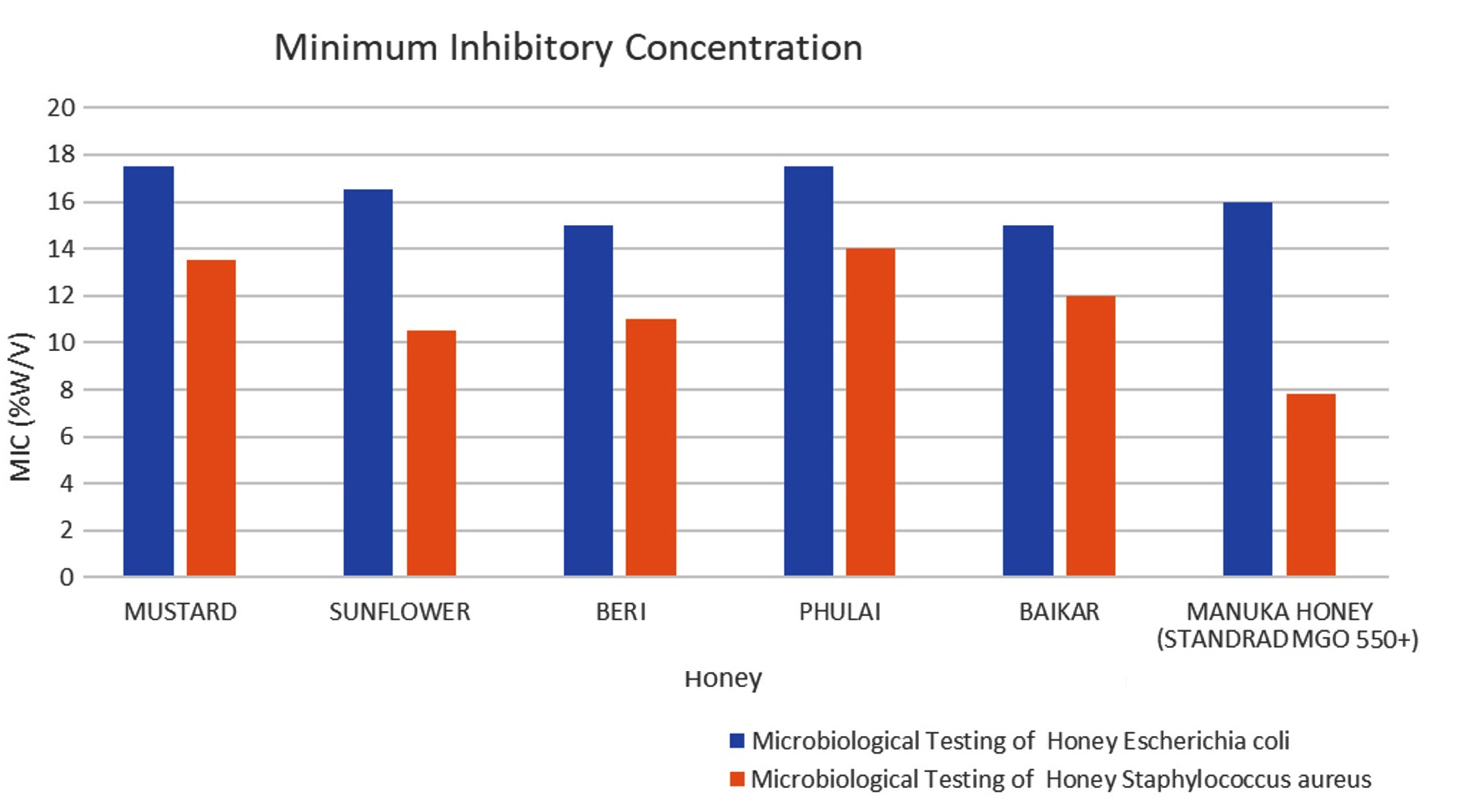
Figure 1. Minimum Inhibitory Concentration
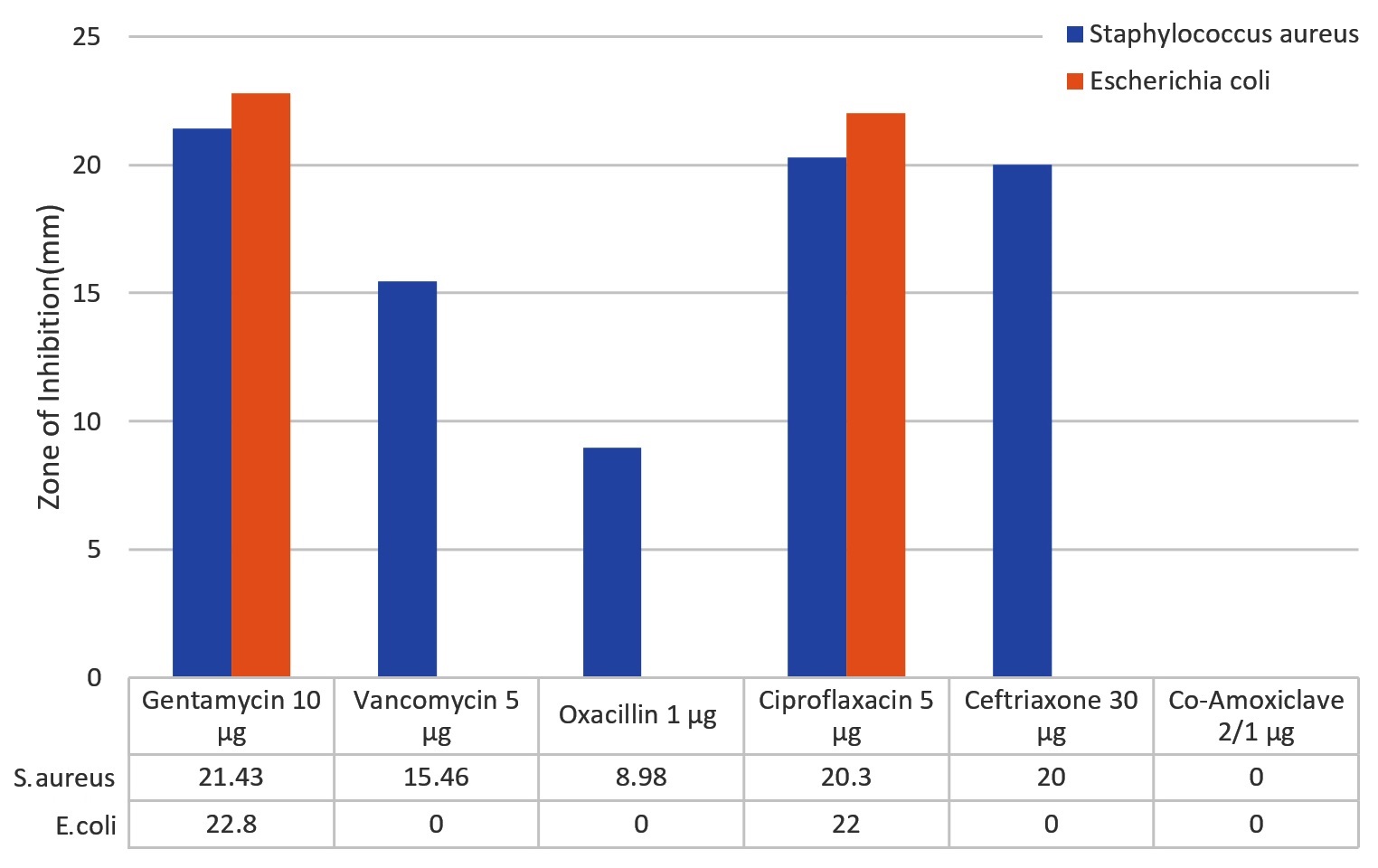
Figure 2. Comparing the zones of inhibition (mm) of different antibiotics against Staphylococcus aureus and Escherichia coli
The corresponding Figure 2 shows the inhibition zones produced by different antibiotics against S. aureus and E. coli. Gentamicin and ciprofloxacin produced the largest inhibition zones against both ATCC reference strains.
Physicochemical analysis indicated that the six honey samples were of acceptable quality. Beri honey had the darkest color at 78.20 ± 1.03 Pfund, followed by Manuka honey at 64.00 ± 0.86 mm Pfund, whereas Baikar honey had the lightest color at 28.90 ± 1.11 mm Pfund. Honey color varies substantially on the Pfund scale. Darker honeys are often associated with greater antioxidant capacity, richer flavor profiles, and higher phenolic content.17 Flavonoids, carotenoids, and Maillard reaction products are among the compounds that contribute to both color intensity and bioactive properties. The intermediate color value of Manuka honey is consistent with evidence that its antimicrobial activity is primarily associated with methylglyoxal content rather than color intensity.17
The moisture content of all samples was below the Codex Alimentarius limit of 20%, ranging from 16.0 ± 0.50% in Beri honey to 19.2 ± 0.60% in Phulai honey. Low moisture content is an important quality parameter as it reduces the likelihood of fermentation by osmophilic yeasts, improves storage stability, and may indicate appropriate ripening and post-harvest handling. Comparable moisture contents have been reported for high-quality monofloral honeys from Serbia, Nigeria, and Romania.18
Electrical conductivity ranged from 0.28 to 0.65 mS/cm, and ash content ranged from 0.14 to 0.43 g/100 g. Both parameters were within ranges generally associated with floral honeys, supporting their nectar origin and indicating the absence of excessive mineral content. Honeydew honeys commonly exhibit electrical conductivity values above 0.8 mS/cm owing to their higher mineral content, whereas floral honeys generally show values below this threshold.18 These findings are consistent with the reported botanical origins of the samples.
Free acidity ranged from 29.6 ± 0.92 meq/kg in Manuka honey to 43.5 ± 1.36 meq/kg in Beri honey, whereas pH ranged from 3.36 ± 0.11 in Phulai honey to 4.20 ± 0.13 in Beri honey. The acidic nature of honey contributes to microbial inhibition, enzymatic stability, and flavor characteristics.19 These findings are consistent with previous reports on high-quality honeys, in which acidity varies according to botanical origin, storage conditions, and age.17
Analysis of sugar composition showed relatively low sucrose contents of 6.0-6.7 g/100 g and high total sugar contents of 76.0-81.6 g/100 g. High sugar concentrations contribute to low water activity and prolonged shelf life, whereas relatively low sucrose values may reflect enzymatic conversion of nectar sucrose into glucose and fructose during honey ripening.18 The observed sugar profiles therefore support the maturity and quality of the tested honeys.20
Hydroxymethylfurfural values ranged from 21.2 ± 0.66 mg/kg in Baikar honey to 40.0 ± 1.24 mg/kg in Manuka honey and remained below the Codex limit of 80 mg/kg applicable to honeys originating from tropical regions. HMF is widely used as an indicator of honey freshness as its concentration increases during prolonged storage and heat exposure.20 The values observed in the present study suggest limited heat-related deterioration and generally appropriate storage conditions. The comparatively higher HMF content of Manuka honey may be related to longer transportation and storage periods before analysis.17
Proline content ranged from 280.00 ± 2.45 to 509.13 ± 2.96 mg/kg, with all samples exceeding the Codex threshold of ≥180 mg/kg. A previous study reported proline concentrations of 287.6-511.1 mg/kg,21 whereas other studies reported ranges of 240.4-848.07, 256.46-924.98, and 205.3-551.74 mg/kg.22-24 Proline content is strongly influenced by floral origin, although bee-related factors may also contribute to its variation.25
The diastase numbers of the fresh honey samples ranged from 10.00 ± 0.46 to 39.32 ± 0.58 DN and were within internationally accepted ranges.21 One study reported diastase numbers of 26.97-43.47 DN,21 whereas another reported values of 17.75-28.68 DN, which are broadly comparable to those observed in the present study.22
The present study evaluated the antimicrobial activity of locally produced Pakistani honeys, namely Baikar, Mustard, Sunflower, Phulai, and Beri honeys, together with Manuka honey, against two clinically important bacterial species, Escherichia coli, a Gram-negative bacterium, and Staphylococcus aureus, a Gram-positive bacterium. Manuka honey MGO 550+ was used as a reference standard because of its well-characterized antimicrobial activity.26,27 Manuka honey is internationally recognized for its potent antimicrobial properties, which are attributed largely to its high methylglyoxal content and other bioactive compounds. Studies have consistently shown that Manuka honey substantially inhibits a range of bacterial pathogens, even at moderate concentrations.28
Among the tested Pakistani honey samples, Baikar and Beri honeys produced relatively large inhibition zones that approached those of Manuka honey at 100% concentration. These findings highlight the potential of selected indigenous honeys as accessible and comparatively low-cost sources of antimicrobial activity.
Comparative Efficacy Of Local Honeys And The Potential Role Of Phytochemical Constituents
Previous studies suggest that the antimicrobial activity of Beri honey may be associated with its botanical origin and the presence of flavonoids, saponins, and phenolic compounds in Ziziphus species.29 Several studies from Pakistan have highlighted the antimicrobial potential of Beri honey. One study reported inhibition zones of 7-15 mm against Salmonella typhi, values comparable to those reported for Manuka honey at similar concentrations.4 Additional research showed that Beri honey can disrupt biofilm formation by Pseudomonas aeruginosa and Staphylococcus aureus, further supporting its broad-spectrum antimicrobial potential.30
Baikar honey also showed substantial antimicrobial activity, with a total inhibition-zone value of 26.80 mm compared with 27.79 mm for Manuka honey at 100% concentration. Beri honey similarly exhibited strong antimicrobial activity, supporting a possible contribution of its phytochemical composition. The antimicrobial effects of Baikar and Beri honeys, as with Manuka honey, are likely multifactorial and may involve low pH, high osmolarity, hydrogen peroxide production, and diverse phenolic compounds.28,31 Previous studies have shown that some local honeys can exhibit activity comparable to or greater than that of Manuka honey against particular pathogens, depending on floral origin and chemical composition.31 However, the specific phytochemical constituents responsible for the observed effects were not quantified in the present study.
Mustard honey exhibited moderate antimicrobial activity, consistent with reports on Brassica-derived honeys. Floral honeys may derive part of their antimicrobial activity from hydrogen peroxide generated through glucose oxidase activity, together with synergistic effects of polyphenolic compounds. In contrast to Manuka honey, which possesses prominent non-peroxide antimicrobial activity, many floral honeys, including those derived from Brassica spp., depend more strongly on peroxide-mediated mechanisms. Therefore, the moderate antimicrobial activity observed for Mustard honey is consistent with its proposed biochemical characteristics.7,32 Phulai honey, derived from Acacia modesta, showed comparatively lower antimicrobial activity than several other tested samples. This finding is consistent with a previous report on honey from Timergara, Pakistan, in which A. modesta honey exhibited relatively weak antimicrobial activity against both Gram-positive and Gram-negative bacterial strains.33
Sunflower honey also showed comparatively lower activity while retaining detectable antimicrobial effects. Previous studies have shown measurable antimicrobial activity of Sunflower honey, although its activity may be lower than that of some other honey types, including Manuka honey. A study of organic Sunflower honey from Serbia found that all evaluated samples inhibited several bacterial species, including Staphylococcus aureus, Escherichia coli, Salmonella enterica, Yersinia enterocolitica, and Bacillus subtilis, at concentrations of 40%-100%. Inhibition zones increased with increasing honey concentration, indicating concentration-dependent antibacterial activity. Inhibition of S. aureus was detected at concentrations as low as 40%, with the greatest effects observed at 60%-100%.34 Other studies have reported inhibition zones of 14-18.5 mm for Sunflower honey against various bacteria at 100% concentration and significant activity against E. coli and B. subtilis.35
Susceptibility patterns of Gram-positive and Gram-negative bacteria
The susceptibility patterns observed in the present study were broadly consistent with previous reports, with Gram-positive S. aureus generally showing greater susceptibility to honey than Gram-negative E. coli. Differences in bacterial cell-envelope structure may contribute to this pattern. Gram-negative bacteria such as E. coli possess a thin peptidoglycan layer approximately 2-7 nm thick that is surrounded by an outer membrane containing lipopolysaccharide (LPS). This outer membrane functions as an additional permeability barrier and can restrict the entry of antimicrobial agents. In contrast, Gram-positive bacteria such as S. aureus possess a substantially thicker peptidoglycan layer, approximately 20-80 nm, but lack an outer membrane. The porous peptidoglycan structure may permit greater access for antimicrobial components of honey, including hydrogen peroxide (H2O2), phenolic acids, and bee-derived antimicrobial peptides.36,37 Previous reports have similarly demonstrated differential susceptibility of Gram-positive and Gram-negative bacteria to honey. One study found that S. aureus was inhibited at honey concentrations of approximately 10%-15%, whereas E. coli required concentrations of approximately 20%-30%, potentially because of the protective effect of its outer membrane.38 Another study reported that MICs of different honeys against E. coli and Pseudomonas aeruginosa were higher than those against Gram-positive bacteria.39 Other work has suggested that the outer membrane and LPS of Gram-negative bacteria can reduce susceptibility to oxidative and other antimicrobial components of honey, thereby increasing the concentration required for bacterial inhibition.40 Microscopic and flow-cytometric studies have further demonstrated that honey can increase membrane permeability and damage the cell envelope of E. coli, although higher concentrations may be required than for some Gram-positive bacteria.41
The present findings also indicate that the tested Pakistani honeys retained antibacterial activity against strains showing resistance to some conventional antibiotics, including oxacillin and vancomycin. This observation highlights the potential value of honey-derived antimicrobial activity in the broader context of increasing antibiotic resistance.
MIC trends, antibiotic comparisons, and clinical implications
Manuka honey is commonly used as a reference for antimicrobial activity and, in the present study, exhibited MICs of 16% w/v against E. coli and 7.8% w/v against S. aureus. The slightly higher MICs observed for the Pakistani honeys, ranging from approximately 10%-17.5% w/v, nevertheless indicate appreciable antimicrobial activity, particularly given the variation in floral origin and natural composition. Some Pakistani honeys, particularly darker Ziziphus-derived honeys such as Beri, have been reported to possess substantial phenolic and antioxidant activity, which may contribute to their antimicrobial efficacy.7
The MICs of Baikar and Beri honeys, approximately 11%-12% w/v, were consistent with their relatively large inhibition zones. Phulai, Sunflower, and Mustard honeys generally exhibited higher MICs, potentially reflecting lower concentrations or different profiles of active antimicrobial constituents. Previous studies have reported MICs of approximately 3%-17.5% for different Pakistani honeys, depending on honey type and the bacterial species tested. For example, Beri honey has been reported to exhibit an MIC of approximately 3.125% against highly drug-resistant S. typhi isolates, indicating substantial antimicrobial activity at relatively low concentrations.4
Statistical analysis in the present study revealed significant variation in antimicrobial activity among the evaluated honey samples when tested under comparable conditions. Such variation is likely associated with differences in floral origin and the abundance and composition of antimicrobial constituents. These findings indicate that selected high-quality local honeys, particularly the evaluated Baikar and Beri samples, may warrant further investigation as potential alternatives or complements to Manuka honey in specific therapeutic applications.
Antibiotic susceptibility findings provide additional context for these observations. The tested bacterial strains were susceptible to gentamicin and ciprofloxacin, and the honey samples also produced substantial inhibition zones, particularly against S. aureus. At 100% concentration, the inhibition zones produced by some honeys approached those observed with antibiotic disks. These results support further investigation of honey as a complementary antibacterial intervention rather than as a direct replacement for conventional antibiotics. The antimicrobial activity of Pakistani honeys is likely attributable to multiple factors, including hydrogen peroxide generation, high osmolarity, low pH, and bioactive constituents such as flavonoids and phenolic acids. These factors can interfere with bacterial cell-envelope integrity and growth through multiple mechanisms.7
In addition to antimicrobial activity, honey has also been reported to have anti-inflammatory, wound-healing, and immunomodulatory properties and generally exhibits a favorable safety profile.26 Recent research also suggests that combinations of Pakistani honeys with other natural products, including black seed extracts, may reduce MICs and enhance antimicrobial activity against foodborne pathogens, indicating potential synergistic effects.42 The present findings indicate that the evaluated Baikar and Beri honey samples have promising antibacterial activity and may have potential as complementary topical agents. However, further in vivo validation and clinical investigation are required before therapeutic applications can be established.
Limitations of the study
Each floral variety was represented by a single batch; therefore, the observed physicochemical and antimicrobial properties apply specifically to the evaluated samples rather than to the corresponding floral types as a whole. Comparative conclusions should therefore be interpreted with this limitation in mind. Future studies should evaluate multiple independently sourced batches of each floral variety to account for natural batch-to-batch variability and establish the reproducibility of the observed effects.
All tested honey samples showed satisfactory freshness and purity and met acceptable quality ranges for the evaluated physicochemical parameters. These findings support their suitability for consumption and indicate potential commercial value.
The evaluated Pakistani honey samples inhibited the growth of the tested bacterial strains, supporting their potential as complementary antibacterial agents against selected pathogens. In particular, some local honey samples exhibited antimicrobial activity approaching that of Manuka honey under the experimental conditions used. However, these findings are based on single-source honey samples evaluated under laboratory conditions and should not be generalized to entire floral varieties. Further studies should evaluate multiple independent honey batches and include the tested reference strains together with clinically relevant isolates in comprehensive in vivo investigations and clinical trials.
ACKNOWLEDGMENTS
The authors would like to thank the Pakistani Bee supplier for the successful conduct of the study.
CONFLICT OF INTEREST
The authors declare that there is no conflict of interest.
AUTHORS’ CONTRIBUTION
MAK, MSA, INM and AH designed the study. MSA performed experiments and wrote the original draft. SG, SA, JA and MA wrote, reviewed and edited the manuscript. All authors read and approved the final manuscript for publication.
FUNDING
None.
DATA AVAILABILITY
All datasets generated or analyzed during this study are included in the manuscript.
ETHICS STATEMENT
Not applicable.
- Abushaheen MA, Fatani AJ, Alosaimi M, et al. Antimicrobial resistance, mechanisms and its clinical significance. Dis Mon. 2020;66(6):100971.
Crossref - Bilal H, Khan MN, Rehman T, Hameed MF, Yang X. Antibiotic resistance in Pakistan: a systematic review of past decade. BMC Infect Dis. 2021;21(1):244.
Crossref - Fatima N, Mujtaba G, Akhunzada A, et al. Prediction of Pakistani honey authenticity through machine learning. IEEE Access. 2022;10:87508-87521.
Crossref - Ejaz H, Sultan M, Qamar MU, et al. Antibacterial efficacy of indigenous Pakistani honey against extensively drug-resistant clinical isolates of Salmonella enterica serovar Typhi: an alternative option to combat antimicrobial resistance. BMC Complement Med Ther. 2023;23(1):42.
Crossref - Hussain MB. Evaluation of Selected Pakistani Honeys in Comparison with Manuka Honey Against Vibrio cholerae. RADS J Biol Appl Sci. 2019;10(2):54-62.
Crossref - Hannan A, Barkaat M, Usman M, Gilani WA, Sami W. In vitro antibacterial activity of honey against clinical isolates of multi-drug resistant typhoidal salmonellae. Pak J Zool. 2009;41(1):1-6.
- Hussain MB, Hannan A, Akhtar N, et al. Evaluation of the antibacterial activity of selected Pakistani honeys against multidrug-resistant Salmonella typhi. BMC Complement Altern Med. 2015;15(1):32.
Crossref - Allen KL, Molan PC, Reid G. A survey of the antibacterial activity of some New Zealand honeys. J Pharm Pharmacol. 1991;43(12):817-822.
Crossref - Davis C. The Use of Australian Honey in Moist Wound Management. Rural Industries Research and Development Corporation; 2005. Publication No. W05/159. Project No. DAQ-232A.
- Association of Official Analytical Chemists (AOAC), Helrich K. Official Methods of Analysis of the Association of Official Analytical Chemists. 15th ed. Arlington, VA: AOAC. 1990.
- Wilczynska A, Banach J, Zak N, Grzywinska-Rapca M. Preliminary Studies on the Use of an Electrical Method to Assess the Quality of Honey and Distinguish Its Botanical Origin. Appl Sci. 2024;14(24):11452.
Crossref - White JW Jr. Moisture in Honey: Review of Chemical and Physical Methods. J Assoc Off Anal Chem. 1969;52(4):729-737.
Crossref - Orfanakis E, Vlasiadi M, Philippidis A, Zoumi A, Velegrakis M. Rapid Method for the Assessment of Hydroxymethylfurfural (HMF) Levels in Honey by Absorption Spectroscopy. Food Sci Eng. 2023;4(1):26-33.
Crossref - Truzzi C, Annibaldi A, Illuminati S, Finale C, Scarponi G. Determination of proline in honey: comparison between official methods, optimization and validation of the analytical methodology. Food Chem. 2014;150:477-481.
Crossref - Sanchez M, Huidobro J, Mato I, Muniategui S, Sancho M. Evolution of invertase activity in honey over two years. J Agric Food Chem. 2001;49(1):416-422.
Crossref - Akram A, Sohail A, Masud T, et al. Physico-chemical and antimicrobial assessment of honey of Apis dorsata from different geographical regions of Pakistan. Int J Agric Sci Res. 2014;3(2):25-30.
- Grabek-Lejko D, Miłek M, Dżugan M. The comparison of the antioxidant, antibacterial and antiviral potential of Polish fir honeydew and Manuka honeys. Sci Rep. 2024;14(1):31170.
Crossref - Albu A, Bora FD, Cucu-Man SM, Stoleru V, et al. Assessing Honey Quality: A Focus on Some Physicochemical Parameters of Honey from Iasi County (Romania). Agriculture. 2025;15(3):333.
Crossref - Seki H. Evaluation of the Antioxidant Activity of Honey. J Food Eng Technol. 2025;14(1):21-27.
Crossref - Althaiban MA. Investigation of hydroxymethylfurfural levels in commercial acacia honey for quality control: a systematic review. Discov Appl Sci. 2024;6(10):515.
Crossref - Sajid M, Yamin M, Asad F, et al. Comparative study of physio-chemical analysis of fresh and branded honeys from Pakistan. Saudi J Biol Sci. 2020;27(1):173-176.
Crossref - Moloudian H, Abbasian S, Nassiri-Koopaei N, et al. Characterization and classification of Iranian honey based on physicochemical properties and antioxidant activities, with chemometrics approach. Iran J Pharm Res. 2018;17(2):708-723.
- Aazza S, Elamine Y, El-Guendouz S, et al. Physicochemical characterization and antioxidant activity of honey with Eragrostis spp. pollen predominance. J Food Biochem. 2018;42(1):e12431.
Crossref - Nayik GA, Nanda V. Physico-chemical, enzymatic, mineral and colour characterization of three different varieties of honeys from Kashmir valley of India with a multivariate approach. Pol J Food Nutr Sci. 2015;65(2):101-108.
Crossref - Manzanares AB, Garcia ZH, Galdon BR, Rodriguez ER, Romero CD. Physicochemical characteristics of minor monofloral honeys from Tenerife, Spain. LWT – Food Sci Technol. 2014;55(2):572-578.
Crossref - Molan PC. The antibacterial activity of honey: 1. The nature of the antibacterial activity. Bee World. 1992;73(1):5-28.
Crossref - Makarewicz M, Kowalski S, Lukasiewicz M, Malysa-Pasko M. Antimicrobial and antioxidant properties of some commercial honeys available on the Polish market. Czech J Food Sci. 2017;35(5):401-406.
Crossref - Johnston M, McBride M, Dahiya D, Owusu-Apenten R, Nigam PS. Antibacterial activity of Manuka honey and its components: An overview. AIMS Microbiol. 2018;4(4):655-664.
Crossref - Gulfraz M, Iftikhar F, Imran M, Zeenat A, Asif S, Shah I. Compositional analysis and antimicrobial activity of various honey types of Pakistan. Int J Food Sci Technol. 2011;46(2):263-267.
Crossref - Hussain MS, Sattar A, Batool A. Disruption of Pseudomonas aeruginosa and Staphylococcus aureus biofilm by Manuka and Beri Honey. Pak J Med Health Sci. 2018;12(1):142-146.
- Almasaudi S. The antibacterial activities of honey. Saudi J Biol Sci. 2021;28(4):2188-2196.
Crossref - Bizerra FC, Da Silva PI Jr, Hayashi MAF. Exploring the antibacterial properties of honey and its potential. Front Microbiol. 2012;3:398.
Crossref - Zahoor M, Naz S, Sangeen M. Antibacterial, antifungal and antioxidant activities of honey collected from Timergara (Dir, Pakistan). Pak J Pharm Sci. 2014;27(1):45-50.
- Milosavljevic V, Zugic Petrovic T, Mladenovic K, Grujovic M, Kolasinac R, Orovic D. Quality assessment, antimicrobial activity of organic sunflower honey and use of MALDI-TOF mass spectrometry for the identification of bacteria isolated from honey. J Hyg Eng Des. 2021;34: 88-94.
- Junie LM, Vica ML, Glevitzky M, Matei HV. Physico-chemical characterization and antibacterial activity of different types of honey tested on strains isolated from hospitalized patients. J Apic Sci. 2016;60(1):5-19.
Crossref - Mandal MD, Mandal S. Honey: its medicinal property and antibacterial activity. Asian Pac J Trop Biomed. 2011;1(2):154-160.
Crossref - Luca L, Pauliuc D, Ursachi F, Oroian M. Physicochemical parameters, microbiological quality, and antibacterial activity of honey from the Bucovina region of Romania. Sci Rep. 2025;15(1):4358.
Crossref - Mudenda S, Hikaambo C, Chabalenge B, et al. Antibacterial activities of honey against Escherichia coli and Staphylococcus aureus: A potential treatment for bacterial infections and alternative to antibiotics. J Pharmacogn Phytochem. 2023;12(3):6-13.
Crossref - Irish J, Carter DA, Shokohi T, Blair SE. Honey has an antifungal effect against Candida species. Med Mycol. 2006;44(3):289-291.
Crossref - Brudzynski K. Effect of hydrogen peroxide on antibacterial activities of Canadian honeys. Can J Microbiol. 2006;52(12):1228-1237.
Crossref - Kwakman PH, te Velde AA, de Boer L, Speijer D, Vandenbroucke-Grauls CM, Zaat SA. How honey kills bacteria. FASEB J. 2010;24(7):2576-2582.
Crossref - Ibrahim F, Fatima M, Ali S, Rashid H. Synergistic effect of Pakistani honey with black seeds against food borne pathogens. J Health Rehabil Res. 2024;4(2):1185-1190.
Crossref
© The Author(s) 2026. Open Access. This article is distributed under the terms of the Creative Commons Attribution 4.0 International License which permits unrestricted use, sharing, distribution, and reproduction in any medium, provided you give appropriate credit to the original author(s) and the source, provide a link to the Creative Commons license, and indicate if changes were made.