


ISSN: 0973-7510
E-ISSN: 2581-690X

Bacterial outbreaks have been a major threat throughout human history. Whole genome sequencing (WGS) is an emerging technology that reveals a wealth of information, and its use in epidemiologic surveillance has increased over the years. This rapid review aims to compare WGS with conventional molecular typing methods in hospital outbreak investigations, focusing on their impact on the duration of the outbreaks. This study performed a rapid systematic review from the PubMed database, following PRISMA guidelines. Searches were performed using combinations of Medical Subject Headings (MeSH) and free-text terms and were limited to studies published in English and involving human subjects from 2016-2026. The WGS usage (classified as intervention and non-intervention groups) and outbreak duration were analyzed with the Mann-Whitney U test and adjusted for covariates using linear regression. Duration of the outbreak was further categorized and analyzed with ordinal regression. The database search process yielded 358 articles, 34 of which consisted of 35 outbreak cases included in this study. The median outbreak duration was shorter in the intervention group (5 months; range 1-37) compared with the non-intervention group (14 months; range 2-82). In both adjusted and non-adjusted analyses, WGS-guided intervention was not significantly associated with shorter outbreak duration (b = -0.170; 95% CI -1.01 to 0.244; P = 0.222). While WGS enhances epidemiological resolution, current evidence remains insufficient to conclusively determine whether its implementation shortens hospital outbreak duration.
Hospital-Outbreak, WGS, Outbreak-Duration, Conventional-Typing, Rapid Review
Bacterial outbreaks have been a major threat, taking many lives throughout human history.1 Although vaccines and antibiotics have substantially limited the spread of infectious diseases and the risk of pandemics, the emergence of resistance, climate change, and increased human mobility and travel have enabled several infectious diseases to spread more widely.1,2 Novel infections will initially emerge as an illness or syndrome of unknown cause, and with limited diagnostic capabilities, many outbreaks may not have an identified cause.3 According to a study of 109 outbreaks of unknown cause identified during 2016-2019, a cause was later confirmed in only 18% of them.3 Misidentification will hinder the outbreak reporting process and affect the patient’s individual care.3,4
Whole-genome sequencing (WGS) has become an emerging technology that reveals a wealth of information, including gene number and density, repeat sequences, non-protein-coding ribonucleic acid (RNA) genes, and evolutionarily conserved sequences.5 WGS use in epidemiologic surveillance has increased over the years due to its ability to prospectively sequence potential pathogens and compare them across healthcare settings, enabling real-time action.6 Using conventional molecular methods, there is often a delay in the recognition of clusters or outbreaks, owing to the dependence on a clear epidemiologic link.6 This situation complicates control measures, as the issues leading to transmission may have been occurring unchecked for long periods of time.6 However, as some research indicates that WGS is beneficial in terms of outbreak identification, the impact of the employment of WGS in terms of ending the outbreak has not yet been explored.7,8 Therefore, this rapid review aims to compare WGS with conventional molecular typing methods in hospital outbreak investigations, focusing on their impact on time to outbreak resolution.
This study is a single-author rapid systematic review, following Preferred Reporting Items for Systematic reviews and Meta-Analyses (PRISMA) guidelines, to identify and analyze published studies of hospital outbreak investigations that used WGS or conventional molecular typing methods. The population was involved in bacterial outbreaks in hospital settings that used genomic typing methods to manage them. The PubMed database search was performed on February 9th, 2026, using combinations of Medical Subject Headings (MeSH) and free-text terms related to hospital outbreaks, whole-genome sequencing, and conventional molecular typing methods. Searches were limited to studies published in English that involved human subjects and were published from 2016-2026. The full search strategy is provided in Table 1.
Table 1. Search strategy
Database |
Search strategy |
Date |
|---|---|---|
PubMed |
((“Disease Outbreaks”[MeSH] OR “Cross Infection”[MeSH] OR outbreak*[tiab] OR nosocomial[tiab] OR healthcare-associated[tiab]) AND (“Whole Genome Sequencing”[MeSH] OR “Genomics”[MeSH] OR “Molecular Epidemiology”[MeSH] OR WGS[tiab] OR “whole genome sequencing”[tiab]) AND (“Molecular Typing”[MeSH] OR “Electrophoresis, Gel, Pulsed-Field”[MeSH] OR “Multilocus Sequence Typing”[MeSH] OR PFGE[tiab] OR MLST[tiab] OR” conventional typing”[tiab]) AND (“Hospitals”[MeSH] OR “Infection Control”[MeSH] OR “outbreak investigation” [tiab])) |
Feb. 9th, 2026 |
Note. PFGE = Pulsed Field Gel Electrophoresis; MLST = in silico Multilocus Sequence Typing
Because many studies did not explicitly report outbreak resolution time, we accepted studies with sufficient data to estimate the case-detection period. Outbreak durations were standardized to month ranges. The duration of outbreak certainty was further categorized into 3 levels: High (for papers that explicitly defined the outbreak duration), Medium (for papers that did not report the outbreak period but explicitly stated the date of last case detection), and Low (for papers that only reported the range of the last case detection. Outbreak settings were classified as single department if the article stated the outbreak was localized to a single ward or department; if the transmission involved more than 1 ward, the outbreak was classified as multiple departments. The outbreak setting and the number of cases were included as covariates in the adjusted analyses. Since not all outbreaks had non-patient tracing documented, non-patient involvement, such as environmental or healthcare workers, was included for descriptive purposes only.
If sufficient comparable data were available, a meta-analysis was planned. However, because no paper pooled from this search method compared WGS results with conventional typing in outbreak settings, and the articles provided only start and end dates without measures of variance, comparable effect sizes could not be derived. We divided the outbreaks into 3 categories for descriptive purposes: the intervention group, the investigation group, and the no-WGS group. The intervention group is for outbreaks where the WGS result affected infection control measures, whether by being the only genomic typing used in the outbreak or by informing control measures with new information not obtained from other genomic typing methods. The investigation group is for outbreaks in which other molecular typing methods guided the detection and/or intervention, and WGS results served only as confirmatory or did not provide any new information that affected the intervention. The third group, a no-WGS group, is for outbreaks that used a conventional typing method but did not use WGS. Since neither the investigation group nor the no-WGS group used WGS in their infection control measures, their outbreak durations were grouped into a non-intervention group and compared with the intervention group in the analysis.
Numerical data on both outbreak duration and number of patients were assessed for normality using the Shapiro–Wilk test and were not normally distributed; therefore, results are presented as median (range). Outbreak duration and number of patients were log-transformed to reduce skewness before univariate and multivariable analyses. Outbreak duration was further categorized based on quartiles of observed values into: ≤3 months; 4-6 months; 7-12 months; and >12 months. Both the log-scaled and categorized outbreak intervals were compared between the intervention and non-intervention groups. Since the duration and number of patients remain skewed after log transformation, a non-parametric analysis was used. The log data were analyzed using the Mann-Whitney U test and adjusted for covariates using linear regression. Given the limited sample size of 35 outbreaks, the linear regression analysis was considered exploratory. Regression assumptions were assessed through visual inspection of residual diagnostic plots. Linearity and homoscedasticity were evaluated using residual-versus-fitted plots, while the distribution of residuals was assessed using normal quantile-quantile (Q-Q) plots. Independence of observations was assumed based on the study design, with each outbreak treated as a separate observational unit. The categorized outbreak comparison was done through ordinal regression. The proportional-odds assumption for the ordinal regression was assessed using parallel-lines tests. The results were synthesized narratively, with exploratory study-level regression analyses performed using Jamovi 2.6.44.
The database search yielded 358 articles (Figure 1). No duplicates were found, and 41 articles were removed before the screening stage because they were not in English or were not human studies. At the title and abstract screening stage, 217 articles were excluded as reviews, editorials, letters, consensus statements, or irrelevant studies, leaving 101 for further review. However, the full text of 23 articles could not be obtained, leaving 78 articles that could be fully assessed for eligibility. From this assessment process, 44 articles were excluded because 34 articles did not define the duration of the outbreak; four articles described outbreak occurrence, but the molecular typing methods were not used in the outbreak investigation; three were hospital research defining outbreaks in a community, and three articles were about outbreak detection; the outbreak management and resolution were not documented. Among the 34 articles, one paper described 2 distinct outbreaks occurring in the same hospital, so we counted them as separate outbreaks.9 In total, 34 articles, comprising 35 outbreaks, were included for analysis (Table 2).
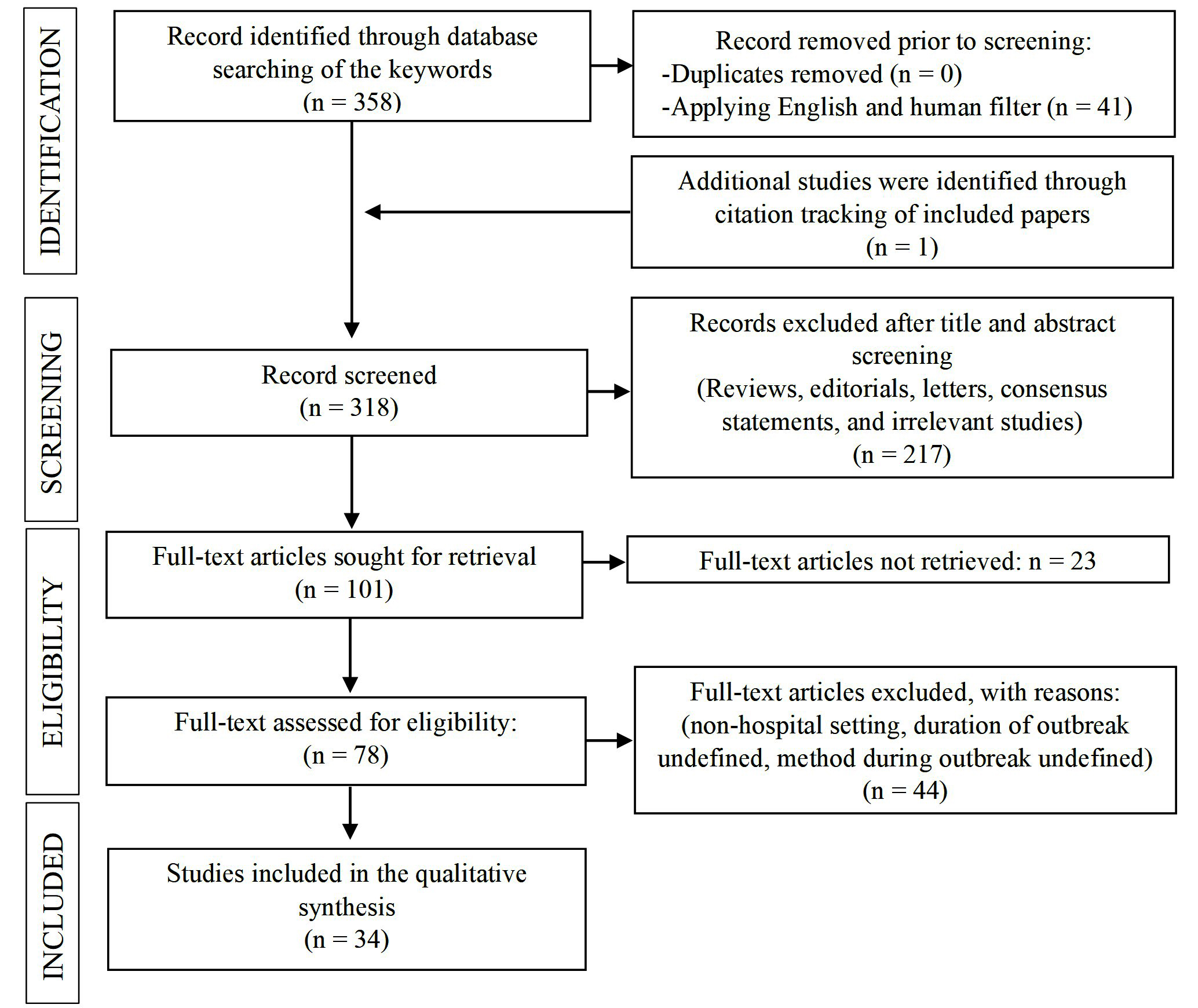
Figure 1. PRISMA flow diagram of included studies
Table 2. Literature review
Author (Year) |
Country |
Pathogen |
Outbreak Setting |
Use of WGS |
Additional typing Method |
No. of patients |
Non-patient sources |
Outbreak duration (months) |
Duration category |
Outbreak duration certainty |
|---|---|---|---|---|---|---|---|---|---|---|
Qin et al.10 |
China |
Clostridioides difficile |
Multiple departments |
Intervention |
MLST |
15 |
E |
2 |
≤3 months |
High |
Kossow et al.11 |
Germany |
MRSA |
Single department |
Intervention |
None |
5 |
HCW |
19 |
>12 months |
Low |
Pletz et al.12 |
Germany |
CPC |
Multiple departments |
Intervention |
None |
76 |
E |
5 |
4-6 months |
High |
Wendel et al.13 |
Germany |
Enterobacter hormaechei ssp. steigerwaltii |
Multiple departments |
Investigation |
PFGE, rep-PCR, MLST |
23 |
E |
82 |
>12 months |
Low |
Wisgrill et al.14 |
Austria |
Klebsiella pneumoniae |
Single department |
Intervention |
None |
14 |
None |
4 |
4-6 months |
Low |
Chen et al.15 |
China |
CRKP |
Single department |
Intervention |
None |
8 |
None |
7 |
7-12 months |
High |
Kerschner et al.16 |
Austria |
LREfm |
Multiple departments |
Intervention |
None |
27 |
Not
performed |
4 |
4-6 months |
High |
Liese et al.17 |
Germany |
VRE |
Multiple departments |
Intervention |
None |
561 |
Not performed |
15 |
>12 months |
High |
Gideskog & Melhus18 |
Sweden |
MRSA |
Single department |
Investigation |
spa typing |
13 |
None |
3 |
≤3 months |
Medium |
Sharma et al.19 |
UK |
GAS |
Single department |
Intervention |
emm typing |
3 |
HCW |
8 |
7-12 months |
Medium |
Warnke et al.20 |
Germany |
Moraxella catarrhalis |
Single department |
Investigation |
Rep PCR |
9 |
None |
2 |
≤3 months |
High |
Kampmeier et al.21 |
Germany |
VRE |
Single department |
Intervention |
None |
5 |
E |
1 |
≤3 months |
Medium |
Hansen et al.22 |
Denmark |
VRE |
Multiple departments |
Intervention |
None |
38 |
Not performed |
16 |
>12 months |
Low |
Konstantinovski et al.23 |
Netherland |
BORSA |
Single department |
Investigation |
AFLP, MLVA, MLST |
8 |
None |
36 |
>12 months |
Low |
Nguyen et al.9 |
Vietnam |
CRKP |
Single departmenta |
Intervention |
None |
3 |
E |
3 |
≤3 months |
High |
Nguyen et al.9 |
Vietnam |
CRKP |
Single departmentb |
Intervention |
None |
5 |
E |
3 |
≤3 months |
High |
Yashar et al.24 |
Slovakia |
VRE |
Multiple departments |
Intervention |
None |
17 |
E |
3 |
≤3 months |
Low |
Cabal et al.25 |
Austria |
Pseudomonas aeruginosa |
Multiple departments |
Intervention |
None |
47 |
E |
37 |
>12 months |
High |
Chen et al.26 |
China |
CRKP |
Single department |
Intervention |
None |
6 |
E |
2 |
≤3 months |
High |
Rankin et al.27 |
Florida |
Carbapenem-resistant Gram-negative bacteria |
Single department |
Investigation |
PFGE |
69 |
E |
18 |
>12 months |
High |
Toorop et al.28 |
Netherland |
Serratia marcescens |
Single department |
Intervention |
None |
17 |
None |
5 |
4-6 months |
High |
Debast et al.29 |
Netherlands |
Pseudomonas aeruginosa |
Single department |
Intervention |
None |
10 |
E |
5 |
4-6 months |
Low |
Fraser et al.30 |
UK |
CRKP |
Single department |
Investigation |
MLST |
12 |
Not performed |
11 |
7-12 months |
High |
Kon et al.31 |
Israel |
CRAB |
Single department |
Intervention |
None |
22 |
E |
9 |
7-12 months |
High |
Corredor et al.32 |
Colombia |
VRE |
Multiple departments |
No |
MLVA |
13 |
E |
2 |
≤3 months |
High |
Tissot et al.33 |
Switzerland |
Pseudomonas aeruginosa |
Single department |
No |
PFGE, DLST |
218 |
E |
37 |
>12 months |
Low |
Abdelfattah
et al.34 |
Saudi Arabia |
Burkholderia cepacia |
Single department |
No |
PFGE |
14 |
E |
6 |
4-6 months |
High |
Brkic et al.35 |
Croatia |
CRKP |
Multiple departments |
No |
PFGE, MLST |
12 |
None |
8 |
7-12 months |
High |
Us et al.36 |
Turkey |
Serratia marcescens |
Multiple departments |
No |
PFGE |
10 |
E |
12 |
7-12 months |
High |
Bogaty et al.37 |
Canada |
CRAB |
Multiple departments |
No |
PFGE |
28 |
Not
performed |
23 |
>12 months |
High |
Eldirdiri et al.38 |
UK |
Staphylococcus aureus |
Single department |
No |
PFGE, spa typing |
8 |
E |
5 |
4-6 months |
Low |
Pirs et al.39 |
Slovenia |
CRKP |
Multiple departments |
No |
PFGE, MLST |
40 |
Not
performed |
17 |
>12 months |
High |
Caliskan et al.40 |
Turkey |
Stenotrophomonas maltophilia |
Single department |
No |
PFGE |
23 |
E |
17 |
>12 months |
High |
Cruz-Cordova et al.41 |
Mexico |
Stenotrophomonas maltophilia |
Single department |
No |
PFGE, MLST |
10 |
E |
3 |
≤3 months |
Medium |
Protonotariou et al.42 |
Greek |
Proteus mirabilis |
Multiple departments |
No |
PFGE |
14 |
None |
8 |
7-12 months |
High |
Note: aOutbreak in Adult Intensive Care Unit; bOutbreak in Viet-Anh Ward; MRSA = Methicillin Resistant Staphylococcus aureus; BORSA = Borderline oxacillin-resistant Staphylococcus aureus; CPC = Carbapenemase-Expressing Citrobacter freundii; CRKP = Carbapenem-resistant Klebsiella pneumoniae; CRAB = Carbapenem-resistant Acinetobacter baumannii; GAS = Group A Streptococci; LREfm = Linezolid resistant Enterococcus faecium; VRE = Vancomycin Resistant Enterococci; ICU = Intensive Care Unit; NICU = Neonatal Intensive Care Unit; ER = Emergency Room; WGS = Whole Genome Sequencing; PFGE = Pulsed Field Gel Electrophoresis; MLST = Multilocus Sequence Typing; MLVA = Multiple-Locus Variable-number tandem repeat Analysis; Rep-PCR = Repetitive element sequence-based Polymerase Chain Reaction; E = Environmental source; HCW = Healthcare Workers source
None of the included outbreak reports provided summary statistics such as means, medians, or measures of dispersion. Outbreak duration was calculated from reported start and end dates, and definitions varied across studies. Because variance estimates were unavailable, quantitative meta-analysis was not feasible. Given that most included studies were descriptive outbreak investigations and retrospective case series, methodological quality was appraised using the Joanna Briggs Institute Critical Appraisal Checklist for Case Series. Several studies incompletely reported participant demographic characteristics, likely reflecting the genomic epidemiology focus of outbreak investigations rather than patient-centered clinical reporting. This limitation was considered less likely to substantially affect the review objective, which focused on the outbreak’s molecular method implementation and outbreak duration.
Among the 35 included outbreak cases, 17 (48.6%) used WGS to guide the outbreak intervention strategy (Table 3). The certainty of outbreak duration estimates in both groups was comparable, with high certainty (outbreak duration defined in the paper) reported in 58.8% of cases for the intervention group and 66.7% for the non-intervention group. The median outbreak duration was shorter in the intervention group (5 months; range 1-37) compared with the non-intervention group (14 months; range 2-82). Long-lasting outbreaks (>12 months) occurred less often in the intervention group (23.5% vs. 38.9%), whereas outbreaks lasting 4-6 months were more frequent in the intervention group (29.4% vs. 11.1%).
Table 3. Whole Genome Sequencing Application During Outbreaks
WGS Usage |
Counts |
% of Total |
|---|---|---|
Intervention |
17 |
48.6% |
Investigation |
7 |
20.0% |
No |
11 |
31.4% |
The median number of patients affected was similar between groups (14; range 3-561 and 13.5; range 8-218). Most outbreaks in this study occurred within single departments in both groups. The majority of outbreaks in the intervention (82.4%) and non-intervention groups (83.3%) performed non-patient screening to identify the outbreak’s source and mode of transmission. Environmental sources were identified in approximately half of the outbreaks (52.9% vs. 55.6%), while healthcare-worker involvement was reported only in intervention outbreaks (11.1%). Some outbreaks failed to identify environmental cases despite efforts, occurring in 17.6% and 27.8% of intervention and non-intervention outbreaks, respectively. The outbreak characteristics included in this study are shown in Table 4.
Table 4. Outbreaks Characteristics
| Intervention (n = 17) | Non-intervention (n = 18) | |
|---|---|---|
| Outbreak duration (months) | ||
| Median (range) | 5 (1-37) | 14 (2-82) |
| Duration category | ||
| >12 months | 4 (23.5) | 7 (38.9) |
| 7-12 months | 3 (17.6) | 4 (22.2) |
| 4-6 months | 5 (29.4) | 2 (11.1) |
| ≤3months | 5 (29.4) | 5 (27.8) |
| Outbreak duration certainty | ||
| High (%) | 10 (58.8) | 12 (66.7) |
| Medium (%) | 3 (17.6) | 2 (11.1) |
| Low (%) | 4 (23.5) | 4 (22.2) |
| Number of patients | ||
| Median (range) | 14 (3-561) | 13.5 (8-218) |
| Outbreak settings | ||
| Single departments (%) | 11 (64.7) | 10 (55.6) |
| Multiple departments (%) | 6 (35.3) | 8 (44.4) |
| Non-patient sources | ||
| Environment (%) | 9 (52.9) | 10 (55.6) |
| Healthcare Workers (%) | 2 (11.8) | 0 |
| None | 3 (17.6) | 5 (27.8) |
| Not performed (%) | 3 (17.6) | 3 (16.7) |
In unadjusted analysis (Table 5), log-transformed outbreak duration did not differ significantly between groups (Mann–Whitney U = 117; P = 0.233). In linear regression adjusting for outbreak setting and the number of patients (Table 6), WGS-guided intervention was not significantly associated with outbreak duration (b = -0.170; 95% Confidence Interval (CI): -1.01 to 0.244; P = 0.222). A higher number of patients was independently associated with longer outbreak duration (b = 0.419; 95% CI: 0.100 – 0.800; P = 0.014). Outbreak setting (single vs. multiple departments) was not significantly associated with duration (b = -3.3e-4, 95% CI -0.706 to 0.704; P = 0.998). Visual inspection of the residual diagnostic plots showed no substantial evidence of non-linearity or heteroscedasticity (Figure 2). The normal Q–Q plot indicated that residuals were approximately normally distributed, with minor deviations at the distribution tails (Figure 3). The model explained approximately 25% of the variance in log-transformed outbreak duration (R² = 0.255).
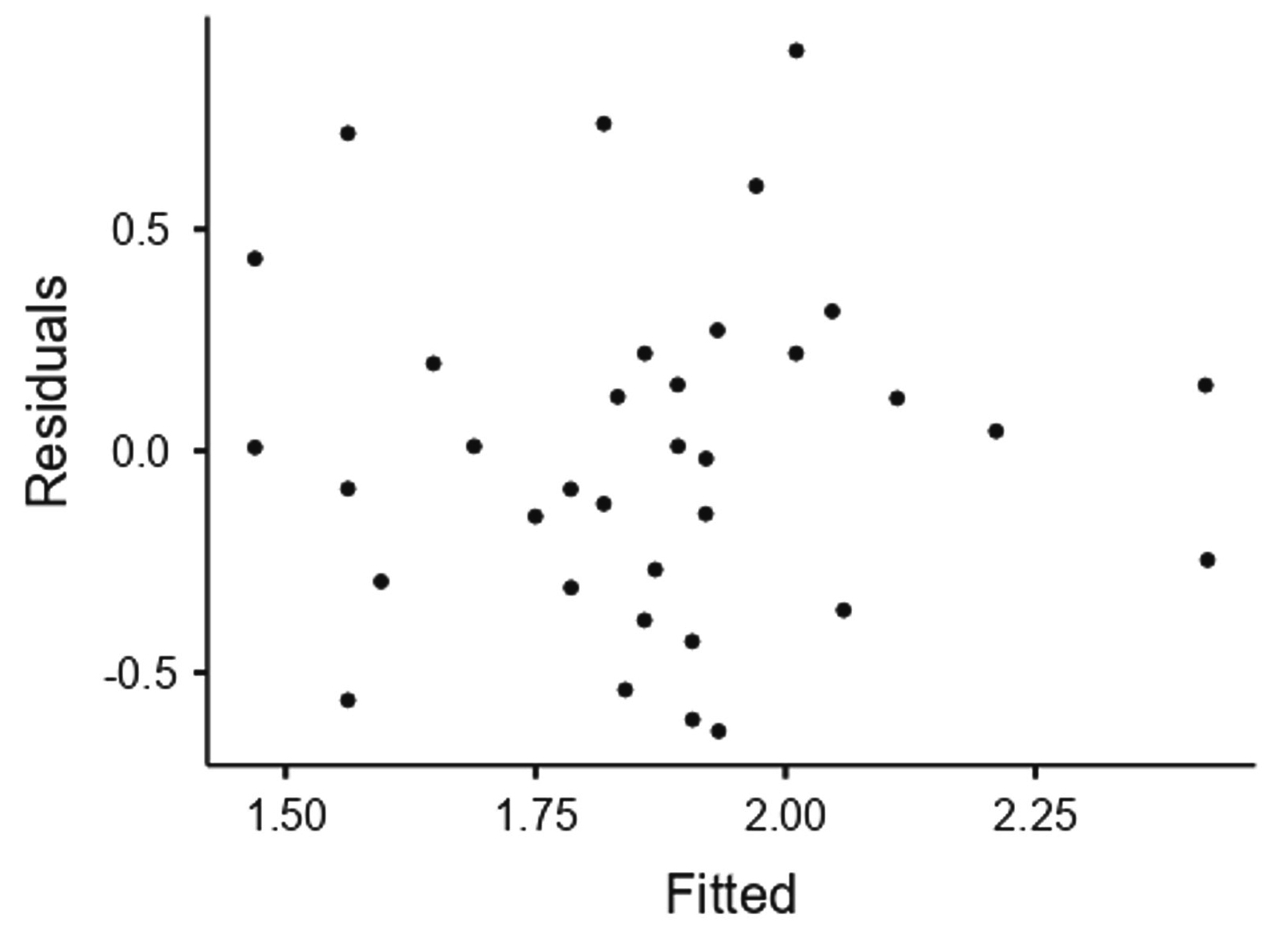
Figure 2. Residuals versus fitted values for the linear regression model
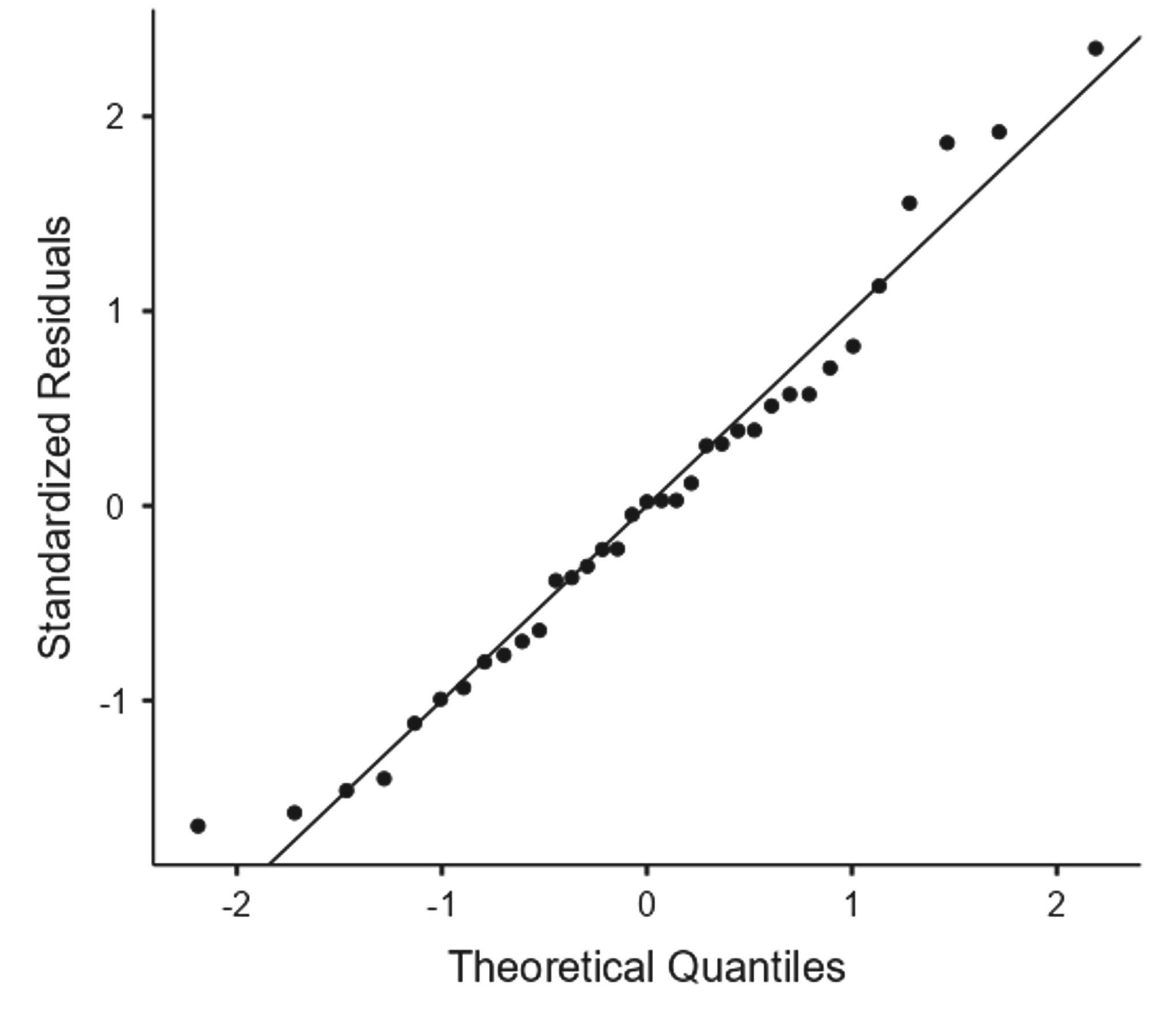
Figure 3. Normal Q-Q plot of standardized residuals for the linear regression model
Table 5. The Mann-Whitney U test of Outbreak Duration
Statistic |
P |
|
|---|---|---|
Mann-Whitney U |
117 |
0.233 |
Note. All numerical variables are log-transformed
Table 6. Linear Regression of Outbreak Duration
| Predictor | Estimate | Standard Error | t | p | 95% CI |
|---|---|---|---|---|---|
| Interceptᵃ | 1.021 | 0.415 | 2.458 | 0.02 | |
| WGS Usage: | |||||
| Intervention – none | -0.170 | 0.137 | -1.245 | 0.222 | -1.01 to 0.244 |
| The number of patients | 0.419 | 0.160 | 2.620 | 0.014 | 0.100 to 0.800 |
| Setting: | |||||
| Single department – Multiple departments | -3.3e-4 | 0.154 | -0.002 | 0.998 | -0.706 to 0.704 |
| R = 0.504; R2 = 0.255 | |||||
aRepresent Reference level; All numerical variables are log transformed
In ordinal regression (Table 7) of outbreak duration categories, WGS-guided intervention was not significantly associated with shorter outbreak duration either (Odds Ratio (OR) = 0.565, 95%; CI 0.147-2.11; P = 0.396). Larger outbreaks, as measured by the log-transformed number of patients, were associated with longer duration categories (OR = 21.19; 95% CI 2.9-307.68; P = 0.01). Outbreak setting (single vs. multiple departments) was not significantly associated with duration category (OR = 1.254; 95% CI 0.288-5.88; P = 0.766). The proportional-odds assumption was assessed using parallel-lines tests. The assumption was met for WGS usage and outbreak setting but was violated for log-transformed patient number (χ² = 8.491, degree of freedom (df) = 2, P = 0.014). Therefore, the ordinal regression results should be interpreted cautiously. The model showed modest fit (McFadden R² = 0.131). Model comparison metrics were Deviance = 83 and Akaike information criterion (AIC) = 95.
Table 7. Ordinal Regression of Duration Category
| Predictor | Estimate | Standard Error | Z | p | Odds ratio | 95% CI |
|---|---|---|---|---|---|---|
| WGS Usage: | ||||||
| Intervention – none | -0.57 | 0.672 | -0.848 | 0.396 | 0.565 | 0.147 to 2.11 |
| Number of patients | 3.054 | 1.180 | 2.588 | 0.010 | 21.19 | 2.9 to 307.68 |
| Setting: | ||||||
| Single department – Multiple departments | 0.226 | 0.762 | 0.297 | 0.766 | 1.254 | 0.288 to 5.88 |
| Deviance = 83.0; Akaike information criterion (AIC) = 95.0; R² mcf = 0.131 | ||||||
Note. All numerical variables are log-transformed
In this systematic review of 35 hospital outbreaks reported across 34 studies, outbreaks in which whole-genome sequencing (WGS) guided intervention strategies showed a shorter median duration compared with outbreaks managed using conventional molecular methods (5 vs. 14 months). Long-lasting outbreaks (>12 months) were less frequent in the WGS-guided group, while outbreaks lasting 4-6 months were more common.
However, this apparent difference did not reach statistical significance in either unadjusted or adjusted analyses. In multivariable linear regression, WGS-guided intervention was not independently associated with shorter log-transformed outbreak duration. Similarly, ordinal regression analysis showed no significant association between WGS use and outbreak duration category. In contrast, the number of patients involved in an outbreak was independently associated with longer outbreak duration in the linear regression analysis. A significant association was also observed in the ordinal regression analysis, although the proportional-odds assumption was violated for this predictor, and the ordinal regression results should therefore be interpreted cautiously. Overall, these findings suggest that outbreak size may be an important factor associated with outbreak duration.
The consistent direction of effect favoring WGS suggests a possible modest benefit, but several factors likely limited statistical significance. First, only 17 outbreaks used WGS to guide intervention, resulting in limited statistical power and wide confidence intervals. A prolonged low-frequency outbreak was included, which contributed to the skewness of the outbreak-duration data in this study due to its inherently long duration.13 Second, the implementation of WGS varied substantially across studies. In some outbreaks, WGS directly informed infection-control actions, whereas in others it was used primarily to confirm transmission links after conventional-typing guided measures were already in place. There were some situations where conventional typing was unable to distinguish the transmission pattern, but with the more detailed information provided by WGS, the clusters of the outbreak were able to be differentiated from the concurrent isolates, and the transmission was able to be determined.10,19 Third, more complex or prolonged outbreaks may have been more likely to adopt WGS, which could attenuate observable benefit. Finally, delays in sequencing turnaround time in some settings may have limited real-time impact on outbreak control. Other reviews stated that a delay in the use of WGS reduces the benefits, as early detection of outbreaks enables the timely implementation of interventions to interrupt transmission. In order for this benefit to be realized maximally, WGS needs to be employed early in the analytical pipeline.7
In some settings, WGS results may not have been available in real time, limiting their immediate impact on outbreak control. Thus, while WGS may enhance understanding of transmission pathways, this review suggests that its effect on time to outbreak resolution is not consistently demonstrable across published hospital outbreaks. Previous reports have emphasized the superior discriminatory power of WGS compared with conventional typing methods such as MLST.10,19 WGS improves understanding of transmission pathways and identification of hidden links, but most studies focus on epidemiologic clarification rather than operational outcomes.
Recent evidence suggests that the role of WGS in hospital epidemiology is evolving from retrospective confirmation of suspected outbreaks toward prospective and near-real-time genomic surveillance.5,6 Real-time sequencing programs have demonstrated that systematic genomic surveillance can identify previously unrecognized transmission clusters and enable infection prevention teams to implement targeted interventions based on genomic and epidemiological data.43,44 In complex outbreaks, WGS may provide particular advantages by identifying transmission pathways that involve multiple bacterial species or mobile genetic elements, which may not be adequately resolved by conventional typing methods.45 Nevertheless, improved genomic resolution does not necessarily translate directly into shorter outbreak duration. A recent systematic review of WGS for nosocomial SARS-CoV-2 transmission similarly found that sequencing frequently clarified transmission events, but evidence that WGS altered the trajectory of active outbreaks or reduced nosocomial transmission remained limited.46 The effectiveness of WGS therefore appears to depend not only on its discriminatory capacity, but also on turnaround time, integration with epidemiological information, and the ability of infection prevention teams to rapidly translate genomic findings into actionable interventions.43,44
Several methodological considerations should be noted. As a rapid review conducted by a single author, there is a potential for selection and interpretation bias. Efforts were made to apply consistent and systematic criteria to minimize this risk, but the findings should be interpreted with caution. Definitions of outbreak start and end varied across studies, although the certainty of duration estimates was similar between groups. Residual confounding is likely, as pathogen type, infection-control resources, sequencing turnaround time, and healthcare infrastructure were not consistently reported. The varied operational definitions of an outbreak across studies may introduce systematic bias, as they depended on the outbreak guidelines the respective authors employed.47,48 For instance, in the study by Sharma et al., an outbreak was defined as the occurrence of a single new fatal case of Streptococcus pyogenes infection rather than an excess of cases above baseline incidence.19 Such a sensitive definition is more likely to trigger earlier recognition and a broader investigation, including retrospective case finding, which can artificially lengthen the recorded outbreak period compared with studies using stricter epidemiologic thresholds. Conversely, definitions requiring multiple linked cases may delay detection and shorten the measured duration.13 This methodological heterogeneity complicates cross-study comparisons and may partly explain variability in outbreak duration independent of interventions such as WGS. Therefore, differences in outbreak definitions should be considered as a potential source of bias when interpreting pooled results or drawing conclusions about intervention effectiveness. The critical appraisal, study selection, and data extraction were performed by a single reviewer, which may have increased the risk of reviewer bias and data extraction errors. The small number of outbreaks included in this study also limits precision. In addition, published outbreaks may overrepresent complex or unusual events. The inability to perform a quantitative meta-analysis reflects the heterogeneity and reporting limitations of outbreak investigations. Differences in outbreak definitions, surveillance intensity, and WGS implementation may have influenced measured durations.
Despite these limitations, this review has strengths. It used systematic inclusion criteria, focused on a clinically meaningful outcome (time to outbreak resolution), and applied multiple analytical approaches with adjustment for outbreak size and setting. Transparency in reporting, including the use of skewed data through log transformation and non-parametric analysis, further supports the robustness of the findings. From a practical perspective, WGS should be considered a complementary tool rather than a standalone solution. Its effectiveness likely depends on rapid turnaround, integration with infection-control teams, and actionable interpretation. Outbreak size and operational factors may ultimately play larger roles in determining resolution time. Future research should include larger datasets with standardized definitions of both outbreak definition and duration, reporting of sequencing turnaround time, pathogen-specific analyses to determine whether WGS shortens outbreaks in specific contexts, and the use of standardized outcome measures with dispersion measures to enable quantitative synthesis.
In this systematic review, WGS-guided outbreak management was associated with a shorter median outbreak duration (5 vs. 14 months), although this difference was not statistically significant after adjustment. The observed direction of effect suggests a potential benefit, but the small sample size, heterogeneity, and wide confidence intervals preclude definitive conclusions. Exploratory regression analysis suggested that larger outbreaks were associated with longer outbreak duration. While WGS enhances epidemiological resolution, current evidence remains insufficient to conclusively determine whether its implementation shortens hospital outbreak duration.
ACKNOWLEDGMENTS
None.
FUNDING
None.
DATA AVAILABILITY
All datasets generated or analyzed during this study are included in the manuscript.
ETHICS STATEMENT
Not applicable.
- Souza PFN, Filho NS dos S, Mororo JLT, et al. Pandemic events caused by bacteria throughout human history and the risks of antimicrobial resistance today. Microorganisms. 2025;13(2):457.
Crossref - Moriel DG, Piccioli D, Raso MM, Pizza M. The overlooked bacterial pandemic. Semin Immunopathol. 2024;45(4-6):481-491.
Crossref - Honeyman D, Gurdasani D, Notaras A, et al. Global epidemiology of outbreaks of unknown cause identified by open-source intelligence, 2020-2022. Emerg Infect Dis. 2025;31(2):298-308.
Crossref - Kaplan E, Lurie-Weinberger MN, Kastel O, et al. Enterobacter cloacae complex taxonomic incongruence may lead to misidentification of outbreaks and hinder infection control in real time. Eur J Clin Microbiol Infect Dis. 2025;44(12):3097-3101.
Crossref - Brlek P, Bulic L, Bracic M, et al. Implementing whole genome sequencing (WGS) in clinical practice: advantages, challenges, and future perspectives. Cells. 2024;13(6):504.
Crossref - Doll M, Bryson AL, Palmore TN. Whole Genome Sequencing applications in hospital epidemiology and infection prevention. Curr Infect Dis Rep. 2024;26(4):115-121.
Crossref - Price V, Ngwira LG, Lewis JM, et al. A systematic review of economic evaluations of whole-genome sequencing for the surveillance of bacterial pathogens. Microb Genom. 2023;9(2):mgen000947.
Crossref - Sundermann AJ, Chen J, Miller JK, et al. Whole-genome sequencing surveillance and machine learning for healthcare outbreak detection and investigation: A systematic review and summary. Antimicrob Steward Healthc Epidemiol. 2022;2(1):e91.
Crossref - Nguyen TNT, Nguyen PLN, Le NTQ, et al. Emerging carbapenem-resistant Klebsiella pneumoniae sequence type 16 causing multiple outbreaks in a tertiary hospital in southern Vietnam. Microb Genom. 2021;7(3):mgen.0.000519.
Crossref - Qin J, Dai Y, Ma X, et al. Nosocomial transmission of Clostridium difficile genotype ST81 in a General Teaching Hospital in China traced by whole genome sequencing. Sci Rep. 2017;7(1):9627.
Crossref - Kossow A, Kampmeier S, Schaumburg F, Knaack D, Moellers M, Mellmann A. Whole genome sequencing reveals a prolonged and spatially spread nosocomial outbreak of Panton-Valentine leucocidin-positive meticillin-resistant Staphylococcus aureus (USA300). J Hosp Infect. 2019;101(3):327-332.
Crossref - Pletz MW, Wollny A, Dobermann UH, et al. A nosocomial foodborne outbreak of a vim carbapenemase-expressing Citrobacter freundii. Clin Infect Dis. 2018;67(1):58-64.
Crossref - Wendel AF, Meyer S, Deenen R, et al. Long-term, low-frequency cluster of a German-Imipenemase-1-Producing Enterobacter hormaechei ssp. steigerwaltii ST89 in a Tertiary Care Hospital in Germany. Microb Drug Resist. 2018;24(9):1305-1315.
Crossref - Wisgrill L, Lepuschitz S, Blaschitz M, et al. Outbreak of yersiniabactin-producing Klebsiella pneumoniae in a Neonatal Intensive Care Unit. Pediatr Infect Dis J. 2019;38(6):638-642.
Crossref - Chen C, Zhang Y, Yu SL, et al. Tracking Carbapenem-producing Klebsiella pneumoniae outbreak in an intensive care unit by whole genome sequencing. Front Cell Infect Microbiol. 2019;9:281.
Crossref - Kerschner H, Cabal A, Hartl R, et al. Hospital outbreak caused by linezolid resistant Enterococcus faecium in Upper Austria. Antimicrob Resist Infect Control. 2019;8:150.
Crossref - Liese J, Schüle L, Oberhettinger P, et al. Expansion of Vancomycin-Resistant Enterococcus faecium in an academic tertiary hospital in southwest Germany: A large-scale whole-genome-based outbreak investigation. Antimicrob Agents Chemother. 2019;63(5).
Crossref - Gideskog M, Melhus A. Outbreak of Methicillin-resistant Staphylococcus aureus in a hospital center for children’s and women’s health in a Swedish County. APMIS. 2019;127(4):181-186.
Crossref - Sharma H, Ong MR, Ready D, et al. Real-time whole genome sequencing to control a Streptococcus pyogenes outbreak at a national orthopaedic hospital. J Hosp Infect. 2019;103(1):21-26.
Crossref - Warnke P, Koller T, Kreikemeyer B, Barrantes I, Mach H, Podbielski A. Molecular epidemiology study of a nosocomial Moraxella catarrhalis outbreak in a neurological rehabilitation unit. J Hosp Infect. 2019;103(1):27-34.
Crossref - Kampmeier S, Tonnies H, Correa-Martinez CL, Mellmann A, Schwierzeck V. A nosocomial cluster of vancomycin resistant enterococci among COVID-19 patients in an intensive care unit. Antimicrob Resist Infect Control. 2020;9(1):154.
Crossref - Kjær Hansen S, Andersen L, Detlefsen M, et al. Using core genome multilocus sequence typing (cgMLST) for vancomycin-resistant Enterococcus faecium isolates to guide infection control interventions and end an outbreak. J Glob Antimicrob Resist. 2021;24:418-423.
Crossref - Konstantinovski MM, Veldkamp KE, Lavrijsen APM, et al. Hospital transmission of borderline oxacillin-resistant Staphylococcus aureus evaluated by whole-genome sequencing. J Med Microbiol. 2021;70(7):1384.
Crossref - Yashar M, Basarir KE, Tanriverdi ES, et al. Stenotrophomonas maltophilia outbreak originating from a pull-out faucet in a pediatric intensive care unit in Turkey: Insights from clinical records and molecular typing. Am J Infect Control. 2024;52(5):605-610.
Crossref - Cabal A, Hortenhuber A, Salaheddin Y, et al. Three prolonged outbreaks of metallo-β-lactamase-producing Pseudomonas aeruginosa in an Upper Austrian hospital, 2017-2023. Microbiol Spectr. 2024;12(10):e0074024.
Crossref - Chen X, Jiang Z, Chen R, et al. Nosocomial outbreak of colistin-resistant, carbapenemase-producing Klebsiella pneumoniae ST11 in a medical intensive care unit. J Glob Antimicrob Resist. 2024;36:436-443.
Crossref - Rankin DA, Walters MS, Caicedo L, et al. Concurrent transmission of multiple carbapenemases in a long-term acute-care hospital. Infect Control Hosp Epidemiol. 2024;45(3):292-301.
Crossref - Toorop MMA, Hoogendijk I V, Dogterom-Ballering HCM, et al. Implications of ad-hoc molecular typing for infection control measures in a multi-cluster, multi-phenotypic Serratia marcescens outbreak in a neonatal intensive care unit. J Hosp Infect. 2024;150:26-33.
Crossref - Debast SB, van den Bos-Kromhout MI, de Vries-van Rossum S V, et al. Aquatic reservoir-associated outbreaks of multi-drug-resistant bacteria: a hospital outbreak report of Pseudomonas aeruginosa in perspective from the Dutch national surveillance databases. J Hosp Infect. 2025;162:310-318.
Crossref - Fraser AJ, Parry CM, Larru B, et al. A 46-week outbreak of ertapenem-resistant, non-carbapenemase encoding Klebsiella pneumoniae ST45 in a paediatric cardiac unit involving shared equipment, United Kingdom, April 2022 to February 2023. Euro Surveill. 2025;30(43).
Crossref - Kon H, Lurie-Weinberger MN, Chen D, et al. Contribution of Fourier transform infrared spectroscopy for outbreak investigation of carbapenem-resistant Acinetobacter baumannii. Microbiol Spectr. 2026;14(2):e0239225.
Crossref - Corredor NC, Lopez C, Aguilera PA, et al. An epidemiological and molecular study regarding the spread of vancomycin-resistant Enterococcus faecium in a teaching hospital in Bogota, Colombia 2016. BMC Infect Dis. 2019;19(1):258.
Crossref - Tissot F, Blanc DS, Basset P, et al. New genotyping method discovers sustained nosocomial Pseudomonas aeruginosa outbreak in an intensive care burn unit. J Hosp Infect. 2016;94(1):2-7.
Crossref - Abdelfattah R, Al-Jumaah S, Al-Qahtani A, Al-Thawadi S, Barron I, Al-Mofada S. Outbreak of Burkholderia cepacia bacteraemia in a tertiary care centre due to contaminated ultrasound probe gel. J Hosp Infect. 2018;98(3):289-294.
Crossref - Brkic DV, Pristas I, Cipris I, Jelic M, Butic I, Andrasevic AT. Successful containment of the first KPC-producing Klebsiella pneumoniae outbreak in Croatia. Future Microbiol. 2017;12:967-974.
Crossref - Us E, Kutlu HH, Tekeli A, Ocal D, Cirpan S, Memikoglu KO. Wound and soft tissue infections of Serratia marcescens in patients receiving wound care: A health care-associated outbreak. Am J Infect Control. 2017;45(4):443-447.
Crossref - Bogaty C, Mataseje L, Gray A, et al. Investigation of a carbapenemase-producing Acinetobacter baumannii outbreak using whole genome sequencing versus a standard epidemiologic investigation. Antimicrob Resist Infect Control. 2018;7:140.
Crossref - Eldirdiri S, Lee J, Jack A, Wright A, Findlay A, Phillips G. Outbreak of gentamicin-resistant, meticillin-susceptible Staphylococcus aureus on a neonatal unit. J Hosp Infect. 2018;98(4):419-424.
Crossref - Pirs M, Cerar Kisek T, Krizan Hergouth V, et al. Successful control of the first OXA-48 and/or NDM carbapenemase-producing Klebsiella pneumoniae outbreak in Slovenia 2014-2016. J Hosp Infect. 2019;101(2):142-149.
Crossref - Calıskan A, Copur Cicek A, Aydogan Ejder N, Karagoz A, Kirisci O, KılıC S. The antibiotic sensitivity of Stenotrophomonas maltophilia in a 5-year period and investigation of clonal outbreak with PFGE. J Infect Dev Ctries. 2019;13(7):634-639.
Crossref - Cruz-Cordova A, Mancilla-Rojano J, Luna-Pineda VM, et al. Molecular epidemiology, antibiotic resistance, and virulence traits of Stenotrophomonas maltophilia strains associated with an outbreak in a Mexican tertiary care hospital. Front Cell Infect Microbiol. 2020;10:50.
Crossref - Protonotariou E, Poulou A, Politi L, et al. Clonal outbreak caused by VIM-4-producing Proteus mirabilis in a Greek tertiary-care hospital. Int J Antimicrob Agents. 2020;56(2):106060.
Crossref - Sundermann AJ, Kumar P, Griffith MP, et al. Real-time genomic surveillance for enhanced healthcare outbreak detection and control: Clinical and economic impact. Clin Infect Dis. 2026;82(1):134-141.
Crossref - Lee AS, Dolan L, Jenkins F, Crawford B, van Hal SJ. Active surveillance of carbapenemase-producing Enterobacterales using genomic sequencing for hospital-based infection control interventions. Infect Control Hosp Epidemiol. 2024;45(2):137-143.
Crossref - Raabe NJ, Valek AL, Griffith MP, et al. Real-time genomic epidemiologic investigation of a multispecies plasmid-associated hospital outbreak of NDM-5-producing Enterobacterales infections. Int J Infect Dis. 2024;142:106971.
Crossref - Singh T, Taufiq A, Jawed A, Akhter N, Dar SA. Near-real-time whole-genome sequencing in hospital infection control: a narrative review. Infection. 2026.
Crossref - World Health Organization. Outbreak Surveillance and Response in Humanitarian Emergencies: WHO Guidelines for EWARN Implementation. Geneva: World Health Organization; 2012. Accessed February 18, 2026. https://apps.who.int/iris/handle/10665/70812
- Centers for Disease Control and Prevention. Principles of Epidemiology in Public Health Practice. Atlanta, GA: Centers for Disease Control and Prevention. 2012. Accessed February 18, 2026. https://archive.cdc.gov/#/details?url=https://www.cdc.gov/csels/dsepd/ss1978/index.html
© The Author(s) 2026. Open Access. This article is distributed under the terms of the Creative Commons Attribution 4.0 International License which permits unrestricted use, sharing, distribution, and reproduction in any medium, provided you give appropriate credit to the original author(s) and the source, provide a link to the Creative Commons license, and indicate if changes were made.