

ISSN: 0973-7510
E-ISSN: 2581-690X
 , Narendra Srivastava1 and Bhuwan Bhaskar Mishra1,2
 Entomopathogenic fungi (EPF) are important biological control agents for sustainable pest management. Among them, Beauveria bassiana has shown promising potential against major insect pests. This study focuses on evaluating its pathogenicity against fall armyworm and yellow stem borer, two significant pests of paddy crops, and aims to identify an effective fungal strain for development as a mycoinsecticide. The pathogenic potential of B. bassiana was assessed using different concentrations of conidiospore suspensions against populations of fall armyworm and yellow stem borer. Mortality rates were recorded across increasing doses. Aspergillus niger was also evaluated for comparison as a naturally associated microflora. The results confirmed the strong entomopathogenic activity of B. bassiana. Mortality increased with increasing spore concentrations. At a concentration of 108 spores/ml, mortality reached 96% in fall armyworm and 92% in yellow stem borer. Probit analysis indicated LD50 values of 1.86 × 10⁵ spores/ml for yellow stem borer and 7.21 × 10⁵ spores/ml for fall armyworm. The LT50 values were 5.3 days and 6.4 days for yellow stem borer and fall armyworm, respectively. In contrast, A. niger showed minimal pathogenicity and produced very low mortality, confirming its role as a normal microflora rather than an effective entomopathogen. B. bassiana demonstrates significant pathogenic potential against major paddy insect pests and can be considered a promising candidate for development as a biopesticide. Its high efficacy, dose-dependent mortality, and favorable LD50 and LT50 values highlight its suitability for sustainable pest management, whereas A. niger lacks significant entomopathogenic effects.
Entomopathogenic Fungi, Pathogenicity, Mortality, Insect Pest, Beauveria bassiana
The primary source of food and a significant contribution to the world economy is agriculture.1 Rice (Oryza sativa L.) is one of the most important staple food crops in the world and provides primary nutrition for more than half of the global population.2 In many Asian countries, particularly India, rice cultivation plays a crucial role in food security, rural employment, and economic stability.3,4 However, rice production is severely constrained by a wide range of insect pests that attack the crop at different growth stages, leading to substantial yield losses. Major insect pests of paddy such as stem borers, leaf folders, plant hoppers, and gall midges cause significant economic damage and reduce both grain quality and productivity.5 Although chemical pesticides have contributed to an increase in agricultural output, they have a number of drawbacks.6 The soil, non-target animals, and humans who come into touch with them have all suffered as a result of the past over-reliance on synthetic chemicals.7 In order to create more complex and successful pest control strategies, scientists have undertaken a number of studies in response to a variety of problems, including pest resurgence, pesticide resistance, and damage to biodiversity. Environmental pollution, risks to non-target creatures, and the quick emergence of pesticide resistance in insect populations are all consequences of the increasing use of synthetic chemical pesticides.
Biological control using microbial agents has emerged as a promising alternative to chemical insecticides.8,9 Among microbial biocontrol agents, entomopathogenic fungi (EPF) play an important role in regulating insect populations in natural ecosystems.10,11 Entomopathogenic Fungi (EPF) was one of the first species used for pest biocontrol. Because these entomopathogens are biodegradable and environmentally friendly, they are preferred for killing insects at various stages of their life cycles. Insects are infected by a wide range of fungal species.12 These insect pathogenic species include a variety of adaptations and infectious abilities, including obligatory and facultative pathogens.13 EPF which naturally infect and kill insects, present a promising ecologically acceptable alternative. EPF are soil-dwelling fungi that cause infection via the cuticle of insects, including as species from the genera Beauveria, Metarhizium and Isaria.
Although entomopathogenic fungi (EPF) are found in soil naturally, they are mostly isolated from insect corpses.14 These microorganisms are useful in controlling insect pests and are essential in controlling insect populations. There are over 750 species of fungus that may infect insects and mites, and fungal infections can affect a wide range of insects.15 Fungi are interesting bio-control agents because of their rapid rate of reproduction, ability to target certain settings, short generation durations, and ability to form saprobic phases or resting stages. From larvae to adult hosts, a variety of insect stages are known to be infected by EPFs.
Considering the economic importance of rice and the need for environmentally friendly pest management strategies, the evaluation of entomopathogenic fungi against major insect pests of paddy is of great significance. Therefore, the present study aims to assess the pathogenicity of selected entomopathogenic fungal isolates against important insect pests associated with paddy ecosystems and to identify effective fungal strains that may be utilized in sustainable pest management programs.
Fungal isolates and culture maintenance
Fungal isolates
Fungal species were isolated and then selected in a two step method from the insect pest cadavers, Yellow Stem Borer (Scirpophaga incertulas) and Fall Armyworm (Spodoptera frugiperda) of paddy crop field of Madhepura, Bihar, cultivated during September to November 2024 period. The cadavers of Yellow Stem Borer (YSB) and Fall Armyworm (FAW) were brought to the laboratory under sealed sterilised polythene zipper bags. Swab technique was used to isolate the fungi associated with body surface without surface sterilization in order to intentionally capture the surface associated fungi and then test for pathogenic strain. Fungi were isolated upon a PDA plates incubated at 27 ± 2 °C for 72 hours as per the modified method of Sharma et al.16 Isolated fungal colonies were purified upon PDA slants and then after characterised upon Czapak DOX media in order to identify them. Keys of different fungal isolates were matched with Gilman17 and Barnett and Hunter18 manual for their identification. Identified fungal isolates were then used to produce spores for the infestation of healthy batch of yellow stem borer and fall armyworm captured from the paddy fields.
Conidial suspension preparation for infestation
Conidia from each selected fungal isolate were harvested by gently scraping the surface of the fungal cultures using a sterile spatula and suspended in a sterile solution of 0.05%-0.1% Tween 80 in distilled water. Tween 80 behaves as a non-ionic surfactant that helps homogenize the hydrophobic conidia. The suspension gets homogenized by using a vortex mixer and then the conidial concentration is determined using a Neubauer hemocytometer under a compound microscope by the method of Goettel and Inglish.19 Gradients of spore suspension were prepared by dilution ranging from 102, 104, 106 and times 108 conidia per ml for further infestation of healthy insect pests. Conidial viability was assessed by plating a sample of the suspension on culture media and counting the percentage of germinated spores after 24 hours. Only suspensions with a viability of 90% should be used for the bioassay.
Insect rearing and selection
Yellow Stem Borer (S. incertulas) and Fall Armyworm (S. frugiperda) were captured during the dusk period from paddy field and brought to laboratory, maintained under quarantine for one week to observe the sign and symptoms to ensure they were free from fungal infections and being healthy colony.
Pathogenicity bioassay
Treatment application
The healthy Yellow Stem Borer and Fall Armyworm insects were separated into twenty (20) experimental groups including 04 groups as control and others (08) as for treatment with conidiospores of two different fungal pathogens (8 × 2 = 16 experimental groups) selected as potential pathogen responsible for more than 50% mortality (LD50) within group population. Different experimental groups (Yellow Stem Borer and Fall Armyworm) excluding control were immersed in 04 different conidial gradients (102, 104, 106 and 108 spores/ml) respectively for a fixed period of 20 seconds each with gentle agitation, then removed and air-dried.
Treated insects (100 per replicate) were placed into individual or group containers with their appropriate food source. Maintained under controlled environmental conditions, 30 ± 2 °C and 80% RH with a 12:12 hours of light:dark photoperiod. The experiment was repeated four times (n = 4) per concentration in all cases. Mortality of insects of different experimental groups was recorded daily over a period up to 14 days.
Confirmation of mycosis (Koch’s Postulates)
Dead insects of each group were surface-sterilized (e.g., dipped in 70% ethanol, then 0.5% NaOCl, followed by rinsing in sterile water) to eliminate any surface contaminants.
Sterilized cadavers were placed in separate humid chambers made within Petri dish lined with moist filter paper and incubated for 3-5 days to observe the outgrowth of fungal hyphae and sporulation on the insect’s cuticle (mycosis). The identity of the fungus growing out of the cadaver were confirmed by comparing its morphological characteristics such as, conidia shape, colour with the original inoculum. This step confirms that death was caused by the infested fungus thus have pathogenic potential.
Data analysis
POLO Program was used for the Probit analysis. To define all dose-response relationships, correlation and linear regression analysis were conducted. For the equality of the regression coefficient, ANOVA was performed.
Isolation and identification of fungal isolates
A total of five fungal isolates (EF1-EF5) were obtained and characterized based on their colony morphology. Among these, isolates EF1, EF3, and EF5 exhibited typical white, cottony to powdery colonies with dense circular growth and pale to white reverse pigmentation, consistent with B. bassiana. In contrast, isolates EF2 and EF4 initially showed white cottony growth that rapidly turned black with conidial formation, producing a velvety texture characteristic of A. niger (Table 1 and Figures 1-3)
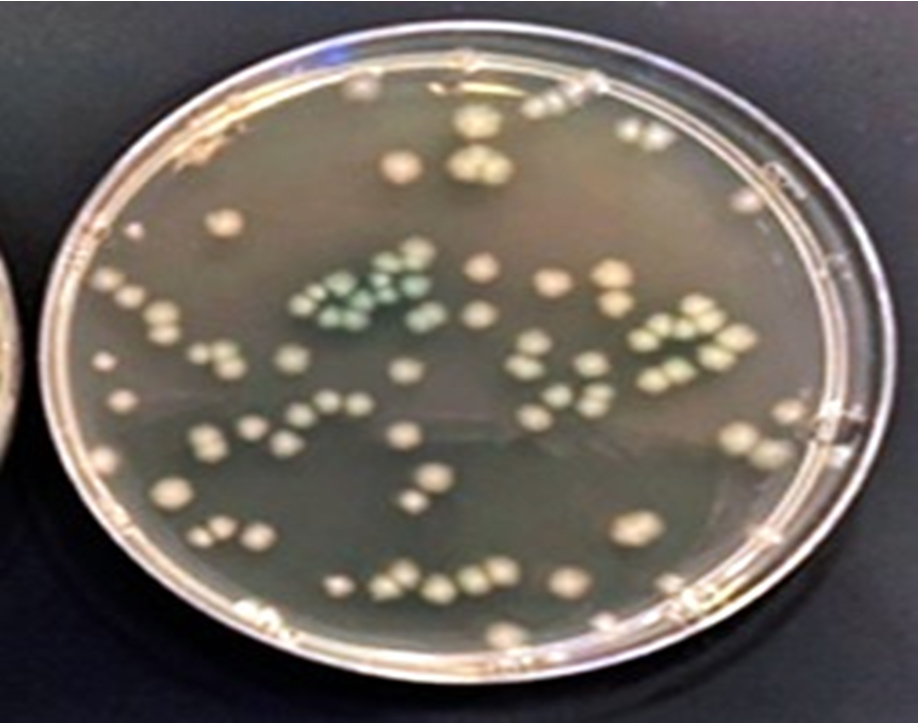
Figure 1. Isolated Colonies of Fungi
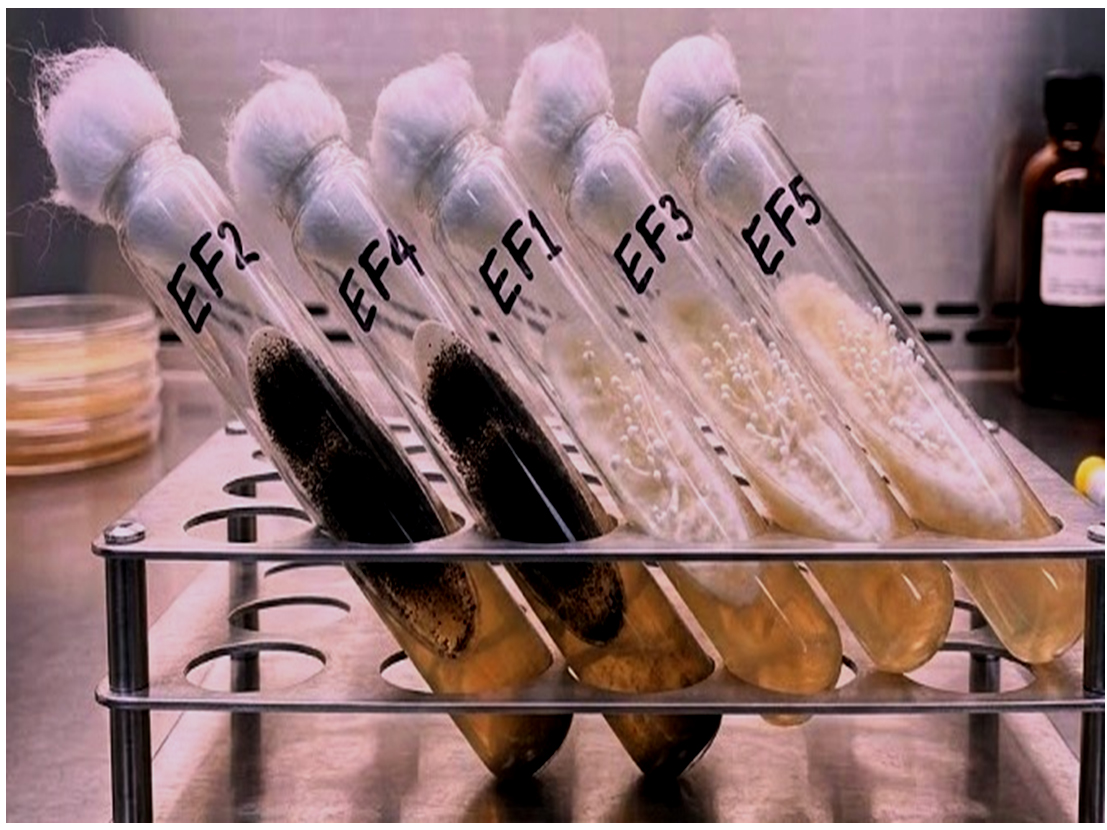 Figure 2. Purified PDA slants
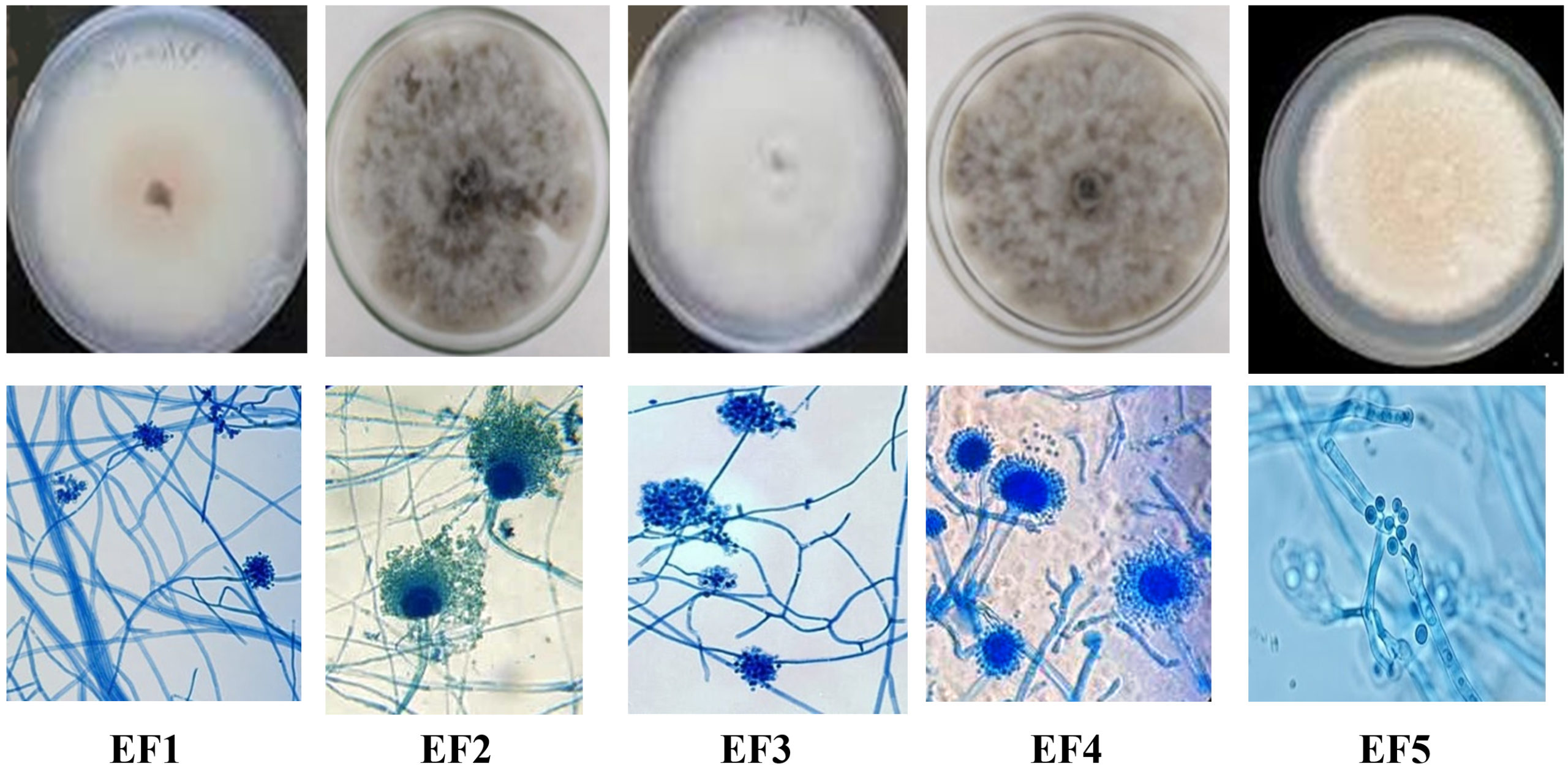 Figure 3. Culture and Micrographs of Purified Isolates
Table 1. Colony characterization of isolated fungal isolates
| Fungal isolates | Colony Characters | Identified as | Ref. |
|---|---|---|---|
| EF1 | Typically white, appearing cottony or powdery with a dense,
circular growth. The reverse side of the colony -pale yellow |
Beauveria bassiana | 17,18 |
| EF2 | White and cottony, but rapidly turn black as conidia form,
creating a dark, velvety appearance. The colour of reverse side -pale yellow |
Aspergillus niger | |
| EF3 | White appearing cottony or powdery with a dense, circular
growth. The reverse side of the colony -pale yellow |
Beauveria bassiana | |
| EF4 | White and cottony, but rapidly turn black as conidia form,
creating a dark, velvety appearance. The colour of reverse side -pale yellow |
Aspergillus niger | |
| EF5 | White colour colony, cottony dense mycelial circular growth.
The reverse side of the colony -white |
Beauveria bassiana |
Dose-dependent mortality response
The pathogenicity of B. bassiana and A. niger was evaluated against Yellow Stem Borer (YSB) and Fall Armyworm (FAW) under different spore concentrations (Table 2). A clear dose-dependent increase in mortality was observed for B. bassiana. At the highest concentration (108 spores/ml), mortality reached 96% in YSB and 92% in FAW after 14 days. Even at intermediate doses (106 spores/ml), substantial mortality was recorded (54% in YSB and 42% in FAW), indicating strong virulence.
Table 2. Dose dependent mortality response of B. bassiana and A. niger on Yellow Stem Borer (YSB) and Fall Armyworm (FAW)
| Fungal Isolated | Treatment Dose (Spores/ml) | % Mortality (after 14 days) | |
|---|---|---|---|
| Yellow Stem Borer | Fall Armyworm | ||
| Beauveria bassiana | Control | 0.0 | 0.0 |
| 102 | 05 | 02 | |
| 104 | 21 | 14 | |
| 106 | 54 | 42 | |
| 108 | 96 | 92 | |
| Aspergillus niger | Control | 0.0 | 0.0 |
| 102 | 0.0 | 0.0 | |
| 104 | 0.0 | 0.0 | |
| 106 | 02 | 01 | |
| 108 | 05 | 02 | |
In contrast, A. niger exhibited negligible pathogenicity. Mortality remained extremely low across all concentrations, with a maximum of only 5% in YSB and 2% in FAW at 108 spores/ml. No mortality was observed at lower doses (102-104 spores/ml). These findings demonstrate that B. bassiana is significantly more effective than A. niger in controlling both insect pests.
Probit Analysis and LD50 Estimation
Probit analysis revealed a strong positive relationship between log dose and mortality for B. bassiana in both insect species (Table 3; Figure 4). The regression models showed high coefficients of determination (R² = 0.985 for YSB and 0.989 for FAW), indicating excellent model fit.
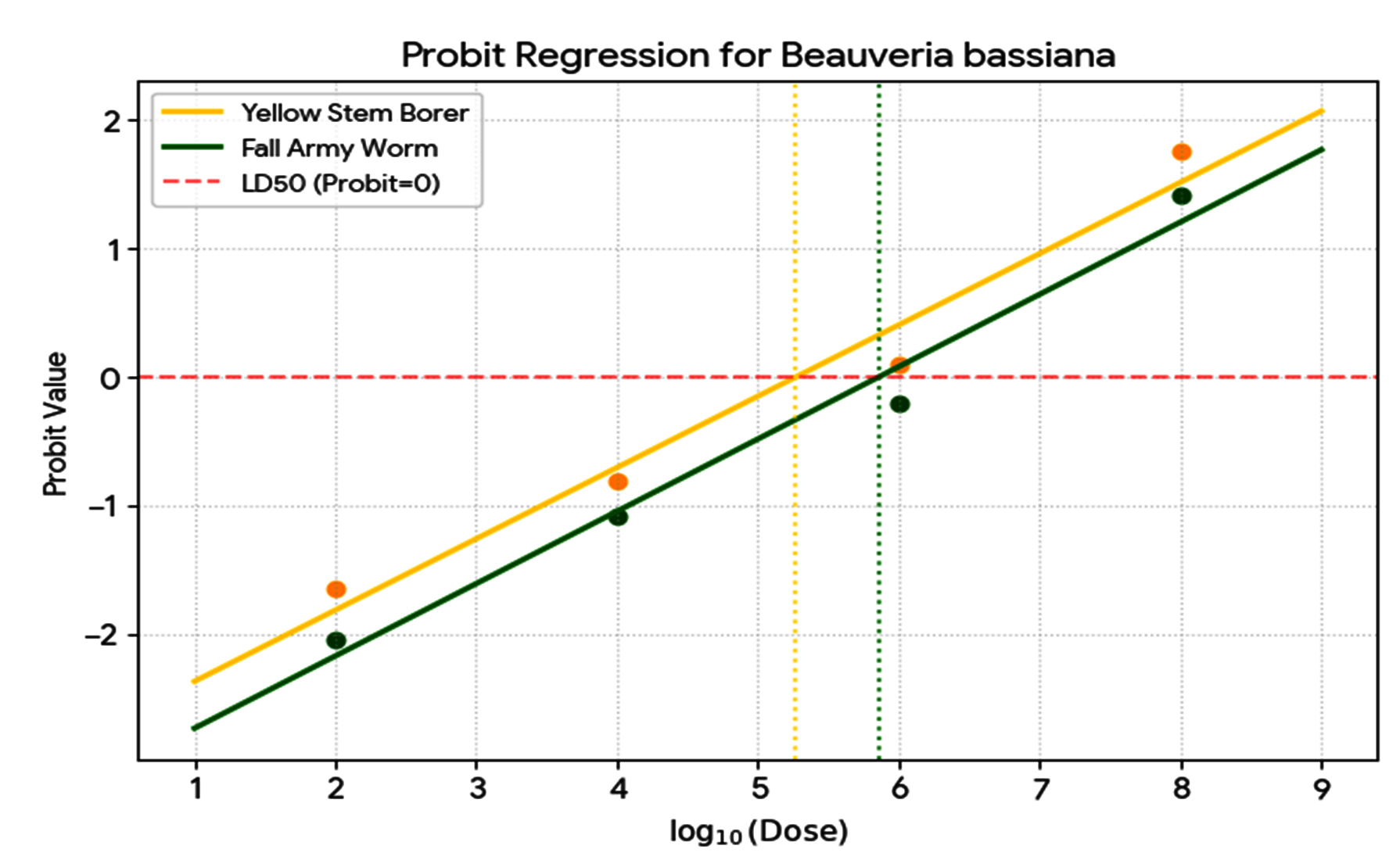
Figure 4. Probit analysis for LD50 of Beauveria bassiana for Yellow Stem Borer and Fall Armyworm
Table 3. Statistical parameter estimated for Beauveria bassiana for YSB and FAW
Pest |
Regression Equation |
R2 |
LD50 Spores/ml |
95% Fiducial Limits (lower-Upper) |
Relative Potency |
Slope (b ± SE) |
n |
χ2(df = 2) |
|---|---|---|---|---|---|---|---|---|
YSB(Yellow Stem Borer) |
Y = 0.5547X – 2.9234 |
0.985 |
1.86 × 10⁵ |
1.94 × 10⁴ – 2.93 × 10⁶ |
1.00 (Baseline) |
0.563 ± 0.068 |
400 |
3.20* |
FAW (Fall Armyworm) |
Y = 0.5627X – 3.2964 |
0.989 |
7.21 × 10⁵ |
6.27 × 10⁴ – 8.29 × 10⁶ |
0.26 (1/3.86) |
0.563 ± 0.058 |
400 |
2.69* |
* Non-significant at P > 0.05, indicating a good fit of the model to the data
The lower LD50 value for YSB (1.86 × 10⁵ spores/ml) indicates that it is more susceptible to B. bassiana than FAW (7.21 × 10⁵ spores/ml). Relative potency analysis further confirmed this, with FAW showing approximately 3.86 times lower sensitivity compared to YSB.
The slope values were similar for both pests (0.563 ± 0.068 for YSB and 0.563 ± 0.058 for FAW), suggesting a consistent response pattern. Chi-square (χ2) values were non-significant (P > 0.05), confirming the adequacy of the probit model.
Model validation through residual analysis
Residual analysis was conducted to validate the probit model predictions (Table 4). The differences between observed and predicted mortality values were minimal, ranging from -4% to +2% at log dose 4.0-6.0 (Table 4). These small residual values indicate that the model predictions closely matched the observed data, confirming the reliability and robustness of the regression models.
Table 4. Model validation through Residual analysis
| Target pest | Log Dose | Observed % | Predicted % | Residual |
|---|---|---|---|---|
| Yellow Stem Borer | 4.0 | 21% | 24% | -3% |
| 6.0 | 54% | 52% | +2% | |
| Fall Armyworm | 4.0 | 14% | 15% | -1% |
| 6.0 | 42% | 46% | -4% |
Time-mortality response and LT50 Estimation
The time-dependent mortality pattern of B. bassiana showed a gradual increase in mortality with exposure duration (Table 5). Mortality in YSB increased from 15% at 3 days to 96% at 14 days, while in FAW it increased from 8%-92% over the same period (Table 5)
Regression analysis of log time versus probit mortality yielded high R² values against YSB: 0.992 and FAW: 0.995 (Table 5) in the estimated LT50 values were of YSB: 5.30 and FAW: 6.40 days. These results indicate that B. bassiana acts faster in YSB compared to FAW, further supporting its higher susceptibility.
Table 5. Statistical parameter estimated for LT50 calculation of Beauveria bassiana for YSB and FAW
| Exposure Time (Days) | Log (Time) | YSB Mortality % | FAW Mortality % | YSB Probit | FAW Probit | LT50 Value (Days) | Regression Eq. [Y = slope x log (time) + Intercept)] | R2 |
|---|---|---|---|---|---|---|---|---|
| Day 3 | 0.477 | 15% | 8% | -1.04 | -1.41 | 5.30 (YSB) | Y = 4.19x-3.03 | 0.992 (YSB) |
| Day 5 | 0.699 | 45% | 32% | -0.13 | -0.47 | |||
| Day 7 | 0.845 | 70% | 58% | 0.52 | 0.20 | 6.40 (FAW) | Y = 4.23x-3.41 | 0.995 (FAW) |
| Day 10 | 1.000 | 88% | 80% | 1.17 | 0.84 | |||
| Day 14 | 1.146 | 96% | 92% | 1.75 | 1.41 |
Confirmation of pathogen
Dead insect cadaver was tested for the pathogen as per the Koch’s postulate. It was confirmed that the same fungi was isolated for which the insect was infested earlier to test pathogenicity. Confirmation was done by characterizing through Gilman17 and Hunter and Barnett18 manual.
Comparison of fungal isolates
Present study reveals that the B. bassiana has the potential to kill the health insects when compared to A. niger for both Yellow Stem Borer (YSB) and Fall Armyworm (FAW). B. bassiana has a LD50 at 1.86 × 10⁵ spores/ml for Yellow Stem Borer and 7.21 × 10⁵ spores/ml for Fall Armyworm while A. niger was not found responsible for killing insects at their half population level at even their higher spore doses.
The present investigation clearly demonstrates the pathogenic potential of entomopathogenic fungi against major insect pests of paddy, particularly the Yellow Stem Borer (YSB) and Fall Armyworm (FAW). Among the tested fungi, B. bassiana exhibited significant virulence, causing mortality rates of up to 96% in YSB and 92% in FAW. These findings confirm the broad-spectrum pathogenicity of B. bassiana against lepidopteran pests and highlight its potential as an effective biocontrol agent in rice ecosystems. Similar findings have been reported earlier, emphasizing the effectiveness of entomopathogenic fungi as eco-friendly pest control tools.20-22
The observed results are consistent with earlier studies indicating that susceptibility of insect hosts to fungal pathogens varies with developmental stages and physiological conditions.23,24 For instance, Metarhizium anisopliae has been documented to induce up to 100% mortality in S. frugiperda under laboratory conditions,25 reinforcing the high efficacy of entomopathogenic fungi against lepidopteran pests. Similar observations have been made in other agroecosystems where fungal pathogens significantly reduced insect populations.26,27
Further supporting evidence comes from studies on Plutella xylostella, where M. anisopliae caused significant larval mortality.28 The effectiveness of such fungi is strongly influenced by spore concentration, with higher concentrations resulting in increased mortality rates.29 This dose-dependent response observed in the present study aligns with earlier findings on fungal biopesticides.30,31
In the present study, the highest mortality was recorded at a concentration of 1 × 10⁸ spores/ml. However, probit analysis revealed lower median lethal dose LD50, estimated at 1.86 × 10⁵ spores/ml for YSB and 7.21 × 10⁵ spores/ml for FAW in the case of B. bassiana. These results indicate that effective pest suppression can be achieved even at relatively lower concentrations, making field application economically viable. In contrast, A. niger failed to induce 50% mortality in either pest species, even at higher concentrations, suggesting its limited entomopathogenic potential. Similar variability in fungal virulence has been reported in previous studies.32,33
Comparable findings have been reported by Han et al.,34 who observed 100% mortality in second instar larvae of S. exigua treated with M. anisopliae. Likewise, Paecilomyces fumosoroseus achieved complete mortality at lower concentrations after a longer exposure period. Behavioral symptoms such as reduced mobility, cessation of feeding, and eventual death observed in FAW larvae in the present study are characteristic of fungal infection.35,36 These symptoms further validate the pathogenic action of the tested fungi.
The probit analysis conducted in this study showed low residual values, suggesting a good fit of the model. According to Finney,37 non-significant chi-square values indicate the validity of the probit model. Therefore, the observed linear relationship between log-dose and probit mortality confirms the reliability of toxicity estimates for both YSB and FAW.
The pathogenicity of entomopathogenic fungi can be explained through their infection mechanism. Initially, fungal conidia adhere to the insect cuticle, followed by germination and penetration facilitated by cuticle-degrading enzymes such as chitinases, proteases, and lipases.38,39
The ecological compatibility and safety of these fungi make them promising candidates for integration into pest management programs.40,41 Additionally, combining fungal agents with other biological control strategies can enhance their effectiveness.42,43 Their role in sustainable agriculture has been widely recognized, particularly in reducing chemical pesticide dependence.44
Overall, the present findings highlight the significant potential of B. bassiana as eco-friendly alternative to chemical insecticides for managing major paddy pests. Their high efficacy, dose-dependent response, and well-established infection mechanisms make them suitable for incorporation into integrated pest management (IPM) strategies. However, further field-level evaluations, formulation improvements, and studies on environmental interactions are necessary to enhance their persistence, stability, and large-scale applicability under diverse agro-climatic conditions.
Pathogenicity tests are fundamental for screening highly effective EPF isolates. The most virulent isolate(s) identified in this study warrant further investigation. The ultimate goal of entemopathogenicity testing against insect pests is the production of more eco-friendly, economical and effective solution for the agricultural pets. The selected virulent isolates must be amenable to mass production and fermentation while maintaining genetic stability. Furthermore, regulatory approval hinges on rigorous non-target safety assessment ensuring the mycoinsecticide aligns with principles of Integrated Pest Management (IPM).
ACKNOWLEDGMENTS
The authors would like to express their gratitude to the Department of Zoology, B.N.M. University, Madhepura, Bihar, for their immense support.
CONFLICT OF INTEREST
The authors declare that there is no conflict of interest.
AUTHORS’ CONTRIBUTION
BBM, NK conceptualized the study. NK collected resources. BBM supervised the study. NK wrote the manuscript. BBM and NS reviewed and edited the manuscript. All authors read and approved the final manuscript for publication.
FUNDING
This study was supported by the CSIR, India, vide Funding Grant No: 09/1461(26048)/2025-EMR-I.
DATA AVAILABILITY
All datasets generated or analyzed during this study are included in the manuscript.
ETHICS STATEMENT
Not applicable.
- Williams H. Agriculture: The backbone of global economy and sustainability. Br J Res. 2024;11(11): 1-2.
Crossref - Fukagawa NK, Ziska LH. Rice: importance for global nutrition. J Nutr Sci Vitaminol. 2019;65(Suppl):S2-S3.
Crossref - Rana JC, Bisht IS. Reviving Smallholder Hill Farming by Involving Rural Youth in Food System Transformation and Promoting Community-Based Agri-Ecotourism: A Case of Uttarakhand State in North-Western India. Sustainability. 2023;15(11):8816.
Crossref - Bandumula N. Rice production in Asia: key to global food security. Proc Natl Acad Sci India Sect B Biol Sci. 2017;88:1323-1328.
Crossref - Pegalepo E, Bocco R, Onaga G, et al. Sustainable insect pest management options for rice production in Sub-Saharan Africa. Insects. 2025;16(11):1175.
Crossref - Gupta S, Dikshit AK. Biopesticides: an ecofriendly approach for pest control. J Biopesticides. 2010;3(1):186-188.
Crossref - Aktar W, Sengupta D, Chowdhury A. Impact of pesticides use in agriculture: their benefits and hazards. Interdiscip Toxicol. 2009;2(1):1-12.
Crossref - Ayilara MS, Adeleke BS, Akinola SA, et al. Biopesticides as a promising alternative to synthetic pesticides: a case for microbial pesticides, phytopesticides, and nanobiopesticides. Front Microbiol. 2023;14:1040901.
Crossref - Villavicencio-Vasquez M, Espinoza-Lozano F, Espinoza-Lozano L, Coronel-Leon J. Biological control agents: mechanisms of action, selection, formulation and challenges in agriculture. Front Agron. 2025;7:1578915.
Crossref - Quesada-Moraga E, González-Mas N, Yousef-Yousef M, Garrido-Jurado I, Fernández-Bravo M. Key role of environmental competence in successful use of entomopathogenic fungi in microbial pest control. J Pest Sci. 2024;97(1):1-15.
Crossref - Minhans K, Al-zharani M, Sheikh I, et al. Harnessing the biopotential of entomopathogenic fungi for integrated pest management. J Phytopathol. 2026;174(2):e70259.
Crossref - Ahsan SM, Injamum-Ul-Hoque M, Das AK, et al. Plant–Entomopathogenic Fungi Interaction: Recent Progress and Future Prospects on Endophytism-Mediated Growth Promotion and Biocontrol. Plants. 2024; 13(10):1420.
Crossref - Lovett B, St Leger RJ. The Insect Pathogens. Microbiol Spectr. 2017;5(2):10.1128/microbiolspec.funk-0001-2016.
Crossref - Litwin A, Nowak M, Rozalska S. Entomopathogenic fungi: unconventional applications. Rev Environ Sci Biotechnol. 2020;19(1):23-42.
Crossref - Islam W, Adnan M, Shabbir A, et al. Insect-fungal interactions: a detailed review on entomopathogenic fungi pathogenicity to combat insect pests. Microb Pathog. 2021;159:105122.
Crossref - Sharma R, Talukdar D, Bhardwaj S, et al. Bioremediation potential of novel fungal species isolated from wastewater for the removal of lead from liquid medium. Environ Technol Innov. 2020;18:100757.
Crossref - Gilman JC. A Manual of Soil Fungi. 2nd ed. Iowa State University Press, Ames, Iowa; 1957.
- Barnett HL, Hunter BB. Illustrated Genera of Imperfect Fungi. 4th ed. APS Press; 1998.
- Goettel MS, Inglis GD. Fungi: Hyphomycetes. In: Lacey LA, ed. Manual of Techniques in Insect Pathology. Academic Press. 1997:213-249.
Crossref - Shah PA, Pell JK. Entomopathogenic fungi as biological control agents. Appl Microbiol Biotechnol. 2003;61:413-423.
Crossref - Zimmermann G. Review on Safety of the Entomopathogenic Fungi Beauveria bassiana and Beauveria brongniartii. Biocontrol Sci Technol. 2007;17(6):553-596.
Crossref - Lacey LA, Grzywacz D, Shapiro-Ilan DI, Frutos R, Brownbridge M, Goettel MS. Insect pathogens as biological control agents: Back to the future. J Invertebr Pathol. 2015;132:1-41.
Crossref - Zhang D, Qi H, Zhang F. Parasitism by Entomopathogenic Fungi and Insect Host Defense Strategies. Microorganisms. 2025;13(2):283.
Crossref - Hajek AE, St Leger RJ. Interactions between fungal pathogens and insect hosts. Annu Rev Entomol. 1994;39:293-322.
Crossref - Parjane NV, Kabre GB, Patil CS, Patil MR. Pathogenicity of Metarhizium anisopliae against Spodoptera frugiperda larvae under laboratory conditions. Pharma Innov J. 2023;12(5):3209-3215.
- Meyling NV, Eilenberg J. Ecology of the entomopathogenic fungi Beauveria bassiana and Metarhizium anisopliae in temperate agroecosystems Potential for conservation biological control. Biol Control. 2007;43:145-155.
Crossref - Vega FE, Goettel MS, Blackwell M, et al. Fungal entomopathogens: new insights on their ecology. Fungal Ecol. 2009;2:149-159.
Crossref - Soth S, Glare TR, Hampton JG, Card SD, Brookes JJ. Biological Control of Diamondback Moth—Increased Efficacy with Mixtures of Beauveria Fungi. Microorganisms. 2022; 10(3):646.
Crossref - Jiang W, Peng Y, Ye J, Wen Y, Liu G, Xie J. Effects of the Entomopathogenic Fungus Metarhizium anisopliae on the Mortality and Immune Response of Locusta migratoria. Insects. 2019;11(1):36.
Crossref - Wraight SP, Jackson MA, de Kock SL. Production, stabilization and formulation of fungal biocontrol agents. In: Butt TM, et al. eds. Fungi as Biocontrol Agents. CABI. 2001:253-287.
Crossref - Deshpande MV. Mycopesticide production by fermentation: potential and challenges. Crit Rev Microbiol. 1999;25(3):229-243.
Crossref - de Faria MR, Wraight SP. Mycoinsecticides and Mycoacaricides: A Comprehensive List with Worldwide Coverage and International Classification of Formulation Types. Biol Control. 2007;43:237-256.
Crossref - Fernandes ֹK, Bittencourt VREP, Roberts DW. Perspectives on the potential of entomopathogenic fungi in biological control of ticks. Exp Parasitol. 2012;130(3):300-305.
Crossref - Han JH, Jin BR, Kim JJ, Lee SY. Virulence of entomopathogenic fungi Metarhizium anisopliae and Paecilomyces fumosoroseus for microbial control of Spodoptera exigua. Mycobiology. 2014;42(4):385-390.
Crossref - Inglis GD, Goettel MS, Butt TM, Strasser H. Use of hyphomycetous fungi for managing insect pests. In: Butt TM, Jackson C, Magan N, eds. Fungi as Biocontrol Agents: Progress, Problems and Potential. 2001:23-69.
Crossref - Roy HE, Pell JK. Interactions between Entomopathogenic Fungi and Other Natural Enemies: Implication for Biological Control. Biocontrol Sci Technol. 2000;10(6):737-752.
Crossref - Finney DJ. Probit Analysis. 3rd ed. Cambridge University Press. 1971
- Charnley AK. Fungal pathogens of insects: Cuticle degrading enzymes and toxins. Adv in Bot Res. 2003. 40:241-321.
Crossref - Xie J, Pedrini N. Fungi and Insect Interactions: Pathogenicity, Immune Defenses and Biocontrol. J Fungi. 2025; 11(4):289.
Crossref - Thomas MB, Read AF. Can fungal biopesticides control malaria?. Nat Rev Microbiol. 2007;5(5):377-383.
Crossref - Bamisile BS, Akutse KS, Siddiqui JA, Xu Y. Model Application of Entomopathogenic Fungi as Alternatives to Chemical Pesticides: Prospects, Challenges, and Insights for Next-Generation Sustainable Agriculture. Front Plant Sci. 2021. 12:741804.
Crossref - Ons L, Bylemans D, Thevissen K, Cammue BPA. Combining Biocontrol Agents with Chemical Fungicides for Integrated Plant Fungal Disease Control. Microorganisms. 2020;8(12):1930.
Crossref - Gielen R, Ude K, Kaasik A, Poldmaa K, Teder T, Tammaru T. Entomopathogenic Fungi as Mortality Agents in Insect Populations: A Review. Ecol Evol. 2024;14(12):e70666.
Crossref - Vivekanandhan P, Alford L, Krutmuang P. Editorial: Role of entomopathogenic fungi in sustainable agriculture. Front Microbiol. 2024;15:1504175.
Crossref
© The Author(s) 2026. Open Access. This article is distributed under the terms of the Creative Commons Attribution 4.0 International License which permits unrestricted use, sharing, distribution, and reproduction in any medium, provided you give appropriate credit to the original author(s) and the source, provide a link to the Creative Commons license, and indicate if changes were made.