

ISSN: 0973-7510
E-ISSN: 2581-690X
 , Nourah Mohammad Saeed Almimoni2, Khaled S. Gazi2, Khalid Al-Zahrani2, Fawzyah Albaldi2, Somia Mohammed El Hassan2, Thuraya Mohammed2, Amal Alzahrani2and Mohammad Melebari2
Saudi Arabia’s extensive coastlines along the Red Sea and Arabian Gulf offer vital marine resources where Lethrinus nebulosus faces threats from parasitic and bacterial coinfections. This study investigates the prevalence and interrelation of the digenean parasite Pseudoplagioporus sp. Yamaguti, 1938 and various pathogenic bacteria, examining their correlations with host morphometric traits (weight, length, width, age, and sex). This research provides novel insights into the synergistic impact of these pathogens on fish health, a neglected area of study in Red Sea fisheries. Over 5 months (September 2022-March 2023), 35 fish were collected from Al-Qunfudhah. A total of 35 samples were initially collected; however, 7 samples were excluded from the study due to severe clinical sickness/poor condition, which made them unsuitable for accurate dissection and parasitological examination. Therefore, a final sub-sample of 28 specimens was successfully dissected and analyzed. successfully examined. Six bacterial genera, including Staphylococcus, Escherichia coli, and Salmonella, were identified alongside internal parasites (n = 16 Digenea). Statistical analysis (ANOVA and t-test) revealed significant inverse correlations (P < 0.05) between bacterial frequency index and host morphometric parameters. Notably, male fish exhibited higher susceptibility to both bacterial and parasitic infections compared to female fish. Furthermore, the interaction between Pseudoplagioporus sp. and pathogenic bacteria appeared competitive rather than symbiotic, suggesting that coinfections significantly alter host immunity and condition factors. These results prompt the development of integrated strategies for monitoring fish health and controlling infectious agents in marine ecosystems.
Lethrinus nebulosus, Pseudoplagioporus sp., Internal Parasites, Digenea, Pathogenic Bacteria, Coinfection, Morphometric Traits, Pathogenicity, Host Immunity, Microbiome
Fish health in marine ecosystems is critically influenced by the complex interactions between pathogenic microorganisms and parasites.1 Despite their economic and ecological importance, limited research has addressed how these pathogens interact with host traits and the resident microbiome of Lethrinus spp. (Shaour fish), a keystone species found in the southern Red Sea of Saudi Arabia. Globally, the fisheries sector plays a vital role in food security and employment; however, it faces significant challenges, particularly regarding the spread of bacterial and parasitic diseases. These outbreaks hinder sustainable development and threaten the socioeconomic stability of coastal communities.1 Fish infections leading to disease outbreaks are a major concern, resulting in significant economic damage owing to high morbidity and mortality.2 Furthermore, the high stocking densities typical of modern aquaculture facilitate rapid transmission of pathogens, frequently leading to catastrophic outbreaks.2 Consequently, comprehensive management, including biosecurity, nutritional strategies, and stringent water quality control, is critical for maintaining health in intensive farming practices.3 Many bacterial pathogens and parasites are opportunistic, persistently present in the environment or as asymptomatic carriers, making facilities highly vulnerable and hampering the development of economically stable aquaculture.4
Extensive bacterial infections in marine fish species have significantly affected economically vital fish raised in marine and brackish water aquacultures globally, resulting in substantial financial losses.5 Furthermore, trematodes, specifically internal parasitic flatworms (Digenea), represent the most diverse group of fish parasites, occurring in either larval or adult form in the majority of fish species. Digenea pose serious threats to fish hosts by disseminating through various internal organs, where they attach via suckers and feed on the mucus, epithelial cells, and blood.6 While adult digeneans typically inhabit the digestive system as their definitive host, leading to nutrient competition, growth retardation, and diminished disease resistance, the larval stages are often more pathogenic.7,8 Certain larvae, such as encysted metacercariae, use fish as intermediate hosts, infecting tissues ranging from the skin and gills to internal musculature and often causing fatal damage.9 Nevertheless, beyond their pathogenicity, parasites possess specialized life cycle strategies that can serve as biological indicators of host ecology, such as utilizing parasite community structures to differentiate between sympatric fish populations.1
Furthermore, exploring the ecological dimensions of parasitism provide critical insights into the host’s parasite avoidance strategies. Since host mortality can preclude parasite survival, many pathogens and parasites evolve to avoid killing their hosts. This co-evolutionary stability is maintained through robust selection for host resistance, evolutionary constraints, and natural variation in defense strategies, all of which sustain host populations.10 Conversely, certain parasites do not prioritize host longevity; specifically, parasites with complex multistage life cycles may actively facilitate host elimination. For instance, some cestodes manipulate fish behavior to increase vulnerability to avian predation.11 In such cases, the predatory bird serves as the definitive host for the subsequent life-cycle stage, as exemplified by the tapeworm Schistocephalus solidus.12
Fish parasites induce a spectrum of physiological disruptions, including cell proliferation, altered growth patterns, tissue replacement, potential immunomodulation, and adverse behavioral reactions, ultimately leading to mortality.13 Despite these pathogenic effects, complete eradication of parasites is counterproductive, as they constitute approximately half of the global biological diversity. Parasites play pivotal ecological roles, such as modulating prey populations, a process in which ecosystems require extensive periods to adapt. Furthermore, the absence of parasitic pressure could potentially shift reproductive strategies toward asexual reproduction, thereby reducing the diversity of sexually dimorphic traits.14 Significantly, parasites can, in specific instances, facilitate horizontal gene transfer between species, driving evolutionary changes that would otherwise be unattainable.15 However, there is a notable dearth of fundamental information regarding specific pathogens, their transmission dynamics, and the complex immunological and genetic interactions with their hosts.16
The emergence and progression of fish diseases are governed by the dynamic relationship between the pathogen, host, and environment. Stress conditions, notably high population density, fluctuations in temperature, and hypoxia, significantly accelerate the dissemination of pathogenic bacteria, precipitating widespread outbreaks.17 Consequently, integrative, multidisciplinary studies encompassing pathogen characteristics, host biology, and broader environmental factors are paramount for developing effective prevention and control measures to mitigate the constraints on aquaculture production. The present study aims to identify prevalent parasitic and bacterial infections in lethrinid fish, a commercially significant marine genus, while addressing the imperative for sustainable solutions. Furthermore, it provides an overview of current and future pre-clinical and commercial strategies tailored for the enhancement of marine fish health and industry stability.
All experiments were performed in the laboratories of the Faculty of Science in Baljurashi City, Al-Baha. A comprehensive survey was conducted to identify the pathogenic bacterial genera and internal parasites infecting Lethrinus nebulosus, with a particular emphasis on the digenean genus Pseudoplagioporus sp. Morphometric traits (weight, length, width, and age) were measured, and infection frequencies were calculated. Statistical analyses, probability modeling, and frequency indices (FI) were applied to determine host-pathogen relationships.
Study area
The sampling area encompassed Al-Qunfudhah, also known as Kunfuda, a city located in the Tihamah region along the Red Sea coast in Saudi Arabia and serves as a significant seaport on the Red Sea and has been in existence since 1311 A.C. (709 Hijri), as recorded in ancient sources.
Fish samples
Collection of the host fish (Spangled emperor; L. nebulosus)
At the collection site, monthly samples of at least 35 fishes were collected using trawling nets between September 2022 and March 2023. The systematic position and nomenclature of the fish examined in the present study were verified in accordance with standard taxonomic databases.18,19
Clinical and postmortem examination on the host fish (Spangled emperor; L. nebulosus)
Clinical and postmortem examination on the host fish was carried out on the gills, branchial cavity, abdominal cavity, internal organs, and musculature according to the methods adopted in Mhaisen & Al-Maliki and Justine et al.20,21
Live specimens were transported to the laboratory in aerated aquaria containing seawater to maintain physiological integrity. Specimens that were not processed immediately were preserved in iceboxes at low temperatures until dissection. Concurrent with fish collection, seawater samples were obtained from a depth of 50 cm in sterile one-liter polyethylene bottles for subsequent laboratory and control treatments.
Standard morphometric and meristic analyses were conducted for species identification. During the sampling period (September 2022 to March 2023), approximately 35 specimens were examined monthly. Data regarding fish identification, collection dates, and water temperature were meticulously recorded. Morphometric measurements included the total length, standard length (from the mouth to the base of the caudal fin), total body weight, and age. Following external measurements, internal dissections were performed to isolate parasites, specifically focusing on the digenean genus Pseudoplagioporus sp. from the gills, abdomen, and intestine. The recovered parasites were documented and photographed using light microscopy at magnifications of 4×, 10×, and 40×.
Parasitological studies
Fish that underwent subsampling were assessed for the presence of both external and internal parasites.
Endoparasites
Mature digenean parasites, identified as belonging to the genus Pseudoplagioporus sp., infesting the alimentary canal and interior cavities of these fish species (L. nebulosus) were detached, examined according to Khidr et al.22 and Taman23 and then identified according to Yamaguti.24 The preparation was done completely according to Bush et al. and Khidr et al.25,26 Descriptions and measurements were performed on the stained specimens depending on Yamaguti.24 For parasite identification, individual specimens were transferred to a clean slide in a droplet of freshwater, gently flattened using a thin glass cover slip, and examined under a research microscope while alive.
Bacteriology studies
Working methods
Sterilization procedures
All culture media and heat-stable solutions used in this study were sterilized by autoclaving at 121 °C and 15 psi for 15 min, following established protocols.27,28
Preparation of the culture media and reagents
Nutrient agar medium (FLUKA-LOBALCHEMIE-CHENNAI) was prepared by adding 6 g of peptone, 14 g of agar, 5 g of salt, and 1 g of meat extract to 1000 mL distilled water, followed by sterilization.27 Salmonella-Shigella (MAST GROUP-UK) medium was prepared following the manufacturer’s instructions by adding 50 g of the medium to a liter of distilled water, dissolving it by heating, stirring to boil once, sterilizing it in an autoclave for 15 min, letting it cool, and then pouring it. MacConkey medium (CONDALAB – UK) was prepared following the manufacturer’s instructions by adding 50.5 g of powder in a liter of distilled deionized water and boiling it at 100 °C without putting it in the autoclave. It was left until it reached 50 °C to cool and then it was poured. Gram stain, iodine tincture, indole reagent, and catalase reagent were also prepared.27,29
Isolation and culturing of bacterial colonies
Bacteria were isolated from hairy fish by collecting swabs from most parts of the fish, including external parts (eyes, gills, caudal and pelvic fins, and pharynx) and internal parts (intestine, abdominal cavity, backbone cavity, kidneys, and anus).27,29 Swabs were inoculated onto Nutrient agar plates and incubated at 37 °C for 24 hrs. The isolates were purified, cultured again in pure form in other dishes, numbered, data written on them, and incubated. The isolates were cultured on reagent media (MacConkey and Salmonella-Shigella) and incubated. Tests were performed on growing bacteria.27,29
Bacterial and microscopic diagnosis
The phenotypic characteristics of the isolated colonies were studied after culturing and purifying the bacterial isolates on culture media. The shape, size, texture, and color of the isolated bacterial colonies were examined.27,30 Swabs of the isolates were prepared on microscope slides and examined under a light microscope to study the shape, size, arrangement, and color of the bacteria. Smears of bacterial isolates were prepared on microscope slides, stained with Gram stain, and their movement was examined under a light microscope and photographed.27
Biochemical diagnosis
Catalase test
A developing colony was transferred from a constitutive agar medium to a sterile, dry glass slide using a sterile needle, and then one drop of catalase reagent was added. The appearance of bubbles on the surface of the glass slide was evidence of catalase production.27,29
Indole test
This test was conducted by inoculating test tubes containing peptone water with bacterial colonies and incubating for 24 hrs at a temperature of 37 °C. Then, 1-2 drops of Kovacs reagent were added to the medium. The appearance of a red ring on the surface of the medium indicated a positive test result.27,28
Fermentation test
The isolates were classified as sugar-fermenting or non-fermentative according to their color on the MacConkey medium.27,28
Gram test
Gram stain test was done by placing a swab of bacteria on a sterile slide, passing it over a flame, immersing it in a violet crystal, washing it with water, immersing it in iodine, alcohol, and saffron, and then examining it under a microscope.27
Motion test
A movement test was performed in which a swab of bacteria was placed on a sterile slide with a sterile inoculation needle, a cover was placed on the slide, a drop of water was placed on the edge of the cover of the slide, and a drop of iodine or saffron dye was added until it was clear under a microscope. Sidr oil was used on the lenses during the examination.27,31
Other biochemical experiments
Another biochemical experiment was conducted to confirm the results following the method proposed by Melebari et al.32 with some modifications. First, within 5 hrs, each swab was directly enriched at 37 °C in 5 mL of sterile Tryptone Soy Broth from Difco Laboratories in Detroit, USA. After 24 hrs, all samples were streaked onto blood agar (Scharlau), Eosin Methylene Blue Agar (Scharlau), and Salmonella-Shigella Agar (Fluka Analytical) plates, and incubated at 37 °C for 24 hrs. Blood agar media were used for the determination of hemolytic reactions under aerobic and anaerobic conditions for the screening of the possible growth of different kinds of bacteria, such as Clostridium perfringens, Staphylococcus aureus (confirmation and identification of a pathogenic bacterial genus under Study), and Streptococcus pyogenes. Visible bacterial colonies on the plates were inspected and subcultured on fresh sterile nutrient agar plates to obtain pure isolates. The pure isolates were transferred to sterile agar slants and kept at a temperature of 4 °C for future use.
Methods used for calculating rates
To determine the prevalence (number of infected hosts/number of examined hosts × 100) and mean intensity (total number of parasites/number of infected hosts), calculations were performed as described by Khidr et al.26 Furthermore, infestation rate (total number of parasites/total number of examined hosts) and seasonal variation (variations in infection rates across different seasons) were also elucidated.
- The prevalence of each parasite species was calculated by dividing the number of infected individuals by the total number of hosts investigated in a host species.
- The mean intensity was calculated by dividing the total number of parasite species in a host species sample by the number of infected individuals.
- The relative density or abundance of a parasite species in a host sample was calculated by dividing the total number of parasites by the total number of hosts, including infected and uninfected individuals.
- The dominance of a parasite species in a host sample was calculated by dividing the number of parasites (for each species) in the infested fish sample by the total number of parasites infested in the same fish sample (for all species).
Prevalence = number of individuals of a host species infected with a particular parasite species / number of hosts examined
…(1)
Mean intensity = total number of individuals of a particular parasite species in a sample of a host species / number of infected individuals of the host species in the sample
…(2)
Relative density or Abundance = total number of individuals of a particular parasite species in a sample of hosts / total number of individuals of the host species (infected + uninfected) in the sample
…(3)
Dominance = number of parasites infested fish sample / total number of parasites infested the same fish sample
…(4)
Frequency Index (FI) = Appearance rate = number of times colonies appeared in a genus / total number of colonies for all genera
…(5)
This mathematical formula was derived based on the observed data. This equation was applied to find the ratio of a specific bacteria genus / species to the total number of bacteria genera, as a result of the numbers of times it appears. This method can be used as a substitute for traditional laboratory methods in counting bacteria.
FI α 1 / MT
where FI is the frequency index and MT is the morphometric trait of the fish (examples: weight, length, width, and age). This mathematical formula was developed by Taman N.A., based on observed data.
Statistical analysis
All data were subjected to statistical analysis of variance of a randomized complete block design, as appropriate, using the statistical analysis software CoStat v 6.451 (2017), with three replicates.33 All experimental measurements were conducted in triplicate, and results are presented as the mean of three replicates. Under the tables, each value represents the mean of three replicates. The different letters in the same column indicate multiple values for each effect. The comparisons are different from each other; the letter a has the highest mean, followed by b and c.
Averages that take different letters indicate the existence of significant differences, and the farther the letters are from each other, this indicates significant differences, such as the difference between a and d or e. The differences between a and b were small. Numbers with the same letters are not significant. The statistical analysis confirmed beyond any doubt the validity of these results. Mean separations were determined using Duncan multiple range test or similar post-hoc tests at a significance level of P < 0.05. In the results tables, different superscript letters within the same column denote significant differences between treatments, where ‘a’ represents the highest mean value, followed by ‘b’, ‘c’, and so forth, in descending order. The presence of distinct letters indicates statistically significant differences, whereas means sharing the same letter are considered not significant.
Furthermore, an independent samples t-test was conducted using SPSS (version 25.0) to compare the means between male and female cohorts across selected variables, with the significance threshold maintained at 0.05. Table 1 summarizes the results of an independent samples t-test conducted to compare the means of male and female participants across several variables. The analysis was performed using SPSS with the significance level set at 0.05.
The findings revealed: (i) a clear inverse relationship between the frequency of pathogenic bacterial infections and host morphometric traits; (ii) higher susceptibility of males compared to females to both bacterial and parasitic infections; and (iii) a competitive, rather than symbiotic, relationship between internal parasites and pathogenic bacteria. Furthermore, these results suggest that microbial dysbiosis may underlie reduced immunity in infected hosts, highlighting the role of the microbiome as a critical determinant of host defense.
Parasitic and bacterial pathogens in L. nebulosus
This study investigated the parasitic and bacterial pathogens affecting the Lethrinidae family, specifically the Spangled Emperor fish (L. nebulosus), in the Red Sea, Saudi Arabia. A total of 45 specimens were collected from the Al-Qunfudhah coast, 28 of which underwent comprehensive clinical and laboratory examination over a Seven-month period (September 2022-March 2023). The morphometric characteristics of the hosts, including length, width, sex, age, and weight, were quantitatively analyzed as summarized in Table 1 and Figures 1 & 2.
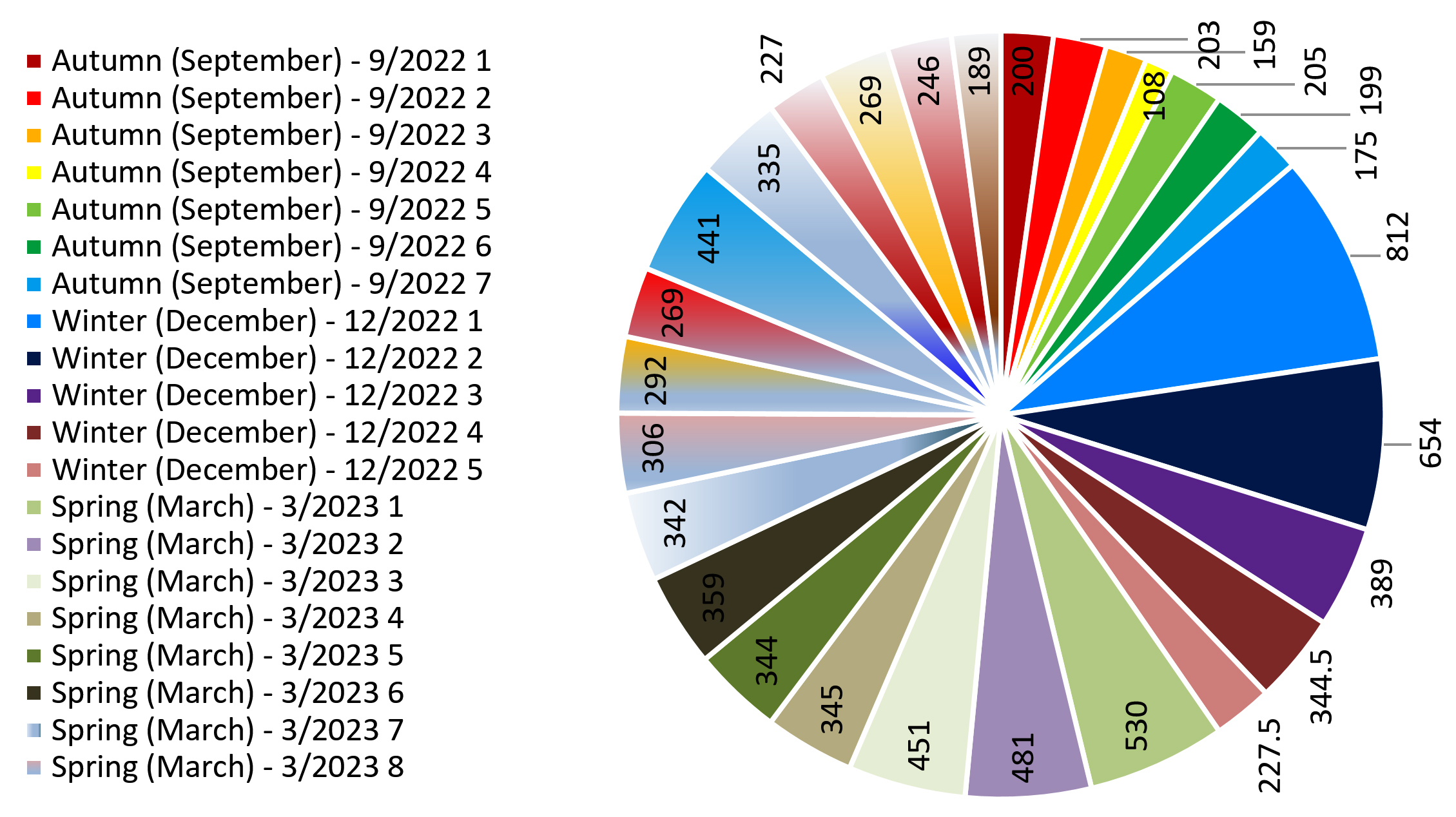
Figure 1. Number of fishes examined, the number and type of External and internal parasites (Pseudoplagioporus sp.) recovered from fish during three seasons (autumn, winter, and spring), and the morphometric characteristics of each fish during the indicated period
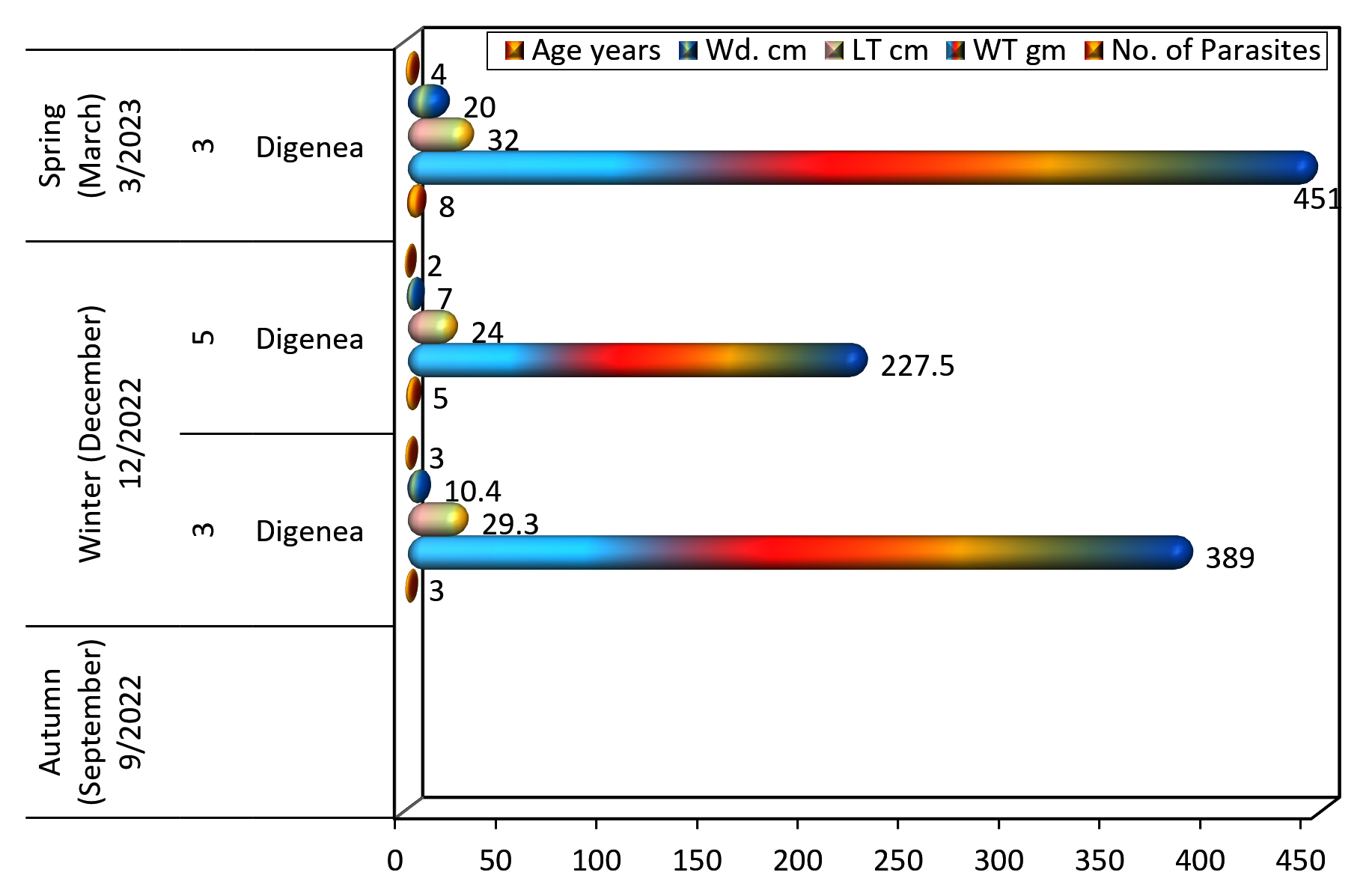 Figure 2. The number of fish examined and the number of digenean parasites (Pseudoplagioporus sp.) recovered from them during three seasons (autumn, winter, and spring), connecting with the sex and morphometric traits of each fish during the indicated period
Table 1. The number of fishes examined, the number and type of internal parasites (Pseudoplagioporus sp.) recovered from them during three seasons (Autumn, Winter, and Spring), and the morphometric traits of each fish during the indicated period
| Fish No. | No. of Parasites | Sex | WT gm | LT cm | LF cm | LA | Wd. cm | Age years | Age according to (VBGM) |
|---|---|---|---|---|---|---|---|---|---|
| Autumn (September) – 9/2022 | |||||||||
| 1 | 0 | F | 200a | 24ab | 20ab | 22b | 9.0b | 2 | 1.85a |
| 2 | 0 | F | 203a | 26a | 21.5ab | 24ab | 9.4b (9) | 3 | 2.22a |
| 3 | 0 | M | 159ab | 22.2 | 18.8bc | 21b | 9.9b (10) | 2 | 1.48a |
| 4 | 0 | M | 108b | 19b | 15.4c | 17c | 6.2c (6) | 1 | 1.00a |
| 5 | 0 | F | 205a | 27a | 20ab | 24ab | 13.0a | 3 | 2.40a |
| 6 | 10 Monogenea 9 Copopoda |
M | 199a | 25ab | 20ab | 23ab | 10.4b (10) | 2 | 2.04a |
| 7 | 0 | F | 175a | 28a | 23a | 26a | 9.9b (10) | 3 | 2.58a |
| LSD at 5% | – | 66.62 | 6.78 | 3.80 | 3.97 | 1.84 | – | 1.75 | |
| Winter (December) – 12/2022 | |||||||||
| 1 | 0 | F | 812a | 35a | 29a | 32a | 16a | 4 | 4.17a |
| 2 | 0 | M | 654b | 34a | 28a | 31a | 13ab | 4 | 3.89ab |
| 3 | 3 Digenea | M | 389c | 29.3b | 24ab | 27ab | 10.4b (10) | 3 | 2.78bc |
| 4 | 0 | M | 344.5d | 28b | 26a | 27ab | 11b | 3 | 2.58c |
| 5 | 5 Digenea | M | 227.5e | 24c | 20b | 22b | 7c | 2 | 1.85c |
| LSD at 5% | – | 8.26 | 2.57 | 5.58 | 8.72 | 3.25 | – | 1.15 | |
| Spring (March) – 3/2023 | |||||||||
| 1 | 0 | F | 530a | 31ab | 28a | 30a | 16ab | 4 | 3.15ab |
| 2 | 0 | M | 481ab | 30abc | 25abc | 28abc | 18a | 3 | 2.94abc |
| 3 | 8 Digenea | M | 451b | 32a | 26ab | 29ab | 20a | 4 | 3.39a |
| 4 | 0 | M | 345cd | 30abc | 24bcd | 27abcd | 9d | 3 | 2.94abc |
| 5 | 0 | M | 344cd | 27bcde | 23bcd | 25bcde | 11bcd | 2 | 2.40cde |
| 6 | 0 | F | 359c | 29abcd | 24bcd | 27abcd | 12bcd | 3 | 2.76bcd |
| 7 | 0 | M | 342cd | 28abcde | 24bcd | 26abcde | 10cd | 2 | 2.58bcd |
| 8 | 0 | F | 306cde | 27bcde | 23bcd | 25bcde | 11.5bcd (12) | 3 | 2.40cde |
| 9 | 0 | M | 292def | 28abcde | 22cde | 25bcde | 10cd | 3 | 2.58bcd |
| 10 | 0 | F | 269efg | 29abcd | 24bcd | 27abcd | 9d | 3 | 2.76bcd |
| 11 | 0 | M | 441b | 30abc | 23bcd | 27abcd | 18a | 3 | 2.94abc |
| 12 | 5 Copopoda | M | 335cd | 27bcde | 22cde | 25bcde | 16ab | 3 | 2.40cde |
| 13 | 0 | M | 227gh | 25de | 21def | 23def | 16ab | 3 | 2.64bcd |
| 14 | 0 | F | 269efg | 26cde | 21def | 24cde | 15.5abc (12) | 2 | 2.22de |
| 15 | 3 Copopoda | M | 246fgh | 24ef | 19ef | 22ef | 15abc | 2 | 1.85e |
| 16 | 4 Copopoda | M | 189h | 20f | 18f | 19f | 11bcd | 1 | 1.17f |
| LSD at 5% | – | 59.14 | 4.05 | 3.77 | 4.70 | 5.50 | – | 0.59 | |
Abbreviation of the table: WT = Weight (gm), LT = Total length (cm) LF = Length from mouth to fork (cm), LA = Average length, Wd. = Width (cm), (VBGM) = (Von Bertalanffy Growth Model), F = Female, and M = Male
Note: Values are expressed as Mean of three replicates. Means within the same column followed by different superscript letters (a, b, c, etc.) are statistically significantly different according to Duncan’s Multiple Range Test (P < 0.05), where ‘a’ represents the highest mean value. Means sharing the same letter are not statistically significant (P > 0.05)
Microscopic examination of the gills and viscera (abdominal cavity and intestines) revealed diverse parasitic infestations. Among the recovered endoparasites, digenean specimens belonging to the genus Pseudoplagioporus sp. were taxonomically identified (Figures 3 and 4). A total of 115 parasites were isolated, comprising 79 ectoparasites and 36 endoparasites. The seasonal dynamics and prevalence of these parasites were determined and statistically analyzed, as presented in Table 2 and Figure 5.
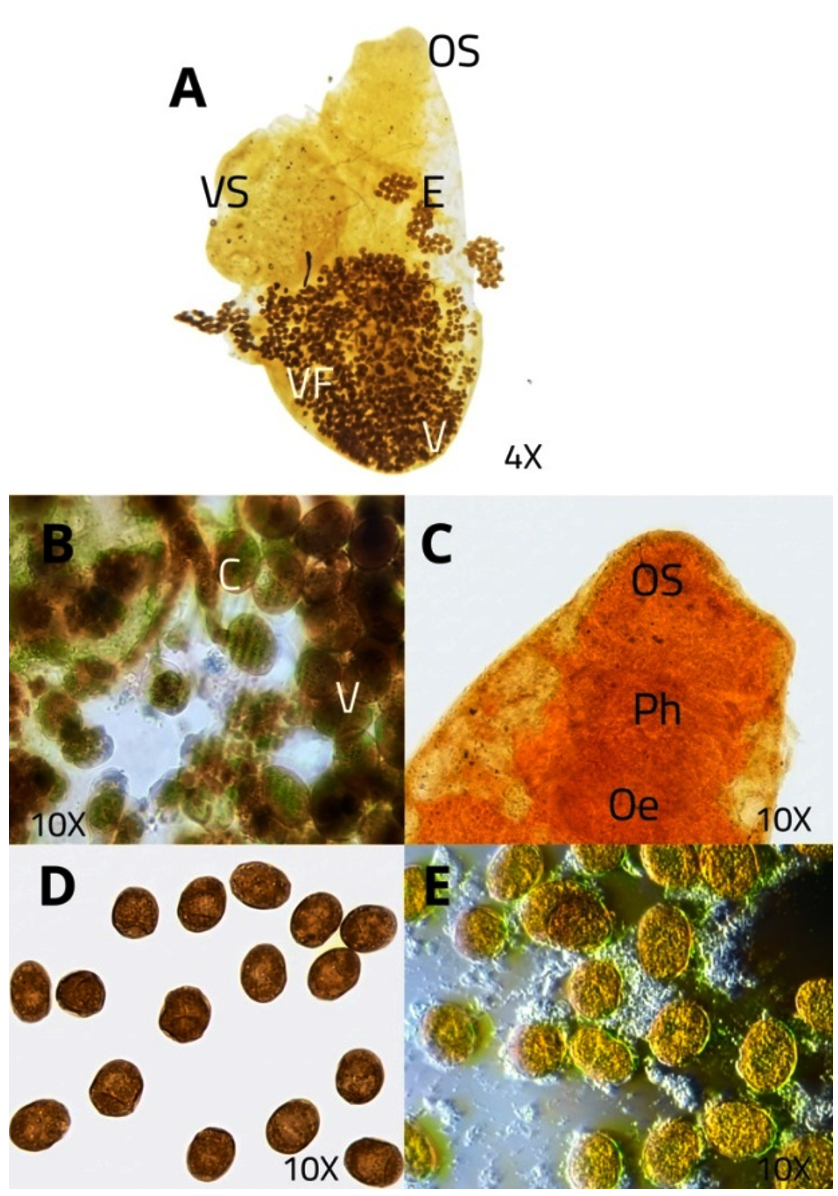 Figure 3. Pseudoplagioporus sp. Yamaguti, 1938, lateral views from Lethrinus nebulosus collected off Saudi Arabia, whole parasite (A), vitelline follicle region (B), oral sucker region (C), and eggs (D & E).
Note: C: Cecum, CS: Cirrus Sac, E: Egg, GP: Genital Pore, Oe: Oesophagus, OS: Oral Sucker, Ph: Pharynx, VF: Vitelline Follicle, VS: Ventral Sucker
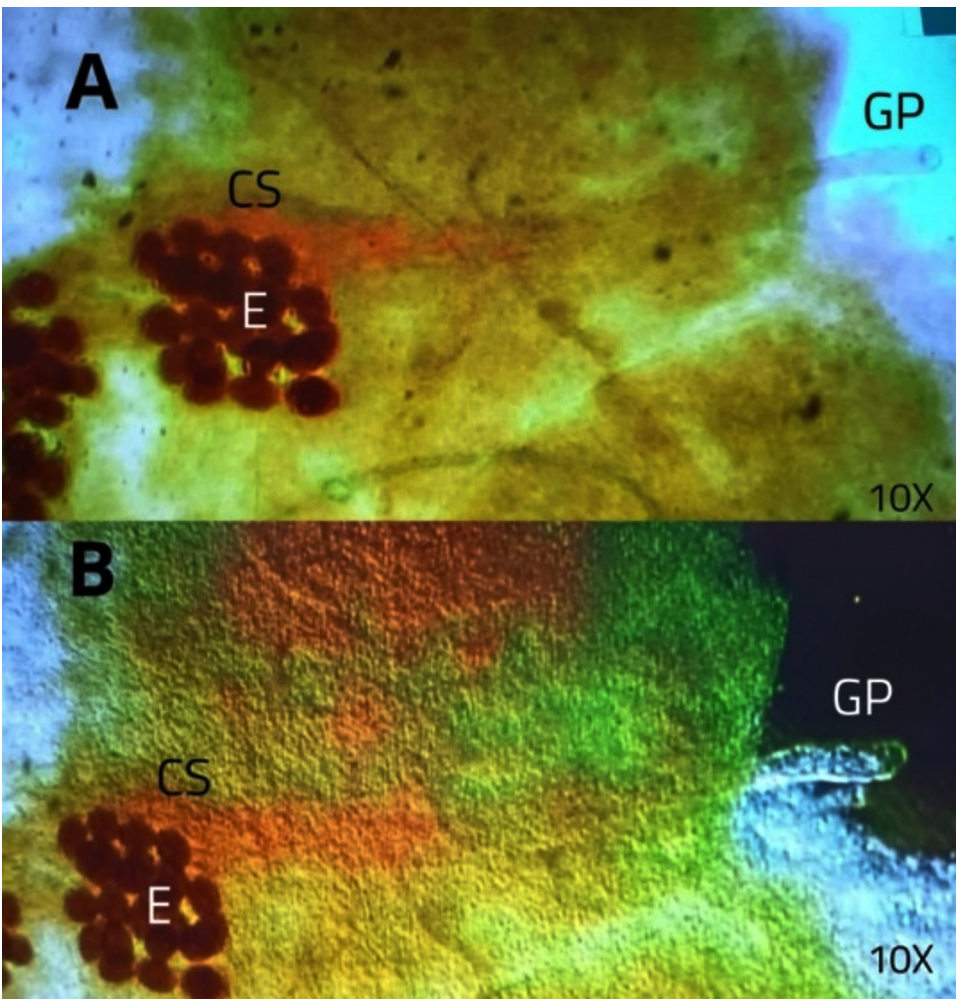 Figure 4. Pseudoplagioporus sp. Yamaguti, 1938, lateral views from Lethrinus nebulosus collected off Saudi Arabia, terminal genitalia (A & B).
Note: C: Cecum, CS: Cirrus Sac, E: Egg, GP: Genital Pore
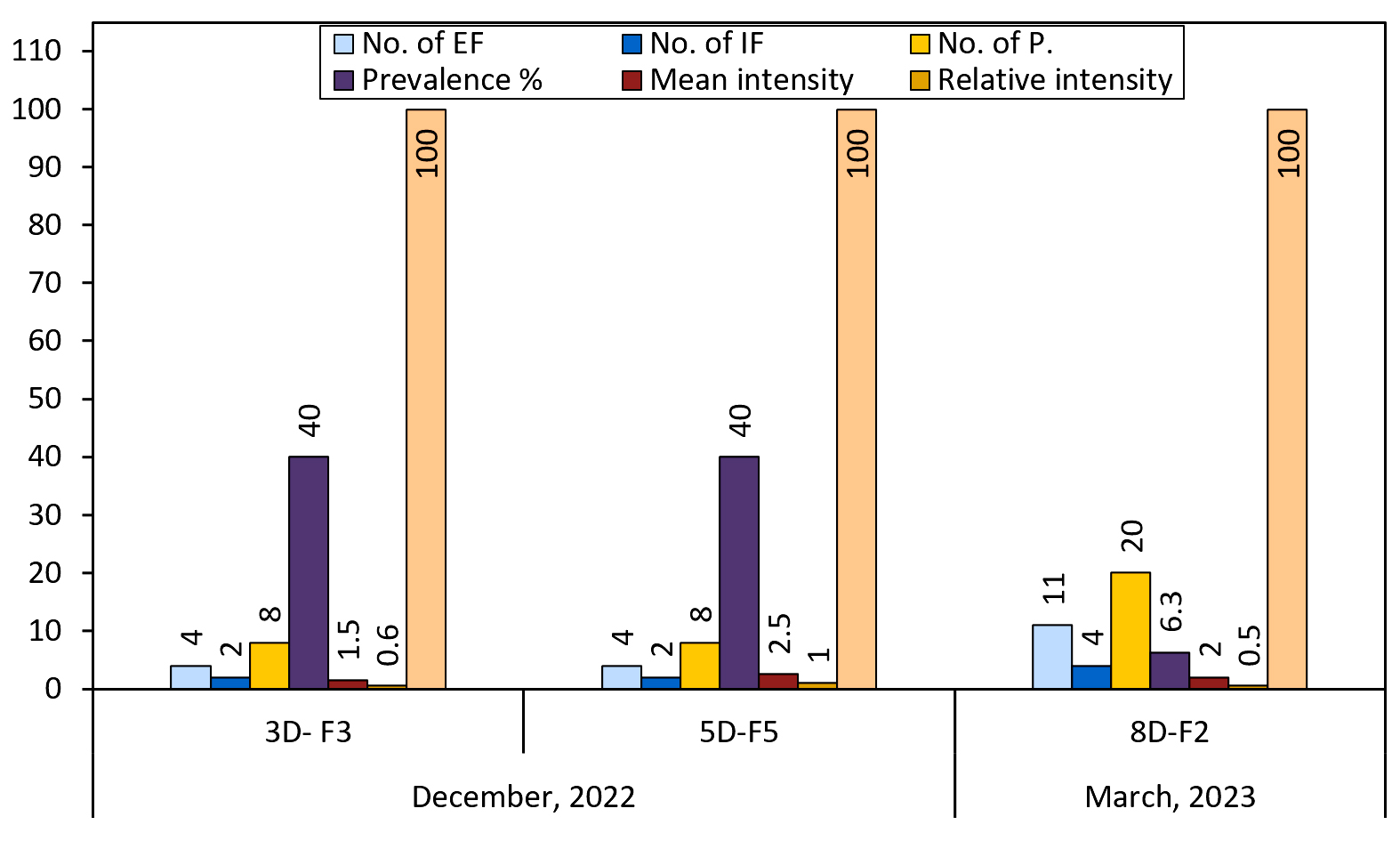
Figure 5. Prevalence, mean intensity, relative intensity & dominance of internal parasites (Digenea, Pseudoplagioporus sp.) of Lethrinus nebulosus.
Table 2. Prevalence, mean intensity, relative intensity & dominance of internal (Digenea, Pseudoplagioporus sp.) and external parasites of L. nebulosus fish
| Month | Sex | No of EF | No of IF | No of P. | Group of P. | Prevalence % | Mean intensity | Relative intensity | Dominance % |
|---|---|---|---|---|---|---|---|---|---|
| September, 2022
Autumn |
Male | 3 | 1 | 19 | 10M.-F2 9C.-F2 |
14.3 | 10a 9a |
1.4a 1.3ab |
52.6b
47.4b |
| Female | 4 | 0 | 0 | 0 | 0 | 0b | 0e | 0c | |
| Total | 7 | 1 | 19 | 19 | 14.3 | 19 | 2.7 | 100a | |
| December, 2022
Winter |
Male | 4 | 2 | 8 | 3D- F3
5D-F5 |
40 | 1.5b
2.5b |
0.6c
1.0b |
100a
100a |
| Female | 1 | 0 | 0 | 0 | 0 | 0b | 0e | 0c | |
| Total | 5 | 2 | 8 | 8 | 40 | 4 | 1.6 | 100d | |
| March, 2023
Spring |
Male | 11 | 4 | 20 | 8D-F2 5C-F12 3C-F15 4C-F16 |
6.3 18.8 |
2.0b 1.3b 0.8b 1.0b |
0.5cd 0.3cde 0.2de 0.3cde |
100a 100a 100a 100a |
| Female | 5 | 0 | 0 | 0 | 0 | 0b | 0e | 0c | |
| Total | 16 | 4 | 20 | 20 | 25 | 5 | 1.25 | D= 8/20=40 C=12/20=60 |
|
| Total | – | 28F | 7F | 47P | 47P | 7/28 = 0.25 | 47/7 = 6.7 | 47/28 = 1.7 | M=10/47=21.2 D=16/47=34 C=21/47=44.7 |
| LSD at 5% | – | 2.81 | 0.31 | 30.34 | |||||
Abbreviation of the Table: EF: Examined fishes, IF: infected fishes, P: parasites, M: Monogenea (External parasites), C: Copepoda (External parasites) & D: Digenea (Internal parasites, Pseudoplagioporus sp.).
Note: Values are expressed as Mean of three replicates. Means within the same column followed by different superscript letters (a, b, c, etc.) are statistically significantly different according to Duncan’s Multiple Range Test (P < 0.05), where ‘a’ represents the highest mean value. Means sharing the same letter are not statistically significant (P > 0.05).
Regarding bacteriological findings, pathogenic bacteria were isolated from the internal organs of fish collected during the winter. Following confirmatory biochemical testing, six pathogenic bacterial genera were successfully identified (Table 3). The occurrence of these bacterial taxa correlated with both host morphometric traits and the presence of internal parasitic infections (Tables 4 & 5 and Figures 6 & 7).
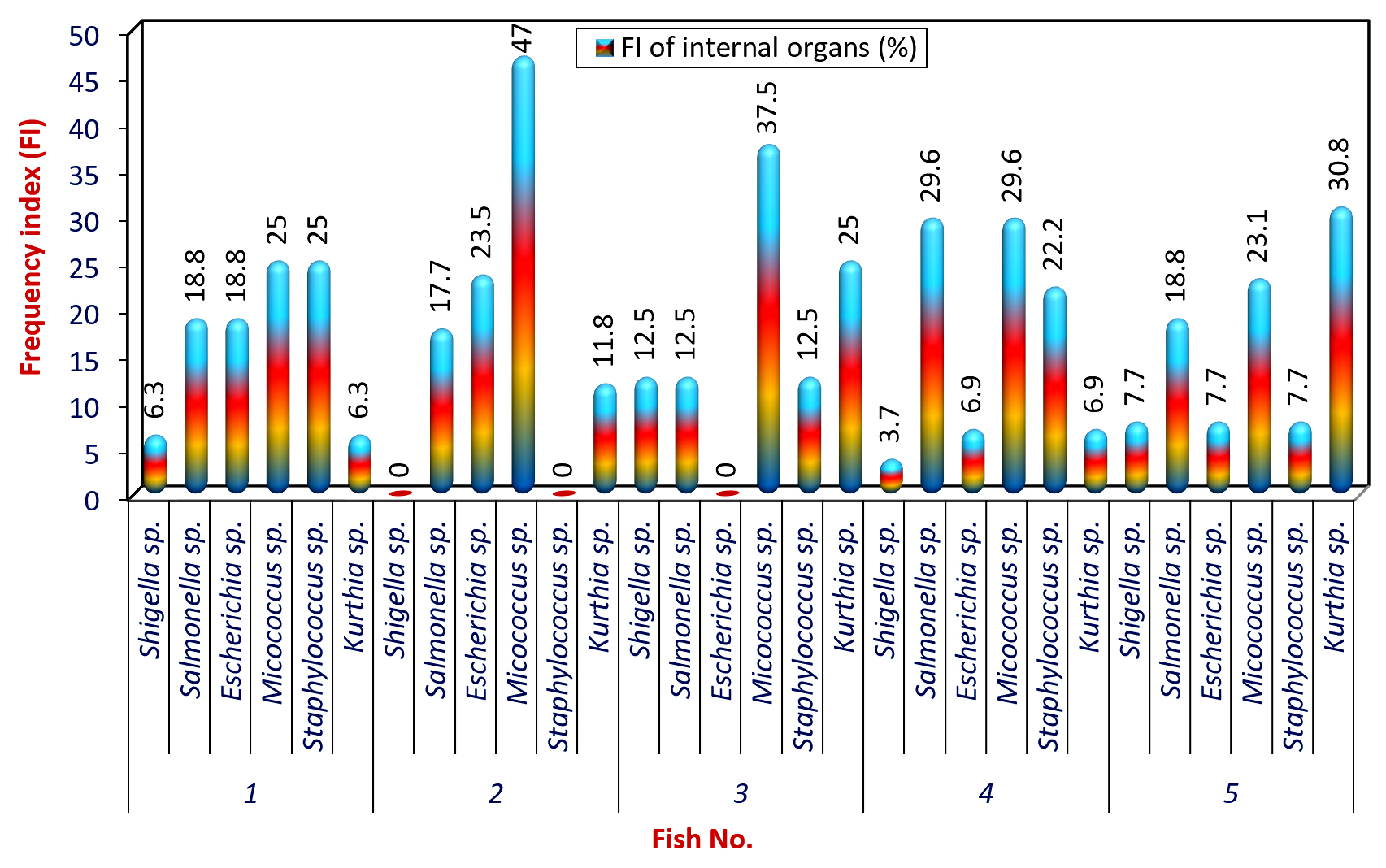
Figure 6. Frequency Index of pathogenic bacteria genera isolated from internal organs of Lethrinus nebulosus fish. (Winter December, 2022)
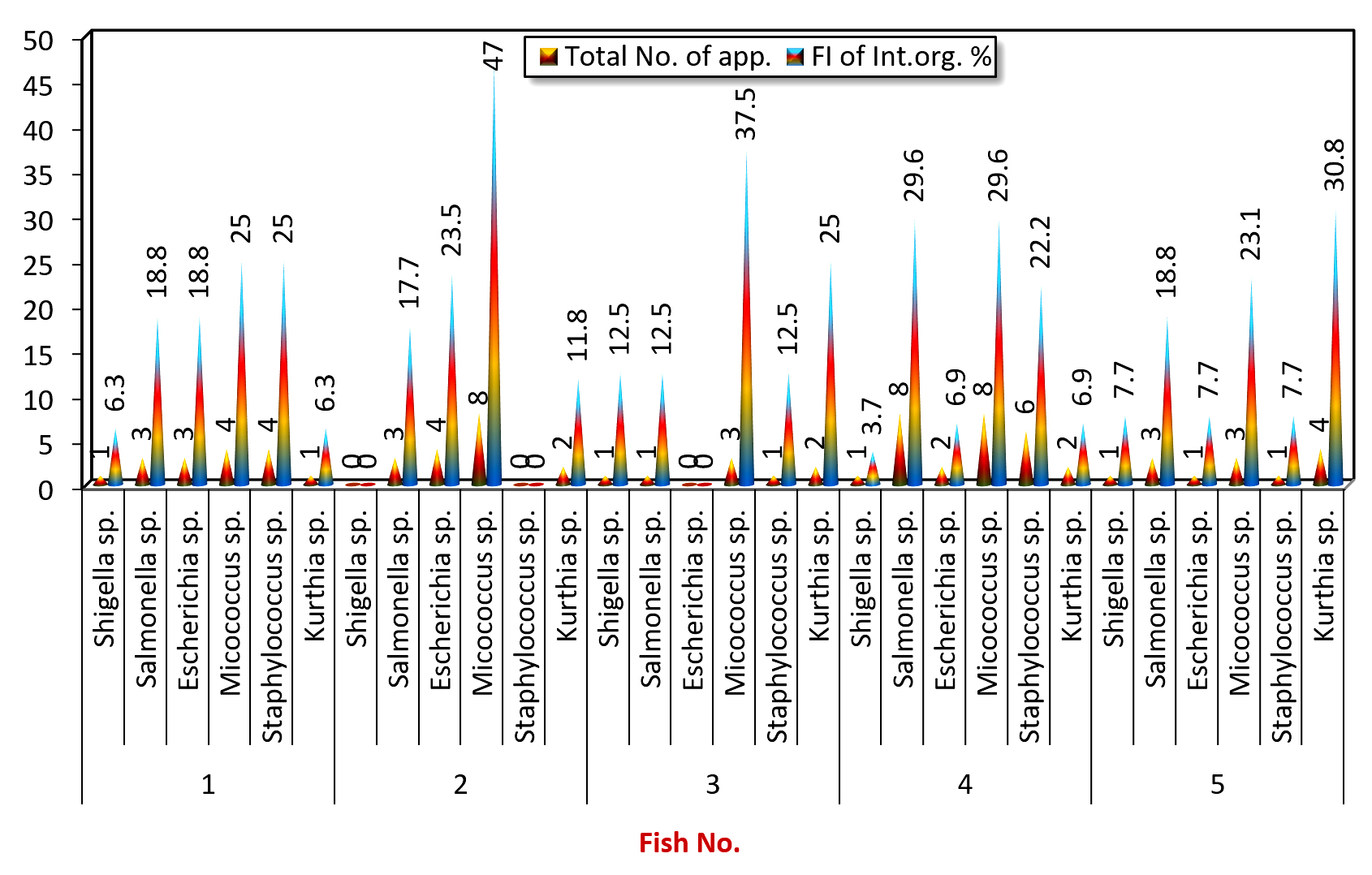
Figure 7. Total number of appearance and Frequency Index of internal pathogenic bacteria genera isolated from internal organs of Lethrinus nebulosus fish (Winter: December, 2022), connecting with both internal parasites (Digenea, Pseudoplagioporus sp.) existing and fish sex.
Table 3. Types and Characters of bacteria genera isolated in this research
No. |
Bacteria |
Shape |
Movement |
Gram |
Catalase |
Indole |
F |
Texture |
|---|---|---|---|---|---|---|---|---|
1 |
Escherichia sp. |
R |
– |
– |
+ |
+ |
+ |
Sticky |
2 |
Salmonella sp. |
R |
– |
– |
+ |
– |
+ |
Sticky |
3 |
Shigella sp. |
R |
– |
– |
+ |
– |
+ |
Normal |
4 |
Micrococcus sp. |
S |
– |
+ |
+ |
– |
– |
Normal |
5 |
Staphylococcus sp. |
S |
– |
+ |
+ |
– |
– |
Normal |
6 |
Kurthia sp. |
R |
– |
+ |
+ |
+ |
– |
Sticky |
Table 4. Frequency Index of bacteria genera isolated from fishes (Winter December, 2022). Paired and one-sample T-test results for external and internal infection frequency indices
| Fish No. | Genera of bacteria | External organs | No. of app. | Total No. of app. | FI of external organs % | Internal organs | No. of app. | Total No. of app. | FI of internal organs % |
|---|---|---|---|---|---|---|---|---|---|
| 1 | Shigella sp. | RE | 1 | 3 | 30de | KID | 1 | 1 | 6.3hi |
| LG | 1 | ||||||||
| PF | 1 | ||||||||
| Salmonella sp. | RG | 4 | 4 | 40c | PHX | 1 | 3 | 18.8ef | |
| INT | 2 | ||||||||
| Escherichia sp. | RE | 1 | 2 | 20hi | PHX | 1 | 3 | 18.8ef | |
| DF | 1 | ANS | 2 | ||||||
| Micrococcus sp. | RE | 1 | 1 | 10j | BBC | 2 | 4 | 25d | |
| ANS | 1 | ||||||||
| ABC | 1 | ||||||||
| Staphylococcus sp. | – | – | 0 | 0l | PHX | 2 | 4 | 25d | |
| ANS | 2 | ||||||||
| Kurthia sp. | – | – | 0 | 0l | ANS | 1 | 1 | 6.3hi | |
| Total FI for all genera | 10 | 38.5 | 16 | 61.5 | |||||
| 2 | Shigella sp. | – | – | 0 | 0l | – | – | – | 0j |
| Salmonella sp. | – | – | 0 | 0l | BBC | 1 | 3 | 17.7f | |
| ANS | 2 | ||||||||
| Escherichia sp. | – | – | 0 | 0l | INT | 2 | 4 | 23.5d | |
| ANS | 2 | ||||||||
| Micrococcus sp. | RE | 1 | 5 | 83.3a | PHX | 5 | 8 | 47a | |
| LE | 1 | INT | 1 | ||||||
| PF | 2 | BBC | 1 | ||||||
| CF | 1 | ABC | 1 | ||||||
| Staphylococcus sp. | – | – | – | 0l | – | – | – | 0j | |
| Kurthia sp. | LG | 1 | 1 | 16.7 | ABC | 2 | 2 | 11.8g | |
| Total FI for all genera | 6 | 26.1 | 17 | 73.9 | |||||
| 3 | Shigella sp. | – | – | 0 | 0l | ABC | 1 | 1 | 12.5g |
| Salmonella sp. | RG | 2 | 3 | 25fg | ABC | 1 | 1 | 12.5g | |
| LG | 1 | ||||||||
| Escherichia sp. | LE | 2 | 5 | 41.7c | – | – | – | 0j | |
| RG | 2 | ||||||||
| LG | 1 | ||||||||
| Micrococcus sp. | LE | 2 | 3 | 25fg | BBC | 1 | 3 | 37.5b | |
| LG | 1 | ABC | 1 | ||||||
| ANS | 1 | ||||||||
| Staphylococcus sp. | LG | 1 | 1 | 8.3jk | ANS | 1 | 1 | 12.5g | |
| Kurthia sp. | – | – | 0 | 0l | ABC | 2 | 2 | 25d | |
| Total FI for all | 12 | 60 | 8 | 40 | |||||
| 4 | Shigella sp. | LE | 2 | 2 | 9.1j | ANS | 1 | 1 | 3.7i |
| Salmonella sp. | RE | 1 | 6 | 27.3ef | BBC | 2 | 8 | 29.6c | |
| RG | 1 | ABC | 3 | ||||||
| CF | 4 | ANS | 3 | ||||||
| Escherichia sp. | RE | 3 | 5 | 22.7gh | ANS | 2 | 2 | 6.9hi | |
| LG | 1 | ||||||||
| PF | 1 | ||||||||
| Micrococcus sp. | RE | 2 | 7 | 31.8d | INT | 3 | 8 | 29.6c | |
| LE | 2 | BBC | 1 | ||||||
| LG | 2 | ABC | 1 | ||||||
| PF | 1 | ANS | 3 | ||||||
| Staphylococcus sp. | RG | 1 | 1 | 4.6k | INT | 3 | 6 | 22.2de | |
| BBC | 3 | ||||||||
| Kurthia sp. | RG | 1 | 1 | 4.6k | ABC | 2 | 2 | 6.9hi | |
| Total FI for all genera | 22 | 44.9 | 27 | 55.1 | |||||
| 5 | Shigella sp. | CF | 3 | 3 | 17.7i | ANS | 1 | 1 | 7.7h |
| Salmonella sp. | RE | 2 | 9 | 52.9b | INT | 3 | 3 | 18.8ef | |
| RG | 3 | ||||||||
| LG | 2 | ||||||||
| CF | 2 | ||||||||
| Escherichia sp. | RE | 2 | 2 | 11.8j | BBC | 1 | 1 | 7.7h | |
| Micrococcus sp. | RE | 3 | 3 | 17.6i | PHX | 2 | 3 | 23.1d | |
| INT | 1 | ||||||||
| Staphylococcus sp. | – | – | 0 | 0l | ABC | 1 | 1 | 7.7h | |
| Kurthia sp. | – | – | 0 | 0l | BBC | 3 | 4 | 30.8c | |
| KID | 1 | ||||||||
| Total FI for all genera | 17 | 56.7 | 13 | 43.3 | |||||
| LSD at 5% | – | – | – | 3.84 | – | – | – | 3.53 |
Abbreviation of the Table: app. = appearance, FI = Frequency Index of bacteria genera. Abbreviation of internal organs: ABC: Abdominal Cavity, ANS: Anus, BBC: Backbone Cavity, KID: Kidney, INT: Intestine, PHX: Pharynx. Abbreviation of external organs: RE: Right Eye, LE: Left Eye, RG Right Gills, LG: Left Gills, CF: Caudal Fin, PF: Pelvic Fin.
Note: Values are expressed as Mean of three replicates. Means within the same column followed by different superscript letters (a, b, c, etc.) are statistically significantly different according to Duncan’s Multiple Range Test (P < 0.05), where ‘a’ represents the highest mean value. Means sharing the same letter are not statistically significant (P > 0.05)
Table 5. Frequency Index of bacteria genera isolated from internal parts of examined fishes (Winter December, 2022), connecting with both internal parasites (Digenea, Pseudoplagioporus sp.) existing and fish morphometric traits. T-test results comparing males and females in morphometric and epidemiological traits
| Fish No. | Sex | WT gm. | LT cm | Wd. cm | Age years | No of IP. | Genera of bacteria | Int. org. | No. of app. | Total No. of app. | FI of Int. org. % |
|---|---|---|---|---|---|---|---|---|---|---|---|
| 1 | F | 812 | 35 | 16 | 4 | 0 | Shigella sp. | KID | 1 | 1ef | 6.3h |
| Salmonella sp. | PHX | 1 | 3cd | 18.8f | |||||||
| INT | 2 | ||||||||||
| Escherichia sp. | PHX | 1 | 3cd | 18.8f | |||||||
| ANS | 2 | ||||||||||
| Micrococcus sp. | BBC | 2 | 4c | 25d | |||||||
| ANS | 1 | ||||||||||
| ABC | 1 | ||||||||||
| Staphylococcus sp. | PHX | 2 | 4c | 25d | |||||||
| ANS | 2 | ||||||||||
| Kurthia sp. | ANS | 1 | 1ef | 6.3h | |||||||
| Total FI for all genera | 16 | 61.5 | |||||||||
| 2 | M | 654 | 34 | 13 | 4 | 0 | Shigella sp. | – | – | 0f | 0j |
| Salmonella sp. | BBC | 1 | 3cd | 17.7f | |||||||
| ANS | 2 | ||||||||||
| Escherichia sp. | INT | 2 | 4c | 23.5de | |||||||
| ANS | 2 | ||||||||||
| Micrococcus sp. | PHX | 5 | 8a | 47a | |||||||
| INT | 1 | ||||||||||
| BBC | 1 | ||||||||||
| ABC | 1 | ||||||||||
| Staphylococcus sp. | – | – | 0f | 0j | |||||||
| Kurthia sp. | ABC | 2 | 2de | 11.8g | |||||||
| Total FI for all genera | 17 | 73.9 | |||||||||
| 3 | M | 389 | 29.3 | 10 | 3 | 3 Dig. | Shigella sp. | ABC | 1 | 1ef | 12.5g |
| Salmonella sp. | ABC | 1 | 1ef | 12.5g | |||||||
| Escherichia sp. | – | – | 0f | 0j | |||||||
| Micrococcus sp. | BBC | 1 | 3cd | 37.5b | |||||||
| ABC | 1 | ||||||||||
| ANS | 1 | ||||||||||
| Staphylococcus sp. | ANS | 1 | 1ef | 12.5g | |||||||
| Kurthia sp. | ABC | 2 | 2de | 25d | |||||||
| Total FI for all genera | 8 | 40 | |||||||||
| 4 | M | 344 | 28 | 11 | 3 | 0 | Shigella sp. | ANS | 1 | 1ef | 3.7i |
| Salmonella sp. | BBC | 2 | 8a | 29.6c | |||||||
| ABC | 3 | ||||||||||
| ANS | 3 | ||||||||||
| Escherichia sp. | ANS | 2 | 2de | 6.9h | |||||||
| Micrococcus sp. | INT | 3 | 8a | 29.6c | |||||||
| BBC | 1 | ||||||||||
| ABC | 1 | ||||||||||
| ANS | 3 | ||||||||||
| Staphylococcus sp. | INT | 3 | 6b | 22.2e | |||||||
| BBC | 3 | ||||||||||
| Kurthia sp. | ABC | 2 | 2de | 6.9h | |||||||
| Total FI for all genera | 27 | 55.1 | |||||||||
| 5 | M | 227 | 24 | 7 | 2 | 5 Dig. | Shigella sp. | ANS | 1 | 1ef | 7.7h |
| Salmonella sp. | INT | 3 | 3cd | 18.8f | |||||||
| Escherichia sp. | BBC | 1 | 1ef | 7.7h | |||||||
| Micrococcus sp. | PHX | 2 | 3cd | 23.1de | |||||||
| INT | 1 | ||||||||||
| Staphylococcus sp. | ABC | 1 | 1ef | 7.7h | |||||||
| Kurthia sp. | BBC | 3 | 4c | 30.8c | |||||||
| KID | 1 | ||||||||||
| Total FI for all genera | 13 | 43.3 |
Abbreviation of the table: app. = appearance, IP = Internal parasites, FI = Frequency Index of bacteria genera. Abbreviation of internal organs: ABC: Abdominal Cavity, ANS: Anus, BBC: Backbone Cavity, KID: Kidney, INT: Intestine, PHX: Pharynx. Abbreviation of external organs: RE: Right Eye, LE: Left Eye, RG Right Gills, LG: Left Gills, CF: Caudal Fin, PF: Pelvic Fin
Seasonal traits and morphometric dynamics of L. nebulosus
The morphometric parameters of L. nebulosus, encompassing body weight, total length, standard length (mouth to caudal fin base), body width, sex, and age, along with their seasonal fluctuations during the study period (September, December, and March), are summarized in Table 1 and Figures 1 & 2.
Seasonal morphometric variations and parasitic prevalence
In September, the morphometric analysis revealed that the maximum recorded weight was 205 g for a female specimen, whereas the minimum weight was 107.9 g for a male. Regarding body length, the highest value was 28 cm (females), compared to a minimum of 19 cm (males). Similarly, the maximum body width recorded was 13 cm in females, with a minimum of 6.2 cm in males. Age determination indicated that the oldest specimens were females (3 years old) and the youngest were males (1 year old). These findings suggest a potential correlation between female sex and higher morphometric values during this season.
In December (winter/rainy season), a significant increase in morphometric parameters was observed. The maximum weight reached 812 g in females, compared to a minimum of 227.5 g in males. Similarly, the maximum length (35 cm) and width (16 cm) of the female specimens were recorded. While the maximum age recorded for both sexes was 4 years, the youngest specimen was a 2 year-old male. By March (spring/dry season), the maximum weight recorded was 530 g (female), whereas the widest body dimension (20 cm) and longest length (32 cm) were observed in males. The age groups during this period ranged from 1-4 years.
Regarding parasitic dynamics, seasonal variations were evident throughout the study period. In autumn (September), examination of seven specimens revealed ectoparasitic infections exclusively in males, comprising 10 Monogenea and 9 Copepoda, whereas females remained infection-free. During the winter (December), internal parasitic infections, specifically digeneans of the genus Pseudoplagioporus sp., were identified only in male specimens.
The spring season (March) exhibited the highest fish abundance and parasitic diversity. Out of the 16 examined specimens, the study recorded a significant prevalence of both ectoparasites (12 Copepoda) and endoparasites (8 Pseudoplagioporus sp.). Notably, Monogenea infections were entirely absent (0%) in this season. Internal infections were predominantly associated with older, larger male specimens, whereas ectoparasitic infestations were distributed across males of varying ages and sizes, as detailed in
Table 1 and Figures 1 & 2.
Statistical comparative analysis of host traits
To evaluate gender-based dimorphism, an independent samples t-test was used. Levene’s Test confirmed the homogeneity of variances across most parameters. The analysis revealed that only the ‘AGE’ variable showed a statistically significant difference between sexes (P < 0.05), with females being significantly older on average. Conversely, variables such as weight (WT), lengths (LT, LF, LA), and width (WD) exhibited numerical variations but did not reach statistical significance, indicating no strong evidence for gender-based differences in these morphometric traits within the sampled population (Table 1).
Epidemiological indices and parasitic dynamics
The analysis of parasitic prevalence, intensity, and dominance revealed distinct seasonal and gender-related patterns. The highest prevalence of endoparasites (40%) was recorded during winter and was attributed to Pseudoplagioporus sp. infections. This was characterized by 100% dominance in males and 0% in females. In contrast, the lowest endoparasitic prevalence (6.3%) was observed in spring and was maintained by the same gender-specific dominance pattern (100% in males).
Regarding intensity, the maximum mean intensity (4%) was observed in winter, whereas the maximum relative intensity (2%) was recorded in spring; both were associated with Pseudoplagioporus sp. Statistical comparison of epidemiological indices between sexes, Table 2 and Figure 5 showed no significant difference in EF (P = 0.151). However, highly significant differences (P < 0.05) were observed in IF, P, GP, Prevalence, MI, and RI. The most pronounced statistical difference was recorded for Dominance (P = 0.000), reinforcing the observed male-biased infection pattern.
Bacteriological findings and parasitic association
During the winter (rainy) season, six bacterial genera were successfully isolated and identified (Table 3). These isolates were characterized by their presence and density within both internal organs and external surfaces. Notably, their occurrence was closely associated with the presence of Pseudoplagioporus sp. infections. Details regarding the specific anatomical sites of isolation reflect the microbial colonization patterns during this period of high parasitic intensity. Table 3 also shows the six isolated genera of bacteria in this study, and their presence and density in both the internal (Digenea, Pseudoplagioporus sp.) and external organs, and their association with digenean infection (Pseudoplagioporus sp.). Abbreviations indicate the places from which they were separated, for the five fish appears only in winter, which are rainy months. The fish traits are listed in Table 1.
Interplay between morphometric Traits, parasitic Infection, and bacterial FI
A detailed comparative analysis was conducted during the winter season to elucidate the complex relationships between host morphometric traits, sex, and the prevalence of pathogenic bacteria and internal parasites (Pseudoplagioporus sp.). These relationships were validated through mathematical probability modeling and confirmed by statistical analyses, which consistently demonstrated confidence levels approaching 100%. (Table 4 & 5 and Figures 6 & 7). The results established a significant inverse relationship between the FI of pathogenic bacteria and the host’s morphometric traits (MT), expressed by the derived formula: FI α 1 / MT. This indicates that as body weight, length, width, and age increase, the bacterial load (FI) significantly decreases, and vice versa.
Comparative analysis based on mathematical probability
Comparison I: Sex-based susceptibility (Fish 1 vs. Fish 2)
Based on the law of mathematical probability, a comparison was made between Fish 1 (female) and Fish 2 (male). Although both exhibited relative morphometric similarities (weight, length, and age) and a mutual absence of parasitic infections, including digenean parasites (Pseudoplagioporus sp.), they differed significantly in their bacterial FI. Fish 1 presented 26 pathogenic cultures, with 16 isolated from internal organs, yielding an internal bacterial FI of 61.5%, with the highest FI of 25% for both S. aureus and Micrococcus sp., and the lowest FI of 6.3% for both Kurthia sp. and Shigella sp. In contrast, Fish 2 had 23 pathogenic cultures, 17 of which were internal, resulting in a higher internal FI of 73.9%. For Fish 2, the highest FI was 47% for Micrococcus sp., and the lowest was 11.8% for Kurthia sp., whereas Shigella sp. and S. aureus were entirely absent. Consequently, Fish 2 (male) exhibited a higher bacterial load along with the lowest morphometric traits, indicating that bacterial load increases as morphometric traits decrease. These findings demonstrate that males are more susceptible to bacterial infections than females, a trend further supported by Tables 1 and 5, which indicate that males also maintain a higher susceptibility to parasitic infections, including Pseudoplagioporus sp., across all study seasons.
Comparison II: Impact of morphometric scale (Fish 2 vs. Fish 4)
Based on the law of mathematical probability, a comparison was conducted between Fish 2 (male) and Fish 4 (male). Although both shared the same sex and the mutual absence of parasites, including the digenean parasite Pseudoplagioporus sp., they differed fundamentally and noticeably in their morphometric traits (weight, length, width, and age) and bacterial FI. As previously established, Fish 2 presented 23 pathogenic cultures, 17 of which were internal, yielding an internal FI of 73.9%, with the highest FI of 47% for Micrococcus sp. and the lowest of 11.8% for Kurthia sp. In contrast, Fish 4 had a higher total of 49 pathogenic cultures, with 27 isolated from internal organs, resulting in a lower internal bacterial FI of 55.1%. For Fish 4, the highest FI was 29.6% for Salmonella sp. and Micrococcus sp., whereas the lowest was 3.7% for Shigella sp. Ultimately, Fish 4 exhibited the lowest morphometric traits along with a higher total bacterial culture count, further proving that bacterial load increases as morphometric traits decrease.
Comparison III: Parasite-induced bacterial suppression (Fish 4 vs. Fish 5)
Based on the law of mathematical probability, a comparison was conducted between Fish 4 (male) and Fish 5 (male). Although both exhibited close and noticeable relative similarity in morphometric characteristics (weight, length, width, and age) and shared the same sex, they fundamentally differed in their parasitic infection and bacterial FI. Fish 5 was infected with internal parasites identified as a digenean infection of Pseudoplagioporus sp. and presented 30 pathogenic cultures, with 13 isolated from internal organs, resulting in an internal bacterial FI of 43.3%. In Fish 5, the highest FI was 30.8% for Kurthia sp., whereas the lowest was 7.7% for Shigella sp., Staphylococcus sp., and Escherichia sp. In contrast, parasite-free Fish 4 presented a higher load of 49 pathogenic cultures, with 27 isolated from internal organs, yielding an internal FI of 55.1%. Based on previous conclusions, the bacterial invasion in Fish 5 should have been greater than or equal to that in Fish 4 because of their morphometric similarities; however, the opposite was observed. This unexpected result demonstrated that the internal parasitic infection (Pseudoplagioporus sp.) actively reduced the bacterial invasion in Fish 5.
Comparison IV: Confirmatory analysis of parasitic interference (Fish 3 vs. Fish 4)
Based on the law of mathematical probability, a comparison was conducted between Fish 3 (male) and Fish 4 (male). Although both exhibited close and noticeable relative similarities in morphometric characteristics (weight, length, width, and age) and shared the same sex, they differed significantly in their internal parasitic infection and bacterial FI. Fish 3 was infected with internal parasites belonging to the digenean genus Pseudoplagioporus sp. and presented 20 pathogenic cultures, with 8 isolated from internal organs, resulting in an internal bacterial FI of 40.0%. For Fish 3, the highest FI was 37.5% for Micrococcus sp., and the lowest was 12.5% for Shigella sp., Staphylococcus sp., and Salmonella sp., whereas Escherichia sp. completely disappeared from the internal organs. In contrast, parasite-free Fish 4 presented a higher load of 49 pathogenic cultures, with 27 isolated from internal organs, yielding an internal FI of 55.1%. Based on the previous conclusions, the bacterial invasion in Fish 3 should have been greater than or equal to that in Fish 4 because of their morphometric similarities; however, the opposite was observed. This further indicated that the parasitic infection (Pseudoplagioporus sp.) actively reduced the bacterial invasion in Fish 3.
Statistical validation and integrative findings
The robustness of the derived mathematical models and the observed biological patterns were further substantiated by rigorous statistical analyses, demonstrating high confidence levels (Tables 4 and 5).
Comparative assessment of infection indices
A one-sample t-test revealed that both external and internal FI deviated significantly from the hypothesized reference values (P = 0.000). Furthermore, the paired-samples t-test indicated no significant difference between the two indices (P = 0.959). This suggests a comparable distribution pattern between internal infections (specifically Pseudoplagioporus sp.) and external pathogenic colonization (Table 4).
Gender-based morphometric and epidemiological disparities
Statistically significant differences (P < 0.05) were found between males and females regarding body weight, total length, width, age, and total infection count (Table 5). In contrast, no significant differences were observed in total bacterial appearance or internal FI (P > 0.05), suggesting that while susceptibility varies, the internal bacterial density may stabilize once established. Decisive evidence appears in the statistical analysis that confirms the results, with a confidence rate of almost 100%, as shown in Tables 4 and 5.
Synthesis of conclusive findings
Based on the integrative evidence from the mathematical probability laws, derived equations, and statistical validations, the following conclusions are established:
- Inverse morphometric law: A definitive inverse relationship exists between the bacterial FI and host MT (weight, length, width, and age). As the physical scale of the host increases, the pathogenic bacterial load proportionally decreases.
- Gender-specific susceptibility: Male specimens exhibited a significantly higher susceptibility than females to both pathogenic bacterial invasions and internal parasitic infections, including Pseudoplagioporus sp.
- Antagonistic interspecific interaction: The relationship between internal parasites (Pseudoplagioporus sp.) and pathogenic bacteria is characterized by competition rather than symbiosis, where the parasitic presence appears to actively suppress bacterial colonization.
This study revealed the association between parasitic and bacterial pathogens, host morphology, and pathogenicity in Saudi Arabian lethrinid fish (spangled emperor fish) collected from the Al-Qunfudhah Sea. To our knowledge, this is the first study of its kind conducted on the Red Sea coast of Saudi Arabia (Al-Qunfudhah) to descriptively and statistically study both parasites and pathogenic bacteria from all aspects of their host pathology, and to analyze and reveal the hidden relationship between the two types of pathogens and their presence, fish characteristics, and other factors in this species.
The study also demonstrated the relationship between internal parasites of the genus Pseudoplagioporus sp., during winter (rainy season) and the identified pathogenic bacterial genera Staphylococcus sp., E. coli, Micrococcus sp., Salmonella sp., Shigella sp., and Kurthia sp. The prevalence, intensity, presence, and dominance of these parasites in their hosts were calculated during the study period, and the FI of the pathogenic bacteria was analyzed and connected to the aggregated values of fish MT. The results showed that with increasing (MT), the frequency factor (FI) decreased, and vice versa, which were confirmed by statistical analysis.
A clear variation in the composition of the internal digenean parasite (Pseudoplagioporus sp.) was observed across the study seasons. During autumn (September), which is the dry season, we did not record any internal parasite infestations in either females or males. In winter (December), the study recorded eight internal parasites, all of which were in males and identified as Pseudoplagioporus sp., and no infestations were recorded in females. Spring (March), which is considered a dry season in the study area but low in temperature, was characterized by a high incidence of both fish and internal parasites. All internal parasitic infestations were relatively large in terms of weight, height, and age. Parasitic infestations varied across seasons as previously explained. Internal parasites were present in the rainy and moderate seasons, which indicates that temperature and the external environment play a prominent role in the presence and density of parasitic species. A recent study demonstrated that temperature and even the duration of exposure affect both the mortality rate of parasites and contact or separation from their hosts.23 Other studies have reported that the type and rate of parasitic infection in fish depend on the environmental and hydrobiological conditions of the water.22,23 It has also been shown that the types and occurrence of parasites vary according to spatial environmental conditions, as she studied some parasitic species of the same fish species at two locations in the Red Sea.34
An interesting result of the current study is the complete dominance of internal parasitic infections in males over females, including Pseudoplagioporus sp., as explained in detail previously in the results in Table 2 and Figure 5. These results may be due to the lifestyle and physiological and behavioral characteristics of each sex. A precise topographic relationship exists between the parasite and its host, which may be an important factor in the mechanisms underlying parasite diversity, spread, and density in the host.35 Our results differ from those of Adou et al. and Aydogdu et al,36,37 who found no significant differences in the prevalence and severity of parasitic infections according to fish sex. However, these results are in agreement with those of Bakhraibah,34 where no infection was found in female fish, unlike males, which showed infection with parasitic crustaceans only in Jeddah on the Red Sea coast.
The prevalence of some parasite species is attributed to the territorial behavior exhibited by fish hosts, where they establish and defend coastal areas for feeding and reproduction. This territorial behavior enhances access to and continuous exposure to protozoa, crustaceans, and free-swimming stages of dimorphic flukes, exposing them to the risk of easy transmission of parasites between invertebrates and intermediate fish hosts.38 This behavior also increases the occurrence of parasitic worms (monofilaments and flukes) in shallow freshwater (lakes, ponds, and rivers). The reproduction of this class of parasitic worms is linked to increased contact with fish in shallow waters and high levels of stress during spawning.39,40 The current study strongly suggests the role of territorial behavior in the spread of parasites and their selection of male hosts over females, as the biological, reproductive, and life cycle characteristics of this genus of fish support this suggestion. The genus Lethrinus is marine, brackish, non-migratory, and associated with coral reefs, with depths ranging from 10-75 m.41 This has proven its territoriality; this genus is caught using hand lines, traps, trawls, purse seines, and nets. It is mostly marketed fresh, which is why it is rarely available throughout the year.42
As the reproductive nature of the embellished emperor fish is uncertain, a recent study classified juveniles of this species as hermaphrodites, in which the transition from the ovary to the testis occurs before maturation; thus, no true sex reversal was observed.43 In an aquarium, male pursuit of a female with a slightly distended abdomen signals the onset of mating. The male used his mouth to slap and push against the female’s abdomen. The eggs and sperm were then released onto the water surface.43
Another study studied the productive characteristics and spawning seasons of Lithrinus fish in the Red Sea in Jeddah, Saudi Arabia. Extended spawning periods were recorded in batches released during different months of the year, with the main spawning season occurring in February and March and an additional shorter spawning season in September.44 This was confirmed by the results of the current study, which showed higher fish and parasite densities in March and September than in the other months. This is attributed to the territorial spawning behavior of the fish and their tendency to resort to shallow waters for easier mating. It has also been proven that this species can survive for long periods at salinities as low as 10 parts per thousand, which demonstrates its resistance to environmental conditions and, consequently, its resistance to parasitic pathogens. Therefore, it is a potential species for estuarine aquaculture because poor environmental conditions can affect the presence of parasites.41,45
Dominance can be related to the prevalence and intensity of parasites and can be influenced by internal factors, such as fish susceptibility to disease, and external factors, such as uncertain fluctuations in water quality. Furthermore, the infection rate depends on the type and number of microorganisms that attack the fish.
The relationship between the pathogen, host, and environment is complex and determines the emergence and development of fish diseases23 demonstrated that stressful conditions, including high population density, temperature changes, and hypoxia, can accelerate the spread of pathogenic bacteria and lead to widespread disease outbreaks. Poor water quality can cause stress to the fish, making them more susceptible to infections. Stress from poor environmental conditions can reduce the immune response to pathogens.46 In addition, low water temperatures can suppress immunity, whereas high temperatures can cause hormonal stress, allowing pathogens to quickly enter fish.47,48
The digestive tract, especially the small intestine, of fish is the organ most commonly infected by digenean parasites (Pseudoplagioporus sp.) because it provides a food source for parasites, including blood, tissue cells, body fluids, and the odor of food present in the gut lumen. The structure and physiological functions of the intestine (the parasite microhabitat) can influence the presence and number of parasites.49,50 In addition, parasites can cause decreased body weight, morphological changes, decreased resistance, and secondary infection by other pathogens (fungi, bacteria, and viruses), ultimately leading to death.49,50 This is what the current study confirmed, as both parasitic and bacterial infections affect small hosts in size, age, and weight. The morphometric characteristics of the fish were measured after parasitic and bacterial pathogens caused diseases in the fish, leading to a decrease in their weight.
Bacterial strains have also been isolated from diseased fish and linked to immune-related gene expression.51 Given their characteristic ulcer-forming properties, they have been hypothesized to either open a gateway for parasitic infections or enhance parasitic damage.51 A modern study performed proteomic profiling of the intestine of Labeo rohita infected with Edwardsiella tardifolia, revealing mucosal defense mechanisms, histopathological changes, and related proteins.52 The same study confirmed that altered intestinal cytoskeletal proteins and cell adhesion molecules play roles in maintaining intestinal integrity and facilitating pathogen invasion. In their study, they identified WAP65 and muc-2 as pivotal proteins in the immune response and mucosal defense, whereas fibrinogen and kininogen were involved in the inflammatory response and wound healing process. Their dysregulation highlighted the impact of infection on host defense mechanisms and showed how the specific proteome of L. rohita intestines can be used as a reference to determine their mechanisms of action during bacterial infection.
Overall, this study highlights the importance of recognizing that climate change can induce changes in the communities and distribution of pathogenic bacteria in fish.53-58 For example, in the United Kingdom, a 2018 government report recorded fish infections with bacterial species for the first time, attributing their presence to the higher ambient water temperatures experienced during the spring.22,26, 59
This study provides the first documented evidence of competitive interactions between the bacterial and parasitic pathogens of Lethrinus spp. in the southern Red Sea ecosystem. The novelty of this research lies in its integrative approach, linking pathogen frequency with host morphometrics and immunity, thereby underlining the critical role of pathogen-host dynamics in disease resistance. These insights are paramount for the advancement of sustainable aquaculture and the preservation of marine ecosystem health.
The findings, validated by statistical modeling and probability laws, establish three fundamental conclusions:
Inverse Morphometric Law
There is a definitive inverse relationship between the Bacterial FI and the host’s MT, including weight, length, width, and age. This relationship suggests that pathogenic colonization significantly hinders fish growth and overall physiological condition.
Gender-Specific Susceptibility
Male specimens exhibited a significantly higher susceptibility to both bacterial and internal parasitic infections (Pseudoplagioporus sp.) than females, indicating potential gender-related variations in immune competency or ecological exposure.
Interspecific Competition
The interaction between internal parasites (Pseudoplagioporus sp.) and pathogenic bacteria is characterized by competition rather than symbiosis, in which each group effectively limits the colonization success of the other.
Furthermore, this study highlighted the vital role of the host-associated microbiome in maintaining immune homeostasis. The higher infection rates observed in fish with lower morphometric indices were likely associated with microbial dysbiosis, which compromises the host’s biological barriers. Therefore, we recommend microbiome profiling and metagenomic analysis as essential diagnostic tools for early detection of disease risk in both wild and farmed populations. Future research focusing on immunological markers is warranted to further elucidate the complex host-microbe-parasite dynamics.
Study limitations
A significant challenge encountered during this study was the maintenance of live fish specimens in specialized containers, a process complicated by limited laboratory infrastructure and logistical constraints in the study region.
ACKNOWLEDGMENTS
None.
CONFLICT OF INTEREST
The authors declare that there is no conflict of interest.
AUTHORS’ CONTRIBUTION
NATE conceptualized the study. NATE, NMSA, KSG, and MM contributed to methodology and investigation. NATE performed formal analysis. FA, SMEH, KA, TM, and AA contributed to software, resources, data curation, and validation. NATE wrote the original draft. NATE, NMSA, KSG, and MM contributed to writing—review and editing. All authors read and approved the final manuscript for publication.
FUNDING
None.
DATA AVAILABILITY
All datasets generated or analyzed during this study are included in the manuscript.
ETHICS STATEMENT
Not applicable.
- Zabel N, Swanson H, Conboy D. Guide to Common Parasites of Food Fish Species in the Northwest Territories and Nunavut. Northern Water Futures, Wilfrid Laurier University; 2023.
- Rohani MF, Islam SM, Hossain MK, et al. Probiotics, Prebiotics and Synbiotics Improved the Functionality of Aquafeed: Upgrading Growth, Reproduction, Immunity and Disease Resistance in Fish. Fish Shellfish Immunol. 2022;120:569-589.
Crossref - Muktar Y, Tesfaye S. Present Status and Future Prospects of Fish Vaccination: A Review. J Veterinar Sci Technol. 2016;7(02):1000299.
Crossref - Jorgensen LVG. Zebrafish as a Model for Fish Diseases in Aquaculture. Pathogens. 2020;9(8):609.
Crossref - Irshath AA, Rajan AP, Vimal S, Prabhakaran VS, Ganesan R. Bacterial Pathogenesis in Various Fish Diseases: Recent Advances and Specific Challenges in Vaccine Development. Vaccines. 2023;11(2):470.
Crossref - Rajput S, Langer S. Digenetic Trematode Parasites in Two Fresh Water Fish Ophiocephalus punctatus and Xenentodon cancila from North West Himalayas. J Parasit Dis. 2022;46:617-626.
Crossref - Roberts RJ. Fish Pathology, 4th ed., Wiley-Blackwell: Oxford, UK. 2012.
Crossref - Woo PTK, Buchmann K, Eds. Fish Parasites: Pathobiology and Protection; CABI: Wallingford, UK. 2012.
Crossref - Leatherland JF, Woo PTK. Fish Diseases and Disorders, Volume 2: Non-Infectious Disorders; CABI: Wallingford, UK. 2010.
Crossref - Moyle PB, Cech JJ. Fishes: An Introduction to Ichthyology, 5th ed.; Prentice Hall: Upper Saddle River, NJ, USA. 2004:615.
- Milinski M. Risk of Predation of Parasitized Sticklebacks (Gasterosteus aculeatus L.) Under Competition for Food. Behaviour. 1985;93:203-216.
Crossref - LoBue CP, Bell MA. Phenotypic Manipulation by the Cestode Parasite Schistocephalus solidus of Its Intermediate Host, Gasterosteus aculeatus, the Three spine Stickleback. Am Nat. 1993;142(4):725-735.
Crossref - Abo El-Ella RE, Youssef E, Sallam NH, Hassanin DA, Abouelhassan EM. Prevalence of Monogenetic and Digenetic Trematodes Parasitized Fish Collected from Port Said and Ismailia Governorates, Egypt. Egypt J Aquat Biol Fish. 2023;27:1207-1223.
Crossref - Holt RD. IJEE Soapbox: World free of parasites and vectors: Would it be heaven, or would it be hell?. Isr. J Ecol Evol. 2010;56(3-4):239-250.
Crossref - Combes C. The Art of Being a Parasite; University of Chicago Press: Chicago, IL, USA. 2005.
- Hegde A, Kabra S, Basawa RM, et al. Bacterial Diseases in Marine Fish Species: Current Trends and Future Prospects in Disease Management. World J Microbiol Biotechnol. 2023;39(1):317.
Crossref - Hamed SB, Ranzani-Paiva MJT, Tachibana L, de Carla Dias D, Ishikawa CM, Esteban MA. Fish Pathogen Bacteria: Adhesion, Parameters Influencing Virulence and Interaction with Host Cells. Fish Shellfish Immunol. 2018;80:550-562.
Crossref - Fish Base. Lethrinus nebulosus (Forsskal, 1775). 2023. (accessed on 10 November 2023).
- World Register of Marine Species (WoRMS). Lethrinus nebulosus (Forsskוl, 1775). 2023. (accessed on 10 November 2023).
- Mhaisen FT, Al-Maliki NS. Parasites, Diseases and Food of the Dark-Blotched Mudskipper Periophthalmus waltoni in the Khor Al-Zubair Estuary (Iraq). Zool Middle East. 1996;13(1):85-88.
Crossref - Justine JL, Briand MJ, Bray RA. A Quick and Simple Method for Collecting Parasites in Suitable Condition for Both Morphological and Molecular Studies. Parasitol Res. 2012;111(1):341-351.
Crossref - Khidr AAA, Samak OAA, Ayyad SEN, Taman NA. Effect of Ottelia alismoides Extract on Cichlidogyrus spp. Infesting Cichlid Fish Gills in Damietta, Nile River. J Egypt Ger Soc Zool. 2003; 41D: 49–63.
Crossref - Taman NA. The Effect of Two Extracts from Artemisia absinthium Plant on Furnestinia echeneis Infesting Sparus aurata Gills: New Record. Al-Baha Univ J Basic Appl Sci. 2023;7:1-7.
Crossref - Yamaguti S. Systema Helminthum, Vol. I: The Digenetic Trematodes of Vertebrates; Interscience Publishers: New York, NY, USA. 1958;1-1575.
- Bush AO, Lafferty KD, Lotz JM, Shostak AW. Parasitology Meets Ecology on Its Own Terms: Margolis et al. Revisited. J Parasitol. 1997;83(4):575-583.
Crossref - Khidr AAA, Samak OAA, Said AE, Taman NA. Description of Microcotyle aegypticus n. sp. and M. pomatomi from Marine Fish in Damietta Region. J. Egypt. Ger. Soc. Zool. 2007;54D:99–111. https://doi.org/10.5281/zenodo.21815299
- Cowan ST. Manual for the Identification of Medical Bacteria. 2nd ed. Cambridge, UK: Cambridge University Press; 1974
- Cowan ST, Steel KJ. Manual for the Identification of Medical Bacteria. Cambridge, UK: Cambridge University Press; 1985
- Koneman EW, Allen SD, Janda WM, Schreckenberger PC, Winn WC. Diagnostic Microbiology, 5th ed.; Lippincott-Raven Publishers: Philadelphia, PA, USA. 1997;253-320.
- Al-Saadi ZHA, Abdullah RM. Phenotypic and Molecular Detection of Escherichia coli Efflux Pumps from UTI Patients. Biochem Cell Arch. 2019;19:2371-2376.
- Ding G, Mancl K, Lee J, Tuovinen OH. Bacterial Movement in Subsurface Soil during Winter Irrigation of Reclaimed Wastewater. Sustainability. 2021;13(17):9594.
Crossref - Melebari M, Alpakistany T, Taha TM, Alsalman AS. Prevalence of Pathogenic Bacteria on Face Masks from Wet Markets in Makkah during the COVID-19 Pandemic. Basic Appl Sci Sci J King Faisal Univ. 2022;23(2):33-38.
Crossref - Gomez KA, Gomez AA. Statistical Procedures for Agricultural Research, 2nd ed.; John Wiley & Sons: New York, NY, USA. 1984:680.
- Bakhraibah AO. Effect of Locality, Host Species and Sex on the Metazoan Parasitic Infestation of Two Species of Scarus Fish from the Red Sea Coast at Jeddah and Rabigh in Saudi Arabia. Open J Anim Sci. 2018;8(3):252-258.
Crossref - Llewellyn J. The Host Specificity, Micro-Ecology, Adhesive Attitudes and Comparative Morphology of Some Trematode Gill Parasites. J Mar Biol Assoc UK. 1956;35(1):113-127.
Crossref - Adou YE, Blahoua KG, Kamelan TM, N’douba V. Prevalence and Intensity of Gill Monogenean Parasites of Tilapia guineensis (Bleeker, 1862) in Man-Made Lake Ayamי 2, Cote d’Ivoire: According to Season, Host Size and Sex. Int J Biol Chem Sci. 2017;11(4):1559-1576.
Crossref - Aydogdu A, Perez-Ponce de Leon G, Emre Y, Emre N, Yabacy A. Prevalence and intensity of Allocreadium isoporum (Digenea: Allocreadiidae) in three endemic species of cyprinids (Capoeta spp.) in Turkey, in relation to season, host size and sex. J Appl Ichthyol. 2018;34(1):129-135.
Crossref - Areda TA, Mitiku MA, Woldearegay YH, Teklu A, Getachew S. Prevalence of Major Parasites of Nile Tilapia (Oreochromis niloticus) in South West Showa Zone Selected Fish Farms, Oromia Region, Ethiopia. Int J Fish Aquat Stud. 2019;7(3):165-170.
- Illan G. Risk Factors Associated with the Presence of Parasitic Diseases in Cultured Tench (Tinca tinca L.) from the Tormes River (NW Spain). J Aquac Mar Biol. 2015;2(3):00027.
Crossref - Mitiku MA, Konecny R, Haile AL. Parasites of Nile Tilapia (Oreochromis niloticus) from Selected Fish Farms and Lake Koftu in Central Ethiopia. Ethiop Vet J. 2018;22(2):65-80.
Crossref - Carpenter KE, Allen GR. FAO Species Catalogue. Vol. 9. Emperor Fishes and Large-Eye Breams of the World (Family Lethrinidae). An Annotated and Illustrated Catalogue of Lethrinid Species Known to Date; FAO Fisheries Synopsis FAO: Rome, Italy. 1989;9(125):118.
- Carpenter KE, Niem VH (Eds.). The Living Marine Resources of the Western Central Pacific. Volume 5. Bony Fishes Part 3 (Menidae to Pomacentridae). FAO Species Identification Guide for Fishery Purposes; FAO: Rome, Italy. 2001;2791-3380.
- Ebisawa A. Reproductive and Sexual Characteristics in Five Lethrinus Species in Waters off the Ryukyu Islands. Ichthyol Res. 2006;53(3):269-280.
Crossref - Younis EM, Al-Asgah NA, Abdel-Warith AW, Gabr MH, Shamlol FS. Analysis of Reproductive Biology and Spawning Season of the Pink Ear Emperor Lethrinus lentjan from Marine Ecosystem. Zoologia. 2020;37:1-10.
Crossref - Alvarez-Pellitero P. Fish Parasites. Part 1: Parasites of Continental Fish of the Duero Basin (NW Spain); An Approach to Aspects of the Host-Parasite Relationships; LAP Lambert Academic Publishing: Saarbrucken, Germany. 2012.
- Scarola SJ, Trejo JRP, Granger ME, Gerecke KM, Bardi M. Immunomodulatory Effects of Stress and Environmental Enrichment in Long-Evans Rats (Rattus norvegicus). Comp Med. 2019;69(1):35-47.
Crossref - Noga EJ. Fish Disease: Diagnosis and Treatment, 2nd ed.; Wiley-Blackwell: Ames, IA, USA. 2010:544.
Crossref - Abbink W, Garcia AB, Roques JAC, Partridge GJ, Kloet K, Schneider O. The Effect of Temperature and pH on the Growth and Physiological Response of Juvenile Yellowtail Kingfish Seriola lalandi in Recirculating Aquaculture Systems. Aquaculture. 2012;330-333,130-135.
Crossref - Fahrurrozi A, Linayati L. The Influence of Turmeric Flour on the Growth and Feed Conversion Ratio of White Snapper Seeds (Lates calcarifer, Bloch). Sains Akuakultur Tropis. 2022;6(2):266-272.
Crossref - Veronika E, Elvince R, Maryani, Norhayani, Evnaweri, Wulandari L. Parasite Infection, Prevalence, Intensity, and Dominance in Climbing Perch (Anabas testudineus) in Sebangau River, Central Kalimantan, Indonesia. AACL Bioflux. 2024;17:2. (accessed on 10 July 2025).
- Jawdhari AH, Sadica I, Matei M, Boboc M, Holban E, Laslo L, Mihailescu DF. Assessment of Conservation Status of Petroleuciscus borysthenicus celensis from Gurban River, Romania by Identification of Parasites and Bacteria. Int J Conserv Sci. 2024;15:1115-1128.
Crossref - Pinto N, Nissa MU, Iqbal G, et al. Proteomic profiling of Labeo rohita intestine infected with Edwardsiella tarda: Unveiling the mucosal defense mechanisms, cell adhesion, and cytoskeletal pathways. Comp Immunol. Rep. 2025;8:200197.
Crossref - Dumitru G, Dirvariu L, Barbacariu CA, Miron I, Sandu I, Todirascu-Ciornea E. The Effect of Wheatgrass Juice Administration on Physiological State and Oxidative Stress in Carp. Rev Chim. 2018a;69(11):3146-3151.
Crossref - Dumitru G, Todirascu-Ciornea E, Hritcu L, Sandu IG. Studies of Some Morphological and Biochemical Parameters Concerning the Health Condition of Some Fish Species from Prut River, Romania. Rev Chim. 2018b;69(5):1194-1199.
Crossref - Dumitru G, Todirascu-Ciornea E, Sandu I. Effect of Glyphosate Herbicide on Some Hematological and Biochemical Parameters in Carassius auratus L. Rev Chim. 2019;70(2):518-521.
Crossref - Gao X, Tong S, Zhang S, et al. Aeromonas veronii Associated with Red Gill Disease and Its Induced Immune Response in Macrobrachium nipponense. Aquac Res. 2020;51(12):5163-5174.
Crossref - Enache N, Laslo L, Gyorgy D, Matei EM, Madalina B, Yusuf SY. Seasonal Sensitivity of Reco from Aquatic Ecosystem to Meteorological and Physicochemical Water Parameters. E3S Web Conf. 2023a;437(8):02012.
Crossref - Enache N, Laslo L, Matei M, Boboc M, Catuneanu I, Deak G. Analysis of the Results from the Applied Technologies for Carbon Dioxide Sampling in Aquatic Ecosystems. IOP Conf Ser Earth Environ Sci. 2023b;1216(1):012006.
Crossref - Naylor RL, Hardy RW, Buschmann AH, et al. A 20-Year Retrospective Review of Global Aquaculture. Nature. 2021;591(7851):551-563.
Crossref
© The Author(s) 2026. Open Access. This article is distributed under the terms of the Creative Commons Attribution 4.0 International License which permits unrestricted use, sharing, distribution, and reproduction in any medium, provided you give appropriate credit to the original author(s) and the source, provide a link to the Creative Commons license, and indicate if changes were made.