

ISSN: 0973-7510
E-ISSN: 2581-690X
 , Kashish Noor1, Parvez A. Khan1, Lubna Zafar2, Aamir Bin Sabir3, Latif Zafar Jilani3, S. Zeeshan Ahmad Hashmi1, Haleema Ahmad1, Adil Raza1 and Nazish Fatima1
Brucellosis, a prevalent zoonotic disease in India, causes nonspecific symptoms. Humans contract it via infected animals or by consuming unpasteurized dairy products. This study evaluates the effectiveness of ELISA, Rose Bengal Plate Test (RBPT), and SAT in diagnosing brucellosis from clinical samples. A prospective study was conducted involving 218 patients with unknown fever, arthritis, and neurological symptoms. A detailed history was collected using a pre-designed questionnaire. This study aims to evaluate the clinical diagnostic efficacy of widely used serological assays for human brucellosis, focusing on their sensitivity, specificity, and applicability in clinical settings. Out of 218 clinical samples from suspected brucellosis patients, 129 tested positive for Brucella by either of the serological tests. Male:Female ratio was 1.04:1, and 60% of the patients had a clear history of exposure to cows, buffalo, and goats. ELISA IgG showed the highest positivity rates, identifying 64 (49.6%) cases; ELISA IgM detected 43 (33.3%) cases; the Serum Agglutination Test (SAT) identified 30 (23.2%) cases; RBPT detected 33 (25.5%) cases, and only 14 (10.8%) cases tested positive for ELISA IgG + ELISA IgM. The sensitivities of the ELISA IgG, ELISA IgM, RBPT, SAT, and ELISA IgG + ELISA IgM detection were 69.57%, 46.74%, 35.87%, 32.61%, and 15.22%, respectively, while the specificities were 100%, 100%, 75.40%, 84.92%, and 100%, respectively. ELISA can be used to diagnose human brucellosis reliably and is more sensitive than the SAT and RBPT.
Brucellosis, Unknown Fever, RBPT, SAT, ELISA
Brucellosis is a neglected zoonotic disease that occurs worldwide. It is caused by Brucella, a small, non-motile, non-spore-forming, slow-growing, and Gram-negative coccobacillus belonging to the Brucellaceae family.1,2 This disease is primarily transmitted from infected animals to humans through direct contact, consumption of unpasteurized dairy products, or inhalation of aerosols containing the pathogen. Brucellosis is endemic, especially in underdeveloped nations where animal husbandry is common.3,4 The disease affects both human health and animal productivity, with significant economic and public health implications.5
The clinical signs of human brucellosis are often similar to those of other bacterial illnesses, which leads to its frequent neglect or misdiagnosis. Key symptoms in affected individuals include recurrent fever, unintentional weight loss, and excessive night sweats. Other symptoms that are frequently described include fatigue, scrotal soreness and swelling, tiredness, chills, appetite loss, joint and muscle pain, headaches, back pain, malaise, anorexia, nervous disorder, endocarditis, and confusion.6
Various methods are available for brucellosis diagnosis, including molecular, serological, and culture tests. Among them, serological methods are widely employed for the diagnosis of brucellosis because they are relatively cost-effective, easy to perform, and suitable for use in resource-constrained settings, such as the Serum Agglutination Test (SAT), Enzyme-Linked Immunosorbent Assay (ELISA), and Rose Bengal Plate Test (RBPT). Among these, ELISA is recognized for its high sensitivity and specificity, particularly in detecting different classes of antibodies (IgM and IgG), which can provide insights into the stage of the disease.7
This study aims to evaluate the clinical diagnostic efficacy of widely used serological assays for human brucellosis, focusing on their sensitivity, specificity, and applicability in clinical settings.
Patients and samples
A total of 218 blood specimens were obtained from OPD/IPD patients aged 14-86 years presenting with clinical symptoms of brucellosis from April 2023 to December 2024. The serum was extracted from 5 ml of blood drawn from each person and stored in a refrigerator at -20 °C for future use. Additionally, demographic details were gathered using a pre-designed questionnaire.
According to our study, any sample that tests positive for brucellosis by identifying either IgG or IgM antibodies using ELISA (Enzyme-Linked Immunosorbent Assay) is considered to be a true positive, indicating a recent or previous infection. These samples demonstrate indications of an immunological response. Meanwhile, a true negative is any sample that tests negative for both IgG and IgM antibodies in the ELISA test, so these findings suggest that a true negative is any sample that tests negative for both IgG and IgM antibodies in the ELISA test, indicating the absence of an immune response to Brucella infection.
SAT (Serum Agglutination Test)
The SAT was performed to detect anti-Brucella antibodies. Serum samples were diluted serially in normal saline, and Brucella antigen was added to each dilution. The tubes were incubated at 37 °C for 24 hours, and agglutination was recorded by observing the sedimentation pattern. Titres of more than 1:160 were considered positive based on standard diagnostic criteria8,9 as shown in Figure 1a.
RBPT (Rose Bengal Plate Test)
RBPT (Rose Bengal Plate Test) is a rapid slide agglutination test to detect antibodies of Brucella. The test was performed using a commercially available antigen procured from the IVRI, Izatnagar, Bareilly. Briefly, 30 µL of serum was mixed with an equal volume of RBPT antigen on a clean glass slide using a disposable applicator stick. The mixture was mixed gently for 4 minutes, and agglutination was observed visually.10 Results were recorded as positive or negative based on the presence or absence of visible agglutination, as seen in Figure 1b.
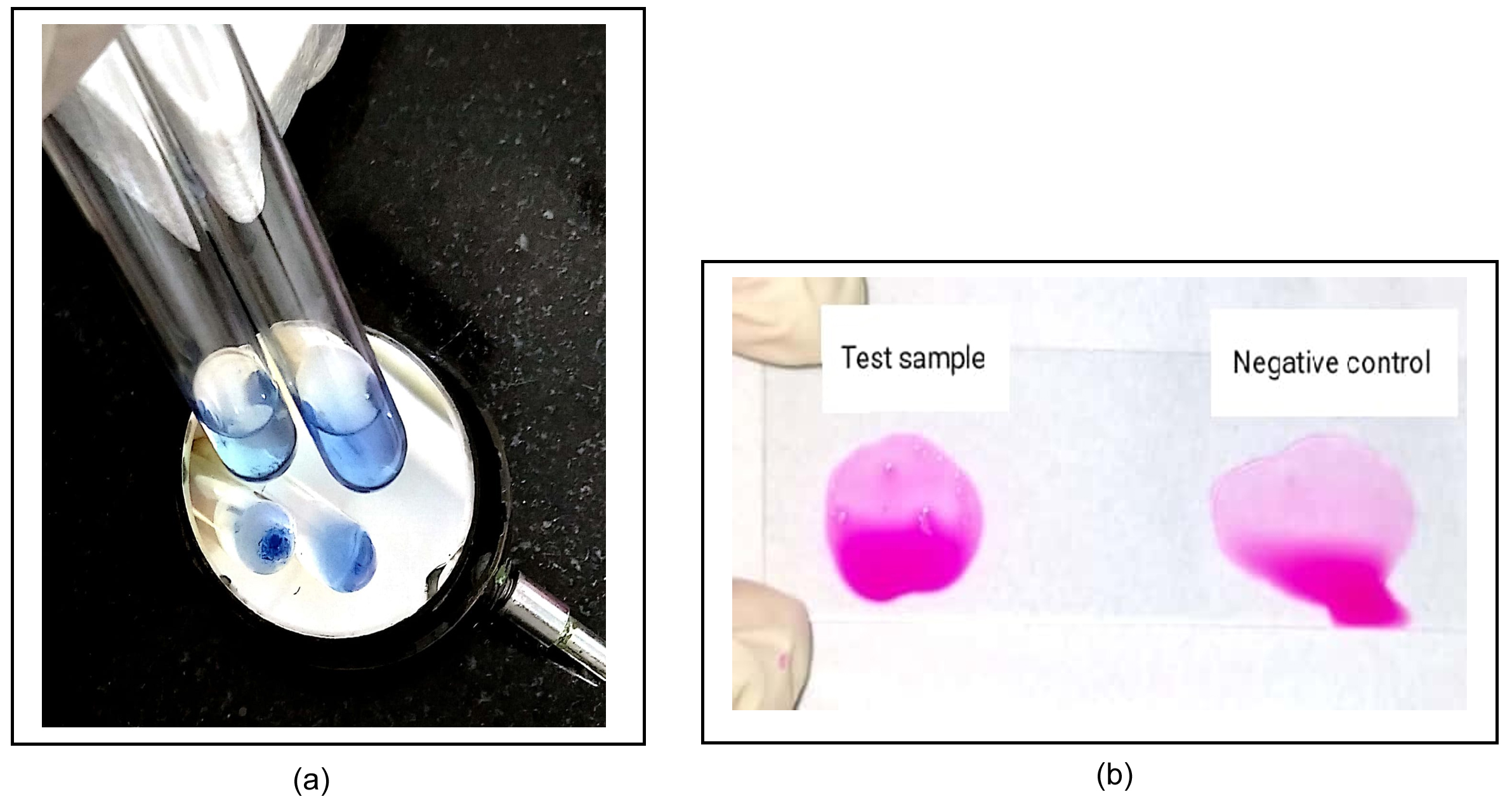
Figure 1. (a) A serologically positive titre of 1:160 dilution, and negative control; (b) RBPT antigen showing agglutination in test sample
ELISA (Enzyme-linked Immunosorbent Assay)
The ELISA IgG and IgM tests were conducted using commercially available kits (CALBIOTECH) following the manufacturer’s instructions. Briefly, serum samples were diluted as required and added to antigen-coated wells. After incubation at room temperature, wells were washed, and the conjugate was added. Following further incubation, a substrate solution was added, and the reaction was stopped using a stop solution. The optical density (OD) was measured at 450 nm and 655 nm using a microplate reader. Cut-off values were determined according to the kit manufacturer’s instructions. Samples with OD values above the cut-off were considered positive for IgG or IgM antibodies.
Data analysis
The collected data was coded, entered into a personal computer, and analyzed using SPSS for Windows, version 11.0. Statistical analyses included the Chi-square test and Fisher’s exact. Positive Predictive Value (PPV) and Negative Predictive Value (NPV) were calculated using diagnostic test evaluation tools available on MedCalc.
Out of 218 clinical samples from suspected brucellosis patients, 129 (59.2%) tested positive for Brucella by either of the serological tests. The male and female sex ratio of Brucella-positive patients was 1.04:1.
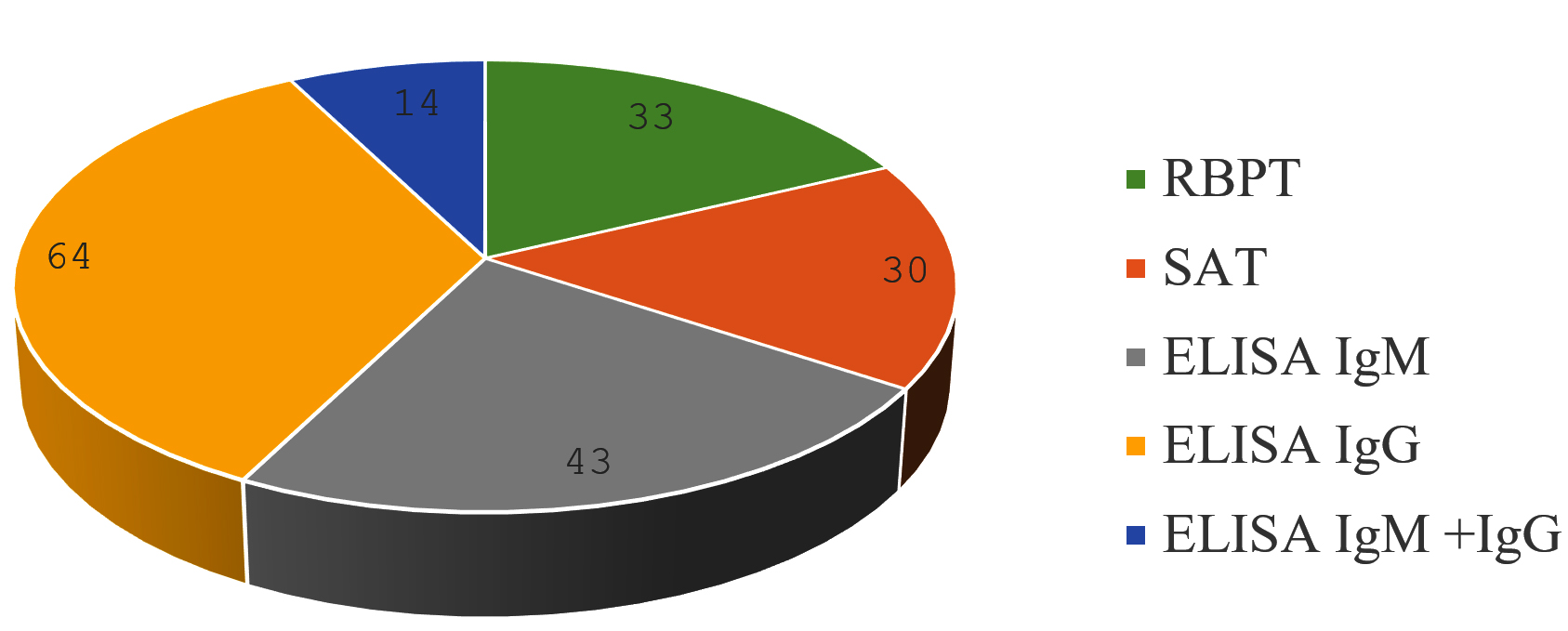
Figure 2. Distribution of diagnostic test positivity among brucellosis-positive clinical patients (N = 129)
As seen in Figure 2, 64 (49.6%) patients were positive for ELISA IgG, 43 (33.3%) for ELISA IgM, 30 (23.2%) for SAT, 33 (25.5%) for RBPT, and 14 (10.8%) were positive for both ELISA IgG and ELISA IgM. Since patients could test positive by more than one diagnostic method, these categories were not mutually exclusive.
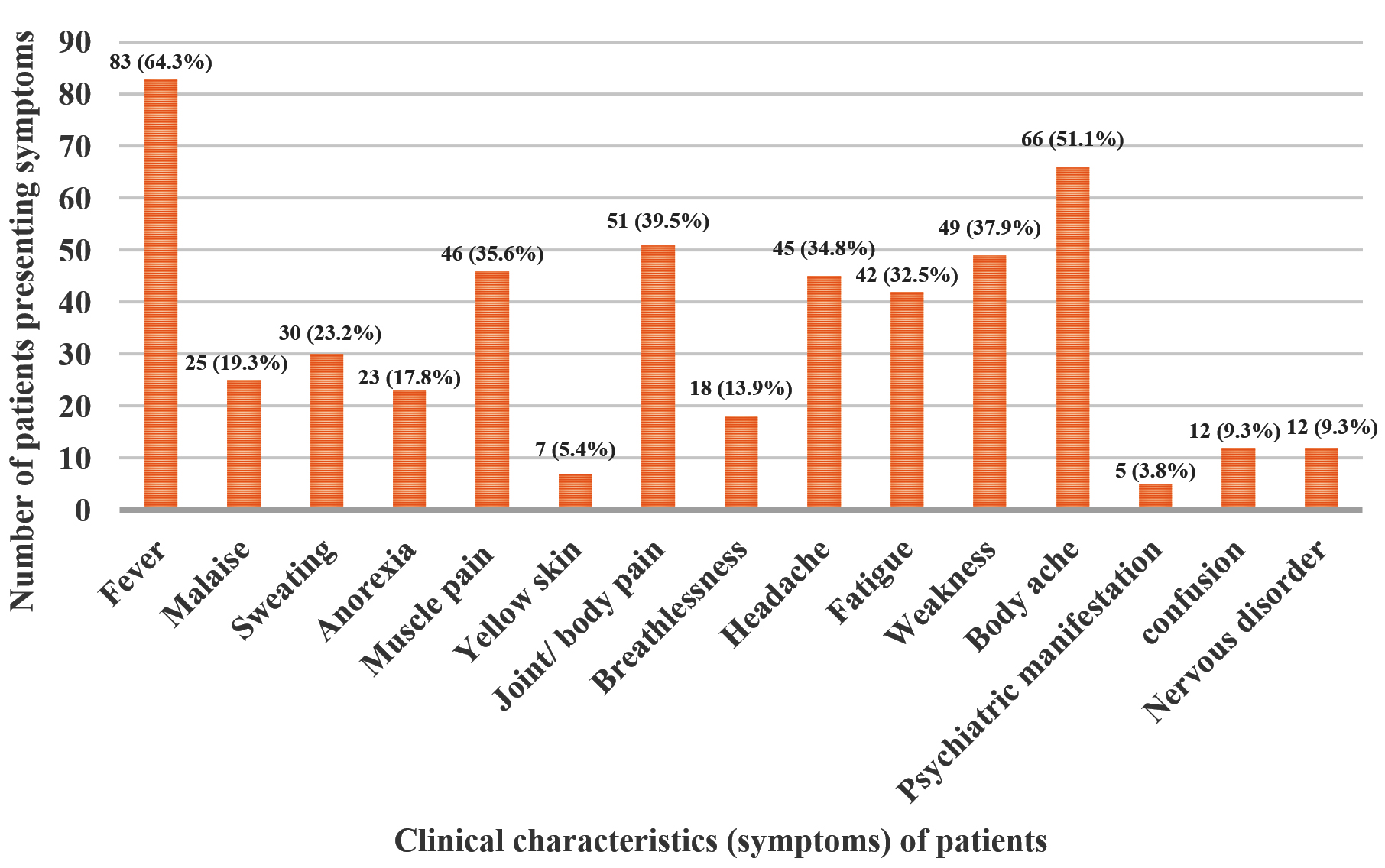
Figure 3. Distribution of clinical symptoms among Brucella-positive patients (N = 129)
As seen in Figure 3, fever was the main symptom present in 64.3 % of the Brucella-positive patients, followed by body aches (51.1%), joint/body pain (39.5%), weakness (37.9%), muscle pain (35.6%), and headache (34.8%).
Table 1. Risk factors evaluation of Brucellosis-positive patients (N = 129)
| Risk Factor | Category | Patients response data |
|---|---|---|
| Area of Residence | Urban | 54 (41.8%) |
| Semi-urban | 3 (2.3%) | |
| Rural | 72 (55.8%) | |
| Gender | Male | 66 (51%) |
| Female | 63 (49%) | |
| Socio-economic status | Poor | 72 (55.8%) |
| Middle | 57 (44%) | |
| Duration of illness | Acute phase | 79 (61.2%) |
| Chronic phase | 50 (38.7%) | |
| Recent travel | Yes | 24 (18.6%) |
| No | 105 (81.3%) | |
| Close contact with animals | Yes | 82 (63.5%) |
| No | 47 (36.4%) | |
| Raw dairy consumption | Yes | 50 (38.7%) |
| No | 79 (61.2%) | |
| Consume undercooked meat | Yes | 14 (10.8%) |
| No | 115 (89.2%) | |
| Share water source with animals | Yes | 22 (17%) |
| No | 107 (82.9%) | |
| Assist animals during labour | Yes | 10 (7.7%) |
| No | 119 (92.2%) | |
| Wear gloves while handling animal products | Yes | 9 (7%) |
| No | 120 (93%) | |
| Vaccinate animal | Yes | 11 (8.5%) |
| No | 118 (91.4%) | |
| Sleeping area near the animal | Yes | 28 (21.8%) |
| No | 101 (78.2%) |
Table 1 shows the majority of the risk factors associated with Brucella-positive patients had a history of close contact with the animals (63.5%) and belonged to rural areas, and only 18.6% of individuals had a history of recent travel. 8.5% of patients vaccinated their animals, 7.7% of individuals have assisting their animals during labour, and only 7% used gloves while handling the animal. Also, 21.8% kept animals near sleeping areas, and 17% shared water sources with their animals. Also, 38.7% and 10.8% of Brucella-positive patients had a history of consumption of raw dairy products and undercooked meat, respectively.
Table 2. The diagnostic performance of the ELISA, SAT, and RBPT
Test |
Sensitivity (95%Ci) |
Specificity (95%Ci) |
Positive Predictive Value (95%Ci) |
Negative Predictive Value (95%Ci) |
Accuracy (95%Ci) |
|---|---|---|---|---|---|
IgG |
69.57% (59.10%-78.73%) |
100% (97.11%-100.00%) |
94.40%-100.00% |
76.77%-85.97% |
81.97%-91.29% |
IgM |
46.74% (36.26%-49.06%) |
100 % (97.11%-100.00%) |
91.78%-100.00% |
67.98%-75.69% |
71.40%-82.88% |
IgG + IgM |
15.22 % (8.58%-24.21%) |
100% (97.11%-100.00%) |
76.84%-100.00% |
59.70%-63.79% |
5747%-70.58% |
SAT |
32.61% (23.20%-43.18%) |
84.92% (77.46%-90.67%) |
48.72%-72.41% |
59.52%-66.95% |
50.06%-69.27% |
RBPT |
35.87% (26.13%-46.54%) |
75.40 % (66.93%-82.63%) |
41.40%-61.60% |
57.29%-65.90% |
51.87%-65.32% |
As shown in Table 2, and Figure 4, the sensitivities of the ELISA IgG, ELISA IgM, RBPT, SAT, and ELISA IgG + ELISA IgM detection were 69.57%, 46.74%, 35.87%, 32.61%, and 15.22%, respectively. In comparison, the specificities were 100%, 100%, 75.40%, 84.92%, and 100%, respectively. The positive predictive values were 51.56% for RBPT, 61.22% for SAT, and 100% for ELISA IgG, ELISA IgM, and ELISA IgG + IgM, and negative predictive values were specific for every test, as 61.69% for RBPT, 63.31% for SAT, 81.82% for ELISA IgG, 72% for ELISA IgM, and 61.76% for ELISA IgG + ELISA IgM.
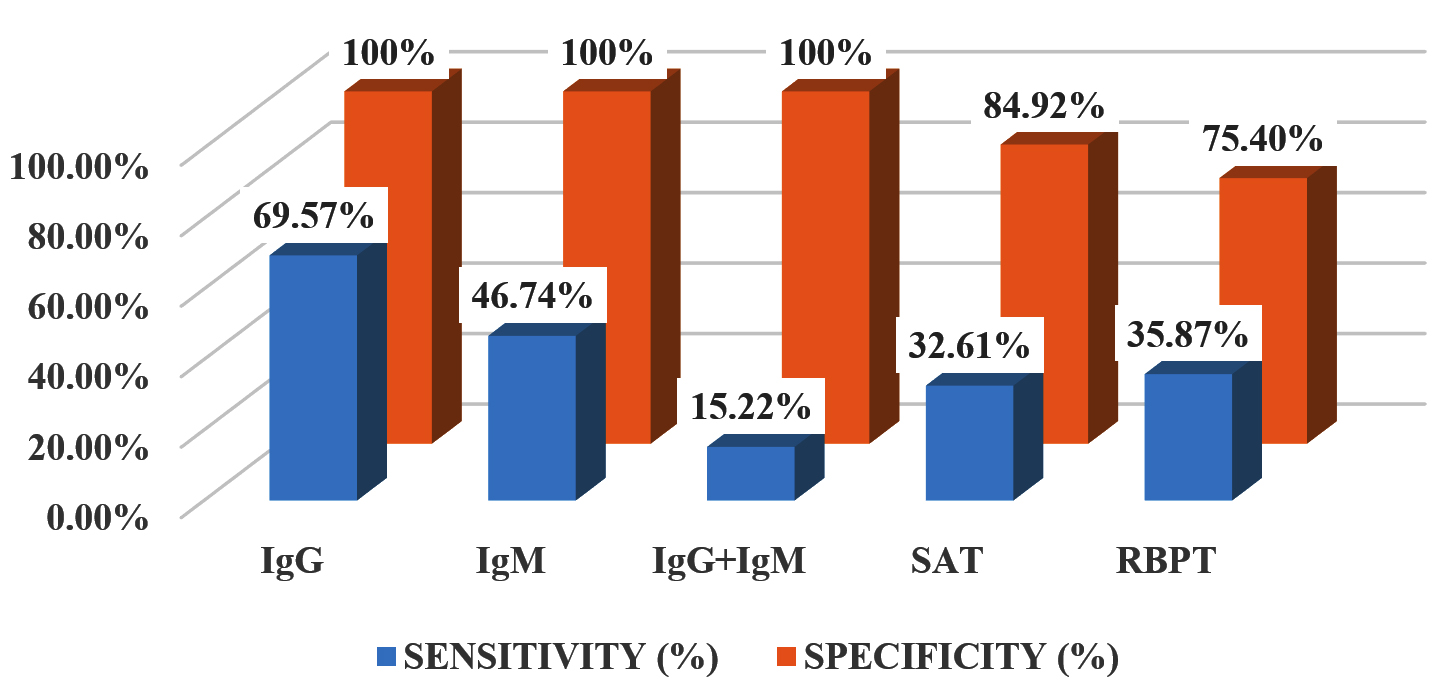
Figure 4. Graphical representation of the diagnostic performance of ELISA (IgG, IgM, and IgG+IgM), SAT, and RBPT
Brucellosis is still a serious public health issue worldwide, especially in rural areas where animal husbandry is common.11,12 Multiple research studies have revealed varying prevalence rates of Brucella. According to a study, the global seroprevalence of human brucellosis differs significantly among populations and geographical areas. A comprehensive review and meta-analysis estimated the global seroprevalence to be approximately 15.53%.13 Research conducted by Yousaf et al.14 in Pakistan in 2021 found that the RBPT seroprevalence was 17%. Another study by Xu et al.15 showed that 74.42%, 98.84%, and 98.84% of the samples in China tested positive for SAT, IgM ELISA, and IgG ELISA, respectively. One more study carried out by Eltayeb et al.16 in Sudan indicated that the RBPT and SAT seroprevalence were 8.8% and 13.8%, respectively. In India, a study by Pathak et al.17 reported that 4.25%, 3.54%, and 4.96% of the samples in the Goa region tested positive by RBPT, SAT, and IgG ELISA, respectively. A study from North India found the overall seroprevalence of brucellosis was 4.96%.18 A similar investigation was conducted by Shukla et al.19 in 2022, revealing a seroprevalence of human brucellosis was 11.37% in Meghalaya, Northeast India. A study by Mantur et al.20 reported 1.6% seroprevalence by serum agglutination test in Karnataka. In Punjab, RBPT and ELISA showed a 3.9% and 3.3% seroprevalence, respectively.21 The overall prevalence of human brucellosis among patients in this study was 59.1%, in which 15.1% tested positive for RBPT, 13.7% positive for SAT, 19.7% positive for ELISA IgM, and 29.3% positive by ELISA IgG.
The diagnosis of human brucellosis is challenging due to the wide range of clinical symptoms. According to our study, the most common clinical symptoms of brucellosis were fever (64.3%), followed by body aches (51.1%), joint pain (39.5%), weakness (37.9%), muscle pain (35.6%), and headache (34.8%). These results are similar to the previous studies conducted by Xu et al.15 and Wu et al.,22 in which they found that fever was present in more than 92% of Brucellosis-positive cases, followed by joint pain. Pappas et al.23 also found that fever was present in more than 90% of cases, followed by malaise, arthralgia, hepatomegaly, and splenomegaly present in 26%, 26%, 17%, and 16% of the total cases, respectively. According to a meta-analysis by Dean et al.,24 the most common symptoms among brucellosis patients globally were fever and joint pain, and the percentages of patients who had headaches, chills, sweating, fatigue, and malaise were estimated to be substantially lower. The latest study by Xu et al.,25 showed that fever was the most common symptom present in 82.6% of Brucellosis-positive patients, followed by arthralgia, fatigue, back pain, headache, hepatosplenomegaly was present in 43%, 40.7%, 34.9%, 25.6%, and 18.6% of the cases. Brucellosis can cause a wide range of clinical symptoms and potential problems if it is not diagnosed properly. Complications of brucellosis, as reported by various studies, are arthritis, spondylitis, meningitis, CNS and cardiac manifestations.24,26 In this study arthritis reported in 39.5% patients, 22.4% patients presented with CNS manifestations and one case was present with endocarditis manifestation, as reported in a case report.27
Several risk factors are associated with Brucellosis. A recent study showed that two of the main risk factors for having Brucellosis infection include consumption of animal products and close contact with animals.28 However, another study done by Arif et al.29 demonstrated that the majority of the farmers’ families (66%) were found to consume raw milk and its components, 49% to share housing with animals, and 74% did not wear gloves when handling animals, similarly another study performed by Ducrotoy et al.30 showed unpasteurized dairy intake is a major risk factor in endemic areas. In research by Teshome et al.,31 the major risk factors included people who slaughter animals at home, followed by people who consume raw milk, are exposed to waste from animals, and are in contact with an aborted animal foetus. Aligning with these findings, our study found several risk factors for brucellosis, such as close contact with animals (63.5%), intake of unpasteurized dairy products (38.7%), sleeping area near the animal (21.8%), sharing water source with animals (17%), and consumption of undercooked meat (10.8%).
The evaluation of serological diagnostic techniques in our study revealed that ELISA IgG had the best sensitivity (69.57%) and specificity (100%), followed by ELISA IgM (46.74%, 100%), RBPT (35.87%, 75.40%), and SAT (32.61%, 84.92%), this result ensures that the ELISA is the correct diagnosis assay which reduces the risk of false-positive results. Another research conducted by Husain et al.32 described ELISA IgG, and ELISA IgM sensitivity of 45.6% and 79.1%, respectively, and specificity of 97.1% and 100%, respectively, which are different from our findings. Other research conducted by Bakir et al.33 revealed an overall sensitivity of 85.09%, and a specificity of 85.38% for ELISA IgG, These findings are opposite from our study, as in our study, IgG sensitivity was lower, and specificity was higher. Similarly, when compared to the Kumari et al. research, we found that the sensitivity of ELISA IgM, and IgG was 100% and 62.5%, respectively, and specificity was 92.7% and 53.1%, respectively.28
There could be several reasons that ELISA IgG and IgM showed better specificity and poorer sensitivity in this investigation. It may be due to the ELISA cut-off values and the stage of the disease at the time of sampling. Furthermore, low area endemicity might have helped to raise specificity by lowering background antibody levels. However, a prior study that reported higher sensitivity and lower specificity might have utilised ELISA kits with lower threshold values, included more acute cases, or used more comprehensive diagnostic criteria, all of which could have affected the test performance that was seen.
Rather than specificity and sensitivity, the positive predictive value and negative predictive value of the disease play an important role in the performance and result of the test.34 In our study, ELISA IgG, ELISA IgM, and combined ELISA IgG + IgM revealed a PPV of 100%, which means that those who tested positive for ELISA were accurately diagnosed with Brucellosis. The PPVs for SAT and RBPT were 61.22% and 51.56%, respectively, which indicates a little lower ability to confirm genuine positives. The NPV of 81.82% for ELISA IgG indicates that it is quite trustworthy in detecting Brucellosis, whereas the NPVs of 72%, 61.76%, 63.31%, and 61.69% for ELISA IgM, combined ELISA IgG + IgM, SAT, and RBPT indicate that they are somewhat less efficient in confirming negative cases. Another study also demonstrated that ELISA is a good technique for the quick screening of endemic populations because of its excellent sensitivity (98.84%) and NPV (98.15%).25
To enhance early detection and management, our findings support the inclusion of ELISA as a standard serological test in endemic areas, demonstrating its superiority for brucellosis diagnosis.
Based on the findings, ELISA for IgG and IgM antibodies emerged as the most reliable serological method for diagnosing human brucellosis in this study. Its high sensitivity and specificity, combined with the ability to differentiate between acute and chronic infections, make it superior to RBPT and SAT. While RBPT and SAT remain valuable in specific contexts, particularly for screening and initial diagnosis, ELISA should be prioritised as the confirmatory method in laboratories. The integration of ELISA into diagnostic workflows has the potential to improve the early detection and management of brucellosis, ultimately reducing the burden of this zoonotic disease. Future studies integrating molecular diagnostics with serological methods may enhance diagnostic accuracy and guide effective public health interventions.
Acknowledgments
The authors would like to thank the institution’s Viral Research and Diagnostic Laboratory, Department of Microbiology, for providing study infrastructure. The authors also acknowledge Syed Ghazanfar Ali, Islam Ahmad, Sivan, Shibli Javed, Samran and Sanaullah for their assistance with various technical aspects of the study.
Conflict of interest
The authors declare that there is no conflict of interest.
Authors’ contribution
HS conceptualized the study and contributed to funding acquisition, project administration, resources, and validation. KN and HS performed the formal analysis and investigation. KN and HS wrote the original draft. PAK and HS contributed to data curation. HA, HS, KN, and PAK contributed to the methodology. AR, NF, LZ, LZJ, HS, and ABS supervised the study. AR, NF, LZ, LZJ, PAK, SZAH, HS, and ABS wrote, reviewed, and edited the manuscript. All authors read and approved the final manuscript for publication.
Funding
This study was funded by the Indian Council of Medical Research, New Delhi. (Project ID: ZON/65/2022/ECD-II).
Data availability
All datasets generated or analyzed during this study are included in the manuscript.
Ethics statement
This study was approved by the Institutional Ethics Committee, Faculty of Medicine, AMU, Aligarh (IEC JNMC/270 dated 1 March 2021).
INFORMED CONSENT
Written informed consent was obtained from the participants before enrolling in the study.
- Mantur BG, Amarnath SK, Shinde RS. Review of clinical and laboratory features of human brucellosis. Indian J Med Microbiol. 2007;25(3):188–202.
Crossref - Alam A, Sami H, Hashmi SZA, et al. Seroprevalence and risk factor analysis of brucellosis among dairy farmers in Aligarh region, North India: creating awareness of a neglected disease. Access Microbiol. 2024;6(3):000648.v3.
Crossref - Lin S, Wang Z, Liu X, et al. Serological prevalence survey among the high-risk populations of brucellosis-endemic areas—China, 2019-2020. China CDC Wkly. 2021;3(6):101-105.
Crossref - Ongor H, Cetinkaya B, Karahan M, Bulut H. Evaluation of immunomagnetic separation-polymerase chain reaction in direct detection of Brucella abortus and Brucella melitensis from cheese samples. Foodborne Pathog Dis. 2006;3(3):245-250.
Crossref - Scholz HC, Revilla-Fernandez S, Dahouk SA, et al. Brucella vulpis sp. nov., isolated from mandibular lymph nodes of red foxes (Vulpes vulpes). Int J Syst Evol Microbiol. 2016;66(5):2090-2098.
Crossref - Ciftci E, Ince E, Dogru U. Pyrexia of unknown origin in children: a review of 102 patients from Turkey. Ann Trop Paediatr. 2003;23(4):259-263.
Crossref - Al Dahouk S, Nockler K. Implications of laboratory diagnosis on brucellosis therapy. Expert Rev Anti Infect Ther. 2011;9(7):833-845.
Crossref - Copur B, Pasa O. The role of the serum tube agglutination test in the monitoring of human brucellosis: evaluation of post-treatment SAT titers. Rev Assoc Medica Bras. 2022;68(9):1234-1239.
Crossref - Hasanjani Roushan MR, Marashi SMA, Moulana Z. Polymerase Chain Reaction–based Assays for the Diagnosis of Active and Relapsed Cases of Human Brucellosis. Am J Trop Med Hyg. 2016;95(6):1272-1276.
Crossref - Patil DP, Ajantha GS, Shubhada C, et al. Trend of human brucellosis over a decade at tertiary care centre in North Karnataka. Indian J Med Microbiol. 2016;34(4):427-32.
Crossref - O’Callaghan D. Human brucellosis: recent advances and future challenges. Infect Dis Poverty. 2020;9(1):101.
Crossref - Zhang Z, Zhang X, Chen X, et al. Clinical Features of Human Brucellosis and Risk Factors for Focal Complications: A Retrospective Analysis in a Tertiary-Care Hospital in Beijing, China. Int J Gen Med. 2022;15:7373-82.
Crossref - Khoshnood S, Pakzad R, Koupaei M, et al. Prevalence, diagnosis, and manifestations of brucellosis: A systematic review and meta-analysis. Front Vet Sci. 2022;9:976215.
Crossref - Yousaf R, Khan I, Shehzad W, et al. Seroprevalence and Molecular Detection of Brucellosis in Hospitalized Patients in Lahore Hospitals, Pakistan. Infect Dis Rep. 2021;13(1):166–172.
Crossref - Xu N, Wang W, Chen F, Li W, Wang G. ELISA is superior to bacterial culture and agglutination test in the diagnosis of brucellosis in an endemic area in China. BMC Infect Dis. 2020;20(1):11.
Crossref - Eltayeb MA, Elghazali FE, Musa MT, Abbadi OS. Evaluation of different serological tests for the diagnosis of human Brucellosis in Sudan. Infect Dis Trop Med. 2020;6:e613.
Crossref - Pathak AD, Dubal ZB, Doijad S, et al. Human brucellosis among pyrexia of unknown origin cases and occupationally exposed individuals in Goa Region, India. Emerg Health Threats J. 2014;7(1):10.3402/ehtj.v7.23846.
Crossref - Sharma HK, Kotwal SK, Singh DK, Malik MA, Kumar A, Rajagunalan, Singh M. Seroprevalence of human brucellosis in and around Jammu, India, using different serological tests. Vet World. 2016;9(7):742–746.
Crossref - Shukla JL, Husain AA, Lyngdoh SA, et al. Seroepidemiological study of human brucellosis in the Northeast region of Meghalaya, India. J Fam Med Prim Care. 2022;11(9):5176.
Crossref - Mantur BG, Akki AS, Mangalgi SS, Patil SV, Gobbur RH, Peerapur BV. Childhood brucellosis-a microbiological, epidemiological and clinical study. J Trop Pediatr. 2004;50(3):153-157.
Crossref - Jamil T, Melzer F, Saqib M, et al Serological and Molecular Detection of Bovine Brucellosis at Institutional Livestock Farms in Punjab, Pakistan. Int J Environ Res Public Health. 2020;17(4):1412.
Crossref - Wu Zg, Song Zy, Wang Wx, et al. Human brucellosis and fever of unknown origin. BMC Infect Dis. 2022;22:868.
Crossref - Pappas G, Akritidis N, Bosilkovski M, Tsianos E. Brucellosis. N Engl J Med. 2005;352(22)2325-2336.
Crossref - Dean AS, Crump L, Greter H, Hattendorf J, Schelling E, Zinsstag J. Clinical Manifestations of Human Brucellosis: A Systematic Review and Meta-Analysis. PLoS Negl Trop Dis. 2012;6(12):e1929.
Crossref - Xu N, Qu C, Sai L, et al. Evaluating the efficacy of serological testing of clinical specimens collected from patients with suspected brucellosis. PLoS Negl Trop Dis. 2023;17(2):e0011131.
Crossref - Jin M, Fan Z, Gao R, Li X, Gao Z, Wang Z. Research progress on complications of brucellosis. Front Cell Infect Microbiol. 2023;13:1136674.
Crossref - Sami H, Ahmad H, Zafar L, et al. Unveiling the unusual: a fatal case of brucellosis with multi-organ involvement. Int J Community Med Public Health. 2024;11(4):1701-1705.
Crossref - Kumari R, Kalyan RK, Jahan A, et al. Human Brucellosis: An Observational Study From a Tertiary Care Centre in North India. Cureus. 2023;15(8):e42980.
Crossref - Arif S, Thomson PC, Hernandez-Jover M, McGill DM, Warriach HM, Heller J. Knowledge, attitudes and practices (KAP) relating to brucellosis in smallholder dairy farmers in two provinces in Pakistan. PLoS ONE. 2017;12(3):e0173365.
Crossref - Ducrotoy M, Bertu WJ, Matope G, et al. Brucellosis in Sub-Saharan Africa: Current challenges for management, diagnosis and control. Acta Trop. 2017;165:179-193.
Crossref - Teshome Yimer B, Feleke BE, Bogale KA, Tsegaye GW. Factors Associated with Human Brucellosis among patients Attending in Ayu Primary Hospital, North Showa, Ethiopia: A Case Control Study. Ethiop J Health Sci. 2021;31(4).
Crossref - Husain U, Sethi S, Yadav R. Brucella Seropositivity at a Tertiary Care Hospital in Chandigarh. Cureus. 2024;16(4):e58711.
Crossref - Bakir A, Mustafa M, Alacam S, Sig AK, Bekiroglu N, Yavuz MT. Assessment of index value performance of enzyme immunoassay test in predicting the diagnosis of human brucellosis. J Infect Dev Ctries. 2022;16(5):807-812.
Crossref - Monaghan TF, Rahman SN, Agudelo CW, et al. Foundational Statistical Principles in Medical Research: Sensitivity, Specificity, Positive Predictive Value, and Negative Predictive Value. Medicina. 2021;57(5):503.
Crossref
© The Author(s) 2026. Open Access. This article is distributed under the terms of the Creative Commons Attribution 4.0 International License which permits unrestricted use, sharing, distribution, and reproduction in any medium, provided you give appropriate credit to the original author(s) and the source, provide a link to the Creative Commons license, and indicate if changes were made.