


 and Rengarajan Murugesan2
 Dengue fever is a major public health issue in India because its incidence and mortality rates vary with environmental, social, and infrastructural factors. There are not many effective vaccines yet, so the main treatments are supportive care, vector control, and surveillance. This study aimed to examine patterns in dengue cases and deaths across Indian states from 2023-2025, focusing on regional differences, the effects of the COVID-19 pandemic and climate change, and the progress of vaccine development. Due to the COVID-19 pandemic, dengue cases in India remained a significant public health concern. In 2023, India reported 289,235 dengue cases and 485 deaths. In 2024, the number of reported cases declined to 233,519, with 297 deaths. As of 30 November 2025, 113,540 dengue cases and 95 deaths had been reported. Throughout this period, West Bengal, Maharashtra, Punjab, Uttar Pradesh, and Karnataka consistently recorded the highest dengue burden. Urbanization and climate change were two of the main reasons. There are still only a few vaccines to choose from, and it’s not clear how safe and effective the live-attenuated vaccines (Dengvaxia® and Qdenga). Dengue remains a growing and evolving threat in India. A comprehensive solution must encompass environmental management, vaccine research, public health monitoring, and climate change adaptation.
Good Health, Dengue, Epidemiology, India, Virus, Vaccine
Since the twentieth century, viral infections have remained a major global public health concern, contributing substantially to morbidity and mortality. Among these, arthropod-borne viruses (arboviruses) constitute one of the most medically significant groups of emerging and re-emerging pathogens. They are maintained in nature through complex biological transmission cycles involving hematophagous arthropod vectors, such as mosquitoes and ticks, and susceptible vertebrate hosts.1 Currently, viral diseases such as SARS, dengue fever, AIDS, Ebola, Influenza, herpes, and others are causing pandemics and epidemics all around the world. Conversely, studies estimate that 491 million people between the ages of 15 and 49 have HSV-2, and 3.7 billion people under 50 have HSV-1.2 Dengue fever has considerable epidemiological and clinical importance.3 Mosquito species, including Aedes, Anopheles, and Culex, can transmit a variety of infectious diseases to humans, including dengue fever, yellow fever, chikungunya, Zika, malaria, Japanese encephalitis, West Nile Fever, and elephantiasis.4,5 Dengue, a disease caused by a flavivirus from the Flaviviridae family, is recognized as the most severe arboviral illness affecting humans. Approximately half of the global population is susceptible to this disease, which is transmitted through the bites of Aedes aegypti and Aedes albopictus mosquitoes.6 The dengue virus features an icosahedral capsid protein that surrounds its single-stranded RNA genome.7
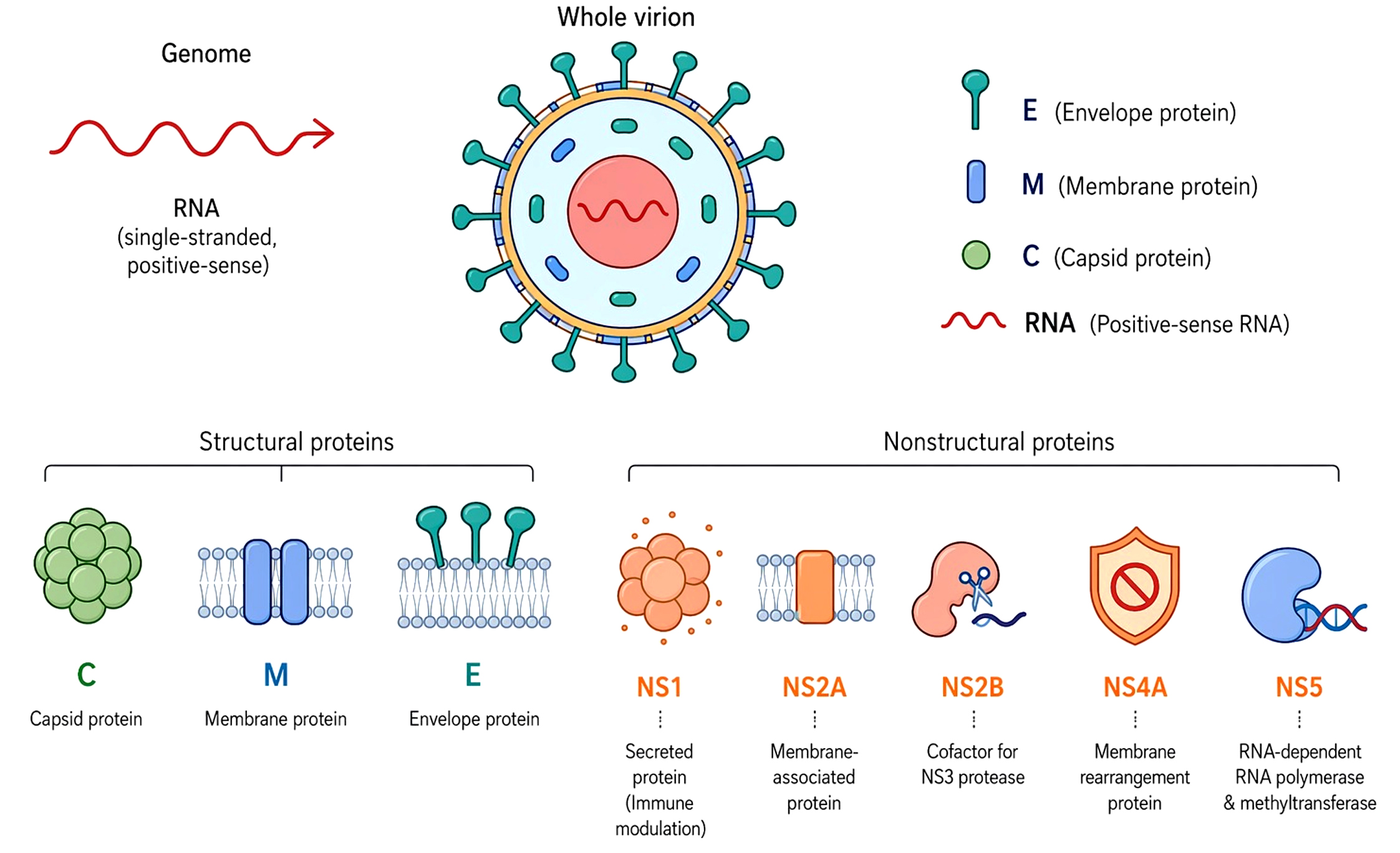
Figure 1. Dengue virus’s (DENV) genome and structure
The dengue virus genome, depicted in Figure 1, consists of a single-stranded RNA. Its rapid transformation characterizes it as a positive-sense RNA. The viral genome encodes 10 genes, which are translated into a single long polypeptide and subsequently cleaved into 10 proteins. Among these, the three structural proteins are the membrane (M), capsid (C), and envelope (E) proteins. The remaining seven nonstructural proteins include NS1, NS2A, NS2B, NS3, NS4A, NS4B, and NS5. These non-structural proteins are crucial for viral assembly and replication. The dengue virus is approximately 50 nm in diameter and spherical. Mostly in tropical and subtropical areas, dengue virus disease (DENV) is believed to affect 100-400 million people yearly.8,9 The National Center for Vector Borne Diseases Control reported 1,20,43 dengue cases and six deaths in India in 2025 (DENGUE SITUATION IN INDIA: National Center for Vector Borne Diseases Control (NCVBDC). With Southeast Asia and the Western Pacific suffering the most, the World Health Organization (WHO) projections indicate that dengue endangers more than 40% of the world’s population.10 India carries an unequal share of the world’s dengue load because of its varied environment and thick population (https://www.indiaspend.com/health/low-testing-and-climate-change-hamper-indias-fight-against-dengue-and-malaria-834310). In this review article, we examined the latest dengue reports, the impact of climate change, the dengue vaccine, and the associated challenges.
Dengue host and transmission
DENV infection involves complex mechanisms that involve interactions between the host and the factors driving transmission. The dengue virus is a major host of the Aedes mosquito, particularly Ae. aegypti and Ae. albopictus, which are well adapted to transmit this virus to human beings. The virus is introduced to the mosquito during a blood meal, usually from an infected person.11,12 The virus enters the mosquito’s midgut, where it replicates and infects the rest of the mosquito’s body and, finally, the salivary glands. The virus can be transmitted to humans via mosquito saliva after the mosquito bites them once, depositing the virus in its salivary glands.13,14 This cycle of transmission is promoted by certain proteins in the mosquito’s salivary glands that interact with the virus, although these processes are not yet fully understood.15
The mosquito-mediated transmission of the dengue virus to humans is affected by several factors, such as the viral load and the timing of mosquito feeding relative to the viremia levels of an infected host. The most effective mode of transmission by mosquitoes occurs when the host is infected and the mosquitoes bite during the early stages of infection, when viremia is high.16 The virus’s serotype and the host’s immune responses, including increased antibody titers, can affect transmission. The host’s plasma contains high concentrations of the virus, which are linked to a high risk of transmission and to the time the host remains infectious to mosquitoes. Infected mosquitoes maintain viral diversity by introducing new single-nucleotide variations with each transmission, enhancing the virus’s adaptability to different hosts.17,18 The above transmission dynamics are important for understanding and developing effective control and prevention measures against dengue outbreaks.19
Dengue viral replication
The replication of DENV is a complex interplay between viral and cellular factors. The virus is active in the cells of mosquitoes and mammals, and it exploits specific mechanisms in their respective environments to ensure successful replication.
Genome structure and translation
Dengue virus belongs to the family Flaviviridae and has a single-stranded positive-sense RNA genome. This genome is known to have multiple functions, not only encoding viral proteins but also having RNA structures that control viral processes. The ends of the genome have inverted complementary sequences that enable long-range RNA interactions and genome cyclization, both of which are required for infection.20
Replication complexes and membranes
RNA viruses such as DENV usually replicate in cellular compartments associated with viral membrane structures, particularly the endoplasmic reticulum. Here, a set of components required for the replication process is recruited, and this approach is efficient and avoids the host cell’s defense mechanisms, such as RNases and proteases.21
Host-dependent variability
Replication varies across hosts. For example, some DENV genome sequences are vital for the virus to replicate in mosquito cells but not in mammalian cells. The sequences are in the 3’ untranslated region and are the major structural features required for viral replication in insect hosts, indicating a host-specific need.22
Immune response interaction
Interaction with the host’s immune response is critical. Although the replication of human peripheral blood leukocytes is increased, understanding these interactions may help elucidate the pathogenesis of dengue and identify potential therapeutic interventions.23
Function of lipid droplets
The capsid protein of DENV forms an interaction with lipid droplets, which are organelles formed out of the endoplasmic reticulum, to promote viral encapsidation and particle assembly. This contact is essential for successful replication, and altering lipid droplet metabolism can provide ways to regulate viral replication.24
NS3 protein function
NS3 is a nonstructural protein that is necessary for RNA replication and for the formation of the particle. Certain regions of NS3 are essential for forming infectious particles, and the proline-rich regions are involved in organizing RNA replication and assembly.25 All in all, such insights into the molecular and cellular mechanisms during DENV replication are essential in designing antiviral (AV) strategies. Potential therapeutic interventions might target specific steps in the replication cycle, thereby facilitating a successful battle against dengue infections.26,27
Dengue virus pathogenesis
DENV infection is a complex interplay among the viral pathogen, host genetics, and immune responses, resulting in a spectrum of clinical manifestations, ranging from mild fever to serious conditions such as dengue hemorrhagic fever (DHF) and dengue shock syndrome (DSS).28,29 The mechanisms of pathogenesis include antibody-dependent enhancement (ADE), cross-reactive T cells, and autoantibody production.28 DENV attacks immune cells, such as dendritic cells (DCs), macrophages, and monocytes, disabling their functions and furthering the spread of the virus.30 A crucial aspect of DENV pathogenesis is the interaction between viral proteins and host immune components. The non-structural protein 1 (NS1) induces autoimmunity, producing antibodies that cross-react with host cells and lead to manifestations such as thrombocytopenia and vascular leakage.31
The DENV immune response is very complex, involving both innate and adaptive immunity. Early innate responses are crucial in the initial stages of pathogenesis, with cells like monocytes, macrophages, and dendritic cells (DCs) detecting the virus through pattern recognition receptors (PRRs), including Toll-like receptors (TLRs). The result is the activation of signaling pathways and the production of cytokines and interferons (IFNs) that help regulate viral replication.30,32 The adaptive immune response is essential but can worsen disease, especially through ADE and T cells. ADE is associated with non-neutralizing antibodies bound to the virus, which enhance viral entry into host cells and elevate viral load and severity.28 T cells play a role in detecting viral antigens, whereas cross-reactive memory T cells from previous infections may cause the overproduction of cytokines, which enhance inflammation and tissue damage.30,31 Endothelial cells are key participants in the critical pathology of dengue, as DENV infection and the immune response can lead to endothelial cell dysfunction and increased vascular permeability, both of which are important characteristics of DHF/DSS.33
DENV infection also triggers the inflammasome pathway involving NLRP3 proteins, which contributes to disease severity by promoting the maturation of pro-inflammatory cytokines such as IL-1β and IL-18.34 Understanding the intricate mechanisms underlying the relationship between DENV and the host immune system is key to designing efficient vaccines and treatment options (Figure 2). Future studies, particularly those focusing on host genetic factors and new biomarkers, have the potential to predict and prevent severe disease outcomes.28
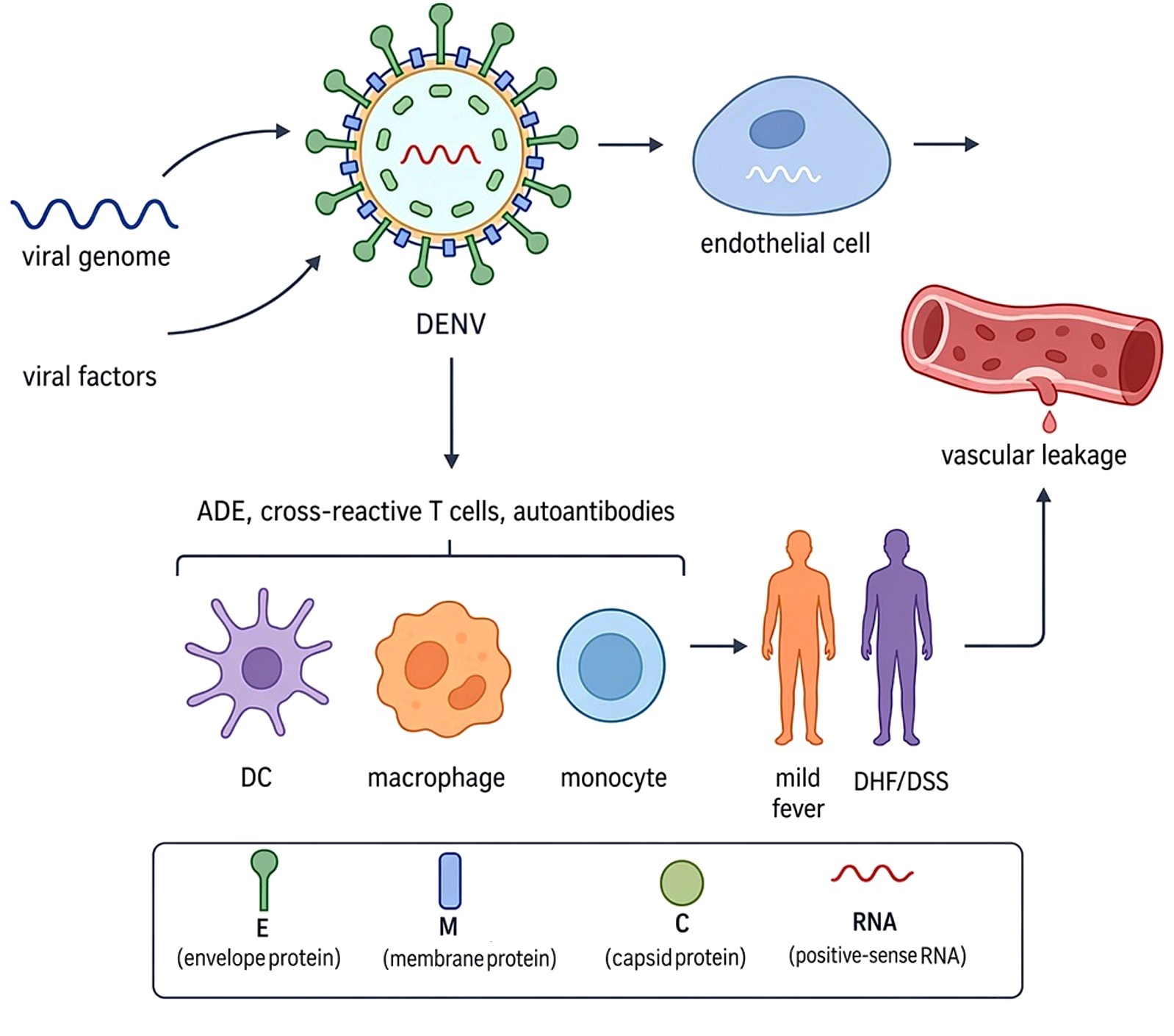
Figure 2. Pathogenesis and transmission of dengue
Co-infections of dengue
Co-infections among DENV serotypes are a major issue, particularly when two or more serotypes are in circulation simultaneously. Multiple serotypes in an area may result in overlapping infections among different people with varying prevalence. It has been reported that concurrent DENV infections have a prevalence of 2.5%-50% in dengue hyperendemic regions.35 The presentation of concurrent infections is usually different from that of single-serotype infections. A study in Sri Lanka revealed that, despite co-infections among multiple serotypes, especially DENV-1 and DENV-2, they do not lead to significantly different clinical outcomes compared with mono-infections, except for increased platelet counts in co-infected individuals.36
Other studies, however, have indicated that co-infections could result in worse clinical manifestations. For example, during outbreaks in the region, co-infections were associated with higher rates of pleural effusions and warning symptoms, but diarrhea was less frequent in the latter group.37 The immune system is an important factor in DENV infections. Primary infection with one serotype may produce cross-reactive antibodies that recognize other serotypes, resulting in antibody-dependent enhancement (ADE) during subsequent infections with those serotypes. This effect may increase disease morbidity.38 The primary infections normally cause serotype-specific neutralizing antibodies, whereas secondary infections cause type-specific and cross-neutralizing antibodies.
There are differences in immune responses that can shift the severity and consequences of subsequent infections.39 Various laboratory results suggest that co-infected people are more likely to experience more serious thrombocytopenia, especially in people with DENV-2 co-infections, which may translate into increased risks of morbid outcomes caused by the disease.37 Other laboratory parameters, including packed cell volume and white blood cell count, are usually not significantly different between co-infected and mono-infected patients. In conclusion, co-infections of different DENV serotypes are common in endemic areas, but they may have different clinical implications. While some studies suggest that mono-infection may yield similar results, others demonstrate that co-infection symptoms are more severe. This complication underscores the need for additional studies to fully understand the consequences of co-infections and to develop effective treatment and vaccination strategies.36,37
Current dengue status in India
India’s efforts to combat dengue fever have shown an erratic yet troubling trend over the last three years, with significant differences across states. Data from 2023-2025 were analyzed to show how dengue fever has affected different geographic areas, how case rates have continued to rise, and the public health problems caused by seasonal outbreaks (Table 1). Focusing on states with unusually high or steadily high counts, this study examines the total yearly case and death counts. A recorded 289,235 cases and a peak of 485 dengue deaths marked 2023 as a milestone, highlighting the profound impact of dengue across India. Far more than any other state, Karnataka reported a record 193,000 cases. Despite the high number of patients, Karnataka reported a relatively low total of 10 deaths, suggesting that case management has improved in light of the large volumes. Maharashtra (20,934 cases and 4 deaths) was among the other states with notable outbreaks. With 35,406 cases and 36 deaths, Uttar Pradesh also experienced a major outbreak.40,41
Table 1. Reported dengue cases and deaths in India (2023-2025)41
| States | 2023 | 2024 | 2025 | |||
|---|---|---|---|---|---|---|
| Case | Death | Case | Death | Case | Death | |
| Andhra Pradesh | 6453 | 0 | 5555 | 2 | 513 | 0 |
| Arunachal Pradesh | 130 | 0 | 20 | 0 | 0 | 0 |
| Assam | 8208 | 7 | 2271 | 0 | 47 | 0 |
| Bihar | 20224 | 74 | 10157 | 16 | 70 | 0 |
| Chhattisgarh | 2412 | 0 | 3523 | 2 | 25 | 0 |
| Goa | 512 | 3 | 567 | 3 | 23 | 0 |
| Gujarat | 7222 | 7 | 7891 | 6 | 326 | 0 |
| Haryana | 8081 | 11 | 6469 | 9 | 13 | 0 |
| Himachal Pradesh | 1989 | 0 | 3359 | 0 | 6 | 0 |
| Jammu | 6403 | 10 | 6876 | 1 | 4 | 0 |
| Jharkhand | 2578 | 4 | 1528 | 0 | 59 | 0 |
| Karnataka | 19300 | 11 | 32886 | 27 | 923 | 0 |
| Kerala | 17426 | 153 | 20674 | 128 | 1417 | 4 |
| Madhya Pradesh | 6979 | 0 | 10224 | 6 | 122 | 0 |
| Meghalaya | 114 | 0 | 74 | 0 | 8 | 0 |
| Maharashtra | 19034 | 55 | 19385 | 40 | 1159 | 0 |
| Manipur | 2548 | 0 | 2463 | 5 | 50 | 0 |
| Mizoram | 2060 | 2 | 744 | 1 | 98 | 0 |
| Nagaland | 4943 | 2 | 42 | 0 | 0 | 0 |
| Odisha | 12845 | 1 | 9892 | 0 | 76 | 0 |
| Punjab | 13687 | 39 | 6260 | 13 | 53 | 0 |
| Rajasthan | 13924 | 14 | 12514 | 5 | 169 | 0 |
| Sikkim | 311 | 0 | 374 | 0 | 39 | 0 |
| Tamil Nadu | 9121 | 12 | 27378 | 13 | 5535 | 2 |
| Tripura | 1447 | 0 | 1198 | 0 | 81 | 0 |
| Telangana | 8016 | 1 | 10077 | 0 | 267 | 0 |
| Uttar Pradesh | 35402 | 36 | 15868 | 9 | 305 | 0 |
| Uttarakhand | 4320 | 17 | 494 | 0 | 0 | 0 |
| West Bengal | 30683 | 4 | 441 | 0 | NR | NR |
Source: (National Center for Vector-Borne Disease Control (NCVBDC), Ministry of Health & Family Welfare, Government of India)
Preliminary data published as of June 30 suggests that the first half of 2024 recorded 32,091 cases and 32 deaths, a significant decline from the year before. The lack of annual data suggests that early intervention initiatives, increased awareness, or seasonal oscillations could be the cause of this decline. With 5,976 cases and no reported deaths, Karnataka once again leads, suggesting that early containment efforts might be effective. Other states with moderate numbers but no worrisome surges are West Bengal (441 cases), Punjab (2,103 cases), and Maharashtra (5,373 cases), suggesting that if sustained, aggressive dengue control policies could be successful. However, this semi-annual figure may not accurately represent the potential increase during the peak transmission months at the end of the year. Until now, with relatively few deaths recorded in most states, there have been regulated outbreaks in Odisha (1,236 cases) and Uttar Pradesh (4,130 cases). The 2025 dengue surveillance data indicate a substantial decline in reported cases compared with previous years, with most states recording either minimal or no reported infections. Dengue-associated mortality was exceptionally low, with only Tamil Nadu reporting two confirmed deaths. States that have historically experienced a high dengue burden, including Uttar Pradesh, West Bengal, and Karnataka, exhibited marked reductions in disease incidence. Overall, these findings suggest a significant improvement in dengue prevention and control efforts across India during 2025, although continued surveillance and sustained vector control interventions remain essential to prevent future outbreaks.41
The analysis of dengue cases and deaths from 2023-2025 reveals several significant aspects of India’s ongoing battle against this vector-borne disease. The statistics reveal a concerning trend of rising case numbers and deaths, with 2023 breaking new records. States like Karnataka, Maharashtra, Uttar Pradesh, and West Bengal have frequently reported high numbers, indicating endemic transmission and the need for targeted, sustained interventions. Some of the factors contributing to the rise in cases are urbanization, climate change, and socioeconomic conditions that promote Aedes mosquito hatching.42,43 While some states have struggled with unexpected deaths, stressing the need for excellent case management and medical resources, others have been able to keep fairly low death rates under large caseloads. Though early 2024 data suggest a short pause, especially during periods of high transmission, there is still a possibility of a comeback. Managing the dengue threat requires a multimodal approach that includes enhanced vector control policies, early warning systems, community involvement, and improved medical interventions. India can reduce the financial and public health burdens associated with dengue through evidence-based practices, technology, and cross-sectoral collaboration. More research, monitoring, and legislative efforts will be necessary in the years to come to mitigate this growing danger and safeguard the welfare of the nation’s people.
Climate change impact on dengue spread in India (pre- and post-COVID)
Climate change has substantially altered the epidemiology of dengue in India during the post-COVID era, with increasing temperatures, erratic rainfall, prolonged monsoon seasons, and rapid urbanization creating ideal ecological conditions for the proliferation of Aedes aegypti and Aedes albopictus. India has experienced a marked rise in dengue incidence over the past decade, with reported cases increasing from approximately 188,401 in 2017 to 289,235 in 2023, along with 485 deaths, representing one of the highest annual burdens recorded in the country.44 Following the COVID-19 pandemic, dengue transmission resurged in several states, including Karnataka, Kerala, Tamil Nadu, Maharashtra, Uttar Pradesh, and West Bengal, owing to disruptions in routine vector surveillance, larval source reduction programs, and public health interventions.45 Climatic factors play a central role in this resurgence, as studies indicate that a 1 °C increase in ambient temperature can enhance mosquito development rates by 8%-12% and reduce the dengue virus extrinsic incubation period from approximately 12 days to 7-8 days, thereby accelerating viral transmission. Similarly, relative humidity above 70% and monthly rainfall exceeding 150-200 mm significantly increase vector abundance by generating numerous breeding habitats.46 Climate models further predict that by 2050, nearly 1.3-1.5 billion people worldwide could be at risk of dengue due to global warming, with India expected to experience longer transmission seasons and the expansion of dengue into previously cooler, higher-altitude regions.47 The post-COVID increase in human mobility, combined with climate variability and inadequate urban water management, has further intensified disease transmission. Addressing these challenges requires climate-informed early warning systems integrating meteorological data, remote sensing, geospatial mapping, artificial intelligence-based outbreak prediction, and strengthened entomological surveillance.48 In addition, sustainable vector control, improved water storage practices, community participation, and interdisciplinary collaboration under a One Health framework are essential to mitigate the growing burden of dengue in India and strengthen preparedness against future climate-sensitive vector-borne disease outbreaks.49
Dengue vaccines
Vaccination represents one of the most promising long-term strategies for reducing the global burden of dengue by preventing infection, minimizing disease severity, and decreasing dengue-associated hospitalizations and mortality. However, the development of an effective dengue vaccine remains challenging because protection must be achieved against all four dengue virus serotypes (DENV-1 to DENV-4) while avoiding antibody-dependent enhancement (ADE), which can increase the risk of severe disease during secondary infections. Consequently, several vaccine platforms, including live-attenuated, inactivated, recombinant subunit, DNA, mRNA, and peptide-based vaccines, are currently licensed or undergoing preclinical and clinical evaluation.50,51
Among the licensed vaccines, the live-attenuated tetravalent vaccines CYD-TDV (Dengvaxia®) and TAK-003 (Qdenga®) have demonstrated varying levels of efficacy. Dengvaxia® exhibits an overall efficacy of approximately 60%; however, its use is restricted to individuals with prior dengue infection because vaccination of seronegative individuals has been associated with an increased risk of hospitalization and severe dengue, particularly following DENV-2 infection.52 In contrast, Qdenga® (TAK-003) provides an initial efficacy of approximately 80%, offering broad protection against symptomatic dengue, particularly against DENV-2, although its long-term effectiveness gradually declines and varies according to baseline serostatus.53 Another live-attenuated tetravalent vaccine, TV-003/TV-005 (Butantan-DV), is currently undergoing Phase III clinical evaluation and has demonstrated promising immunogenicity and protective efficacy, particularly against DENV-1 and DENV-2.54 Other vaccine platforms are also under active investigation. The purified inactivated vaccine TDENV-PIV has shown a favorable safety profile but comparatively lower immunogenicity in Phase II studies.55 DNA vaccines, including D1ME100 (Vaxfectin®), have demonstrated excellent safety but relatively modest neutralizing antibody responses in early clinical trials.56 Recombinant subunit vaccines, such as V180, have demonstrated encouraging immunogenicity, particularly when formulated with ISCOMATRIX® adjuvants, although challenges related to antigen folding and the durability of immune responses remain.57 Similarly, peptide-based vaccine candidates, including PepGNP-Dengue, have shown acceptable safety profiles but limited immunogenicity in early-stage investigations.58,59 Emerging mRNA-based dengue vaccines have recently attracted considerable attention owing to their rapid development, flexibility in antigen design, and ability to induce both humoral and cellular immune responses. Although these candidates remain in the preclinical and early clinical stages, they represent a promising next-generation strategy for achieving broad, durable, and balanced protection against all four dengue virus serotypes.60,61 Preclinical testing is still ongoing for mRNA-based vaccines, such as mRNA-LNP, which show encouraging immune responses in animal models but need further research to ensure long-term safety and effectiveness in people (Table 2).
Table 2. Vaccines against dengue that are licensed and those that are undergoing preclinical and clinical studies
| Vaccine types | Name of the vaccine | Status | Phase | Summary | Condition | Ref. |
|---|---|---|---|---|---|---|
| Live-attenuated vaccines | CYD-TDV/Dengvaxia® | Licensed | Phase 1 and Phase 2 studies provided valuable information regarding the safety and efficacy of the vaccine formulations and immunization schedules. The latest version of the CYD-TDV vaccine recommends that an individual receive three doses, each containing five log10 CCID of live-attenuated DENV-1 to -4, administered six months apart. | Overall, children aged 2 to 17 had a vaccination efficacy of 60%. Protection was 75 and 77% against DENV-3 and DENV-4, respectively, but only 51% against DENV-1 and 34% against DENV-2, respectively. | • Hospitalization risks rise three years following vaccination. The efficacy of vaccines against DENV-2 is poor. • Children under nine have a high risk of dengue-related hospitalizations three years after immunization. • Higher hospitalization risk for seronegative vaccine recipients who acquire DENV-2 much later. |
62–66 |
| TAK-003/ Qdenga | Licensed | Phase 1 studies showed that a single dose of the vaccine was sufficient to elicit the appropriate antibody response to stop DENV-2 from spreading. Most of the people who only had redness and pain at the injection site had no major side effects. In Phase 2 trials, most patients had only redness and pain at the injection site, with no major side effects. Two doses were more effective than a single-dose schedule in raising seropositivity rates among people who had never had dengue before. Phase 3 trials showed that the vaccine was 73.3% effective overall for 12 to 18 months. The vaccine’s effectiveness dropped to 56.2% in the second year after immunization. It was thought that this might be due to the main DENV serotype having changed. | Researchers reported 80% vaccine efficacy against virologically confirmed dengue fever (VCD) in the first year after immunization. It was the least effective against DENV-3 (63%) and the most effective against VCD against DENV-2 (98%). At 4 to 5 years after immunization, the overall vaccine efficacy in preventing VCD dropped to 59%. | • In those without prior dengue, it cannot protect against DENV-3-caused VCD. • There have been no studies on how well vaccines work in those over 16. |
67–72 | |
| TV-003/TV-005/Butantan-DV | Phase 3 clinical trials | In Phase 1 trials, among the four vaccine formulations, TV-003 produced the most evenly distributed antibody responses against all four DENV serotypes. Three months after receiving a single dose of TV-005, 90% of people had a tetravalent response. Only 76% of people who got a dose of TV-003 had a tetravalent response. In Phase 2 trials, most people who received the vaccine (88-92%) had only a small rash. The seroconversion rates for DENV-1 to -4 were 94%, 88%, and 82%, respectively, at 91 days after the first dose. Phase 3 trials showed that the vaccine was 76.6% effective over two years. The vaccines were effective against DENV-1 and DENV-2, with success rates of 89.5% and 69%, respectively. 6%, respectively. | The overall two-year vaccination efficacy was 79.65%. the vaccination efficacies against DENV-1 and DENV-2 were 89.5 and 69.9%, respectively. | • No data existed on the efficacy of the DENV-4 and DENV-3 vaccinations. | 73–77 | |
| Inactivated vaccines | TDENV-PIV | Phase 2 clinical trials | Phase 1 studies showed that the drug was very safe, with few reactions at the injection site and only minor side effects. Researchers found that the adjuvants AS03B and AS01E made the highest mean antibody titers. Phase 2 trial participants reported side effects within 7 days of receiving the TDEVN-PIV vaccine with the AS03B adjuvant. | This vaccine contains all four DENV serotypes, which have been chemically inactivated with formalin, preventing DENV from spreading while preserving their antigenicity and structural integrity. Seven days after TDENV-PIV vaccination with the S03B adjuvant, participants reported adverse events. | • Immunogenicity is less than that of live-attenuated vaccines. | 78–80 |
| DNA vaccines | D1ME100/TVDV/Vaxfectin | Phase 1 clinical trials | Phase 1 trials, the first vaccination phase, showed that it was safe and well-tolerated. | Comprises four plasmids containing genes for the E and prM proteins of every DENV serotype. Phase 1 trials: the first round of vaccinations proved safe and well tolerated. | • Those who received high-dose vaccinations exhibited low immunogenicity. Among those with low-dose vaccination, no neutralizing antibody response was discovered. • Of the high-dose vaccinees, around 79% showed a strong DENV-specific IFN T-cell response. |
81–83 |
| Recombinant subunit vaccines | V180 | Phase 1 clinical trials | Phase 1 trials tested the people who took part in the research, and they had strong immunity, and all of the vaccine formulations were well tolerated by that group. Researchers found that the vaccine formulation with ISCOMATRIX adjuvants was better at eliciting an immune response than formulations with aluminum adjuvants. | The study subjects exhibited strong immunity, and they all accepted each vaccination formulation quite well. | • We found that vaccine formulations containing ISCOMATRIX adjuvants were more immunogenic than those using aluminum adjuvants and those without adjuvants. There were problems such as protein misfolding and exposure to endotoxins. | 84–86 |
| Peptide-based vaccines | PepGNP-Dengue | Phase 1 clinical trials | Phase 1 trials, only minor side effects were reported, such as soreness at the injection site and temporary skin discoloration. There were large increases in the CD8+T cells and dengue dextramer+ memory cell subsets in the low-dose PepGNP-Dengue group, but not in the high-dose PepGNP-Dengue or vehicle-GNP groups. | Transient skin discoloration. In the low-dosage PepGNP-Dengue group, CD8+T cells and dengue PepGNP-Dengue or vehicle-GNP groups, however, this was not the case. Made by using pseudouridine to write the DENV-1 prM and E proteins into a changed mRNA, which was then packed into lipid nanoparticles (LNP). | • Did not generate the expected degree of anti-DENV antibodies. | 87 |
| mRNA vaccines | mRNA-LNP | Preclinical studies | Preclinical studies in AG129 mice infected with DENV-1. The formulation containing the DENV-2 proteins prME, E80, and NS1 elicited T cells and antibodies that prevented DENV-2 from infecting BALB/c mice. | Showed a DENV-1-specific immunological reaction in AG129 mice. The formulation containing the DENV-2 proteins prME, E80, and NS1 produced T-cell immunological responses and neutralizing antibodies against DENV-2 in BALA/c mice. | • Given that mRNA vaccination technology is still developing, it is unknown what long-term negative effects it might have on individuals. | 88,89 |
Challenges in dengue vaccine creation
With the Dengvaxia® vaccination, it was difficult to provide consistent, well-rounded immune protection against all four DENV serotypes. Vaccination is only for seropositive kids. DENV characteristics and transmission mechanisms influence dengue vaccine development. Repeated viral exposure generates a protective antibody response in dengue-endemic areas. A patient infected with any of the four DENV serotypes could develop any of the others. There would be no need to create another if a dengue vaccine did not cause symptoms when someone gets infected with DENV again, and it should help the body build immunity to all types of the virus, like for people living in areas where dengue is common and are regularly exposed to DENV. The development of a successful dengue vaccine is hampered by ADE, cross-reactivity with other flaviviruses, and the different DENV serotypes.90 The virus’s complexity makes creating a dengue vaccine particularly challenging. Infection with one type of the virus gives long-lasting protection against that type and temporary protection against three other types. Subsequent infections could lead to severe dengue, which may be caused by ADE. Dengue vaccine development is challenging under these conditions, as it requires a tetravalent vaccine that covers all four DENV serotypes.
Dealing with the dengue issue in India calls for a comprehensive strategy comprising the following key elements:
- Strong vector control programs using modern technology for mosquito monitoring and eradication, community-based initiatives, and integrated pest management techniques are included in a comprehensive plan to solve the dengue issue in India.
- Need to increase community involvement and public awareness to encourage preventative measures like source reduction and personal safety, and to encourage early care-seeking behavior.
- Must tackle the problem of ADE, where a subsequent infection with a distinct serotype could result in a more severe illness due to previous exposure to one serotype. Addressing the issue of ADE, in which prior exposure to one serotype could lead to more severe diseases in a future infection with a different serotype.
An analysis of dengue cases and mortality in India from 2023-2025 reveals a dynamic and evolving epidemiological landscape. Following the temporary disruption of dengue transmission during the COVID-19 pandemic in 2020, disease incidence rebounded sharply, reaching historically high levels of reported cases and deaths in 2023. States including Karnataka, West Bengal, Punjab, and Uttar Pradesh consistently recorded the highest disease burden, highlighting substantial geographic heterogeneity in dengue transmission and persistent challenges in vector control. Although surveillance and vector management strategies have been strengthened in recent years, dengue remains a major public health concern in India. The pronounced seasonality of outbreaks, coupled with rapid urbanization, inadequate infrastructure, climate variability, and changing environmental conditions, continues to facilitate disease transmission. These findings underscore the need for integrated, long-term control strategies that combine robust public health interventions with sustainable environmental management and urban planning. Currently licensed dengue vaccines, including CYD-TDV and TAK-003, have demonstrated variable efficacy across different populations and serostatus groups, with safety concerns remaining particularly relevant among dengue-naïve individuals. Consequently, there is an urgent need to develop next-generation vaccines that provide safe, durable, and balanced protection against all four dengue virus serotypes while minimizing the risk of vaccine-associated disease enhancement. Emerging vaccine platforms, including mRNA-based, recombinant subunit, DNA, and virus-like particle (VLP) vaccines, offer considerable promise; however, their long-term safety, immunogenicity, and protective efficacy must be rigorously evaluated through well-designed preclinical studies, large-scale clinical trials, and controlled human infection models before widespread implementation.
ACKNOWLEDGMENTS
The authors would like to thank the management of Rajagiri College of Social Sciences for their support.
CONFLICT OF INTEREST
The authors declare that there is no conflict of interest.
AUTHORS’ CONTRIBUTION
RM conceptualized the study and contributed to formal analysis, funding acquisition, investigation, methodology, and project administration. KD contributed to data collection and curation. Both authors contributed to validation, visualization, and writing—review and editing, and approved the final manuscript for publication.
FUNDING
None.
DATA AVAILABILITY
All datasets generated or analyzed during this study are included in the manuscript.
ETHICS STATEMENT
Not applicable.
- Lessa CLS, Hodel KVS, Goncalves Mde-S, Machado BAS. Dengue as a Disease Threatening Global Health: A Narrative Review Focusing on Latin America and Brazil. Trop Med Infect Dis. 2023;8(5):241.
Crossref - Murugesan R, Vasuki K, Ramadevi S, Kaleeswaran B. Rosmarinic acid: Potential antiviral agent against dengue virus – In silico evaluation. Intelligent Pharmacy. 2024;2(4):528-539.
Crossref - Dass K, Prakash N, Manogar P, Murugesan R. Current insights and future perspectives of in silico molecular docking in dengue virus protein inhibition: A review. Aspects of Molecular Medicine. 2024;4:100050.
Crossref - Murugesan R, Prabhu S, Caleb JTD, Francis YM, Pulidindi IN. Arboviruses and COVID-19: Global Health Challenges and Human Enhancement Technologies. Bioengineering. 2025;12(7):725.
Crossref - Dass K, Ramya P, Prabhu S, Murugesan R. Larvicidal efficacy and ecotoxicological profile of Coleus aromaticus phytocompounds against Aedes albopictus: In vitro and in silico Assessment. J Basic Appl Zool. 2026;87(1):59.
Crossref - Ferreira-de-Lima VH, Lima-Camara TN. Natural vertical transmission of dengue virus in Aedes aegypti and Aedes albopictus: a systematic review. Parasit Vectors. 2018;11(1):77.
Crossref - Neves-Martins TC, Mebus-Antunes NC, Caruso IP, Almeida FCL, Da Poian AT. Unique structural features of flaviviruses’ capsid proteins: new insights on structure-function relationship. Curr Opin Virol. 2021;47:106-112.
Crossref - Murugesan R, Vasuki K, Kaleeswaran B. A green alternative: Evaluation of Solanum torvum (Sw.) leaf extract for control of Aedes aegypti (L.) and its molecular docking potential. Intelligent Pharmacy. 2024;2(2):251-262.
Crossref - Samy CRA, Karunanithi K, Sheshadhri J, Rengarajan M, Srinivasan P, Cherian P. (R)-(+)-Rosmarinic Acid as an Inhibitor of Herpes and Dengue Virus Replication: an In Silico Assessment. Revista Brasileira de Farmacognosia. 2023;33(3):543-550.
Crossref - Tan W, Liew JWK, Selvarajoo S, et al. Inapparent dengue in a community living among dengue-positive Aedes mosquitoes and in a hospital in Klang Valley, Malaysia. Acta Trop. 2020;204:105330.
Crossref - Nivetha S, Kumar A, Eshwari K, Shetty A, Adarsha GK, Saravu K. Clinico-epidemiological determinants of severe dengue in an endemic district of coastal Karnataka. Infect Dis. 2025;57(11):1077.
Crossref - Yaswanth M, Dubey A, Tufail A, et al. Computational repurposing of drugs against dengue virus targeting NS5 and methyltransferase proteins. Sci Rep. 2025;15(1).
Crossref - Cao-Lormeau VM. Dengue viruses binding proteins from Aedes aegypti and Aedes polynesiensis salivary glands. Virol J. 2009;6(1):35.
Crossref - Mukherjee D, Das S, Begum F, Mal S, Ray U. The Mosquito Immune System and the Life of Dengue Virus: What We Know and Do Not Know. Pathogens. 2019;8(2):77.
Crossref - Chisenhall DM, Londono BL, Christofferson RC, McCracken MK, Mores CN. Effect of Dengue-2 Virus Infection on Protein Expression in the Salivary Glands of Aedes aegypti Mosquitoes. Am Soc Trop Med Hyg. 2014;90(3):431-437.
Crossref - Annamalai A. Seaweed-derived nanoparticles for mosquito control: An eco-nanotechnology approach. Exp Parasitol. 2026;280:109084.
Crossref - Nguyen NM, Thi Hue Kien D, Tuan TV, et al. Host and viral features of human dengue cases shape the population of infected and infectious Aedes aegypti mosquitoes. Proc Natl Acad Sci USA. 2013;110(22):9072-9077.
Crossref - Sim S, Aw PPK, Wilm A, et al. Tracking Dengue Virus Intra-host Genetic Diversity during Human-to-Mosquito Transmission. PLoS Negl Trop Dis. 2015;9(9):e0004052.
Crossref - Sahu MC, Samantaray RK, Pal A, Pati S. Recent advances on pathogenesis, diagnosis, prevention, immunological aspects, and vectors of dengue: A review. Asian Pac J Trop Biomed. 2023;13(8):325-338.
Crossref - Iglesias NG, Gamarnik AV. Dynamic RNA structures in the dengue virus genome. RNA Biol. 2011;8(2):249-257.
Crossref - Alcaraz-Estrada SL, Yocupicio-Monroy M, del Angel RM. Insights into Dengue Virus Genome Replication. Future Virol. 2010;5(5):575-592.
Crossref - Villordo SM, Gamarnik AV. Differential RNA Sequence Requirement for Dengue Virus Replication in Mosquito and Mammalian Cells. J Virol. 2013;87(16):9365-9372.
Crossref - Halstead SB, Marchette NJ, Chow JSS, Lolekha S. Dengue Virus Replication Enhancement in Peripheral Blood Leukocytes from Immune Human Beings. Exp Biol Med. 1976;151(1):136-139.
Crossref - Samsa MM, Mondotte JA, Iglesias NG, et al. Dengue Virus Capsid Protein Usurps Lipid Droplets for Viral Particle Formation. PLoS Pathog. 2009;5(10):e1000632.
Crossref - Gebhard LG, Iglesias NG, Byk LA, Filomatori CV, De Maio FA, Gamarnik AV. A Proline-Rich N-Terminal Region of the Dengue Virus NS3 Is Crucial for Infectious Particle Production. J Virol. 2016;90(11):5451-5461.
Crossref - Paranjape SM, Harris E. Control of dengue virus translation and replication. In: Rothman AL, ed. Dengue Virus. Vol 338. Current Topics in Microbiology and Immunology. Springer; 2010:15-34.
Crossref - Bartenschlager R, Miller S. Molecular Aspects of Dengue Virus Replication. Future Microbiol. 2008;3(2):155-165.
Crossref - Bhatt P, Sabeena SP, Varma M, Arunkumar G. Current Understanding of the Pathogenesis of Dengue Virus Infection. Curr Microbiol. 2021;78(1):17-32.
Crossref - Martina BEE, Koraka P, Osterhaus ADME. Dengue Virus Pathogenesis: an Integrated View. Clin Microbiol Rev. 2009;22(4):564-581.
Crossref - Khanam A, Gutierrez-Barbosa H, Lyke KE, Chua JV. Immune-Mediated Pathogenesis in Dengue Virus Infection. Viruses. 2022;14(11):2575.
Crossref - Lin CF, Wan SW, Cheng HJ, Lei HY, Lin YS. Autoimmune Pathogenesis in Dengue Virus Infection. Viral Immunol. 2006;19(2):127-132.
Crossref - Fernandes-Santos C, Azeredo EL de. Innate Immune Response to Dengue Virus: Toll-like Receptors and Antiviral Response. Viruses. 2022;14(5):992.
Crossref - Vervaeke P, Vermeire K, Liekens S. Endothelial dysfunction in dengue virus pathology. Rev Med Virol. 2015;25(1):50-67.
Crossref - Shrivastava G, Valenzuela Leon PC, Calvo E. Inflammasome Fuels Dengue Severity. Front Cell Infect Microbiol. 2020;10.
Crossref - Sirisena PDNN, Mahilkar S, Sharma C, Jain J, Sunil S. Concurrent dengue infections: Epidemiology & clinical implications. Indian J Med Res. 2021;154(5):669-679.
Crossref - Senaratne UTN, Murugananthan K, Sirisena PDNN, Carr JM, Noordeen F. Dengue virus co-infections with multiple serotypes do not result in a different clinical outcome compared to mono-infections. Epidemiol Infect. 2020;148:e119.
Crossref - Dhanoa A, Hassan SS, Ngim CF, et al. Impact of dengue virus (DENV) co-infection on clinical manifestations, disease severity and laboratory parameters. BMC Infect Dis. 2016;16(1):406.
Crossref - Fibriansah G, Ibarra KD, Ng TS, et al. Cryo-EM structure of an antibody that neutralizes dengue virus type 2 by locking E protein dimers. Science. 2015;349(6243):88-91.
Crossref - Patel B, Longo P, Miley MJ, Montoya M, Harris E, de Silva AM. Dissecting the human serum antibody response to secondary dengue virus infections. PLoS Negl Trop Dis. 2017;11(5):e0005554.
Crossref - Dass K, Murugesan R, Prabhu S. Phytocompounds as Medically Important Mosquito Vector Control Agents: A Review. Proc Natl Acad Sci India Sec B Biol Sci. 2026.
Crossref - NCVBDC. National Center for Vector Borne Disease Control. 2025. https://ncvbdc.mohfw.gov.in/.
- Murugesan R. Dengue Vaccines – Latest Developments and Future Directions: A Focus on Regional Challenges and Clinical Relevance. Egypt J Intern Med. 2025;37(1):126.
Crossref - Tozan Y, Ratanawong P, Sewe MO, Wilder-Smith A, Kittayapong P. Household costs of hospitalized dengue illness in semi-rural Thailand. PLoS Negl Trop Dis. 2017;11(9):e0005961.
Crossref - Messina JP, Brady OJ, Golding N, et al. The current and future global distribution and population at risk of dengue. Nat Microbiol. 2019;4(9):1508-1515.
Crossref - Sharma H, Ilyas A, Chowdhury A, et al. Does COVID-19 lockdowns have impacted on global dengue burden? A special focus to India. BMC Public Health. 2022;22(1):1402.
Crossref - Nikookar SH, Hoseini S, Dehghan O, Fazelidinan M, Enayati A. Dengue Fever Resurgence in Iran: An Integrative Review of Causative Factors and Control Strategies. Trop Med Infect Dis. 2025;10(11):309.
Crossref - Islam J, Frentiu FD, Devine GJ, Bambrick H, Hu W. A State-of-the-Science Review of Long-Term Predictions of Climate Change Impacts on Dengue Transmission Risk. Environ Health Perspect. 2025;133(5):56002.
Crossref - Bouzaghrane MA, Obeid H, González M, Walker J. Human mobility reshaped? Deciphering the impacts of the Covid-19 pandemic on activity patterns, spatial habits, and schedule habits. EPJ Data Sci. 2024;13(1).
Crossref - Kandpal PC. India’s policy response to the COVID-19 pandemic: Lessons for a post-COVID society. Discover Global Society. 2024;2(1).
Crossref - Selvavinayagam ST, Sankar S, Yong YK, et al. Attrition in serum anti-DENV antibodies correlates with high anti-SARS-CoV-2 IgG levels and low DENV positivity in mosquito vectors—Findings from a state-wide cluster-randomized community-based study in Tamil Nadu, India. PLOS Global Public Health. 2024;4(11):e0003608.
Crossref - Lee MF, Long CM, Poh CL. Current status of the development of dengue vaccines. Vaccine X. 2025;22:100604.
Crossref - Bramhecha A, Guru A. Phosphopeptide-based vaccines: a novel approach to combat dengue fever. Nat Prod Res. 2026;40(4):1102-1103.
Crossref - Rivera L, Biswal S, Sáez-Llorens X, et al. Three-year Efficacy and Safety of Takeda’s Dengue Vaccine Candidate (TAK-003). Clin Infect Dis. 2022;75(1):107-117.
Crossref - Kirkpatrick BD, Whitehead SS, Pierce KK, et al. The live attenuated dengue vaccine TV003 elicits complete protection against dengue in a human challenge model. Sci Transl Med. 2016;8(330):517.
Crossref - Lin L, Koren MA, Paolino KM, et al. Immunogenicity of a Live-Attenuated Dengue Vaccine Using a Heterologous Prime-Boost Strategy in a Phase 1 Randomized Clinical Trial. J Infect Dis. 2021;223(10):1707-1716.
Crossref - Schmidt AC, Lin L, Martinez LJ, et al. Phase 1 randomized study of a tetravalent dengue purified inactivated vaccine in healthy adults in the United States. Am J Trop Med Hyg. 2017;96(6):1325-1337.
Crossref - Durbin AP, Pierce KK, Kirkpatrick BD, et al. Immunogenicity and safety of a tetravalent recombinant subunit dengue vaccine in adults previously vaccinated with a live attenuated tetravalent dengue vaccine: Results of a phase-I randomized clinical trial. Am J Trop Med Hyg. 2020;103(2):855-863.
Crossref - Ulgheri FM, Bernardes BG, Lancellotti M. Decoding Dengue: A Global Perspective, History, Role, and Challenges. Pathogens. 2025;14(9):954.
Crossref - Cai X, Li JJ, Liu T, Brian O, Li J. Infectious disease mRNA vaccines and a review on epitope prediction for vaccine design. Brief Funct Genomics. 2021;20(5):289-303.
Crossref - Bello MB, Alsaadi A, Naeem A, Almahboub SA, Bosaeed M, Aljedani SS. Development of nucleic acid-based vaccines against dengue and other mosquito-borne flaviviruses: the past, present, and future. Front Immunol. 2024;15:1475886.
Crossref - Kim YC, Reyes-Sandoval A. Recent Advances in Vaccine Development for Flaviviruses and Alphaviruses. Vaccines. 2025;13(8):808.
Crossref - Rosa BR, Da Cunha AJLA, De Andrade Medronho R. Efficacy, immunogenicity and safety of a recombinant tetravalent dengue vaccine (CYD-TDV) in children aged 2–17 years: systematic review and meta-analysis. BMJ Open. 2019;9(3):e019368.
Crossref - Hou J, Ye W, Chen J. Current Development and Challenges of Tetravalent Live-Attenuated Dengue Vaccines. Front Immunol. 2022;13:840104.
Crossref - Laydon DJ, Dorigatti I, Hinsley WR, Nedjati-Gilani G, Coudeville L, Ferguson NM. Efficacy profile of the CYD-TDV dengue vaccine revealed by Bayesian survival analysis of individual-level phase III data. Elife. 2021;10:eLife.65131.
Crossref - Thomas SJ, Yoon IK. A review of Dengvaxia®: development to deployment. Hum Vaccin Immunother. 2019;15(10):2295-2314.
Crossref - Barban V, Mantel N, De Montfort A, et al. Improvement of the Dengue Virus (DENV) Nonhuman Primate Model via a Reverse Translational Approach Based on Dengue Vaccine Clinical Efficacy Data against DENV-2 and -4. J Virol. 2018;92(12).
Crossref - Biswal S, Borja-Tabora C, Martinez Vargas L, et al. Efficacy of a tetravalent dengue vaccine in healthy children aged 4–16 years: a randomised, placebo-controlled, phase 3 trial. Lancet. 2020;395(10234):1423-1433.
Crossref - Angelin M, Sjölin J, Kahn F, et al. Qdenga® – A promising dengue fever vaccine; can it be recommended to non-immune travelers? Travel Med Infect Dis. 2023;54:102598.
Crossref - Patel SS, Rauscher M, Kudela M, Pang H. Clinical Safety Experience of TAK-003 for Dengue Fever: A New Tetravalent Live Attenuated Vaccine Candidate. Clin Infect Dis. 2023;76(3):e1350-e1359.
Crossref - Tricou V, Sáez-Llorens X, Yu D, et al. Safety and immunogenicity of a tetravalent dengue vaccine in children aged 2–17 years: a randomised, placebo-controlled, phase 2 trial. Lancet. 2020;395(10234):1434-1443.
Crossref - López-Medina E, Biswal S, Saez-Llorens X, et al. Efficacy of a Dengue Vaccine Candidate (TAK-003) in Healthy Children and Adolescents 2 Years after Vaccination. J Infect Dis. 2022;225(9):1521-1532.
Crossref - Tricou V, Yu D, Reynales H, et al. Long-term efficacy and safety of a tetravalent dengue vaccine (TAK-003): 4·5-year results from a phase 3, randomised, double-blind, placebo-controlled trial. Lancet Glob Health. 2024;12(2):e257-e270.
Crossref - Thomas SJ. Is new dengue vaccine efficacy data a relief or cause for concern? NPJ Vaccines. 2023;8(1):55.
Crossref - Kallás EG, Cintra MAT, Moreira JA, et al. Live, Attenuated, Tetravalent Butantan–Dengue Vaccine in Children and Adults. N Eng J Med. 2024;390(5):397-408.
Crossref - Durbin AP, Kirkpatrick BD, Pierce KK, et al. A Single Dose of Any of Four Different Live Attenuated Tetravalent Dengue Vaccines Is Safe and Immunogenic in Flavivirus-naive Adults: A Randomized, Double-blind Clinical Trial. J Infect Dis. 2013;207(6):957-965.
Crossref - Kirkpatrick BD, Durbin AP, Pierce KK, et al. Robust and Balanced Immune Responses to All 4 Dengue Virus Serotypes Following Administration of a Single Dose of a Live Attenuated Tetravalent Dengue Vaccine to Healthy, Flavivirus-Naive Adults. J Infect Dis. 2015;212(5):702-710.
Crossref - Kallas EG, Precioso AR, Palacios R, et al. Safety and immunogenicity of the tetravalent, live-attenuated dengue vaccine Butantan-DV in adults in Brazil: a two-step, double-blind, randomised placebo-controlled phase 2 trial. Lancet Infect Dis. 2020;20(7):839-850.
Crossref - Diaz C, Lin L, Martinez LJ, et al. Phase I Randomized Study of a Tetravalent Dengue Purified Inactivated Vaccine in Healthy Adults from Puerto Rico. Am J Trop Med Hyg. 2018;98(5):1435-1443.
Crossref - Martinez LJ, Lin L, Blaylock JM, et al. Safety and Immunogenicity of a Dengue Virus Serotype-1 Purified-Inactivated Vaccine: Results of a Phase 1 Clinical Trial. Am Soc Trop Med Hyg. 2015;93(3):454-460.
Crossref - Lin L, Lyke KE, Koren M, et al. Safety and Immunogenicity of an AS03B-Adjuvanted Inactivated Tetravalent Dengue Virus Vaccine Administered on Varying Schedules to Healthy U.S. Adults: A Phase 1/2 Randomized Study. Am J Trop Med Hyg. 2020;103(1):132-141.
Crossref - Beckett CG, Tjaden J, Burgess T, et al. Evaluation of a prototype dengue-1 DNA vaccine in a Phase 1 clinical trial. Vaccine. 2011;29(5):960-968.
Crossref - Maves RC, Oré RMC, Porter KR, Kochel TJ. Immunogenicity and protective efficacy of a psoralen-inactivated dengue-1 virus vaccine candidate in Aotus nancymaae monkeys. Vaccine. 2011;29(15):2691-2696.
Crossref - Danko JR, Kochel T, Teneza-Mora N, et al. Safety and Immunogenicity of a Tetravalent Dengue DNA Vaccine Administered with a Cationic Lipid-Based Adjuvant in a Phase 1 Clinical Trial. Am J Trop Med Hyg. 2018;98(3):849-856.
Crossref - Manoff SB, Sausser M, Falk Russell A, et al. Immunogenicity and safety of an investigational tetravalent recombinant subunit vaccine for dengue: results of a Phase I randomized clinical trial in flavivirus-naïve adults. Hum Vaccin Immunother. 2019;15(9):2195-2204.
Crossref - Izmirly AM, Alturki SO, Alturki SO, Connors J, Haddad EK. Challenges in Dengue Vaccines Development: Pre-existing Infections and Cross-Reactivity. Front Immunol. 2020;11:01055.
Crossref - Hershan AA. Dengue Virus: Molecular Biology and Recent Developments in Control Strategies, Prevention, Management, and Therapeutics. J Pharmacol Pharmacother. 2023;14(2):107-124.
Crossref - Miauton A, Audran R, Besson J, et al. Safety and immunogenicity of a synthetic nanoparticle-based, T cell priming peptide vaccine against dengue in healthy adults in Switzerland: a double-blind, randomized, vehicle-controlled, phase 1 study. EBioMedicine. 2024;99:104922.
Crossref - Wollner CJ, Richner M, Hassert MA, Pinto AK, Brien JD, Richner JM. A Dengue Virus Serotype 1 mRNA-LNP Vaccine Elicits Protective Immune Responses. J Virol. 2021;95(12).
Crossref - Zhang M, Sun J, Li M, Jin X. Modified mRNA-LNP Vaccines Confer Protection against Experimental DENV-2 Infection in Mice. Mol Ther Methods Clin Dev. 2020;18:702-712.
Crossref - Norshidah H, Vignesh R, Lai NS. Updates on Dengue Vaccine and Antiviral: Where Are We Heading? Molecules. 2021;26(22):6768.
Crossref
© The Author(s) 2026. Open Access. This article is distributed under the terms of the Creative Commons Attribution 4.0 International License which permits unrestricted use, sharing, distribution, and reproduction in any medium, provided you give appropriate credit to the original author(s) and the source, provide a link to the Creative Commons license, and indicate if changes were made.