


ISSN: 0973-7510
E-ISSN: 2581-690X
 , Yafa Abusamak3, Shahed Olayan3, Lamia Almarjan3, Zahra Almubireek3, Reema Alfaleet3 and Rania Alam El-Din Mohamed2
Clostridium difficile infection (CDI) poses a substantial burden on patients with inflammatory bowel disease (IBD). This study aimed to explore the prevalence, associated factors, clinical course, and outcomes of CDI in patients with IBD at a tertiary hospital in Saudi Arabia. This retrospective case control study was conducted at Prince Mohammed bin Abdulaziz Hospital in Riyadh. All adult patients with IBD admitted over a 4 year period (2022-2025) were identified using the hospital’s electronic database. Participants who fulfilled the inclusion criteria were categorized into two groups: those with CDI and those without CDI. Logistic regression modeling was used to identify the predisposing factors for CDI. The study included 104 patients with IBD. Most patients (74%; 77/104) were diagnosed with Crohn’s disease (CD), whereas 26% (27/104) were diagnosed with ulcerative colitis (UC). The prevalence of CDI was 27.9% (29/104). Most of the CDI cases (65.5%, 19/29) were hospital-aquired. Further, CDI was more prevalent in older patients and female patients (P = 0.001 and P = 0.041, respectively). Patients with UC frequently had a higher risk of CDI than that of patients with CD. CDI-positive patients showed significantly higher previous exposure to antibiotics, steroid therapy, and immunosuppressants (P < 0.001). Binary analysis identified several significant predisposing factors for CDI, including UC, previous antibiotic use, corticosteroid use, and prolonged hospitalization (odds ratios = 15.338, 17.728, 35.255, and 16.614, respectively). Most patients (79.3%) recovered from CDI. Infection recurrence and death occurred in 10.3% cases each. CDI is a prevalent complication in hospitalized patients with IBD in Saudi Arabia. UC, prolonged hospitalization, antibiotic use, and corticosteroid therapy are important risk factors. Early recognition, targeted therapy, and preventive strategies must be considered to limit CDI and mortality.
Ulcerative Colitis, Clostridium difficile Infection, Immunosuppression, Recurrence, Mortality, Crohn’s Disease
Clostridium difficile infection (CDI) is currently recognized as one of the leading causes of healthcare-associated infectious diarrhea worldwide, and it represents a major public health concern because of its significant morbidity, mortality, prolonged hospitalization, and economic burden. Clostridium difficile is an anaerobic, gram-positive, spore-forming bacillus capable of surviving for prolonged periods in hospital environments through highly resistant spores.1 CDI commonly develops after the disruption of normal intestinal microbiota, particularly after exposure to broad-spectrum antibiotics, allowing colonization and toxin production by pathogenic strains.2,3 Globally, CDI accounts for nearly half a million infections annually in the United States alone and remains among the most frequently reported healthcare-associated infections in Europe and Asia. Mortality rates vary according to disease severity and host risk factors, reaching up to 15%-20% in severe, complicated cases. Recent meta-analyses have further highlighted the growing burden of CDI among patients with inflammatory bowel disease (IBD), with prevalence rates ranging from 3% to over 30% depending on geographic region and diagnostic methodology.4
In Saudi Arabia, CDI has emerged as an increasingly important healthcare-associated infection, with a rising incidence in tertiary care hospitals. Previous Saudi studies on hospitalized IBD patients reported CDI prevalence rates ranging from 8.8%-16.8%; however, recent reports indicate substantially higher rates, reflecting the evolving epidemiology of CDI within the region. Despite this growing burden, national data on CDI in patients remain limited.5,6
CDI can be transmitted via the fecal-oral pathway through spores, which can contaminate food, surfaces, and the surrounding environment.2,3 Additionally, infected patients and asymptomatic carriers both serve as reservoirs for CDI.7 After surviving gastric acidity, C. difficile spores germinate within the intestine into vegetative forms that produce toxins A (TcdA) and B (TcdB), the principal virulence factors responsible for mucosal injury and inflammation. These toxins disrupt epithelial tight junctions, induce apoptosis, stimulate cytokine release, and trigger extensive colonic inflammation, resulting in diarrhea and colitis.8 The predisposing factors to CDI include advanced age; prolonged hospital stay; and medications that can disrupt gut microbiota, such as broad-spectrum antibiotics, histamine H2 receptor antagonists, and proton pump inhibitors.1,2 Commonly implicated antibiotics include penicillin, cephalosporins, clindamycin, and fluoroquinolones.9 Interestingly, even vancomycin or metronidazole antibiotics used for the treatment of CDI have been identified as predisposing factors in patients who have used them in the past.1 Older adults (<65 years) are particularly vulnerable owing to the circulation of hypervirulent C. difficile strains (e.g., BI/NAP1/027) and the likelihood of comorbidities such as malignancies, diabetes mellitus (DM), and IBD.9,10 CDI demonstrates a broad clinical spectrum ranging from asymptomatic colonization and mild self-limited diarrhea to severe fulminant colitis, toxic megacolon, bowel perforation, sepsis, and death. Common clinical presentations of CDI include diarrhea, frequently accompanied by non-distinctive symptoms such as fever, abdominal pain, and anorexia. In severe cases, pseudomembranous colitis and systemic inflammatory response may occur.9,11
IBD is a chronic pathological condition with an upward trend in both incidence and prevalence among Saudi Arabian populations.12 It generally has two pathologies: ulcerative colitis (UC) and Crohn’s disease (CD). IBD is associated with numerous complications, including intestinal obstruction, fistula development, and malignant transformation, as well as an elevated risk of infection and the need for surgical intervention. Patients with IBD, particularly those with UC, are particularly vulnerable to CDI, which is a major contributor to morbidity and mortality.13 This is largely attributed to persistent colonic inflammation, disruptions in the gut microbiome, and the use of immunosuppressing therapies.14 Relative to hospitalized IBD patients without CDI, those who develop CDI have an approximately fourfold higher mortality risk,15 a substantially increased likelihood of undergoing colectomy (up to 45%),16 prolonged hospitalization, and significantly higher healthcare expenditures.15,17
Accurate and early diagnosis of CDI is essential, particularly in patients with IBD whose symptoms may overlap with disease exacerbation. Current laboratory diagnostic approaches include stool toxin enzyme immunoassays; glutamate dehydrogenase antigen detection assays; and nucleic acid amplification tests (NAATs) such as polymerase chain reaction (PCR), toxigenic culture, and multistep diagnostic algorithms combining these methods. PCR-based assays provide high sensitivity and rapid detection of toxigenic C. difficile strains and are being increasingly used in clinical practice. Besides prompt diagnosis and treatment, effective prevention and control strategies are critical for limiting CDI transmission. These include antimicrobial stewardship programs, strict hand hygiene using soap and water, contact precautions, environmental decontamination with sporicidal agents, isolation of infected patients, and the cautious use of corticosteroids and immunosuppressive medications. Fecal microbiota transplantation has also emerged as an effective therapeutic option for recurrent CDI by restoring normal gut microbial diversity.18
Although the association between CDI and IBD has been extensively investigated internationally, limited data are available from Saudi Arabia regarding the prevalence, risk factors, and clinical outcomes of CDI in hospitalized patients with IBD. Most regional studies included relatively small cohorts or focused primarily on prevalence, without a comprehensive evaluation of predictors and outcomes. Importantly, evolving antimicrobial practices, increasing IBD incidence, and changing CDI epidemiology necessitate updated regional evidence. Therefore, the present study aimed to investigate the prevalence of CDI among hospitalized patients with IBD at a tertiary care hospital in Riyadh, Saudi Arabia; identify the associated risk factors and predictors; and evaluate the clinical outcomes of infection, including recurrence, hospitalization, colectomy, and mortality.
Study design and setting
This retrospective case control study was conducted at Prince Mohammed bin Abdulaziz Hospital (PMAH), a tertiary referral hospital in Riyadh, Saudi Arabia. PMAH is a specialized governmental hospital that receives referrals for complex gastroenterology and IBD cases from different regions of Saudi Arabia, making it an appropriate center for evaluating the burden and outcomes of CDI among hospitalized patients with IBD.
Study population and patient selection
A consecutive sampling strategy was applied to identify all hospitalized adult patients diagnosed with IBD during a four-year interval (2022-2025) using the hospital electronic medical record system. Patients were screened systematically according to predefined eligibility criteria.
Inclusion criteria
Eligible participants included adult patients aged 18 years or older with an established diagnosis of IBD, including UC or CD, who were admitted to PMAH during the study period and had complete medical and laboratory records available in the electronic database.
Exclusion criteria
Patients younger than 18 years; patients with incomplete medical or laboratory records, indeterminate colitis, or an unconfirmed IBD diagnosis; patients managed exclusively in outpatient clinics without hospital admission; and patients without documented CDI testing results were excluded from the study.
Sample size
The sample size was calculated using OpenEpi software (Version 3.01). Based on an estimated prevalence of Clostridioides difficile infection (CDI) among patients with inflammatory bowel disease (IBD) of 16.8% reported in a previous study, a 95% confidence level, and estimated IBD population during the study period, the minimum required sample size was calculated to be 104 patients.19 During the study period, 118 patients with an IBD diagnosis were identified. After applying the inclusion and exclusion criteria, 104 patients met the eligibility criteria and were included in the final analysis.
Laboratory diagnosis
IBD was diagnosed based on clinical presentation, endoscopic findings, radiological imaging, and histopathological examination according to internationally accepted diagnostic criteria. CDI diagnosis was confirmed by the detection of toxigenic C. difficile using a stool PCR assay. PCR testing was performed at the hospital microbiology laboratory according to standardized laboratory protocols. PCR-based diagnosis was selected because of its high sensitivity and specificity for the detection of toxin-producing strains.
Patient groups
After screening, eligible patients were categorized into two groups: IBD patients with confirmed CDI and IBD patients without CDI.
Data collection
Data were extracted retrospectively from the hospital’s electronic medical record system using a standardized structured data collection sheet to ensure methodological consistency and reproducibility. The collected demographic and clinical variables included age at admission, age at IBD diagnosis, sex, type of IBD (UC or CD), duration of disease, smoking status, presence of comorbidities such as hypertension and DM, and number and duration of hospital admissions. Information regarding previous or current medication exposure was also collected, including prior use of broad-spectrum antibiotics, corticosteroid therapy, immunosuppressive treatment, azathioprine, and biological therapy.
Additional CDI-related variables were recorded for patients diagnosed with CDI, including age at the first CDI episode, recurrence frequency, classification of infection as hospital-acquired or community-acquired, and clinical outcomes, including recovery, recurrence, colectomy, and mortality. Hospital-acquired CDI was defined as symptom onset occurring 48 hrs or more after hospital admission, whereas community-acquired CDI was defined as symptom onset before or within 48 hrs of hospital admission.
Statistical analysis
All statistical analyses were conducted using the Statistical Package for Social Sciences (SPSS) software (version 25.0; IBM Corp., Armonk, NY, USA). Descriptive and inferential statistical methods were applied according to the study objectives and the type and distribution of variables. Continuous variables were initially assessed for normality, and because most continuous variables, including age and disease duration, were not normally distributed, they were summarized as median and interquartile range (IQR). Categorical variables were presented as frequencies and percentages.
For comparison between the CDI-positive and CDI-negative groups, the choice of statistical tests was based on the nature of the data and fulfillment of the statistical assumptions. The chi-square test was used to compare categorical variables. Fisher’s exact test was used when the expected frequencies were small to ensure the validity of the results. For continuous variables that were not normally distributed, the Mann–Whitney U test was used because it does not assume normal distribution and is appropriate for comparing medians between two independent groups. To identify factors independently associated with CDI among hospitalized patients with IBD, binary logistic regression analysis was performed because the dependent outcome variable (presence or absence of CDI) was dichotomous. Variables that demonstrated statistically significant associations in the univariate analysis or were clinically relevant according to previous studies were entered into the regression model. Odds ratios (ORs) with 95% confidence intervals (CIs) were calculated to estimate the strength and direction of associations.
All statistical tests were two-tailed, and a P-value of ≤0.05 was considered statistically significant. The selected statistical methods were considered appropriate for the retrospective case control design; categorical and nonparametric nature of the study variables; and primary study objectives of evaluating the prevalence, identifying risk factors, and assessing clinical outcomes of CDI among hospitalized patients with IBD.
Clinical characteristics of IBD patients with and without CDI
During the study period, 104 patients were hospitalized for IBD. The median age at admission was 29 years (IQR, 22-40), and the majority (60.6%) were male. CD was the predominant diagnosis (74%), whereas UC accounted for 26% of cases. The most common comorbidities were hypertension (11.5%) and DM (7.7%). Regarding the treatment, 26% were on steroids, 51% were treated with azathioprine, and 34.6% were on therapy with biologics.
Among the admitted patients with IBD, 29 (27.9%) tested positive for CDI, whereas 75 (72.1%) were negative. More female patients than male patients tended to have CDI (55.2% vs. 44.8%, P = 0.041). Patients with CDI were older, with a median age of 40 years (IQR, 27-60 years), relative to 28 years (IQR, 24-39 years) in the non-infected group (P = 0.001). Patients with UC showed a higher rate of CDI (55.2%) than of those with CD (44.8%, P < 0.001) (Figure 1). Comorbidities, particularly hypertension and diabetes, were more common in CDI patients (P = 0.019 and P < 0.001, respectively). Prior antibiotic use, steroid therapy, and immunosuppressive treatment were all strongly associated with CDI (all P < 0.001). Furthermore, CDI-positive patients had significantly higher rates of prolonged hospitalization (62.1% vs. 21.3%) and multiple admissions (72.4% vs. 26.7%) than those without CDI (Table 1).
Table 1. Baseline and clinical characteristics of IBD inpatients stratified by CDI status
| Patients characteristics | Clostridium difficile positive | Clostridium difficile negative | Total | Test of sig. | P-value | |||
|---|---|---|---|---|---|---|---|---|
| No. | % | No. | % | No. | % | |||
| Sex | ||||||||
| Male | 13 | 44.8 | 50 | 66.7 | 63 | 60.6 | χ2 4.177 | 0.041* |
| Female | 16 | 55.2 | 25 | 33.3 | 41 | 39.4 | ||
| Age | ||||||||
| Median (IQR) | 40 (27-60) | 28 (24-39) | 31 (24-43) | U638.5 | 0.001* | |||
| Min.-Max. | 18-85 | 17-72 | 17-85 | |||||
| IBD type | ||||||||
| Crohn’s | 13 | 44.8 | 64 | 85.3 | 77 | 74.0 | χ2 17.851 | <0.001* |
| Ulcerative colitis | 16 | 55.2 | 11 | 14.7 | 27 | 26.0 | ||
| Hypertension | 7 | 24.1 | 5 | 6.7 | 12 | 11.5 | χ26.245 | pFE0.019* |
| Diabetes Mellitus | 7 | 24.1 | 1 | 1.3 | 8 | 7.7 | χ215.317 | pFE<0.001* |
| Antibiotics use before infection | 19 | 65.5 | 6 | 8.0 | 25 | 24.0 | χ237.890 | <0.001* |
| Steroid use | 20 | 69.0 | 7 | 9.3 | 27 | 26.0 | χ238.690 | <0.001* |
| Immunosuppression before infection | 18 | 62.1 | 2 | 2.7 | 20 | 19.2 | χ247.511 | <0.001* |
| Biologics (therapy) | 8 | 27.6 | 28 | 37.3 | 36 | 34.6 | χ20.878 | 0.349 |
| Azathioprine | 8 | 27.6 | 45 | 60.0 | 53 | 51.0 | χ28.792 | 0.003* |
| Prolonged hospitalization | 18 | 62.1 | 16 | 21.3 | 34 | 32.7 | χ215.771 | <0.001* |
| Multiple hospitalization | 21 | 72.4 | 20 | 26.7 | 41 | 39.4 | χ218.327 | <0.001* |
| Total | 29 | 27.9 | 75 | 72.1 | 104 | 100 | ||
IQR: Interquartile range U: Mann-Whitney U test
χ2 : Chi-square test FE: fisher exact *P ≤ 0.05 (Statistically significant)
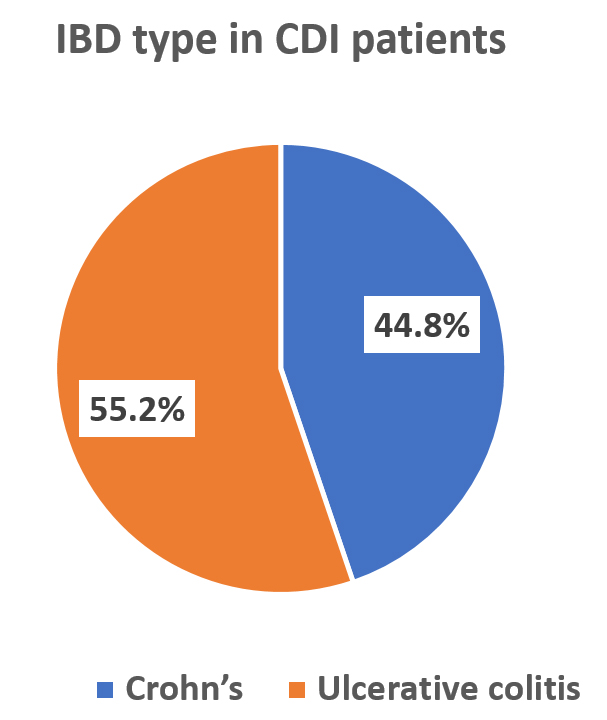
Figure 1. Distribution of CDI in ulcerative colitis and Crohn’s disease patients
The figure shows that CDI was more frequent in patients with ulcerative colitis (55.2%) relative to Crohn’s disease patients (44.8%, P < 0.001). This emphasizes the higher susceptibility of ulcerative colitis patients to CDI
Clinical profile and outcomes of IBD patients with CDI
Among the 29 CDI-positive patients, 16 (55.2%) were female, with a median age of 40 years (range 18-85). The median age at the first incidence of infection was 38 years, which was nearly after the median age of IBD onset of 37.6 years. UC was more prevalent than CDI in this subgroup (55.2% vs. 44.8%) (Figure 1). Most infections were hospital-acquired (65.5%), whereas 34.5% were community-acquired (Figure 2). Antibiotic use (65.5%), steroid therapy (69.0%), and immunosuppression (62.1%) before infection were frequently observed. Prolonged hospitalization occurred in 62.1% of CDI patients, and multiple admissions were reported in 72.4%. Regarding outcomes, the majority (79.3%) recovered. No patient underwent colectomy, whereas three (10.3%) died and another three (10.3%) experienced recurrence (Table 2).
Table 2. Clinical outcomes and characteristics of hospitalized IBD patients with CDI
| Patients characteristics | Clostridium difficile positive 29 (100%) | |
|---|---|---|
| No. | % | |
| Gender | ||
| Female sex | 16 | 55.2 |
| Male sex | 13 | 44.8 |
| Age | ||
| Median (IQR) | 40 (27-60) | |
| Min.-Max. | 18-85 | |
| IBD type | ||
| Crohn’s | 13 | 44.8 |
| Ulcerative colitis | 16 | 55.2 |
| Type of CDI | ||
| Hospital-acquired | 19 | 65.5 |
| Community-acquired | 10 | 34.5 |
| CDI method | ||
| PCR | 29 | 100.0 |
| Onset of IBD | ||
| Median (IQR) | 37.5 (24.25-59) | |
| Min.-Max. | 17-82 | |
| Age of onset of infection | ||
| Median (IQR) | 38 (26.5-58.5) | |
| Min.-Max. | 17-82 | |
| Smoking | 6 | 20.7 |
| Hypertension | 7 | 24.1 |
| Diabetes Mellitus | 7 | 24.1 |
| Antibiotic use before infection | 19 | 65.5 |
| Steroid therapy | 20 | 69.0 |
| Immunosuppression | 18 | 62.1 |
| before infection | ||
| Prolonged hospitalization | 18 | 62.1 |
| Multiple hospitalization | 21 | 72.4 |
| Outcome | ||
| Recovery | 23 | 79.3 |
| Death | 3 | 10.3 |
| Recurrence Colectomy | 30 | 10.30 |
IQR: Interquartile range
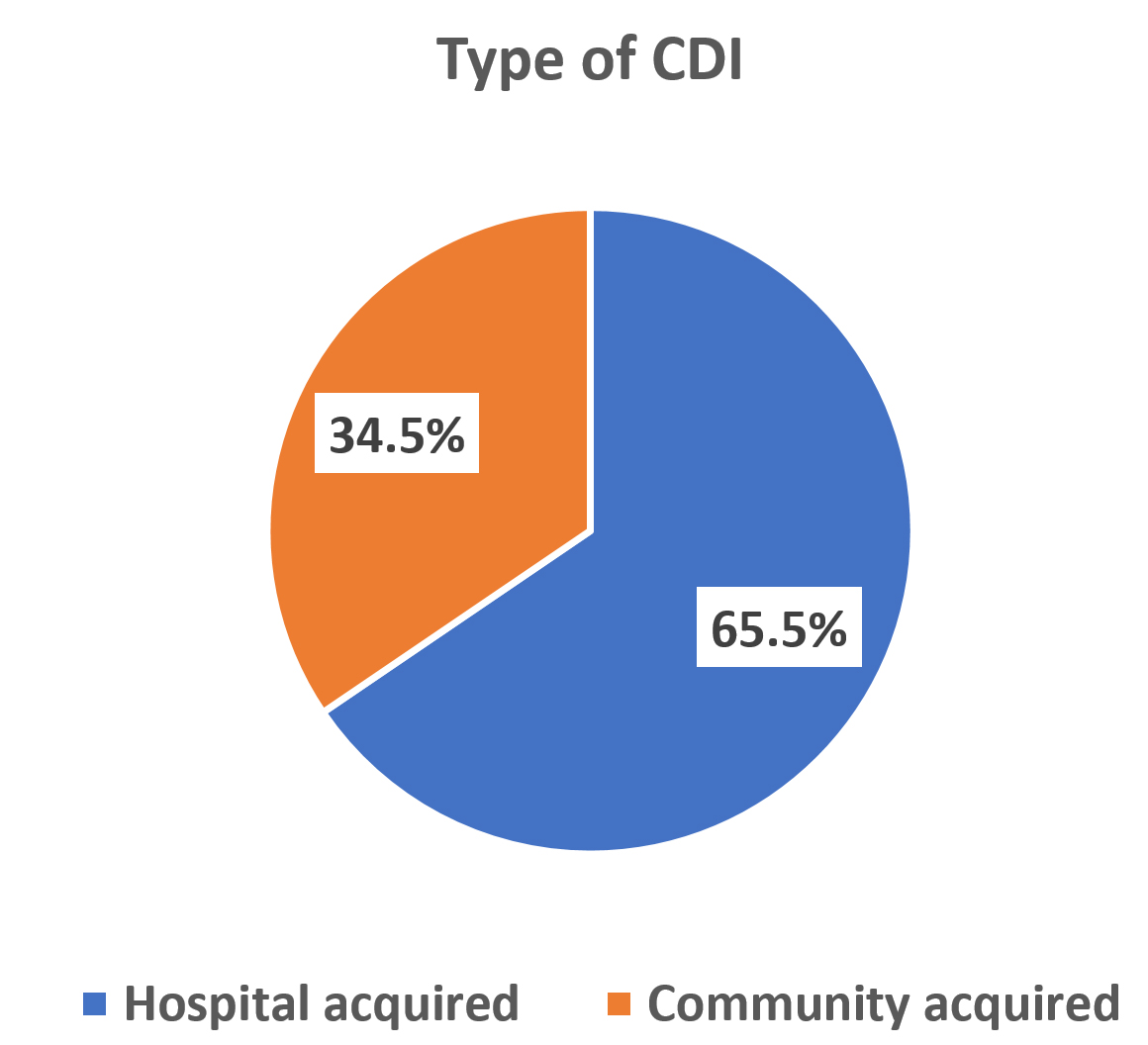
Figure 2. Hospital-acquired versus community-acquired CDI in IBD patients
The majority in CDI cases were hospital-acquired (65.5%), while 34.5% were community-acquired. The figure highlights the predominance of hospital-acquired infections, especially among ulcerative colitis patients
Predictors of CDI in IBD patients
Binary analysis identified several significant risk factors for CDI. UC was correlated with a markedly elevated risk compared with CD (OR = 15.3, 95% CI: 1.35-173.9, P = 0.028). Prior antibiotic usage (OR = 17.7, 95% CI: 1.78-176.7, P = 0.014) and steroid therapy (OR = 35.3, 95% CI: 2.73-454.9, P = 0.006) were also strong independent factors. Additionally, prolonged hospitalization significantly raised the risk of CDI (OR = 16.6, 95% CI: 1.64-168.7, P = 0.017) (Table 3, Figure 3).
Table 3. Risk factors of CDI between hospitalized patients with IBD
| Patients characteristics | P-value | Odds ratio (OR) | 95% C.I for OR | |
|---|---|---|---|---|
| Lower | Upper | |||
| Sex | 0.642 | 1.595 | 0.224 | 11.378 |
| Age | 0.566 | 0.814 | 0.403 | 1.643 |
| IBD type | 0.028* | 15.338 | 1.353 | 173.930 |
| Onset of IBD | 0.499 | 1.270 | 0.635 | 2.541 |
| Hypertension | 0.605 | 2.712 | 0.062 | 118.630 |
| Diabetes Mellitus | 0.810 | 2.367 | 0.002 | 2650.291 |
| Antibiotic use before infection | 0.014* | 17.728 | 1.779 | 176.654 |
| Steroid use | 0.006* | 35.255 | 2.733 | 454.851 |
| Immunosuppression before infection | 0.294 | 4.915 | 0.251 | 96.062 |
| Azathioprine | 0.800 | 0.768 | 0.100 | 5.910 |
| Prolonged hospitalization | 0.017* | 16.614 | 1.636 | 168.717 |
| Multiple hospitalization | 0.995 | 0.993 | 0.103 | 9.591 |
*P ≤ 0.05 (Statistically significant predictors for CDI); CI: confidence interval
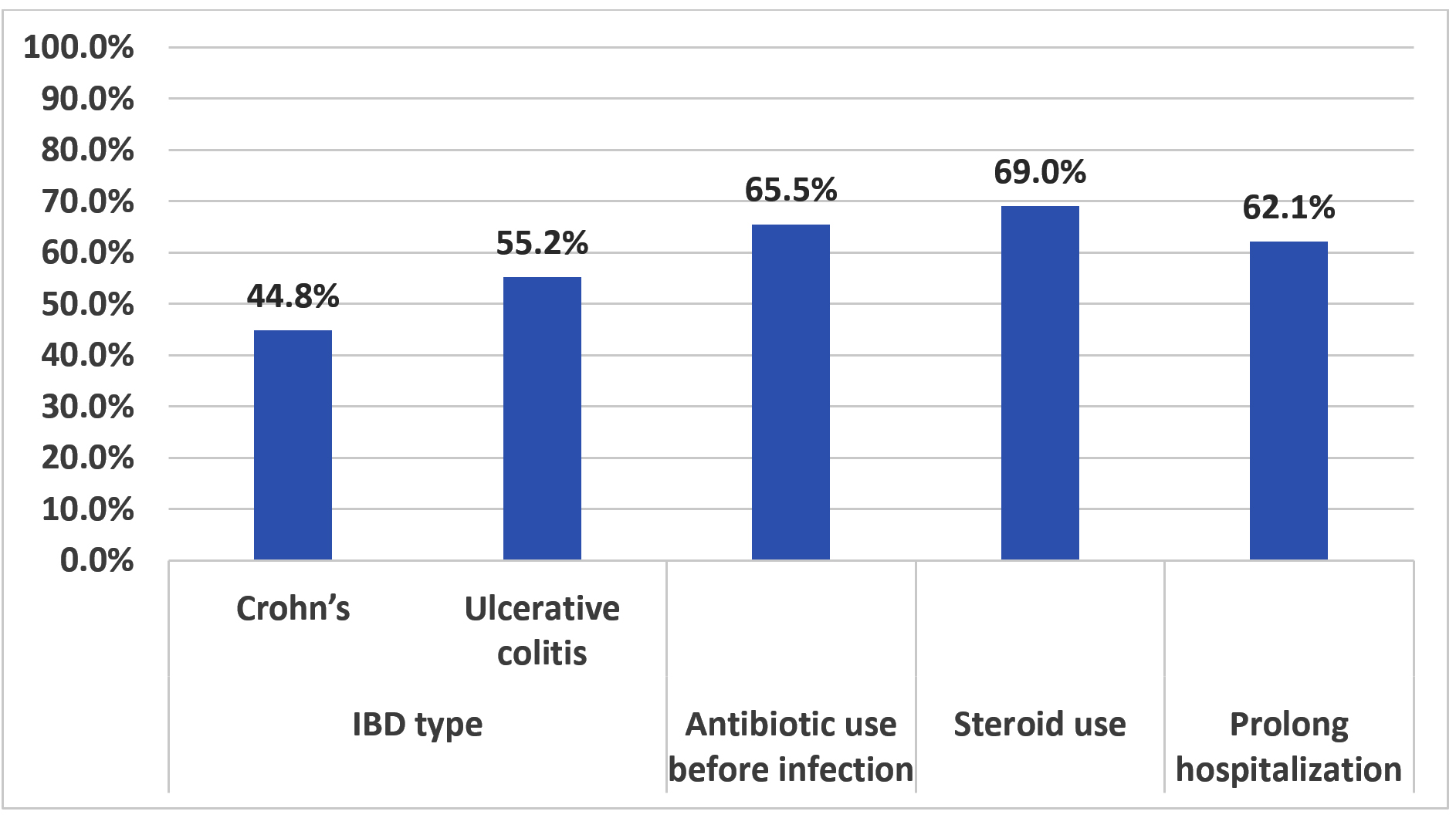
Figure 3. Risk factors of CDI among IBD patients (odds ratios with 95% CI)
A forest plot shows that ulcerative colitis diagnosis, prior antibiotic use, steroid therapy, and prolonged hospitalization were significant independent predictors of CDI
The present study retrospectively investigated the distribution, predisposing factors, and outcomes of CDI among hospitalized patients with IBD at PMAH in Riyadh, Saudi Arabia. All patients were diagnosed with CDI based on the detection of C. difficile toxins using PCR tests. These findings demonstrate a relatively high prevalence of CDI (27.9%) among IBD inpatients. This prevalence is higher than what has been previously reported in Saudi Arabia (16.8%, 8.8%).20,21 In addition, the prevalence rates are higher than those of other studies reported internationally, e.g., in North China (5%-15.3%)22; Netherlands (5.9%)23; and the United States, Canada, and Europe, with estimated CDI prevalence in IBD between 3% and 15.51%.24 However, our results align more or less closely with studies from different regions experiencing increasing antimicrobial use and IBD incidence, such as Brazil (28.8%), Spain (33.3%), UK (50%), and China (30.5%).25-28 The variation among studies may be due to variations in diagnostic tools across studies, which may influence the accuracy of CDI diagnosis, because NAATs are more sensitive than enzyme immunoassays. The variations might also be due to disparities in regional characteristics and study populations. Some reports indicate that the incidence of CDI among patients with IBD has been doubling over time, probably due to the rising number of virulent strains.29 The comparatively higher prevalence observed in our study may indicate both the evolving epidemiology of CDI in the region and a persistent challenge in hospital infection control.
The patients with CDI in our study tended to be significantly older than those without CDI (40 vs. 28 years, P = 0.001). However, the binary analysis did not identify age as a significant factor for CDI among patients with IBD. This finding corresponds with a study in Saudi Arabia and several global studies that identified CDI as being more common in older age groups.20,24
Aging-related modifications in gut microbiota structure, accumulated comorbidities, and more frequent healthcare exposures might explain the increasing susceptibility of older patients to CDI.30,31 However, some recent studies have emphasized that CDI in patients with IBD is increasingly affecting younger adults, and the burden CDI is insignificant between all age groups even in children, which is likely due to early exposure to biologics and antibiotics.32 This suggests that old age may not universally apply as a dominant predisposing factor for CDI in IBD patients.
Furthermore, the female patients in our study were more significantly affected with CDI than male patients (55.2% vs. 44.8%, P = 0.041). However, sex was not a good predictor for CDI among patients with IBD (OR = 1.59). This result aligns with a report from in Saudi Arabia, wherein the number of affected female patients was triple the number of male patients, yet sex was not detected as a good predictor.20 In contrast with these results, several international studies have reported that the male sex shows a higher rate of CDI in IBD patients.24 Another study also stated an elevated risk of CDI in male patients with IBD, particularly in patients presenting with ileal pouches.33 One more study found that sex was not significantly associated with CDI in IBD patients.34 In general, the higher incidence of CDI in the female population might be due to hormonal changes and associated changes in immune responses. Moreover, during the menstrual cycle, estrogen might modulate C. difficile spore germination and alter gut microbiota.35 In Saudi Arabian studies, the predominance of female patients may also be explained by factors such as more frequent medical advice and higher rate of antibiotic prescriptions. However, further research is required to elucidate the role of sex in CDI among patients with IBD.
In patients with UC, continuous mucosal inflammation in the colon creates an environment that facilitates toxin-mediated injury and colonization by C. difficile. In contrast, CD may involve the small intestine or have patchy colonic involvement, offering less uniform mucosal disruption.17 In this regard, our results showed a significantly higher prevalence of CDI among patients with UC than in patients with CD (55.2% vs. 44.8%, P < 0.001), and UC was a good predictor of CDI (OR 15.3, 95% CI: 1.35-173.9, P = 0.028). This pattern is well supported by several national and global studies.16,20,36,37 However, certain studies have reported a higher percentage of CDI among patients with CD than among patients with UC, with no statistically significant difference between both types regarding the risk of CDI.22,38 The dissimilarity between studies might be due to differences in the characteristics of the studied patients. The rising prevalence of CDI among patients with CD in some studies could be explained by multiple patchy colonic involvements among the studied patients. Nevertheless, the present findings underscore the need for increased clinical vigilance for CDI, particularly in patients with UC, especially when they present with a flare-up that is unresponsive to standard therapy.
The use of antibiotics, especially cephalosporins, ciprofloxacin, and clindamycin, disrupts the normal gut microbiota, decreasing colonization resistance and permitting C. difficile spores to germinate and release toxins.9 Our study confirmed that prior antibiotic use was strongly correlated with CDI (P < 0.001) and was a strong predictor of CDI (OR = 17.7, 95% CI: 1.779-176.654, P = 0.014). This result was supported by previous studies that stated that antibiotic use was a risk factor for CDI in patients with IBD.38,39 A previous study reported that prior therapy with antibiotics (in the last 6 months) conferred an increased risk of CDI (57.2%) in patients with IBD.40 In addition, recent antibiotic use was reported to be a predictor of CDI recurrence.41 These findings highlight the urgent need for restricting antibiotic use in patients with IBD and close monitoring of CDI symptoms if they were compelled to take antibiotics.
The traditional management of IBD includes corticosteroids and immunomodulators, which are claimed to increase susceptibility to CDI, in addition to biologics with a controversial effect on CDI.42 While corticosteroids are central in IBD flare management, prolonged use leads to multiple side effects and lack of complete relief, despite suppression of mucosal immune responses.16 Our study revealed that treatment with corticosteroids and azathioprine rather than biologics was associated with CDI (P < 0.001, P = 0.003, and P = 0.349, respectively). However, treatment with corticosteroids was a strong predictor of CDI (OR = 35.3, 95% CI, 2.733-454.851, P = 0.006), while azathioprine or biologics were not determined as risk factors for infection. Our result concurs with a Saudi Arabian study that reported steroids as the most remarkable predictor for CDI in patients with IBD (OR = 32, P = 0.003), with no significant association with immunosuppressive treatment.40 Schneeweiss et al. stated that the introduction of corticosteroids tripled the risk of CDI in IBD patients relative to other immunosuppressants, and that there was no association between infection risk and therapy with biologics.40 Likewise, different global studies declared that steroid treatment rather than immunosuppressants or biologics was independently associated with CDI and even worse outcomes such as severe colitis and increased risk of colectomy.22,43 Meanwhile, some studies declared that biologics, especially infliximab, increase the risk of CDI.16,38,39 A 2025 study declared that the risk of CDI was higher in IBD patients treated with three or more types of biologics, especially regimens including vedolizumab and ustekinumab.42 Controversy between studies regarding biologics might be due to differences between type, number, and dose of observed biologics in various studies. Healthcare providers must be more alert about administering steroids when patients show clinical deterioration and CDI has not yet been excluded. Additionally, the use of biologics should be encouraged.
Our study revealed that patients with CDI experienced multiple hospital admissions and prolonged hospitalizations (P < 0.001). While most CDIs (65%) were hospital-acquired, 35% were community-acquired. However, prolonged hospitalization was a significant independent predictor of elevated the risk of CDI (OR = 16.6, 95% CI, 1.636-168.717, P = 0.017). This result is strongly supported by previous studies.20,22,28 The persistence of C. difficile spores in hospital environments may increase the exposure of hospitalized patients to C. difficile spores, along with the likelihood of intake of antibiotics and other medications. However, it is important to consider that community-acquired CDI is increasingly reported in IBD populations with no direct recent hospital exposure, indicating a growing shift in transmission patterns internationally.44 Our result highlights the role of nosocomial transmission of CDI and reinforces that controlling CDI in IBD requires not only clinical management but also robust infection control measures and antibiotic stewardship protocols. In addition, clinicians must be aware of CDI in non-hospitalized patients with IBD.
Although the patients in our study who had comorbidities such as DM and hypertension showed a significant increase in infection rate, comorbidities were not good predictors of CDI in patients with IBD (OR = 2.077, P = 0.406). A similar result was reported in an earlier study where although the percentage of CDI was higher among DM patients, DM was not a good predictor of CDI in IBD (OR = 1.72, P = 0.266).42 Numerous large retrospective studies have demonstrated that the risk of CDI is markedly elevated in patients with DM compared to those without.45 Patients with DM have reduced immune function and altered gut microbiota. Therefore, they are predisposed to infections, including CDI. Studies have also indicated that although hypertension was higher among patients with CDI, it was not a risk factor for CDI in patients with IBD.22,46 However, one study in Saudi Arabia claimed that hypertension was a significant predictor of CDI in patients with IBD.20 The cause of the higher infection rate is unknown, but hypertension or the use of antihypertensive medications might be attributable. Although comorbidities may increase the risk of infection, they are not significant predisposing factors.
Regarding CDI outcomes in our study, most CDI patients 79.3% (23/29) recovered, yet recurrence was observed in a notable proportion 10.3% (3/29). These numbers are lower than those reported in a tertiary hospital in a previous Saudi study, where the recurrence rate was 18.8%.20 That study included a higher percentage of patients with UC (68.8%) than our study (55.2%), and most of the patients in that study had pancolitis and left-sided colitis. Recurrence rates of CDI among adult patients with IBD reached up to 32% in some global studies.31,41 Meanwhile, certain studies reported that the recurrence rate of infection among pediatric patients with IBD ranged between 20% and 34%.47,48 The high recurrence rates reported in these previous studies might be due to differences in patient characteristics included in each study. The low recurrence rate in our study might reflect early identification of CDI and prompt treatment in the inpatient setting.
CDI among patients with IBD is well known to increase mortality and colectomy rates.49 However, our study denoted that mortality rate among of infected patients was 10.3% (3/29), and none needed colectomy. Similar results were reported in a previous study in Saudi Arabia that reported a mortality rate of 6.3% (1/16) and no need for colectomy among patients.20 Another study reported a significantly higher mortality rate in patients with CDI than in non-infected patients (13.9% vs. 2%, P = 0.002).50 According to one review, UC with the presence of CDI has been linked to a higher 5-year mortality risk and an elevated likelihood of colectomy relative to UC without CDI.51 However, two of the deceased patients in our study had CDI, which indicates that the risk of death is also high among patients with CD infected with C. difficile especially in older patients with other risk factors as DM and hypertension. The third patient who died in our cohort had community-acquired CDI, indicating that hospital-acquired CDI need not necessarily have a worse prognosis. Mortality among patients with IBD infected with C. difficile emphasizes that CDI is not a benign complication but a serious condition with potentially life-threatening consequences, particularly in the elderly population already vulnerable to immune dysregulation and frequent prolonged hospitalizations.
CDI is a significant healthcare-associated complication in hospitalized patients with IBD, particularly those with UC. The present study demonstrated a relatively high prevalence of CDI, with prior antibiotic exposure, corticosteroid therapy, and prolonged hospitalization identified as major independent risk factors. Furthermore, the documented recurrence and mortality rates emphasize the substantial clinical burden of hospital- and community-acquired CDI in this vulnerable population.
The findings of the present study have important implications for clinical management. Early screening for CDI should be routinely considered in patients with IBD who present with worsening diarrhea or suspected disease flares, particularly in patients with UC or recent exposure to antibiotics and corticosteroids. Prompt diagnosis using sensitive molecular techniques, such as PCR, may facilitate the timely initiation of targeted therapy and reduce complications, recurrence, and mortality. Careful optimization of immunosuppressive and corticosteroid therapies is essential to minimize the risk of infection while maintaining disease control.
From an infection prevention and control perspective, the predominance of hospital-acquired CDI in this cohort highlights the need to strengthen antimicrobial stewardship programs, reinforce hand hygiene compliance, ensure environmental decontamination with sporicidal agents, and implement strict contact precautions for infected patients. These measures are particularly important in tertiary healthcare settings to manage high-risk IBD populations.
Limitations
This study had some limitations that should be considered when interpreting the findings. The study was conducted at a single tertiary referral hospital in Riyadh, which may limit the generalizability of the results to other healthcare settings or regions within Saudi Arabia and internationally. The retrospective case–control design relied on electronic medical records, making the study vulnerable to incomplete documentation, missing clinical data, and potential information bias. Some relevant variables that may affect the risk of CDI, such as disease severity, detailed antibiotic classes and duration, types of biologics used, and localization of UC lesions, were not consistently available and therefore could not be fully evaluated. The relatively small sample size, particularly the limited number of CDI-positive patients, may have reduced the statistical power of the regression analysis and contributed to the wide confidence intervals for some predictors. Additionally, because only hospitalized adult patients were included, the findings may not reflect the burden of CDI in pediatric patients or individuals managed exclusively in outpatient clinics.
Recommendation
The study findings may support healthcare policies and decision-making by emphasizing the need for national surveillance programs targeting CDI among patients with IBD in Saudi Arabia. Policymakers should encourage the implementation of standardized institutional protocols for CDI screening, antimicrobial stewardship, and evidence-based management strategies across healthcare facilities. Expanding clinician awareness and supporting multicenter prospective studies may help improve patient outcomes and guide future national recommendations.
Integrating early diagnostic strategies, rational antimicrobial use, optimized immunosuppressive therapy, and rigorous infection control measures may substantially reduce the burden of CDI among patients with IBD and improve both clinical and healthcare outcomes.
ACKNOWLEDGMENTS
The authors gratefully acknowledge the Deanship of Postgraduate and Scientific Research at Dar Al Uloom University, Riyadh, Saudi Arabia, for its support. The authors also express their sincere appreciation to Dr. Bassam Alakhras, Consultant in Internal Medicine at Prince Mohamed bin Abdulaziz Hospital (PMAH), for his valuable assistance in collecting the patients’ data.
CONFLICT OF INTEREST
The authors declare that there is no conflict of interest.
AUTHORS’ CONTRIBUTION
NMM and RAEM conceptualized and designed the study. NMM, YA, SO, RA, LA and ZA performed data collection, data processing and analysis. RAEM and NMM wrote and reviewed the manuscript. All authors read and approved the final manuscript for publication.
FUNDING
None.
DATA AVAILABILITY
All datasets generated or analyzed during this study are included in the manuscript.
ETHICS STATEMENT
The study was approved by the Institutional Review Boards (IRBs) of Dar Al Uloom University and Prince Mohammed Bin Abdulaziz Hospital (PMAH) (IRB No. 25-004; approved on 4 March 2025). All study procedures were conducted in accordance with the ethical standards of the institutional research committees and the principles of the Declaration of Helsinki (1975, as revised in 2000).
- Czepiel J, Drozdz M, Pituch H, et al. Clostridium difficile infection: review. Eur J Clin Microbiol Infect Dis. 2019;38(7):1211-1221.
Crossref - Azab M, Doo L, Doo DH, et al. Comparison of the hospital-acquired Clostridium difficile infection risk of using proton pump inhibitors versus histamine-2 receptor antagonists for prophylaxis and treatment of stress ulcers: a systematic review and meta-analysis. Gut and liver. 2017;11(6):781-788.
Crossref - Orenstein R, Patron RL, Seville MT. Why does Clostridium difficile infection recur? J Osteopath Med. 2019;119(5):322-326.
Crossref - Akorful RA, Odoom A, Awere-Duodu A, Donkor ES. The global burden of Clostridium difficile infections, 2016–2024: a systematic review and Meta-Analysis. Infect Dis Rep. 2025;17(2):31.
Crossref - Aldhaif AM, Al-Garni MA, Muyidi AA, Makkawi MH. Clostridium difficile infection in Saudi Arabia: Prevalence, risk factors, and outcomes in a tertiary hospital setting. PloS one. 2025;20(12):e0340075.
Crossref - Kaabia NM, Al Basha H, Bukhari DA, et al. Epidemiology of Clostridium difficile infection at a tertiary care facility in Saudi Arabia: Results of prospective surveillance. Saudi Med J. 2024;45(2):188-193.
Crossref - Facciorusso A. Clostridium difficile infection. N Engl J Med. 2015;373(3):286-287.
Crossref - Alam MZ, Madan R. Clostridium difficile toxins: host cell interactions and their role in disease pathogenesis. Toxins. 2024;16(6):241.
Crossref - Deshpande A, Pant C, Anderson MP, Donskey CJ, Sferra TJ. Clostridium difficile infection in the hospitalized pediatric population: increasing trend in disease incidence. Pediatr Infect Dis J. 2013;32(10):1138-1140.
Crossref INF.0b013e3182948518 - Song JH, Kim YS. Recurrent Clostridium difficile infection: risk factors, treatment, and prevention. Gut and liver. 2019;13(1):16-24.
Crossref - McDonald LC, Gerding DN, Johnson S, et al. Clinical practice guidelines for Clostridium difficile infection in adults and children: 2017 update by the infectious diseases society of America(IDSA) and society for healthcare epidemiology of America(SHEA). Clin Infect Dis. 2018;66(7):e1-e48.
Crossref - Al Bawardy B. Inflammatory bowel disease: Clinical screening and transition of care. Saudi J Gastroenterol. 2017;23(4):213-215.
Crossref - Issa M, Ananthakrishnan AN, Binion DG. Clostridium difficile and inflammatory bowel disease. Inflamm Bowel Dis. 2008;14(10):1432-1442.
Crossref - Bimon D. Clostridium difficile infection and inflammatory bowel disease. Gastroenterol Hepatol(NY). 2016;12(5):4-7
- Ananthakrishnan AN, MeGanley EL, Bimon DG. Excess hospitalization burden associated with Clostridium difficile in patients with inflammatory bowel disease. Gut. 2008;57(2):205-210.
Crossref - Issa M, Vijayapal A, Graham MB, et al. Impact of Clostridium difficile on Inflammatory Bowel Disease. Clin Gastroenterol Hepatol. 2007;5(3):345-351.
Crossref - Nguyen GC, Kaplan GG, Harns ML, Brant SR. A national survey of the prevalence and impact of Clostridium difficile infection among hospitalized inflammatory bowel disease patients. Am J Gastroenterol;2008;103(6):1443-1450.
Crossref - Ali A, AlHussaini KI. Diagnostic challenges and treatment approaches for Clostridium difficile infection in IBD patients. Front Microbiol. 2026;17:1740387.
Crossref - Sullivan KM, Andrew G, Soe MM. An Introduction to OpenEpi Version 3.0.1.;2014. http://www.www.openepi.com/PDFDocs/OpenEpiIntro.pdf
- AlKhormi A, Altheyabi AM, AlGhamdi SA, Alshahrani O, Alotay AA, Deeb A. The prevalence and clinical characteristics of Clostridium difficile infection in Saudi patients admitted with inflammatory bowel disease: A case–control study. Saudi J Gastroenterol. 2023;29(4):251-255.
Crossref - Samman AA, Alfares M, Bajabur RA, et al. Prevalence and Risk Factors of Clostridium difficile Infection Among Patients Hospitalized for a Flare of Inflammatory Bowel Disease in King Abdulaziz University Hospital. Cureus. 2023;15(11):e48451.
Crossref - Li Y, Liao J, Jian Z, et al. Molecular epidemiology and clinical characteristics of Clostridium difficile infection in patients with inflammatory bowel disease from a teaching hospital. J Clin Lab Anal. 2022;36(12):e24773.
Crossref - Masclee, G, Penders, J, Jonkers D, Wolffs P, Pierik, M. Is Clostridium Difficile Associated With Relapse of Inflammatory Bowel Disease? Results from a Retrospective and Prospective Cohort Study in the Netherlands. Inflamm Bowel Dis. 2013;19(10):2125–2131.
Crossref - Amakye D, Ssentongo P, Patel S, et al. Global Patterns of Clostridium difficile Infection in Patients with Inflammatory Bowel Disease: A Systematic Review and Meta-Analysis of Prevalence, Epidemiology, and Risk Factors. J Crohns Colitis. 2025;7(2):otaf024.
Crossref - Garcia PG, Chebli LA, da Rocha Ribeiro TC, et al. Impact of superimposed Clostridium difficile infection in Crohn’s or ulcerative colitis flares in the outpatient setting. Int J Colorectal Dis. 2018;33(9):1285-1294.
Crossref - Gros B, Soto P, Causse M, Marin S, Iglesias E, Benitez JM. Impact of Clostridium difficile infection in patients admitted with ulcerative colitis. Scand J Gastroenterol. 2023;58(3):232-239.
Crossref - Joshi NM, Marks IH, Crowson R, Ball D, Rampton DS. Incidence and Outcome of Clostridium difficile Infection in Hospitalized Patients with Inflammatory Bowel Disease in the UK. J Crohns Colitis. 2017;11(1):70-76.
Crossref - Li Y, Xu H, Xu T, et al. Case-Control Study of Inflammatory Bowel Disease Patients with and without Clostridium difficile Infection and Poor Outcomes in Patients Coinfected with C. difficile and Cytomegalovirus. Dig Dis Sci. 2018;63(11):3074-3083.
Crossref - Boeriu A, Roman A, Fofiu C, Dobru D. The Current Knowledge on Clostridium difficile Infection in Patients with Inflammatory Bowel Diseases. Pathogens. 2022;11(7):819.
Crossref - Fischer N, Relman DA. Clostridium difficile, Aging, and the Gut: Can Microbiome Rejuvenation Keep Us Young and Healthy?. J Infect Dis. 2018;217(2):174-176.
Crossref - Rodemann, JF, Dubberke ER, Reske KA, Seo DH, Stone CD. Incidence of Clostridium Difficile Infection in Inflammatory Bowel Disease. Clin Gastroenterol Hepatol. 2007;5(3):339-344.
Crossref - Conrad MA and Kelsen GR. Clostridium difficile infection in pediatric inflammatory bowel disease: a clinician’s dilemma. J Pediatric Infect Dis Soc. 2021;10(3):S41–S45.
Crossref - Balram B, Battat R, Al-Khoury A, et al. Risk factors associated with Clostridium difficile infection in inflammatory bowel disease: a systematic review and meta-analysis. J Crohns Colitis. 2019;13(1):27-38.
Crossref - Seril DN, Shen B. Clostridium difficile infection in patients with ileal pouches. Am J Gastroenterol. 2014;109(7):941-947.
Crossref - Liggins M, Ramirez N, Magnuson N, Abel-Santos E. Progesterone analogs influence germination of Clostridium sordellii and Clostridium difficile spores in vitro. J Bacteriol. 2011;193(11):2776–2783.
Crossref - Chen XL, Deng J, Chen X, Wan SS, Wang Y, Cao Q. High incidence and morbidity of Clostridium difficile infection among hospitalized patients with inflammatory bowel disease: A prospective observational cohort study. J Dig Dis. 2019;20(9):460 6.
Crossref - Stoica O, Trifan A, Cojocariu C, Girleanu I, Maxim R, Stanciu MC. Incidence and risk factors of Clostridium difficile infection in patients with inflammatory bowel disease. Rev Med Chir Soc Med Nat Iasi. 2015;119(1):816
- Singh H, Nugent Z, Yu BN, Lix LM, Targownik LE, Bernstein CN. Higher Incidence of Clostridium difficile Infection Among Individuals With Inflammatory Bowel Disease. Gastroenterology. 2017;153(2):430-438.e2.
Crossref - Zhang T, Lin Q, Fei JX, et al. Clostridium difficile Infection Worsen Outcome of Hospitalized Patients with Inflammatory Bowel Disease. Sci Rep. 2016;15(6):29791.
Crossref - Schneeweiss S, Korzenik J, Solomon DH, Canning C, Lee J, Bressler B. Infliximab and other immunomodulating drugs in patients with inflammatory bowel disease and the risk of serious bacterial infections. Aliment Pharmacol Ther. 2009;30(3):253-264.
Crossref - Razik R, Rumman A, Bahreini Z, McGeer A, Nguyen GC. Recurrence of Clostridium difficile Infection in Patients with Inflammatory Bowel Disease: The RECIDIVISM Study. Am J Gastroenterol. 2016;111(8):1141-6.
Crossref - Martinez-Lozano H, Saralegui-Gonzalez P, Reigadas E et al. Risk factors for Clostridioides difficile infection among patients diagnosed with inflammatory intestinal and rheumatological diseases in the biologic era. BMC Gastroenterol. 2025;25(1):70.
Crossref - Patricia G, Liliana C, Tarsila R, et al. Steroids use is the major factor associated with clostridium difficile infection during IBD flares in the outpatient setting: P 080. Am J Gastroenterol. 2018;113:S19.
Crossref - Gupta A, Khanna S. Community-acquired Clostridium difficile infection: an increasing public health threat. Infect Drug Resist. 2014;7:63-72.
Crossref - Zhang Q, Zhou M, Shi L, Fang Z. Diabetes Mellitus and the Risk and Outcomes of Clostridium difficile Infection: A Systematic Review. Infect Drug Resist. 2025;4(18):5685-5701.
Crossref - Guh AY, Adkins SH, Li Q, et al. Risk factors for community associated Clostridium difficile infection in adults: A case control study. Open Forum Infect Dis. 2017;4(4):ofx171.
Crossref - Chandrakumar A, Zohni H, El Matary W. Clostridium difficile Infection in children with inflammatory bowel disease. Inflamm Bowel Dis. 2020;26(11):1700-1706.
Crossref - Kelsen JR, Kim J, Latta D, et al. Recurrence rate of Clostridium difficile infection in hospitalized pediatric patients with inflammatory bowel disease. Inflamm Bowel Dis. 2011;17(1):50- 5.
Crossref - Qi HX, Wang Q, Zhou GQ. Association of Clostridium difficile infection with clinical outcomes of patients with inflammatory bowel disease: A meta-analysis. World J Gastrointest Surg. 2025;27;17(4):100555.
Crossref - Nitsan M, Idan B, Hasya Z, Keren H, Iris D. Clostridium difficile infection in hospitalized patients with inflammatory bowel disease: Prevalence, risk factors, and prognosis. Medicine.2018;97(5):e9772.
Crossref - Trifan A, Stanciu C, Stoica O, Girleanu I, Cojocariu C. Impact of Clostridium difficile infection on inflammatory bowel disease outcome: A review. World J Gastroenterol. 2014;20(33):11736-11742.
Crossref
© The Author(s) 2026. Open Access. This article is distributed under the terms of the Creative Commons Attribution 4.0 International License which permits unrestricted use, sharing, distribution, and reproduction in any medium, provided you give appropriate credit to the original author(s) and the source, provide a link to the Creative Commons license, and indicate if changes were made.