

 , Sukhminderjit Kaur2, Ranjan Singh3, Sangram Singh4 and Manikant Tripathi5
 Fungal cell factories serve as a robust platform for sustainable biomanufacturing, owing to their unparalleled metabolic diversity, enzymatic properties, and resilience to diverse environmental conditions. Recent advances in fungal biotechnology have vastly enhanced the potential for fungi to be used in the production of renewable bioenergy and functional biomaterials. Concurrent advances in systems biology, metabolic engineering, and synthetic biology have enabled the fine-tuning of metabolic fluxes to facilitate the enhanced biosynthesis of biofuels, including bioethanol, biodiesel, biogas, and biohydrogen, as well as mycelium-derived biopolymers. The lignocellulolytic fungi like Trichoderma reesei, Aspergillus niger, and Phanerochaete chrysosporium have been the main organisms of focus with respect to engineering, which enhances hydrolytic enzyme excretion, growth on substrates, and redox balance in these fungi. This engineering work parallels a new ability in omics technologies and CRISPR–Cas genome editing, permitting the facilitation and identification of regulation of biosynthetic gene clusters responsible for lipid accumulation, secondary metabolite production, and nanomaterial synthesis in fungi. Furthermore, new fungal-derived biomaterials have been reported, such as chitosan, β-glucans, and mycelium composites, which have been advanced as biodegradable alternatives to plastics and building materials derived from petroleum. This review critically reviews some of the more recent developments in respect of the reprogramming of fungal metabolism, process intensification strategies and integrated biorefinery applications. This will illustrate the convergence of fungal systems biology with the principles of circular bioeconomy and point out the technological, economic, and regulatory bottlenecks which need to be overcome to fully realise the potential of fungi as the biofactories of the future for the sustainable production of energy and materials.
Fungal Biotechnology, Metabolic Engineering, Synthetic Biology, CRISPR–Cas, Bioenergy, Biopolymers, Mycelium Materials
Rapidly depleting fossil deposits along with growing awareness of climate change, resources insecurity and environmental degradation are compelling the global community to search for more sustainable alternatives for producing energy and materials. The environmentally unsustainable nature of traditional manufacturing systems based on petrochemicals (i.e., their high carbon footprint, lack of renewability, and contributions to ecosystem imbalances) has also been recognized.1 Bio-based production platforms can represent a way to support the transition from high-carbon to low-carbon, circular, and resource-efficient industrial systems. Of the various biological systems that have been studied for biomanufacturing, fungi have emerged as particularly suitable candidates due to their vast metabolic capabilities, ecological versatility and ability to utilize virtually all forms of renewable and non-renewable waste materials. Fungal organisms possess sophisticated enzymatic systems that enable them to degrade difficult-to-process lignocellulosic plant materials, assimilate multiple carbon sources and produce large quantities of chemically and structurally diverse compounds.2 The inherent biological characteristics of fungi position them as ideal biocatalysts for the efficient bioconversion of biomass to (1) bioenergy carriers (e.g., biofuels) and (2) advanced biomaterials, thereby enabling the development of next-generation bio-based industries. Fungal cell factories include strains of fungi that are either naturally capable or have been genetically modified for the efficient biosynthesis of target products using their metabolic pathways. Compared to standard microbial systems, fungal organisms have superior secretion capabilities, greater tolerance to environmental stress and intrinsic mechanisms that allow them to perform complex post-translational processes, which makes them excellent candidates for large-scale industrial use.3 Fungal cell factories have proven effective in producing bioenergy vectors (bioethanol, biodiesel precursors, biogas, and biohydrogen) as well as high-value biomaterials (biopolymers, mycelium-based composites, and functional nanomaterials). Rapid advances in genomic and systems biology have changed the ability to analyze and engineer fungal systems. As a result of the application of advanced high-throughput “omics” technologies, the complex mapping of fungal metabolic and regulatory networks has become possible.4 Rather than simply being analytical tools, the systemic insights provided by omics data are now directly utilized to develop synthetic biology platforms. For example, utilizing metabolic maps as a guide for the precise modulation of metabolic pathways and redirecting the flow of carbon to produce significantly higher product is possible using molecular editing technologies such as CRISPR-Cas.5 However, translating these molecular advances into commercially viable products requires parallel advances in bioprocess engineering. To achieve economic viability and scale for these engineered strains, advanced upstream fermentation technologies and process intensification systems must be utilized. After successful scaling of these optimized bioprocesses, they transition from merely being isolated industrial processes to being crucial regenerative nodes within a broader circular bioeconomy. Fungal biorefineries provide regenerative nodes within circular bioeconomic frameworks through their active conversion of agricultural residues, industrial by-products, and organic waste into value-added products while simultaneously minimizing waste, recovering resources, and providing environmentally sustainable processes.6 Therefore, by integrating fungal bioprocesses into biorefineries, fungal cell factories provide solutions to energy demand, material shortage, and waste management problems while contributing to efforts to mitigate climate change and achieve sustainable development goals. This review aims to provide an up-to-date critical analysis of recent technological advances in the development of fungal cell factories for the bioenergy and biopolymer industries. This review covers the physiology and metabolism of fungal biofactories, newly developed fungal platforms for renewable energy and materials production, and advanced methods of metabolic and genetic engineering and process improvement to enhance the industrial application of these technologies. Additionally, ways to integrate fungal bioprocesses into circular bioeconomic frameworks, as well as some of the primary technological, economic, and regulatory barriers that will need to be overcome for large-scale implementation are also discussed. By synthesizing the latest discoveries and identifying future research directions, this review will shed light on how fungal biotechnology can change low-carbon, sustainable industrial systems.
Physiological and metabolic basis of fungal biofactories
The distinctive physiological characteristics and flexible metabolic structures of fungi make them ideal candidates for the use as cellular factories. The adaptation of fungi due to evolutionary changes related to diverse ecological niches provides fungi the capability to metabolize recalcitrant organic substrates, survive extremes in environment, and modify complex regulatory frameworks that control the secretion of enzymes and metabolites produced.7 The systems of fungi used for the production of extracellular enzymes, intracellular metabolic activity, and dynamic mechanisms involved in stress responses function collaboratively to create sustainable production under industrially relevant conditions (Figure 1). These biological characteristics provide the foundation to use fungi as models for developing and utilizing fungal biofactories that are capable of converting renewable biomass into bioenergy carriers or advanced biomaterials with both high efficiency and scalability.8
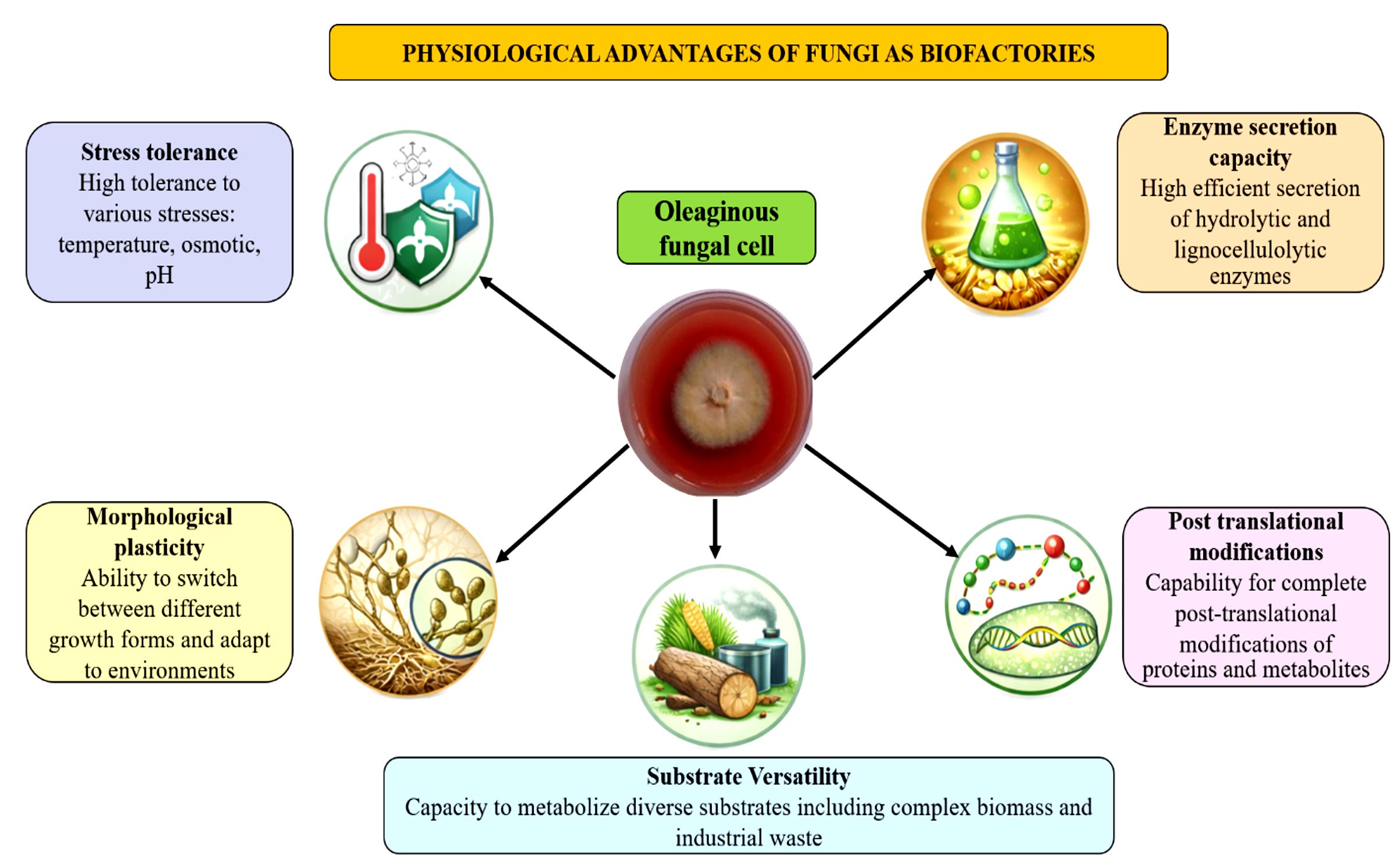
Figure 1. Physiological advantages of fungi as biofactories
Diversity and functional roles of filamentous fungi and yeasts
Filamentous fungi and yeasts represent two key functional groups of fungi that can be utilized in the area of fungal biotechnology. Fungi exhibit both physiological and metabolic characteristics that can be exploited for industrial purposes through the use of filamentous fungi and yeasts. The development of filamentous fungi and yeasts as a combination provides complementary biological traits that provide great flexibility for designing efficient cell factories to produce biofuels and biomaterials.9 There are many filamentous fungi genera that exhibit a range of different forms including multiple complex systems of mycelial networks, such as Trichoderma, Aspergillus, Penicillium and Phanerochaete. The filamentous morphology of these fungi provides a high surface area to volume ratio that promotes their close association with solid substrates, thereby enhancing nutrient uptake from heterogeneous feedstocks.10
Filamentous fungi have one of the most significant industrial advantages in terms of their unique ability to secrete protein, which enables them to secrete large quantities of hydrolytic and oxidative enzymes. The enzyme systems produced by filamentous fungi (cellulases, hemicellulases, pectinases, laccases, manganese peroxidases, and lignin peroxidases) are critical for the efficient breakdown of lignocellulosic biomass to yield fermentable sugars and low molecular weight compounds, and thus filamentous fungi are also essential for the upstream operations of a biorefinery (i.e., biomass pretreatment, enzymatic hydrolysis, and consolidated bioprocessing strategies).11 In addition to enzyme production, filamentous fungi also produce organic acids, secondary metabolites, and structural biomaterials. The ability of filamentous fungi to grow on inexpensive substrates, such as agricultural residues and industrial by-products, enhances their economic and environmental significance in large-scale bioprocessing.12
Conversely, yeasts (e.g. Saccharomyces cerevisiae, Yarrowia lipolytica, Rhodosporidium, and Lipomyces sp.) exhibit rapid cell division, single-cell morphology and highly regulated metabolic networks that together lead to high levels of process control, reproducibility, and scalability under industrial fermentation conditions. Furthermore, yeasts are highly valued for their ability to produce bioethanol and other fermentation-derived products due to their efficient fermentative metabolism, osmotic and ethanol tolerance and genetic tractability.13 Additionally, oleaginous yeasts are a specialized group of yeasts which can direct excess carbon to intracellular lipid biosynthesis in a nutrient-limited environment; these yeasts can produce lipids that comprise 20%-70% of their total cellular dry weight, primarily in the form of triacylglycerols, which are similar to plant oils. The metabolic characteristics of oleaginous yeasts make them attractive micro-organisms as feedstock for producing biodiesel, fatty acid-derived chemicals, surfactants and bio-based polymers. Furthermore, recent advances in metabolic engineering have increased the lipid productivity of these organisms while also expanding the number of value-added products that can be produced from such organisms.14
Together, filamentous fungi and yeasts provide complementary functional roles that enable their synergistic use in integrated and sequential biorefinery systems. Filamentous fungi carry out the upstream processes of the biorefinery system (i.e., biomass depolymerization, enzyme production, conditioning of substrates) and yeasts and oleaginous yeasts perform the downstream processes of fermentation and biosynthesis to generate fuels and materials.15 This division of labour provides a rational basis for designing fungal biofactories that capitalize on the strengths of the filamentous fungi and yeasts, thereby allowing for flexibility in the design of processes and configurations to produce specific bioenergy carriers and biomaterial products. The physiological variability and functional specializations of filamentous fungi and yeasts provide a robust biological foundation for ongoing sustainable fungi bioprocesses and will support the continued growth of next-generation bioenergy and biomaterials industries.16
Central carbon metabolism and energy pathways
The metabolic framework of the fungi, constructed by the central carbon metabolism, is responsible for generating energy, maintaining redox balance and providing the precursor metabolites for biosynthetic production processes. The fungi’s ability to produce ATP, reduce equivalents, and produce building blocks for macromolecular synthesis occurs efficiently via the coordinated utilization of glycolysis, tricarboxylic acid cycle (TCA) and pentose phosphate pathway (PPP) and allows for the transformation of various carbon sources into usable forms.17 Glycolytic activity is the primary pathway for hexose sugars catabolism. The product yields are not solely governed by generalized regulation rates, but instead are controlled through discrete metabolic bottlenecks. Acetyl-CoA’s availability in the cytosol for lipid and secondary metabolite pathways is one such key bottleneck since it requires continuous export of mitochondrial carbon through the citrate-malate shuttle or the use of other carboxylic acids to cross the mitochondrial membrane into the cytosol. Additionally, downstream metabolic pathways are strictly limited by how fast cofactor NADPH can be regenerated, and accordingly require selective enhancement of the oxidative branch of the pentose phosphate pathway (PPP). However, with engineered fungi you can also utilize pentose sugars (derived from agricultural waste biomass) for catabolism via glycolysis; therefore glycolysis will play an important role in converting sugars to pyruvate and synthesizing ATP and NADH.18
In addition to generating energy, glycolytic intermediates can be used as a precursor to synthesize amino acids, organic acids, and other metabolites required for cell growth and industrial products. Glycolytic flux is highly regulated by substrate levels, energy needs and oxygen levels so it is able to respond dynamically to metabolic state changes associated with variations in processing conditions. Consequently, pyruvate generated by glycolysis is a hub of metabolism and can be used for additional metabolic pathways.19 Under aerobic conditions, pyruvate is typically transported to the mitochondria where it can undergo oxidative metabolism via the TCA cycle. Central to the TCA cycle is the distribution of carbon flux and its conversion into reducing equivalents (NADH and FADH2) that supply energy for oxidative phosphorylation and thereby, key biosynthetic precursors. For instance, several metabolites produced by the TCA cycle (i.e., citrate, α-ketoglutarate, succinyl-CoA, oxaloacetate) are important for the biosynthesis of lipids, amino acids, and secondary metabolites. The export of citrate from the mitochondria into the cytosol before its cleavage into acetyl-CoA is an important bridge between basic metabolism and the biosynthesis of fatty acids in fungal biofactories. The pentose phosphate pathway (PPP) has a two-fold function within metabolic processes; it provides both the reduced cofactor (NADPH) necessary for the synthesis of fatty acids, as well as the precursor metabolites needed in this process.20
The oxidative PPP branch generates NADPH, a necessary co-factor for biosynthetic pathways leading to fatty acid, sterol, and secondary metabolite biosynthesis. The non-oxidative PPP branch produces ribose-5-phosphate and erythrose-4-phosphate; these intermediates are critical for the production of nucleotides and aromatic amino acids. The regulation of PPP flux is critical for maintaining a high level of biosynthetic activity in restrictive growth conditions encountered by oleaginous fungi. Lipids accumulate when NADPH is available; therefore, it is necessary to maintain efficient regulation of PPP flux.21 The primary focus of metabolic engineering when it comes to engineered fungal strains is the redistribution of carbon flux from glycolysis, the TCA cycle and the PPP. The metabolic engineering strategies used to increase the yield of biofuels and precursor biomaterials have included: upregulation of NADPH producing enzymes; reduction in competing pathways; and the provision of sufficient acetyl-CoA,22 as shown in Figure 2. Continual adjustments to metabolic pathways can dissociate cellular growth from the production of new cellular components as well as optimising carbon conversion. The metabolic flexibility of filamentous fungi allows for the dynamic adaptation to the range of substrates available to the organism, and variations in the environment.23
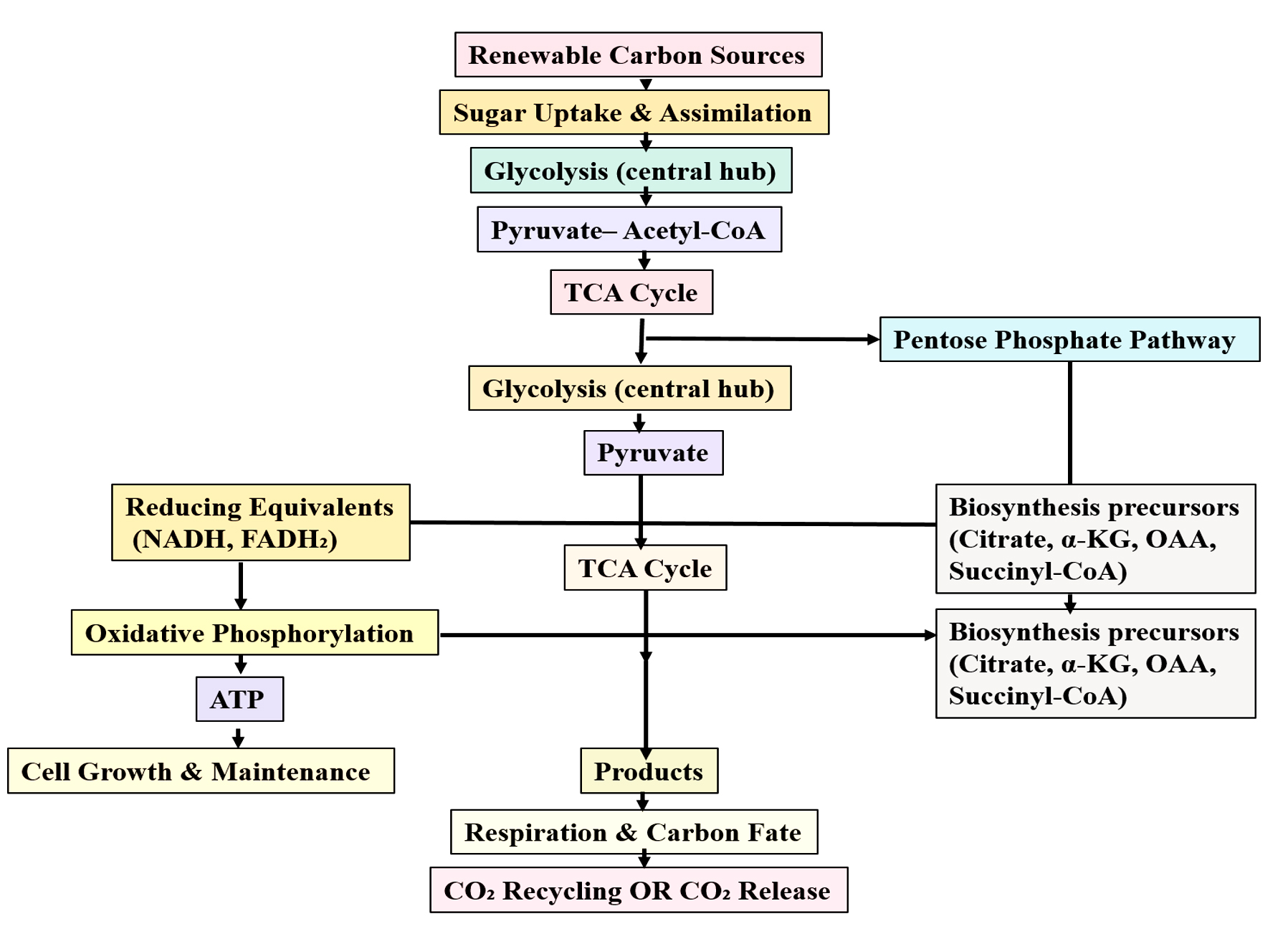
Figure 2. Central carbon metabolism in fungal biofactories
Fungi have the ability to metabolize mixed sugar streams, organic acids, and complex polymeric substrates, and alter the pathways they use based on the availability of nutrients, oxygen tension, and stress signals – this plasticity is very beneficial in industrial applications utilizing heterogeneous feedstocks such as agriculture residues, industrial by-products and waste-derived carbon sources. Systems biology and metabolic engineering tools are needed to harness and optimize this flexibility and enable the development of robust, high-performance fungal biofactories.24
Regulation of secondary metabolite and lipid biosynthesis
The biosynthesis of secondary metabolites and lipids in fungi is not dictated by a single regulatory pathway but, rather, by multisignal transduction cascades integrating genetic, epigenetic, metabolic, and environmental cues. These biosynthetic processes are not constitutively turned on but tightly controlled in space and time, such that fungi can utilize metabolic resources effectively in response to changes in their physiological state and the conditions present in the environment. Such regulation is, indeed, fundamental to the effectiveness of these fungi as biofactories for producing bioenergy carriers and biomaterial precursors.25 Secondary metabolites include organic acids, pigments, antibiotics, polyketides, non-ribosomal peptides, and other categorizations of bioactive compounds-all of which generally use discrete biosynthetic gene clusters (BGCs) for synthesis. Within these clusters are genes encoding core biosynthetic enzymes, tailoring enzymes, transporters, and pathway-specific regulators, some of which are often transcriptionally silent under standard growth conditions. Activation of BGCs is commonly induced by environmental and physiological signals, including nutrient limitation, oxidative or osmotic stress, changes in carbon or nitrogen availability, and specific stages of development.26 Global regulatory proteins, chromatin remodelling factors, and epigenetic modifications, such as histone acetylation and methylation, are important determinants of cluster accessibility and transcriptional activation. This layered regulatory process allows fungi to respond to environmental challenges and quickly modulate secondary metabolism, thereby minimizing any unnecessary metabolic burden. In terms of metabolic shifting of fungal metabolism occurs in the form of redirecting acetyl-CoA away from the TCA cycle and toward de novo fatty acid synthesis under conditions of nitrogen-limitation and excess carbons. The result of this metabolic reprogramming is the accumulation of neutral lipids and primarily triacylglycerides, which can account for 20%-70% of dry cell weight in oleaginous fungi. The central enzymes ATP-citrate lyase, acetyl-CoA carboxylase, and fatty acid synthase are key control points in lipid biosynthesis and provide the connection between the mitochondrial carbon metabolism and cytosolic fatty acid production.27 Another important factor influencing lipid accumulation is the availability of reducing power, specifically NADPH. NADPH dependent reactions drive fatty acid elongation and desaturation, such that maintaining the redox balance is essential in limiting lipid productivity. Therefore, the ability of the pentose phosphate pathway, malic enzyme activity and all alternative NADPH generating pathways to be closely coordinated with the flux of lipid biosynthesis will determine lipid yield and composition; thus, the importance of these pathways will be exemplified in the design of an effective fungal biofactory.28 At the broader level, global metabolic controls, nutrient-sensing signalling pathways and transcriptional regulators all integrate environmental cues with the intracellular metabolic state in order to permit the fine-tuning of secondary metabolites biosynthesis. Pathways that respond to nitrogen sensing, carbon catabolite repression and stress signalling can all influence the activation or repression of the various fusion reactions. Environmental conditions such as pH, temperature, oxygen and substrate complexity also modify gene expression, enzyme activity and metabolite profile, contributing to the phenotypic plasticity of the fungal production system.29 Significant insight into the regulatory logic of fungal secondary metabolism and lipid biosynthesis developed recently from advances in systems biology and functional genomics. The intricacy of the regulatory circuits and biosynthetic potential of many fungal species have emerged from genome-wide analysis, transcriptome expression profiling and metabolomic mapping. Integrating these insights into metabolic engineering strategies, synthetic biology, and gene-editing will enable the rational manipulation of key regulatory nodes, derepression of silent gene clusters and enhancement of the biosynthetic flux towards desired products. Thus, these strategies provide a means by which to exercise precise control over the metabolism of fungi to develop high-yield, robust fungal biofactories for the sustainable production of bioenergy and biomaterials.30
Fungal platforms for bioenergy production
Bioenergy can be produced from a variety of different fungal systems because of their ability to depolymerize complex lignocellulose, ferment a wide range of substrates, and function as part of multi-organism bioenergy processing systems as shown in Figure 3. The metabolic and enzymatic flexibility of fungi, producing enzymes, and their suitability for genetic and process engineering, indicate that they will be key elements in the development of next-generation bioenergy technologies.3
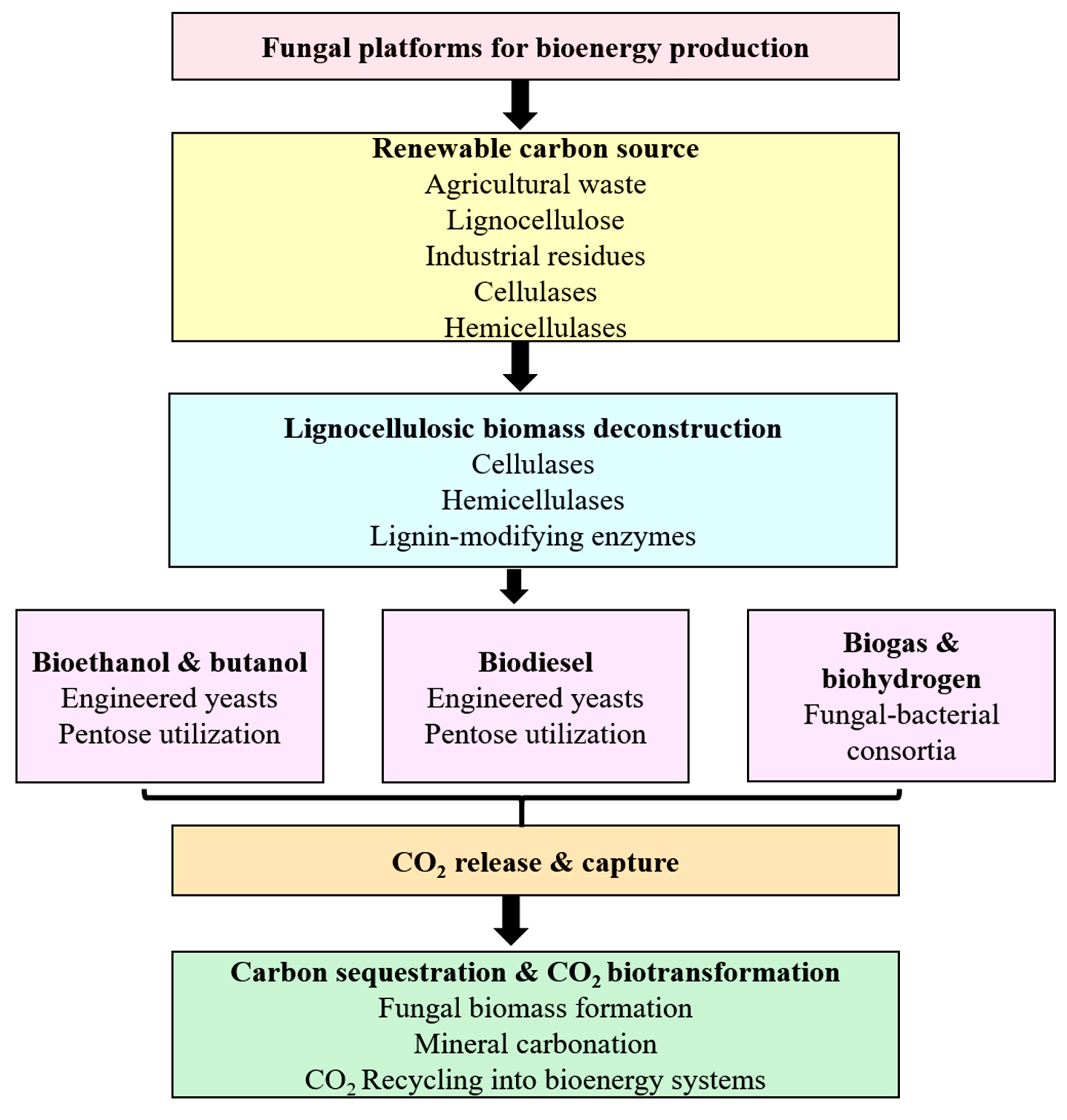
Figure 3. Fungal conversion of renewable biomass into biofuels, biogas, and carbon-efficient energy systems
Lignocellulosic biomass deconstruction
Lignocellulosic biomass is the most plentiful source of renewable carbon on the planet; however, the complex and recalcitrant nature of this material has made bioenergy conversion extremely difficult. Fungi are an important contributor to the resolution of this problem by secreting complete lignocellulolytic enzyme systems. The lignocellulolytic enzymes include cellulases (such as endoglucanases, exoglucanases and β-glucosidases), hemicellulases (such as xylanases, mannanase, and other accessory enzymes) and lignin-modifying enzymes (such as laccases, manganese peroxidases, and lignin peroxidases).31 The cooperation of these different enzymes performs efficient depolymerisation of cellulose, hemicellulose and lignin to release fermentable sugars and also to improve the physical structure and substrate accessibility to downstream microbial conversion. The white-rot fungi are particularly efficient in removing lignin, but they accomplish this by doing so in a selective manner and not affecting the polysaccharides of the lignocellulosic material. Recent improvements in enzyme engineering, strain improvement and consolidated bioprocessing approaches have all enhanced the overall efficiency and economic viability of deconstructing fungal biomass in bioenergy industries.32
Metabolic engineering for bioethanol and butanol production
Biofuels are produced from biomass and vegetable oils using different technologies. Liquid biofuels such as bioethanol and biobutanol can be produced efficiently and at industrial scales using fungi, particularly yeasts such as Saccharomyces cerevisiae, which provide exceptional fermentative efficiency, high tolerance to ethanol and robustness under industrial conditions. As a result of several genetic modifications targeting substrate utilization, specifically the utilization of pentose sugars derived from lignocellulosic hydrolysates, the range of feedstocks available for producing ethanol from fungi has now been extended to include many additional sources.33 Examples of specific engineering strategies used to improve fermentation rates include the enhancement of several key fermentative pathways, optimization of redox balance in fermentation, and minimization of the carbon lost to products such as glycerol and organic acids. More recently, significant strides have been made toward improving the stress tolerance of fungi so that they are better able to withstand common inhibitors, osmotic pressure, and elevated concentrations of ethanol; therefore, higher product output and greater process stability can be expected.34 While less established than the bacterial fermentation system for the production of butanol, there are recent reports indicating that fungal hosts can be engineered to produce similar amounts of butanol through the reconstruction of the butanol biosynthetic pathway and the heterologous expression of the butanol biosynthetic genes within the fungal host. Thus, there is much potential for fungi to serve as alternative hosts for the production of advanced biofuels.35
Oleaginous fungi and biodiesel synthesis
The use of oleaginous fungi as biocatalysts/hosts for producing biodiesel is growing because of their ability to convert various carbon substrates into intracellular lipids. Some of the key oleaginous fungal species that have been identified include Yarrowia lipolytica, Rhodosporidium and Mortierella. Fungi that grow in a high-carbon and low-nitrogen environment can produce large amounts of triacylglycerols (TAGs), which have a fatty acid profile that closely resembles that of vegetable oil. TAGs can be converted directly to biodiesel by transesterification.36 The primary focus of metabolic engineering efforts to further increase the yield of lipids has been to increase the availability of NADPH and acetyl-CoA, thereby decreasing the flux through many competing pathways. Process optimization techniques such as performing continuous fed-batch fermentations, regulating the level of oxygen availability during fermentation and using low-cost substrates (including byproducts from industrial activity) have led to the consideration of oleaginous fungi as candidates for sustainable biodiesel production.37
Fungal consortia for biogas and biohydrogen
Fungi in anaerobic bioenergy systems have significant benefits in increasing the operational functionality of microbial consortia. Fungal-bacterial consortia increase the productivity of anaerobic fermentations by producing intermediate products from hydrolysis reactions (i.e., simple sugars and amino acids) that aid in the hydrolysis of the insoluble organic materials used in anaerobic digestion. The fungi also produce enzymes that assist with converting lignocellulosic materials into bioenergy, thereby resolving the bottleneck of the hydrolysis phase of anaerobic digestion.38 Fungal and bacterial interactions create synergistic effects resulting in greater process stability, more efficient substrate conversion, and higher rates of methane production. Fungal pretreatment techniques and co-culture systems have also been shown to enhance hydrogen production via dark fermentation, according to new findings from the literature. Microbial mixtures can help to increase biogas and biohydrogen yield from agricultural waste, organic waste, and energy crop feedstock.39
Carbon sequestration and CO2 biotransformation
Fungi play an important role in carbon sequestration and decreasing carbon dioxide (CO2) emissions by producing biofuels and forming biomass, mineralization and chemical transformations to remove carbon from their surroundings. It is evident at the molecular level that carbon sequestration occurs primarily through the action of carbonic anhydrase (CA) enzymes.40 The principal function of fungi in carbon sequestration is through the enzymes that create bicarbonate and protons via the rapid, reversible hydration of CO2 (from ambient or metabolically produced CO2) by CAs, most of which are in the beta and alpha classes of metalloenzymes. By rapidly generating bicarbonate in a localized fungus, the chemical equilibrium is disturbed and a high local supersaturation of carbonate ion is created.41 While this occurs, fungal hyphae produce and secrete organic acids (e.g., citric acid, succinic acid, oxalic acid) into their microenvironment, thus weathering surrounding silicate and aluminosilicate minerals to release divalent cationic (e.g., Ca++ or Mg++) minerals. Chemical interaction (binding) of free-calcium cation and other divalent cations to the negatively charged functional groups (e.g., carboxyl and phosphoryl groups) on the fungal cell wall (chitin and glucan) allows for both cations to come into close physical proximity to generate carbonate ions, facilitating spontaneous precipitation of stable, crystalline mineral phases like calcite (CaCO3) or magnesite (MgCO3).42 Through enzymatic mineralization of organic carbon, biological processes are linked to long-term geological storage and to the development of biotransformation systems that can be used on a large-scale basis. Specifically, fungi can be grown using carbon captured from the air to create a structure that contains the long-term biomass of the carbon. In addition, by producing mineral carbonation, some fungi enable the conversion of CO2 into limestone-like material – capable of stable long-term carbon storage and significantly reducing total greenhouse gases.43 Finally, numerous species of fungi possess metabolic pathways for biotransformation of CO2 (through either metabolic incorporation or converting CO2 using indirect metabolic pathways), and using most of these pathways in conjunction with bioenergy systems that recycle CO2 emitted from the generation of electricity as part (in an interchangeable manner) of producing energy from biological sources could increase the efficiency of carbon recycling in energy generation systems. Thus, coupling bioenergy and CO2 capture and use presents opportunities for developing sustainable bioenergy systems and increasing the rate of carbon efficiency.44
Fungal systems for biomaterials development
Fungi are increasingly being recognized as versatile bio-manufacturing systems, with great potential for producing sustainable advanced biomaterials in addition to their existing role as a source of bioenergy. Compared to traditional petrochemical-based processes, fungal biofactories offer key advantages: bio-based renewable feedstocks help to reduce reliance on fossil fuels; low-energy processes minimize greenhouse gas emissions; biodegradable products help to reduce waste; and using Fungi produces a much smaller ecological footprint than using petroleum. Structurally diverse, fungal-derived polymers can be engineered into biomaterials that have mechanical, chemical and functional properties that can be tailored through strain engineering and process optimization.45
Mycelium-based materials and composites
Biomaterials based on mycelium are largely obtained from filamentous basidiomycetes and certain ascomycetes whose keys to developing these biomaterials are the ability of their hyphal networks to bind themselves together (self-bind) as well as their mechanical strength and durability (mechanical property). Examples of species of fungi that have shown promise to produce mycelium composites include Ganoderma lucidum, Ganoderma applanatum, Pleurotus ostreatus, Pleurotus eryngii, Pleurotus florida, Trametes versicolor, Trametes hirsuta, Fomes fomentarius, Schizophyllum commune, Lentinula edodes, Hericium erinaceus, Pycnoporus cinnabarinus, Phlebia radiata, Irpex lacteus, and Coprinus comatus.46 These fungi differ from each other in hyphal diameter, frequency of branching, composition of the cell wall, and ratio of chitin to glucan. As such, the chemical and physical characteristics of the materials made from mycelia vary greatly in both density, compressive strength, elasticity, and thermal characteristics among the various species of fungi. For example, mycelia of Ganoderma and Fomes species produce a dense, mechanically strong mycelium suitable for making load-bearing panels, while mycelium of Pleurotus and Trametes species are produced with a lighter density and are made to be optimally insulated and packaged materials.47 Additionally, white-rot fungi such as Trametes, Phlebia, and Pycnoporus will produce a degree of lignin degradation (partial) on the substrates which will enhance the binding ability of the fibers and produce a more homogenous composite. The interaction between the substrate and the fungi has a critical impact on how a material will perform. The substrate is composed of many different types of agriculture residues such as wheat straw, rice husk, corn stover, coconut coir, sawdust, and bagasse, which are selectively colonized by particular fungi based on their profiles of enzyme production (composition of enzymes). Treatment of mycelia-based composites after cultivation, such as heat curing, compression molding, and application of bio-based coatings, also help improve durability and resistance to water damage. The number of different species of fungi that can produce mycelium composites demonstrates that this technology can be scaled up and adapted as necessary.48
Fungal biopolymers and polysaccharides
Fungal exopolysaccharides such as scleroglucan, pullulan, and schizophyllan provide diverse, flexible, and customizable frameworks for industrial production that is dependent on upstream fermentation conditions.49,50 For example, the carbon-to-nitrogen ratio and the level of oxygen can precisely tune a single fermentation of Aureobasidium pullulans resulting in different molecular weight dispersions and different rheologically viscous matrices of pullulan.51 This mechanical plasticity allows a single production pathway to convert from producing dense low permeability oxygen barrier films for food packaging to producing highly hydrated porous hydrogels used in biomedical drug delivery devices.52-54 Similarly, the properties of schizophyllan and scleroglucan can be modified through the local chemical environments encountered during fermentation changing their end useability from high shear viscosity industry thickeners to highly compatible with tissue engineering biomatrix applications.55,56 The matrix versatility as well as the cross functionality of these specific exopolysaccharides are shown in Figure 4.
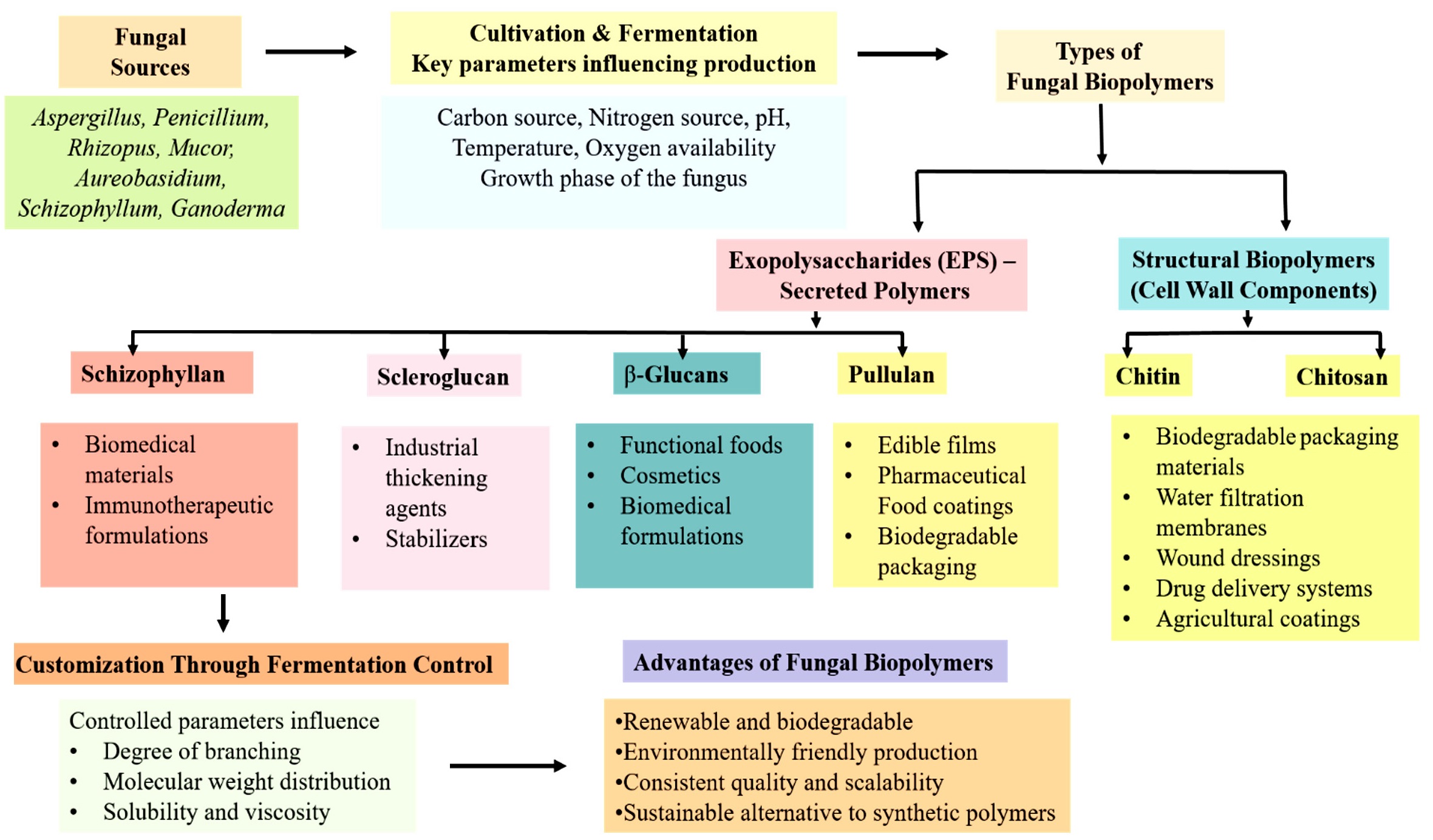
Figure 4. Fungal species produce diverse structural biopolymers and exopolysaccharides under controlled fermentation conditions, enabling applications in biomedical, food, industrial, and environmental sectors while offering sustainable alternatives to synthetic polymers
Recent advances in synthetic biology have moved beyond manipulating metabolism of wild-type fungi to create genetically modified species that produce advanced self-fabricating living materials.57 For example, researchers can genetically engineer Aspergillus niger to produce a silica-forming enzyme (silicatein alpha) on its hyphal surface thus allowing for the deposition of silicate as a material on and throughout the mycelium while it continues to grow. This genetically modified method combined with low-cost growth methods such as synthetic lichen co-cultures may allow the development of programmable technological advancements that produce sustainable, reinforced and mineralized mycomaterials.58
Fungal lipid-derived materials and bio-based chemicals
A broad range of objectionable fungi provides many different forms of industrial and other applications which produce high levels of intracellular lipids in response to various stimuli (e.g., temperature, humidity). These fungi produce significant levels of intracellular lipids and have been cultured or engineered to produce significant amounts of biofuels, pharmaceuticals and other useful materials. Some of the most commonly studied oleaginous fungi are Yarrowia lipolytica, Yarrowia deformans, Rhodosporidium toruloides, Rhodosporidium glutinis, Rhodotorula mucilaginosa, Rhodotorula toruloides, Lipomyces starkeyi, Lipomyces tetrasporus, Mortierella alpina, Mortierella isabellina, Mortierella elongata, Cunninghamella echinulata, Mucor circinelloides, Trichosporon oleaginosus, and Cryptococcus curvatus.59 Under conditions where nutrients are limited but carbon sources are plentiful, oleaginous fungi can produce between 20% and 70% lipid content of total cellular dry mass. The lipids synthetic by these fungi typically contain a very broad distribution of fatty acids, containing all types of fatty acids, including long-chain saturated, monounsaturated, and polyunsaturated fatty acids (PUFAs). The genera Mortierella and Cunninghamella are noted especially for their ability to synthesize a number of high-value PUFAs, including arachidonic acid and many others that are of nutritional and industrial value.60 On the other hand, Yarrowia spp. the Rhodosporidium spp. are recognized as preferable platform organisms for developing tailored lipids because both have characteristics that make them highly amenable to genetic modification, they have rapid growth rates, and can be manipulated using metabolic engineering techniques. Fungal lipids are capable of acting as renewable feedstocks to manufacture a huge variety of bio-based materials and bio-based chemicals (including bioplastics, polyesters, polyurethanes, surfactants, emulsifiers, lubricating agents, and coatings); chemically and/or enzymatically modifying fungal fatty acids can result in monomers and oligomers suitable for polymer production as sustainable alternatives to petroleum-based feedstocks.61 Fungal lipid production platforms provide several significant advantages over plant-based oil production systems, including shorter cultivation times than oilseed crops, independence from climatic fluctuations or variability, reduced pressure on land use and far greater compatibility with carbon sources that are not from food.62 Recent advancements in metabolic engineering techniques have provided the means to more precisely engineer lipid chain lengths, determine degree of unsaturation, and engineer functional groups by manipulating the flux of acetyl-CoA through fatty acid synthesis, regulating desaturase activity, and manipulating redox balance. These improvements allow the design of specialized lipids that will have enhanced performance properties, therefore positioning the oleaginous fungi to develop the next generation of bio-based chemicals on a flexible and scalable basis.63
Fungal-derived nanomaterials and functionalized biomaterials
Fungi are becoming an effective means of producing environmentally safe materials due to the ability of various species of fungus to carry out metabolic activity and produce redox enzymes, along with a wide variety of secreted biomolecules associated with that process, when in existence. A broad array of common fungal species, including those previously listed in the preceding paragraph, are able to produce metallic and metallic oxide nanoparticles. Thus, a number of different species of fungi, including Fusarium oxysporum and others, are among the many types of fungi being investigated for their ability to produce a variety of different types of nanoparticles, including silver, gold, and selenium nanoparticles, among several other types of metal and metal oxide nanoparticles, by means of multiple routes of either enzymatic reduction mechanisms, biomineralization processes, and by means of intracellular or extracellular accumulation mechanisms.64 A secretome derived from fungi also contains various proteins, polysaccharides, enzymes, and metabolites that can serve as both reducing agents and protective capping agents for producing nanoparticles from fungi, causing the resulting nanoparticles with a more uniform size distribution causing greater stability, and improved biocompatibility than those of the conventional chemical method of producing metals and their oxides. The fact that fungi have been shown to produce nanoparticles provides the possibility of eliminating the requirement for the use of toxic chemicals and harsh reaction conditions typically associated with the manufacture of metal materials through other means.65
In addition, many examples of the uses of fungi-derived nanomaterials exist, including in antimicrobial films, bioactive coatings, wound dressings, biosensors, catalysts for a wide variety of chemical reactions, as well as in remediation of environmental damage. In addition, numerous examples exist demonstrating how polysaccharides (e.g., chitin) and proteins (e.g., many found in fungi) have been used to develop functionalized surfaces. There are several functionalized surfaces, including but not limited to: enhancing adhesion; enhancing antimicrobial properties; improving mechanical support; and enhancing biocompatibility. Due to the high level of concerns regarding health and sustainability with regard to these types of functionalization, these functionalized materials are considered to be very attractive for use in medical and environmental applications.66
Sustainability and life-cycle considerations
Production of fungal-derived biomaterials offers several benefits compared to conventional petrochemical production methods, particularly in terms of sustainability. Fungi can utilize numerous carbon sources and efficiently use agricultural wastes, food processing wastes and other types of “carbon feedstocks” (such as lignocellulosic biomass and industrial by-products). Therefore, fungi (e.g. Pleurotus, Trametes, Aspergillus, Rhizopus, Ganoderma, Fusarium, Mucor, Yarrowia, Aureobasidium, Mortierella, Trichoderma, Penicillium, and Schizophyllum) could potentially produce biomaterials through low-cost and mixed substrates, thus creating opportunities for the valorisation of waste and the decentralisation of manufacturing techniques.67 The studies of life cycle assessments have proven consistently that biomaterials produced from fungi exhibit lower greenhouse gas emissions, less water use, and superior energy efficiency as compared to petroleum-based biomaterials. The overall reduction of greenhouse gas emissions, lower use of water, and increased energy efficiency exhibited by biomaterials produced from fungi can be attributed to factors associated with their production, including conditions of mild cultivation, reduction in high-temperature processing, and limited reliance on hazardous chemicals. Also, fungal-derived biomaterials can be composted or returned back to natural biogeochemical cycles through the biological degradation process after they have served their useful lifetime.68,69 The incorporation of fungal-based biomaterials into circular bioeconomy frameworks, such as the recycling of waste streams into value-added products and reintegrating those into production processes (circular production), is an innovative method to achieve sustainable production. Advancements made in areas such as strain engineering, increase in production process efficiency, and techno-economic optimization are key elements of unlocking the industrially and environmentally feasible output of fungal biofactories.8
Metabolic and genetic engineering strategies
Advancements in systems biology, synthetic biology and genome engineering technologies over the past decade have resulted in new types of fungal cell factories, facilitating rational metabolic pathway redesigns; precise gene expression control; and systematic biosynthetic pathway optimisation. The combination of computational modelling with experimental validation has led to successful metabolic and genetic engineering strategies that improve overall product yield, as well as robustness and substrate utilisation capabilities of fungal biofactories.24
Omics-driven systems biology approaches
Omics-based systems approach to fungal biotechnology are an integral part of modern-day studies by providing extremely high resolution and accuracy of biological processes at all stages of cellular control. The availability of genomic data can be used to discover the presence of biosynthetic gene clusters, metabolic pathways, and regulatory components that indicate the ability for fungi to produce biofuels and bioproducts. There have already been several genomics sequence data generated for many industrially significant fungi including Yarrowia lipolytica, Aspergillus niger, Trichoderma reesei, Mortierella alpina, and Rhodosporidium toruloides, with the availability of high-quality genomic sequences greatly increasing the ability to determine the extent of the metabolic capacity and the number of biosynthetic pathways that previously went undetected.70 Transcriptomic analysis further enhances this understanding by characterizing the dynamic patterns of gene expression in response to diverse nutritional and environmental stimuli, and allowing for identification of the key regulatory points of lipid build-up, enzyme production, and synthesis of secondary metabolites. Proteomics facilitates a more accurate assessment of the biological systems that control these metabolic processes through the assessment of enzyme concentration, post-translational modifications to enzymes, and the levels of limitation or bottlenecks to the metabolic pathways being utilized.71 Through the application of metabolomics, cellular flux and metabolic intermediates can be quantitatively measured in real-time. By integrating all of the omics data obtained, an investigator can create genome-scale metabolic models that can simulate metabolic fluxes and inform the engineer’s rational approach for modifying these strains. Therefore, omics-based systems biology is the foundation upon which data-driven optimization of fungal biofactories is being developed.72
Synthetic biology Tools for pathway assembly and optimization
The field of fungal metabolic engineering is revolutionizing by utilizing synthetic biology to create modular and programmable kits to create biosynthetic pathways. Standardized genetic components (promoters, terminators, ribosome binding domains, etc.) have been developed for use in fungal systems to provide precise control over gene expression levels and biosynthetic pathway architecture through the development of standard genetic elements. Now that there are standardized element-based tools for fungal metabolic engineering, we can recreate native biosynthetic pathways and produce new bioenergy carriers or biomaterials by using the tools to build synthetic biosynthetic pathways with a heterologous origin.16 Whole biosynthetic pathways will be created by constructing multiple gene pathway assembly approaches, allowing for the synchronized expression of all the genes involved, which helps alleviate any unbalance in the ratio of the enzymes produced relative to the amount of substrate available for metabolism and helps minimize the burden of metabolism on the fungus. Synthetic pathways created with engineered biosynthetic elements can also provide a means by which to create feedback circuits or inducible or dynamic regulatory pathways, thereby allowing for the temporal separation of the growth and production phases to improve the overall productivity of the system.73 The use of orthogonal pathways and compartmentalized systems (e.g., targeting specific enzymes to the mitochondria or peroxisomes) can also improve the flux through metabolic pathways and reduce the potential for metabolic interference between the pathways. The engineering of synthetic biological systems is also helping to engineer the regulatory networks of biologically produced metabolites, thereby enabling us to fine-tune the global regulatory response to environmental stressors and enhance the organism’s ability to withstand the stress of fermentations at an industrial scale where there is often a high level of variability and stress on the fermenting organism.74
CRISPR–Cas and RNAi-based genome engineering in fungi
Genome editing using CRISPR–Cas systems has revolutionized the field of fungal biotechnology by providing a versatile tool for making rapid, accurate, and multiple genetic modifications to fungi. There are several fungi where CRISPR–Cas genome editing technology has been successfully applied, including Aspergillus, Trichoderma, Yarrowia, Penicillium and Neurospora.75 Fungal genome engineering using CRISPR–Cas allows targeted gene knockout, gene insertion and regulatory modifications with high accuracy and efficiency. With CRISPR technology, it is possible to disrupt competing metabolic pathways, activate silent clusters of biosynthetic genes or precisely modulate key metabolic enzymes. Multiplexing capabilities associated with CRISPR genome editing enable the simultaneous modification of multiple genes within a given fungal strain, which has dramatically improved the speed at which strains are developed and optimized.76 CRISPR interference (CRISPRi) and CRISPR activation (CRISPRa) systems provide reversible control of gene expression, enable tunable control of gene expression without creating a permanent genetic alteration, and have the potential for use in combination with other complementary approaches such as RNA interference (RNAi). RNAi remains an important complementary method for partial gene silencing and the functional analysis of essential genes. RNAi technology will provide an opportunity to adjust metabolic flux patterns and regulatory pathways in such a way that the optimal balance is maintained during pathway optimization while avoiding negative impacts on cell viability. The combination of CRISPR–Cas and RNAi creates a powerful set of tools to enable genetic engineering of fungi.77
Adaptive evolution, promoter engineering, and flux redirection
The coordinated use of rational genetic engineering with evolutionary and regulatory engineering is critical to maximize the potential of fungal organisms as biofactories. Adaptive laboratory evolution (ALE) makes possible the development of fungal strains that are better adapted to environmental stresses (e.g., high levels of product, inhibitory compounds, osmotic pressure and temperature variation) using natural selection under controlled laboratory conditions. Fungal strains developed by ALE typically exhibit complex multigenic adaptive responses that cannot be predicted through rational means alone. The use of promoter engineering allows for quantitative control of gene expression by modifying the strength of a particular promoter, regulatory motifs, and responsiveness to environmental signals.78 Promoter libraries made up of both constitutive and inducible promoters will also allow for the systematic tuning of enzyme expression levels to alleviate metabolic bottlenecks and achieve better pathway balance. The generation of synthetic promoters and hybrid promoters provides for greater dynamic range in control of gene expression in fungi. Flux redirection strategies to maximize the efficiency of metabolizing carbon into the desired end product involve redirecting the flow of metabolic intermediates to that end product by attenuating competing metabolic pathways, improving the supply of precursors and enhancing the availability of cofactors.79 Common targets for optimizing flux with respect to lipid and secondary metabolite production are redox balance, acetyl-CoA pool size, and regeneration of NADPH. The combined use of adaptive evolution with promoter engineering and flux engineering allows for the development of robust, high-yielding fungal strains suitable for large-scale production of bioenergy and biomaterials.80
Industrial scaling and regulatory frontiers
The advanced CRISPR-Cas configurations, multiplex workflows and use of different promoters described in the previous sections provide an unprecedented level of precision in the lab, but scaling these engineered fungal strains to an industrial bioreactor, the emergence of significant physiological and evolutionary bottlenecks occurs when transitioning from controlled and low-shear shake flask conditions to one reflective of a higher volume, industrial bioreactor. 81 The major challenge to scalability is metabolic burden. Engineering heterologous pathways at a high-copy-number diverts large amounts of cellular energy, amino acids and pools of precursors away from native cell functions, ultimately reducing native cell fit and ability to generate biomass.80 The high-volume, continuous and fed-batch fermentation conditions typically used in an industrial fermentation create a very intense selective environment that places significant pressure on engineered strains. In each consecutive generation strains can suffer from genetic drift and phenotypic instability, as spontaneous mutation and gene silencing can delete the engineered constructs and favour the faster-growing and non-producing revertant cells.82 To successfully scale these systems and circumvent failures due to metabolic burden, strategies must employ precise dynamic process parameters such as modulating medium carbon-to-nitrogen (C/N) ratios that decouple biomass accumulation from target product biosynthesis and therefore limit resource drain. In addition to the kinetic issues associated with scale-up, the commercialization of genetically-modified fungal cell factories will require robust biocontainment strategies to prevent the accidental escape and persistence of synthetically engineered genes in natural ecosystems.24 Traditional methods of physical containment will not be feasible in an industrial scale setting so the development of multi-layered biological kill-switch strategies is necessary. Multi-layered biological kill-switch strategies rely primarily on passive containment of engineered strains through synthetic auxotrophy. Under this method, essential metabolic enzyme genes are deleted so that the fungi in their engineered state become strictly dependent on the continuous artificial addition of specific nutrients and complex metabolites that do not occur naturally in their native environment.83 These molecular safety frameworks will dictate the pathway through the complex international regulatory framework. In the U.S.A. the commercialization of genetically engineered fungal products must meet the requirements outlined in the Coordinated Framework for the Regulation of Biotechnology. This framework is the basis for regulatory agencies’ evaluations of genetically engineered products with regard to product safety, genetic modification and environmental risk associated with the intended use of said products.84 Similarly, in the European Union, all products produced through modern genome editing are subject to extreme scrutiny by regulatory authorities. Addressing these translational friction points in early phases of the molecular design process is imperative to achieving the successful proliferation of sustainable and commercially viable mycomaterial industries that benefit from synthetic biology toolkits.67
Process intensification and fermentation optimization
Due to advancements in strain ecology that allow for enhanced levels of metabolism, there will be many opportunities to improve the efficiency and productivity of fungal cell factories. However, in order for these new technologies to economically viable, the processes used to produce metabolic products must be properly designed, optimized, and scaled. Process intensification and fermentation optimization are designed to increase productivity, decrease costs, and improve resource efficiency by integrating biological capabilities with engineering principles. In fungal Biorefineries, proper selection of fermentation mode; statistical optimization of operational conditions; design of advanced bioreactor systems; and waste valorization methods are essential to achieving economic and environmental sustainability.85
The industrial use of fungal cell factories requires advanced optimisation (including process intensification) to ensure the performance of the biological system is balanced with the engineering system. The intrinsic biosynthetic capacities of a particular fungal strain can be established through metabolic; however, realising that capacity at an industrial scale requires the design, control, and integration of upstream and downstream processes in relation to the biopharmaceutical industry. The ability to provide an efficient bioprocessing system using fungi presents unique challenges due to their morphological complexity, diverse modes of growth, and sensitivity to their growth environment, requiring carefully designed/validated fermentation systems that provide maximum levels of productivity, robustness, and economic viability.86 A major consideration in the design and optimisation of fungal bioprocesses is the selection of an appropriate cultivation strategy. At present, submerged fermentation is the primary method of industrial cultivation because it is the only strategy that can be supported using large-scale bioreactors, that can be monitored using automated sensors, and that has the ability to provide tight control over several important process parameters including pH, temperature, dissolved oxygen, and nutrients. The extent to which tight control can be maintained within submerged fermentation systems is particularly important when producing enzymes, lipids, organic acids, secondary metabolites, and recombinant proteins because reproducible/consistent production is very important.87 However, submerged systems are generally characterised by their high-energy consumption due to aeration and agitation along with the associated challenges related to oxygen transfer limitations and the increasing viscosity of the broth due to filamentous growth. As a result of these issues, solid-state fermentation is receiving renewed interest as an efficient loss-cost alternative to submerged fermentation for enzyme production, conversion of lignocellulosic biomass, and the manufacture of mycelium materials. The utilisation of solid-state fermentation systems more accurately mimic the natural habitats or ecological niches of many filamentous fungi thereby enhancing substrate colonisation, increasing the stability of the final product and therefore considerably decreasing the amount of waste generated.88 Despite the significant progress made in solid state fermentation, the scale-up of fermentation utilizing solid states faces challenges such as difficulty with mass and heat transfer, steam control and process monitoring. Therefore, there is a growing interest in hybrid fermentation strategies to combine the controllability of submerged to utilize with efficiency of solid-state processing as an important area for process intensification. The use of statistical and computational optimization methods in refining fungal fermentation processes has become an essential part of the strategy. Several multivariate statistical techniques such as response surface methodology (RSM) and design of experiments (DOE) allow for systematic investigation of complex multi-parameter spaces and capture the effect of interactions between multiple variables that have traditionally been overlooked by classical statistical optimization techniques.89 The ability to identify optimum operational ranges for production processes, improve reproducibility and to significantly reduce experimental burden is provided by statistical and computational optimization methods. In addition, when combined with systems biology knowledge, statistical optimization methods can provide a means for using data-driven processes to refine fermented processes based on the physiological characteristics and metabolic excretion levels of the produced fungi. The design and scale-up of bioreactors constitutes one of the most complex and challenging elements in the bioprocess development of fungal production. The morphological (physical) heterogeneity of fungal cultures; including dispersed mycelia (filamentous network structures), pellets and clumps can greatly influence the rheological properties of the culture, the oxygen transfer efficiency and the nutrient media distribution present in a given bioreactor.90 These phenomena contribute to very different production outcomes and present obstacles to translating processes from laboratory-scale operations to those conducted on an industrial-scale basis. The configurations must be purposely selected and designed to provide sufficient mixing but not excessive shear within the reactor, particularly in applications where the filamentous organism is used for production. Innovative reactor designs exist beyond conventional stirred-tank systems (e.g., airlift reactors, bubble column, packed bed systems, and rotating bioreactors) to minimize mechanical stress and maintain mass transfer. Within intensified fungal bioprocesses, the judgement for in-line real-time monitoring and control systems is being recognized as very important.91 On-line monitoring systems can dynamically adjust operating parameters through monitoring dissolved oxygen, carbon dioxide evolution, biomass concentration, and metabolic indicators. As a result, performance can be maintained when load changes occur. Digital tools have been developed to improve predictive control and scalability, including integration of digital tools for process modelling and soft sensors. Within long-term fermentations and substrate and waste-based processes, substantial variation in substrate composition can contribute to instability.
Fungal biorefines are still experiencing a primary economic bottleneck due to long-time consuming and costly downstream processing and for this reason, which makes it one of the largest percentages of total operating production costs.92 However, during the period of active cultivation, the build-up of target fungal mycomaterials precursor products, secondary metabolites, and organic acids often create extreme toxicities of the end products, therefore creating feedback inhibition of fungal growth and subsequently limiting volumetric yields because of the chemical toxicity. In the event that the momentum of chemical toxicity continues to occur, continuous shifting of the thermodynamic equilibria is necessary to favourably increase the production rates.93 This can be accomplished through the integration of advanced in-situ product recovery (ISPR) technology architecture within the upstream phase of the cultivation process through the use of targeted separation mechanisms [e.g. pervaporation via selective permeable membranes, gas stripping through sparging the inert gas in the cultivation for the volatile components, or biocompatible extractive liquid-liquid fermentation (LLF)], which will permit the removal of inhibitory compounds from the product inventory without adversely impacting the viability of the mycelium or breaking down the fragile networks of the mycelium (hyphae).94 In addition to the need for the integration of advanced ISPR technologies within the upstream cultivation process (i.e. targeted separation), the development of a process intensification framework that includes the use of continuous or semi-continuous multi-stage processing cascades instead of stand-alone batch operations is essential to achieving long-term industrial scalability and economic viability through linking advanced bioreactors (multi-stage operationally isolated) in such a series, permits the ability to dynamically optimise and isolate each stage of operation according to the kinetic growth of the fungus.82 For instance, the early stages could be designed for the purpose of optimally cultivating vegetative mycelium in a steady-state under optimal nutrient load and the later stages could quickly be altered from the continuous cultivation of vegetative mycelium to trigger secondary metabolic processes, initiate lysis of the mycelium, and commence mineral-protein secretion of the products. The multi-stage cascade approach would effectively eliminate the high cost of the dead-time, washing cycles, and extended lag-phase associated with batch fermentation, thus maximising the performance of the total production and stabilising the economics of operation of the overall process. A major benefit of this type of design is that it lends itself well to using waste feedstocks from agricultural and industrial sources; a significant advantage of fungal cell factories over other restricted methods (e.g. bacterial cultures), due to the increased efficiency of the mycelium to metabolise larger quantities of heterogeneous lignocellulosic residues as well as wastes from food and/or food processing.95 However, the highly variable nature of the raw waste streams presents a range of unique challenges in terms of process control, requiring extensive strain development and flexible fermentation management to maintain stable, steady-state continuous outputs of finished products. Ultimately, the integration of the processes and process intensification strategies between upstream and downstream operations with the circular bioeconomy model is crucial for decreasing the life-cycle environmental impacts.96 Continued innovations in the areas of continuous multi-stage cascading, specialised in-situ extraction technologies, and comprehensive techno-economical evaluations will be the determining factors in the successful transition of these factories from single, isolated laboratory studies to commercially viable and sustainable bio-industries.8
Integration of Fungal Bioprocesses into the Circular Bioeconomy
The integration of fungi into the circular bioeconomy is a fundamental shift from linear resource-dependent production models into regenerative flexible industrial systems requiring fewer resources. Fungi occupy a unique and advantageous position within circular bioeconomic frameworks due to their abundant metabolic pathways, adaptive ecology and ability to convert functionally diverse types of organic waste into high-value bioenergy products/bio-based materials. Unlike traditional bio-based production systems which primarily rely on processed and refined raw materials or monoculture crops as a substrate, fungal-based systems are able to efficiently cascade waste streams from agriculture, food processing and other industries in order to produce fuels, polymers, enzymes and functional materials thus creating closed loops of raw material usage and minimising waste generation.97 Techno-economic analyses and life-cycle assessments consistently show that fungal bioprocesses are capable of producing competitive pricing while also providing considerable environmental benefits when viewed through system-level perspectives. Fungi can grow under mild processing conditions which significantly reduces energy inputs required for the process. Waste products can provide significant amounts of inexpensive raw material for fungi-based systems, reducing input costs and GHG emissions from waste disposal. Fungi-based systems can be more economically viable and have greater returns on investment when part of a biorefinery system that produces multiple products. Integrated valorisation strategies are essential to providing financial solutions to address the economic challenges preventing the scaling of bio-based technologies.98 Fungal bioprocesses are characterized by a number of environmental advantages when compared to petrochemical production methods and also compared to crop-based bioprocesses. Fungal bioprocesses generally produce lower GHG emissions than either of these types of production processes, use less water, and provide greater land-use efficiencies as a result of their cultivation methods.67 Additionally, because of their natural qualities of biodegradability and biocompatibility, fungal-derived materials provide opportunities for positive end-of-life environmental outcomes such as: composting, biodegradation and reapplication into biological nutrient cycles. Additionally, the formation and mineralization processes of fungal biomass contribute to carbon sequestration helping to establish an ecosystem that can facilitate the mitigation of climate change. Fungal bioprocesses are now being adopted by industries in all sectors of the economy including bioenergy, materials science and sustainable manufacturing.99 Mycelium composites are now commercially available as sustainable substitutes for synthetic foam products, leather and packaging, while fungal enzymes continue to comprise the operational backbone of large-scale bioconversion operations. The work on oleaginous fungi has made progress as bio-lipid producers for fuels, surfactants and polymer precursors particularly in the utilization of industrial waste streams. These advances demonstrate that fungal-based systems can be used in large-scale commercial applications if they are developed correctly with regard to process optimization, regulatory frameworks, and market integration. While there is a number of potential uses for fungal-based systems, continued efforts in the areas of strain development and process intensification as well as effective policies will be necessary to promote widespread adoption of fungi into the circular bioeconomy.100 Obstacles continue with scaling over time, ensuring process repeatability, and obtaining regulatory approvals; these obstacles are also particularly relevant to new types of fungal-based products (e.g., bio-based chemicals). Addressing these obstacles can be accomplished by advancing interdisciplinary research, establishing public-private partnerships to advance fungi as a bio-economy, and developing supportive policies that promote the maximum potential of fungi as cell factories. Ultimately, integrating fungal based bioprocesses into the circular bioeconomy systems will provide a science-based, environmentally sustainable pathway for decarbonizing industrial production and will create long-term sustainable access to our natural resources.101
Challenges and future directions
Despite advances in fungal biotechnology, barriers to full-scale implementation of fungal cell factories for bioenergy and biomaterials continue to exist, most notably scientific, technological, and regulatory limitations. One of the greatest obstacles is the genetic and phenotypic instability associated with engineered fungal strains during extended cultivation periods and industrial fermentation processes.11 Filamentous fungi typically possess complicated genome architectures, are multinucleate (contain multiple nuclei per cell) hyphal organisms, and exhibit varying levels of epigenetic plasticity, all of which can negatively impact the consistency of expressing engineered pathways and decrease product yield over time. In addition to the factors listed above, heterologous pathway expression may inadvertently create metabolic burdens that may limit growth, stress tolerance, and long-term stability of engineered strains.102 Addressing these issues will require obtaining a greater understanding of a fungal strains’ genomic plasticity, transcriptional control, chromatin remodelling, and post-transcriptional regulatory mechanisms, developing genetically-stable strains with robust genetic architectures and tightly-controlled expression systems, and developing modes of biosafety and regulatory protocols that protect human health and the environment as fungi-based technologies increasingly are used in open/semi-open industrial systems. Using genetically modified fungi in open or semi-open systems, can create risks for environmental release of transgenes via horizontal gene transfer, as well as potential for human exposure via workplace environments to genetically-modified organisms (GMOs) during their manufacturing processes.67 Moreover, some engineered strains will contain pathogens or produce mycotoxins based on climatic conditions allowing much stricter selection criteria for the parent strains to be maintained to comply with all regulatory requirements associated with biosafety of fungi. Therefore, harmonization of the international biosafety framework as it pertains to GMOs associated with fungi and development of clearer path for regulatory approval will ultimately facilitate the industrialisation of fungal-based biotechnologies while ensuring safe use for individuals and safeguarding the ecosystem. In the future, the use of data driven and artificial intelligence based strategies are set to radically change how fungal strains are developed and how the development process is optimized. Because of the incredible growth of the number and type of multi-omic dataset types (including genomics, transcriptomics, proteomics, metabolomics, and fluxomics), able to gain greater insight into how fungal organisms process resources within a systems-level framework than ever possible before.85 Using models that are based on machine learning and AI, can integrate nascent multi-omic datasets in order to predict where there are metabolic bottlenecks, identify engineering targets that may not have been previously obvious; rational pathway design can be facilitated with much higher precision than has been achieved in traditional trial-and-error approaches. Digital twins of both fungal biology and the processes used to produce fungi, through the combination of modelling biological organisms with real-time production data, will provide the means to accelerate the development of improved strains of fungi, optimise fermentation processes associated with fungi production, increase production scales, and lower development costs and timelines. Along with providing a method for creating value from waste carbon, the use of fungal biology will play a major role in the transition to a carbon neutral or net zero carbon economy.103 Fungal cell factory systems will provide efficient, low carbon and scalable replacements for fossil-derived fuel, polymers, and chemicals while generating value from the waste carbon streams created as part of their production process. The industrial greenhouse gas emissions resulting from the use of fungal products can be greatly reduced when fungi are used in carbon-neutral or carbon-negative systems. By coupling fungal bioprocesses with carbon capture technologies, using renewable energy inputs to run the fungal bioprocesses and establishing circular biorefineries, it is possible to create a minimal amount of carbon emissions from the production process for fungi. Fungi are also capable of carbon sequestration through their ability to create biomass, stabilise soils and store minerals, thus adding another level of potential climate change mitigation that fungi provide.67 Therefore, future research will need to advance the ability to integrate all disciplines that are involved in fungal biology, synthetic biology, data science and engineering to provide a unified structure for sustainability. Investment into multi-disciplinary research, including the development of standardized platforms and translationally focused infrastructure, will be necessary to break down barriers currently existing around fully unlocking the potential of fungal biotechnology. As the demand for sustainable production intensifies globally, it is anticipated that the use of fungal cell factories will not only be explored as alternative production options but also within centralised systems supporting) resilient, circular, and low-carbon bio-economies.104
The use of fungal cell factories is very versatile and reliable as a biological system to produce energy carriers and high-end materials sustainably. Fungi’s metabolic capabilities, including the ability to use complex and low-value feedstocks and produce enzymes, lipids, polymers, and other functional products, give them an advantage over many conventional and petrochemical ways to manufacture products. The fungi physiology and metabolism, which includes their metabolic flexibility in central carbon metabolism and their ability to regulate pathways of secondary metabolic compounds, provide an efficient way to create value-added products from renewable feedstocks to produce value-added products. The advancements made to date in metabolic and genetic engineering technology have significantly increased the overall capabilities of fungi as the basis of biological systems for producing products, by allowing researchers to fully control the biosynthetic pathway in terms of production levels and products produced. The use of “omics” approaches to develop new strains using synthetic biology techniques and genome editing technologies has accelerated the development of new strains, improved process predictability, and increased scalability of plant-based products. In addition, advances in fermentation optimization, bioreactor design, and resource valorization have resulted in increased economic feasibility of the use of fungal-based processes for various industries. Fungal-based biomaterials, such as mycelium composites, biopolymers, lipids, and biologically synthesized nanoparticles, have shown excellent potential for biomedical uses, packaging, construction, and other functional materials. These biomaterials can be produced in an environmentally friendly manner, are compatible with the concepts of a circular bioeconomy, and thus have the potential to be used to solve some of the sustainability issues that are facing the world today. LCA and techno-economic assessments have consistently shown that fungal biomaterials are better for the environment and are more resource-efficient than products derived from fossil fuels. Fungal biotechnology has made great strides towards addressing many of the challenges associated with fungal bioprocesses, including issues relating to genetic stability, regulatory issues, biosafety concerns, and large-scale variability in manufacturing processes. By working together and using a multidisciplinary approach that includes biology, computer science, and engineering, researchers will have the tools necessary and ability to develop fungal bioprocess technologies on a commercial scale from laboratory innovations. Fungi will have a key role in providing resilient, low-carbon, and circular manufacturing systems as pressure continues to increase to decarbonize industrial production and decrease our reliance on non-renewable resources. Fungi as cell factories represent an outstanding route to produce sustainable bioenergy and biomaterials and contribute to a sustainable low-carbon industrial infrastructure.
ACKNOWLEDGMENTS
The authors gratefully acknowledge their respective parent universities for providing the research facilities that supported this work.
CONFLICT OF INTEREST
The authors declare that there is no conflict of interest.
AUTHORS’ CONTRIBUTION
SK and MT conceptualized the study. MT supervised the study. BT prepared the figures and wrote the original draft. RS, MT, SK, BT, and SS wrote, reviewed, and edited the manuscript. All authors read and approved the final manuscript for publication.
FUNDING
None.
DATA AVAILABILITY
Not applicable.
ETHICS STATEMENT
Not applicable.
- Singh N, Ogunseitan OA, Wong MH, Tang Y. Sustainable materials alternative to petrochemical plastics pollution: A review analysis. Sustain horizons. 2022;2:100016.
Crossref - Del Hierro AG, Moreno-Cid JA, Casey E. Continuous biomanufacturing for sustainable bioeconomy applications. EFB Bioeconomy J. 2024;4:100071.
Crossref - Vieira RIM, Peixoto A da S, Monclaro AV, et al. Fungal Coculture: Unlocking the Potential for Efficient Bioconversion of Lignocellulosic Biomass. J Fungi. 2025;11(6):458.
Crossref - Alcocer-Garcia H, Sanchez-Ramirez E, Garcia-Garcia E, Ramirez-Marquez C, Ponce-Ortega JM. Unlocking the potential of biomass resources: a review on sustainable process design and intensification. Resources. 2025;14(9):143.
Crossref - Aizat WM, Ismail I, Noor NM. Recent development in omics studies. In: Aizat WM, Goh HH, Baharum SN, eds. Omics Applications for Systems Biology. Advances in Experimental Medicine and Biology. Vol 1102. Springer; 2018:1-31.
Crossref - Khatami K, Qazanfarzadeh Z, Jimenez-Quero A. Fungal fermentation: The blueprint for transforming industrial side streams and residues. Bioresour Technol. 2025;440:133426.
Crossref - Naranjo-Ortiz MA, Gabaldon T. Fungal evolution: cellular, genomic and metabolic complexity. Biol Rev. 2020;95(5):1198-1232.
Crossref - Dhiman S, Kaur P, Narang J, et al. Fungal bioprocessing for circular bioeconomy: exploring lignocellulosic waste valorization. Mycology. 2024;15(4):538-563.
Crossref - Wainaina S, Taherzadeh MJ. Automation and artificial intelligence in filamentous fungi-based bioprocesses: A review. Bioresour Technol. 2023;369:128421.
Crossref - Riquelme M, Aguirre J, Bartnicki-Garcia S, et al. Fungal morphogenesis, from the polarized growth of hyphae to complex reproduction and infection structures. Microbiol Mol Biol Rev. 2018;82(2):10-1128.
Crossref - Andlar M, Rezić T, Mardjetko N, Kracher D, Ludwig R, Šantek B. Lignocellulose degradation: An overview of fungi and fungal enzymes involved in lignocellulose degradation. Eng Life Sci. 2018;18(11):768-778
- Wosten HAB. Filamentous fungi for the production of enzymes, chemicals and materials. Curr Opin Biotechnol. 2019;59:65-70.
Crossref - Nunes DD, Pillay VL, Van Rensburg E, Pott RWM. Oleaginous microorganisms as a sustainable oil source with a focus on downstream processing and cost-lowering production strategies: A review. Bioresour Technol Reports. 2024;26:101871.
Crossref - Papanikolaou S, Aggelis G. Lipids of oleaginous yeasts. Part I: Biochemistry of single cell oil production. Eur J Lipid Sci Technol. 2011;113(8):1031-1051.
Crossref - Sanita Lima M, de Lucas R. Co-cultivation, co-culture, mixed culture, and microbial consortium of fungi: an understudied strategy for biomass conversion. Front Microbiol. 2022;12:837685.
Crossref - Hinneburg H, Gu S, Naseri G. Fungal Innovations—Advancing Sustainable Materials, Genetics, and Applications for Industry. J Fungi. 2025;11(10):721.
Crossref - Alves V, Zamith-Miranda D, Frases S, Nosanchuk JD. Fungal metabolomics: a comprehensive approach to understanding pathogenesis in humans and identifying potential therapeutics. J Fungi. 2025;11(2):93.
Crossref - Topaloglu A, Esen O, Turanli-Yildiz B, Arslan M, Cakar ZP. From Saccharomyces cerevisiae to ethanol: unlocking the power of evolutionary engineering in metabolic engineering applications. J Fungi. 2023;9(10):984.
Crossref - Wang T, Xue H, Liu H, Yuan H, Huang D, Jiang Y. Advancements in metabolic engineering: unlocking the potential of key organic acids for sustainable industrial applications. Front Bioeng Biotechnol. 2025;13:1556516.
Crossref - Yuzbasheva EY, Agrimi G, Yuzbashev TV, et al. The mitochondrial citrate carrier in Yarrowia lipolytica: Its identification, characterization and functional significance for the production of citric acid. Metab Eng. 2019;54:264-274.
Crossref - Masi A, Mach RL, Mach-Aigner AR. The pentose phosphate pathway in industrially relevant fungi: crucial insights for bioprocessing. Appl Microbiol Biotechnol. 2021;105(10):4017-4031.
Crossref - Choi KR, Jiao S, Lee SY. Metabolic engineering strategies toward production of biofuels. Curr Opin Chem Biol. 2020;59:1-14.
Crossref - Beattie SR, Mark KMK, Thammahong A, et al. Filamentous fungal carbon catabolite repression supports metabolic plasticity and stress responses essential for disease progression. PLoS Pathog. 2017;13(4):e1006340.
Crossref - Lubeck M, Lubeck PS. Fungal cell factories for efficient and sustainable production of proteins and peptides. Microorganisms. 2022;10(4):753.
Crossref - Zhang Y, Yu W, Lu Y, et al. Epigenetic regulation of fungal secondary metabolism. J Fungi. 2024;10(9):648.
Crossref - Geller-McGrath D, Mara P, Taylor GT, Suter E, Edgcomb V, Pachiadaki M. Diverse secondary metabolites are expressed in particle-associated and free-living microorganisms of the permanently anoxic Cariaco Basin. Nat Commun. 2023;14(1):656.
Crossref - Lai Y, Wang L, Zheng W, Wang S. Regulatory roles of histone modifications in filamentous fungal pathogens. J Fungi. 2022;8(6):565.
Crossref - Zhu BH, Zhang RH, Lv NN, Yang GP, Wang YS, Pan KH. The role of malic enzyme on promoting total lipid and fatty acid production in Phaeodactylum tricornutum. Front Plant Sci. 2018;9:826.
Crossref - Kerkaert JD, Huberman LB. Regulation of nutrient utilization in filamentous fungi. Appl Microbiol Biotechnol. 2023;107(19):5873-5898.
Crossref - Martins-Santana L, Nora LC, Sanches-Medeiros A, Lovate GL, Cassiano MHA, Silva-Rocha R. Systems and synthetic biology approaches to engineer fungi for fine chemical production. Front Bioeng Biotechnol. 2018;6:117.
Crossref - Devi KB, Malakar R, Kumar A, Sarma N, Jha DK. Ecofriendly utilization of lignocellulosic wastes: mushroom cultivation and value addition. In: Value-Addition in Agri-Food Industry Waste through Enzyme Technology. Elsevier. 2023:237-254.
Crossref - Li X, Shi Y, Kong W, Wei J, Song W, Wang S. Improving enzymatic hydrolysis of lignocellulosic biomass by bio-coordinated physicochemical pretreatment-A review. Energy Reports. 2022;8:696-709.
Crossref - Nanda S, Pattnaik F, Patra BR, Kang K, Dalai AK. A review of liquid and gaseous biofuels from advanced microbial fermentation processes. Fermentation. 2023;9(9):813.
Crossref - Zheng J, Tashiro Y, Wang Q, Sonomoto K. Recent advances to improve fermentative butanol production: genetic engineering and fermentation technology. J Biosci Bioeng. 2015;119(1):1-9.
Crossref - Bideaux C, Alfenore S, Cameleyre X, Molina-Jouve C, Uribelarrea JL, Guillouet SE. Minimization of glycerol production during the high-performance fed-batch ethanolic fermentation process in Saccharomyces cerevisiae, using a metabolic model as a prediction tool. Appl Environ Microbiol. 2006;72(3):2134-2140.
Crossref - Patel A, Karageorgou D, Rova E, et al. An overview of potential oleaginous microorganisms and their role in biodiesel and omega-3 fatty acid-based industries. Microorganisms. 2020;8(3):434.
Crossref - Jiang W, Li C, Li Y, Peng H. Metabolic engineering strategies for improved lipid production and cellular physiological responses in yeast Saccharomyces cerevisiae. J Fungi. 2022;8(5):427.
Crossref - Tian Y, Li Y, Zhang H, et al. Synergy between bacteria and fungi contributes to biodegradation and methane production of lignocellulosic anaerobic co-digestion exposing to surfactants. J Environ Manage. 2025;373:123579.
Crossref - Li Y, Meng Z, Xu Y, et al. Interactions between anaerobic fungi and methanogens in the rumen and their biotechnological potential in biogas production from lignocellulosic materials. Microorganisms. 2021;9(1):190.
Crossref - Clemmensen KE, Finlay RD, Dahlberg A, Stenlid J, Wardle DA, Lindahl BD. Carbon sequestration is related to mycorrhizal fungal community shifts during long-term succession in boreal forests. New Phytol. 2015;205(4):1525-1536.
Crossref - Chen X, Zhang Z, Angst U. Carbonic anhydrase-mediated CO2 sequestration in cementitious materials: Challenges and opportunities. J CO2 Util. 2026;106:103367.
Crossref - Ali I, Qaiser H, Abdullah R, et al. Prospective roles of Extremophilic Fungi in Climate Change Mitigation Strategies. J Fungi. 2024;10(6):385.
Crossref - Mwandira W, Mavroulidou M, Gunn M. Concurrent carbon capture and biocementation through the carbonic anhydrase (CA) activity of microorganisms-a review and outlook. Environ Process. 2023;10(4):56.
Crossref - Kurt E, Qin J, Williams A, Zhao Y, Xie D. Perspectives for Using CO2 as a Feedstock for Biomanufacturing of Fuels and Chemicals. Bioengineering. 2023;10(12):1357.
Crossref - Peeters E, Martin JS, Vandelook S. Growing sustainable materials from filamentous fungi. Biochem. 2023;45(3):8-13.
Crossref - Majib NM, Yaacob ND, Ting SS, Rohaizad NM, Azizul Rashidi AM. Fungal mycelium-based biofoam composite: A review in growth, properties and application. Prog Rubber, Plast Recycl Technol. 2025;41(1):91-123.
Crossref - Manan S, Ullah MW, Ul-Islam M, Atta OM, Yang G. Synthesis and applications of fungal mycelium-based advanced functional materials. J Bioresour Bioprod. 2021;6(1):1-10.
Crossref - Zhuo R, Fan F. A comprehensive insight into the application of white rot fungi and their lignocellulolytic enzymes in the removal of organic pollutants. Sci Total Environ. 2021;778:146132.
Crossref - Stoica RM, Moscovici M, Lakatos ES, Cioca LI. Exopolysaccharides of fungal origin: properties and pharmaceutical applications. Processes. 2023;11(2):335.
Crossref - Yarahmadi A, Dousti B, Karami-Khorramabadi M, Afkhami H. Materials based on biodegradable polymers chitosan/gelatin: a review of potential applications. Front Bioeng Biotechnol. 2024;12:1397668.
Crossref - Fernando LD, Dickwella Widanage MC, Penfield J, et al. Structural polymorphism of chitin and chitosan in fungal cell walls from solid-state NMR and principal component analysis. Front Mol Biosci. 2021;8:727053.
Crossref - El-Mahdy OM, Mohamed HI, El-Ansary AE. Optimizations of exopolysaccharide production by Fusarium nygamai strain AJTYC1 and its potential applications as an antioxidant, antimicrobial, anticancer, and emulsifier. BMC Microbiol. 2023;23(1):345.
Crossref - Muthu M, Gopal J, Chun S, Devadoss AJP, Hasan N, Sivanesan I. Crustacean waste-derived chitosan: Antioxidant properties and future perspective. Antioxidants. 2021;10(2):228.
Crossref - Suzuki T, Kusano K, Kondo N, Nishikawa K, Kuge T, Ohno N. Biological activity of high-purity β-1, 3-1, 6-glucan derived from the black yeast Aureobasidium pullulans: A literature review. Nutrients. 2021;13(1):242.
Crossref - Castillo NA, Valdez AL, Farina JI. Microbial production of scleroglucan and downstream processing. Front Microbiol. 2015;6:1106.
Crossref - Kumla J, Thangrongthong S, Kaewnunta A, Suwannarach N. Research advances in fungal polysaccharides: production, extraction, characterization, properties, and their multifaceted applications. Front Cell Infect Microbiol. 2025;15:1604184.
Crossref - Jo C, Zhang J, Tam JM, et al. Unlocking the magic in mycelium: Using synthetic biology to optimize filamentous fungi for biomanufacturing and sustainability. Mater Today Bio. 2023;19:100560.
Crossref - Moss DH, Pear O, Guio J, et al. Uncovering the design rules for sustainable growth of mineralized mycomaterials. ACS Synth Biol. 2026.
Crossref - Adamczyk PA, Jiang T, Jetty K, Ganesan V, Liu D. Recent developments of oleaginous yeasts toward sustainable biomanufacturing. Curr Opin Biotechnol. 2025;93:103297.
Crossref - Gallardo V, Costa J, Sepulveda M, et al. Lipid Production in Cultivable Filamentous Fungi Isolated from Antarctic Soils: A Comprehensive Study. Microorganisms. 2025;13(3):504.
Crossref - Madzak C. Yarrowia lipolytica strains and their biotechnological applications: How natural biodiversity and metabolic engineering could contribute to cell factories improvement. J Fungi. 2021;7(7):548.
Crossref - Zhang C, Singh RP, Yadav P, et al. Recent advances in biotechnology and bioengineering for efficient microalgal biofuel production. Fuel Process Technol. 2025;270:108199.
Crossref - Costa G dos S, Martinez-Burgos WJ, dos Reis GA, et al. Advances in biomass and microbial lipids production: Trends and prospects. Processes. 2024;12(12):2903.
Crossref - Deshmukh R, Khardenavis AA, Purohit HJ. Diverse metabolic capacities of fungi for bioremediation. Indian J Microbiol. 2016;56(3):247-264.
Crossref - Sidhu AK, Agrawal SB, Verma N, Kaushal P, Sharma M. Fungal-mediated synthesis of multimetallic nanoparticles: mechanisms, unique properties, and potential applications. Front Nanotechnol. 2025;7:1549713.
Crossref - Mei L, Zhang Y, Wang K, Chen S, Song T. Nanomaterials at the forefront of antimicrobial therapy by photodynamic and photothermal strategies. Mater Today Bio. 2024;29:101354.
Crossref - Meyer V, Basenko EY, Benz JP, et al. Growing a circular economy with fungal biotechnology: a white paper. Fungal Biol Biotechnol. 2020;7(1):5.
Crossref - Motamedi S, Rousse DR, Promis G. A review of mycelium bio-composites as energy-efficient sustainable building materials. Energies. 2025;18(16):4225.
Crossref - Wang Y, Hausner G, Rout PR, Yuan Q. Investigation of fungal mycelium-bound bio-foams from agricultural wastes as sustainable and eco-conscious packaging innovations. J Clean Prod. 2025;501:145206.
Crossref - Verma V, Srivastava A, Garg SK, Singh VP, Arora PK. Incorporating omics-based tools into endophytic fungal research. Biotechnol Notes. 2024;5:1-7.
Crossref - Jia C, Guo B, Wang B, et al. Integrated metabolomic and transcriptomic analysis reveals the role of phenylpropanoid biosynthesis pathway in tomato roots during salt stress. Front Plant Sci. 2022;13:1023696.
Crossref - Barrera-Duarte CC, Chavez Montes RA, Najera-Gonzalez HR, Lopez-Arredondo D. Regulatory network rewiring drives strain-specific lipid accumulation response in Chlorella sorokiniana under nutrient starvation. Plant J. 2026;125(1):e70644.
Crossref - Mózsik L, Pohl C, Meyer V, Bovenberg RAL, Nygård Y, Driessen AJM. Modular synthetic biology toolkit for filamentous fungi. ACS Synth Biol. 2021;10(11):2850-2861
- Avalos JL, Fink GR, Stephanopoulos G. Compartmentalization of metabolic pathways in yeast mitochondria improves the production of branched-chain alcohols. Nat Biotechnol. 2013;31(4):335-341.
Crossref - Wang Q, Coleman JJ. Progress and challenges: development and implementation of CRISPR/Cas9 technology in filamentous fungi. Comput Struct Biotechnol J. 2019;17:761-769.
Crossref - Ma B, Li Y, Wang T, Li D, Jia S. Advances in CRISPR/Cas9-Based Gene Editing in Filamentous Fungi. J Fungi. 2025;11(5):350.
Crossref - Song R, Zhai Q, Sun L, et al. CRISPR/Cas9 genome editing technology in filamentous fungi: progress and perspective. Appl Microbiol Biotechnol. 2019;103(17):6919-6932
- Salazar-Cerezo S, de Vries RP, Garrigues S. Strategies for the development of industrial fungal producing strains. J Fungi. 2023;9(8):834.
Crossref - Wang J, Zhai H, Rexida R, Shen Y, Hou J, Bao X. Developing synthetic hybrid promoters to increase constitutive or diauxic shift-induced expression in Saccharomyces cerevisiae. FEMS Yeast Res. 2018;18(8):foy098.
Crossref - Mao J, Zhang H, Chen Y, et al. Relieving metabolic burden to improve robustness and bioproduction by industrial microorganisms. Biotechnol Adv. 2024;74:108401.
Crossref - Zhang S, Guo F, Yan W, et al. Recent advances of CRISPR/Cas9-based genetic engineering and transcriptional regulation in industrial biology. Front Bioeng Biotechnol. 2020;7:459.
Crossref - Dong Y, Zhang Y, Liu D, Chen Z. Strain and process engineering toward continuous industrial fermentation. Front Chem Sci Eng. 2023;17(10):1336-1353.
Crossref - Mandell DJ, Lajoie MJ, Mee MT, et al. Biocontainment of genetically modified organisms by synthetic protein design. Nature. 2015;518(7537):55-60.
Crossref - US Department of Agriculture, US Environmental Protection Agency, US Food and Drug Administration. The Coordinated Framework for the Regulation of Biotechnology: Plain Language Information on the Biotechnology Regulatory System. Published November 2023. https://usbiotechnologyregulation.mrp.usda.gov/sites/default/files/coordinated-framework-plain-language.pdf
- Garg S, Kim M, Romero-Suarez D. Current advancements in fungal engineering technologies for Sustainable Development Goals. Trends Microbiol. 2025;33(3):285-301.
Crossref - Ruiz Amores G, Guazzaroni ME, Magalhaes Arruda L, Silva-Rocha R. Recent progress on systems and synthetic biology approaches to engineer fungi as microbial cell factories. Curr Genomics. 2016;17(2):85-98.
Crossref - Iram A, Ozcan A, Yatmaz E, Turhan I, Demirci A. Effect of microparticles on fungal fermentation for fermentation-based product productions. Processes. 2022;10(12):2681.
Crossref - Bakratsas G, Polydera A, Katapodis P, Stamatis H. Recent trends in submerged cultivation of mushrooms and their application as a source of nutraceuticals and food additives. Futur Foods. 2021;4:100086.
Crossref - Bamidele MO, Bamikale MB, Cardenas-Hernandez E, et al. Bioengineering in solid-state fermentation for next sustainable food bioprocessing. Next Sustain. 2025;6:100105.
Crossref - Tripathi NK, Shrivastava A. Recent developments in bioprocessing of recombinant proteins: expression hosts and process development. Front Bioeng Biotechnol. 2019;7:420.
Crossref - Cai Z, Li M, Zhu Z, et al. Biological degradation of plastics and microplastics: a recent perspective on associated mechanisms and influencing factors. Microorganisms. 2023;11(7):1661.
Crossref - Duperray M, Delvenne M, Francois JM, Delvigne F, Capp JP. Genomic and metabolic instability during long-term fermentation of an industrial Saccharomyces cerevisiae strain engineered for C5 sugar utilization. Front Bioeng Biotechnol. 2024;12:1357671.
Crossref - Wadhwa K, Kapoor N, Kaur H, et al. A comprehensive review of the diversity of fungal secondary metabolites and their emerging applications in healthcare and environment. Mycobiology. 2024;52(6):335-387.
Crossref - Santos AG, de Albuquerque TL, Ribeiro BD, Coelho MAZ. In situ product recovery techniques aiming to obtain biotechnological products: A glance to current knowledge. Biotechnol Appl Biochem. 2021;68(5):1044-1057.
Crossref - Lee SY, Weingarten M, Ottenheim C. Current upstream and downstream process strategies for sustainable yeast lipid production. Bioresour Technol. 2024;414:131601.
Crossref - Carvalho ACF, Ghosh S, Hoffmann TG, Prudencio ES, de Souza CK, Roy S. Valuing agro-industrial waste in the development of sustainable food packaging based on the system of a circular bioeconomy: A review. Clean Waste Syst. 2025;11:100275.
Crossref - Gaikwad S. Fungi as bioconverters: advancing circular economy through waste recycling and resource optimization. In: Gupta A, ed. Prospects of Fungal Biotechnologies for Livestock. Volume 2. Fungal Biology. Springer; 2026.
Crossref - Sar T, Marchlewicz A, Harirchi S, et al. Resource recovery and treatment of wastewaters using filamentous fungi. Sci Total Environ. 2024;951:175752.
Crossref - Garg S. The importance of fungal biotechnology for sustainable applications. Trends Biotechnol. 2025;44(1):79-91.
Crossref - Barta DG, Simion I, Tiuc AE, Vasile O. Mycelium-based composites as a sustainable solution for waste management and circular economy. Materials. 2024;17(2):404.
Crossref - Apollon W. Challenges to the industrial-scale production of fungal-based cosmetics. In: Ghosh S, Onyeaka HN, eds. Fungal-Based Cosmetics: Formulation and Usage. The Mycota. Vol 17. Springer; 2026.
Crossref - Danner C, Mach RL, Mach-Aigner AR. The phenomenon of strain degeneration in biotechnologically relevant fungi. Appl Microbiol Biotechnol. 2023;107(15):4745-4758.
Crossref - Li Y, Qiao Y, Ma Y, Xue P, Ding C. AI in fungal drug development: opportunities, challenges, and future outlook. Front Cell Infect Microbiol. 2025;15:1610743.
Crossref - Tiwari P, Park KI. Advanced Fungal Biotechnologies in Accomplishing Sustainable Development Goals (SDGs): What Do We Know and What Comes Next? J Fungi. 2024;10(7):506.
Crossref
© The Author(s) 2026. Open Access. This article is distributed under the terms of the Creative Commons Attribution 4.0 International License which permits unrestricted use, sharing, distribution, and reproduction in any medium, provided you give appropriate credit to the original author(s) and the source, provide a link to the Creative Commons license, and indicate if changes were made.