

ISSN: 0973-7510
E-ISSN: 2581-690X
 , Aseem Rangnekar2, Jaya Lalwani3, Ankita Agarwal1, Deepti Chaurasia3, Kamlesh Kumar Ahirwar1 and Nagaraj Perumal1
 The emergence of COVID-19 underscored the urgent need for fast and reliable diagnostic methods for SARS-CoV-2 detection. The Xpert® Xpress SARS-CoV-2 assay, a rapid RT-PCR-based platform, was introduced as a potential solution for timely diagnosis. This study assessed its diagnostic performance among hospitalized patients during the first wave of the pandemic in India. A total of 1190 patients admitted with suspected COVID-19 and presenting acute hypoxic respiratory symptoms were included in this cross-sectional analysis. Nasopharyngeal swabs were processed using the Xpert® assay. Additionally, a randomly selected subgroup of 100 samples was retested using the TaqPath™ COVID-19 Combo Kit to evaluate concordance. Statistical analysis involved the use of GraphPad Prism and MedCalc, employing Fisher’s exact test and ROC curve analysis to assess test performance. The study cohort had a mean age of 41.3 years, with males comprising 58.5%. Notably, individuals aged 45 years and above showed the highest infection rates. The Xpert® assay demonstrated perfect sensitivity and negative predictive value (NPV), accurately identifying positive cases while effectively ruling out negatives. These findings suggest that the Xpert® Xpress assay is a valuable rapid diagnostic tool for SARS-CoV-2, exhibiting high diagnostic precision. Further prospective studies with expanded cohorts are recommended to validate its broader clinical utility.
COVID-19, Xpert® Xpress SARS-CoV-2 Assay, RT-PCR Assay, Hospitalized Patients, SARS-CoV-2
The outbreak of severe acute respiratory syndrome coronavirus 2 (SARS-CoV-2) led to the COVID-19 (Coronavirus disease 2019) pandemic, a global health crisis demanding swift and reliable diagnostic measures. In the wake of its widespread transmission, the need for rapid and precise detection methods became paramount. Among the various molecular approaches, reverse transcription-polymerase chain reaction (RT-PCR) assays emerged as the reference standard due to their superior sensitivity and specificity in detecting viral RNA.1,2
To meet the growing testing requirements, several RT-PCR-based diagnostic kits were developed and made available for clinical use. One such kit, the TaqPath™ COVID-19 combo kit, is a multiplex assay that enhances detection accuracy by targeting three viral genes N2, ORF1ab, and S.3 Despite its diagnostic robustness, this method involves several time-consuming steps such as RNA extraction, reagent setup, and manual processing. These procedural complexities not only prolong turnaround times but also necessitate specialized laboratory infrastructure and trained technical personnel, posing operational challenges, especially in resource-constrained settings.4,5
To overcome these limitations, various rapid molecular testing platforms were introduced globally, including in India, to facilitate timely identification of COVID-19 cases.6-8 Among them, the Cepheid Xpert® Xpress SARS-CoV-2 assay (Cepheid, Inc., USA) gained prominence due to its fully automated, cartridge-based RT-qPCR format. This assay targets two genomic regions of the virus, the N2 gene and the E gene, offering a simplified workflow and faster results, thereby aiding clinical decision-making and patient triage.9
In this context, the present study aimed to detect SARS-CoV-2 using the Xpert® assay in nasopharyngeal specimens collected from suspected COVID-19 patients admitted to the in-patient department (IPD). A subset of these samples was further assessed using the TaqPath™ COVID-19 combo kit to compare diagnostic performance between the two assays.
Study design and participants
This cross-sectional study was conducted at our tertiary care institution, Hamidia Hospital and its affiliated hospitals in Bhopal, India, over a period from April to October 2020. Patients admitted to the in-patient department (IPD) with clinical suspicion of COVID-19 and presenting acute hypoxic respiratory failure were included. Ethical approval for the study was obtained from the Institutional Ethics Committee, Gandhi Medical College, Bhopal (Letter No. 13082/MC/IEC/2020 dated 01/06/2020). Informed consent was waived by the Institutional Ethics Committee, Gandhi Medical College, Bhopal, as the study involved analysis of residual nasopharyngeal samples and existing clinical data collected as part of routine diagnostic testing during the COVID-19 pandemic, with no additional intervention required from patients
Specimen collection
Nasopharyngeal swab samples were collected and transported following standardized biosafety protocols. After collection, each swab was placed into a sterile tube containing 3 ml of viral transport medium (VTM) and promptly transferred to the laboratory under cold chain conditions. To maintain viral integrity, tubes were gently inverted a few times to ensure proper mixing. Samples were delivered to the lab without delay to minimize the risk of viral degradation, which could impact test reliability.
Xpert® xpress SARS-CoV-2 assay
Initial testing of all collected nasopharyngeal samples was carried out using the Xpert® Xpress SARS-CoV-2 assay, within two hours of collection. This cartridge-based, fully automated RT-qPCR assay includes all required reagents and controls in a single-use unit. It detects SARS-CoV-2 by amplifying two genomic regions: the N2 (nucleocapsid) gene and the E (envelope) gene. A 300 μL aliquot of the specimen was transferred into the test cartridge, which was then loaded into the GeneXpert instrument in accordance with manufacturer instructions. 9 Results were interpreted based on detection of the targeted genes. The assay’s analytical limit of detection (LoD) is 250 copies/mL, and it uses a Ct threshold of ≤45 for positivity. The total processing time was approximately 50 minutes.
TaqPath™ combo kit assay
To assess comparative performance, 100 samples were randomly selected from the total pool tested with the Xpert® assay. These comprised 70 positive and 30 negative samples, stratified by Ct values. All selected specimens had also been previously validated using an in-house primer from NIV Pune, which served as the reference method. The samples were retested using the TaqPath™ COVID-19 combo kit (Applied Biosystems), which targets three viral genes N2, ORF1ab, and S and includes an MS2 phage internal control to monitor extraction efficiency. RNA was extracted using the KingFisher™ Flex system with the MagMAX™ Viral/Pathogen II Nucleic Acid Isolation Kit, per manufacturer guidelines.10 RT-PCR was performed using the QuantStudio™ 7 Flex real-time PCR system (Applied Biosystems). Test interpretation and thermal cycling conditions followed the manufacturer’s protocol. 11 A Ct cut-off of ≤37 was used to define positive results. Each RT-PCR run included both positive and negative controls for quality assurance.
Statistical analysis
Data were analyzed using GraphPad Prism version 10 for Windows. Fisher’s exact test was used to evaluate the association between results from the two assays, with a P-value less than 0.05 considered statistically significant. Diagnostic parameters such as sensitivity, specificity, positive and negative predictive values, likelihood ratios, and overall accuracy were calculated. Additionally, a receiver operating characteristic (ROC) curve was generated, and the area under the curve (AUC) was determined using MedCalc version 22.032.
This study analyzed a total of 1190 nasopharyngeal samples obtained from hospitalized IPD patients. Among them, 697 were males (58.6%) and 493 females (41.4%), with a mean age of 41.3 years (±21.6 SD). The Xpert® Xpress assay identified SARS-CoV-2 infection in 384 individuals, accounting for 32.2% of the total tested. A higher detection rate was noted among male patients (35.5%) as compared to females (28.3%). The age group most frequently testing positive was 45-60 years (49.3%), followed by individuals above 60 years of age (45.8%), as presented in Table 1.
Table 1. Demographic characteristics of the patient samples tested by Xpert® Xpress SARS-CoV-2 Assay
| Characteristic | Category | Total (N) | Positive by Xpert® tested (n) Xpress SARS-CoV-2 Assay [n (%)] |
|---|---|---|---|
| Age group (years) | 0-5 | 130 | 5 (3.8%) |
| 6-14 | 22 | 1 (4.5%) | |
| 15-25 | 115 | 8 (7.0%) | |
| 26-35 | 198 | 45 (22.7%) | |
| 36-45 | 188 | 68 (36.2%) | |
| 46-60 | 310 | 153 (49.4%) | |
| >60 | 227 | 104 (45.8%) | |
| Gender | Male | 697 | 244 (35%) |
| Female | 493 | 140 (28.4%) |
The assay detects two SARS-CoV-2 genetic targets: the N and E genes. The mean cycle threshold (Ct) values recorded in positive samples were 29.9 (range: 14.4-39.3) for the N gene and 27.8 (range: 11.8-43.2) for the E gene. The Ct value distribution for both gene targets is shown in Figure 1.
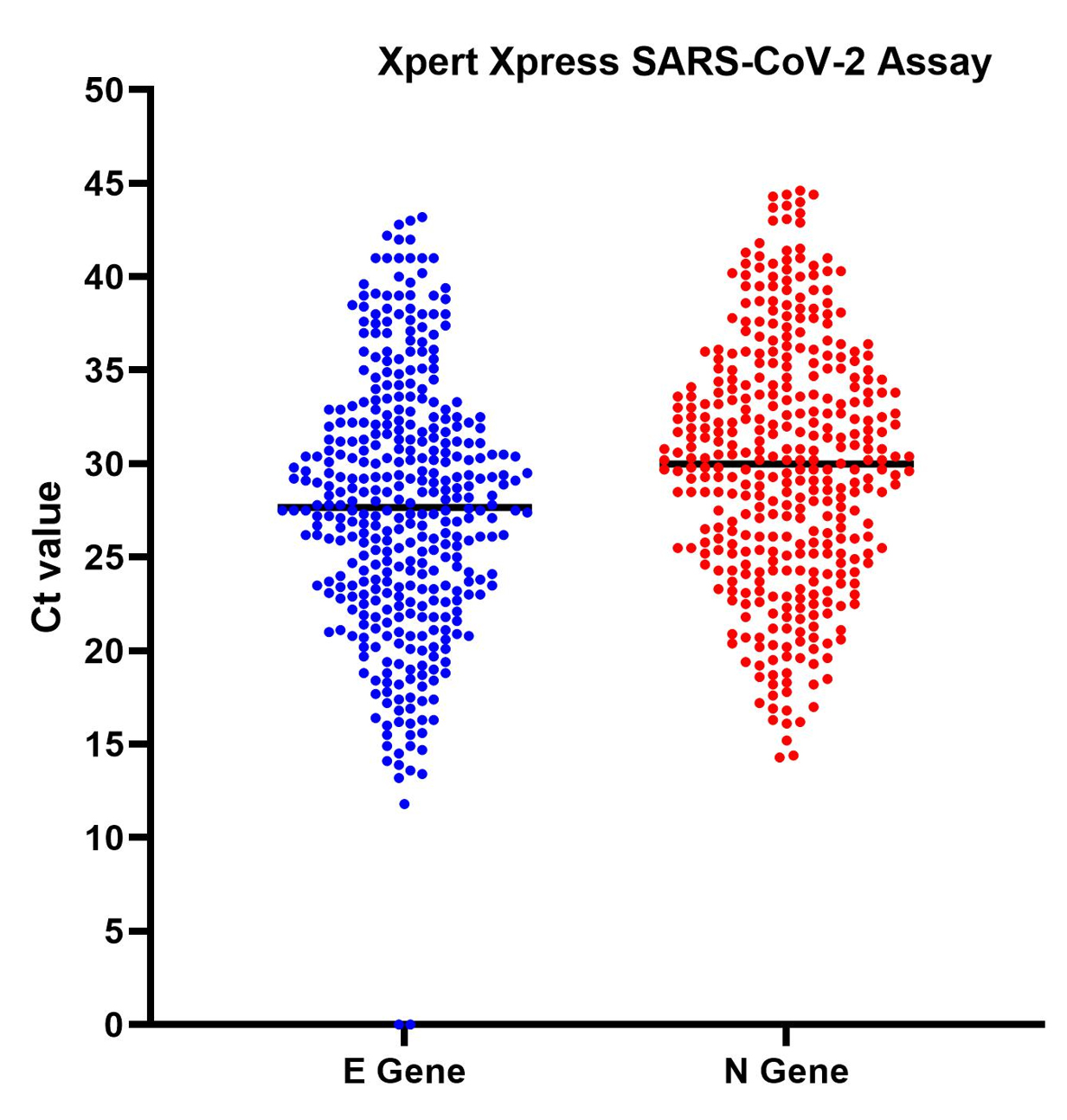
Figure 1. Representation of Ct values of E gene and N gene obtained by Xpert® Xpress SARS-CoV-2 assay
To compare diagnostic consistency, a subset of 100 samples (70 positives, 30 negatives) was randomly selected for re-testing with the TaqPath™ COVID-19 combo kit. Among the 70 Xpert®-positive samples, 67 were confirmed positive by TaqPath™, reflecting strong agreement between the two methods. However, three samples identified as positive by Xpert® tested negative with TaqPath™. All 30 negative samples showed complete concordance between the assays (P < 0.00001), as displayed in Table 2.
Table 2. Xpert Xpress SARS-CoV-2 Assay: Performance and Comparison
| N=100 | Xpert® Xpress SARS-CoV-2 Assay | ||
|---|---|---|---|
| + | – | ||
| TaqPath COVID-19 | + | 67 | 0 |
| – | 3 | 30 | |
| Performance Characteristics | Value | 95% CI | |
| Sensitivity | 100% | 94.64%-100% | |
| Specificity | 90.91% | 75.67%-98.08% | |
| Positive Likelihood Ratio | 12.00 | 4.06-35.46 | |
| Negative Likelihood Ratio | 0.00 | – | |
| Positive Predictive Value (PPV) | 95.71% | 88.32%-98.51% | |
| Negative Predictive Value (NPV) | 100% | 89.42%-100% | |
| Diagnostic Accuracy | 97.09% | 91.72%-99.40% | |
Since both tests target the N gene, we performed a Ct value comparison. The mean Ct for the N gene was approximately 27 in both assays. However, the Ct range was wider for the Xpert® assay (19.5-42.8) than for the TaqPath™ kit (21.7-35.4), as illustrated in Figure 2.
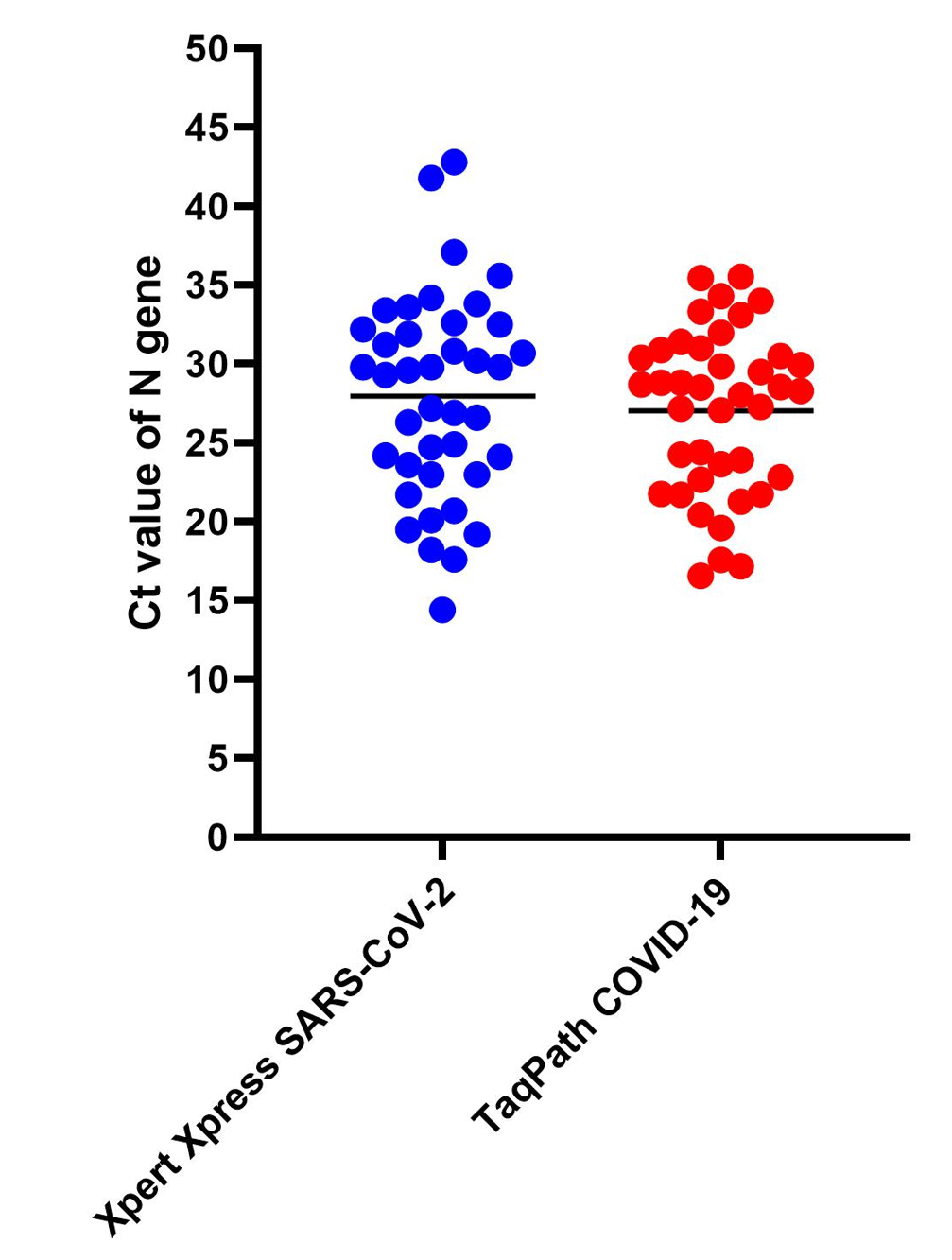
Figure 2. Comparison of Ct values of N gene obtained from patient samples using Xpert® Xpress SARS-CoV-2 assay and TaqPath™ COVID-19 combo kit
The Xpert® assay’s diagnostic performance was further evaluated. It demonstrated 100% sensitivity and 91.67% specificity. The negative predictive value (NPV) was 100%, and the positive predictive value (PPV) was 95.71%. The positive and negative likelihood ratios were 12 and 0, respectively. The overall diagnostic accuracy was 97.09%, as detailed in Table 2. Additionally, the area under the ROC curve (AUC) was 0.970, indicating excellent diagnostic accuracy (Figure 3).
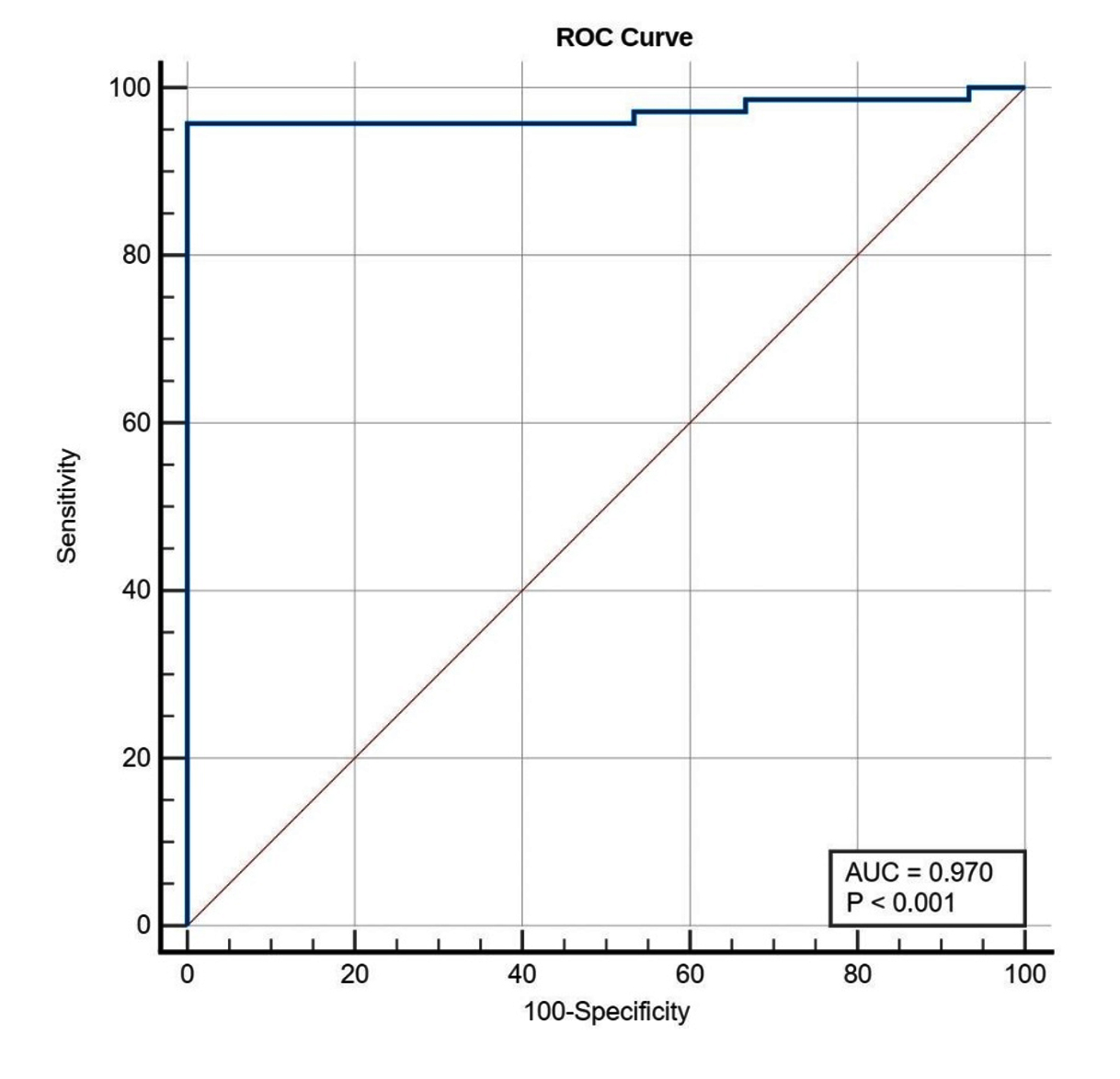
Figure 3. ROC curve analysis for the Xpert® assay. The area under the curve is 0.970. A value of more than 0.9 for AUC is considered excellent
Cepheid, known for its cartridge-based nucleic acid amplification technology (CBNAAT), previously developed the widely accepted Xpert® MTB/RIF test used in the diagnosis of Mycobacterium tuberculosis and rifampicin resistance.11 Building on this platform, the company launched the Xpert® Xpress SARS-CoV-2 assay during the COVID-19 crisis to offer rapid diagnostic support.12 This system is distinguished by its quick results and minimal manual handling, making it an attractive tool for hospital-based testing. In the current study, this assay was used to diagnose SARS-CoV-2 infection among hospitalized in-patients, particularly due to its speed and user-friendliness. To assess its reliability, a comparative evaluation with the TaqPath™ COVID-19 combo kit, a standard real-time RT-PCR method was carried out, offering a more comprehensive understanding of its diagnostic value.
The study was conducted during the early phase of the pandemic (April to October 2020), focusing on IPD patients with acute hypoxic respiratory symptoms. Implementation of the Xpert® assay enabled faster diagnosis and timely clinical interventions. Demographic analysis showed a higher infection rate among male patients (35.5%), aligning with earlier studies that have speculated on the role of lifestyle factors, including greater outdoor exposure, as a potential contributor.13 The highest positivity rates were recorded in individuals over 45 years of age, notably in the 45-60 and >60 years categories. This may reflect a decline in immune function associated with aging. Although comorbidities were not examined in this study, their known prevalence in older populations may also contribute to increased vulnerability to infection and disease severity.14
Of the 100 randomly selected samples retested, 67 showed consistent positive results across both assays, while three were identified as positive only by the Xpert® assay. These three discordant samples showed high Ct values for the N gene (Ct > 40) but lacked E gene detection. According to the Xpert® assay interpretation criteria, the presence of a valid N gene signal before 45 cycles is considered a positive result, even in the absence of E gene amplification.9 These findings suggest the need for further evaluation to determine the reasons for such discordance and to assess whether refinements to the interpretation algorithm could reduce the chance of false-positive results. Low false-positive rates for this assay have also been reported in other evaluations.4
Performance evaluation of the Xpert® assay revealed excellent diagnostic metrics, with a sensitivity of 100%, specificity of 91.67%, NPV of 100%, and PPV of 95.71%. The calculated likelihood ratios (positive = 12, negative = 0) and overall accuracy of 97.09% support its strong diagnostic utility (Table 2).
However, certain limitations must be acknowledged. The comparative analysis was performed on a relatively limited sample size, which may restrict the generalizability of the findings. Larger-scale studies would provide a more reliable measure of assay concordance. Additionally, the two assays were not always run concurrently for all samples, and any variation in viral load over time could have influenced the comparative results.
The Xpert® Xpress SARS-CoV-2 assay proved to be an effective tool for the rapid identification of COVID-19 cases in hospitalized patients. Its high sensitivity, combined with a short turnaround time, makes it especially valuable in emergency healthcare settings where timely diagnosis is critical to patient management. Further large-scale and prospective studies are encouraged to validate its diagnostic performance across diverse clinical environments.
ACKNOWLEDGMENTS
The authors acknowledge the technical assistance provided by Mr. Mahesh Sharma, Lab Technician, Department of Microbiology, Gandhi Medical College, Bhopal.
CONFLICT OF INTEREST
The authors declare that there is no conflict of interest.
AUTHORS’ CONTRIBUTION
RKJ, AR, JL, DC, and NP conceptualized the study. RKJ, AR, KKA, and NP developed the methodology. RKJ, AR, AA, and NP curated the data. RKJ, AA, and NP performed the formal analysis. RKJ, AR, KKA, and NP conducted the investigation. RKJ, JL, DC, AA, and NP validated the results. AA performed software work. NP and AA carried out the visualization. JL and DC provided the resources and managed the project administration. JL, DC, and NP supervised the study. RKJ, JL, AA, and NP wrote the manuscript. DC, AA, and NP reviewed and edited the manuscript. All authors read and approved the final manuscript for publication.
FUNDING
None.
DATA AVAILABILITY
The datasets generated during and/or analyzed during the current study are available from the corresponding author on reasonable request.
ETHICS STATEMENT
This study was approved by the Institutional Ethics Committee, Gandhi Medical College, Bhopal (Letter No. 13082/MC/IEC/2020 dated 01/06/2020).
- Teymouri M, Mollazadeh S, Mortazavi H, et al. Recent advances and challenges of RT-PCR tests for the diagnosis of COVID-19. Pathol Res Pract. 2021;221(1):153443.
Crossref - Feng W, Newbigging AM, Le C, et al. Molecular Diagnosis of COVID-19: Challenges and Research Needs. Anal Chem. 2020;92(15):10196-10209.
Crossref - Life Technologies Corporation. TaqPath™ COVID-19 Combo Kit and TaqPath™ COVID-19 Combo Kit Advanced: Instructions for Use. Rev J.0. Publication No. MAN0019181. Life Technologies Corporation; February 22, 2021. Accessed May 20, 2021. https://assets.thermofisher.com/TFS-Assets/LSG/manuals/MAN0019181_TaqPath_COVID-19_IFU_EUA.pdf
- Granato PA, Kimball SR, Alkins BR, Cross DC, Unz MM. Comparative evaluation of the Thermo fisher TaqPath™ COVID-19 combo kit with the Cepheid Xpert® Xpress SARS-CoV-2 assay for detecting SARS-CoV-2 in nasopharyngeal specimens. BMC Infect Dis. 2021;21(1):623.
Crossref - Ganz T, Sanderson S, Baush C, Mejia M, Gandhi M, Auclair J. Performance of the TaqMan COVID-19 Pooling Kit for detection of SARS-CoV-2 in asymptomatic and symptomatic populations. PLoS One. 2022;17(6):e0269798.
Crossref - Das P, Mondal S, Pal S, et al. COVID diagnostics by molecular methods: A systematic review of nucleic acid based testing systems. Indian J Med Microbiol. 2021;39(3):271-278.
Crossref - Kumar KSR, Mufti SS, Sarathy V, Hazarika D, Naik R. An Update on Advances in COVID-19 Laboratory Diagnosis and Testing Guidelines in India. Front Public Health. 2021;9:568603.
Crossref - Benda A, Zerajic L, Ankita A, Cleary E, Park Y, Pandey S. COVID-19 Testing and Diagnostics: A Review of Commercialized Technologies for Cost, Convenience and Quality of Tests. Sensors (Basel). 2021;21(19):6581.
Crossref - Cepheid. Xpert Xpress SARS-CoV-2 Test (POC). 2021. https://www.fda.gov/media/136315/download. Accessed June 16, 2021.
- Thermo Fisher Scientific Inc. MagMAX™ Viral/Pathogen II Nucleic Acid Isolation Kit (Instructions for Use, MAN0019746). 2020. https://assets.thermofisher.com/TFS-Assets/LSG/manuals/MAN0019746_MagMAX_MVP_II_NA_IsolationKit_CE-IVD_IFU.pdf. Accessed June 16, 2020.
- Lawn SD, Nicol MP. Xpert® MTB/RIF assay: development, evaluation and implementation of a new rapid molecular diagnostic for tuberculosis and rifampicin resistance. Future Microbiol. 2011;6(9):1067-82.
Crossref Erratum in: Future Microbiol. - Cao XJ, Fang KY, Li YP, Zhou J, Guo XG. The Diagnostic Accuracy of Xpert Xpress to SARS-CoV-2: A systematic review. J Virol Methods. 2022;301:114460.
Crossref - Pradhan A, Olsson PE. Sex differences in severity and mortality from COVID-19: are males more vulnerable? Biol Sex Differ. 2020;11(1):53.
Crossref - Davies NG, Klepac P, Liu Y, et al. Age-dependent effects in the transmission and control of COVID-19 epidemics. Nat Med. 2020;26(8):1205-1211.
Crossref
© The Author(s) 2026. Open Access. This article is distributed under the terms of the Creative Commons Attribution 4.0 International License which permits unrestricted use, sharing, distribution, and reproduction in any medium, provided you give appropriate credit to the original author(s) and the source, provide a link to the Creative Commons license, and indicate if changes were made.