

 , Saroj Bala3, Manikant Tripathi4 , Sangram Singh1, Ranjan Singh5, Pankaj Singh4, Pradeep Kumar Singh1 and Neelam Pathak1
Organic acids are key platform chemicals widely applied in food preservation, pharmaceuticals, agriculture, biodegradable polymers, and other industrial sectors. Sustainable production of these acids has gained increasing attention due to environmental concerns associated with chemical synthesis. Fungi represent efficient biofactories for organic acid production owing to their robust metabolism, substrate flexibility, and ability to secrete high levels of extracellular enzymes. This review focuses on fungal enzyme-mediated pathways involved in the biosynthesis of major organic acids, including citric acid, gluconic acid, oxalic acid, itaconic acid, lactic acid, and fumaric acid. Key enzymes, including glucose oxidase, citrate synthase, isocitrate lyase, oxaloacetate acetyl hydrolase, lactate dehydrogenase, and fumarase, play central roles in regulating metabolic flux toward organic acid accumulation. The review discusses metabolic pathways, regulatory mechanisms, strain improvement strategies, fermentation technologies, and the use of low-cost agro-industrial substrates. Major challenges such as product inhibition, by-product formation, downstream processing costs, and scale-up limitations are critically analysed. Furthermore, techno-economic considerations, including substrate cost, enzyme efficiency, fermentation optimisation, and industrial feasibility, are highlighted. Advances in metabolic engineering, omics tools, and biorefinery integration are also explored to enhance production efficiency and sustainability. This review provides comprehensive insights into fungal enzymatic systems driving organic acid biosynthesis and outlines future perspectives for economically viable and environmentally friendly industrial applications.
Lignocellulosic, Microbial Fermentation, Fungal Enzymes, Organic Acid Production, Aspergillus sp.
Microbial synthesis of organic acids represents a sustainable and feasible approach aligned with the biorefinery concept, which focuses on producing value-added chemicals from renewable feedstocks.1 Multiproduct biorefinery is a model that allows conversion of biomass to fuels, chemicals and advanced materials in a cost-effective way. Coupling biofuel manufacturing with the production of other valuable chemicals, like organic acids, would make the whole process much more economical.2 The organic acids are low-molecular-weight substances that have one or more carboxyl (-COOH) functional groups.3 They may be divided into monocarboxylic, dicarboxylic, α-hydroxy, and sugar acids, and their types depend on the structure, i.e., they may be aromatic, aliphatic acids, alicyclic, and heterocyclic.4 The carboxylic acids are structurally based on the hydrocarbons, whereby a hydrogen atom is substituted with a carboxyl group, typically having the formula (Ar)R.COOH.5 These acids are widely used in the industry as food additives, pharmaceuticals, and excipients in cosmetics. They are also significant intermediates (synthons) in biodegradable polymer production because of their biodegradability, providing sustainable alternatives to petroleum-based chemicals.6
Their environmental importance and commercial value have contributed to growing interest in microbial manufacturing, specifically by filamentous fungi.1,2 Naturally, fungi synthesise organic acids as part of their metabolism, often to regulate environmental pH or enhance nutrient solubilization and uptake.3,7 Certain fungal species are capable of accumulating large quantities of specific organic acids. Notably, species belonging to the genera Aspergillus and Rhizopus have demonstrated exceptional production capacities. Commercial-scale citric acid production exemplifies the industrial potential of fungi as efficient microbial cell factories.8 Organic acids also occur naturally in fermented foods such as vinegar, contributing to food preservation by inhibiting spoilage microorganisms.9 Their partial dissociation in aqueous solutions significantly influences physicochemical properties such as solubility and antimicrobial activity.10 Organic acids serve as essential platform chemicals across diverse sectors, including adhesives, detergents, petrochemicals, perfumes, food and beverages, pharmaceuticals, textiles, solvents, rubber, plastics, automotive, and construction industries.11-14
Filamentous fungi, particularly Aspergillus niger, are well-established industrial workhorses in organic acid production, especially citric acid.12-15 Some Aspergillus and Rhizopus species also produce significant amounts of fumaric and malic acids via the reductive tricarboxylic acid (TCA) pathway under stress conditions.16-19 Advances in fermentation technologies have enabled high yields, for example, malic acid production reaching 113 g/L using Aspergillus flavus on glucose substrates.20-22 In addition to organic acid production, fungi contribute substantially to enzyme production and environmental remediation. Enzymes such as laccase, manganese peroxidase, and lignin peroxidase are involved in the degradation of polycyclic aromatic hydrocarbons by species like Aspergillus oryzae and Mucor irregularis.23 Globally, fungi account for nearly half of the commercially produced industrial enzymes, including amylases, proteases, cellulases, lipases, laccases, and xylanases.24 Their rapid growth, metabolic versatility, and ability to co-produce biomass and metabolites make them attractive for industrial biotechnology applications.25
Despite substantial progress, existing literature largely discusses organic acid production and fungal enzyme systems separately, with limited integrated analysis of enzyme-mediated metabolic regulation, pathway engineering, and techno-economic feasibility. Comprehensive evaluation of key biosynthetic enzymes, metabolic flux control, strain optimisation, substrate utilisation, and downstream processing challenges remains fragmented. Moreover, challenges such as product inhibition, by-product formation, substrate cost, process scalability, and energy-intensive recovery steps significantly influence economic viability. Techno-economic assessments indicate that substrate selection, fermentation optimisation, enzyme efficiency, and downstream purification costs are critical determinants of commercial feasibility.
The present review aims to bridge these gaps by systematically integrating fungal enzymatic pathways with organic acid biosynthesis, highlighting key regulatory enzymes, metabolic engineering strategies, fermentation advancements, and industrial challenges. Furthermore, it critically evaluates techno-economic considerations and sustainability aspects within a biorefinery framework. By consolidating enzymatic, metabolic, and economic perspectives, this review provides a comprehensive and updated understanding of fungal enzyme-mediated organic acid production and identifies future research directions for improving industrial feasibility and process sustainability.
Fungal enzymes and their role in organic acid production
Fungi are prolific producers of extracellular and intracellular enzymes that play fundamental roles in substrate hydrolysis, metabolic regulation, and organic acid biosynthesis.9 Several comprehensive resources, including research advancements in pharmaceutical, nutritional and industrial enzymology, research advances in the fungal world: culture, isolation, identification, classification, characterization, properties and kinetics, fungal pretreatment methods for organic wastes: advances and challenges in biomass valorization, and fungal enzymes: latest developments in production and applications in industry, have extensively documented the diversity, properties, kinetics, and industrial applications of fungal enzymes. However, their direct linkage to enzyme-mediated organic acid production pathways has not been sufficiently consolidated.
Fungal enzymes contribute to organic acid production through two principal mechanisms:
- Hydrolytic degradation of complex substrates, enabling the release of fermentable sugars.
- Catalytic regulation of metabolic pathways, directing carbon flux toward specific organic acids.
Hydrolytic enzymes such as cellulases, amylases, xylanases, and pectinases facilitate the breakdown of lignocellulosic and agro-industrial wastes into simple sugars, which subsequently enter glycolysis and the tricarboxylic acid (TCA) cycle. Oxidoreductases and key metabolic enzymes then regulate the conversion of intermediates into organic acids such as citric, gluconic, oxalic, fumaric, malic, and itaconic acids.7-9 For instance, glucose oxidase catalyses the oxidation of glucose to gluconic acid, while citrate synthase regulates citric acid biosynthesis in Aspergillus niger. Similarly, oxaloacetate acetylhydrolase is involved in oxalic acid formation, and fumarase and malate dehydrogenase contribute to fumaric and malic acid accumulation under controlled fermentation conditions.11-15
The integration of enzymatic hydrolysis with metabolic pathway engineering enhances substrate utilization efficiency and improves organic acid yields. Nevertheless, challenges remain, including enzyme production cost, stability under industrial conditions, metabolic bottlenecks, and downstream recovery expenses.8 Future research should focus on enzyme immobilization, strain improvement, metabolic flux optimization, and integration into circular biorefinery systems to improve techno-economic feasibility.
Metabolic and enzymatic pathways for fungal organic acid production: mechanisms, flux regulation, and quantitative insights
The production efficiency of filamentous fungi varies depending on their metabolic versatility and ability to utilize diverse organic carbon sources. This review outlines key catabolic and anabolic pathways exploited in fungal biotechnology. These products encompass primary metabolites (organic acids), secondary metabolites (terpenes, alkaloids, polyketides, and non-ribosomal peptides), and macromolecules such as proteins. Contemporary metabolic engineering strategies are increasingly applied to enhance productivity and redirect metabolic flux toward target organic acids.26 The production efficiency of filamentous fungi is governed by carbon flux distribution, enzyme kinetics, oxygen transfer rate (OTR), and nutrient limitation. Quantitative studies show that optimized systems can convert 60%-95% of consumed carbon into target organic acids under controlled conditions, with metabolic engineering further enhancing titers and yields.26 The pathways for the production of organic acids are shown in Figure 1.
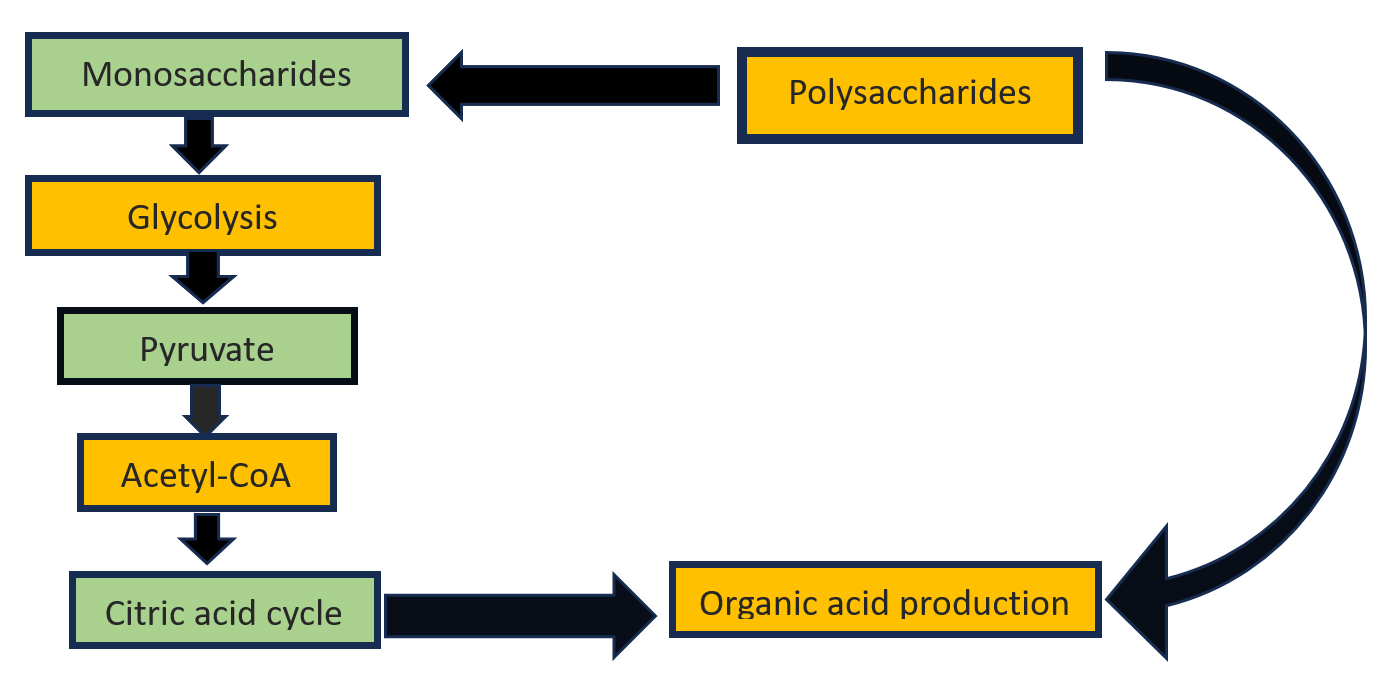
Figure 1. Pathways for the production of organic acids
In fungal glucose uptake, the six-carbon molecule enters the cytoplasm and undergoes glycolysis, generating pyruvate.27 During glucose metabolism, glycolysis generates pyruvate, whose metabolic fate determines acid accumulation.27 In citric acid production by Aspergillus niger, titers of 150-200 g/L and yields of 0.80-0.90 g/g glucose are achieved under nitrogen and manganese limitation, where reduced isocitrate dehydrogenase activity redirects carbon toward citrate.17 High dissolved oxygen (>30% saturation) supports productivity. Pyruvate is subsequently transported into mitochondria and converted into acetyl-CoA. Acetyl-CoA condenses with oxaloacetate under the catalysis of citrate synthase to form citrate, which enters the tricarboxylic acid (TCA) cycle. Regulation of these enzymatic steps-particularly citrate synthase, pyruvate carboxylase, malate dehydrogenase, fumarase, glucose oxidase, and oxaloacetate acetylhydrolase determines carbon flux redistribution toward specific organic acids. Gluconic acid production via glucose oxidase reaches 90%-95% theoretical yield with productivities of 1.5-3.0 g/L/h. In Rhizopus species exhibit CO2-enhanced pyruvate carboxylase activity, enabling fumaric acid production at titers of 50-100 g/L with a yield of approximately 0.85 g/g. Malic acid production can exceed 100 g/L under high C/N ratios.21 Oxalic acid-mediated metal solubilization shows extraction efficiencies above 80% under optimized acidic conditions.28 Key quantitative determinants include nitrogen (<0.1 g/L), trace manganese (<5 µg/L), pH 2.0-4.0, and glucose concentrations of 100-200 g/L.24 However, downstream processing may account for 30%-50% of production costs, and oxygen limitations or by-product formation can reduce efficiency. Therefore, systems-level optimization integrating metabolic engineering and process intensification is essential for industrial scalability.
Organic acid accumulation in fungi is closely associated with enzyme activity, nutrient limitation (nitrogen, phosphorus, or trace metals), dissolved oxygen levels, intracellular redox balance (NADH/NAD+ ratio), and pH control. For example, high glucose concentrations combined with manganese limitation enhance citrate synthase activity and suppress isocitrate dehydrogenase, resulting in citric acid overflow metabolism. Similarly, elevated glucose oxidase activity promotes gluconic acid formation via extracellular oxidation. In Rhizopus species, high pyruvate carboxylase and fumarase activities direct carbon flux toward fumaric and malic acids under CO2 -enriched conditions.
Recent advancements in strain improvement, metabolic engineering, and process optimization-including CRISPR-based gene editing, overexpression of key biosynthetic enzymes, transporter engineering, and adaptive laboratory evolution have significantly enhanced titers and yields of fungal organic acids. However, enzyme production cost, by-product formation, substrate variability, and downstream recovery remain critical challenges affecting industrial feasibility.
Fungi-based organic acid production
Organic acids are widely used compounds that are regarded as essential building components. One or more carboxyl groups and a low molecular weight define. The ability of certain fungi to naturally create large quantities of certain them.29 beneficial organic acids is well documented. The majority of these fungi belong to the genera Rhizopus (lactic and fumaric acids) and Aspergillus (citric, gluconic, malic, and itaconic acids). The fact that it is now possible to produce organic acids especially citric acid at large scale points to the substantial promise of fungi as effective platforms to conduct biosynthesis of organic acids.3,30 Organic acids of fungal origin are broadly grouped into four, namely, monocarboxylic (e.g., lactic acid); dicarboxylic (e.g., oxalic, malic, fumaric, itaconic, succinic, and trans-epoxysuccinic acids); tricarboxylic (e.g., citric acid); and sugar acids (e.g., gluconic acid).12
Microbial processing has long been recognized as a traditional and successful method of producing organic acids. The market for microbe-assisted organic acid production has grown dramatically due to the growing need for environmentally friendly and sustainable biobased processes. This is because microorganisms are essential for turning renewable resources into fuels, biochemicals, and advanced materials.31 In instance, extremely productive commercial methods for producing organic acid are a prime example of fungal biotechnology. After amino acids and antibiotics, these organic acids make up the third-largest group of bulk compounds produced by microbial fermentation, and many of them are produced on a commodity scale.3 A crucial substance that microbial activities can produce as natural products or as natural mediators is organic acid.32 Food additives, pharmaceuticals, and cosmetic excipients are just a few industrial uses for organic acids. They are completely biodegradable compounds that can be utilized as synthons or chemical intermediates to create biodegradable polymers, possibly replacing synthetic or petroleum-based chemicals.3
Citric acid
After ethanol, citric acid is the second most common fermentation product.33 It is widely utilized as one of the main additives in the food sector. Aspergillus niger, which is often grown on glucose or sucrose in a rich media such as molasses and glucose syrup, is the primary producer of huge amounts of citric acid. In A. niger-based bioprocesses, fermentation technology has enabled the production of up to 0.95 g of citric acid per gram of substrate sugar, indicating its effectiveness and widespread practical application.34 The first organic acid to be created commercially was citric acid (CA), which was made from both wild-type and modified recombinant fungus. By nature, citrus fruits also contain CA, which is distinguished by three carboxylic groups. Although this can also be generated using only a chemical procedure, microbial fermentation has proven to be the most preferred method of CA.
According to Show et al., the demand for CA exceeds the supply because of its low cost and wide range of applications.35 To maximize CA production, a number of actions must be taken, such as searching for substitute resources that are more practical in terms of cost, environmental impact, and productivity than those currently used.26 Citric acid, a key intermediate of the tricarboxylic acid (TCA) cycle, represents the most prominent bulk product in the global organic acid industry. For the past century, it has been utilized as a flavouring, acidifier, and chelating agent in the culinary, pharmaceutical, and chemical sectors. It is mostly made from A. niger. As a metabolic intermediate in the TCA cycle, CA accumulates at relatively high concentrations under extreme circumstances. Due to its high production rates, ease of handling and harvesting, and capacity to use a variety of low-cost substrates and agro-wastes, A. niger remains the best choice for commercial production.36 Citric acid released by P. digitatum and P. expansum can reduce the pH of the orange and apple pericarps by two and a half units, respectively.
The acidic environment is necessary for the activity of enzymes that break down cell walls is created by citric acid. Locally acidifying plant tissues make fungi such as P. expansum more pathogenic and make it easier for enzymes that break down cell walls to function at ideal pH levels, which in turn creates the ideal environment for the fungus’s production of PG.37-40 Citric acid prevents host tissues from producing H2O2. Citric acid chelation of Ca2+ impairs host cell wall activity and causes cell death. Citric acid accumulation decreases Ca2+ activity between plant cells, changing the mineral balance and compromising the integrity of pectin polymers in cell walls and cell membranes.41
Itaconic acid
Itaconic acid (IA) is an interesting organic acid due to the presence of methylene groups conjugated with double bonds, which offer important chemical properties. These groups, in particular, enable polymerization via esterification and condensation with other comonomers by carboxylic groups. This defines IA as an innovative platform chemical that can be used with monomers or during the synthesis of monomers.42,43 Itaconic acid is an unsaturated dicarboxylic acid that can be produced by a variety of microorganisms, but Aspergillus terreus yields 90 g/L of it.42,43 Polyesters are used in many different applications and replace petrochemical-based monomers like acrylic or methacrylic acid.
Even though an A. terreus isolate was used to create a stable and optimized platform that worked well at both 250 mL and 15 L scales, there is still a lot of variation in the generation of particular bioproducts in A. terreus-based bioreactor systems. Willke and coworkers also discussed the production of itaconic acid through biotechnological ways.44
Lactic acid
Many fruits and fermented foods naturally contain lactic acid (2-hydroxypropanoic acid). It is well known for its many uses, including pH buffering, antioxidant qualities, flavouring, acidulant activities, antibacterial activity against foodborne pathogens, and flavour improvement. The valuable commodity chemical lactic acid is extensively used in the culinary, pharmaceutical, cosmetic, and leather industries.2 It has enormous potential for producing biodegradable and biocompatible polylactic acid polymers, which are essential in the pharmaceutical industry for internal medication dosages, sutures, and prosthetic device assembly. Other significant uses for polylactic acid can be found in the automotive, textile, packaging, and agricultural sectors.
Gluconic acid
This versatile carbonic acid is mostly used in the culinary, pharmaceutical, and construction sectors. It is added to cement to improve strength and water resistance as well as to regulate the setting time. It is a moderate organic acid that is nontoxic, noncorrosive, and nonvolatile and is used to give food goods a refreshingly sour taste.45 Fungal species such as the biosynthesis of gluconic acid from glucose is primarily facilitated by fungal species such as Aspergillus niger and Penicillium, as well as bacterial genera including Pseudomonas, Acetobacter, and Gluconobacter.46
Acetic acid
Vinyl acetate, acetic anhydride, cellulose acetate, and other commercial chemicals are produced from acetic acid. Numerous sectors, including plastics, coatings, photography, automotive, insecticides, and food ingredients, employ these components.47,48 Vinegar, or acetic acid (ethanoic acid), is a weak organic acid that is used extensively in the food industry. In the food industry, it is used as a preservative, an effective solvent, or an intermediate ingredient for a variety of commercial-grade compounds. It is also a strong microbial growth inhibitor. Acetic acid can be used as a ripening agent, food enhancer, acidulant, antibacterial agent, or even a component of food packaging materials. Vinyl acetate, acetic anhydride, cellulose acetate, and other commercial chemicals are produced from acetic acid. Numerous sectors, including plastics, coatings, photography, automotive, insecticides, and food ingredients, employ these components.47,48
Genetic and metabolic engineering in fungi
The application of genetic engineering to alter an organism’s metabolism is known as metabolic engineering. This approach may involve introducing route components, usually in bacteria, yeast, or plants, or optimizing already existing biochemical pathways to produce particular metabolites in large quantities for use in biotechnology or medicine.49 Both natural and recombinant strains that produce metabolites can benefit greatly from genetic and metabolic engineering techniques that can increase production levels, create unique, customized molecules, or guide the synthesis of desired products. This will only be possible, however, if effective techniques for introducing and regulating gene expression in filamentous fungi are developed. A specialized review focused on filamentous fungal functional genomic.50 CRISPR and RNA interference (RNAi), two recent developments in genetic engineering, have the potential to improve crop protection, maximize resources, and reduce environmental effects.
Microbes’ metabolic pathways can be changed by combining genetic engineering methods with molecular biology and bioinformatics. These strategies may include enhancing precursor availability, suppress competing metabolic pathways, and introducing or overexpressing genes associated with the target metabolite biosynthetic pathway. Collectively, such modifications aim to improve the yield and productivity of the desired metabolite.51 While metabolic engineering focuses on changing an organism’s metabolic pathways to maximize the synthesis of particular substances, genetic engineering directly manipulates an organism’s DNA to change its characteristics. Importantly, synthetic biology may be used in a variety of bioscience and bioengineering domains, including genetic and metabolic engineering, and may lead to the creation and execution of novel biological activities by repurposing molecular systems.36
Multiple planned alterations can now be executed concurrently and iteratively, owing to further genomics advances such as the sequencing of the industrial species A. niger and the development of CRISPR-based genome editing techniques for filamentous fungi. Adaptable filamentous fungi produce many heterologous natural products by altering multiple metabolic pathways via genome editing.52 Metabolic flux can be redirected to the necessary product-forming pathway by using metabolic engineering to eliminate the genes of undesirable side pathways. Additionally, one tactic to increase protein expression and, consequently, industrial process productivity is the targeted integration of genes into a genomic location known to increase transcription.
Additionally, functional genomics also uses gene targeting. The mechanism of foreign DNA integration is determined by two competing processes: homologous recombination (HR) and the nonhomologous end-joining (NHEJ) pathway.53 Advances in genomic engineering have expanded the possible applications for fungal bioproduction. After the Neurospora crassa genome was published, the genome sequences of Aspergillus nidulans, A. fumigatus, and A. oryzae were among the first to be identified and compared.54,55 Significant diversity in important biological processes, such as secondary metabolism, organic acid biosynthesis, stress response pathways, and carbon source utilization, was found in a later large-scale comparative genomics analysis of ten industrially significant Aspergillus species.56
Usually, host-specific delivery vectors containing the Cas9-sgRNA complex are used to introduce the CRISPR/Cas9 system into cells for fungal genome editing. As an alternative, target cells can receive preassembled Cas9 ribonucleoprotein (RNP) complexes directly. This strategy minimizes extended genomic integration and lowers off-target effects, making it especially beneficial for transitory gene expression. When markers are not available, vectors based on the Aspergillus-autonomously maintained AMA1 sequence have proven to be quite successful at gene editing in filamentous fungi.57,58
Due to its ubiquity in conservation inside the eukaryotes, such as fungi, and inherent presence, RNA interference (RNAi) has emerged as an effective alternative to CRISPR, which is the most frequently used technique in gene editing in fungal populations. RNA interference (RNAi) silences specific genes by introducing small RNA that will match the mRNA of the desired gene. These small RNAs silence target mRNAs breaking them down forming an RNA-induced silencing complex (RISC) and preventing the release of proteins. This process is employed in fungal genetic engineering, to research and alter the fungal genes.59
Factors affecting organic acid production by fungi
Microscopic eukaryotic organisms known as filamentous fungus form tiny filaments on a range of solid surfaces.60 Fungi produce a variety of organic acids, such as citric acid, oxalic acid, gluconic acid, itaconic acid, and malic acid, which are crucial for both industrial processes (fermentations, bioprocesses) and biological activities (virulence, environmental interactions). Figure 2 illustrates the several factors influencing the generation of organic acid. Numerous interconnected parameters affect the yield, range, and rate of organic acid synthesis. These elements enable the manipulation of fungal behaviour (e.g., in plant pathogen interactions) or the optimization of production for industrial applications.61
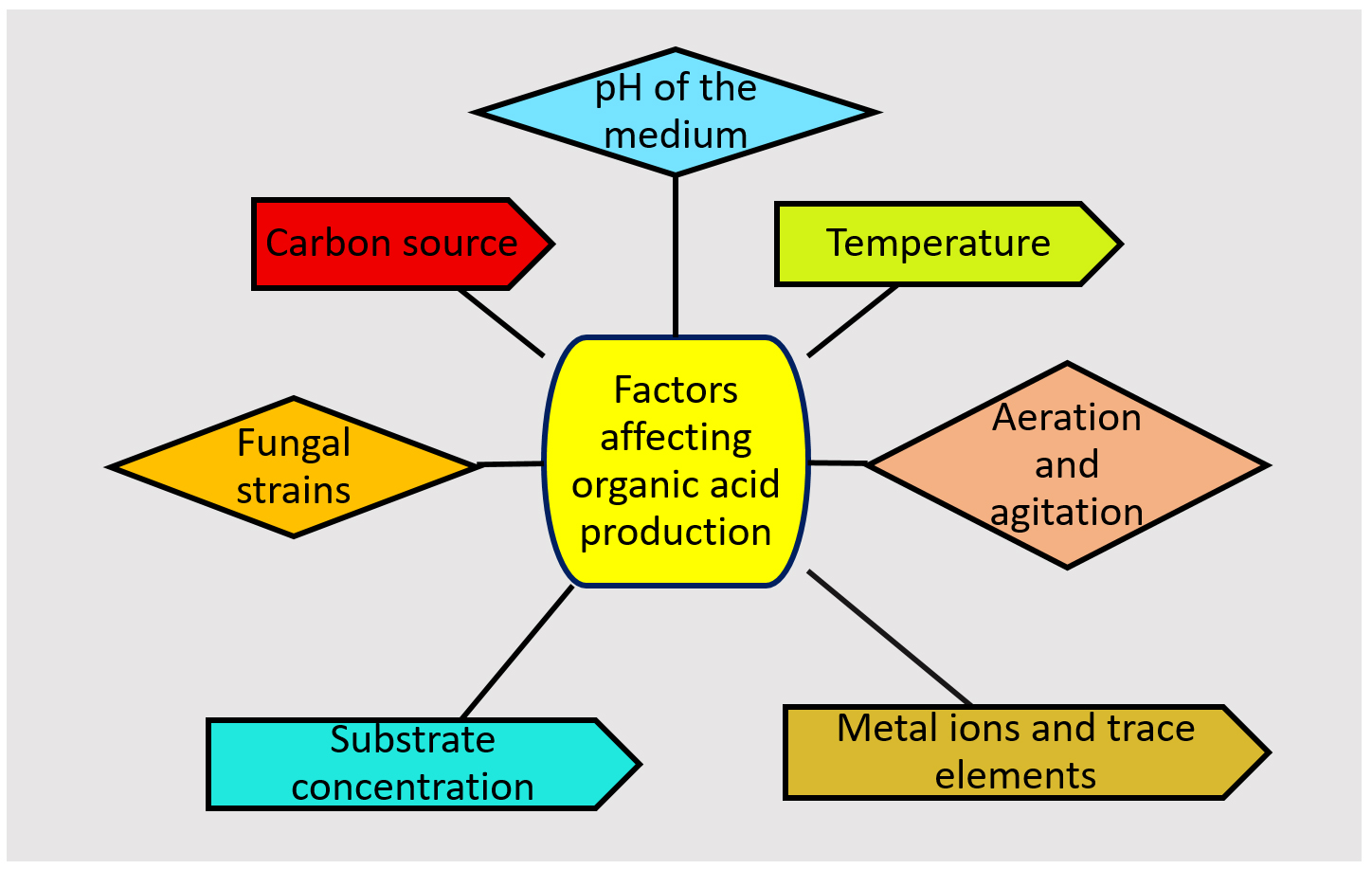
Figure 2. Major factors affecting fungus-mediated organic acid production
Microbial or genetic factors
The enzymatic machinery and regulation of acid production are two examples of the capacities that differ between fungal species or even strains within a species.56 For example, Aspergillus terreus produces itaconic acid, whereas Aspergillus niger is a workhorse for citric acid. The generation of organic acids and their rate are also determined by genetic regulation, including regulatory genes and enzymes.62 Moreover, mutations and genetic engineering that alter regulatory genes and modify transporters can also enhance or redirect organic acid production. The major factors are genes involved in pH sensing. For example, pacc and the pal genes in Aspergillus control acid secretion in response to environmental pH.63
External/environmental factors
The external factors that affect fungus-mediated organic acid production are physical parameters, medium composition and culture conditions. Carbon sources such as glucose and fructose. Ammonium, nitrate and organic nitrogen also affect fungal metabolism. The limitation of nitrogen often enhances organic acid accumulation since growth is reduced, redirecting carbon flux into secondary products.8 Furthermore, the ratios of carbon and nitrogen are critical C:N ratios. Excessive nitrogen may favour biomass over acid production, whereas a shortage of carbon and nitrogen may lead to a bottleneck in metabolic processes.
pH
One of the main elements in the synthesis of organic acid is pH. The amount and kind of organic acid released are significantly influenced by the ambient pH. For instance, Aspergillus niger produces the most citric acid at very low pH values (<2), while oxalic acid is preferred above pH ~5 and gluconic acid is preferred at pH levels of ~4.5-6.5.64
Temperature
Temperature has a significant influence on the production of organic acids through fungi. Maximum acid production in any given substance usually has an optimum temperature. An investigation of Aspergillus oryzae to form L-malic acid demonstrated that various sources of carbon were affected by temperatures at 29-38 °C and acid formation was faster at higher temperatures, yet the proportion of the preferable acid (malate) to forms was higher at intermediate level (approximately 32 °C).65
Culture mode/process parameters
The use of the culture batch is important in the production of organic acids. Limiting conditions may be ensured in a continuous culture, but in batch culture either the build-up of byproducts or the decrease of nutrients may take place. The inadequacy of nutrients like nitrogen and Phosphate may also redirect metabolism. Organic acid production Agitation and mixing, foam management and heat dissipation are significant parameters in batch culture, which can affect fungal physiology and could impact organic acid yield.
Applications of fungus-based produced organic acids
Due to their robust metabolism and adaptability to diverse substrates, including agro-industrial and lignocellulosic wastes, fungi are among the most efficient producers of industrial organic acids.9 Fungal-derived gluconic, citric, malic, itaconic, oxalic, lactic, and fumaric acids have transitioned from laboratory-scale products to high-volume commercial biochemicals with multi-sectoral applications. Globally, citric acid production exceeds 2 million tons annually, with Aspergillus niger serving as the dominant industrial producer. Citric acid is extensively used as an acidulant, flavor enhancer, preservative, and chelating agent in beverages, processed foods, and pharmaceuticals. Beyond food applications, it functions as a buffering and cleaning agent in detergents and metal treatment industries.3,46,55
Fumaric and malic acids are widely applied in beverages and confectionery for acidity regulation and flavor enhancement. Industrial production levels of fumaric acid have expanded due to its role in unsaturated polyester resins and biodegradable polymers. Itaconic acid, primarily produced by Aspergillus terreus, is an important bio-based monomer used in synthetic resins, coatings, adhesives, and bioplastics, representing a key component of the emerging green polymer market. Lactic acid, including that produced by fungal systems, is a critical precursor for polylactic acid (PLA), a biodegradable plastic increasingly replacing petroleum-based polymers.
In environmental and agricultural sectors, fungal organic acids contribute significantly to soil conditioning, phosphate solubilization, micronutrient mobilization, and plant growth promotion. Oxalic and citric acids enhance heavy metal chelation and extraction efficiency in contaminated soils, improving bioremediation outcomes.66 Metal recovery efficiencies in bioleaching systems often exceed 70%-80% under optimized acidic conditions, demonstrating their environmental relevance.
From a bioeconomy perspective, fungal organic acids serve as platform chemicals for sustainable biorefineries, supporting circular economy models by converting low-cost biomass into value-added materials. Their biodegradability, relatively low toxicity, and compatibility with green chemistry principles make them attractive alternatives to petrochemical derivatives. Additionally, in cosmetic and dermatological formulations, certain fungal organic acids are utilized for pH adjustment, exfoliation, and anti-aging treatments due to their mild keratolytic and antioxidant properties.67 Table showed applications of different types of fungi mediated produced organic acids.
Table. Different types of organic acids produced and their sources along with their applications
No. |
Organic acid |
Fungal source |
Applications |
Ref. |
|---|---|---|---|---|
1. |
Citric acid |
Aspergillus niger |
Food preservative, powerful cleaning agent |
68 |
2. |
Lactic acid |
Lactobacillus acidophilus |
Biofertilizer, cosmetic industry and metabolic engineering |
69 |
3. |
Ascorbic acid |
Coculture of Ketogulo- nicigenium spp. |
Food and beverage industry |
70 |
4. |
Malic acid |
Aspergillus flavus, Saccharomyces bayanus |
Acidulant, agricultural product |
69 |
5. |
Acetic acid |
Acetobacter aceti |
Textile industry |
71 |
6. |
Propionic acid |
Bifidobacterium spp. |
Manufacturer of herbicides |
72 |
7. |
Butyric acid |
Clostridium butyricum |
Production of paints and plastics |
73 |
8. |
Gluconic acid |
Aspergillus niger |
Production of minerals used as a supplement for calcium and iron |
74 |
9. |
Itaconic acid |
Aspergillus terrus |
Used in preparation of acrylic fibres and rubbers, reinforced glass fibre, in water treatment systems, artificial diamond and lens |
75 |
10. |
Fumaric acid |
Rhizopus nigricans |
Used in food beverage products, as an oral pharmaceutical formation |
76 |
11. |
Kojic acid |
Aspergillus oryzae |
Used in food and cosmetic industry |
77 |
Despite these broad applications, challenges remain in scaling production cost-effectively, particularly regarding downstream purification, substrate standardization, and process integration. A systems-based approach integrating enzyme engineering, metabolic optimization, and process intensification is essential to fully exploit the industrial and environmental potential of fungus-based organic acid production.
Challenges and techno-economic feasibility of fungal organic acid production
Although fungal organic acid production is well established at laboratory and industrial scales, several technical and economic challenges influence its commercial sustainability. One of the primary constraints is substrate cost, which may account for 40%-60% of total production expenses. While agro-industrial wastes and lignocellulosic biomass offer low-cost alternatives, variability in composition, pretreatment requirements, and inhibitor formation can reduce fermentation efficiency.40,51
Another major challenge is oxygen transfer limitation, particularly in aerobic processes such as citric and gluconic acid production. Insufficient oxygen availability reduces productivity and may promote by-product formation. Scaling up from laboratory to industrial fermenters often results in mass transfer limitations, affecting yield and volumetric productivity. Additionally, strict control of trace elements (e.g., manganese in citric acid fermentation), pH (typically 2.0-4.0), and nutrient limitation increases process complexity.51
Downstream processing and purification represent a significant economic bottleneck, often contributing 30%-50% of overall production costs. Recovery steps such as precipitation, crystallization, filtration, and solvent extraction require high energy input and generate secondary waste streams. The development of in situ product recovery and membrane-based separation technologies is being explored to reduce these costs.40
From a metabolic perspective, by-product formation, feedback inhibition, and redox imbalance can reduce carbon conversion efficiency. Although metabolic engineering and CRISPR-based gene editing have improved titers and yields, regulatory concerns, strain stability, and industrial robustness remain critical considerations.30
Techno-economic analyses suggest that profitability depends on achieving high product titers (>100 g/L for bulk acids), high yields (>0.8 g/g substrate), and productivities above 1-2 g/L/h while utilizing inexpensive feedstocks. Integration into a biorefinery framework, where co-products such as enzymes, biomass, or secondary metabolites are simultaneously valorized, significantly enhances economic feasibility.
Fungal organic acid production offers clear environmental advantages over petrochemical synthesis, its long-term sustainability requires integrated optimization of strain engineering, fermentation design, substrate utilization, and downstream recovery. A holistic systems-based and life cycle assessment approach is essential to ensure economic competitiveness and environmental sustainability.
Future research directions
The use of the fungus in producing organic acids (citric, gluconic, itaconic, lactic, oxalic, etc.) has been of value in the food, pharmaceutical, polymer precursors and platform chemicals. Fungal bioprocesses have distinctive benefits as the global need in the sustainable biobased chemicals is growing; they utilise a wide range of substrates, provide secreted metabolite patterns, are tolerant to a variety of harsh environments, and are amenable to metabolic and process engineering.78 Fumaric, L-malic, and citric acids are classified as bulk chemicals; however, until recently, their biosynthesis and regulatory mechanisms had not been a central focus of biological research. This may come as a surprise because these metabolites are intermediates of a core pathway and are found at the “heart” of metabolism in practically every cell.69 The extreme competition among developing companies for the production of bulk chemicals is now fuelling research into acid production by using filamentous fungi. This research is likely to involve two main paths: first, improving and optimizing current production methods, and second, developing new fermentation strategies aimed at generating higher-value organic acids.
Recent developments in metabolomics and genomes have greatly improved fungal biotechnology research capacities. The optimization of fungal strains and production systems is anticipated to be accelerated by the combination of “omics” methods, such as proteomics, genomics, and metabolomics, with metabolic and process engineering. These organisms have a great potential for producing organic acid efficiently, according to recent research.79 Enhancing important metabolic steps or suppressing competing pathways to increase acid yields or facilitate the synthesis of new chemicals are examples of focused manipulation of cellular processes made possible by a fuller understanding of metabolic networks and regulatory mechanisms. Although comprehensive databases of intracellular metabolite concentrations are still limited, the growing body of knowledge is laying the foundation for the application of systems biology in fungi. Consequently, metabolic engineering strategies are likely to facilitate the development of efficient fungal cell factories (platform organisms). This progress represents a significant advancement in biotechnology, revitalizing interest in organic acids often regarded as “ancient metabolites” and positioning them as promising targets for modern research and industrial applications.80
Fungal-mediated organic acid production stands at a critical transition point, where advances in metabolic engineering, synthetic biology, and process intensification are transforming conventional fermentation into highly optimized, enzyme-driven bioprocesses. The integration of systems biology tools, metabolic flux analysis, and genome editing technologies has significantly improved product titers, yields, and substrate utilization efficiency. However, sustainable industrial translation requires not only genetic and metabolic optimization but also careful control of environmental parameters such as pH, oxygen transfer, nutrient limitation, and trace metal balance. Fungi function as highly regulated biochemical factories in which strain genetics, enzyme expression levels, and process variables collectively determine productivity, selectivity, and economic feasibility. Rational strain design informed by regulatory mechanisms such as overflow metabolism and pH-responsive signalling combined with factorial experimental optimization enables systematic yield enhancement. Future progress must move beyond yield maximization alone and incorporate techno-economic assessment, life cycle analysis, and circular bioeconomy integration. Reducing downstream processing costs, improving energy efficiency, and utilizing low-cost renewable feedstocks are central to ensuring commercial viability. Strategic investments, interdisciplinary collaboration, and biorefinery-based process integration will be essential to scale fungal organic acid production into competitive, low-carbon alternatives to petrochemical routes.
ACKNOWLEDGMENTS
The authors are thankful to their respective universities and institutes for their support and facilities provided during this study.
CONFLICT OF INTEREST
The authors declare that there is no conflict of interest.
AUTHORS’ CONTRIBUTION
All authors listed have made a substantial, direct and intellectual contribution to the work, and approved it for publication.
FUNDING
None.
DATA AVAILABILITY
Not applicable.
ETHICS STATEMENT
Not applicable.
- Becker J, Lange A, Fabarius J, Wittmann C. Top value platform chemicals: bio-based production of organic acids. Curr Opin Biotechnol. 2015;36:168-175.
Crossref - Chen Y, Nielsen J. Biobased organic acids production by metabolically engineered microorganisms. Curr Opin Biotechnol. 2016;37:165-172.
Crossref - Sauer M, Porro D, Mattanovich D, Branduardi P. Microbial production of organic acids: expanding the markets. Trends Biotechnol. 2008;26(2):100-108.
Crossref - Dezam APG, Vasconcellos VM, Lacava PT, Farinas CS. Microbial production of organic acids by endophytic fungi. Biocatal Agric Biotechnol. 2017;11:282-287.
Crossref - Milanesi R, Porro D, Branduardi P, Serra I. Production of Industrially Relevant Organic Acids by Yeasts and Filamentous Fungi. In: Sibirny AA, eds. Biotechnology of Yeasts and Filamentous Fungi. Grand Challenges in Biology and Biotechnology. Springer, Cham. 2025:123-140.
Crossref 3-031-74726-7_5 - Anyasi TA, Jideani AIO, Edokpayi JN, Anokwuru C. Application of organic acids in food preservation. In: Vargas C, ed. Organic Acids: Characteristics, Properties and Synthesis. Nova Science Publishers; 2017:45-68
- Ghai M, Agnihotri N, Kumar V, Agnihotri R, Kumar A, Sahu K. Global organic acids production and their industrial applications. Phys Sci Rev. 2024;9(10):3097-115.
Crossref - Plassard C, Fransson P. Regulation of low-molecular weight organic acid production in fungi. Fungal Biol Rev. 2009;23(1-2):30-39.
Crossref - Liaud N, Ginies C, Navarro D, et al. Exploring fungal biodiversity: organic acid production by 66 strains of filamentous fungi. Fungal Biol Biotechnol. 2014;1(1):1.
Crossref - Dutton MV, Evans CS. Oxalate production by fungi: its role in pathogenicity and ecology in the soil environment. Can J Microbiol. 1996;42(9):881-95.
Crossref - Jones DL. Organic acids in the rhizosphere-a critical review. Plant and soil. 1998;205(1):25-44.
Crossref - Li A, Punt P. Industrial production of organic acids by Fungi. Appl Microb Eng. 2013:52-74.
Crossref - Adakawa MI, Bagwai MA, Harinarayana NS. Production of organic acids by filamentous fungi: a review. In: Singh RS, Bhari R, eds. Fungal Biotechnology. Developments in Applied Microbiology and Biotechnology. Elsevier; 2025:37-55.
Crossref - Ben Braiek O, Smaoui S. Chemistry, safety, and challenges of the use of organic acids and their derivative salts in meat preservation. J Food Qual. 2021;2021(1):6653190.
Crossref - Singh R, Kumar M, Mittal A, Mehta PK. Microbial enzymes: industrial progress in 21st century. 3 Biotech. 2016;6(2):174.
Crossref - Ahmed AS, Farag SS, Hassan IA, Botros HW. Production of gluconic acid by using some irradiated microorganisms. J Radiat Res Appl Sci. 2015;8(3):374-80.
Crossref - Max B, Salgado JM, Rodriguez N, Cortes S, Converti A, Dominguez JM. Biotechnological production of citric acid. Braz J Microbiol. 2010;41(4):862-875.
Crossref - Yang L, Lubeck M, Lubeck PS. Aspergillus as a versatile cell factory for organic acid production. Fungal Biol Rev. 2017;31(1):33-49.
Crossref - Wu N, Xing M, Chen Y, et al. Improving the productivity of malic acid by alleviating oxidative stress during Aspergillus niger fermentation. Biotechnol Biofuels. 2022;15(1):151.
Crossref - Peleg Y, Stieglitz B, Goldberg I. Malic acid accumulation by Aspergillus flavus: I. Biochemical aspects of acid biosynthesis. Appl Microbiol Biotechnol. 1988;28(1):69-75.
Crossref - Peleg Y, Barak A, Scrutton MC, Goldberg I. Malic acid accumulation by Aspergillus flavus: III. 13C NMR and isoenzyme analyses. Appl Microbiol Biotechnol. 1989;30(2):176-183.
Crossref - Ding Y, Li S, Dou C, Yu Y, Huang H. Production of fumaric acid by Rhizopus oryzae: role of carbon-nitrogen ratio. Appl Biochem Biotechnol. 2011;164(8):1461-1467.
Crossref - Asemoloye MD, Tosi S, Dacco C, et al. Hydrocarbon degradation and enzyme activities of Aspergillus oryzae and Mucor irregularis isolated from Nigerian crude oil-polluted sites. Microorganisms. 2020;8(12):1912.
Crossref - Kumari P, Mehta A, Sehgal R, Ray RC, Gupta R. Microbial enzymes and organic acids production from vegetable and fruit wastes and their applications. In: Ray RC, ed. Fruits and Vegetable Wastes. Springer Nature Singapore; 2022.
Crossref - Yadav AN, Verma P, Kumar R, Kumar V, Kumar K. Current applications and future prospects of eco-friendly microbes. EU Voice. 2017;3(1):21-2.
- Olicon-Hernandez DR, Gonzalez-Lopez J, Aranda E. Overview on the biochemical potential of filamentous fungi to degrade pharmaceutical compounds. Front Microbiol. 2017;8:1792.
Crossref - Mousavi SM, Hashemi SA, Moezzi SMI, et al. Recent advances in enzymes for the bioremediation of pollutants. Biochem Res Int. 2021;2021(1):5599204.
Crossref - Amenaghawon AN, Ayere JE, Amune UO, et al. A comprehensive review of recent advances in the applications and biosynthesis of oxalic acid from bio-derived substrates. Environmental research. 2024; 251: 118703.
Crossref - Porro D, Branduardi P. Production of Organic Acids by Yeasts and Filamentous Fungi. In: Sibirny A, ed. Biotechnology of Yeasts and Filamentous Fungi. Springer, Cham. 2017:205-223.
Crossref - Magnuson JK, Lasure LL. Organic acid production by filamentous fungi. In: Tkacz JS, Lange L, eds. Advances in Fungal Biotechnology for Industry, Agriculture, and Medicine. Springer; 2004:307-340.
Crossref - Karaffa L, Fekete E, Kubicek CP. The role of metal ions in fungal organic acid accumulation. Microorganisms. 2021;9(6):1267.
Crossref - Arshad M, Arshad I, Aslam H, et al. Microbial bioproducts: current advances, industrial applications, and future perspectives. J Umm Al-Qura Univ Appll Sci. 2025;11(3):545-560.
Crossref - Mazzoli R. Current progress in production of building-block organic acids by consolidated bioprocessing of lignocellulose. Fermentation. 2021;7(4):248.
Crossref - Dhillon GS, Brar SK, Kaur S, Verma M. Bioproduction and extraction optimization of citric acid from Aspergillus niger by rotating drum type solid-state bioreactor. Ind Crops Prod. 2013;41(1):78-84.
Crossref - Show PL, Oladele KO, Siew QY, Zakry FAA, Lan JC, Ling TC. Overview of citric acid production from Aspergillus niger. Front Life Sci. 2015;8(3):271-283.
Crossref - Cairns TC, Nai C, Meyer V. How a fungus shapes biotechnology: 100 years of Aspergillus niger research. Fungal Biol Biotechnol. 2018;5(1):13.
Crossref - Dhillon GS, Brar SK. Citric acid: an emerging substrate for the formation of biopolymers. In: Ackrine WJ, ed. Polymer Initiators. Nova Science Publishers; 2011:133-162.
- Prusky D, Yakoby N. Pathogenic fungi: leading or led by ambient pH?. Mol Plant Pathol. 2003;4(6):509-516.
Crossref - Prusky D, McEvoy JL, Saftner R, Conway WS, Jones R. Relationship between host acidification and virulence of Penicillium spp. on apple and citrus fruit. Phytopathology. 2004;94(1):44-51.
Crossref - Xu H, Yan S, Gerhard E, et al. Citric acid: a nexus between cellular mechanisms and biomaterial innovations. Adv Mater. 2024;36(32):2402871.
Crossref - Teleky BE, Vodnar DC. Recent advances in biotechnological itaconic acid production, and application for a sustainable approach. Polymers. 2021;13(20):3574.
Crossref - Kuenz A, Gallenmuller Y, Willke T, Vorlop KD. Microbial production of itaconic acid: developing a stable platform for high product concentrations. Appl Microbiol Biotechnol. 2012 Dec;96(5):1209-1216.
Crossref - Willke T, Vorlop KD. Biotechnological production of itaconic acid. Appl Microbiol Biotechnol. 2001;56(3):289-295.
Crossref - Anastassiadis S, Morgunov IG. Gluconic acid production. Recent patents on biotechnology. 2007;1(2): 167-180.
Crossref - Ramachandran S, Fontanille P, Pandey A, Larroche C. Fed-batch production of gluconic acid by terpene-treated Aspergillus niger spores. Appl Biochem Biotechnol. 2008;151(2):413-423.
Crossref - Dionisi D, Silva IM. Production of ethanol, organic acids and hydrogen: an opportunity for mixed culture biotechnology? Rev Environ Sci Bio/Technology. 2016;15(2):213-242.
Crossref - Yoneda N, Kusano S, Yasui M, Pujado P, Wilcher S. Recent advances in processes and catalysts for the production of acetic acid. Appl Catal A Gen. 2001;221(1-2):253-265.
Crossref - Carbonell P. Synthetic biology design tools for metabolic engineering. In: Singh V, ed. Microbial Cell Factories Engineering for Production of Biomolecules. Elsevier; 2021:65-77.
Crossref - Weld RJ, Plummer KM, Carpenter MA, Ridgway HJ. Approaches to functional genomics in filamentous fungi. Cell Res. 2006;16(1):31-44.
Crossref - Rusu AV, Trif M, Rocha JM. Microbial secondary metabolites via fermentation approaches for dietary supplementation formulations. Molecules. 2023;28(16):6020.
Crossref - Li Y, Li C, Fu Y, et al. A CRISPR/Cas9-based visual toolkit enabling multiplex integration at specific genomic loci in Aspergillus niger. Synth Syst Biotechnol. 2024;9(2):209-216.
Crossref - Dudasova Z, Dudas A, Chovanec M. Non-homologous end-joining factors of Saccharomyces cerevisiae. FEMS Microbiol Rev. 2004;28(5):581-601.
Crossref - Galagan JE, Calvo SE, Borkovich KA, et al. The genome sequence of the filamentous fungus Neurospora crassa. Nature. 2003;422(6934):859-868.
Crossref - Galagan JE, Calvo SE, Cuomo C, et al. Sequencing of Aspergillus nidulans and comparative analysis with A. fumigatus and A. oryzae. Nature. 2005;438(7071):1105-15.
Crossref - De Vries RP, Riley R, Wiebenga A, et al. Comparative genomics reveals high biological diversity and specific adaptations in the industrially and medically important fungal genus Aspergillus. Genome Biol. 2017;18(1):28.
Crossref - van Leeuwe TM, Arentshorst M, Ernst T, Alazi E, Punt PJ, Ram AF. Efficient marker free CRISPR/Cas9 genome editing for functional analysis of gene families in filamentous fungi. Fungal Biol Biotechnol. 2019;6(1):13.
Crossref - Yoshioka I, Kirimura K. Rapid and marker-free gene replacement in citric acid-producing Aspergillus tubingensis (A. niger) WU-2223L by the CRISPR/Cas9 system-based genome editing technique using DNA fragments encoding sgRNAs. J Biosci Bioeng. 2021;131(6):579-88.
Crossref - Quitmann H, Fan R, Czermak P. Acidic organic compounds in beverage, food, and feed production. In: Zorn H, Czermak P, eds. Biotechnology of Food and Feed Additives. Advances in Biochemical Engineering/Biotechnology. Vol 143. Springer; 2014:91-141.
Crossref - Gleason FH, Scholz B, Jephcott TG, et al. Key ecological roles for zoosporic true fungi in aquatic habitats. Microbiol Spectr. 2017;5(2):10-128.
Crossref - Rama T, Quandt CA. Improving fungal cultivability for natural products discovery. Front Microbiol. 2021;12:706044.
Crossref - Xie H, Ma Q, Wei D, Wang F. Metabolic engineering of an industrial Aspergillus niger strain for itaconic acid production. 3 Biotech. 2020;10(3):113.
Crossref - Jiao W, Liu X, Li Y, et al. Organic acid, a virulence factor for pathogenic fungi, causing postharvest decay in fruits. Mol Plant Pathol. 2022;23(2):304-312.
Crossref - Vrabl P, Fuchs V, Pichler B, Schinagl CW, Burgstaller W. Organic acid excretion in Penicillium ochrochloron increases with ambient pH. Front Microbiol. 2012;3:121.
Crossref - Kovilein A, Zadravec L, Hohmann S, Umpfenbach J, Ochsenreither K. Effect of process mode, nitrogen source and temperature on L-malic acid production with Aspergillus oryzae DSM 1863 using acetate as carbon source. Front Bioeng Biotechnol. 2022;10:1033777.
Crossref - Vega A, Delgado N, Handford M. Increasing heavy metal tolerance by the exogenous application of organic acids. Int J Mol Sci. 2022;23(10):5438.
Crossref - Devvanshi N, Rai K, Gupta AK, Singh S, Chauhan A, Chauhan A. Cosmeceutical: their role as anti-ageing and their future aspects. European Journal of Biomedical and Pharmaceutical sciences. 2025;12:140-151
- Dorsam S, Fesseler J, Gorte O, et al. Sustainable carbon sources for microbial organic acid production with filamentous fungi. Biotechnol Biofuels. 2017;10(1):242.
Crossref - Goldberg I, Rokem JS, Pines O. Organic acids: old metabolites, new themes. J Chem Technol Biotechnol. 2006;81(10):1601-1611.
Crossref - Zhang Q, Lyu S. Microbial interactions in a vitamin C industrial fermentation system: Novel insights and perspectives. Appl Environ Microbiol. 2022;88(18):e01212-22.
Crossref - Khurshid S, Ashraf H, Hussain T, et al. Enhanced citric acid production through Aspergillus niger: insights from fermentation studies using sugarcane molasses. Life. 2024;14(6):756.
Crossref - Denkova R, Denkova Z, Yanakieva V, Blazheva D. Antimicrobial activity of probiotic lactobacilli, bifidobacteria and propionic acid bacteria isolated from different sources. In: Méndez-Vilas A, ed. Microbial Pathogens and Strategies for Combating Them: Science, Technology and Education. Vol 2. Formatex Research Center; 2013:857-864.
- Narisetty V, Renuka G, Amulya K, et al. Biological production of organic acids by filamentous fungi. In: Taherzadeh MJ, Ferreira JA, Pandey A. Current Developments in Biotechnology and Bioengineering. 2023:455-475).
Crossref - Shcherbakova-Sandu MP, Meshcheryakov EP, Gulevich SA, et al. Use of Glucose Obtained from Biomass Waste for the Synthesis of Gluconic and Glucaric Acids: Their Production, Application, and Future Prospects. Molecules. 2025;30(14):3012.
Crossref - Devi N, Singh S, Manickam S, et al. Itaconic acid and its applications for textile, pharma and agro-industrial purposes. Sustainability. 2022;14(21):13777.
Crossref - Sebastian J. Bioproduction of Fumaric Acid and Its Derivatives Using Agro-Industrial Residues as Feedstock. Institut National de la Recherche Scientifique (Canada). 2021.
- Yamini C. Kojic acid: bridging sustainability and innovation with fungal biotechnology, applications in cosmetics and food industries. Peercite J Microbiol Infect Dis. 2024;2:4032-40340.
Crossref - Jayathunga H, Gunasekara M, Kavimalee M, et al. Novel and conventional uses of fungi in products and services. In: Bala K, Ghosh T, Kumar V, Sangwan P. eds. Harnessing Microbial Potential for Multifarious Applications. 2024:519-547.
Crossref - Speckmann B, Ehring E, Hu J, Rodriguez Mateos A. Exploring substrate-microbe interactions: a metabiotic approach toward developing targeted synbiotic compositions. Gut Microbes. 2024;16(1):2305716.
Crossref - Huttner S, Johansson A, Goncalves Teixeira P, Achterberg P, Nair RB. Recent advances in the intellectual property landscape of filamentous fungi. Fungal Biol Biotechnol. 2020;7(1):16.
Crossref
© The Author(s) 2026. Open Access. This article is distributed under the terms of the Creative Commons Attribution 4.0 International License which permits unrestricted use, sharing, distribution, and reproduction in any medium, provided you give appropriate credit to the original author(s) and the source, provide a link to the Creative Commons license, and indicate if changes were made.