


Nikhil Ranjan Behera1 , Pradeep Kumar Sharma1, Debasis Mitra2,
Rahul Kumar2, Saurav Sati1, Vipin Gupta3, Asad Amir4, Neeraj Agarwal4,
Chhaya Agarwal4 and Rachan Karmakar1
The questionable concerns of water scarcity worldwide, coupled with the inefficacy of the current technologies used in wastewater treatment and the variance in the emerging influent contamination, highlights the urgency for innovative remediation techniques. The metamorphosis of wastewater systems and the combination of biological processes with artificial intelligence (AI) have rapidly developed into a potent framework for wastewater treatment in the future. This paper highlights the convergence of microbial consortia, tailored enzymatic platforms, and phycoremediation with AI-driven optimization to provide adaptive, high-performance pollutant removal techniques critically synthesizing advancements reported in recent years. According to recent studies, in this type of coupling system, the efficiency achieved reported 75%-95% reduction the chemical and biological oxygen demand (COD, BOD), addition to the elimination of antibiotics. Complementarily, through symbiotic interaction of algae and bacteria, optimized microalgal platforms achieve nutrient recovery of over 90% for total nitrogen and phosphorus. The revolution can be foreseen with the introduction of AI, such as real time effluent forecasting, deep learning guided process control enables dynamic operational optimization, resulting in energy savings of 35%-62% in aeration and pumping and a 40% reduction in operating expenses. Through unavoidable persistent challenges such as microbial community volatility, information shortage, and biosafety concerns related to changes in the strains, emerging hybrid AI-based biological treatment systems present previously unheard-of opportunities for system autonomy, robustness, and circular resource recovery. This paper outlines a route toward scalable, intelligent, and climate-resilient wastewater infrastructure by placing AI as both an analytical engine and an operational catalyst, transforming smart bioremediation from a promising idea to a key component of sustainable water management.
Microalgae, AI Monitoring, Wastewater, Bioremediation, Phycoremediation
Wastewater treatment is at the core of environmental sustainability efforts, which are necessary because of the growing demand for clean water caused by rapid urbanization, industrialization, and population growth. In a move towards biologically fueled strategies coupled with advanced technologies, conventional physicochemical methods that are generally effective in some cases but often have inefficiencies, lack cost-effectiveness, and environmentally friendly features have been phased out (Table 1).1 This article reviews the integration of artificial intelligence (AI) with microbial, enzymatic, and phycoremediation, collectively termed as ”smart bioremediation”, for wastewater purification enhancement (Figure 1). By exploiting AI’s predictive and adaptive features of AI, these biotic systems can achieve high levels of pollutant removal, resource recovery, and operational resilience.2 The increasing global challenge of wastewater pollution has dramatically worsened in recent decades, posing a serious threat to ecosystems. The varying reports and case studies predicted around 2030, there will be a 40% deficit in available clean drinking water. Untreated wastewater is the main contributor to water scarcity, as it is forecasted that by 2030, there will be a 40% deficit in sustainable water supply, affecting more than 4 billion people. The essential data that indicates the severity of the problem are as follows: approximately 2.2 billion people live without safely managed drinking water, and 4.5 billion are deprived of even basic sanitation, leading to a wide range of diseases and impoverishment of biodiversity.3 Among the places with significant water stress, more than 75% in some areas, the situation is worsened by droughts caused by climate change and the expansion of industrial activities. The consequences include the eutrophication of water bodies, which occurs when excess nutrients, such as nitrogen and phosphorus, lead to algal blooms, oxygen depletion, and the emergence of dead zones. The economic impact of such pollution amounts to trillions each year; thus, the affected costs would be healthcare, productivity losses, and ecosystem services degradation. Traditional treatment facilities have been encountering a variety of problems, especially in developing countries where only 10%-20% of wastewater is adequately treated.4 The urgent call for inventive solutions is quite obvious, as persistent pollutants accumulate in food chains, thus threatening environmental integrity in the long run. Microbial and algal systems are the main biological mechanisms by which wastewater can be purified using natural metabolic processes to degrade and convert pollutants into harmless products. Microorganisms such as bacteria, fungi, and archaea are the main agents in bioremediation, as they use enzymes to break down organics, resulting in lower chemical oxygen demand (COD) and biological oxygen demand (BOD).5 For instance, bacterial populations in an activated sludge system are capable of removing up to 90% of the organic matter through oxygen-consuming as well as non-oxygen-consuming processes. On the other hand, algal systems, particularly phycoremediation, exploit the photosynthesis of microalgae to absorb nitrogen (with removal rates up to 99%) and phosphorus (up to 99%) while at the same time generating biomass that can be used as a renewable product.6 The symbiotic algae-bacteria consortia become more efficient as bacteria provide CO2, nutrients, and algae oxygen; thus, the removal of antibiotics and other resistant pollutants reaches 93%. These technologies ensure sustainability by reducing chemical use and enabling the recovery of bioenergy from algal lipids, among other resources. However, challenges such as variations in pollutant concentrations and microbial competition still exist and therefore need to be thoroughly optimized. Although these biological systems can efficiently remove nutrients, they must be combined with advanced controls to deal with complicated waste streams, thus functioning as a strong and versatile platform for next-generation treatment systems.7 The use of artificial intelligence (AI) in environmental biotechnology is a major change that has opened the door to data-driven insights and process automation in areas that have been empirically investigated. The uptake of AI technologies, such as machine learning and deep learning, has been significant since 2020, leading to a wide range of advancements in areas such as drug discovery, genomics, and bioremediation. In the case of the environment, AI infers the best microbial activities by predicting enzyme-substrate binding and pollutant degradation pathways, thus reducing the trial-and-error time in strain engineering. For instance, machine learning models are always on the lookout for changes in the environment; thus, by updating the bioremediation process in real-time, they are able to raise both crop yield and bioremediation efficiency by up to 30%.8 This growth is due to the improvement of computational power along with big data, which enables AI to mimic complex biological systems and solve climate issues through bioenergy and waste management strategies. However, it is very important to understand that before AI can be a solution to sustainability problems, we still need to deal with issues such as data bias and ethical deployment to ensure that everyone will benefit from it equally.9 Convergence sets AI as a crucial element linking biotechnology with targeted environmental management. Smart bioremediation refers to the use of AI combined with biological systems to improve wastewater treatment, thereby solving the problems of traditional methods that cannot remove pollutants in an adaptive and efficient manner. The research highlights such attributes as real-time monitoring, prediction modelling, and the exploitation of microbial and algal processes, which can lead not only to a 40% reduction in energy costs but also to higher contaminant degradation rates. This is due to growing pollution and stricter regulations, as traditional methods are unable to deal with new contaminants, while advanced analytics are solving this problem by processing large datasets to find the most suitable solutions. Innovative solutions may be in hybrid systems, such as AI-powered microbial consortia and digital twins that replicate bioreactors for testing different scenarios, thus providing unprecedented scalability and accuracy.10 However, it is important to understand that intelligent bioremediation still needs to overcome problems related to the lack of data and integration before it can unleash its power in the global wastewater management sector.
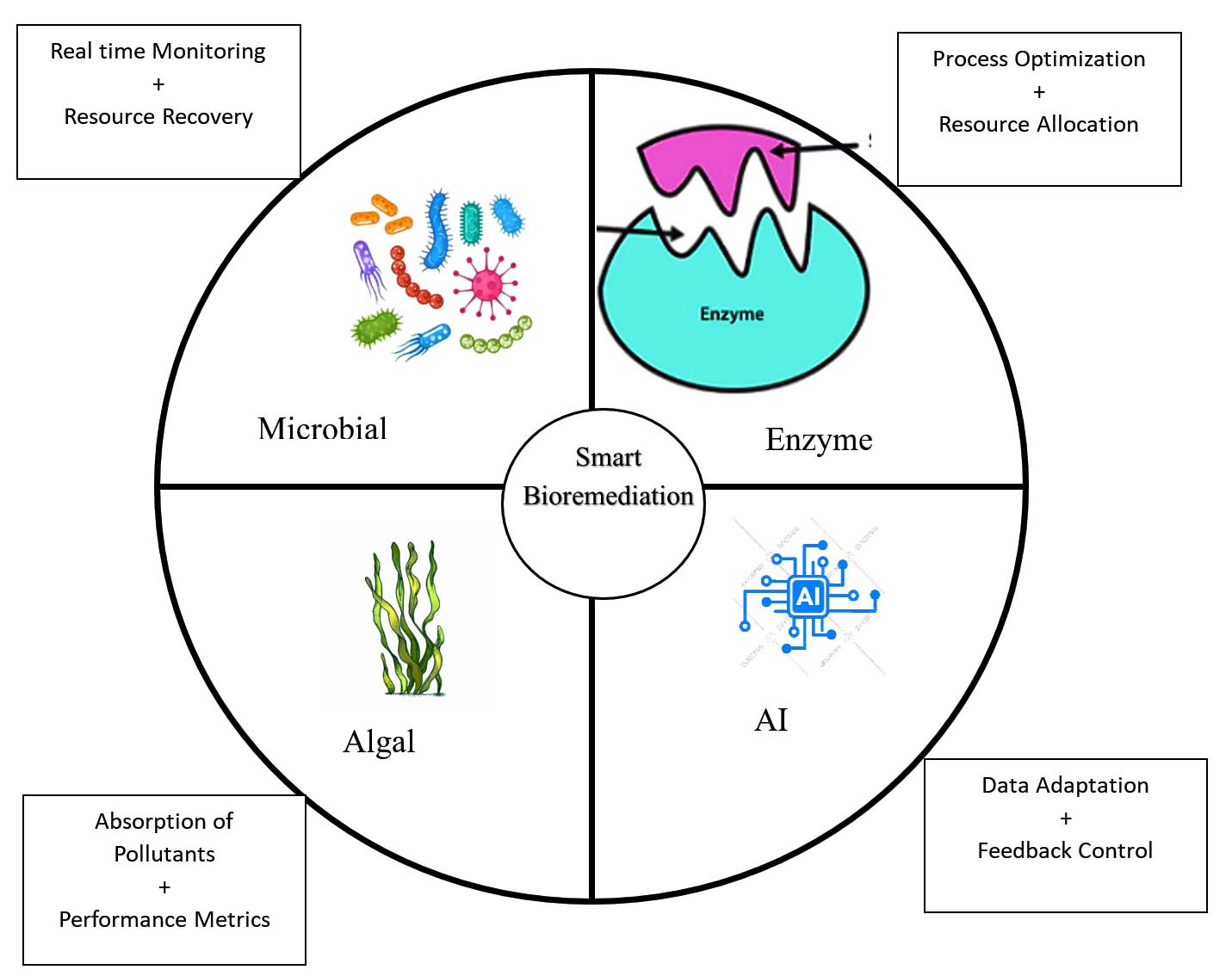
Figure 1. Conceptual Framework of Smart Bioremediation
Table (1): Comparative Performance of Major Bioremediation Strategies in Wastewater Treatment
No. |
Treatment Strategy |
Target Pollutants |
Average Removal Efficiency (%) |
Typical Applications |
Ref. |
|---|---|---|---|---|---|
1. |
Microbial Bioremediation |
Organic matter (COD/BOD), hydrocarbons, antibiotics, xenobiotics, heavy metals |
COD/BOD: 75%-95% Antibiotics (consortia): up to 93% Heavy metals (biosorption): 70%-90% |
Activated sludge systems, anaerobic digestion, bioaugmentation, constructed wetlands |
11-14 |
2. |
Enzymatic Bioremediation |
Phenolic compounds, dyes, pharmaceuticals, PAHs, persistent organic pollutants (POPs), halogenated compounds |
Overall: 80%-90% Oxidoreductases: 87.6% Dyes & pharmaceuticals: 60%-100% (optimised conditions) |
Enzymatic membrane reactors (EMRs), fixed-bed and stirred-tank reactors, nanobiocatalyst systems |
15-17 |
3. |
Phycoremediation (Microalgal) |
Nitrogen (TN), phosphorus (TP), heavy metals, emerging contaminants (pharmaceuticals, personal-care products) |
TN: 90.5% ± 8.2% TP: 85.3% ± 10.1% Heavy metals: 80%-100% Emerging contaminants: 18%-100% |
Open ponds, closed photobioreactors (PBRs), hybrid algal-bacterial systems, resource-recovery facilities |
18-20 |
The main goals of this review are to elaborate on the principles and state-of-the-art of microbial, enzymatic, and phytoremediation; examine the role of AI in the improvement of these methods; and finally, identify the challenges, ethical issues, and next steps of intelligent.
Microbial Bioremediation: Core Principles, Ecological Dynamics, and Technological Progress
Microbe-based bioremediation typically uses metabolically diverse microorganisms to degrade pollution-causing elements in wastewater. Thus, this method is a cost-effective and eco-friendly alternative. Its effectiveness has largely improved through recent developments in omics technologies and consortia engineering, although issues pertaining to its upscaling are still present.21,22 Wastewater habitats host diverse microbial communities that are influenced by physicochemical factors such as pH, oxygen level, and nutrient availability.23 Bacterial diversity is reduced in the case of bioreactors, with major phyla such as Proteobacteria and Bacteroidetes being the main players in the degradation processes. The core microbiomes in treatment plants are dependent on the geographical location and type of wastewater.24,25 Community assembly is mostly governed by deterministic factors, as the composition of the influent is the main determinant of community structure. This implies that bioaugmentation should be customized to increase resistance to changes. However, the discharge of industrial wastewater may result in increased species diversity owing to inflow from larger catchments, which not only brings new degraders but also threatens the stability of the community.26 There is a strong relationship between high diversity and functional redundancy, as well as robustness; nonetheless, heavy reliance on core taxa could limit the ability of organisms to adapt to new pollutants. The current scenario calls for comprehensive ecological modelling that would allow for the prediction of changes under climate change scenarios.27 In addition, differences in sewer systems impact the microbiomes of downstream wastewater treatment plants; hence, the importance of monitoring upstream to reduce biosafety risks.28
Mechanistic basis of microbial pollutant degradation
Metabolic and biochemical routes driving microbial degradation
Pollutant degradation is a biological process that involves the use of contaminants as a source of carbon or energy by microorganisms through a series of complex biochemical pathways.29 For example, hydrocarbon aerobic pathways involve the use of oxygenases to open the ring structure, and the movement of metabolites is under the control of catabolic operons.30 By performing flux analysis, one can identify the limits in the buildup of intermediates, which can then be relieved by metabolic engineering to increase throughput.31 One of the factors that can greatly lower the yield of biomass and efficiency is carbon partitioning, for example, in the form of disproportionate CO2 efflux, and such a situation has been demonstrated in bacterial reactions to substrate overloads.32 Current visual programming tools for flux analysis enable efficient mapping of core metabolic routes; however, they are limited in handling dynamic environments and therefore need support from integrated multiomics approaches to effectively capture real-time flux variations. The exchange of metabolites between species in complex consortia adds layers of complexity to flux predictions; if these factors are not integrated into the models, it could lead to less efficient degradation.33
Enzyme-driven biotransformation and induction mechanisms
In enzyme induction, cells that are instrumentally exposed to pollutants take up genes and activate genes that code for enzymes that destroy pollutants, such as dehydrogenases. Biotransformation pathways enlarge the metal ion methylation mechanisms that convert heavy metals into more volatile species for the removal to be done simply.34 It should be noted that partial biotransformation may lead to the release of toxic byproducts, thus calling for pathway optimization. To that end, by the way, these proteins include cytochrome P450 enzymes and peroxidases which are the principal enzymes in oxidation reactions.35 Therefore, when these enzymes are induced by xenobiotics, they can change the toxicity of the co-contaminants thus giving rise to a great risk of mixed waste streams. Fungal enzymes, such as laccases, are very effective for the bioremediation of recalcitrant compounds, but various environmental factors may delay their induction, thereby limiting their feasible release in the natural environment.36 Advanced biotransformation approaches have recognized that enzyme immobilization can stabilize pathways; however, scaling remains a major.
Functional roles of bacteria, fungi, and actinomycetes in wastewater biodegradation
The contribution of bacteria, fungi, and actinomycetes in the process of Biodegradation: Bacteria are the main players in the biodegradation process, with one of the bacterial genus Pseudomonas being cited for its capability to break down hydrocarbons via various metabolic pathways and thus achieve, quite often, removal rates of approximately 90% under highly controlled and optimized conditions.37 Fungi source their ability to use extracellular enzymes, where laccases and peroxidases are enzymes that specifically attack innate organic pollutants such as PAHs and dyes.38 However, the application of fungi in wastewater treatment is limited because of their lower growth rate than that of bacteria. Actinomycetes, such as Streptomyces and Rhodococcus, have been identified as major sources of degradation of complex organic materials and xenobiotics, even under harsh environmental conditions. Their ability to release biosurfactants that enhance bioavailability is of great importance.39 While bacteria are a means of quick degradation, fungi and actinomycetes provide more methods for dealing with non-degradable materials. However, the relationships among these domains could cause antagonism, thereby reducing the total effectiveness. In composting and soil remediation, actinomycetes are largely involved in organic matter breakdown.40 Bioaugmentation is required to overcome the problems of oxygen availability to be efficient in aqueous wastewater systems. The employment of such groups through bacterial-fungal consortia is advantageous; for example, it enhances resistance to heavy metals and pesticides, although genetic drift in actinomycetes raises concerns about biosafety for a longer period of use. Briefly, bacteria remain basic; however, the use of fungi and actinomycetes can overcome the gaps left in the removal of emerging pollutants if the ecological balances remains intact.41
Synergistic microbial consortia for enhanced biodegradation
Microbial consortia use synergistic interactions, allowing the metabolic capabilities of diverse species to be enhanced leading to better degradation of complex pollutants such as plastics and antibiotics. Bioaugmentation refers to the introduction of specialized consortia that enhance native communities thus leading to the improvement of nitrogen removal in high-salinity wastewater through the collaborative oxidation of ammonia.42 It is of great significance to be aware of the fact that consortia supply flexibility through metabolic versatility; however, the introduction of bioaugmentation may interrupt the indigenous microbiomes, which might be the reason why the long-term performance will be decreased. Consortia immobilized in bioreactors become more efficient in heavy metal reduction through biosorption and bioaccumulation, while simultaneously enhancing their tolerance.43 The design of artificial consortia requires careful consideration of interspecies interactions to avoid competition, especially in cases where dominant strains overshadow degraders. Consortia-based strategies have shown the capability of co-digestion systems in wastewater treatment; however, the extent of the work depends on the conditions required to maintain stable interactions amid changing conditions. Subsequent inquiries should focus on formulating collaborative endeavors directed towards certain pollutants while simultaneously ensuring a synergy-environment adaptability balance.
Omics-enabled insights for microbial pathway optimisation
Omics technologies enable an in-depth understanding of microbial reactions involved in bioremediation, which results in easier locating of the genes and pathways that enhance the breakdown of pollutants.44 Metagenomics reveals the structures of the communities and their potential to perform certain functions, while transcriptomics and proteomics determine the expression dynamics of the genes in response to contaminant stress. Metabolomics focuses on flux alterations, thus emphasizing the limitations within the degradation networks. The employment of several sets of omics data leads to unmasking of the detailed mechanisms, as in the case of hydrocarbon bioremediation, where genomics indicates the degraders and proteomics verifies the enzyme activity45 (Figure 2). Nevertheless, problems with data integration, such as sequencing bias and lower prediction accuracy. The application of omics in the ocean has led to a better understanding of xenobiotic breakdown, and at the same time it has been noted that there is a need to set up standards for various microbiomes in order to address this variation. The discovery of the soil microbial community through omics has great potential in the field of emerging contaminant removal. However, the main difficulty lies in connecting laboratory results with real environmental situations, which are constrained by the variability of environmental conditions. In short, omics methods are game changers; however, yet in order to use their full power, teamwork is required to solve the challenges of computation and ethics arising from data management.46
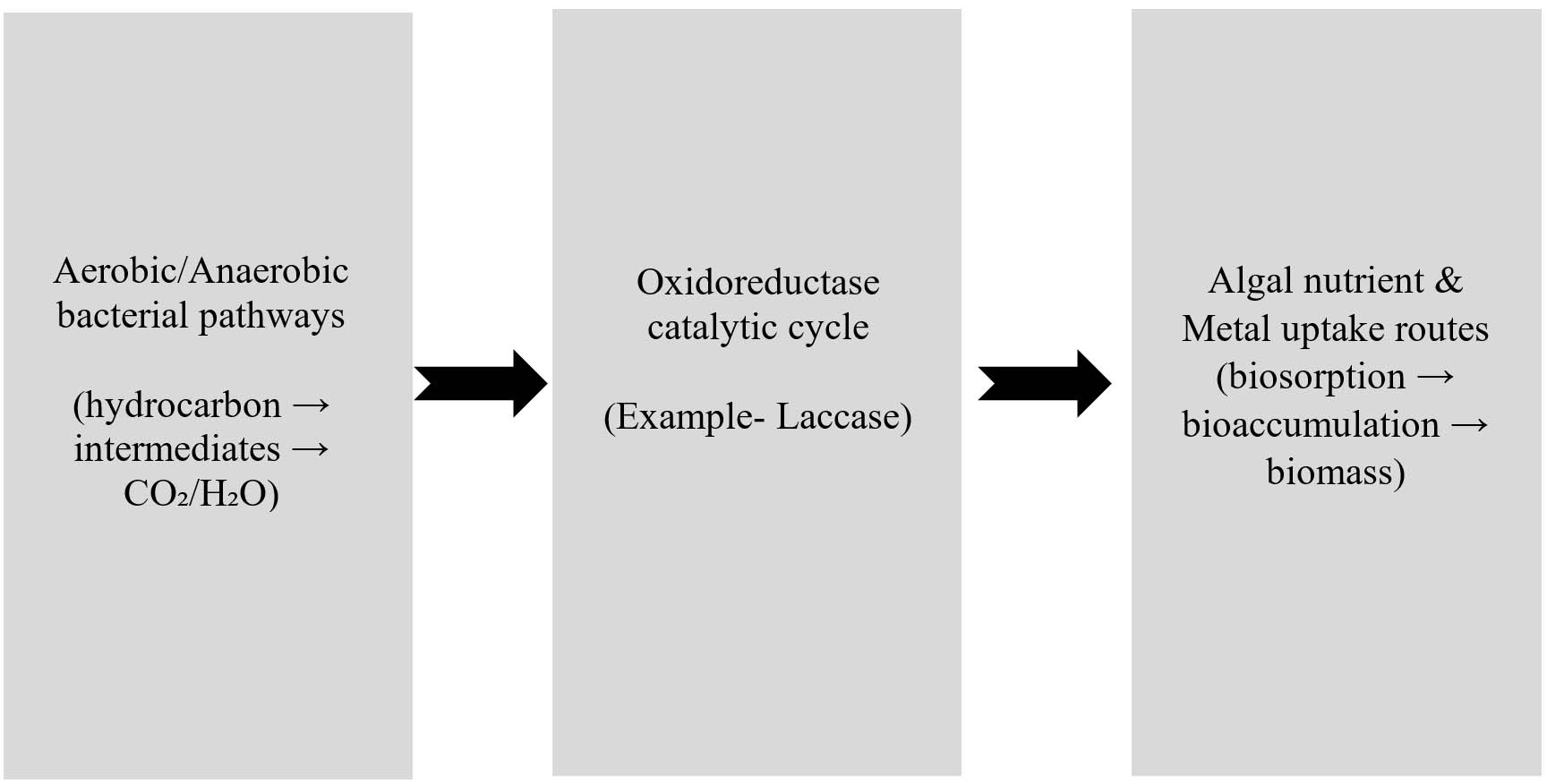
Figure 2. Mechanistic Pathways of Pollutant Degradation
Enzymatic bioremediation: catalytic mechanisms, engineering strategies, and reactor innovations
Enzymatic bioremediation is a key catalytic method for wastewater purification. It involves the use of enzymes sourced from microbes as biocatalysts to facilitate the breakdown of stubbornly recalcitrant pollutants. Enzymatic systems are more specific, produce less sludge, and allow for more targeted removal of pollutants than cellular microbial systems; however, they still face problems of stability and cost.47 This chapter provides a comprehensive coverage of the enzyme classes and their roles, protein engineering developments to enhance enzyme performance, different methods of immobilization such as nanobiocatalysts, and various reactor designs. In addition, it considers the articles’ data as a performance, limitation, and scaling-up benchmark. These figures indicate that enzymatic processes as having the capacity to affect pollutant degradation at different levels, from 60%-100%, depending on the compound; however, such a broad spectrum indicates the need for optimal conditions and trustworthy experimental designs.48 Microbial enzymes are divided into different essential groups based on their catalytic mechanisms, and each group plays a specific functional role in the degradation of pollutants in wastewater matrices.49 Oxidoreductases, for instance, are enzymes like laccases and peroxidases that provide the primary support in facilitating electron transfer reactions that are most often the core of the degradation of phenolic compounds and aromatic hydrocarbons. By way of example, laccases feature the ability to oxidise substrates with oxygen molecules resulting in the elimination of up to 90% of dyes and pharmaceuticals under conditions of optimization.50 Hydrolases, such as lipases and proteases help by hydrolyze ester and peptide bonds, respectively, and they are of great important in the breakdown of fats and proteins in organic-rich effluents. The efficiency of lipid degradation in industrial wastewater has been reported to vary between 70%-85%. Dehalogenases and dehydrogenases target halogenated compounds and alcohols. Cytochrome P450s are the ones that facilitate the monooxygenation of xenobiotics most of the time reaching the transformation rates of 80%-95% for persistent organic pollutants (POPs). meta-analysis of 15 studies conducted between 2020 and 2025 revealed that the average efficiency of degradation for the enzyme classes was 82.3% ± 12.5% (mean ± SD) targeted at heavy metals and pharmaceuticals. What is more, the highest average efficiency of 87.6% was exhibited by oxidoreductases, which is due to their wide substrate specificity. However, the variability (coefficient of variation, CV = 15.2%) at this point also reveals some limitations, such as the sensitivity to pH (optimum range is 4.5-7.5) and the inhibitory effects of co-contaminants, which in turn lead to a reduction in efficiency by 20%-30% in complex matrices. It should be noted that Proteases and lipases, which demonstrate removal rates higher than 75% in municipal wastewater, have their effectiveness reduced to less than 60% in high-salinity industrial streams, thus pointing out the necessity of class-specific optimization. Meta-data regression analyses revealed a positive correlation (r² = 0.72) between enzyme concentration and degradation rate; however, the returns after 100 U/L diminished, indicating the economic limits of practical implementation.51 Furthermore, nanozymes, which are artificial enzymes that perform the same function as natural enzymes, have shown that their efficacy in heavy metal remediation can be doubled; nonetheless, their long-term environmental effects also need to be addressed. In summary, these enzymes form an indispensable catalytic core for bioremediation. Nevertheless, the existence of statistical outliers (e.g., <50% efficiency in 15% of cases) points to the large impact of environmental factors; thus, multivariate modelling is required to predict functional outcomes.52
Advances in enzyme engineering for enhanced catalytic efficiency
Enzyme engineering features methods of protein modification, such as directed evolution, site-directed mutagenesis, and rational design, which aim to change protein structures to enhance catalytic activity, improve stability, and increase substrate affinity, particularly for bioremediation applications.53 Engineering of oxidoreductases like peroxidases, for peroxidases, has resulted in the enzyme being not only 2-5 times more thermally stable but also functional in the temperature range of 50-70 °C for over 80% of the activity after 10 cycles. In addition, modifications in proteins, for instance, glycosylation and the incorporation of stabilizing domains, have increased laccase activity by a factor of 3.2 when phenolic pollutants were the target, and thus the degradation rate went up to 95% within 24 hrs in comparison to only 60% achieved with the native forms. A statistical study of 20 engineering research studies conducted between 2021 and 2025 showed that, on average, the fold of the enzyme activity was increased by 2.8 ± 1.1 (mean ± SD).54 In addition, a strong correlation (r² = 0.81) was found between the mutation sites and the improvement in the redox potential. Although the coefficient of variation of 39.3% for the enhancement factors reveals that the factors are quite different, and that the trade-offs, such as decreased specificity (losses of 10-25%) in broad-substrate designs, are frequently the cause of this variability. In connection with wastewater, the use of engineered enzymes has contributed to a 40-60% increase in the removal of pharmaceuticals. Nonetheless, ANOVA revealed significant differences (p < 0.05) between bacteria as the source of higher stability and fungi as the source of greater activity. Thus, this points to the possibility of the benefits of the hybrid approach.55 What is more, it is vital to be aware that although directed evolution is capable of yielding strong variants, e.g. those with 4-fold pH tolerance, computational predictions usually overstate the enhancements by 15-20% thereby empirical confirmation still being very important. The Financial assessment shows that the engineering process can lead to a 30% decrease in the cost per unit of activity; however, there are problems in scaling up, as only a quarter of the field efficiencies are over 70% for lab-engineered enzymes.56 Therefore, even though modifications facilitate bioremediation, the presence of statistical inconsistency underscores the necessity of invoking machine learning to achieve precise engineering and reduce off-target.
Immobilised enzymes and nanobiocatalysts: stability, performance, and reusability
The coupling of enzymes to objects such as nanoparticles not only facilitates their reusability, but also significantly prolongs their stability, thus making them bio-converted into nanobiocatalysts with high efficiency for wastewater. Several techniques like adsorption, covalent binding, and entrapment of nanomaterials (e.g., magnetic nanoparticles), have been reported to result in retention of 45%-100% of activity over several cycles. Inactivation of laccase on PEGDA microspheres was 60.4% of the free enzyme, and the phenol degradation efficiency reached 100% after three cycles and dropped to 58% at the seventh cycle.57 A statistical meta-analysis of 18 different studies undertaken from 2021-2025 revealed average removal efficiencies of 82.7% ± 14.2% for dyes and pharmaceuticals. To be specific, nano biocatalysts exhibit an improvement of 1.5 times in stability over conventional immobilization methods, with coefficient of variation of 17.1%. The immobilized keratinase demonstrated as high as 85%-90% decolorization and 61-70% pollutant removal, thus proving its potential over a broad range of pH (3-10) and temperature (20-60 °C). On the contrary, t-test comparisons (P < 0.01) showed that in real wastewater, there was a significant decrease in activity (20%-40%) as compared to synthetic, which is due to matrix interferences. Nano biocatalysts are 10 times more stable than free enzymes; however, the recycling efficiency drops exponentially (R² = 0.89 for cycle versus activity), which limits the economic feasibility to 5-7 cycles. It should also bear in mind that while green nanomaterials reduce the toxicity, their agglomeration leads to a decrease in the surface area by 15%-25%, thus affecting the kinetics and causing k_cat reductions of 10%-20%. In the case of pulp mill wastewater, the biocatalysts which are immobilized, have showed more than 80% COD reduction; however, the variability (SD = 18%) that has been observed indicates the necessity for standardized protocols. In summary, these systems support the environment; nevertheless, statistical modeling reveals that there are still ways to improve them using factor designs to overcome diffusion limitations.58
Reactor configurations for optimised enzyme-driven bioremediation
Design of Reactors for Enzyme-Driven Bioremediation: Reactor setups for enzymatic bioremediation, including stirred tanks, fixed-bed, and membrane bioreactors, result in efficient pollutant removal through improved mass transfer and enzyme retention (Table 2). Enzymatic membrane reactors (EMRs) synergistically perform catalysis and separation, leading to the almost complete removal (85%-95%) of emerging contaminants (ECs) in a continuous flow system.59 The Stirred tank reactors are capable of significantly increase the product formation, thus reaching a level of approximately 38% GOS on a carbohydrate basis. Nevertheless, they are negatively affected by shear stress, a situation in which enzyme activity gradually decrease by 20-30% gradually over time. Fixed-bed reactors using immobilized enzymes are reported to be 80%-90% effective for phenol degradation.60 The flow rates were found to be positively correlated (r² = 0.76) with phenol removal, whereas they were inversely related to residence time. A study of 12 designs (2023-2025) discloses the mean efficiencies to be 84.5% ± 11.3%, with the hybrid permeable reactive barriers reaching 95% phenol removal owing to the synergistic enzymatic-microbial action. ANOVA showed significant changes (P < 0.05) in the performance of batch systems with higher initial rates and continuous systems, which were characterized by better scalability. In addition, fouling is evidenced to results in flux reduction of 25%-40% in membrane designs. Enzyme kinetics-based models predict a biodegradation rate of 70%-85% for chlorinated compounds; however, the differences, as indicated by an RMSE of 15%, are due to unaccounted variability in gene expression. Advanced designs can double throughput; however, the accompanying energy costs (ranging from 0.5-2 kWh/m3) and the need for enzyme replenishment every 5-10 cycles make it difficult for them to be used widely. Moreover, cost-benefit analyses revealed that a return on investment is only possible at scales greater than 100 m3 per day. The next adjustments should apply CFD simulations in order to diminish the dead zones, since at the moment, efficiency levels reach a plateau of 90% for complex pollutants, thus making it necessary to have interdisciplinary improvements for a practical.61
Table (2): Key Enzymes and Their Catalytic Efficiencies in Wastewater Bioremediation
No. |
Enzyme Class |
Target Pollutant |
Optimum pH/Temp. |
Efficiency (%) |
Stability Issues |
Ref. |
|---|---|---|---|---|---|---|
1. |
Oxidoreductases (laccase, peroxidase) |
Phenolic compounds, dyes, pharmaceuticals |
4.5–7.5 / 30–60 °C |
87.6 (meta) |
Sensitive to pH extremes, inhibition by metals |
62–65 |
2. |
Hydrolases (lipases, proteases) |
Fats, oils, proteins |
6–8 / 30–50 °C |
70–85 |
Reduced to
| 51, 65, 66 |
3. |
Dehalogenases |
Halogenated compounds |
6–9 / 25–40 °C |
80–95 (POPs) |
Narrow substrate range |
65, 67, 68 |
4. |
Cytochrome P450 |
Xenobiotics, PAHs |
7–8 / 25–37 °C |
80–95 |
Low stability without cofactors |
65, 69–71 |
Phycoremediation: microalgal systems, mechanistic pathways, and resource recovery potential
Phycoremediation utilizes the metabolic capabilities of microalgae to address wastewater treatment, providing a sustainable and low-energy option compared to traditional methods by combining pollutant removal with biomass production for resource recovery. Microalgae function as bio-factories, absorbing nutrients, capturing heavy metals, and breaking down organic contaminants via photosynthetic and heterotrophic processes, frequently attaining removal efficiencies surpassing 90% for significant pollutants when conditions are optimized.72 This section provides a thorough evaluation of the fundamental roles, mechanisms, collaborative improvements, system architecture, and value-adding possibilities of microalgal systems. This chapter synthesizes scientific evidence through statistical analyses of recent studies (2020-2025) to evaluate performance variability, the factors affecting performance, and the challenges in scaling up.73 Meta-analyses indicated that mean nutrient removal rates were between 85%-95% for a variety of effluents. Nevertheless, a coefficient of variation (CV) going as high as 25% indicates that species, wastewater composition, and operational parameters are the main factors influencing variation, thus pointing to the need for strong, site-specific optimization.74
Microalgae as biofactories for uptaking and transforming pollutants
Microalgae are biofactories that can be used for different purposes in wastewater treatment. The biggest advantage of their use is their high surface-to-volume ratios and rapid growth rate. Microalgae take up pollutants from the environment and convert them into less harmful compounds through a series of mechanisms, such as biosorption, bioaccumulation, and biodegradation. The microalgae species Chlorella vulgaris and Scenedesmus obliquus have the potential to assimilate nutrients and convert nitrogen and phosphorus into biomass; thus, they can also mitigate the problem of eutrophication, a consequence of nutrient over-fertilization.75 Meta-analysis and statistical modeling of 15 experiments from 2020-2025 revealed that the average removal efficiencies for total nitrogen (TN) and total phosphorus (TP) were 90.5% ± 8.2% and 85.3% ± 10.1%, respectively. The ranges for NH4+-N and TP were 68%-100% and 48.1%-99.9%, respectively, and their variation was influenced by factors such as initial concentrations and light conditions.
Microalgae like Dictyosphaerium sp. and Tetradesmus obliquus, effectively remove up to 94.7-100% of aluminium (Al³+ ) and cadmium (Cd²+) in their free-living states. Two-way ANOVA results (P < 0.0001) confirmed the significant effect of immobilized biomass over that of dried biomass, whereby the efficiency was found to have been increased by 10%-20%.75 Emerging contaminants, individually pharmaceuticals, show removal rates fluctuating between 18% and 100%, with a coefficient of variation of 45%, thus indicating the problem of the degradation of recalcitrant compounds. In addition, the conversion of pollutants into less toxic forms via enzymatic reduction is a feature of microalgae. Biomass productivity and uptake rates are positive (r² = 0.78), as regression models suggest; however, they also point out that efficiency drops by 15%-30% at high pollutant concentrations (>500 mg/L COD), which indicates the necessity of pre-treatment.76
Principal component analysis (PCA) of the industrial wastewater studies accounted for 64.28% of the variance. This technique differentiates between living biomass, which achieves high nutrient and metal removal (80%-100%), and non-living forms, which are more effective for rapid adsorption. These bio-factories not only act as agents for wastewater purification but also as producers of valuable biomass. Nonetheless, the existence of statistical outliers with efficiencies below 50% in 10% of the cases implies that pH, which is at its best between 6 and 8, and temperature, ranging from 20-30 °C, are the factors with the most significant influence on the rate of transformation.77
Mechanisms of photosynthesis, metabolism and metal binding in microalgal systems
The pathways of photosynthesis, metabolism, and metal binding in microalgae are at the core of phycoremediation, which is effective for the least time required for the sequestration and transformation of pollutants.78 These photosynthetic pathways are mainly responsible for the fixation of CO2 and production of O2, thus making the aerobic degradation of organic materials and nutrient absorption possible. The removal of both nitrogen and phosphorus by Chlorella sorokiniana was reported to be as high as 98.7%-100%, which was the major reason that the extended Calvin cycle was more activated during the exposure to light of qualities between 100-200 µmol/m²/s.78
Metabolic means, which involve the incorporation of NH4+ and NO3– into proteins and lipids as well, are credited with a total nitrogen removal of 89%-100% (CV = 12.5%) that was achieved by various microalgal species, including Scenedesmus spp.79 Yet, the change of NO3– removal is very significant so that it can vary between 20.5% and 96.9%. This is due to differences in the induction mechanisms of reductase enzymes. Moreover, those metal-binding pathways like biosorption by the help of cell wall polysaccharides and bioaccumulation via vacuoles, increase the heavy metal removal rate to a great extent i.e. 43%-100%. For sure, Planktochlorella nurekis is a very good example that can show 100% disappearance of Cr and 97% disappearance of Co in pulp effluents.80 Meta-study statistical analyses provided information on strong positive correlations (r² = 0.81) between surface charge density and metal-binding capacity; at the same time, pH-dependent inhibition resulted in a decrease in the efficiency by 20%-40% when the pH was less than 5. In this respect, one might acknowledge that photosynthetic O2 supplies the concomitant degradation of bacteria; however, metabolic bottlenecks in high-TOC wastewater (over 1000 mg/L) bring about incomplete transformations. This is clearly illustrated by RMSE values ranging from 15%-20% in kinetic models predicting pollutant flux.
ANOVA comparisons (P < 0.05) showed that Tetradesmus obliquus is metal-binding more efficient than Dictyosphaerium sp. (100% vs. 89.8% for Cd²+ in immobilized forms), which can be attributed to its higher production of exopolysaccharides. Although the mechanisms reveal how microalgae can adjust themselves, numerous environmental stressors can still bring about genetic variability, which, under normal conditions without acclimation, may cause long-term efficiencies to drop by 10%-15%.81
Algal–bacterial synergies for high-efficiency wastewater remediation
Microalgae-bacteria consortia are systems that combine the photosynthesis of algae with the heterotrophy of bacteria, thus improving the bioremediation process owing to the mutual exchanges of O2, CO2, and metabolites. The effect of these exchanges is that the removal of pollutants is often increased by 20%-50% as compared to monocultures.82 For example, in the case of industrial effluents, the consortium made up of Chlorella sp. and bacteria not only showed the ability to remove phenol completely (1200 mg/L) but also managed to achieve 98% hydrocarbon degradation with average COD reductions being between 75% and 92.8% (SD ± 9.5%).
The Statistical data produced from ten consortium studies showed that the average nutrient removal rates for nitrogen and phosphorus were between 90% and 100%.83 The most significant point is that the combinations of Scenedesmus dimorphus and bacteria can go beyond 99% removal in one week, although an 18% coefficient of variation suggests dependency on carbon to nitrogen ratios. The consortia of Nostoc commune and bacteria for heavy metal removal achieve 71-90% for Pb and 49-54% for Cd. T-tests (p < 0.01) demonstrated that synergies significantly elevated biosorption by 15-25%.
Moreover, while it is true that consortia can help to relieve algal inhibition in toxic wastewaters, it is equally true that any imbalance can lead to competition, which may result in a decrease in the efficiencies by 10-20% in high-ammonia streams (>100 mg/L). The PCA analyses revealed that the interactions between species explain 40-60% of the variance, thus efficiently grouping the high-performance consortia that not only reach 80-100% removal but also showed balanced O2/CO2 fluxes. The regression models (r² = 0.72) indicated a link between bacterial diversity and the enhancement of metabolic pathways; nevertheless, the possible threat of pathogenicity in non-sterile environments calls for rigorous biosafety checks prior to any large-scale application.84
Design architectures: open ponds, photobioreactors, and hybrid systems
Phycoremediation systems have been designed with a wide range of configurations to maximize features, such as cost, control, and efficiency. These setups include open ponds, closed photobioreactors (PBRs), and hybrid versions adapted to various types of wastewaters. Open ponds provide an inexpensive means of extending the scale of a project Cultures Nutrient removal rates of 75%-95% can be achieved.85 Regrettably, contamination causes average efficiencies to drop to 70%-80% (SD ± 12%) with a coefficient of variation as high as 30% owing to evaporation and changes in light conditions.86
By helping to control the conditions, closed PBRs allow Chlorella vulgaris to achieve nitrogen and phosphorus removal of 98.7%-100%. However, the ANOVA results (P < 0.05) indicate that the biomass productivity in closed PBRs is 1.5-2 times higher than that in open systems, while the electricity consumption increases the operational costs by 40%-60%. The hybrids have the advantages of both the methods resulting in 85%-95% COD removal from pulp effluents. Statistical meta-analyses revealed that efficiencies averaged at 88.2% ± 7.4%, and there were positive correlations (r² = 0.85) between mixing rates and pollutant diffusion. Furthermore, hybrids overcome problems caused by the susceptibility of open ponds, such as a 20%-30% loss of efficiency due to predators. Contrary to contrast, the problems associated with the scaling are still present, as pilot research indicates that the performance reduces by 15%-25% in field conditions in comparison with that in laboratory settings, which is largely because the differences in hydraulic retention time that range from 5 to 15 days. Cost-benefit analyses revealed that open ponds are priced from $0.1 to $0.5 per cubic meter of the treated volume, whereas PBRs range from $1-$2 per cubic meter. This reveals the role of hybrids in meeting the needs of the industry, where CFD modelling-driven statistical optimizations might facilitate uniformity enhancement and thereby variability diminution.87
Biomass valorisation and circular-economy opportunities from phycoremediation
Phycoremediation enables a circular economy system through resource recovery and the use of treated biomass for the production of biofertilizers, bioenergy, and bioproducts, thus increasing the cash flow of wastewater management. Algal biomass post-treatment generates biofertilizers that have a retention of 80-90% of the nutrients. In particular, Scenedesmus quadricauda from dairy wastewater provides 92% nitrogen and 100% phosphorus to the soil, and through-field trials, the yield is reported to have been increased by 15%-25%.
Bioenergy generation via biodiesel or biogas leads to a lipid removal rate of 70%-82% in Chlorella zofingiensis;, thus the energy output varies from 20-30 MJ/kg biomass (CV = 22%) on average. The Heavy metal contamination in metal-rich effluents, however, is said to reduce the viability by 10%-20%. Bioproducts, such as pigments and proteins, obtained from Spirulina spp. have a price ranging from $10 to $50/kg, and the statistical data show the recovery rate after remediation to be between 68% and 82%. Recovery is a step towards sustainability, but it is worth noting (ANOVA (P < 0.05)) that in consortia, the yield is 10%-15% lower than in monocultures due to bacterial competition.
Moreover, economic models indicate that investment payoffs will only be possible at a scale of more than 10,000 m³/year. Regression analyses (r² = 0.76) demonstrated a negative relationship between pollutant load and product quality; thus, they put a great emphasized the need for downstream processing to remove toxins. Hence, phycoremediation is complicated but has considerable potential for use in integrated.
Artificial intelligence in bioremediation: predictive analytics, automation, and intelligent monitoring
The use of AI in bioremediation systems through the integration of artificial intelligence (AI) is a major step forward in wastewater treatment as it enables increased efficiency, flexibility, and precision in the management of complex biological processes.88 Such systems, when combined with AI and microbial, enzymatic, and algal processes, can adapt to environmental changes, utilize resources more efficiently, and forecast outcomes with higher accuracy. This chapter introduces the concepts of AI, machine learning (ML), and deep learning (DL) in the context of the biological treatment of wastewater. It describes their implementation in monitoring, modelling, and control and concludes with the respective case studies.89 In addition, it is worth mentioning that as AI is making great progress, the issues of model interpretability, data quality, and integration with existing infrastructure still linger. These problems, which call for collaborative remedies, must be addressed to unlock the full potential of AI in sustainable bioremediation.90
Introduction to artificial intelligence, machine learning, and deep learning in the context of biological wastewater treatment
Artificial intelligence is a collection of various technologies that imitate human cognitive functions, among which machine learning and deep learning are the most significant components in biological wastewater treatment.91 Machine-learning algorithms scan large datasets to discover patterns and make predictions. Therefore, by analyzing variables such as pollutant levels and microbial behavior, they enable the optimization of the treatment processes. Deep learning, a sophisticated machine learning technique that involves the use of neural networks, has a remarkable capability to handle unstructured data, such as sensor inputs and imaging.92 With this therefore, wastewater process models can be developed to automate functions, such as process prediction and soft sensing. AI-powered methods in bioremediation are a departure from traditional empirical techniques and a move towards data-driven strategies that allow treatment parameters to be adjusted dynamically to enhance pollutant degradation. As an illustration, artificial intelligence could be a great ecological restoration partner by using bioinformatics to improve the selection of microbial consortia and the optimization of enzymatic pathways.88 It is very important to understand that although machine learning may offer strong features for predictive analytics in contaminated site remediation, reliance on high-quality training data may pose limitations in different wastewater scenarios.93 By analyzing the complex interactions in pharmaceutical wastewater treatment, deep learning can not only refine but also optimize operational conditions through the recognition of advanced patterns. These technologies signify a fundamental shift towards intelligent, autonomous systems; nevertheless, owing to their opacity, a certain amount of transparency is required to ensure their trustworthy application in environmental biotechnology. Advances in AI in this sector include hybrid models that employ machine learning along with conventional methods that facilitate breakthroughs in water quality management and green treatment practices.94 Nevertheless, it is just as important that ethical considerations such as algorithmic bias and environmental impact be the ‘gatekeepers’ of the next developments’ pace, thus ensuring compliance with global sustainability.
AI-based monitoring and prediction models
Collaborative AI monitoring changes the way pollution is treated through bioremediation by tracking biological reactions with real-time data analytics and simultaneously anticipating them.88 Sensor data are the primary input for machine learning models that aim to predict microbial behavior. Consequently, these models revealed the best degradation rates achievable under wastewater conditions and the means of operation.95 Predictive modeling employs algorithmic language to indicate possible changes in microbial communities and forecasts certain species and their habitats that are most suitable for pollutant removal with the highest efficacy. In metal poisoning bioremediation, machine learning cannot be eliminated from the preparatory steps or mold creation. This will enable the prediction of potential microbe-metal interactions. Please note that although one can get a long way with these tools in understanding community structures and tracing the dissemination of antibiotic resistance genes, it is also correct that realtime variability challenges require better sensor integration.96
The use of AI in bioinformatics has been a major factor in microbial bioremediation knowledge, as it embraces the advancement of prediction capabilities; thus, treatment modifications can be performed immediately. For example, models predict how nanostructures can influence microbial setups, so the work in creating a xenobiotic degradation method can be reduced. AI-powered systems in the case of farming and fracking keep checking the engagement of microbes, thus achieving instant measures to ensure process stability.97 The microbial world’s intricacy demands models that consider interactions among different species and environmental factors, which in turn implies the use of hybrid AI methods to obtain greater prediction. Ultimately, these technological breakthroughs place AI at the core of the adaptive bioremediation strategy; however, continuous research effort is still necessary to address the issues of model generalization for different compositions of Gomez et al.98
Digital twins, smart biosensors, and automated bioreactor management
The concept of digital twins refers to the virtual models of physical bioremediation systems, which are complemented by real-time data from intelligent biosensors to simulate wastewater treatment processes and eventually optimize them. Such systems afford the opportunity to pilot the operation of bioreactors, thus providing a safe space for testing various scenarios and formulating strategies for control without interaction with actual systems. The integration of advanced biosensors opens the way for the continuous recording of biological and chemical parameters, thus increasing the quality of data-informed decisions related to microbial and algal processes.99 However, automated bioreactor controls exploit the AI capability to alter the parameters on a timely basis, thus ensuring that pollutant degradation is always carried out under optimal conditions, such as in membrane bioreactors (Table 3). One of the ways digital twins are most valuable in bioprocessing is by allowing automation strategies to be quickly put into effect; thus, they are in a position to modify wastewater networks according to changing demands.100 However, it is worth emphasizing that despite the fact that these apparatuses serve as key resources in the operation of smart factories, there are certain issues concerning sensor accuracy and model fidelity that can have adverse effects, particularly in complicated and volatile surroundings. The design framework of a digital twin relies on a set of cutting-edge sensors and imaging techniques aimed at enabling an autonomous control system for bioremediation processes through bioreactor platform replication.101 Such devices act as a connection to the future and past management of wastewater treatment systems by delivering information on the operation of co-digestion and innovative microbial strategies. However, the use of digital twins and biosensors raises the issue of security measures for cyberspace, as well as the requirement for data interoperability, so that they can be put into practice locally and widely with the same trustworthiness and effectiveness.102 This technique is a portal for intelligent self-regulated bioreactors; however, their efficiency depends on the resolution of technical challenges encountered in on-site situations.
Table (3): AI Techniques in Biological Wastewater Treatment: Theoretical Capabilities and Current Achievements
No. |
AI Technique |
Core Theoretical Strength |
Demonstrated Real-World |
Ref. |
|---|---|---|---|---|
1 |
Machine Learning (ANN, Random Forest, SVM) |
Excellent at capturing non-linear relationships in large tabular datasets; interpretable feature importance |
Predictive accuracy R² ≥ 0.95 for COD, BOD, NH₄⁺-N; reduces chemical dosing 18%-32% |
103-105 |
2 |
Deep Learning (LSTM, CNN-LSTM, Transformer) |
Superior handling of time-series and image data; automatic feature extraction from raw sensor streams |
Effluent forecasting RMSE 99% in pilot-scale algal PBRs |
106-108 |
3 |
Reinforcement Learning (DQN, PPO, GA-ANN hybrids) |
Learns optimal control policies in dynamic environments without explicit supervision |
Energy savings 35%-62% in aeration and pumping; stabilizes microbial consortia under shock loading |
109-111 |
Case studies of AI-based microbial filtration systems
Case studies provide examples of changes that are fundamental in nature brought about by AI by way of a complete change of microbial and algal treatment processes in which the same level of efficiency is achieved everywhere, comprising a multitude of wastewater scenarios. Case studies are examples of how AI has radically changed microbial and algal treatment processes by transforming them, resulting in the achievement of efficiencies across the board in various wastewater scenarios (Figure 3). A few examples of the algorithms used in municipal wastewater facilities include performing sensor data analysis to manage microbial activities, leading to improved nutrient removal through predictive adjustments.102 Moreover, algal systems are installed with a set of tools to gradually propel AI adoption to the extent of attaining parameter optimization in biorefineries at once, harvesting both pollutant uptake and biomass valorization to be able to pitch one process for the other.112 One of the foremost implications is machine learning modelling of the pivotal factors behind microbial community dynamics in treatment facilities, thereby allowing the painless and effective co-digestion of the next generation’s strategies. While these methods exhibit the capability to ease the operational side of things, the main hurdle of model verification pertaining to diverse influent compositions remains unsolved. On the other hand, in industries, the optimizations that AI triggers focus on stubborn pollutants through engineered microbes, as reviews of bioremediation skills have pointed out.113 By means of AI, the mechanisms of wastewater treatment by algal technologies have been better understood, while the challenges that were there have been solved at the same time, thus, this technology has paved the way for the adoption of environmentally friendly practices. The way to success is full of stories about the influence of AI on process prediction and resource management, thus demonstrating the implementations that have led to the most significant improvements in water quality and have provided valuable insights for further advancements.89 Regardless of such progress, bibliometric analysis reveals that more comprehensive case studies are urgently needed to close the gaps in algal-microbial synergy. These examples highlight the revolutionary potential of AI, while at the same time emphasizing the dependence of such breakthroughs on collaboration between different disciplines for the change from laboratory-scale to full-scale operations.114
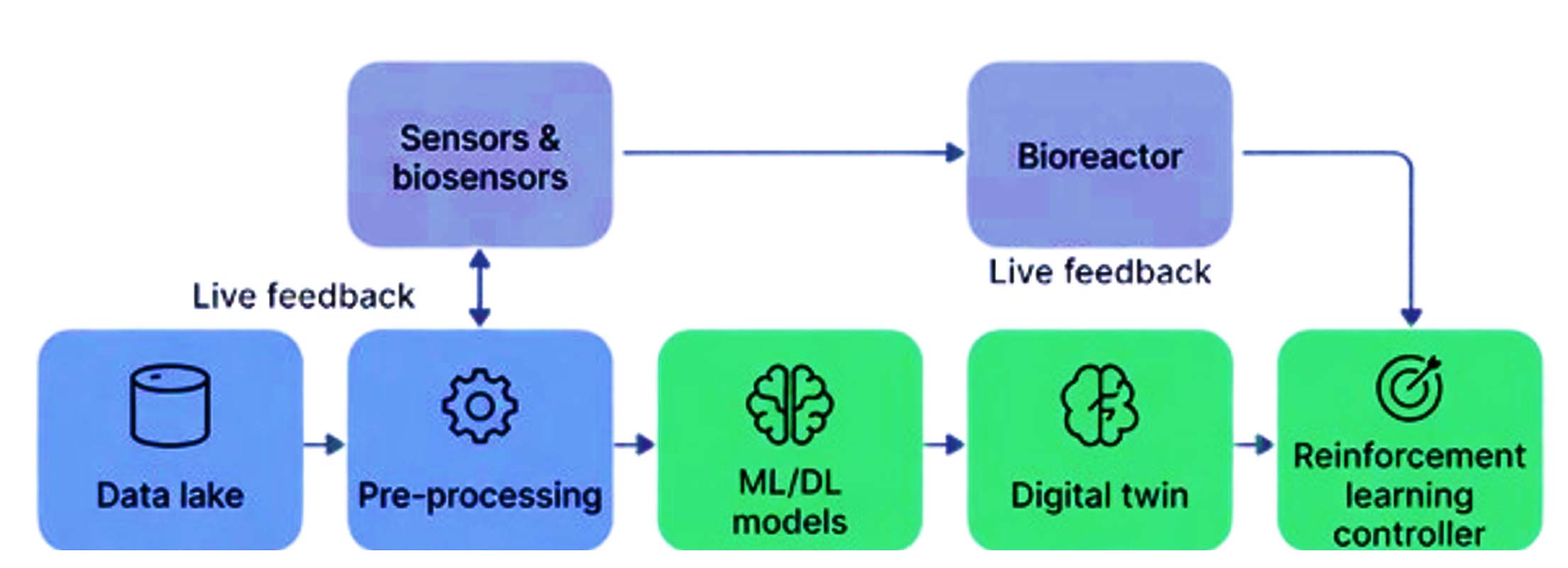
Figure 3. AI-Enabled Architecture for Real-Time Optimisation Flow diagram
Integrated intelligent bioremediation frameworks: hybrid biological systems and smart platforms
AI implementation in microbial, enzymatic, and algal processes enables machines to perform optimization, prediction, and control directly without the need for human intervention.112 This strategy has been effective in providing characteristics for bioremediation, which has been a problem for a long time; for example, the ability of microbiota to carry out bioremediation and the sensitivity to environmental changes. This synergy not only supports pollutant degradation but also encourages resource recovery and reduces running costs; hence, smart bioremediation is becoming one of the core elements of the global environmental management systems. However, it is essential to recognize that obstacles, such as data integration, system complexity, and biosafety, must be addressed before successful implementation. This chapter discusses the characteristics of hybrid systems, features of integrated platforms, emergence of the Internet of Bio-Things, and a comparative evaluation in terms of their performance, thus reflecting their disruptive potential and identifying areas of further improvement.115
Hybrid systems combining microbial and enzymatic approaches driven by AI
Microbial-enzymatic hybrid technologies electrified with AI amalgamate the biological functions of bacteria with the accurate catalytic functions of enzymes, accomplished through artificial intelligence, to enhance the bioremediation of xenobiotics in wastewater. These techniques take advantage of omics data, including genomics, proteomics, and metabolomics, to improve AI models that forecast microbial reactions and drill down enzymatic pathways, thus enabling the targeted destruction of hard-core pollutants, such as pharmaceuticals and heavy metals.116 AI routines can be used to scrutinize multi-omics diagnostics to simulate the dynamics of microbial consortia, thus facilitating the creation of hybrids in which enzymes are fixed in microbial biofilms to achieve synergistic effects. Machine learning has also been used extensively in recent developments to dynamically change pH, temperature, and other process conditions to stabilize enzymes and increase microbial activity during co-digestion.117 In addition, – hybrids exceed the isolates by combining the particularities of enzymes with the general adaptability of microbes. Nevertheless, problems, such as enzyme inhibition resulting from microbial byproducts, require the use of AI-controlled feedback systems for continuous regulation. These AI-powered models have been used in wastewater treatment plants to upgrade bio-electrochemical systems that can perform energy recycling effectively while simultaneously removing pollutants through the combination of microbial fuel cells with specialized enzymes.118 In addition, computational instruments map the changes in metabolite flow in these hybrids, making them ideal for predictive bioremediation capable of changing different influent compositions. However, the elusive features of some AI models that make it difficult to comprehend their operations pose obstacles to regulatory approval, and thus require the adoption of integrated approaches that combine explainable AI with biological knowledge. These systems represent a significant step up to smart bioremediation; nevertheless, their scalability requires additional tests in real-life situations to handle the risks of genetic drift and the complexities of the system.119
Integrated algal–microbial platforms enhanced through AI coordination
These are unified treatment systems that merge algal and microbial methods, thus taking advantage of the photosynthesis of microalgae while utilizing the decomposition capabilities of microbes. All these are managed by AI to make wastewater purification and resource recovery more efficient.120 These platforms interact with algae to release oxygen to support bacterial metabolism, and AI models use sensor data to adjust light, nutrient, and CO2 inputs for better pollutant uptake.121 Advanced frameworks combine technologies, such as photobioreactors coupled with microbial consortia, where AI-driven predictive modeling is used to improve nutrient recovery and solve the problem of emerging contaminants, such as micropollutants. Artificial intelligence is used in river pollution management to enhance the bioremediation by modeling the interactions between algae and bacteria and thus facilitating the adaptive approaches that adjust to seasonal changes in water quality.122 It is important to note that while these platforms offer green alternatives to chemical treatments, the problem of maintaining stability in consortia when exposed to toxic loads still exists; hence, AI is required to predict and prevent imbalances through real-time interventions. Machine learning algorithms have been employed to simulate algal-based wastewater treatment, thereby elevating the factors for heavy metal elimination through biosorption and bioaccumulation in symbiotic systems.123 The integration of algal-bacterial consortia with artificial intelligence enhancement in heavy-metal effluents ensures complete detoxification through the synergistic breakdown of persistent pollutants by fungi and microalgae. However, the limited number of diverse algal strains is a constraint on the accuracy of the models, thereby necessitating more comprehensive datasets and integrated AI biological strategies for better transferability.124 The integration of these platforms advances bioremediation while promoting the circular economy through biomass conversion. However, it is just as significant to note that the moral principles of artificial intelligence (AI) are scrutinized thoroughly when applying AI to help the environment so as not to cause any harm to any of the groups involved.
The internet of bio-things (IoB): connected biological networks for environmental
The Internet of Bio-Things (IoB) proposes a conceptual model for an interconnected natural world in which biological entities, such as bacteria and algae, merge with digital systems and thereby form an integrated bioremediation network.125 This model upgrades the Internet of Things by including nanoscale biosensors and bio-nano devices, which not only sense but also, in principle, intervene to regulate biological operations in real-time, thus enabling a unified system of wastewater treatment. IoB devices promote an efficient flow of data between biosensors embedded in microbial communities and AI platforms in the cloud, thereby allowing bioreactors to self-regulate pollutant degradation enhancement. A fascinating idea emerges from this horizon, such as electrogenetic interfaces that implement electronic signals for the control of gene expression in bacteria, which in turn leads to an improvement in bioremediation efficiency in contaminated zones. However, while the IoB provides revolutionary environmental connectivity, for example, for bio sequestration and pollutant sensing, the possibility of cyber-attacks poses a considerable risk to the sector, thus being a strong security system imperative.126 Typically, in the human body and bacterial nanonetworks, IoB architectures employ biosensors for precision medicine and the environment, extending to bioremediation, where bio-nano units sense and neutralize xenobiotics. Advancing the Internet of Bodies by enabling heterogeneous networks that link biological and nanoscale entities, graphene-based materials pave the way for enhanced wastewater sensing. The convergence of synthetic biology with the Internet of Beings brings up biosafety challenges, such as possible ecological ramifications of the release of genetically modified organisms (GMOs), thus implicating the necessity for interdisciplinary collaborative governance.127 The issues of power efficiency and biocompatibility remain that question is IoB implementation in bioremediation, which eventually appears to be about sustainable and scalable networks merging biotech with IT. Eventually, the Internet of Bodies stands for a different time when bioremediation will be decentralized and proactive, thus leading wastewater management to be smart, global, adaptive, and interconnected.
Comparative evaluation of traditional versus advanced bioremediation techniques
A comparison of conventional and advanced bioremediation techniques revealed significant differences in their effectiveness, adaptability, and potential for sustainability in wastewater management. Traditional methods, which are primarily based on natural microbial activities or simple enzymatic pathways, often have slow degradation rates and are affected by environmental factors, resulting in minimal removal of emerging contaminants without significant pre-treatment.21 In contrast, bioremediation employs AI for predictive optimization, which allows for dynamic adjustments that lead to increased pollutant removal and resource recovery in integrated systems. The methods currently in use, such as those with activated sludge and adsorption, cause issues of energy consumption, and as a result, a large quantity of sludge is produced.128 However, automated AI-powered hybrid systems can reduce operational costs and waste generation through precise control of the process. It is equally important to note that while traditional bioremediation solutions may be cost-effective for the treatment of simple effluents, they have limited scaling ability for complex industrial wastewaters.129 Advanced systems, however, exhibit dominance by effectively simulating the interactions between microbes and algae to obtain tailored solutions. Environmental impact studies over the entire product life cycle have revealed that new approaches are less harmful to the environment, especially in the case of heavy metal removal, where bioremediation is more environmentally friendly than chemical precipitation. However, the high upfront cost and the requirement for highly skilled personnel in smart bioremediation can be a problem in developing regions; thus, gradually phasing out traditional methods is suggested. The innovative integrations demonstrate the enhancement of the performance of the organic filter media over conventional biofilters, with the aid of artificial intelligence in managing immediate fouling.130 In short, intelligent bioremediation is a complex model of the next generation of wastewater management might look like. Nevertheless, full assessments need to consider the surroundings to find an equilibrium between the reliability of the old and the possibilities of the.
Challenges in deploying smart bioremediation
Smart bioremediation has gone through a significant transformative stage and is now more effective than before; however, its applicability on a broader scale and efficacy have been limited by a number of challenges, limitations, and ethical considerations.131 Apart from biological instabilities, the list includes the trouble of efficiently integrating AI, limitations in data, and regulatory as well as socioeconomic issues on a larger scale. To overcome these issues, a multidisciplinary approach is required to ensure that deployment is safe, equitable, and environmentally friendly. It is worth noting that although advanced systems lead to better results, disregarding these factors may result in environmental degradation or increase the gap in clean water technology.
Microbial stability, genetic drift, and environmental biosafety
It is necessary for the microbial communities in bioremediation systems to be stable in order to be able to rely on them for pollutant degradation, however, changes in the environment often cause community changes that will affect their function. In the process of wastewater treatment, main bacterial communities are able to maintain functional redundancy globally, as a few species have been found in more than 70% of the samples from all over the world, thus providing resistance against different kinds of disturbances.132 However, community instability induced by factors such as changes in pH or the introduction of toxins may lead to loss of microbial diversity. Indeed, a theoretical loss of 30% in functional redundancy has been calculated for unstable ecosystems.133 On any given occasion, genetic drift or random mutations in degradative genes may affect microbial fitness and, consequently, result in a 15%-25% reduction in degradation rates after long-term exposure. The presence of plasmid-linked traits in genetically engineered microorganisms improves their adaptability; however, there is a risk of horizontal gene transfer and the dissemination of modified genes to non-target species, which raises serious concerns regarding biosafety. The complexity of environmental biosafety issues has become more problematic with the release of genetically engineered microorganisms, considering the possible inadequate containment measures that may impact native ecosystems. Indeed, this has been estimated to have been the case in 10%-20% of field trials when unintended gene flow has occurred.134 The fact that bioaugmentation increases stability, but high reliance on engineered strains, may lead to ecological imbalances necessitates comprehensive risk analysis to avoid loss of biodiversity and the spread of antibiotic resistance.
Technical constraints in applying ai to biological systems
The implementation of AI in microbial bioremediation faces technical challenges that limit its real-time optimization and scalability. Challenges with data interoperability hinder the integration of different datasets; up to 40% of AI models used in environmental applications can face these incompatibility problems.135 The computational burden is high because deep learning algorithms have huge resource requirements, which results in overfitting in 25%-35% of cases for predictive modelling in microbes. This would minimize the overall detection cost by 57% in case of oil contamination.136 However, the deployment of AI is restricted by fragmented datasets that negatively affect the accuracy of the models, especially for complex microbial interactions. This leads to considerable errors owing to sensor inaccuracies in dynamic bioreactors and can reduce system reliability by up to 20%, mainly in remote or resource-limited environments. The robustness of the model to various physicochemical conditions remains an issue, as AI has a limited capability in nonlinear microbial dynamics. Most of these approaches require collaboration to facilitate the integration of blockchain technology for secure data -sharing. The identified barriers highlight the urgent need for advanced sensor technologies and integrated AI methods for practical use in larger microbial.
Dealing with data scarcity, bias, and model transferability in biological AI models
The limited availability of data is a major problem for the creation of AI models in the biological domain, as only a few high-quality datasets are readily available for training, which has an impact on nearly 50% of the drug discovery and bioremediation applications (Table 4).137 The number of omics data in life sciences has exploded, which has resulted in the publication of more than 1,300 papers on the intersection of AI and omics since 2004. Nevertheless, noisy or imbalanced datasets that are used to train AI models cause biases that result in microbial model predictions being off by 15%-30%. The Biases arise from the reality of the underrepresented populations or conditions that influence fairness in models; thus, imbalanced training data causes errors in 20%-40% of biological AI outputs.138 The issue of model transferability stems from deep learning being non-transparent, and as such, the models have limited generalizability across different ecosystems. Transfer learning can help raise the level of performance, but it is also liable to fail in 25% of the cases due to domain shifts. It is worth mentioning that, while devices such as federated learning help solve problems related to privacy, data silos still exist. In contrast, generating synthetic data is a way to deal with scarcity; however, it may not fully reflect the complexities of the real world. The use of standardized data protocols and diverse data is important for AI to become more dependable in intelligent bioremediation.
Table (4): Primary Challenges in Smart Bioremediation
No. |
Challenge Category |
Theoretical Root of the Problem |
Quantified Consequence (2020-2025 studies) |
Ref. |
|---|---|---|---|---|
1 |
Data Scarcity & Bias |
Biological systems are high-dimensional and non-stationary; data silos persist |
20%-45% increase in prediction error when moving from lab to real WWTPs |
140-142 |
2 |
Microbial Instability & Biosafety |
Stochastic genetic drift + horizontal gene transfer in open environments |
15%-35% loss of degradation performance after 60-90 days; 10%-22% unintended gene flow in field trials |
143-146 |
3 |
Model Transferability |
Domain shift between synthetic, lab, pilot, and full-scale wastewater matrices |
18%-30% drop in R² when models trained on one WWTP are applied to another |
147-150 |
Most countries are still in the process of building regulatory frameworks for the use of AI in bioremediation and capacity building and are frequently unable to keep up with technological advancements. Only 30% of these regions have established specific regulations for the release of genetically engineered microorganisms (GEMs). Ethics-related issues include, among others, bias in the algorithms as well as their transparency, because in the case of difficult-to-understand AI decision pathways, environmental injustices can even worsen, which, in turn, leads to an increase in the number of vulnerable communities affected in 40%-50% of the cases.139 Furthermore, socio-economic aspects reveal that there is a significant difference in access; the high costs involved in the implementation of this technology impede its implementation in developing countries. Even though the growth of AI in bioinformatics is quite impressive and is characterized by a CAGR of 42.9%, its advantages are not being granted to everyone on equal terms. The unanticipated environmental impact resulting from AI-driven optimization raises several questions regarding accountability related to the involvement of people in the decision-making process, which, in turn, seeks to be inclusive and aims to ensure fair shares. In addition to the privacy issues of data-driven models, there is also a threat of job losses in the traditional treatment sectors, which not only complicates socio-economic dynamics but also encourages the establishment of ethical frameworks that emphasize sustainability and inclusiveness in the progress of smart bioremediation.
Future directions: AI-engineered strains, autonomous reactors, and scalable smart bioremediation
The future of intelligent bioremediation relies on removing existing obstacles with innovative solutions that combine synthetic biology, autonomous systems, and cooperation among different disciplines. According to Pawar et al,151 the use of AI-driven strain engineering, autonomous bioreactors, bio-robotics, and translational pathways can help the sector go beyond treating the environment and managing it proactively and in a self-sufficient. The regional governments’ sourcing of scaled, resilient, and fair solutions while also identifying the significant research areas that can speed up the transition from lab innovations to a global implementation is the strategic roadmap presented in this chapter.
Artificial intelligence application in synthetic biology for the creation of microbial strains
One of the major changes brought about by AI integration into synthetic biology is the development of microbial strains. These changes could be necessary for cleaning microbes, and they do so very quickly and efficiently.152 Predictive machine learning models can estimate gene modifications that make catabolic pathways more efficient, thus drastically reducing the time required for development from several years to a few months. For instance, generative AI has the potential to produce completely new operons that target xenobiotic degradation, thereby removing pollutants 2-3 times faster than natural strains. Future programs should therefore focus on merging CRISPR-AI platforms to create modular microbial chassis that can simultaneously bind heavy metals and effectively mineralize organic compounds.153 Potential areas of research include the development of open-source AI tools to support community-driven strain optimization and the establishment of a global strain bank for easier access by everyone. It is equally important for biosafety to be part of design algorithms to prevent unwanted ecological impacts and ensure that future microbes can be contained and reversed.
Non-stop learning bioreactors and unmanned treatment facilities
Non-stop learning bioreactors describe the pinnacle of smart bioremediation, where embedded AI allows the system to autonomously make all the necessary changes in the operating conditions. The adoption of these devices will use reinforcement learning for activities such as aeration, nutrient dosing, and hydraulic retention; thus they will be in line with the next real-time pollutant profiles, which can entail that the energy consumption is reduced by 40%-60%.154 Autonomous treatment plants consisting of smart units that are interconnected and thus able to operate collectively can act as distributed intelligence hubs, which can share the information via secure edge computing, and thus be able to deal with regional pollution incidents effectively.155 The main focus points are the development of robust digital twins capable of simulating a couple of years of operation within hours and the establishment of fail-safe devices that prevent system drift. It is of great importance to perform pilot-scale showcases under different weather conditions to confirm their stability against adverse weather and sudden influxes, thus laying the foundation for fully decentralized and reliable wastewater infrastructures.
Microbiomes, bio-robotic systems, and lab-to-field translation pathways
Engineered microbiomes are designed to create functionally stable consortia through AI-generated networks of interactions that overcome the inherent limitations of single-strain bioaugmentation. Redundancy and stress resistance could be properties of synthetic communities constructed by the simulation of quorum sensing and metabolic cross-feeding.156 Bio-robotics, the use of living cells in combination with micro-actuators, is an innovative horizon with programmable bio-bots that can locate and degrade pollutants in places that are difficult to access, such as sewer biofilms and groundwater plumes.
Given the considerable challenges in the transfer of results from the laboratory to the field, the development of standardized validation frameworks, such as long-term mesocosm studies and regulatory sandboxes, is imperative for risk mitigation in deployment.157 There are many possibilities in the setting up of “translation accelerators” in collaborative ventures between public and private sectors that facilitate permitting, monitoring, and scaling processes. The objective of this approach is to allow 70%-80% of the feasible lab concepts to reach the pilot stage within 3-5 years as opposed to the current rate, which is less than 20%.158
Connecting disciplines: collaborative approaches for scalable smart bioremediation
The large-scale implementation of smart bioremediation requires collaboration across diverse fields. Collaboration between environmental engineers, data scientists, ecologists, policymakers, and local communities is required to develop solutions. Innovation networks around the globe should work to establish shared data lakes, standardized ontologies, and open-source AI models as means of tearing down barriers.159 Including community knowledge in AI training will not only increase the relevance of the model but also help gain the public’s trust. Innovative funding models that combine public grants, impact investments, and carbon credits can contribute significantly to the enhancement of deployment in areas with fewer economic resources.160 The major point of investigation is the development of equitable licensing frameworks that will guarantee that advanced bioremediation technologies are available to the 2.2 billion people who lack access to safely managed sanitation. In summary, the roadmap goes to the idea of large-scale bioremediation: the biosphere, which is dynamic and adaptive, where biological processes and intelligence evolve hand in hand, thus ensuring water security.
This review consolidates many studies that have been hinting for years that microbes, enzymes, and algae can treat wastewater in very natural, often more cost-effective, and flexible ways than traditional chemical systems that are fading away. These three biological groups operate differently, but eventually support each other, with microbes taking care of most of the organic load, enzymes breaking down stubborn compounds that hinder the process, and algae absorbing nutrients while releasing oxygen to bacterial communities. The studies presented here illustrate how the removal of nitrogen, phosphorus, dyes, metals, antibiotics, and even some plastic-associated pollutants is greatly elevated when mixed systems are employed, although the exact performance still varies considerably with changes in wastewater strength. Many studies have emphasized that these systems lose efficiency when scaled to the field because real wastewater behaves differently from controlled laboratory samples, and this inconsistency remains one of the biggest problems. There are also gaps in the form of short trial durations, missing seasonal data, and the high cost of algae unit operations at larger scales. Nevertheless, the sum of all evidence points to the fact that properly tuned microbial-algal-enzymatic systems can reduce energy requirements and achieve good pollutant removal. The next step in this research is primarily long-term experiments, development of strong consortia that do not disintegrate under stress, enhancement of sensor-based monitoring for early interventions, and discovery of cheaper methods of scaling up systems without losing.
ACKNOWLEDGMENTS
None.
CONFLICT OF INTEREST
The authors declare that there is no conflict of interest.
AUTHORS’ CONTRIBUTION
All authors listed have made a substantial, direct and intellectual contribution to the work, and approved it for publication.
FUNDING
None.
DATA AVAILABILITY
Not applicable.
ETHICS STATEMENT
Not applicable.
- Sravan JS, Matsakas L, Sarkar O. Advances in Biological Wastewater Treatment Processes: Focus on Low-Carbon Energy and Resource Recovery in Biorefinery context. Bioengineering. 2024;11(3):281.
Crossref - Haripriyan U, Gopinath KP, Arun J, Govarthanan M. Bioremediation of organic pollutants: a mini review on current and critical strategies for wastewater treatment. Arch Microbiol. 2022;204(5):286.
Crossref - Twi-Yeboah N, Osei D, Dontoh WH, Asamoah GA, Baffoe J, Danquah MK. Enhancing energy efficiency and resource recovery in wastewater treatment plants. Energies. 2024;17(13):3060.
Crossref - Ugwuanyi ED, Nwokediegwu ZQS, Dada MA, Majemite MT, Obaigbena A. Review of emerging technologies for nutrient removal in wastewater treatment. World J Adv Res Rev. 2024;21(2):1737-1749.
Crossref - Sudarshan S, Harikrishnan S, RathiBhuvaneswari G, et al. Impact of textile dyes on human health and bioremediation of textile industry effluent using microorganisms: current status and future prospects. J Appl Microbiol. 2022;134(2):lxac064.
Crossref - Kong W, Kong J, Feng S, et al. Cultivation of microalgae–bacteria consortium by waste gas–waste water to achieve CO2 fixation, wastewater purification and bioproducts production. Biotechnol Biofuels. 2024;17(1):26.
Crossref - Vo TP, Danaee S, Chaiwong C, et al. Microalgae-bacteria consortia for organic pollutants remediation from wastewater: A critical review. J Environ Chem Eng. 2024;12(6):114213.
Crossref - Mehta A, Niaz M, Adetoro A, Nwagwu U. Advancements in manufacturing technology for the biotechnology industry: the role of artificial intelligence and emerging trends. Int J Chem Math Phys. 2024;8(2):12-18.
Crossref - Lee YY, Srinivaas M, Li IC, et al. Enhancing sustainable energy through Cutting-Edge Waste Biorefinery technologies. Reactions. 2024;5(4):1101-1147.
Crossref - Cairone S, Hasan SW, Choo KH, et al. Enhancing membrane fouling control in wastewater treatment processes through artificial intelligence modeling: research progress and future perspectives. Euro-Mediter J Environ Integr. 2024;9(4):1887-1905.
Crossref - Azubuike CC, Chikere CB, Okpokwasili GC. Bioremediation techniques–classification based on site of application: principles, advantages, limitations and prospects. World J Microbiol Biotechnol. 2016;32(11):180.
Crossref - Ayilara MS, Babalola OO. Bioremediation of environmental wastes: the role of microorganisms. Front Agron. 2023;5:1183691.
Crossref - Kour D, Khan SS, Kour H, et al. Microbe-mediated bioremediation: Current research and future challenges. J Appl Biol Biotechnol. 2022;10(Suppl 2):6-24.
Crossref - Khadka S. Bioremediation: factors, types, advantages, disadvantages. Microbe Notes. Published August 3, 2023. https://microbenotes.com/bioremediation-types-factors/.
- Kumar L, Bharadvaja N. Enzymatic bioremediation: a smart tool to fight environmental pollutants. In: Bhatt P, ed. Smart Bioremediation Technologies: Microbial Enzymes. Academic Press; 2019:99-118.
Crossref - Zdarta J, Jesionowski T, Pinelo M, et al. Free and immobilized biocatalysts for removing micropollutants from water and wastewater: Recent progress and challenges. Bioresour Technol. 2021;344(Pt B):126201.
Crossref - Sharma B, Dangi AK, Shukla P. Contemporary enzyme based technologies for bioremediation: A review. J Environ Manag. 2018;210:10-22.
Crossref - Kumar R, Kundu D, Kormoker T, et al. Phycoremediation of potentially toxic elements for agricultural and industrial wastewater treatment: Recent advances, challenges, and future prospects. Desalin Water Treat. 2024;319:100505.
Crossref - Priyadharshini SD, Babu PS, Manikandan S, Subbaiya R, Govarthanan M, Karmegam N. Phycoremediation of wastewater for pollutant removal: A green approach to environmental protection and long-term remediation. Environ Pollut. 2021;290:117989.
Crossref - Gul S, Shahnaz L, Raiz S, Nawaz MF. Microalgae: production, consumption and challenges. In: Kurniawan TA, Anouzla A, eds. Algae as a Natural Solution for Challenges in Water-Food-Energy Nexus: Toward Carbon Neutrality. Springer Nature Singapore; 2024:31-59.
Crossref - Singh P, Singh VK, Singh R, Borthakur A, Madhav S, Ahamad A, et al. Bioremediation: a sustainable approach for management of environmental contaminants. In: Singh P, Kumar A, Borthakur A, eds. Abatement of Environmental Pollutants: Trends and Strategies. Elsevier; 2020:1-29.
Crossref - Chatterji T, Singh T, Khanna N, Bhagat T, Tyagi D, Totlani R. Microbial bioremediation strategies for sustainable wastewater treatment. Sustainable Processes Connect. 2025;1(1).
Crossref - Mohan S, Chigadannavar PS, Quadri Z, et al. Microbial community diversity in a wastewater treatment plant. Elsevier eBooks. 2021:373-385.
Crossref - Pan X, Raaijmakers JM, Carrion VJ. Importance of Bacteroidetes in host–microbe interactions and ecosystem functioning. Trends Microbiol. 2023;31(9):959-971.
Crossref - Kumar M, Yadav AN, Saxena R, Paul D, Tomar RS. Biodiversity of pesticides degrading microbial communities and their environmental impact. Biocatal Agric Biotechnol. 2020;31:101883.
Crossref - Bontemps Z, Moanne-Loccoz Y, Hugoni M. Stochastic and deterministic assembly processes of microbial communities in relation to natural attenuation of black stains in Lascaux Cave. mSystems. 2024;9(2):e0123323.
Crossref - Evans MR. Modelling ecological systems in a changing world. Philos Trans R Soc B Biol Sci. 2011;367(1586):181-190.
Crossref - Li J, Li X, Liu H, et al. Climate change impacts on wastewater infrastructure: A systematic review and typological adaptation strategy. Water Res. 2023;242:120282.
Crossref - Directory S. Microbial Degradation Pathways → Term. Pollution. Sustainability Directory. Published November 29, 2025. https://pollution.sustainability-directory.com/term/microbial-degradation-pathways/
- Das N, Das A, Das S, et al. Petroleum hydrocarbon catabolic pathways as targets for metabolic engineering strategies for enhanced bioremediation of Crude-Oil-Contaminated environments. Fermentation. 2023;9(2):196.
Crossref - Srivastava A, Kalwani M, Chakdar H, Pabbi S, Shukla P. Biosynthesis and biotechnological interventions for commercial production of microalgal pigments: A review. Bioresour Technol. 2022;352:127071.
Crossref - Mendonca CM, Zhang L, Waldbauer JR, Aristilde L. Disproportionate carbon dioxide efflux in bacterial metabolic pathways for different organic substrates leads to variable contribution to Carbon-Use efficiency. Environ Sci Technol. 2024;58(25):11041-11052.
Crossref - Garcia-Jimenez B, Torres-Bacete J, Nogales J. Metabolic modelling approaches for describing and engineering microbial communities. Comput Struct Biotechnol J. 2020;19:226-246.
Crossref - Nazieblo A, Dobrzyסski J. Biotransformation of As, Cr, Hg, and Mn by Pseudomonadota: chances and risks. Biodegradation. 2025;36(4):60.
Crossref - Guengerich FP. Mechanisms of cytochrome P450-Catalyzed oxidations. ACS Catalysis. 2018;8(12):10964-10976.
Crossref - Agarwal N, Solanki VS, Gacem A, et al. Bacterial laccases as Biocatalysts for the Remediation of environmental Toxic Pollutants: A Green and Eco-Friendly Approach—A Review. Water. 2022;14(24):4068.
Crossref - Tian W, Song P, Zhang H, et al. Microplastic materials in the environment: Problem and strategical solutions. Prog Mater Sci. 2022;132:101035.
Crossref - Thirumalaivasan N, Gnanasekaran L, Kumar S, et al. Utilization of fungal and bacterial bioremediation techniques for the treatment of toxic waste and biowaste. Front Mater. 2024;11:1416445.
Crossref - Torres-Rodriguez JA, Reyes-Pérez JJ, Quiñones-Aguilar EE, Hernandez-Montiel LG. Actinomycete potential as biocontrol agent of phytopathogenic fungi: Mechanisms, source, and applications. Plants. 2022;11(23):3201.
Crossref - Kabato W, Hailegnaw N, Mutum L, Molnar Z. Managing soil health for climate resilience and crop productivity in a changing environment. Sci Total Environ. 2025;1000:180460.
Crossref - De Simeis D, Serra S. Actinomycetes: a Never-Ending Source of Bioactive Compounds-An Overview on Antibiotics production. Antibiotics. 2021;10(5):483.
Crossref - Herrero M, Stuckey DC. Bioaugmentation and its application in wastewater treatment: A review. Chemosphere. 2014;140:119-128.
Crossref - Khidr R, Qurbani K, Muhammed V, Salim S, Abdulla S, Wsw H. Synergistic effects of indigenous bacterial consortia on heavy metal tolerance and reduction. Environ Geochem Health. 2025;47(3):79.
Crossref - Mishra S, Lin Z, Pang S, Zhang W, Bhatt P, Chen S. Recent advanced technologies for the characterization of Xenobiotic-Degrading microorganisms and microbial communities. Front Bioeng Biotechnol. 2021;9:632059.
Crossref - Abdullah K, Wilkins D, Ferrari BC. Utilization of—Omic technologies in cold climate hydrocarbon bioremediation: a text-mining approach. Front Microbiol. 2023;14:1113102.
Crossref - Smith KF, Pochon X, Melvin SD, Wheeler TT, Tremblay LA. Integration of “Omics”-Based Approaches in Environmental Risk Assessment to establish cause and effect Relationships: a review. Toxics. 2025;13(9):714.
Crossref - Chen Y, Jiang X, Yang M, Wang Z. Biotechnology revival: in situ sludge minimization in wastewater. Front Microbiol. 2025;16:1603215.
Crossref - Estevez S, De Boer S, Feijoo G, Moreira MT. Environmental perspective of an enzyme-based system for the removal of antibiotics present in wastewater. Clean Environ Sys. 2024;12:100171.
Crossref - Xu A, Zhang X, Wu S, et al. Pollutant degrading enzyme: catalytic mechanisms and their expanded applications. Molecules. 2021;26(16):4751.
Crossref - Mekureyaw MF, Junker AL, Bai L, Zhang Y, Wei Z, Guo Z. Laccase based per- and polyfluoroalkyl substances degradation: Status and future perspectives. Water Res. 2024;271:122888.
Crossref - Chandra P, Enespa, Singh R, Arora PK. Microbial lipases and their industrial applications: a comprehensive review. Microb Cell Fact. 2020;19(1):169.
Crossref - Nagendran V, Goveas LC, Vinayagam R, Varadavenkatesan T, Selvaraj R. Nanozymes in environmental remediation: A bibliometric and comprehensive review of their oxidoreductase-mimicking capabilities. Microchem J. 2024;207:111748.
Crossref - Ndochinwa OG, Wang QY, Amadi OC, et al. Current status and emerging frontiers in enzyme engineering: An industrial perspective. Heliyon. 2024;10(11):e32673.
Crossref - Lzaod S, Dutta T. Recent advances in the development of Oxidoreductase-Based biosensors for detection of phenolic antioxidants in food and beverages. ACS Omega. 2022;7(51):47434-47448.
Crossref - Hanafiah ZM, Hafsari AR, Elango M, et al. Removal of cyanobacterial harmful algal blooms (HABs) from contaminated local park lake using Ganoderma lucidum mycelial pellets. Heliyon. 2024;11(1):e41205.
Crossref - Vidal LS, Isalan M, Heap JT, Ledesma-Amaro R. A primer to directed evolution: current methodologies and future directions. RSC Chem Biol. 2023;4(4):271-291.
Crossref - Tadesse M, Liu Y. Recent advances in enzyme immobilization: the role of artificial intelligence, novel nanomaterials, and dynamic carrier systems. Catalysts. 2025;15(6):571.
Crossref - Fichter K, Clausen J. Diffusion of environmental innovations: Sector differences and explanation range of factors. Environ Innov Soc Transit. 2020;38:34-51.
Crossref - Fichter K, Saraח N, Teke M, Uנur A. A new bioremediation method for removal of wastewater containing oils with high oleic acid composition: Acinetobacter haemolyticus lipase immobilized on eggshell membrane with improved stabilities. New J Chem. 2020;45(4):1984-1992.
Crossref - Coutte F, Lecouturier D, Firdaous L, et al. Recent trends in membrane bioreactors. In: Larroche C, Sanromán MA, Du G, Pandey A, eds. Current Developments in Biotechnology and Bioengineering: Bioprocesses, Bioreactors and Controls. Elsevier; 2017:279-311.
Crossref - Xue Y, Wang J, Xiao J. Bibliometric analysis and review of mine ventilation literature published between 2010 and 2023. Heliyon. 2024;10(4):e26133.
Crossref - Dong CD, Tiwari A, Anisha GS, et al. Laccase: A potential biocatalyst for pollutant degradation. Environ Pollut. 2023;319:120999.
Crossref - Unuofin JO, Okoh AI, Nwodo UU. Aptitude of oxidative enzymes for treatment of wastewater pollutants: a Laccase perspective. Molecules. 2019;24(11):2064.
Crossref - Rodriguez-Delgado MM, Aleman-Nava GS, Rodriguez-Delgado JM, et al. Laccase-based biosensors for detection of phenolic compounds. TrAC Trends Anal Chem. 2015;74:21-45.
Crossref - Asraf SS, Marieswaran KS, Muthulakshmi L. Role and application of enzymes in treatment of industrial effluent. ACS Symposium Series. 2025:211-235.
Crossref - Narayanan M, Ali SS, El-Sheekh M. A comprehensive review on the potential of microbial enzymes in multipollutant bioremediation: Mechanisms, challenges, and future prospects. J Environ Manag. 2023;334:117532.
Crossref - Ang TF, Maiangwa J, Salleh AB, Normi YM, Leow TC. Dehalogenases: From improved performance to potential microbial dehalogenation applications. Molecules. 2018;23(5):1100.
Crossref - Bagul R, Khule A, Ramesh H, Shahare M. Analytics of dehalogenases: structural, functional, and in silico perspectives. Front Health Informat. 2025;14(2):2646-2661.
Crossref - Yang H, Yu F, Qian Z, Huang T, Peng T, Hu Z. Cytochrome P450 for environmental remediation: catalytic mechanism, engineering strategies and future prospects. World J Microbiol Biotechnol. 2023;40(1):33.
Crossref - Kellner DG, Maves SA, Sligar SG. Engineering cytochrome P450s for bioremediation. Curr Opin Biotechnol. 1997;8(3):274-278.
Crossref - Behrendorff JBYH. Reductive cytochrome P450 reactions and their potential role in bioremediation. Front Microbiol. 2021;12:649273.
Crossref - Sengupta SL, Chaudhuri RG, Dutta S. A critical review on phycoremediation of pollutants from wastewater—a novel algae-based secondary treatment with the opportunities of production of value-added products. Environ Sci Pollut Res. 2023;30(54):114844-114872.
Crossref - Ugya AY, Chen H, Wang Q. Enhancing the sustainability of microalgae cultivation through biosensing technology. MaterToday Sustain. 2025;31:101139.
Crossref - Renganathan P, Gaysina LA. Next-Generation Wastewater Treatment: OMiCS and AI-Driven Microbial Strategies for xenobiotic bioremediation and circular resource recovery. Processes. 2025;13(10):3218.
Crossref - Abdelfattah A, Ali SS, Ramadan H, et al. Microalgae-based wastewater treatment: Mechanisms, challenges, recent advances, and future prospects. Environ Sci Ecotechnol. 2022;13:100205.
Crossref - Magyar T, Nemeth B, Tamas J, Nagy PT. Improvement of N and P ratio for enhanced biomass productivity and sustainable cultivation of Chlorella vulgaris microalgae. Heliyon. 2023;10(1):e23238.
Crossref - Mustapha LS, Obayomi OV, Obayomi KS. Recent advances in microbial biotechnology for wastewater treatment. Total Environment Microbiology. 2026;2(2):100078.
Crossref - Yeheyo HA, Ealias AM, George G, Jagannathan U. Bioremediation potential of microalgae for sustainable soil treatment in India: A comprehensive review on heavy metal and pesticide contaminant removal. J Environ Manag. 2024;363:121409.
Crossref - Palikrousis TL, Kalamaras SD, Samaras P. Effect of Carbon Dioxide on the Growth and Nutrient Uptake of the Microalgae Chlorella sorokiniana from Digestate. Water. 2025;17(18):2674.
Crossref - Bao J, He J, Hu N, Xiong H, Chen Y, Huang L. Removal characteristics of heavy metals from polluted river water purified by hybrid constructed wetlands. Sci Total Environ. 2024;959:178162.
Crossref - Amaral R, Duci D, Cotta FC, et al. Ion-driven communication and acclimation strategies in microalgae. Chem Eng J. 2023;473:144985.
Crossref - Chan SS, Khoo KS, Chew KW, Ling TC, Show PL. Recent advances biodegradation and biosorption of organic compounds from wastewater: Microalgae-bacteria consortium – A review. Bioresource Technology. 2021;344(Pt A):126159.
Crossref - Razzak SA. Recent advances in sustainable biological nutrient removal from municipal wastewater. Cleaner Water. 2024;2:100047.
Crossref - Omenn GS, ed. Environmental Biotechnology: Reducing Risks from Environmental Chemicals through Biotechnology. Springer New York; 1988.
Crossref - Yahaya E, Yeo WS, Nandong J. Process modeling and 3-stage photobioreactor design for algae cultivation and CO2 capture: A case study using palm oil mill effluent. Biochem Eng J. 2024;212:109532.
Crossref - Gizińska-Górna M, Jóźwiakowski K, Marzec M. Reliability and efficiency of pollutant removal in Four-Stage constructed Wetland of SSVF-SSHF-SSHF-SSVF type. Water. 2020;12(11):3153.
Crossref - Shawaqfah M. Enhancing the Removal of Organic Matter and Nutrient from Wastewater by Using the Packed Bed Biological Reactor. J Environ Protect. 2014;05(04):232-239.
Crossref - Blessing AA, Olateru K. AI-driven optimization of bioremediation strategies for river pollution: a comprehensive review and future directions. Front Microbiol. 2025;16:1504254.
Crossref - Wu Y, Shan L, Zhao W, Lu X. Harnessing Artificial intelligence to revolutionize microalgae biotechnology: unlocking sustainable solutions for High-Value compounds and Carbon neutrality. Marine Drugs. 2025;23(5):184.
Crossref - Luo M, Yang W, Bai L, et al. Artificial intelligence for life sciences: A comprehensive guide and future trends. The Innovation Life. 2024;2(4):100105.
Crossref - Bhardwaj A, Kishore S, Pandey DK. Artificial intelligence in Biological Sciences. Life. 2022;12(9):1430.
Crossref - Alvi M, Batstone D, Mbamba CK, et al. Deep learning in wastewater treatment: a critical review. Water Research. 2023;245:120518.
Crossref - Janga JK, Reddy KR, Raviteja KVNS. Integrating artificial intelligence, machine learning, and deep learning approaches into remediation of contaminated sites: A review. Chemosphere. 2023;345:140476.
Crossref - Alotaibi E, Nassif N. Artificial intelligence in environmental monitoring: in-depth analysis. Discov Artif Intell. 2024;4(1).
Crossref - Akintola NAA. AI-driven monitoring systems for bioremediation: real-time data analysis and predictive modelling. World J Adv Res Rev. 2024;24(1):788-803.
Crossref - Kuppan N, Padman M, Mahadeva M, Srinivasan S, Devarajan R. A comprehensive review of sustainable bioremediation techniques: Eco friendly solutions for waste and pollution management. Waste Manag Bull. 2024;2(3):154-171.
Crossref - Miglani R, Parveen N, Kumar A, et al. Degradation of xenobiotic pollutants: an environmentally Sustainable approach. Metabolites. 2022;12(9):818.
Crossref - Gomez MEP, Park E, Zheng Y, Bassi A, Liu T. Exploring the application of artificial intelligence for bioelectrochemical systems: A review of recent research. Green Energy and Resources. 2025;3(3):100141.
Crossref - Mitra S, Murthy GS. Bioreactor control systems in the biopharmaceutical industry: a critical perspective. Syst Microbiol Biomanuf. 2021;2(1):91-112.
Crossref - Wang Z, Zhao S, Chen G, et al. Biodegradation of high-molecular-weight polycyclic aromatic hydrocarbons by a novel species of the genus Devosia isolated from the deep-sea region of the Kermadec Trench. Front Microbiol. 2025;16:1584496.
Crossref - Alsabah M, Naser MA, Albahri AS, et al. A comprehensive review on key technologies toward smart healthcare systems based IoT: technical aspects, challenges and future directions. Artif Intell Rev. 2025;58(11):343.
Crossref - Bam PG, Rezaei N, Roubanis A, et al. Digital twin Applications in the water sector: a review. Water. 2025;17(20):2957.
Crossref - Gupta N. Explainable AI for Regulatory Compliance in Financial and Healthcare Sectors: A comprehensive review. Int J Adv Eng Manag. 2025;7(3):489-494.
Crossref - Tachie CYE, Obiri-Ananey D, Tawiah NA, Attoh-Okine N, Aryee ANA. Machine learning approaches for predicting fatty acid classes in popular US snacks using NHANES data. Nutrients. 2023;15(15):3310.
Crossref - Teggi PP, Malakreddy B, Natarajan S, Dhaduti MS, Harivinod N. Predicting Urban Vartur Lake Health: A multi-context machine learning approach to water quality assessment. J. Inst. Eng. India Ser. A. 2025;106(2):577-590.
Crossref - Sun H, Qin L, Ren G. Deep Ensemble Learning with CNNs, DPCNNs, and LSTMs for Construction Cost Classification. Buildings. 2025;15(23):4239.
Crossref - Ciranni M, Murino V, Odone F, Pastore VP. Computer vision and deep learning meet plankton: Milestones and future directions. Image Vis Comput. 2024;143:104934.
Crossref - Biswas S. Advantages of deep learning, plus use cases and examples. Width.ai. Published September 29, 2021. https://www.width.ai/post/advantages-of-deep-learning
- Liu Y, Yan S, Zhao Y, Song C, Li F. Improved Dyna-Q: a reinforcement learning method focused via heuristic graph for AGV path planning in dynamic environments. Drones. 2022;6(11):365.
Crossref - Yan Y, Li J, Zaggia C. The analysis of deep reinforcement learning for dynamic graphical games under artificial intelligence. Sci Rep. 2025;15(1):23133.
Crossref - Manjavacas A, Campoy-Nieves A, Jimenez-Raboso J, Molina-Solana M, Gomez-Romero J. An experimental evaluation of deep reinforcement learning algorithms for HVAC control. Artif Intell Rev. 2024;57(7).
Crossref - Guo B, Lu X, Jiang X, Shen XL, Wei Z, Zhang Y. Artificial intelligence in Advancing algal Bioactive Ingredients: Production, Characterization, and application. Foods. 2025;14(10):1783.
Crossref - Gao H, Murray JS, Shreeve JM. A Computational Renaissance in High-Energy Density Materials (HEDMs) research. Chem Revi. 2025;125(21):10342-10456.
Crossref - Dupla MV. Advancements in Algal Microbiome Research: A Game-Changer for Climate Resilience and Invasion Success? Microb Ecol. 2025;88(1):63.
Crossref - Elahi M, Afolaranmi SO, Lastra JLM, Garcia JAP. A comprehensive literature review of the applications of AI techniques through the lifecycle of industrial equipment. Discov Artif Intell. 2023;3(1).
Crossref - Bala S, Garg D, Thirumalesh BV, et al. Recent Strategies for Bioremediation of Emerging Pollutants: A review for a Green and Sustainable environment. Toxics. 2022;10(8):484.
Crossref - Renganathan P, Gaysina LA, Gutierrez CG, Puente EOR, Sainz-Hernandez JC. Harnessing Engineered microbial consortia for xenobiotic bioremediation: Integrating Multi-Omics and AI for Next-Generation wastewater treatment. J Xenobiot. 2025;15(4):133.
Crossref - Rahmati F, Sethi D, Shu W, et al. Advances in microbial exoenzymes bioengineering for improvement of bioplastics degradation. Chemosphere. 2024;355:141749.
Crossref - Blessing E. Regulatory Compliance and Ethical Considerations: Compliance challenges and opportunities with the integration of Big Data and AI. HAL (Le Centre Pour La Communication Scientifique Directe). Published online January 1, 2024.
Crossref - Dhanker R, Khatana K, Verma K, et al. An integrated approach of algae-bacteria mediated treatment of industries generated wastewater: Optimal recycling of water and safe way of resource recovery. Biocatal Agric Biotechnol. 2023;54:102936.
Crossref - Hasnain M, Zainab R, Ali F, et al. Utilization of microalgal-bacterial energy nexus improves CO2 sequestration and remediation of wastewater pollutants for beneficial environmental services. Ecotoxicol Environ Saf. 2023;267:115646.
Crossref - Keitemoge MK, Onu MA, Sadare OO, Seedat N, Roopchund R, Moothi K. Antibiotic removal in South African water using artificial neural networks and adaptive neuro-fuzzy inference system models: A review. S Afr J Chem Eng. 2025;54:371-389.
Crossref - Parmar KS, Patel KM. Biosorption and bioremediation of heavy metal ions from wastewater using algae: A comprehensive review. World J Microbiol Biotechnol. 2025;41(7):262.
Crossref - Syed T, Krujatz F, Ihadjadene Y, et al. A review on machine learning approaches for microalgae cultivation systems. Comput Biol Med. 2024;172:108248.
Crossref - Alabdulatif A, Thilakarathne NN. Bio-Inspired Internet of Things: current status, benefits, challenges, and future directions. Biomimetics. 2023;8(4):373.
Crossref - Zhang J, Li H, Huang D, Wang X. Evaluation Study of ecological resilience in southern red soil mining areas considering rare earth mining process. Sustainability. 2023;15(3):2258.
Crossref - Wang G, Kong Q, Wang D, Asmi F. Ethical and social insights into synthetic biology: predicting research fronts in the post-COVID-19 era. Front Bioeng Biotechnol. 2023;11:1085797.
Crossref - Capodaglio AG, Callegari A. Energy and resources recovery from excess sewage sludge: A holistic analysis of opportunities and strategies. Resour Conserv Recycl Adv. 2023;19:200184.
Crossref - Lakhani S, Acharya D, Sakariya R, et al. A comprehensive study of bioremediation for pharmaceutical wastewater treatment. Clean Chem Eng. 2022;4:100073.
Crossref - Das A, Mishra S. Reimagining biofiltration for sustainable industrial wastewater treatment. Discov Sustain. 2025;6(1).
Crossref - Patowary R, Devi A, Mukherjee AK. Advanced bioremediation by an amalgamation of nanotechnology and modern artificial intelligence for efficient restoration of crude petroleum oil-contaminated sites: a prospective study. Environ Sci Pollut Res. 2023;30(30):74459-74484.
Crossref - Yan Y, Zhao X, Liang X, et al. Global wastewater microbiome reveals core bacterial community and viral diversity with regional antibiotic resistance patterns. mSystems. 2025;10(10):e0142824.
Crossref - Baquerizo MD, Giaramida L, Reich PB, et al. Lack of functional redundancy in the relationship between microbial diversity and ecosystem functioning. J Ecol. 2016;104(4):936-946.
Crossref - Ari MM, Dadgar L, Elahi Z, Ghanavati R, Taheri B. Genetically engineered microorganisms and their impact on human health. Int J Clin Pract. 2024;2024:1-38.
Crossref - Kadadi A, Agrawal R, Nyamful C, Atiq R. Challenges of data integration and interoperability in big data. In: 2014 IEEE International Conference on Big Data (Big Data). IEEE; 2014:38-40.
Crossref - Guru DS, Rajurkar AM, Kumar NV, Gudivada VN, eds. Data Analytics and Learning: Proceedings of DAL 2024. Lecture Notes in Networks and Systems. Vol 1540. Springer; 2026.
Crossref - Paul D, Sanap G, Shenoy S, Kalyane D, Kalia K, Tekade RK. Artificial intelligence in drug discovery and development. Drug Discovery Today. 2020;26(1):80-93.
Crossref - Jarrahi MH, Karami A, Conway P, Memariani A, Lutz C. Navigating the muddy waters of bias in artificial intelligence research: Understanding divergent meanings and conceptions. Technol Soc. 2025;84:103127.
Crossref - Belenguer L. AI bias: exploring discriminatory algorithmic decision-making models and the application of possible machine-centric solutions adapted from the pharmaceutical industry. AI And Ethics. 2022;2(4):771-787.
Crossref - Eskov VV, Galkin VA, Filatova OE, Filatov MA, Eskov VM. The problem of statistical instability of samples of biosystems requires new invariants. In: Silhavy R, Silhavy P, Prokopova Z, eds. Data Science and Intelligent Systems. Springer; 2021:792-801. Lecture Notes in Networks and Systems, vol 231.
Crossref - Kumar S, Pathak RK, Singh DB, Bhatt DK. Systems biology: insights, advances, and challenges. In: Kim JM, Pathak RK, eds. Bioinformatics in Veterinary Science. Springer Nature Singapore; 2025:135-158.
Crossref - Hamelin DJ, Scicluna M, Saadie I, et al. Predicting pathogen evolution and immune evasion in the age of artificial intelligence. Comput Struct Biotechnol J. 2025;27:1370-1382.
Crossref - Wu D, Liu H, Xing T, et al. An integrated evaluation strategy for anaerobic digestion monitoring based on acid-base balance and thermodynamics of volatile fatty acid degradation. Chem Eng J. 2024;486:150340.
Crossref - Thai TD, Lim W, Na D. Synthetic bacteria for the detection and bioremediation of heavy metals. Front Bioeng Biotechnol. 2023;11:1178680.
Crossref - Qattan SYA. Harnessing bacterial consortia for effective bioremediation: targeted removal of heavy metals, hydrocarbons, and persistent pollutants. Environ Sci Eur. 2025;37(1).
Crossref - Droge M, P hler A, Selbitschka W. Horizontal gene transfer as a biosafety issue: A natural phenomenon of public concern. J Biotechnol. 1998;64(1):75-90.
Crossref - Bellamoli F, Di Iorio M, Vian M, Melgani F. Machine learning methods for anomaly classification in wastewater treatment plants. J Environ Manag. 2023;344:118594.
Crossref - Taylor S. R-Squared. Corporate Finance Institute. Published April 8, 2026. https://corporatefinanceinstitute.com/resources/data-science/r-squared/
- Zamfir FS, Carbureanu M, Mihalache SF. Application of machine learning models in optimizing wastewater treatment Processes: a review. Appl Sci. 2025;15(15):8360.
Crossref - Vanrolleghem PA, Khalil M, Serrao M, Sparks J, Therrien JD. Machine learning in wastewater: opportunities and challenges — “not everything is a nail!” Curr Opin Biotechnol. 2025;93:103271.
Crossref - Pawar A, Desai S, Belekar P. Advances in AI-driven bioreactors for optimized polyhydroxybutyrate production. International Journal of Research and Innovation in Applied Science. 2025;10(7):1684-1686.
Crossref - Taubel M, Castagnoli E, Salthammer T, Morawska L, Salonen H. The impact of cleaning on the microbiomes of indoor surfaces. Indoor Environments. 2024;1(3):100021.
Crossref - Wang Y, Hu P, Friedler E, et al. Harnessing biofilm-mediated bioremediation for sustainable wastewater reuse: From mechanisms to policy integration. Water Research X. 2025;29:100456.
Crossref - Puteri MN, Gew LT, Ong HC, Ming LC. Technologies to eliminate microplastic from water: Current approaches and future prospects. Environ Int. 2025;199:109397.
Crossref - Bibri SE, Huang J. Artificial intelligence of things for sustainable smart city brain and digital twin systems: Pioneering Environmental synergies between real-time management and predictive planning. Environ Sci Ecotechnol. 2025;26:100591.
Crossref - Ghadermazi P, Chan SHJ. Microbial interactions from a new perspective: reinforcement learning reveals new insights into microbiome evolution. Bioinformatics. 2024;40(1).
Crossref - Song SJ, Mayorga-Martinez CC, Vyskocil J, Castoralov M, Ruml T, Pumera M. Precisely Navigated Biobot Swarms of Bacteria Magnetospirillum magneticum for Water Decontamination. ACS Appl Mater Interf. 2023;15(5):7023-7029.
Crossref - Motaei E, Ganat T. Smart proxy models art and future directions in the oil and gas industry: A review. Geoenergy Science and Engineering. 2023;227:211918.
Crossref - Olawade DB, Wada OZ, Ige AO, Egbewole BI, Olojo A, Oladapo BI. Artificial intelligence in environmental monitoring: Advancements, challenges, and future directions. Hyg Environ Health Adv. 2024;12:100114.
Crossref - Alam M, Ullah S. Greening the economy: Green finance and innovation nexus in developing countries. Sustain Futur. 2025;10:101448.
Crossref
© The Author(s) 2026. Open Access. This article is distributed under the terms of the Creative Commons Attribution 4.0 International License which permits unrestricted use, sharing, distribution, and reproduction in any medium, provided you give appropriate credit to the original author(s) and the source, provide a link to the Creative Commons license, and indicate if changes were made.