

ISSN: 0973-7510
E-ISSN: 2581-690X
 , Baraka P. Nyangoko1,2, Beatus Lyimo1 and Athanasia O. Matemu1
Traditional food processing methods such as salting, drying, and boiling are essential for enhancing food security, yet improper application of these techniques may pose safety risks. This study assessed food safety practices in the traditional processing of anchovy (Stolephorus spp.) among small-scale processors in Bagamoyo District, Tanzania. Data were collected through household surveys (n = 305), direct observation, and laboratory analysis of 120 samples obtained from fresh, salt-boiled, and sun-dried anchovies. Results indicated that 62% of processors lacked awareness of proper handling practices, 81% had not received formal food safety training, and only 60% were familiar with regulatory authorities. About 30% of respondents reported that delays before processing contributed to the deterioration of anchovy quality. Microbial analysis across the processing stages detected Escherichia coli in 20% (mean: 1.43 × 10 CFU/g) of fresh, 55% (mean: 1.73 × 10⁵ CFU/g) of salt-boiled, and 20% (mean: 3.75 × 10⁴ CFU/g) of sun-dried samples, while Staphylococcus aureus was present in 68% (mean: 8.35 × 10³ CFU/g) of fresh and all salt-boiled and sun-dried samples (mean: 7.93 × 10³ CFU/g and 2.48 × 10³ CFU/g respectively); Salmonella spp. were not detected (<LOD). Although salt-boiling and sun-drying significantly reduced contamination (E. coli: p = 0.003 and 0.015; S. aureus: p < 0.05), overall microbial loads indicate that these methods are insufficient to meet the microbiological safety standards set by TBS (TZS 1807:2016) and Codex Alimentarius. Education level and years of experience significantly influenced awareness of safe handling. These findings underscore the importance of improved hygienic practices and strengthened regulatory monitoring to ensure the safety in traditional anchovy processing.
Anchovy Processing, Food Safety, Hygienic Practices, Microbial Risks
Anchovies (Stolephorus spp.) in the family Engraulidae, locally known in Swahili as “Dagaa mchele”, are among the most important small pelagic marine fish species. They are predominantly distributed in warm coastal waters of the Atlantic, Indian, and Pacific Oceans.1,2 Together with other small pelagic fishes, anchovies constitute the largest segment of global commercial catches, accounting for about 30% of the total harvest.3 Consequently, they play a vital role in supporting socioeconomic development and global food security. Their high nutritional value, including essential amino acids, omega-3 fatty acids, vitamins, and minerals, provides significant health benefits, particularly for cardiovascular function, cognitive development, and vision.4,5
Small pelagic fisheries including anchovies, constitute an important component of national fish production, with annual landings representing significant share of the total catch.6 Despite its significance, the sector is challenged by inadequate fish processing techniques and high post-harvest losses, with quality losses reaching up to 70%.7,8 Most small-scale processors rely on traditional methods such as salting and sun-drying to extend anchovy shelf life.9,10 However, insufficient handling and poor hygiene practices often contribute to microbial contamination, resulting in foodborne illnesses and economic instability.11,12 Despite regulations being in place for processed fish, inconsistencies remain in the implementation of hygienic practices among small-scale processors.13 Studies on microbial safety in Tanzania14,15 and other regions16 have focused primarily on the processing of Nile perch (Lates niloticus) and rabbitfish (Siganus sutor), with limited attention given to anchovies.
The presence of E. coli and Salmonella spp. in processed fish reinforces concerns regarding food safety in small-scale processing.17,18 This underscores the need for a deeper understanding of handling and processing techniques for anchovies to enhance both food safety and sustainability.
Accordingly, this study aims to assess prevailing food safety practices and to quantify microbial contamination in traditionally processed anchovies among small-scale processors in Bagamoyo District, Tanzania. The present study is guided by the following research questions: (i) What food safety and hygiene practices are applied by small-scale anchovy processors during traditional processing in Bagamoyo, Tanzania? (ii) What is the microbiological quality of anchovies at key processing stages reception, after salt boiling, and after sun-drying with respect to Escherichia coli, Staphylococcus aureus, Salmonella spp., and Total Plate Count? The findings provide insights into the current handling and safety practices in traditional anchovy processing and will contribute to improved food safety standards and protecting consumer health.
Study Area and Sample Collection
The study was conducted in Dunda ward along the coastal belt of Bagamoyo district, located in Pwani region, Tanzania (Figure 1). Geographically, Bagamoyo District is positioned at 6° 19′ 60″ S latitude and 38° 30′ 0″ E longitude, with an estimated population of 205,478 people.19 Dunda ward is the major anchovy landing and processing site, where traditional anchovy processing techniques, especially salt-boiling and sun-drying, are commonly practiced. Thus, provides an opportunity for a context-specific analysis to evaluate microbial contamination levels and food safety knowledge and practices among small-scale anchovy processors across three key traditional processing stages: reception, salt-boiling, and drying.
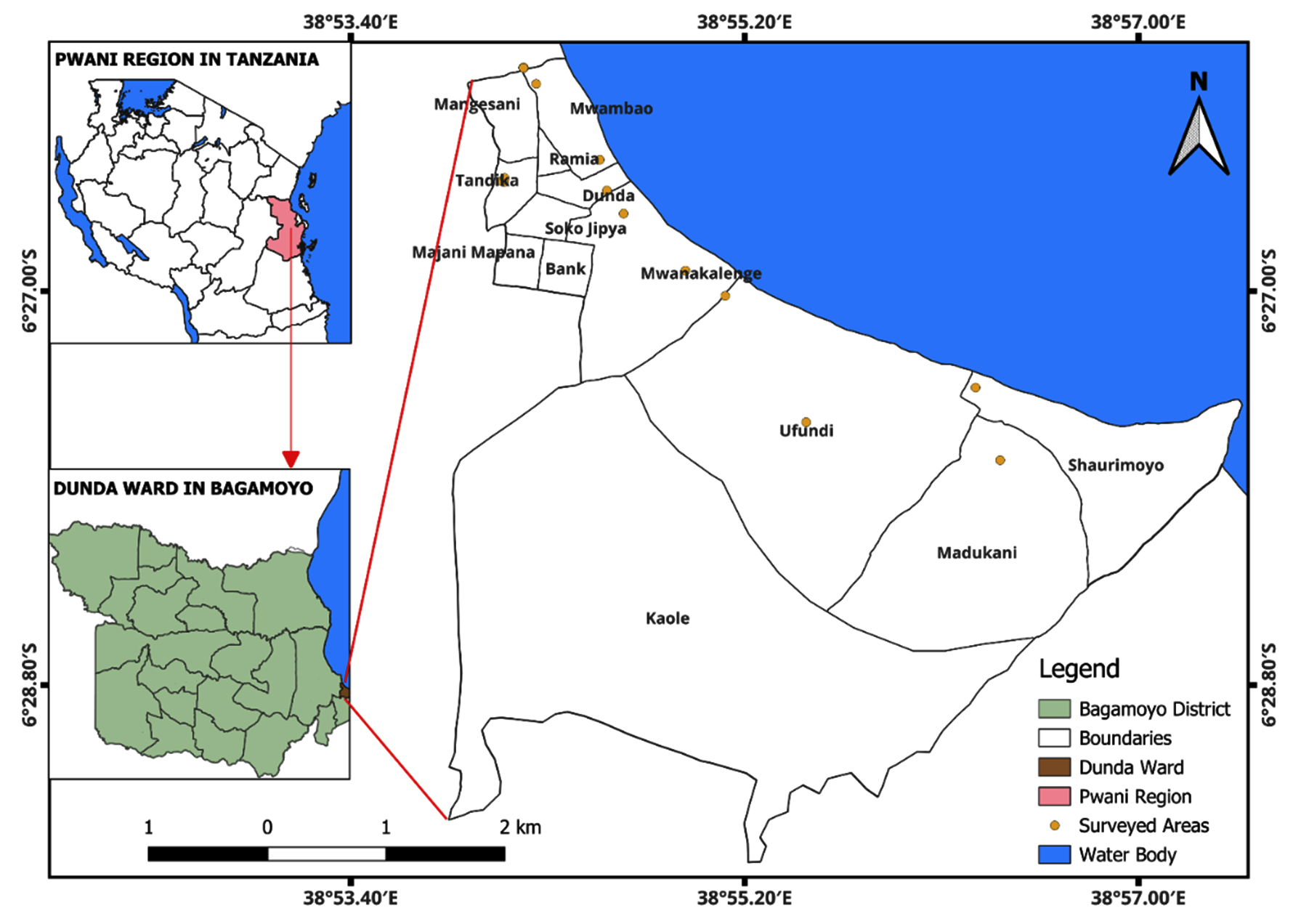
Figure 1. Map of Tanzania showing Bagamoyo district and the Dunda ward study site (Source: QGIS v.3.36)
Data collection
Data were collected between early January and late March 2025 using a semi-structured questionnaire and microbial analysis in anchovies. The sample size was determined using Fisher’s formula.20,21 In this regard, the study population consisted of 422 small-scale anchovy processors in Dunda Ward who were actively involved in handling, processing, and preserving anchovies using traditional methods. The questionnaire captured demographic and socioeconomic characteristics, as well as awareness, knowledge, and practices related to food safety and hygienic handling of anchovies. All questions were adapted from previous studies and modified to suit the context of small-scale anchovy processing.22
Anchovy samples were collected from a systematically selected subsample of 40 processors out of 305 eligible and consented respondents. This sampling approach followed Fowler23 guidance that small samples can provide reliable estimates in relatively homogeneous populations when resources are limited. Anchovy samples were collected at three stages of processing (Figure 2) reception, salt-boiling, and sun-drying. At each stage, 50 g of anchovies were aseptically collected in sterile bags, resulting in 120 samples in total. All samples were stored in a cool box, on ice at 4 °C, and immediately transported to the laboratory and stored at -20 °C pending microbiological analysis.
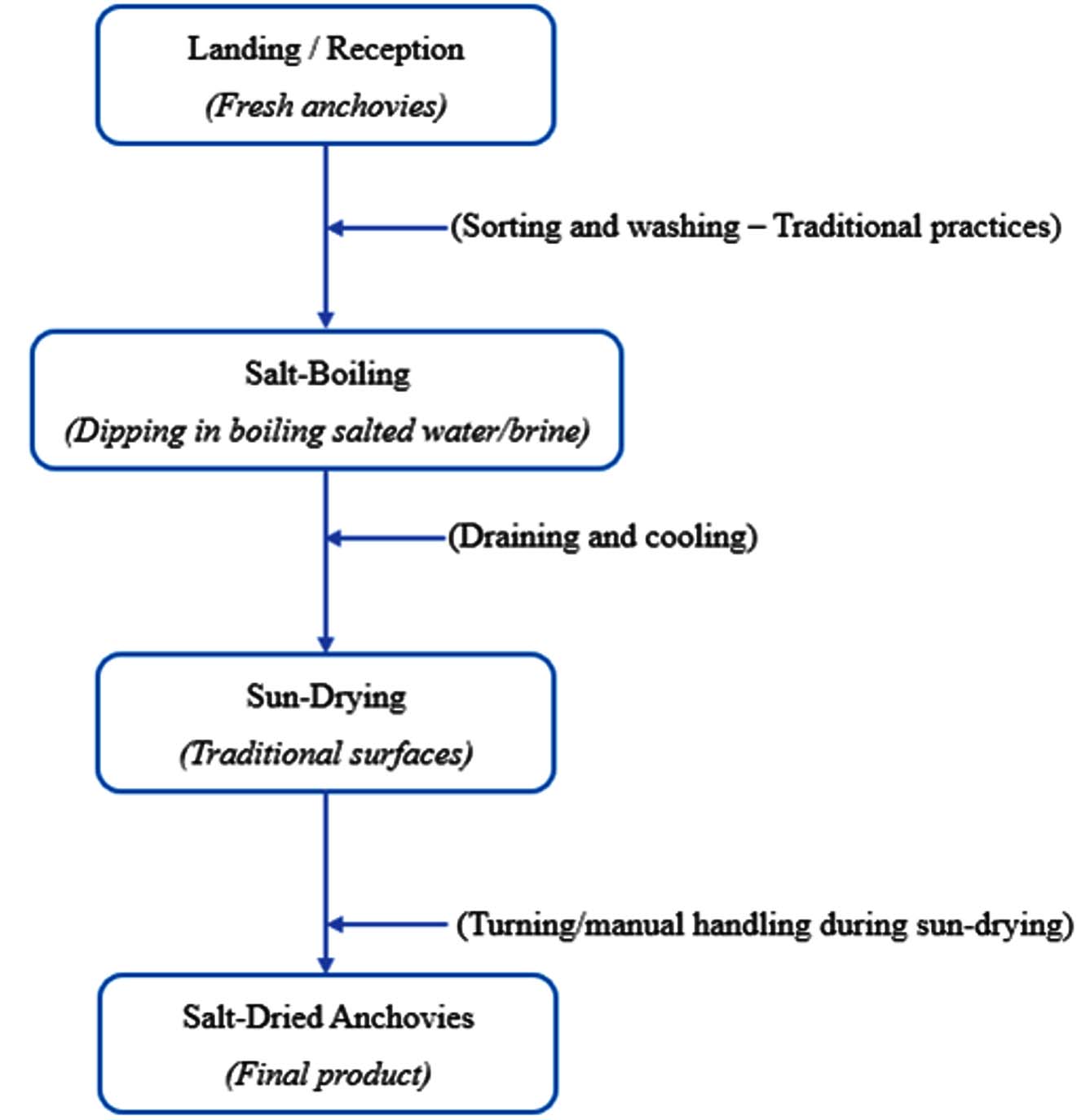
Figure 2. A schematic processing flow diagram illustrating the traditional anchovy production stages (reception, sorting, washing, salt-boiling, sun-drying)
Microbiological determination of anchovy
Microbiological analyses were conducted to detect and enumerate Salmonella spp., E. coli, S. aureus, and Total Plate Count (TPC). For each test, 5 g of anchovy sample was homogenized in 45 mL of Buffered Peptone Water (BPW) and incubated at 37 °C for 24 hrs. Specific procedures for each organism are described below.
Detection of Salmonella spp.
Salmonella spp. detection was performed qualitatively (presence/absence in 25 g) according to ISO 6579:2002/Amd 1:2007. Results below the Limit of Detection (LOD) were reported as not detected (<LOD).
Detection and enumeration of Escherichia coli
Enumeration of Escherichia coli was performed using direct plating from serial dilutions of the original homogenate prepared in Buffered Peptone Water (BPW) following ISO 7251:2005 and ISO 16649-2:2001. Appropriate dilutions were plated onto MacConkey agar (HiMedia, India) and incubated at 37 °C for 24 hrs. Lactose-fermenting colonies were confirmed using Triple Sugar Iron agar. Results were expressed as CFU/g.
Detection and enumeration of Staphylococcus aureus
Enumeration of Staphylococcus aureus was carried out using direct plating from serial dilutions of the original homogenate, following ISO 6888-1:1999. Dilutions were plated onto appropriate selective media and incubated at 37 °C for 24 hrs. Presumptive colonies were confirmed using catalase and coagulase tests, and results were expressed as CFU/g.
Total Plate Count (TPC)
Total Plate Count was determined following ISO 4833-1:2013 using the pour-plate technique on Plate Count Agar (HiMedia, India). One milliliter of appropriate serial dilutions was plated and incubated at 30 °C for 48 hrs. All colonies were counted and expressed as CFU/g.
Data analysis
Quantitative data from the questionnaire were coded and analysed using SPSS Version 28.01. Descriptive statistics, including frequencies, percentages, and measures of central tendency, were employed to summarize respondents’ demographic variables and knowledge of food safety practices. Bivariate analysis using the Chi-square test was conducted to examine associations between socio-demographic variables and food safety behaviours among processors. Microbial analysis data were compiled in Microsoft Excel and subsequently analysed in SPSS Version 28.01. Kruskal-Wallis test, a non-parametric alternative to ANOVA, was employed to assess differences in microbial contamination levels across the processing stages. Adjustments for tied ranks were applied to ensure accuracy in determining statistical significance.
Ethical consideration
The ethical clearance was sought from the Tanzania Fisheries Research Institute (TAFIRI) Review board with reference number BA.17/256/01/06. Prior to data collection, the Bagamoyo District Council granted the necessary research permit for the targeted area, and participants were informed about the study’s objectives and sought for their consent to participate.
Demographic characteristics of the small-scale anchovy processors
Table 1 summarizes the demographic characteristics of 305 respondents involved in traditional anchovy processing, based on questionnaire surveys conducted in the study area. The majority of respondents were male (65%), with most belonging to the economically active age groups of 26-35 years (33%), with only a small proportion above 55 years (3%). In terms of marital status, more than 50% of processors were married, while 40%, 6%, and 1% were single, divorced, and widowed, respectively. Regarding working experience, 43% had been involved in anchovy processing for 1-5 years, 34% for 6-10 years, 12% for more than 10 years, and 11% for less than a year. Education levels varied, though the majority had completed primary education (35%) or ordinary level (33%), with fewer reporting vocational training or informal education.
Table (1):
Demographic characteristics of traditional anchovy processors based on the household survey in the study area
| Variable | Category | Response (%) |
|---|---|---|
| Gender | Female | 106 (35) |
| Male | 199 (65) | |
| Age group | 18-25 | 62 (20) |
| 26-35 | 101 (33) | |
| 36-45 | 99 (32) | |
| 46-55 | 34 (11) | |
| Above 55 Years | 9 (3) | |
| Marital status | Single | 121 (40) |
| Married | 160 (52) | |
| Divorced | 17 (6) | |
| Widow | 3 (1) | |
| Widower | 4 (1) | |
| Experience (Year) | <1 | 34 (11) |
| 1-5 | 132 (43) | |
| 6-10 | 103 (34) | |
| >10 | 36 (12) | |
| Educational level | No schooling | 36 (12) |
| Primary | 108 (35) | |
| Ordinary | 102 (33) | |
| Advanced | 16 (5) | |
| Vocational training (College) | 43 (14) |
Processors’ knowledge and practices related to food safety
The level of awareness among small-scale anchovy processors regarding proper handling practices was assessed, and the results are presented in Table 2. Findings revealed that the majority of the processors (62%) were unaware of appropriate handling practices, while only 38% demonstrated knowledge of such practices. Awareness of specific practices varied, with the use of non-portable water cited most frequently (12%). On the other hand, the study assessed formal training in anchovy processing and their awareness of existing food safety regulatory authorities. Results indicated that most respondents (81%) had not received any formal training, whereas 19% reported having received some formal training. Furthermore, considerable variation was observed in food safety knowledge, particularly on how processors assessed quality parameters at reception.
Table (2):
Awareness of small-scale anchovy processors on handling and processing practices and food safety in Bagamoyo (N = 305)
| Variable | Category | Response(%) |
|---|---|---|
| General handling and processing practices Specific practices | Aware | 115 (38) |
| Unaware | 190 (62) | |
| Non-portable water for processing | 38 (12) | |
| Unwashed hands | 11 (4) | |
| Unclean equipment | 6 (2) | |
| Unclean processing areas | 6 (2) | |
| Unclean surface for drying | 9 (3) | |
| Combination of practices | Non-portable water + Unwashed hands | 7 (2) |
| Non-portable water + Dirty processing areas | 18 (6) | |
| Non-portable water + Unclean equipment | 5 (2) | |
| Non-portable water + Unwashed hands + Unclean equipment | 15 (5) | |
| Formal training in processing | No | 247 (81) |
| Yes | 58 (19) | |
| Awareness of the food safety regulatory authority | No | 123 (40) |
| Yes | 182 (60) |
Furthermore, the study examined quality parameters and causes of quality deterioration among anchovy processors. Results revealed that 38% identified freshness and size as the primary anchovy quality parameters, whereas 22% considered additional attributes such as texture and odour (Table 3). These findings highlight inconsistencies in the criteria applied for quality assessment. With respect to the causes of quality deterioration, 32% of anchovy processors attributed quality loss to prolonged storage prior to processing, whereas 23% identified adverse environmental conditions as the primary cause. In addition, 27% recognized a combination of both environmental conditions and pre-processing delays as contributing causes. These findings highlight the compounded effects of inadequate handling, suboptimal storage, and unfavourable environmental conditions on product integrity. Notably, 18% of processors were not aware of the causes of quality deterioration, highlighting a critical knowledge gap that may impede the adoption of effective quality control measures (Table 3).
Table (3):
Food safety knowledge and cause of quality deterioration among anchovy processors (N = 305)
| Variables | Categories | Response (%) |
|---|---|---|
| Quality Parameter Category | Freshness | 32 (10) |
| Freshness + Size | 116 (38) | |
| Size | 13 (4) | |
| Size + Texture + Odor | 67 (22) | |
| Texture | 11 (4) | |
| Texture + Colour + Odor + Size | 66 (22) | |
| Causes of Quality Deterioration | Environmental conditions | 69 (23) |
| Pre-processing delay | 98 (32) | |
| Environmental conditions and pre-processing delay | 84 (27) | |
| I don’t know | 54 (18) |
Microbiological analysis of fresh, salt-boiled, and sun-dried anchovies
Results on the microbial quality of fresh, salt-boiled, and sun-dried anchovies are summarized in Table 4. Results indicated that Salmonella spp. were not detected (<LOD) in any of the anchovy samples across the processing stages. Escherichia coli was detected in 20% of anchovies with a mean count of 1.43 × 10⁵ CFU/g (range: 4.0 × 10⁴-2.2 × 10⁵ CFU/g), exceeding the acceptable limit of absence in 1 g. Staphylococcus aureus was found in 68% of anchovies with a mean count of 8.35 × 10³ CFU/g (range: 3.0 × 10³-9.0 × 10³ CFU/g), surpassing the permissible limit of ≤2 × 10³ CFU/g. The total plate count (TPC) was present in all anchovy samples with a mean of 1.56 × 10⁶ CFU/g (range: 1.3 × 10⁶-2.1 × 10⁶ CFU/g), reflecting a significant microbial load despite the absence of a defined limit. The presence of E. coli in salt-boiled anchovies with a mean count of 1.73 × 10⁵ CFU/g (range: 6.0 × 10⁴-1.8 × 10⁵ CFU/g), and S. aureus in all anchovy samples with a mean count of 7.93 × 10³ CFU/g (range: 1.0 × 10³-8.9 × 10³ CFU/g); both exceeded standard limits set by Tanzania Bureau of Standards (TBS) and Codex Alimentarius.22,24 The TPC in salt-boiled anchovies averaged 1.14 × 10⁶ CFU/g (range: 7.0 × 10⁵-1.4 × 10⁶ CFU/g), indicating a high microbial load.
On the other hand, E. coli was detected in 20% of sun-dried anchovies with a mean count of 3.75 × 10⁴ CFU/g (range: 1.0 × 10⁴-5.0 × 10⁴ CFU/g). Further, S. aureus was present in all sun-dried anchovies with a mean of 2.48 × 10³ CFU/g (range: 8.0 × 10²-3.0 × 10³ CFU/g), slightly above the acceptable limit, and TPC averaged 5.75 × 10⁵ CFU/g (range: 3.0 × 10⁵-9.0 × 10⁵ CFU/g), signifying persistently high microbial counts across all processing stages (Table 4).
Table (4):
Microbial analysis of fresh, salt-boiled and sun-dried anchovy samples
| Microbial Indicator | Detection, n (%) | Mean (range), CFU/g | TBS Standard (TZS 1807:2016) | International Standard (Codex) |
|---|---|---|---|---|
| Fresh anchovy | ||||
| Salmonella spp. | Not detecteda | – | Absent in 25 g | Absent in 25 g |
| E. coli | 24 (20) | 1.43 × 10⁵ (4.0 × 10⁴-2.2 × 10⁵) | Absent in 1 g | Absent in 1 g |
| S. aureus | 82 (68) | 8.35 × 10³ (3.0 × 10³-9.0 × 10³) | ≤2 × 10³ CFU/g | ≤2 × 10³ CFU/g |
| TPC | 120 (100) | 1.56 × 10⁶ (1.3 × 10⁶-2.1 × 10⁶) | No fixed limit | No fixed limit |
| Salt-boiled anchovy | ||||
| Salmonella spp. | Not detecteda | – | Absent in 25 g | Absent in 25 g |
| E. coli | 66 (55) | 1.73 × 10⁵ (6.0 × 10⁴-1.8 × 10⁵) | Absent in 1 g | Absent in 1 g |
| S. aureus | 120 (100) | 7.93 × 10³ (1.0 × 10³-8.9 × 10³) | ≤2 × 10³ CFU/g | ≤2 × 10³ CFU/g |
| TPC | 120 (100) | 1.14 × 10⁶ (7.0 × 10⁵-1.4 × 10⁶) | No fixed limit | No fixed limit |
| Sun-dried anchovy | ||||
| Salmonella spp. | Not detecteda | – | Absent in 25 g | Absent in 25 g |
| E. coli | 24 (20) | 3.75 × 10⁴ (1.0 × 10⁴-5.0 × 10⁴) | Absent in 1 g | Absent in 1 g |
| S. aureus | 120 (100) | 2.48 × 10³ (8.0 × 10²-3.0 × 10³) | ≤2 × 10³ CFU/g | ≤2 × 10³ CFU/g |
| TPC | 120 (100) | 5.75 × 10⁵ (3.0 × 10⁵-9.0 × 10⁵) | No fixed limit | No fixed limit |
a Indicates below the limit of detection (<LOD); – Indicates that the mean count in not applicable. The LOD for Salmonella spp. is 1 CFU per 25 g of sample, for E. coli, S. aureus, and TPC is 1.0 × 10 CFU/g
Furthermore, differences in microbial distribution across processing stages were analysed using Kruskal-Wallis test. Results indicated that E. coli (p = 0.000065), S. aureus (p = 0.000088) and TPC (p = 0.000012) varied significantly between fresh, boiled and sun-dried stages (Figure 3). Salmonella spp. was excluded from the analysis as; no variation was observed across anchovy processing stages.
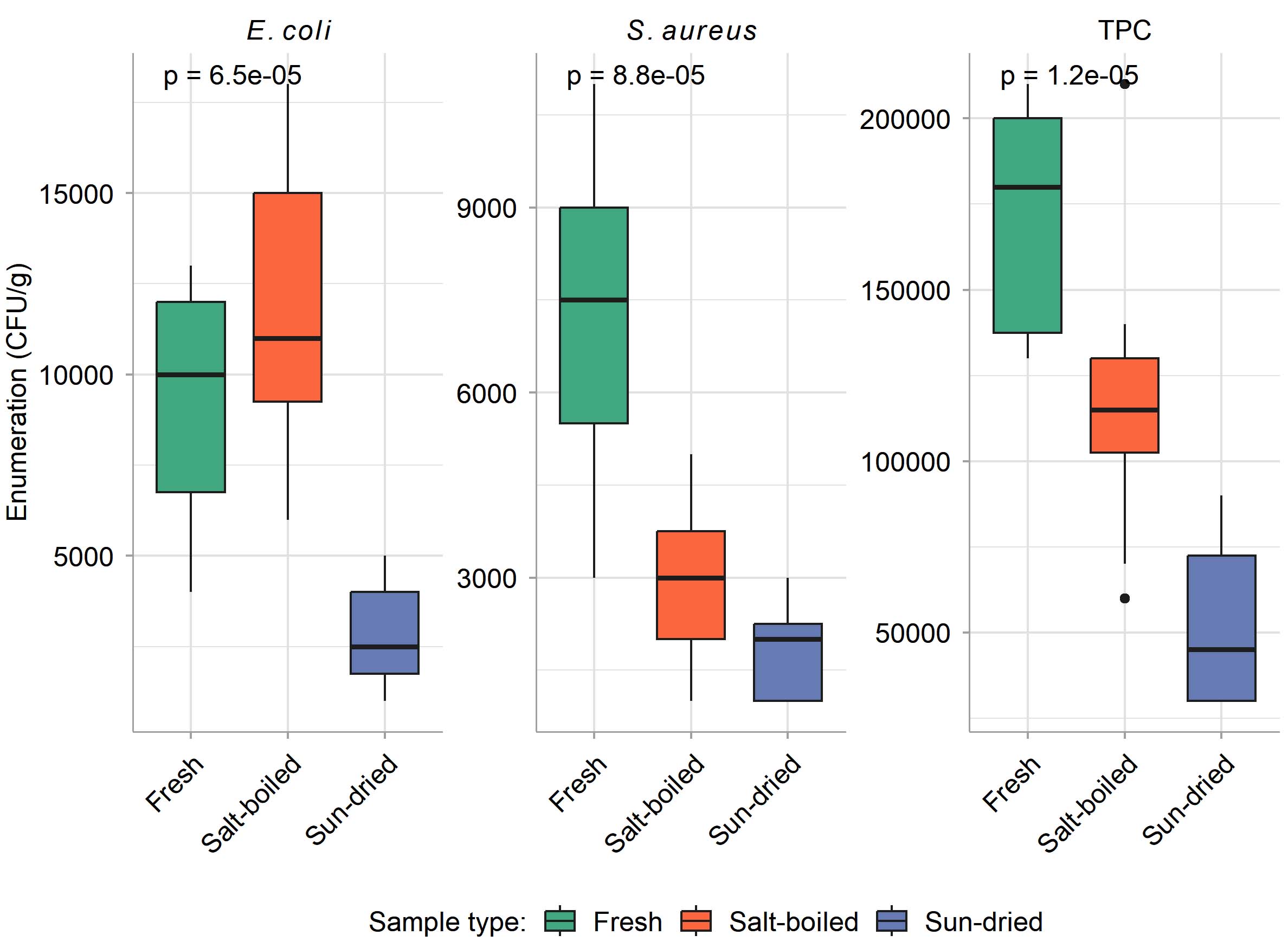
Figure 3. The differences in microbial distribution (CFU/g) across anchovy processing stages for E. coli, S. aureus and TPC analyzed by the Kruskal-Wallis test (n = 3)
Relationship between demographic characteristics and knowledge of food safety awareness
Table 5 reveals associations between small-scale anchovy processors’ demographic characteristics and their level of awareness of food safety practices. Gender was only significantly associated with participation in formal training (χ² = 9.83, p = 0.022), but no association with awareness of handling practices or food safety regulations. On the other hand, education level was strongly associated (p < 0.01) with all three knowledge domains of awareness of proper handling practices, food safety regulations, and formal training receipt. In addition, no significant association was found between age and level of awareness of handling practices or regulations; however, it was positively linked to formal training participation (χ² = 17.89, p = 0.041). Further, no significant association between years of experience and awareness of handling practices (χ² = 23.66, p = 0.649) or food safety regulations (χ² = 5.56, p = 0.135), however, significant associations were observed with formal training on safety practices (χ² = 13.96, p = 0.003), quality checks (χ² = 60.46, p = 0.002), and understanding of causes of quality factors for deterioration (χ² = 38.87, p < 0.001).
Table (5):
Associations between demographic characteristics of anchovy processors and food safety awareness
| Variable | Category | Chi-square (χ²) | P-value |
|---|---|---|---|
| Gender | Awareness of handling practices | 12.45 | 0.214 |
| Awareness of regulations | 4.72 | 0.317 | |
| Formal training on safety practices | 9.83 | 0.022* | |
| Education level | Awareness of handling practices | 26.54 | 0.004* |
| Awareness of regulations | 19.33 | 0.009* | |
| Formal training on safety practices | 28.47 | 0.001* | |
| Age | Awareness of handling practices | 15.22 | 0.118 |
| Awareness of regulations | 11.76 | 0.239 | |
| Formal training on safety practices | 17.89 | 0.041* | |
| Years of Experience | Awareness of handling practices | 23.66 | 0.649 |
| Awareness of regulations | 5.56 | 0.135 | |
| Formal training on safety practices | 13.96 | 0.003* | |
| Quick quality checks | 60.46 | 0.002* | |
| Causative factors for quality deterioration | 38.87 | <0.001* |
Note * Indicates significant result
Relationship between processors’ handling practices and microbial contamination in anchovies
Spearman’s rank correlation analysis between food safety practices and microbial contamination across different anchovy processing stages (Table 6). Significant negative correlations were observed between handwashing practices and contamination by S. aureus across all processing stages (σ = -0.31 to -0.22, p < 0.05), indicating that poor hand hygiene increased microbial loads. Proper boiling and drying times were also negatively associated with contamination by S. aureus and TPC, suggesting their effectiveness in reducing microbial presence. In contrast, sorting of anchovies at reception showed a positive association with contamination by S. aureus and E. coli (p < 0.05), implying that sorting under unhygienic conditions may contribute to cross-contamination. Cleaning of processing equipment exhibited a weak to moderate negative correlation with S. aureus, E. coli, and TPC contamination, highlighting its role in maintaining hygienic conditions during processing. These findings suggest that improved hygiene and adequate processing times are critical for reducing microbial contamination in anchovy handling and processing (Table 6).
Table (6):
Relationship between food handling practices and microbial contamination of anchovies
| Microbes | Food Safety Practice | Anchovy Processing Stages | |||||
|---|---|---|---|---|---|---|---|
| Fresh | Salt-boiled | Sun-dried | |||||
| ρ | P–value | ρ | P–value | ρ | P–value | ||
| S. aureus | Hand washing | -0.31 | 0.006 | -0.28 | 0.018 | -0.22 | 0.039 |
| Sorting | 0.19 | 0.062 | 0.24 | 0.044 | 0.25 | 0.042 | |
| Cleaning processing equipment | -0.12 | 0.098 | -0.14 | 0.091 | -0.21 | 0.05 | |
| Boiling time | -0.35 | 0.002 | -0.18 | 0.027 | |||
| Drying time | -0.2 | 0.044 | |||||
| E. coli | Hand washing | -0.03 | 0.091 | -0.27 | 0.101 | 0.26 | 0.01 |
| Sorting | 0.21 | 0.034 | 0.09 | 0.091 | 0.09 | 0.091 | |
| Cleaning processing equipment | 0.17 | 0.066 | -0.28 | 0.028 | -0.2 | 0.053 | |
| Boiling time | 0.36 | 0.002 | -0.22 | 0.014 | |||
| Drying time | 0.14 | 0.076 | |||||
| TPC | Hand washing | -0.08 | 0.082 | -0.25 | 0.016 | -0.19 | 0.085 |
| Sorting | 0.2 | 0.078 | 0.21 | 0.057 | 0.22 | 0.059 | |
| Cleaning processing equipment | -0.3 | 0.032 | -0.16 | 0.07 | 0.31 | 0.023 | |
| Boiling time | -0.18 | 0.033 | -0.15 | 0.041 | |||
| Drying time | -0.28 | 0.026 | |||||
Knowledge of food safety practices among small-scale anchovy processors
The findings from the study show that food safety practices among anchovy processors are shaped by different factors, including years of working experience and education level. A better understanding of how processors perceive and apply food safety measures is an important step toward improving the quality of traditionally processed anchovies and reducing the risk of disease-causing microbial contamination.11,12 However, the level of influence of these factors varied and was associated with different reasons and implications. Despite the majority of processors having 1-10 years of experience, unsafe handling practices remained prevalent. This implies that experience alone does not ensure adherence food safety practices in the absence of structured training programs. This finding is aligns with observations from other parts of East Africa, where experience has been shown to influence awareness of food safety practices but not necessarily adherence to the established food safety standards.25
Most of the processors appeared to have closely related levels of education, and hence, low literacy emerged as a major barrier to compliance. This may lead to limitations in understanding and adoption of food safety guidelines. Literacy levels have been reported to impede awareness of national food hygiene codes in other countries, like Namibia and Nigeria.26,27 Further, predominance of males in processing as revealed in the current study contrasted sharply with women’s central role in post-harvest hygiene, underscoring the importance of gender-sensitive interventions. Similar studies have demonstrated that empowering women enhances compliance and accountability in small-scale fisheries.28,29
Despite the centrality of hygiene to food safety, awareness levels were generally low, with only 38% of respondents with basic knowledge of safe food handling, whereas 62% lacked awareness entirely (Table 2). Even among the informed group, knowledge remained fragmented, with only a minority able to recognize contaminated water, unsanitary environments, or inadequate hand hygiene as sources of risk. This finding is consistent with the present study, in which unhygienic processing of anchovies characterized by the use of unclean water and tools was observed, and may have contributed to elevated contamination levels.30-32 Further the lack of formal training in processing (81%) perpetuated dependence on traditional practices such as manual sorting, washing, salt-boiling, and sun-drying. These techniques, while deeply rooted in local livelihoods, are frequently applied without standardization, which compromises product safety. Similar patterns have been documented among artisanal processors in Oman and Mali.33-35
Despite the presence of regulatory institutions in ensuring food safety, 40% of processors reported being unaware of their role in fish safety regulation. Limited engagement between processors and regulators appears to contribute to persistent non-compliance, a pattern consistent with observation in other informal fishery sectors.36 Overall, the evidence indicates that socio-demographic barriers, inadequate training, and weak institutional linkages collectively contribute to unsafe handling practices.
Microbial contamination in anchovies
Deficiencies in food safety awareness associated with measurable microbial risks across all processing stages. Since Salmonella spp. were not detected from all anchovy samples, this indicates that both the harvesting and processing environment contamination could be well below the detection limit (LOD), corroborating with the findings of Pamuk and Siriken,37 and further suggesting that both water and equipment associated contamination could not be reliably established. Nevertheless, significant contamination with E. coli was detected in 20% (mean: 1.43 × 10⁵ CFU/g) and S. aureus in 68% (mean: 8.35 × 10³ CFU/g). The elevated total plate count (1.56 × 10⁶ CFU/g) exceeding the acceptable range of 1.0 × 10⁵-1.0 × 10⁶ CFU/g,22 further reflected deficiencies in handling hygiene and limited shelf life, consistent with previous studies that link microbial contamination to the use of unsafe water, unclean utensils, and unhygienic processing conditions.32,38-42
Although boiling markedly reduced microbial loads in anchovies, complete decontamination was not achieved. More than half of the salt-boiled samples (55%) remained positive for E. coli, and a proportional retained S. aureus, a human-associated pathogen frequently linked to inadequate personal hygiene among fish processors.12,41 The persistence of S. aureus likely reflects contamination or recontamination via skin contact, respiratory droplets, or ungloved handling, while its survival after boiling may be attributed to cross-contamination or insufficient heating, given the absence of temperature control and inconsistent application of heat.38,43 The continual presence of S. aureus, a pathogen known for producing heat resistant enterotoxins that are responsible for causing staphylococcal food poisoning, poses a significant health concerns to anchovy consumers. Similarly, the continued detection of E. coli indicates fecal contamination originating from hands, water, utensils, or inadequate evisceration of raw fish. Its persistence post-boiling suggests cross-contamination from shared utensils or surfaces, consistent with findings reported in a study from Ethiopia.12 Sun-dried anchovies showed partial microbial compliance; however, contamination levels exceeded acceptable limits for E. coli (20% positive, mean: 3.75 × 10⁴ CFU/g) and S. aureus (mean: 2.48 × 10³ CFU/g), alongside elevated total plate counts (5.75 × 10⁵ CFU/g) which were below the maximum hygienically accepted limit of 1.0 × 10⁶ CFU/g.22,38,40,44 Nevertheless, these results should be interpreted with caution since the low temperature during transportation and freezing process during storage of samples could have impacted bacteria viability.
Across processing stages, E. coli levels declined significantly following boiling and drying (p = 0.003 and p = 0.015, respectively), indicating that thermal treatments provide partial microbial control as post-processing recontamination may still occur. In contrast, S. aureus persisted due to its salt tolerance and heat stability, consistent with patterns reported in artisanal fisheries in Asia and Africa.35,41 Although anchovy processing experience enhanced processors’ practical knowledge of fish quality assessment, it was not statistically associated with reduced contamination levels (χ² = 23.660, p = 0.649), underscoring that microbial safety is influenced more by processing parameters than tenure.36,41,43 These findings underscore hygiene practices and process control as critical determinants of anchovy safety. Consistent with Asefa and Tsige11 and Birie et al.,12 proper handwashing and equipment sanitation substantially reduced microbial loads, emphasizing hygiene as the primary barrier to contamination. Furthermore, the observed negative correlations between prolonged boiling and drying durations and microbial counts underscore the importance of time-temperature management in microbial inactivation.10,22 Conversely, positive associations between sorting practices and contamination likely reflect recontamination during post-processing handling, a recurrent challenge in small-scale operations.10,18 The diffuse contamination patterns of E. coli further suggest intermittent hygiene lapses across multiple handling points rather than a single source, corroborating the observations of Abebe et al.17
Overall, these results affirm that poor hygienic practices, inconsistent processing, and the absence of standardized protocols constitute major microbial risk factors in artisanal fisheries.6,25 Addressing these challenges necessitates structured sanitation training, handling and processing procedures, and strict adherence to the Good Hygiene Practices (GHP). Strengthening hygiene practices and regulatory monitoring is therefore essential to safeguard consumer health and ensure the sustainability of the anchovy industry.
Traditional anchovy processing methods and not preservation methods to be consistent, including salt-boiling and sun-drying, reduced microbial loads but failed to achieve complete decontamination, hence persistent contamination risks. Recontamination during sorting and post-processing highlights the vulnerability of artisanal processing systems and the absence of standardized protocols. These findings highlight the need for strengthened awareness on hygienic handling and processing of anchovies and microbial monitoring to safeguard consumer health, enhance product quality, and sustainability of anchovy sector within the blue economy.
ACKNOWLEDGMENTS
The authors express their sincere gratitude to all respondents who participated and contributed to this study.
CONFLICT OF INTEREST
The authors declare that there is no conflict of interest.
AUTHORS’ CONTRIBUTION
All authors listed have made a substantial, direct and intellectual contribution to the work, and approved it for publication.
FUNDING
This study was funded by the Government of the United Republic of Tanzania through the Vice President’s Office (VPO) Employee Development Program.
DATA AVAILABILITY
The datasets generated and/or analysed during the current study are available from the corresponding author on reasonable request.
ETHICS STATEMENT
This study was approved by the Tanzania Fisheries Research Institute (TAFIRI) with reference number BA.17/256/01/06. Formal permission to conduct the study was also obtained from the relevant local authorities.
INFORMED CONSENT
Written informed consent was obtained from the participants before enrolling in the study.
- Abraha B, Samuel M, Mohammud A, Habte-Tsion H, Admassu H, Al-Hajj NQM. A comparative study on quality of dried anchovy (Stelophorus heterolobus) using open sun rack and solar tent drying methods. Turk J Fish Aquat Sci. 2017;17(6):1107-1115.
Crossref - Rajan PT. Marine fishery resources and species diversity of tropical waters. In: Sivaperuman C, Velmurugan A, Singh AK, Jaisankar I, eds. Biodiversity and Climate Change Adaptation in Tropical Islands. Academic Press; 2018:323-354.
Crossref - Food and Agriculture Organization of the United Nations. The State of World Fisheries and Aquaculture 2022. FAO; 2022.
Crossref - Kusumaningtyas RW, Laily N, Sudiarti T. Nutritional and functional characterization of the anchovy (Stolephorus indicus) powder produced by conventional drying and foam mat drying. BIO Web Conf. 2024;98:01001.
Crossref - Karsli B, Ogretmen OY, Emanet M. Proximate composition, fatty acid characteristics, and amino acid profile of European anchovy (Engraulis encrasicolus L. 1758): monthly and seasonal influences. Front Nutr. 2025;12:1684958.
Crossref - Fabiani G, Chauka LJ, Muhando CA. Population characteristics of selected small pelagic fish species along the Tanzanian coast. Tanzania J Sci. 2022;48(3):585-595.
Crossref - Ibengwe L, Kristofersson D. Reducing post-harvest losses of dagaa in Lake Victoria: a cost-benefit analysis. In: IIFET Proceedings. 2012:1-12. Acessed September 2025. https://www.grocentre.is/static/gro/publication/218/document/lilian10_prf.pdf
- United Republic of Tanzania. The Fisheries Sector Master Plan (2021/22–2036/37); 2022. Acesses September 2025. https://faolex.fao.org/docs/pdf/tan209310.pdf
- Lamidi RO, Jiang L, Pathare PB, Wang YD, Roskilly AP. Recent advances in sustainable drying of agricultural produce: a review. Appl Energy. 2019;233-234:367-385.
Crossref - Solanki JB. Different types of fish drying methods in Gujarat. Int J Fish Aquat Stud. 2020;8(1):131-134.
- Asefa Bezuayehu Gutema, Fikadu Hailemichael. Microbial Quality of Traditionally Dried Fish Products from Selected Parts of Ethiopia. Front Environ Microbiol. 2021;7(1):1-5.
Crossref - Birie S, Mingist M, Kibret M, Atlog TY, Geremew H, Getnet B. Proximate composition, microbiological quality and safety of raw and open sun-dried fish products in Lake Tana, Ethiopia. Food Sci Nutr. 2024;13(1):e4671.
Crossref - Al Banna MH, Hoque MS, Tamanna F, et al. Nutritional, microbial and various quality aspects of common dried fish from commercial fish drying centers in Bangladesh. Heliyon. 2022;8(10):e10830.
Crossref - Mwasulama NE, Kussaga JB, Tiisekwa BPM. Handling practices and microbiological quality of kayabo—salted sun-dried Nile perch (Lates niloticus). Afr J Food Sci. 2021;15(3):81-91.
Crossref - Nassor Mohamed Z, Issa-Zacharia A, Nyamete F. Microbiological quality of rabbit fish (Siganus sutor) and food safety practices of fish handlers from selected landing sites in Zanzibar. Int J Microbiol Biotechnol. 2023;8(4):98-109.
Crossref - Mumbo MT, Nyaboga EN, Kinyua JK, et al. Antimicrobial resistance profiles of Salmonella spp and Escherichia coli isolated from fresh Nile tilapia (Oreochromis niloticus) marketed for human consumption. BMC Microbiol. 2023;23(1):306.
Crossref - Abebe E, Gugsa G, Ahmed M. Review on major foodborne zoonotic bacterial pathogens. J Trop Med. 2020;2020:4674235.
Crossref - Baniga Z, Dalsgaard A, Mhongole OJ, Madsen H, Mdegela RH. Microbial quality and safety of fresh and dried Rastrineobola argentea from Lake Victoria, Tanzania. Food Control. 2017;81:16-22.
Crossref - National Bureau of Statistics. Population and Housing Census: Administrative Units Population Distribution Report. National Bureau of Statistics; 2022:79-83.
- Sharma SK, Mudgal SK, Thakur K, Gaur R. How to calculate sample size for observational and experimental nursing research studies? Natl J Physiol Pharm Pharmacol. 2019;9:1-5.
Crossref - Singh A, Masauku M. Fundamentals of applied research and sampling techniques. Int J Med Appl Sci. 2013;2(4):124-132.
- FAO/WHO Codex Alimentarius Commission. Code of Practice for Fish and Fishery Products. FAO; 2003. CAC/RCP 52-2003.
- Fowler FJ. Survey Research Methods. 5th ed. Sage Publications; 2014.
- Tanzania Bureau of Standards. Dried and Salted Dried Fish—Specification. TZS 1807:2016/EAS 828:2016. Tanzania Bureau of Standards; 2016.
- Kyule DN, Mburu SW, Munguti JM, et al. Food safety knowledge, attitudes and practices of fish handlers in Kirinyaga County markets, Kenya. Afr J Food Agric Nutr Dev. 2023;23(10):24940-24963.
Crossref - Shikongo-Nambabi MNNN, Shoolongela A, Schneider M. Control of bacterial contamination during marine fish processing. J Biol Life Sci. 2012;3(1):1-17.
Crossref - Adeyeye SAO, Oyewole OB. An overview of traditional fish smoking in Africa. J Culin Sci Technol. 2016;14(3):198-215.
Crossref - Randrianantoandro A, Ward A, Safa Barraza A. Gender and food loss in sustainable fish value chains in Africa. Sustainable Fish Value Chain Development Series No. 1. FAO; 2022.
Crossref - Said M, Kennedy N. Lukanga: Unlocking the blue economy for women: hygiene advocacy and empowerment in Tanzanian fisheries. Daily News Tanzania. Published 2018. Accessed October 23, 2025. https://dailynews.co.tz/lukanga-unlocking-blue-economy-for-women-2/
- Ekpetsi CB, Evi PL, Idoh K, Essodolom P, Eklu Gadegbeku K. Analysis of microbiological and chemical risks in fresh and smoked fishes sold in Togo. Int J Rural Dev Environ Health Res. 2020;4(6):242-248.
Crossref - Staff Report. Fishing for solutions: Zimbabwe’s acute fish shortage and Kenya’s efforts to boost production. The Farmer’s Journal Africa. Published April 15, 2023. Accessed September 2025. thefarmersjournal.com/fishing-for-solutions-zimbabwes-acute-fish-shortage-and-kenyas-efforts-to-boost-production/
- Verdos GI, Makrigiannis A, Tsigaras E, Boziaris IS. Survival of foodborne bacterial pathogens in traditional Mediterranean anchovy products. J Food Saf. 2018;39(1):e12576.
Crossref - Panghal A, Chhikara N, Sindhu N, Jaglan S. Role of food safety management systems in safe food production: a review. J Food Saf. 2018;38(4):e12464.
Crossref - Rasul MG, Yuan C, Shah AKMA. Chemical and microbiological hazards of dried fishes in Bangladesh: a food safety concern. Food Nutr Sci. 2020;11(6):523-539.
Crossref - Al-Saadi AK, Al-Ismaili AM, Al-Ruzeiki M, Al-Bulushi IM. Microbiological assessment of locally dried fish in Oman: technical note. J Agric Mar Sci. 2021;26(1):53-56.
Crossref - Sissoko A, Kwaku TD, Samake F, et al. Assessment of fresh fish value chain stakeholders’ food safety knowledge and practices at the Medina Coura market in Bamako, Mali. Int J Biol Chem Sci. 2023;17(4):1631-1642.
Crossref - Pamuk S, Siriken B. Prevalence, serotypes distribution and characterization of Salmonella in common carp (Cyprinus carpio), Afyonkarahisar Province, Turkey. Iran J Fish Sci. 2018;17(4):113-145.
Crossref - Lahou E, Jacxsens L, Daelman J, Van Landeghem F, Uyttendaele M. Microbiological performance of a food safety management system in a food service operation. J Food Prot. 2012;75(4):706-716.
Crossref - Muhame AM, Mugampoza E, Lubuulwa LL, Mutambuka M. Microbiological quality and safety assessment of sun-dried Rastrineobola argentea (Mukene) sold at selected landing sites of Lake Victoria and peri-urban Kampala City markets. Afr J Food Sci. 2020;14(6):154-160.
Crossref - Bhuvaneswari D, Koteswara B, Devivaraprasad AR, et al. Microbial quality evaluation of seafood samples from the Vishakhapatnam Coast, Andhra Pradesh, India. Arch Curr Res Int. 2023;23(7):168-172.
Crossref - Mishra SK. Microbiological environmental monitoring in food processing. Indian Food Ind Mag. 2021;3(2).
- Tahri L, Ribani N, Arifi K, et al. Hygienic control of fresh and semi-preserved anchovies in Rabat city in Morocco. AACL Bioflux. 2021;14(1):151-157.
- Bintsis T. Foodborne pathogens. AIMS Microbiol. 2017;3(3):529-563.
Crossref - Soon JM, Brazier AKM, Wallace CA. Determining common contributory factors in food safety incidents: a review of global outbreaks and recalls 2008–2018. Trends Food Sci Technol. 2020;97:76-87.
Crossref
© The Author(s) 2026. Open Access. This article is distributed under the terms of the Creative Commons Attribution 4.0 International License which permits unrestricted use, sharing, distribution, and reproduction in any medium, provided you give appropriate credit to the original author(s) and the source, provide a link to the Creative Commons license, and indicate if changes were made.